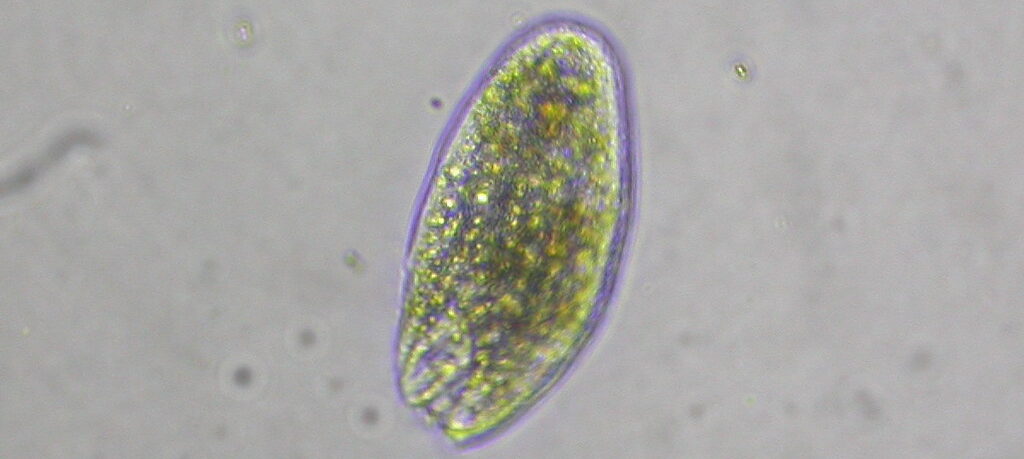
Protozoa Evolve
About 2 billion years ago, eukaryotic cells are defined by a membrane-bound nucleus and internal organelles. Their emergence created the structural foundation for complex life.


About 2 billion years ago, eukaryotic cells are defined by a membrane-bound nucleus and internal organelles. Their emergence created the structural foundation for complex life.

About 252 million years ago, needle-like leaves had become a defining adaptation of conifers, enabling survival and expansion in dry environments.
Pine Needles Evolve Read More »

About 145 million years ago, broad angiosperm leaves with reticulate venation evolved during the rise of flowering plants.
Modern Trees: Modern Leaves Read More »

Ginkgo represents an ancient seed-plant lineage going back 270 million years ago.
Ginkgo biloba-like Trees: True Leaves Read More »
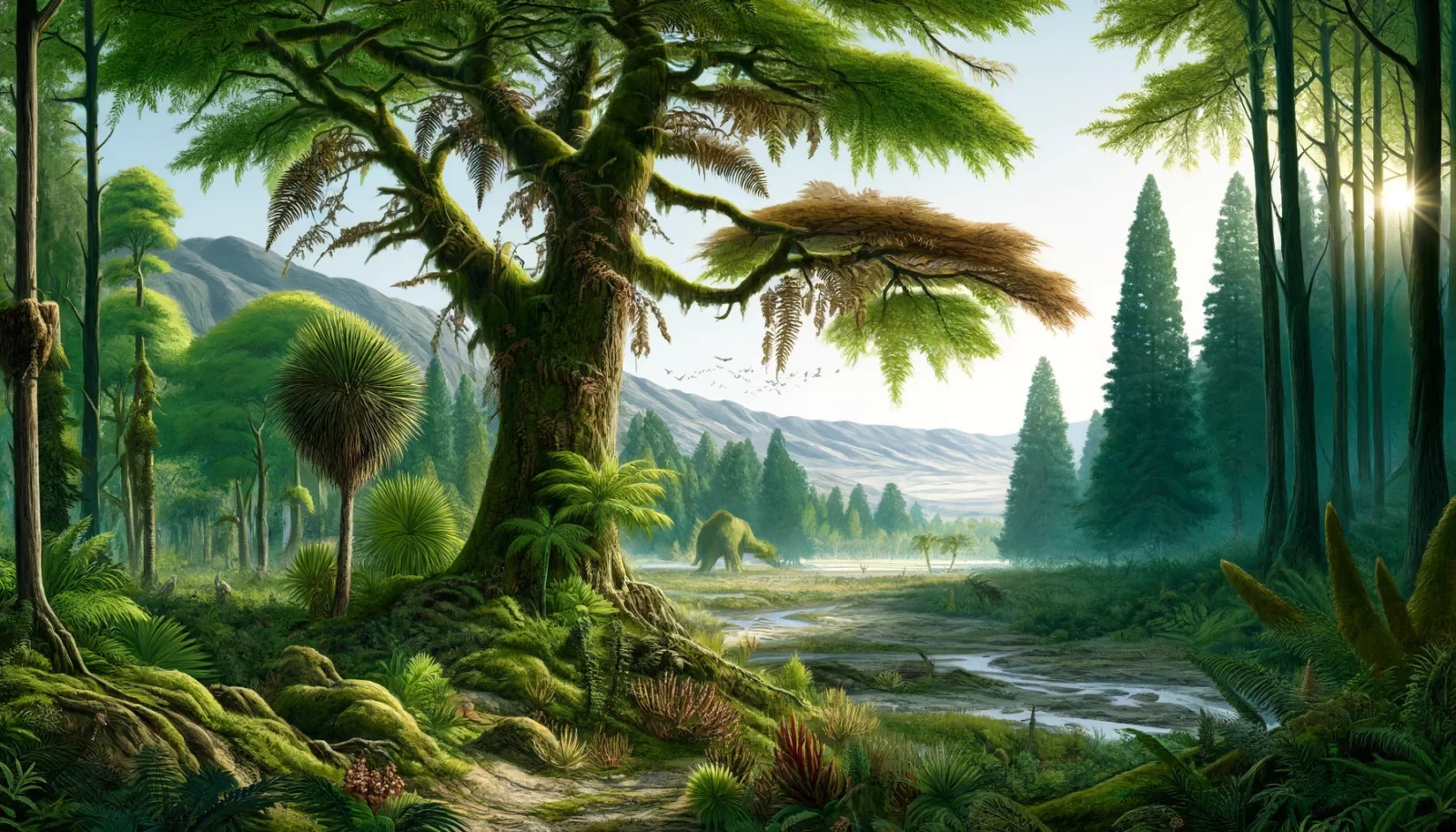
About 385 million years ago is when trees started to emerge, distinguished by their secondary growth wood and deep roots.
First True Trees: Spore Reproduction Read More »

About 2.4 billion years ago, Cyanobacteria “hacked” the sun to split water, releasing oxygen as a byproduct and triggering the first global environmental catastrophe and subsequent biological reset.
Great Oxidation Event: Third Atmosphere Read More »
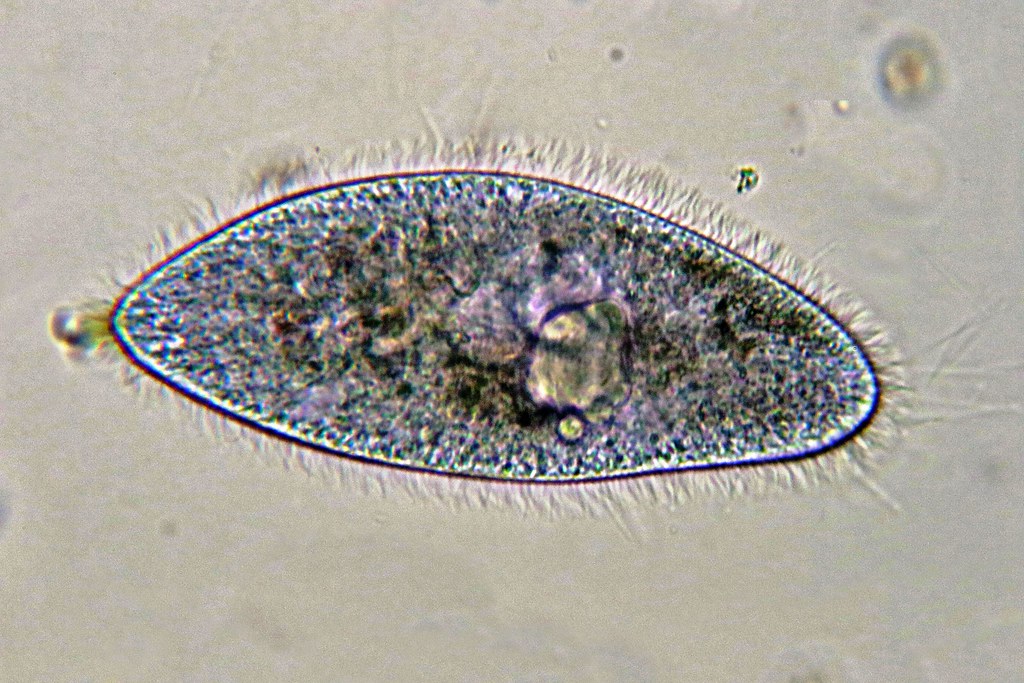
About 3.72 billion years ago, right after LUCA, when cells emerged, touch became the most ancient form of biological sensing: required to physically navigate reality.
Touch: Life Learns to Feel Force Read More »
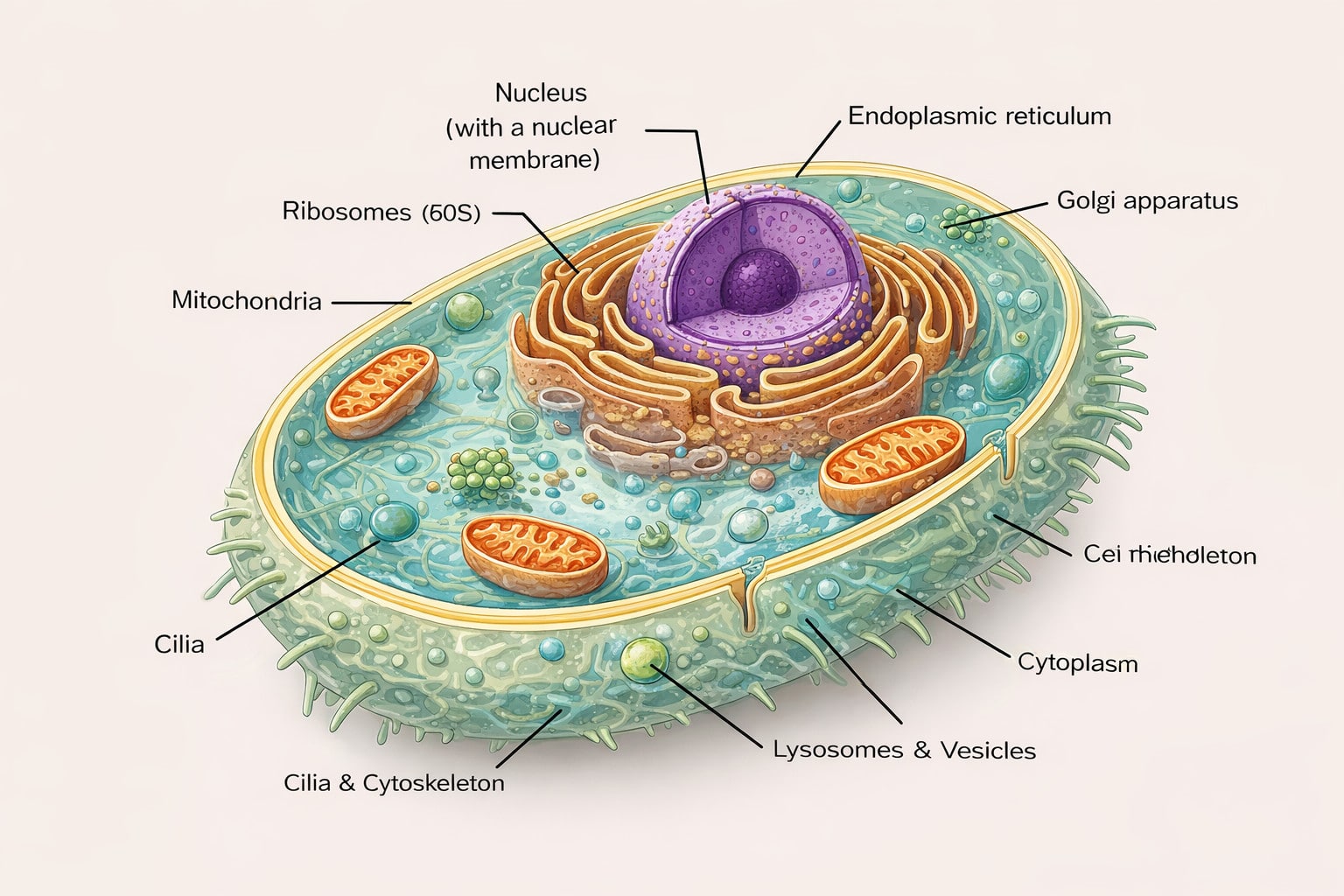
All life today are either Prokaryote or Eukaryote. Around 2 billion years ago, Eukaryotes evolved from Prokaryotes. The evolutionary leap to eukaryotes introduced cells with a nucleus and membrane-bound organelles, a complex architecture derived from prokaryotic predecessors through endosymbiosis. This process, crucial for eukaryotic evolution, involved the incorporation of prokaryotic cells into the cytoplasm of
The First True Eukaryotes Read More »
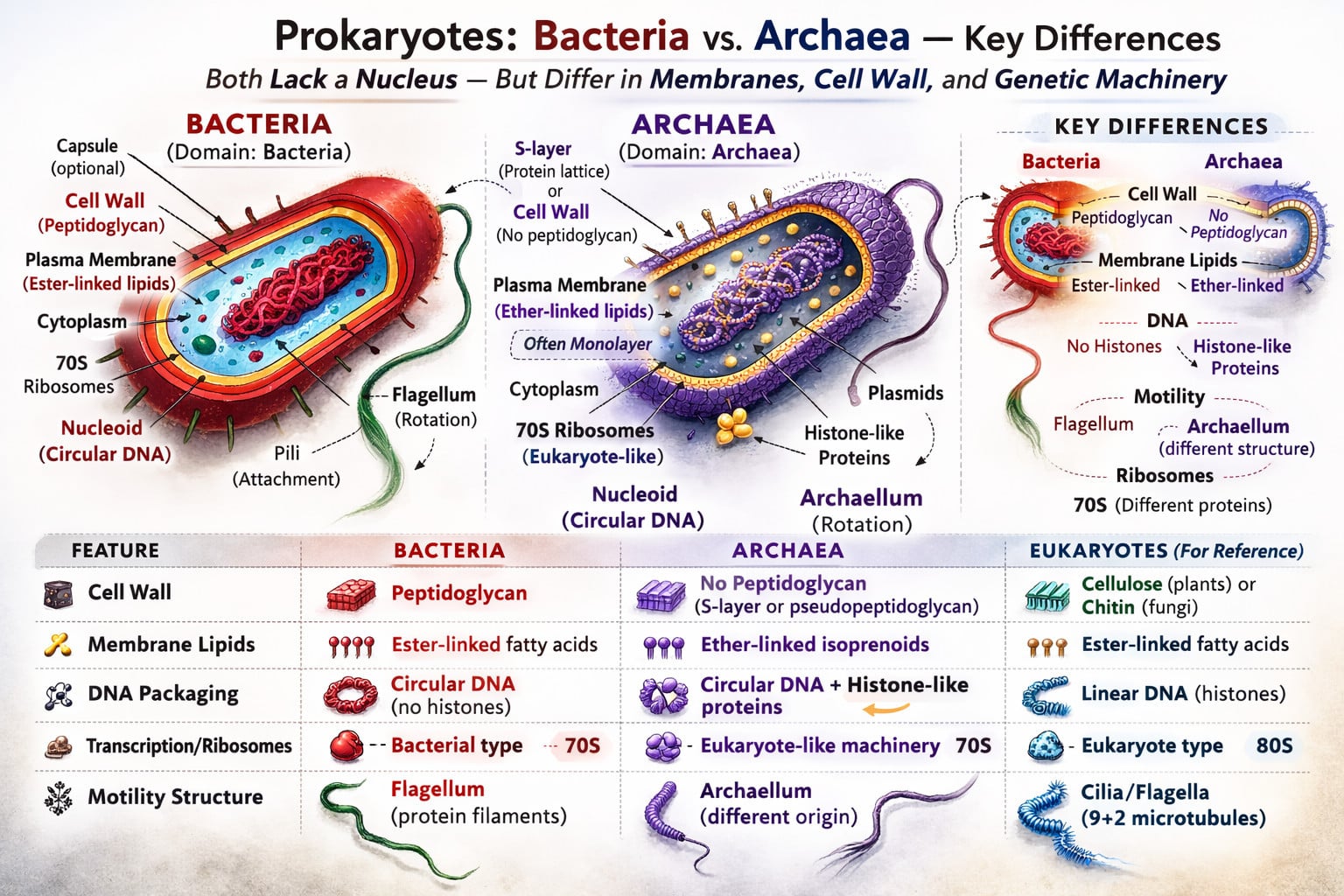
Prokaryotes are nucleus-free cells that include both bacteria and archaea — the two lineages that split shortly after LUCA.
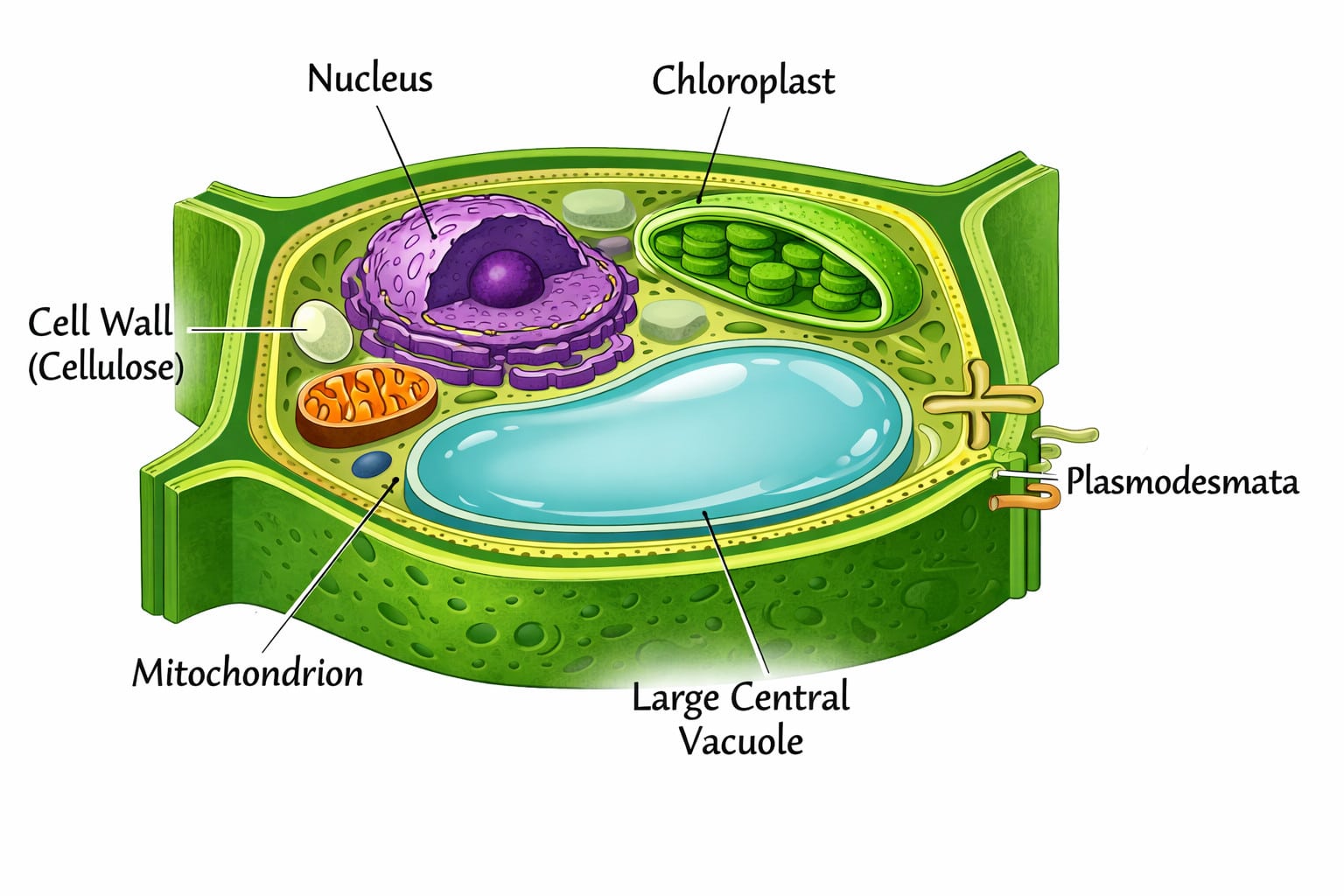
Around 1.65 billion years ago, major eukaryotic lineages diverged, setting the ancestral paths that would eventually lead to plants, fungi, and animals.
Plant Ancestors Split from Animal and Fungi Ancestors Read More »
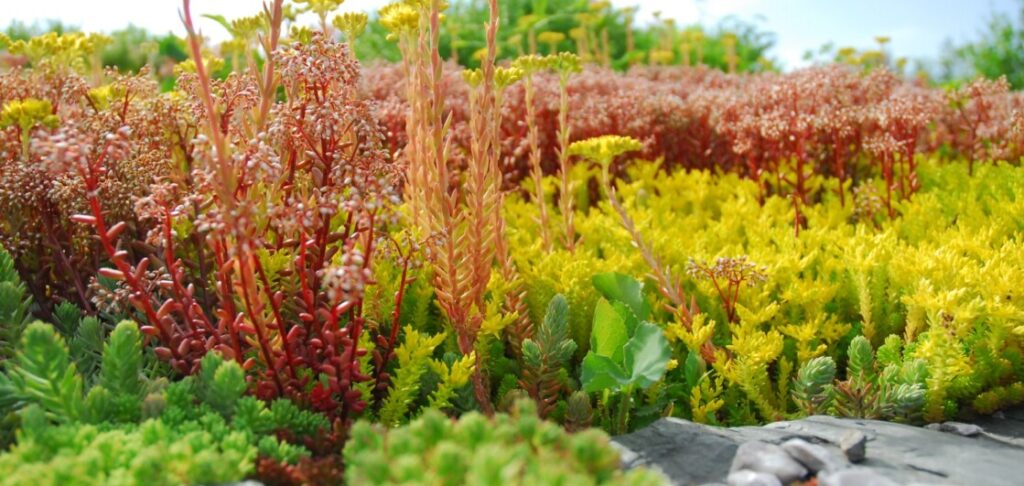
Around 470 million years ago, plants evolved a waxy cuticle to prevent water loss; only later did water-transporting vascular systems evolve.
Embryophytes: First True Plants Read More »