


Science-first
Science-first is an approach to claims anchored entirely in the material world.

Philosophy of Fiction
Philosophy of Fiction studies how stories relate to reality. Its central dichotomy explores truth in fiction and alignment with reality in nonfiction.

Reflective Inquiry
Reflective Inquiry is the practice of clearing self-illusion.

Illusion
An illusion is a false perception of reality.

Ignorance Is Bliss
Ignorance Is Bliss is the balancing of knowing and suffering.

Karma
Karma is the idea that actions ripple. In TST, its common-ground meaning is cause and effect in moral life.

Five Thieves
The Five Thieves are inner forces that steal happiness. In TST, they belong under Personal Morality, specifically the Happiness branch.

Harm Principle
The Harm Principle says personal freedom should be protected unless a person harms others. In TST, it marks the boundary where Group Ethics begins.

Eternal Recurrence
Eternal Recurrence is Nietzsche’s test of life affirmation: could you honestly affirm a specific choice in this life if you had to live it over ...
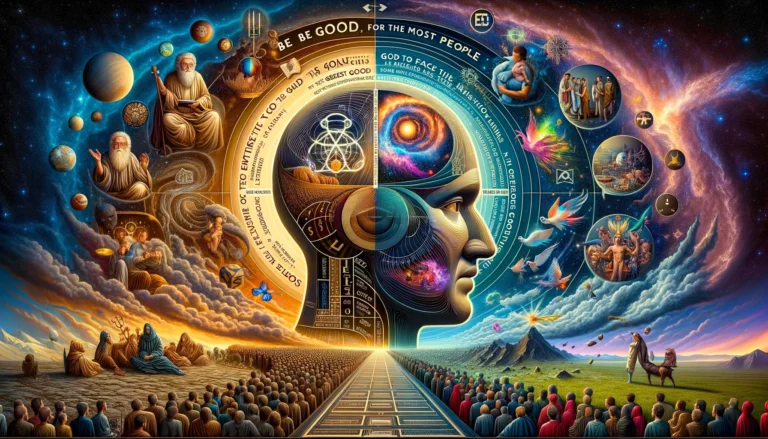
Two Tables of the Ten Commandments
The Two Tables of the Ten Commandments separates sacred conscience from civic law. A common floor for church-state separation, it promotes freedom of conscience.

Authentic Self
The Authentic Self is the self you become when you live honestly.

Daoist Natural Alignment
Daoist Natural Alignment helps you flow with reality. It teaches you to live with nature, simplicity, authenticity, and less forcing.

Confucian Role Ethics
Confucian Role Ethics reminds you to focus on fulfilling your role with others without trying to control theirs.

Epicurean Happiness Toolkit
Embrace your journey by living today the way you want to feel tomorrow. Choose pleasures that leave your future self better off.
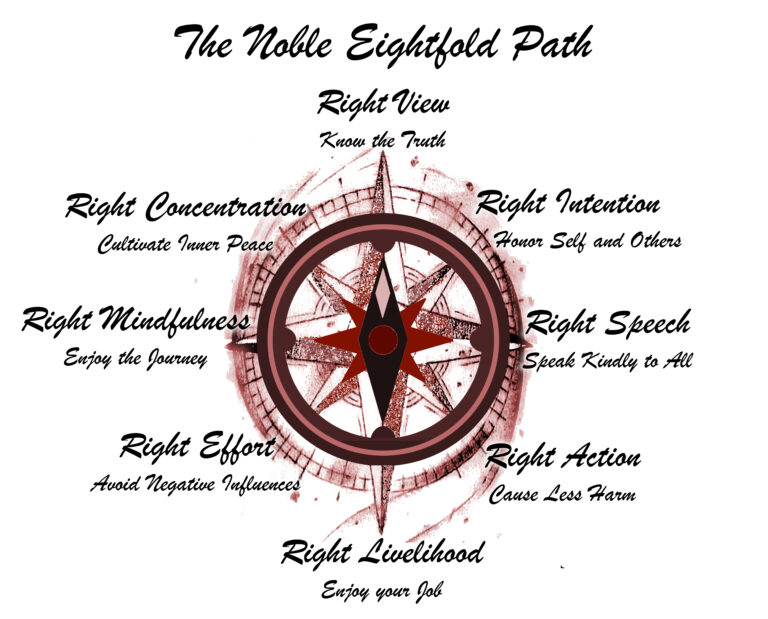
Eightfold Path
The Eightfold Path is Buddhism’s practical roadmap for seeing clearly, acting ethically, training the mind, and walking a wiser life path.

Dichotomy of Control
The Dichotomy of Control separates what is yours to control from what is not.
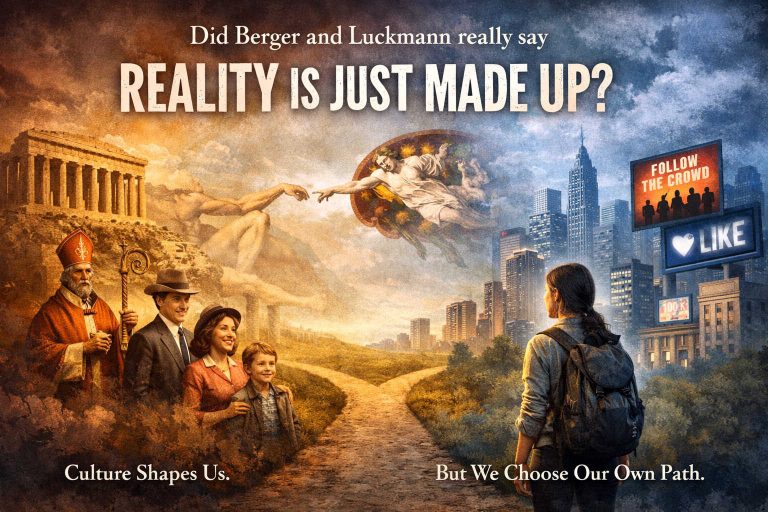
Social Construct
A social construct is a shared human-made idea that organizes life.

State
A state is the current configuration of a concrete object or abstract entity’s properties, actions, and relations.

Relation
A relation is how a concrete object or abstract entity is connected to another.

Action
An action is what a concrete object or abstract entity does or undergoes.