


History by historical land mass is yet another wonderful lens into knowledge. These insights are the backbone to Mike‘s articles and his longer effort books. A part of his lifelong commitment to study. While they are not complete, they are useful.
History of the Lands: Asia
Seasonal Settlements at Zhoukoudian site
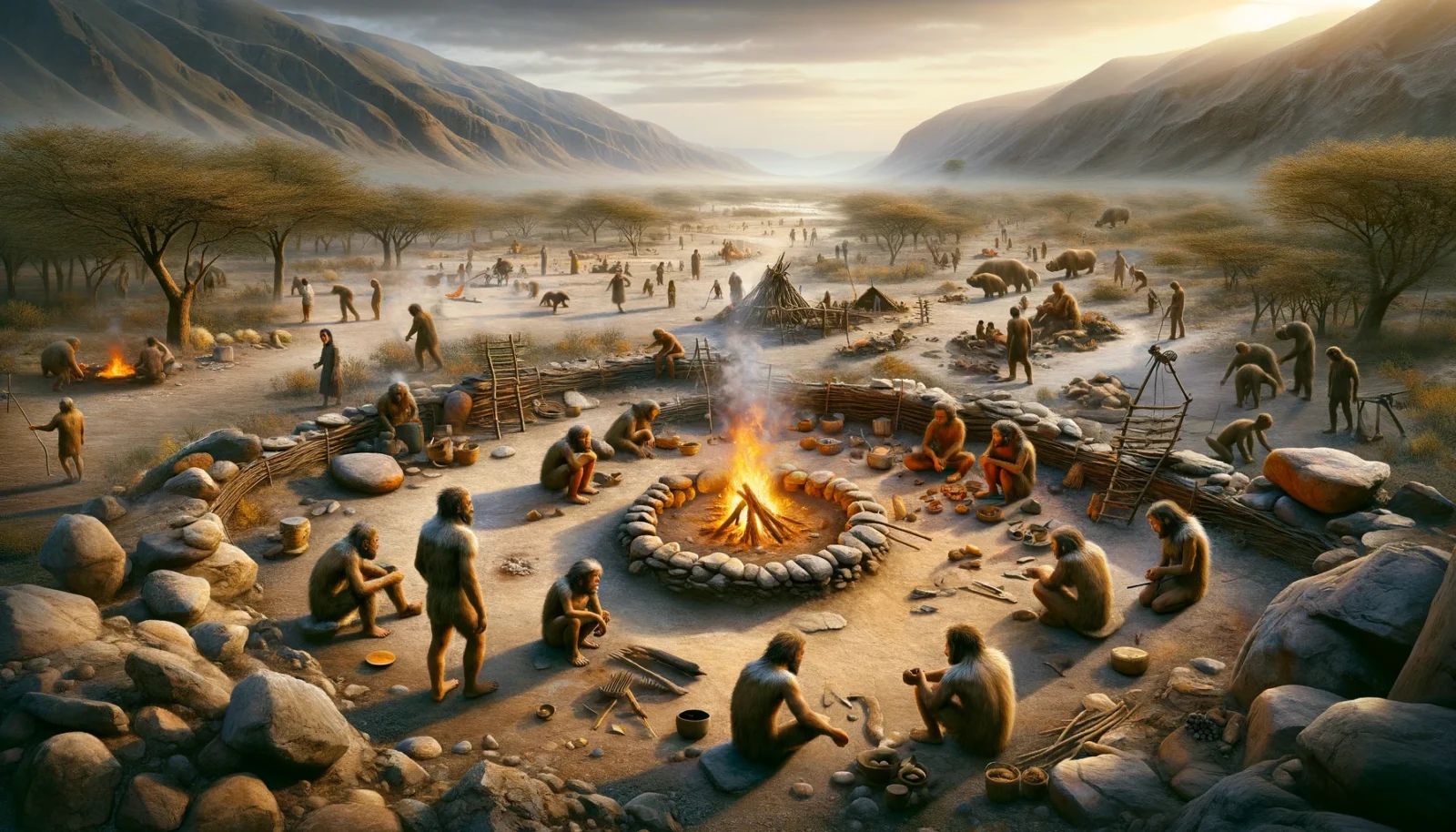
Imagined image: Homo erectus around a communal fire pit, a similar setting to Zhoukoudian, circa 770,000 BCE.
770,000 BCE
from circa 770,000 BCE to circa 5700 BCE
Hominin World Population: 2 Million (maybe)
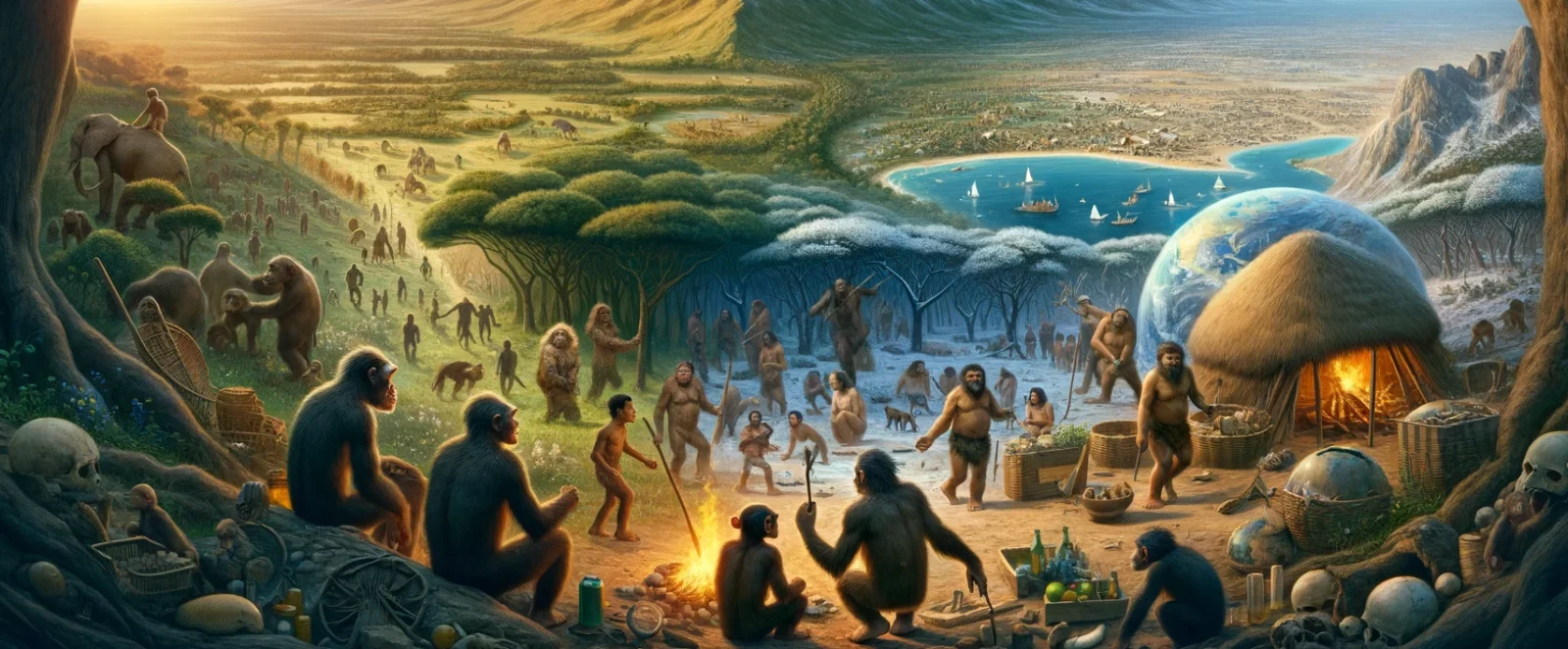
300,000 BCE
Very speculative.
Extinction: Homo heidelbergensis
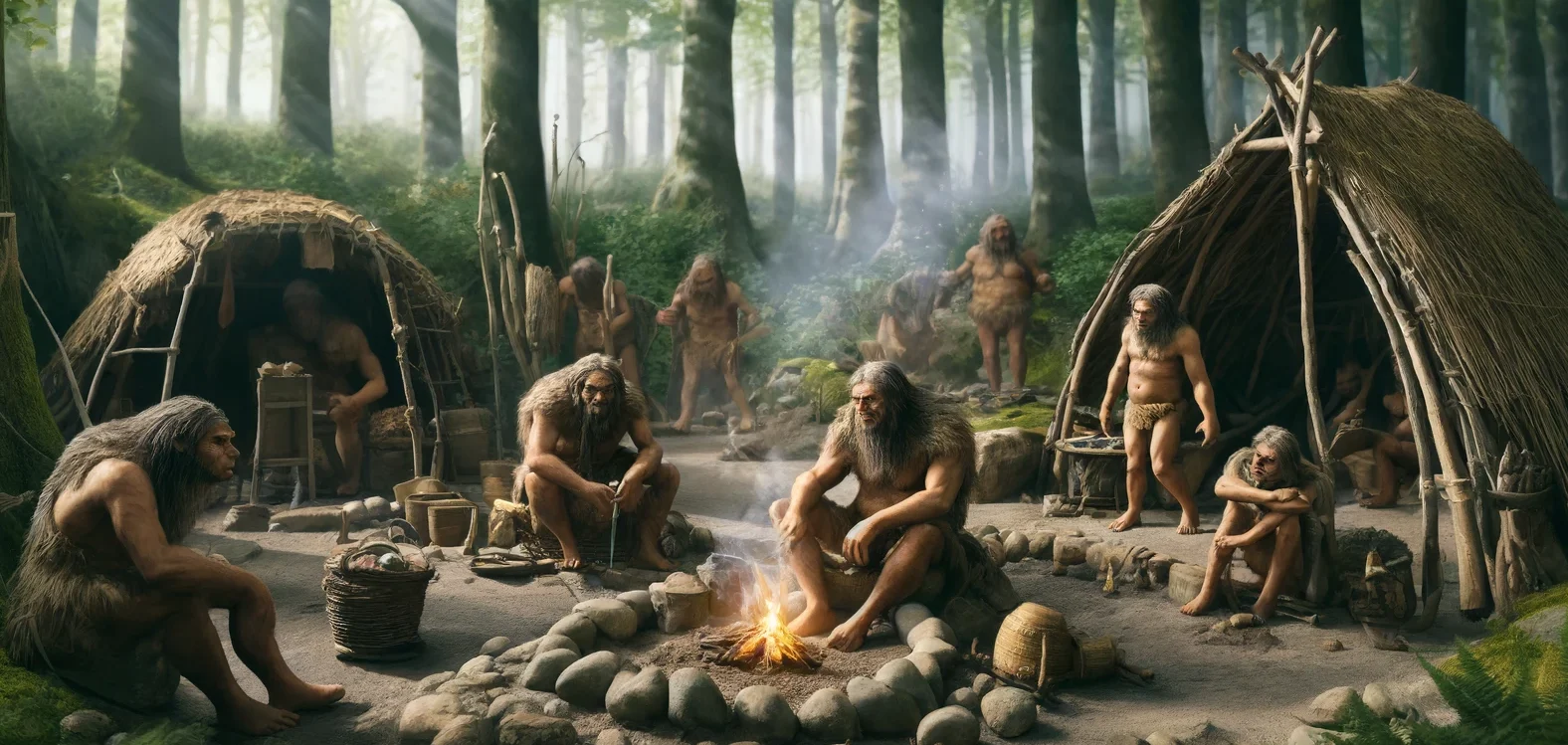
Imagined image: the last of the Homo heidelbergensis, circa 200,000 BCE.
200,000 Years Ago
Extinction: Homo Erectus
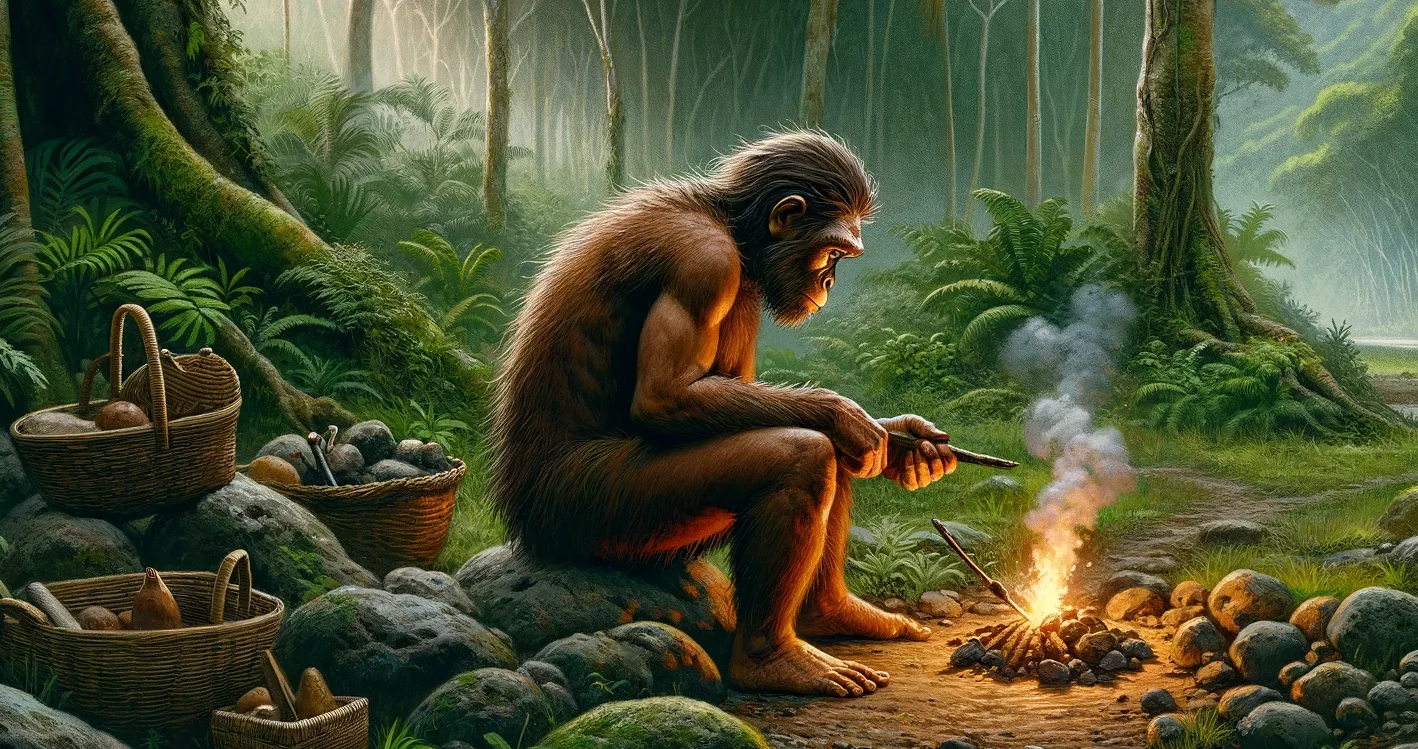
Imagined image of the last of the Homo erectus, circa 50,000 BCE. By this time, Homo erectus had lived in many parts of Africa, the Middle East, Europe, and Asia. Now, as their numbers keep dwindling, they are mostly in just a few spots in Asia.
112,000 Years (+/- 3000 years)
Extinction: Gigantopithecus


"<a href="https://commons.wikimedia.org/w/index.php?curid=55062736" target="_blank" rel="noopener noreferrer">Gigantopithecus</a>" by <a href="https://commons.wikimedia.org/w/index.php?title=User:Concavenator&action=edit&redlink=1" target="_blank" rel="noopener noreferrer">Concavenator</a> is licensed under <a href="https://creativecommons.org/licenses/by-sa/4.0/" target="_blank" rel="noopener noreferrer">CC BY-SA 4.0</a>


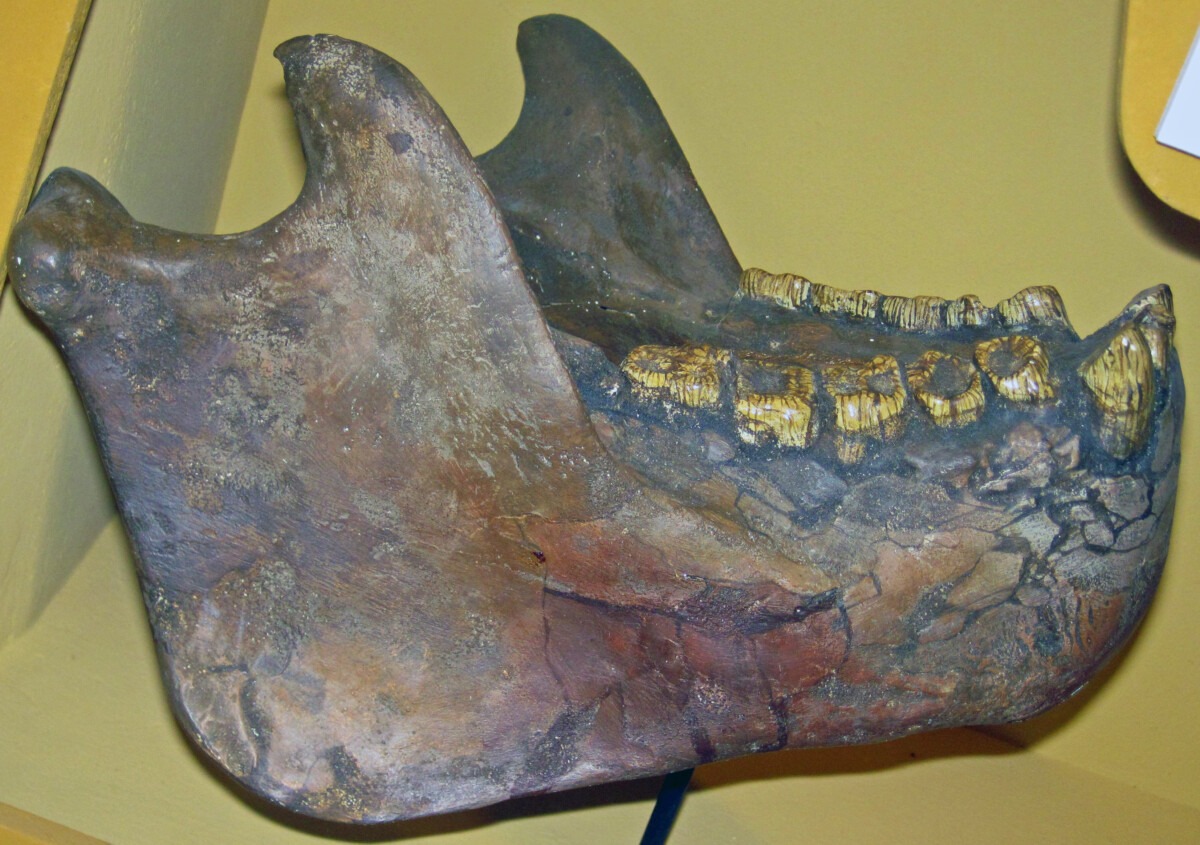
"<a href="https://commons.wikimedia.org/w/index.php?curid=89500749" target="_blank" rel="noopener noreferrer">Gigantopithecus mandible</a>" by James St. John is licensed under <a href="https://creativecommons.org/licenses/by/2.0/" target="_blank" rel="noopener noreferrer">CC BY 2.0</a>
100,000 BCE
World Population: 1.5 Million
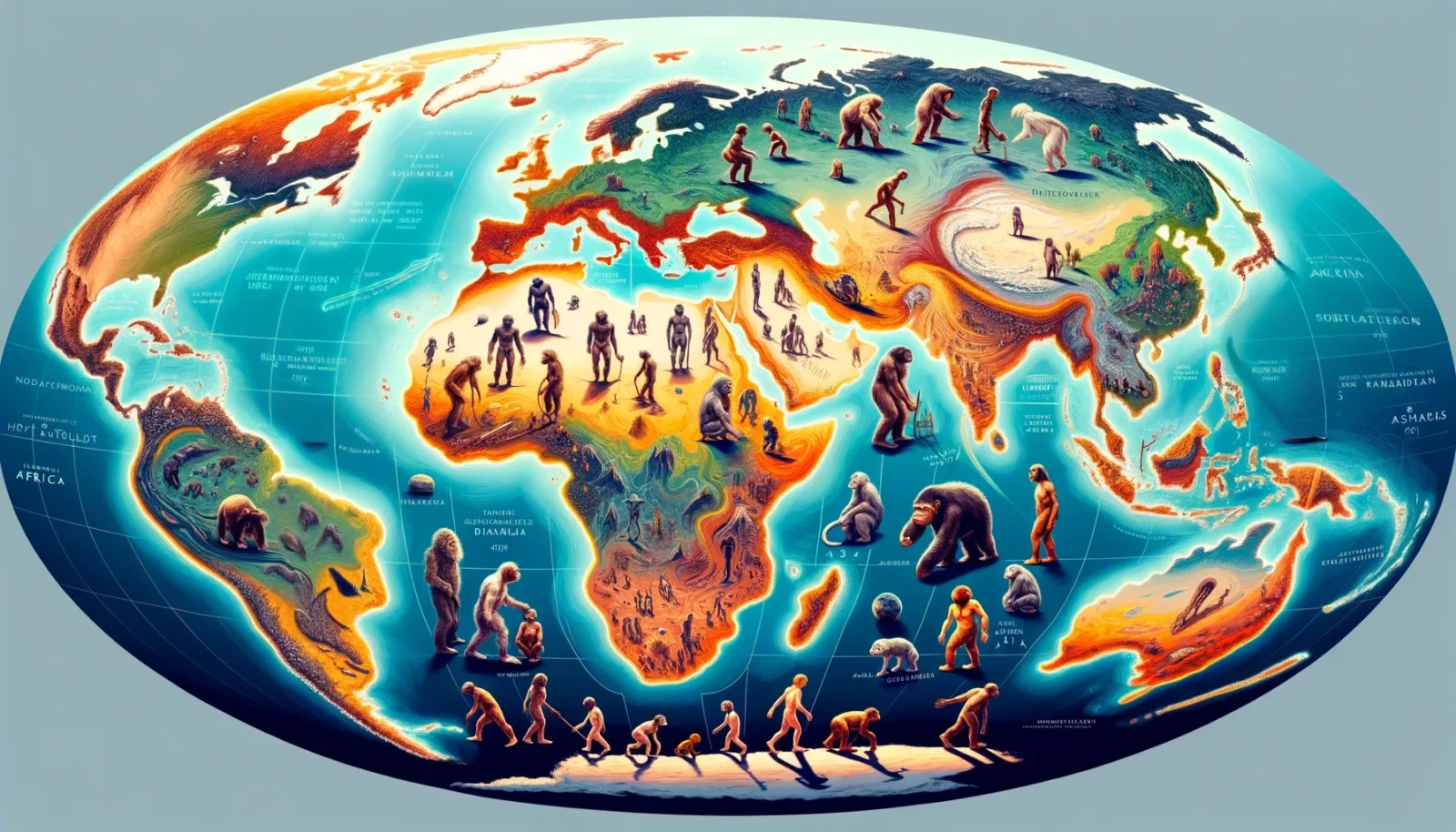
By 70,000 BCE
Oldest Known Bracelet
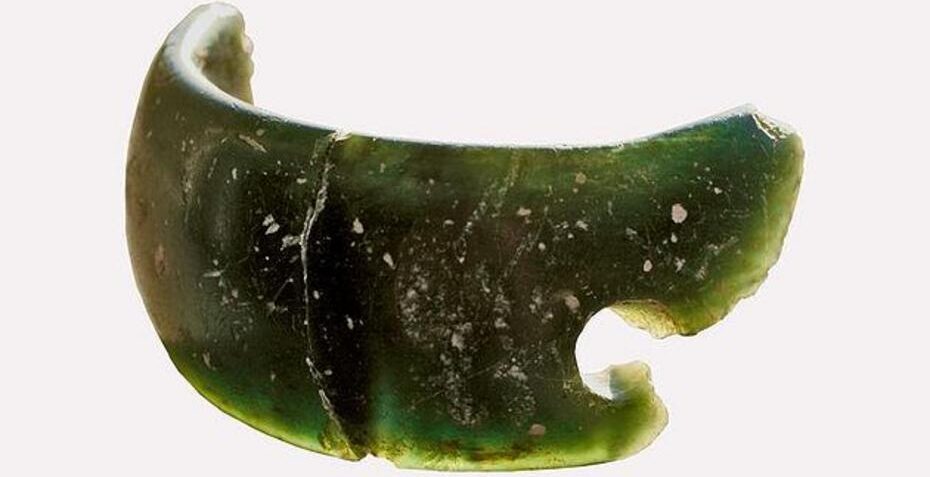
70,000 BCE
2,880 Generations Ago
Extinction: Homo luzonensis
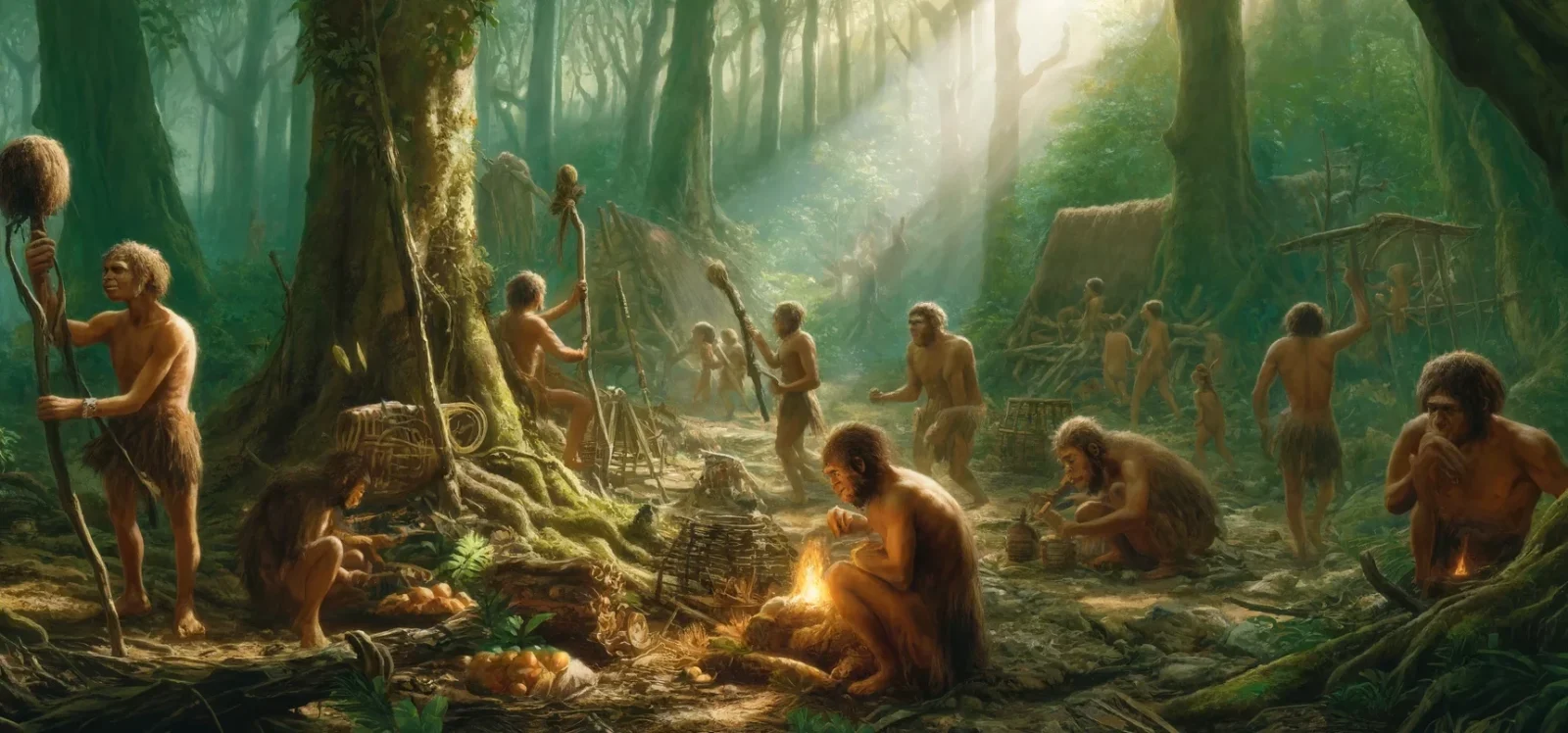
Imagined image: the last of the Homo luzonensis in the philippines circa 67,000 BCE. This is about 15,000 years before Homo sapiens arrive in the area.
65,000 BCE
Extinction: Homo floresiensis
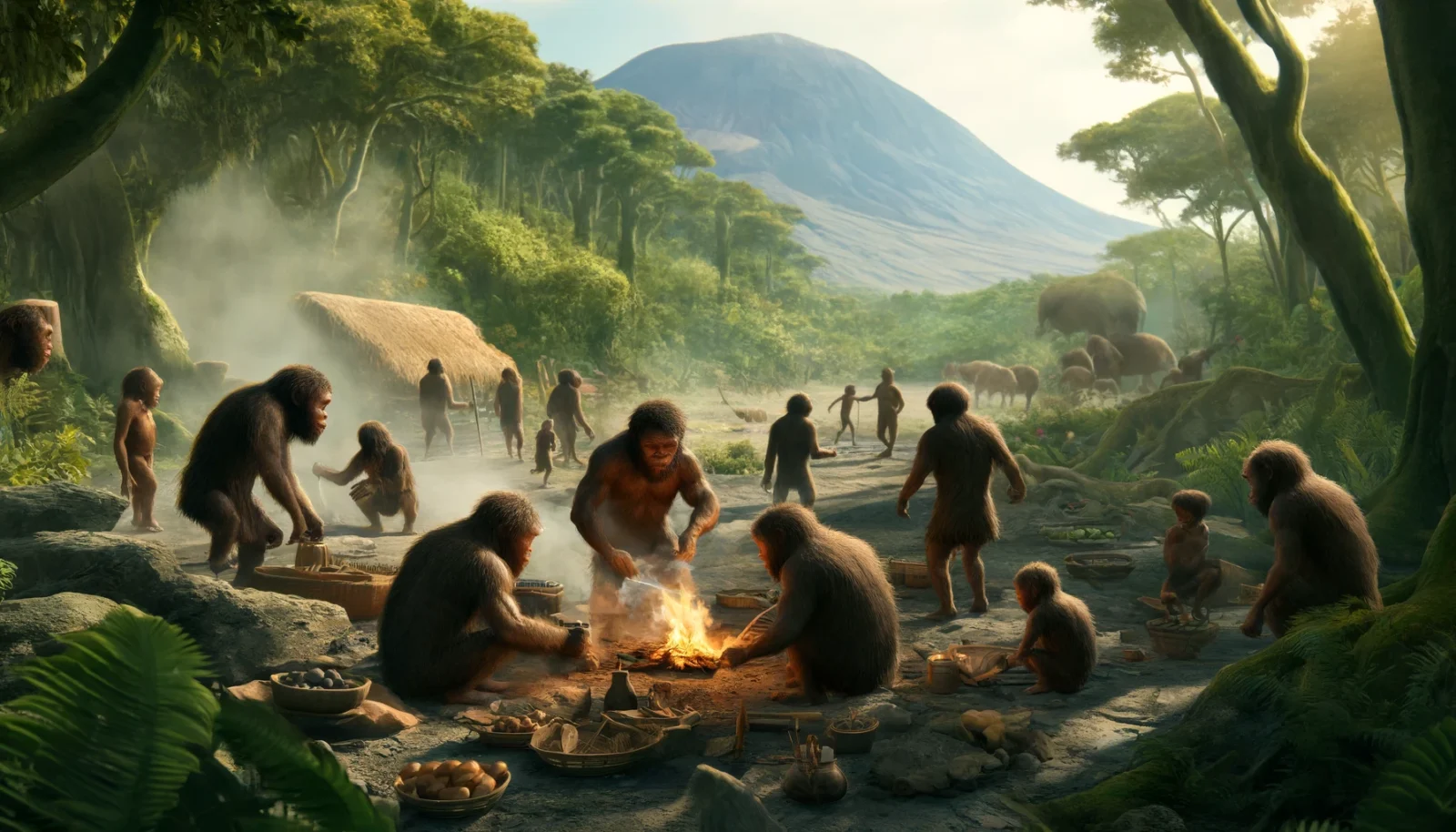
Imagined image: the last of the Homo floresiensis. This intriguing human species might have been the last descendents of Homo habilis or the Asian Homo erectus: the famed Dmanisi people.
48,000 BCE
58,000 to 48,000 BCE
Extinction: Denisovans
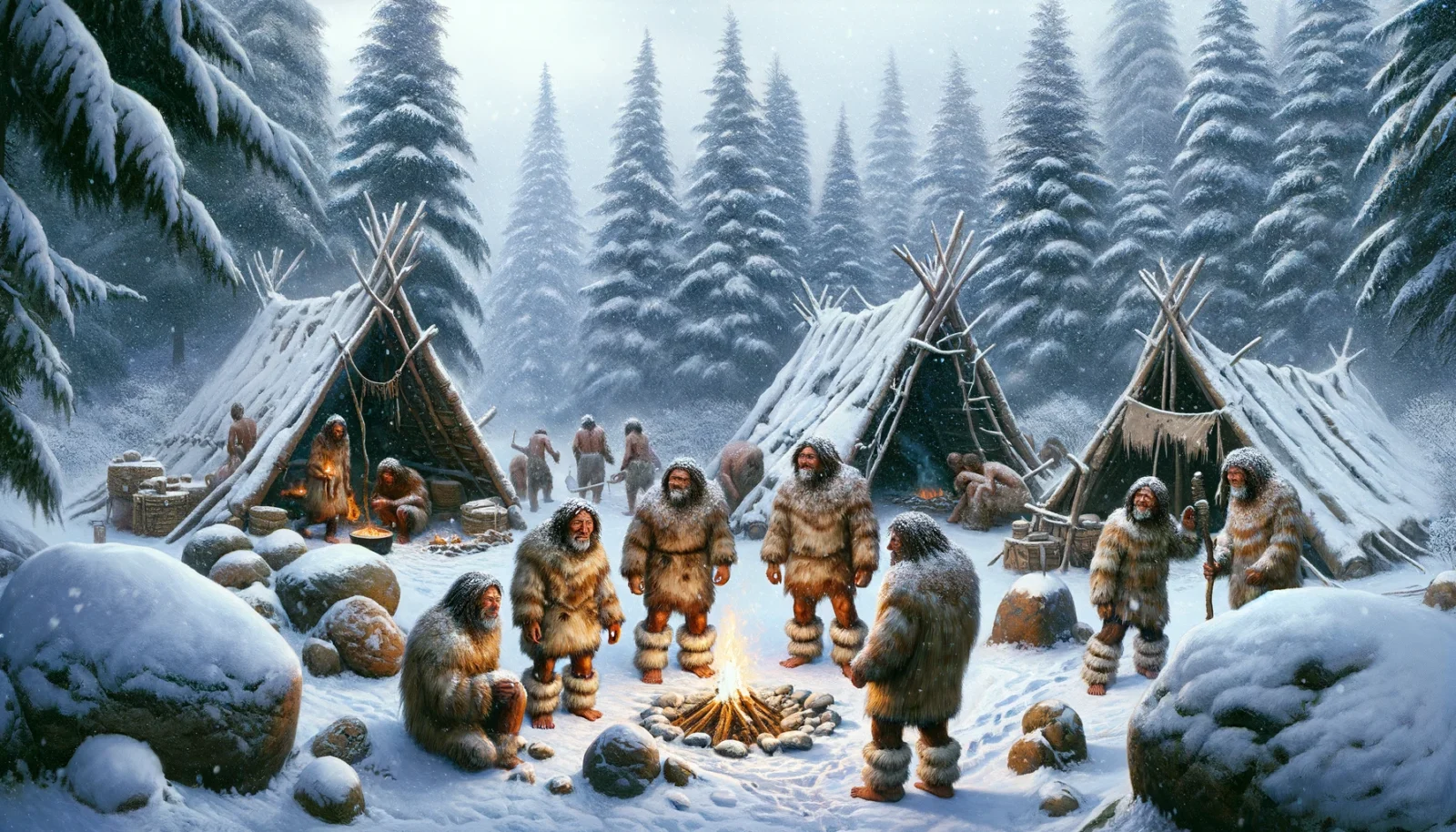
Imagined image of the last of the denisovans in Siberia, circa 40,000 BCE.
40,000
Extinction: Neanderthals
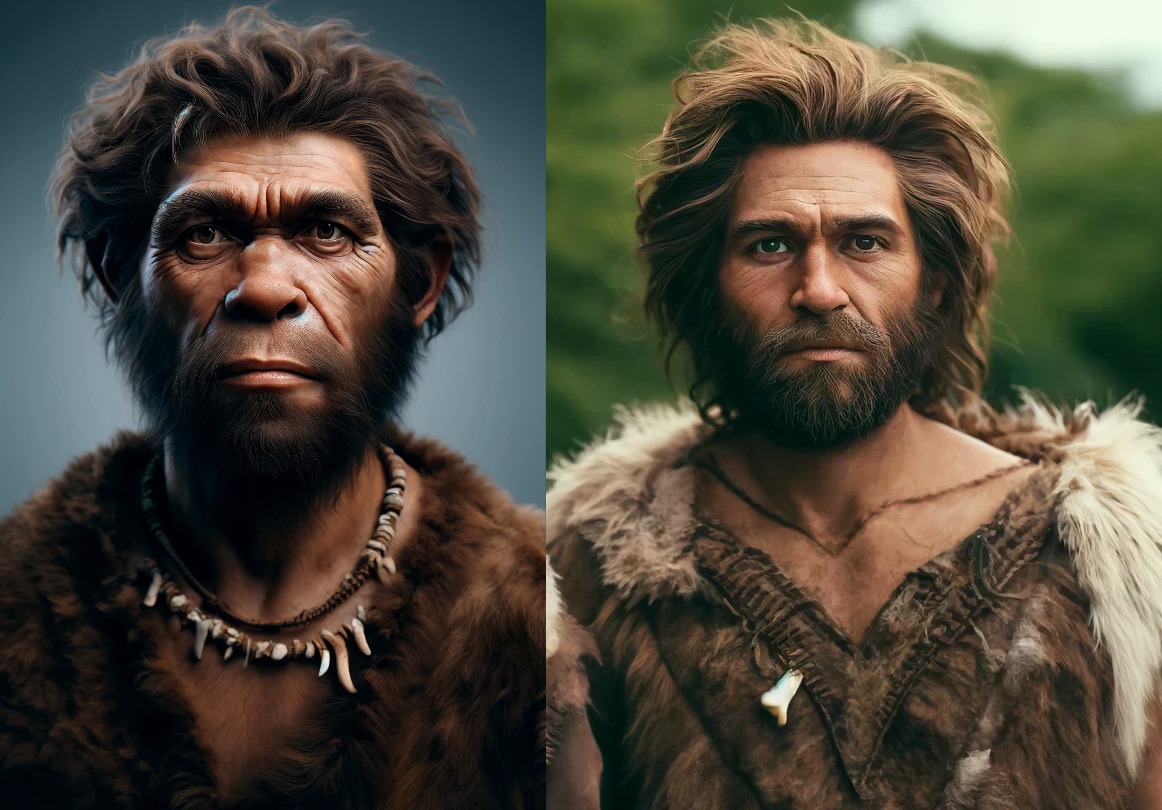
Imagined image, circa 29,000 BCE. Left is a neanderthal; right is a Homo sapien.
38,000 BCE
Extinction range: 38,000 BCE to 22,000 BCE
Advanced Sewing Needles
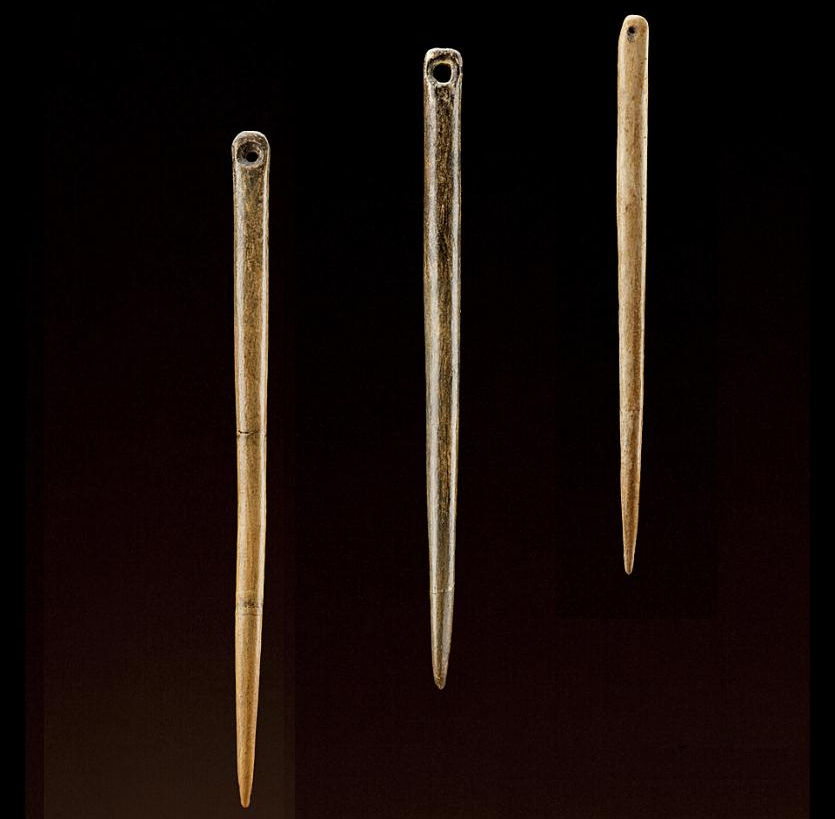
28,000 BCE
28,000 to 21,000 BCE
Earliest Known Domesticated Animal: Dogs
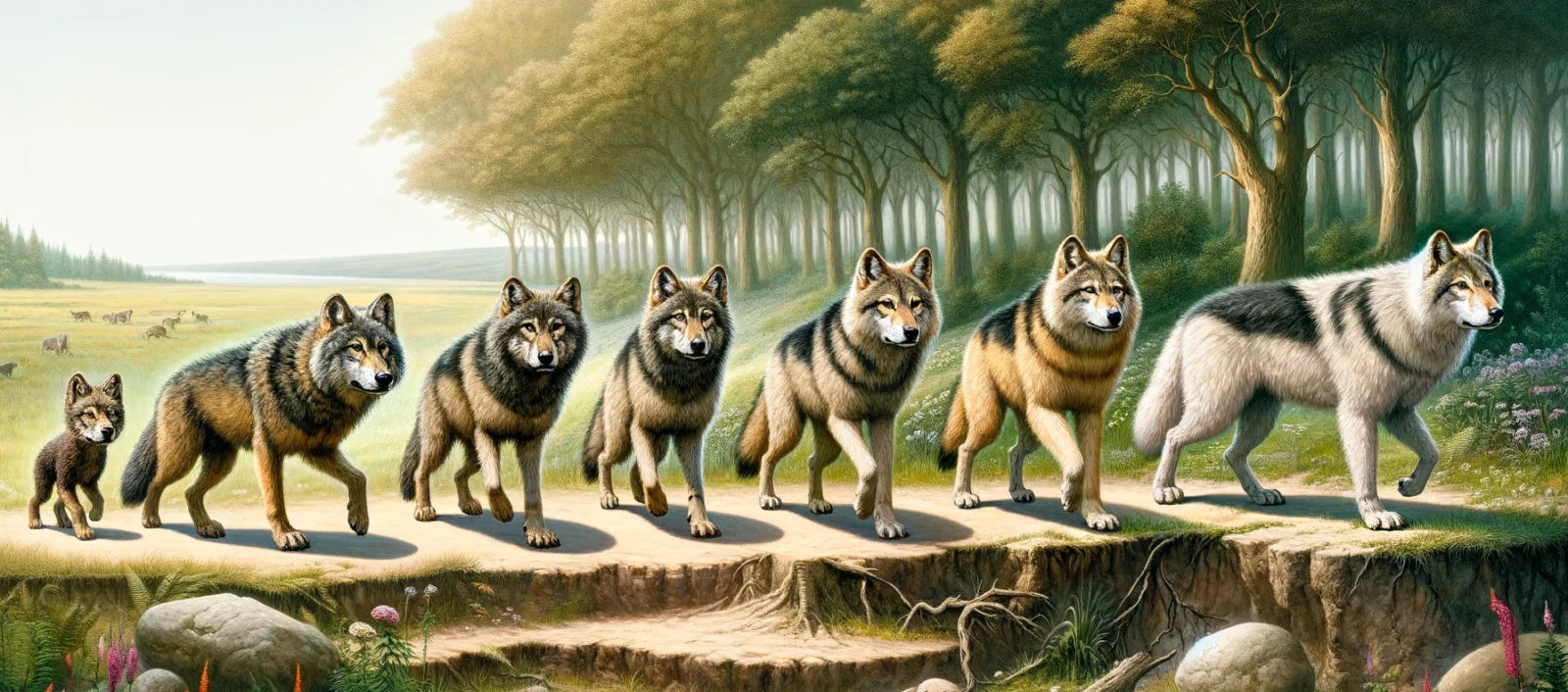
Wolves were domesticated between 15 to 40 thousand BCE and evolved to a subspecies. Dogs (Canis lupus familiaris) are generally considered the same species as wolves (Canis lupus) but are classified as a subspecies.
By 20,000 BCE
World Population: 4 Million
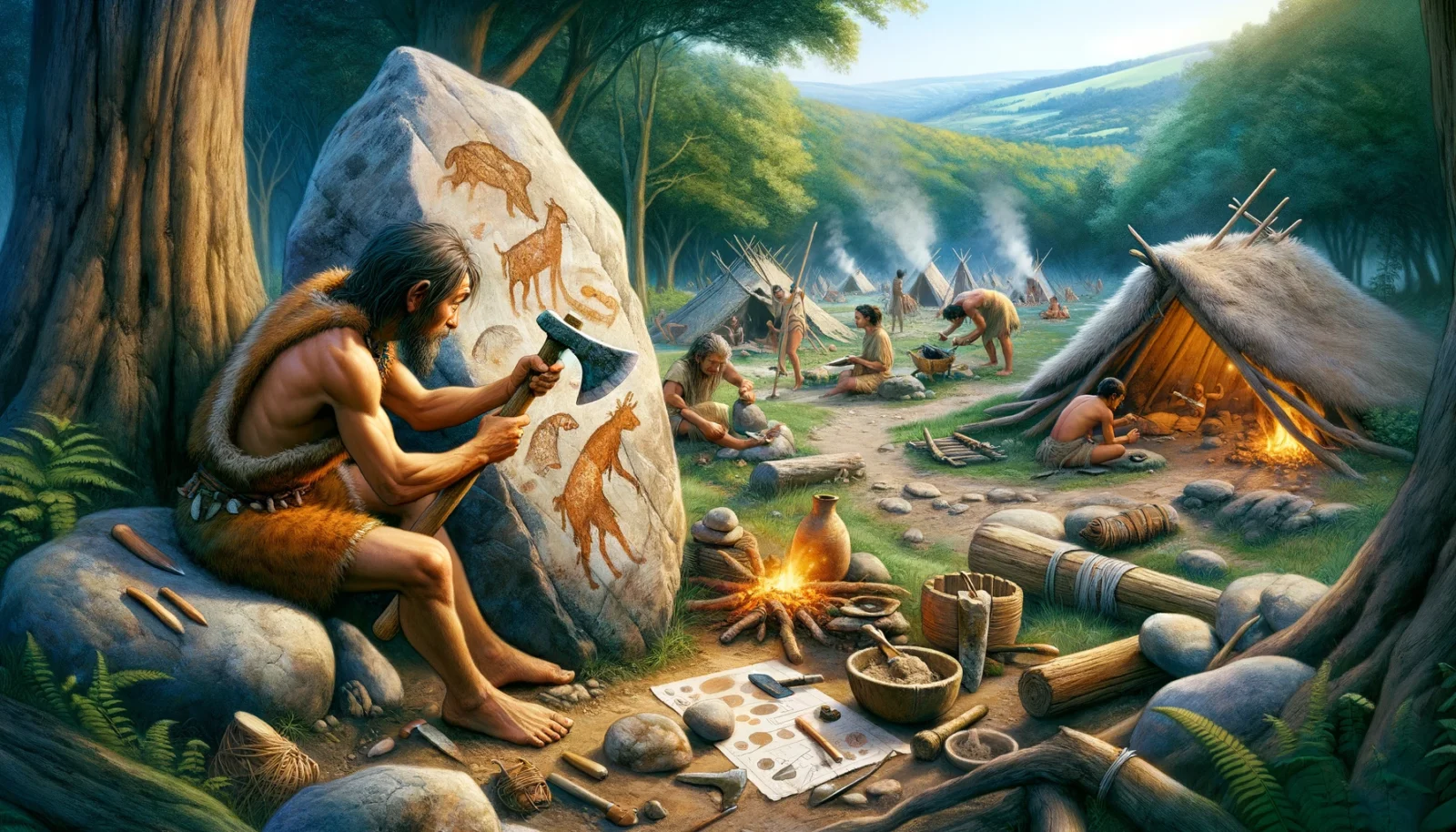
10,000 BCE
Estimates range from 2 to 5 million
Under Investigation: Yonaguni Monument

Yonaguni Monument Terraces midpart NWW
circa 8000 BCE (speculative)
The Domestication of Rice

Bali Rice Fields
circa 8000 BCE
China
Fuxi (伏羲)

Fuxi, showing multiple possible portraits representing what Fuxi might have looked like. The scene includes ancient Chinese architecture, cultural elements, and symbols of his contributions, such as the creation of humanity, the invention of writing, and teaching people to fish and hunt.
Circa 8000-7000 BCE
Nüwa (女娲)

Nüwa, showing multiple possible portraits representing what Nüwa might have looked like. The scene includes ancient Chinese architecture, cultural elements, and symbols of her contributions, such as the creation of mankind and repairing the pillar of heaven.
Circa 8000-7000 BCE
Neolithic Symbols: China

Potential earliest writing in Asian zone: the Oracle Bone Script is oldest confirmed symbols. Scientists are still going through a process to verify whether they are proto-writing or a writing system. If we can discover some intermediate links, we can firm up these symbols as early writing.
7000 BCE
7000-6001 BCE
China: Jiahu Settlement (Agrarian)
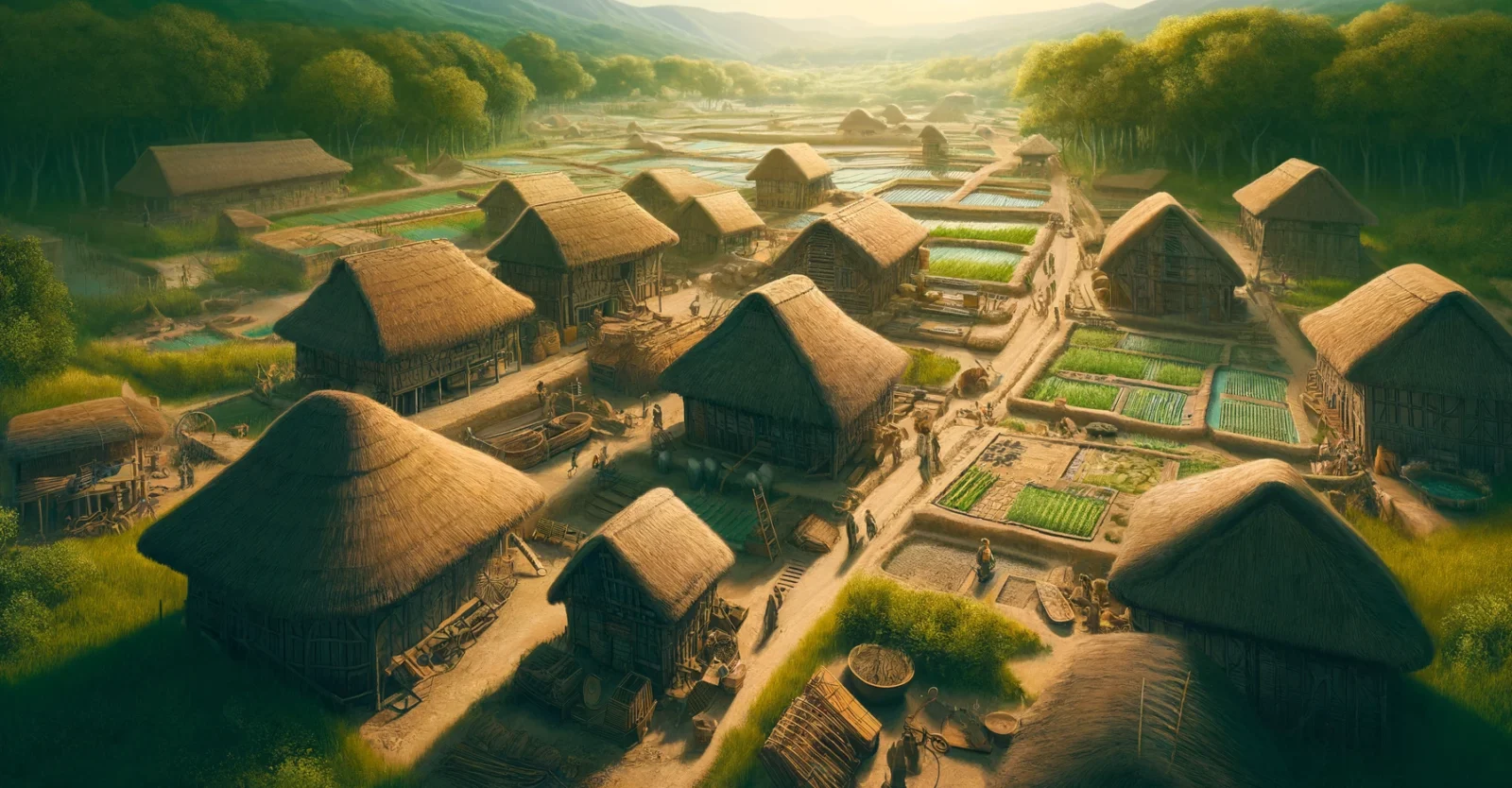
Imagined image: This panoramic image presents the Jiahu Settlement around 7000 BCE, capturing a vibrant Neolithic village in Henan, China. It features typical mud and wood homes with thatched roofs, nestled in a lush landscape where inhabitants are engaged in the early cultivation of rice, illustrating the dawn of agriculture in ancient China.
circa 7000 BCE
Asia Agrarian Society
Oldest Known Flute in China
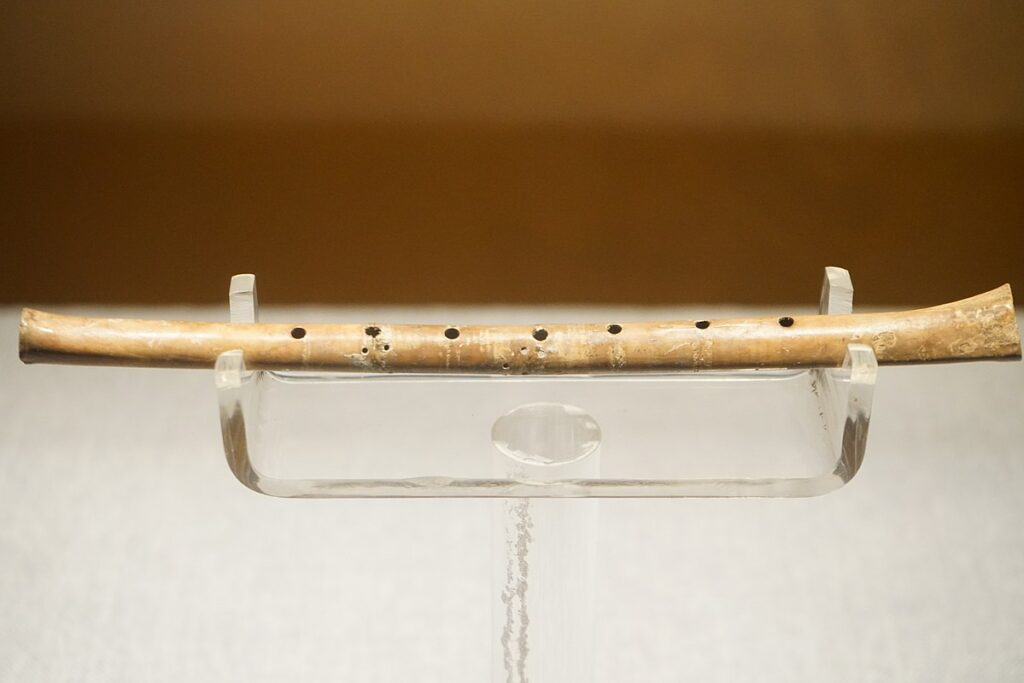
6,000 BCE
World Population: 15 Million
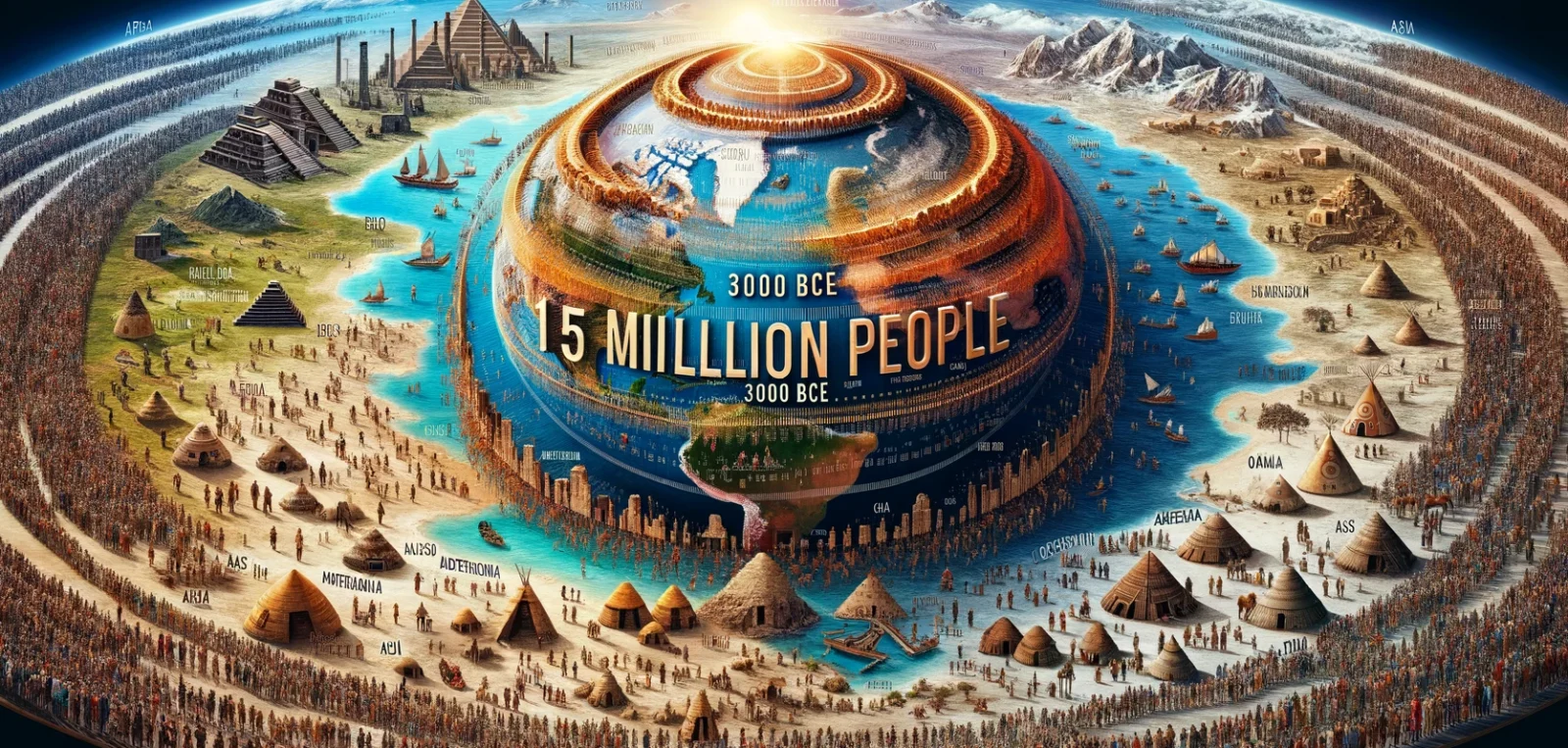
3000 BCE
Estimates range from 9 to 16 million
Shennong (神农)

Shennong showing multiple possible portraits representing what Shennong might have looked like. The scene includes ancient Chinese architecture, cultural elements, and symbols of his contributions, such as teaching agriculture and herbal medicine, set against a harmonious landscape with fields, crops, medicinal plants, and early farming practices.
circa 2800 BCE
The Divine Farmer
The Yellow Emperor (Huangdi)

Ancient China during the time of the Yellow Emperor, featuring various possible portraits of what he might have looked like, along with symbolic representations of Yin and Yang, traditional architecture, and a harmonious landscape.
circa 2650 BCE (+/- 50 years)
Indus Valley Script: Northwest India
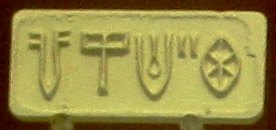
"<a href="https://commons.wikimedia.org/w/index.php?curid=5243844" target="_blank" rel="noopener noreferrer">File:Indus seal impression.jpg</a>" by <a href="https://commons.wikimedia.org/wiki/File:IndusValleySeals.JPG" target="_blank" rel="noopener noreferrer">PHGCOM IndusValleySeals.JPG</a> is licensed under <a href="http://creativecommons.org/licenses/by-sa/3.0/" target="_blank" rel="noopener noreferrer">CC BY-SA 3.0</a>
circa 2600 BCE
Rigveda Samhita, Veda Book 1 of 4

1,700 BCE
148 Generations Ago
Dragons: Early Dinosaur Fossils

Mythical Creatures and Fossil Discoveries: The Roots of Ancient Legends. Many various ancient mythical creatures were likely inspired by fossil discoveries including Chinese dragons, Greco-Roman giants, griffins, cyclopes, and other mythical beasts.
By 1600 BCE
Oracle Bone Script: China

1250 BCE
Major Religion: Hinduism

Hinduism, one of the world's oldest religions, emerged around 1100 BCE, several centuries after the Indus Valley Civilization collapsed. Hinduism has no known roots in the IVC, but it's a topic to follow as we uncover clues.
1100 BCE (+/- 300 years)
125 Generations Ago
Gargi Vachaknavi

Hindu god Ganesha on white wooden table. Candles on background
circa 800 BCE
Laozi

Laozi or Lou Tzu (604-517 BCE). Founder of Daoism, aka Taoism. The life of Laozi is shrouded in mystery, but he is the first philosopher in “30 Philosophers” that attempts to construct a precise biography.
Born about 105 Generations Ago, circa 604 BCE.
By tradition, he lived about 604 to 517 BCE.
Confucius

Make Goodness Normal: Confucius taught that a better life begins when respect, duty, kindness, and self-discipline become normal habits. Normalcy is powerful because it turns wisdom into daily behavior.
born 551 BCE
Lived from 551 to 479 BCE, aged 72
Gautama Buddha

Subhrajyoti07, CC BY-SA 4.0 <https://creativecommons.org/licenses/by-sa/4.0>, via Wikimedia Commons
Born circa 563.
Lived 103 Generations Ago, from about 563 to 486 BCE.
Chuang Tzu (369-286 BCE)

Daoism
The Foundation of the Maurya Empire
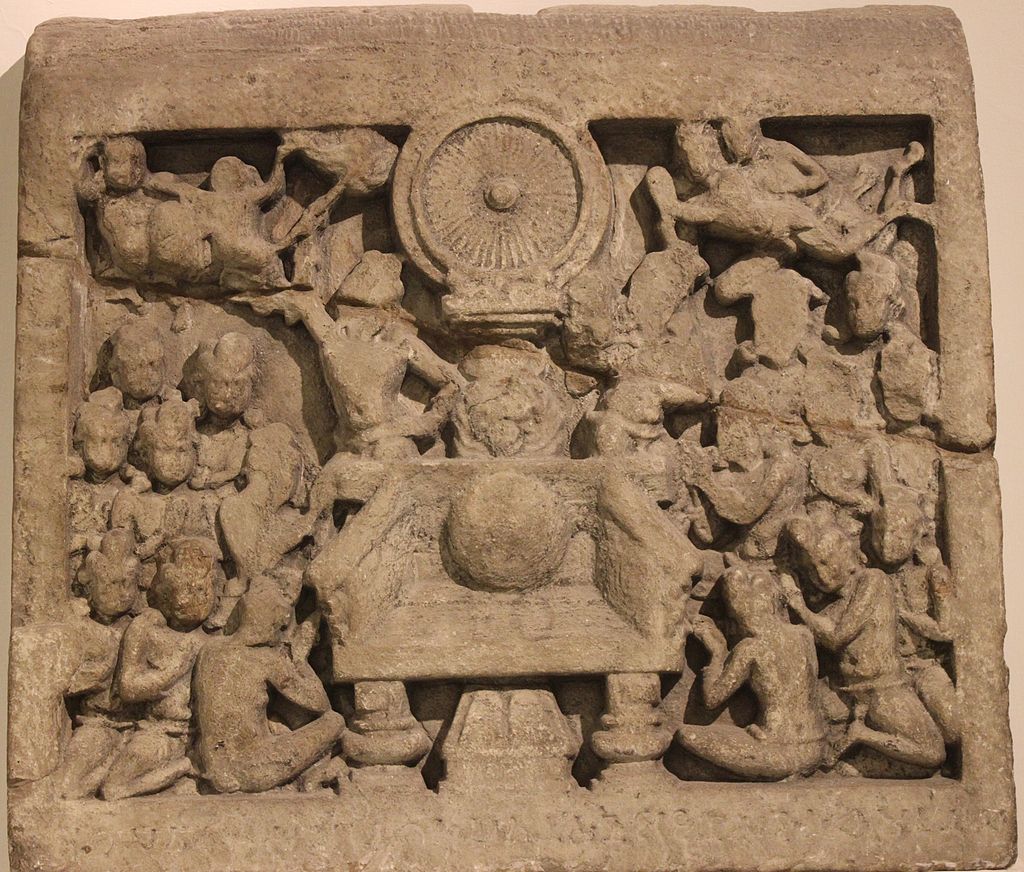
322 BCE
Wake of Alexander the Great
RCW 86 Supernova

galaxy, cosmos, physical, science fiction wallpaper. Deep space.
185 CE
Verified. Historically documented and empirically validated.
Badarayana
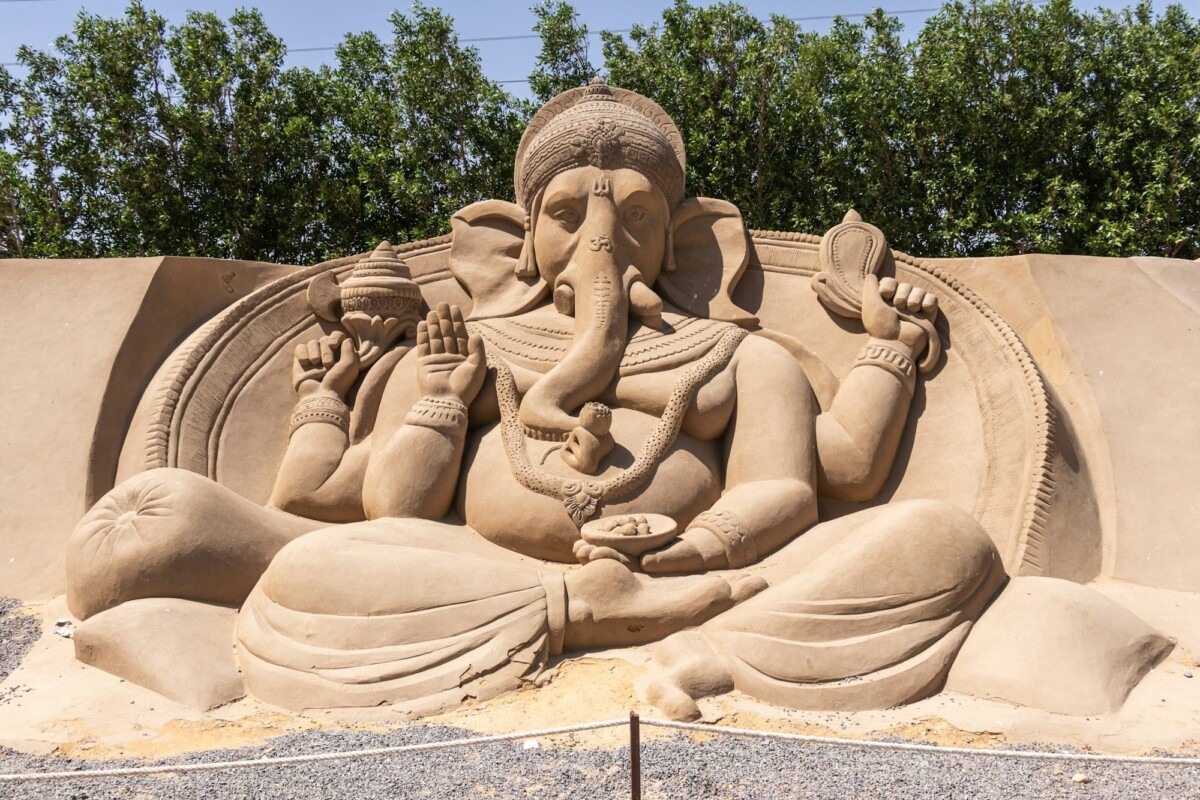
sand sculpture of Ganesha in Hinduism, the god of wisdom and well-being with the head of an elephant
circa 300 BCE to 200 CE
Angkor Wat
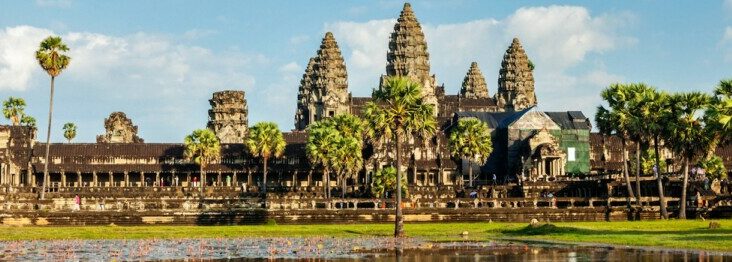
Initially built by the Khmer Empire as a Hindu temple, Angkor Wat later became a major Buddhist temple. Today, its surviving Hindu and Buddhist carvings stand as a testament to religious continuity and the evolution of traditions.
1115 CE.
Started about 1113, completed within decades.
Guru Nanak
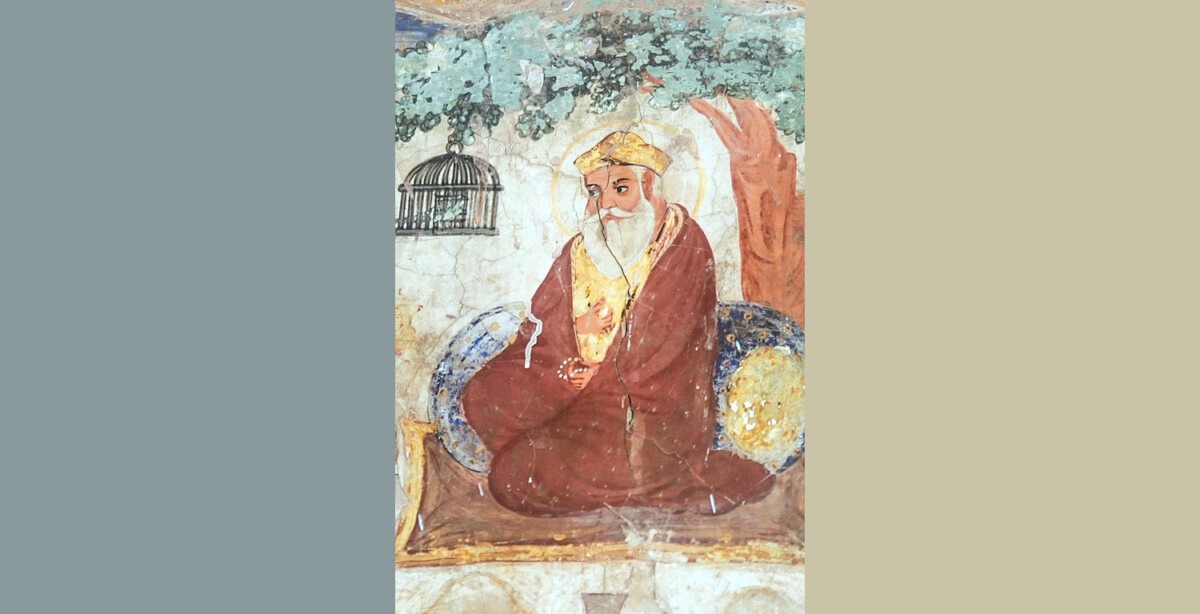
born 1469
1469 to 1539