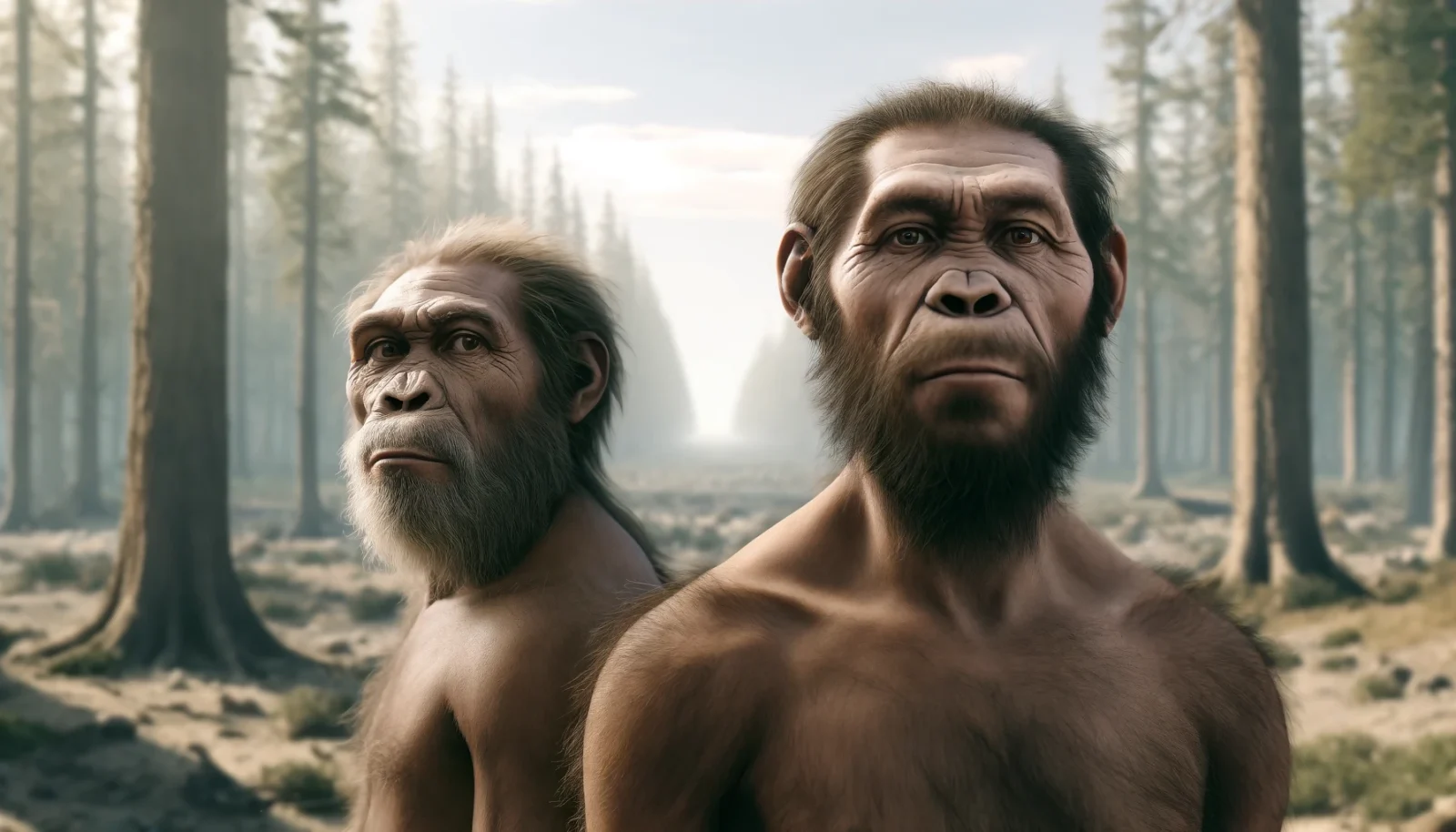
Homo heidelbergensis
Homo heidelbergensis was the likely neanderthal-sapiens last common ancestor.
Homo heidelbergensis Read More »


Pre-hominid human evolution all the way back to LUCA.
Homo heidelbergensis was the likely neanderthal-sapiens last common ancestor.
Homo heidelbergensis Read More »
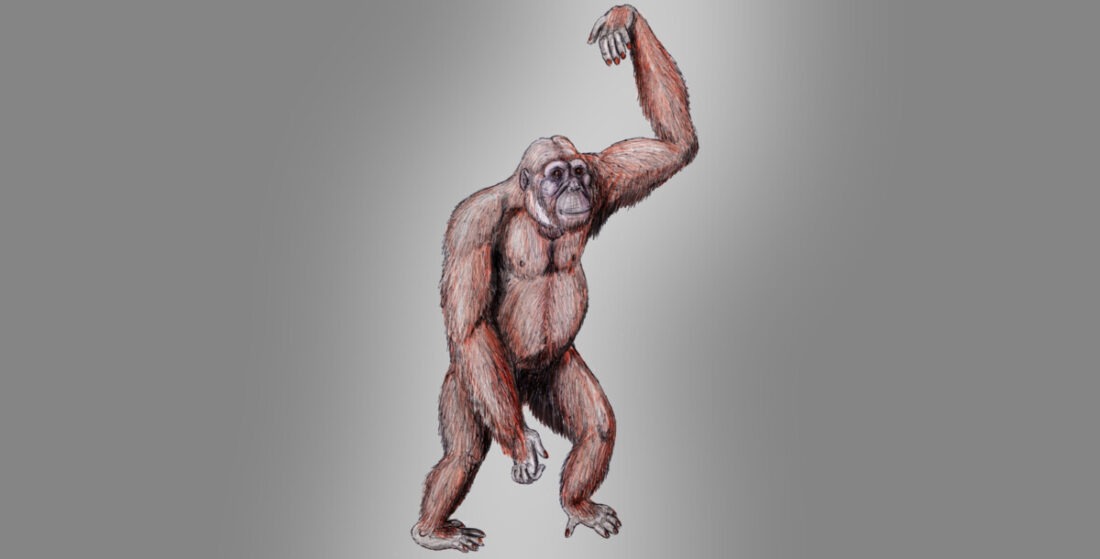
Likely an orangutan ancestor: As the branches of the ape family tree diverged, Dryopithecus emerged during the Miocene epoch, offering a glimpse into the early development of primate social structures. Living approximately 13 to 12 million years ago, this early ape flourished in the European forests, at a time slightly preceding or overlapping with the
Genus Dryopithecus: Cultural Transmission Emerges Read More »

Blue eyes emerging stands out as a striking example of a genetic mutation that spread across populations. Traced back to a single individual living between 6,000 and 8,000 BCE in the region near the Black Sea. The mutation involved is a specific change in the OCA2 gene, which alters the way melanin is produced in
Phenotype Variation: Blue Eyes Read More »
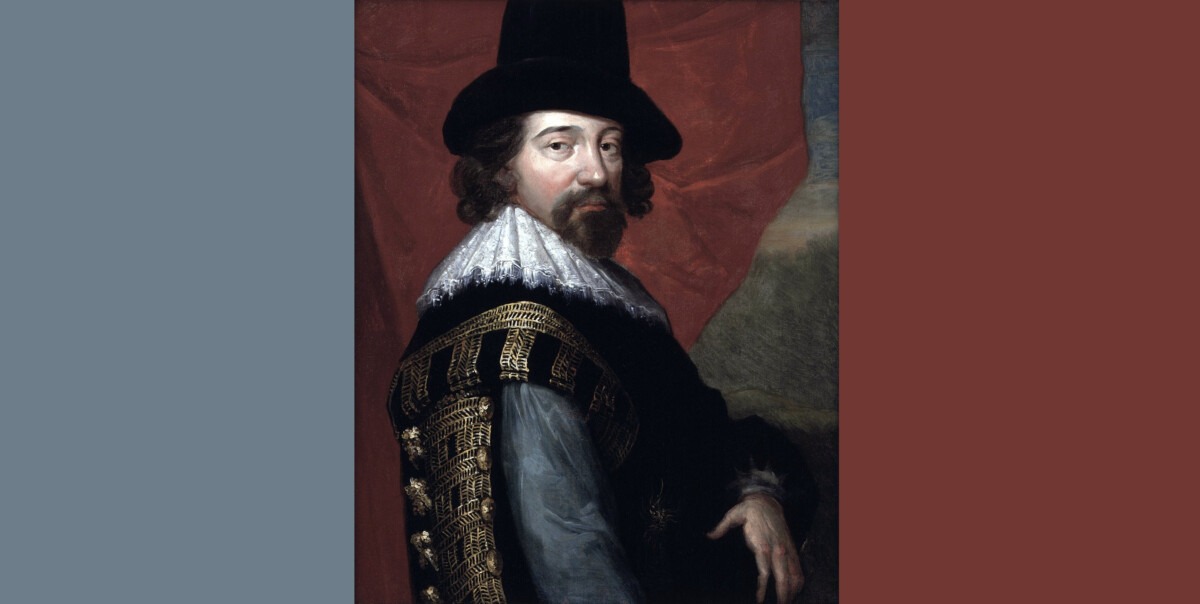
18 Generations Ago 30 Phil, Chapter 20: Francis Bacon and the Scientific Method Francis Bacon was born on January 22, 1561, in London to a prominent and influential family. The young Francis Bacon received a comprehensive education, attending the prestigious Trinity College, Cambridge, at the age of 12. Bacon is the Father of the Scientific
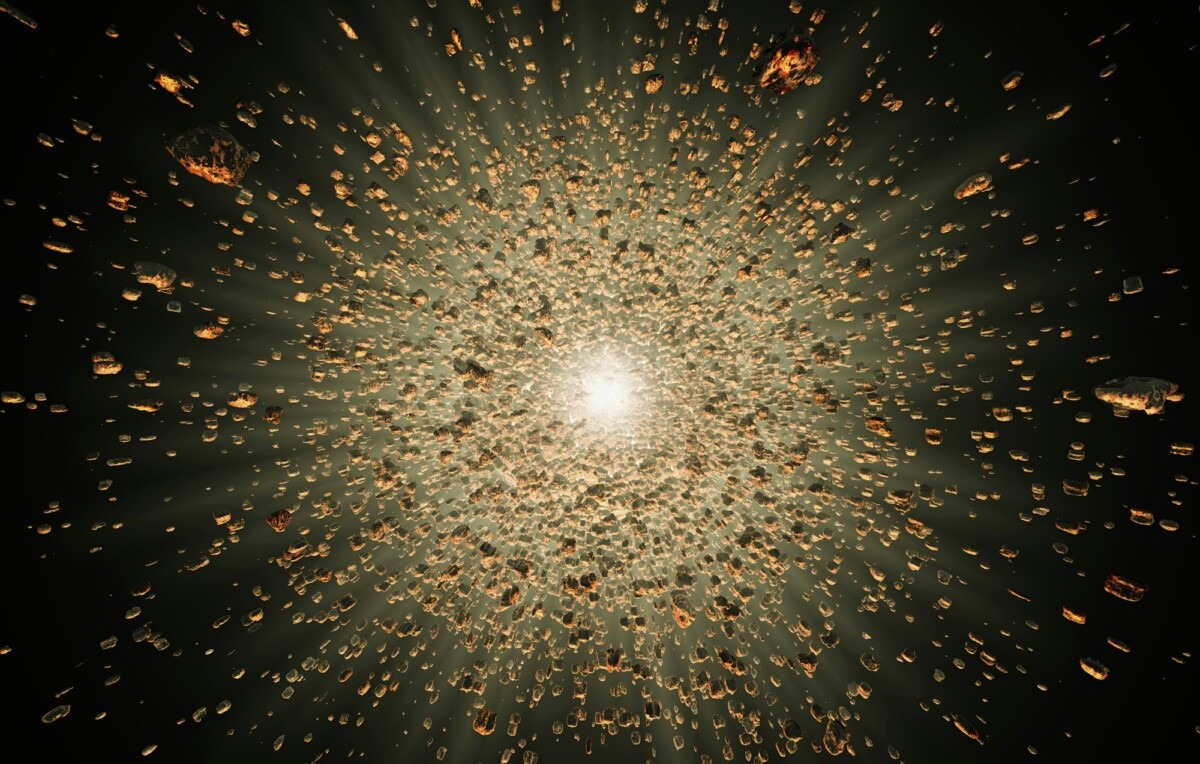
The synthesis of simple organic molecules such as formaldehyde (H₂CO), methanol (CH₃OH), and simple hydrocarbons in the dense molecular clouds of the interstellar medium occured once sufficient carbon was present. This process has been ongoing for billions of years but became more prevalent as the universe aged and more carbon became available. Big History Thresholds:
Interstellar Clouds: Organic Molecules Read More »
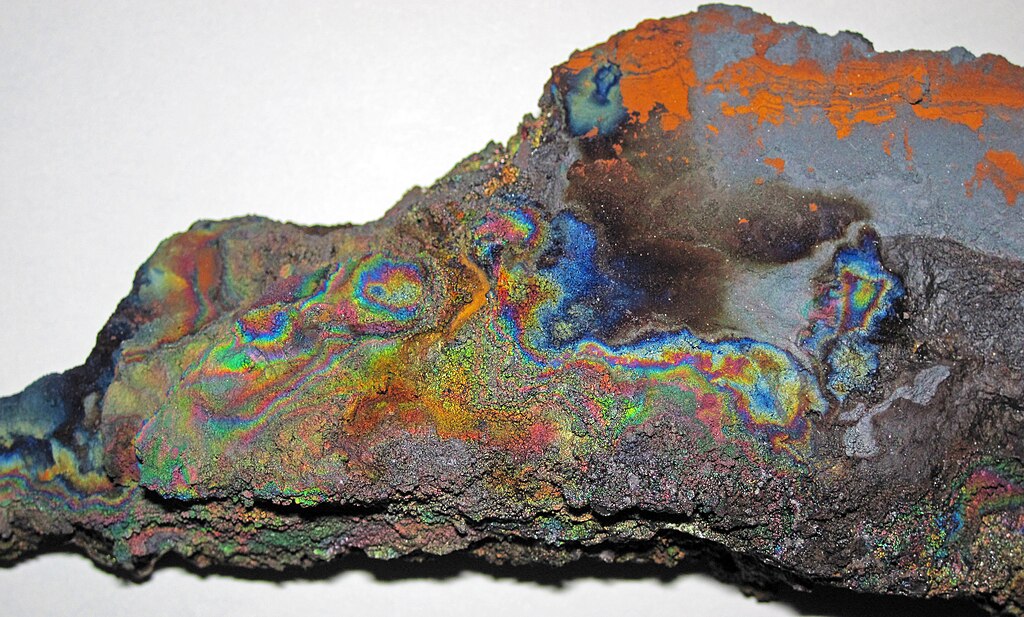
The chemical evolution from inorganic precursors to organic molecules is a fascinating story of transformation driven by Earth’s dynamic early conditions and possibly assisted by the input from space in the form of meteorites rich in organic compounds. During this period, the Earth witnessed a series of complex chemical reactions facilitated by its primordial atmosphere,
Inorganic Precursors to Organic Molecules Read More »
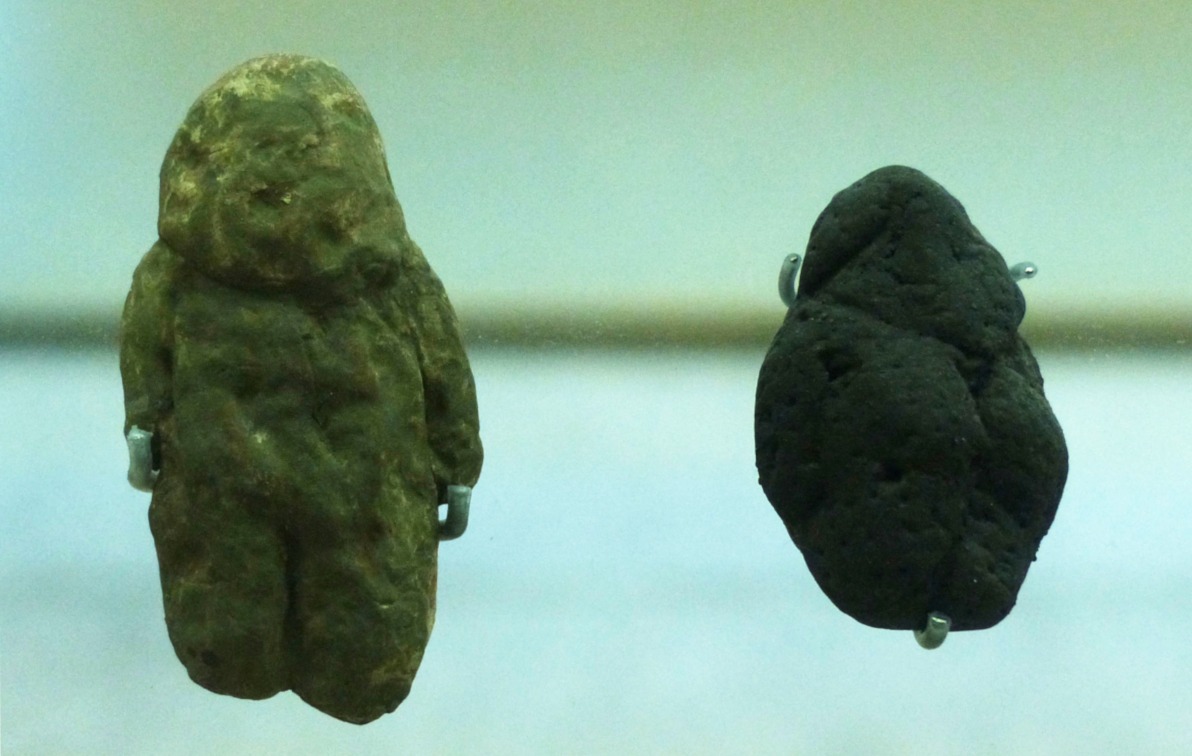
Found in Morocco, this natural pebble with human-like features is possibly the oldest known example of a figurine or representation of the human form.
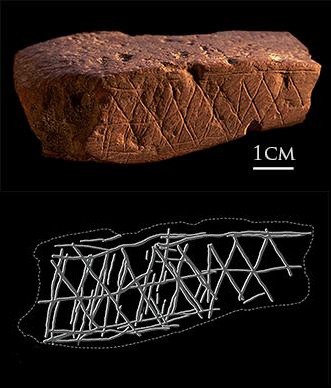
Earliest known symbol use in the Africa/Middle East zone. Located in South Africa, the cave contains engraved ochre pieces, which are among the earliest known forms of abstract art.
Blombos Cave Engravings Read More »
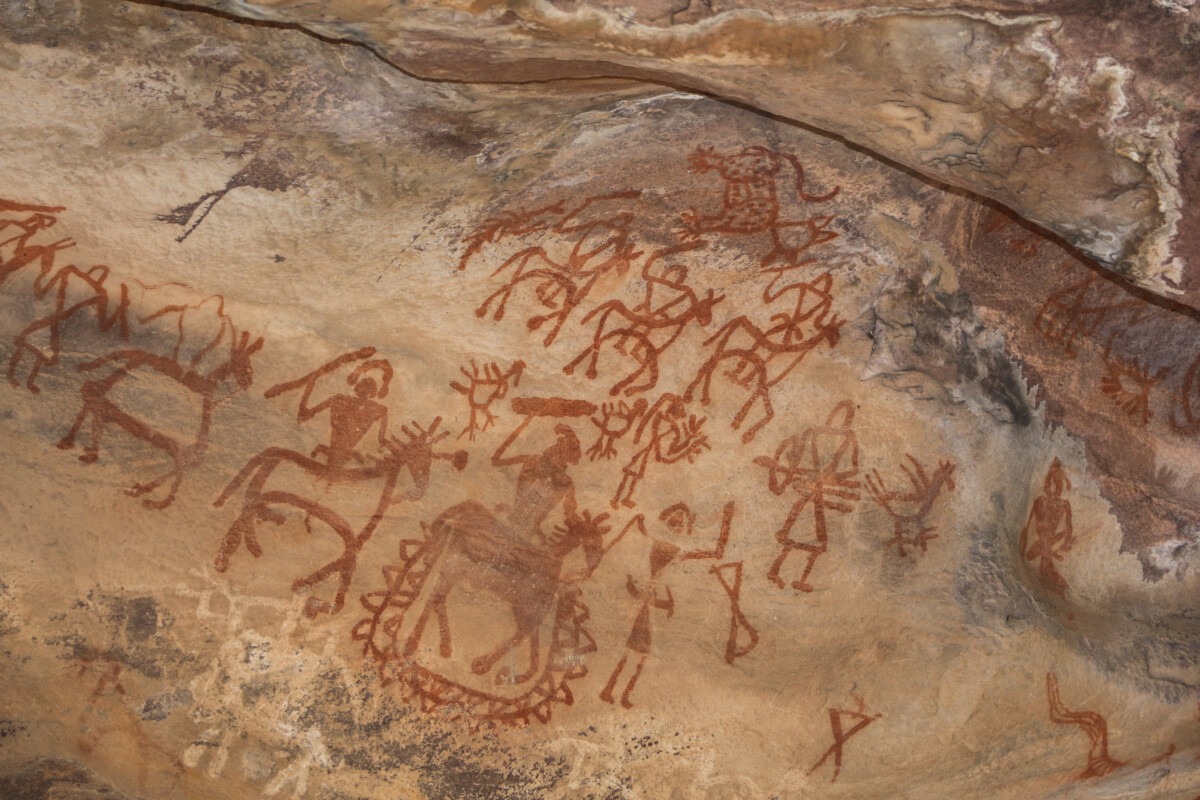
Found in central India, these cupules (circular hollows on rock surfaces) are among the earliest known forms of rock art. They were likely created by a species like Homo erectus or Homo heidelbergensis and not Homo sapiens. Homo sapiens are not known to be in India until around 40,000 years ago. Homo erectus is known
Bhimbetka Petroglyphs, Cupules Read More »
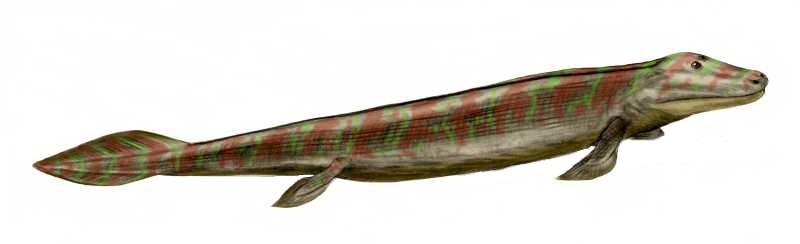
Long-Term Memory: By about 375 million years ago, the foundations for long-term memory were likely established among the more complex vertebrates, facilitating survival in increasingly varied and challenging environments. Tiktaalik is a prime example of this evolutionary milestone. It is an extraordinary creature that bridged the gap between aquatic fish and amphibians. With its forward-facing
Long-Term Memory Evolves: Tiktaalik Read More »
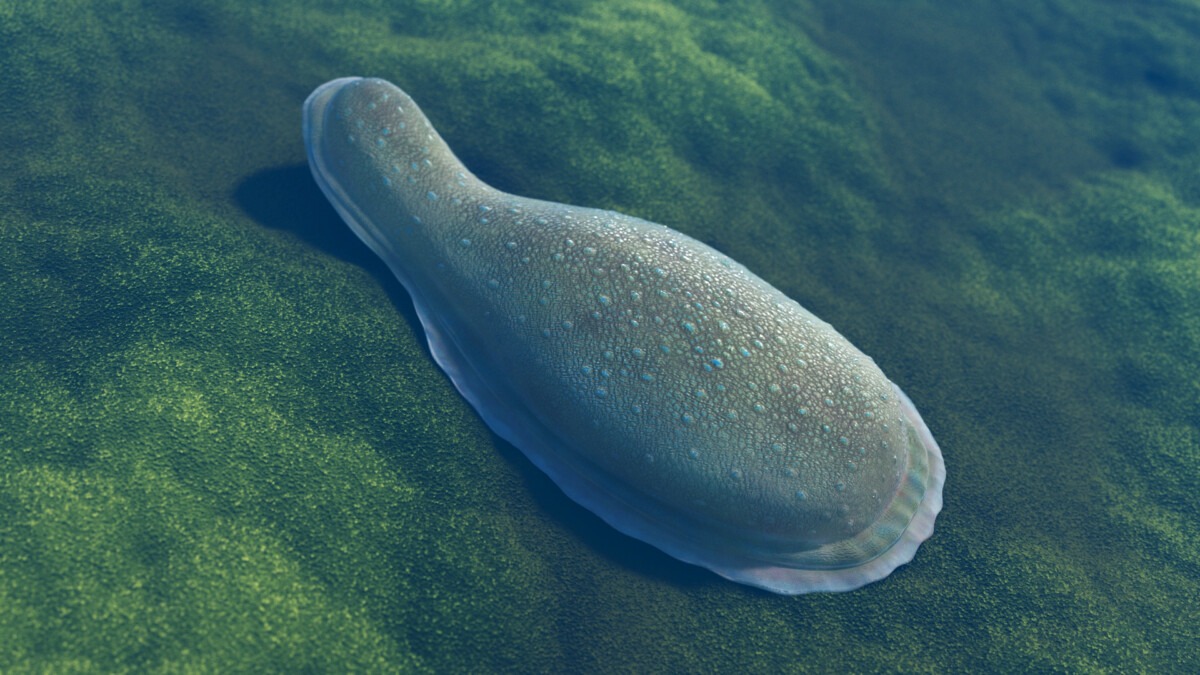
Chemoreception, the ability to detect chemical stimuli, likely emerged around 600 million years ago among some of the earliest soft-bodied multicellular organisms. This evolutionary leap did not necessarily require a proto- or pre-brain in the complex sense associated with later animals but rather relied on cellular mechanisms capable of processing chemical information. These early forms
Chemoreception: Taste and Smell Emerge Read More »
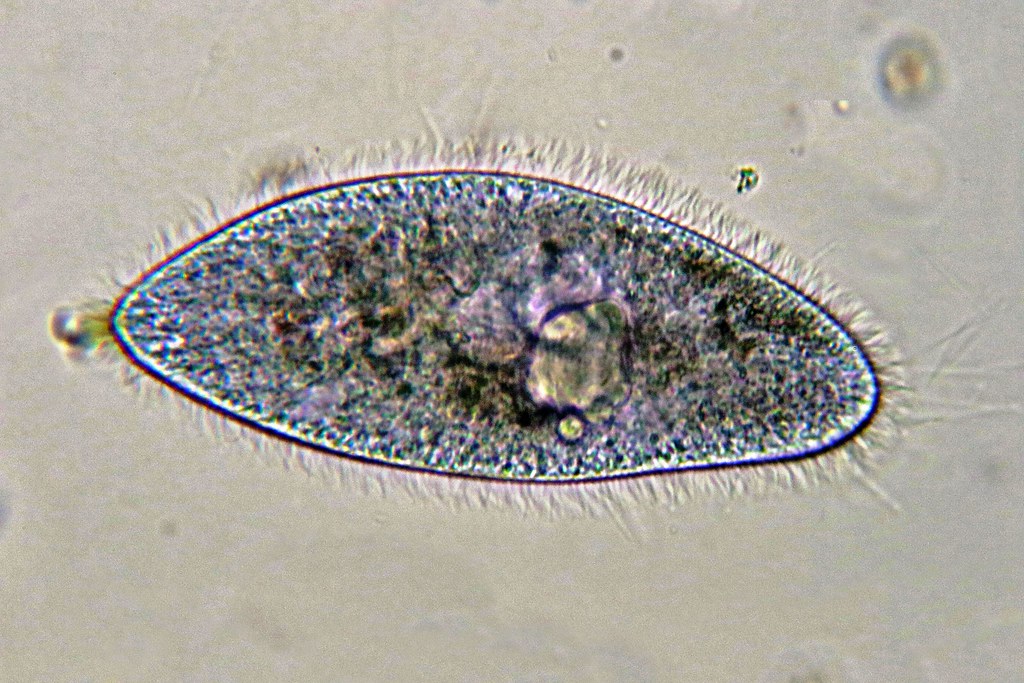
About 3.72 billion years ago, right after LUCA, when cells emerged, touch became the most ancient form of biological sensing: required to physically navigate reality.
Touch: Life Learns to Feel Force Read More »
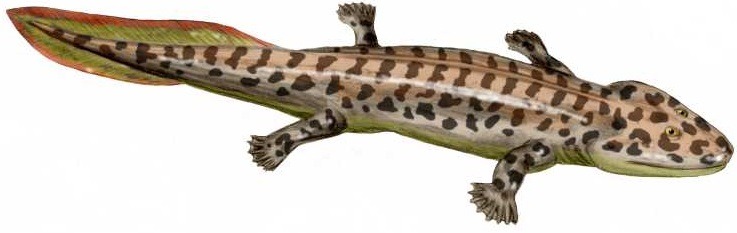
Hearing, which initially appeared in early fish, underwent a remarkable transformation as vertebrates transitioned to terrestrial life a bit after 400 million years ago. Early forms of hearing involved simple pressure-sensitive cells that could detect vibrations in water. As amphibians moved onto land, rudimentary hearing evolved into processing airborne sound. This transition further drove the
Land Hearing Emerges: Amphibians Read More »
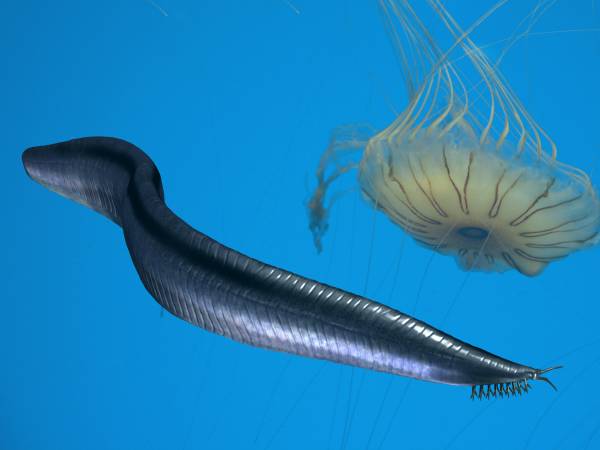
Vision evolved as early as 540 million years ago during the Cambrian explosion. The ability to see, alongside the development of hearing, provided organisms with the evolutionary advantage of sensing their environment from a distance. This sensory evolution necessitated the development of larger brains for the complex processing of visual data, marking a pivotal moment
Vision Emerges: The Pre-fish Chordates Read More »
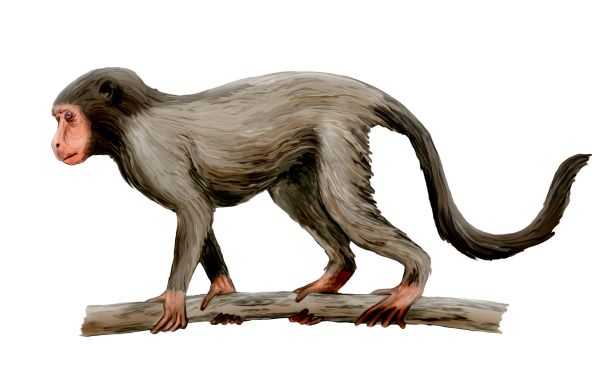
True Primate: Within mammals, only primates have binocular vision, grasping hands, and flat nails–instead of claws. Intelligent: Within the dense forests of the Oligocene epoch, Aegyptopithecus zeuxis marked a significant advance in the evolution of intelligence among primates. As an early forerunner to both the great apes and humans, Aegyptopithecus possessed adaptations crucial for enhanced
Early Intelligence Emerges: Aegyptopithecus zeuxis Read More »
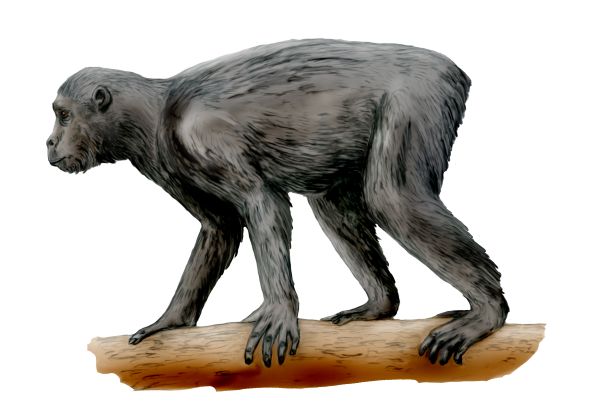
800,000 Generations Ago The last common ancestor with humans and gibbons lived around 20 mya. Great Apes LCA candidate: Proconsul, an inhabitant of the Miocene forests in East Africa, stands as a landmark in the evolutionary journey toward self-awareness. This early ape lacked a tail and exhibited a mixture of arboreal and terrestrial traits, providing
Genus Proconsul (Self-Awareness Settles) Read More »
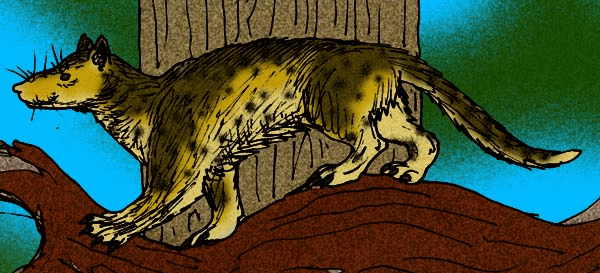
Emerging in the lush forests of the Eocene, Miacis signifies a pivotal moment in the evolution of cognitive abilities among mammals. As a basal member of the Carnivora, this small, tree-dwelling creature exhibited behaviors and social dynamics suggesting the early stages of self-awareness. Though not akin to the self-recognition seen in humans or other highly
Early Self-Awareness: Miacis Read More »
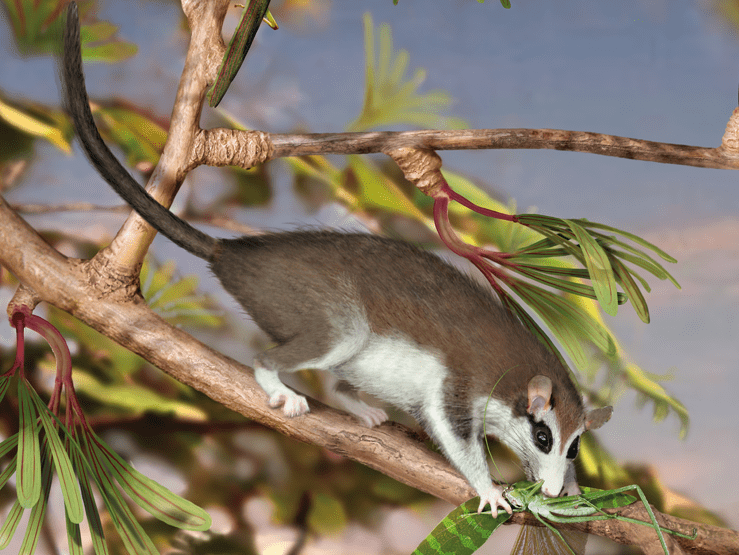
The rise of Eomaia scansoria, an early placental mammal, marks a definitive leap towards “Complex Sentience” in the evolutionary saga leading to humans. Unearthed from the Early Cretaceous period, Eomaia’s sophisticated array of mammalian features heralds the advent of deeply emotional and social behaviors. Possessing a brain and nervous system capable of supporting complex emotions,
Complex Sentience Settles: Eomaia scansoria Read More »
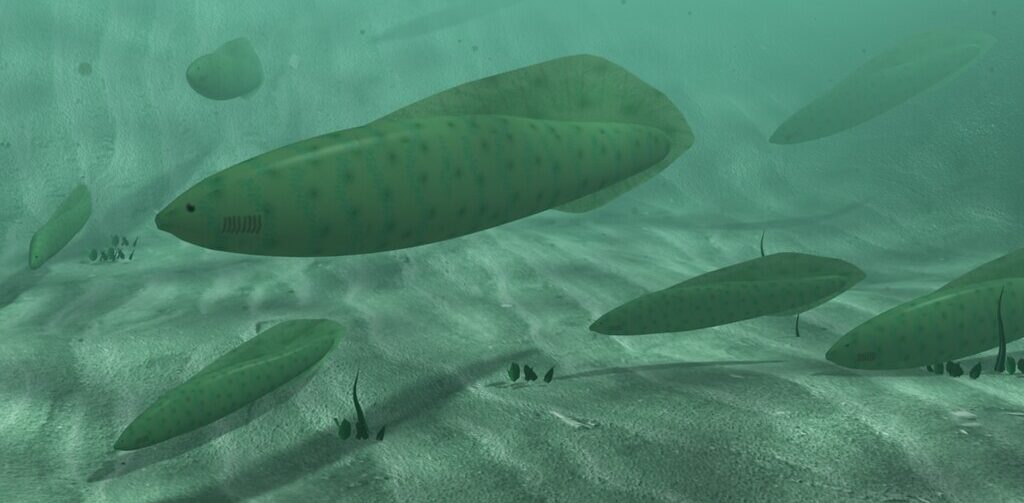
From no sentience or presentience to solidly “Simple Sentience,” early fish during this time represent our ancestral beings that started to suffer and feel the dichotomy of pleasure and pain. Haikouichthys (circa 520 Million Years Ago): Dwelling in the ancient seas of the Cambrian period, Haikouichthys is among the earliest forms of vertebrate life, showcasing fundamental advancements
Simple Sentience Settles: Haikouichthys Read More »
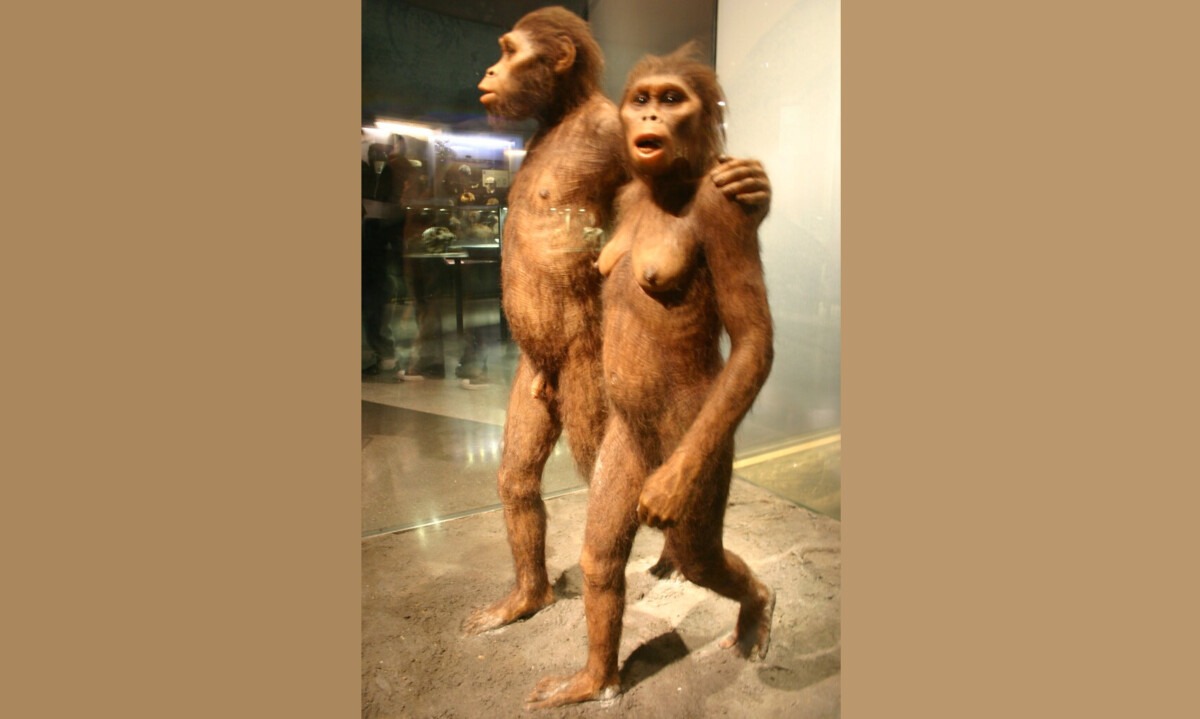
116,000 Generations Ago This genus is more directly ancestral to humans and includes several species, such as Australopithecus afarensis (famously represented by “Lucy”), Australopithecus africanus, and others. Australopithecines show a greater commitment to bipedalism and have features more closely resembling modern humans, although they still retained some adaptations for climbing. This genus is known for
Genus: Australopithecus Read More »