Black mold
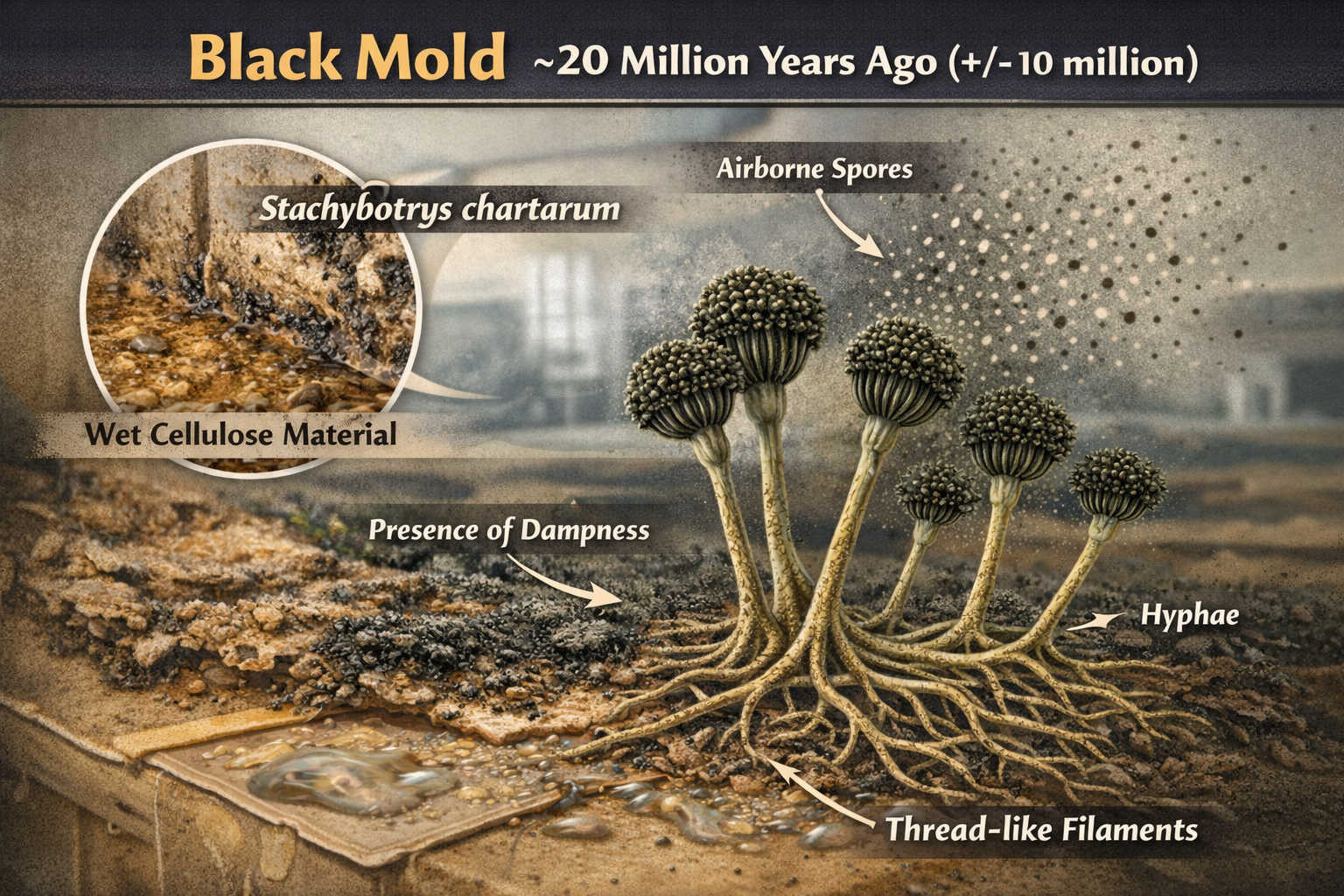
Black mold is part of the normal fungal world: usually a moisture-driven irritant and allergy problem, sometimes a more serious respiratory issue for sensitive or vulnerable people.
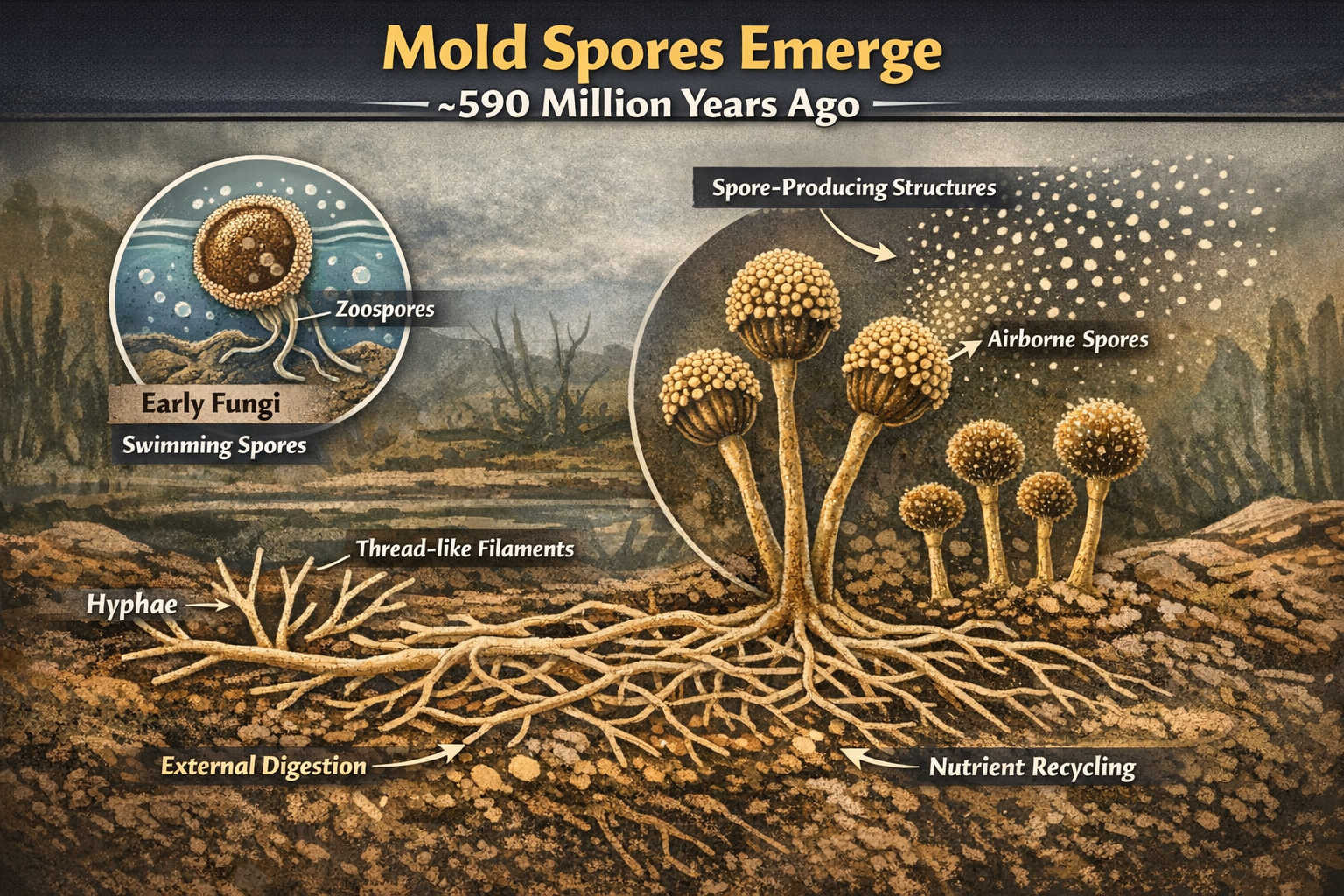
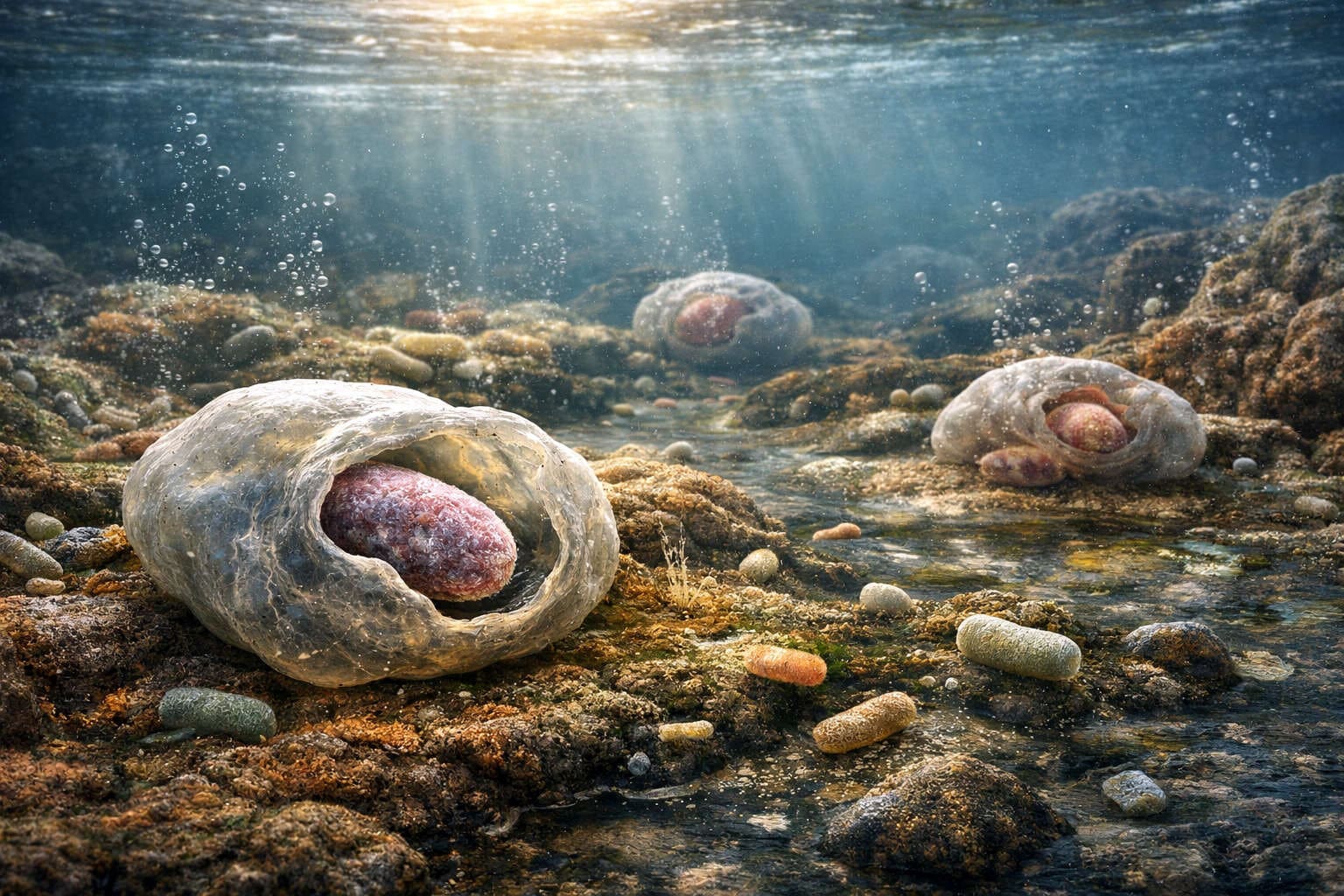
Mold spores helped early fungi spread farther, feed efficiently, and become some of Earth’s great recyclers.
Mold Spores Emerge Read More »
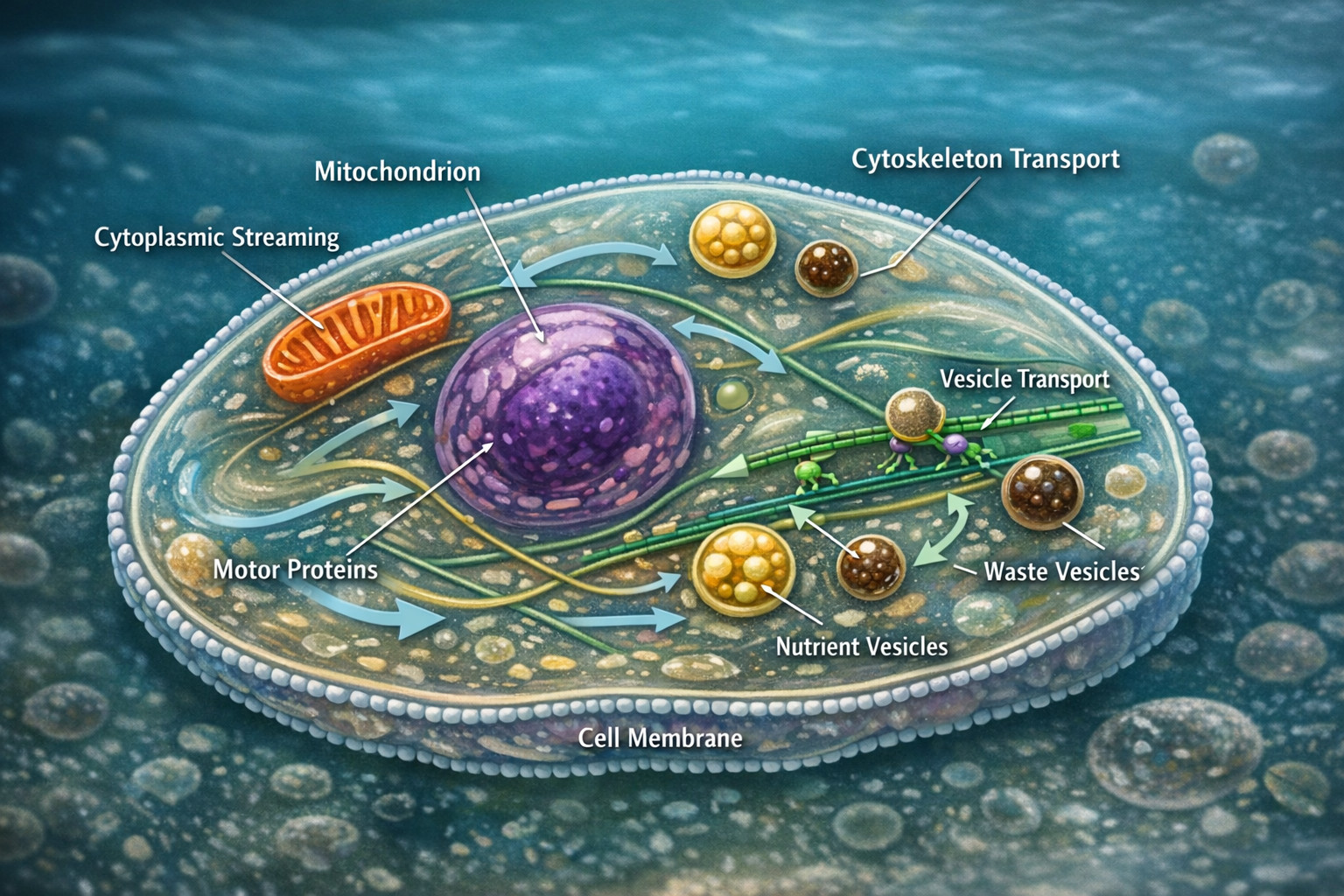
The movement of fluids, and in a way, the start of circulation and digestion, evolved in single celled prokaryotes right after LUCA to distribute nutrients and remove waste. Eventually, as eukaryotic cells grew larger and more complex, simple diffusion was no longer sufficient to move materials efficiently inside the cell. Cytoplasmic streaming and cytoskeleton-guided transport
Intracellular Flow and Nutrient Exchange Read More »
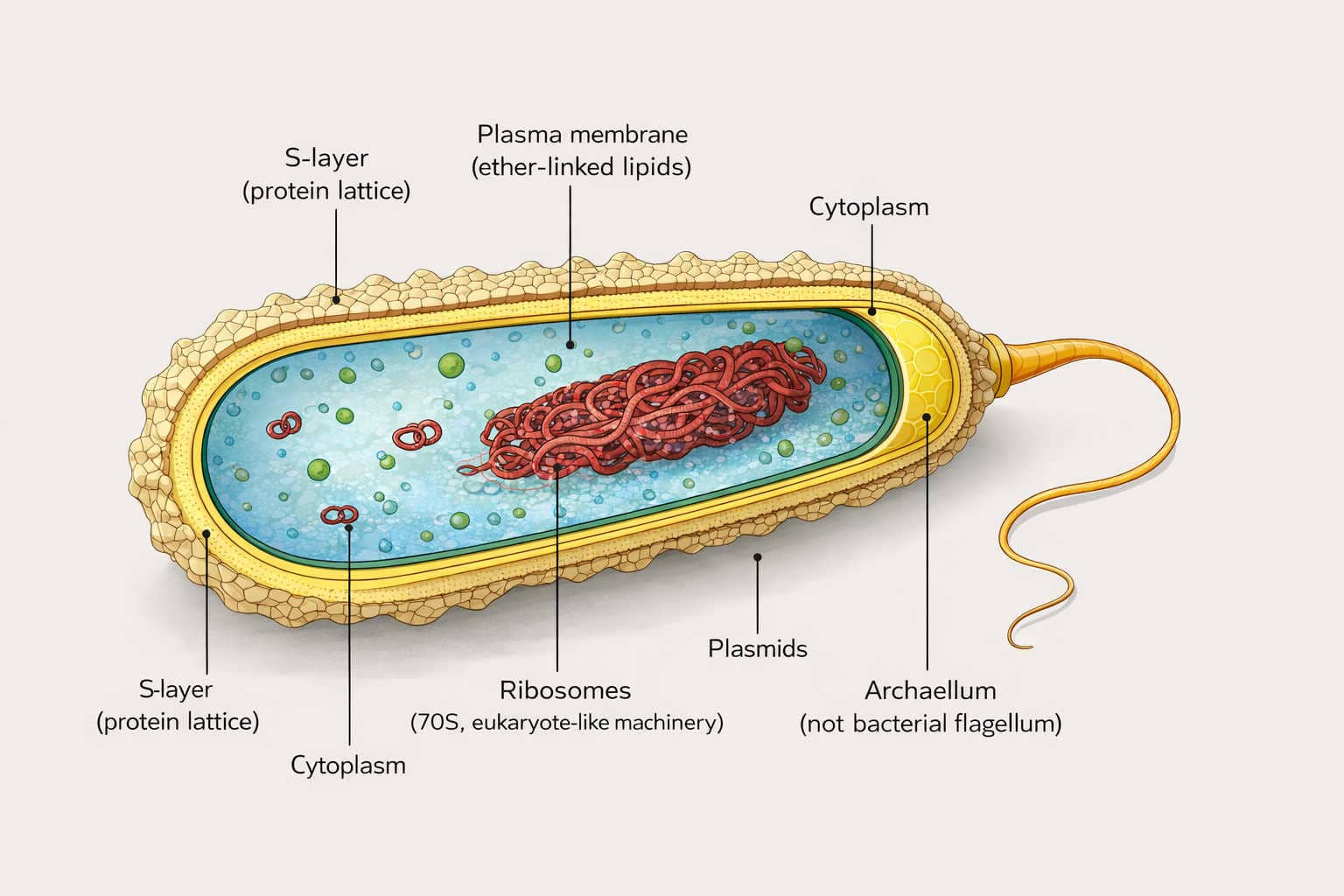
Archaea are a primary branch of early life, and eukaryotes emerged from within this archaeal lineage.
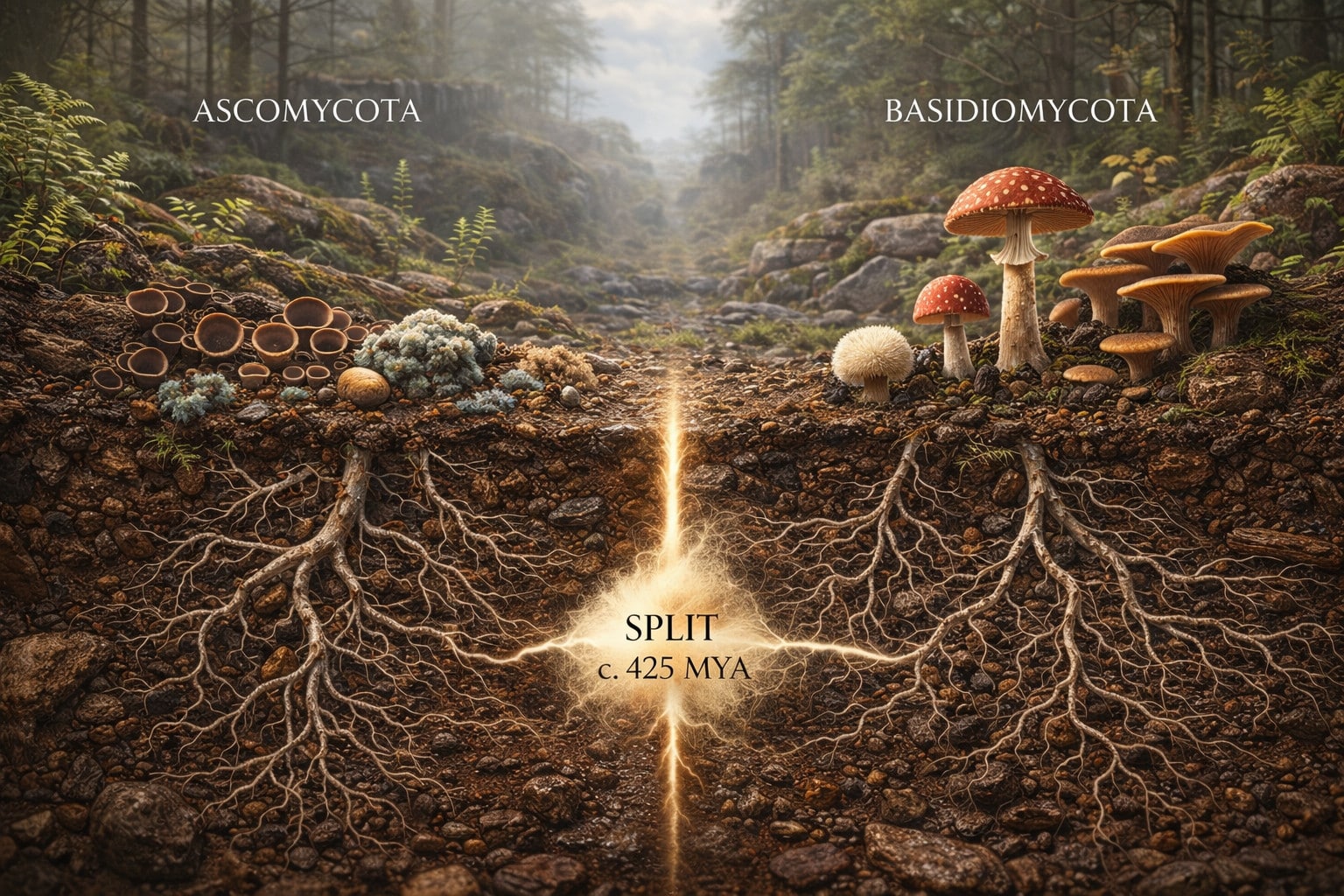
About 425 million years ago, modern fungi morphology emerges. Modern fungi are built on one ancient division.
Fungal Great Split: Ascomycota & Basidiomycota Read More »
About 2 billion years ago, bacteria are added to cells and that group leads to eukaryotes. You are a walking chimera ecosystem made of an Archaea host and trillions of Bacterial power-plants.
Bacterial Endosymbiosis: Origin of Eukaryotes Read More »
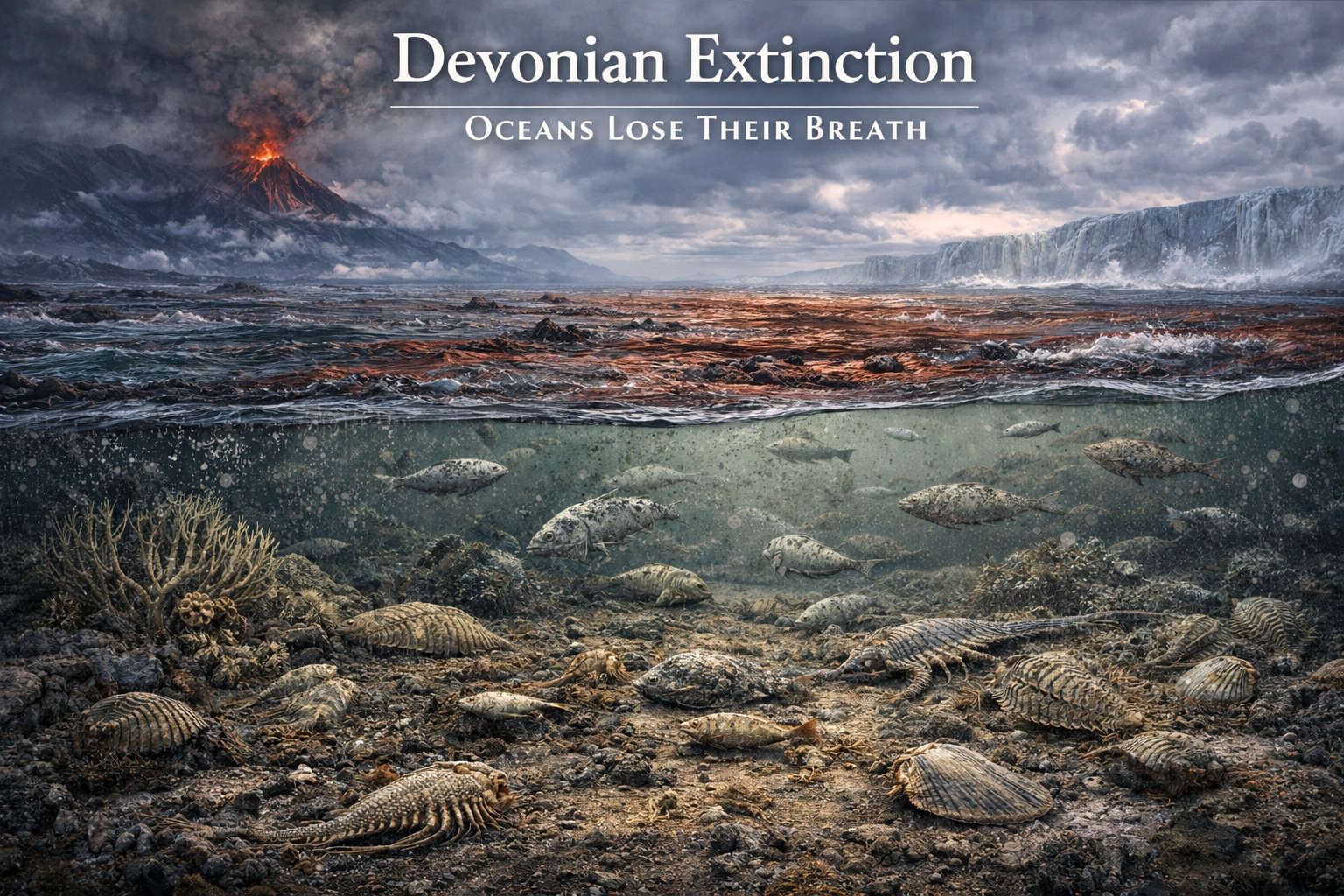
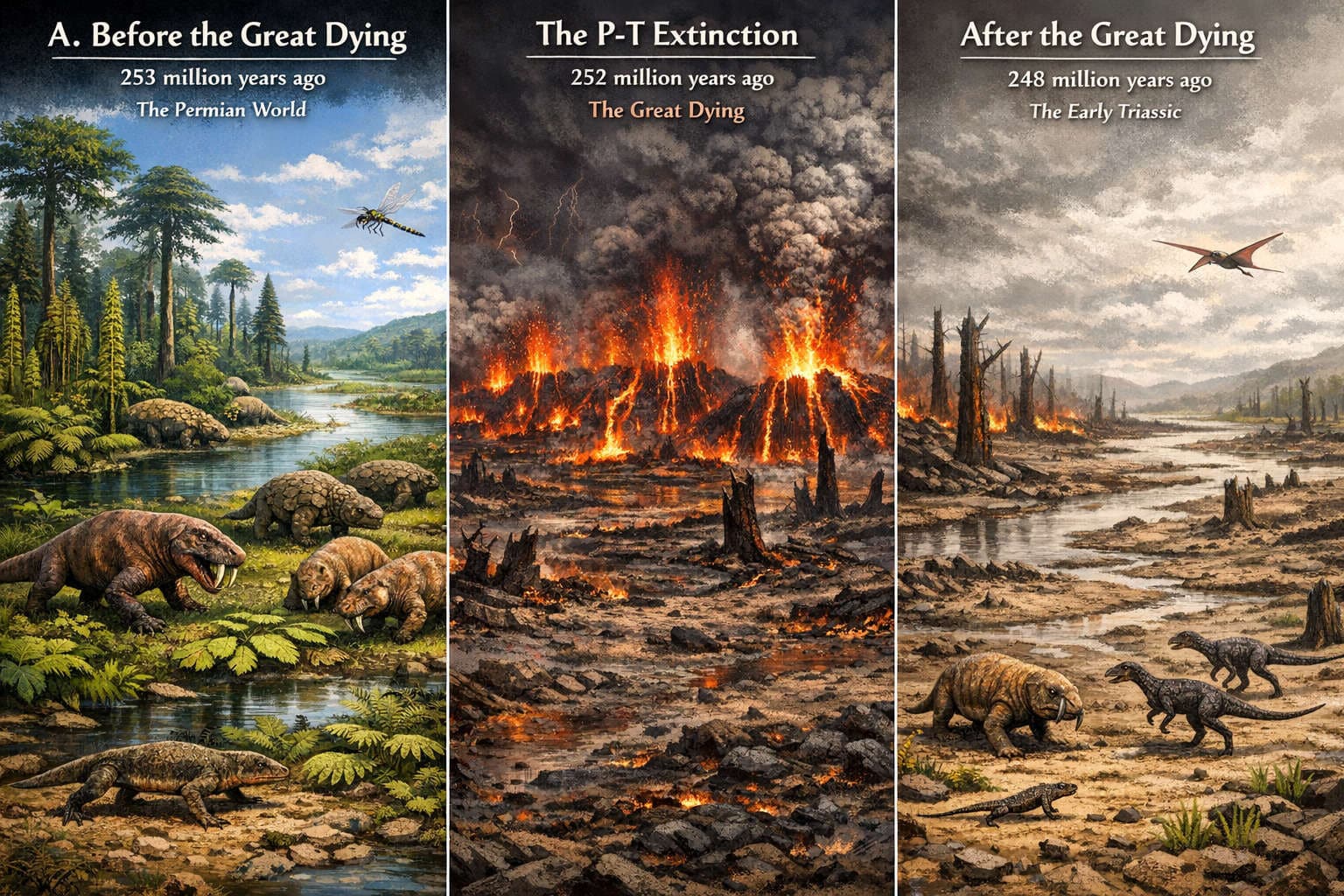
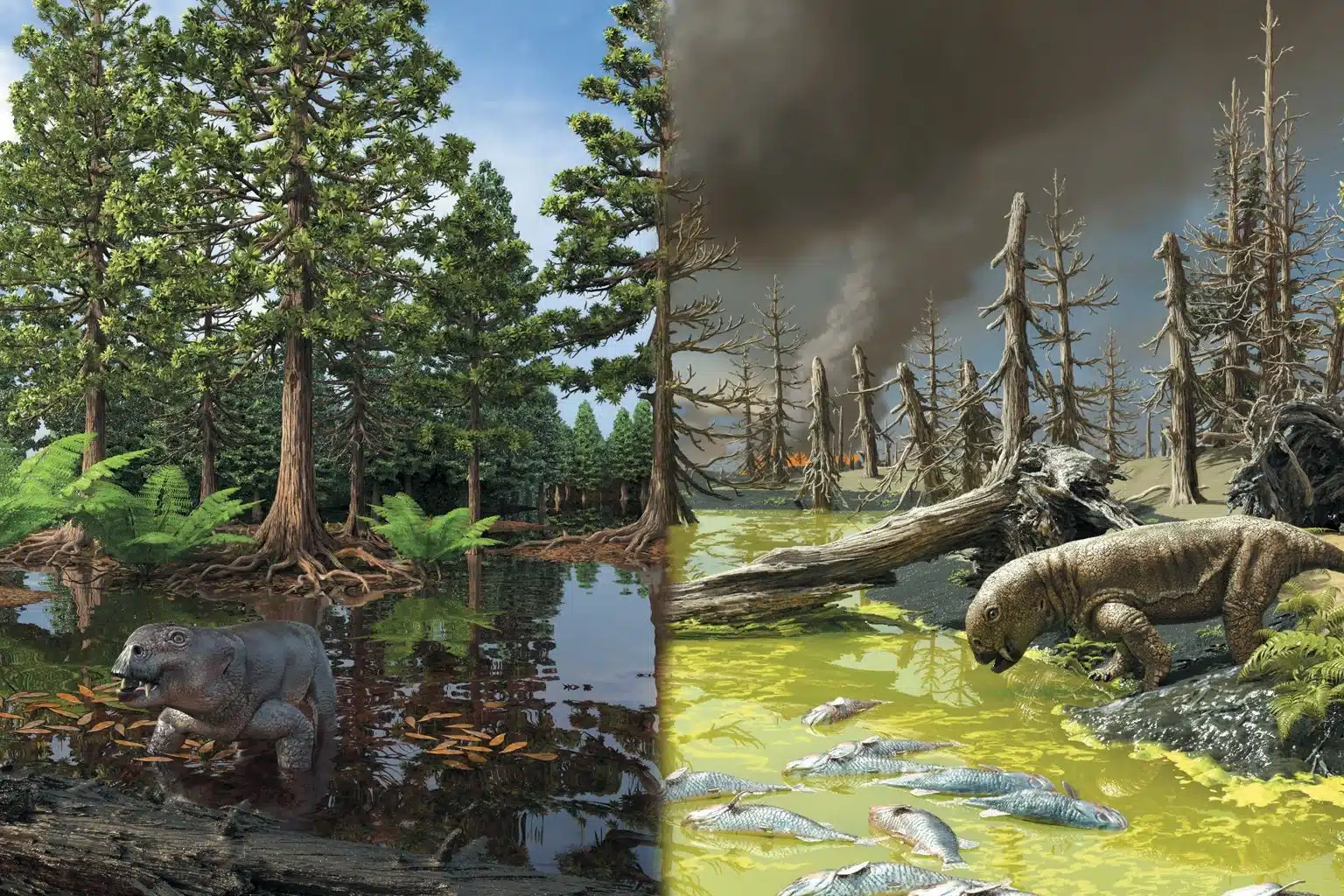
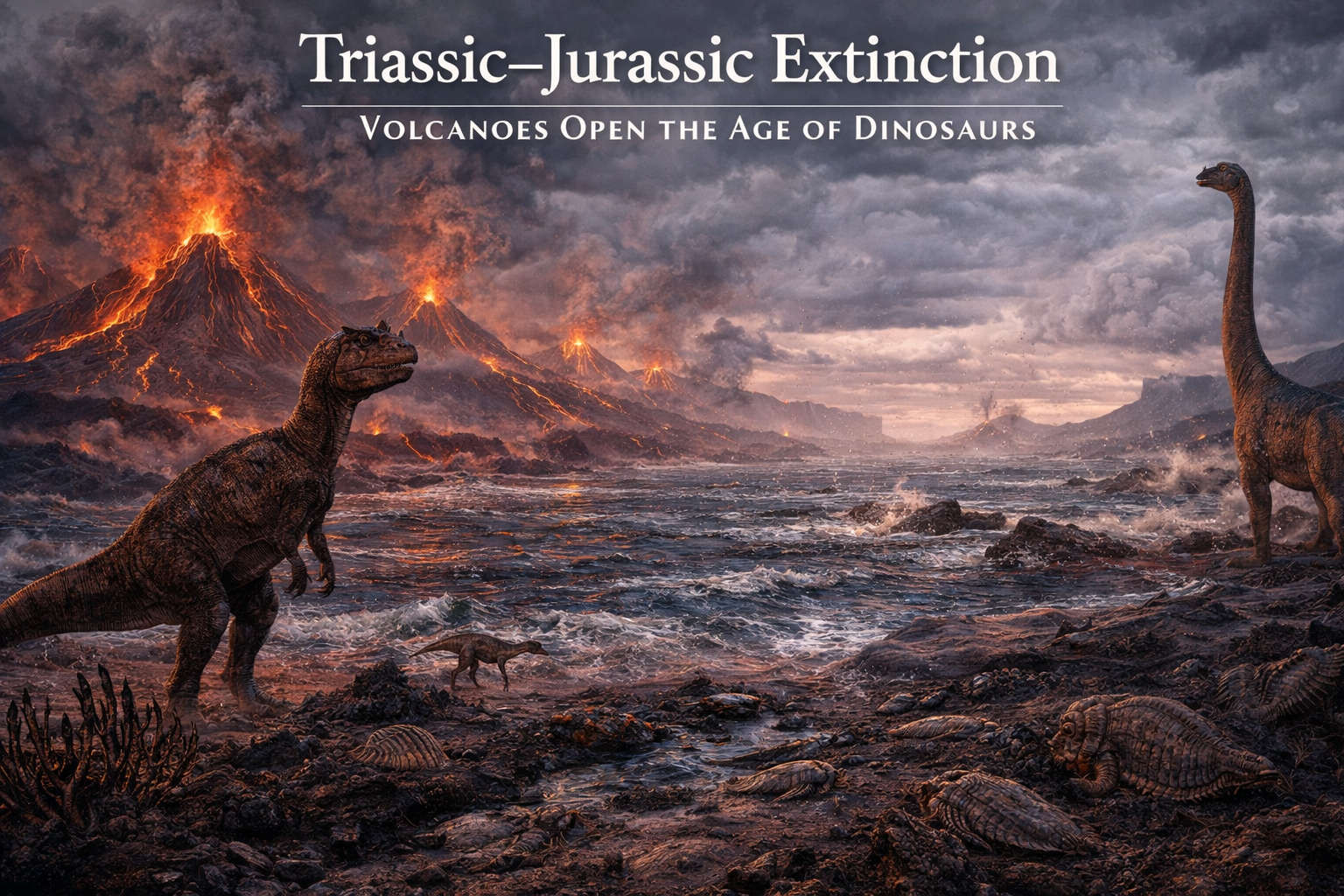
At 252 million years ago, the greatest extinction ends the world as known, fungi begin again.
Fungal Survivors of Extinction Read More »
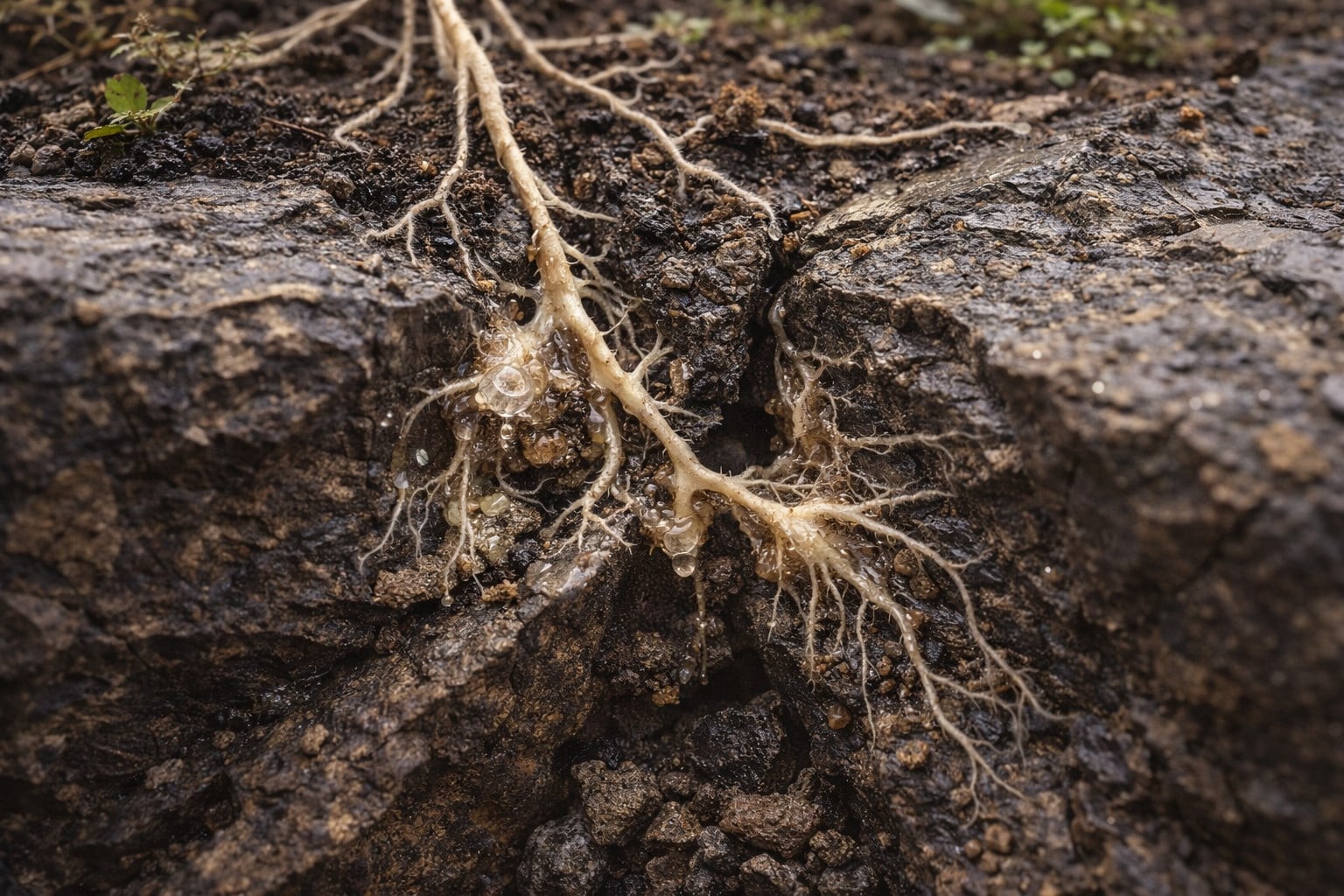
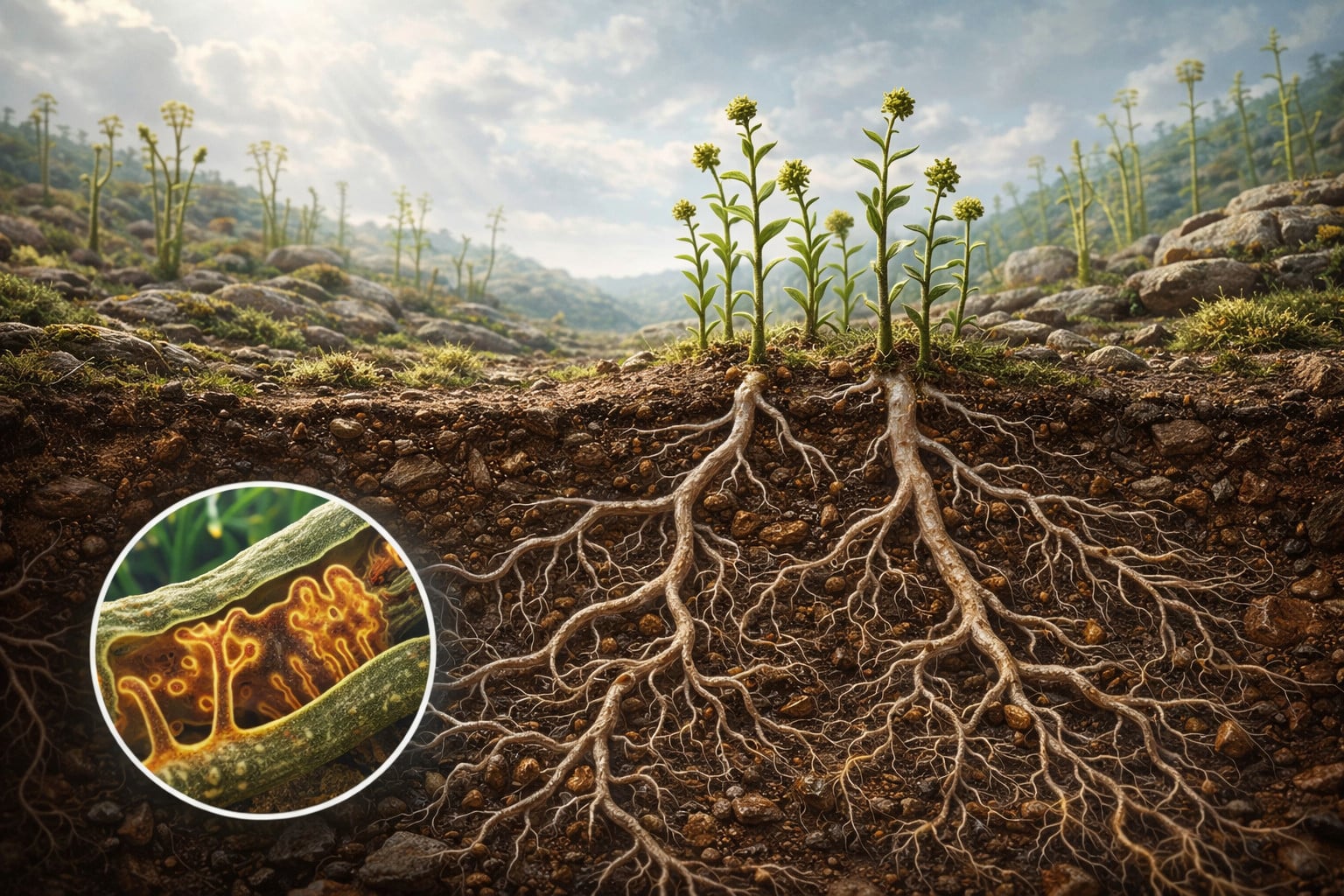
About 450 million years ago, fungi and plants have a rich dirt root alliance. Plants gave sugars, fungi gave phosphorus and minerals.
Fungal Underground Alliance Read More »
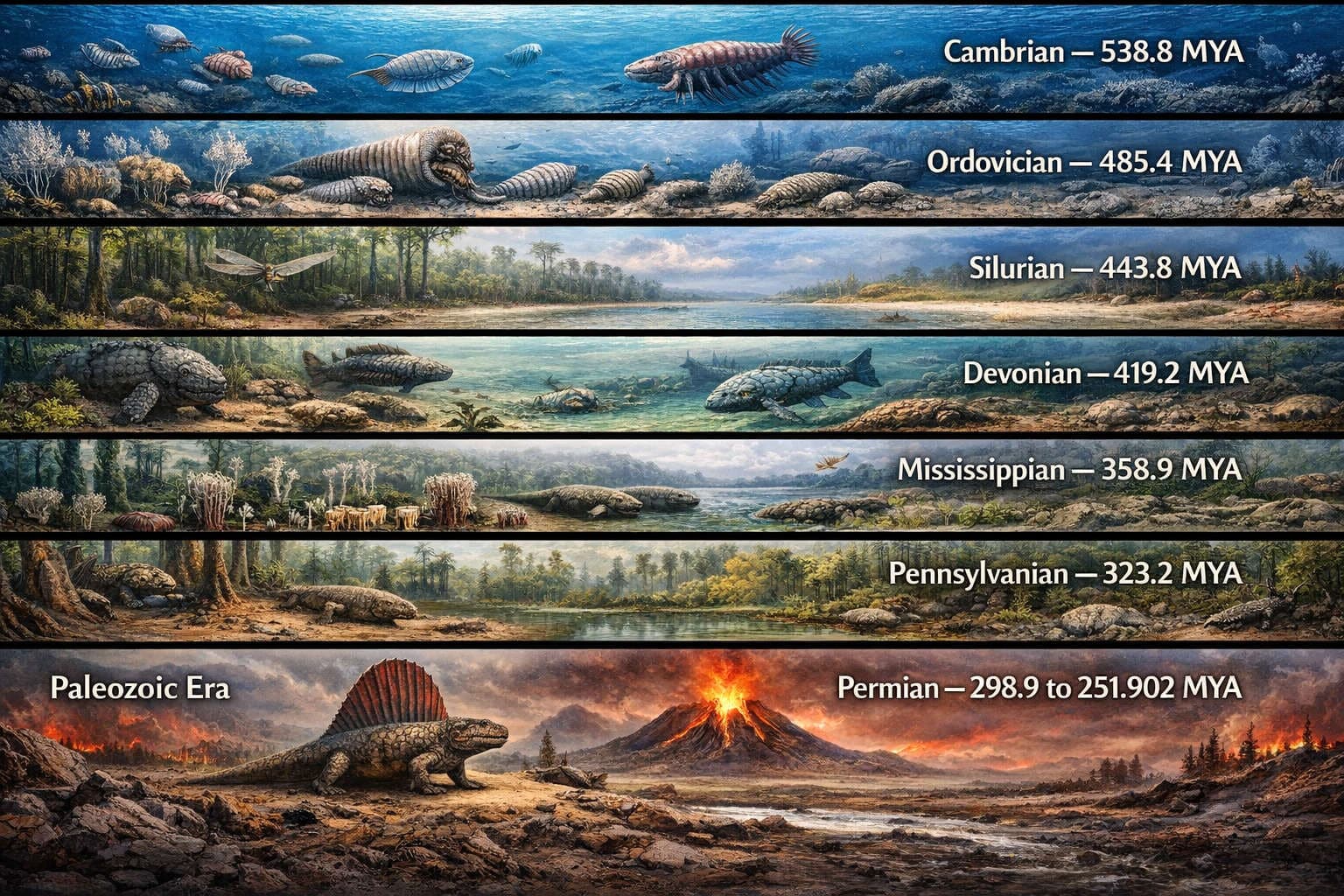
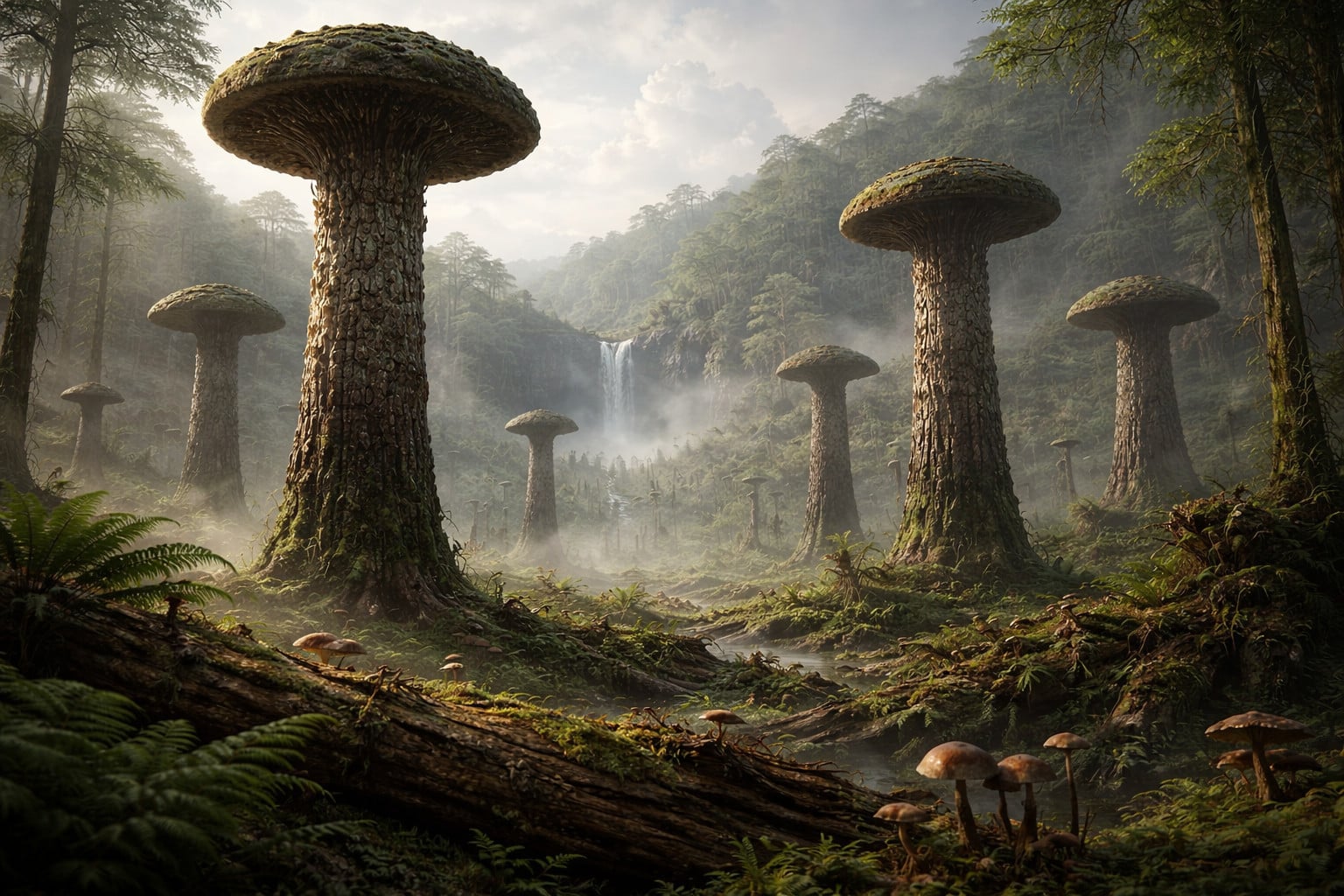
About 420 million years ago, fungi stood taller than trees.
Fungal Giants of the Devonian Read More »
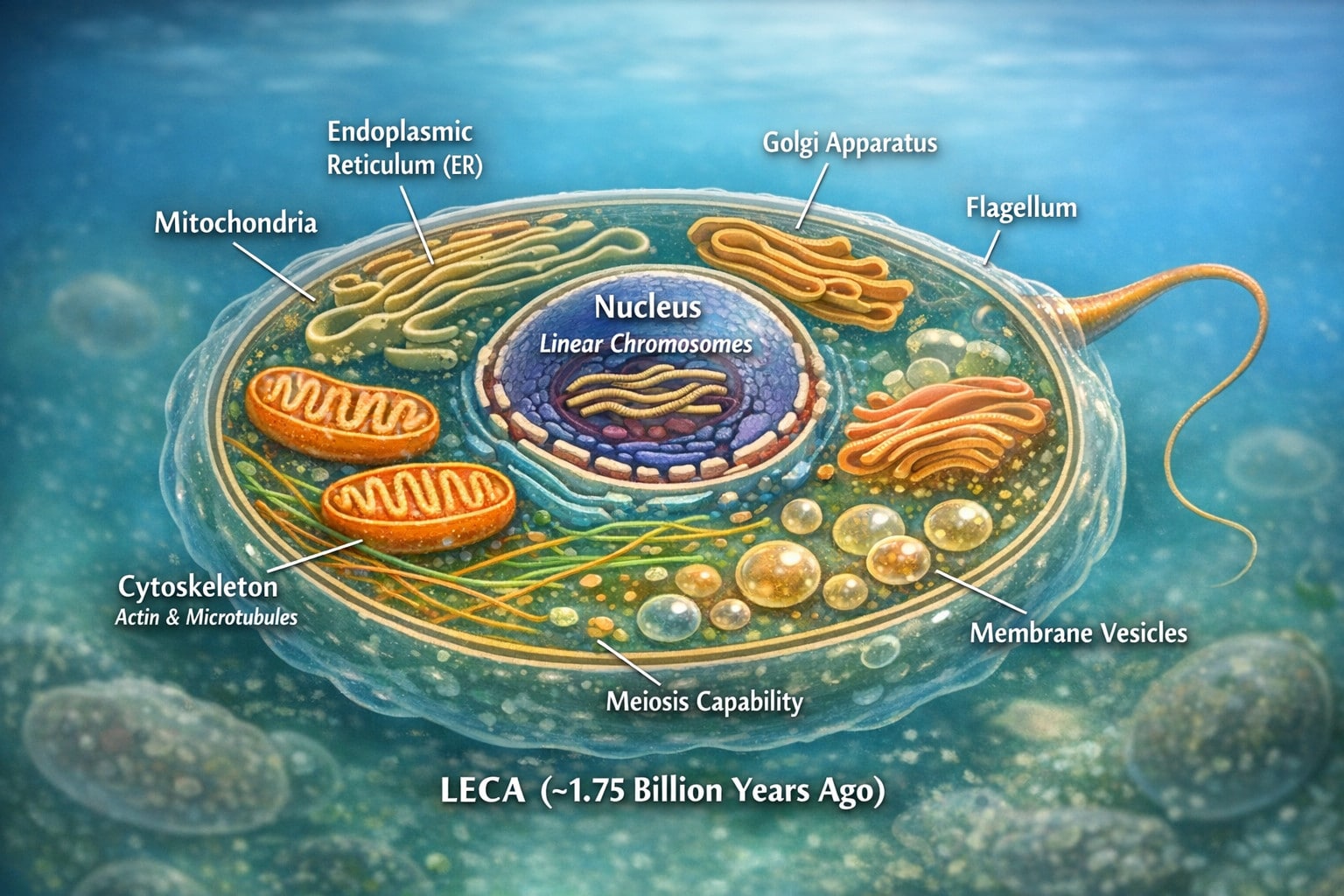
LECA is the Last Eukaryotic Common Ancestor. LECA reproduced sexually pushing the mixing of DNA back before 1.75 billion years ago.
LECA: Likely Sexual Reproduction Read More »
About 600 million years ago, chytrids live in moist and watery environments. They are living fossils in the sense they reproduce with sperm-like cells that can swim to a new area.
First True Fungi: Chytrids (and living fossils) Read More »
About 1.15 billion years ago, our animial-fungi ancestor evolve a true posterior flagellum. Single-celled animal sperm has a lineage back to this ancestor.
Opisthokonts: True Posterior Flagellum Read More »
About 950 million years ago, fungi ancestors evolve into multiple early-diverging lineages with flagellated spores: chytrid-like forms.
Fungi Ancestors Split Off: (aquatic Holomycota) Read More »
About 1.3 billion years ago, our animal-fungi ancestor stopped using two pulling flagella and narrowed it down to a single motor.
Unikonts: Single-Motor flagella Reform Read More »
About 3.72 billion years ago, right after LUCA, when cells emerged, touch became the most ancient form of biological sensing: required to physically navigate reality.
Touch: Life Learns to Feel Force Read More »
All life today are either Prokaryote or Eukaryote. Around 2 billion years ago, Eukaryotes evolved from Prokaryotes. The evolutionary leap to eukaryotes introduced cells with a nucleus and membrane-bound organelles, a complex architecture derived from prokaryotic predecessors through endosymbiosis. This process, crucial for eukaryotic evolution, involved the incorporation of prokaryotic cells into the cytoplasm of
The First True Eukaryotes Read More »
Prokaryotes are nucleus-free cells that include both bacteria and archaea — the two lineages that split shortly after LUCA.