Weekly Insights for Thinkers

History

History of the Lands

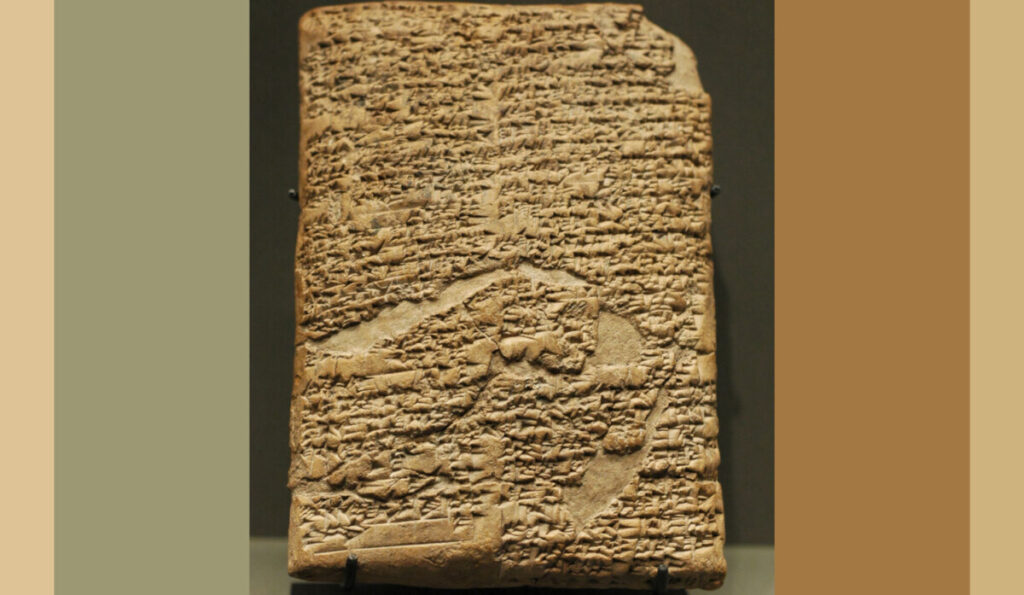
Cuneiform Writing

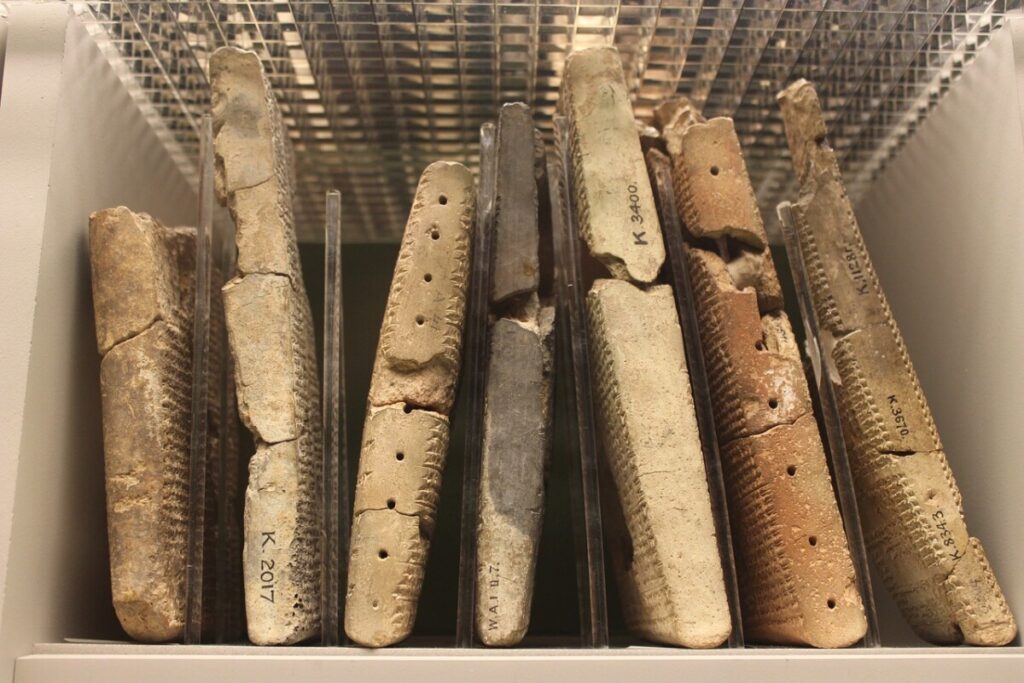
Earliest known writing in Africa/Middle East zone. Human DNA today is the same as 50,000 BCE. There is no doubt there were many dozens and perhaps thousands of civilizations prior to the Sumer civilization, but Sumer is the earliest known, or at least the earliest well known. The Sumer civilization first established between 6500 and […]

Cuneiform Writing Read More »

Marcus Aurelius

76 Generations Ago 30 Phil, Chapter 13: Marcus Aurelius and Stoicism Some of my favorite translated meditations include: Learn to be indifferent to what makes no difference. The happiness of your life depends upon the quality of your thoughts.

Marcus Aurelius Read More »

Confucius

103 Generations Ago 30 Phil, Chapter 5: Confucius and Confucianism Confucius is remembered for his practical applied philosophy. His sayings are a reflection of many centuries of common sense sayings making his philosophy deeply Chinese. My favorite sayings: The man who knows he can, and the man who knows he cannot, are both correct. Real

Confucius Read More »

Early Sumer Civilization

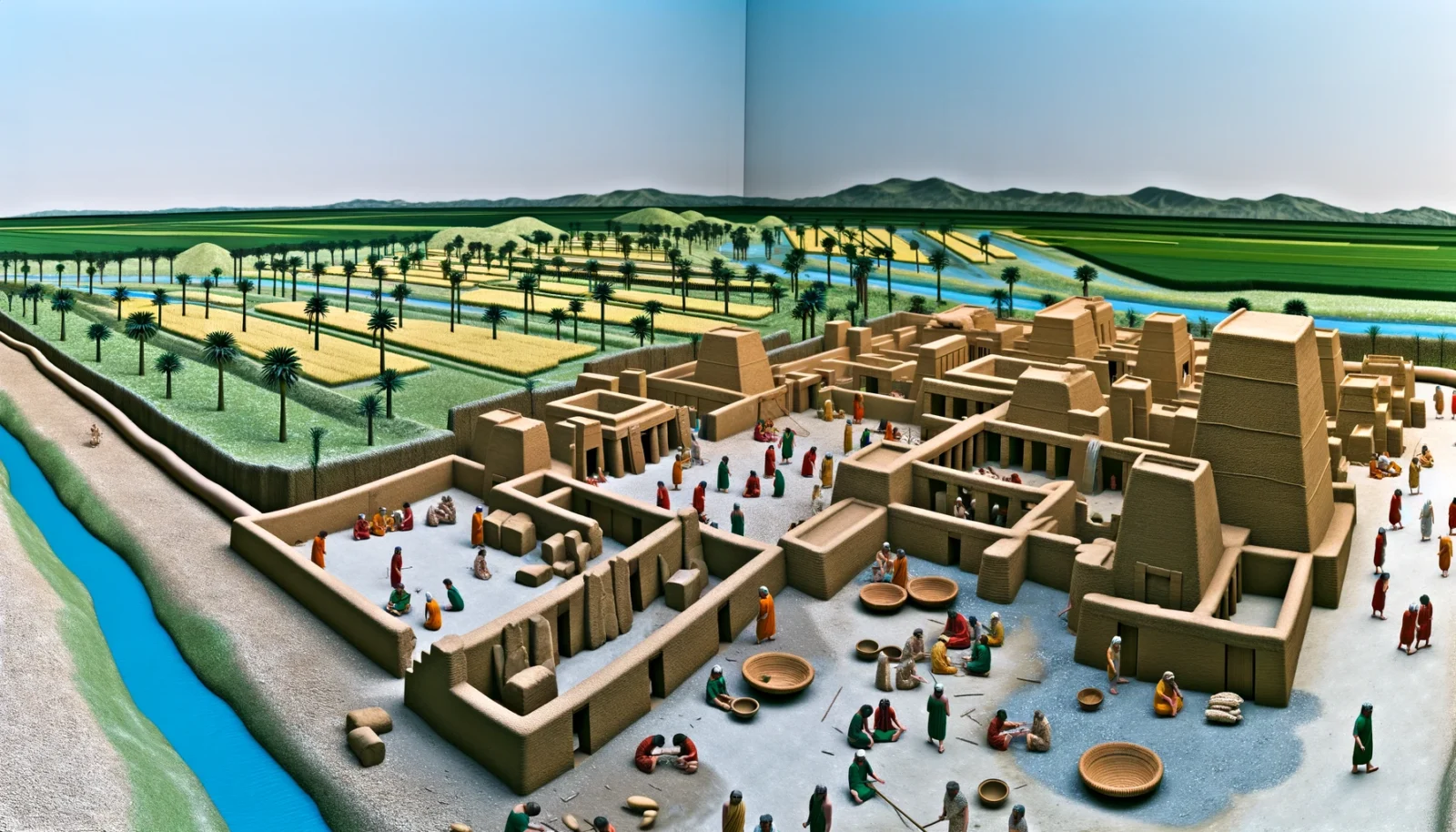
From 6500 to 4000 BCE, the Sumer civilization increased in social polarization. For example, central houses in the settlements became bigger. This early Sumer culture is characterized by large unwalled villages with multi-roomed rectangular mud-brick houses. The village featured public buildings including temples and centralized government. They had fine quality greenish colored pottery decorated with

Early Sumer Civilization Read More »

City of Catalhoyuk

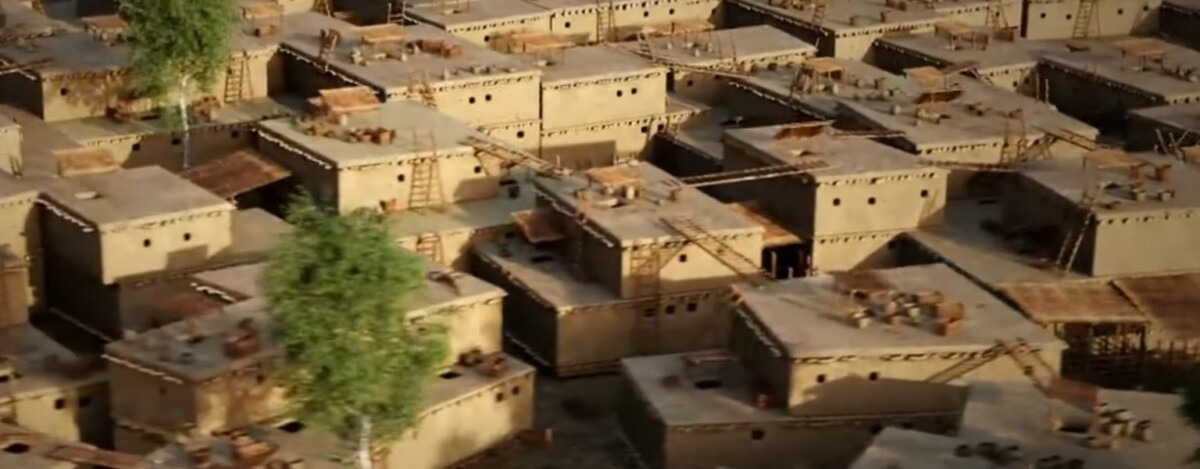
The city of Çatalhöyük was a very large Neolithic city in the southern Anatolia peninsula in modern day Turkey. The population of 5,000 to 10,000 lived in mudbrick buildings. Some of the larger buildings have ornate murals. A painting of the village, with the twin mountain peaks in the background is frequently cited as the

City of Catalhoyuk Read More »

Oldest Known Bracelet

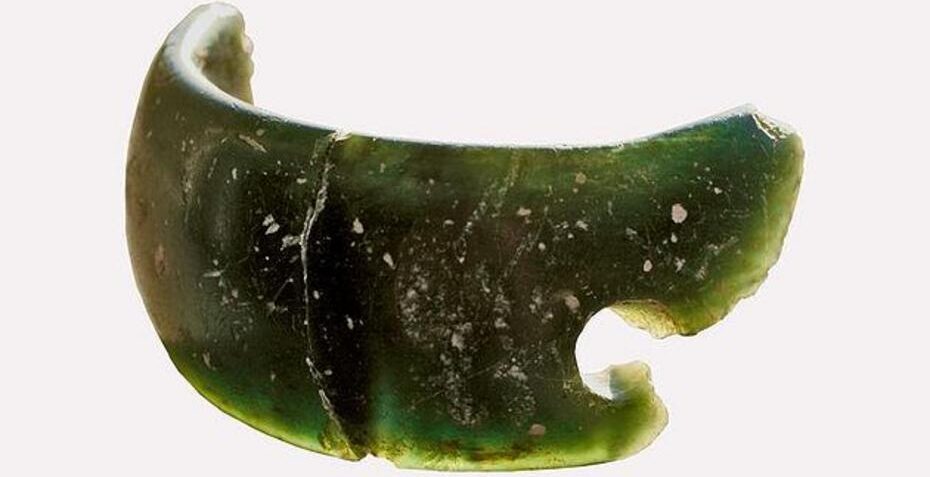
Denisovan: This bracelet dates from 70,000 to 40,000 BCE. It was discovered inside the Denisova Cave beside ancient human remains. The Denisova Cave is a cave located in Siberia, Russia. Other cave finds include woolly mammoth and woolly rhino bones. Scientists say there is evidence that the bracelet’s maker used a drill. This is the

Oldest Known Bracelet Read More »

Code of Hammurabi

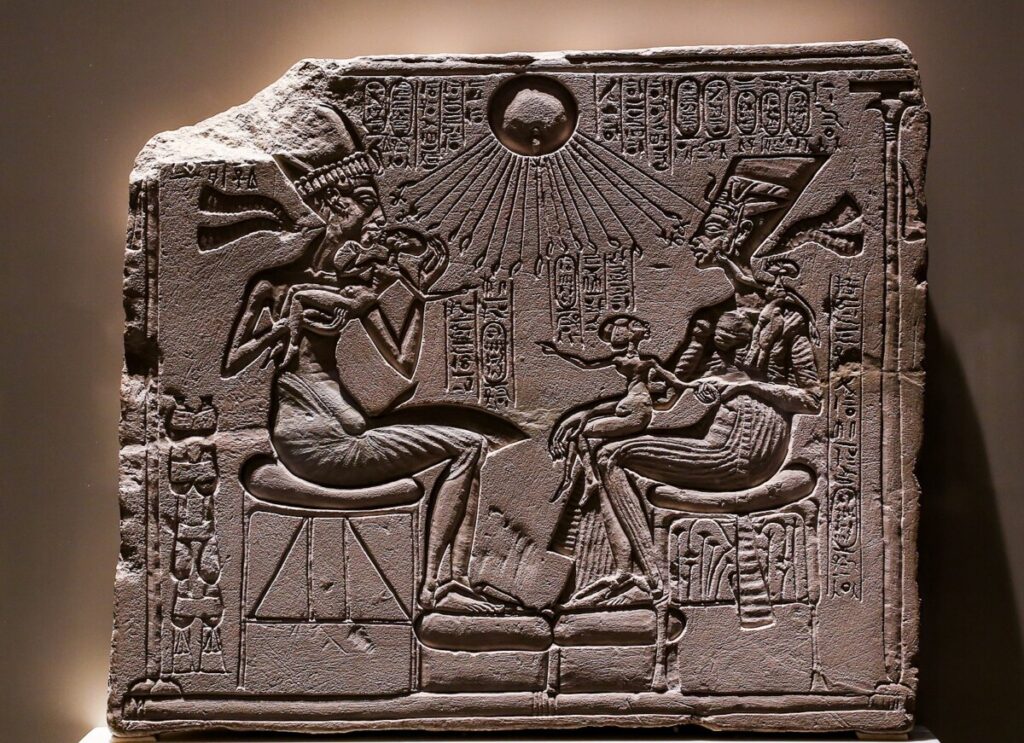
A set of about 300 legal laws written in stone from ancient Near East that withstood the test of time. Hammurabi, the sixth king of the First Dynasty of Babylonian, wrote it in cuneiform in the Old Babylonion dialect of Akkadian. The text itself was copied and studied by Mesopotamian scribes for over a millennium.

Code of Hammurabi Read More »

Eve: Haplogroup L

7,000 Generations Ago All humans today share a single grandma, circa 175,000 BCE. We know this because all humans alive today share our ancestor’s haplogroup L genes — from our X chromosome. She was one of many thousands of women living in eastern Africa. Many maternal lines survived for many generations but ultimately over time

Eve: Haplogroup L Read More »

Adam: Haplogroup A

11,000 Generations Ago All humans today share a single grandpa, circa 275,000 BCE. We know this because all humans alive today share our ancestor’s haplogroup A genes — from our Y chromosome. He was one of many thousands of men living in eastern Africa. Many paternal lines survived for many generations but ultimately over time

Adam: Haplogroup A Read More »

Oldest Surviving Spear

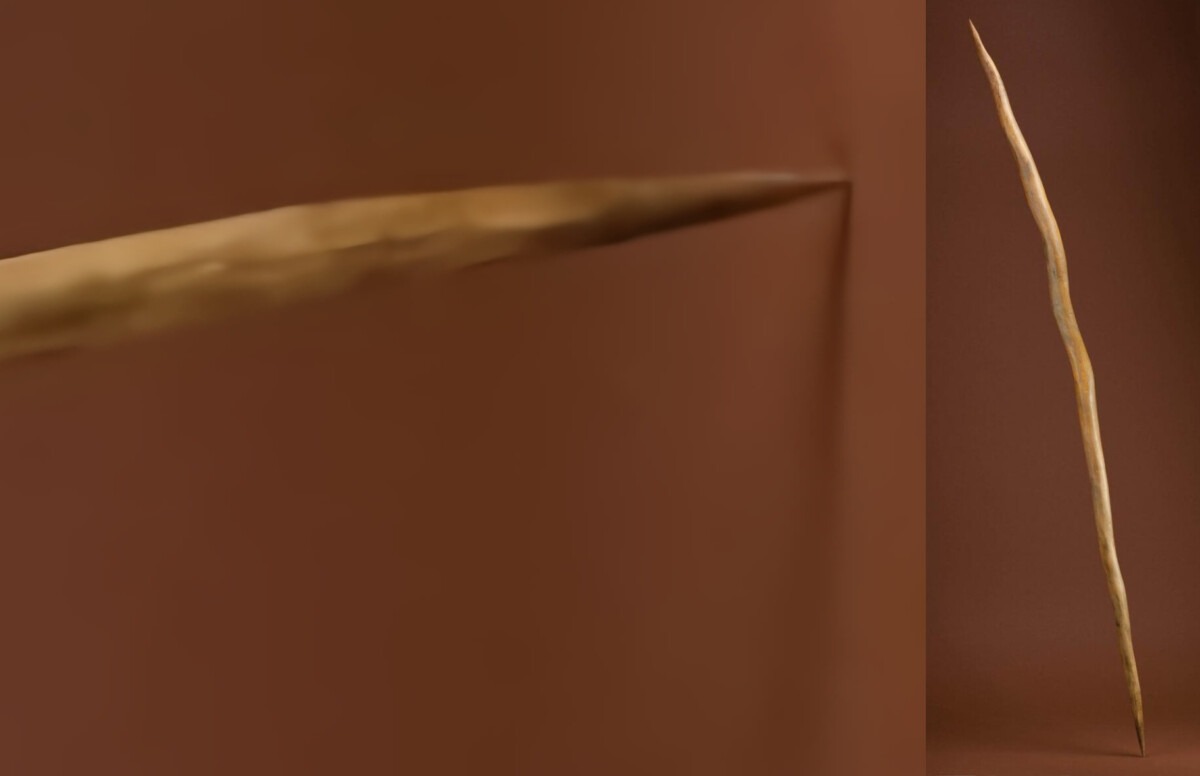
14,000 Generations Ago Homo heidelbergensis: Long spears made hunting large animals more safe. The oldest wooden spears found so far were found in Germany and dates to circa 400,000 BCE. In fact, they are currently the oldest known wooden artifacts. The find included 3 wooden spears, stone tools, and the butchered remains of more than

Oldest Surviving Spear Read More »

Oldest Modern Human-like Footprints

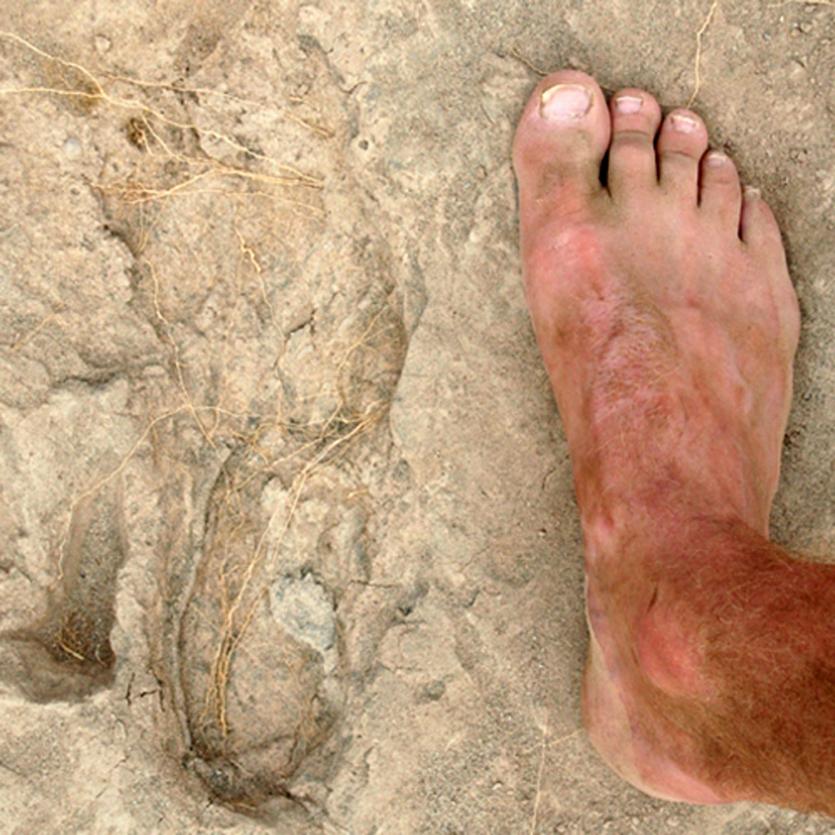
60,800 Generations Ago Species: Likely Homo erectus, our direct ancestor. The footprints found in Ileret, Kenya represent the oldest undisputed evidence of hominins walking upright in an efficient manner characteristic of modern humans. Our style of upright walking, which Homo erectus appears to have shared, is energy-efficient and adapted for long distances. It involves a

Oldest Modern Human-like Footprints Read More »

Hand Axe

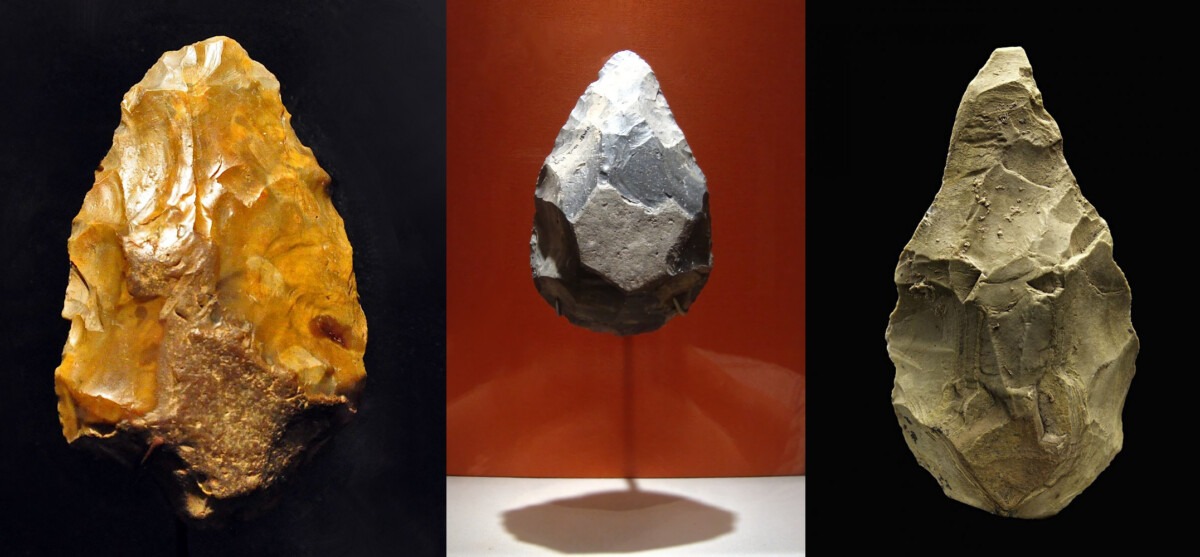
70,400 Generations Ago (from 2020 CE) By about 1.76 million BCE, early humans began to create hand axes. They would strike really large flakes, then continue to shape them around the edges. On the right, the hand axe pictured dates to circa 1.1 million BCE. It was found at Isampur, India.  

Hand Axe Read More »

Scroll to Top