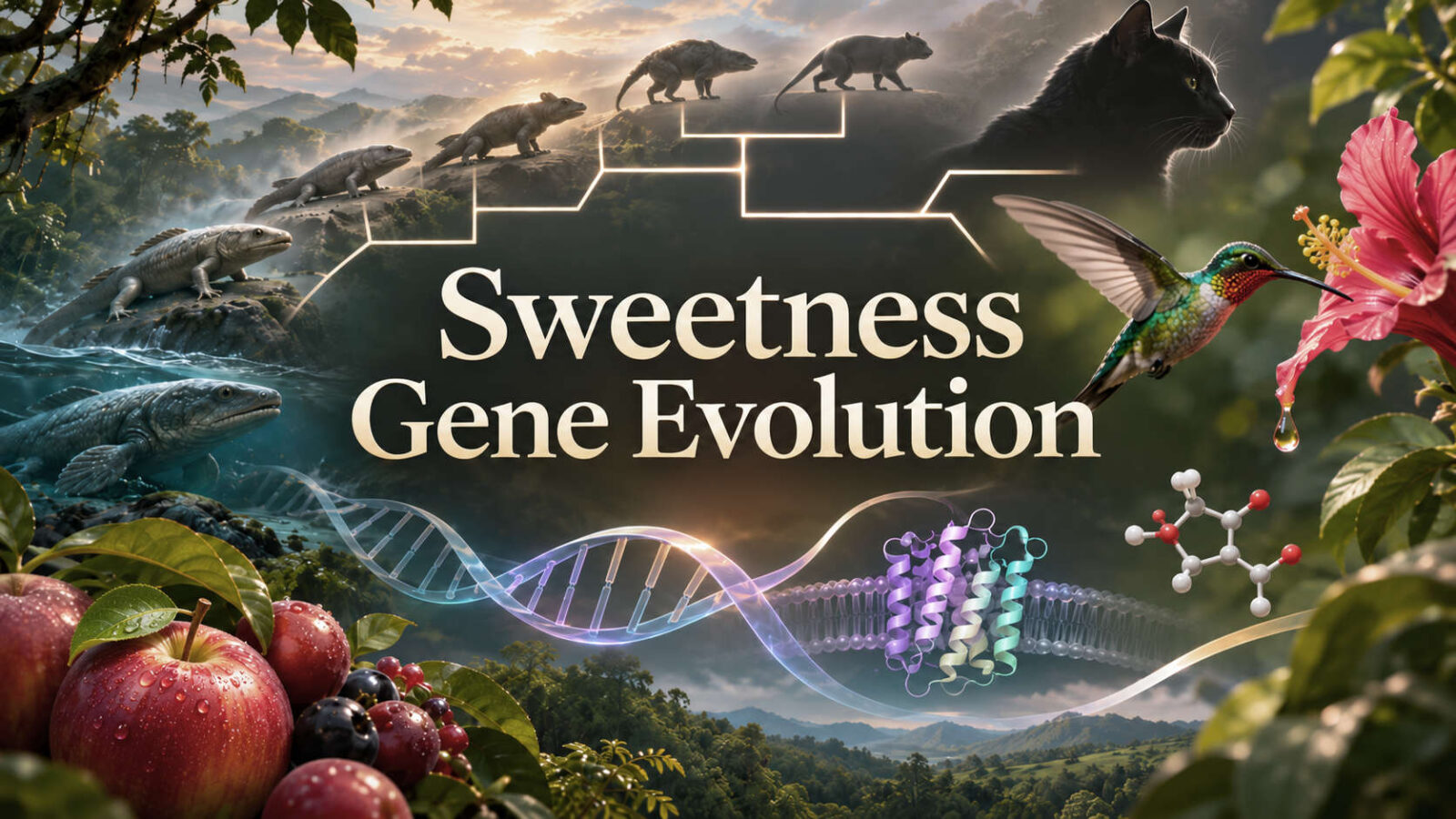
Sweetness Gene Evolves
The evolution of sweetness shows how genes work. Some animal lineages retained a taste for sugar, others lost it, and still others evolved a new way to enjoy sweetness.
Sweetness Gene Evolves Read More »


The evolution of sweetness shows how genes work. Some animal lineages retained a taste for sugar, others lost it, and still others evolved a new way to enjoy sweetness.
Sweetness Gene Evolves Read More »
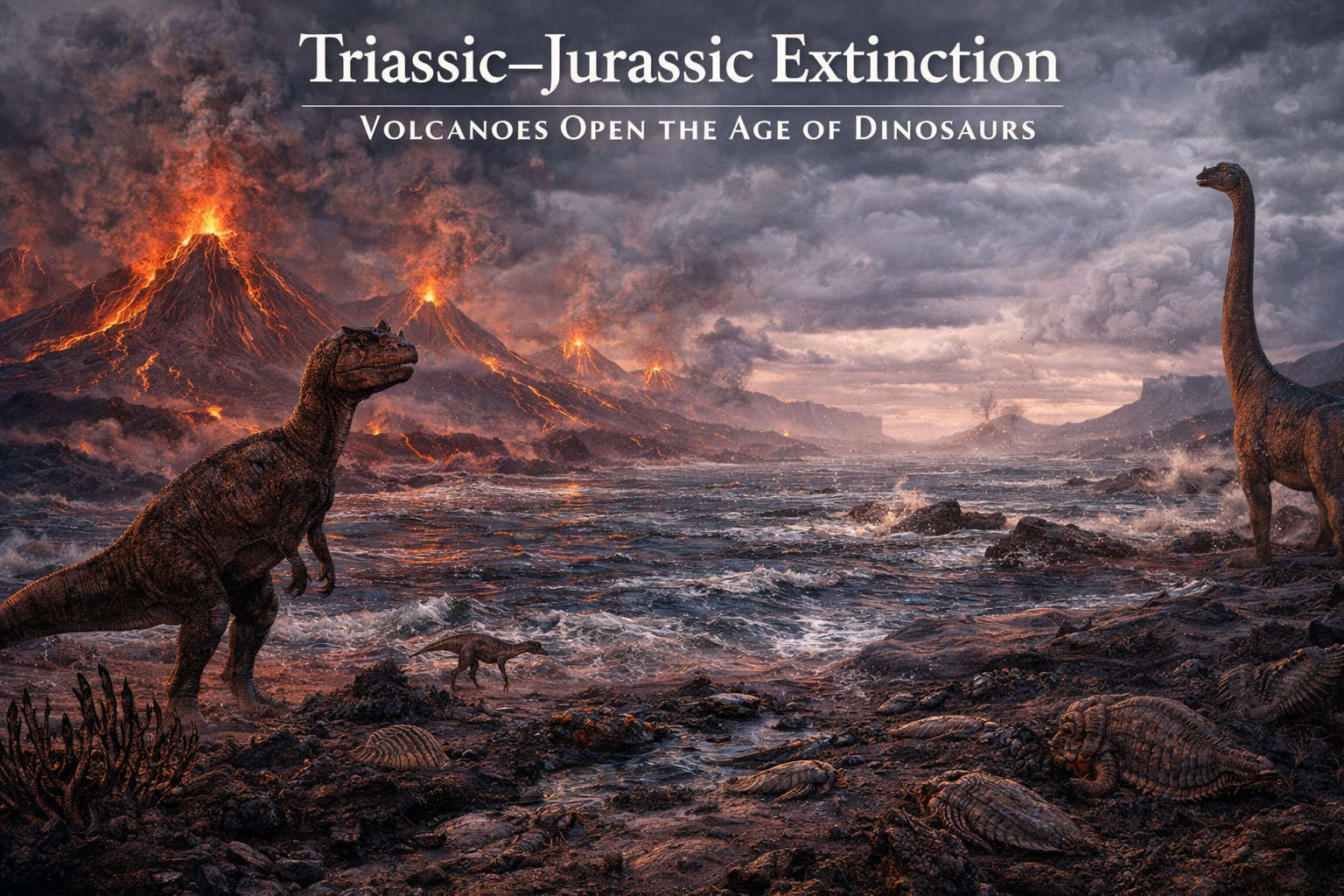
The Triassic–Jurassic extinction cleared ecological space for dinosaurs to become the dominant land animals of the Jurassic.
Triassic–Jurassic Extinction: Volcanoes Open the Age of Dinosaurs Read More »
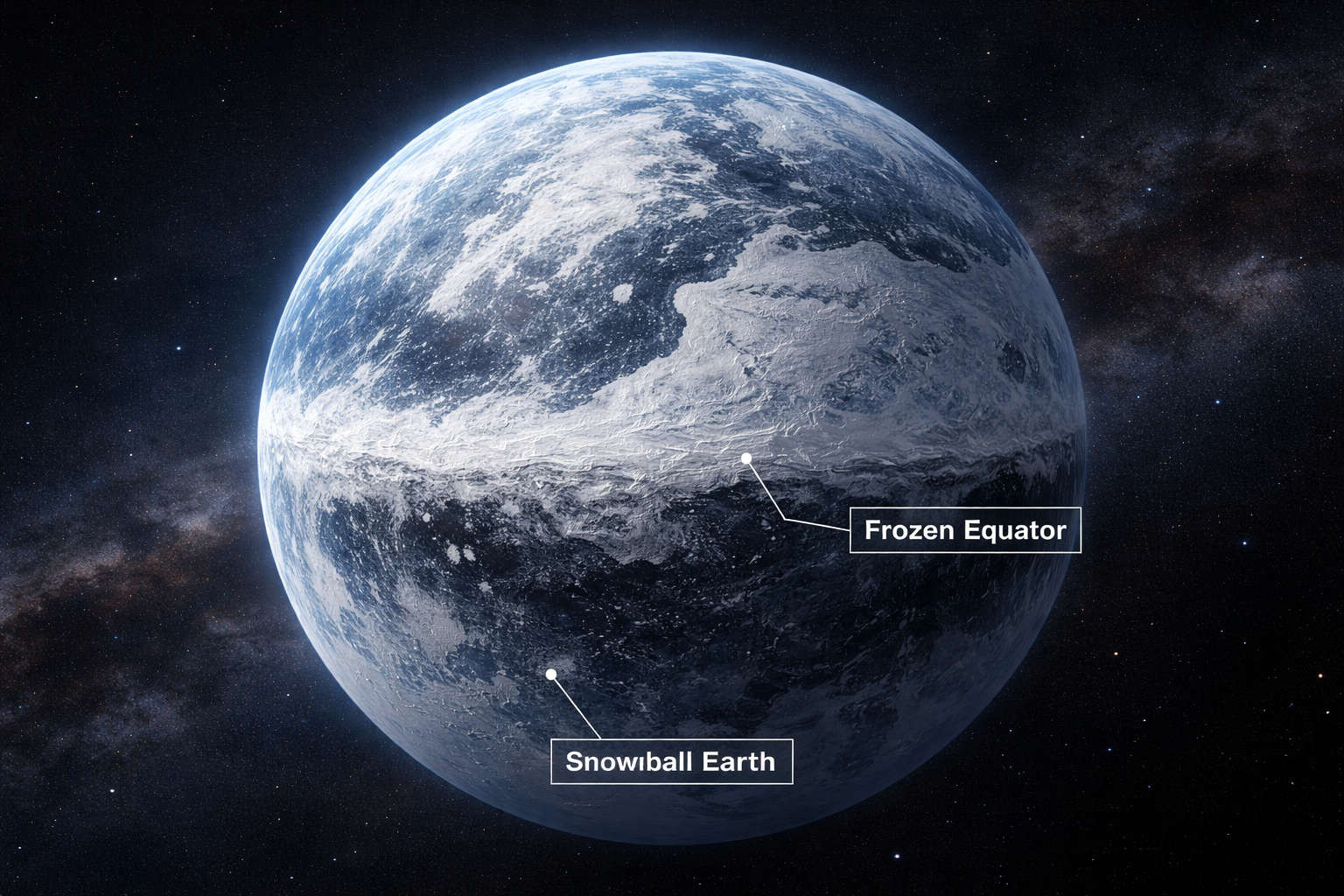
Snowball Earth was a time when our planet may have frozen nearly from pole to pole, testing life and setting the stage for later biological change.
Snowball Earth: When Ice Reached the Equator Read More »
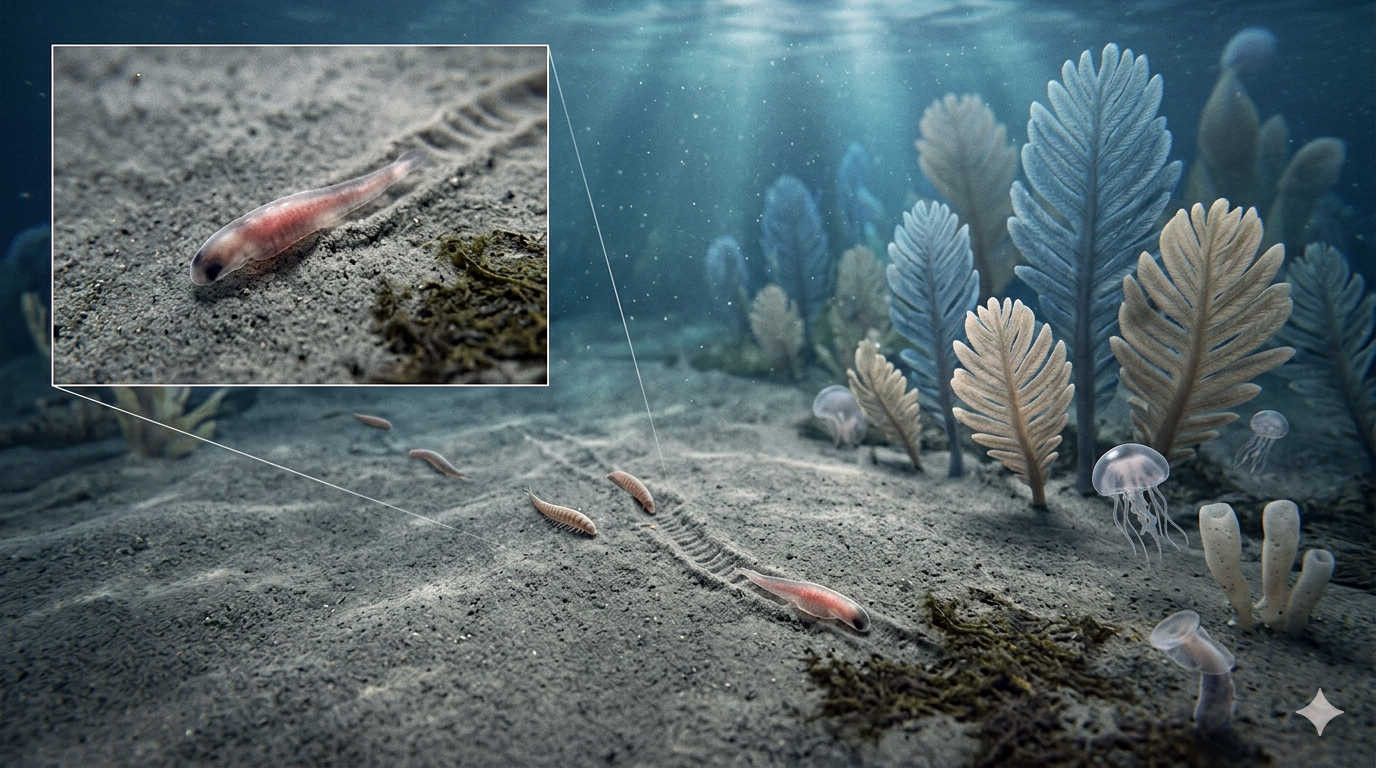
The animal evolution of the bilaterian body plan is directionality, which gave us both physical and mental agency.
Bilaterian Split: The Origin of Agency Read More »
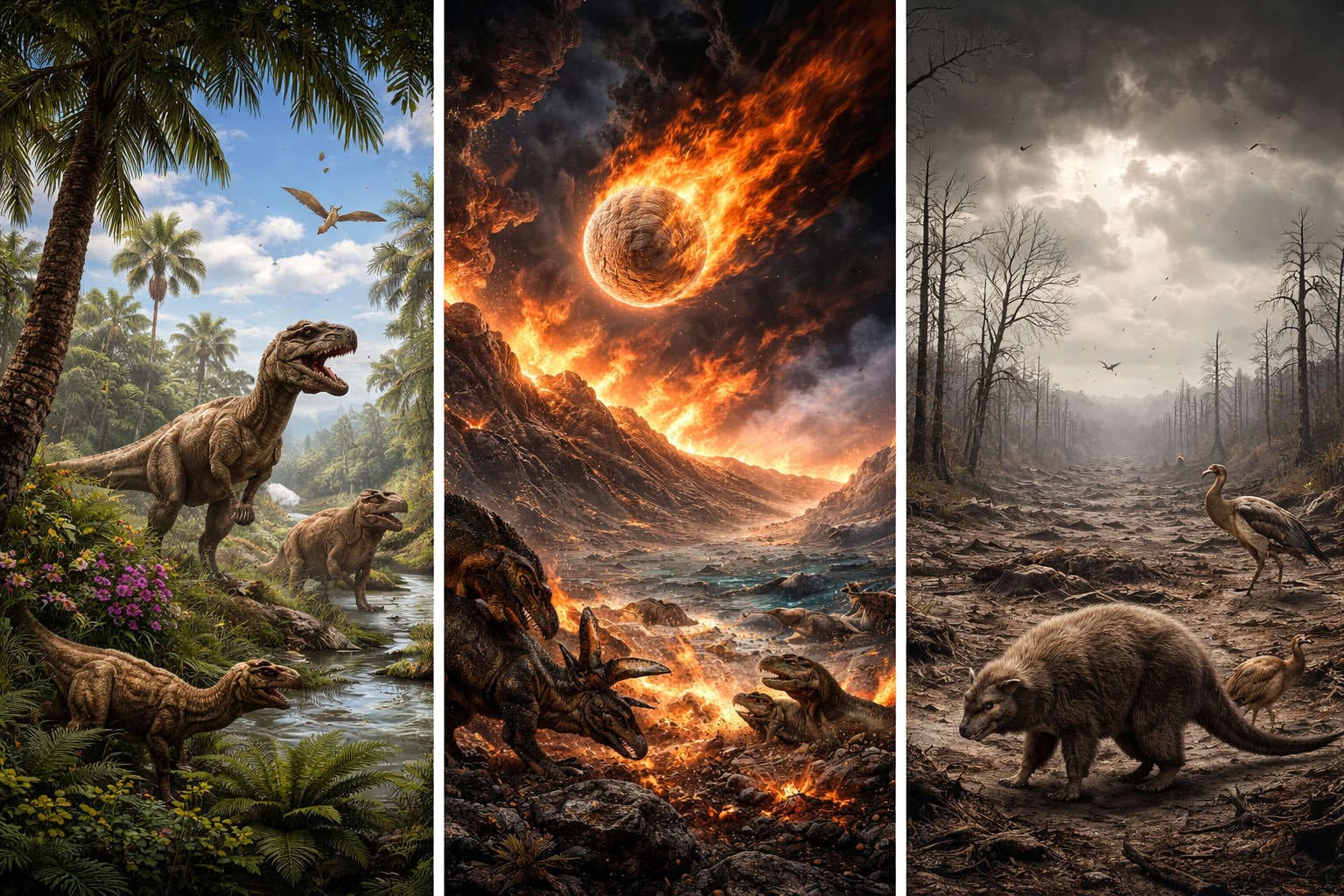
Before, during, and after the K–Pg extinction: a thriving Late Cretaceous world of dinosaurs, pterosaurs, birds, and flowering plants gives way to the asteroid strike and global collapse that ended the age of non-avian dinosaurs.
The K-Pg Extinction Read More »
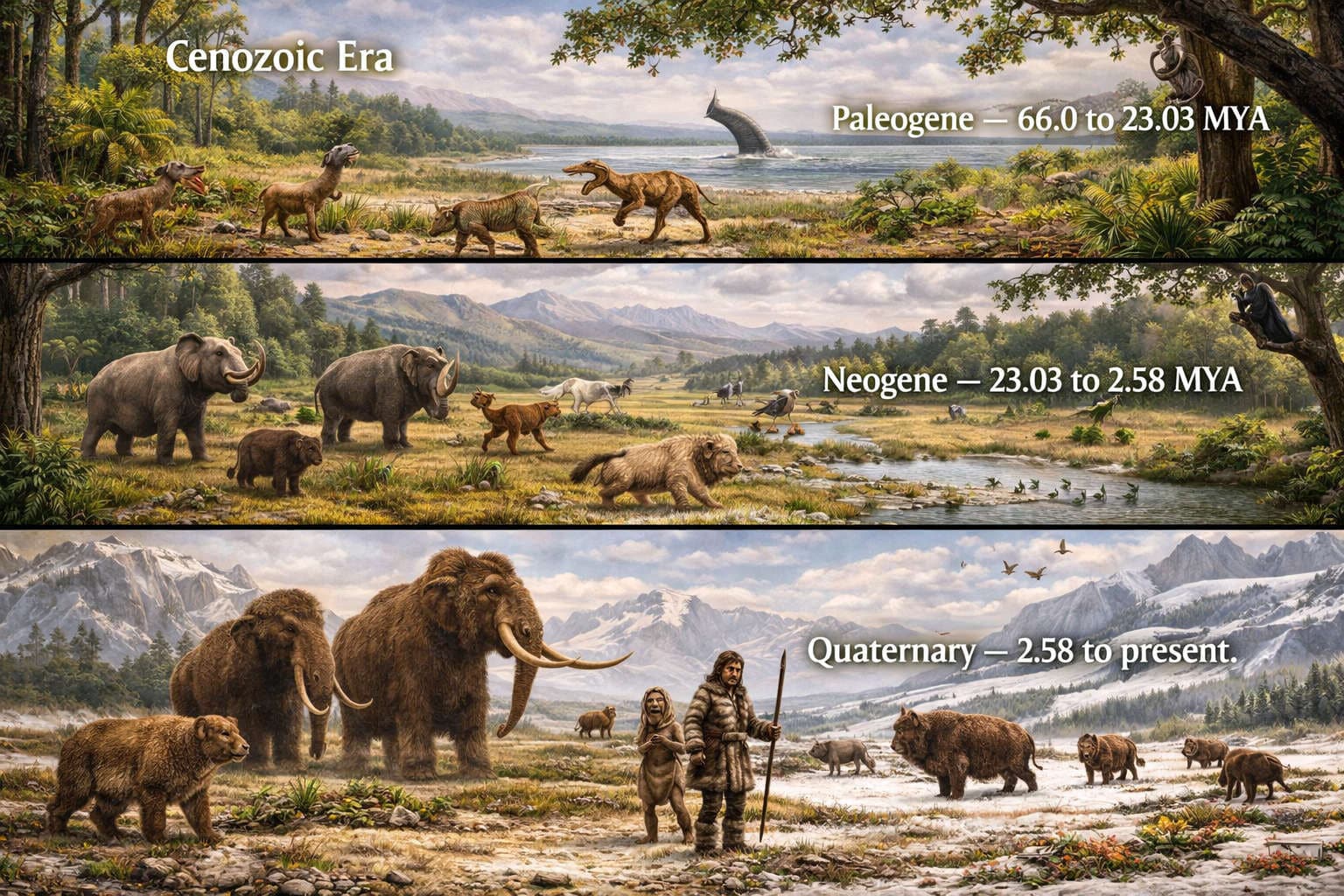
The Cenozoic era starts with the K–Pg extinction 66 million years ago. That event marks the sudden end of the reign of dinosaurs and the rise of mammals and birds.
Cenozoic Era: Age of Mammals & Birds Read More »
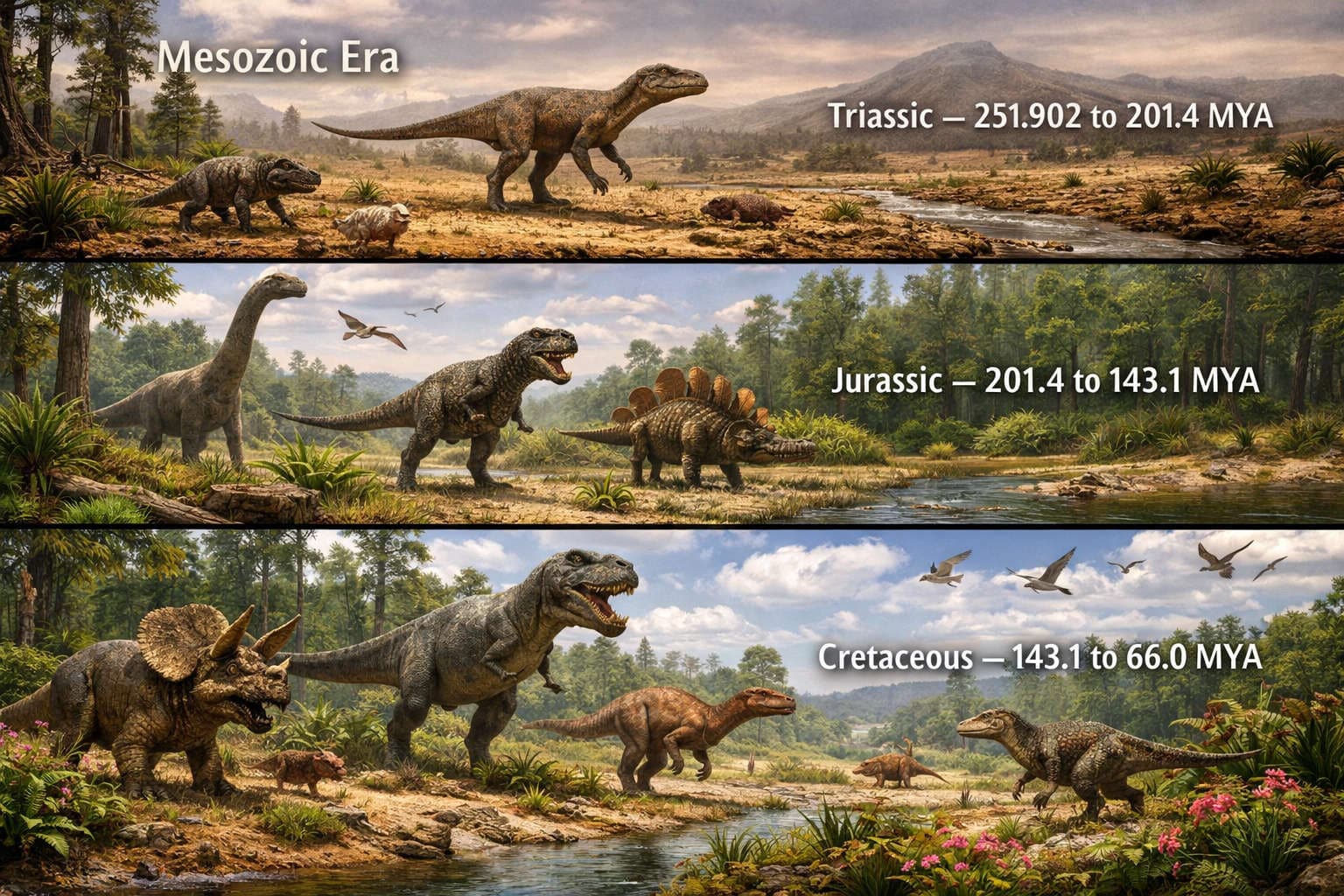
The Mesozoic era starts with the end-Permian mass extinction 252 million years ago. Dinosaurs ruled over all, including us. It ends the reign of dinosaurs with the K–Pg extinction 66 million years ago.
Mesozoic Era: Age of Dinosaurs Read More »
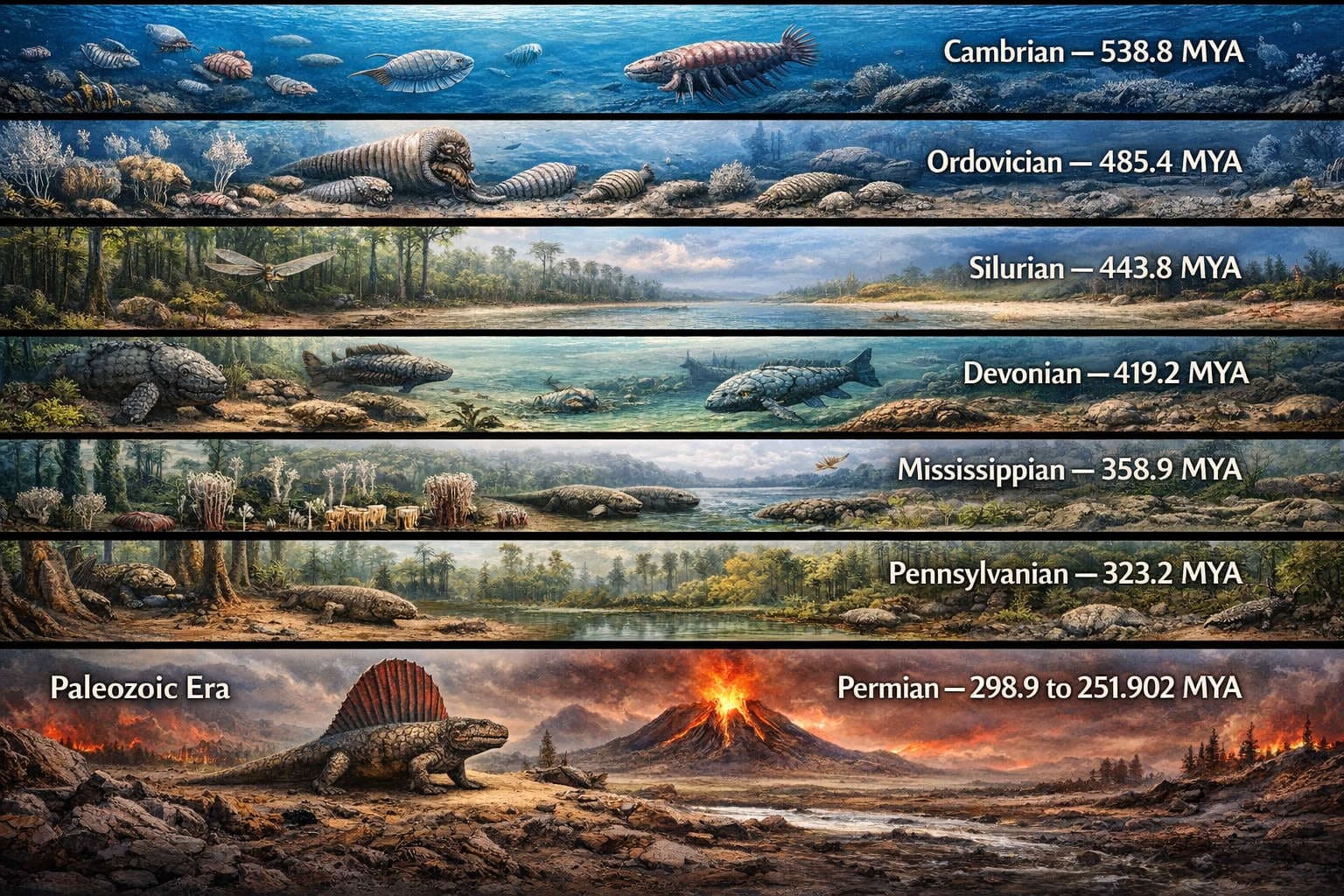
The start of the Paleozoic era is marked by burrowing life 538.8 million years ago. The era includes the dominant rise of our ancestors. It ends 252 million years ago with the end-Permian mass extinction, a volcanic cascade global warming event.
Paleozoic Era: The Age of Synapsids Read More »
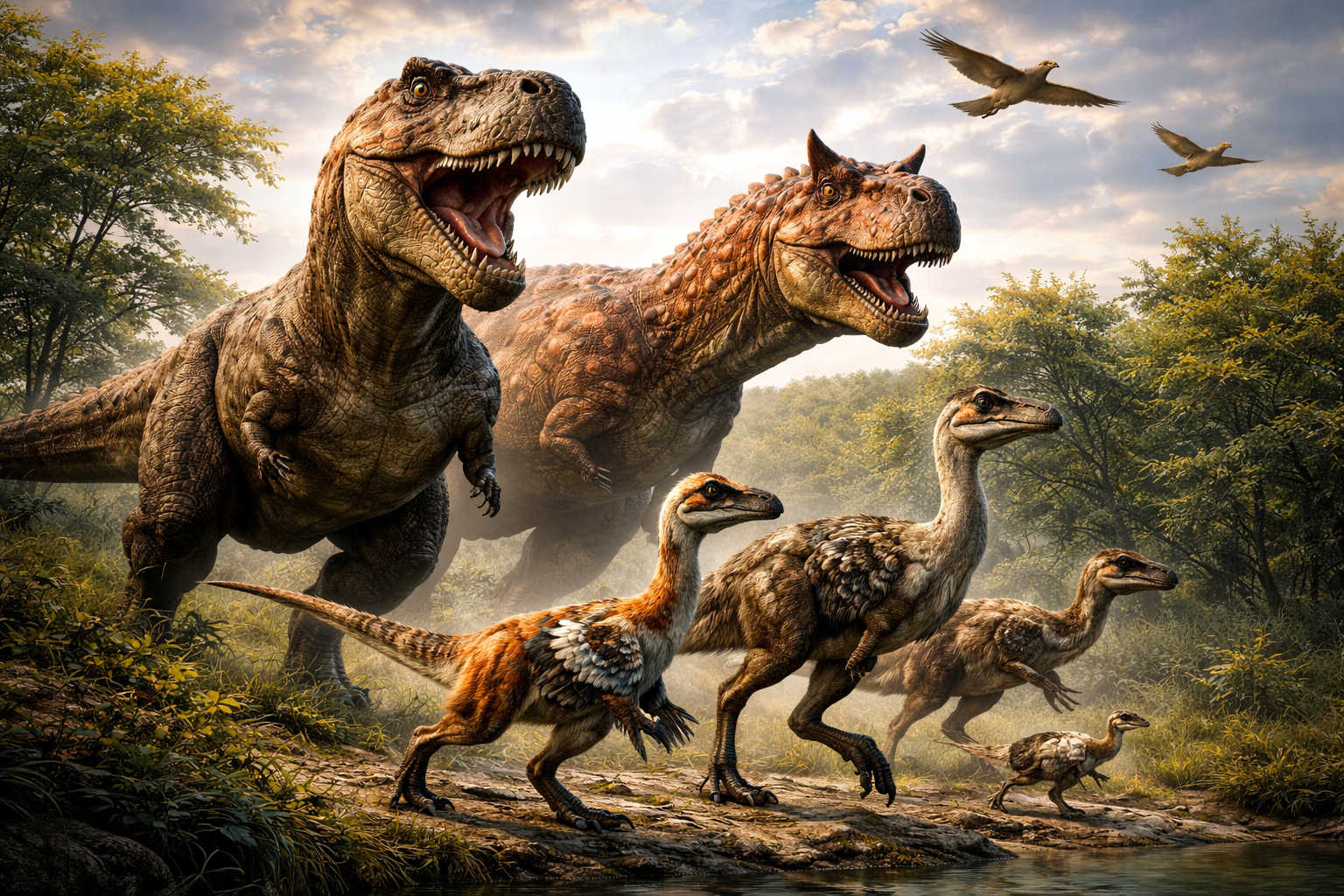
At the end of the Cretaceous, theropods were still a varied and successful branch, not a single fading form.
The Last Theropods Read More »
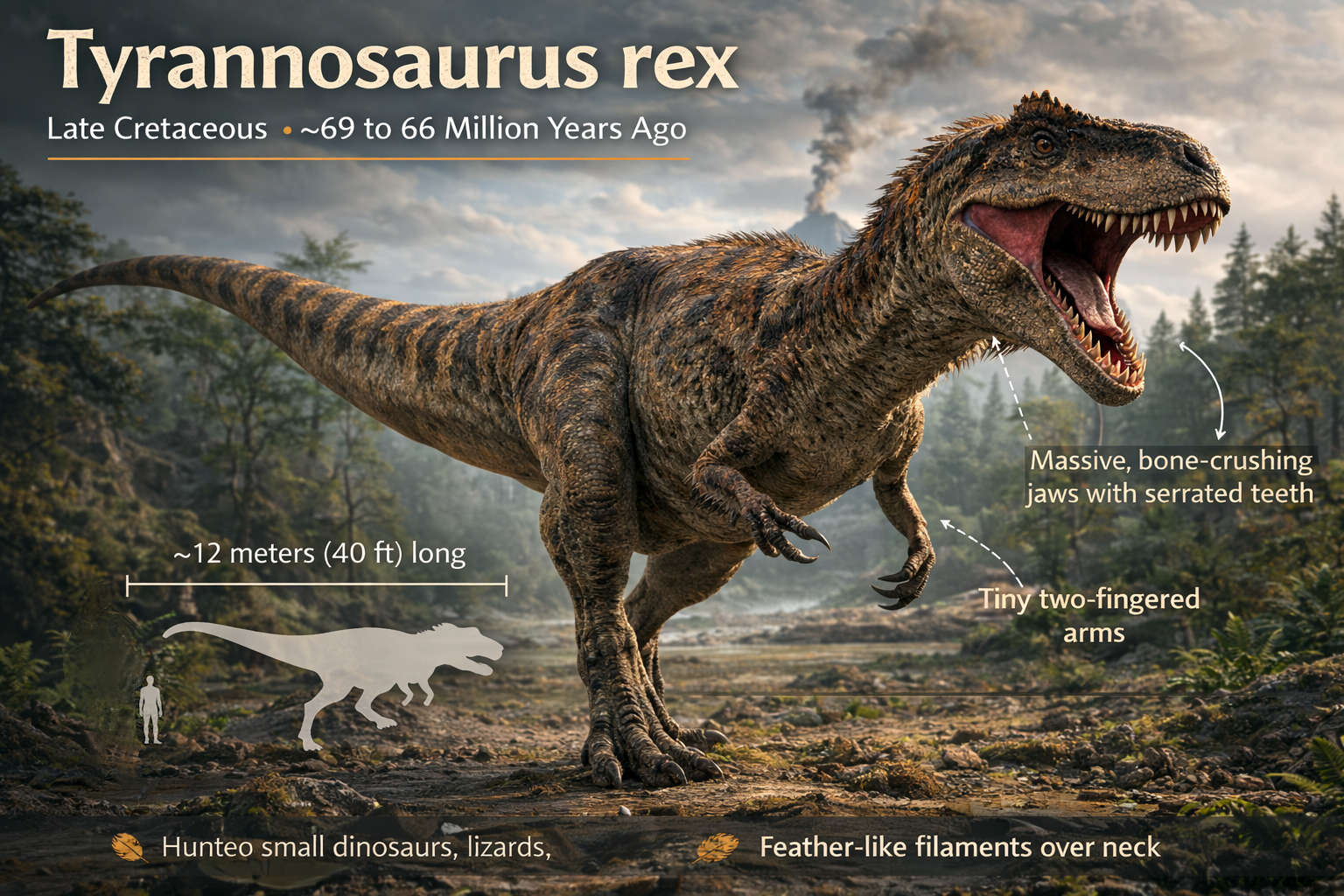
T. rex lived in western North America about 69 to 66 million years ago. All dinosaurs, except potentially three lines of birds, went extinct 66 million years ago, when the Chicxulub asteroid hit.
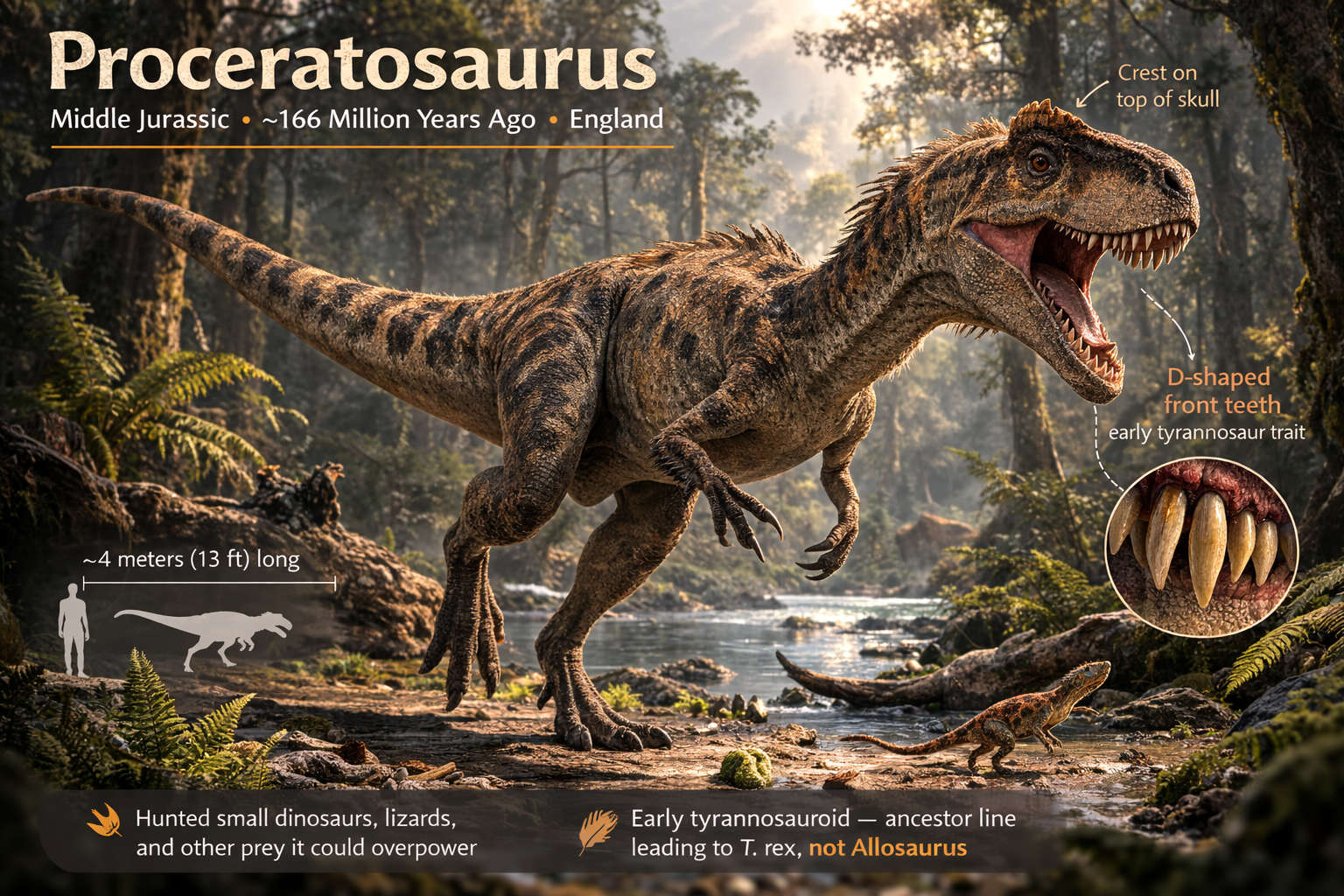
Proceratosaurus had the same general tyrannosaur-style look: a big head, long tail, strong hind legs, short forelimbs, and a built-for-biting predator shape: D-shaped front teeth and a crest on top of the skull.
Proceratosaurus (T.Rex ancestor) Read More »
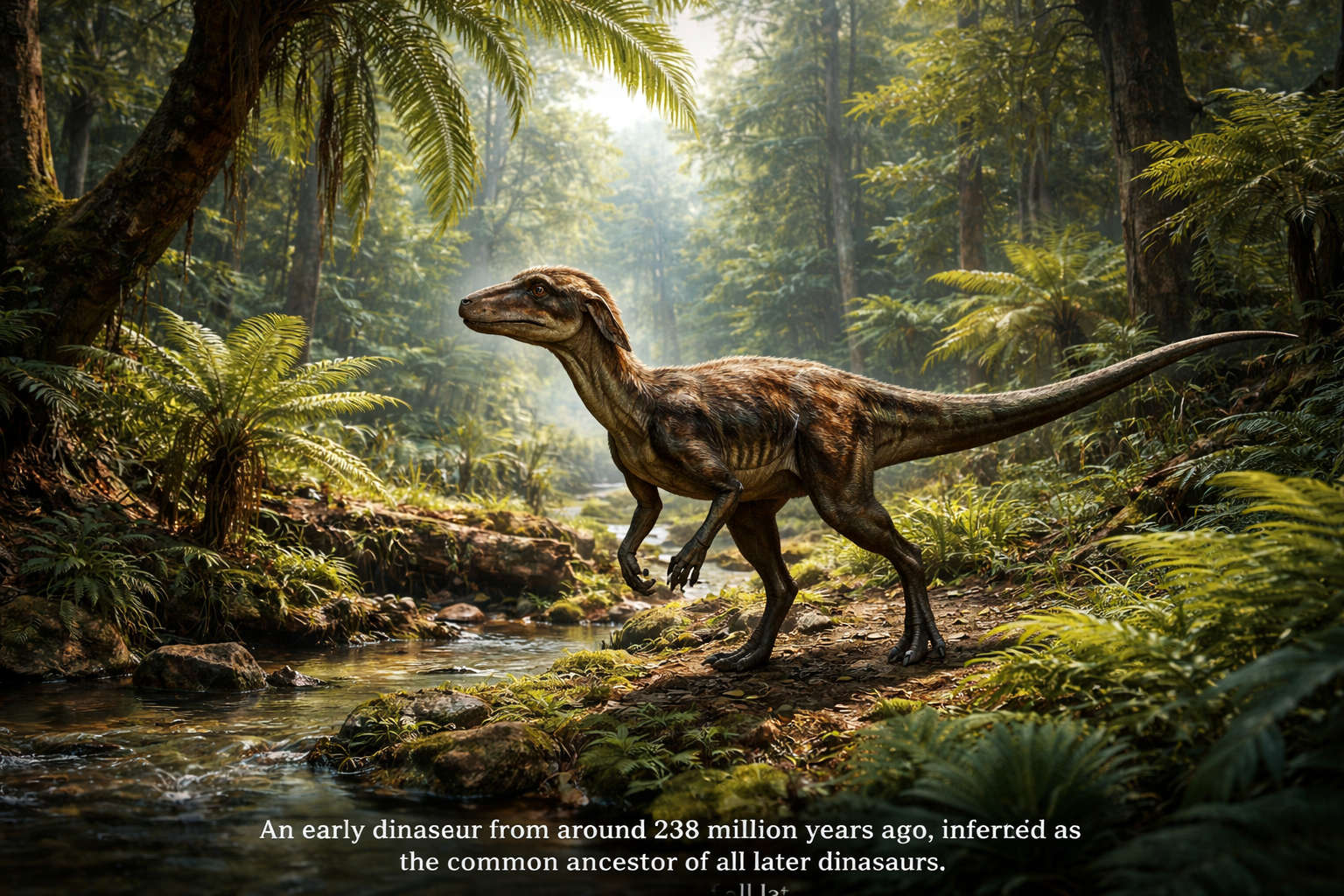
Before the famous branches split into predators, long-necks, horned giants, and birds, there was one early ancestral species. One population eventually led to all dinosaurs: Allosaurus, Styracosaurus, and Diplodocus.
Dinosauria Emerge: True Dinosaurs! Read More »
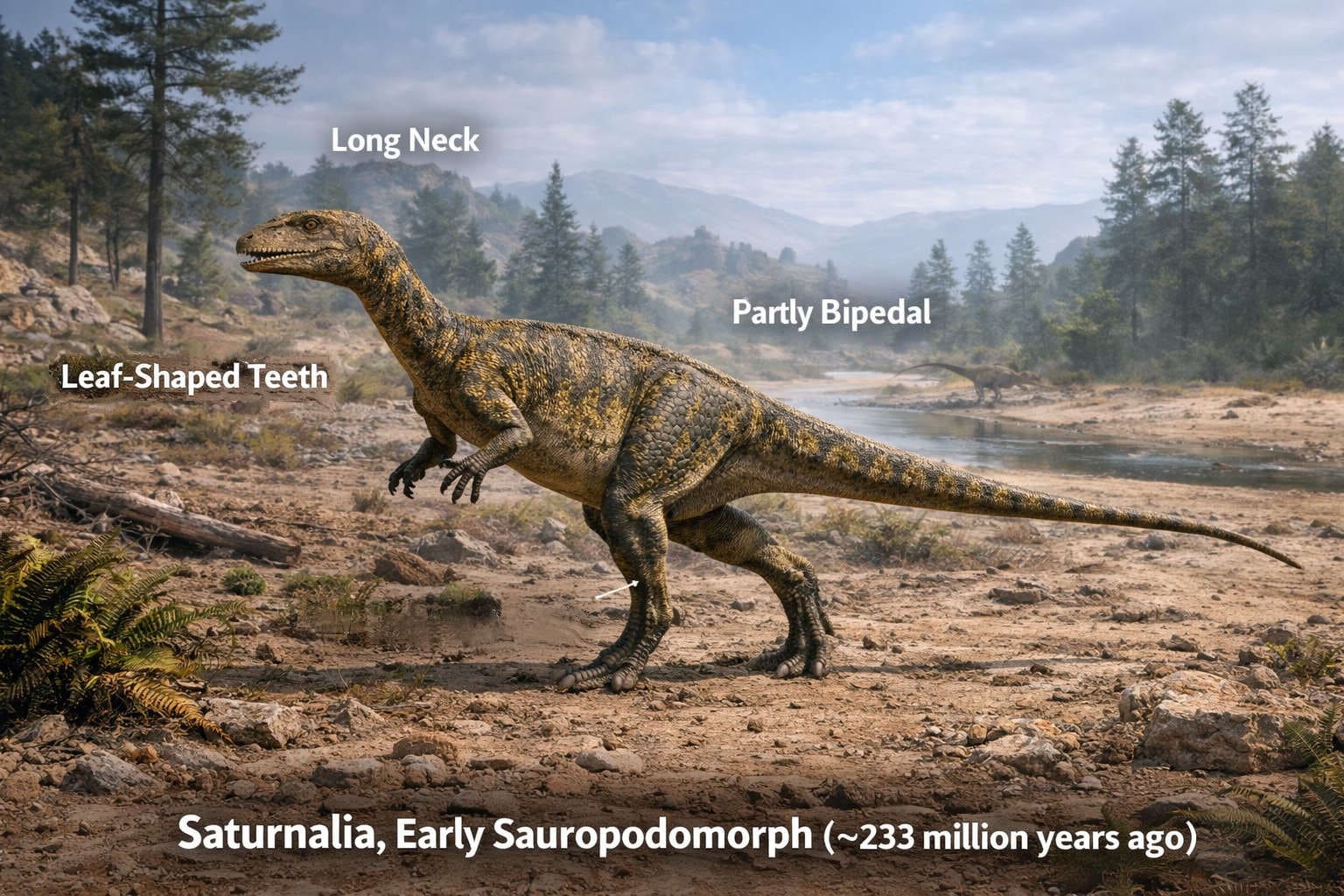
Sauropodomorphs, in their early forms, were lightly built, often partly bipedal, with long necks, small heads, leaf-shaped teeth, and grasping hands.
Sauropodomorph Line Diverges Within Dinosaria (from Saurischia) Read More »
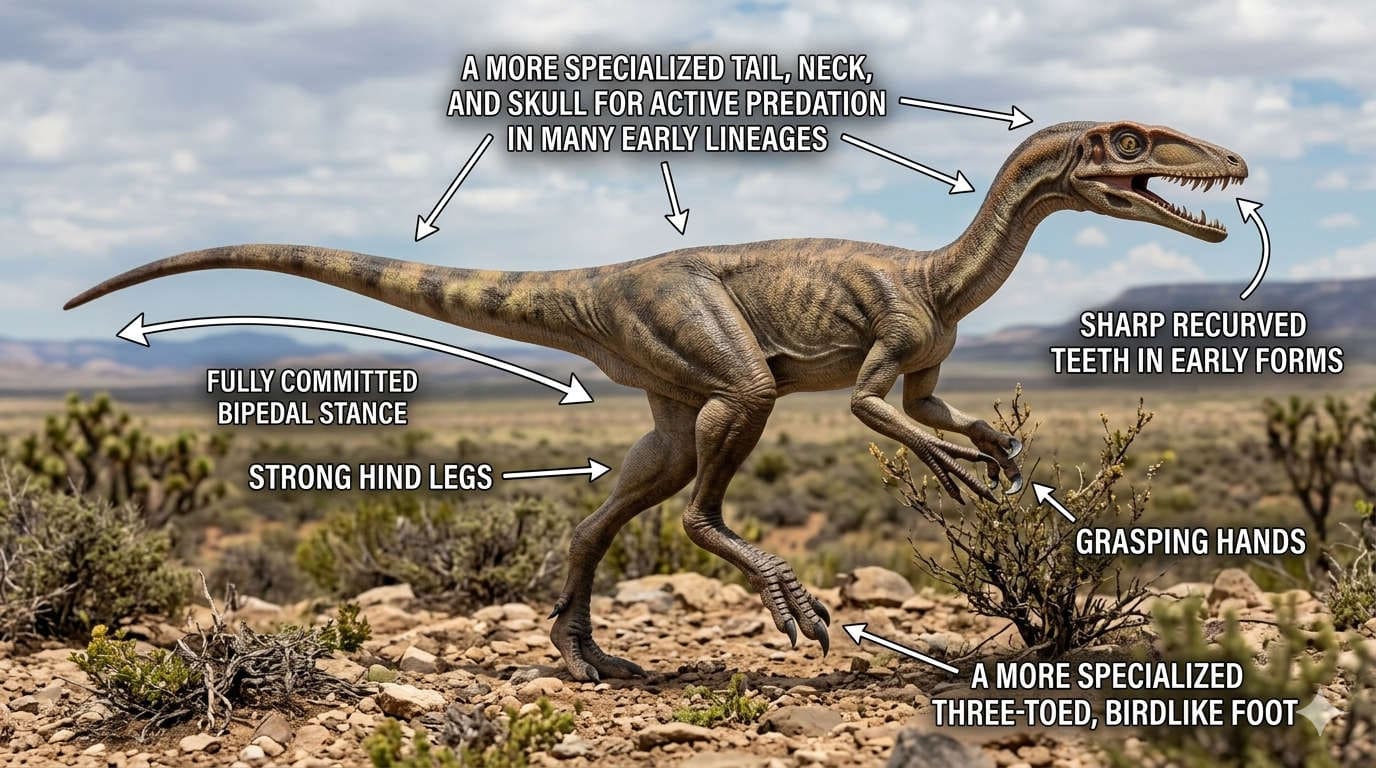
Theropods were the agile, sharp-toothed dinosaur branch that refined the classic predator body plan. They stood fully upright on two legs and balanced with long tails.
Theropod Line Diverges Within Dinosaria (from Saurischia) Read More »
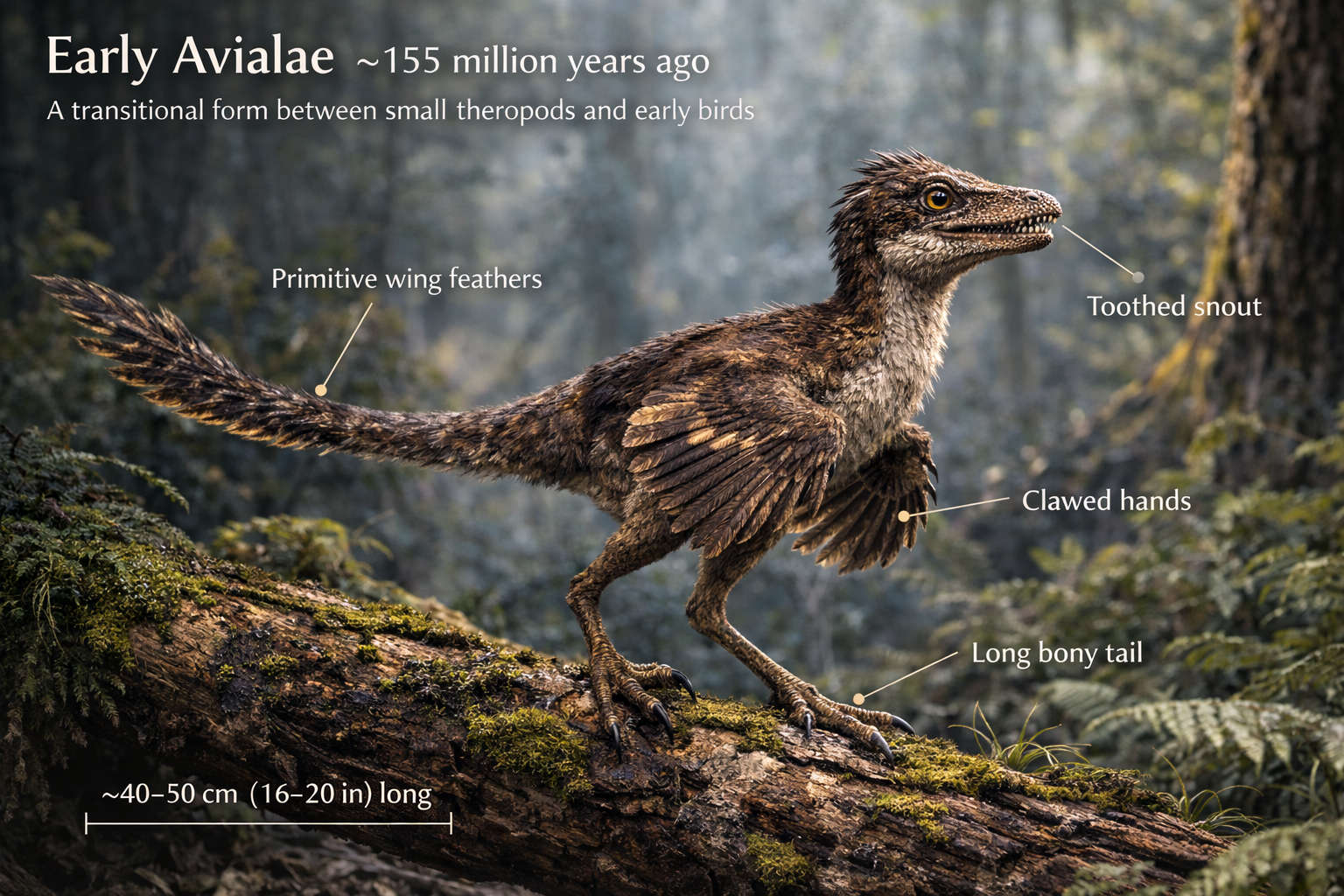
Birds are not “like” dinosaurs, they are dinosaurs. Birds evolved from the same branch that gave us T.Rex and Velociraptor.
Avialae: Bird Line Diverges Read More »
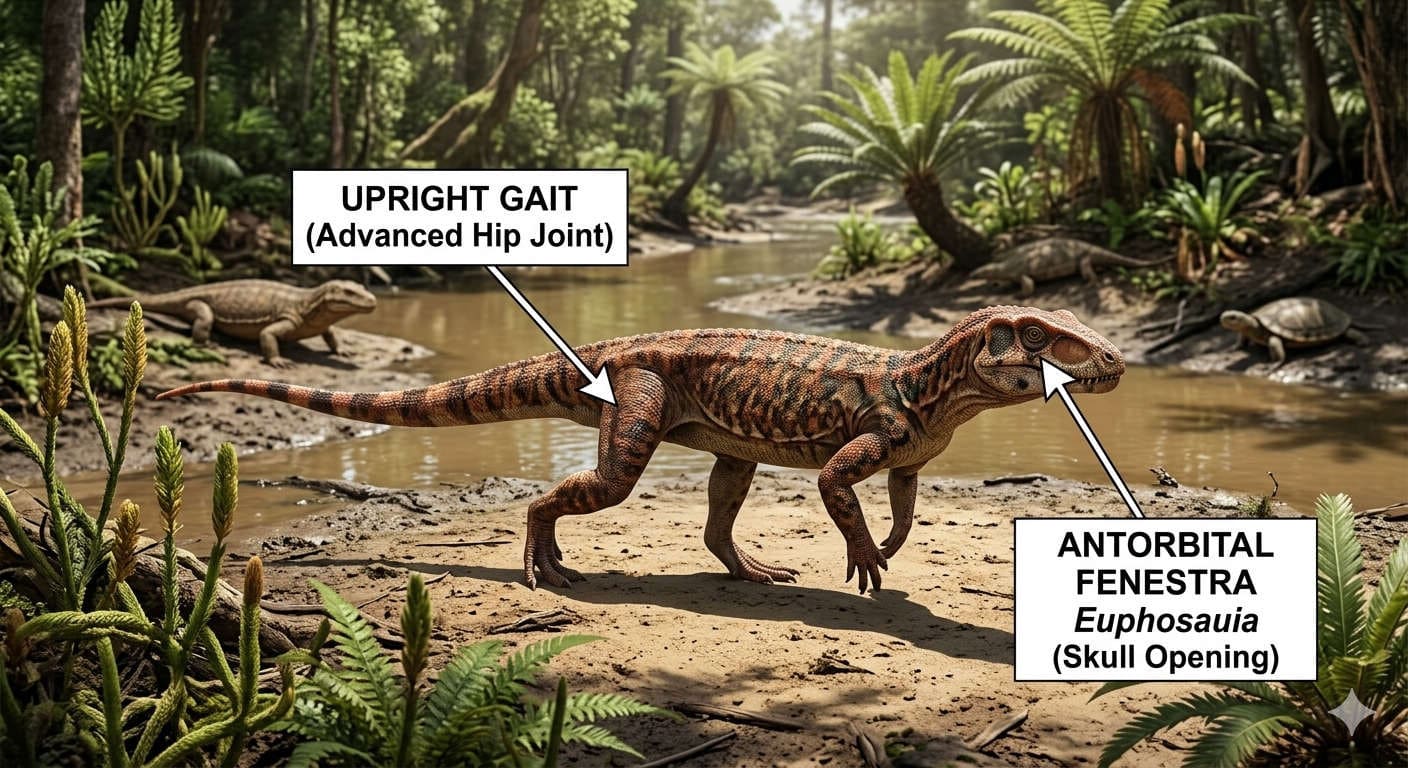
LCA of crocodiles and birds — the larger archosaur branch that later gave rise to crocodilians, pterosaurs, dinosaurs, and birds.
Archosauria Diverge Within Reptiles Read More »
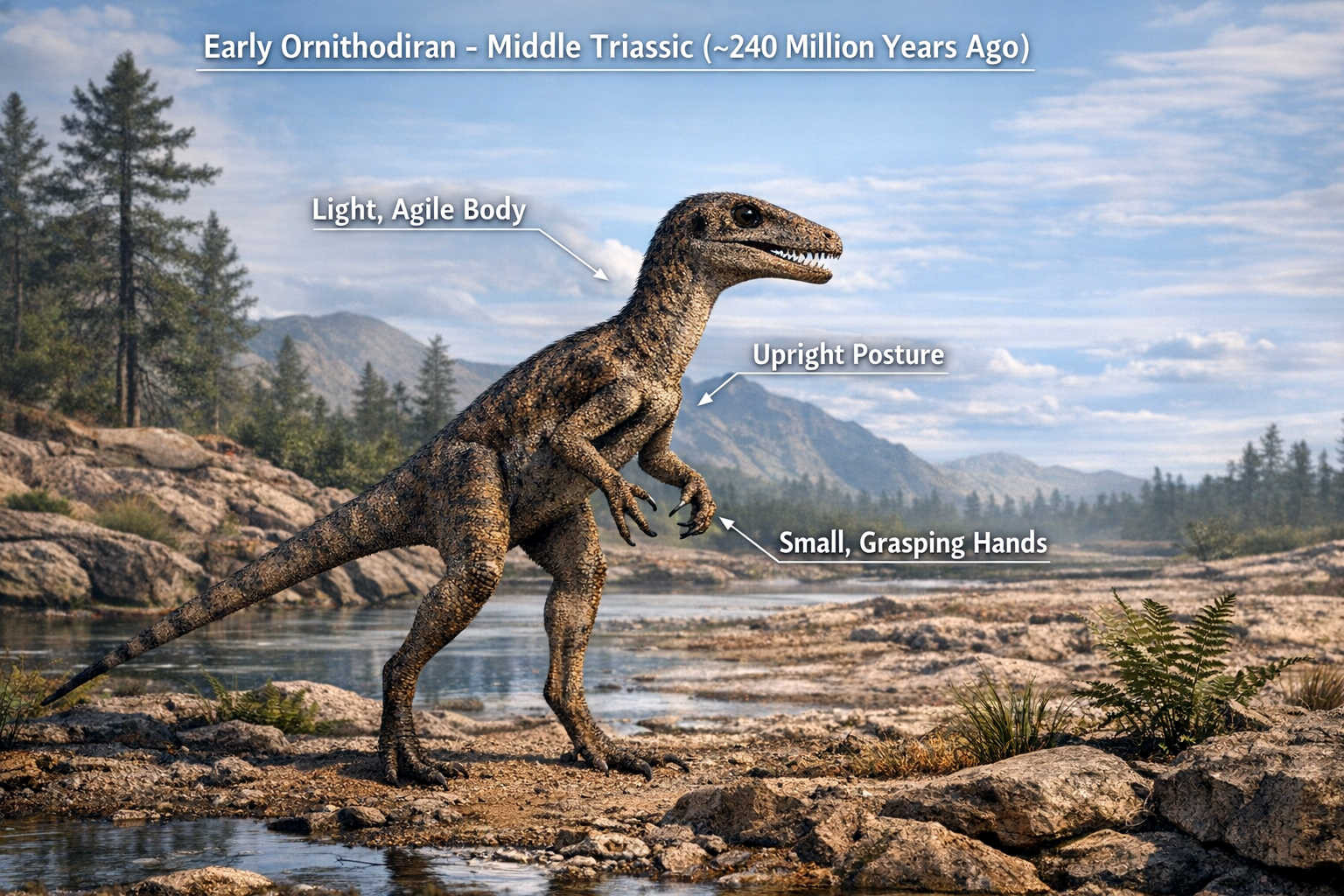
Ornithodirans were the early branch that later gave rise to both pterosaurs and dinosaurs, including birds.
Ornithischians Diverge Within Dinosauria “Bird Hipped” Read More »

Eoraptor reminds us that classification is not always neat at the beginning of a lineage. Early dinosaurs can be hard to classify because of a mix of traits.
Eoraptor lunensis. Read More »

Asilisaurus shows that the bird-line archosaurs were already evolving dinosaur-like bodies before true dinosaurs appeared.
Bird-line Archosaurs: Asilisaurus kongwe (within Ornithodira) Read More »

One of the last bird-line archosaurs before true dinosaurs is the Nyasasaurus parringtoni, which lived during the Middle Triassic period, around 243 million years ago. Discovered in Tanzania, Nyasasaurus represents a key transitional form, showcasing features that are both dinosaurian and pre-dinosaurian, highlighting the evolutionary path leading to more well-known dinosaurs of the Late Triassic
Bird-line Archosaur: Nyasasaurus parringtoni Read More »