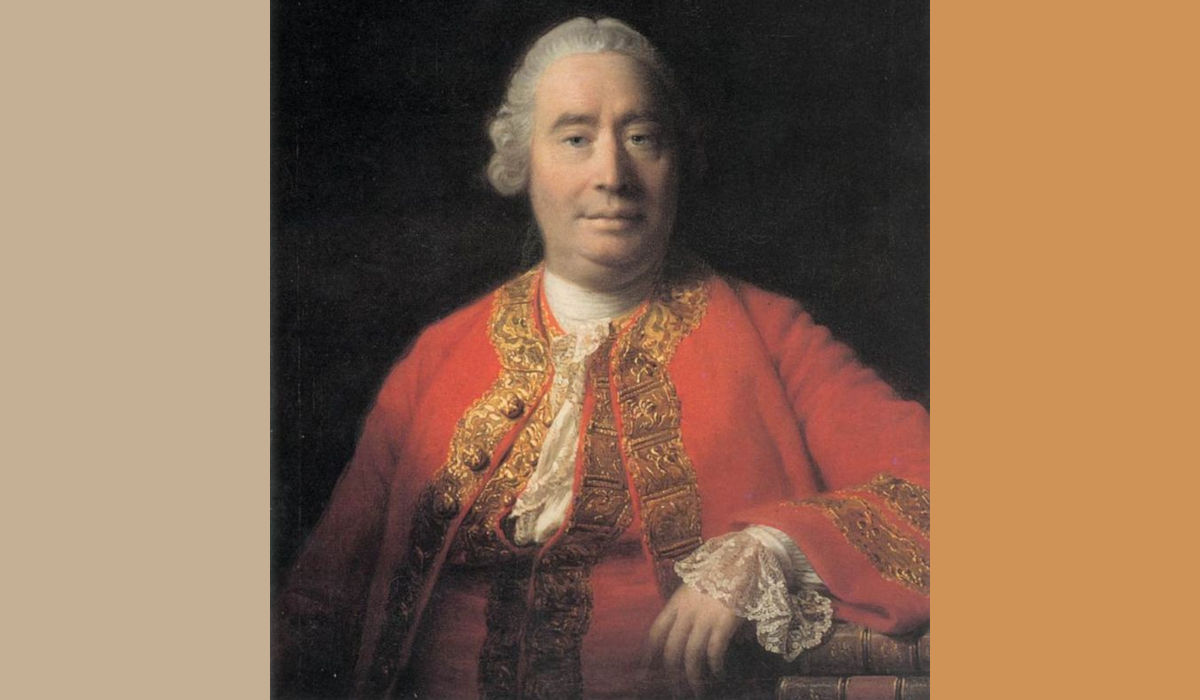
Hume’s quote from 1748 was not saying smart people believe nothing. He was not telling us to become frozen skeptics, afraid to trust anything. He was saying belief should be earned. Let confidence rise, but make it rise for a reason.
That is the science-first spirit. You do not commit first and defend later. You let evidence, logic, testing, and good authority do their work. Some ideas deserve strong belief. Some deserve light belief. Some deserve no belief at all, at least not yet. That is believing well: proportion your confidence to the support.
This idea later sharpened into a modern skeptical rule. Marcello Truzzi used the phrase
“extraordinary claims require extraordinary proof,”
and Carl Sagan later echoed Truzzi in his writing.
Here’s the bottom line: Truth is alignment with reality, and belief is confidence in that alignment. Calibration is the discipline of adjusting confidence to the kind and quality of support. Empirical claims answer to direct observation. Rational claims answer to indirect observations and logic. Speculative claims remain possible but unproven. Disproven claims should be released as truth. This is how secular spirituality stays honest: wonder remains open, but confidence must be earned.