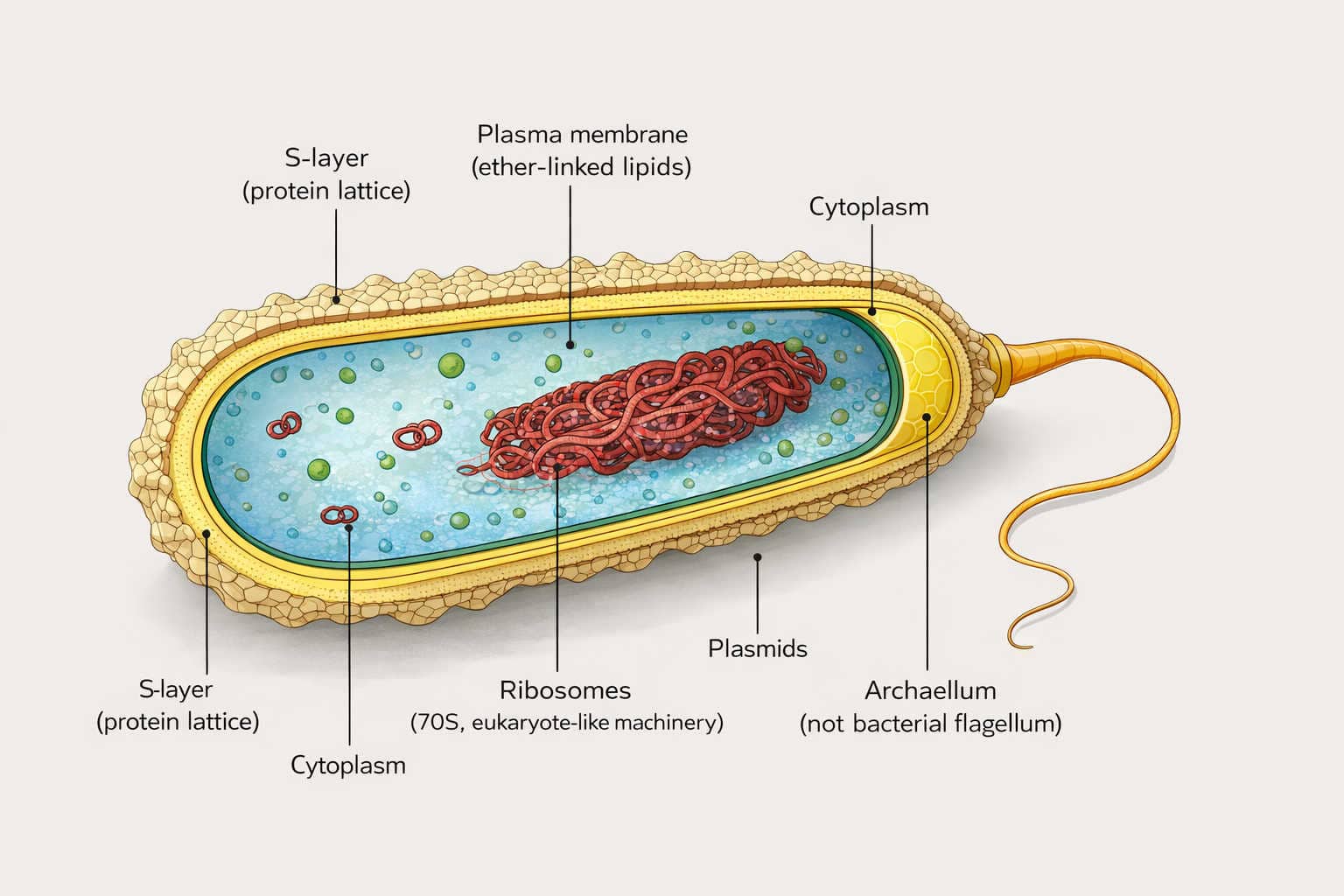
Archaea Diverge
Archaea are a primary branch of early life, and eukaryotes emerged from within this archaeal lineage.


Archaea are a primary branch of early life, and eukaryotes emerged from within this archaeal lineage.

About 2 billion years ago, bacteria are added to cells and that group leads to eukaryotes. You are a walking chimera ecosystem made of an Archaea host and trillions of Bacterial power-plants.
Bacterial Endosymbiosis: Origin of Eukaryotes Read More »
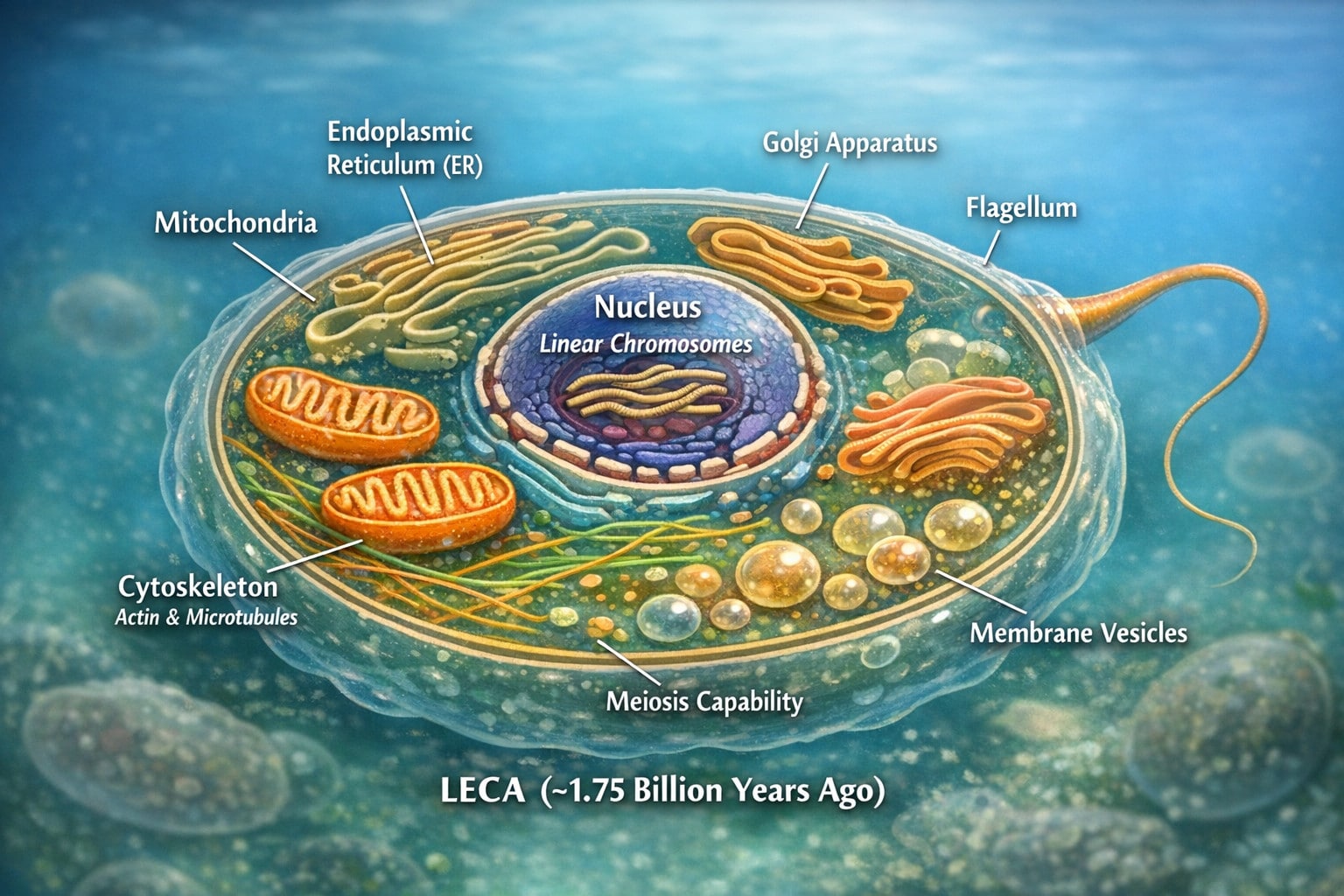
LECA is the Last Eukaryotic Common Ancestor. LECA reproduced sexually pushing the mixing of DNA back before 1.75 billion years ago.
LECA: Likely Sexual Reproduction Read More »
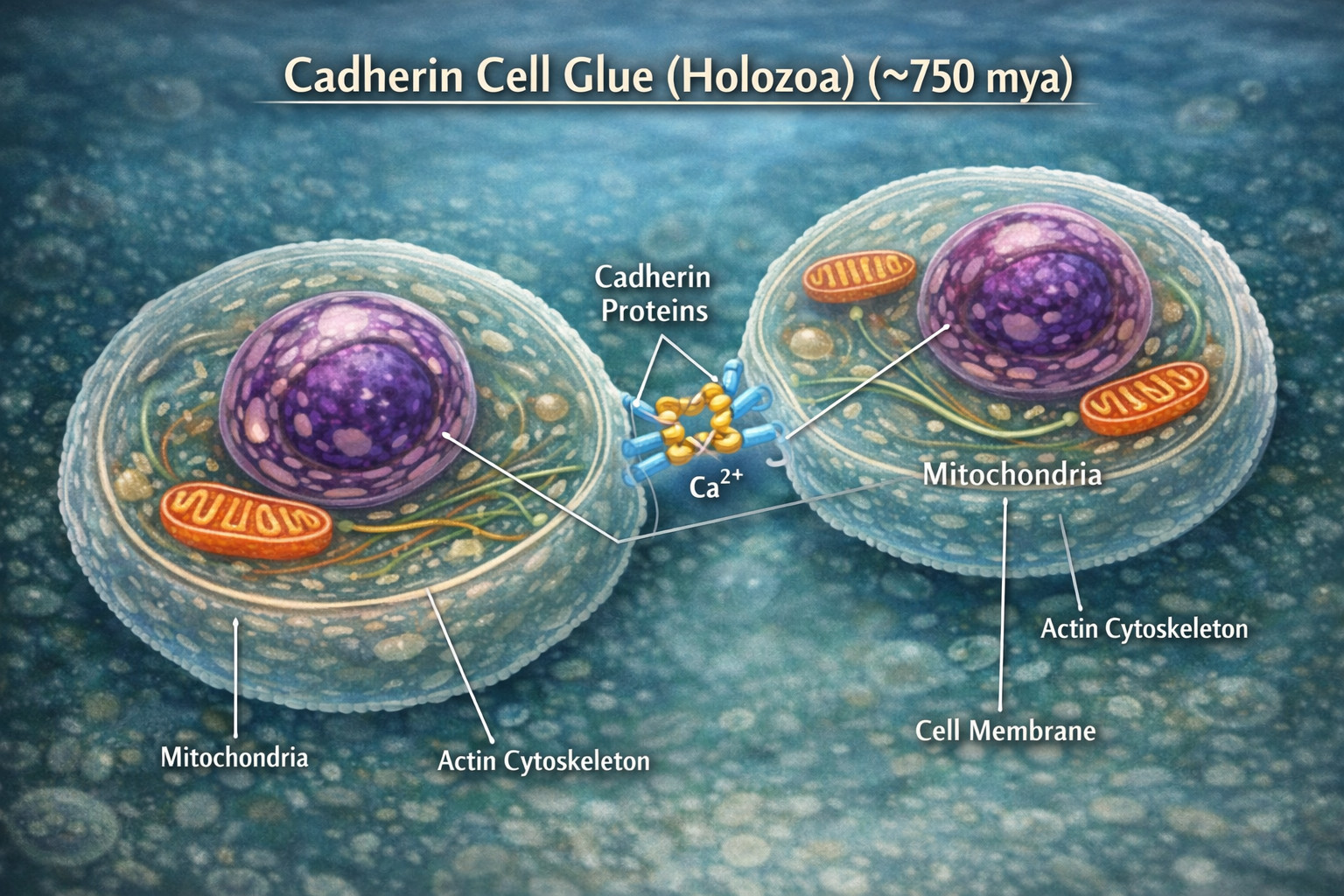
About 750 million years ago, our animal ancestors were part of a group called the Holozoa. They evolved specialized velcro-like cell glue called Cadherins.
Animal Ancestors Split Off: Cadherin Cell Glue (Holozoa) Read More »
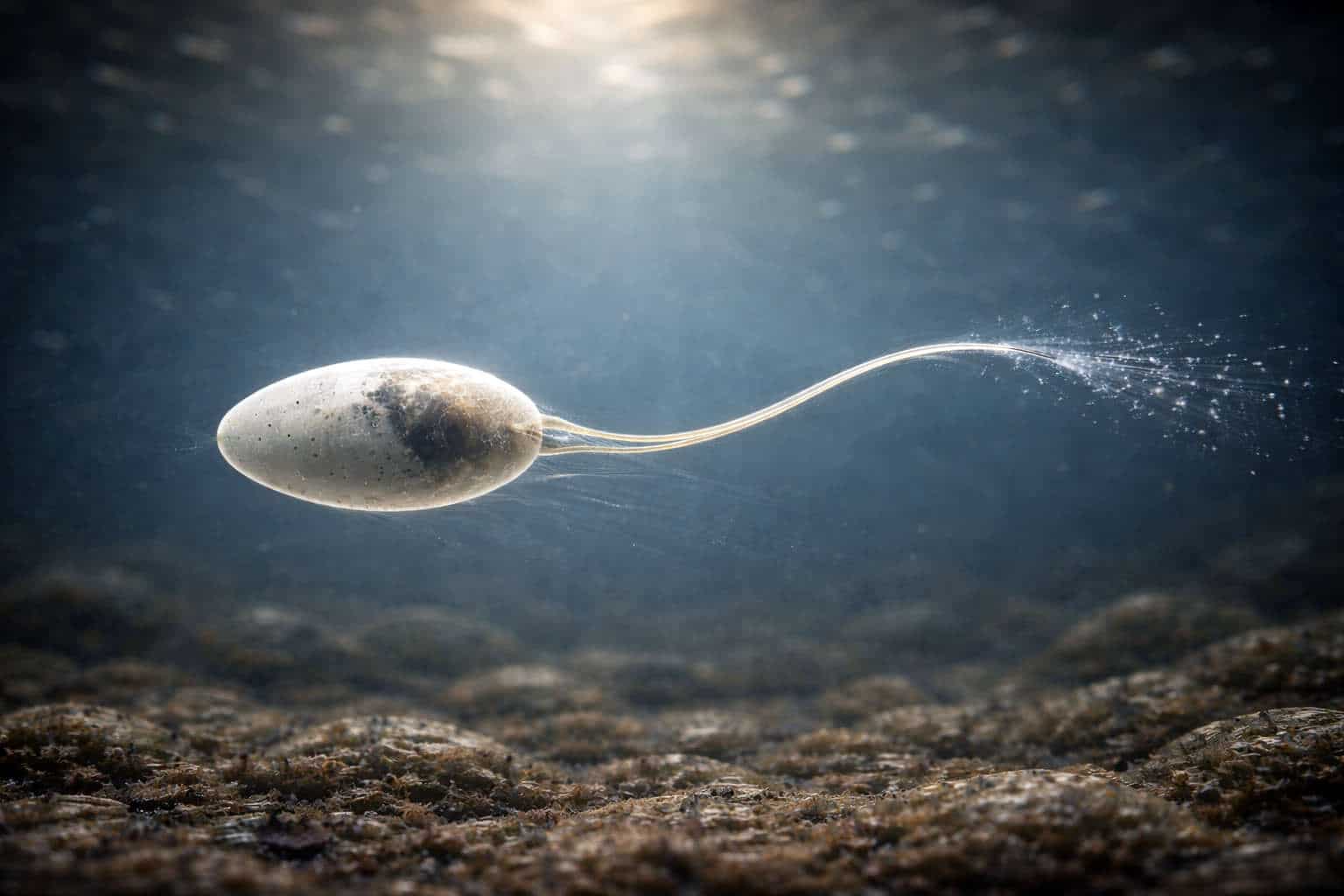
About 1.15 billion years ago, our animial-fungi ancestor evolve a true posterior flagellum. Single-celled animal sperm has a lineage back to this ancestor.
Opisthokonts: True Posterior Flagellum Read More »
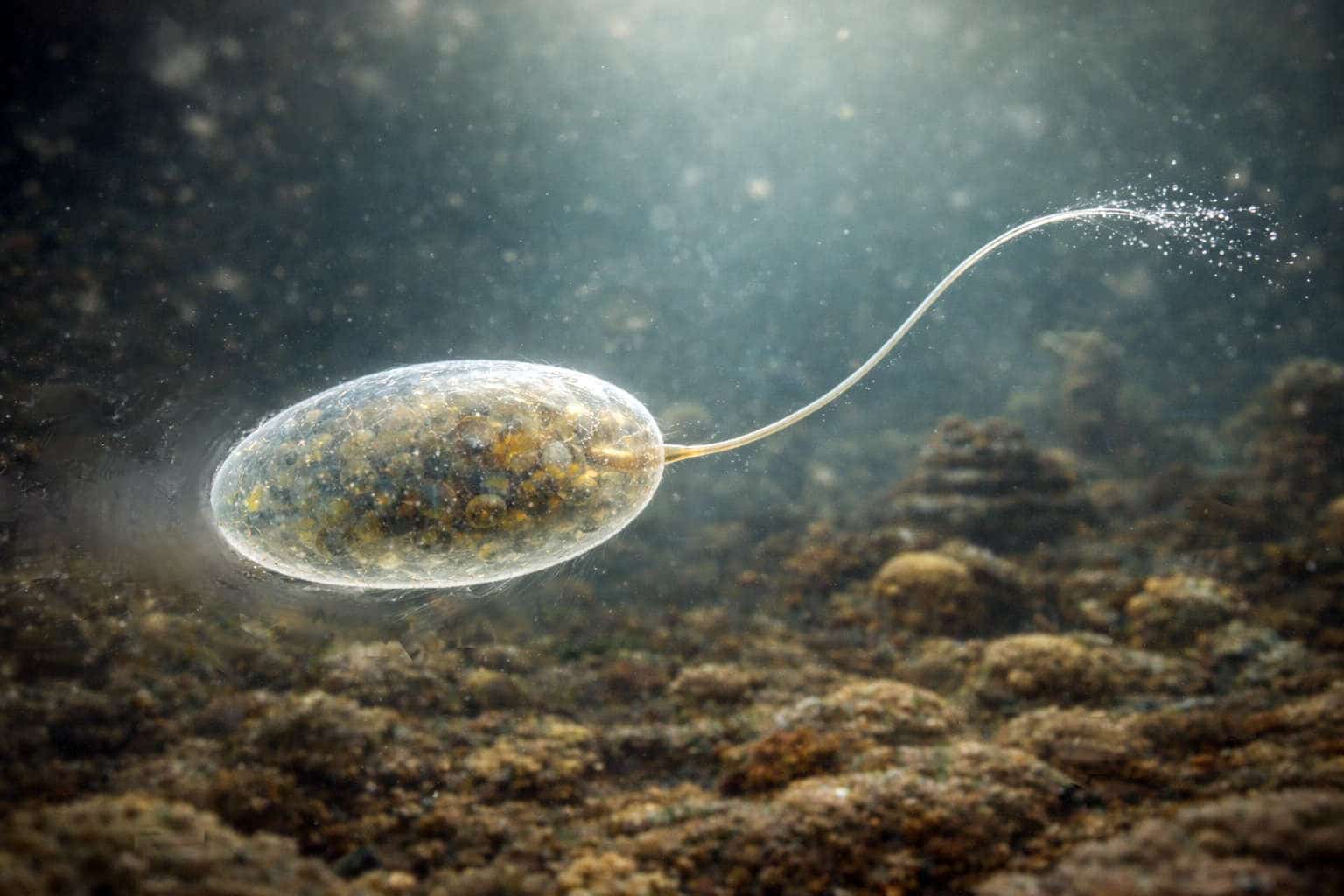
About 1.3 billion years ago, our animal-fungi ancestor stopped using two pulling flagella and narrowed it down to a single motor.
Unikonts: Single-Motor flagella Reform Read More »
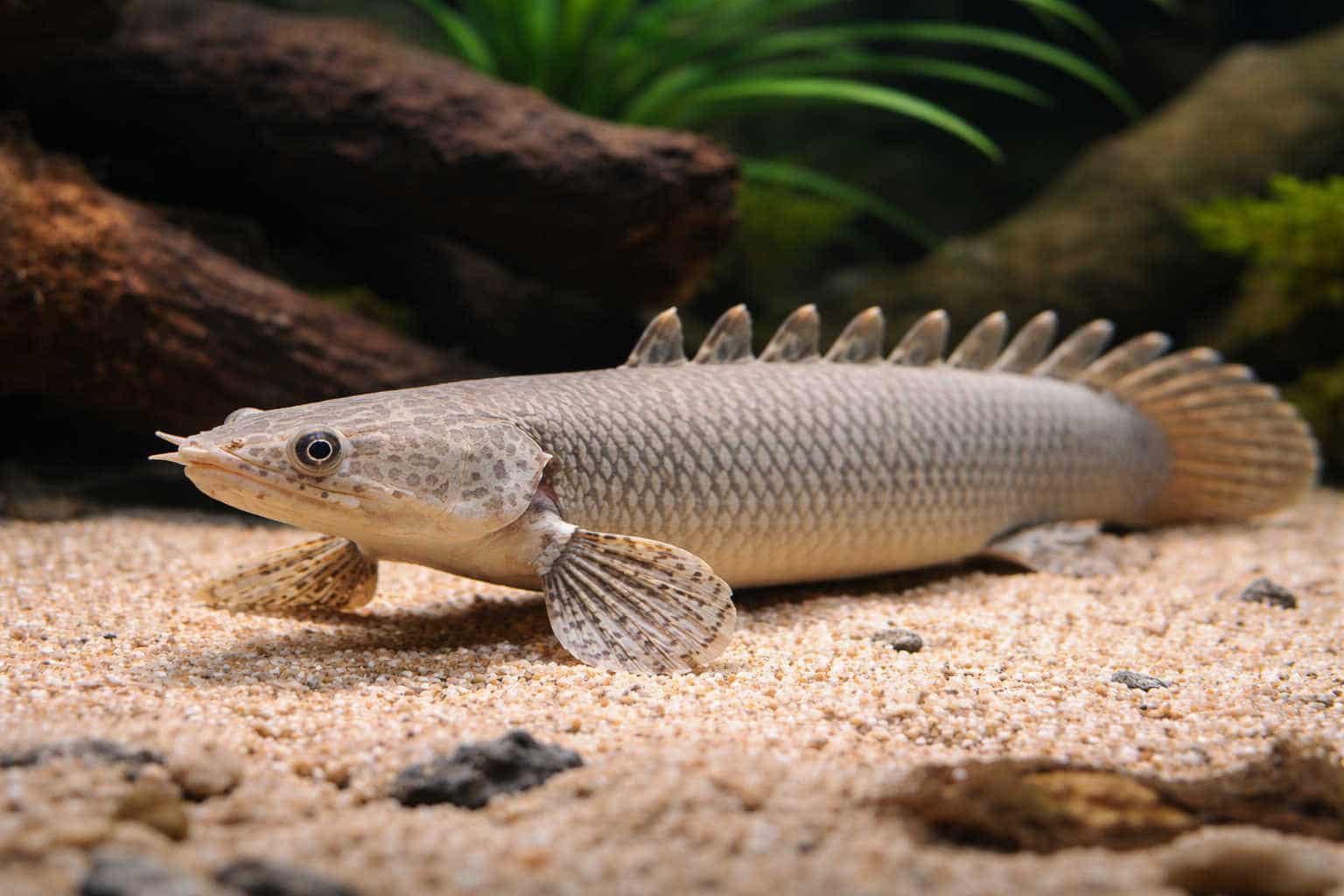
The Senegal bichir represents an early branch of ray-finned fish, preserving traits that trace back nearly 380 million years.
The Senegal Bichir: A Living Fossil Read More »
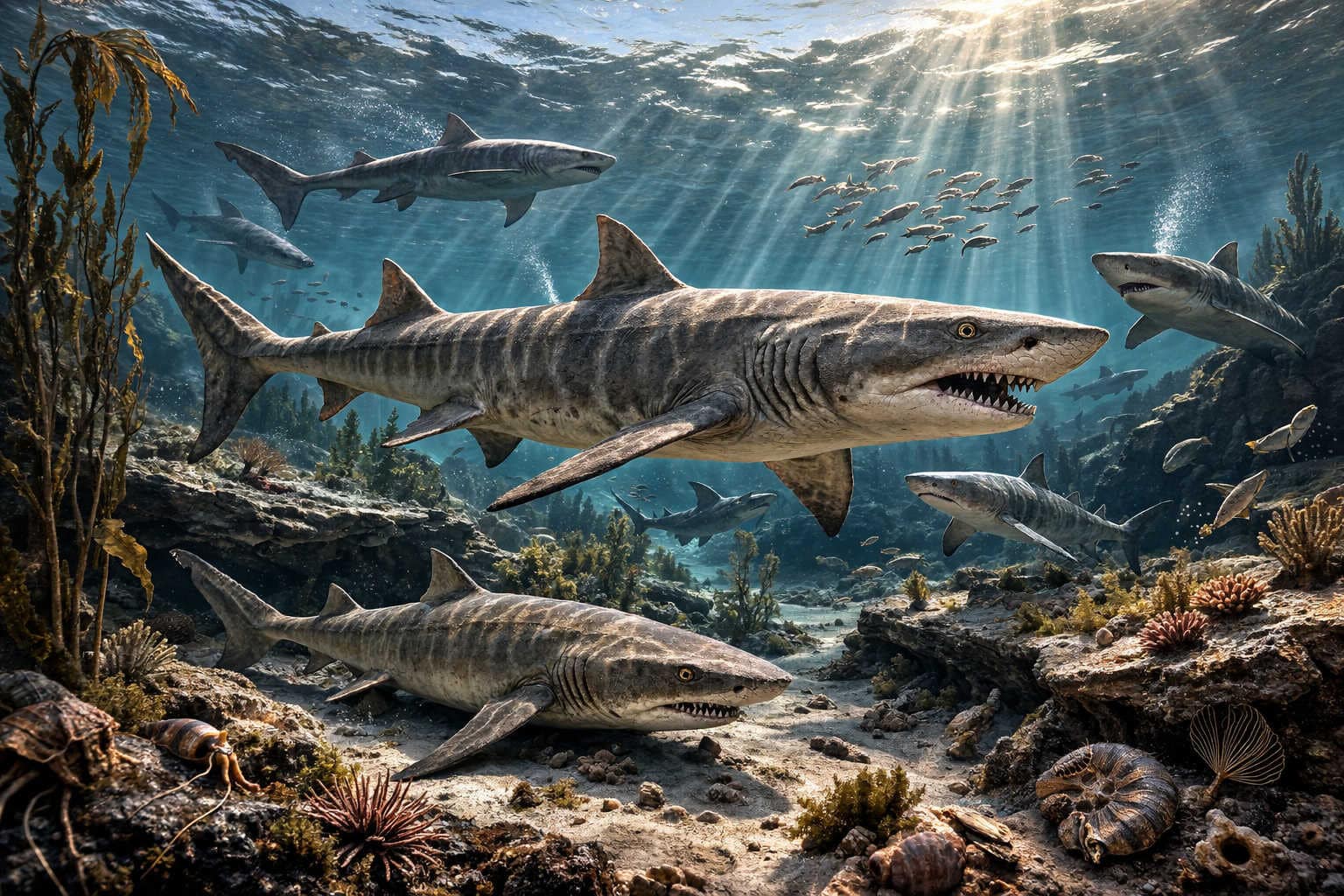
The shark body plan stabilized early. By 300 million years ago, the streamlined, hydrodynamic silhouette that defines sharks today was already established.
Stem Selachians: Modern Sharks LCA Read More »
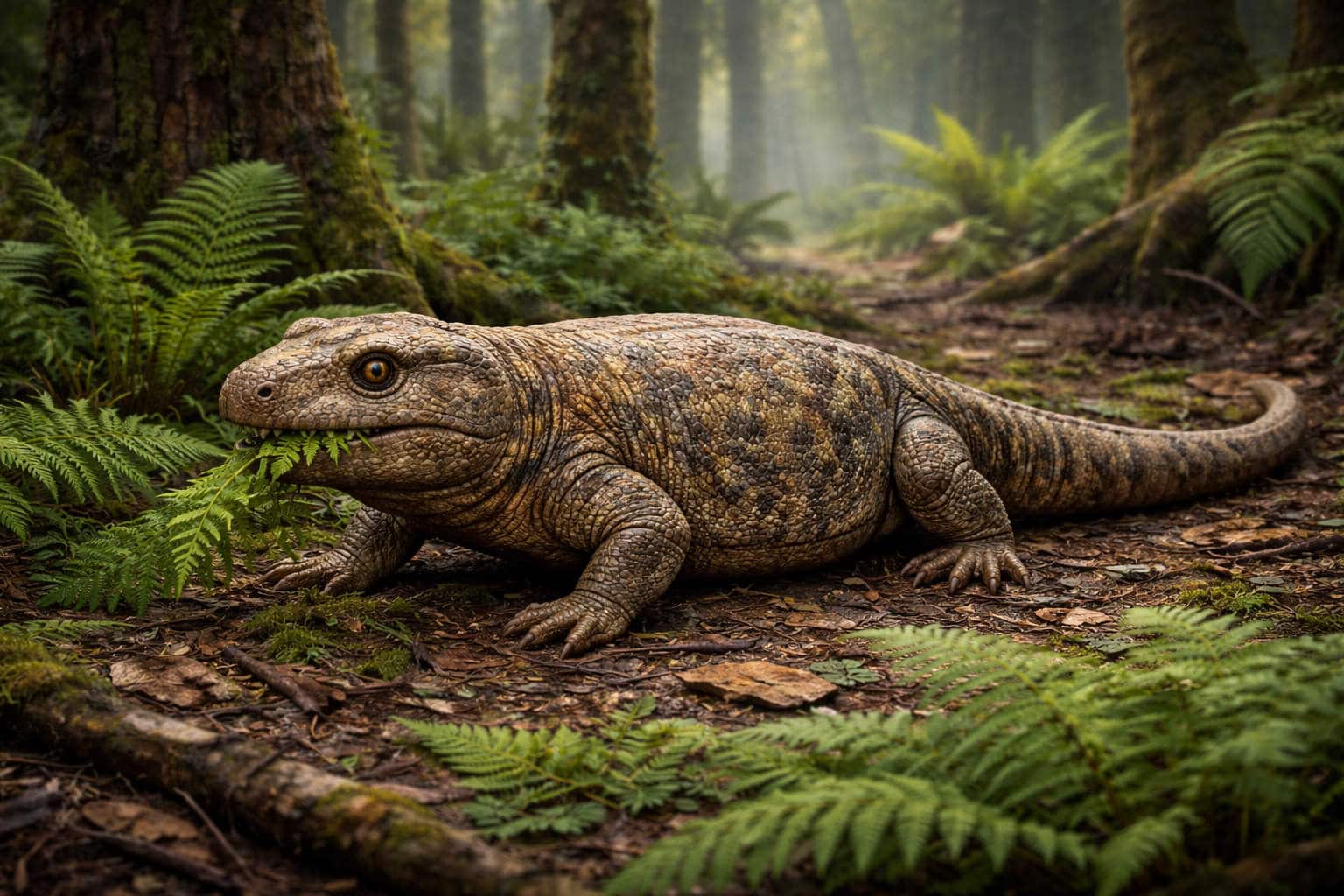
By 307 million years ago, land herbivory had already begun in early reptiles known as microsaurs.
First Land Herbivore: Tyrannoroter heberti Read More »
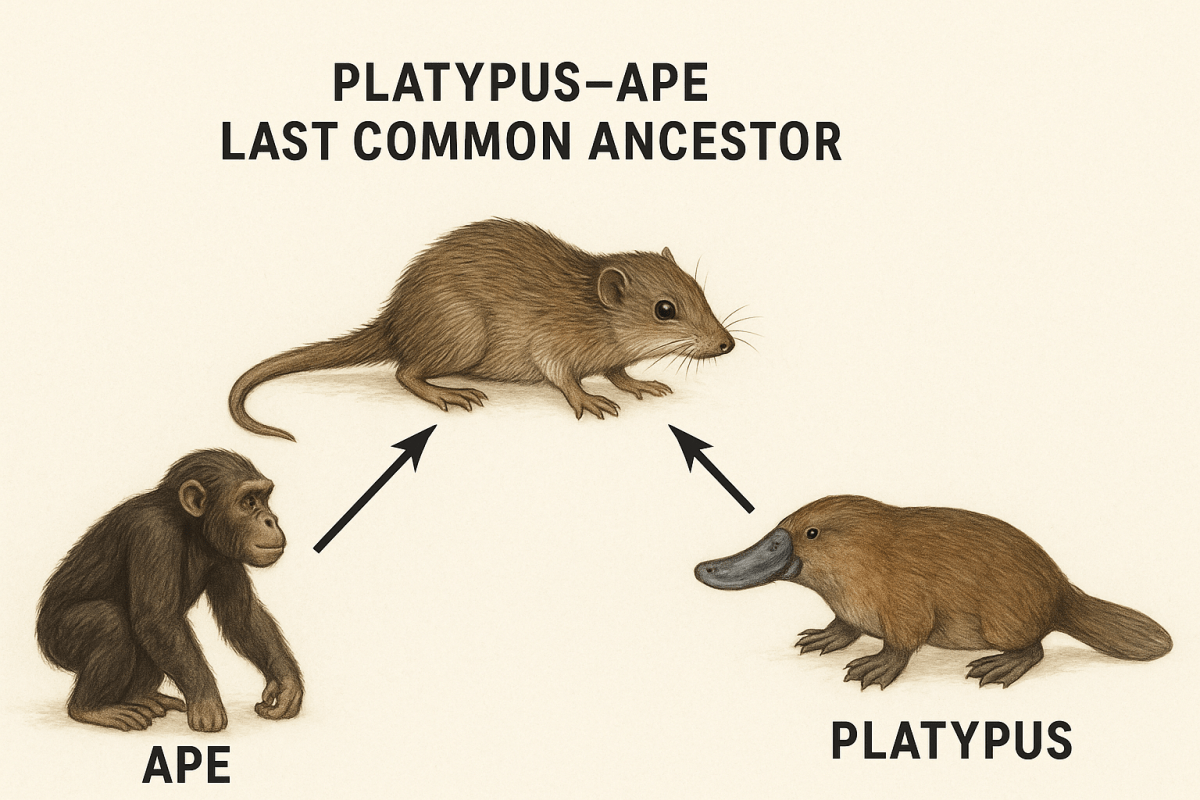
Not yet a “full” mammal, the last common ancestor between us and the platypus lived around 225 million years ago.
Platypus–Ape Common Ancestor Read More »

Proto-play emerged in animals as brains got more complex about 300 million years ago. Something like enjoyment or satisfaction evolved as animals mimicked survival-like skills.

Eoraptor reminds us that classification is not always neat at the beginning of a lineage. Early dinosaurs can be hard to classify because of a mix of traits.
Eoraptor lunensis. Read More »

In more advanced forms, play becomes a complex tool for social bonding, emotional learning, and cognitive development. Carnivores like wolves and cats engage in cooperative games that refine group hunting skills, while elephants are known for their intricate, playful interactions that build emotional connections. Among primates, play takes on its most elaborate forms, fostering problem-solving,
Higher Play Evolves in Social Mammals Read More »

Play in its most basic form likely began as simple, physical interactions aimed at honing survival skills. Modern animals like squirrels, kangaroos, and hedgehogs still exhibit these foundational behaviors, engaging in chasing, pouncing, and wrestling. These actions help young animals develop coordination and reflexes while providing a safe way to practice life-essential tasks. Surprisingly, even
Early Play Evolves in Mammals Read More »

Our last tails! The last common ancestor with humans and old-world monkeys lived around 29 million years ago.
Baboons Branch Off: Old World Monkeys Read More »

The last surviving primate before the great apes! Gibbons are a “lesser ape” that branched off from our common ancestor with great apes. By this time, our ancestors had already lost their tails (like all apes) and were very agile in trees, using brachiation (arm-swinging) to move through the canopy. Gibbons are known for their
Gibbons Branch Off: Genus Hylobates Read More »

Around 240 million years ago, the XX/XY sex-determination system emerged in a common ancestor of mammals.
XX/XY Sex System Emerges: A Tale of Mammalian Evolution Read More »

About 545 million years ago, veins evolved. The digestive tract evolved more than 25 million years before this. Digestion breaks down food efficiently. Veins transport nutrients.
True Circulatory Systems: Blood Veins Read More »

All mammals, birds, and reptiles communicate on a spectrum shaped by evolution. Great ape communication goes back about 15 million years.
Animal Vocabulary: Thousands of Words (The Great Apes) Read More »

By about 125 million years ago, early mammals were doing more than making a few simple sounds. Their signaling systems expanded into the dozens.
Animal Vocabulary: Dozens of Words Read More »