
Neoaves Birds Emerge (from Neognathae)
Neoaves is the enormous living bird branch that includes all birds that are not part of the ostrich-tinamou branch and not part of the duck-chicken branch.
Neoaves Birds Emerge (from Neognathae) Read More »


Neoaves is the enormous living bird branch that includes all birds that are not part of the ostrich-tinamou branch and not part of the duck-chicken branch.
Neoaves Birds Emerge (from Neognathae) Read More »
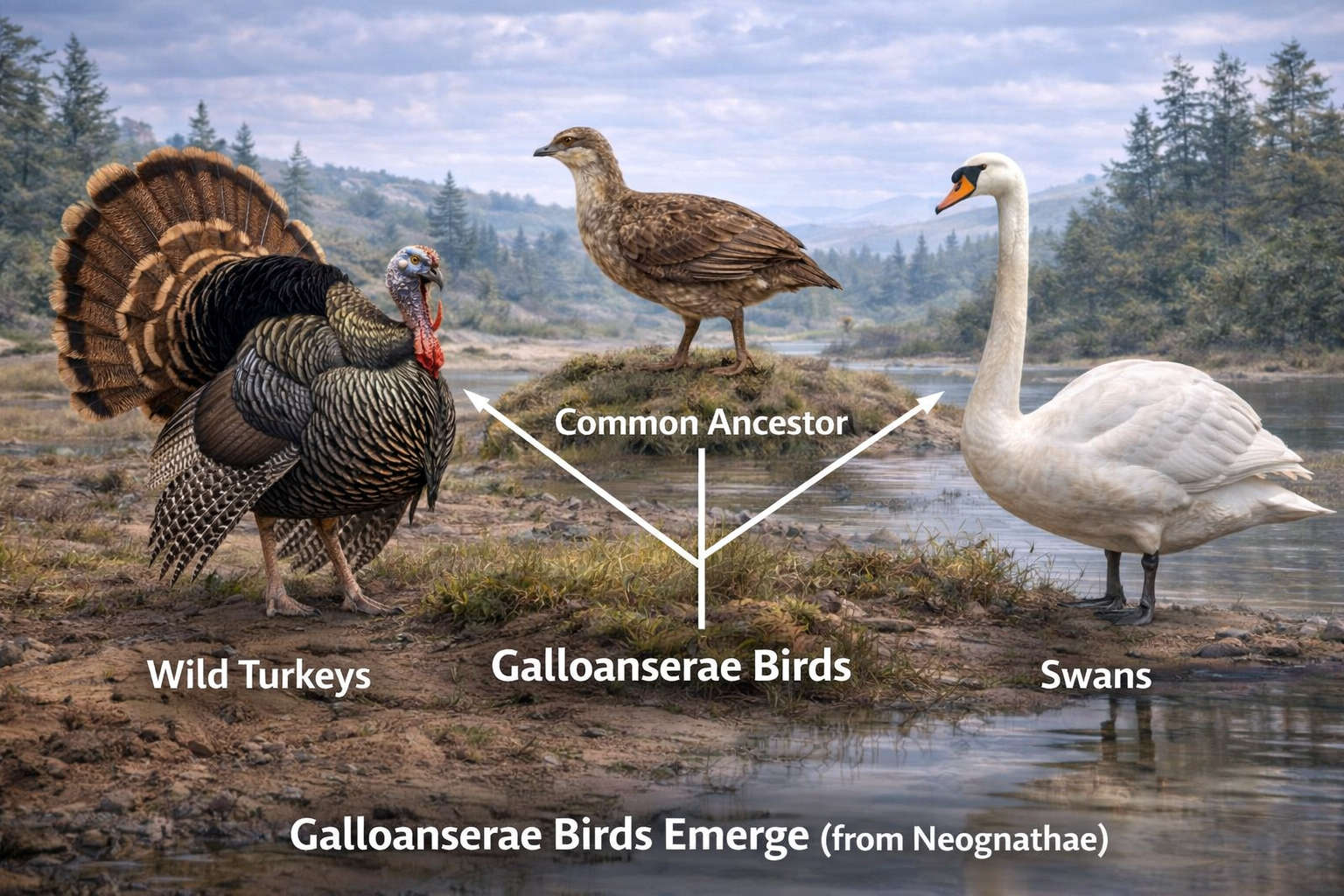
Galloanserae is the living bird branch that includes landfowl and waterfowl: chickens, turkeys, pheasants, ducks, geese, and swans.
Galloanserae Birds Emerge (from Neognathae) Read More »
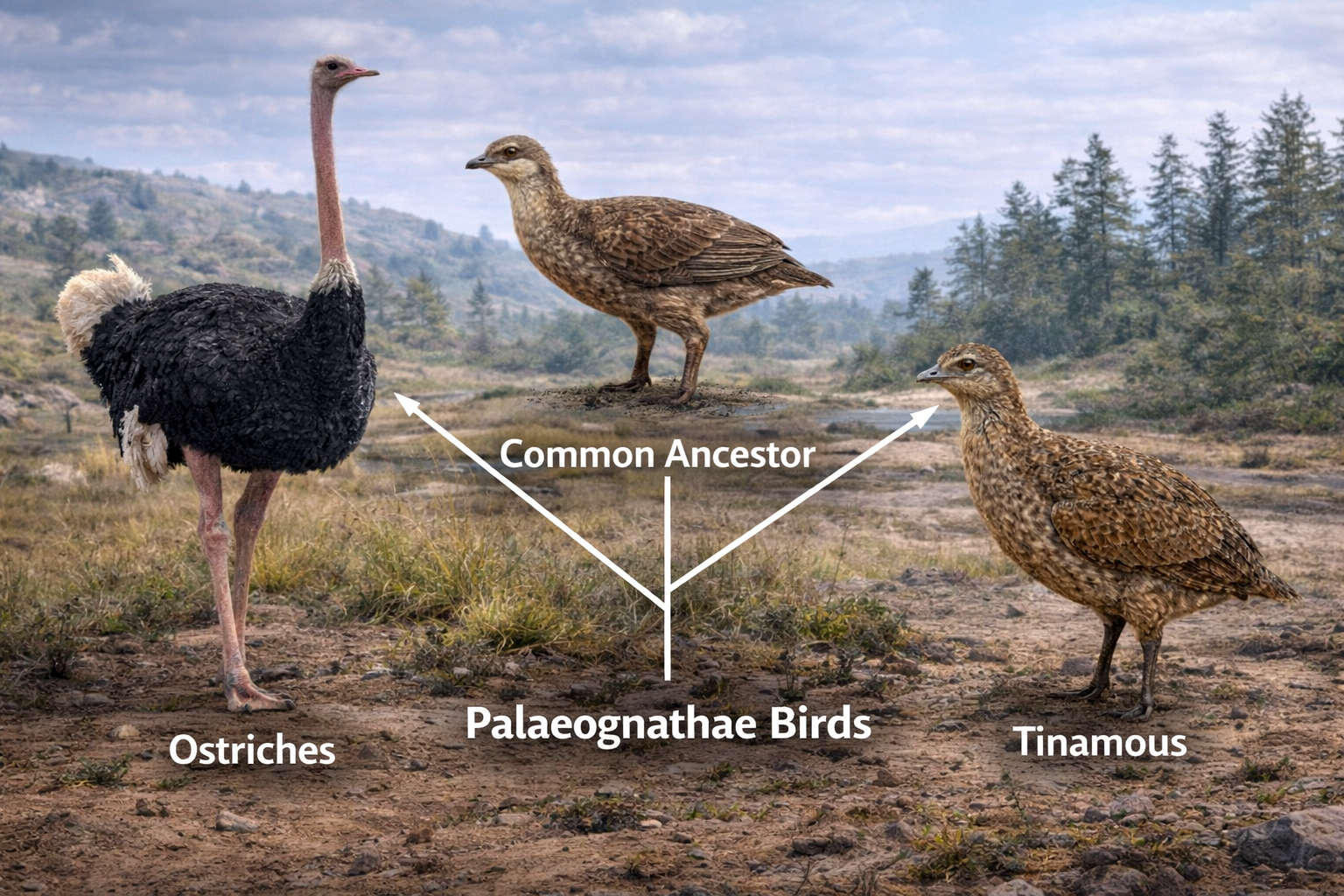
Palaeognathae is the living bird branch that includes ostriches, emus, cassowaries, rheas, kiwis, and tinamous.
Palaeognathae Birds Emerge Read More »
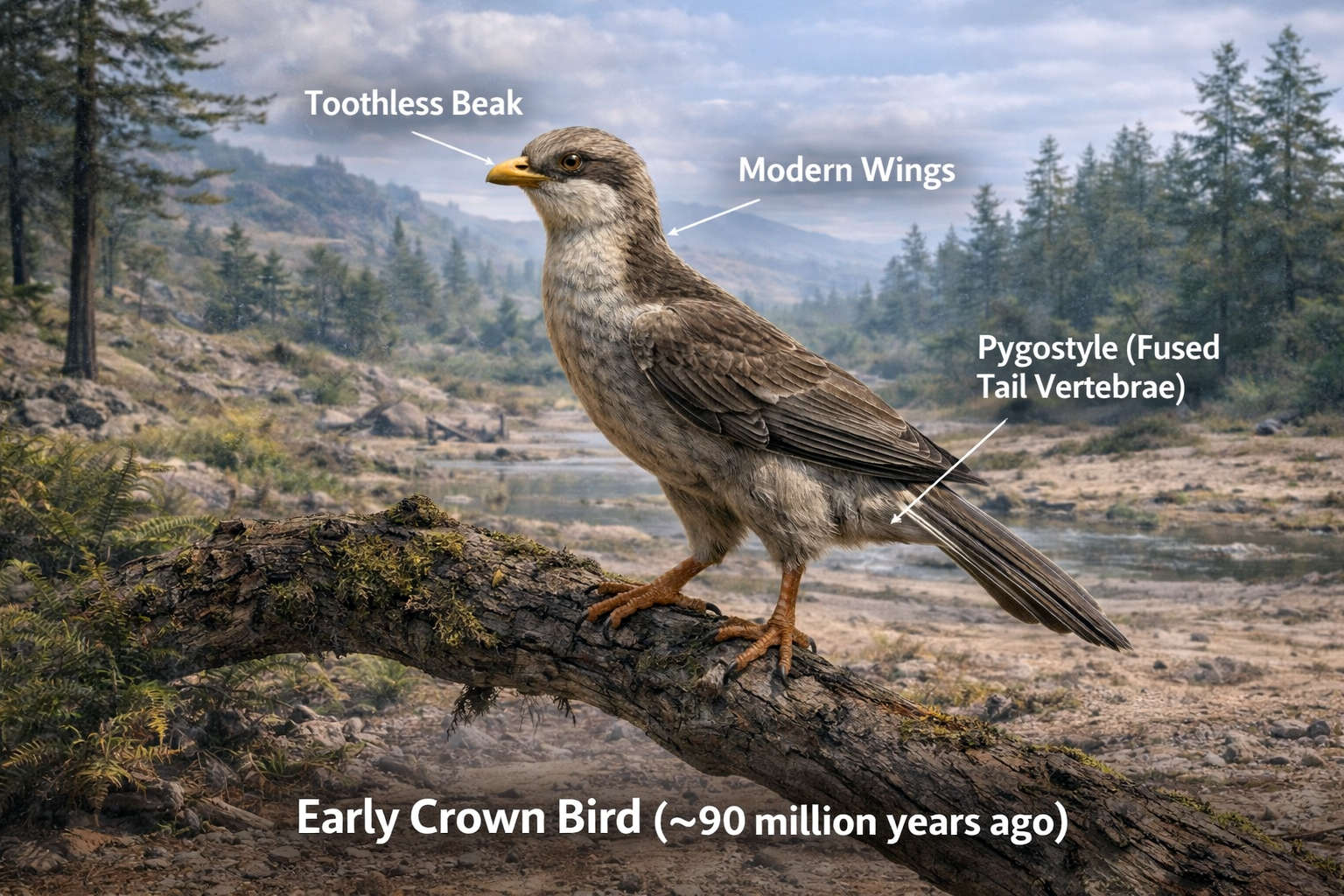
Three branches of modern birds evolved from within neornithes: Struthio camelus (the ostrich), Gallus gallus (chickens), and Passer domesticus (the house sparrow is a good one).
Neornithes (Crown Birds) emerge Read More »
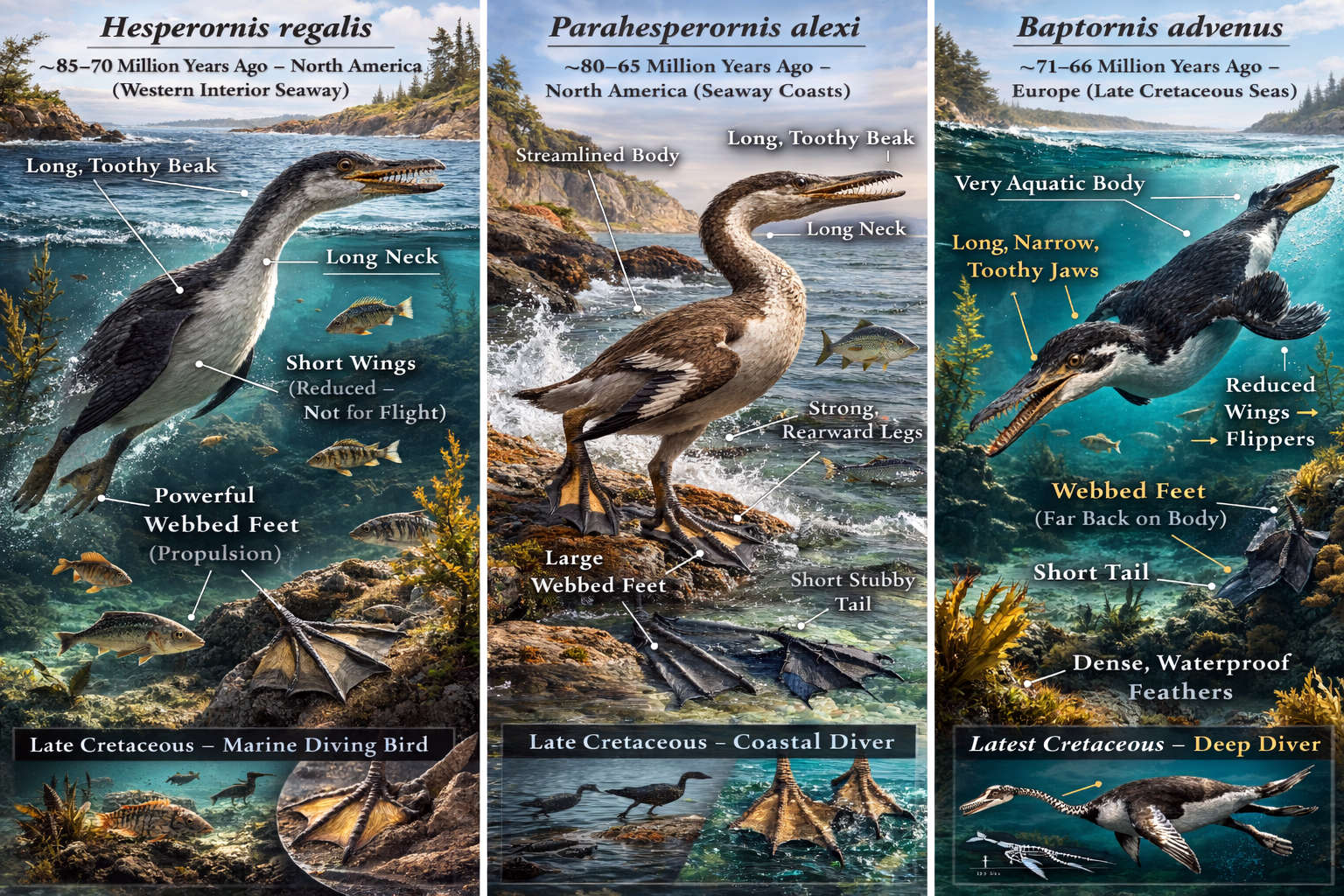
Hesperornithiformes were early, highly specialized diving birds that evolved before modern birds.
Hesperornithiformes Birds Emerge (Now Extinct) Read More »
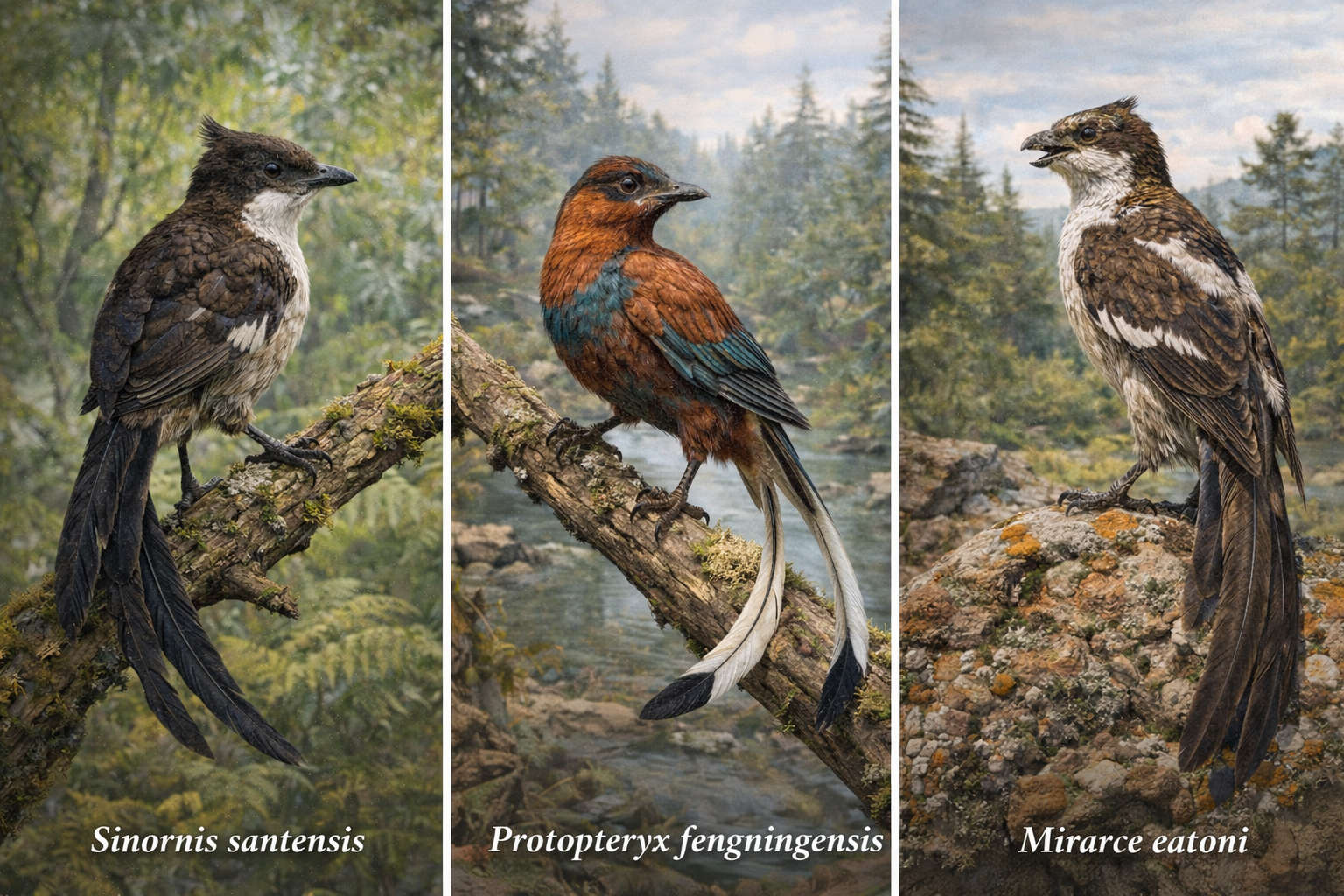
Enantiornithes were one of the most successful early bird branches of the Cretaceous, but unlike Confuciusornithiformes, they generally kept their teeth and often looked a bit more like small, sharp-faced bird-dinosaurs than beaked proto-birds.
Enantiornithes Birds Emerge (Now Extinct) Read More »

Weird carryovers and side experiments: clawed wings, elaborate ribbon-like tail feathers, and a mix of advanced beak features with a still primitive dinosaurian body.
Confuciusornithiformes Birds Emerge (Now Extinct) Read More »
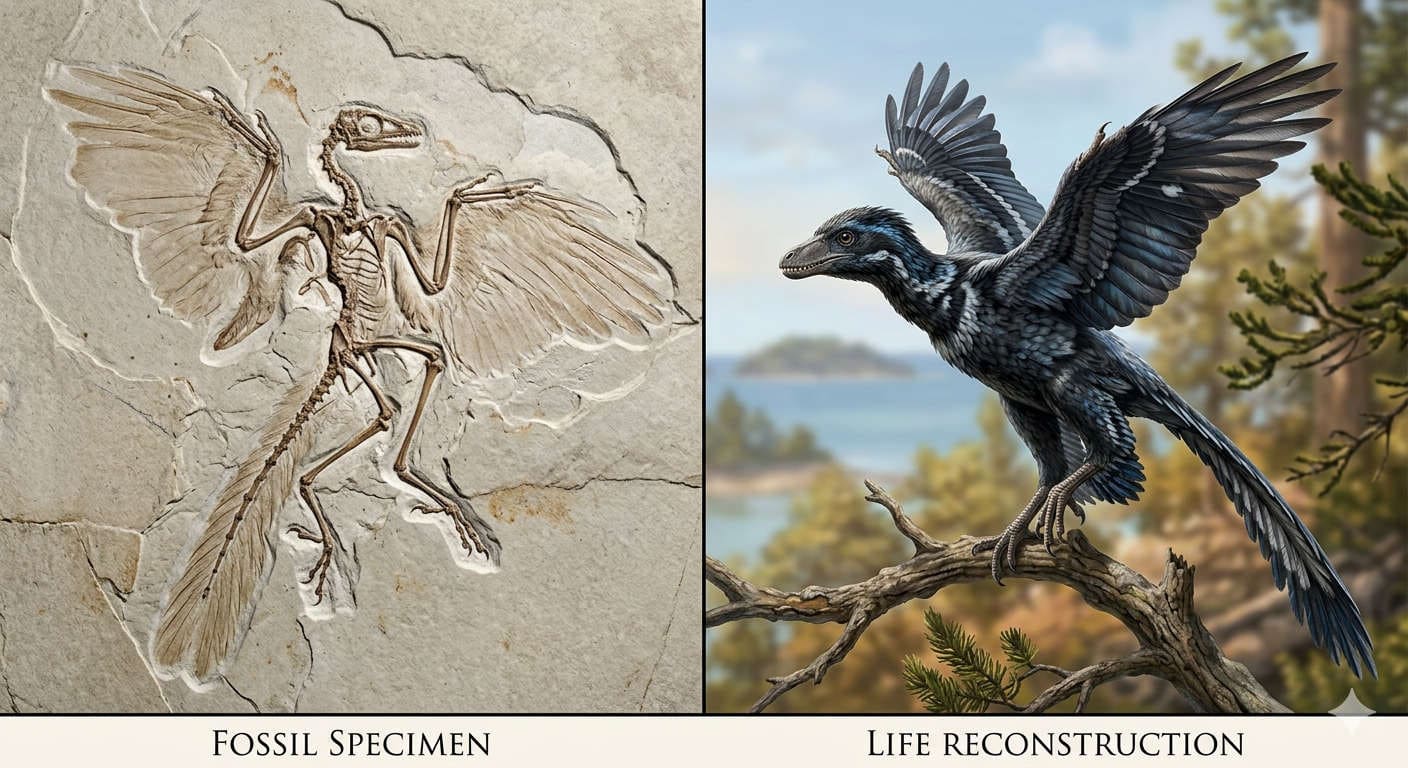
Archaeopteryx, from about 150 million years ago, is an early bird that still looked strikingly dinosaurian, with feathers and wings alongside teeth, clawed hands, and a long tail.
First True Bird: Archaeopteryx Read More »
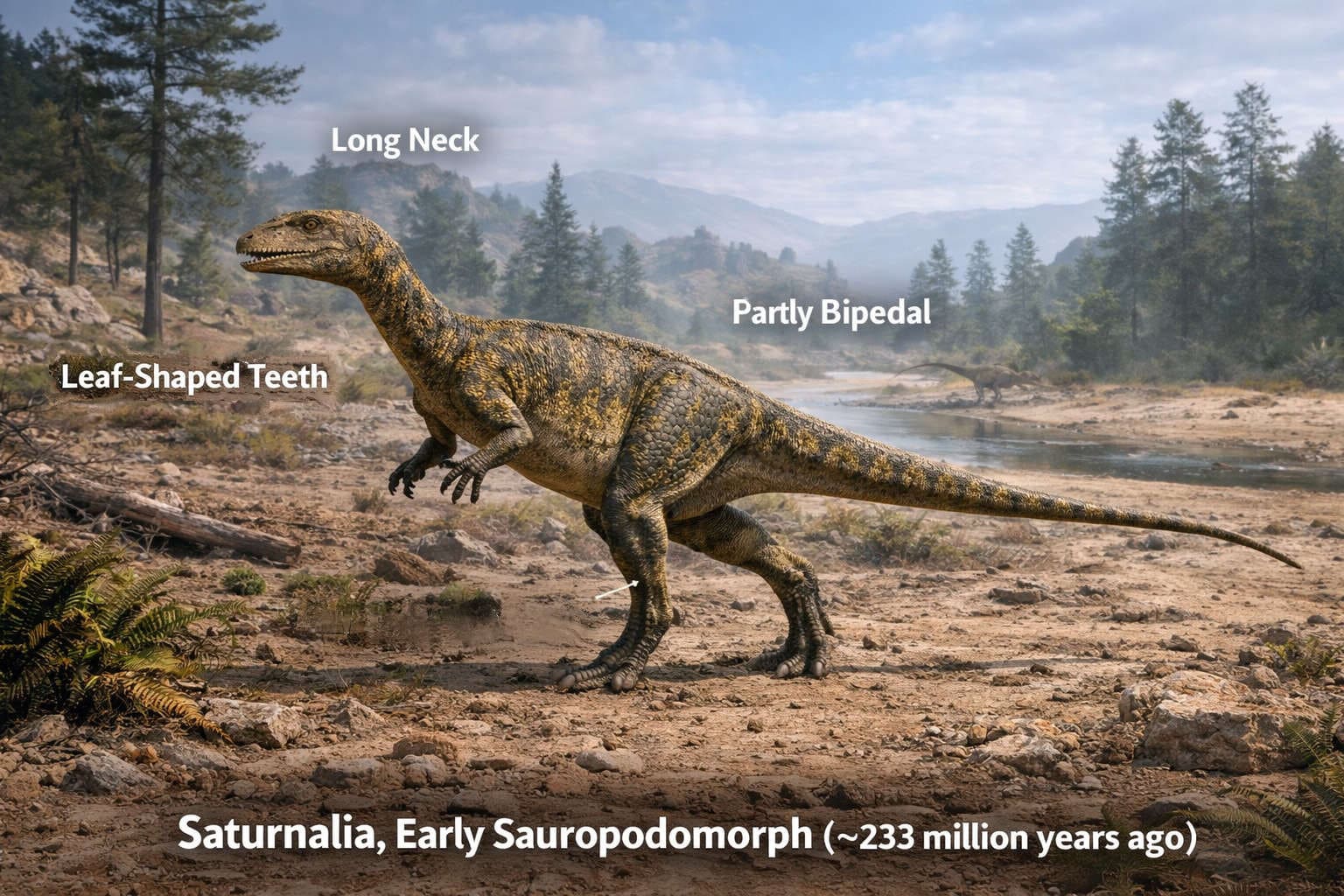
Sauropodomorphs, in their early forms, were lightly built, often partly bipedal, with long necks, small heads, leaf-shaped teeth, and grasping hands.
Sauropodomorph Line Diverges Within Dinosaria (from Saurischia) Read More »
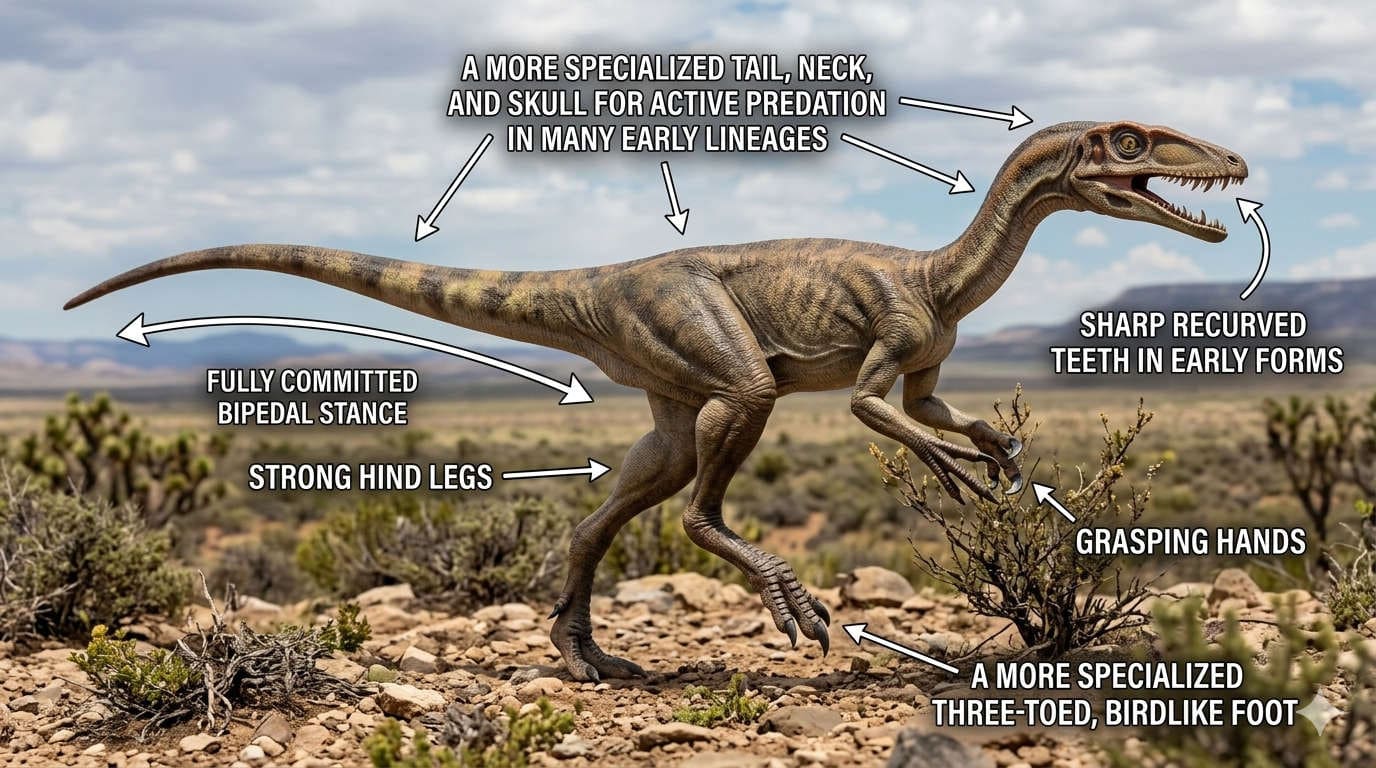
Theropods were the agile, sharp-toothed dinosaur branch that refined the classic predator body plan. They stood fully upright on two legs and balanced with long tails.
Theropod Line Diverges Within Dinosaria (from Saurischia) Read More »
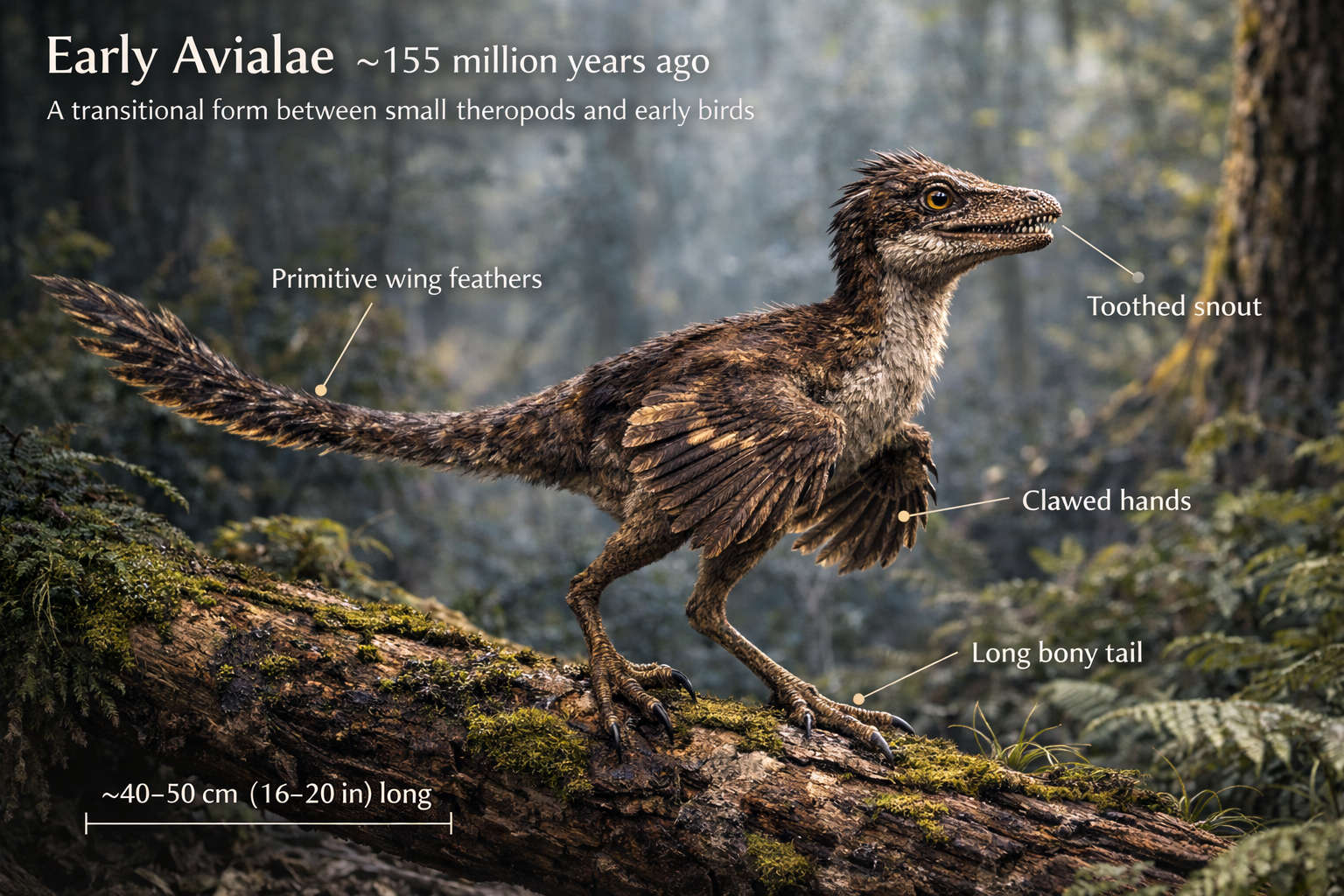
Early sample: Aurornis Although the exact early avialan boundary is famously messy, we do know birds evolved from theropos. In the “Great Divide” of dinosaur classification, birds are members of the Saurischia (“lizard-hipped”) branch, specifically the Theropods. These ornithischians, or “bird-hipped” dinosaurs, are dinosaurs like Triceratops and Stegosaurus. Evolution produced a similar hip structure here
Avialae: The Bird Line Diverges (Theropoda) Read More »
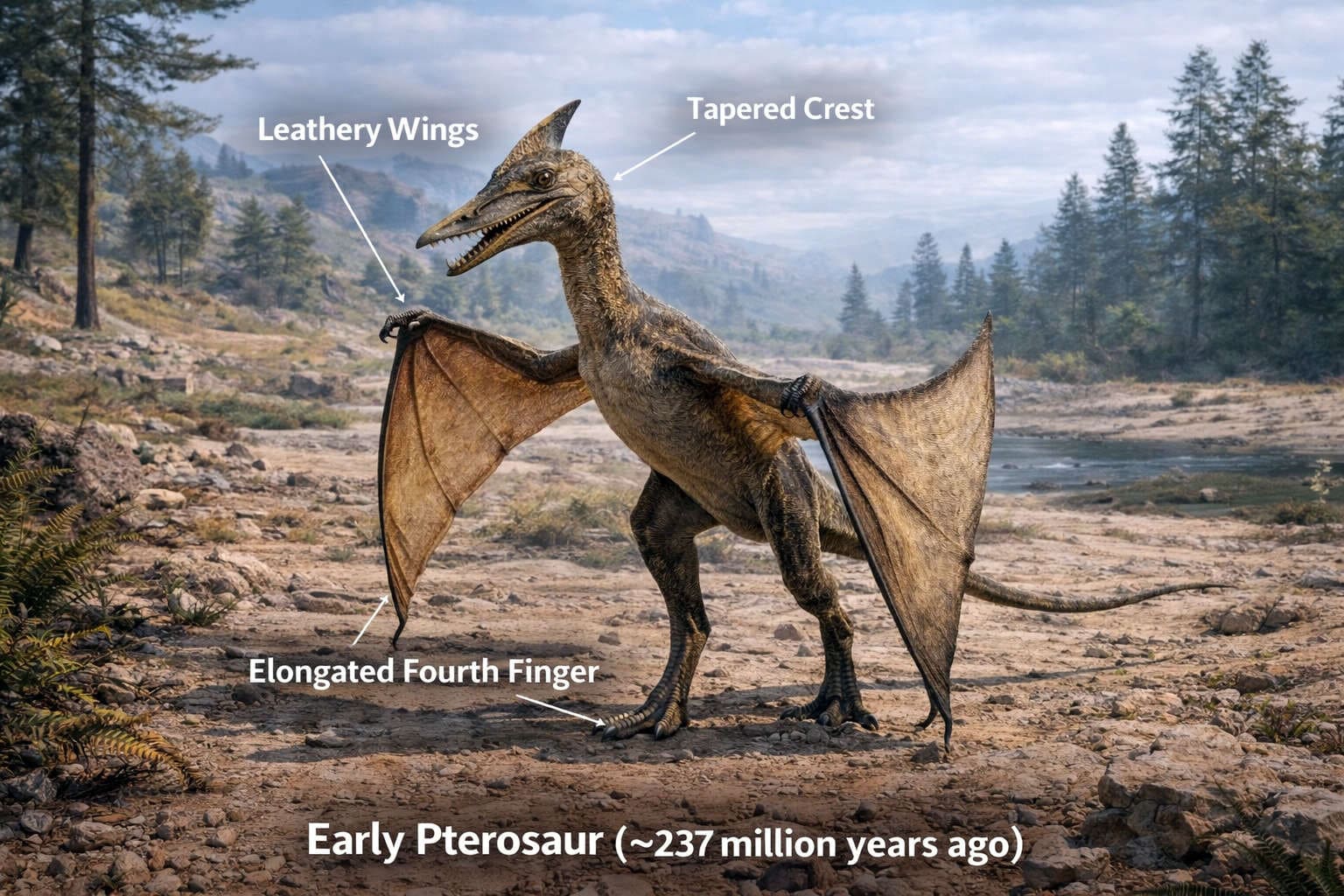
Pterosaurs were the first vertebrates to conquer the air, evolving a unique “finger-wing” anatomy that allowed them to dominate the skies for 160 million years.
Pterosaurs Diverge From Dinosaur Ancestors (within Ornithodira) Read More »
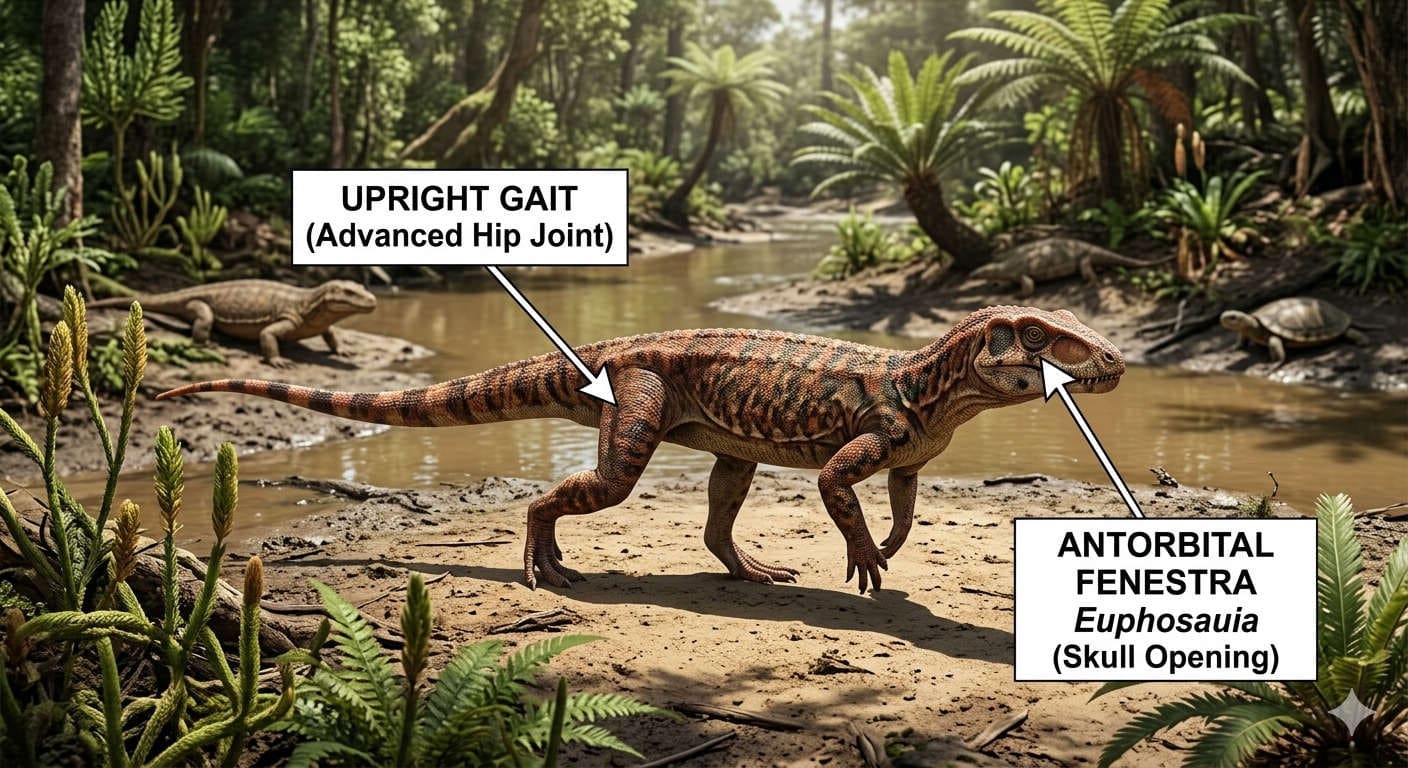
LCA of crocodiles and birds — the larger archosaur branch that later gave rise to crocodilians, pterosaurs, dinosaurs, and birds.
Archosauria Diverge Within Reptiles Read More »
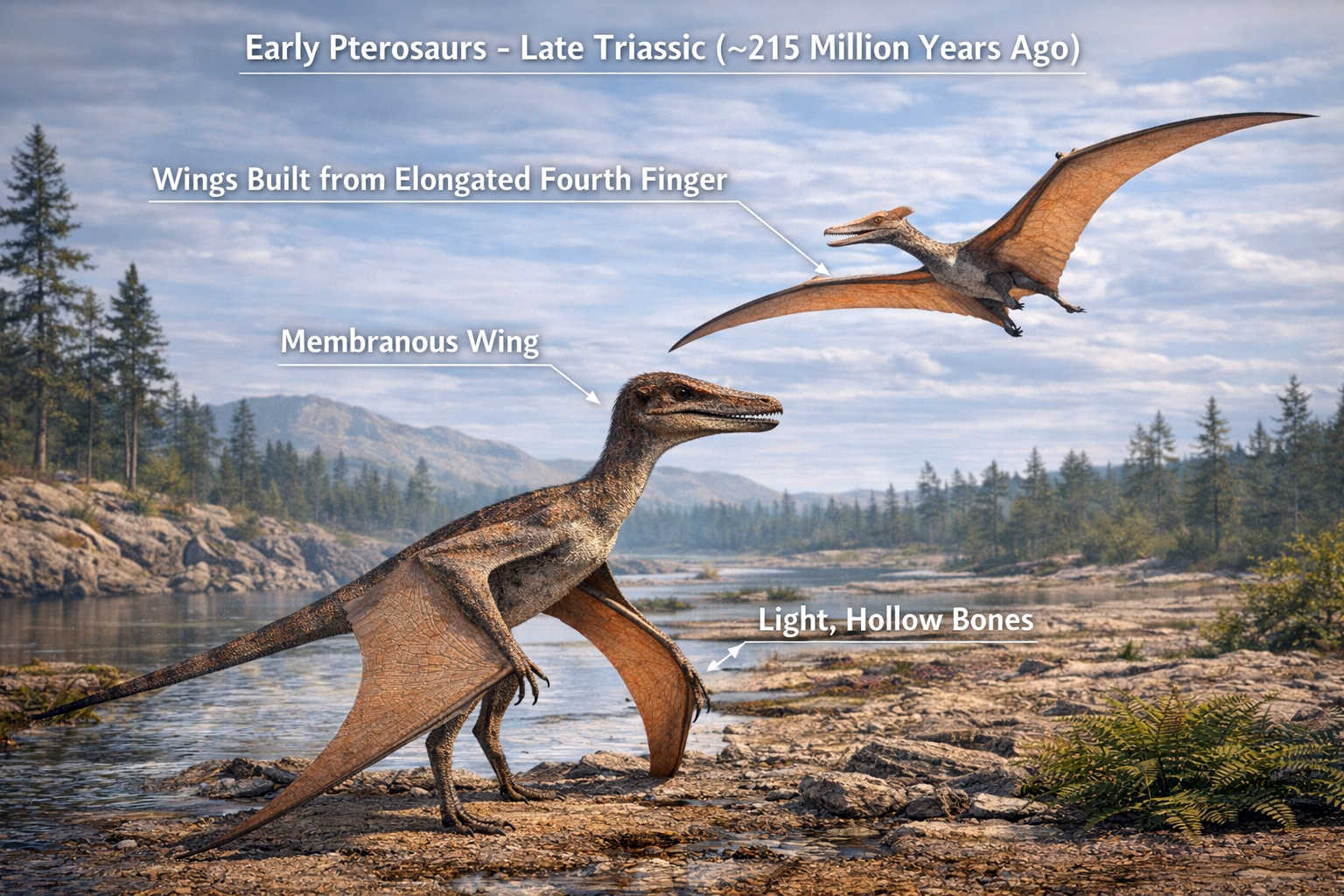
Pterosaurs were the first vertebrates to achieve powered flight, but they were not dinosaurs.
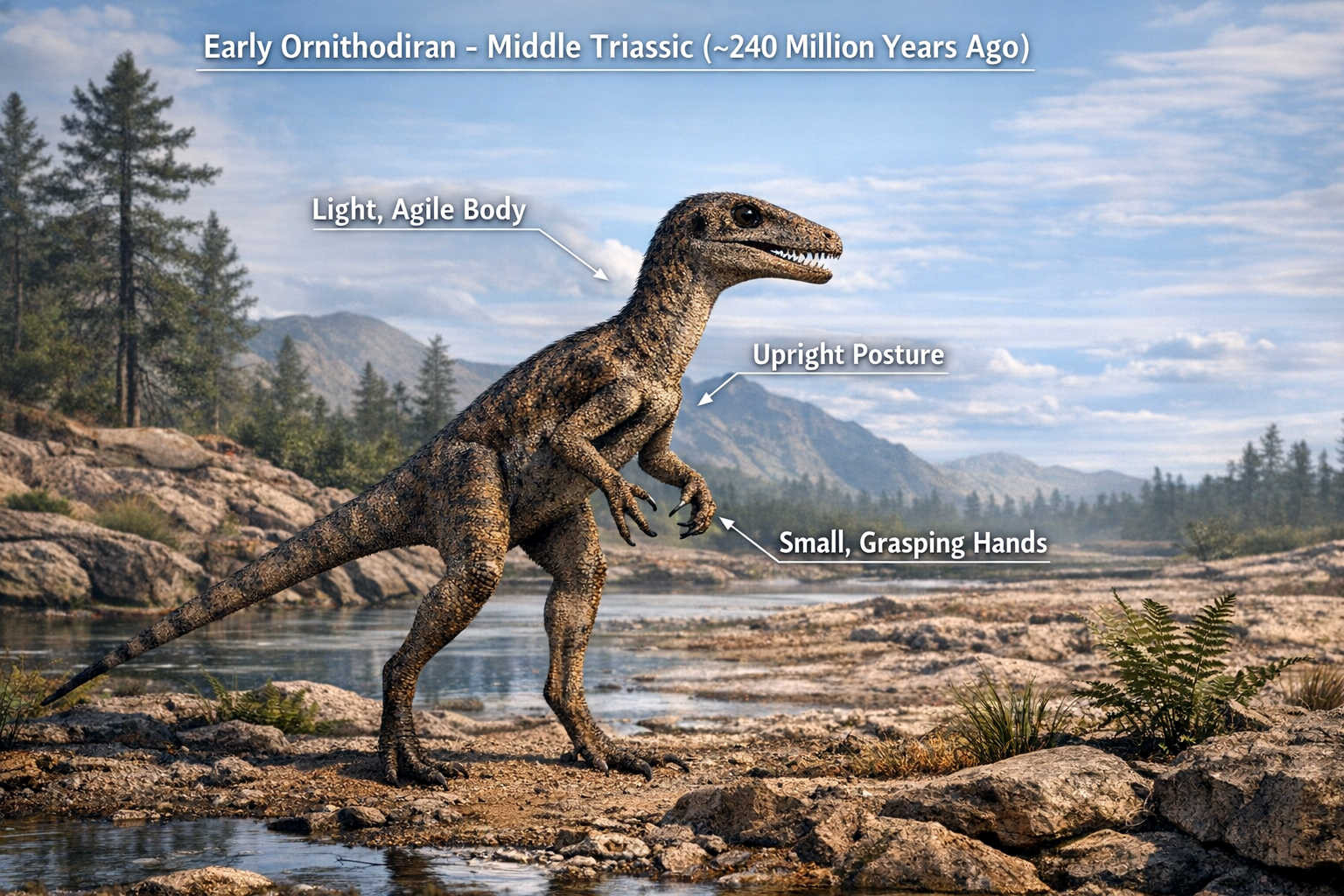
Ornithodirans were the early branch that later gave rise to both pterosaurs and dinosaurs, including birds.
Ornithischians Diverge Within Dinosauria “Bird Hipped” Read More »
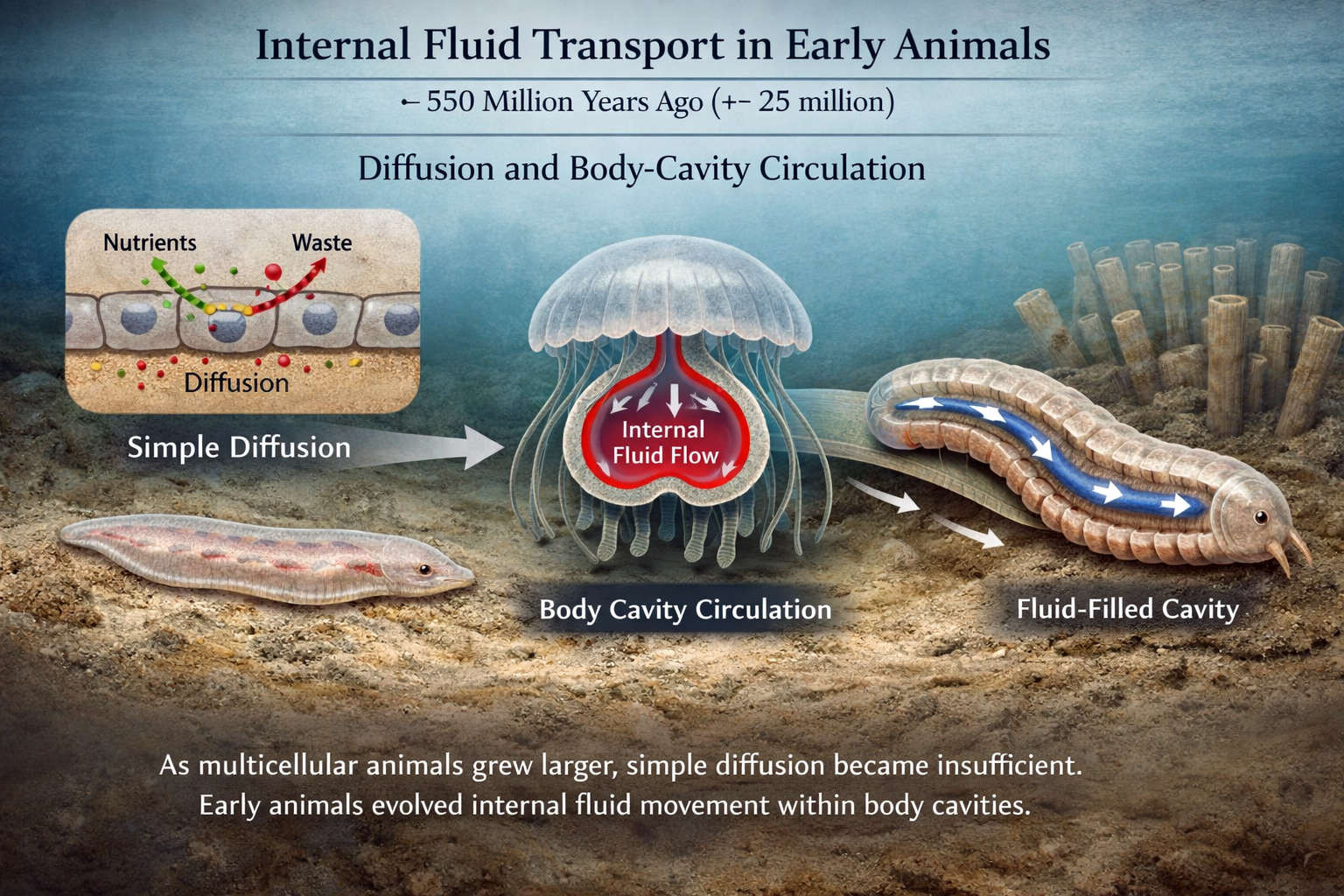
As animals grew larger, simple diffusion was no longer enough, so internal fluid movement evolved.
Internal Fluid Transport in Early Animals Read More »
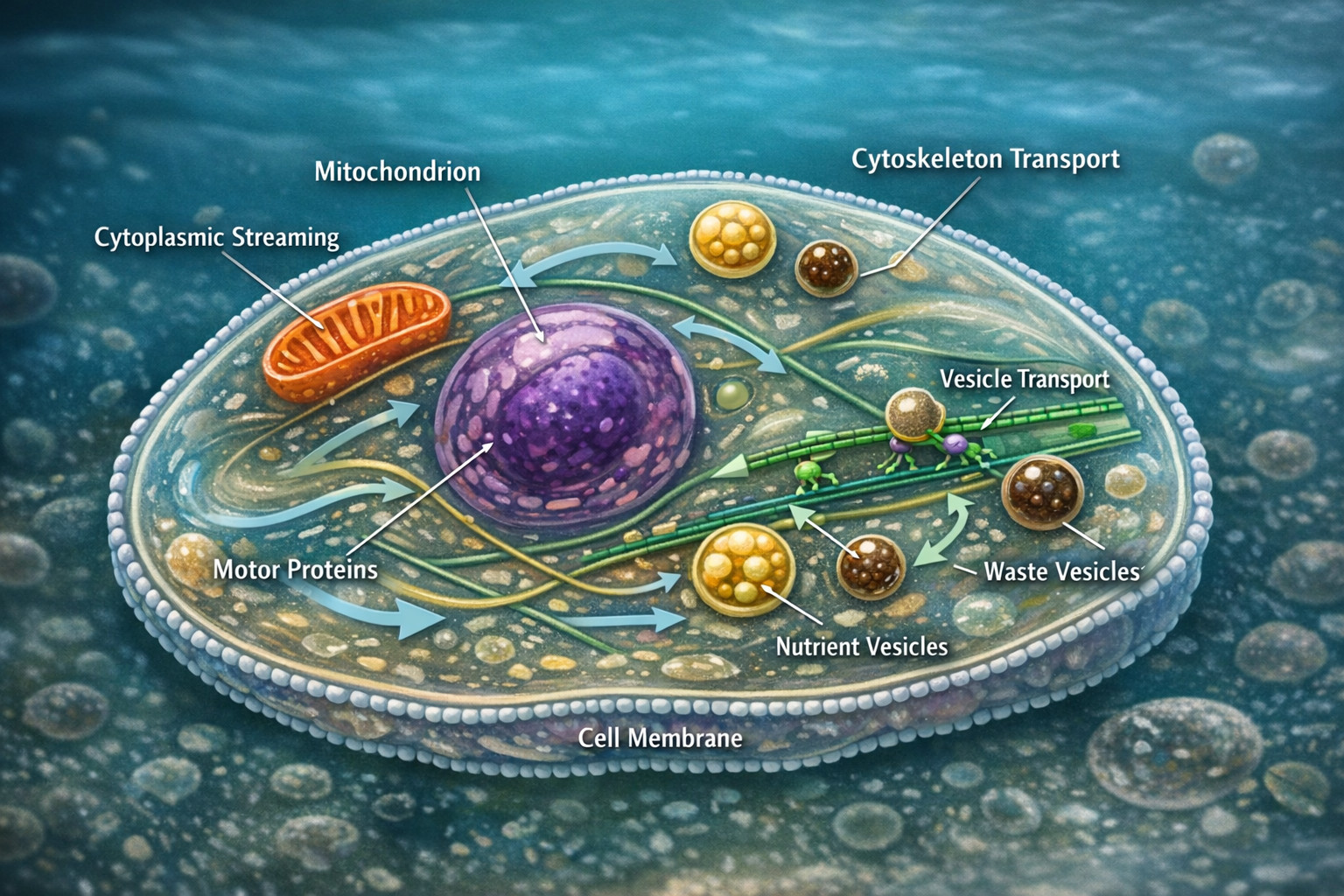
Before animals evolved circulatory and digestive systems, cells first evolved internal flow to move materials around inside themselves.
Intracellular Flow and Nutrient Exchange Read More »
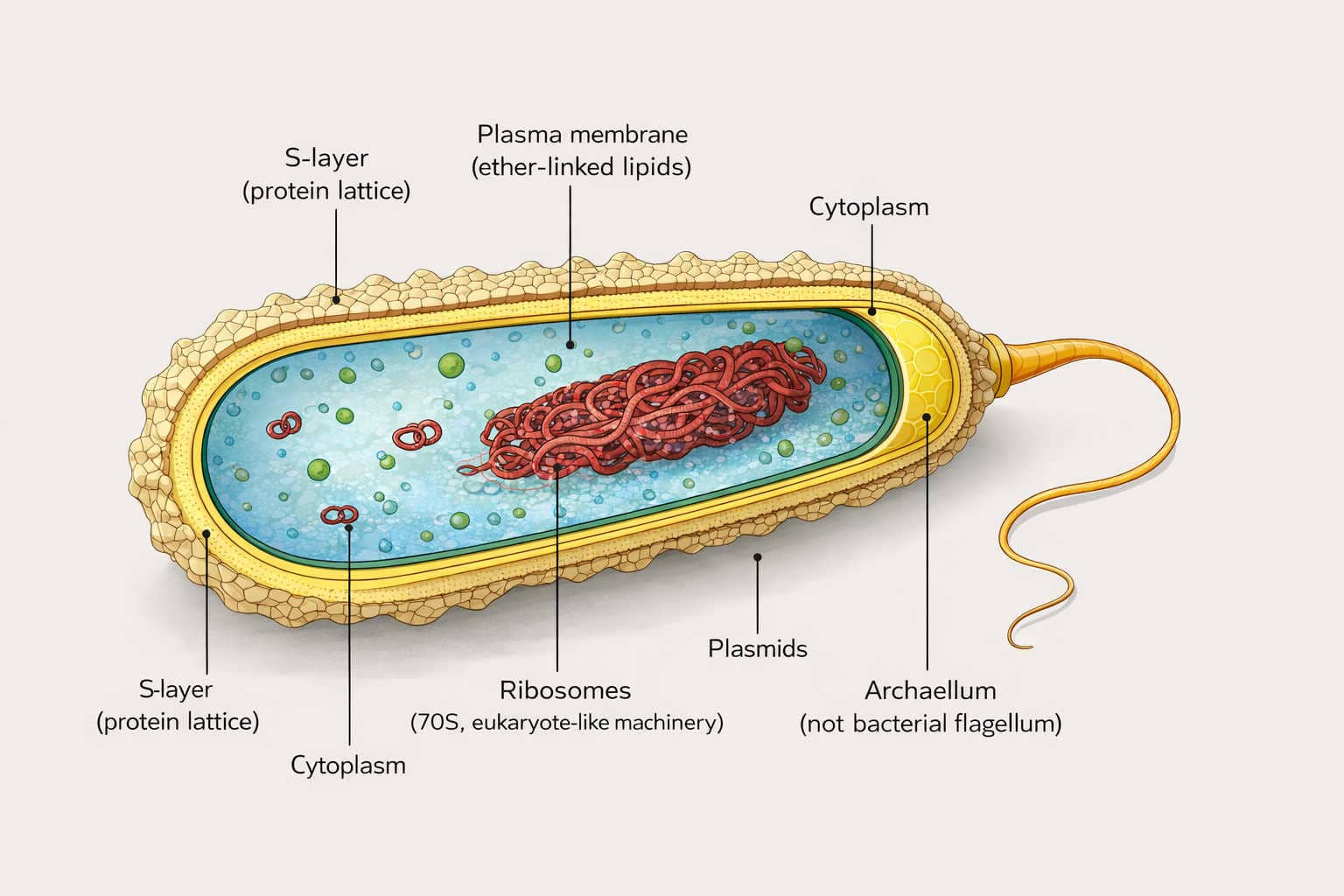
Archaea are a primary branch of early life, and eukaryotes emerged from within this archaeal lineage.
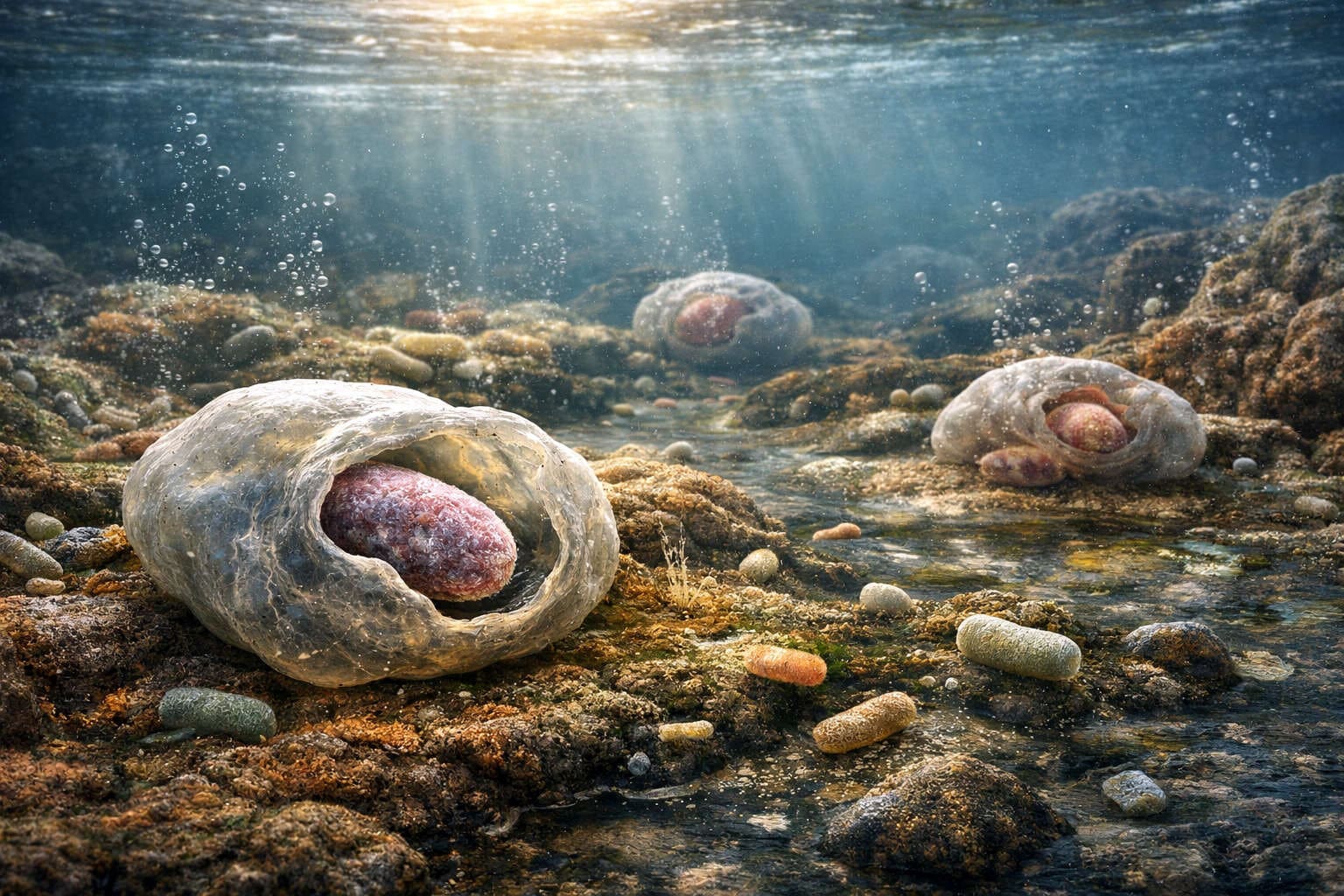
About 2 billion years ago, bacteria are added to cells and that group leads to eukaryotes. You are a walking chimera ecosystem made of an Archaea host and trillions of Bacterial power-plants.
Bacterial Endosymbiosis: Origin of Eukaryotes Read More »
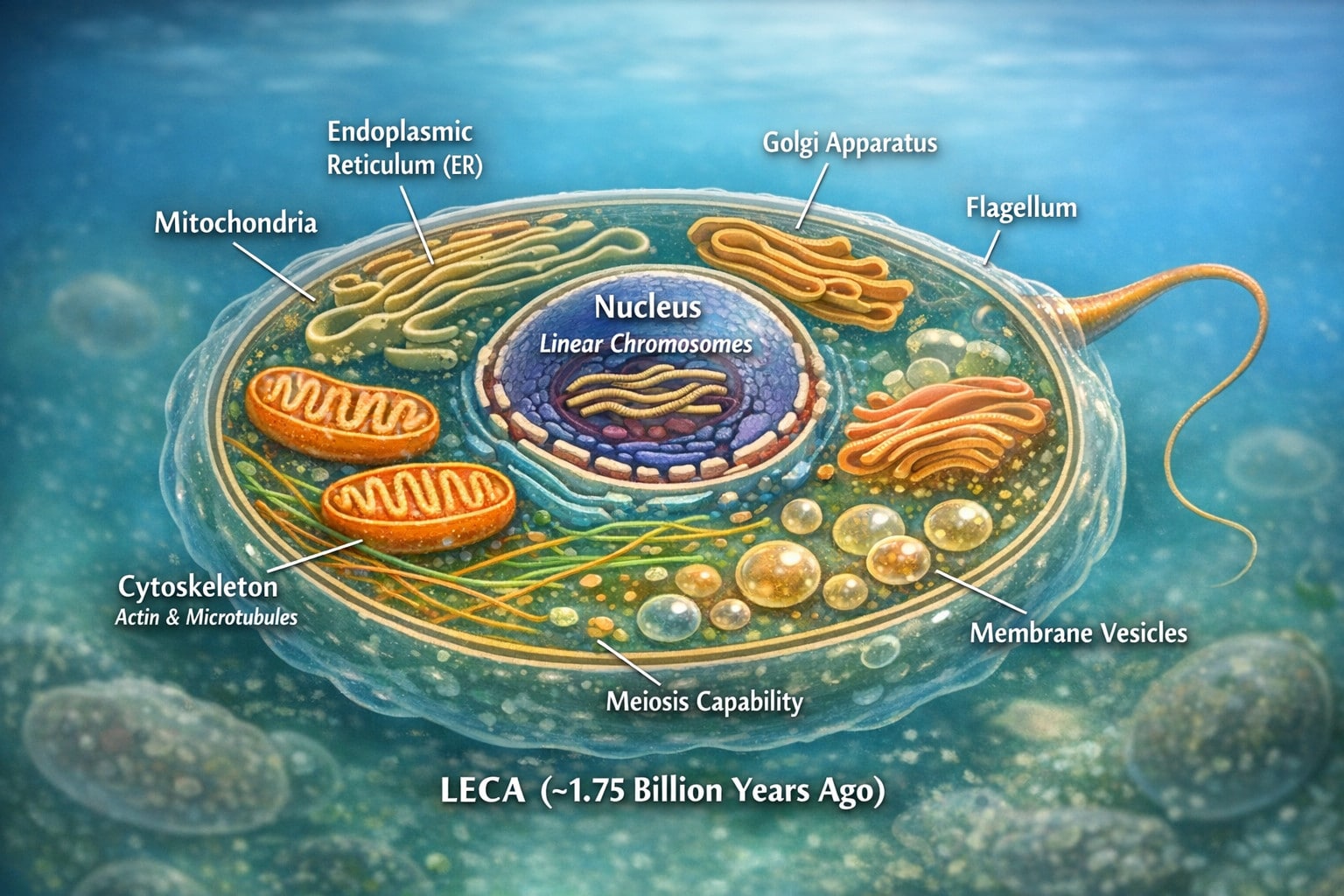
LECA is the Last Eukaryotic Common Ancestor. LECA reproduced sexually pushing the mixing of DNA back before 1.75 billion years ago.
LECA: Likely Sexual Reproduction Read More »