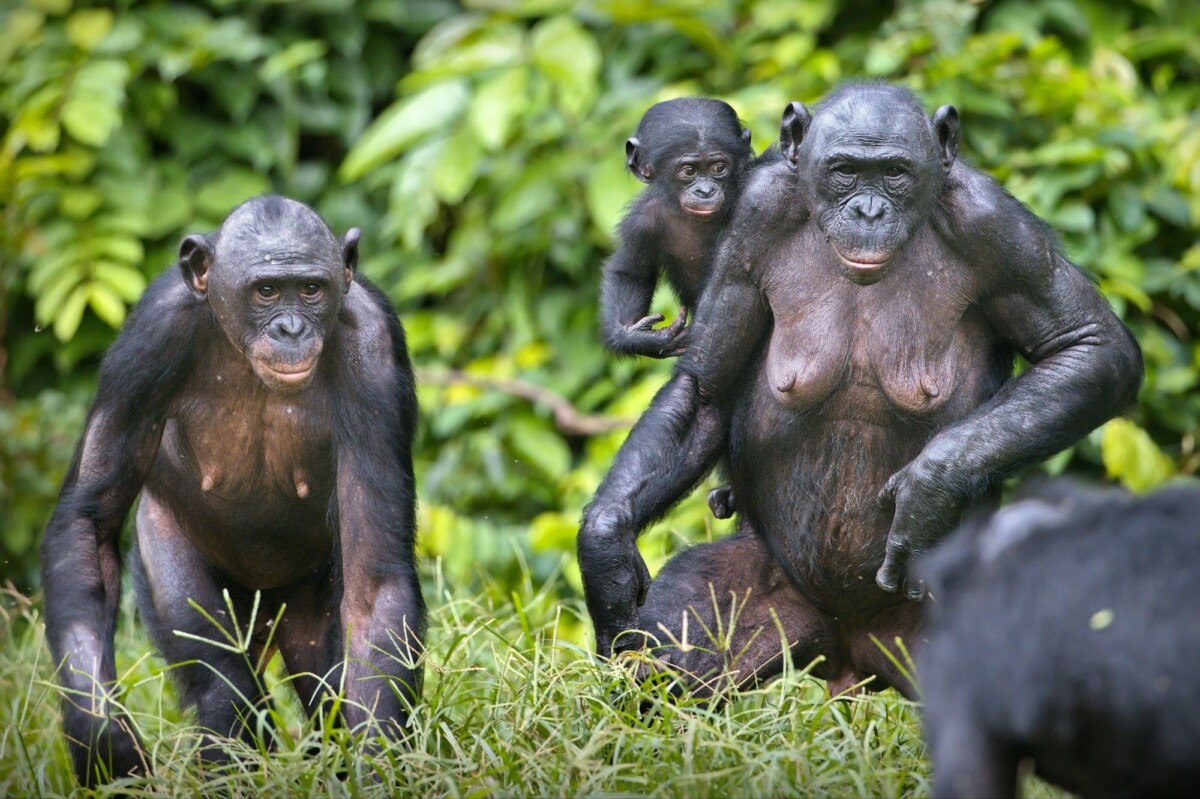
Emergence of the Chimpanzee Family
The genus Pan gave rise to two living cousins: chimpanzees and bonobos. Their split shows how one intelligent ape lineage can become two distinct evolutionary stories.
Emergence of the Chimpanzee Family Read More »


The genus Pan gave rise to two living cousins: chimpanzees and bonobos. Their split shows how one intelligent ape lineage can become two distinct evolutionary stories.
Emergence of the Chimpanzee Family Read More »
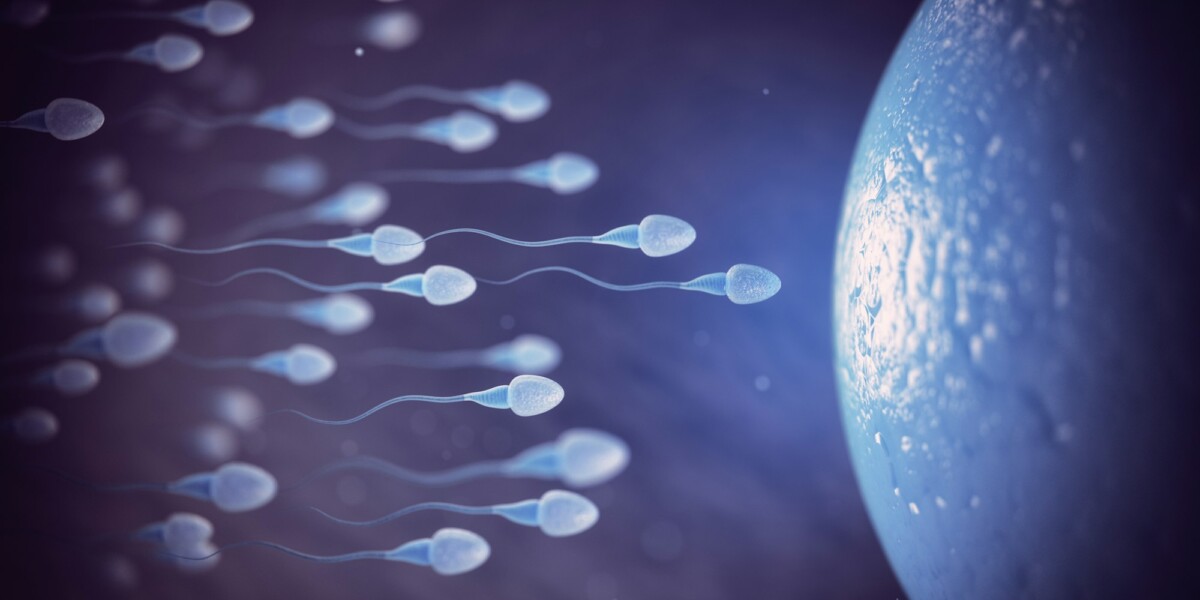
In evolutionary order, reproduction systems came first; bodies came later. Around 1.1 billion years ago, some single-celled eukaryotes evolved gamete specialization. Instead of two similar cells fusing, one became small and motile (sperm-like) while the other became larger and nutrient-rich (egg-like). These were not separate organisms but reproductive forms of single-celled life. Hundreds of millions
Oogamy: Early Gamete Specialization Before Animals Read More »
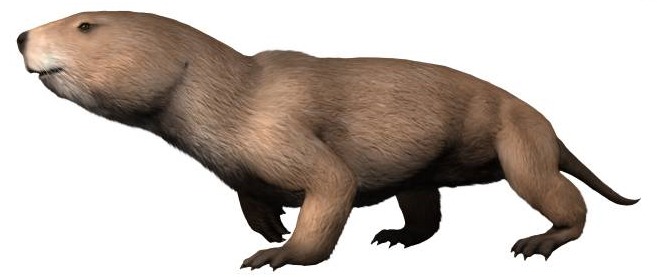
An example of early live birth is the protomammal Kayentatherium, Jurassic period. The switch to live birth in mammals, including marsupials and placentals, evolved from a common ancestor.
Mammals: First Live Births Read More »
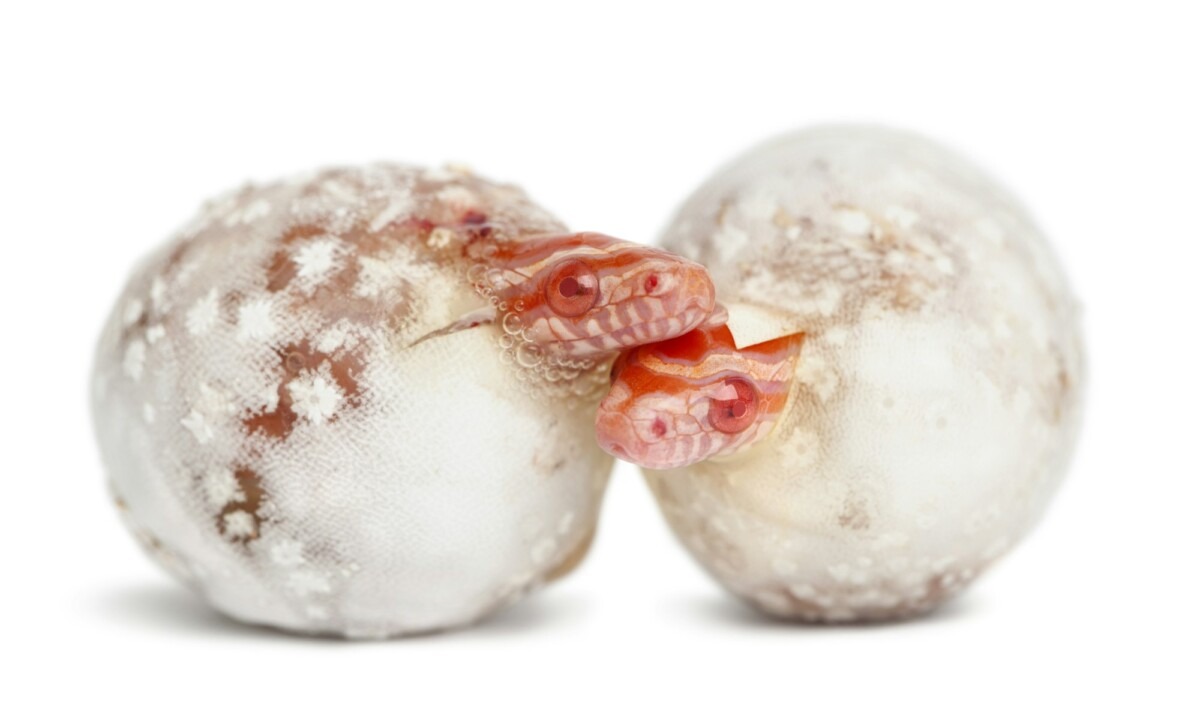
The amniotic egg evolved in the first amniotes, which evolved into today’s reptiles, birds, and mammals.
Amniotes Emerge: Amniotic Eggs Read More »
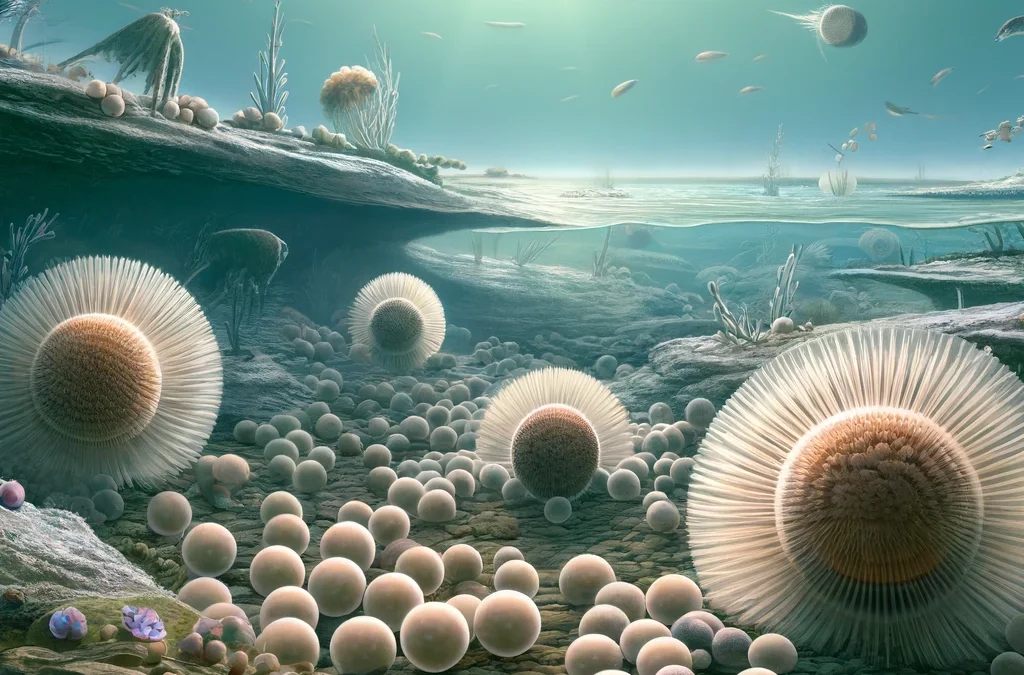
The evolution of egg-laying evolved before fish. It is thought to have developed with or shortly after the emergence of the first multicellular animals, around 640 million years ago. Kingdom: Animalia > Phylum: Porifera (sponges) and Cnidaria (jellyfish, corals, etc.)
First Animal Egg Layers Read More »
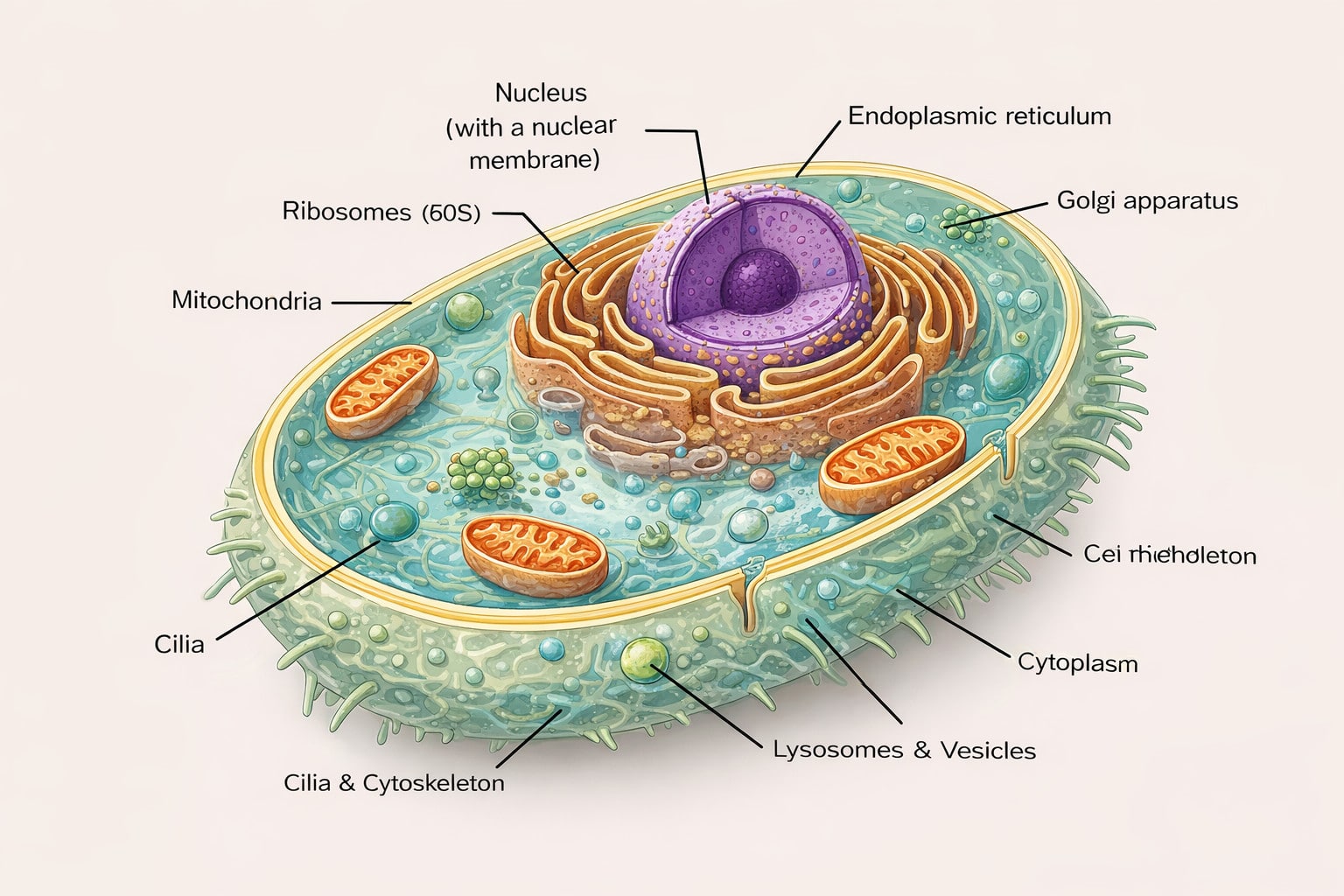
All life today are either Prokaryote or Eukaryote. Around 2 billion years ago, Eukaryotes evolved from Prokaryotes. The evolutionary leap to eukaryotes introduced cells with a nucleus and membrane-bound organelles, a complex architecture derived from prokaryotic predecessors through endosymbiosis. This process, crucial for eukaryotic evolution, involved the incorporation of prokaryotic cells into the cytoplasm of
The First True Eukaryotes Read More »
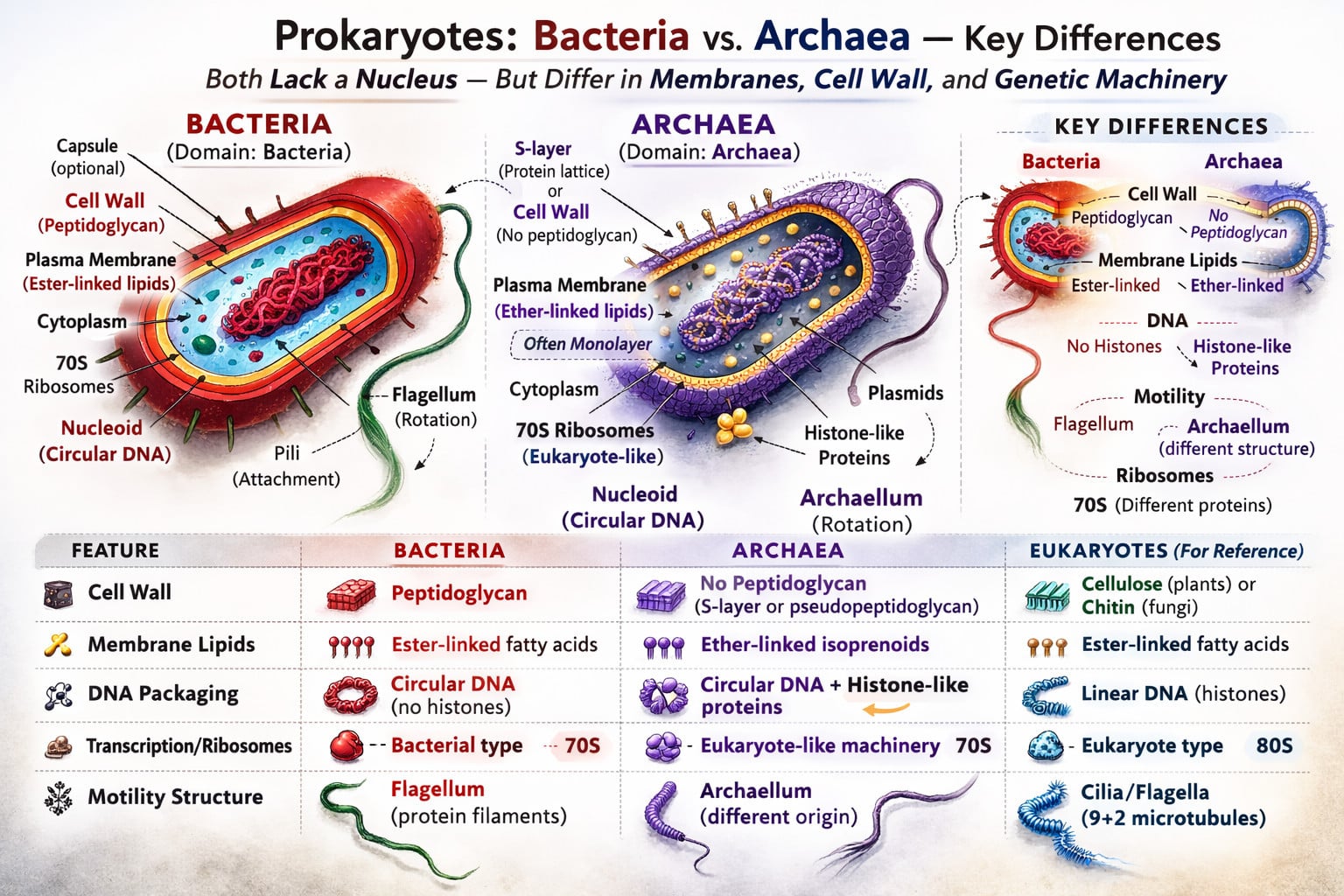
Prokaryotes are nucleus-free cells that include both bacteria and archaea — the two lineages that split shortly after LUCA.
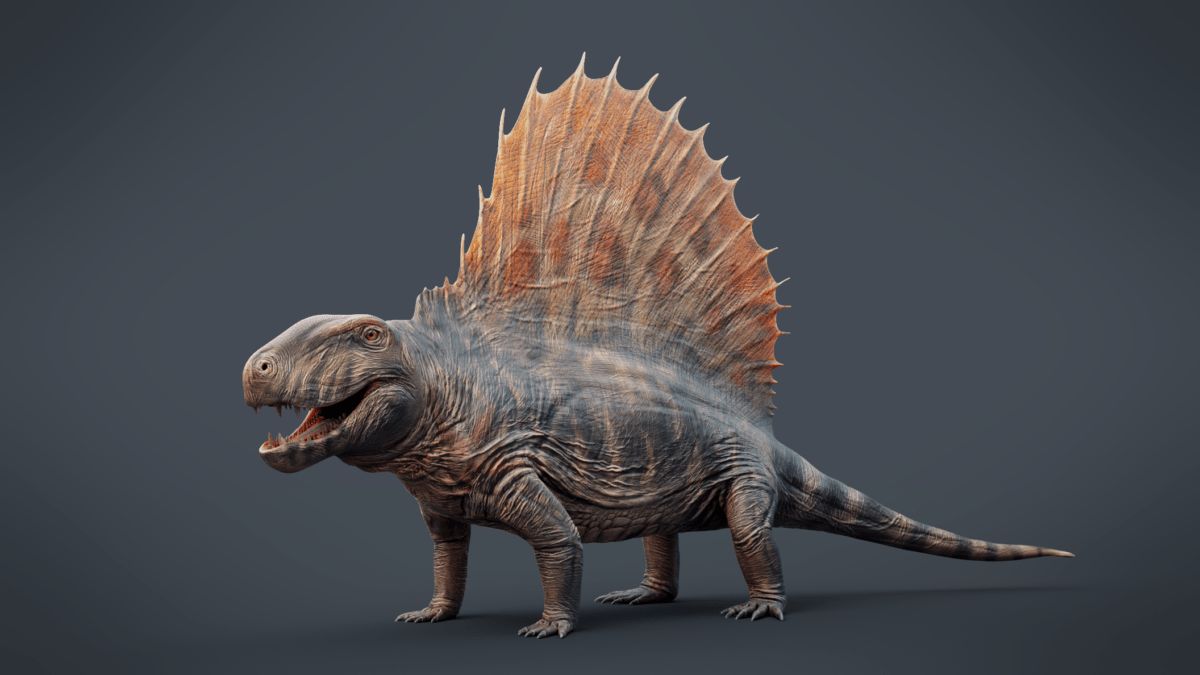
By about 280 million years ago, Dimetrodon was one of the best-known predators of the Early Permian. It stalked rivers and floodplains alongside caseid synapsids, large amphibians like Eryops, and a landscape of Calamites, Sigillaria, ferns, and early seed plants.
Early Complex Sentience Emerges: Dimetrodon Read More »
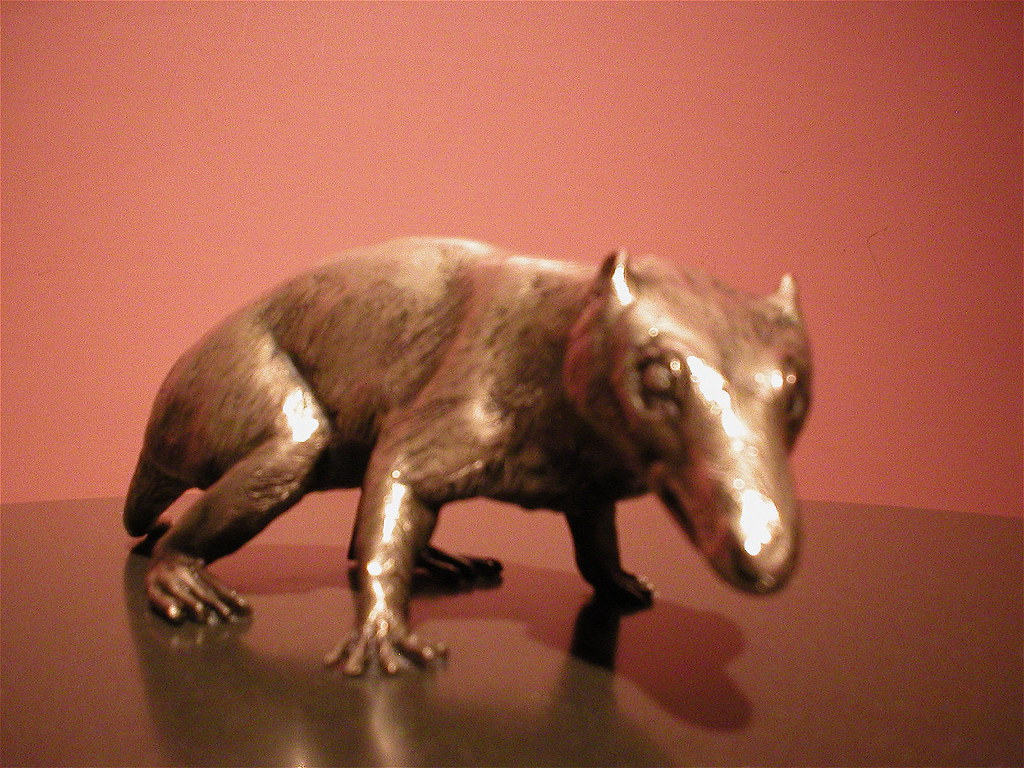
Morganucodon was an early mammaliaform from about 200 million years ago. Crown mammals emerged from within this group about 170 million years ago.
First Mammaliaforms: Morganucodon Read More »
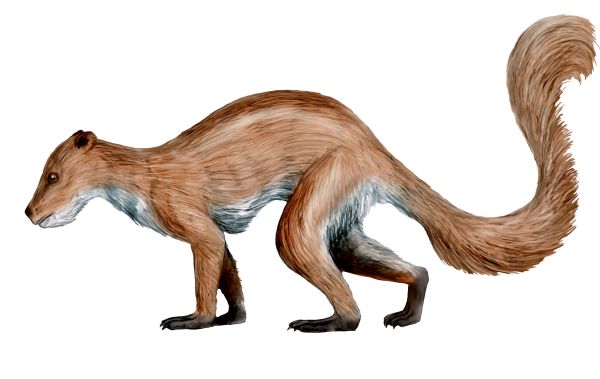
Plesiadapis, a proto-primate, is an example of a fruit-insect eater likely similar to our direct-line ancestors around this time.
Plesiadapis: First fruit-insect eaters. Read More »
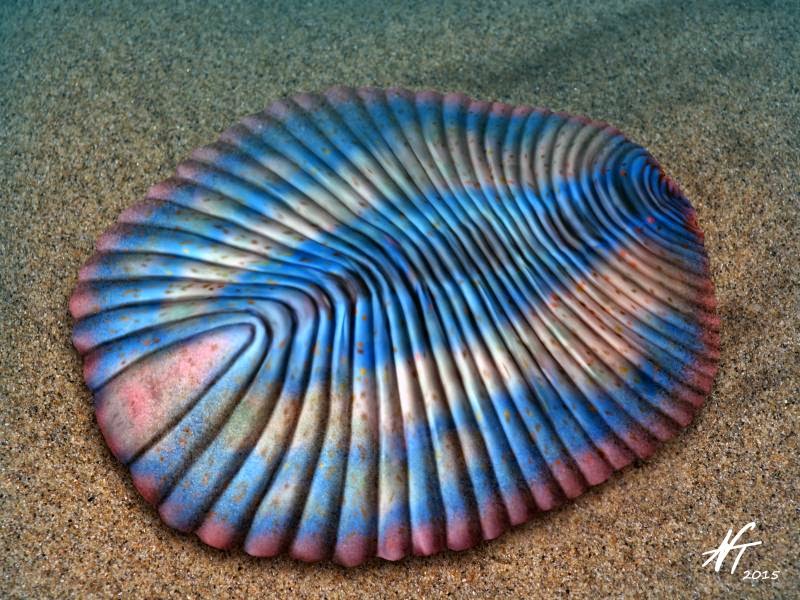
By the late Ediacaran, the animal world was already moving toward proto-nervous systems and the long road to brains.
Presentient Animals Emerge: The Ediacaran Prelude Read More »
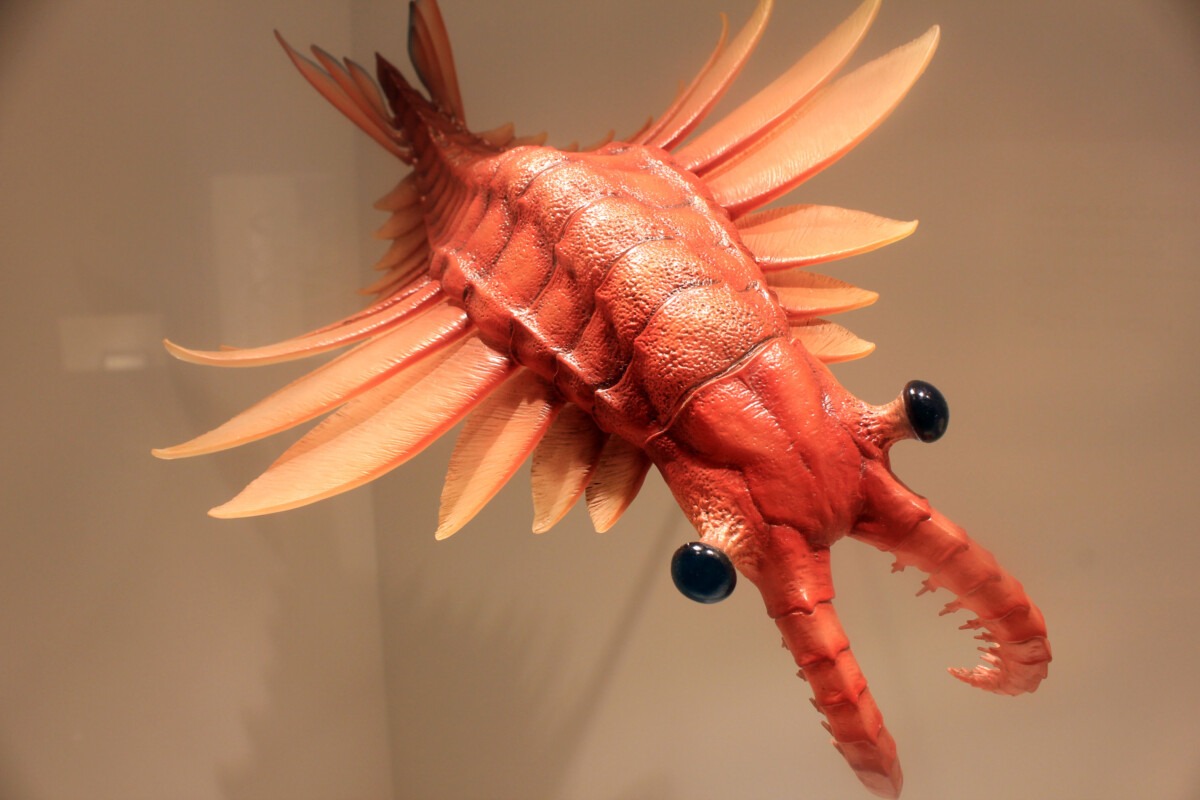
First Brains: By about 520 million years ago, hunters roamed the seas. In the Cambrian explosion, a period of rapid evolutionary development that began around 541 million years ago, the earliest known animals with structures recognizable as brains made their debut in the Earth’s oceans. They possessed rudimentary beginnings central nervous systems, including a brain.
Earliest Known Hunter Read More »
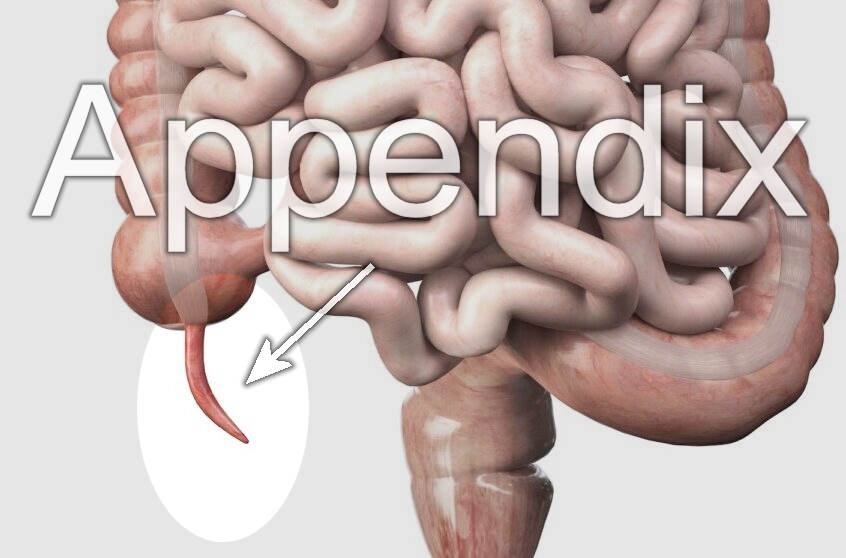
The appendix is an example of a Phenotype Variation — a trait that varies among individuals. In fact, something like 1 in 100,000 people are born without an appendix.
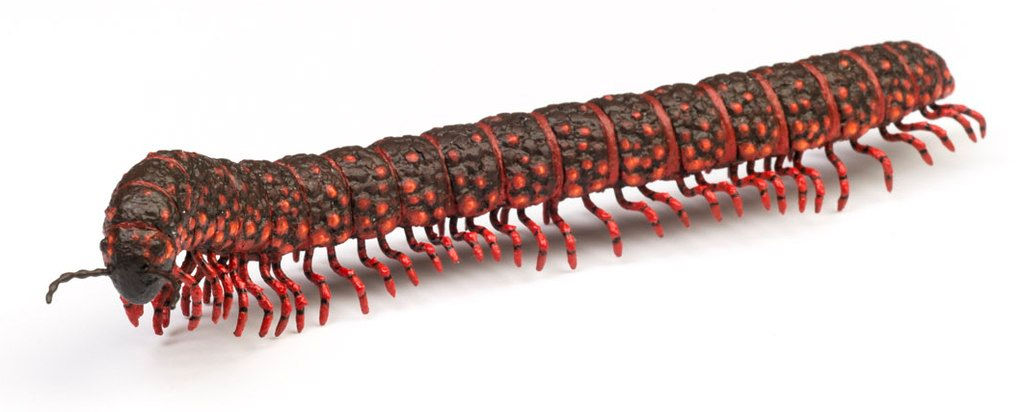
The millipede Pneumodesmus newmani is the oldest air-breathing animal known to date. This ancient denizen of the Scottish waters once roamed the Earth during the early Silurian era. The millipede likely supplemented its oxygen intake through air as well as using its gills while in water. Kingdom: Animalia > Phylum: Arthropoda > Class: Diplopoda (millipedes)
Oldest Known Air Breather Read More »
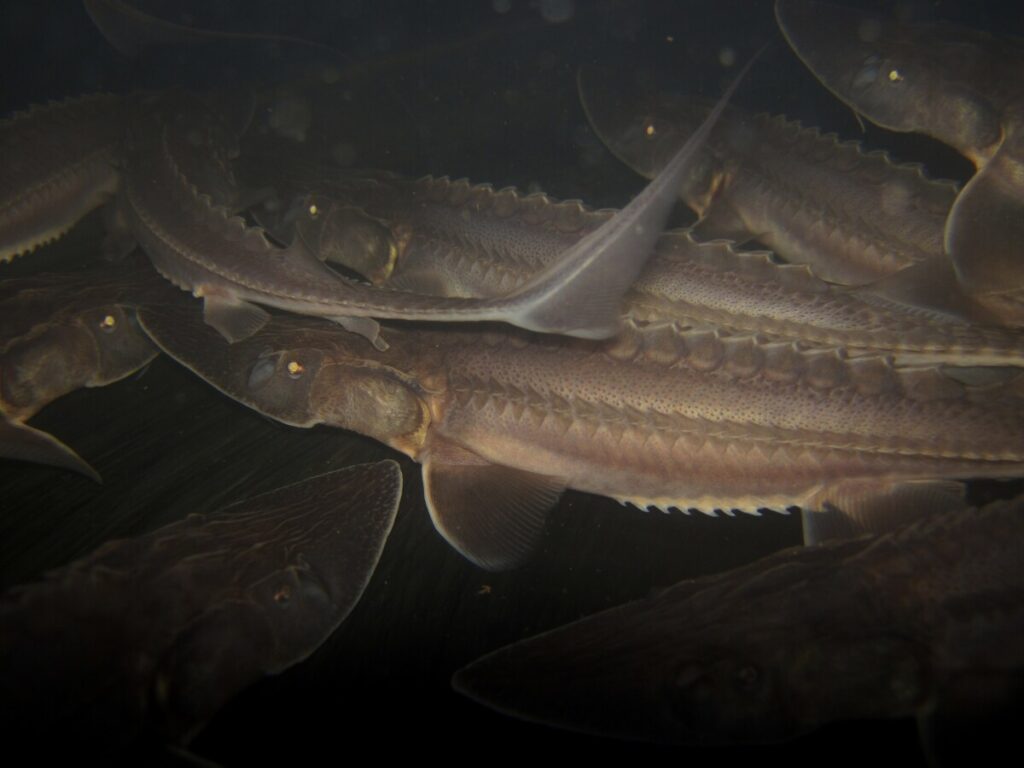
The earliest known vertebrates originated about 530 million years ago during the Cambrian explosion. Domain: Eukaryota > Kingdom: Animalia > Phylum: Chordata
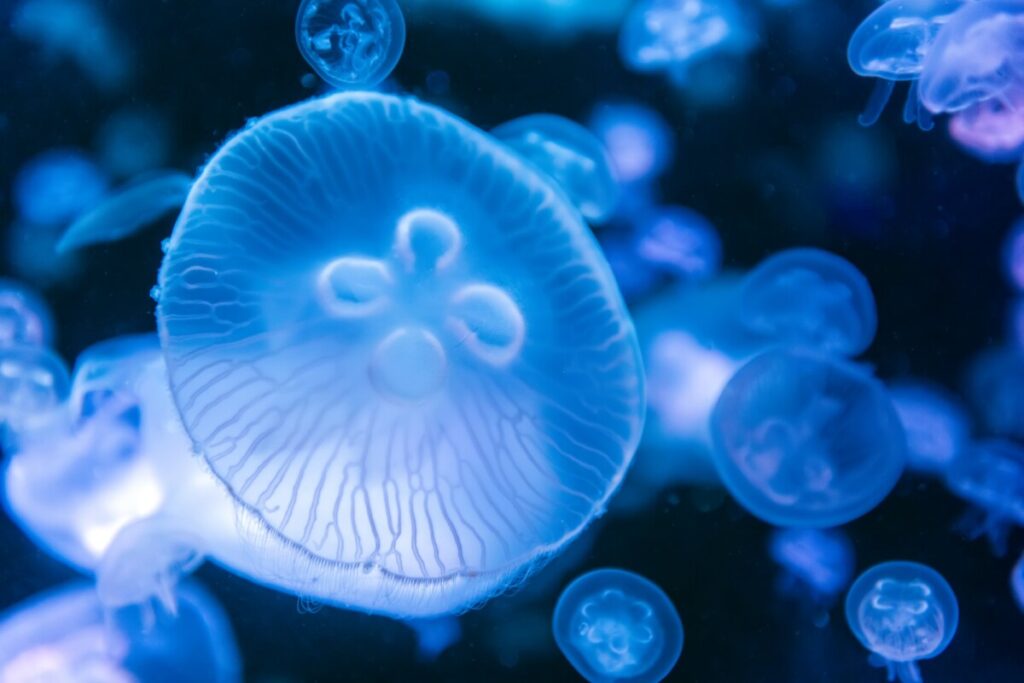
The first true animals are the comb jellyfish which evolved about 555 million years ago.
First True Animals – Comb Jellyfish Read More »
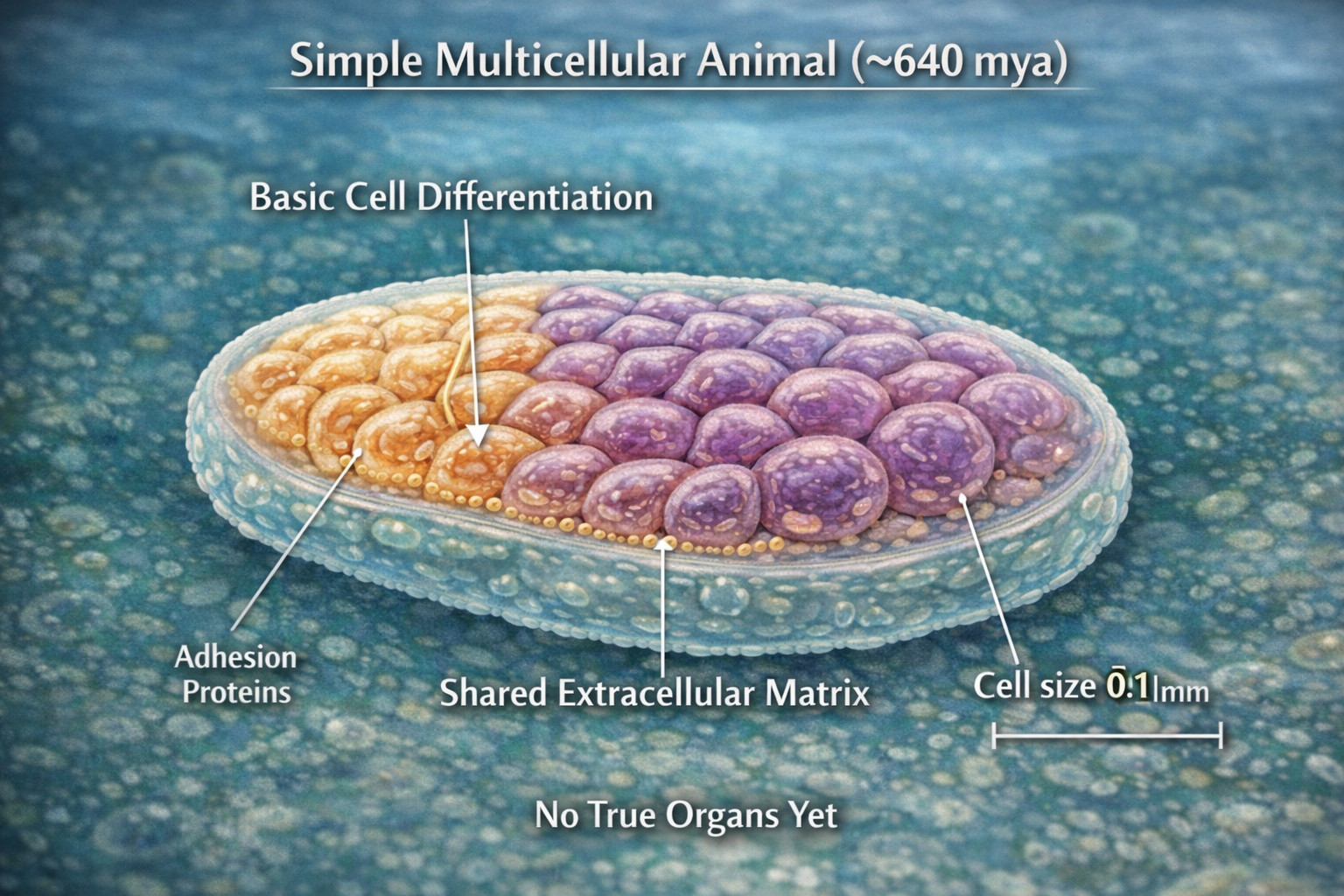
Organisms that consist of more than one cell took several billion years to evolve from unicellular organisms. All species of animals, land plants and most fungi are multicellular, as well as many algae. A few organisms are partially both such as slime molds and social amoebae. Domain: Eukaryota > Kingdom: Animalia > Phylum: Porifera (sponges)
First Multicellular Animals Read More »
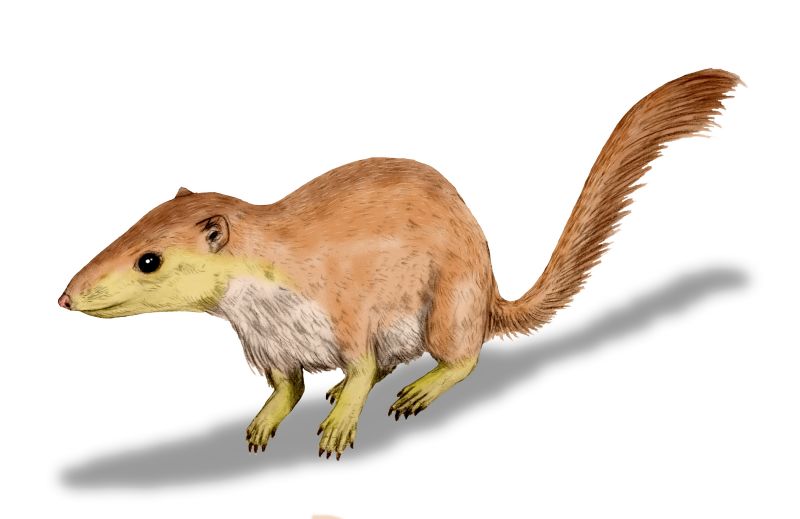
Within mammals, only primates have binocular vision, grasping hands, and flat nails–instead of claws. Purgatorius might have had all three earning it the earliest known proto-primate label. It lived in Eastern Montana about 66 million years ago during the very last years of the Cretaceous period. It lived through the K-T extinction event and the extinction
Purgatorius — Earliest known proto-primate. Read More »