Explore Science-first Philosophy

Animals

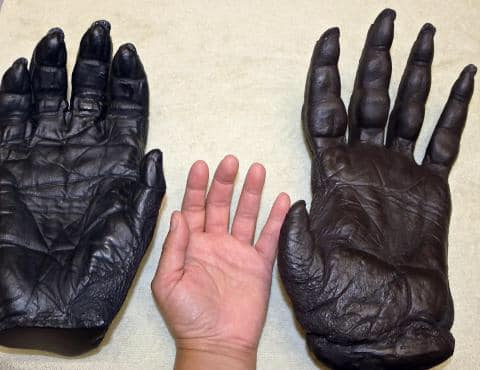
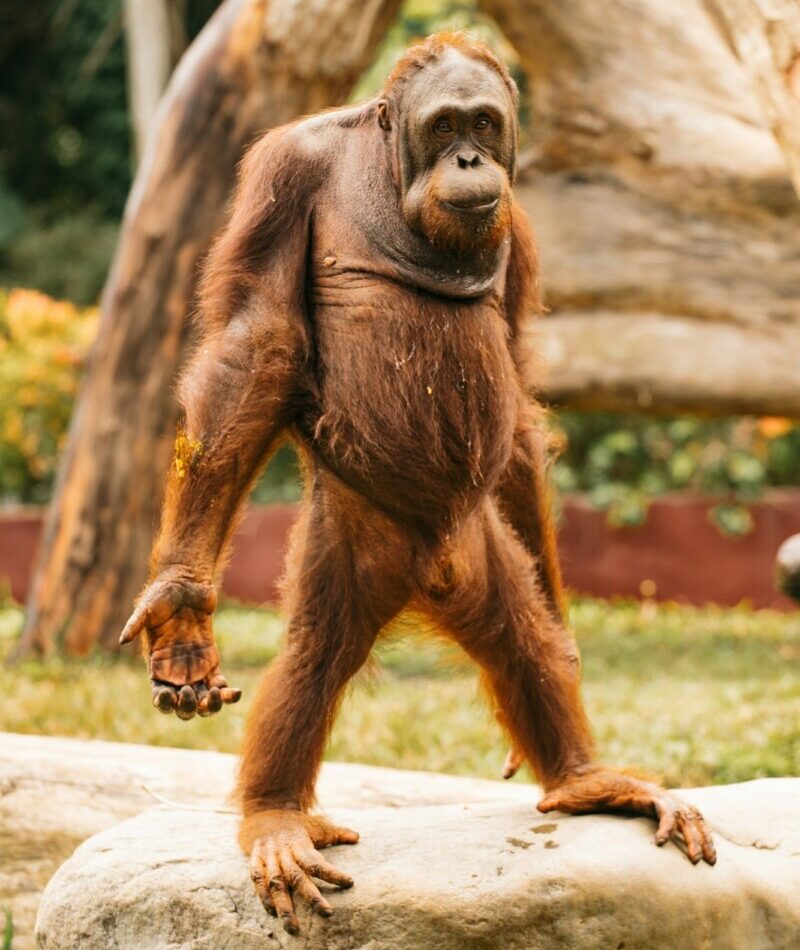
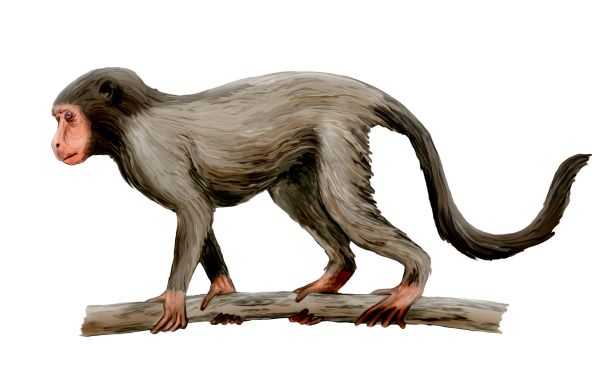
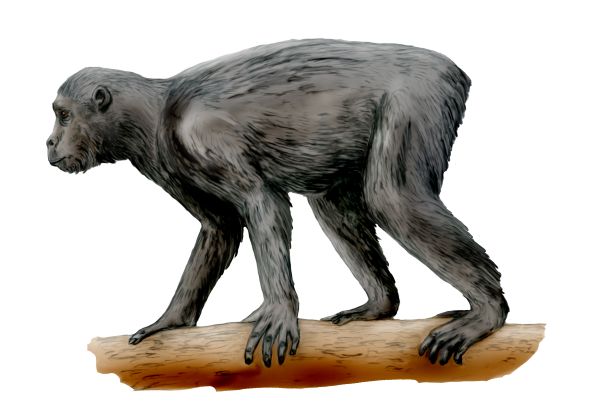
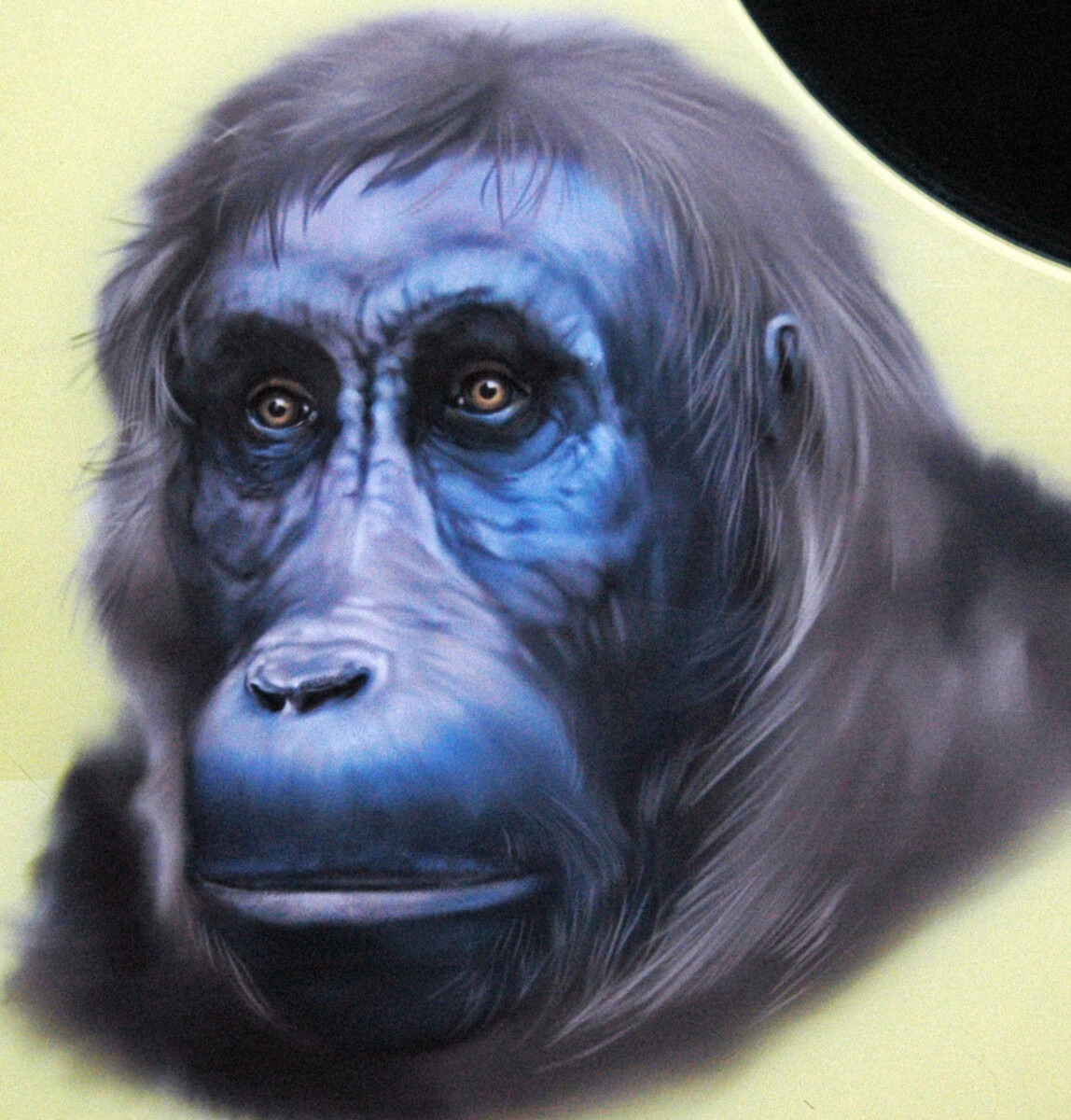
Ape Thumb Evolves

Likely between 25 and 30 million years ago, the evolution of the apes brought about further refinement of the opposable thumb. This period saw the divergence of the lineages that would lead to modern “lesser” apes like gibbons as well as later “great” apes, including orangutans, gorillas, and chimpanzees. The ape thumb evolved to become

Ape Thumb Evolves Read More »

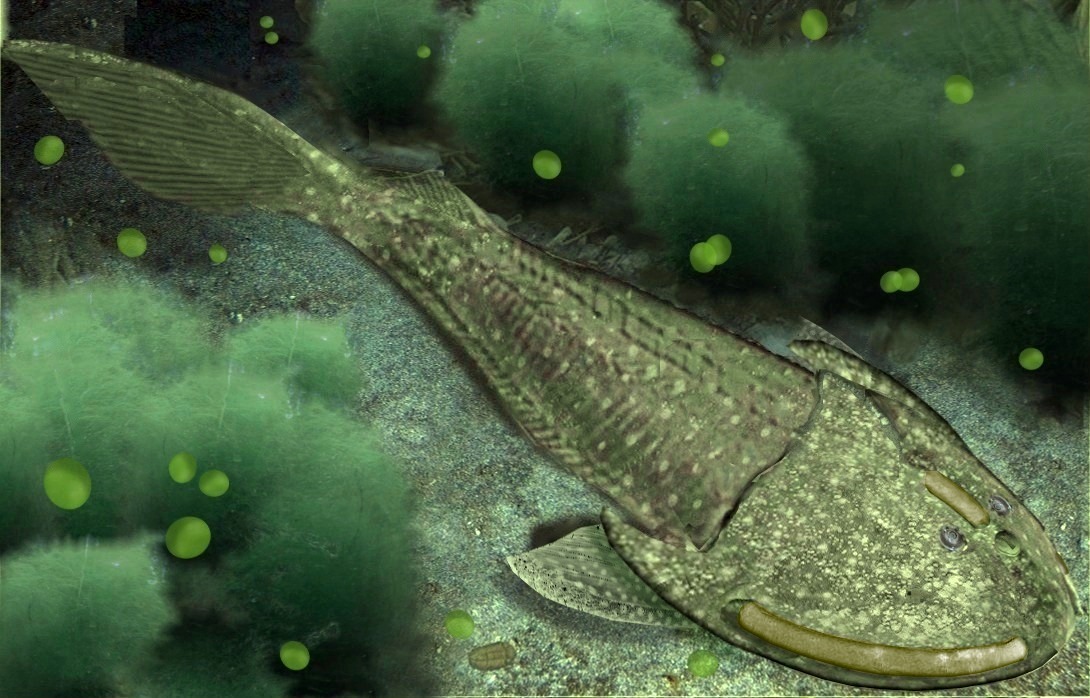
Keratin Genes & the Rise of Scales in Fish

These early scales provided a vital protective layer, acting like underwater armor against predators, abrasions, and environmental threats. The keratin genes that led to scales are an interesting part of our story. When amphibians evolved onto land, scales near the tips of their evolving toes transformed into thicker protection and traction, eventually giving rise to

Keratin Genes & the Rise of Scales in Fish Read More »

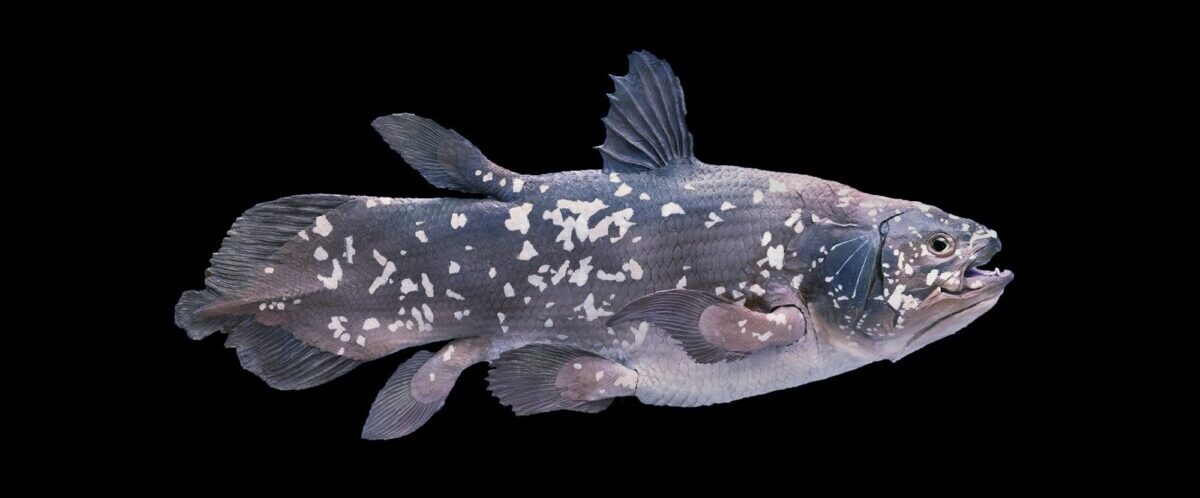
Living fossil fish, Coelacanth.

Lungs Evolve: Lobe-Finned Fish and the Lungfish Ancestor

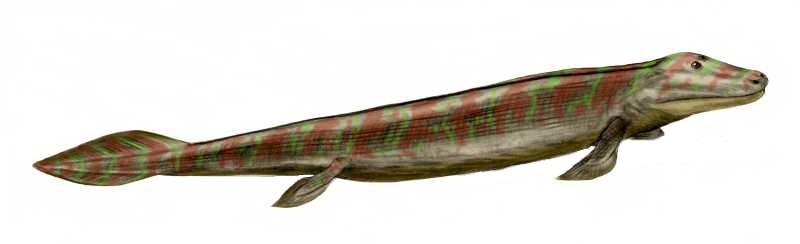
The Dawn of Lungs: In the oxygen-poor waters of the Devonian period, roughly 400 million years ago, or a bit earlier. It was a significant evolutionary leap. A group known as Sarcopterygii were presentd with a formidable challenge in ancient waters that were shallow and variable. It was here that the first lungs emerged. Evolving

Lungs Evolve: Lobe-Finned Fish and the Lungfish Ancestor Read More »

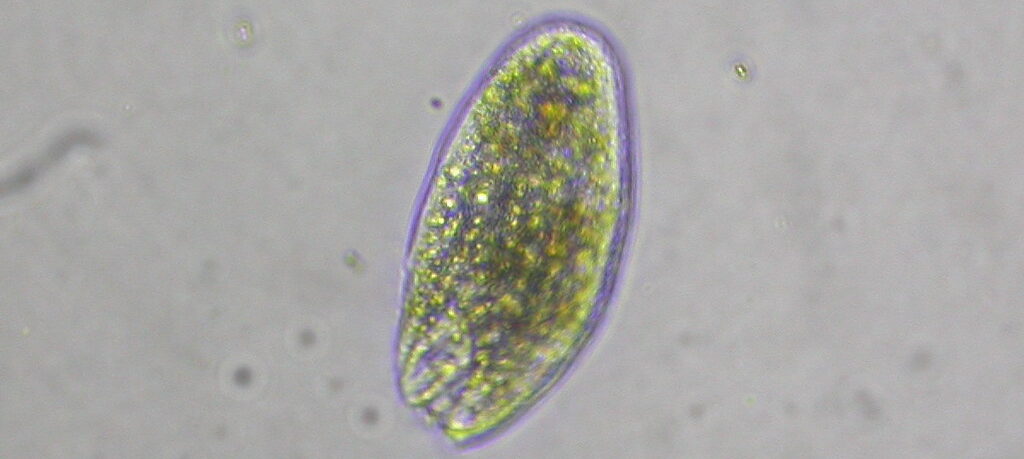
Animal Chemoreception: Proto-Taste and Smell Emerge

Chemoreception is older than animals and is found across life, including bacteria, fungi, and plants. Taste and smell evolved later in animals, after the bilaterian split, as early nerve nets and proto-nervous systems gradually gave rise to animal brains that benefited from more specialized information for navigating life. Animal-level chemoreception, the ability to detect chemical

Animal Chemoreception: Proto-Taste and Smell Emerge Read More »

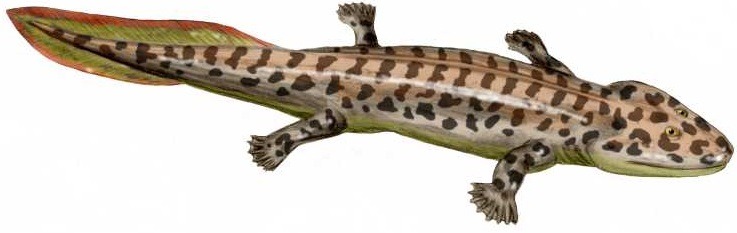
Land Hearing Emerges: Amphibians

Hearing, which initially appeared in early fish, underwent a remarkable transformation as vertebrates transitioned to terrestrial life a bit after 400 million years ago. Early forms of hearing involved simple pressure-sensitive cells that could detect vibrations in water. As amphibians moved onto land, rudimentary hearing evolved into processing airborne sound. This transition further drove the

Land Hearing Emerges: Amphibians Read More »

Vision Emerges: The Pre-fish Chordates

Vision evolved as early as 540 million years ago during the Cambrian explosion. The ability to see, alongside the development of hearing, provided organisms with the evolutionary advantage of sensing their environment from a distance. This sensory evolution necessitated the development of larger brains for the complex processing of visual data, marking a pivotal moment

Vision Emerges: The Pre-fish Chordates Read More »

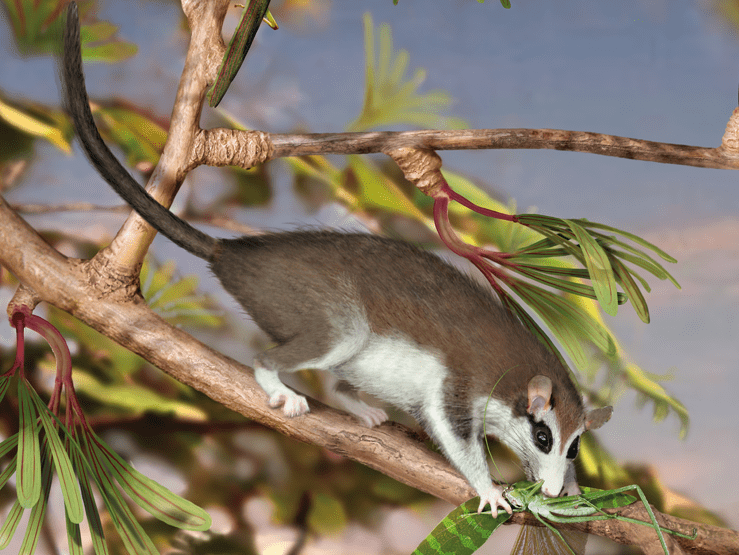
Complex Sentience Settles: Eomaia scansoria

The rise of Eomaia scansoria, an early placental mammal, marks a definitive leap towards “Complex Sentience” in the evolutionary saga leading to humans. It’s also plausible that it possessed a foundational level of self-awareness, or what can be termed as Proto Self-awareness. A rudimentary sense of self. 

Complex Sentience Settles: Eomaia scansoria Read More »

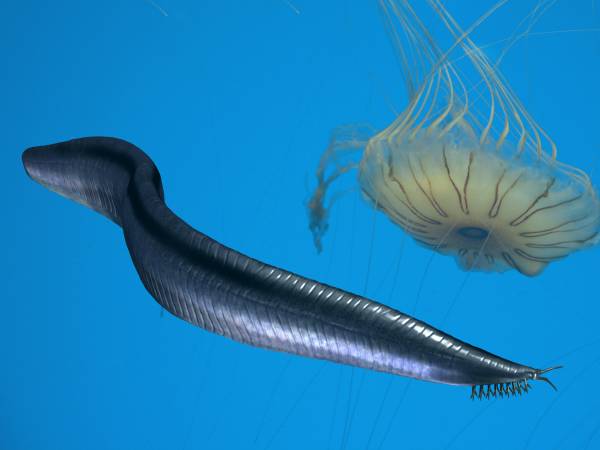
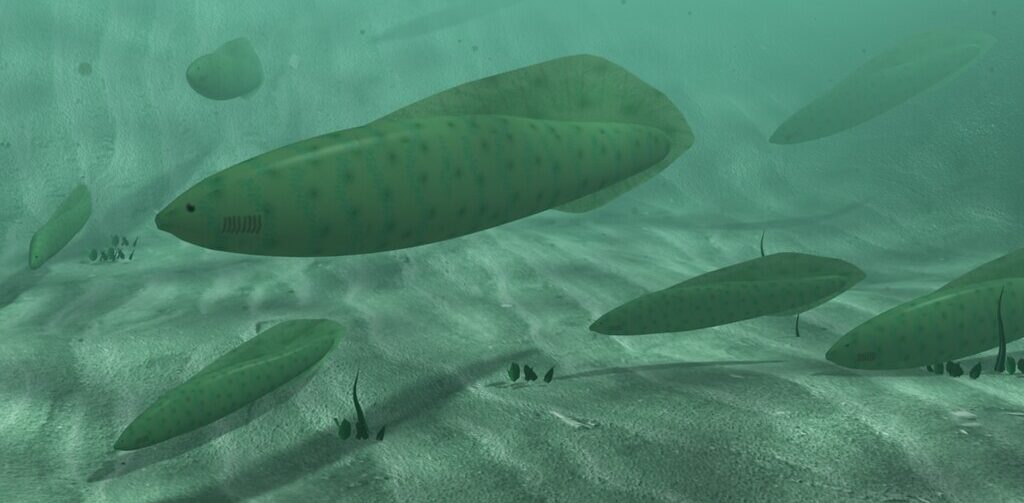
Simple Sentience Settles: Haikouichthys

From no sentience or presentience to solidly “Simple Sentience,” early fish during this time represent our ancestral beings that started to suffer and feel the dichotomy of pleasure and pain. Haikouichthys (circa 520 Million Years Ago): Dwelling in the ancient seas of the Cambrian period, Haikouichthys is among the earliest forms of vertebrate life, showcasing fundamental advancements

Simple Sentience Settles: Haikouichthys Read More »

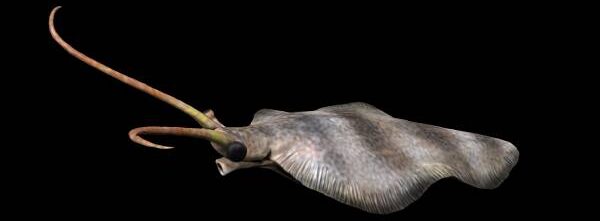
Simple Cephalopod Sentience Evolves

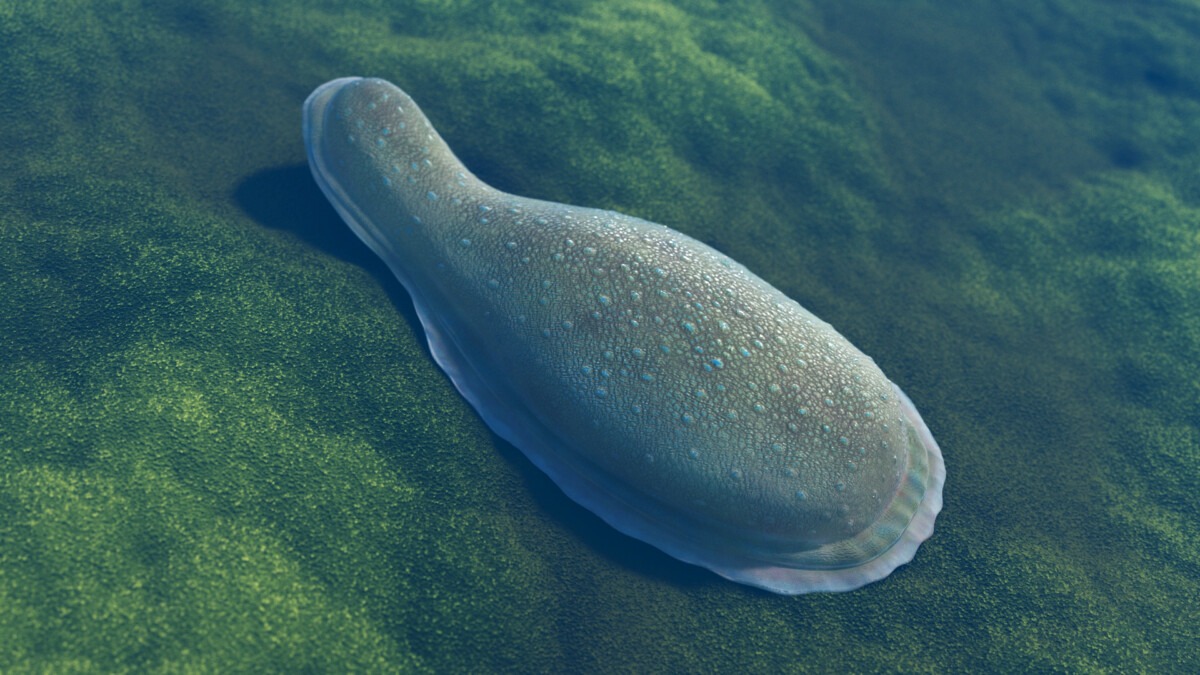
Nectocaris pteryx lived during the Middle Cambrian period, approximately 508 to 505 million years ago. From presentient animals branched cephalopods and fish. Both later evolved Simple Sentience. An example of convergent evolution that might suggest sentience is one of the natural stepping stones of life. The Cambrian and subsequent periods saw the emergence of early

Simple Cephalopod Sentience Evolves Read More »

Scroll to Top