
Free Will
You may not control everything, but you still must choose how to live. Living well means choosing with positive intent now and for the future.


You may not control everything, but you still must choose how to live. Living well means choosing with positive intent now and for the future.
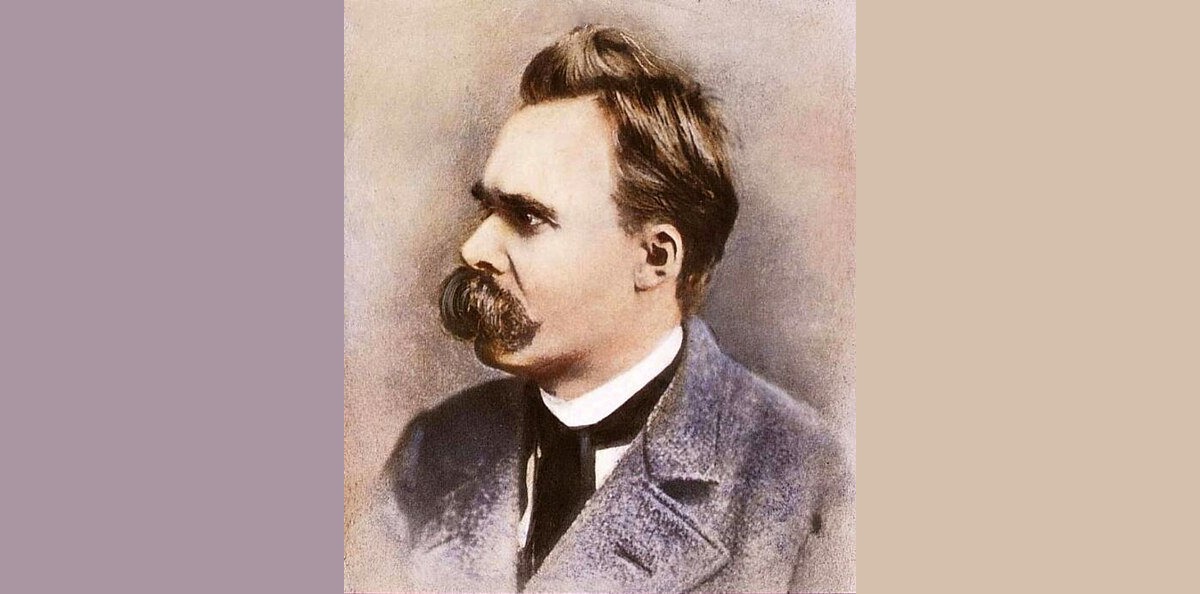
Kierkegaard taught us to take guidance from our angst, which drives leaps of faith. Nietzsche wants you to first challenge inherited norms so you can create your own values through authentic self-becoming.
Friedrich Nietzsche Read More »
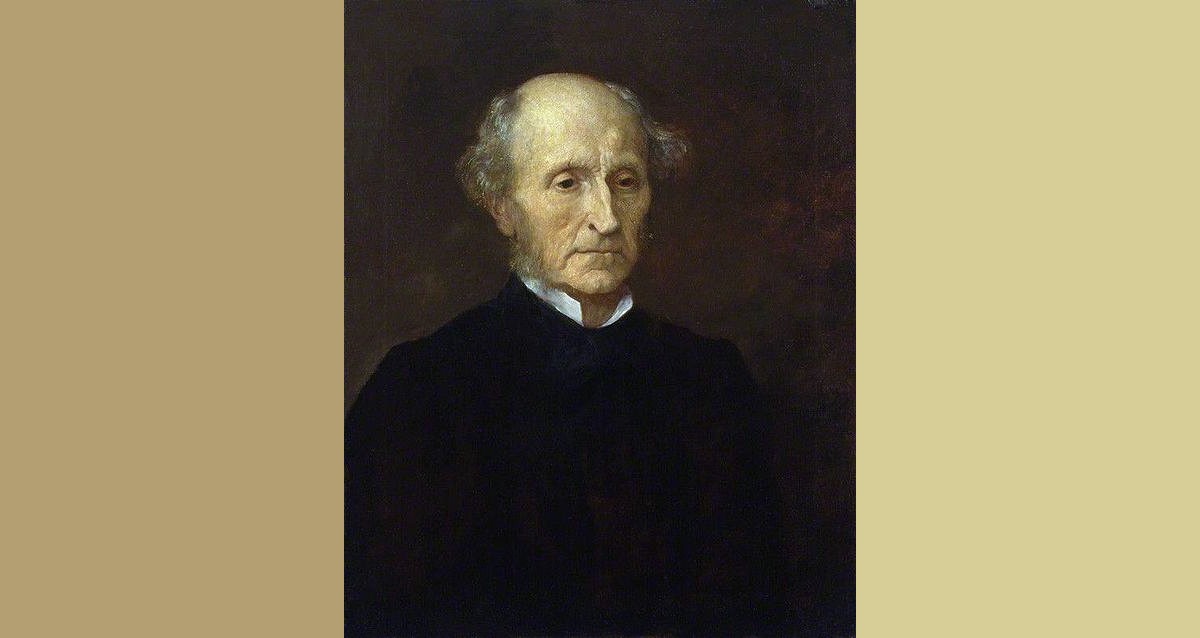
9 Generations Ago 30 Phil, Chapter 29: Mill and Utilitarianism John Stuart Mill was born on May 20, 1806, in London, to James Mill, a Scottish-born philosopher and economist, and Harriet Barrow. His Greatest Happiness Principle lies at the core of utilitarianism, advocating for actions that maximize utility, generally understood as producing the greatest well-being
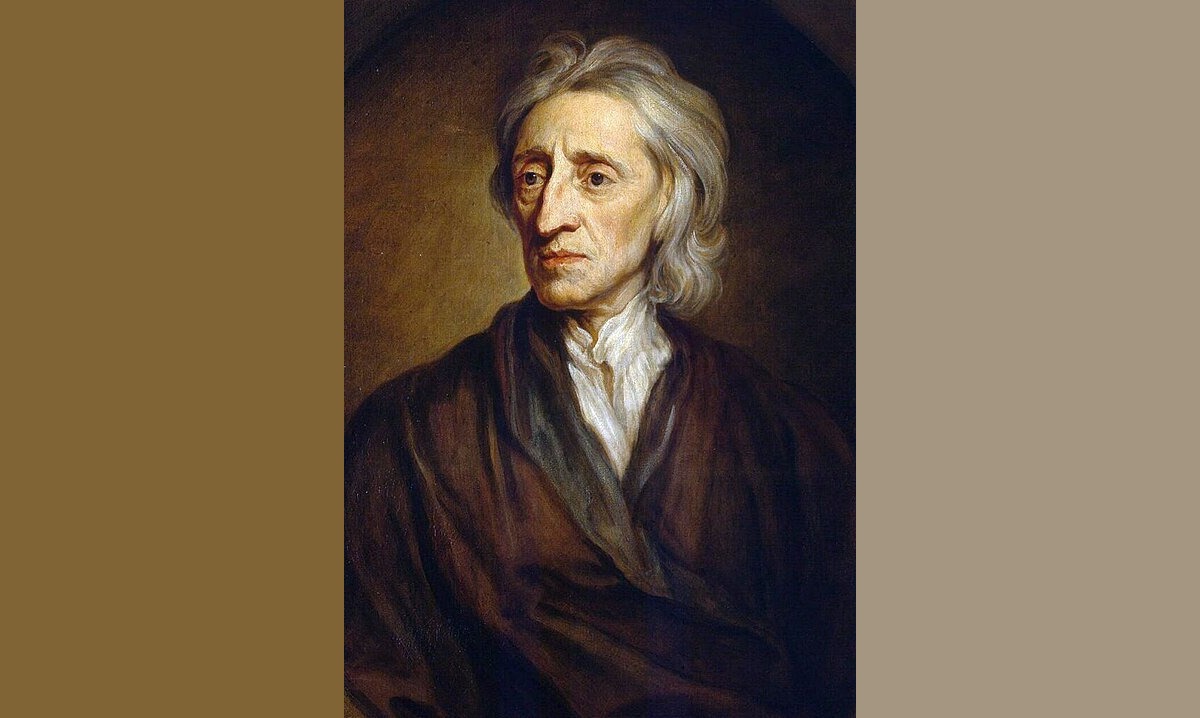
John Locke grounded human knowledge and human rights in experience rather than authority or tradition.
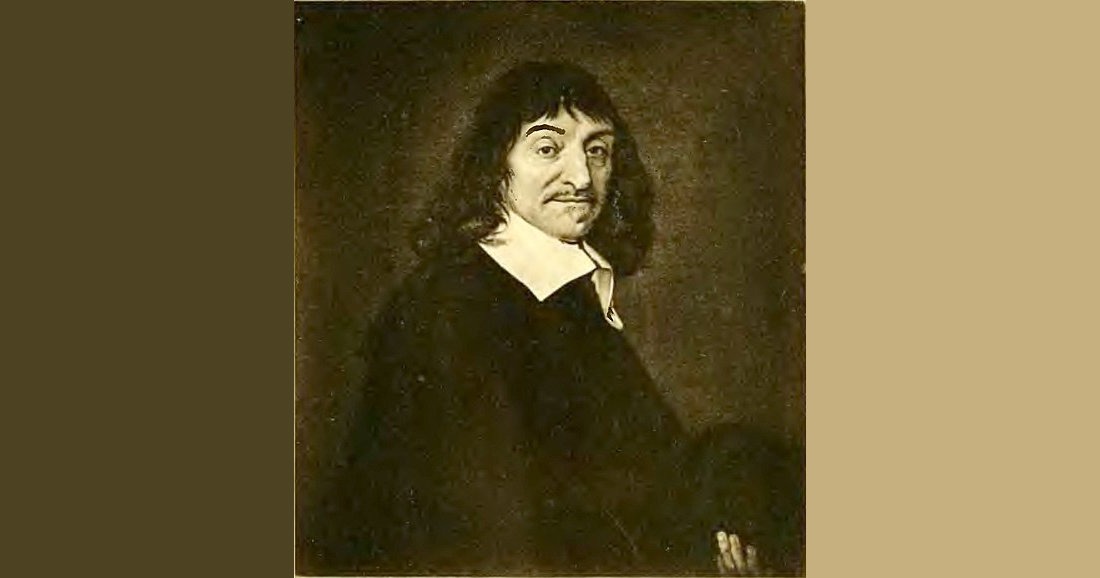
17 Generations Ago 30 Phil, Chapter 22: Descartes and Cartesian Dualism René Descartes was born into minor nobility in the Kingdom of France on March 31, 1596. In 1637, Descartes published “Discourse on the Method,” he sought to identify certain knowledge by using doubt to strip away uncertain beliefs. Cartesian Skepticism is a system of
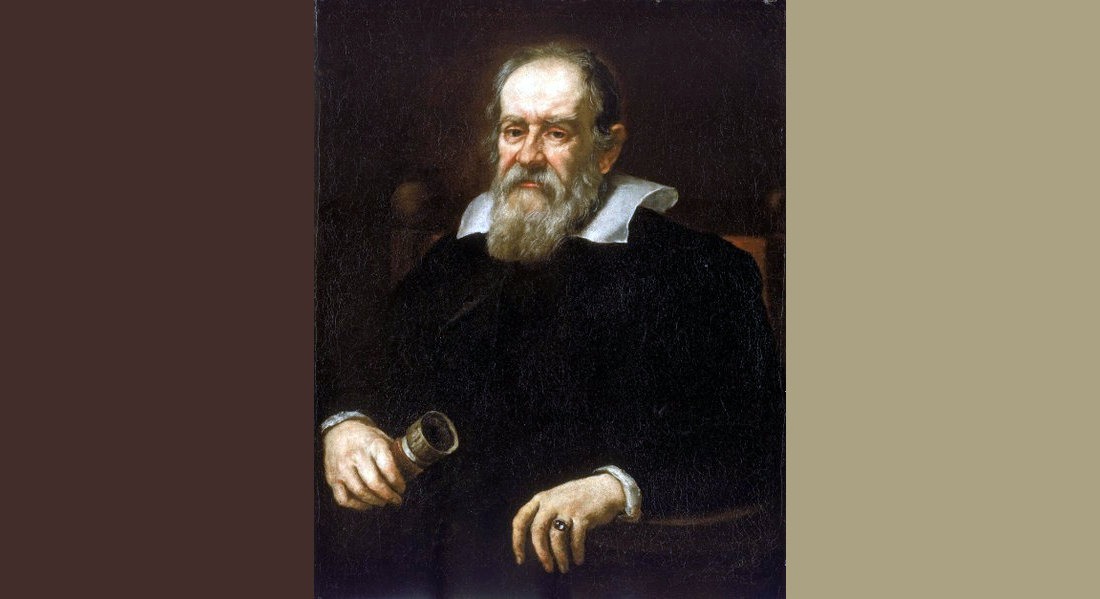
Galileo, the Father of Modern Physics, showed that careful observation and math could overturn ancient certainty.

103 Generations Ago 30 Phil, Chapter 6: Gautama Buddha and Buddhism In a much simpler time, the royal family of the Shakya dynasty lived in a palace located at the capital of the Shakya kingdom in present-day Nepal. Around 563 BCE, a boy named Siddhartha Gautama was born in the palace. At the age of

105 Generations Ago 30 Phil, Chapter 4: Laozi and Daoist Philosophy The life of Laozi is shrouded in mystery, but he is the first philosopher in “30 Philosophers” that attempts to construct a precise biography. The Spring and Autumn Period of China spanned nearly three centuries starting in 770 BCE, and Laozi lived about in the

In the vibrant intellectual climate of Ancient Greece, the 6th century BCE marks the embryonic stage of formal logic, attributed to the philosopher Thales of Miletus (around 624-546 BCE). Thales, recognized as the first of the Seven Sages of Greece, embarked on a quest that laid the foundational stones of logical thought. He shifted the
The Birth of Logic Read More »
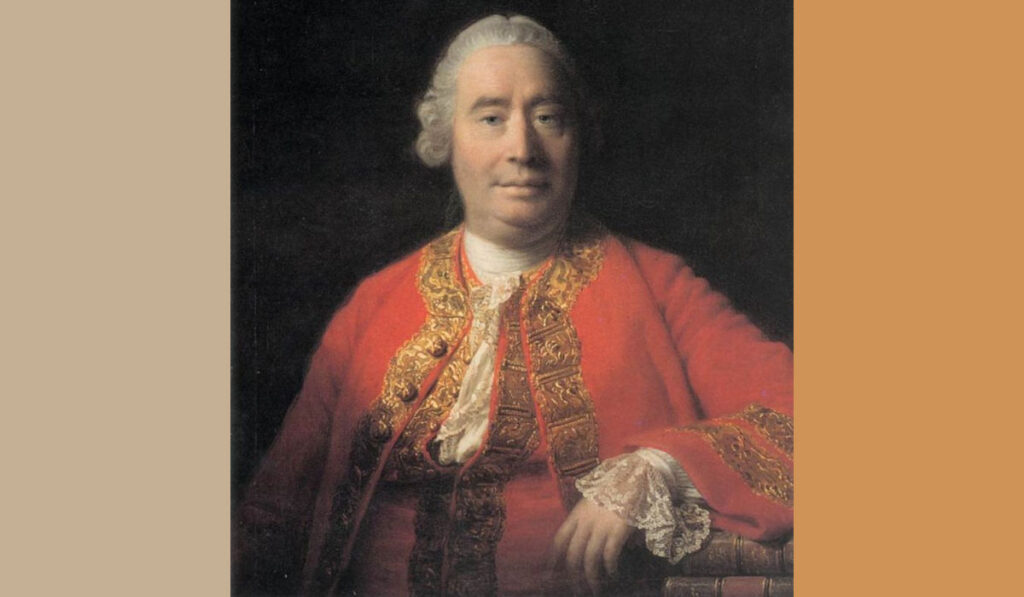
12 Generations Ago 30 Phil, Chapter 27: Hume and Skeptical Empiricism The Scottish Enlightenment philosopher and historian Hume was a leading exponent of empiricism. The belief that all human knowledge derives solely from experience. Some of my favorite Hume quotes: “A wise man proportions his belief to the evidence.” -A Treatise of Human Nature, 1739
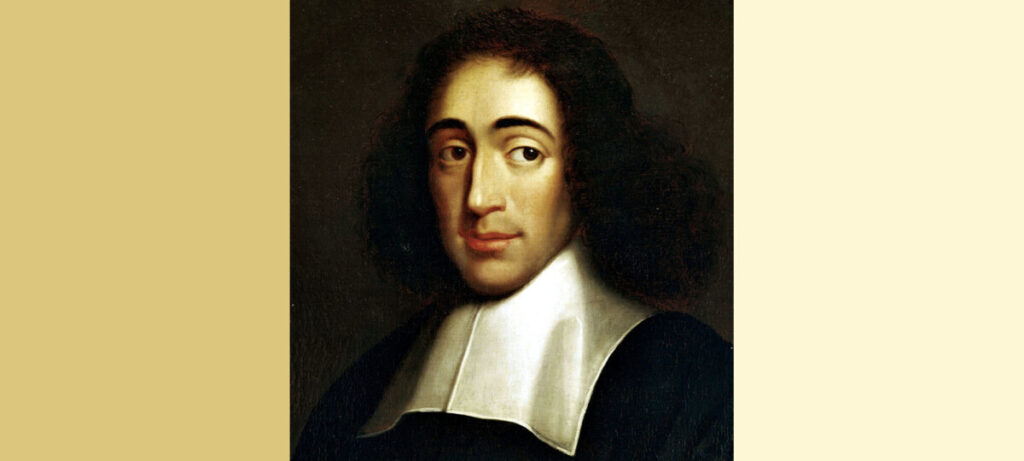
16 Generations Ago 30 Phil, Chapter 25: Spinoza and Monism The Dutch philosopher Spinoza was a lens grinder by profession, a proponent of Rationalism, and an early founder of Enlightenment. My favorite concept of Spinoza’s is that God is nature, and nature is God. For me, whenever I read God in prayers and such I
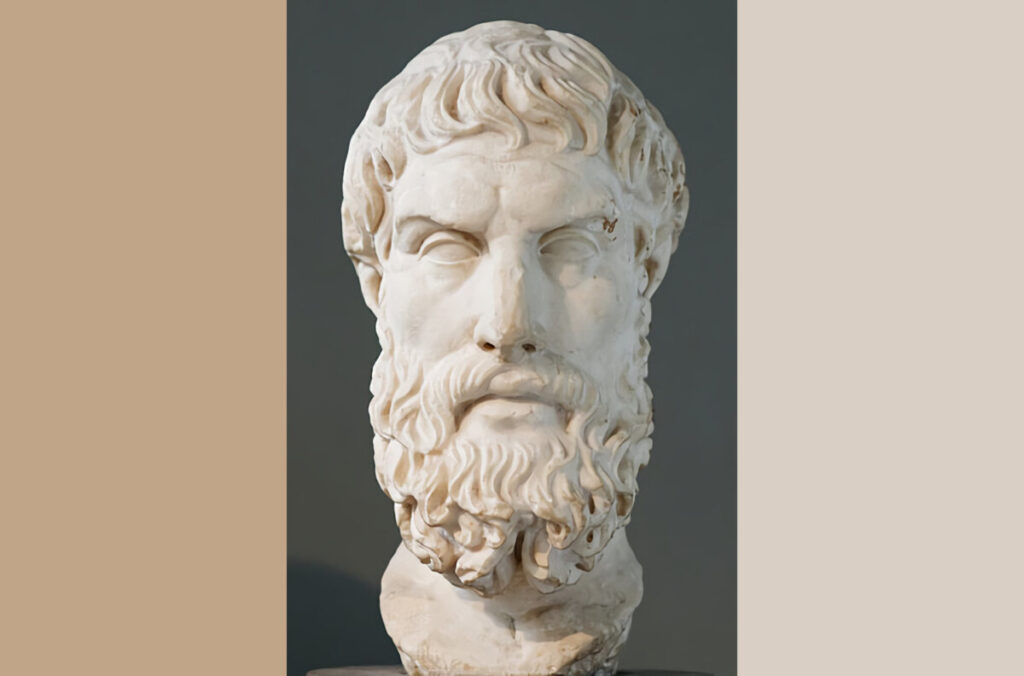
94 Generations Ago 30 Phil, Chapter 11: Epicurus and Epicureanism Epicurus founded Epicureanism in 307 BCE. The goal of Epicureanism is to help people attain a happy (eudaimonic), tranquil life characterized by ataraxia (free from fear) and aponia (free from pain). He authored over 300 books, scrolls, none of which survived the test of time. Some
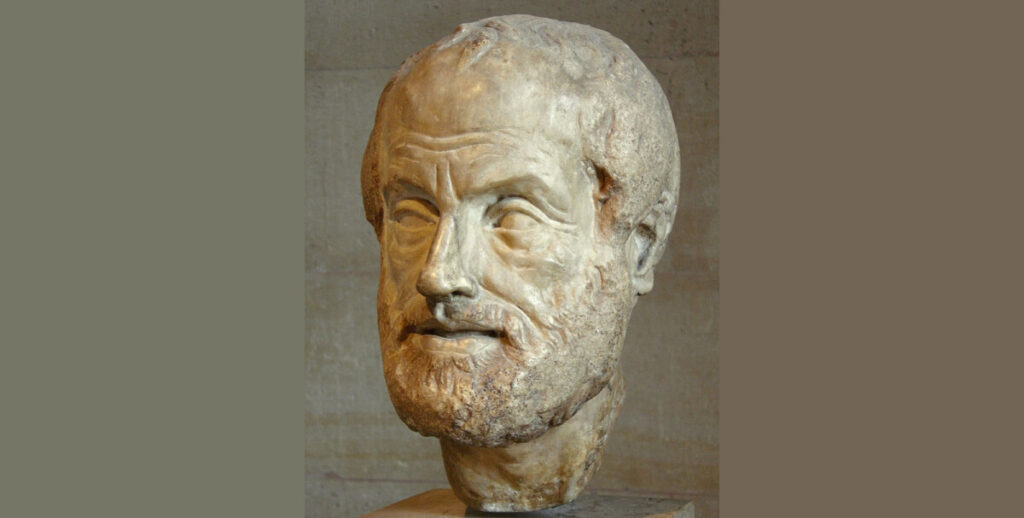
96 Generations Ago 30 Phil, Chapter 9: Aristotle and Empiricism Aristotle was the greatest Greek philosopher and covered nearly all subjects including physics, biology, zoology, metaphysics, logic, ethics, aesthetics, poetry, theatre, music, rhetoric, psychology, linguistics, economics, politics, meteorology, geology, and government. His Aristotelian philosophy characterized by deductive logic and an analytic inductive method. Some of
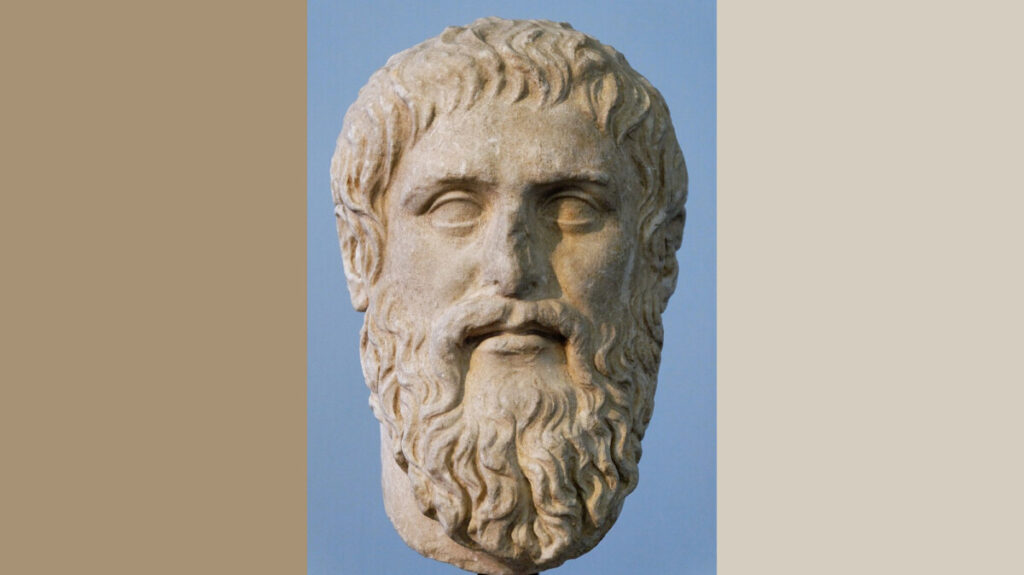
98 Generations Ago 30 Phil, Chapter 8: Plato and Rationalism Plato was a Greek philosopher born in Athens. He was a student of Socrates and a teacher of Aristotle. Plato’s Theory of Forms asserts that the reality is only a shadow, or image, of the true reality of the Realm of Forms — abstract, perfect,

103 Generations Ago 30 Phil, Chapter 5: Confucius and Confucianism Confucius is remembered for his practical applied philosophy. His sayings are a reflection of many centuries of common sense sayings making his philosophy deeply Chinese. My favorite sayings: The man who knows he can, and the man who knows he cannot, are both correct. Real