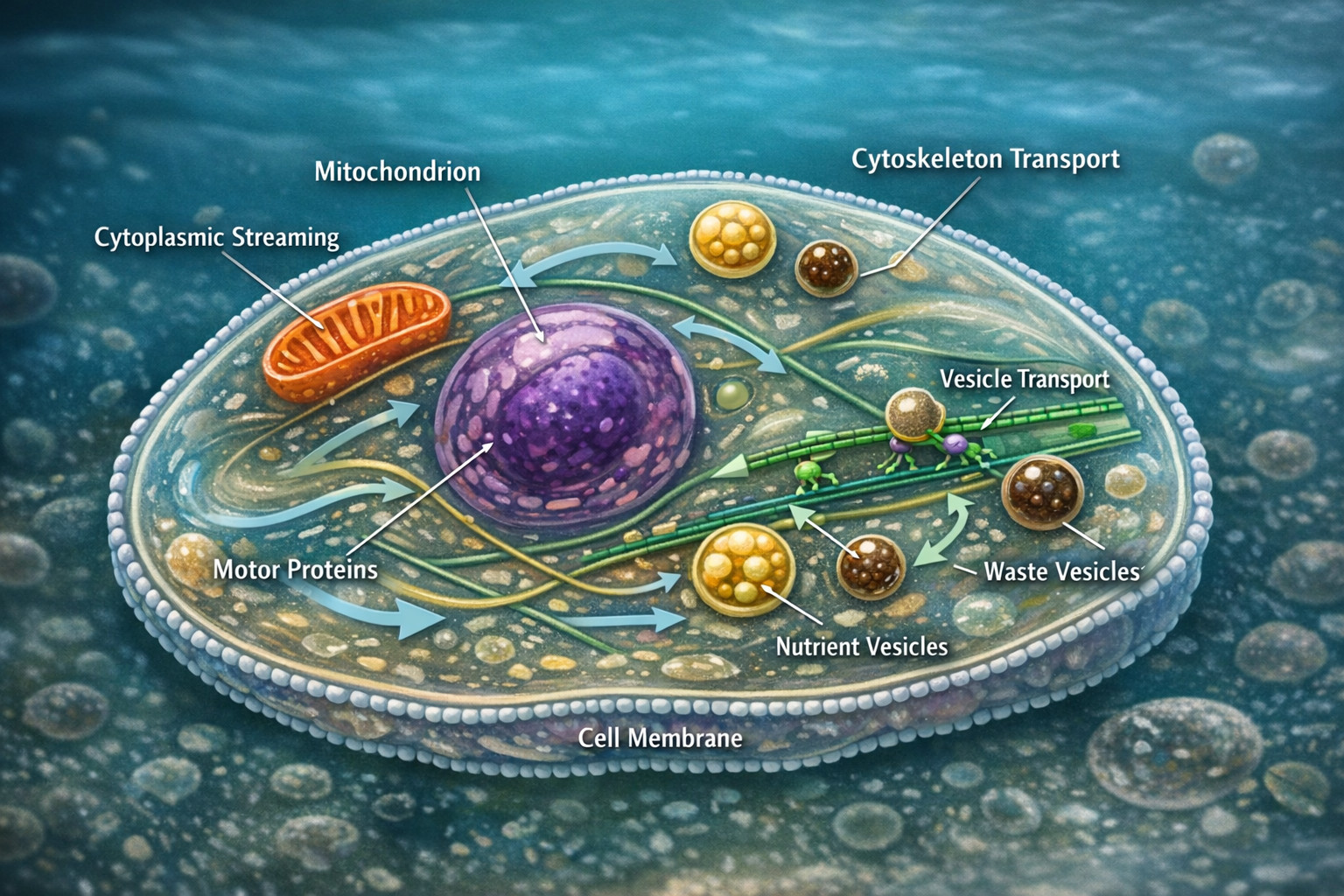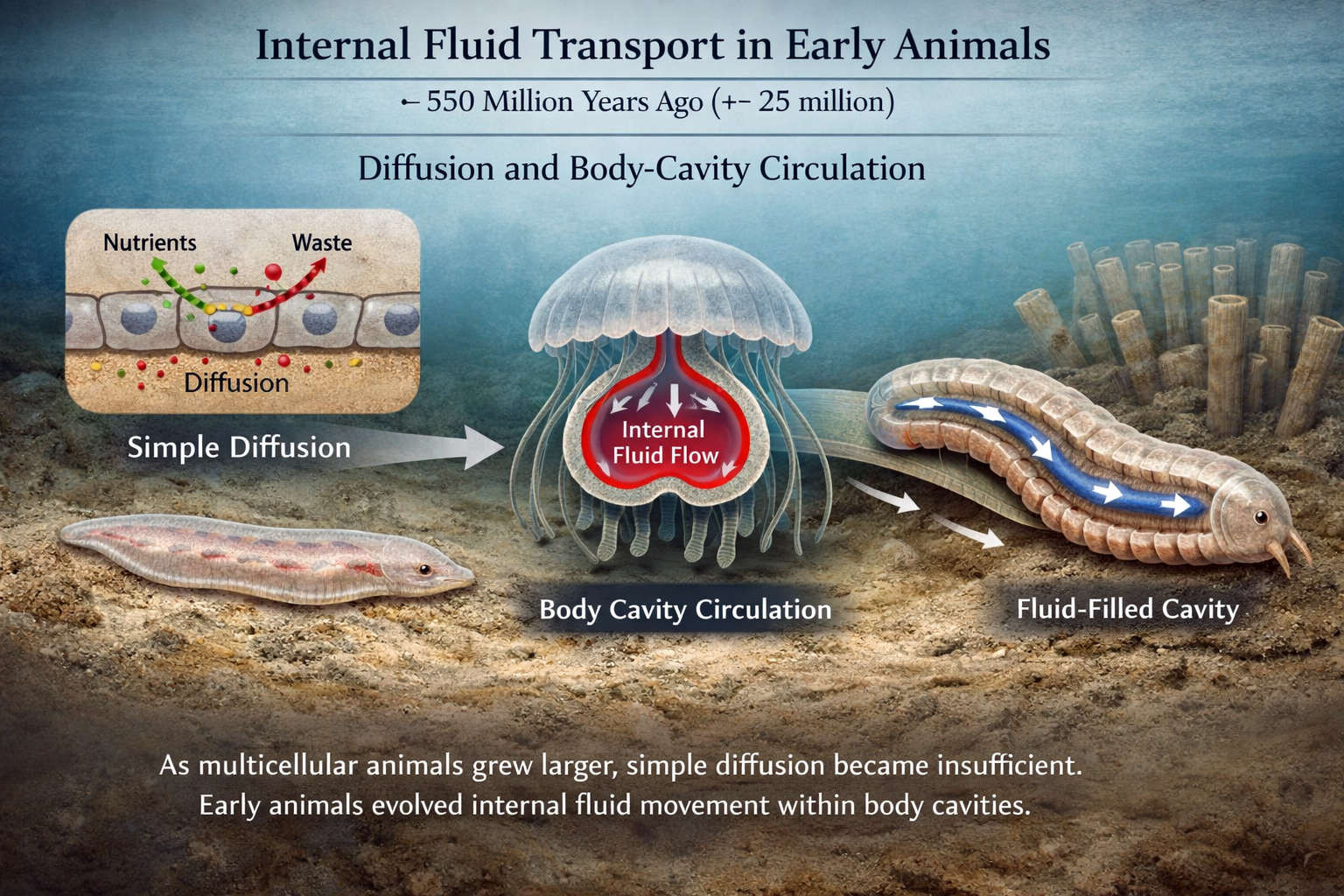
Intracellular Flow and Nutrient Exchange
Before animals evolved circulatory and digestive systems, cells first evolved internal flow to move materials around inside themselves.
Intracellular Flow and Nutrient Exchange Read More »
Before animals evolved circulatory and digestive systems, cells first evolved internal flow to move materials around inside themselves.
Intracellular Flow and Nutrient Exchange Read More »
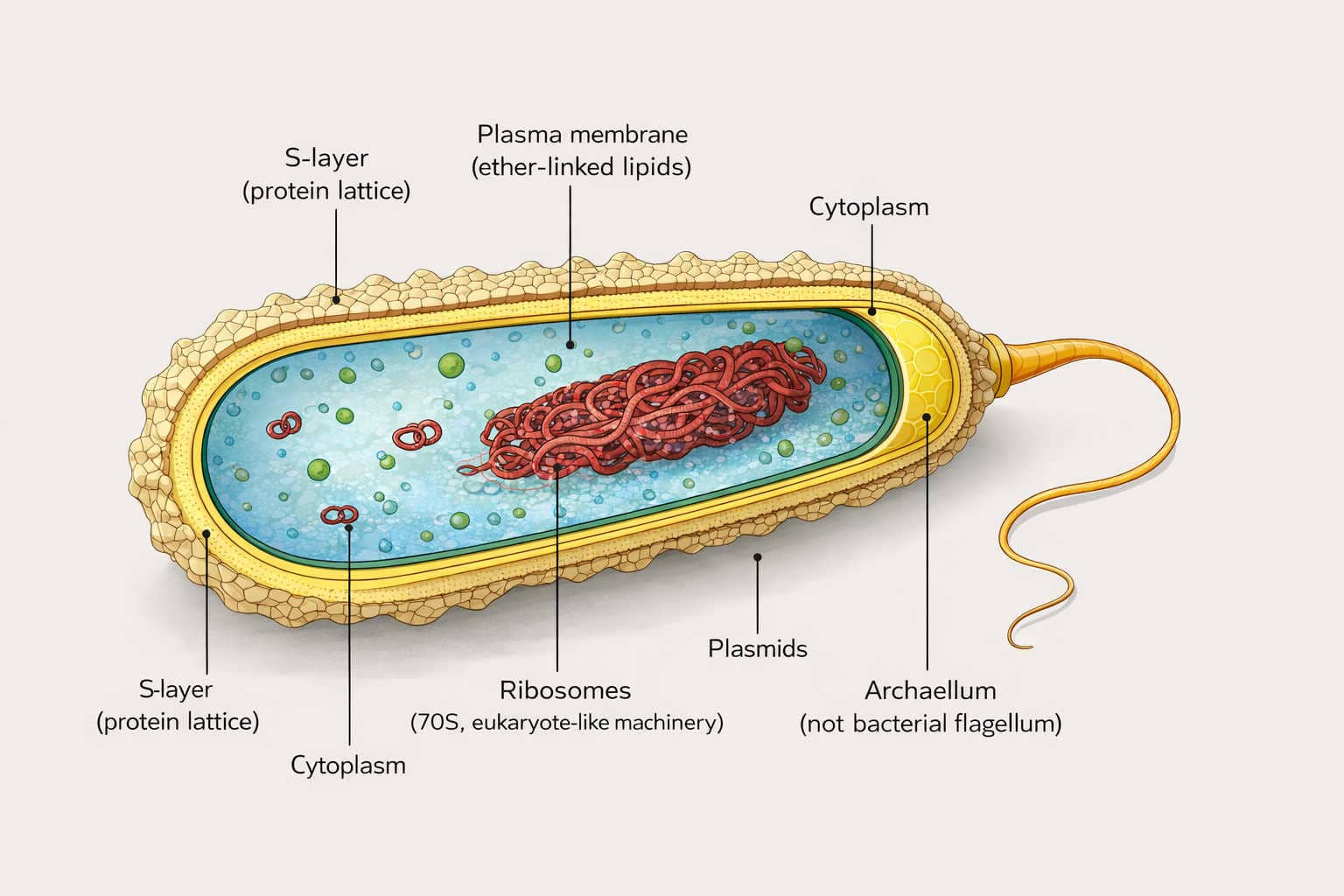
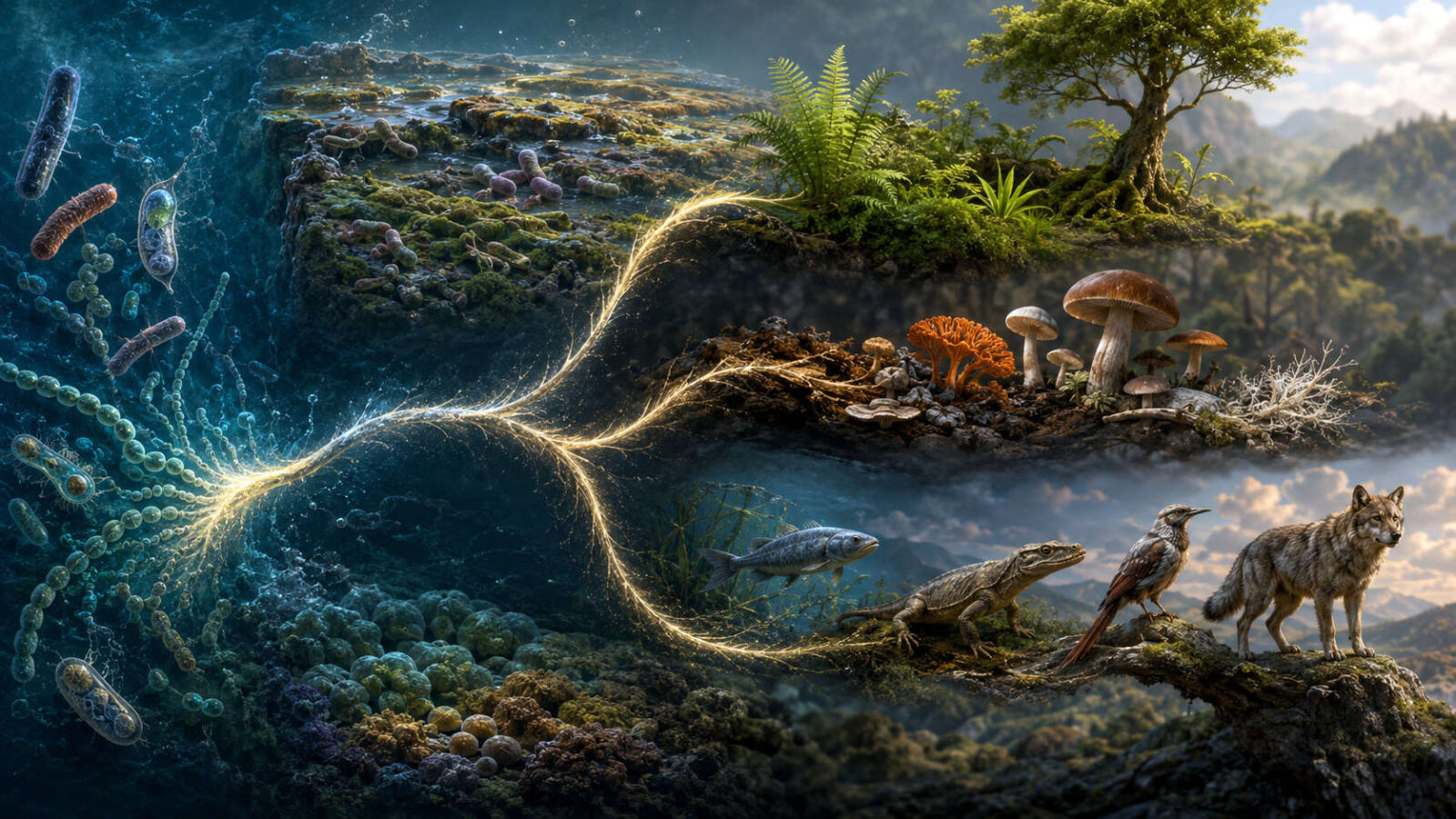
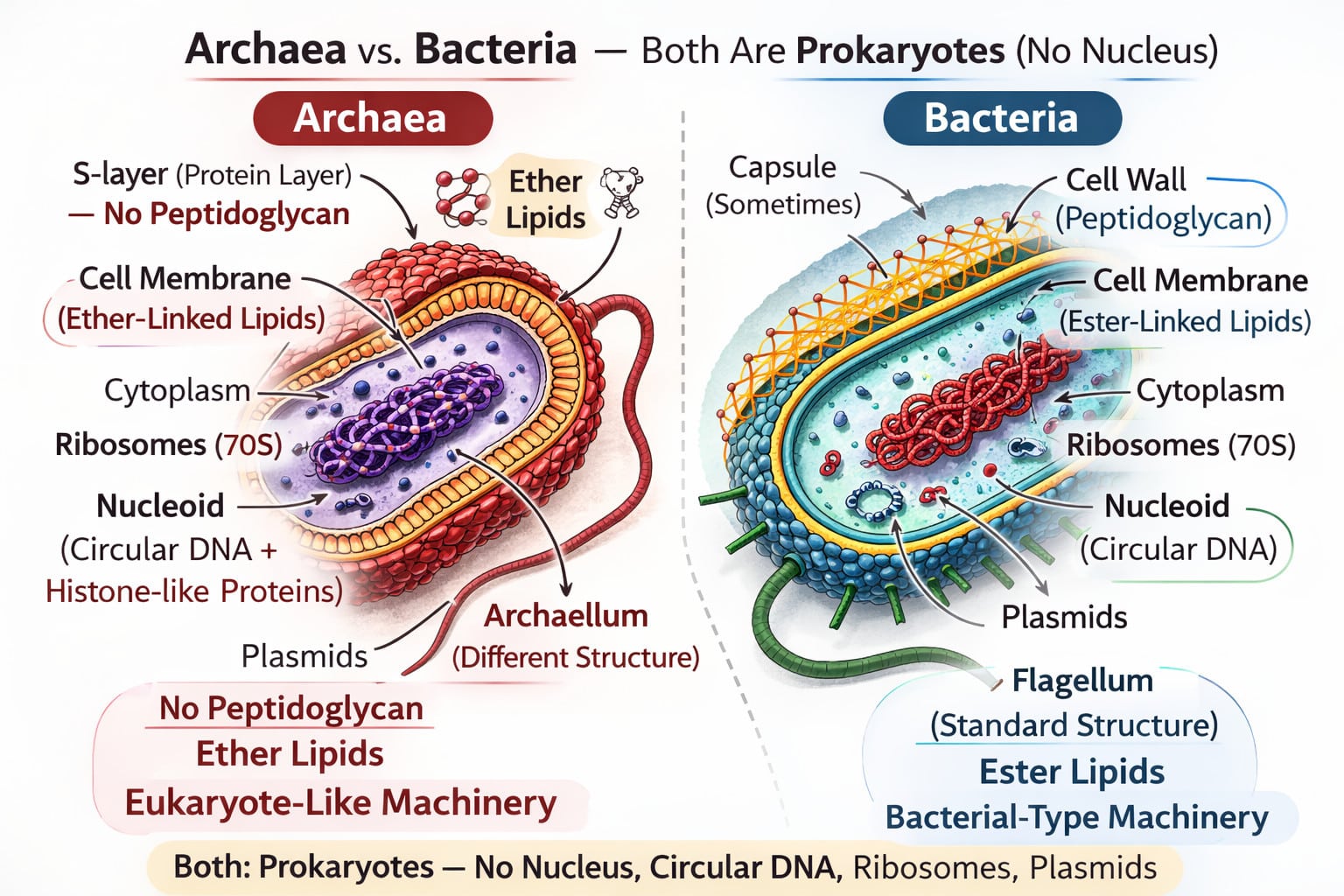
Archaea are a primary branch of early life, and eukaryotes emerged from within this archaeal lineage.
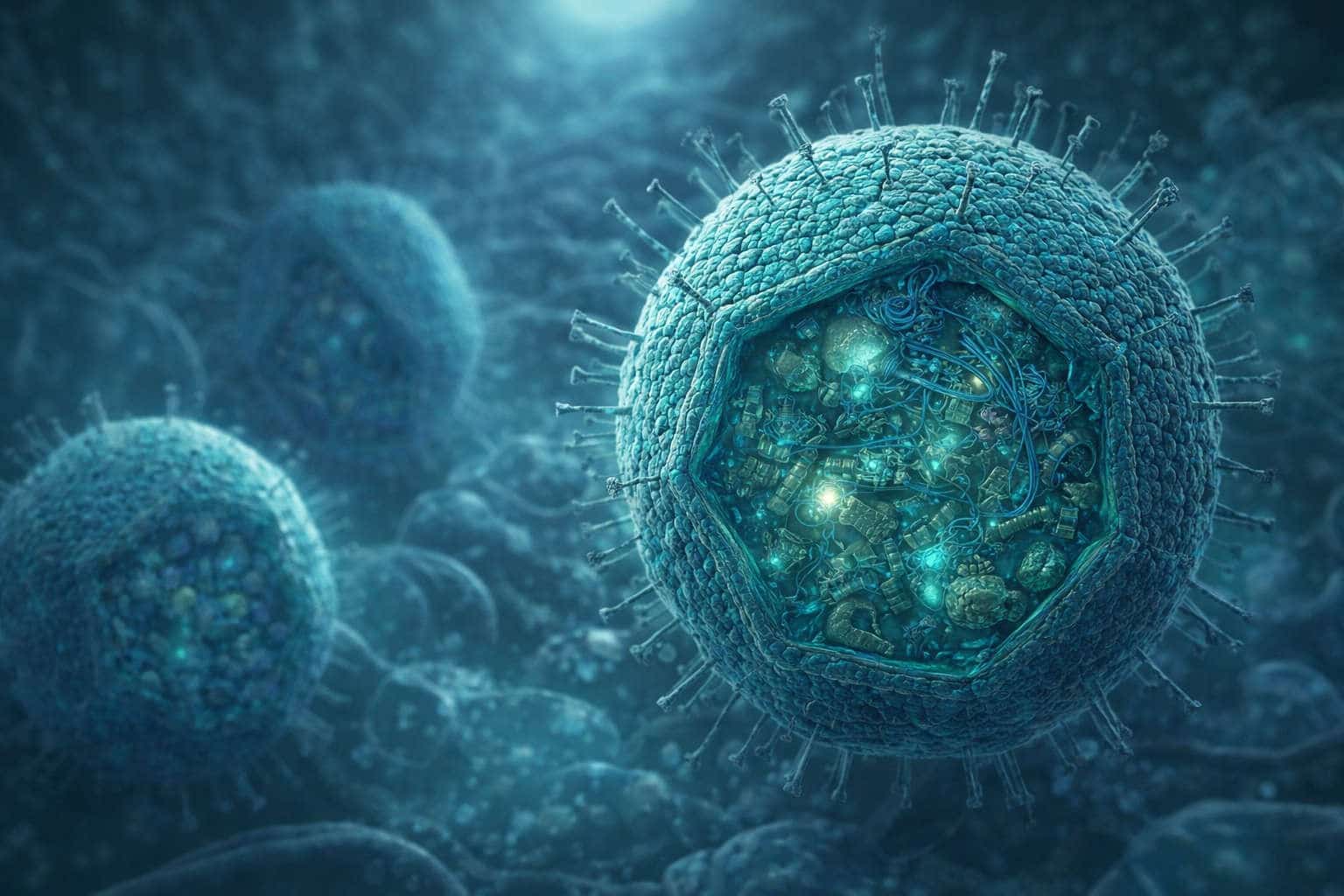
About 1 billion years ago, giant viruses evolved by “hoarding” cellular genes, expanding their genomes until they blurred the line between a simple virus and a living cell.
Giant viruses (within Varidnaviria) Read More »
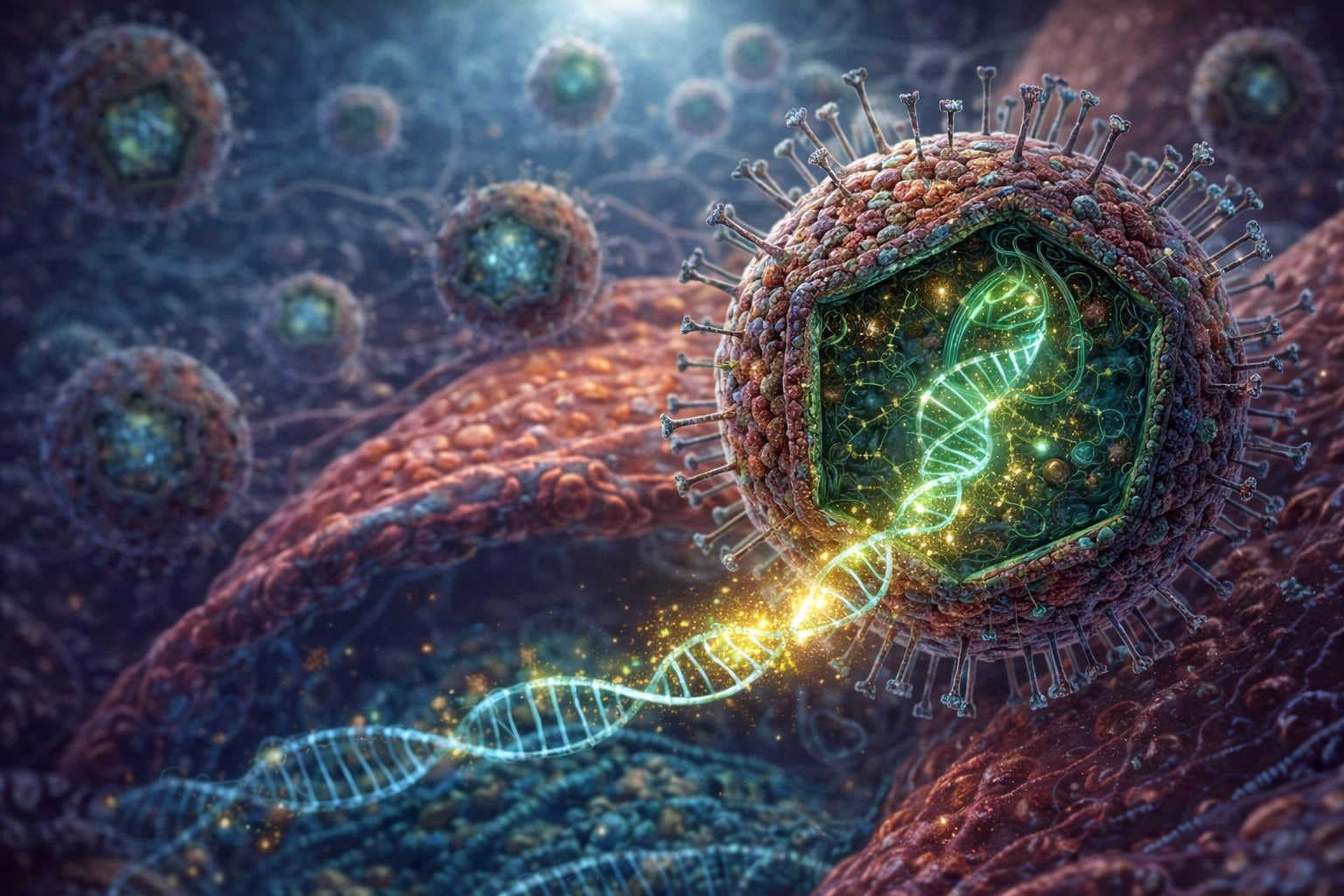
About 1.25 billion years ago, Retroviruses emerged by transforming “jumping genes” into infectious agents, mastering the ability to rewrite a host’s permanent genetic code.
Retroviruses (within Riboviria) Read More »
About 1.75 billion years ago, Monodnaviria evolved as “runaway” genetic loops (plasmids) that stole structural proteins from other viruses to become independent, single-stranded DNA parasites.
About 2.75 billion years ago, the Varidnaviria evolved a unique “Double Jelly-Roll” protein fold to build massive, diverse shells, allowing viruses to scale up from tiny parasites to “giant” viruses that mimic cells.
Virus: Varidnaviria Read More »
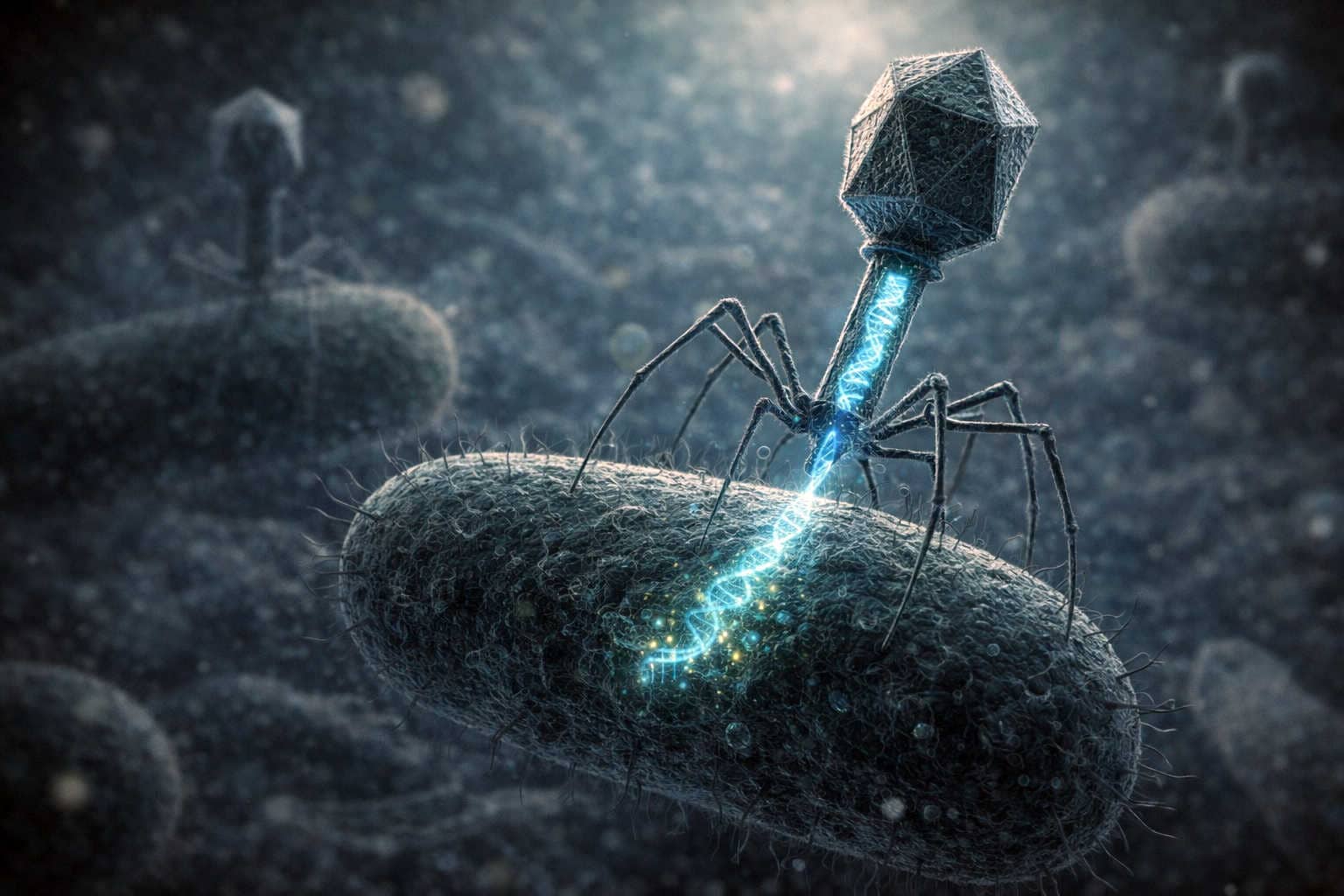
Around the time of the first bacteria, about 3.2 billion years ago and after LUCA, the Duplodnaviria evolved a high-pressure, icosahedral protein armor that turned viruses into biological syringes capable of injecting DNA into any domain of life.
Bacteriophage → Duplodnaviria Read More »
About 3.7 billion years ago, RNA virus ancestors may trace back to the RNA world, but we can’t prove whether they predate LUCA or arose just after.
Virus: Riboviria (Early RNA replicators) Read More »
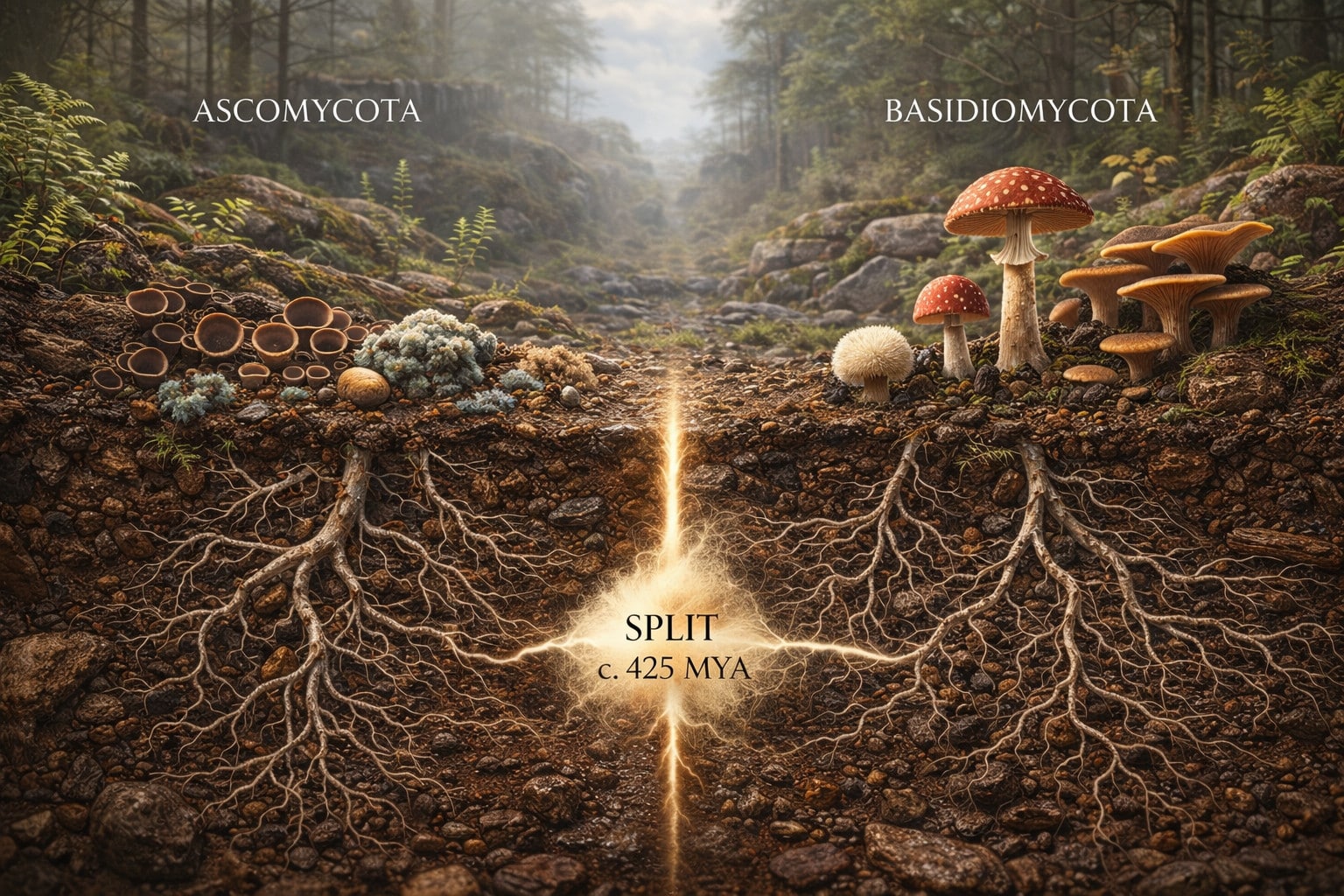
About 425 million years ago, modern fungi morphology emerges. Modern fungi are built on one ancient division.
Fungal Great Split: Ascomycota & Basidiomycota Read More »
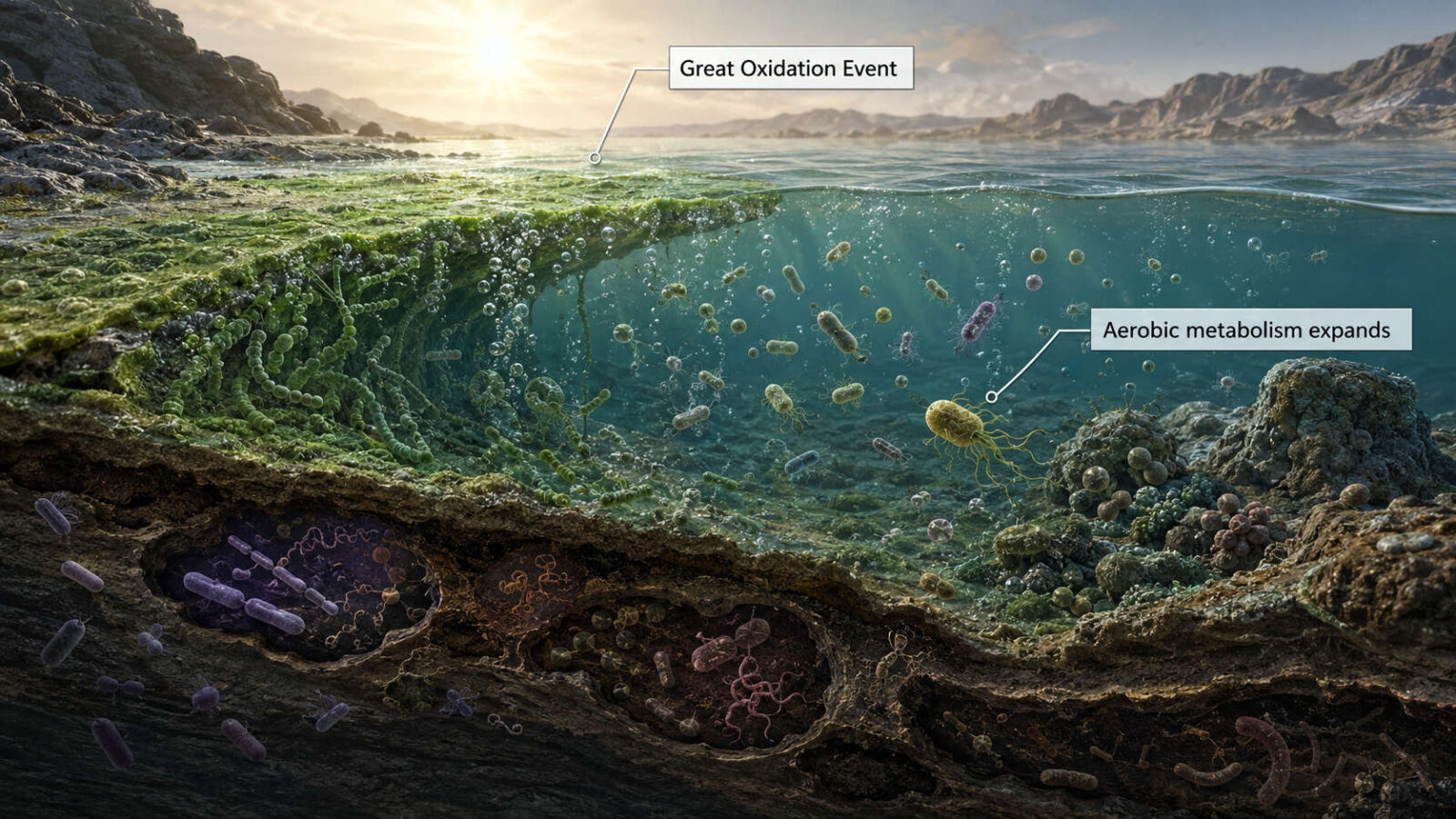
About 1.3 billion years ago, following the “Great Oxidation Event,” the bacterial world fractured into specialized lineages, creating the foundational “Ecological Cast” that still runs our planet and our bodies today.
Bacteria Diversify: Major modern phyla Read More »
About 2 billion years ago, bacteria are added to cells and that group leads to eukaryotes. You are a walking chimera ecosystem made of an Archaea host and trillions of Bacterial power-plants.
Bacterial Endosymbiosis: Origin of Eukaryotes Read More »
~2.4–2.0 BYA → Aerobic metabolism expands Oxygen-respiring bacteria diversify Major proteobacterial radiations
Bacteria Aerobic metabolism expands Read More »
About 3 billion years ago, bacteria started experimenting with photosynthesis.
Bacteria Photosynthesis begins Read More »
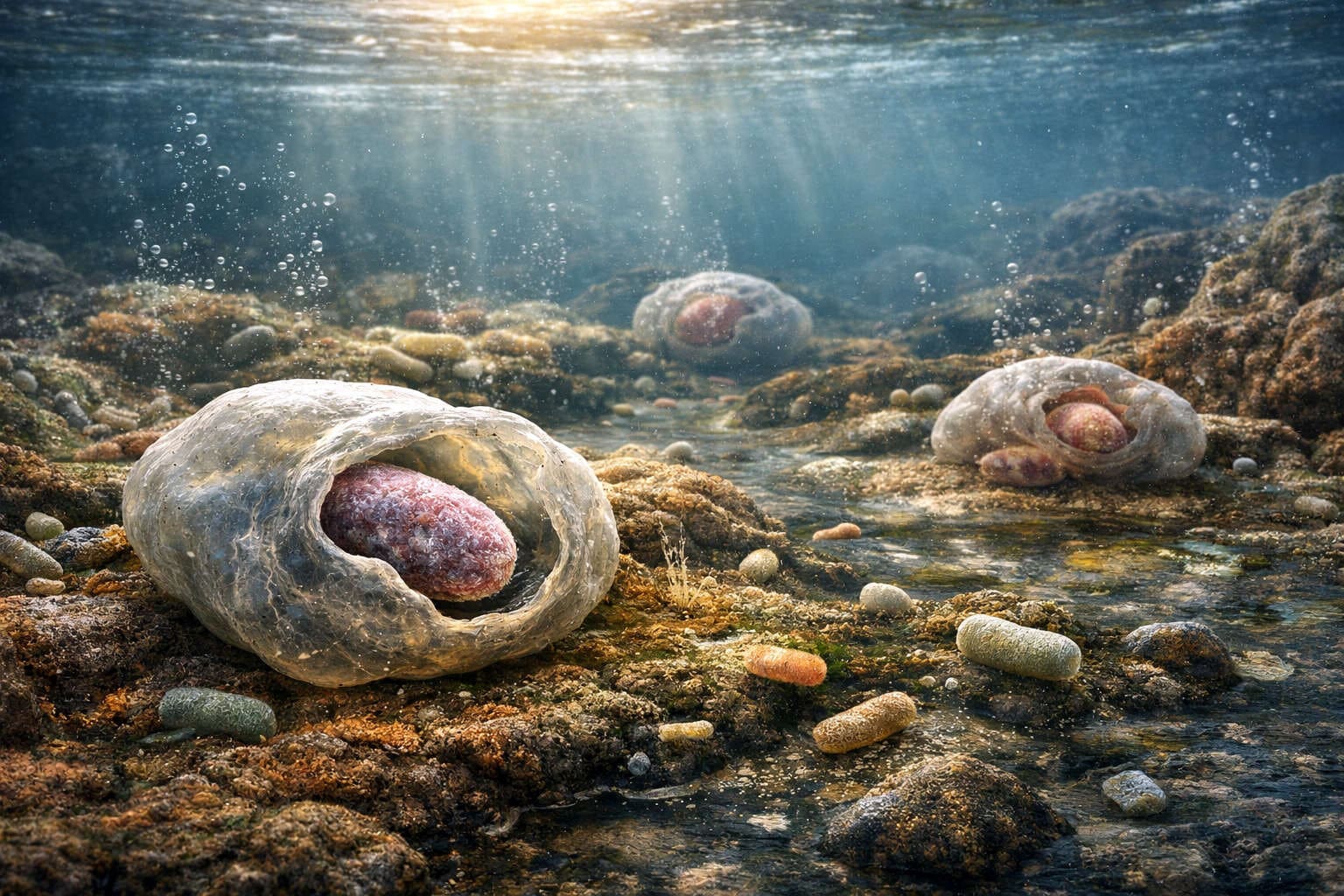
Shortly after LUCA, about 3.7 billion years ago, the first bacteria emerged.
First True Bacteria Read More »
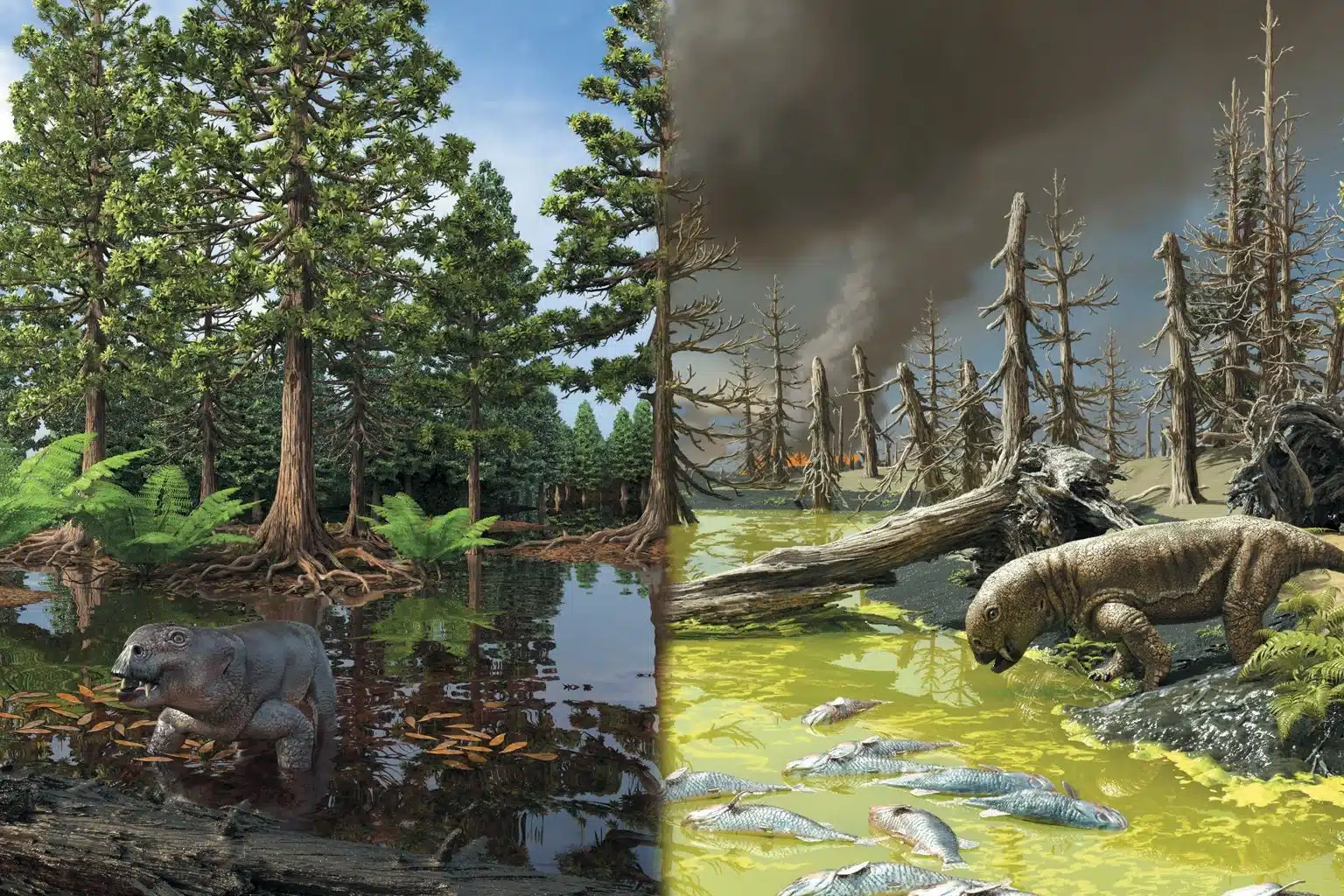
At 252 million years ago, the greatest extinction ends the world as known, fungi begin again.
Fungal Survivors of Extinction Read More »
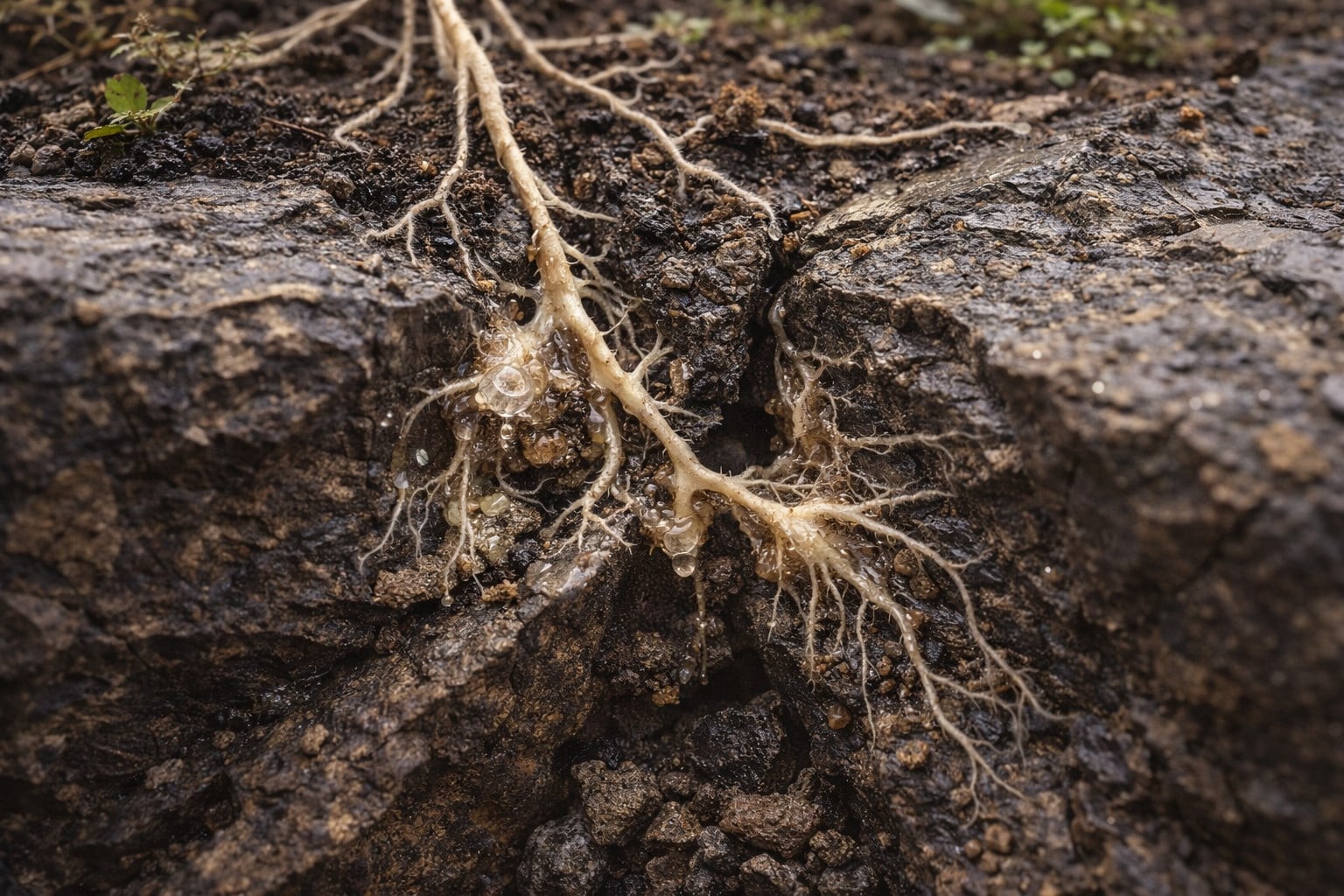
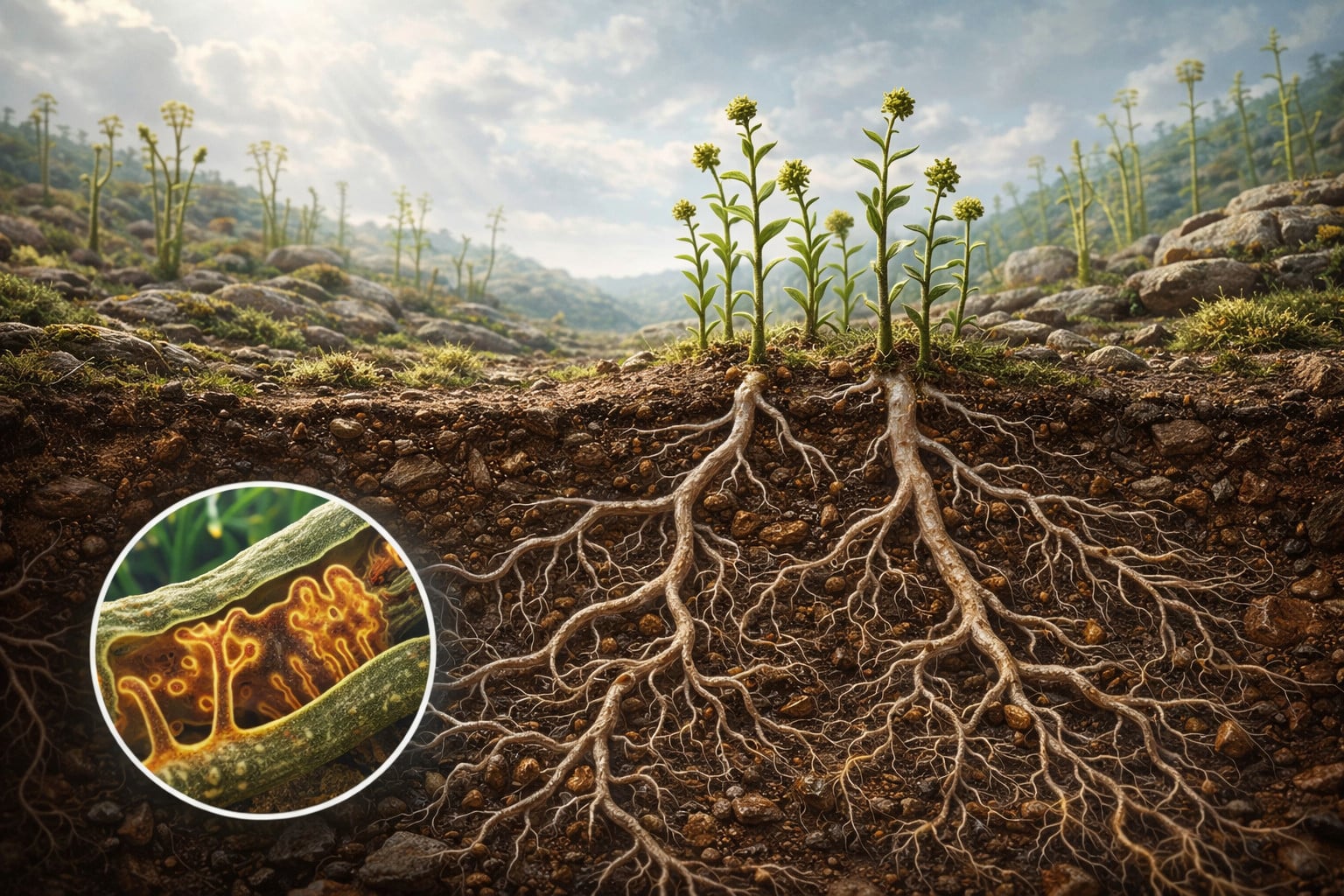
About 450 million years ago, fungi and plants have a rich dirt root alliance. Plants gave sugars, fungi gave phosphorus and minerals.
Fungal Underground Alliance Read More »
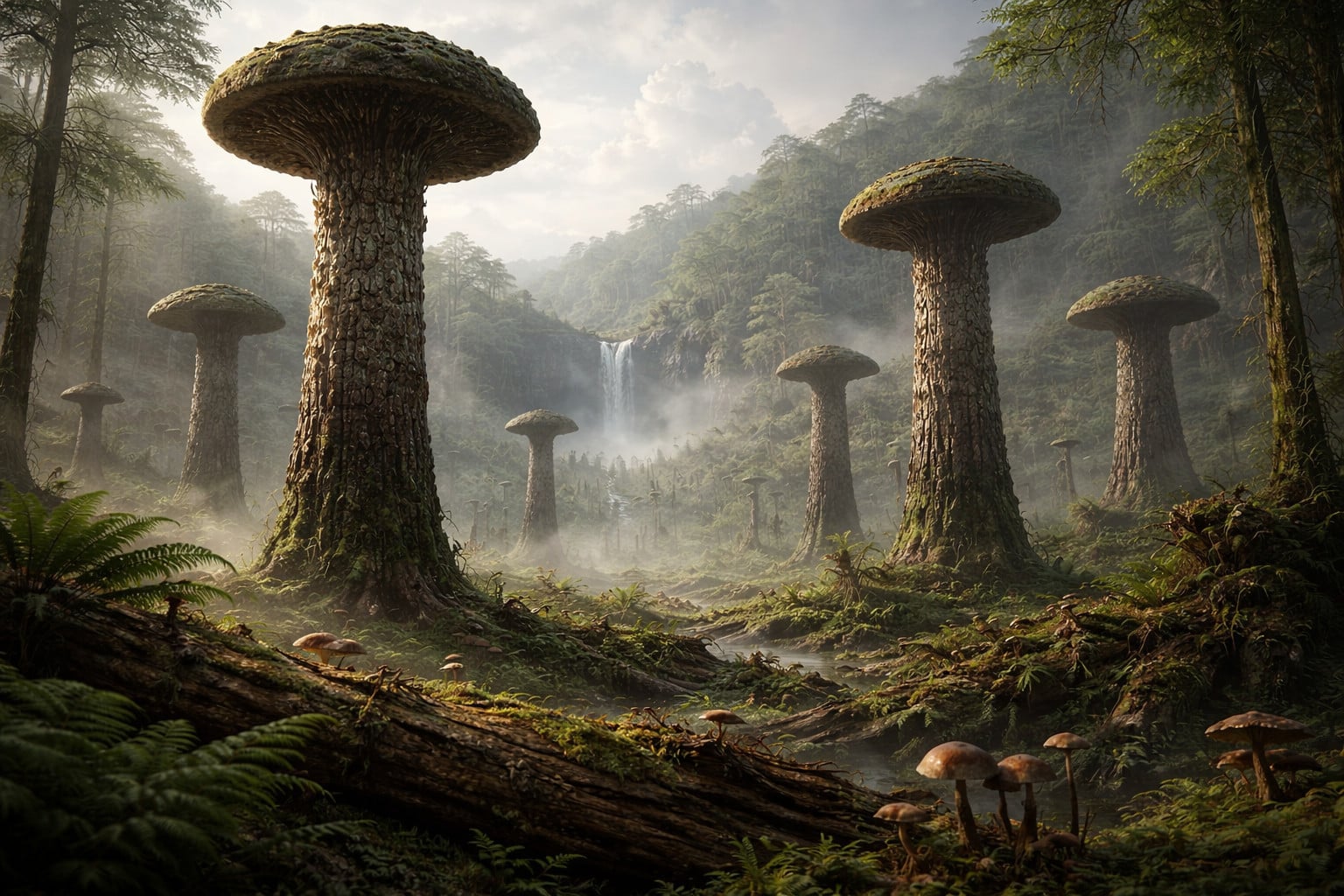
About 420 million years ago, fungi stood taller than trees.
Fungal Giants of the Devonian Read More »
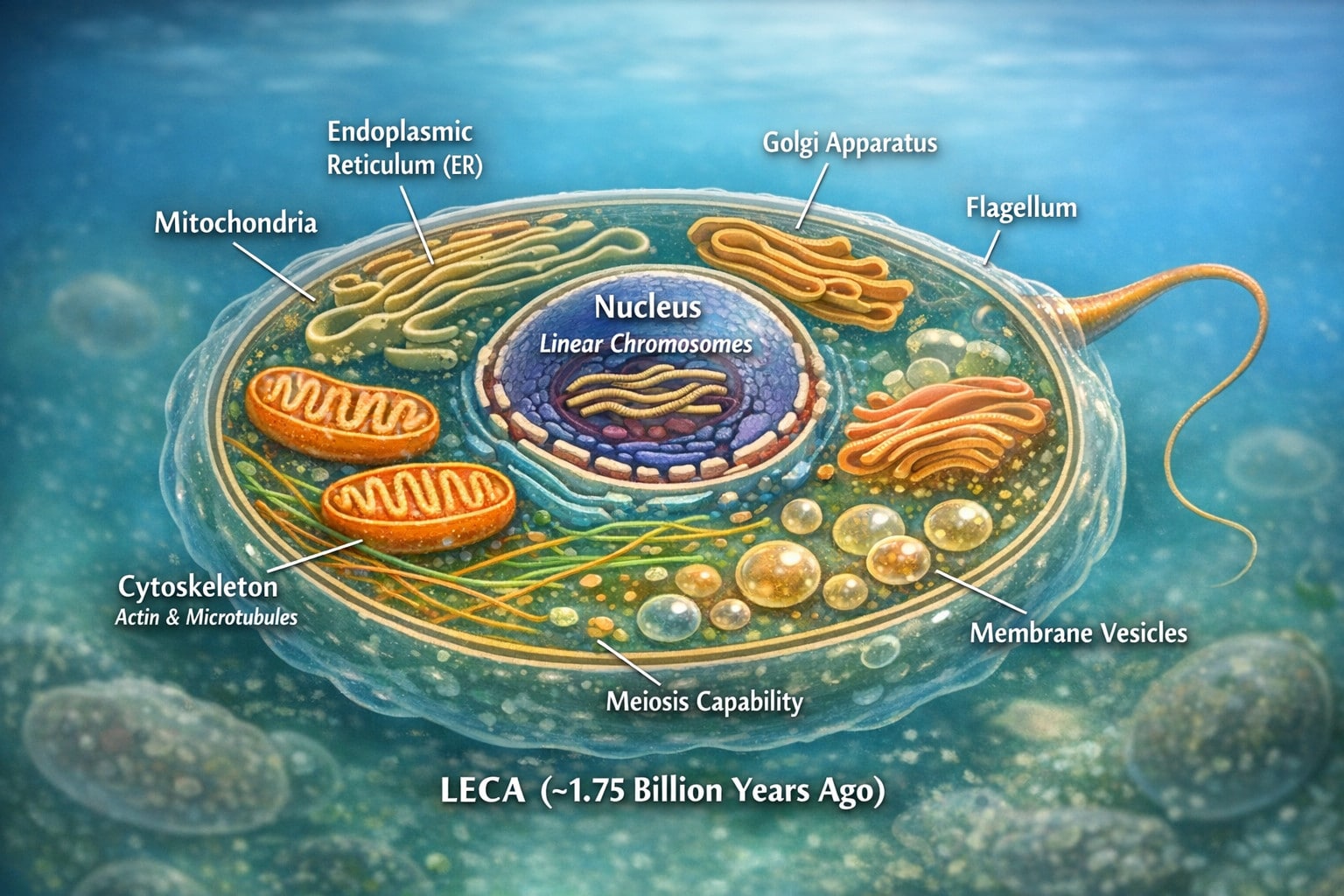
LECA is the Last Eukaryotic Common Ancestor. LECA reproduced sexually pushing the mixing of DNA back before 1.75 billion years ago.
LECA: Likely Sexual Reproduction Read More »
About 600 million years ago, chytrids live in moist and watery environments. They are living fossils in the sense they reproduce with sperm-like cells that can swim to a new area.
First True Fungi: Chytrids (and living fossils) Read More »