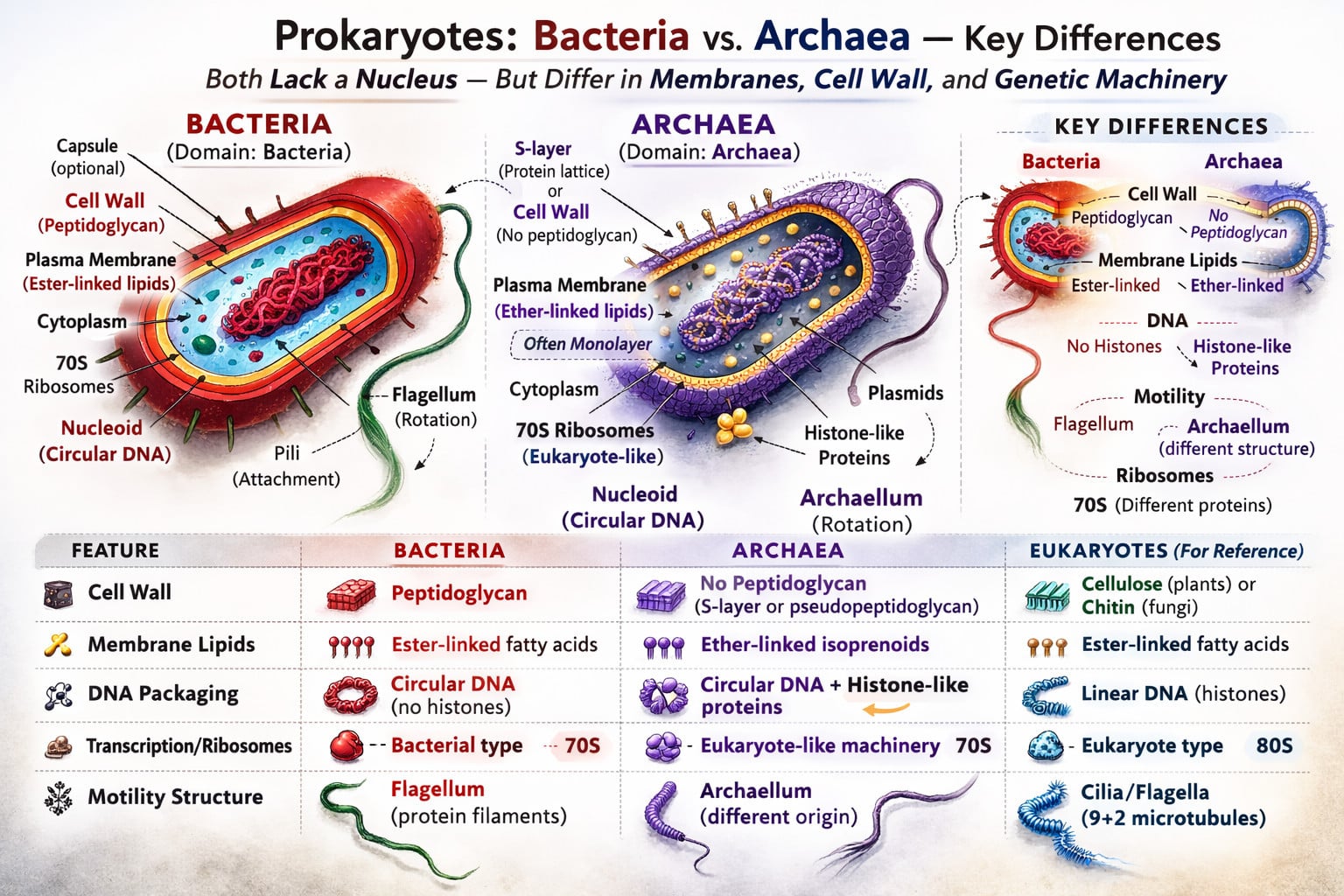
Prokaryotic Life
Prokaryotes are nucleus-free cells that include both bacteria and archaea — the two lineages that split shortly after LUCA.


Prokaryotes are nucleus-free cells that include both bacteria and archaea — the two lineages that split shortly after LUCA.
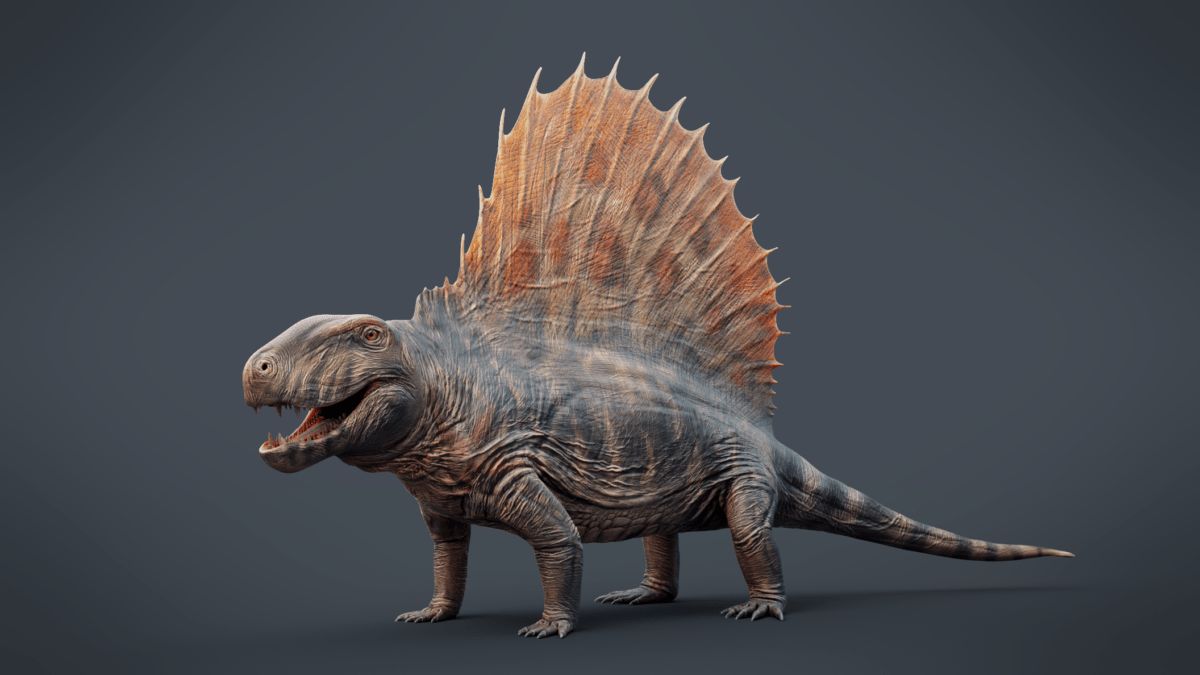
By about 280 million years ago, Dimetrodon was one of the best-known predators of the Early Permian. It stalked rivers and floodplains alongside caseid synapsids, large amphibians like Eryops, and a landscape of Calamites, Sigillaria, ferns, and early seed plants.
Early Complex Sentience Emerges: Dimetrodon Read More »
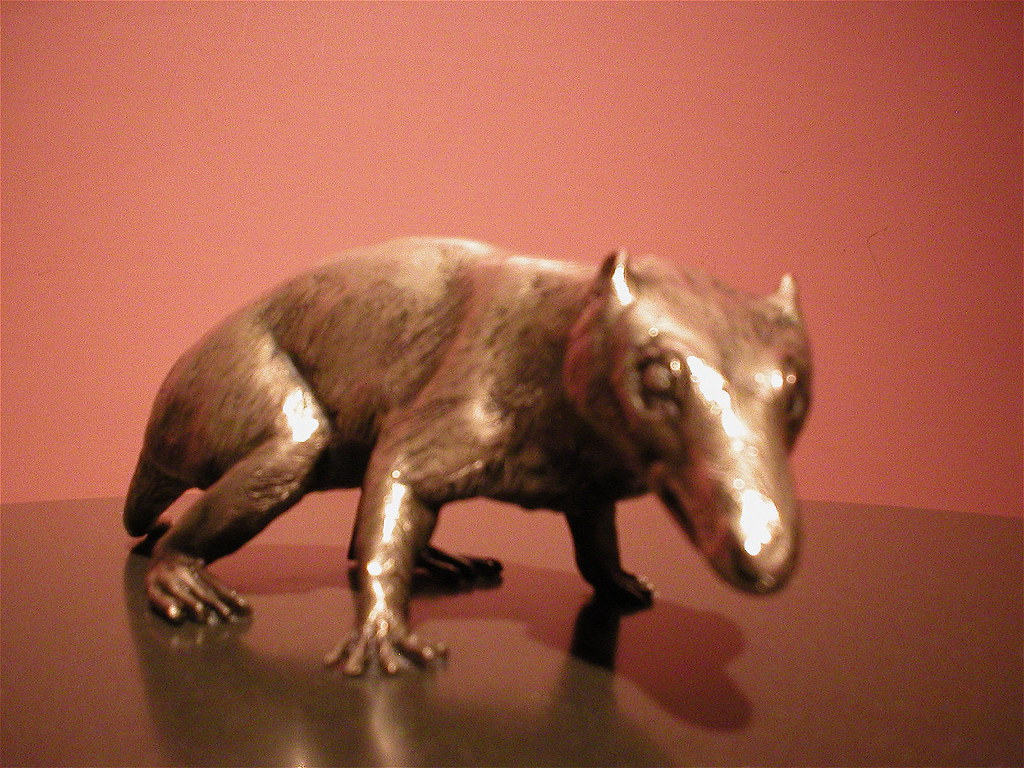
Morganucodon was an early mammaliaform from about 200 million years ago. Crown mammals emerged from within this group about 170 million years ago.
First Mammaliaforms: Morganucodon Read More »
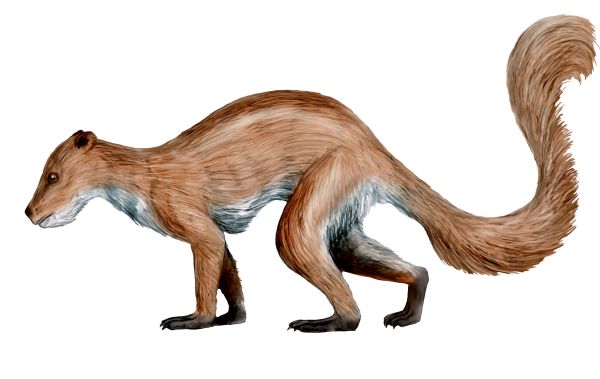
Plesiadapis, a proto-primate, is an example of a fruit-insect eater likely similar to our direct-line ancestors around this time.
Plesiadapis: First fruit-insect eaters. Read More »
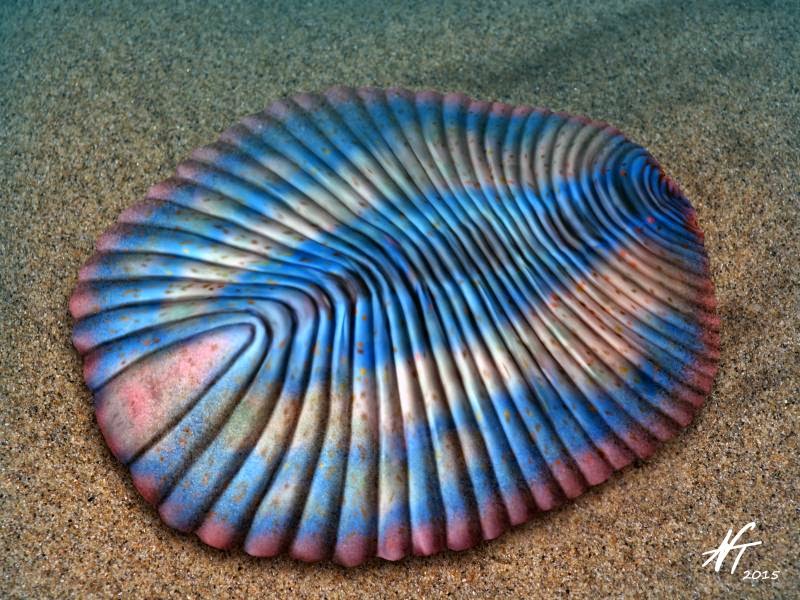
By the late Ediacaran, the animal world was already moving toward proto-nervous systems and the long road to brains.
Presentient Animals Emerge: The Ediacaran Prelude Read More »
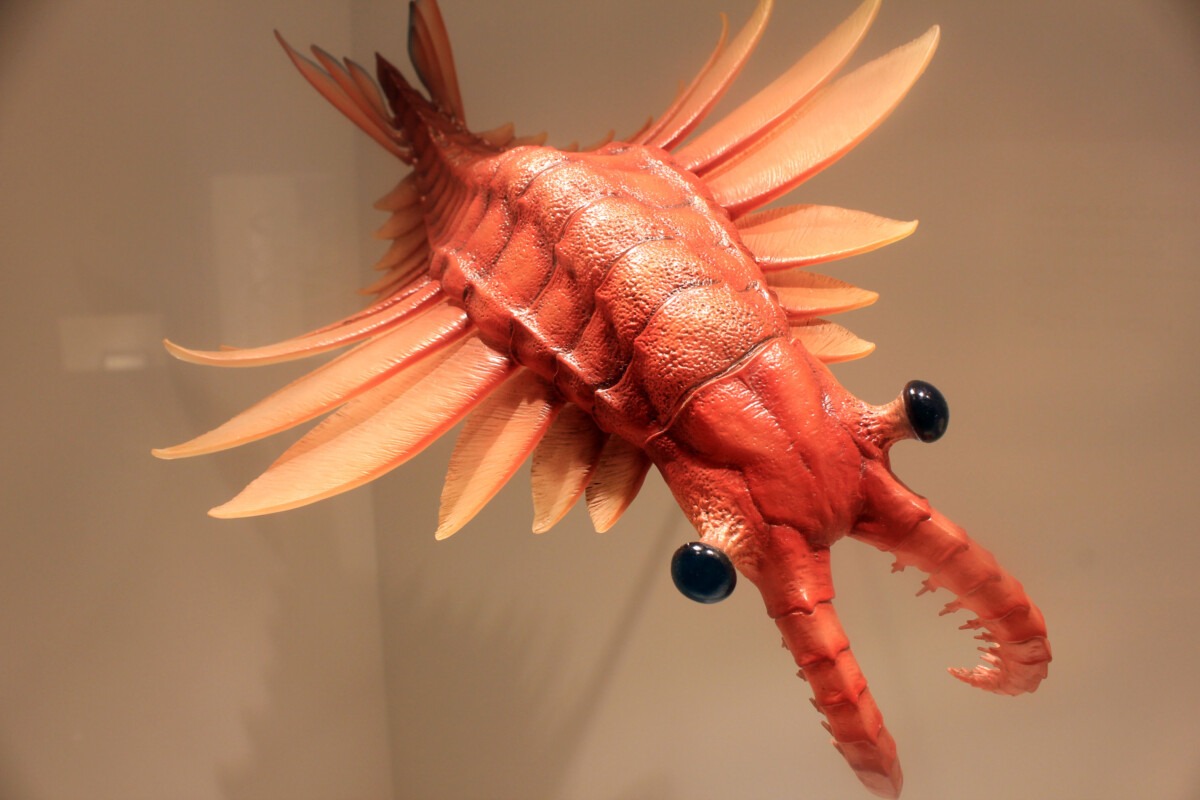
First Brains: By about 520 million years ago, hunters roamed the seas. In the Cambrian explosion, a period of rapid evolutionary development that began around 541 million years ago, the earliest known animals with structures recognizable as brains made their debut in the Earth’s oceans. They possessed rudimentary beginnings central nervous systems, including a brain.
Earliest Known Hunter Read More »
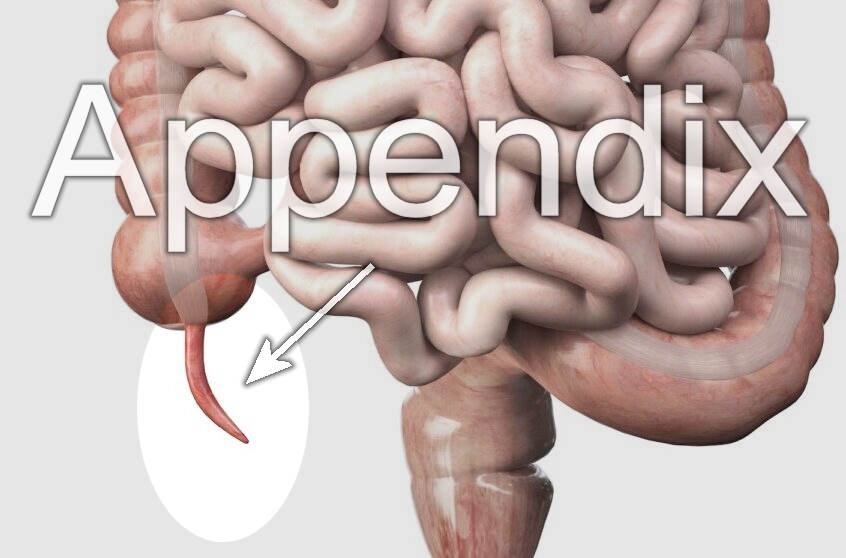
The appendix is an example of a Phenotype Variation — a trait that varies among individuals. In fact, something like 1 in 100,000 people are born without an appendix.
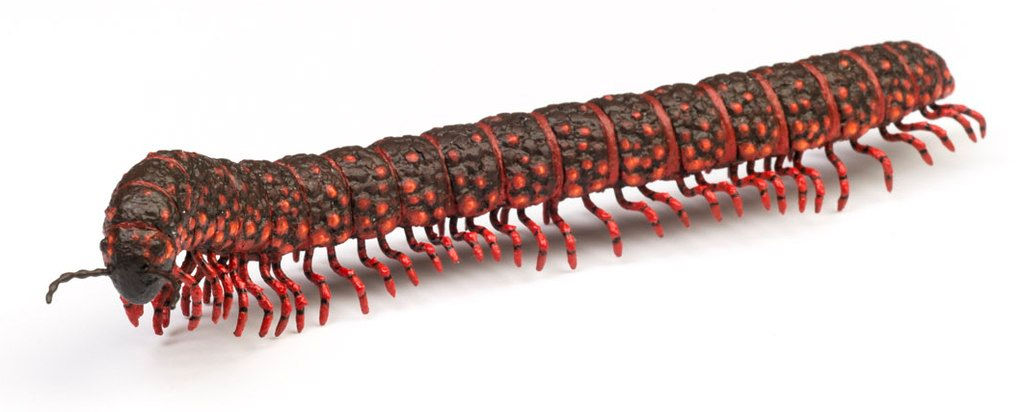
The millipede Pneumodesmus newmani is the oldest air-breathing animal known to date. This ancient denizen of the Scottish waters once roamed the Earth during the early Silurian era. The millipede likely supplemented its oxygen intake through air as well as using its gills while in water. Kingdom: Animalia > Phylum: Arthropoda > Class: Diplopoda (millipedes)
Oldest Known Air Breather Read More »
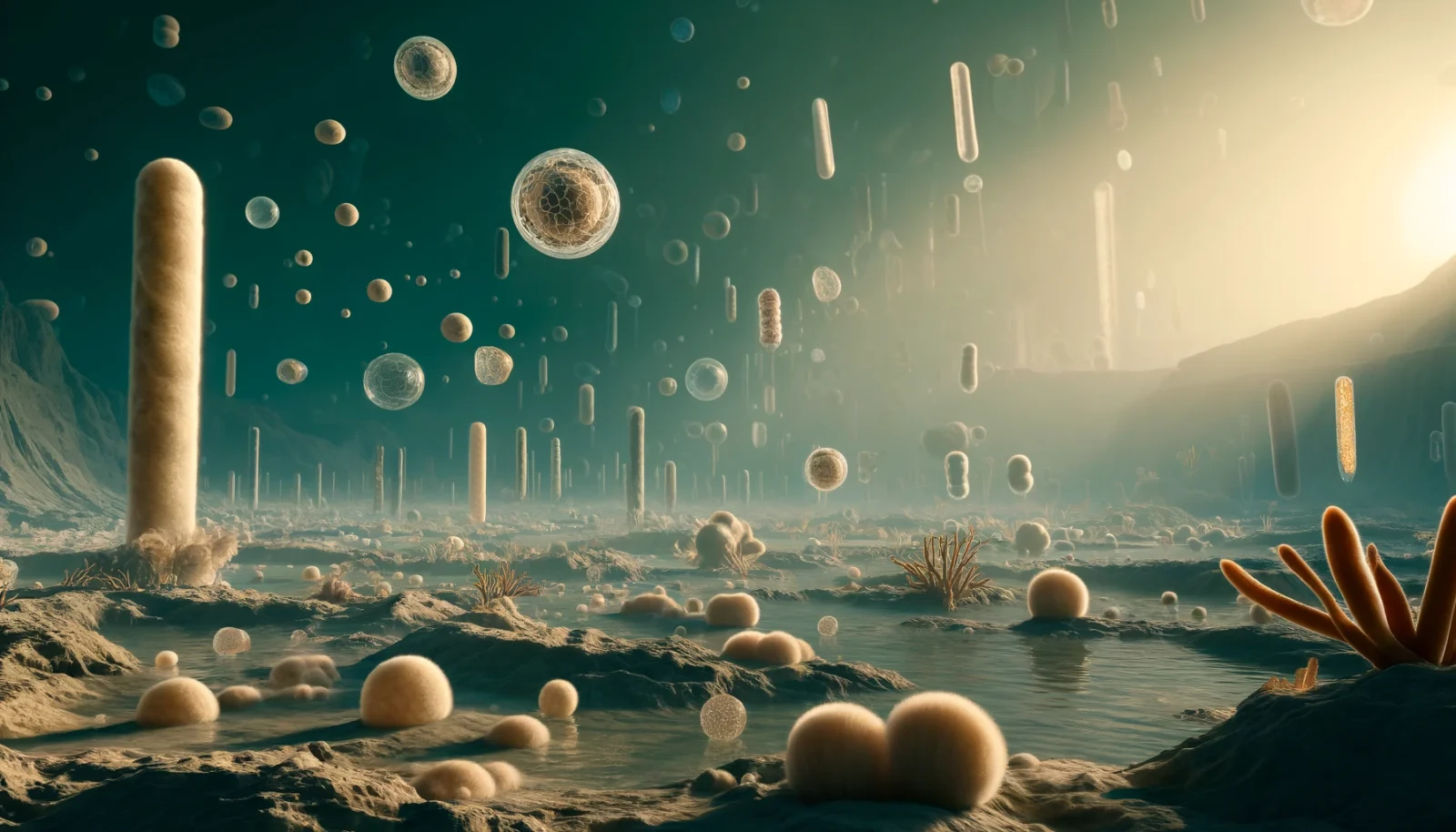
About 3.75 billion years lived LUCA. Not first life, but the common ancestor of all life today. LUCA used DNA, had ribosomes, used ATP, and had translation machinery. It lived in high-temperature environments.
LUCA: Last Universal Common Ancestor Read More »
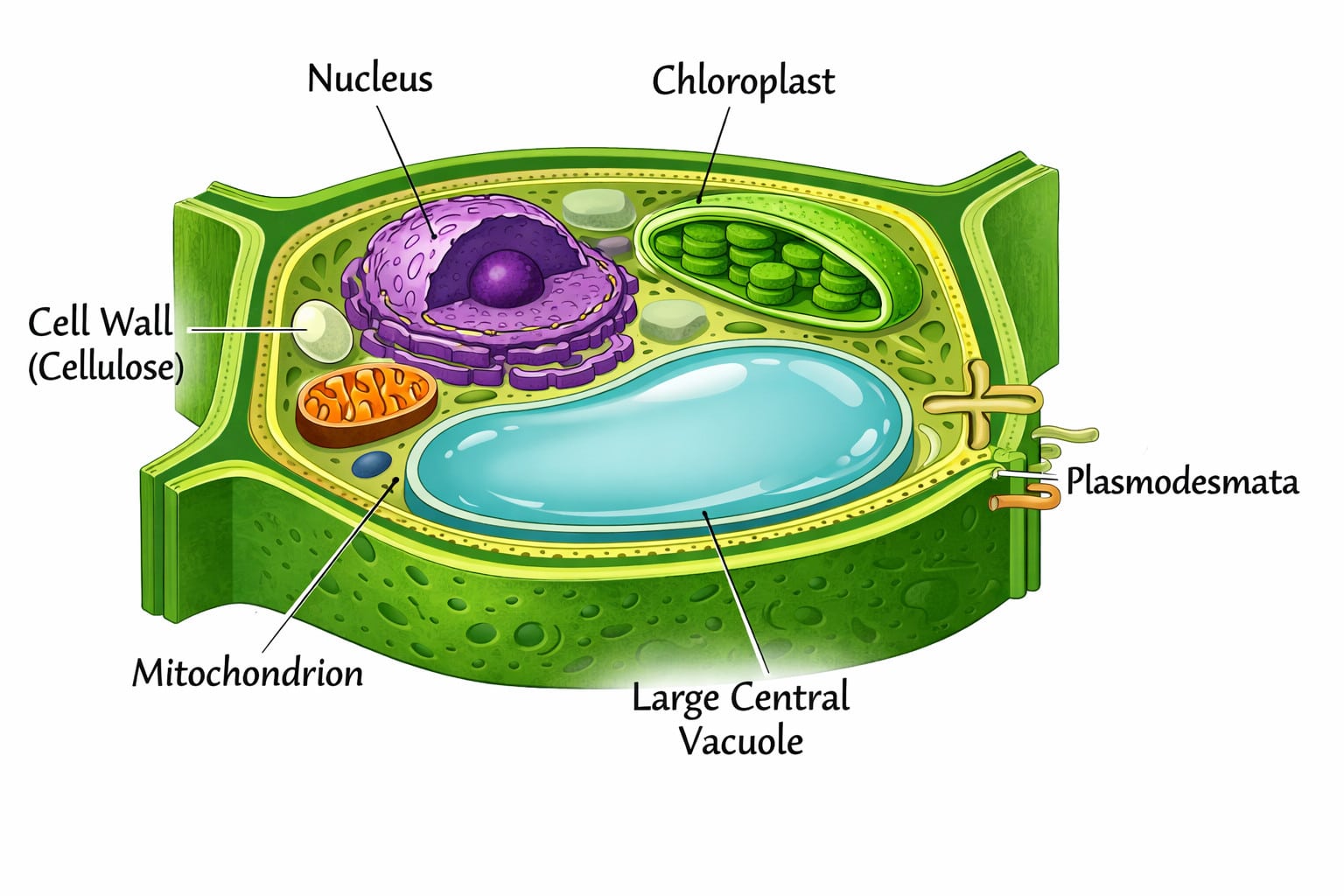
Around 1.65 billion years ago, major eukaryotic lineages diverged, setting the ancestral paths that would eventually lead to plants, fungi, and animals.
Plant Ancestors Split from Animal and Fungi Ancestors Read More »
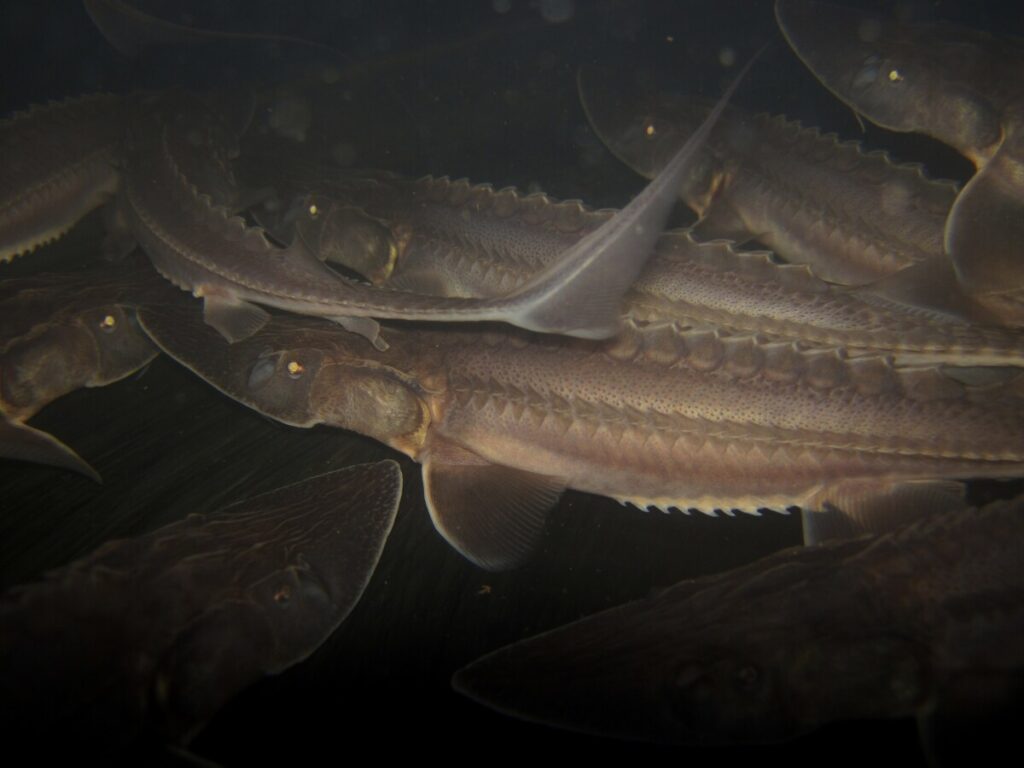
The earliest known vertebrates originated about 530 million years ago during the Cambrian explosion. Domain: Eukaryota > Kingdom: Animalia > Phylum: Chordata

Around 470 million years ago, plants evolved a waxy cuticle to prevent water loss; only later did water-transporting vascular systems evolve.
Embryophytes: First True Plants Read More »
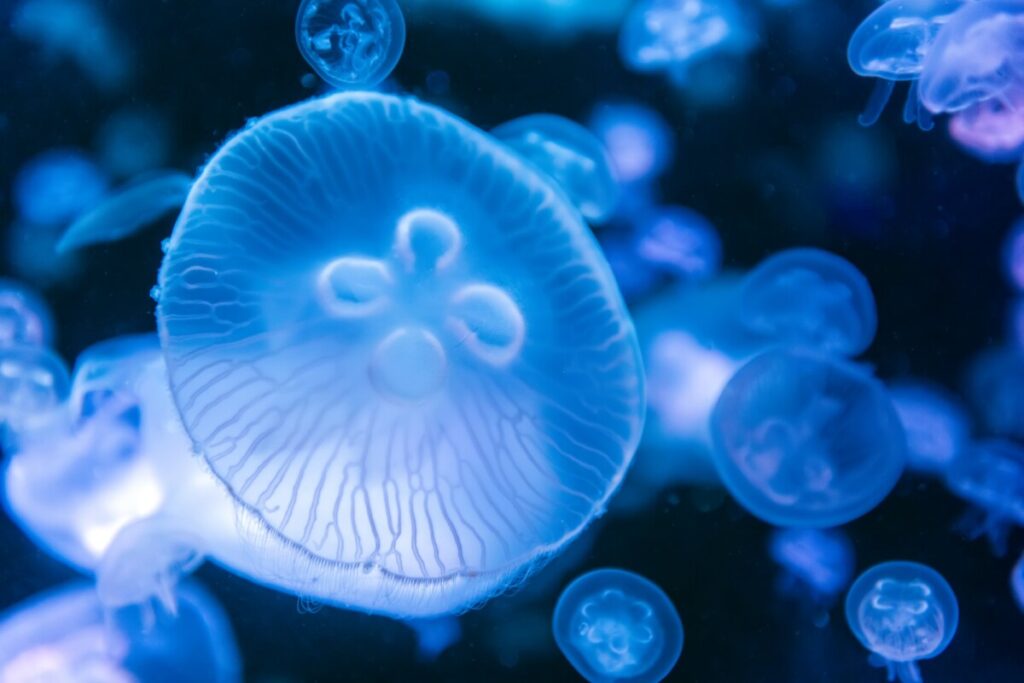
The first true animals are the comb jellyfish which evolved about 555 million years ago.
First True Animals – Comb Jellyfish Read More »
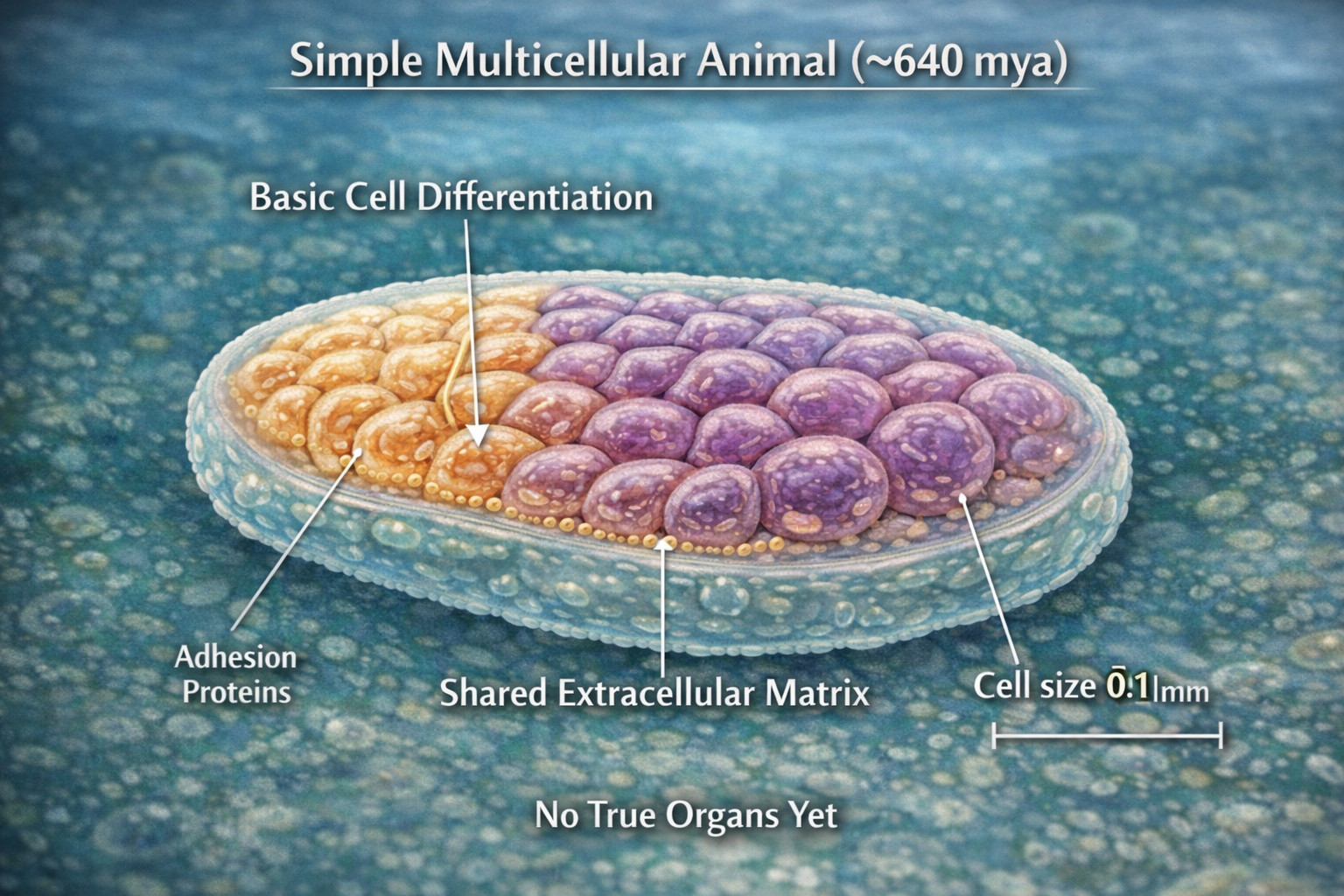
Organisms that consist of more than one cell took several billion years to evolve from unicellular organisms. All species of animals, land plants and most fungi are multicellular, as well as many algae. A few organisms are partially both such as slime molds and social amoebae. Domain: Eukaryota > Kingdom: Animalia > Phylum: Porifera (sponges)
First Multicellular Animals Read More »

The earliest known life on Earth are fossilized microorganisms found in hydrothermal vent precipitates. Currently dated to about 3.42 billion BCE. These microorganisms were prokaryote cells. Single celled organisms with no nucleus and had early simple DNA. More complex DNA in a nucleus evolved about 1.5 billion years later in Eukaryotic cells, circa 2 billion
Oldest Known Fossil-Microorganisms Read More »
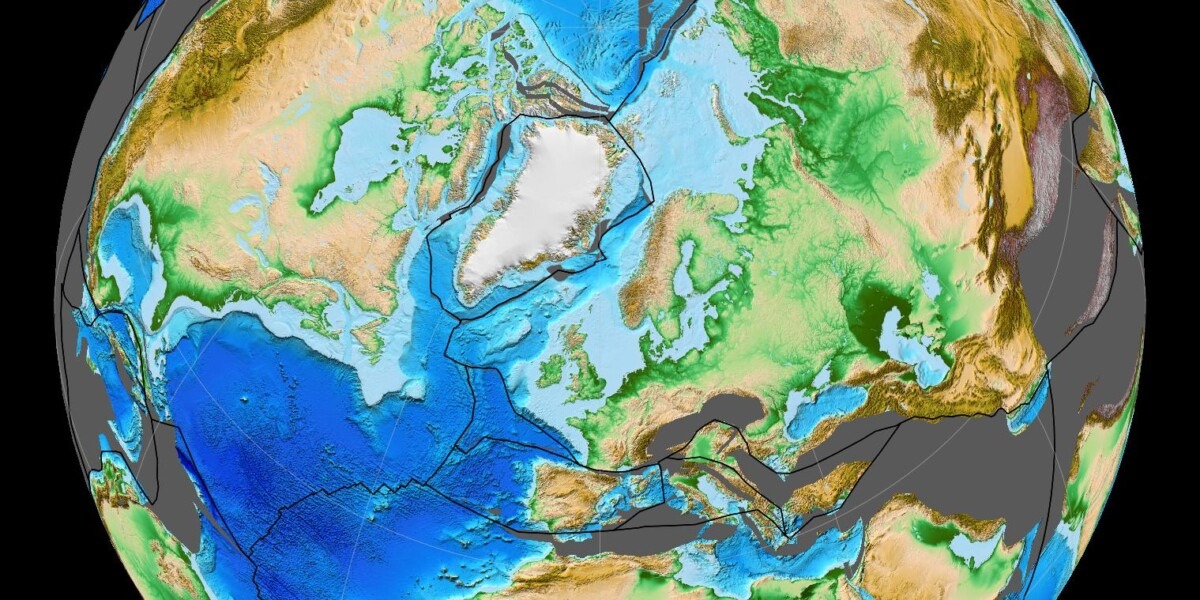
North America splits from Europe causing diverging evolutionary lines. Over millions of years, the modern-day Europe (Eurasian plate) and North America (North American Plate) separated during the final breakup of Pangaea in the early Cenozoic Era. This split is a later part of that breakup and created the North Atlantic Ocean.
Opening of the North Atlantic Ocean Read More »
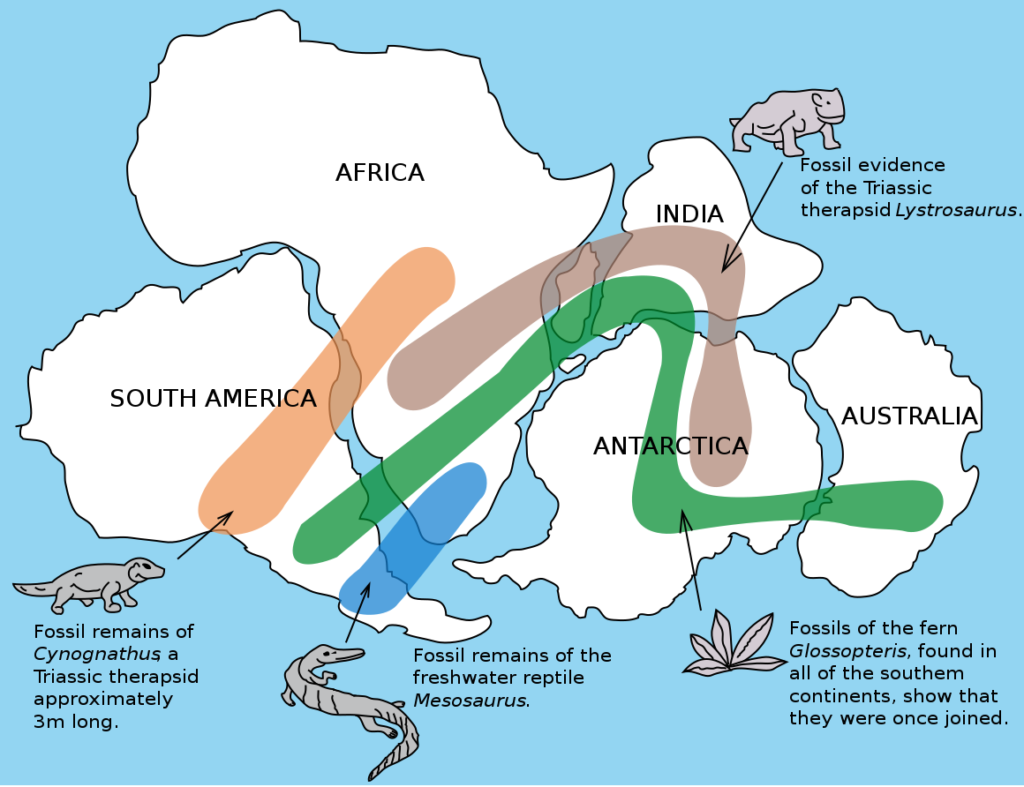
By dating rocks and fossils scientists can document the movement of the continents over time. To confirm and refine this science, geologists study rocks, paleontologists study fossils, and anthropologists study human societies, cultures, and relics. The location and dating of rocks, fossils, and relics allow us to understand the distant past. Cynognathus, circa 242 million
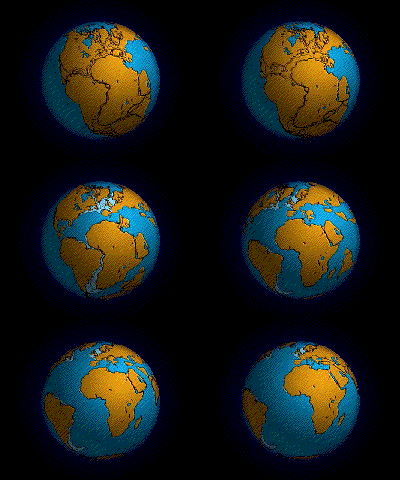
The breakup of Pangaea did not just reshape geography. It reshaped evolution by isolating populations, limiting movement, and allowing different branches of life to follow different paths.
Pangaea Splitting Starts Splitting Evolution Read More »
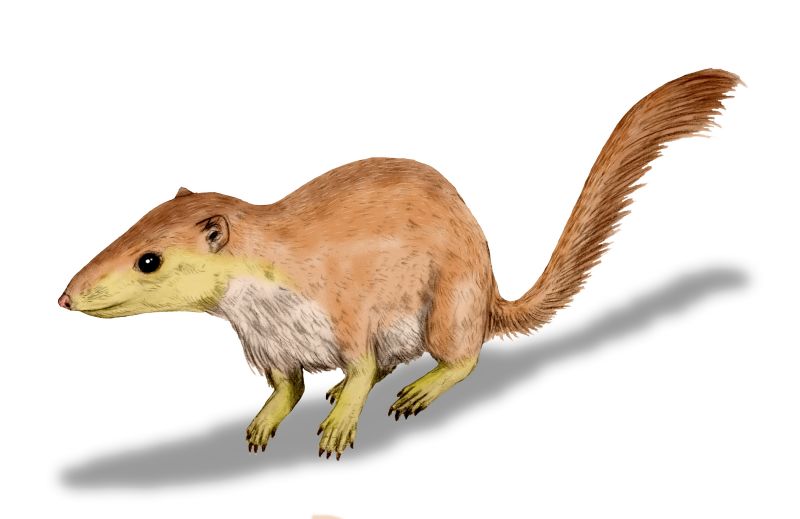
Within mammals, only primates have binocular vision, grasping hands, and flat nails–instead of claws. Purgatorius might have had all three earning it the earliest known proto-primate label. It lived in Eastern Montana about 66 million years ago during the very last years of the Cretaceous period. It lived through the K-T extinction event and the extinction
Purgatorius — Earliest known proto-primate. Read More »