Explore Science-first Philosophy

Land: Asia

This history of Asia.

China: Jiahu Settlement (Agrarian)

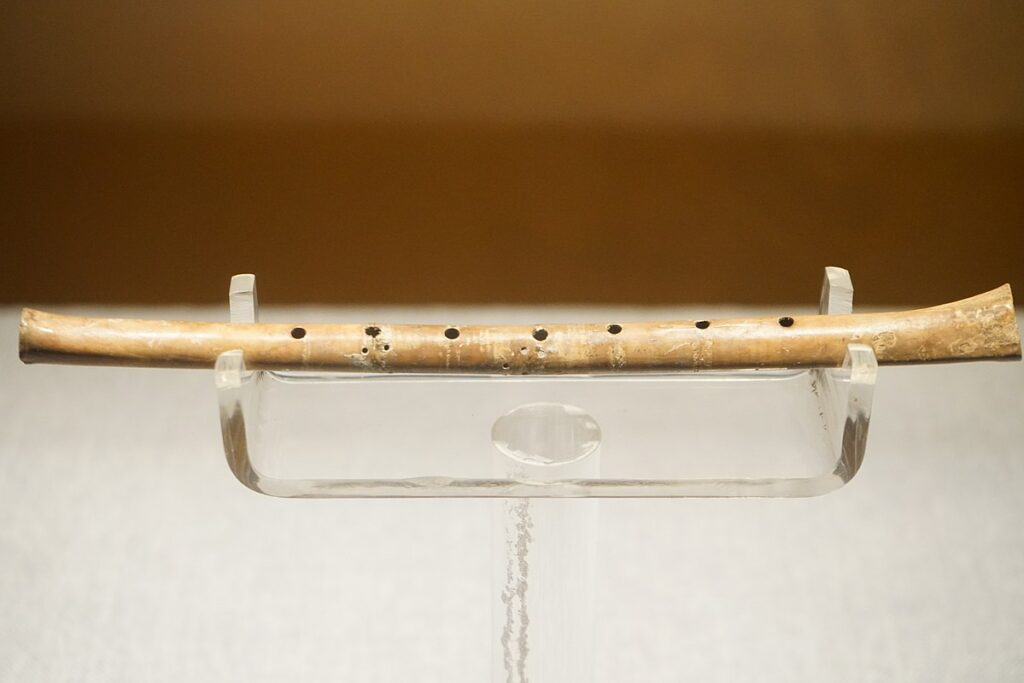
Earliest known agrarian society in the Asia zone: Located in Henan, China, Jiahu is one of the earliest sites showing comprehensive signs of early agriculture, including rice cultivation. The community also showed advanced practices like winemaking, music, and possibly writing, indicating a highly developed early agrarian society. Imagined image: This panoramic image presents the Jiahu Settlement

China: Jiahu Settlement (Agrarian) Read More »

Yonaguni Monument Terraces midpart NWW

Under Investigation: Yonaguni Monument

Possible lost city off Japan: Discovered in 1985 off the coast of Yonaguni, Japan, it has captivated archaeologists, geologists, and conspiracy theorists alike. Characterized by its monolithic, terraced structures, this submerged rock formation resembles architectural craftsmanship that some suggest could date back to around 8000 BCE, a time when global sea levels were significantly lower.

Under Investigation: Yonaguni Monument Read More »

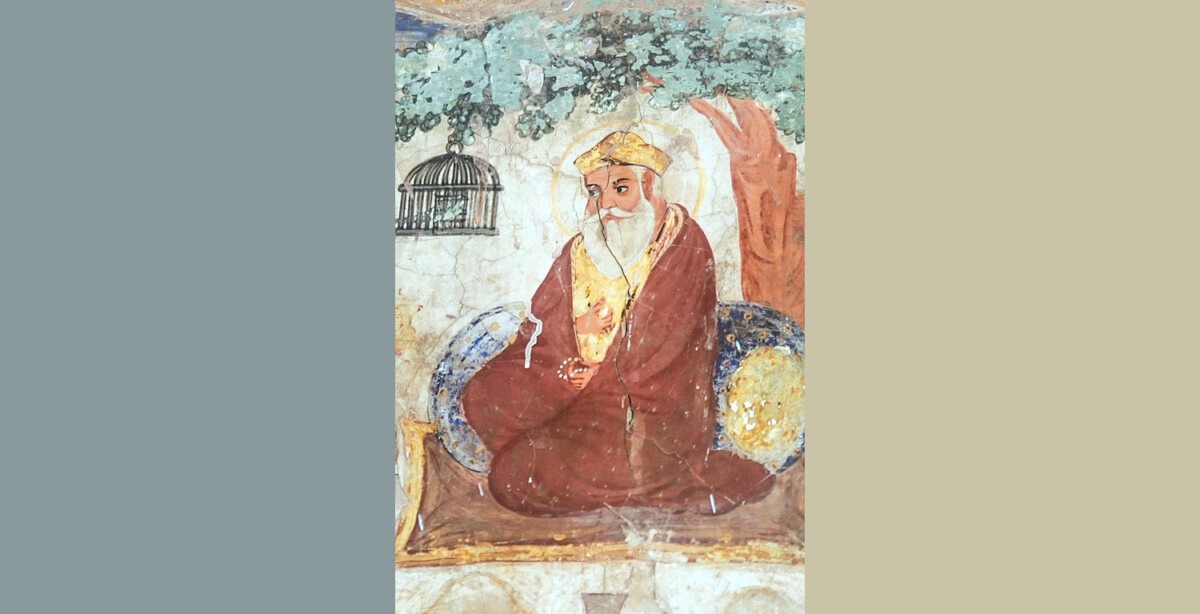
Guru Nanak

22 Generations Ago 30 Phil, Chapter 19: Guru Nanak and Sikhism Nanak was born in a village in Pakistan, on April 15, 1469. In 1499, at age 30, Nanak experienced a transformative spiritual event. While working as a storekeeper, he would often bathe in a nearby river. One fateful day, he submerged and remained missing

Guru Nanak Read More »

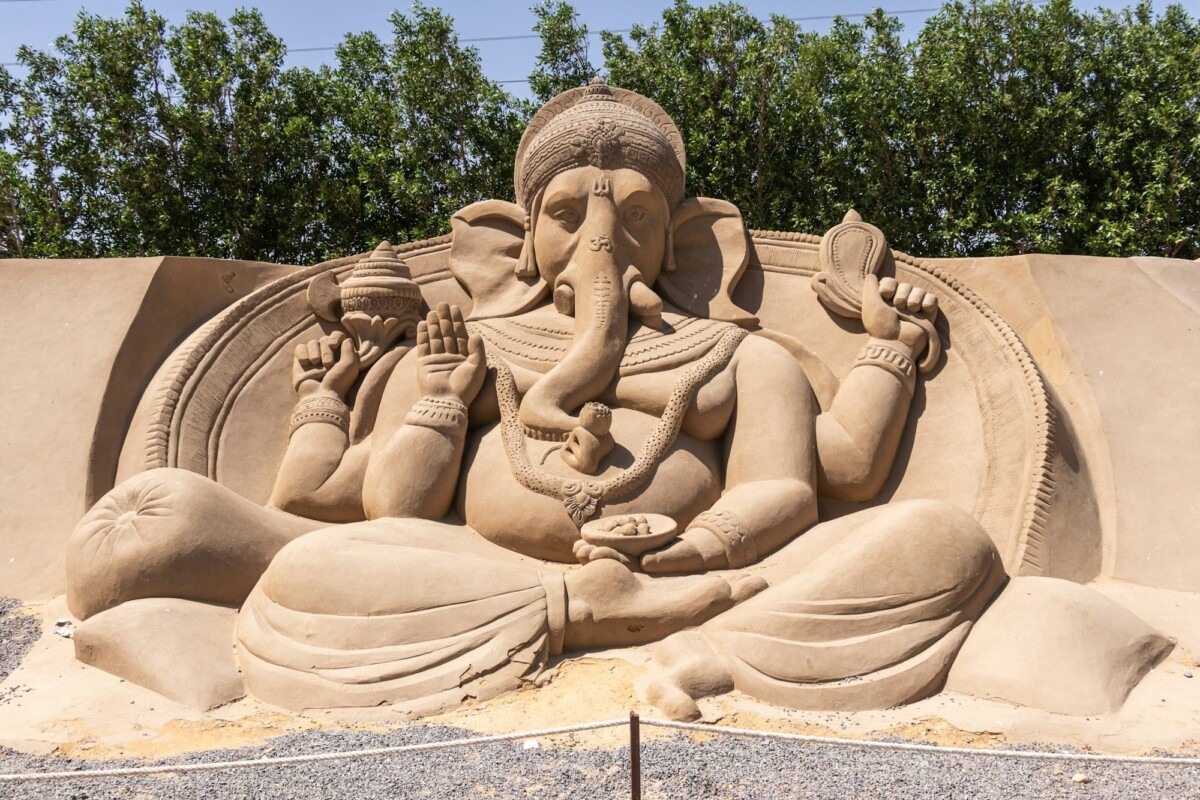
sand sculpture of Ganesha in Hinduism, the god of wisdom and well-being with the head of an elephant

Badarayana

73 Generations Ago 30 Phil, Chapter 14: Badarayana and Karma Badarayana is the sage who wrote the Brahma Sutras. Badarayana is placed at circa 200 CE, but the truth is, we don’t know when he lived. In my research, I found dates ranging from the 4th century BCE to the 4th century CE . While

Badarayana Read More »

Laozi

105 Generations Ago 30 Phil, Chapter 4: Laozi and Daoist Philosophy The life of Laozi is shrouded in mystery, but he is the first philosopher in “30 Philosophers” that attempts to construct a precise biography. The Spring and Autumn Period of China spanned nearly three centuries starting in 770 BCE, and Laozi lived about in the

Laozi Read More »

Angkor Wat

Angkor Wat

In the early 12th century, the Khmer Empire, located in what is today Cambodia, undertook one of the most ambitious architectural projects in the history of Southeast Asia: the construction of Angkor Wat. Originally dedicated to the Hindu god Vishnu, this temple complex reflects the height of Khmer architectural, artistic, and spiritual achievement. Angkor Wat

Angkor Wat Read More »

Bali Rice Fields

The Domestication of Rice

In the lush, fertile lands of the Yangtze River Valley in ancient China, early inhabitants achieved a milestone that would revolutionize human society: the domestication of rice. Around 8,000 BCE, these innovative communities began to cultivate wild rice, laying the groundwork for sedentary agriculture and complex civilizations. This agricultural breakthrough not only provided a stable

The Domestication of Rice Read More »

galaxy, cosmos, physical, science fiction wallpaper. Deep space.

RCW 86 Supernova

This supernova was observed by Chinese astronomers in 185 CE. The Chinese kept meticulous astronomical records for centuries, including observations of what modern scientists interpret as supernovae. Chinese astronomical records from 185 AD describe the appearance of a “guest star” in the constellation now known as Circinus. This guest star matches the expected location and

RCW 86 Supernova Read More »

Confucius

103 Generations Ago 30 Phil, Chapter 5: Confucius and Confucianism Confucius is remembered for his practical applied philosophy. His sayings are a reflection of many centuries of common sense sayings making his philosophy deeply Chinese. My favorite sayings: The man who knows he can, and the man who knows he cannot, are both correct. Real

Confucius Read More »

Rigveda Samhita, Veda Book 1 of 4

The Rigveda, Sanskrit for “praise knowledge”, is a collection of sacred texts of Hinduism first written down between 1700 and 1100 BCE. The sounds and texts of Rigveda have been orally transmitted since at least circa 2000 BCE. It discusses cosmology, praises deities, and covers philosophical questions including… 1.164.34: “What is the ultimate limit of

Rigveda Samhita, Veda Book 1 of 4 Read More »

Scroll to Top