


Consciousness: What is consciousness? Check out my Consciousness: From the Soul to the Abyss for an answer. The following is a reasonable timeline of the likely evolution of the traits needed for consciousness. This view demonstrates how consciousness evolved over billions of years. Since we share these consciousness traits with other animals, with the exception of convergent evolution, we can use Occam’s Razor to determine the ancestral source of traits. For those interested in a step-by-step exploration of this process, “Researching Evolutionary Traits: The Occam Approach” provides an in-depth look at the methodology.
Consciousness
Touch: Life Learns to Feel Force
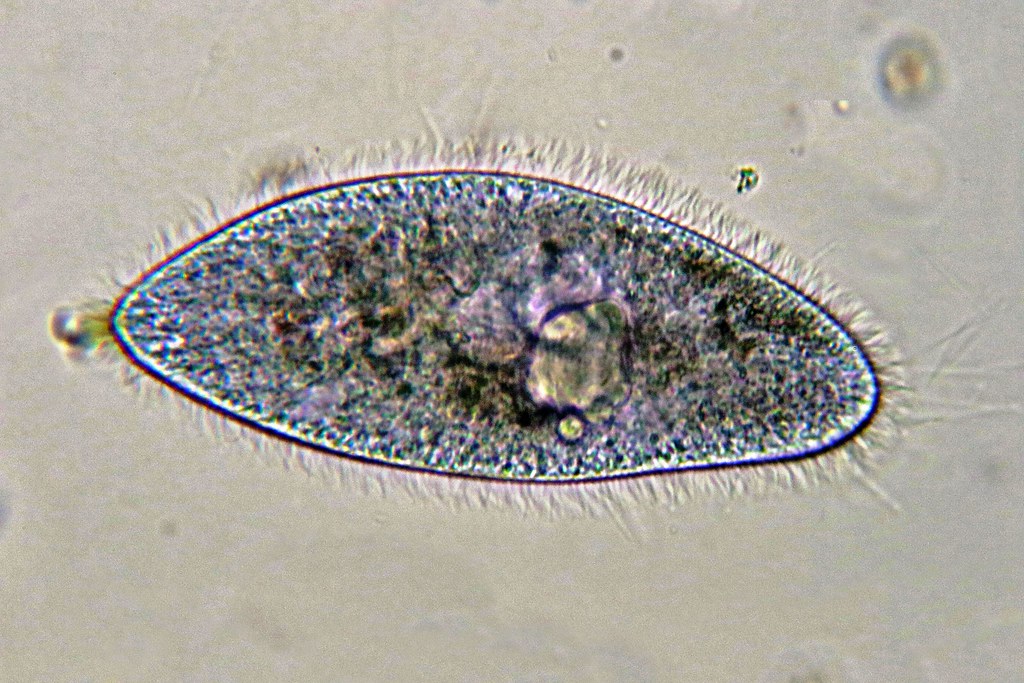
About 3.72 billion years ago, right after LUCA, when cells emerged, touch became the most ancient form of biological sensing: required to physically navigate reality.
~3.72 Billion Years Ago (after prokaryotes)
Mechanical sensitivity to pressure and membrane stretch
Presentient Animals Emerge: The Ediacaran Prelude

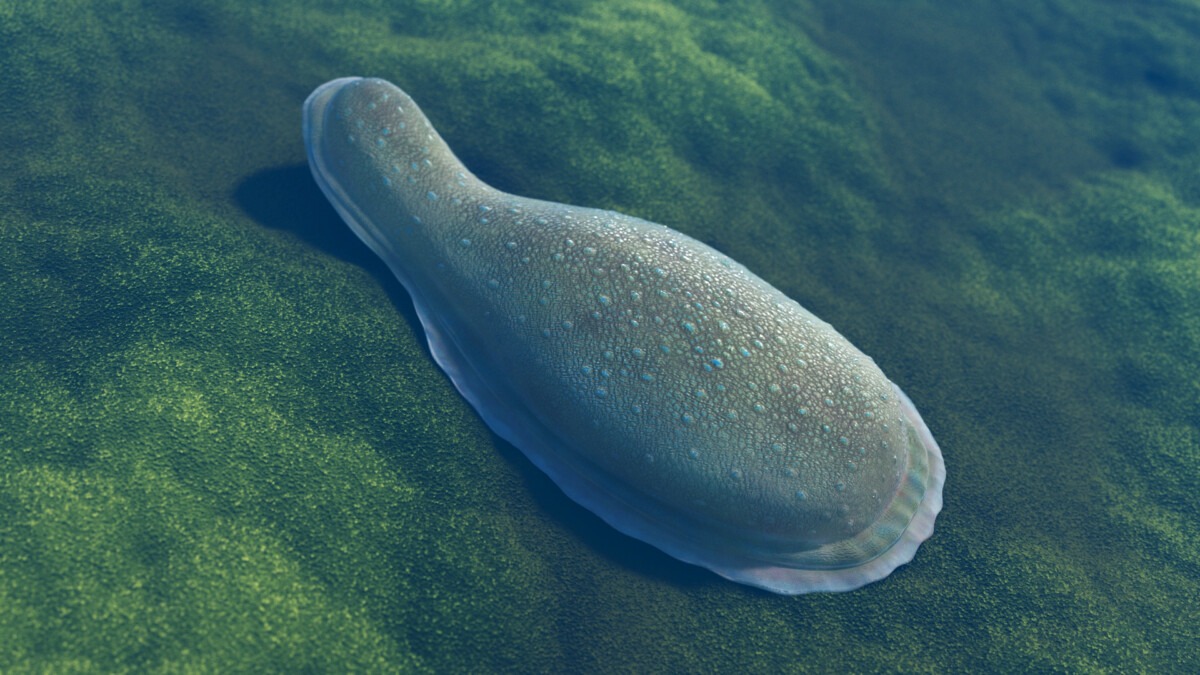
Before the Cambrian Explosion, early animal body shapes were already experimenting. Some evolved into larger, more complex forms, from frond-like patterns to disks and tubes. In this strange world, nerve nets and proto-nervous systems were beginning to appear.
635 to 590 Million Years Ago
Proto-brain; Pre-brain memory; Presentient.
Animal Chemoreception: Proto-Taste and Smell Emerge
Chemoreception is older than animals. Found across bacteria, fungi, and plants, it later became the foundation for animal taste and smell as early nerve nets and proto-nervous systems gave rise to brains.
600 Mya
Bilaterian Split: The Origin of Agency
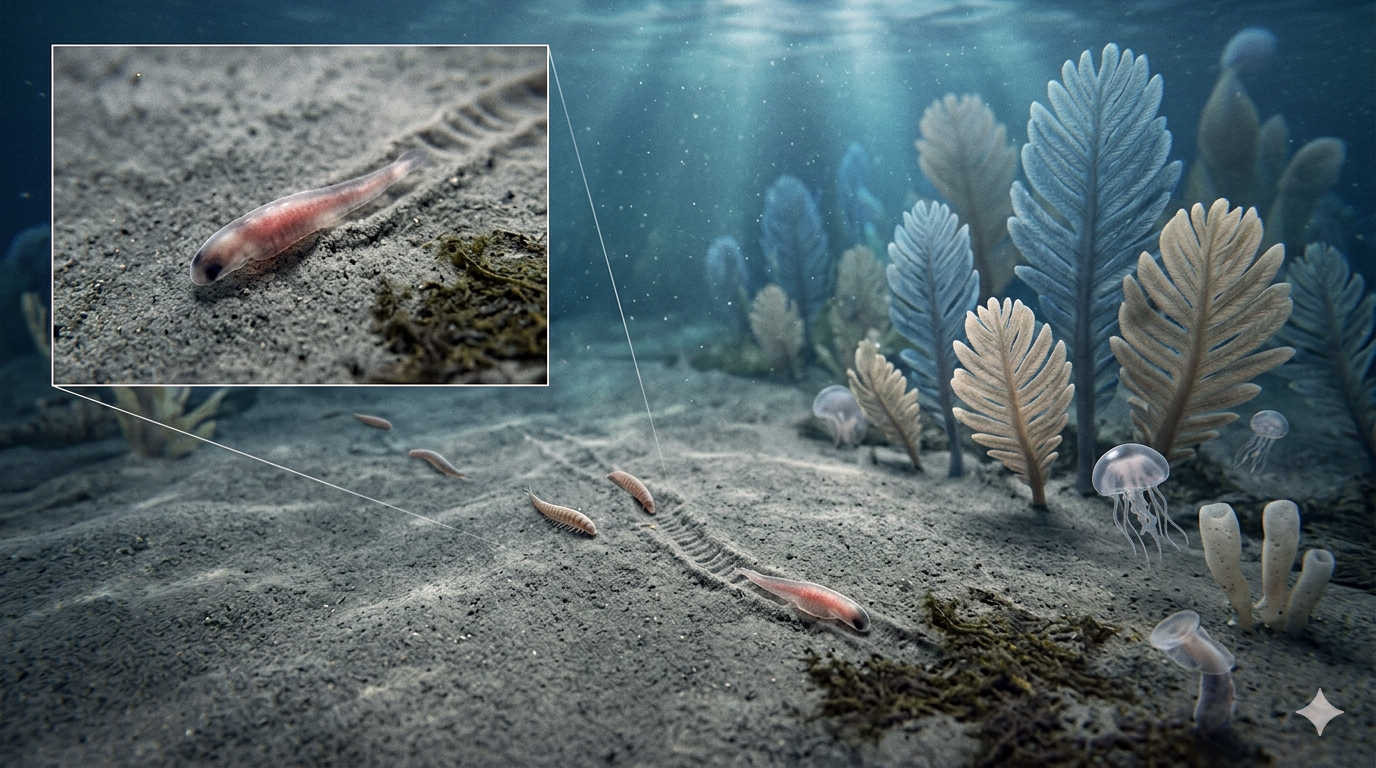
The bilaterian branch gave rise to today's arthropods, mollusks, fish, amphibians, reptiles, birds, and mammals. The significant idea is directionality. From a radial (circle) to a bilateral (line) symmetry, life transitioned from a passive "being" to an active "doing."
590 Million Years Ago (± 10 million)
Agency and directional action with intent.
Vision Emerges: The Pre-fish Chordates
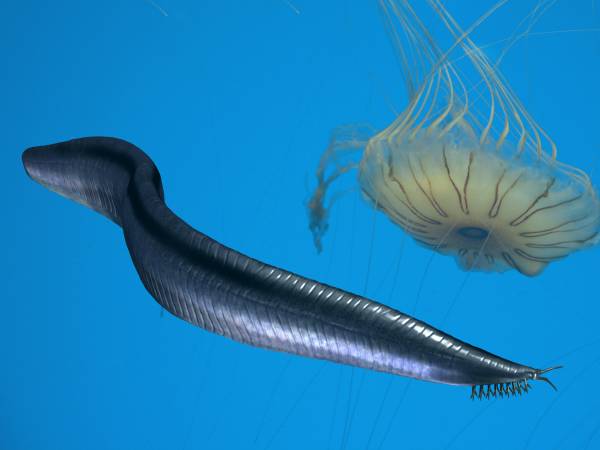
540 Mya
Vision Emerges; Proto-Simple Brains; Pre-vertebrate Cord.
Simple Sentience Settles: Haikouichthys
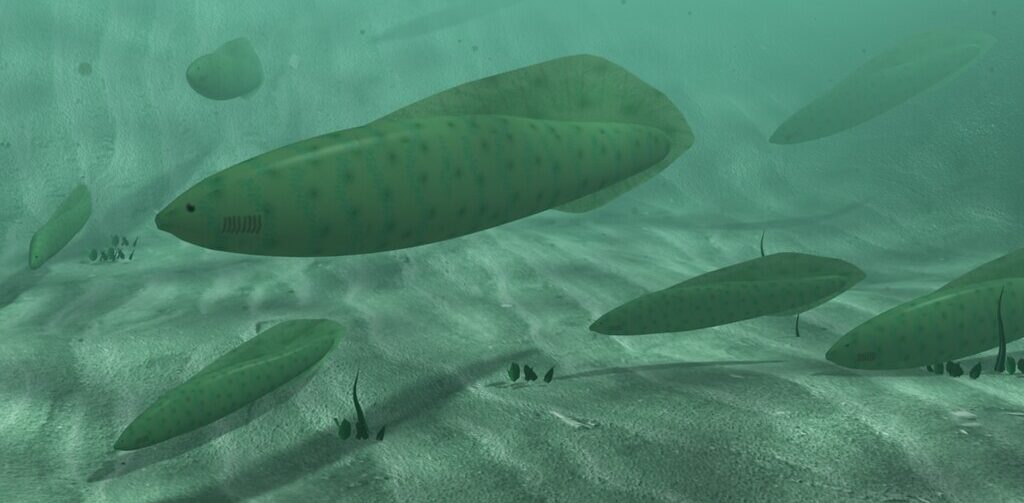
520 Million BCE
Simple Brains; Proto-Short-Term Memory; Simple Sentience.
Long-Term Memory Evolves: Tiktaalik
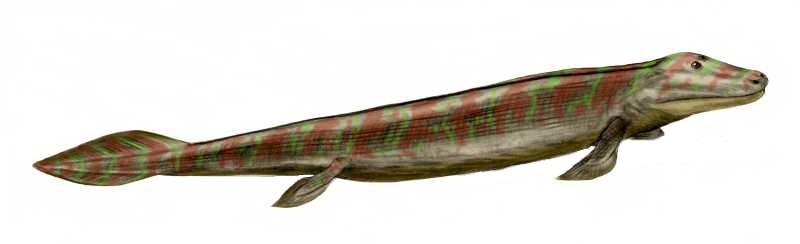
375 Mya
Complex Brains; Long-Term Memory; Simple Sentience.
Land Hearing Emerges: Amphibians
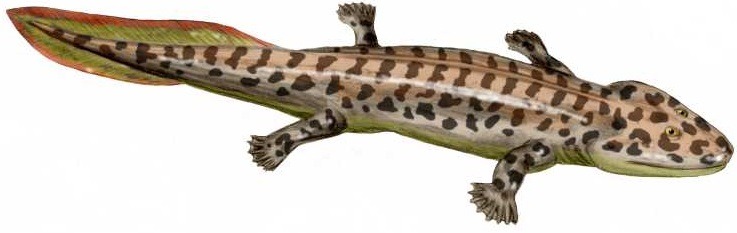
370 Mya
Land Hearing Emerges; Yet Larger Brains.
Early Complex Sentience Emerges: Dimetrodon
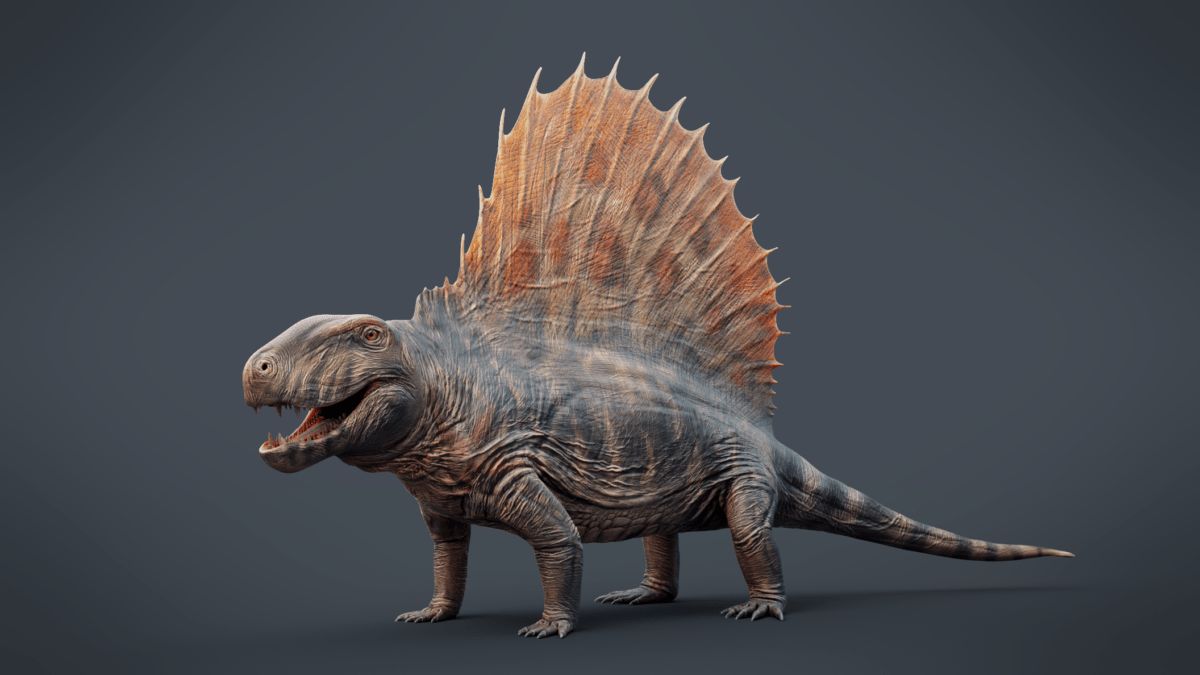
By about 280 million years ago, Dimetrodon was one of the best-known predators of the Early Permian. It stalked rivers and floodplains alongside caseid synapsids, large amphibians like Eryops, and a landscape of Calamites, Sigillaria, ferns, and early seed plants.
295 Million BCE
Complex Brains; Long-Term Memory; Early Complex Sentience.
Early Play Evolves in Mammals

Play evolved as one of the group survival traits. Lower play abilities evolved in mammals like rodents about 190 million years ago. Higer play abilities evolved in mammals like cats about 80 million years ago.
190 Million Years Ago (+/- 10 million years)
Parental care, brain plasticity, extended juvenile period
Complex Sentience Settles: Eomaia scansoria
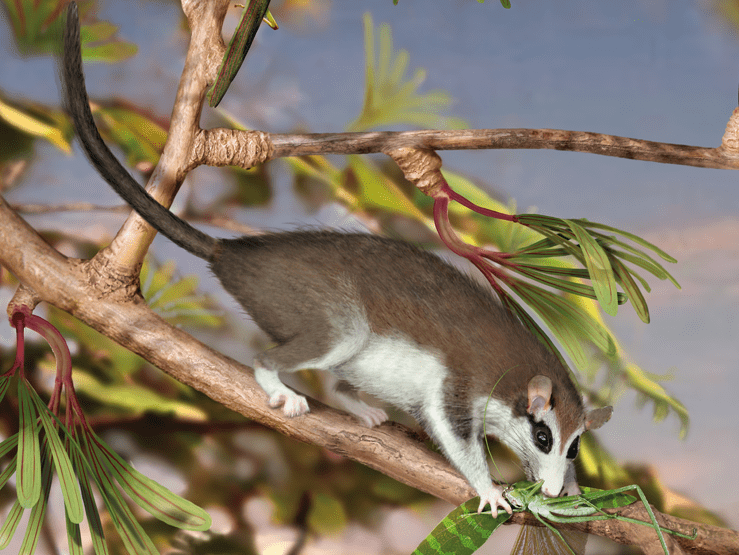
The rise of Eomaia scansoria, an early placental mammal, marks a definitive leap towards "Complex Sentience" in the evolutionary saga leading to humans. It's also plausible that it possessed a foundational level of self-awareness, or what can be termed as Proto Self-awareness. A rudimentary sense of self.
circa 125 Million BCE
Complex Brains; Long-Term Memory; Complex Sentience; Likely Proto Self-aware.
Higher Play Evolves in Social Mammals

Play evolved as one of the group survival traits. Lower play abilities evolved in mammals like rodents about 190 million years ago. Higer play abilities evolved in mammals like cats about 80 million years ago.
80 Million Years Ago (+/- 10 million years)
Enlarged neocortex
Early Self-Awareness: Miacis

Emerging in the lush forests of the Eocene, Miacis signifies an experimental moment in the evolution of cognitive abilities among mammals. As a basal member of the Carnivora, this small, tree-dwelling creature exhibited behaviors and social dynamics suggesting the early stages of self-awareness.
50 Million Years Ago
Territory memory, where things are, hippocampus development
Early Intelligence Emerges: Aegyptopithecus zeuxis
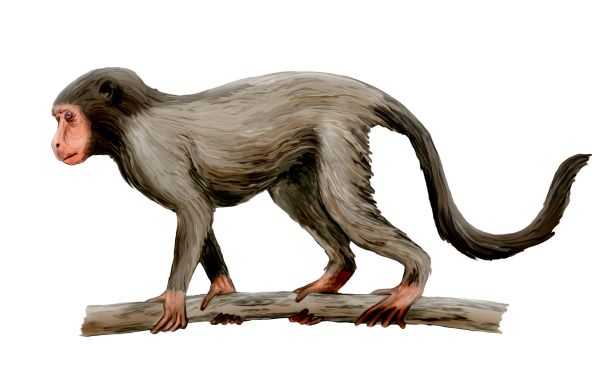
True Primate: Within mammals, only primates have binocular vision, grasping hands, and flat nails--instead of claws.
30 Million BCE
Complex Brains; Long-Term Memory; Complex Sentience; Semi Self-awareness settles in.
Genus Proconsul (Self-Awareness Settles)
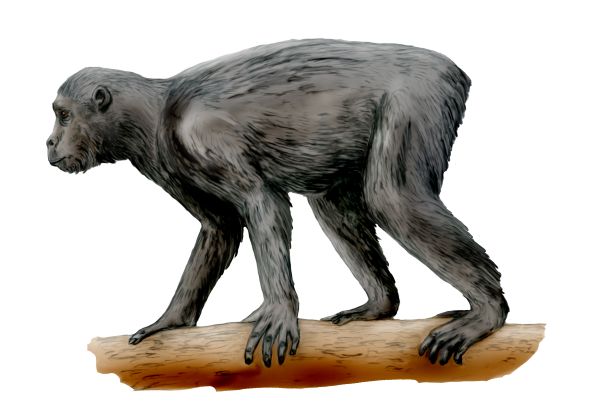
Great Apes LCA candidate: Proconsul, an inhabitant of the Miocene forests in East Africa, stands as a landmark in the evolutionary journey toward self-awareness.
20 Million Year Ago (+/- 2 Million Years)
Complex Brains; Long-Term Memory; Complex Sentience; Maybe Self-aware; Likely Simple EI.
Great Apes: Medicine Emerges
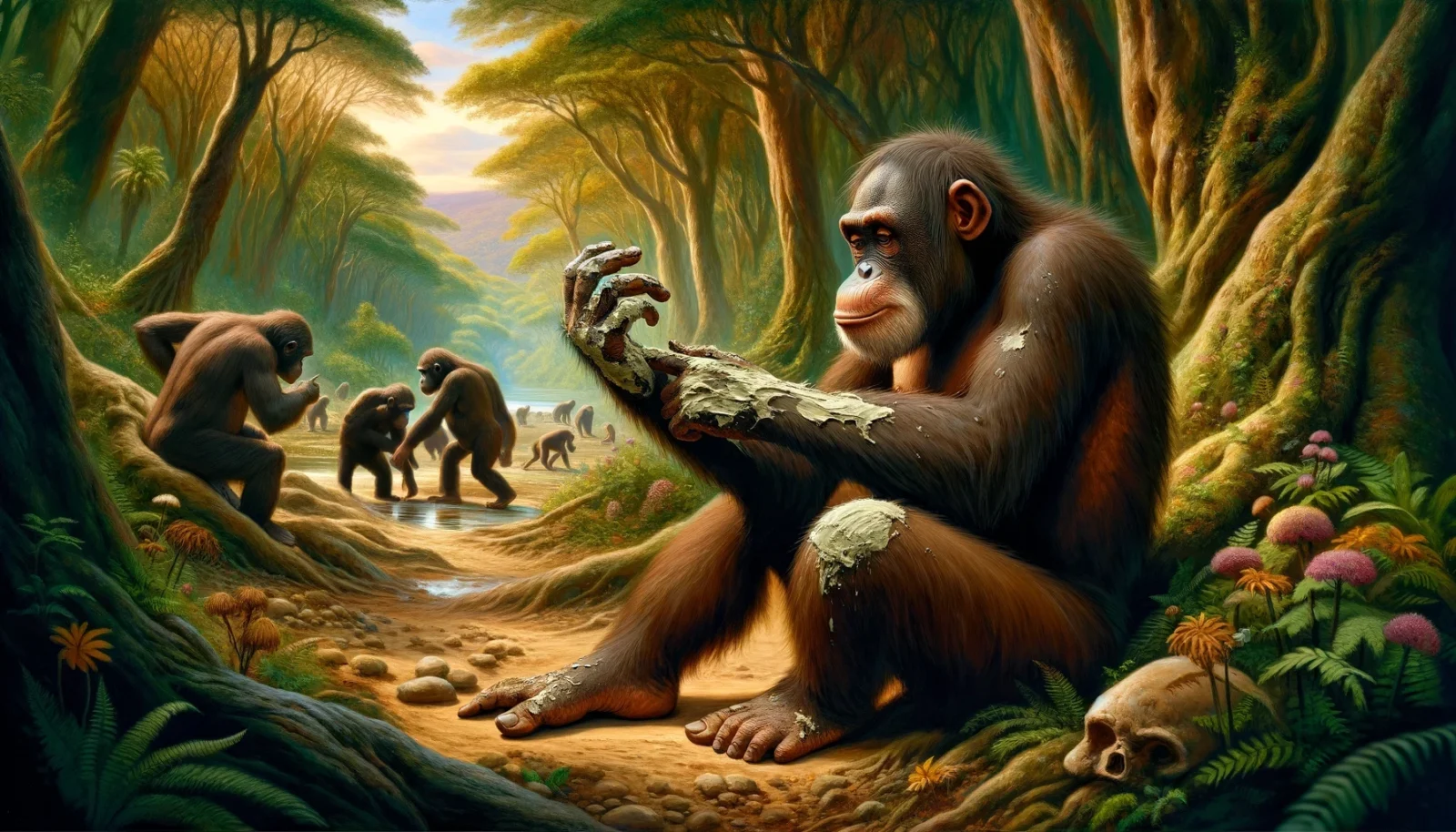
By about 18 million years ago, the great apes could experience time the way we do. They remember the past while living in the present and anticipating the future. In this case, an early great ape is applying mud to a wound he just experienced while anticipating the mud will soothe the pain and help him feel better in the future.
18 Million Years Ago, ± 3 million years
Causal reasoning, Early prefrontal integration
Genus Kenyapithecus: EI Emerges
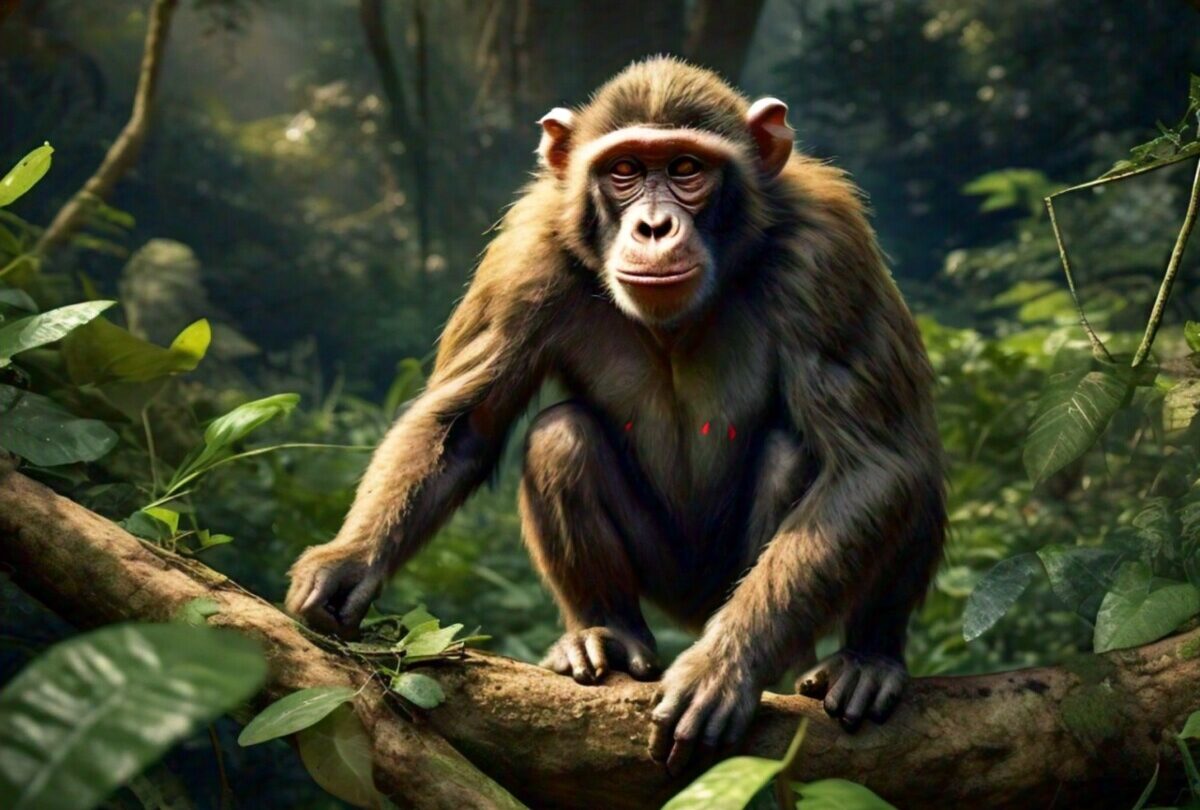
Emotional intelligence did not begin with humans. Its roots reach deep into the great ape line, where survival depended not only on strength or instinct, but on noticing others, managing reactions, and living inside social relationships. In Kenyapithecus, we may be looking near the dawn of that deeper emotional world.
Lived 16 to 14 Million Years Ago
Prefrontal–limbic integration, Reading others, Modulating reaction
Laughter Emerges

The roots of laughter can be traced back to our common ancestors with other great apes, living around 10 to 15 million years ago. Before this time, the time when emotional intelligence evolved, laughter as we know it did not exist.
14.5 Million Years Ago (+/- 2 million)
Limbic vocalization pathways, Breath control
Genus Dryopithecus: Cultural Transmission Emerges
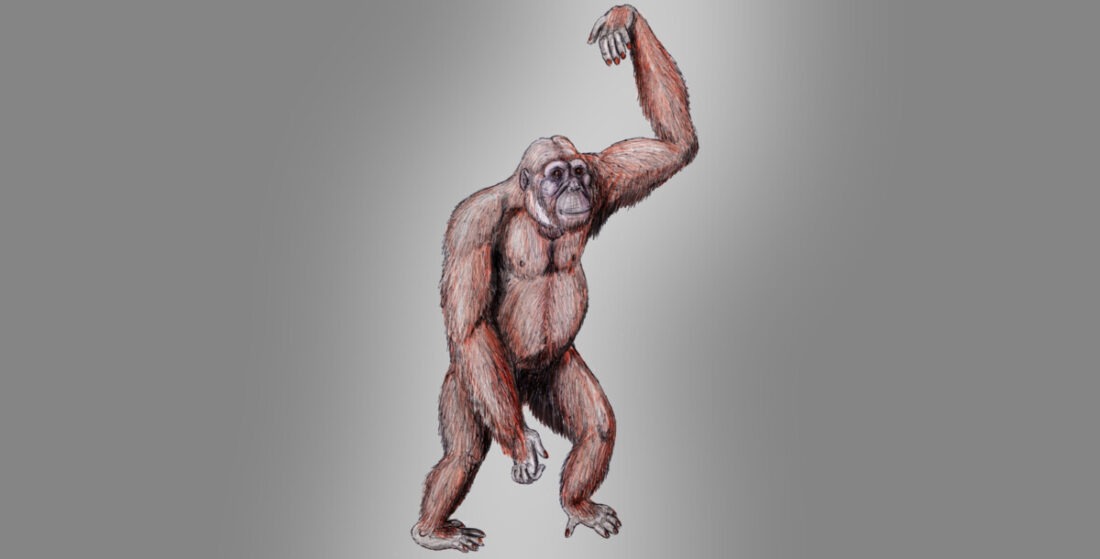
Around 13 million years ago, Dryopithecus lived among the branches of Miocene forests. Young apes learned by watching adults: what to eat, where to climb, who to trust, and how to survive.
Emerged 13 mya, extinct 9 to 7 mya
Cultural Transmission
Collective Learning Emerges

Collective learning, where a parent teaches a child, started long before primates, but something like our modern approach to showing our young how to live likely started about 3 million years ago, perhaps wit a species like australopithecus in a place like Kenya, Africa.
3.3 Million Years Ago
Homo habilis: Our Intelligence Settles.
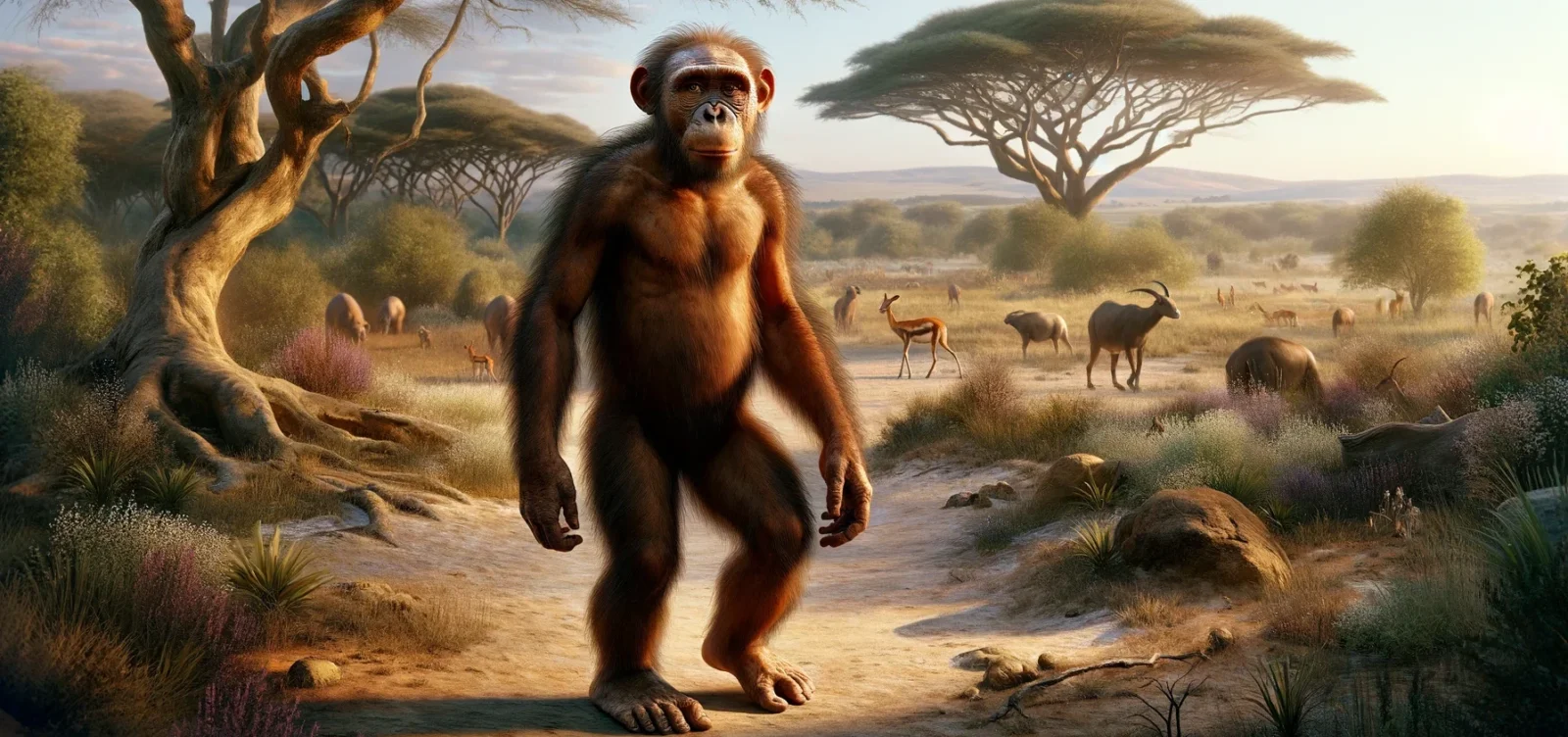
Handy man is the nickname for Homo habilis, based on its association with tool use.
2.3 Million BCE
92,000 Generations Ago
First Proto-Containers

Imagined Image: A collection of early hominin tools and natural containers showing primitive ingenuity. Items like this may have been used as early as 2 million years ago. From left to right: 1) A large leaf used to carry figs, symbolizing the earliest forms of portable storage. 2) A large shell serving as a collector of small items, highlighting the use of found objects for gathering. 3) A naturally hollowed-out piece of wood filled with root vegetables, demonstrating the use of natural formations as functional tools. 4) A piece of animal hide displaying simple tools like flint and a sharpened stick, illustrating the early development of tool-making and preparation skills.
2 Million Years Ago
Emergence of Early Hominin Shelters
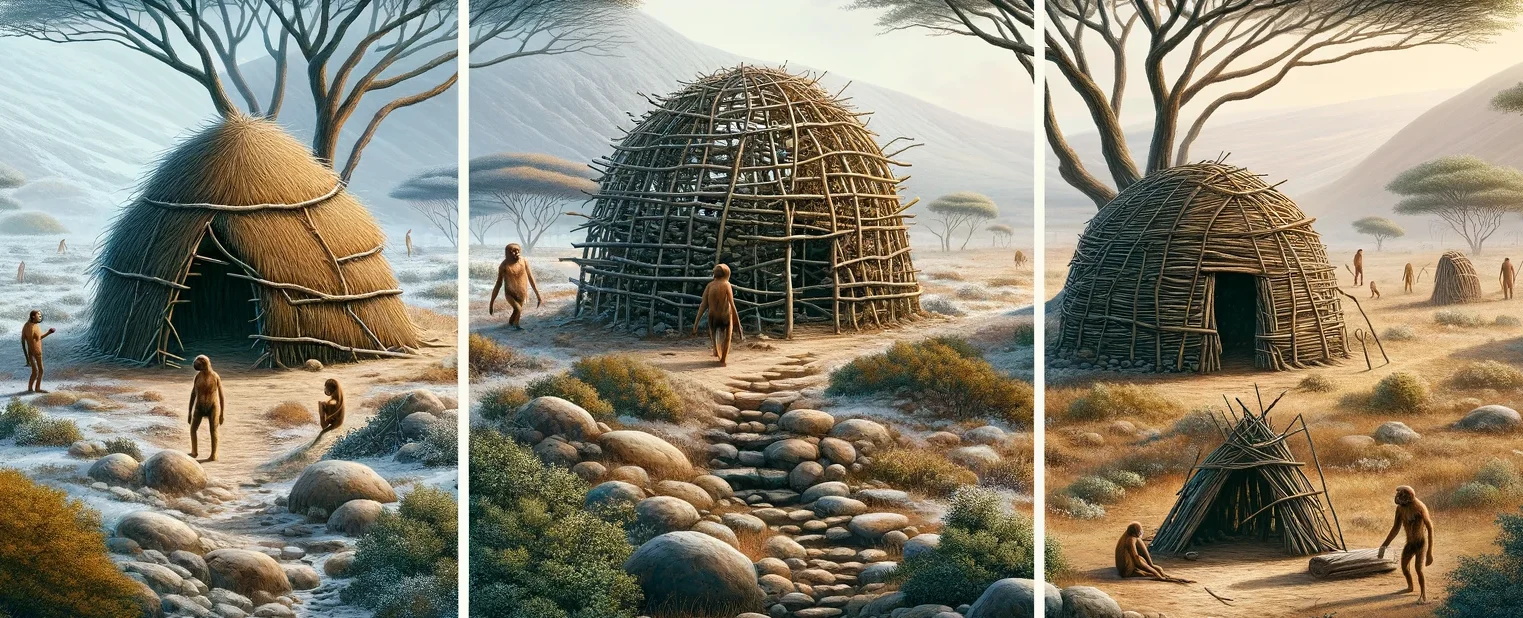
Imagined image: three types of early shelters that Homo erectus might have constructed. 1) Simple Lean-to: Made from branches and large leaves, providing basic protection against elements. 2) Structured Windbreak: Constructed with tightly packed branches and possibly covered with animal hides for better insulation.
3) Rudimentary Hut-like Structure: Using interwoven branches and vines, with a base of large stones to anchor it.
1.8 Million Years Ago (+/- 500,000 years)
Full Emotional Intelligence Emerges
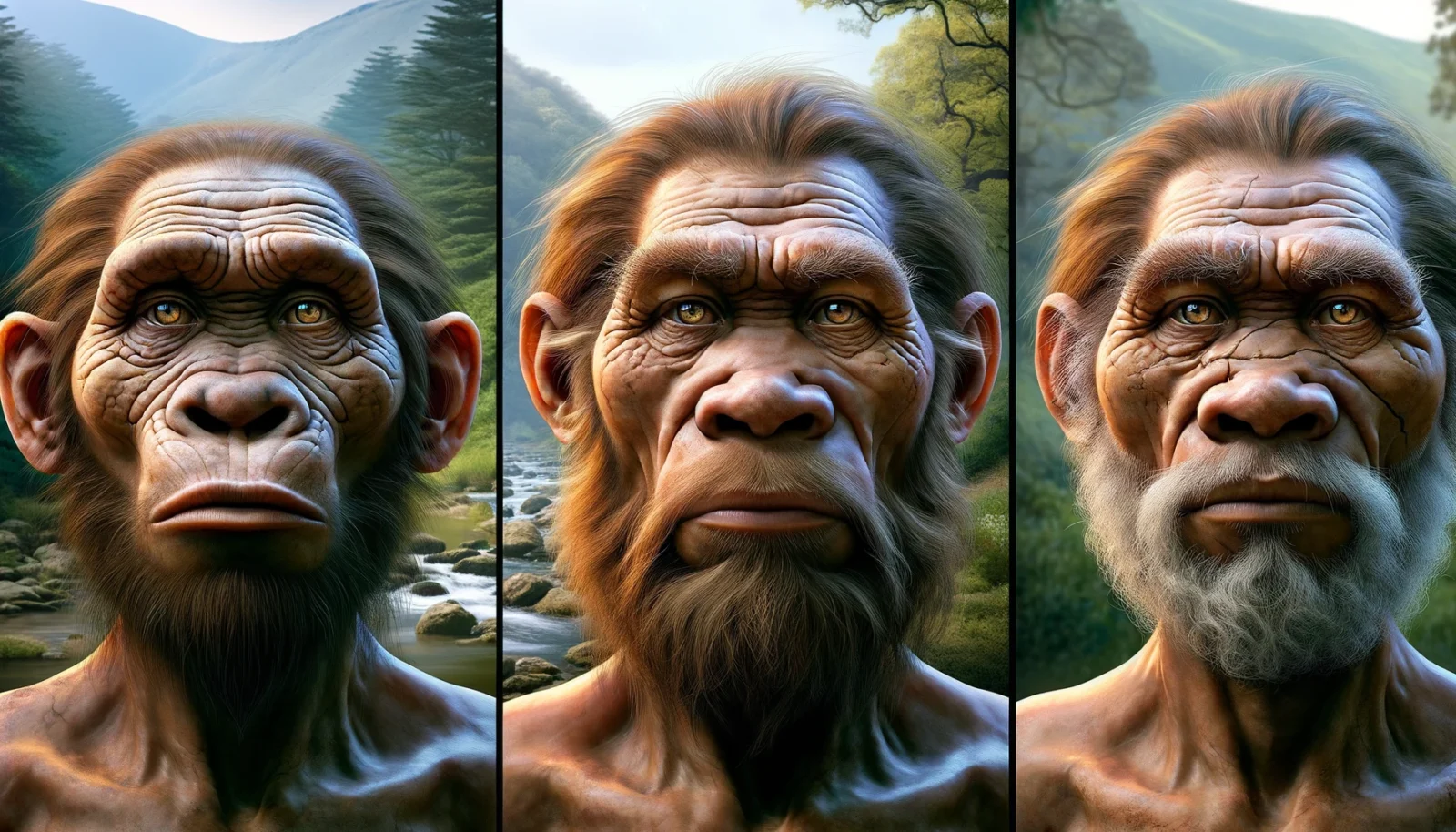
700,000 Years Ago
Hyoid Bone: Speach Emerges
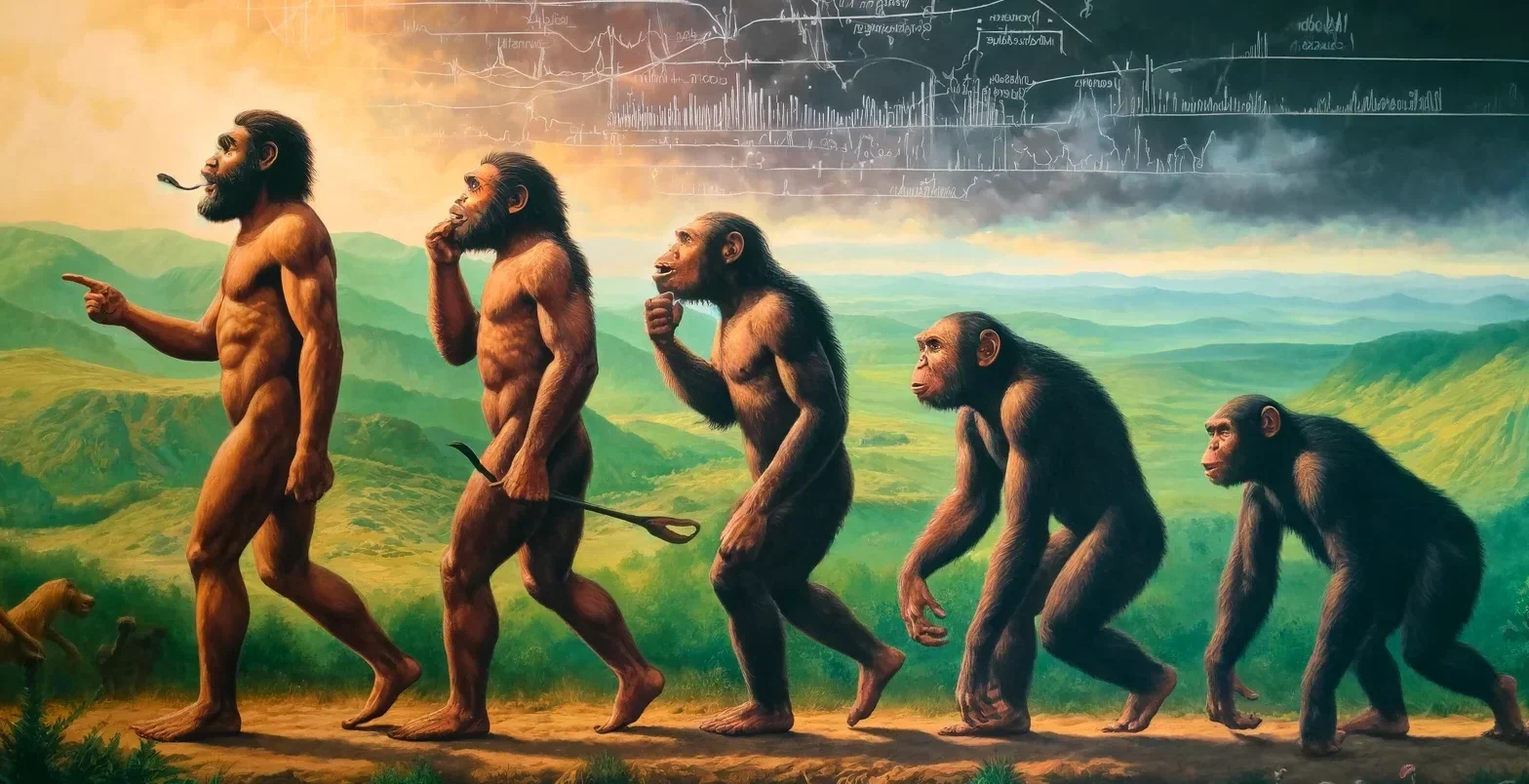
Imagined image depicting the evolution of vocalization and early speech in hominins. The illustration features Homo habilis, Homo erectus, and Homo heidelbergensis, each represented in a context that corresponds to their stage of communication development. This visual captures the progression from simple vocal sounds to more structured speech-like communications as these species evolved.
700,000 BCE
Transcendental Intelligence Emerges
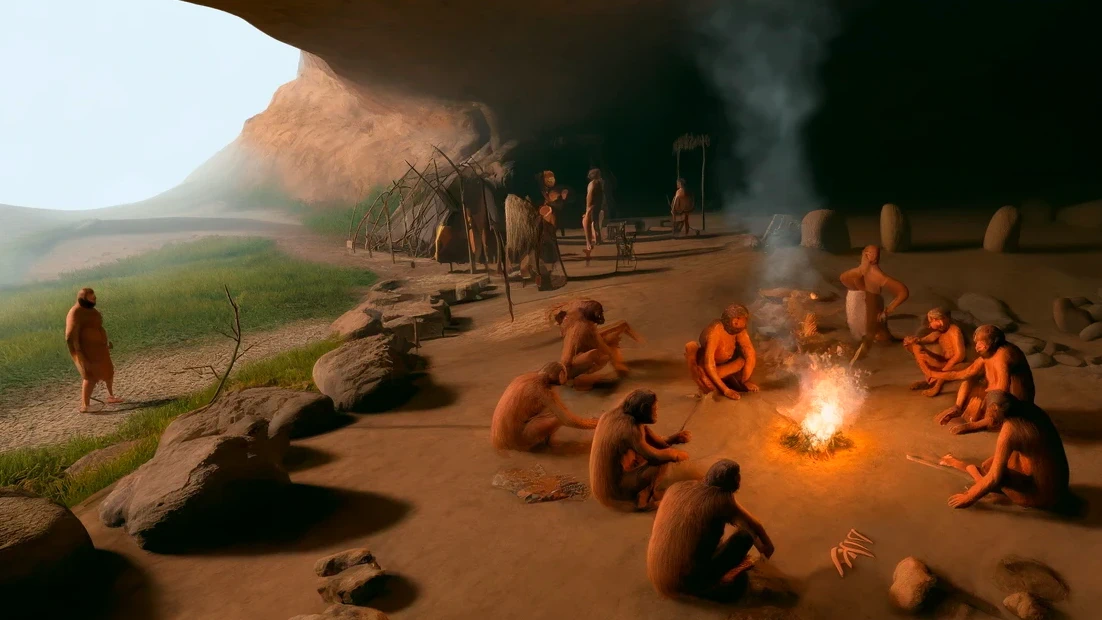
475,000 Years Ago
Homo Sapiens: Advanced Transcendental Intelligence
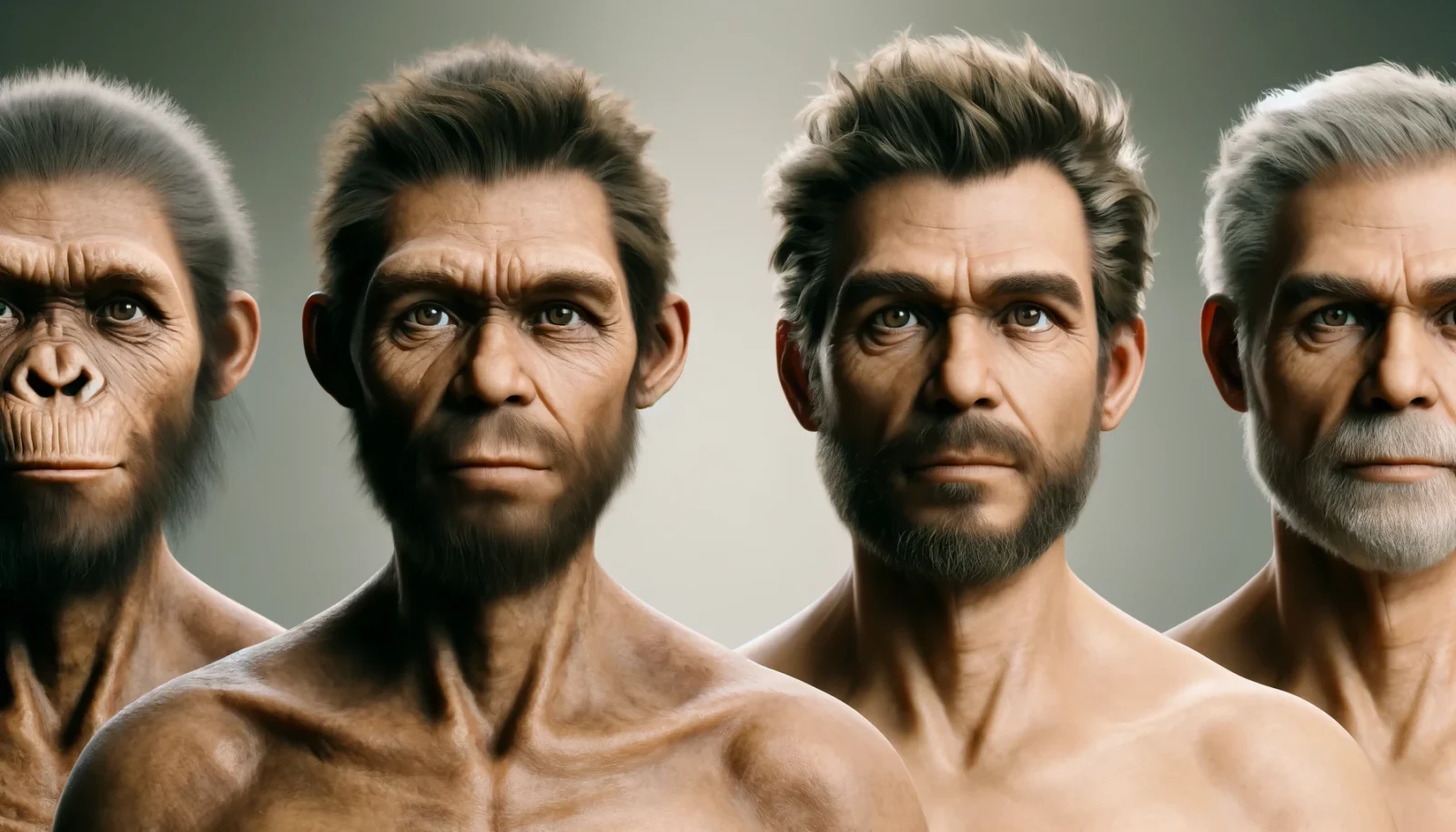
Imagined image: two Homo sapiens males from different stages of human evolution are featured. The first figure represents Homo sapiens from about 300,000 years ago, and the second from about 100,000 years ago, each with distinct features representative of their times.
315,000 BCE