
Ginkgo biloba-like Trees: True Leaves
Ginkgo represents an ancient seed-plant lineage going back 270 million years ago.
Ginkgo biloba-like Trees: True Leaves Read More »


Ginkgo represents an ancient seed-plant lineage going back 270 million years ago.
Ginkgo biloba-like Trees: True Leaves Read More »
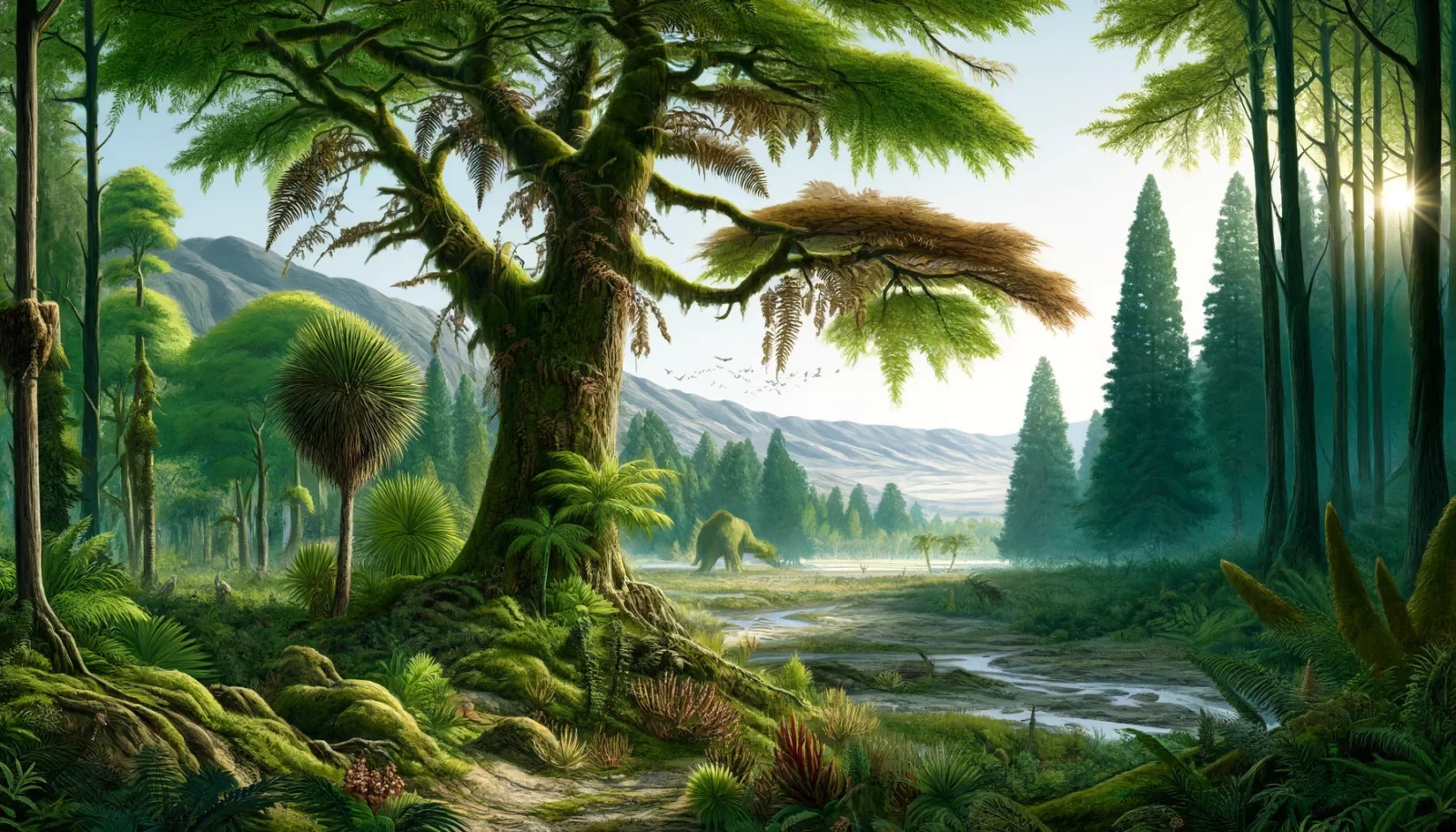
About 385 million years ago is when trees started to emerge, distinguished by their secondary growth wood and deep roots.
First True Trees: Spore Reproduction Read More »

30 Phil, Chapter 1 Touchstone 3: Evolution. In 1859, the naturalist Charles Darwin revolutionized the scientific world with his seminal publication, “On the Origin of Species.” In it he formulated his scientific theory of evolution by natural selection. The process by which new species arise is well-understood. It proposed that changes in species occur gradually over time. With each generation,
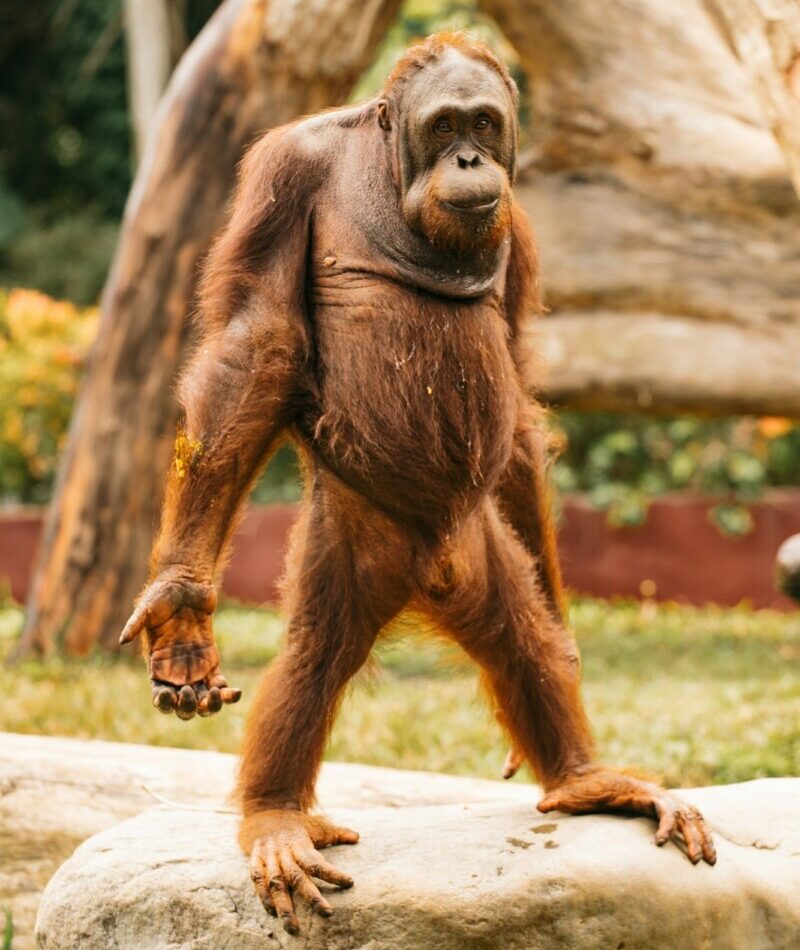
Our last comman ancestor of all known great apes lived about 16.5 mya. The orangatan branch split off about 12 mya. After that split the orangatan branch split several more tiimes. The modern orangatan species, the last split of this branch, emerged about 400,000 years ago. Orangutans (genus Pongo) are great apes native to Indonesia
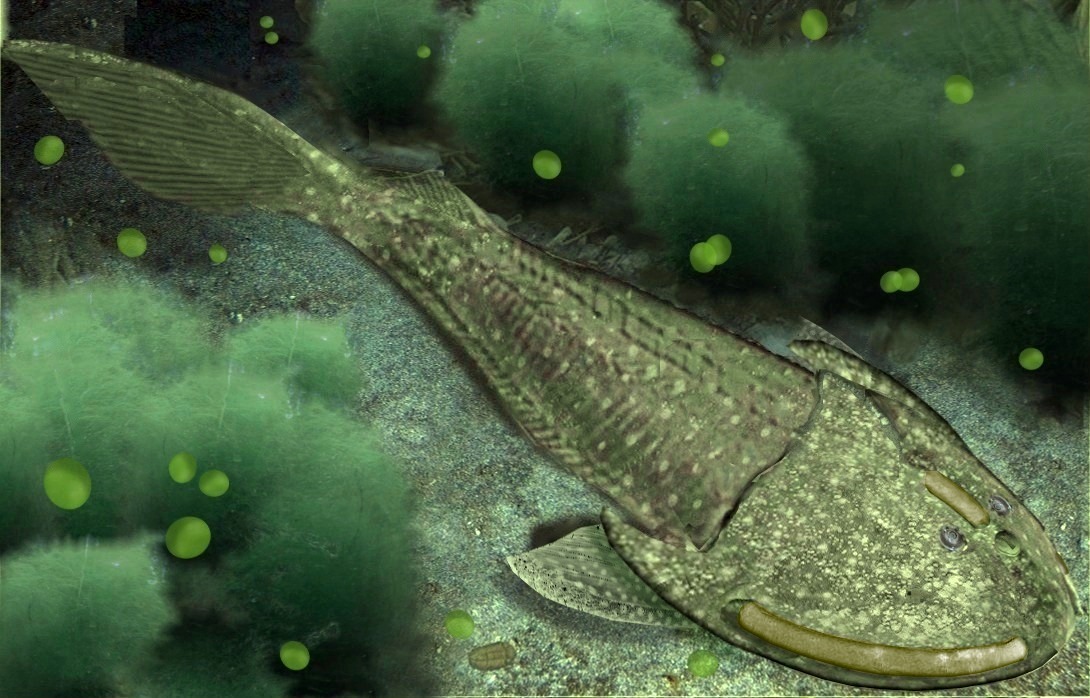
These early scales provided a vital protective layer, acting like underwater armor against predators, abrasions, and environmental threats. The keratin genes that led to scales are an interesting part of our story. When amphibians evolved onto land, scales near the tips of their evolving toes transformed into thicker protection and traction, eventually giving rise to
Keratin Genes & the Rise of Scales in Fish Read More »

GOE: The Great Oxidation Event started enriching the atmosphere with oxygen beginning around 2.4 billion years ago. It marked one of Earth’s most dramatic transformations. Initiated by the widespread activity of photosynthetic cyanobacteria, this period, known as the Great Oxidation Event, gradually saw the accumulation of oxygen that was initially absorbed by oceanic iron. As
Third Atmosphere: Oxygen Atmosphere Read More »

The process of salination likely began soon after the oceans formed but took hundreds of millions of years to reach the salinity levels similar to what we see today. The oceans were likely significantly salty by about 3.5 billion years ago. Salinity increased primarily through the weathering of rocks and the leaching of minerals (including
Second Oceans: From Fresh to Salty Read More »
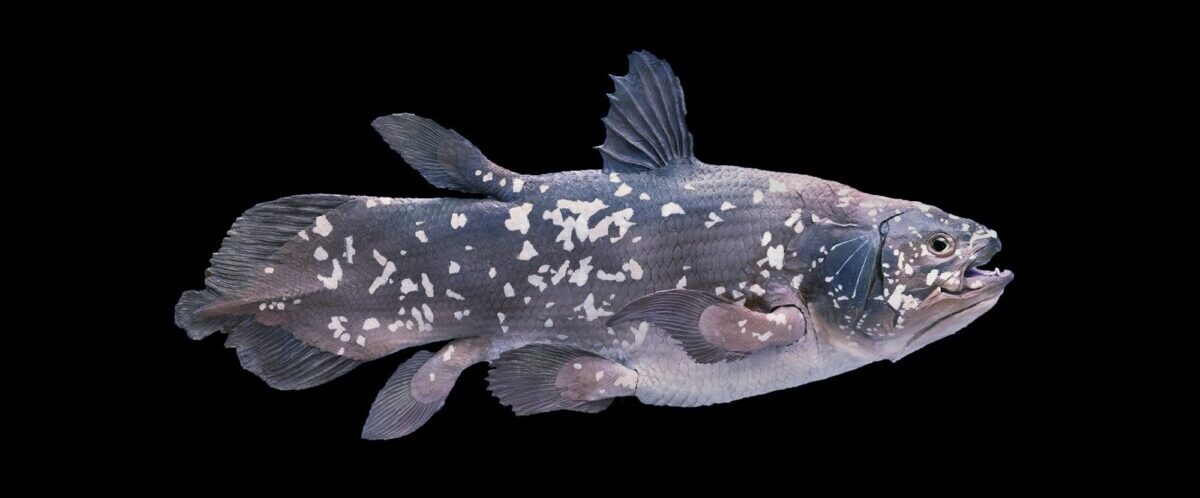
The Dawn of Lungs: In the oxygen-poor waters of the Devonian period, roughly 400 million years ago, or a bit earlier. It was a significant evolutionary leap. A group known as Sarcopterygii were presentd with a formidable challenge in ancient waters that were shallow and variable. It was here that the first lungs emerged. Evolving
Lungs Evolve: Lobe-Finned Fish and the Lungfish Ancestor Read More »

The Dawn of Photosynthesis and the Oxygenation of Earth: Around 2.4 billion years ago cyanobacteria emerged, the architects of the planet’s first photosynthetic processes. These microscopic prokaryotes harnessed the Sun’s energy, transforming it along with water and carbon dioxide into glucose and, crucially, oxygen. This period, known as the Great Oxidation Event, marked a dramatic
Cyanobacteria: Sun Energy as Food! Read More »
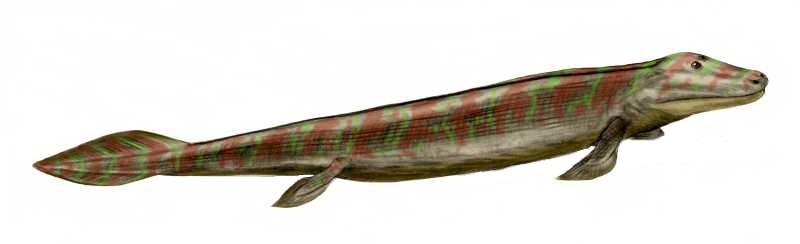
Long-Term Memory: By about 375 million years ago, the foundations for long-term memory were likely established among the more complex vertebrates, facilitating survival in increasingly varied and challenging environments. Tiktaalik is a prime example of this evolutionary milestone. It is an extraordinary creature that bridged the gap between aquatic fish and amphibians. With its forward-facing
Long-Term Memory Evolves: Tiktaalik Read More »
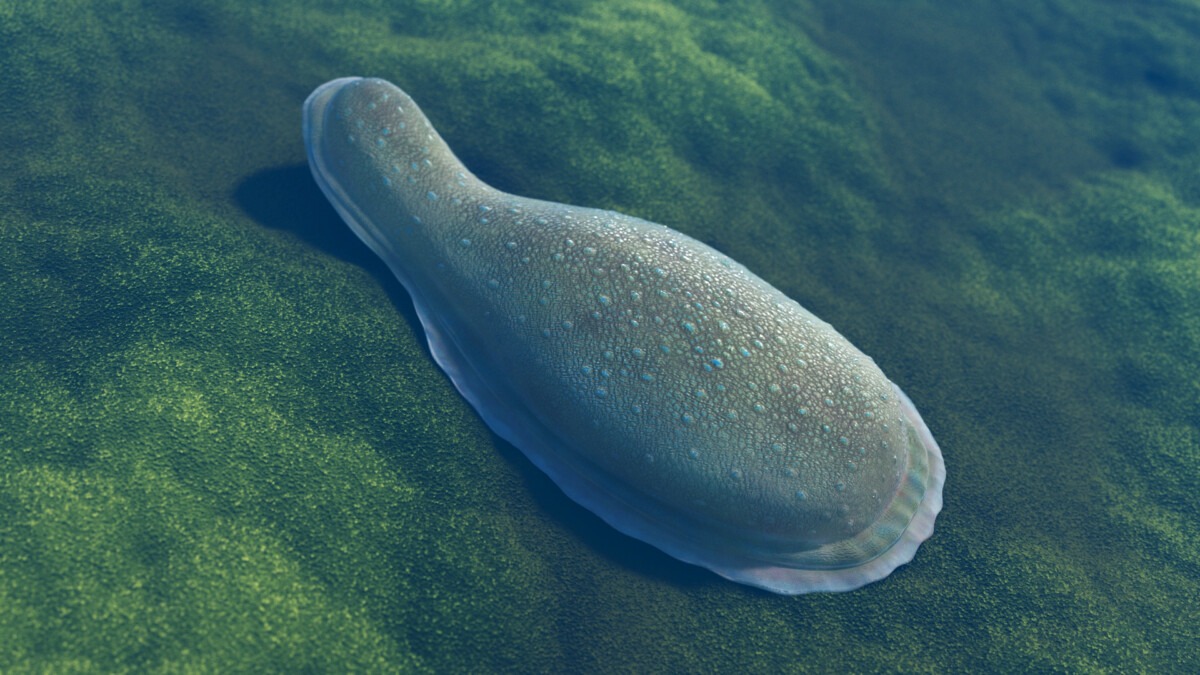
Chemoreception, the ability to detect chemical stimuli, likely emerged around 600 million years ago among some of the earliest soft-bodied multicellular organisms. This evolutionary leap did not necessarily require a proto- or pre-brain in the complex sense associated with later animals but rather relied on cellular mechanisms capable of processing chemical information. These early forms
Chemoreception: Taste and Smell Emerge Read More »
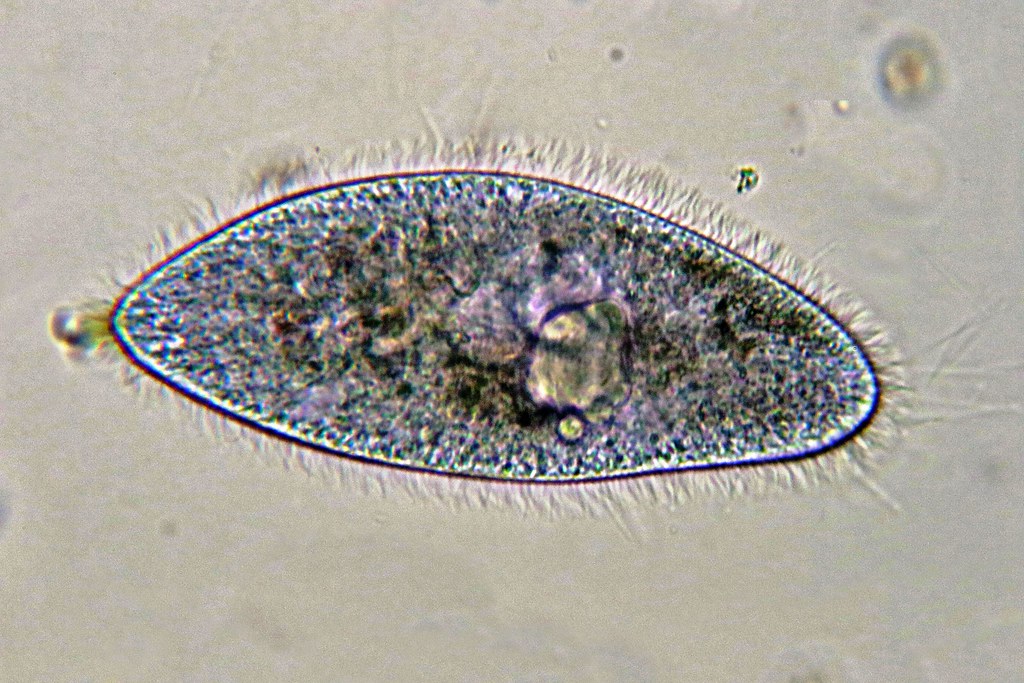
About 3.72 billion years ago, right after LUCA, when cells emerged, touch became the most ancient form of biological sensing: required to physically navigate reality.
Touch: Life Learns to Feel Force Read More »
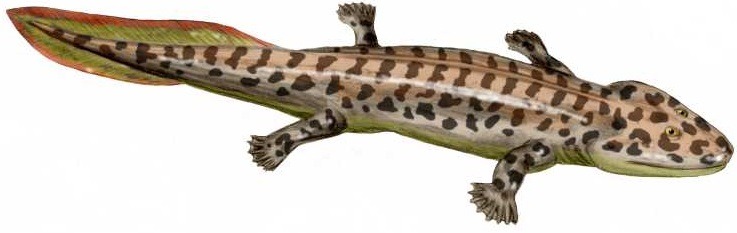
Hearing, which initially appeared in early fish, underwent a remarkable transformation as vertebrates transitioned to terrestrial life a bit after 400 million years ago. Early forms of hearing involved simple pressure-sensitive cells that could detect vibrations in water. As amphibians moved onto land, rudimentary hearing evolved into processing airborne sound. This transition further drove the
Land Hearing Emerges: Amphibians Read More »
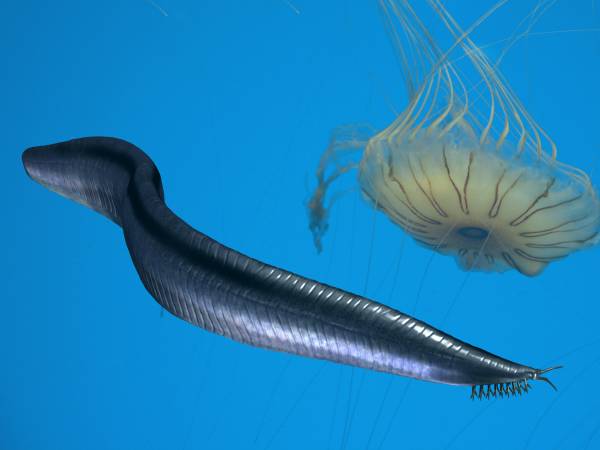
Vision evolved as early as 540 million years ago during the Cambrian explosion. The ability to see, alongside the development of hearing, provided organisms with the evolutionary advantage of sensing their environment from a distance. This sensory evolution necessitated the development of larger brains for the complex processing of visual data, marking a pivotal moment
Vision Emerges: The Pre-fish Chordates Read More »
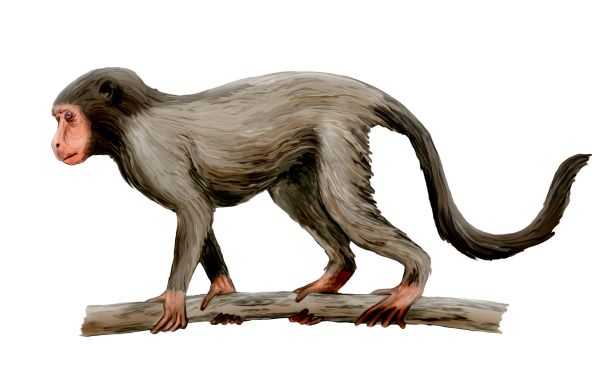
True Primate: Within mammals, only primates have binocular vision, grasping hands, and flat nails–instead of claws. Intelligent: Within the dense forests of the Oligocene epoch, Aegyptopithecus zeuxis marked a significant advance in the evolution of intelligence among primates. As an early forerunner to both the great apes and humans, Aegyptopithecus possessed adaptations crucial for enhanced
Early Intelligence Emerges: Aegyptopithecus zeuxis Read More »
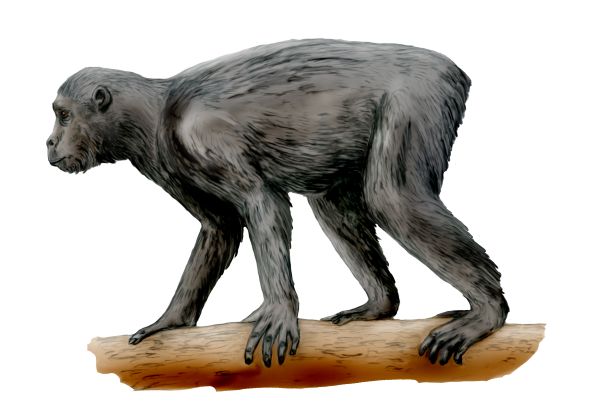
800,000 Generations Ago The last common ancestor with humans and gibbons lived around 20 mya. Great Apes LCA candidate: Proconsul, an inhabitant of the Miocene forests in East Africa, stands as a landmark in the evolutionary journey toward self-awareness. This early ape lacked a tail and exhibited a mixture of arboreal and terrestrial traits, providing
Genus Proconsul (Self-Awareness Settles) Read More »
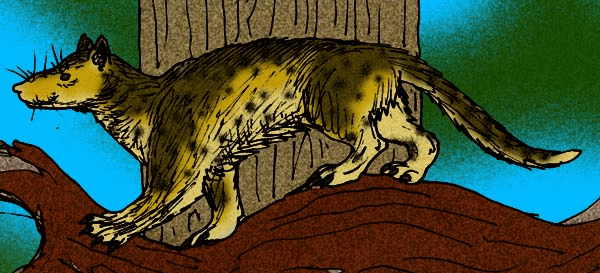
Emerging in the lush forests of the Eocene, Miacis signifies a pivotal moment in the evolution of cognitive abilities among mammals. As a basal member of the Carnivora, this small, tree-dwelling creature exhibited behaviors and social dynamics suggesting the early stages of self-awareness. Though not akin to the self-recognition seen in humans or other highly
Early Self-Awareness: Miacis Read More »
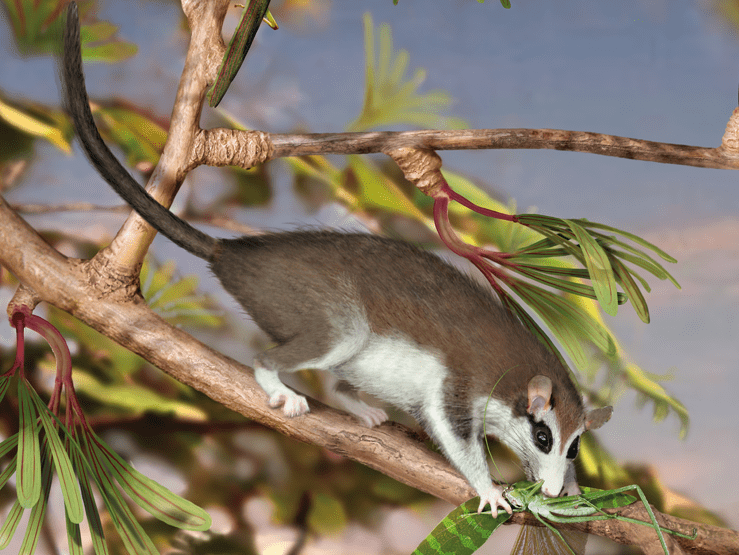
The rise of Eomaia scansoria, an early placental mammal, marks a definitive leap towards “Complex Sentience” in the evolutionary saga leading to humans. Unearthed from the Early Cretaceous period, Eomaia’s sophisticated array of mammalian features heralds the advent of deeply emotional and social behaviors. Possessing a brain and nervous system capable of supporting complex emotions,
Complex Sentience Settles: Eomaia scansoria Read More »
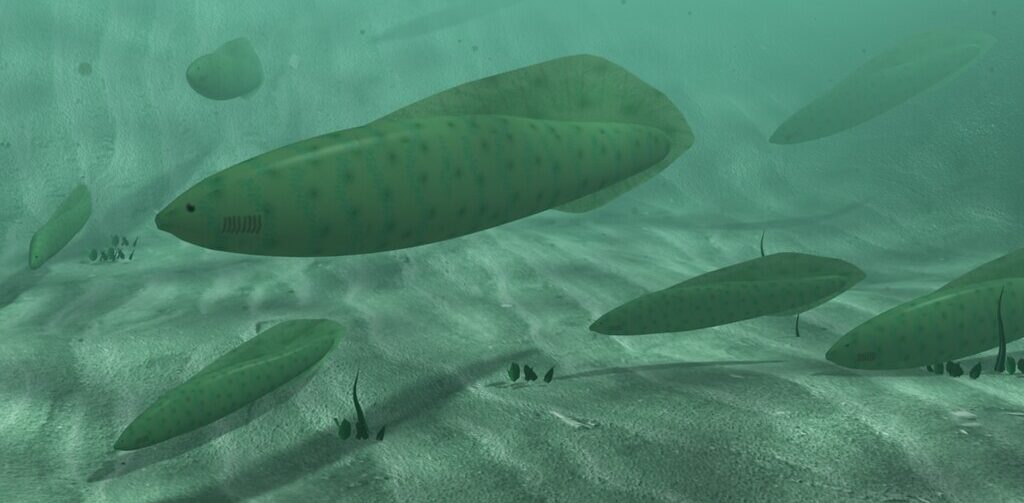
From no sentience or presentience to solidly “Simple Sentience,” early fish during this time represent our ancestral beings that started to suffer and feel the dichotomy of pleasure and pain. Haikouichthys (circa 520 Million Years Ago): Dwelling in the ancient seas of the Cambrian period, Haikouichthys is among the earliest forms of vertebrate life, showcasing fundamental advancements
Simple Sentience Settles: Haikouichthys Read More »
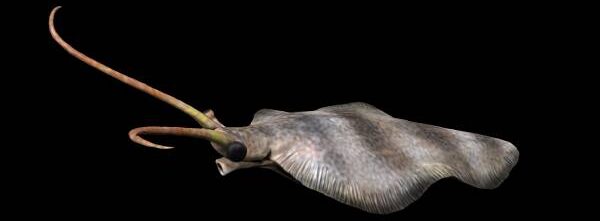
Nectocaris pteryx lived during the Middle Cambrian period, approximately 508 to 505 million years ago. From presentient animals branched cephalopods and fish. Both later evolved Simple Sentience. An example of convergent evolution that might suggest sentience is one of the natural stepping stones of life. The Cambrian and subsequent periods saw the emergence of early
Simple Cephalopod Sentience Evolves Read More »