
Phil • Cr. Think • Science • Hist •

The Philosophy Website

Post-Medieval History

Practice by Topic: Post Medieval

💪 Wisdom Builder: Post Medieval

Knowledge in Motion

Post Medieval

1500 to 1950

Recent Tidbits:

Stories, Quotes, and FAQs.

The wisdom builder tidbits that feed the columns, articles, and trainer.
Post Medieval
Featured Story
Updated This Week
Critical Thinking
Story
Born 1711.
David Hume
Lived from 1711 to 1776. 12 Generations Ago.
Skeptical Empiricism
Hume is asking you to calibrate your belief in statements. Even in your spiritual claims. Hold onto all your spiritual beliefs, if you want, but calibrate them against reality. Things like love, compassion and kindness can be measured empirically. Things like Valhalla, Heaven, or Hell cannot. Believe in both types but calibrate. Understand which claims have real evidence. This is how you protect spirituality from false certainty. Awe, meaning, compassion, and transformation are real human experiences. There is no need to pretend every claim is true. Believe carefully. Let confidence rise with empirical evidence.
Featured QUOTE
History
Quote
“A wise man proportions his belief to the evidence.”
Belief
To live well requires living in reality. A clear thinker does not believe harder just because an idea feels meaningful, familiar, or comforting. Some mysteries deserve wonder, but belief should still be proportional to evidence, logic, testing, and trustworthy guidance. Thinking well means letting confidence grow only when support earns it.
Featured FAQ
History
FAQ
Who is famous for questioning cause and effect?
Reasoning
In the 1700s, David Hume challenged the assumption that cause and effect are logically guaranteed, exposing the limits of induction and separating correlation from causation. His skepticism sharpened scientific thinking. In 30 Philosophers, this is contrasted with karma (via the Gautama Buddha) and extended through cause-and-effect toward holistic eudaimonia beyond Aristotle.
Post-Medieval History
Expansion and Acceleration
1500 to 1950

Post-Medieval History marks the era of exploration, scientific revolution, industrialization, and global interconnection. Political systems modernize, economies industrialize, and communication accelerates. The world becomes tightly linked, setting the stage for the modern global age.

Deep-Dive Articles
1 Goal (Ethics)Ancient HistoryBook-30 Philosophers

No Kings Has Deep Historical Roots

Recent protests reflect the timeless struggle to limit power and oppression using checks and balances.
Post Medieval

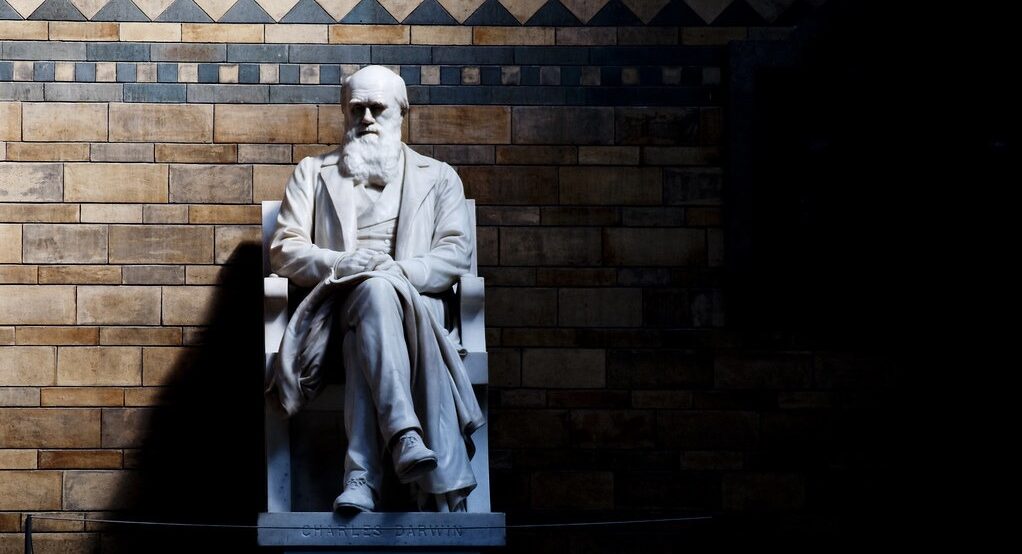
The Family of Charles Darwin and His Scientific Community

The family man behind evolution.
Philosophy of Law

Roger Williams was a 17th Century Separatist

Explore the use of this term over the centuries.
Must-Reads
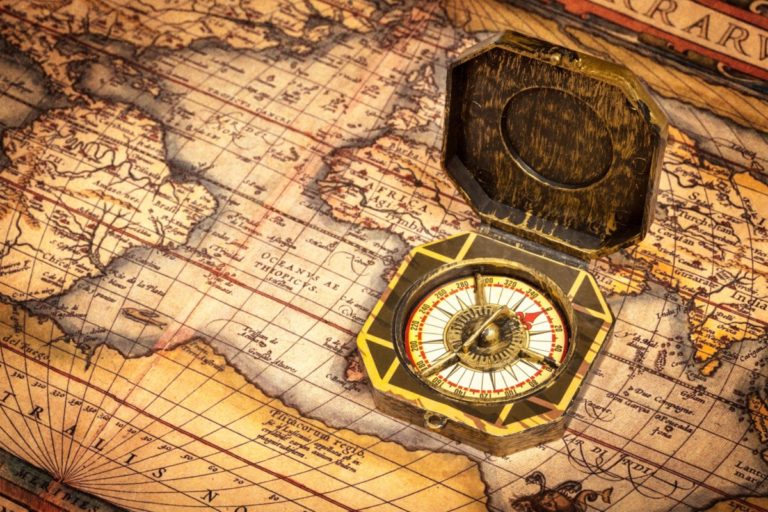
Vintage pirate compass on ancient map
Philosophy of Law

Parable of the Ship by Roger Williams, 1655

Roger Williams’ 1655 Parable of the Ship is used as an illustration of separation of church and state, liberty, and the common good. In this ...
Post Medieval

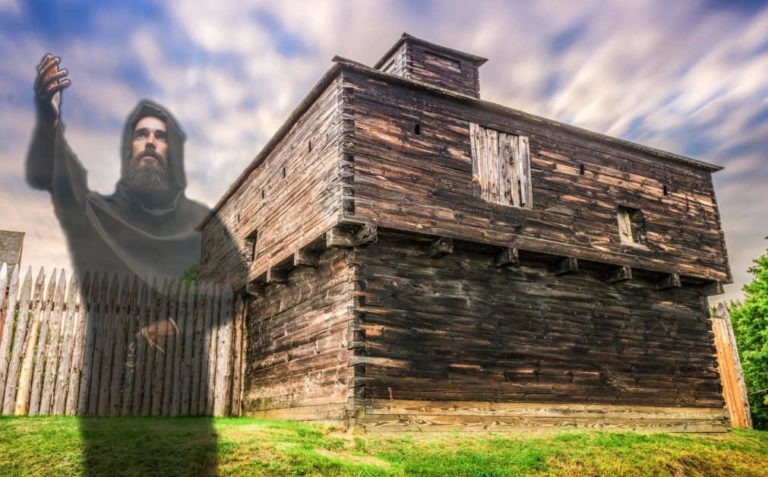
The First Religions of Colonial America

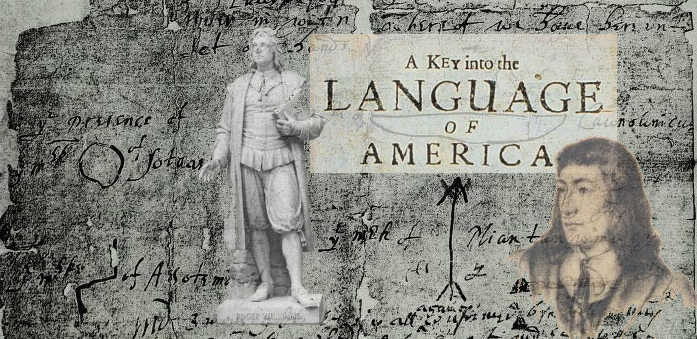
Roger Williams proved the concept of modern American society by creating a multi-religion multicultural secular colony.
Religion

Roger Williams Biography and Dedication to the Freedom of Conscience

My 10th great grandpa! There are plenty of articles and books on Roger Williams' accomplishments. In this article I went back and researched the earliest ...
New Ideas

Sorry, we couldn't find any posts. Please try a different search.

Updated Articles
No more posts to show
Scroll to Top