Weekly Insights for Thinkers

All

Master Timeline

Presentient Animals Emerge: The Ediacaran Prelude

Creatures of this time evolved into fish (us), jellyfish, cephalopods, and arthropods. In the deep waters of the late Precambrian era, the seeds of sentience were sown with the evolution of the earliest common ancestors to later cephalopods and fish. These primordial creatures, equipped with the most basic nervous systems, embarked on the path toward […]

Presentient Animals Emerge: The Ediacaran Prelude Read More »

Earliest Known Hunter

First Brains: By about 520 million years ago, hunters roamed the seas. In the Cambrian explosion, a period of rapid evolutionary development that began around 541 million years ago, the earliest known animals with structures recognizable as brains made their debut in the Earth’s oceans. They possessed rudimentary beginnings central nervous systems, including a brain.

Earliest Known Hunter Read More »

beautiful woman human robot artificial intelligence

Post Human Evolution

44 Generations From Now The transformation or emergence of beings that have transcended current human biological and cognitive limitations. This could be achieved through advanced genetic engineering, cybernetic enhancements, or the development of entirely new forms of consciousness within AI systems. A group of our descendants are likely to attain God-like abilities over matter and energy

Post Human Evolution Read More »

Aerial view of a big city with building roofs covered by snow. Clip. Flying above frozen city and a

Next Global Ice Age

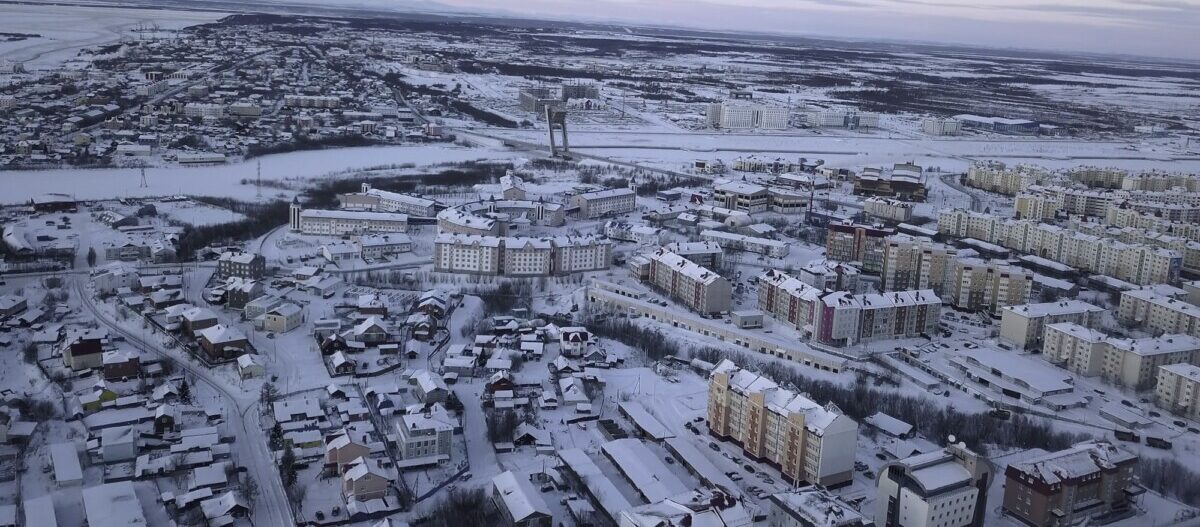
Geological and astronomical models predict that Earth is due for another glacial period within the next 100,000 years, possibly plunging much of the planet into ice. This event will significantly impact ecosystems, sea levels, and potentially human civilizations, depending on technological advancements and societal adaptations.

Next Global Ice Age Read More »

New North Star

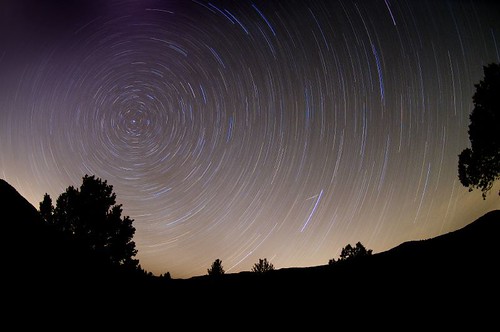
520 Generations From Now Right now Polaris is our North Star. In 13,000 years it will be Vega. The Earth spins as it revolves around the Sun, but the North Pole is always pointing toward the North Star, Polaris. The Earth spins and only wobbles a tiny bit over millennia as it revolves around the

New North Star Read More »

Top view of astrologer hands

Brand New Constellations

The constellations we recognize today will be vastly different in a million years due to what astromers call “proper motion” of stars. This will transform our night sky, creating new constellations from stars that have shifted positions, presenting future astronomers with a completely new celestial map to study. Because of stellar motion, our current Star

Brand New Constellations Read More »

Owen is the best GG, CC BY-SA 4.0 , via Wikimedia Commons

New Pangaea Proxima Supercontinent

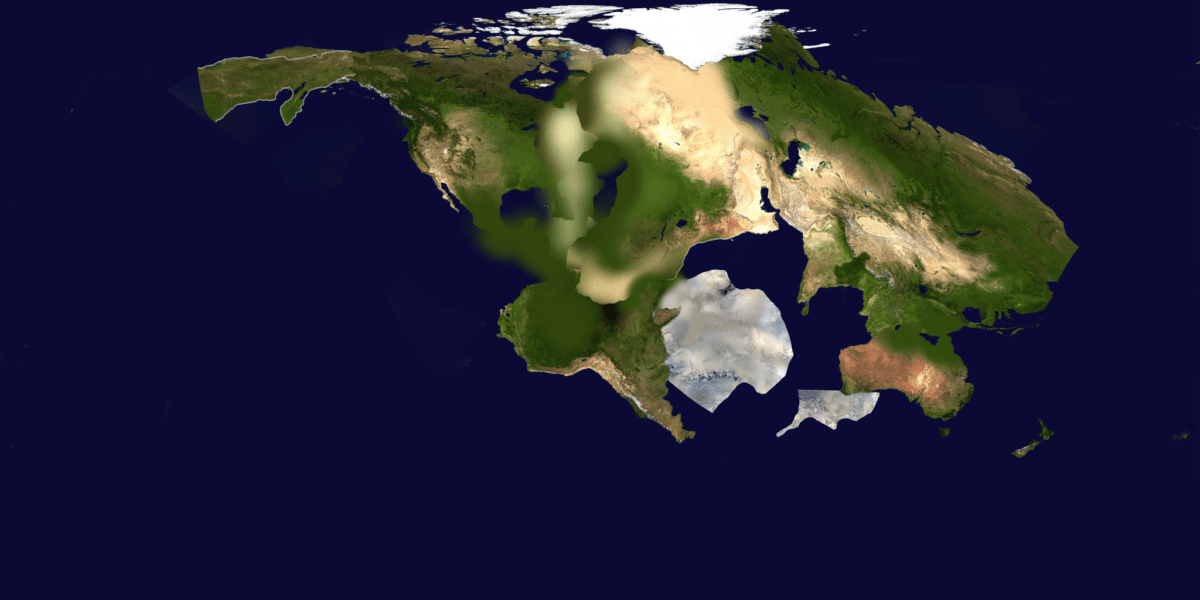
We can measure the movement of continents very precisely. Their future locations are a simple exercise in the empirical sciences. Predictive models like “Pangaea Proxima” (sometimes called “Next Pangaea” or “NeoPangaea”) predict the formation of a new supercontinent in about 250 million years, potentially sooner. This model sees “ALL” of Earth’s continents coming together to

New Pangaea Proxima Supercontinent Read More »

Black Dwarf Sun

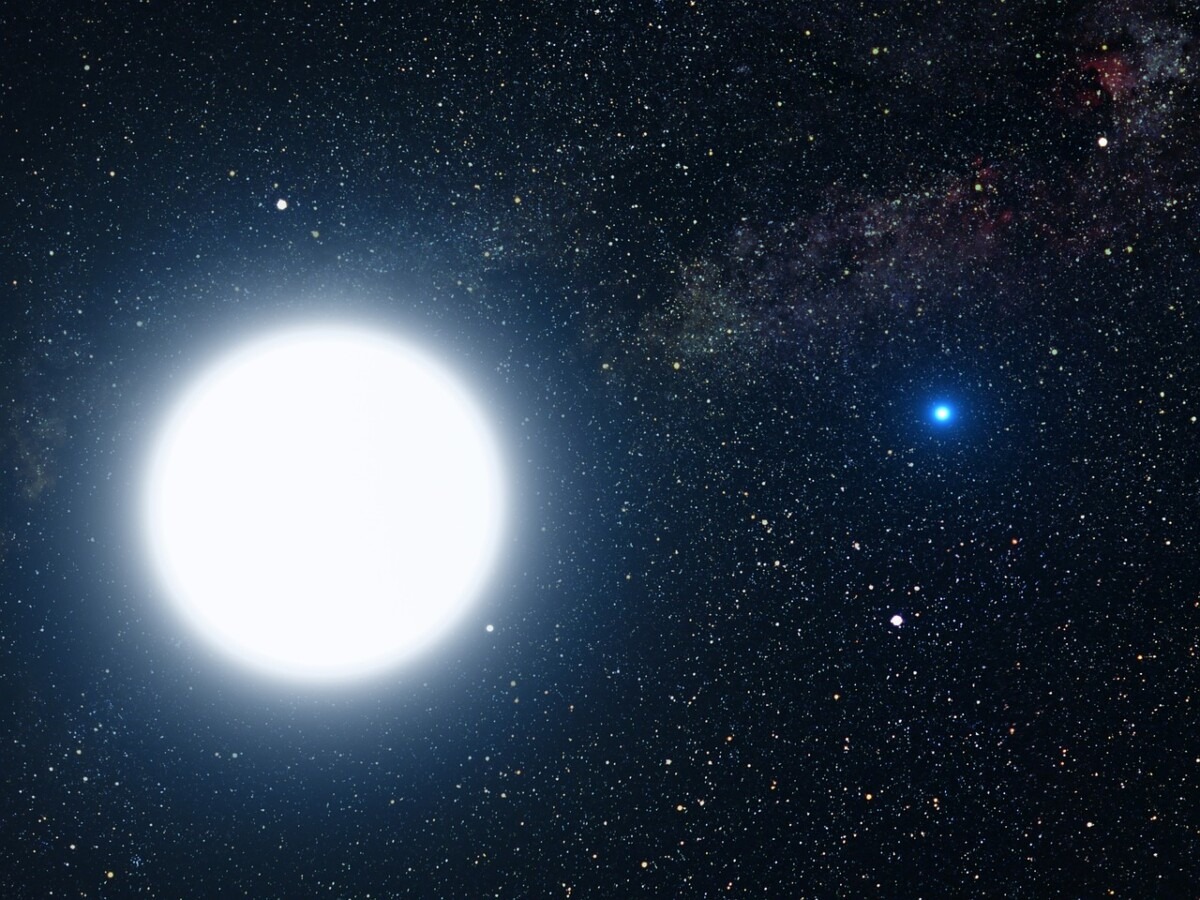
Over an incredibly long timescale, the Sun’s white dwarf remnant could cool enough to become a black dwarf, a theoretical stellar remnant that emits no light. Although speculative, theoretical models give us insight into the lifespan of the Sun as a white dwarf. After transitioning into a white dwarf, the Sun is expected to cool

Black Dwarf Sun Read More »

milky way forest

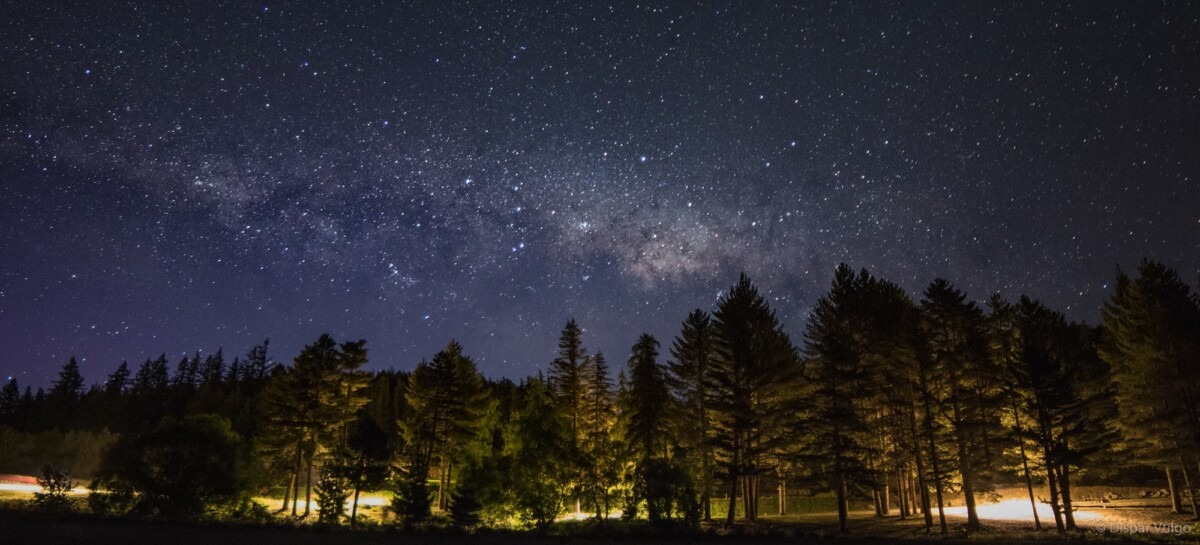
Birth of the Milky Way

Current scholarship generally places the formation of the Milky Way between 200 and 600 million years after the Big Bang, during the period of early galaxy formation that followed the forging of Population II stars. Some of the oldest stars within the Milky Way belong to this Population II category, with estimates for their formation

Birth of the Milky Way Read More »

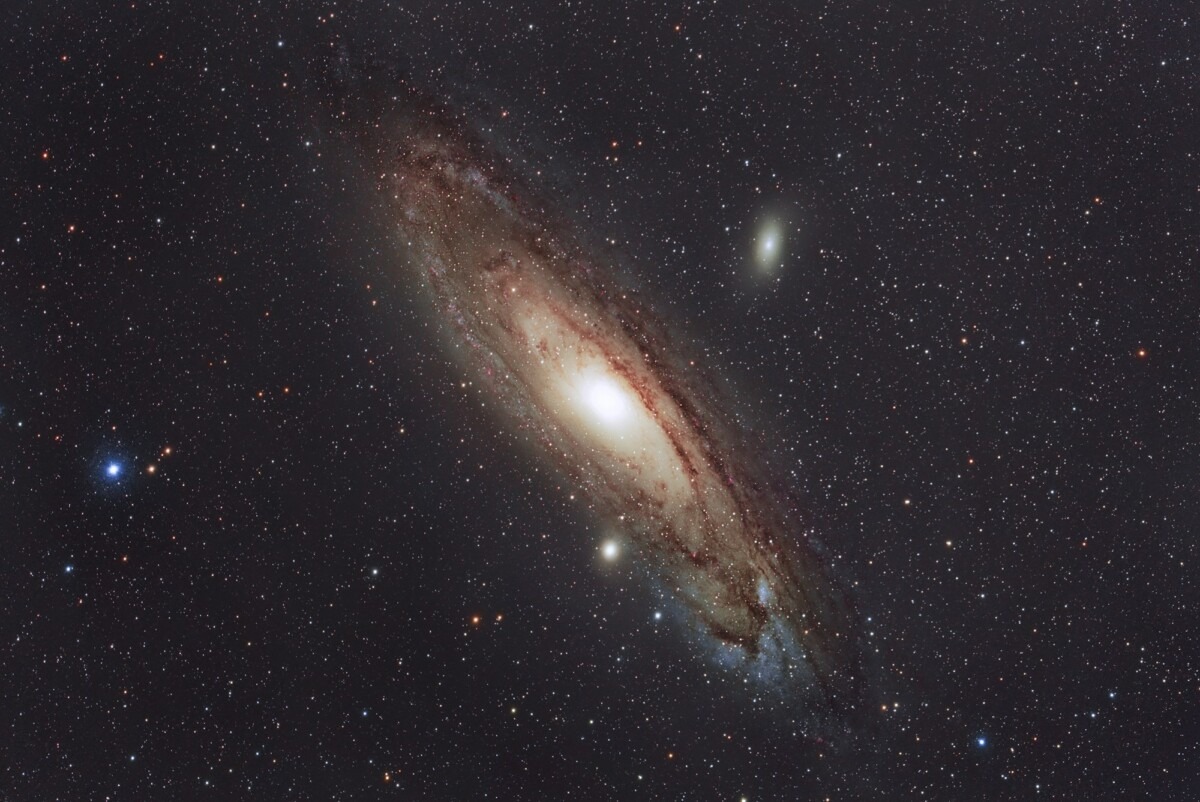
M31 Andromeda Galaxy

Galaxies are Born

Current observations, such as those of GN-z11, suggest that galaxy formation began as early as 400 million years after the Big Bang. This galaxy, observed at a redshift of z=11.09, stands as a testament to the rapidity with which the universe’s first structures began to coalesce from the primordial gas. While the detection of GN-z11

Galaxies are Born Read More »

Closeup shot of a colorful plasma ball on a black background

Nucleosynthesis Period

Leaving the highly speculative first second, and skipping to a few minutes later, the Nucleosynthesis period accurred about 3 to 20 minutes after the Big Bang. During this period, the universe had cooled enough for protons and neutrons to come together to form simple nuclei, but not yet atoms, as the universe remained too hot

Nucleosynthesis Period Read More »

big bang, black hole, supermassive star, galaxy, cosmos, physical, science fiction wallpaper.

Electroweak Era

We are still within the speculative first second. The Electroweak Era ends around 10−12 seconds after the Big Bang. Following inflation, the universe continued to expand and cool, allowing the electromagnetic and weak nuclear forces to separate. Particles continued to form and annihilate in a hot, dense environment, but as the universe cooled further, the

Electroweak Era Read More »

Person shining a light at the sky and making the stars rapidly move in circles - fantasy concept

Inflationary Epoch

The Inflationary Epoch was from about 10−36 seconds to 10−32 or so seconds. Notice the duration label change from “era” to “epoch” and from a narrow time to a range. However, also note that we are still within the first millisecond of the Big Bang. This was a period of extremely rapid expansion driven by

Inflationary Epoch Read More »

Science physics formula e=mc2, Theory of relativity composed with colored and carved stones

Grand Unification Era

The speculative Grand Unification Era ends around 10−36 seconds after the Big Bang. During this era, the strong force is believed to have separated from the other three fundamental forces. The universe was still incredibly hot and dense, and it’s during this period that the first subatomic particles, including quarks and leptons, could have begun

Grand Unification Era Read More »

Electrostatic plasma sphere in the dark. Tesla coil - physics experiment

Planck Era

The Plank Era occurred in the first part of the first millisecond after the singularity. Current estimated put it at up to 10−43 seconds after the Big Bang. The term “era” is used for this micro-duration as a sort of tip of the hat to Einstein’s Relativity. It reflects a conceptual approach to time that

Planck Era Read More »

Scroll to Top