Explore Science-first Philosophy

All

Master Timeline

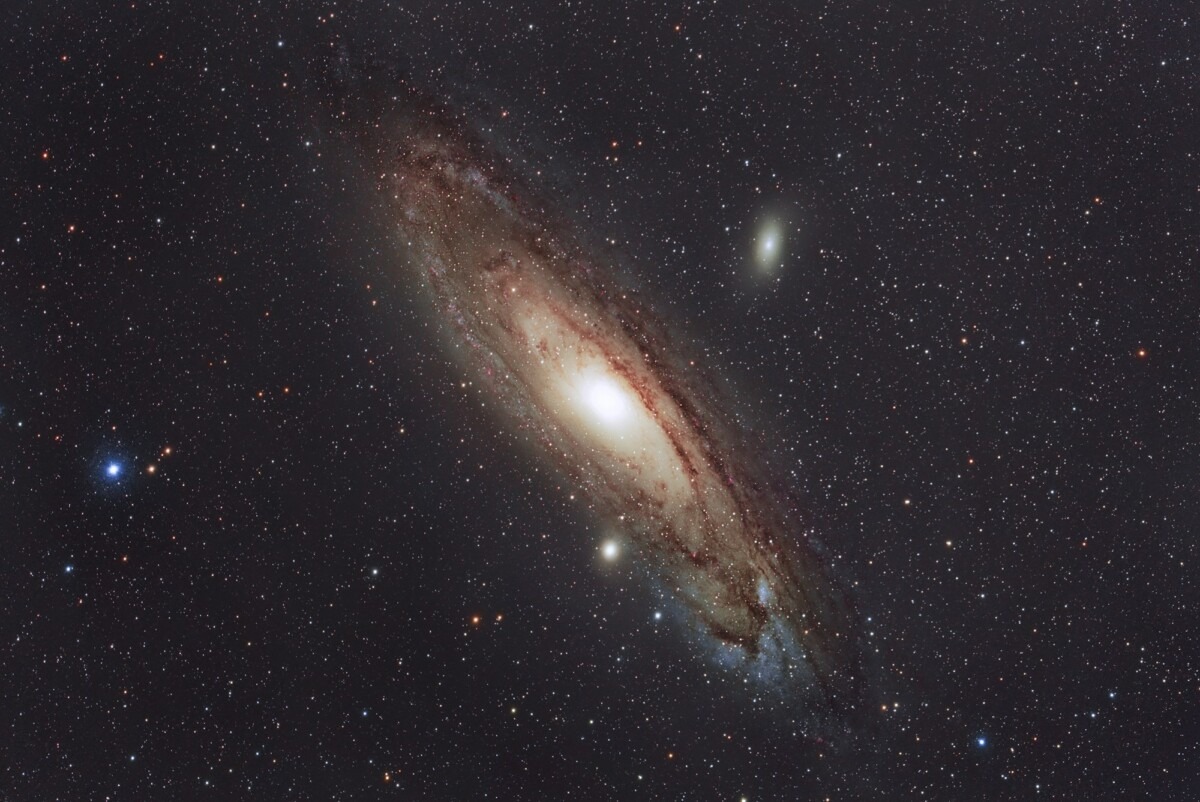
galaxy, cosmos, physical, science fiction wallpaper. Deep space.

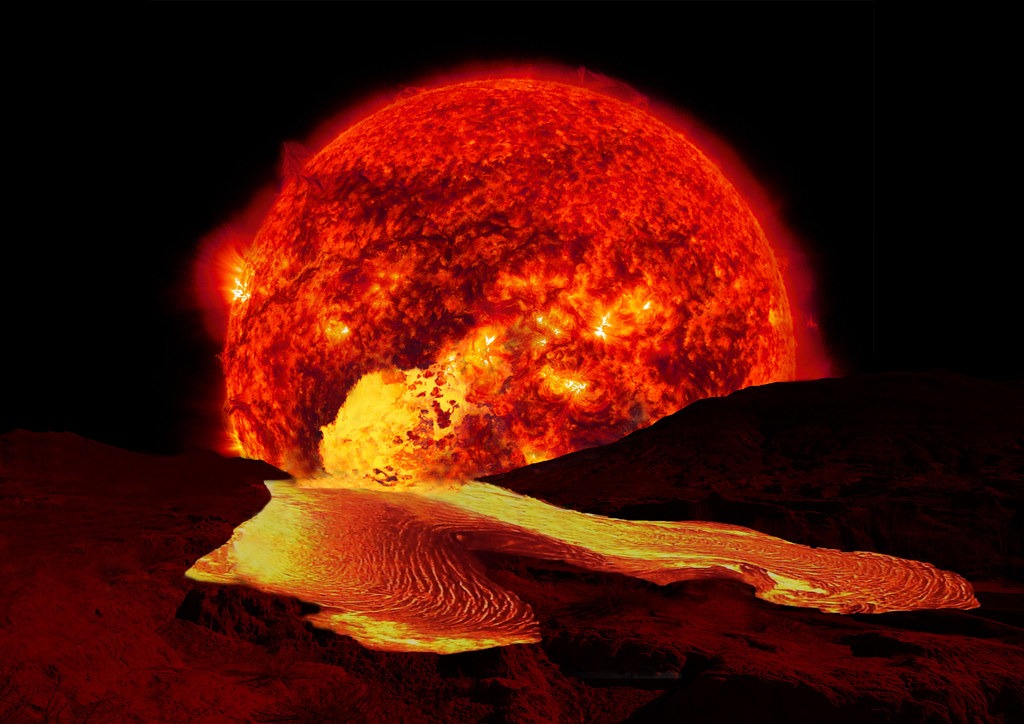
RCW 86 Supernova

This supernova was observed by Chinese astronomers in 185 CE. The Chinese kept meticulous astronomical records for centuries, including observations of what modern scientists interpret as supernovae. Chinese astronomical records from 185 AD describe the appearance of a “guest star” in the constellation now known as Circinus. This guest star matches the expected location and […]

RCW 86 Supernova Read More »

natdrj, CC BY 4.0 , via Wikimedia Commons

Singularity

A 30 Philosophers touchstone: Chapter 1, “Origin Story.” The universe began as an infinitely dense, unimaginably hot, and minuscule point known as a singularity. In a breathtaking instant, this singularity expanded and cooled, giving rise to the fabric of space, time, and matter, with all the laws of physics taking shape in that moment. The

Singularity Read More »

Hourglass on the Beach

Hourglass

Hourglasses, also known as sandglasses or sand timers, were first used in the 14th century, although it is unclear exactly when they were invented. The earliest written reference to an hourglass dates back to the early 14th century in Europe, but they may have been used earlier in other parts of the world. Hourglasses were

Hourglass Read More »

Voltaire

13 Generations Ago 30 Phil, Chapter 26: Voltaire and Modern Journalism Voltaire was a French Enlightenment philosopher born François-Marie Arouet. He was an advocate of civil liberties and satirized intolerance, and religious dogma in a time one was punished with censorship, jail, banishment, or worse. Some of my favorite Voltaire quotes translated from French: Those

Voltaire Read More »

https://en.wikipedia.org/wiki/File:David_Hume.jpg

David Hume

12 Generations Ago 30 Phil, Chapter 27: Hume and Skeptical Empiricism The Scottish Enlightenment philosopher and historian Hume was a leading exponent of empiricism. The belief that all human knowledge derives solely from experience. Some of my favorite Hume quotes: “A wise man proportions his belief to the evidence.” -A Treatise of Human Nature, 1739

David Hume Read More »

https://commons.wikimedia.org/wiki/File:Spinoza_(cropped).jpg

Baruch Spinoza

16 Generations Ago 30 Phil, Chapter 25: Spinoza and Monism The Dutch philosopher Spinoza was a lens grinder by profession, a proponent of Rationalism, and an early founder of Enlightenment. My favorite concept of Spinoza’s is that God is nature, and nature is God. For me, whenever I read God in prayers and such I

Baruch Spinoza Read More »

Gyeongbokgung Palace, South Korea

Xia Dynasty (2070-1600 BCE)

The Xia Dynasty is the first documented government of ancient China. The first to adopt dynastic succession. In modern times, it was regarded as a myth created later by Chinese historians, but 20th-century excavations uncovered sites which corresponded to descriptions in earlier historians’ accounts. This fact is an important lesson on understanding how little survived

Xia Dynasty (2070-1600 BCE) Read More »

Immanuel Kant

12 Generations Ago 30 Phil, Chapter 28: Kant and Kantianism The German philosopher Immanuel Kant (22 April 1724 – 12 February 1804) was a central figure of the Enlightenment which put reason as the tool of choice when discussing God, nature, and humanity.  Some of my favorite translated quotes include: All our knowledge begins with

Immanuel Kant Read More »

Cicero (106-43 BCE)

The stoic philosopher Marcus Tullius Cicero was one of Rome’s greatest orators and had an immense influence on the Latin language. Some of my favorite translated Cicero quotes: If you have a garden and a library, you have everything you need. Friendship improves happiness and abates misery, by the doubling of our joy and the

Cicero (106-43 BCE) Read More »

Epictetus (50-135 CE)

Epictetus stressed that philosophy is a way of life and not simply analytical. The stoic philosopher Epictetus was cited by Marcus Aurelius in his Meditations. Epictetus was one of the future emperor’s teacher’s during childhood up to the age of 14. Although no writings by Epictetus are known, his students documented his beliefs and sayings

Epictetus (50-135 CE) Read More »

Scroll to Top