Explore Science-first Philosophy

Big-Bang-Timeline

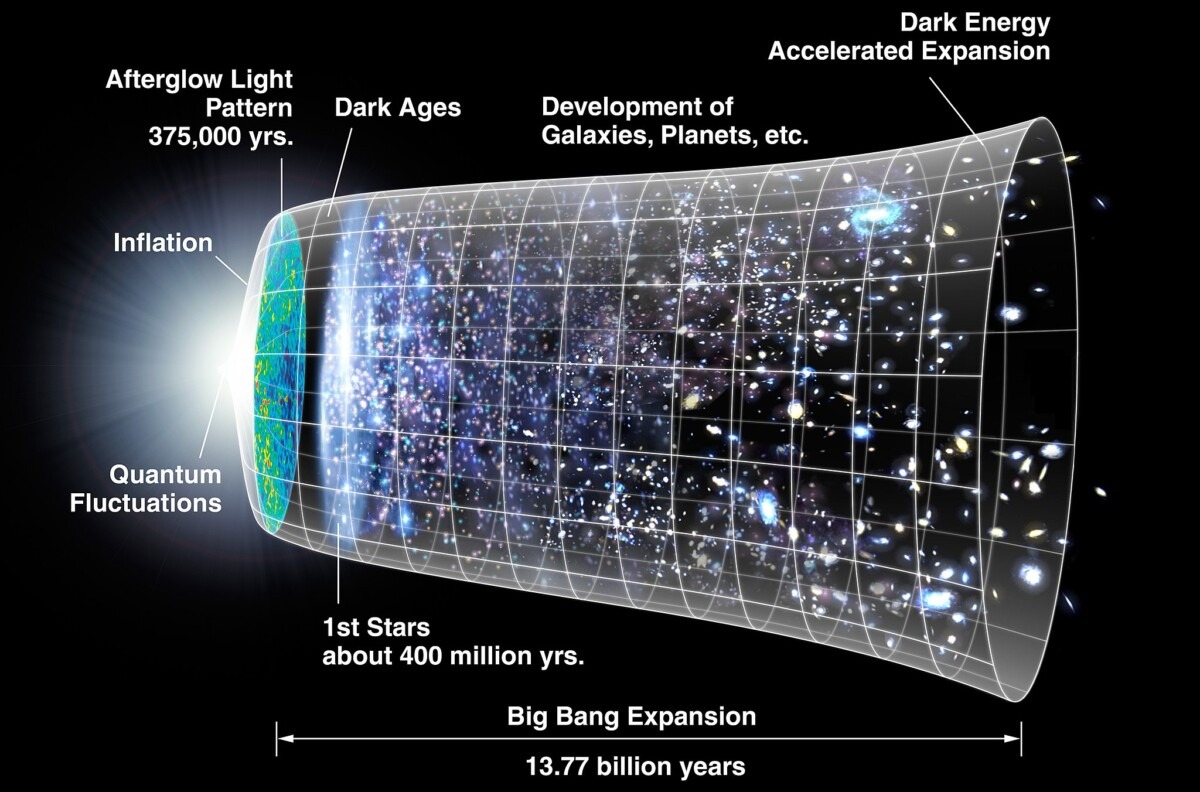
The Big Bang Timeline

Moon Formation

In a cataclysmic event, a Mars-sized object named Theia collided with the early Earth, sending massive amounts of debris into orbit. This debris coalesced over time to form the Moon, which eventually became tidally locked to the Earth, stabilizing the planet’s axis and paving the way for the development of life. The Moon is comprised […]

Moon Formation Read More »

Late Heavy Bombardment

Visual Craters of the Moon! In a period known as the Late Heavy Bombardment, the solar system experienced a intense barrage of asteroid and comet impacts, with many large objects striking the Earth and Moon. This event likely occurred as the giant planets Jupiter and Saturn migrated to their current orbits, sending smaller bodies into

Late Heavy Bombardment Read More »

planet-blue-atmosphere

Third Atmosphere: Oxygen Atmosphere

GOE: The Great Oxidation Event started enriching the atmosphere with oxygen beginning around 2.4 billion years ago. It marked one of Earth’s most dramatic transformations. Initiated by the widespread activity of photosynthetic cyanobacteria, this period, known as the Great Oxidation Event, gradually saw the accumulation of oxygen that was initially absorbed by oceanic iron. As

Third Atmosphere: Oxygen Atmosphere Read More »

Second Atmosphere: Carbon Dioxide & Nitrogen

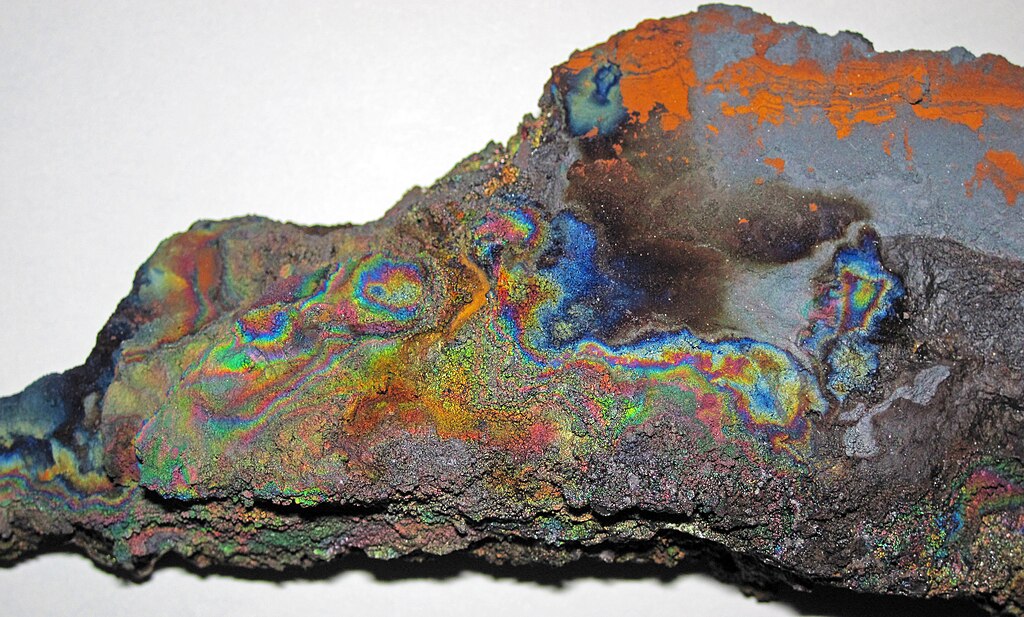
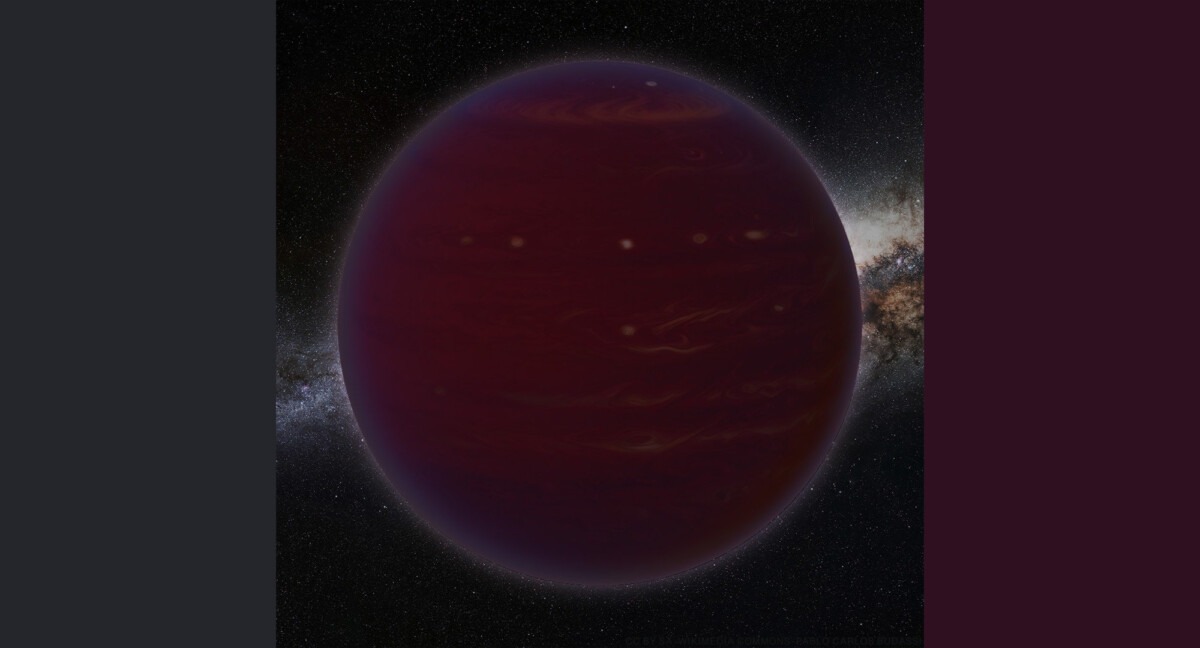
Deep orange or reddish-brown atmosphere: The second atmosphere’s formation was crucial and occurred just before or alongside the formation of Earth’s oceans, which directly supported the evolution of organic molecules and prebiotic microenvironments. The second atmosphere began to develop around 4.5 to 4 billion years ago, as volcanic outgassing released gases trapped in the Earth’s

Second Atmosphere: Carbon Dioxide & Nitrogen Read More »

First Atmosphere: Hydrogen & Helium

Likely white or grayish atmosphere: The first atmosphere developed first but was not directly involved in the development of life. The first atmosphere formed shortly after Earth’s formation around 4.5 billion years ago. This initial atmosphere was primarily composed of hydrogen and helium, the lightest and most abundant elements in the universe, which were captured from

First Atmosphere: Hydrogen & Helium Read More »

debris of a stellar explosion, 3d illustration

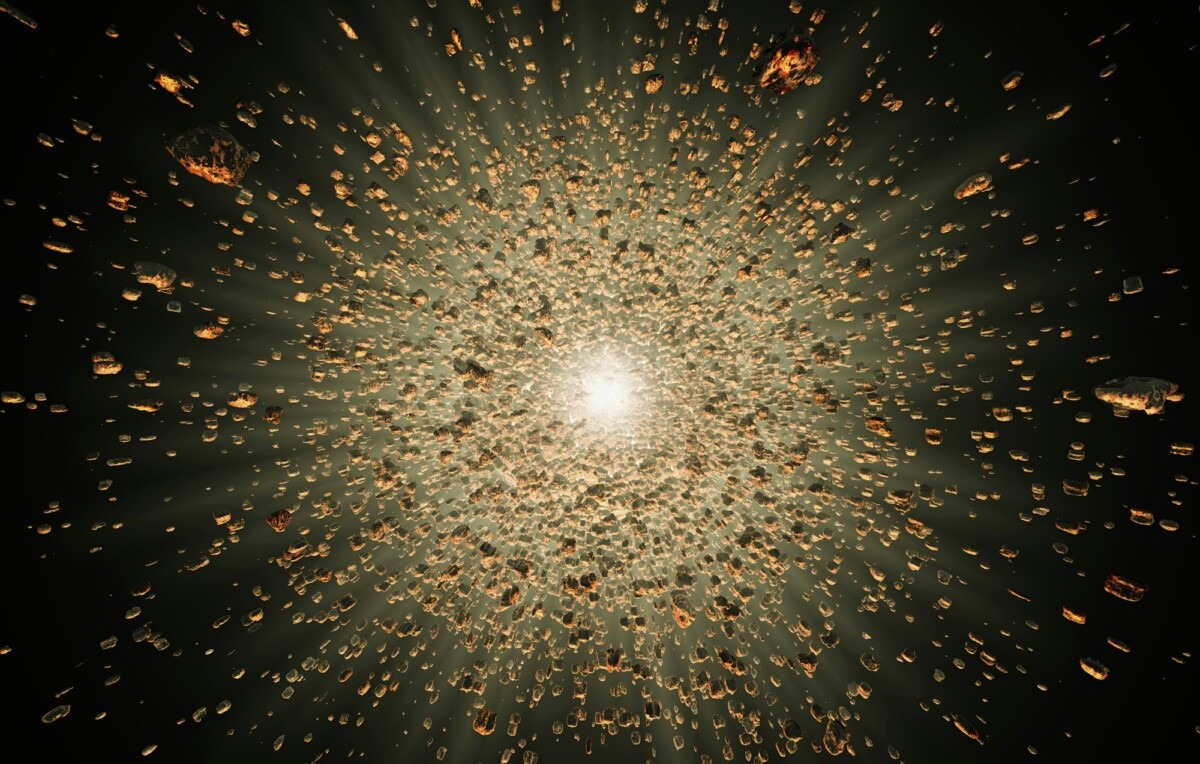
Interstellar Clouds: Organic Molecules

The synthesis of simple organic molecules such as formaldehyde (H₂CO), methanol (CH₃OH), and simple hydrocarbons in the dense molecular clouds of the interstellar medium occured once sufficient carbon was present. This process has been ongoing for billions of years but became more prevalent as the universe aged and more carbon became available. Big History Thresholds:

Interstellar Clouds: Organic Molecules Read More »

Inorganic Precursors to Organic Molecules

The chemical evolution from inorganic precursors to organic molecules is a fascinating story of transformation driven by Earth’s dynamic early conditions and possibly assisted by the input from space in the form of meteorites rich in organic compounds. During this period, the Earth witnessed a series of complex chemical reactions facilitated by its primordial atmosphere,

Inorganic Precursors to Organic Molecules Read More »

Big Bang Expansion

30 Phil, Chapter 1 Touchstone 1 of 80: Big Bang. Immediately following the state of the singularity, the universe entered a phase of rapid expansion and cooling, known as the Big Bang Expansion. This critical period signifies not an explosion in space but the very expansion of space itself, from an incomprehensibly dense point known

Big Bang Expansion Read More »

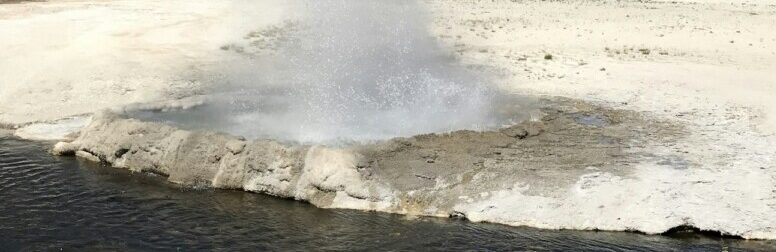
Geyser in Yellowstone National Park

Formation of Prebiotic Microenvironments

Alongside or following the chemical evolution of organic molecules, the formation of prebiotic microenvironments, such as hydrothermal vents or warm little ponds, provided niches where concentrations of organic molecules could interact. These environments could have been crucial for the assembly of complex organic molecules and the initiation of catalytic cycles.

Formation of Prebiotic Microenvironments Read More »

Cellular Membranes

The formation of cellular membranes represents a pivotal development in the pre-life world, enabling the creation of defined boundaries for primitive cells. These membranes, likely formed from simple lipid bilayers, provided a controlled environment for chemical reactions and played a critical role in the emergence of the first cell-like structures, distinguishing them from their surrounding

Cellular Membranes Read More »

Top view of astrologer hands

Brand New Constellations

The constellations we recognize today will be vastly different in a million years due to what astromers call “proper motion” of stars. This will transform our night sky, creating new constellations from stars that have shifted positions, presenting future astronomers with a completely new celestial map to study. Because of stellar motion, our current Star

Brand New Constellations Read More »

Black Dwarf Sun

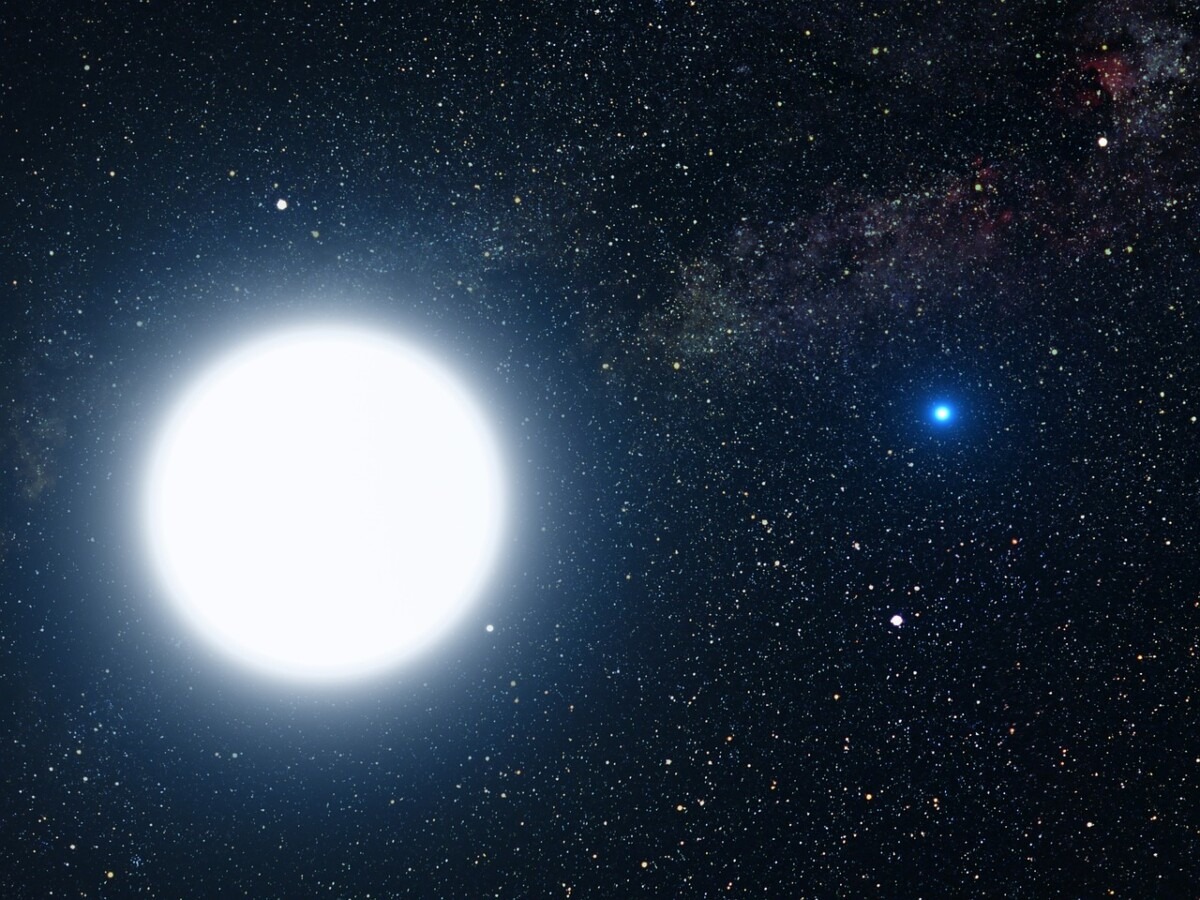
Over an incredibly long timescale, the Sun’s white dwarf remnant could cool enough to become a black dwarf, a theoretical stellar remnant that emits no light. Although speculative, theoretical models give us insight into the lifespan of the Sun as a white dwarf. After transitioning into a white dwarf, the Sun is expected to cool

Black Dwarf Sun Read More »

milky way forest

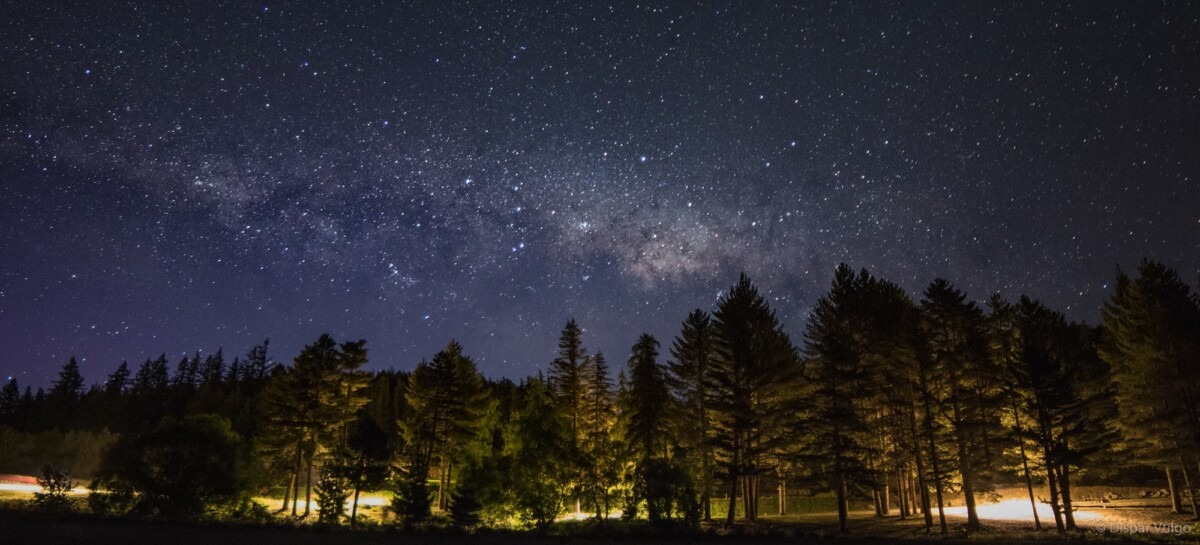
Birth of the Milky Way

Current scholarship generally places the formation of the Milky Way between 200 and 600 million years after the Big Bang, during the period of early galaxy formation that followed the forging of Population II stars. Some of the oldest stars within the Milky Way belong to this Population II category, with estimates for their formation

Birth of the Milky Way Read More »

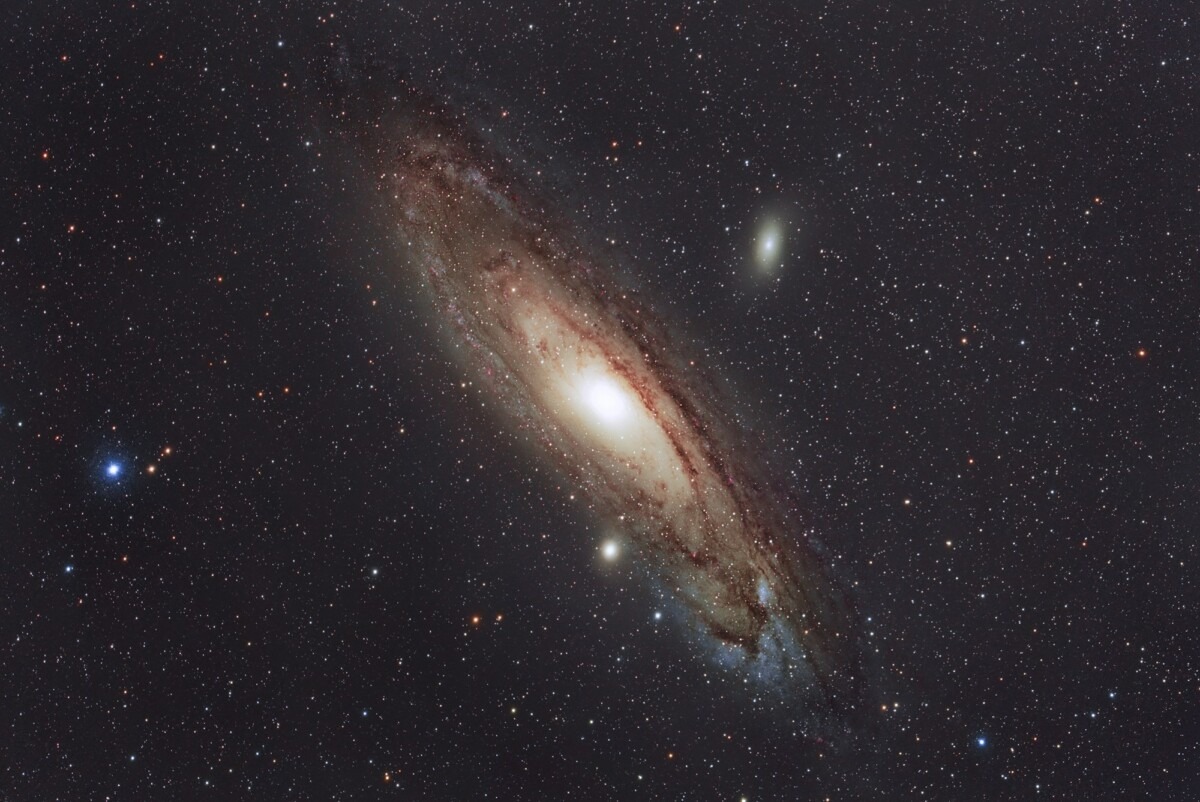
M31 Andromeda Galaxy

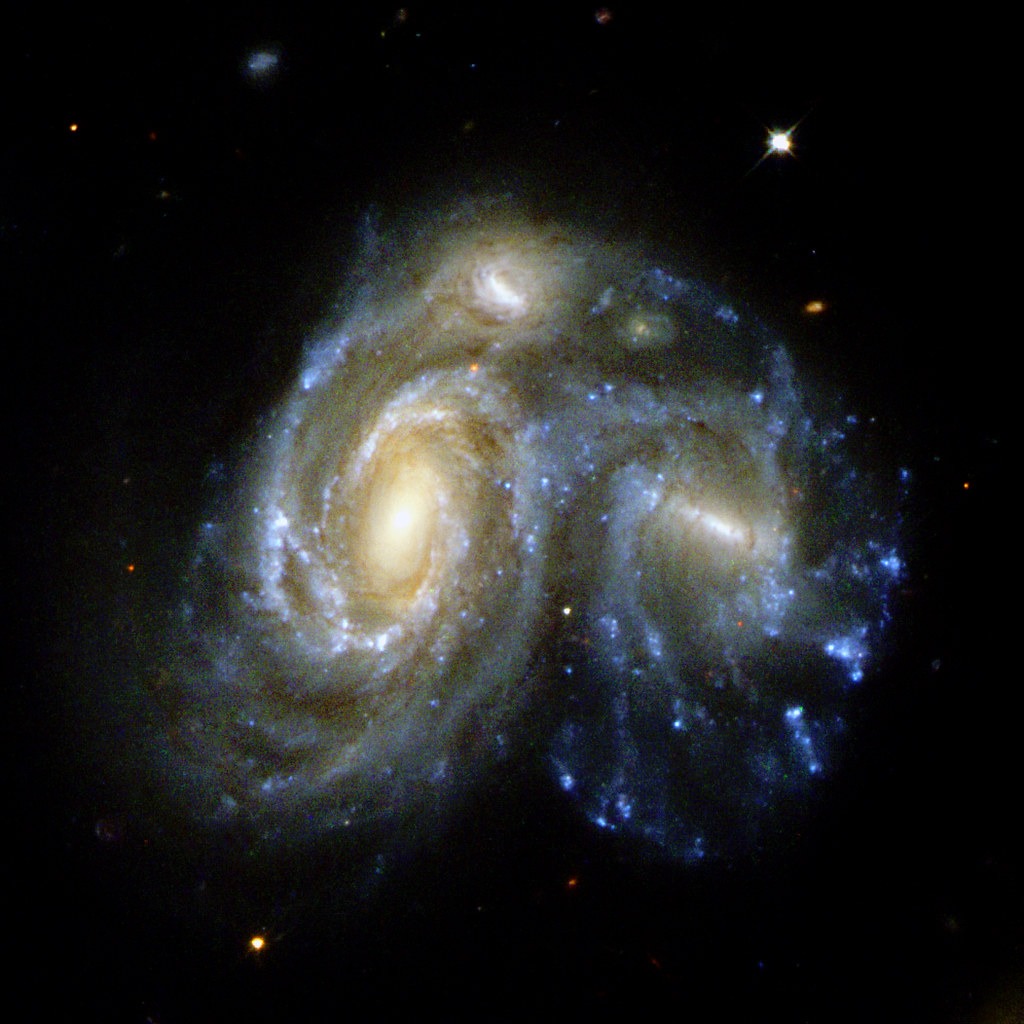
Galaxies are Born

Current observations, such as those of GN-z11, suggest that galaxy formation began as early as 400 million years after the Big Bang. This galaxy, observed at a redshift of z=11.09, stands as a testament to the rapidity with which the universe’s first structures began to coalesce from the primordial gas. While the detection of GN-z11

Galaxies are Born Read More »

Scroll to Top