Explore Science-first Philosophy

Land History

History of the Lands

Bali Rice Fields

The Domestication of Rice

In the lush, fertile lands of the Yangtze River Valley in ancient China, early inhabitants achieved a milestone that would revolutionize human society: the domestication of rice. Around 8,000 BCE, these innovative communities began to cultivate wild rice, laying the groundwork for sedentary agriculture and complex civilizations. This agricultural breakthrough not only provided a stable […]

The Domestication of Rice Read More »
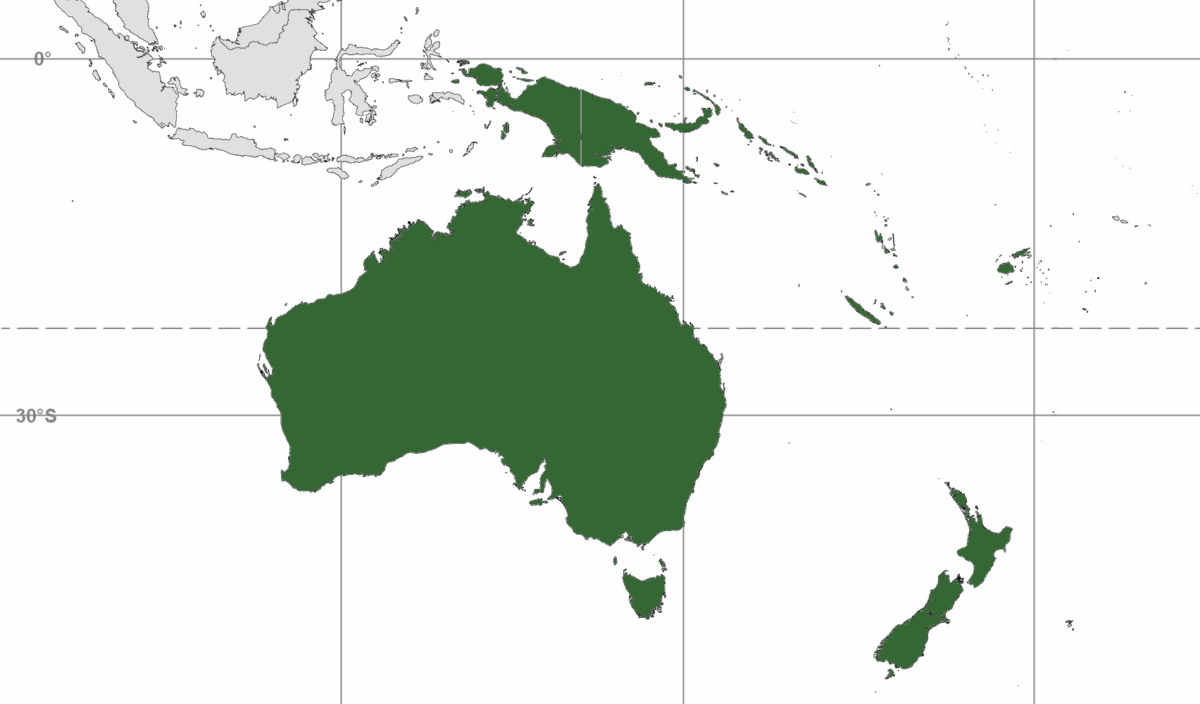
tradition, lives, maori

The Māori Settlement of New Zealand: Earliest Known

The Māori, Polynesian navigators and explorers, reached the shores of Aotearoa, now known as New Zealand, around 1300 CE. Braving the vast Pacific aboard large, ocean-going waka (canoes), they established communities that would flourish into a distinctive culture deeply connected to the land and sea. The Māori developed a rich oral tradition, weaving tales of

The Māori Settlement of New Zealand: Earliest Known Read More »

The Lapita Culture

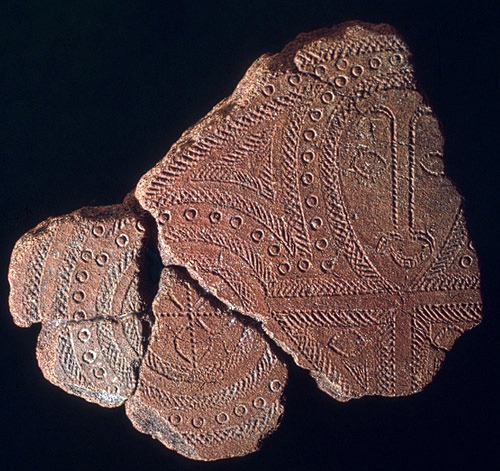
The Lapita culture, named after a site in New Caledonia, was an Austronesian people known for their intricate pottery and advanced navigation skills. Around 1500 BCE, they began spreading eastwards across the vast Pacific, reaching as far as Tonga and Samoa. The Lapita are considered the ancestors of many modern Pacific Islanders, including Polynesians, Micronesians,

The Lapita Culture Read More »

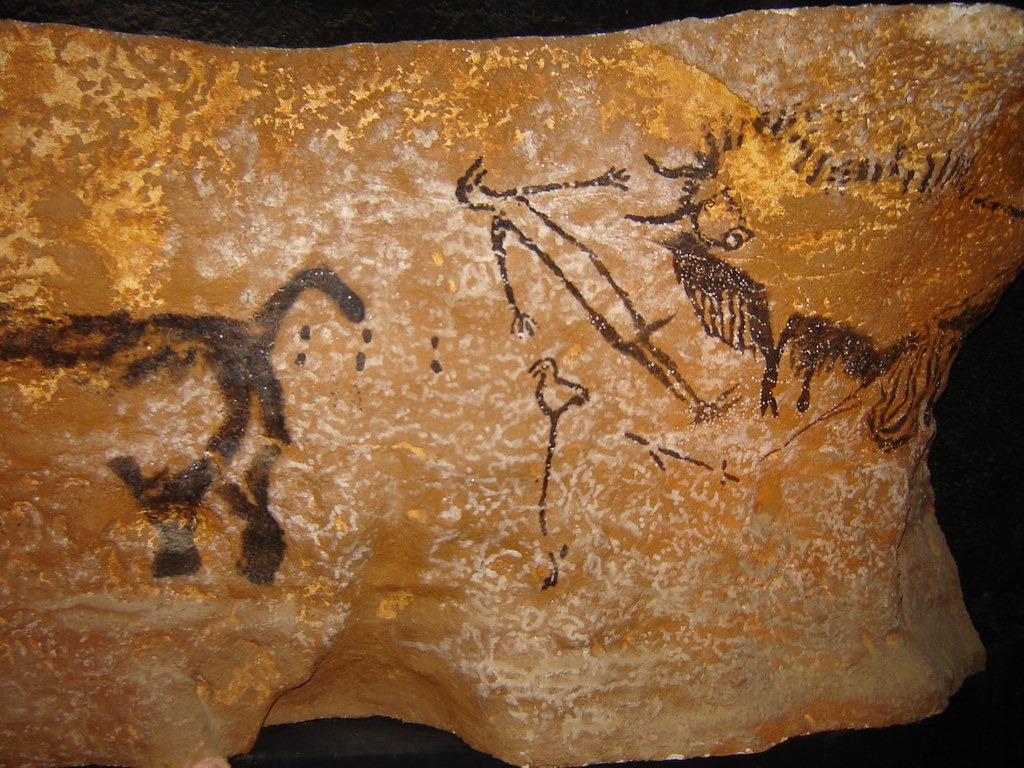
Discovery: Neanderthal Symbolic Thought

It’s clear: neanderthals created art. The discovery of cave paintings in Spain, dated to over 64,000 years ago, marked a profound shift in our understanding of Neanderthals. This corrected the longstanding perception that Neanderthals lacked symbolic thought and artistic expression. To learn more, check out Beyond Human Bias: Reassessing Neanderthal Intelligence.

Discovery: Neanderthal Symbolic Thought Read More »

geometry, mathematics, volume

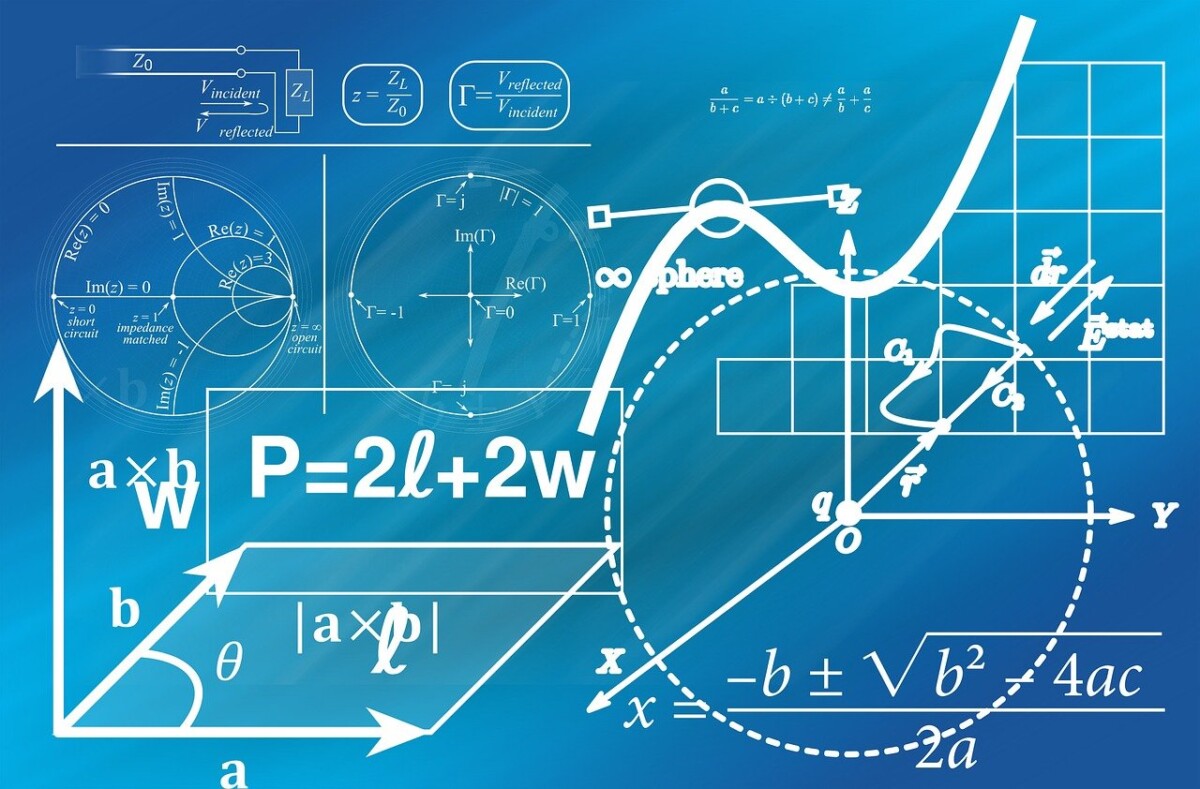
The Invention of Calculus

Invented by Newton in the 1660s (pub. 1687) and independently by Leibniz in the 1680s (pub. 1684). Both built on Galileo’s popularizing the idea of the infinitesimal. Calculus, the mathematical study of continuous change, introduced the concepts of differentiation and integration, providing tools to model and analyze motion, growth, and the infinitesimal. Newton, working primarily

The Invention of Calculus Read More »

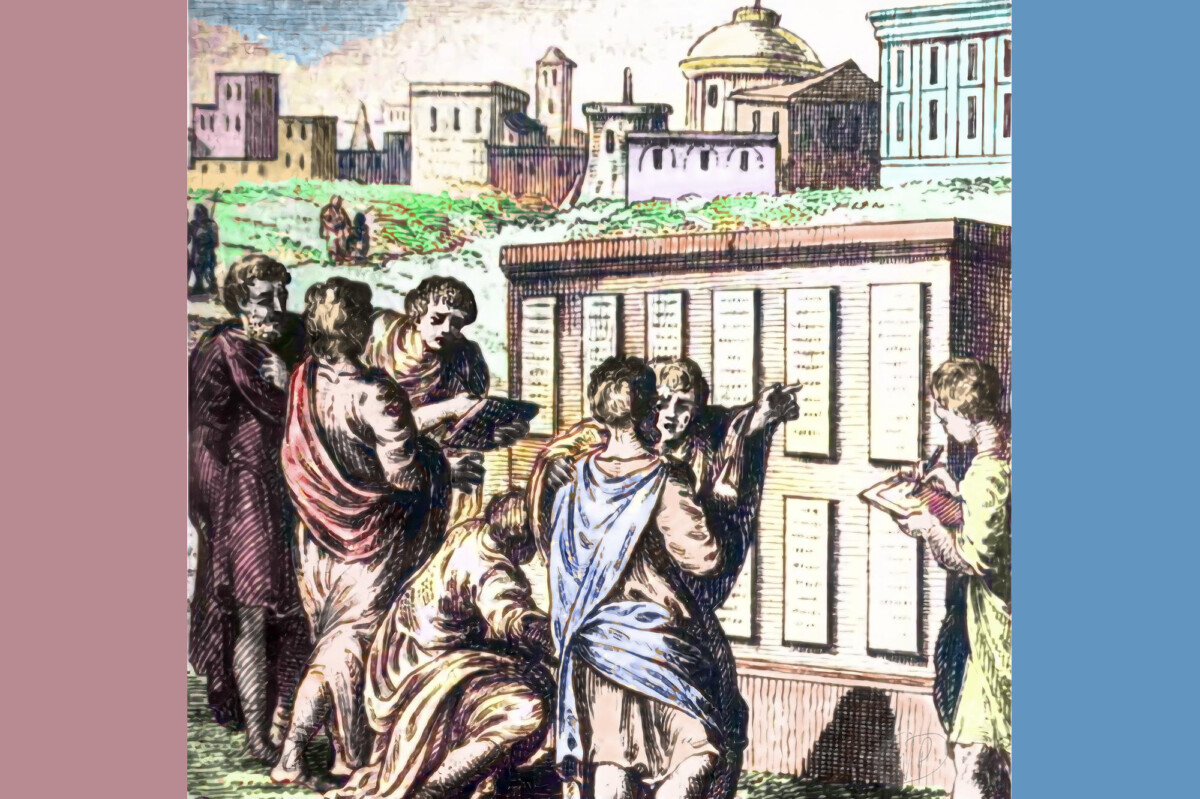
The Birth of Logic

In the vibrant intellectual climate of Ancient Greece, the 6th century BCE marks the embryonic stage of formal logic, attributed to the philosopher Thales of Miletus (around 624-546 BCE). Thales, recognized as the first of the Seven Sages of Greece, embarked on a quest that laid the foundational stones of logical thought. He shifted the

The Birth of Logic Read More »

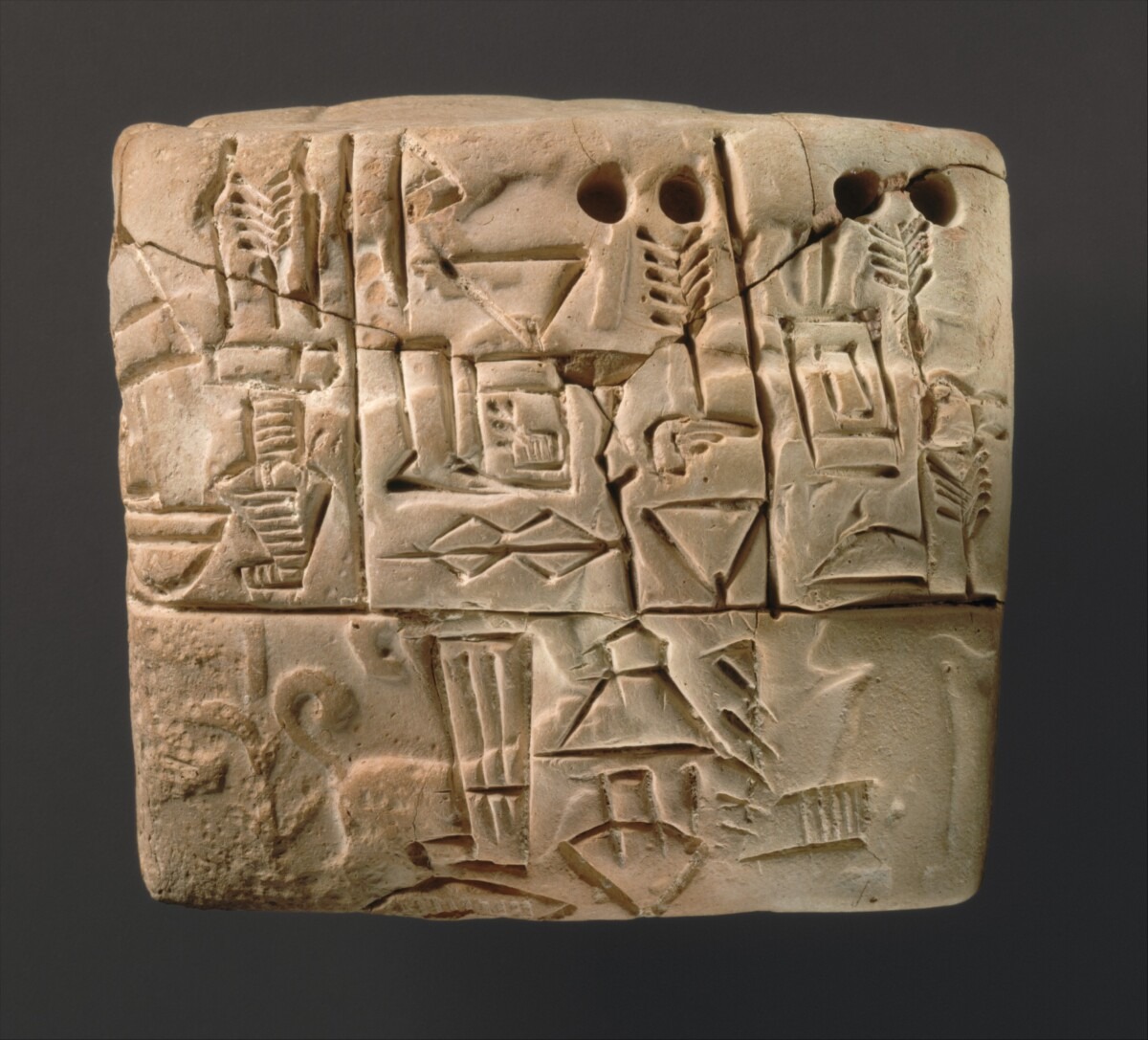
Rediscovery of the Library of Ebla: circa 2350 BCE

In 1975, Italian archaeologist Paolo Matthiae and his team unearthed the remarkable Library of Ebla at Tell Mardikh, Syria, revealing a trove of around 20,000 clay tablets and fragments. This discovery dramatically expanded our understanding of ancient Near Eastern civilizations, introducing Eblaite as a previously unknown Semitic language and providing unprecedented insights into the culture,

Rediscovery of the Library of Ebla: circa 2350 BCE Read More »

galaxy, cosmos, physical, science fiction wallpaper. Deep space.

RCW 86 Supernova

This supernova was observed by Chinese astronomers in 185 CE. The Chinese kept meticulous astronomical records for centuries, including observations of what modern scientists interpret as supernovae. Chinese astronomical records from 185 AD describe the appearance of a “guest star” in the constellation now known as Circinus. This guest star matches the expected location and

RCW 86 Supernova Read More »

Hourglass on the Beach

Hourglass

Hourglasses, also known as sandglasses or sand timers, were first used in the 14th century, although it is unclear exactly when they were invented. The earliest written reference to an hourglass dates back to the early 14th century in Europe, but they may have been used earlier in other parts of the world. Hourglasses were

Hourglass Read More »

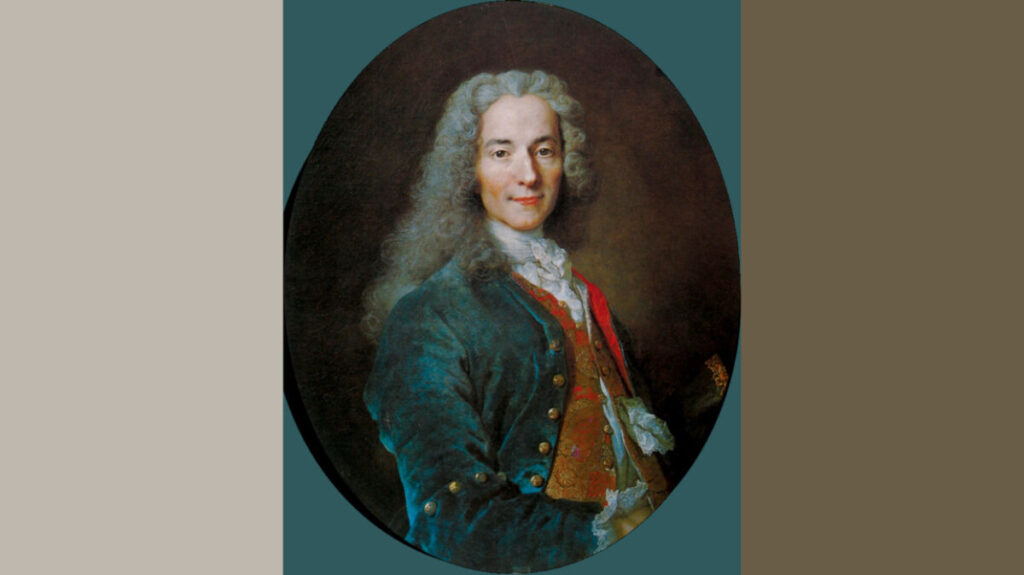
Voltaire

13 Generations Ago 30 Phil, Chapter 26: Voltaire and Modern Journalism Voltaire was a French Enlightenment philosopher born François-Marie Arouet. He was an advocate of civil liberties and satirized intolerance, and religious dogma in a time one was punished with censorship, jail, banishment, or worse. Some of my favorite Voltaire quotes translated from French: Those

Voltaire Read More »

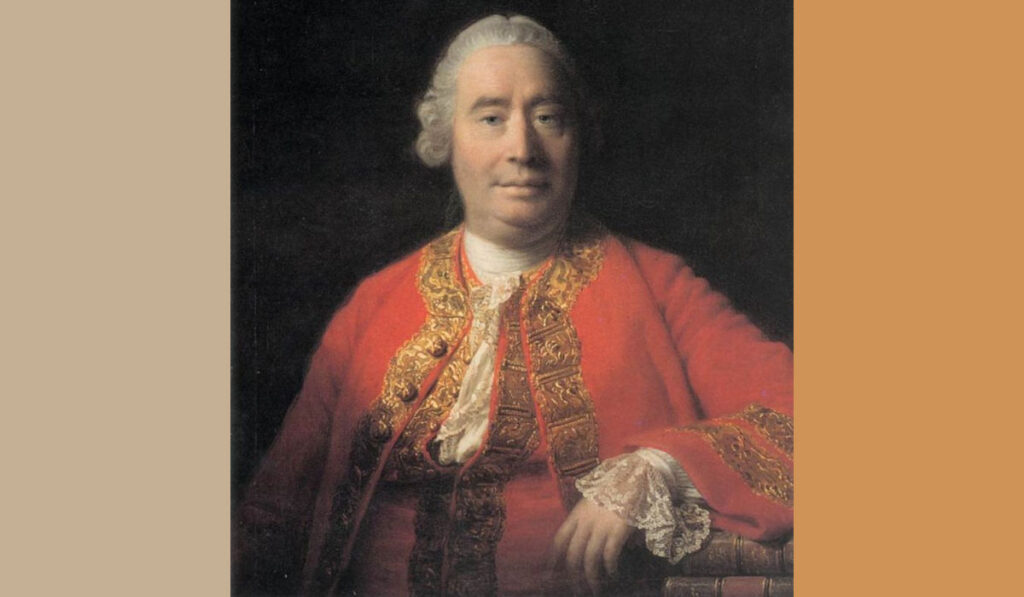
https://en.wikipedia.org/wiki/File:David_Hume.jpg

David Hume

12 Generations Ago 30 Phil, Chapter 27: Hume and Skeptical Empiricism The Scottish Enlightenment philosopher and historian Hume was a leading exponent of empiricism. The belief that all human knowledge derives solely from experience. Some of my favorite Hume quotes: “A wise man proportions his belief to the evidence.” -A Treatise of Human Nature, 1739

David Hume Read More »

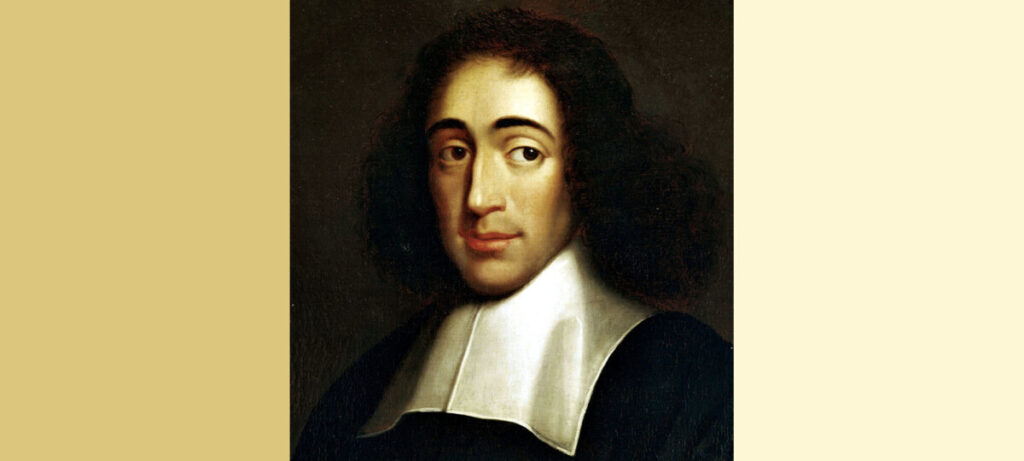
https://commons.wikimedia.org/wiki/File:Spinoza_(cropped).jpg

Baruch Spinoza

16 Generations Ago 30 Phil, Chapter 25: Spinoza and Monism The Dutch philosopher Spinoza was a lens grinder by profession, a proponent of Rationalism, and an early founder of Enlightenment. My favorite concept of Spinoza’s is that God is nature, and nature is God. For me, whenever I read God in prayers and such I

Baruch Spinoza Read More »

Scroll to Top