Explore Natural Philosophy

Phil • Cr. Think • Science • Hist •

Land History

History of the Lands

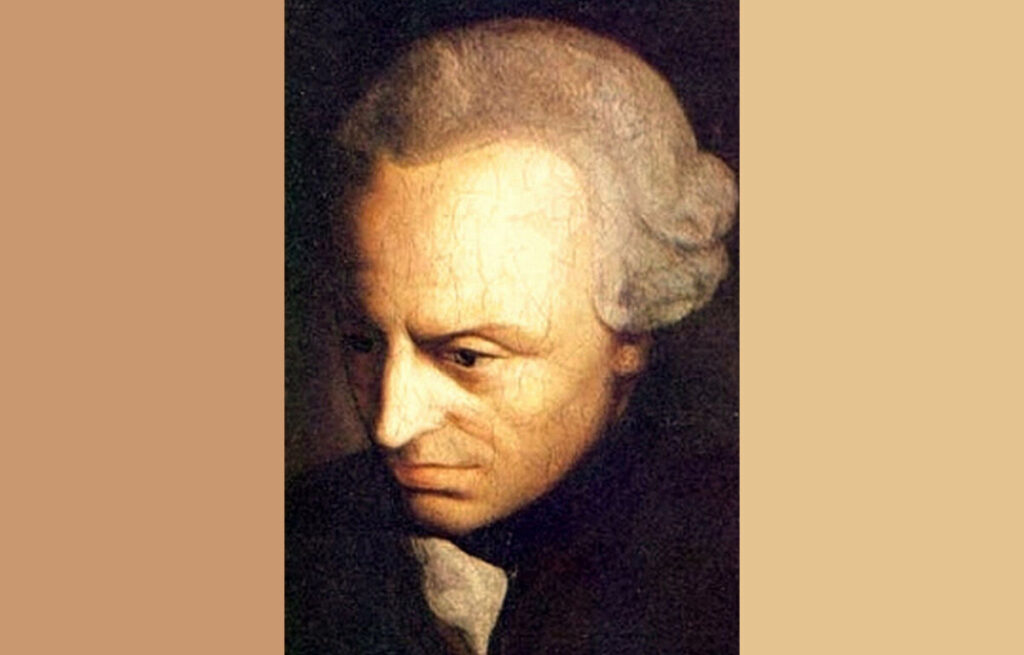
Immanuel Kant

12 Generations Ago 30 Phil, Chapter 28: Kant and Kantianism The German philosopher Immanuel Kant (22 April 1724 – 12 February 1804) was a central figure of the Enlightenment which put reason as the tool of choice when discussing God, nature, and humanity.  Some of my favorite translated quotes include: All our knowledge begins with […]
Immanuel Kant Read More »

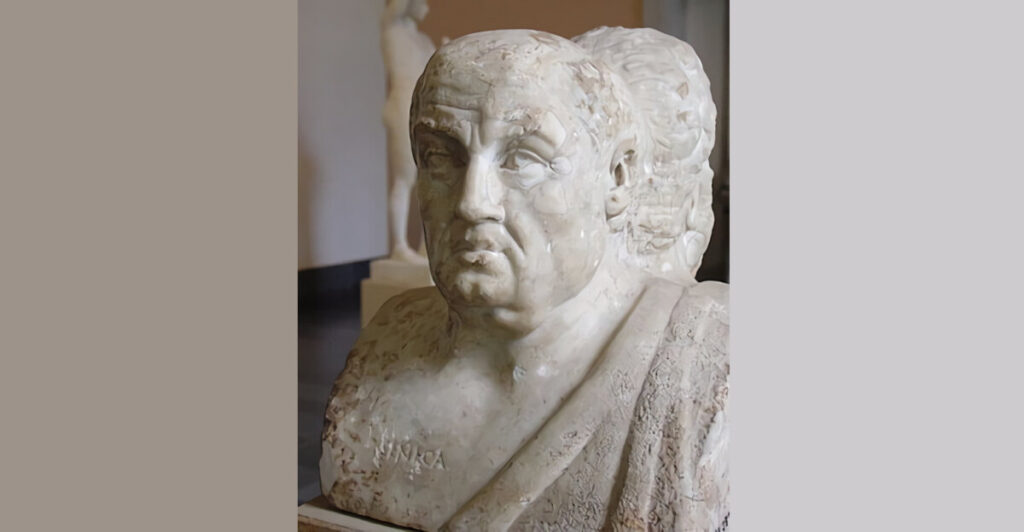
Seneca the Younger (4 BCE – 65 CE)

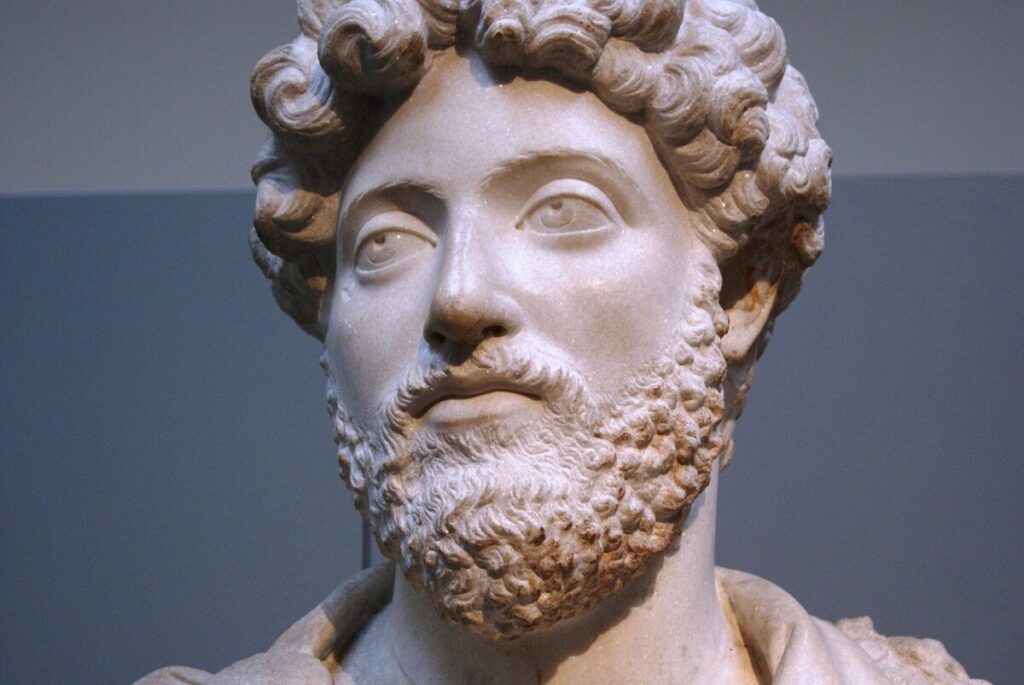
81 Generations Ago The stoic philosopher Lucius Annaeus Seneca the Younger has the distinction that more of his writings survived the test of time and is therefore a valuable primary source for stoic philosophy.  Some of my favorite translated Seneca quotes: Luck is what happens when preparation meets opportunity. All cruelty springs from weakness. Religion is

Seneca the Younger (4 BCE – 65 CE) Read More »

Pyrrho of Elis

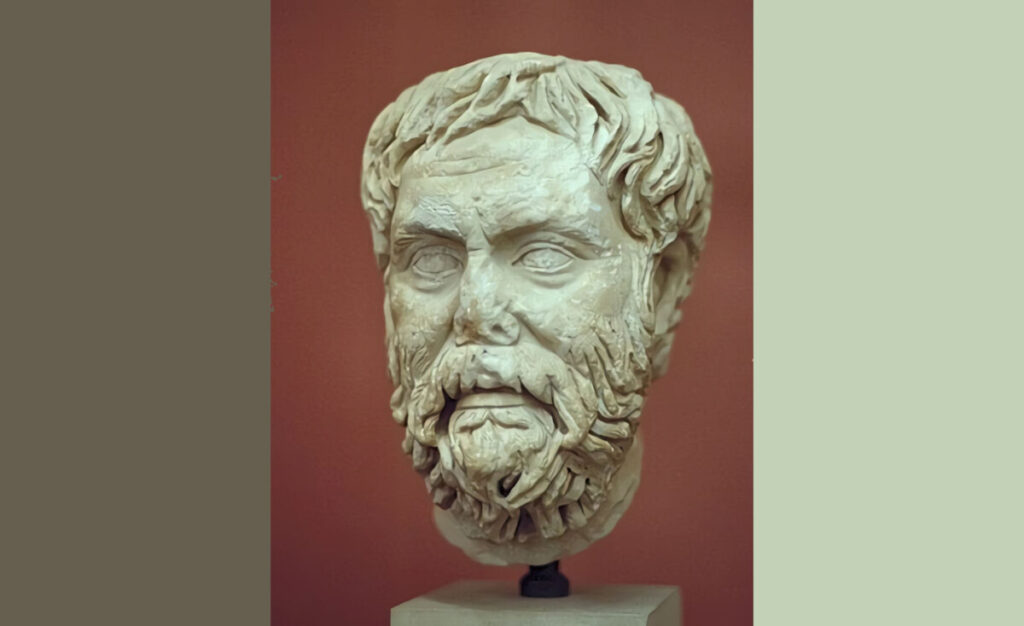
95 Generations Ago 30 Phil, Chapter 10: Pyrrho of Elis and Skepticism   Pyrrho, the skeptic, believed no one knows anything. Everything can be questioned. The best approach is to keep an open mind. Like Socrates, Pyrrho himself left no writings. We know of his teachings through his students and later writers.  Phrases that best represent

Pyrrho of Elis Read More »

Aristotle

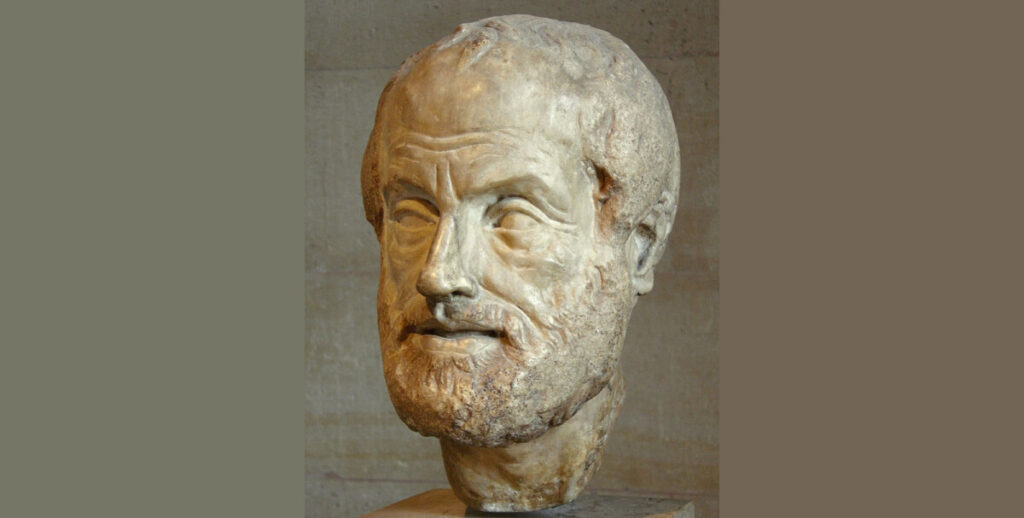
96 Generations Ago 30 Phil, Chapter 9: Aristotle and Empiricism Aristotle was the greatest Greek philosopher and covered nearly all subjects including physics, biology, zoology, metaphysics, logic, ethics, aesthetics, poetry, theatre, music, rhetoric, psychology, linguistics, economics, politics, meteorology, geology, and government. His Aristotelian philosophy characterized by deductive logic and an analytic inductive method. Some of

Aristotle Read More »

Plato

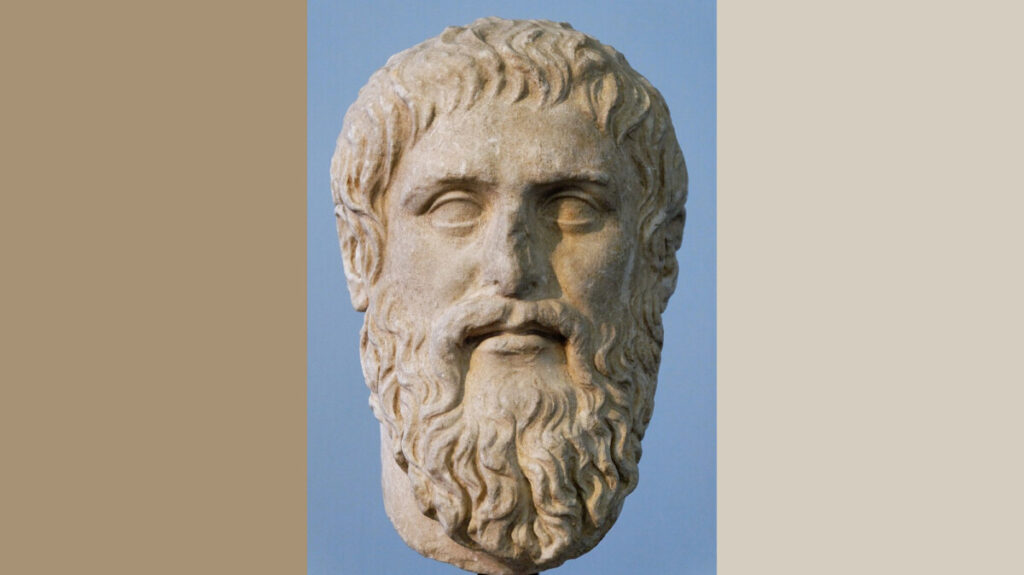
98 Generations Ago 30 Phil, Chapter 8: Plato and Rationalism Plato was a Greek philosopher born in Athens. He was a student of Socrates and a teacher of Aristotle. Plato’s Theory of Forms asserts that the reality is only a shadow, or image, of the true reality of the Realm of Forms — abstract, perfect,

Plato Read More »

Proto-Sinaitic script

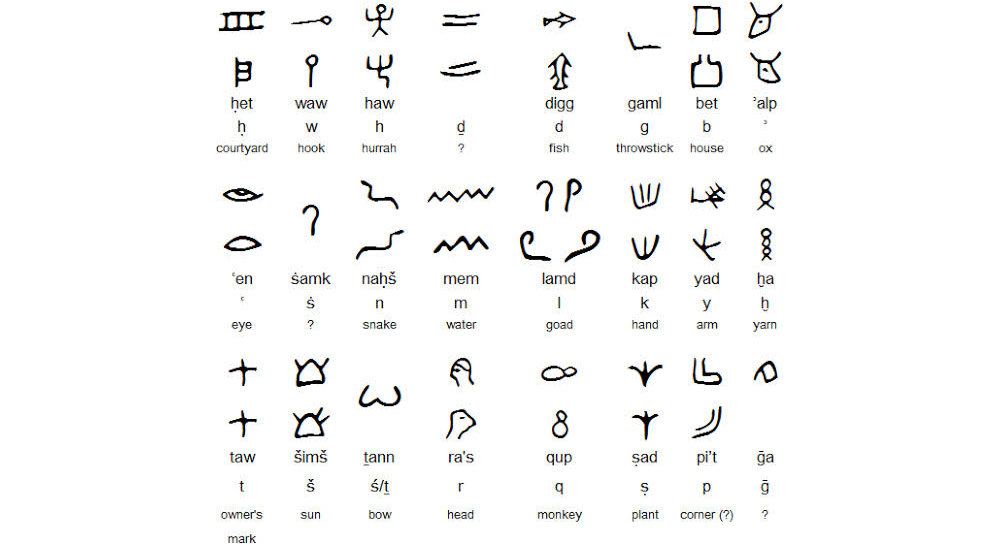
155 Generations Ago The Proto-Sinaitic alphabet is considered the earliest trace of alphabetic writing and the common ancestor of both Ancient South Arabian script and the Phoenician alphabet. The ancient South Arabian script evolved about 1900 BCE which continued to evolve into today’s Modern South Arabian languages. The Phoenician alphabet evolved into the Greek alphabet

Proto-Sinaitic script Read More »

Phoenician Alphabet

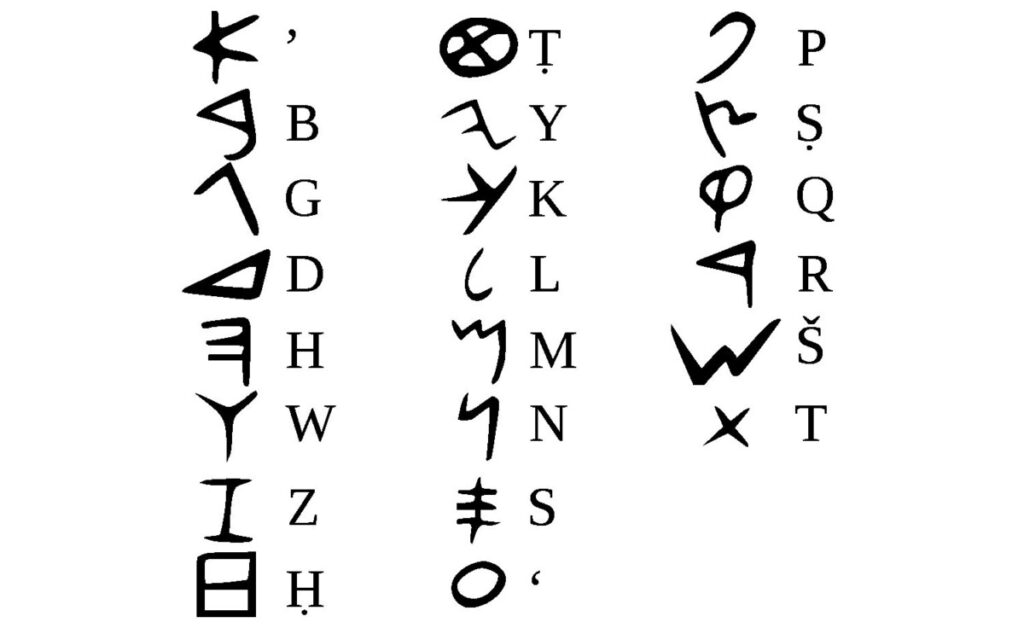
133 Generations Ago The Phoenician alphabet is a direct continuation of the Proto-Canaanite script circa 1300 BCE. Starting about 900 BCE, the Phoenician alphabet thrived and was adapted by others. It evolved into use by many languages including Greek, Old Italic and Anatolian scripts. These early uses of the alphabet evolved into the alphanumeric alphabet. 

Phoenician Alphabet Read More »

pathogen virus background

Electron Microscope = Nanoworld Discovered!

Starting in 1931 with the invention of the electron microscope, the nanoworld became visible to us. The nanoworld contains items as small in diameter as 1 micrometer (1 micron) to a diameter 1,000 times smaller, a diameter of 1 nanometer. The nanoworld includes the smallest single celled organisms, the smallest bacteria as well as viruses,

Electron Microscope = Nanoworld Discovered! Read More »

Scroll to Top