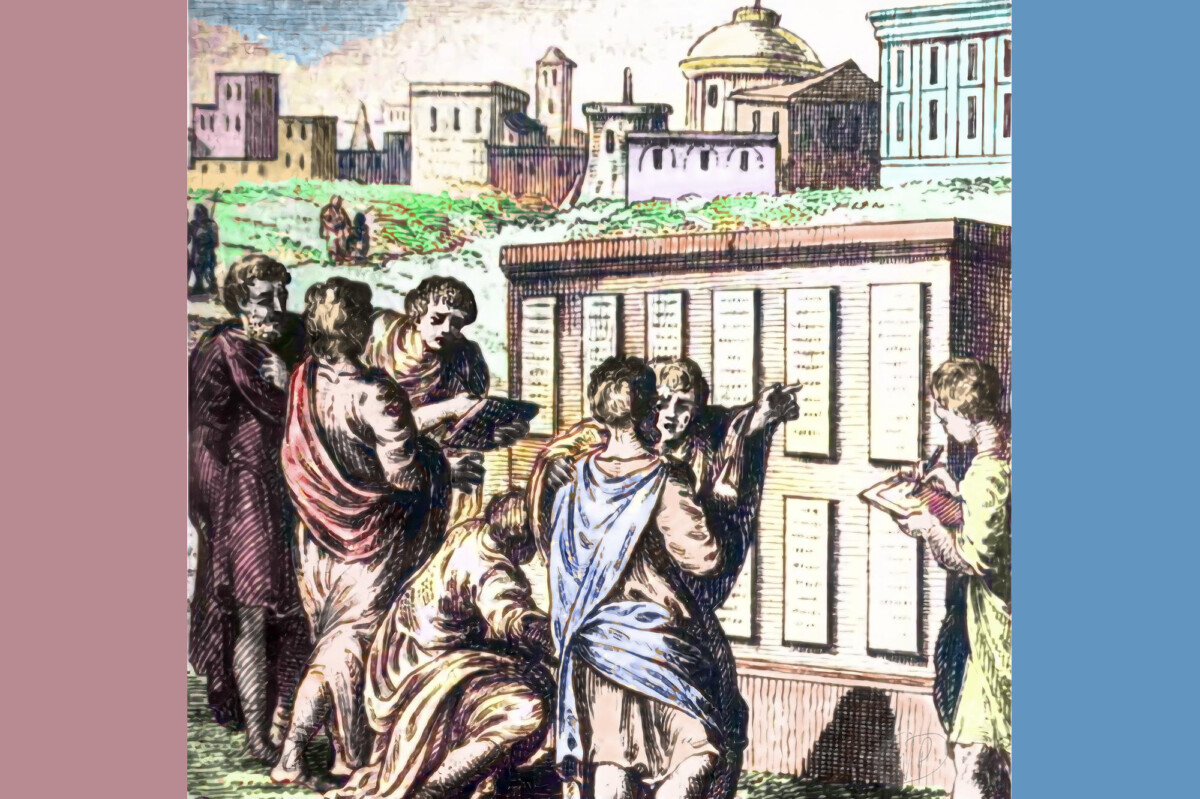
Law of the Twelve Tables
A good legal system slows judgment so public claims can be tested fairly. Think well by asking not only what was ruled, but how the claim was tested.
Law of the Twelve Tables Read More »


A good legal system slows judgment so public claims can be tested fairly. Think well by asking not only what was ruled, but how the claim was tested.
Law of the Twelve Tables Read More »
The first known postal system goes back to the Pharoah’s of Egypt circa 2400 BCE. Pharaohs used couriers to send out decrees throughout the Egyptian territory. The earliest surviving piece of mail dates back to 255 BCE and is also Egyptian.
First Mail, First Postal System Read More »
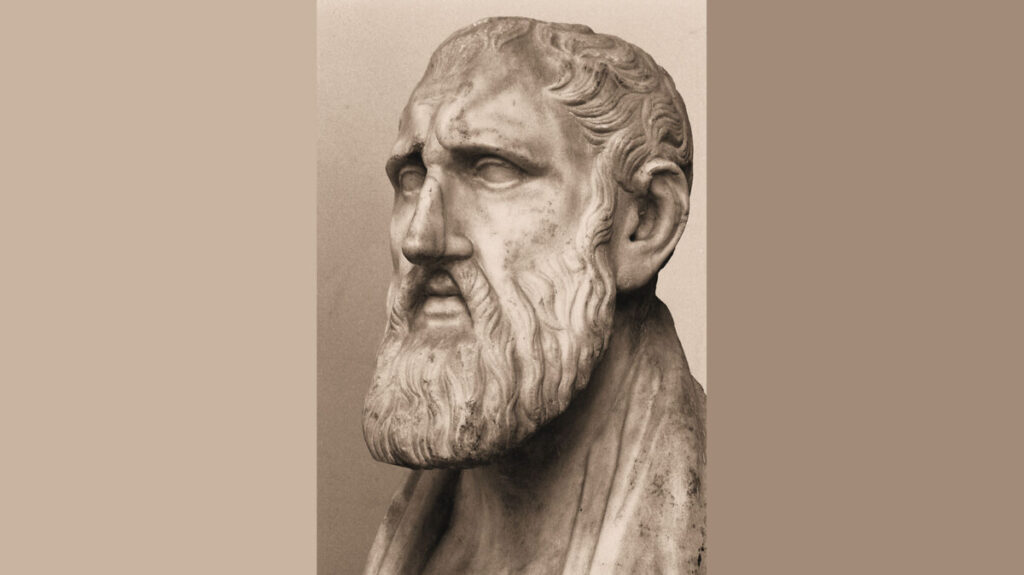
94 Generations Ago Zeno is considered the founder of the Stoic school of philosophy. When events occur in life, people react. Life is a series of events and immediate reactions. A stoic introduces a third middle step, a judge step. On their life journey, a stoic strives for a series of event-judge-react experiences. When you introduce
Zeno of Citium (334-262 BCE) Read More »

The Xia Dynasty is the first documented government of ancient China. The first to adopt dynastic succession. In modern times, it was regarded as a myth created later by Chinese historians, but 20th-century excavations uncovered sites which corresponded to descriptions in earlier historians’ accounts. This fact is an important lesson on understanding how little survived
Xia Dynasty (2070-1600 BCE) Read More »
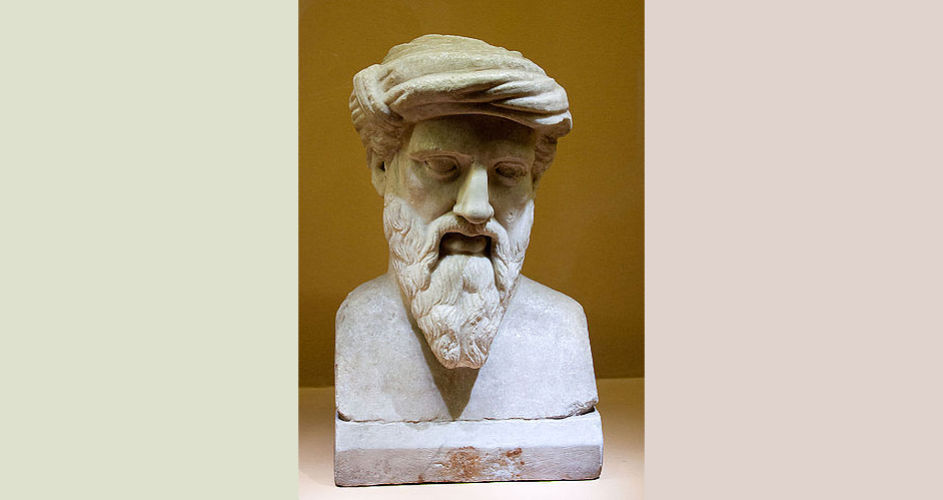
103 Generations Ago The Greek philosopher and mathematician Pythagoras was born in Ancient Greece on the island Samos which is about a mile off the coast of modern Turkey. History looks at Pythagoras as an educator and philosopher as well as a cult leader. He discovered the musical octave, used deductive reasoning, and embraced an
Pythagoras (570-495 BCE) Read More »
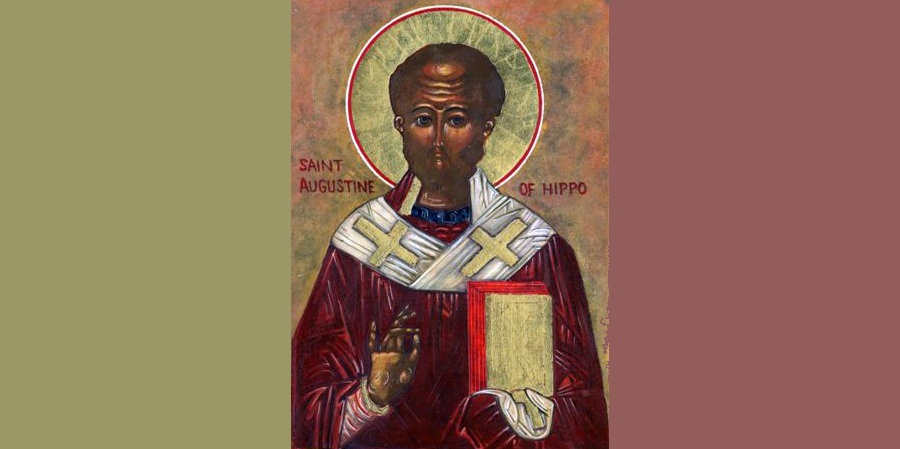
Life is full of hard choices. In situational ethics, clear-cut right and wrong tend to give way to reducing harm or choosing the lesser of two evils.
Augustine of Hippo Read More »
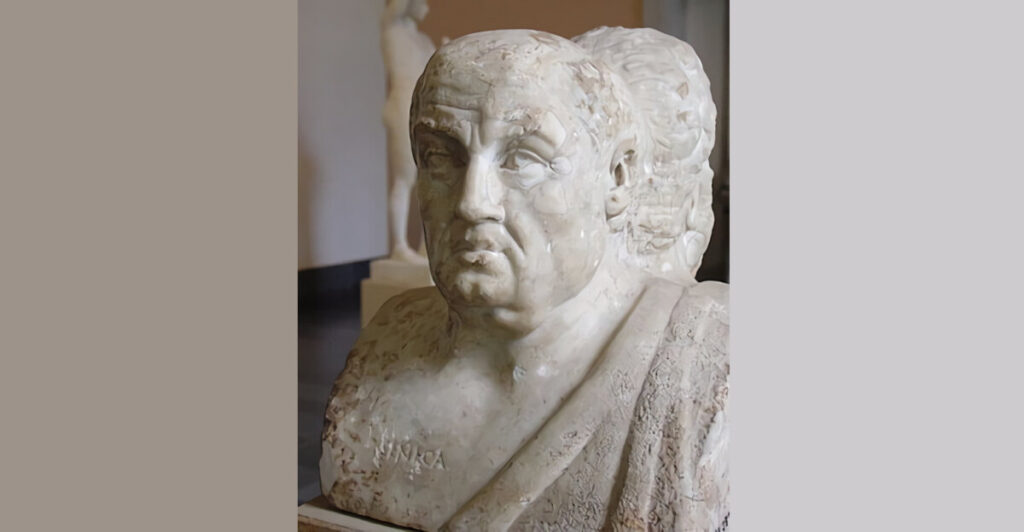
81 Generations Ago The stoic philosopher Lucius Annaeus Seneca the Younger has the distinction that more of his writings survived the test of time and is therefore a valuable primary source for stoic philosophy. Some of my favorite translated Seneca quotes: Luck is what happens when preparation meets opportunity. All cruelty springs from weakness. Religion is
Seneca the Younger (4 BCE – 65 CE) Read More »
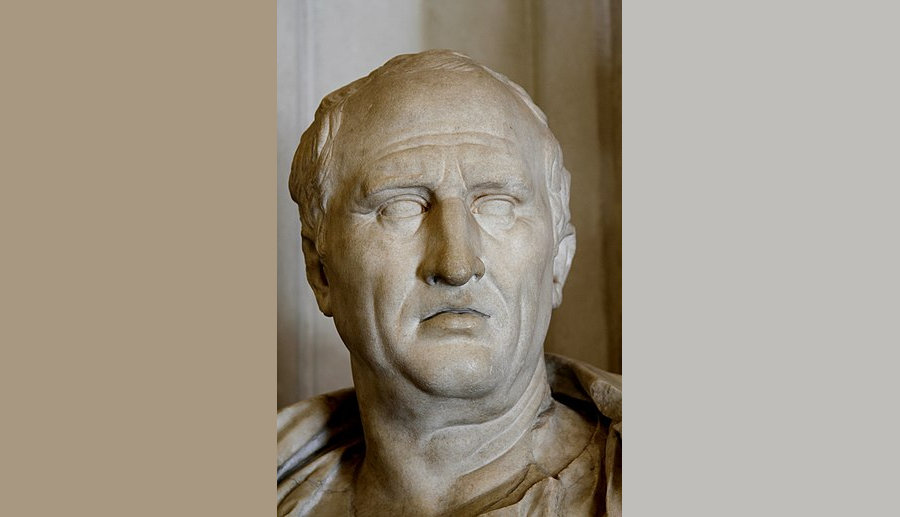
The stoic philosopher Marcus Tullius Cicero was one of Rome’s greatest orators and had an immense influence on the Latin language. Some of my favorite translated Cicero quotes: If you have a garden and a library, you have everything you need. Friendship improves happiness and abates misery, by the doubling of our joy and the
Cicero (106-43 BCE) Read More »
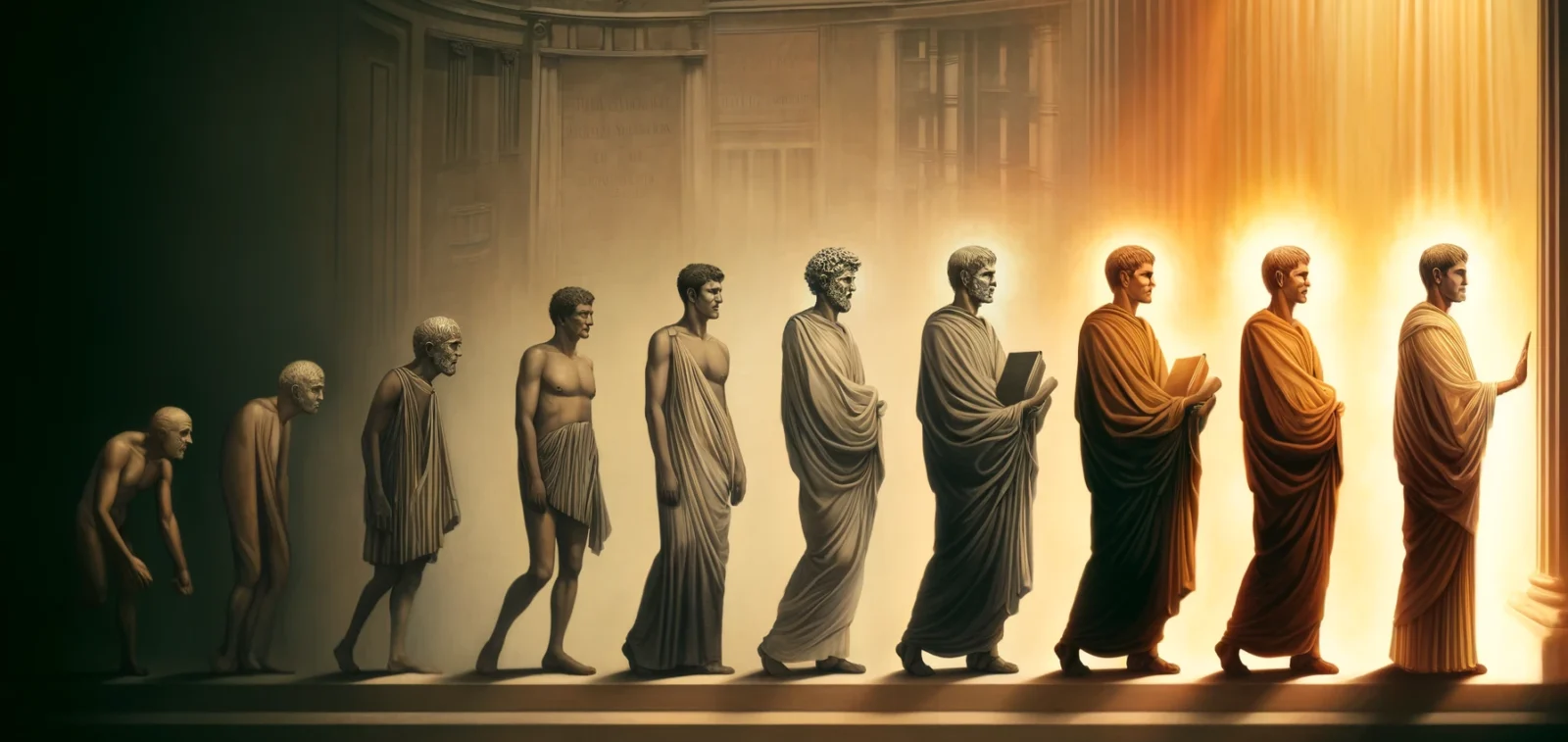
Epictetus taught that freedom begins by distinguishing what is within your control from what is not.
Epictetus (50-135 CE) Read More »
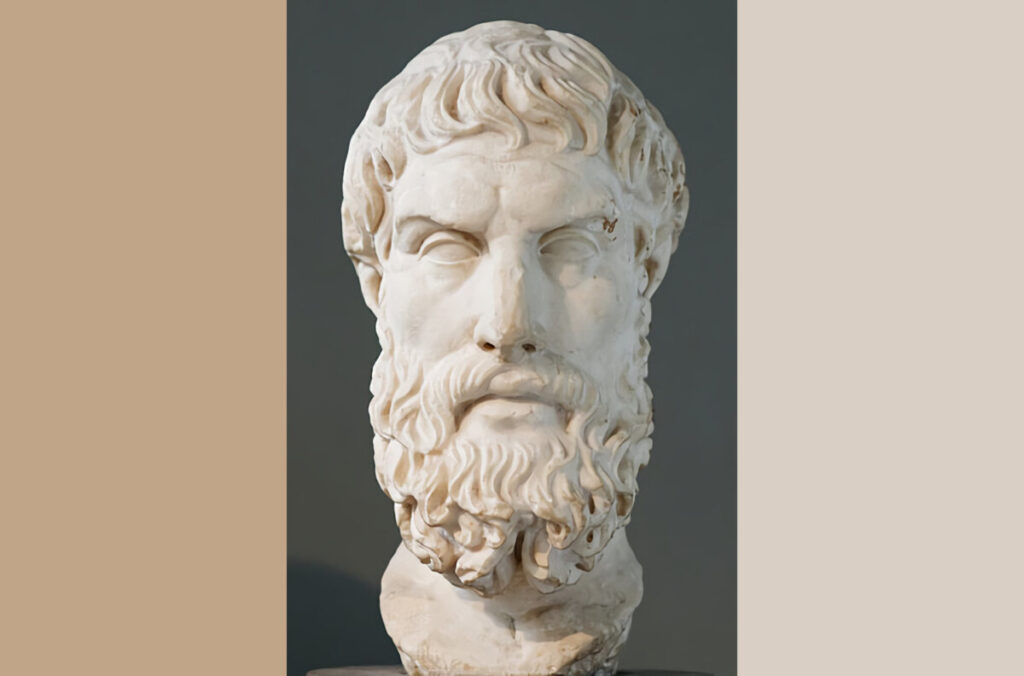
Live better by building a life of care, friendship, and shared dignity. Epicureanism reminds us that flourishing is not a solo project. The people around you shape your peace, your joy, and your moral life.
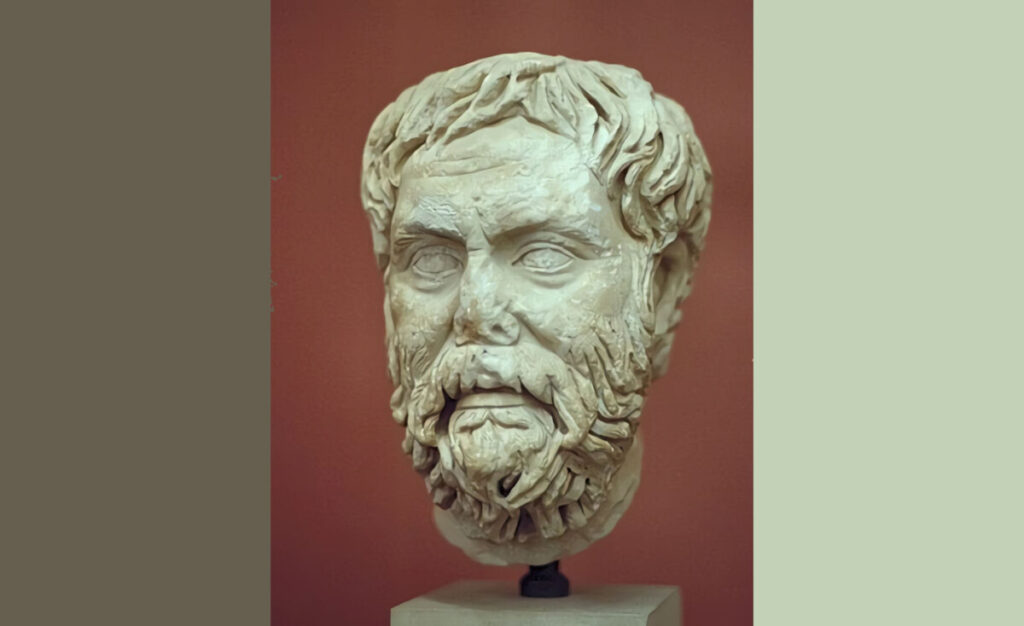
95 Generations Ago 30 Phil, Chapter 10: Pyrrho of Elis and Skepticism Pyrrho, the skeptic, believed no one knows anything. Everything can be questioned. The best approach is to keep an open mind. Like Socrates, Pyrrho himself left no writings. We know of his teachings through his students and later writers. Phrases that best represent

The Greeks knew the Earth is spherical. For example, Pythagoras (570-495 BCE), Aristotle (384-322 BCE), and Euclid (circa 450 BCE) wrote about the Earth as a sphere. Eratosthenes (276-194 BCE) even calculated the circumference of the Earth to within 1%. He also wrote about the idea that India could be reached by sailing westward from
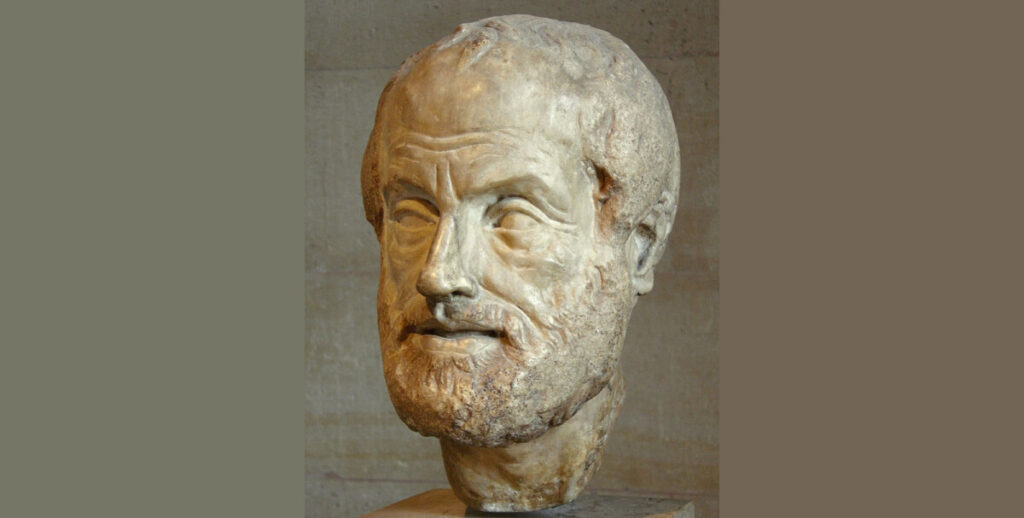
A strong mind can examine an idea without immediately believing or rejecting it. Understanding comes before judgment.
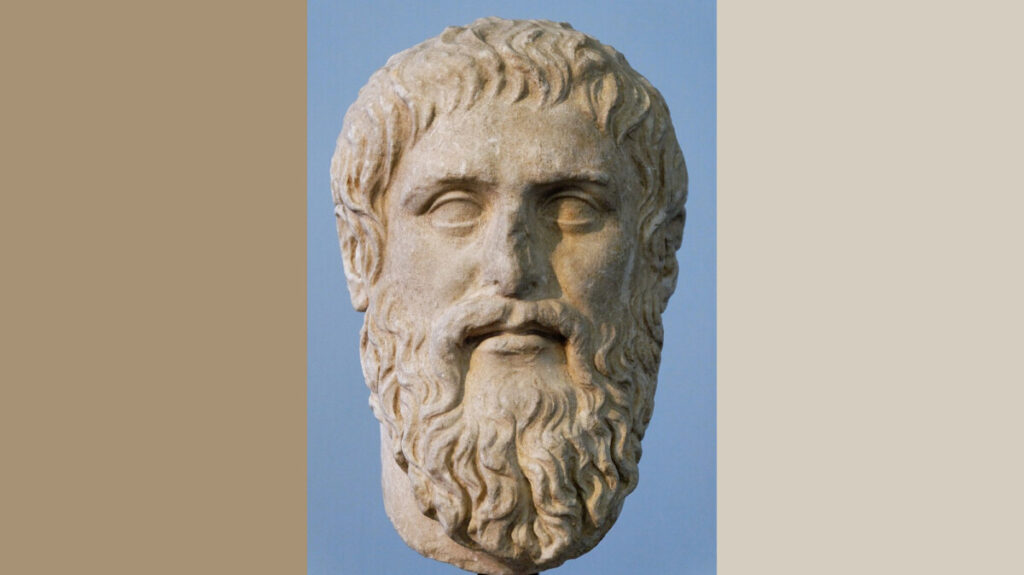
Plato reminds us that what we see is not always the whole story. Humans use abstract ideas, categories, and ideals to make sense of the changing world around us.
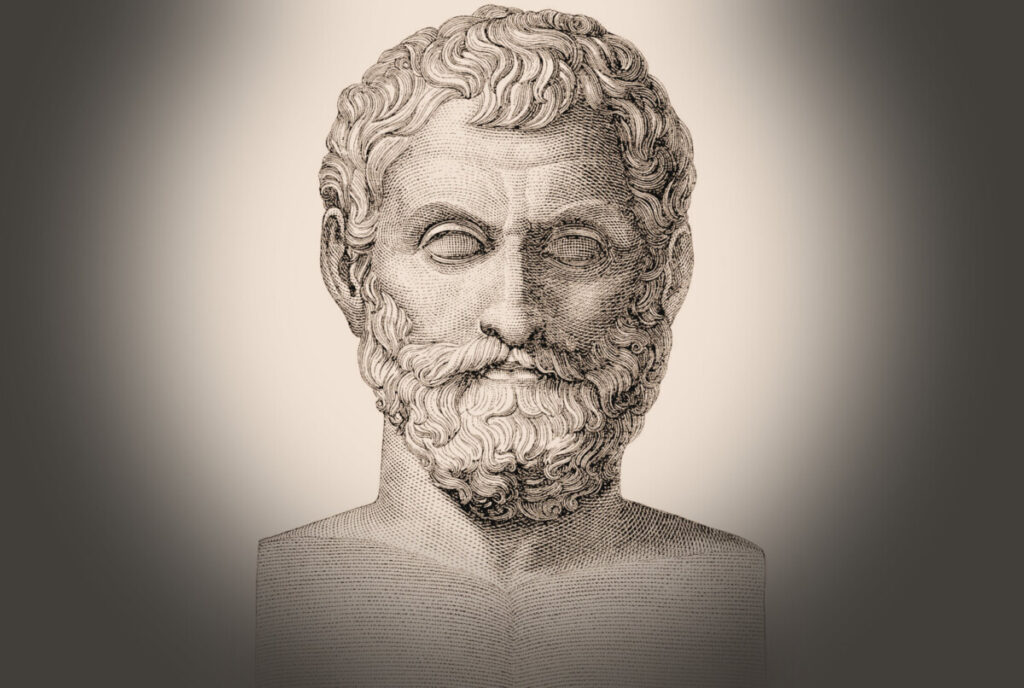
Think like Thales: before reaching for tradition, authority, or speculation, look to reality and ask what nature itself is telling you.
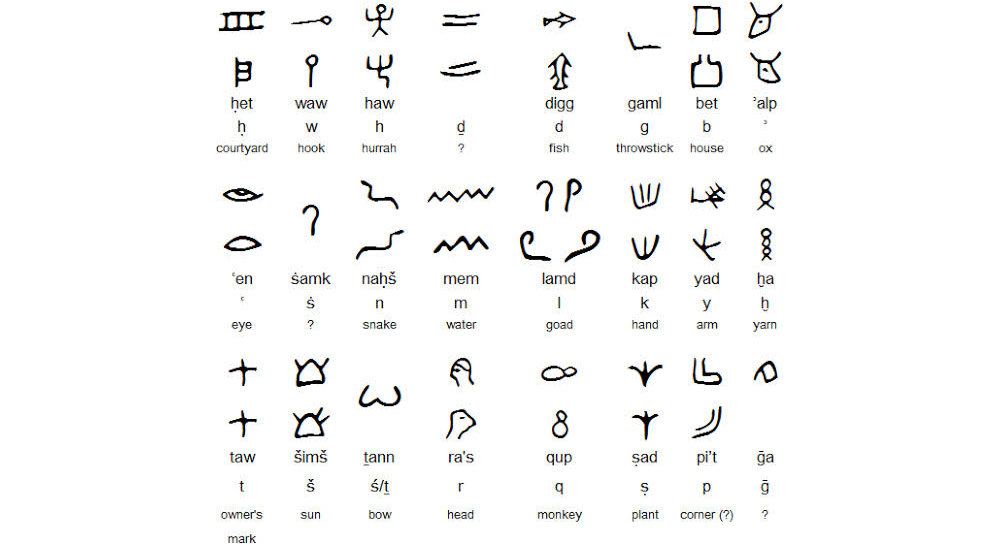
Proto-Sinaitic transformed a small set of familiar pictures into symbols for individual consonant sounds, creating a simpler and more adaptable way to write language.
Proto-Sinaitic script Read More »
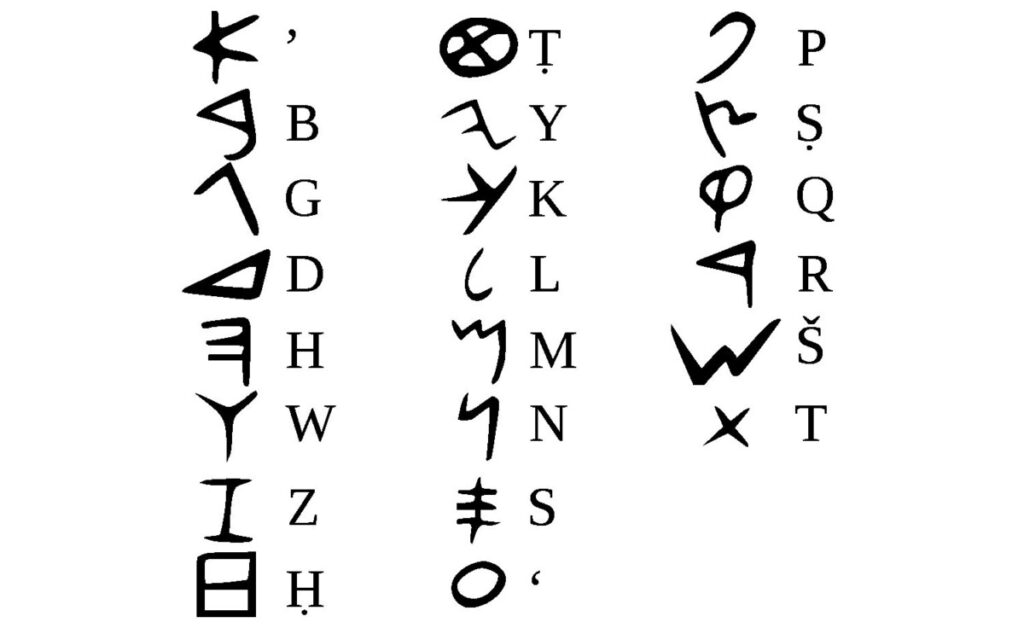
133 Generations Ago The Phoenician alphabet is a direct continuation of the Proto-Canaanite script circa 1300 BCE. Starting about 900 BCE, the Phoenician alphabet thrived and was adapted by others. It evolved into use by many languages including Greek, Old Italic and Anatolian scripts. These early uses of the alphabet evolved into the alphanumeric alphabet.
Phoenician Alphabet Read More »

The legendary story of Noah’s flood occurred in the year 2348 BCE if you believe Ussher’s biblical timeline he made up in 1654. However, this flood myth is clearly based on the Sumerian flood story documented in the Epoch of Gilgamesh circa 2100 BCE. The Epoch of Gilgamesh is regarded as one of the earliest
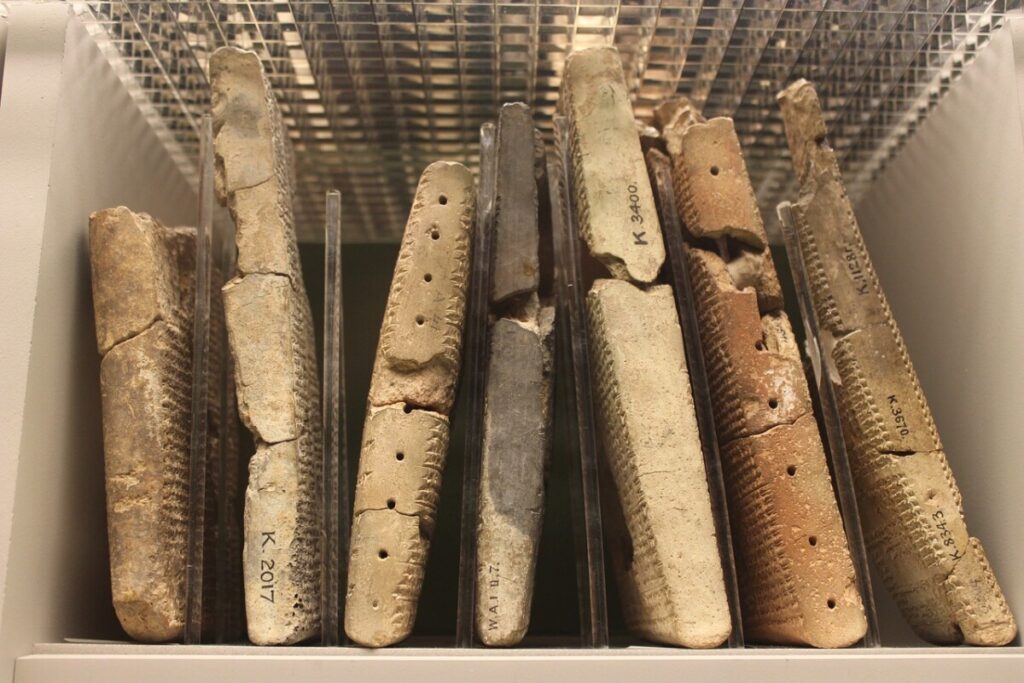
Earliest known writing in Africa/Middle East zone. Human DNA today is the same as 50,000 BCE. There is no doubt there were many dozens and perhaps thousands of civilizations prior to the Sumer civilization, but Sumer is the earliest known, or at least the earliest well known. The Sumer civilization first established between 6500 and
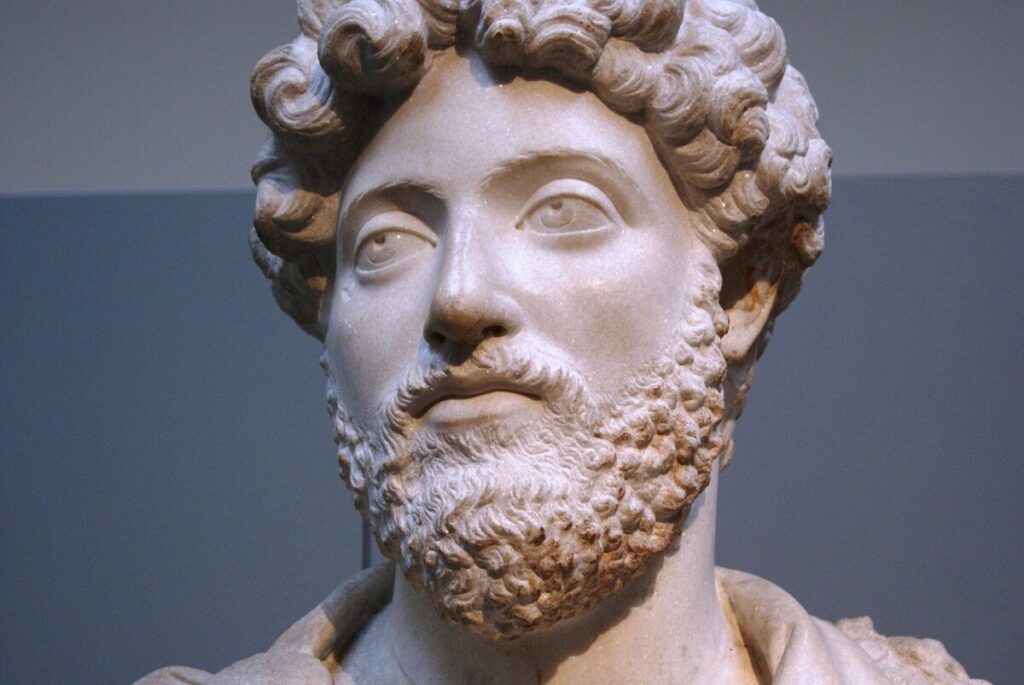
Stoicism is a philosophy of self-command centered on virtue while focusing your effort on what is yours to control.