
Baboons Branch Off: Old World Monkeys
Our last tails! The last common ancestor with humans and old-world monkeys lived around 29 million years ago.
Baboons Branch Off: Old World Monkeys Read More »


This group includes the ancestors of mammals and lived alongside reptiles for millions of years. They eventually died out, except for the lineage that led to mammals.
Our last tails! The last common ancestor with humans and old-world monkeys lived around 29 million years ago.
Baboons Branch Off: Old World Monkeys Read More »

The last surviving primate before the great apes! Gibbons are a “lesser ape” that branched off from our common ancestor with great apes. By this time, our ancestors had already lost their tails (like all apes) and were very agile in trees, using brachiation (arm-swinging) to move through the canopy. Gibbons are known for their
Gibbons Branch Off: Genus Hylobates Read More »

Around 240 million years ago, the XX/XY sex-determination system emerged in a common ancestor of mammals.
XX/XY Sex System Emerges: A Tale of Mammalian Evolution Read More »

By about 125 million years ago, early mammals were doing more than making a few simple sounds. Their signaling systems expanded into the dozens.
Animal Vocabulary: Dozens of Words Read More »

Around 60 million years ago, the early ancestors of primates began to develop a crucial adaptation: the opposable thumb. This evolutionary milestone marked the beginning of increased dexterity.
Opposable Thumb Emerges Read More »
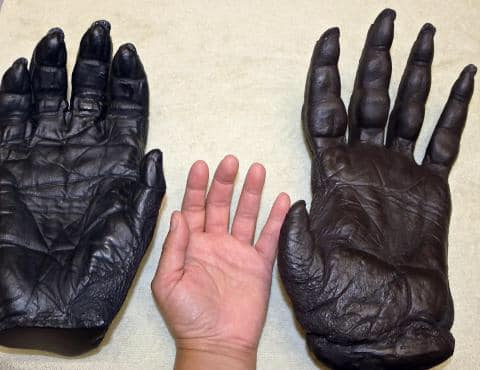
Likely between 25 and 30 million years ago, the evolution of the apes brought about further refinement of the opposable thumb. This period saw the divergence of the lineages that would lead to modern “lesser” apes like gibbons as well as later “great” apes, including orangutans, gorillas, and chimpanzees. The ape thumb evolved to become
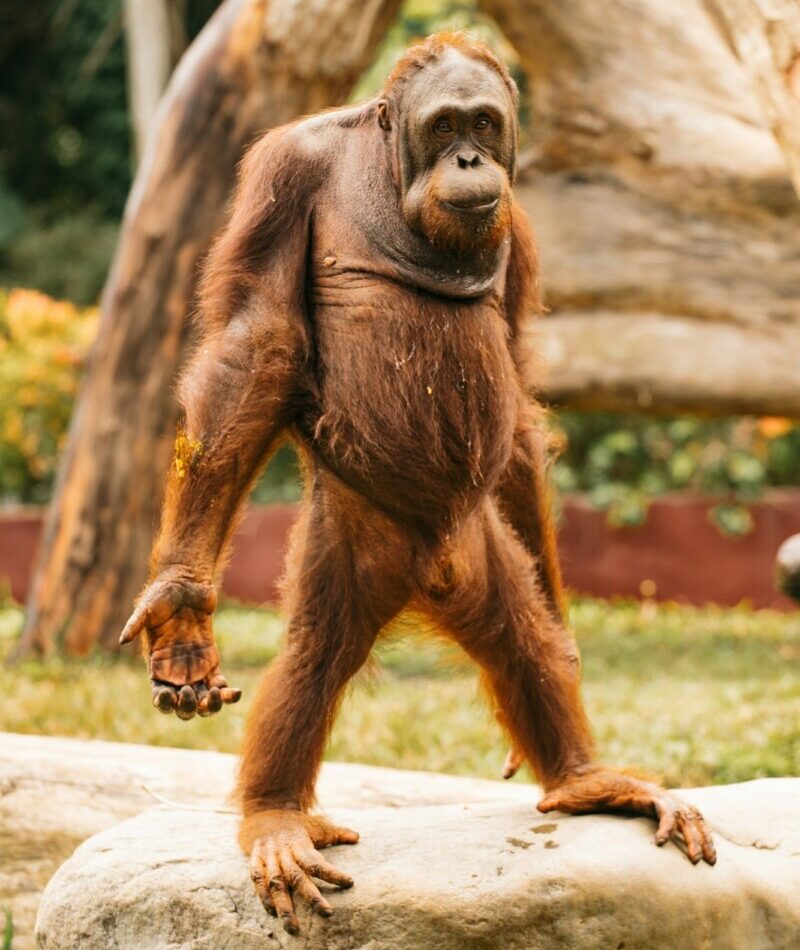
Our last comman ancestor of all known great apes lived about 16.5 mya. The orangatan branch split off about 12 mya. After that split the orangatan branch split several more tiimes. The modern orangatan species, the last split of this branch, emerged about 400,000 years ago.
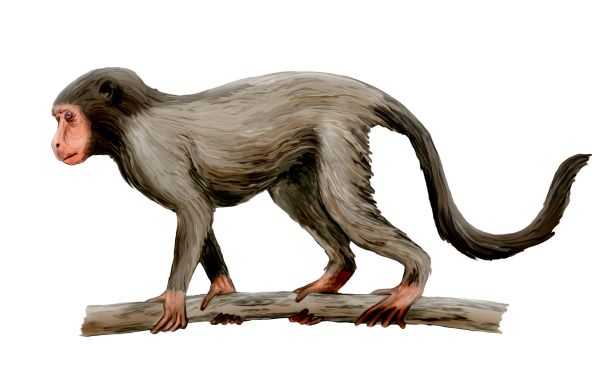
True Primate: Within mammals, only primates have binocular vision, grasping hands, and flat nails–instead of claws.
Early Intelligence Emerges: Aegyptopithecus zeuxis Read More »
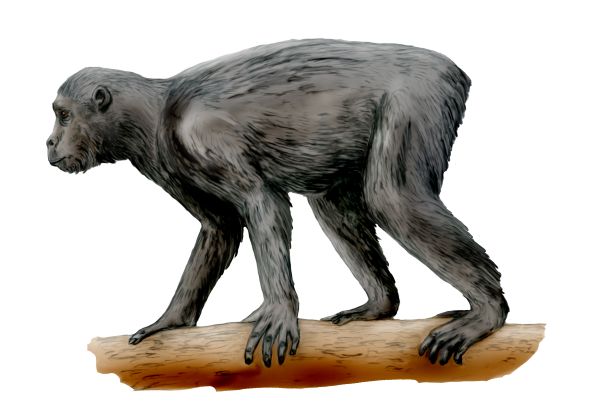
Great Apes LCA candidate: Proconsul, an inhabitant of the Miocene forests in East Africa, stands as a landmark in the evolutionary journey toward self-awareness.
Genus Proconsul (Self-Awareness Settles) Read More »
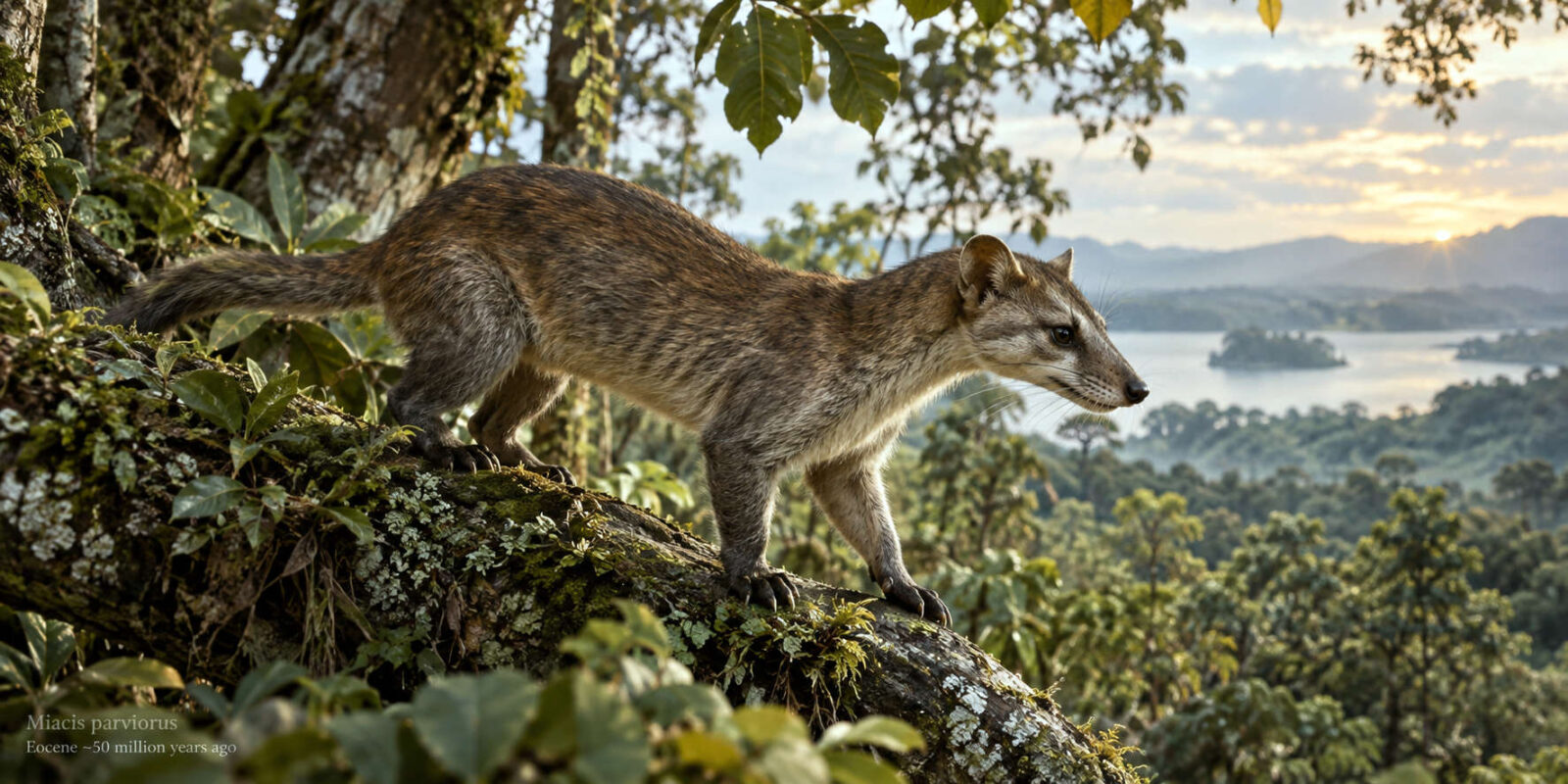
Emerging in the lush forests of the Eocene, Miacis represents an experimental moment in the evolution of cognitive abilities among mammals.
Early Self-Awareness: Miacis Read More »
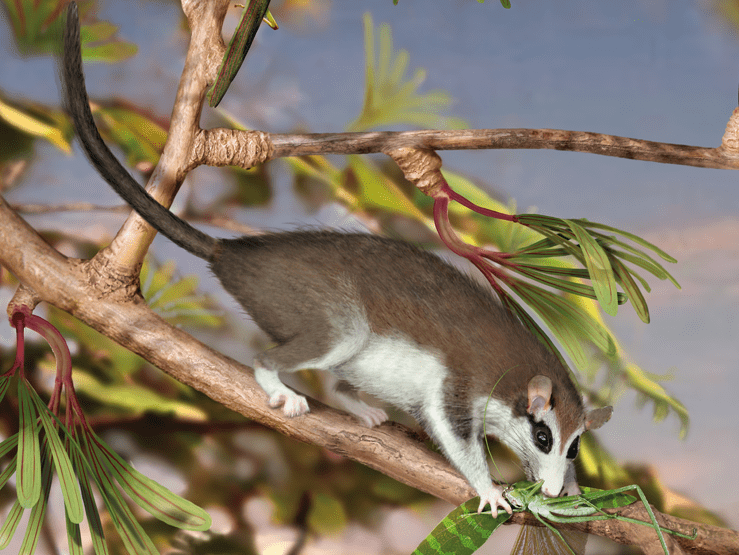
The rise of Eomaia scansoria, an early placental mammal, marks a definitive leap towards “Complex Sentience” in the evolutionary saga leading to humans. It’s also plausible that it possessed a foundational level of self-awareness, or what can be termed as Proto Self-awareness. A rudimentary sense of self.
Complex Sentience Settles: Eomaia scansoria Read More »
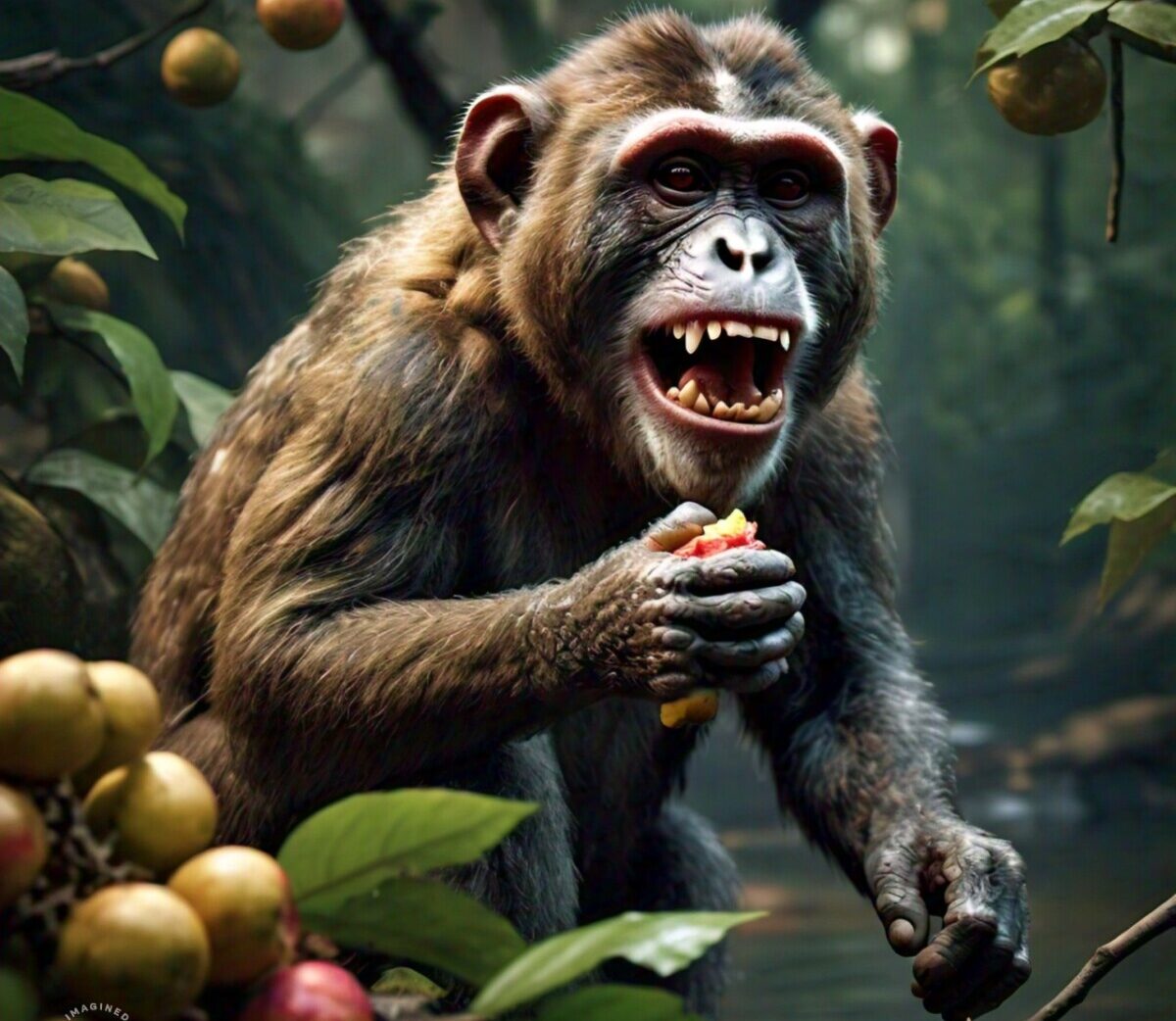
Last Gorilla-Chimp-Human ancestor: The last common ancestor of gorillas, chimpanzees, and humans likely lived about 8 to 10 million years ago.
Gorillas Branch Off: Genus Nakalipithecus Read More »
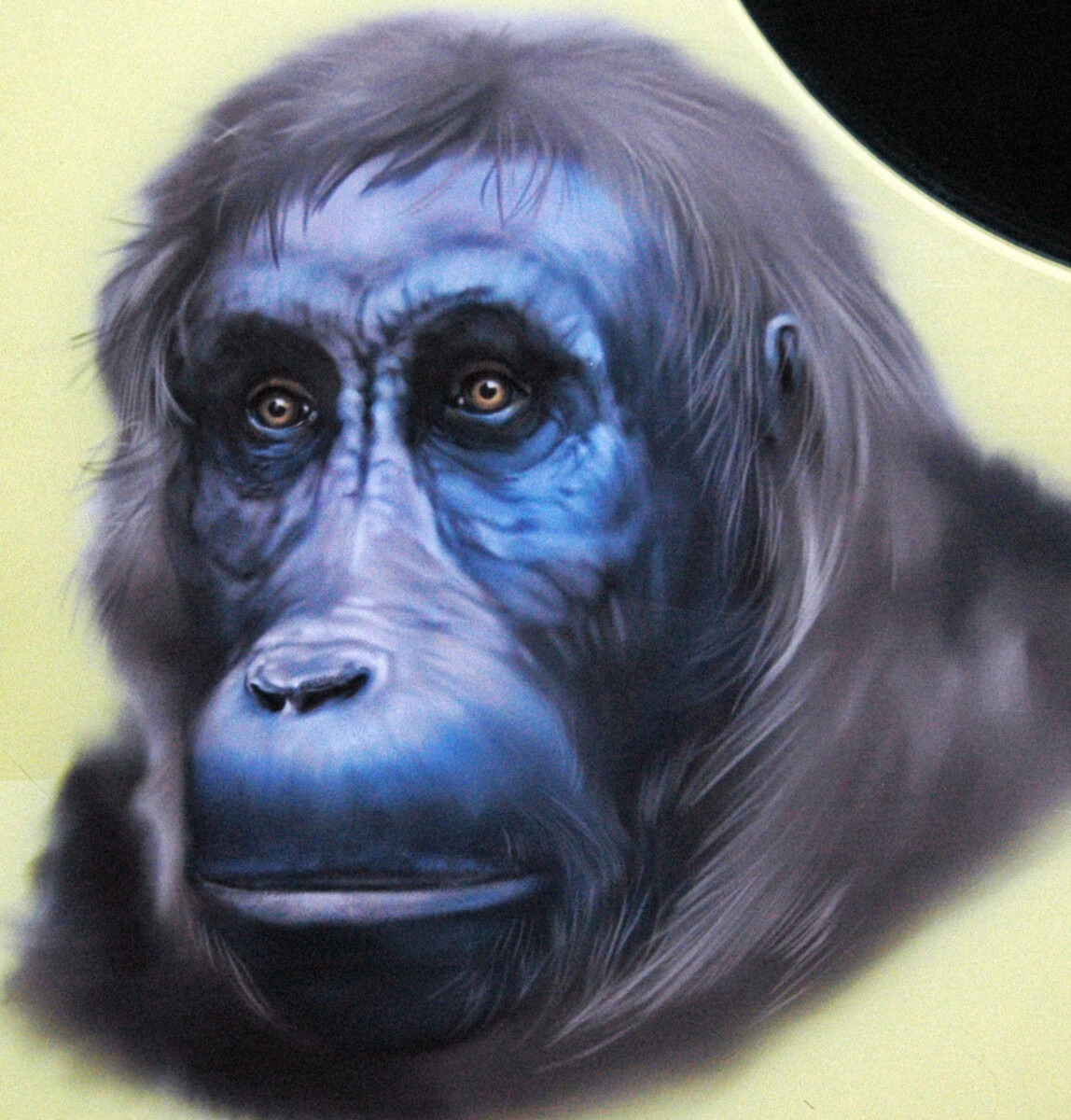
Orangutan ancestor: After the Great Apes LCA, orangutans evolved in Asia. The genus Sivapithecus represents early orangutans. An extinct species of the great apes, they lived in the Indian subcontinent from around 12 to about 8 million years ago.
Orangutans Branch Off: Genus Sivapithecus Read More »
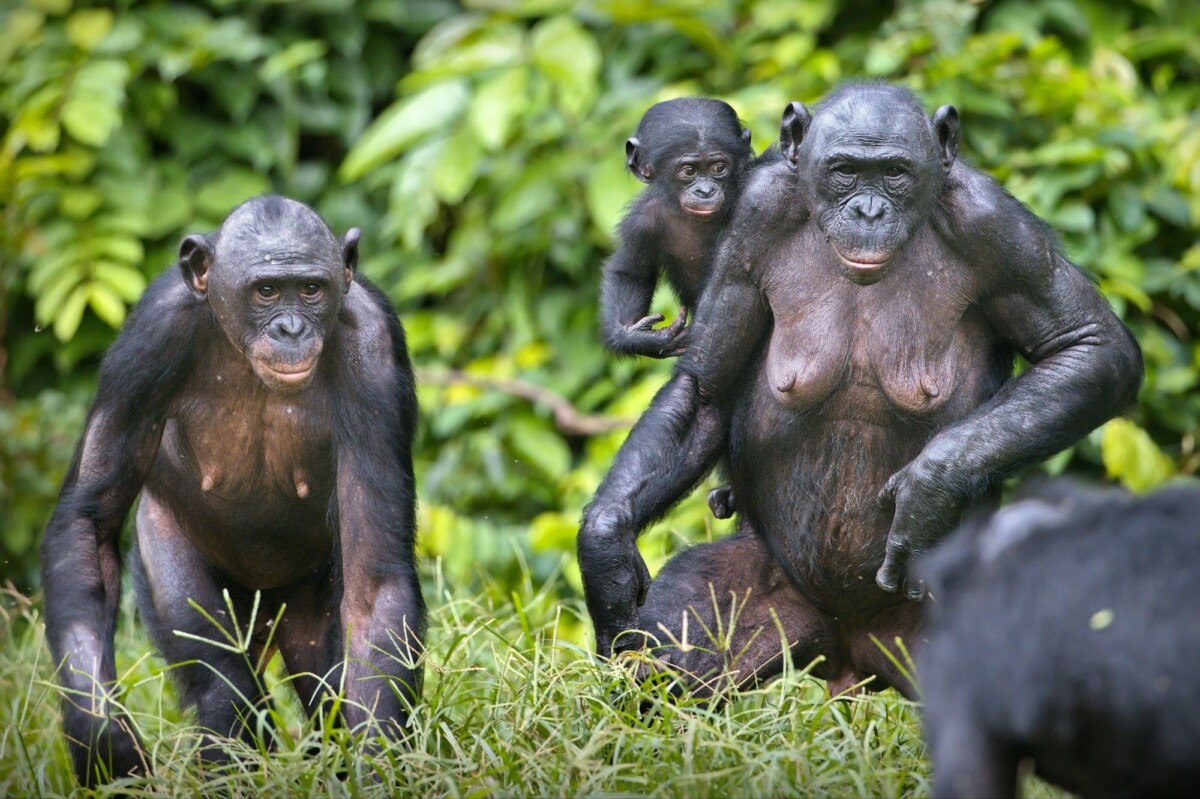
The genus Pan gave rise to two living cousins: chimpanzees and bonobos. Their split shows how one intelligent ape lineage can become two distinct evolutionary stories.
Emergence of the Chimpanzee Family Read More »
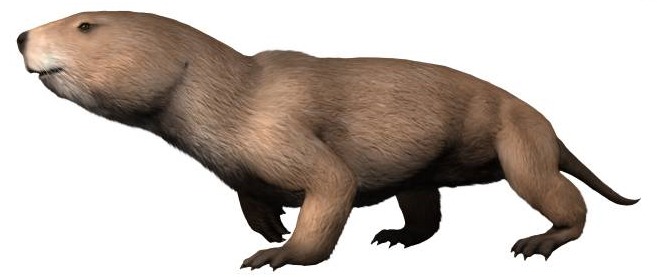
An example of early live birth is the protomammal Kayentatherium, Jurassic period. The switch to live birth in mammals, including marsupials and placentals, evolved from a common ancestor.
Mammals: First Live Births Read More »
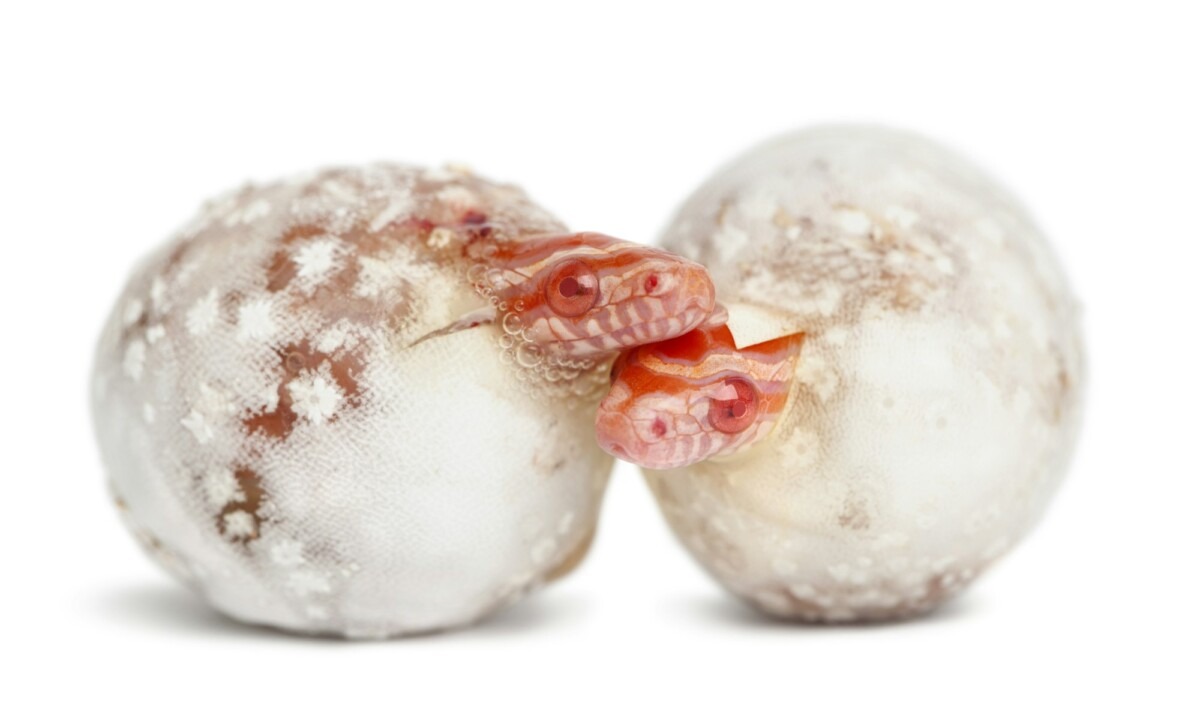
The amniotic egg evolved in the first amniotes, which evolved into today’s reptiles, birds, and mammals.
Amniotes Emerge: Amniotic Eggs Read More »
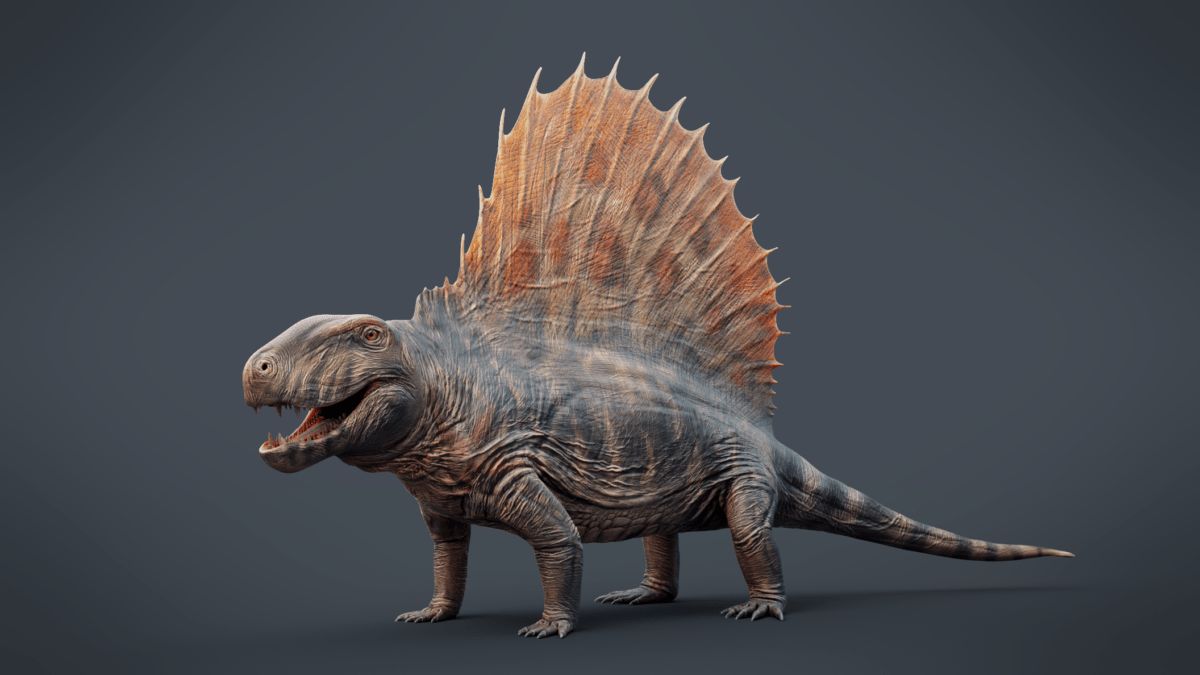
By about 280 million years ago, Dimetrodon was one of the best-known predators of the Early Permian. It stalked rivers and floodplains alongside caseid synapsids, large amphibians like Eryops, and a landscape of Calamites, Sigillaria, ferns, and early seed plants.
Early Complex Sentience Emerges: Dimetrodon Read More »
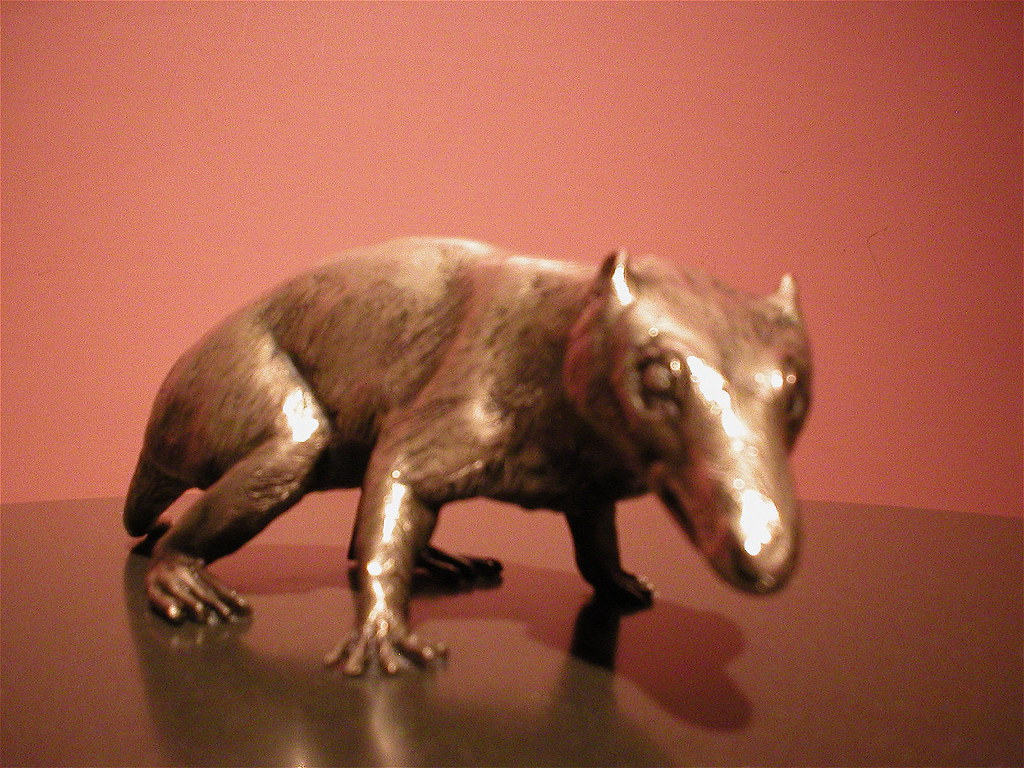
Morganucodon was an early mammaliaform from about 200 million years ago. Crown mammals emerged from within this group about 170 million years ago.
First Mammaliaforms: Morganucodon Read More »
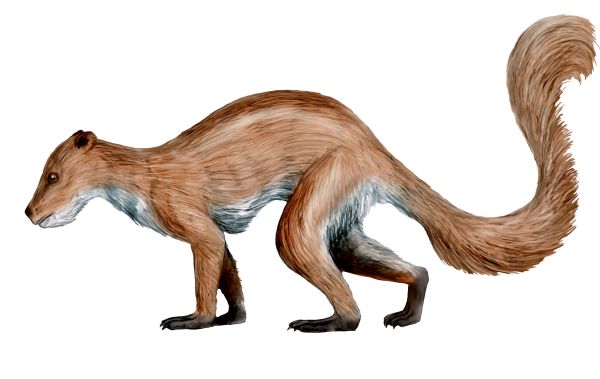
Plesiadapis, a proto-primate, is an example of a fruit-insect eater likely similar to our direct-line ancestors around this time.
Plesiadapis: First fruit-insect eaters. Read More »
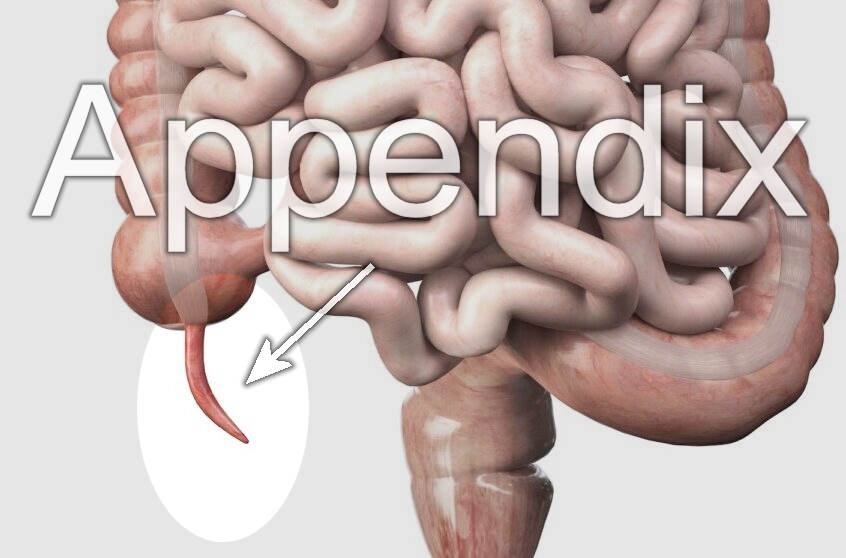
The appendix is an example of a Phenotype Variation — a trait that varies among individuals. In fact, something like 1 in 100,000 people are born without an appendix.