


How can you tell when a debate has stopped being productive?
Take control of disagreement by recognizing when a debate is no longer productive and exiting before frustration turns into anger.

When is an idea a direct or indirect description of reality?
Empirical ideas point directly at the material world. Rational ideas reach it indirectly through abstraction, relationships, and layers of thought.

Is math always rational?
Math itself is rational, but a statement using math can be empirical, rational, or irrational depending on what the full claim is describing.
Is flourishing for all just utilitarianism?
Similarity is not identity. Flourishing for all cares about consequences and human well-being, but unlike utilitarianism, it does not reduce morality to maximizing total welfare.

When should you stop following the crowd?
The crowd can carry wisdom, but agreement is not proof. Conformity bias can make group beliefs feel true, while confirmation bias helps keep them that ...

How does the Idea of Ideas handle counterfactuals?
Counterfactuals ask what would be true if something had been different. In the Idea of Ideas, they are just ideas.

How do we know what is true in a fictional world?
Stacie Friend challenges the simple split between fiction and fact. Fiction is not cut off from reality; it uses reality as its background.
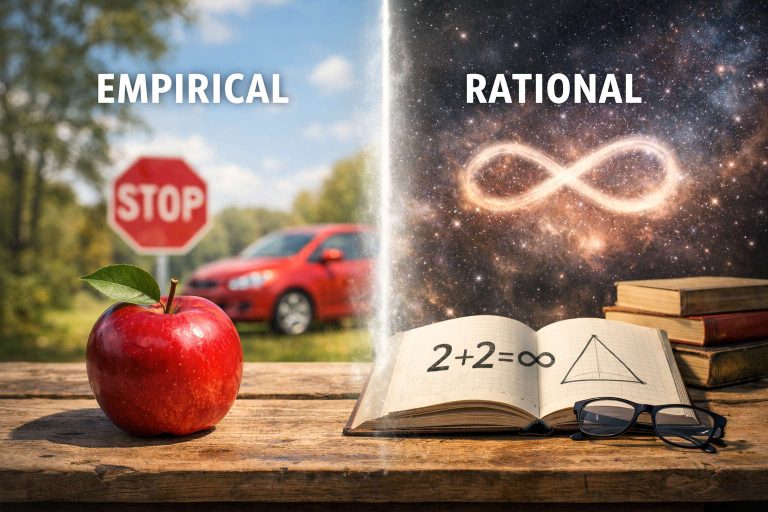
Do empirical ideas require direct observation?
Empirical ideas require confirmation in the material world, not necessarily direct observation.

How does spirituality relate to public belief?
When talking about spirituality, remember to accept the personal beliefs of others, as is, until you are asked to accept a claim as true. When ...

How should critical thinkers judge the Republican Party under Trump?
Critical thinkers should judge the Republican Party under Trump by its behavior under pressure: does it protect cardinal virtues and is it bending toward authoritarian ...

How do you prevent yourself from overreacting?
During conflict, shift from justifying your intent to asking what result you actually want.

Will AI change writing prose?
The age of AI is already impacting how we write. Prose is shifting back toward something more human: your lived experience. Let AI handle grammar. ...
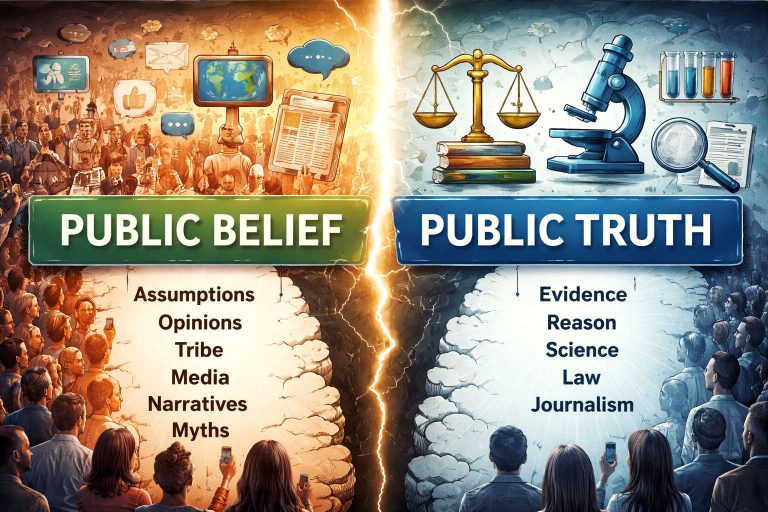
What is the difference between public truth and public belief?
Do not confuse what is widely repeated with what is well tested. Public belief deserves attention, but public truth deserves your higher confidence.
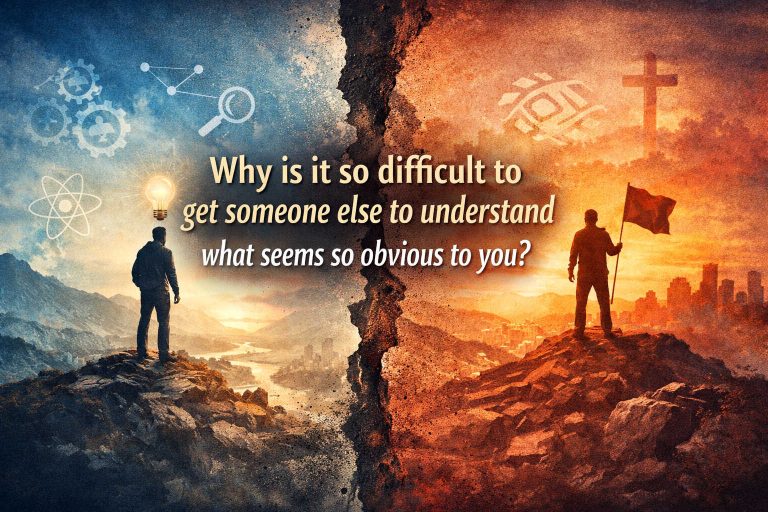
Why is it so difficult to get someone else to understand what seems so obvious to you?
After sharing new information, if someone is still not convinced, let it rest. Belief is often tied to identity and worldview. To their way. Respect ...
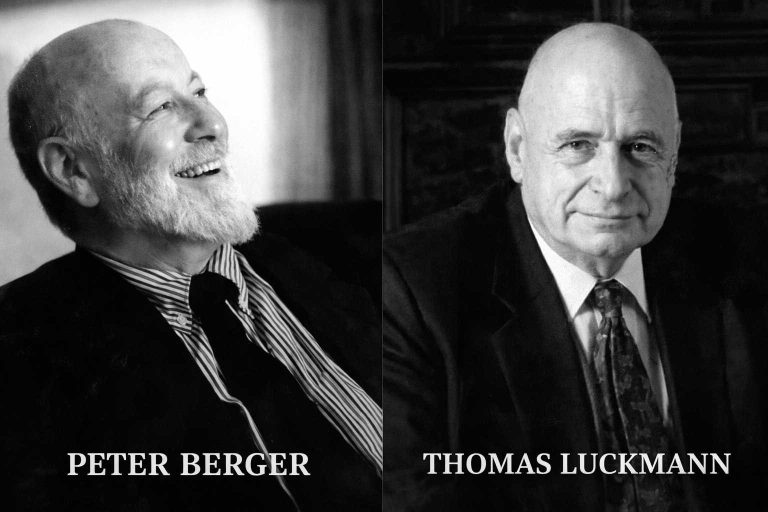
Do my people and culture help or harm my critical thinking?
Your people and culture give you a big leg up, a great starting place, but it is not a final place to stand still.

What is confirmation bias, and why does it matter?
Confirmation bias distorts our interpretation of reality by filtering evidence through prior belief.

What is worldview humility?
Most convictions feel universal because they are familiar. Worldview humility begins when we recognize the role of time, place, and culture in shaping what feels ...

Is the Split in the Idea of Ideas the Same as Kant’s?
Kant showed that human experience filters reality; the Idea of Ideas extends that insight by classifying our explanations into empirical, rational, and irrational.

Why do we struggle to recognize the limits of our own thinking?
Recognizing the limits of your own thinking is not weakness. It is self-control. When you know where evidence ends, you regain control of your next ...
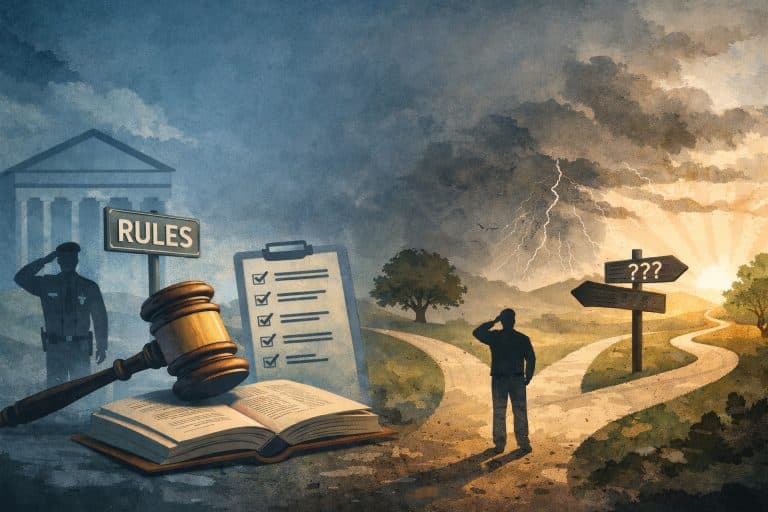
Why do people confuse rule-following with moral reasoning?
The rules of life guide us and are important, but moral reasoning requires personal judgment. Never outsource your judgment to authority. Your morality is your ...