Explore Science-first Philosophy

Evolution

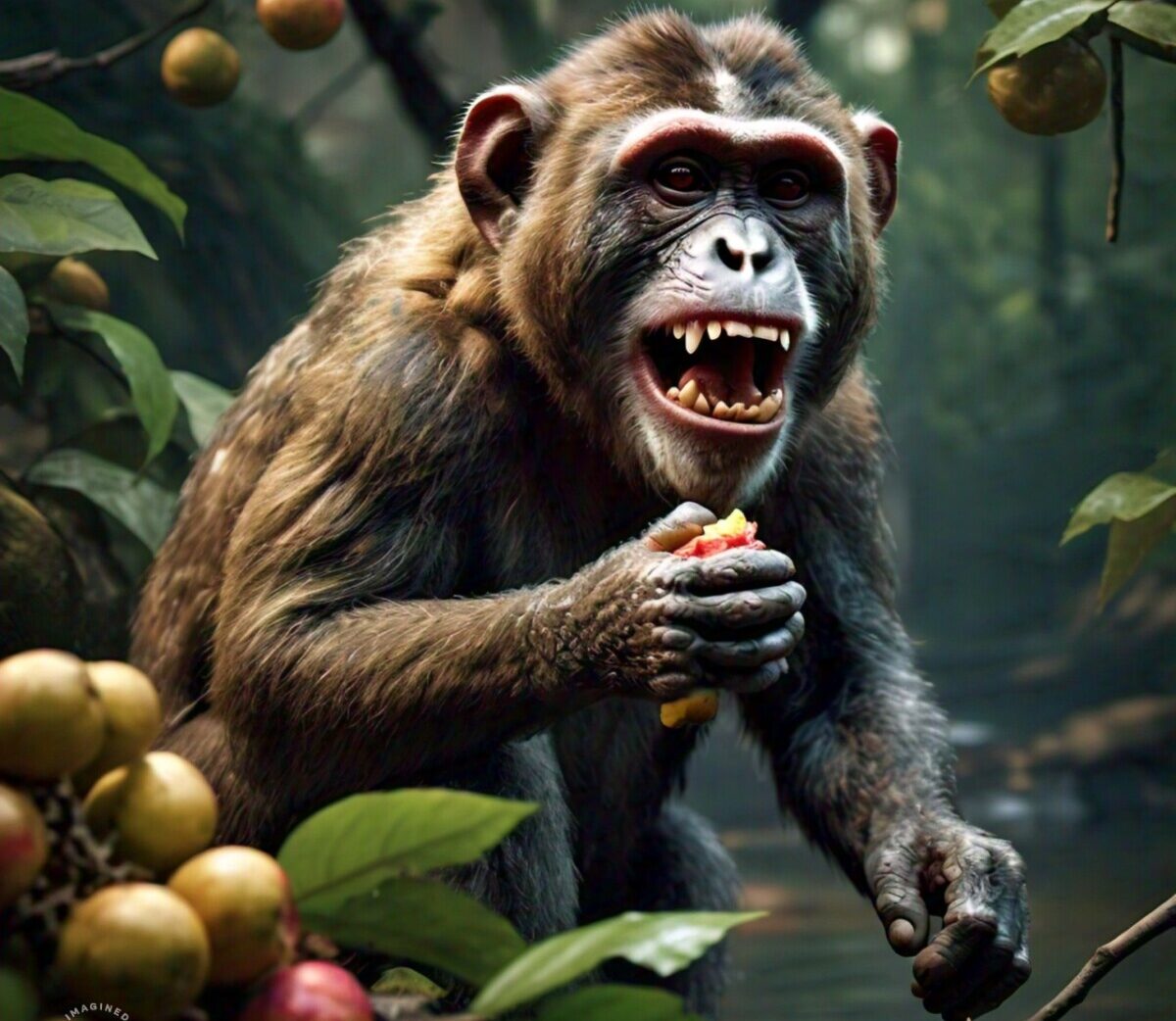
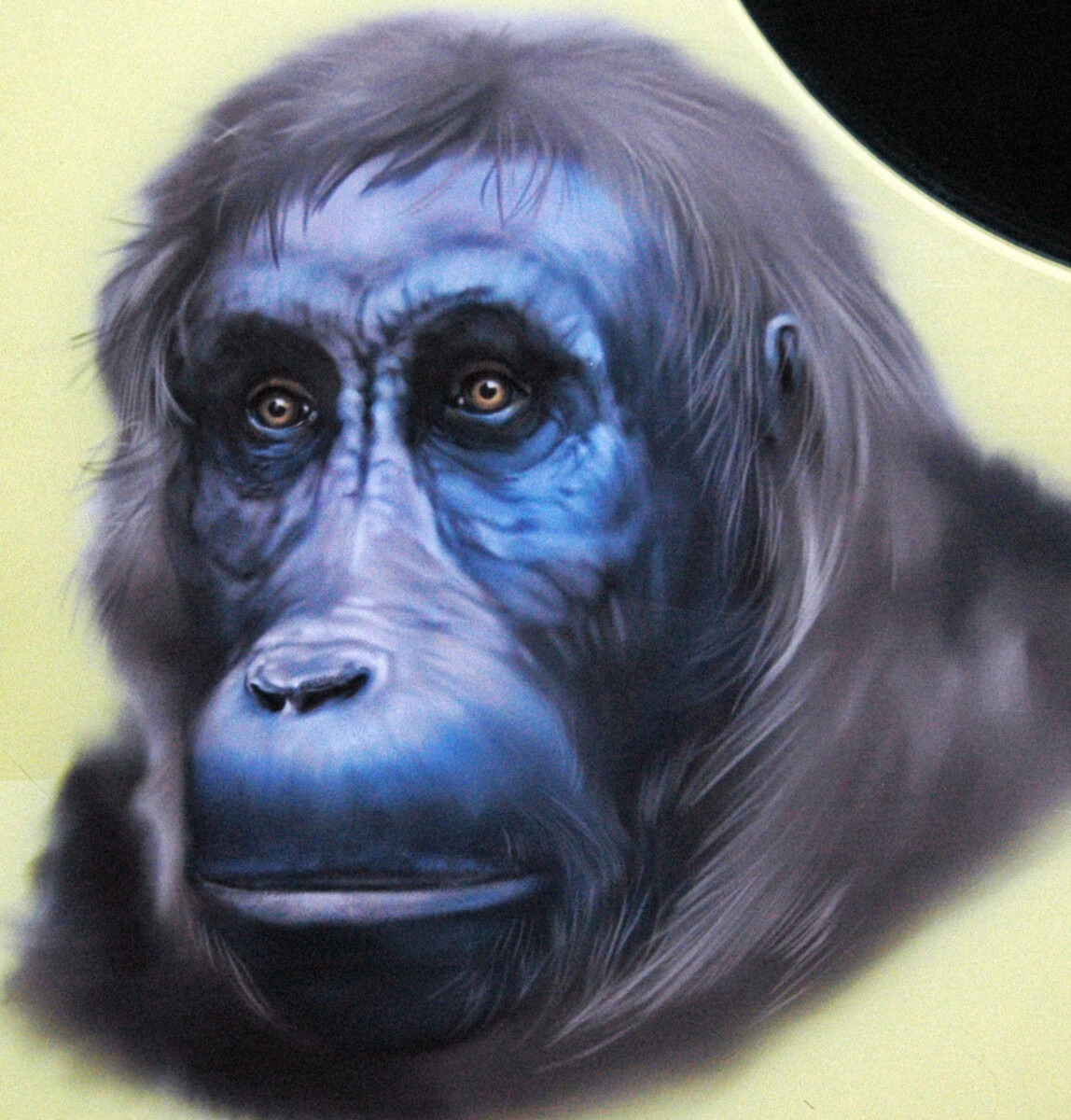
Gorillas Branch Off: Genus Nakalipithecus

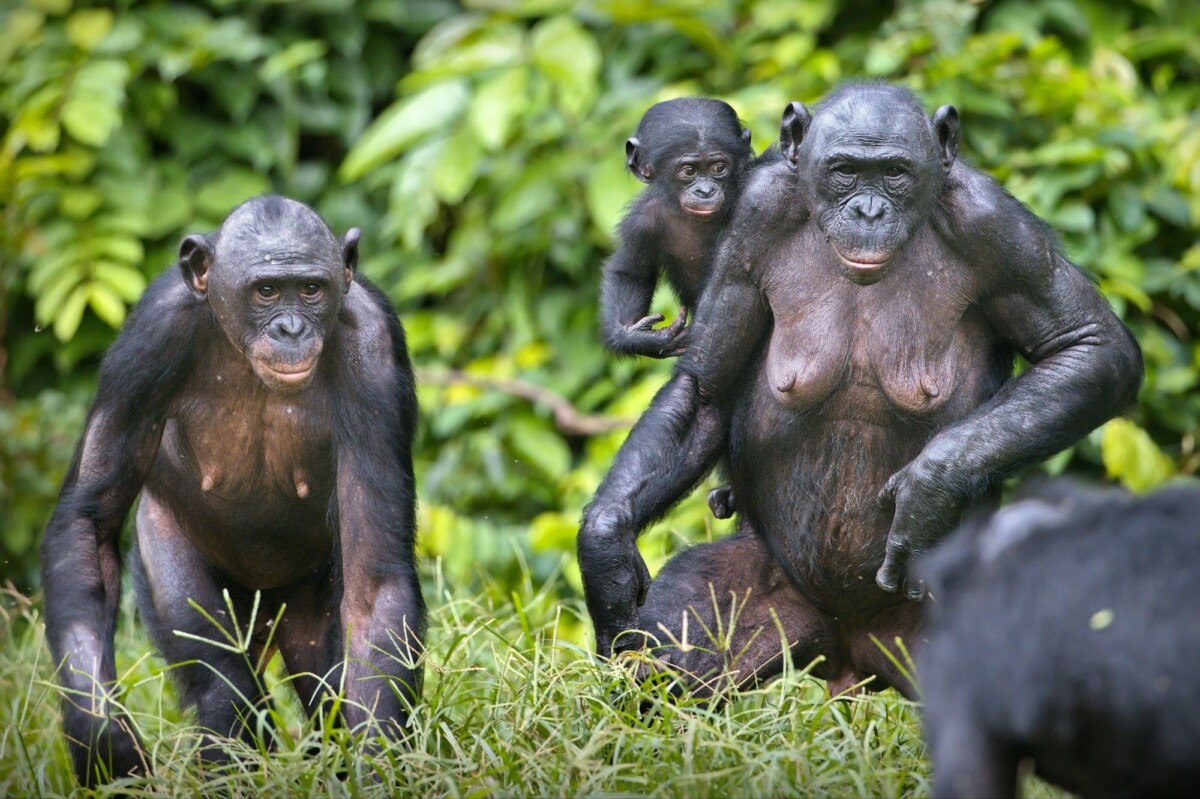
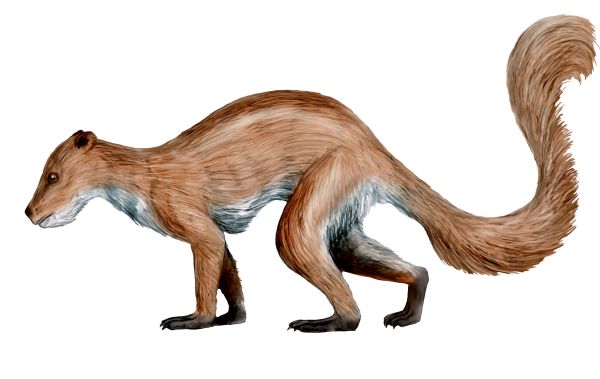
320,000 Generations Ago Last Gorilla-Chimp-Human ancestor: The last common ancestor of gorillas, chimpanzees, and humans likely lived about 8 to 10 million years ago. Both the Nakalipithecus and Chororapithecus genuses are candidates. Genus Nakalipithecus: This “might” be the leading plausible candidate. From Kenya, they are dated to about 10 million years ago. Location: Emerged in Western […]

Gorillas Branch Off: Genus Nakalipithecus Read More »
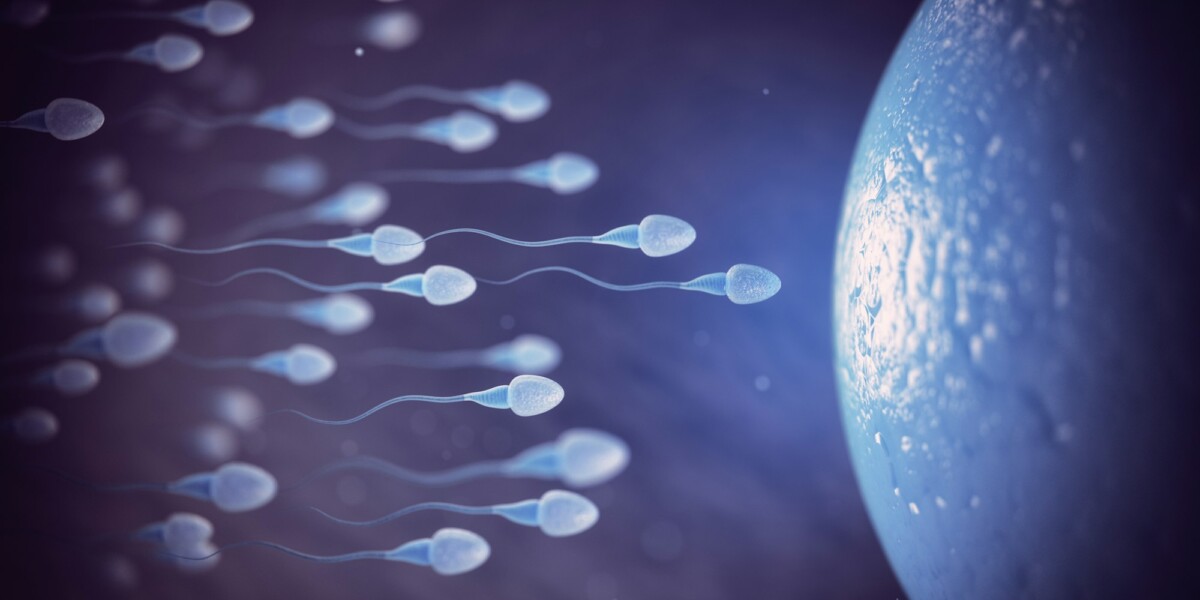
Sperm and egg cell on microscope. Scientific background.

Oogamy: Early Gamete Specialization Before Animals

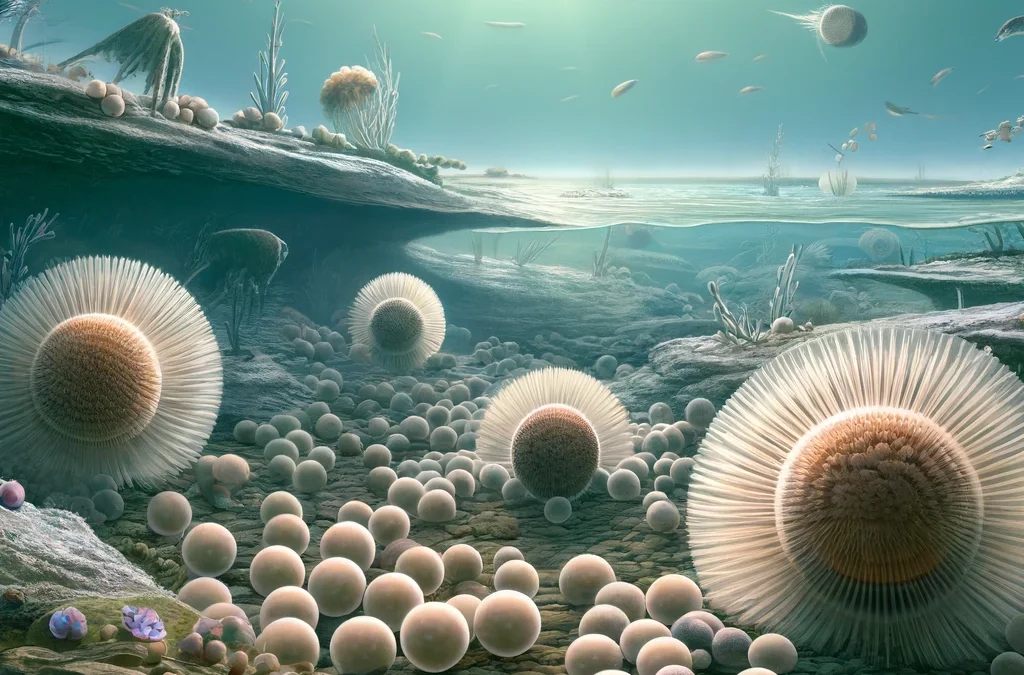
In evolutionary order, reproduction systems came first; bodies came later. Around 1.1 billion years ago, some single-celled eukaryotes evolved gamete specialization. Instead of two similar cells fusing, one became small and motile (sperm-like) while the other became larger and nutrient-rich (egg-like). These were not separate organisms but reproductive forms of single-celled life. Hundreds of millions

Oogamy: Early Gamete Specialization Before Animals Read More »

Mammals: First Live Births

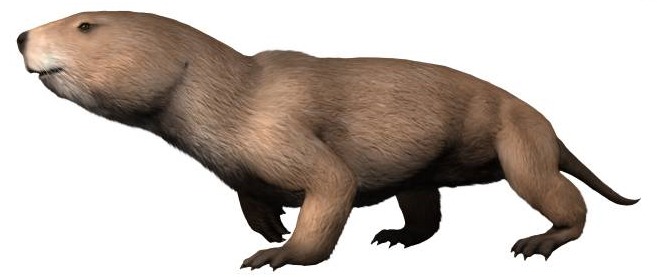
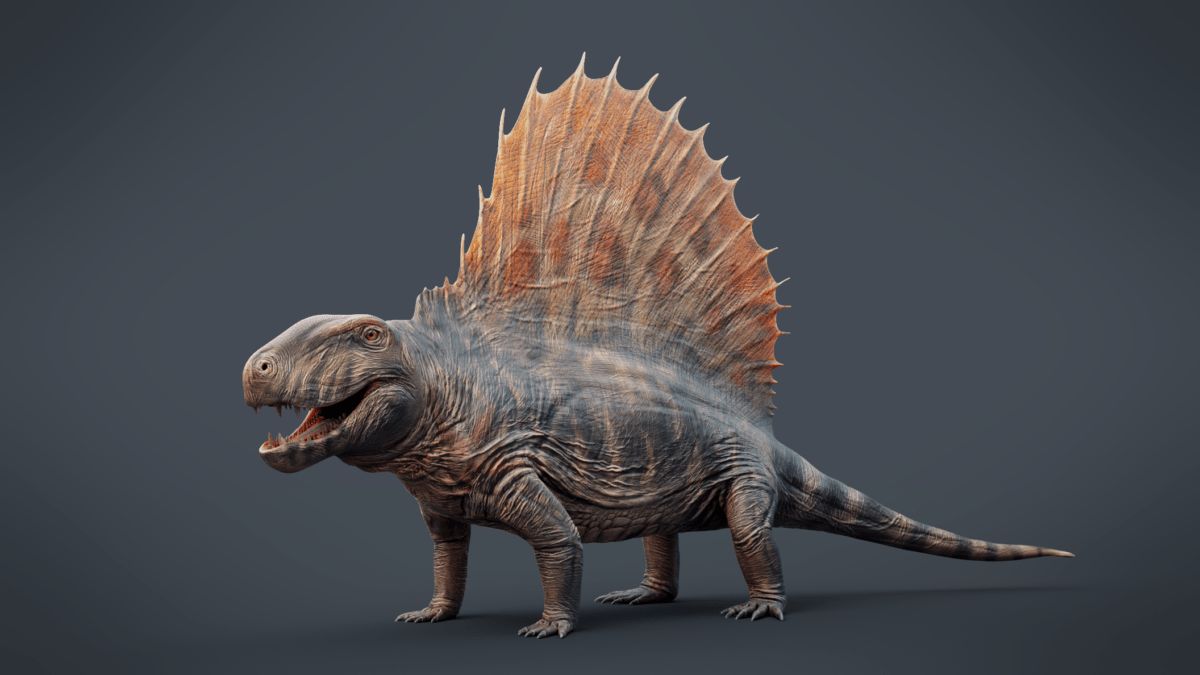
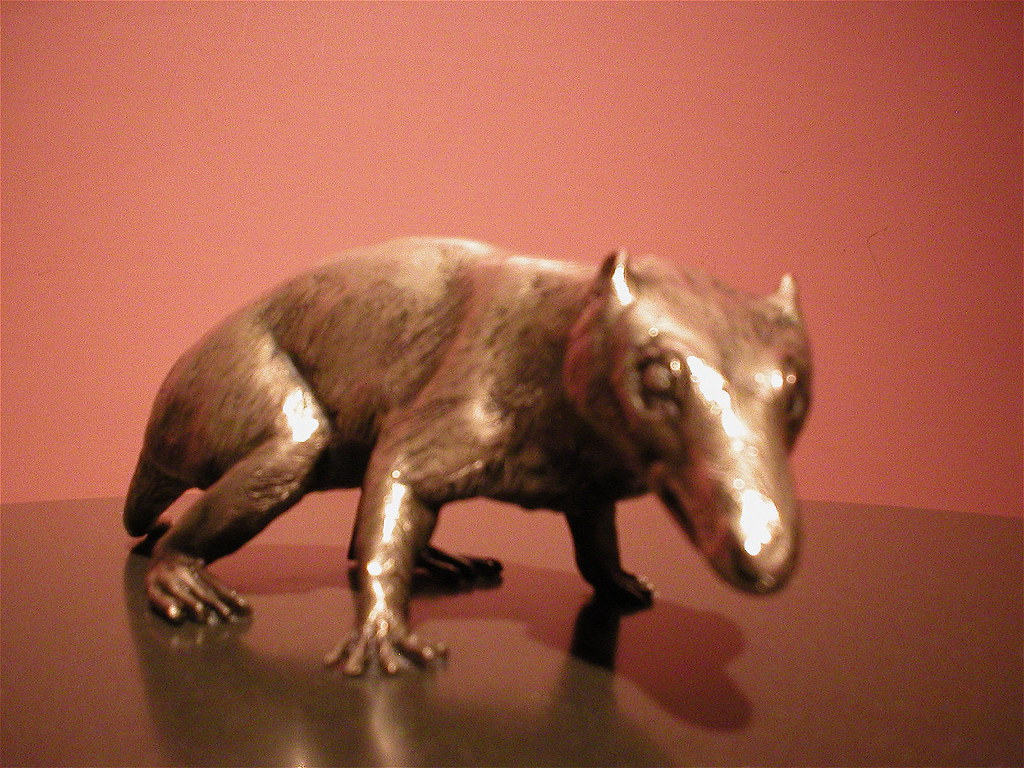
An example of early live birth is the protomammal Kayentatherium, Jurassic period. This cynodont is related to early mammals and its clutch size suggested egg-laying, providing clues about the transition to live birth. The switch to live birth in mammals, including marsupials and placentals, likely evolved once at their common ancestor, suggesting live birth in mammals

Mammals: First Live Births Read More »

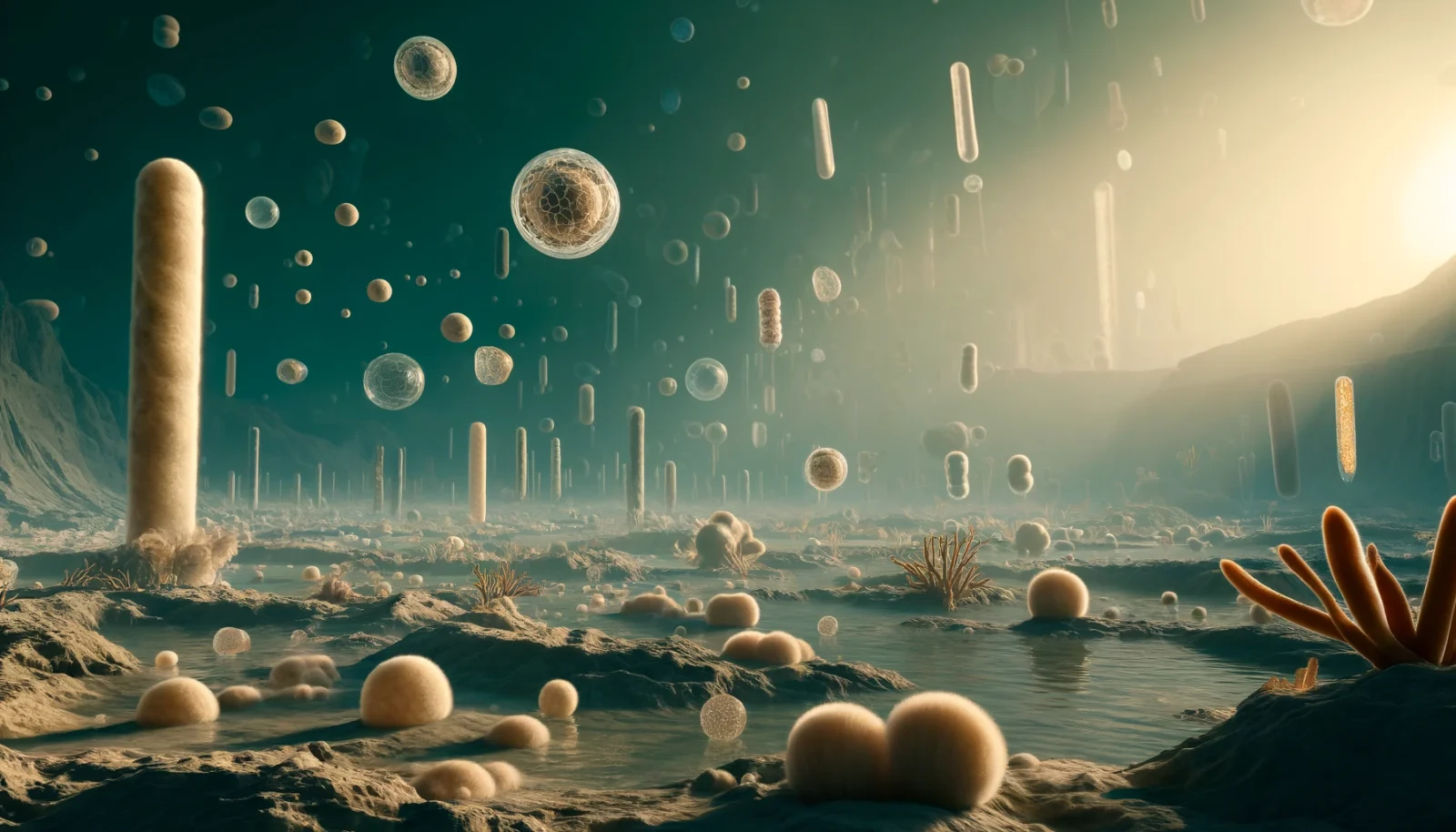
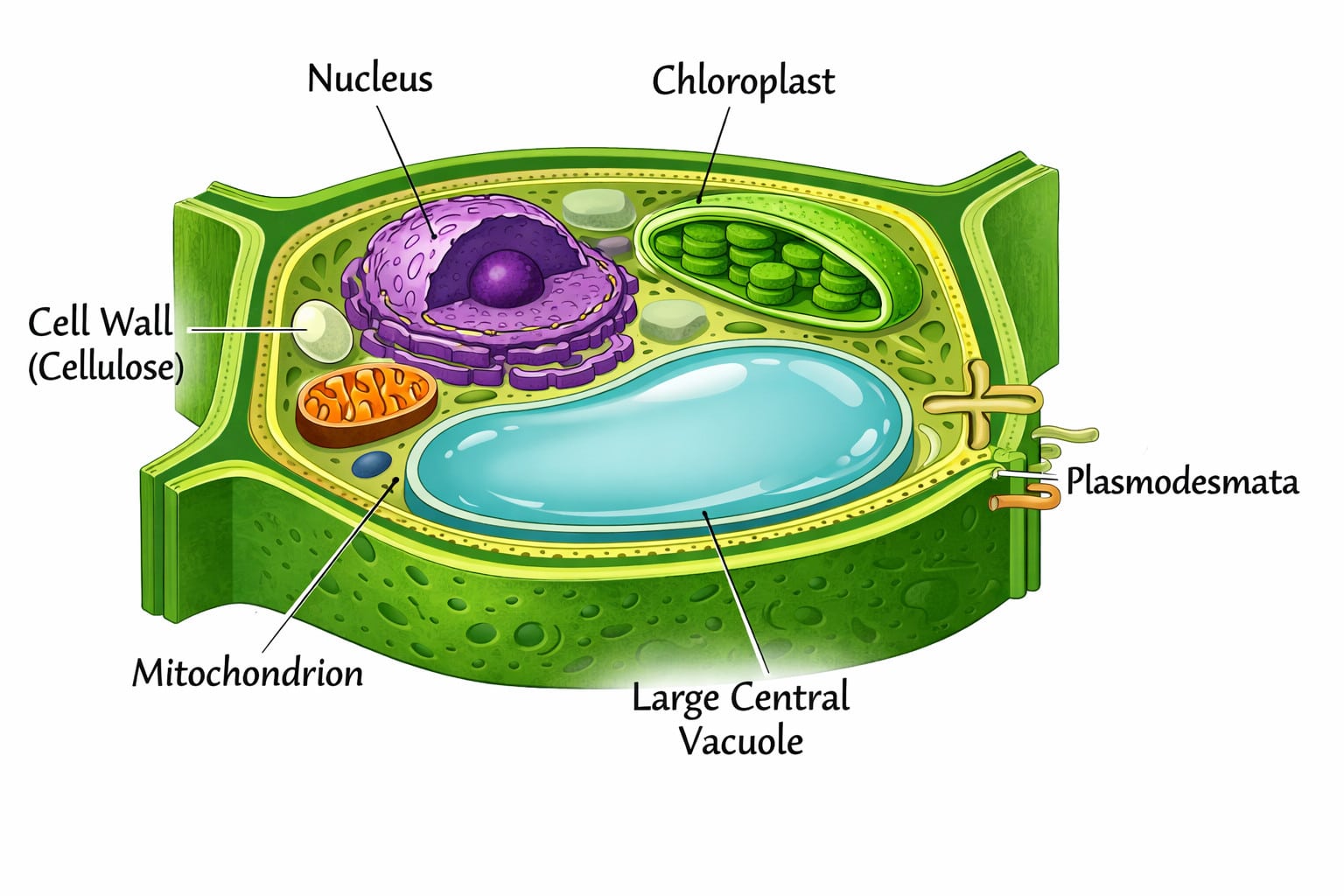
The First True Eukaryotes

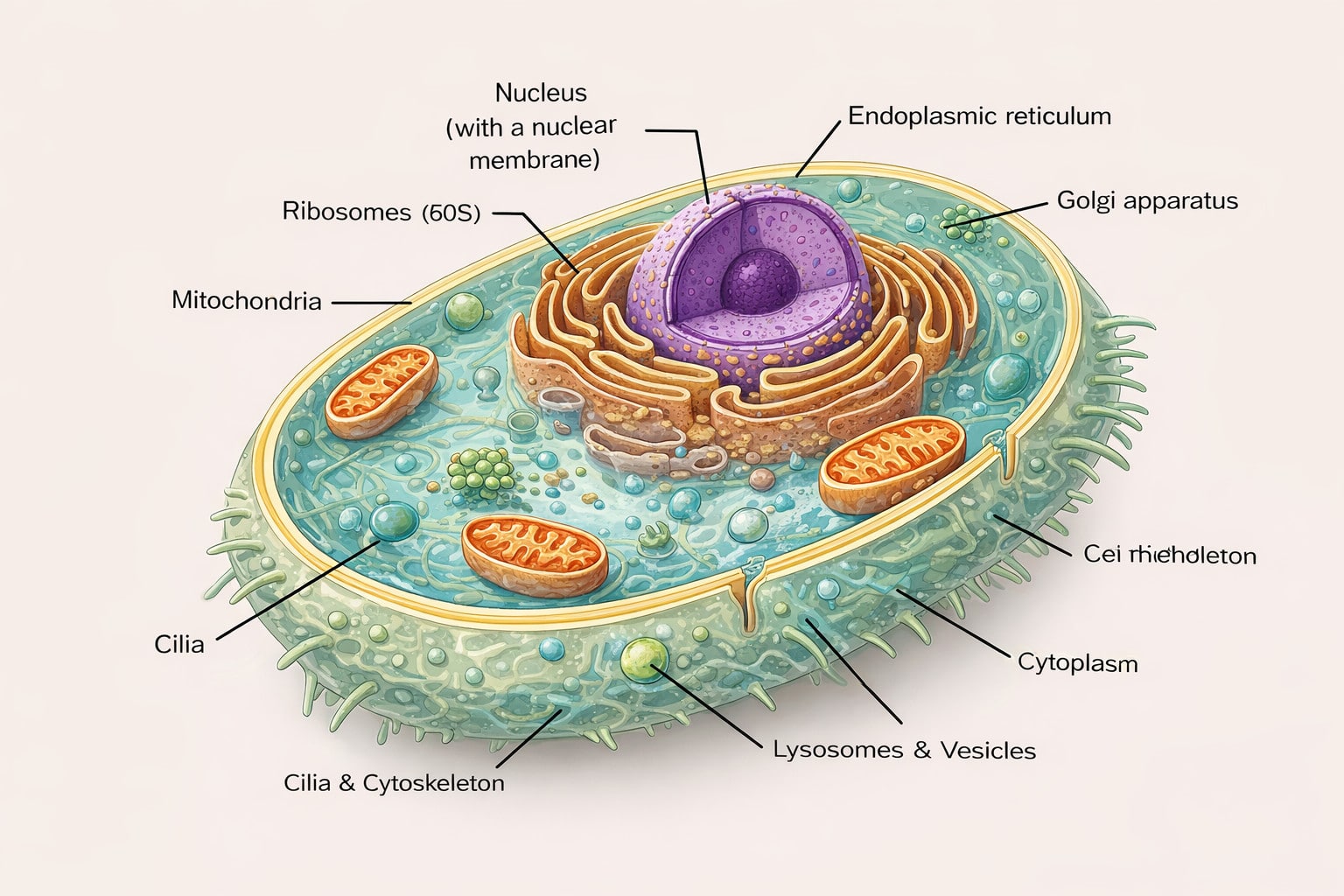
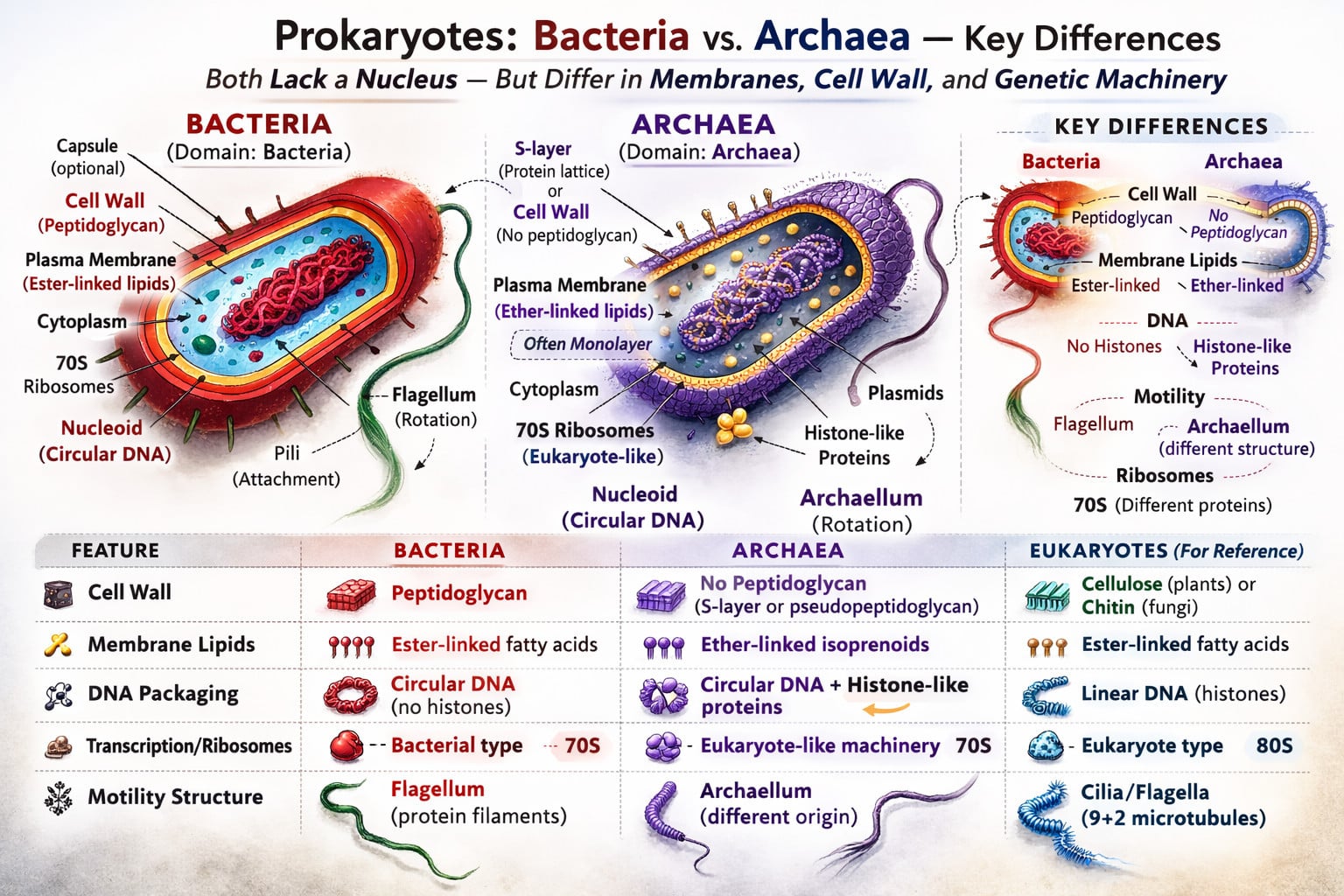
All life today are either Prokaryote or Eukaryote. Around 2 billion years ago, Eukaryotes evolved from Prokaryotes. The evolutionary leap to eukaryotes introduced cells with a nucleus and membrane-bound organelles, a complex architecture derived from prokaryotic predecessors through endosymbiosis. This process, crucial for eukaryotic evolution, involved the incorporation of prokaryotic cells into the cytoplasm of

The First True Eukaryotes Read More »

Presentient Animals Emerge: The Ediacaran Prelude

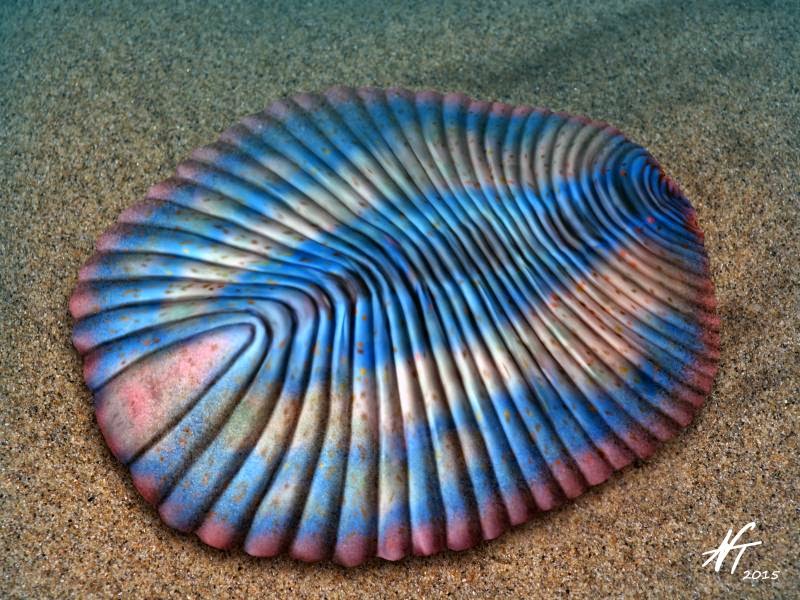
Creatures of this time evolved into fish (us), jellyfish, cephalopods, and arthropods. In the deep waters of the late Precambrian era, the seeds of sentience were sown with the evolution of the earliest common ancestors to later cephalopods and fish. These primordial creatures, equipped with the most basic nervous systems, embarked on the path toward

Presentient Animals Emerge: The Ediacaran Prelude Read More »

Earliest Known Hunter

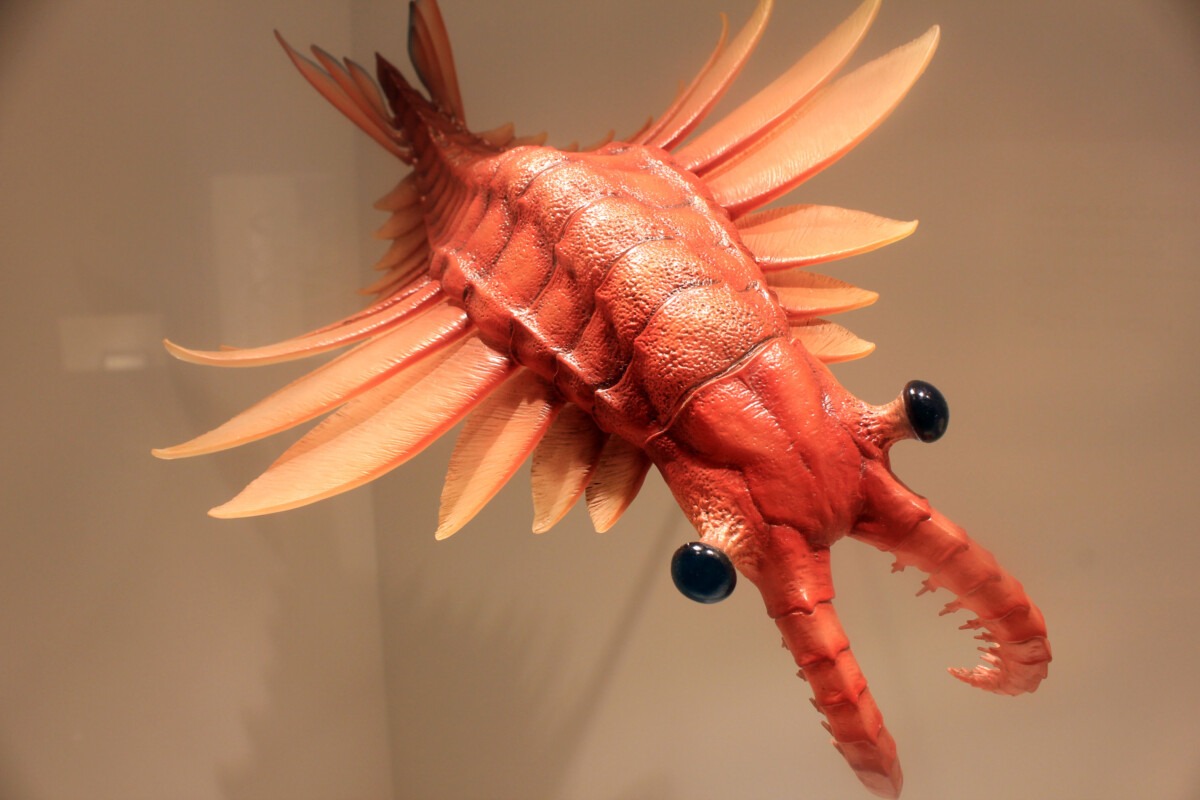
First Brains: By about 520 million years ago, hunters roamed the seas. In the Cambrian explosion, a period of rapid evolutionary development that began around 541 million years ago, the earliest known animals with structures recognizable as brains made their debut in the Earth’s oceans. They possessed rudimentary beginnings central nervous systems, including a brain.

Earliest Known Hunter Read More »

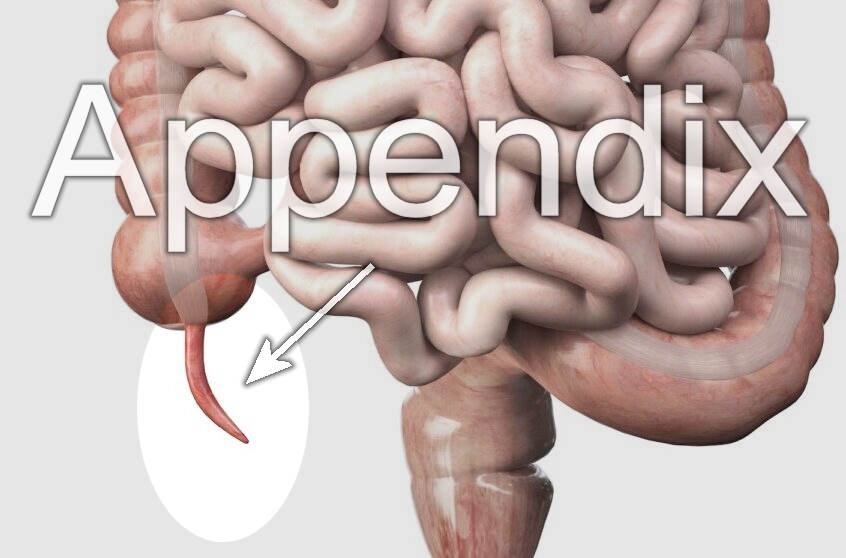
Appendix

The appendix is a small, finger-shaped pouch attached to the large intestine. It has long been considered a vestigial organ, meaning that it has no function in the human body. However, recent research suggests that the appendix may actually serve as a reservoir for beneficial gut bacteria. The appendix is an example of a Phenotype

Appendix Read More »

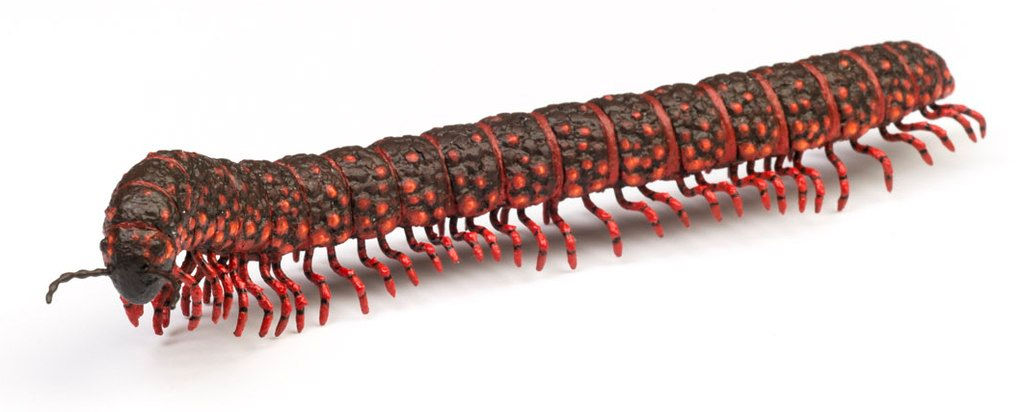
Oldest Known Air Breather

The millipede Pneumodesmus newmani is the oldest air-breathing animal known to date. This ancient denizen of the Scottish waters once roamed the Earth during the early Silurian era. The millipede likely supplemented its oxygen intake through air as well as using its gills while in water. Kingdom: Animalia > Phylum: Arthropoda > Class: Diplopoda (millipedes)  

Oldest Known Air Breather Read More »

Scroll to Top