From the singularity 13.8 billion years ago through the plate tectonic shifts of 56 million years ago on Earth, then continuing through to a few Big Bang related human observations. The thing to understand about the Big Bang is that it’s a verified theory. However, the first second of the Big Bang is highly speculative. I created this timeline as part of the research for chapter 1 of my book: “30 Philosophers: A New Look at Timeless Ideas
13.8 Billion Years Ago
Highly speculative.
Singularity
The singularity 13.8 billion years ago is speculative. We don’t know what came “before”—or if “before” even makes sense.
13.8 Billion Years Ago
Verified. Empirically supported and rationally deduced.
Big Bang Expansion
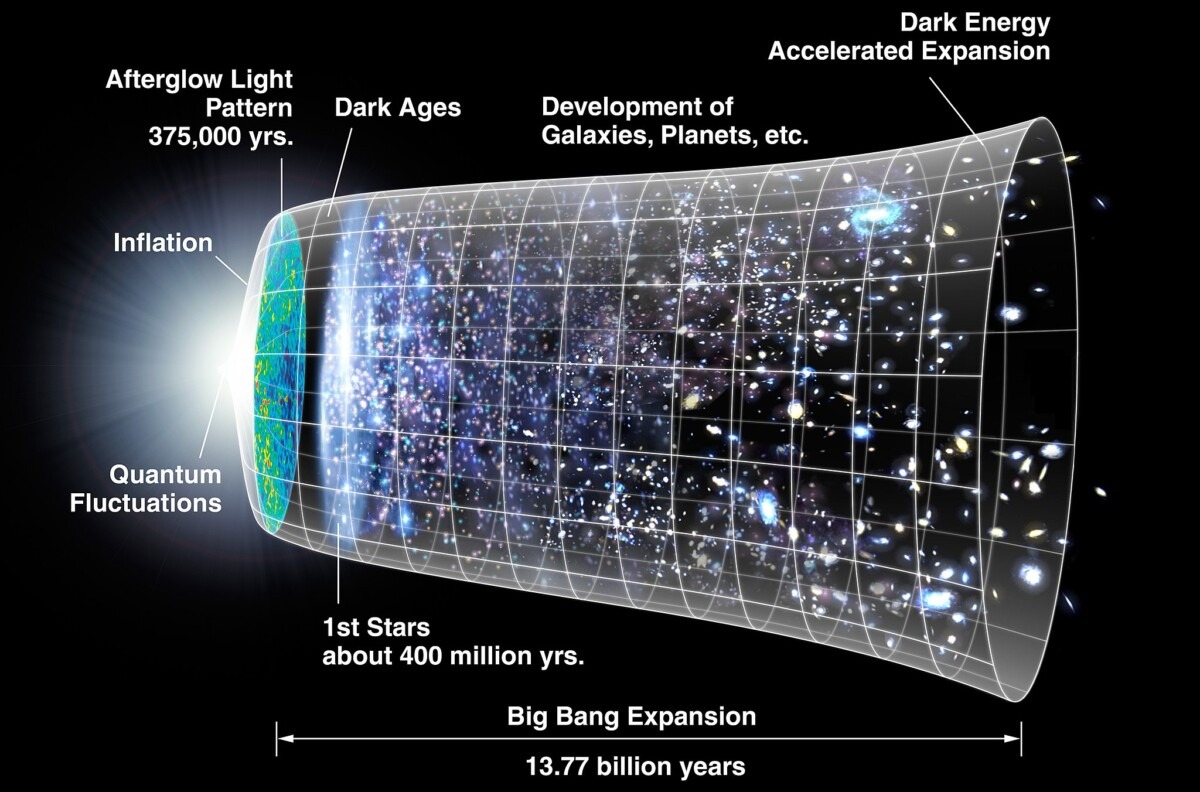
NASA/WMAP Science Team, Public domain, via Wikimedia Commons
13.8 Billion Years Ago: First Millisecond
Highly Speculative. An irrational idea rationally deduced.
Planck Era
Electrostatic plasma sphere in the dark. Tesla coil - physics experiment
13.8 Billion Years Ago: First Millisecond
Mostly speculative. Still an irrational idea rationally deduced.
Grand Unification Era

Science physics formula e=mc2, Theory of relativity composed with colored and carved stones
13.8 Billion Years Ago: First Millisecond
A bit speculative. Still an irrational idea rationally deduced but with some empirical data.
Inflationary Epoch
Person shining a light at the sky and making the stars rapidly move in circles - fantasy concept
13.8 Billion Years Ago: First Millisecond
A bit speculative. Still an irrational idea rationally deduced but with some empirical data.
Electroweak Era
big bang, black hole, supermassive star, galaxy, cosmos, physical, science fiction wallpaper.
13.8 Billion Years Ago: First Hour
A bit speculative. Still an irrational idea rationally deduced but with some empirical data.
Nucleosynthesis Period
Closeup shot of a colorful plasma ball on a black background
13.7 Billion Years Ago
Verified. Empirically supported and rationally deduced.
First Atoms

Molecules or atom isolated on blue background
13.6 Billion Years Ago
Verified. Empirically supported and rationally deduced.
Population III Stars: Heavier Elements
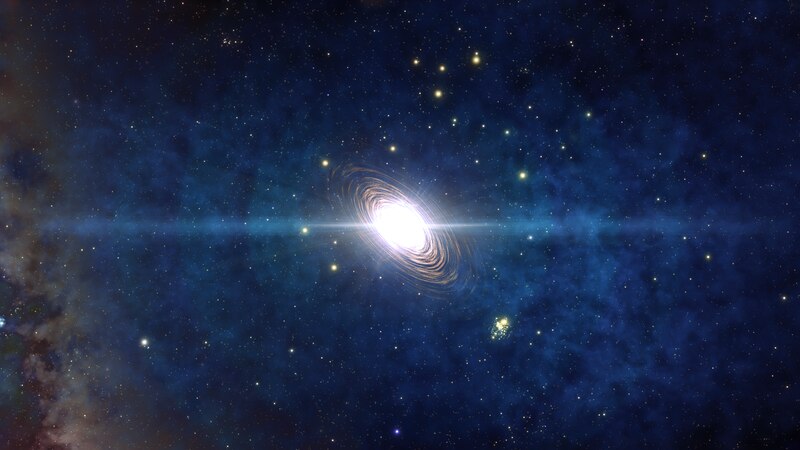
NOIRLab/NSF/AURA/J. da Silva/Spaceengine, CC BY 4.0 <https://creativecommons.org/licenses/by/4.0>, via Wikimedia Commons
13.59 Billion Years Ago
Verified. Empirically supported and rationally deduced.
Population II Stars: Heavy Element Synthesis
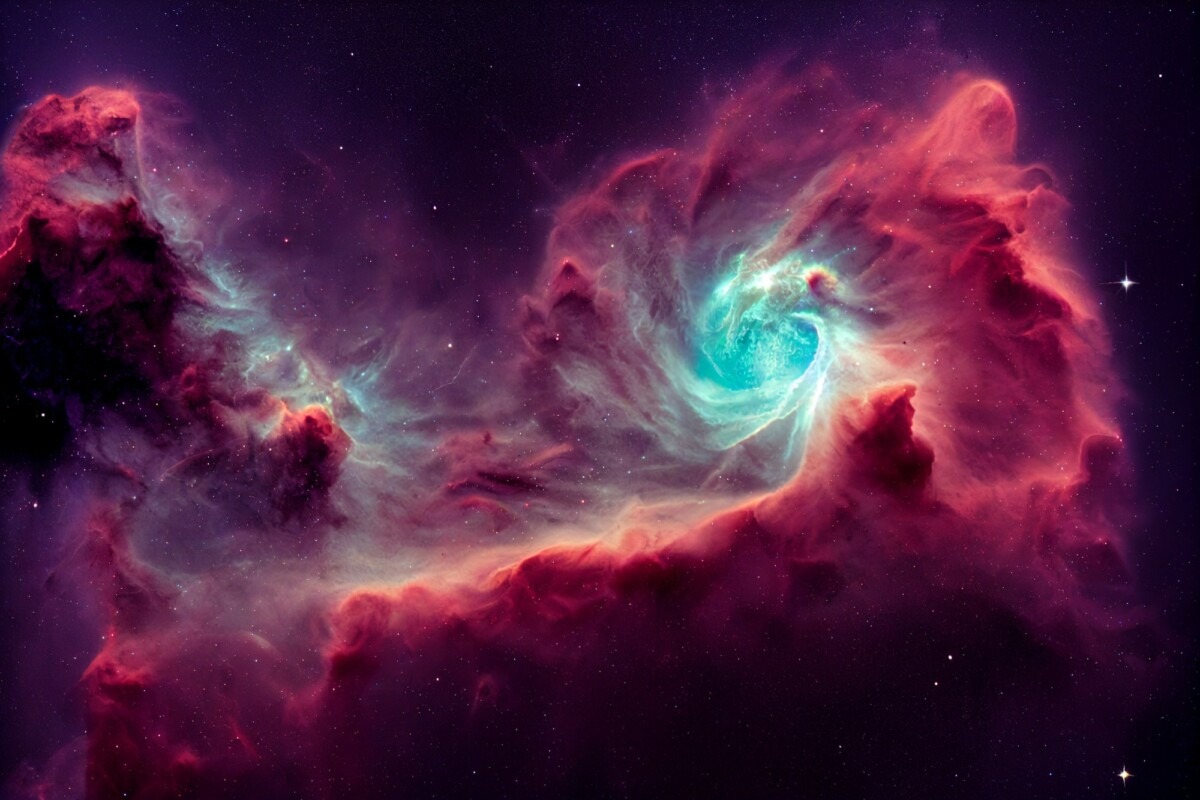
Cosmos Stars Cluster Structure Stunning Astrophotography Dramatic Celestial Wallpaper. Bright blue n
13.4 Billion Years Ago
Verified. Empirically supported and rationally deduced.
Galaxies are Born
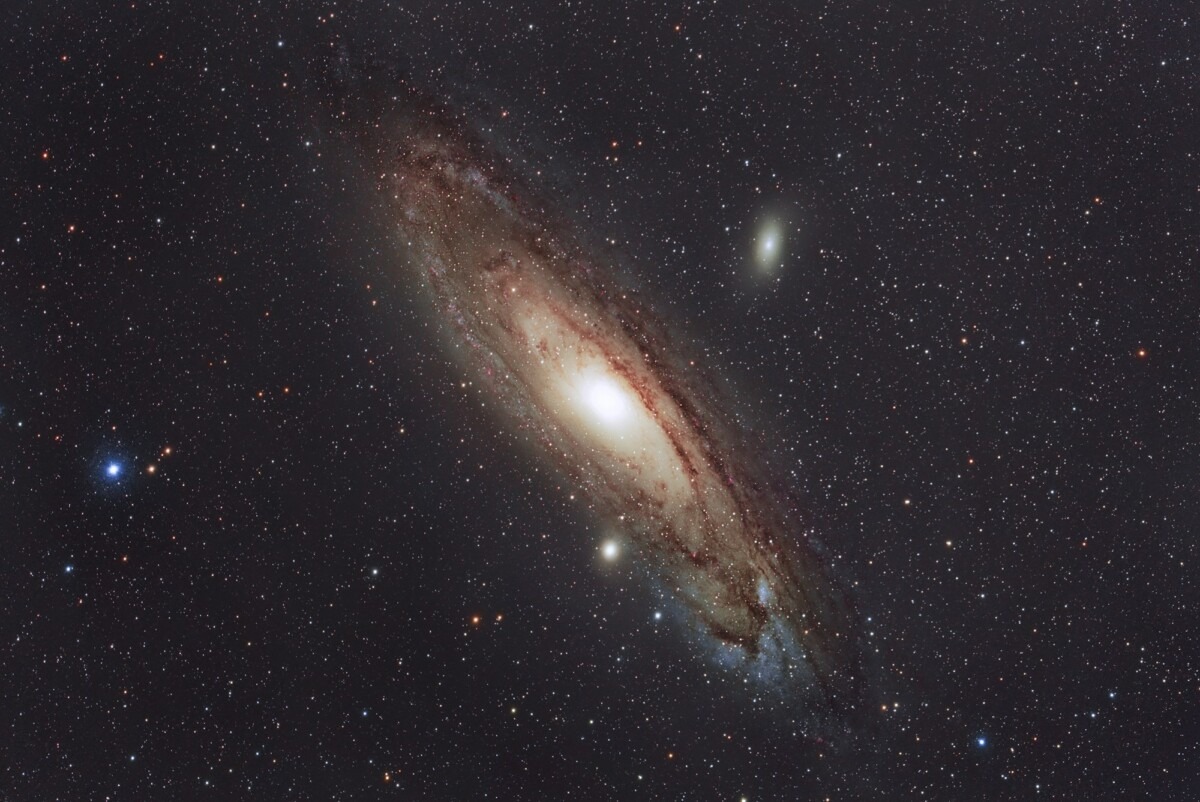
M31 Andromeda Galaxy
About 13.39 Billion Years Ago
Verified. Empirically supported and rationally deduced.
Birth of the Milky Way
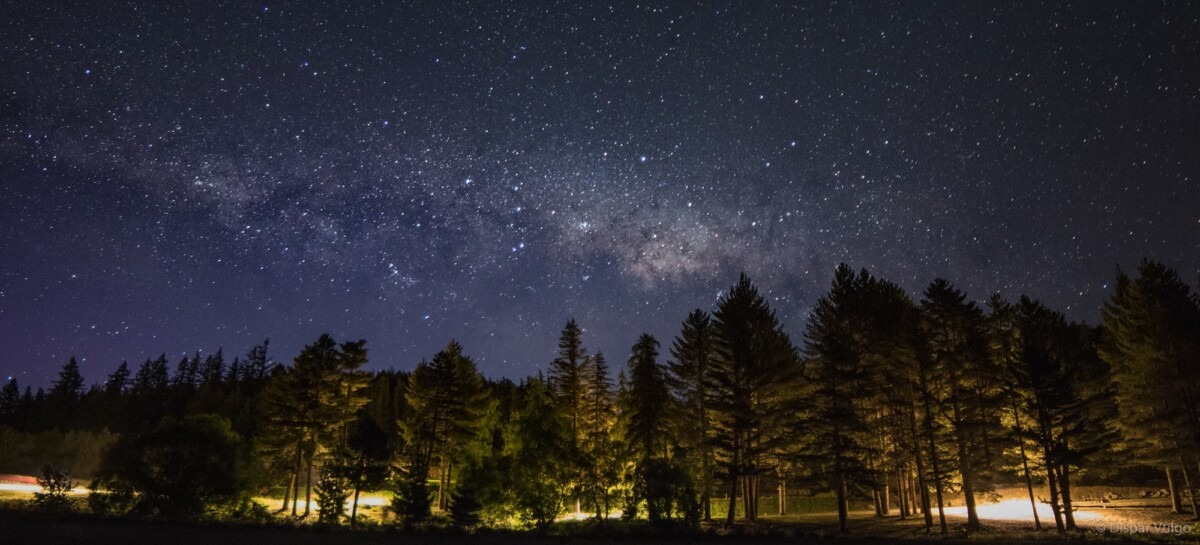
milky way forest
10 Billion Years Ago
Verified. Empirically supported and rationally deduced.
Population I Stars: Like our Sun
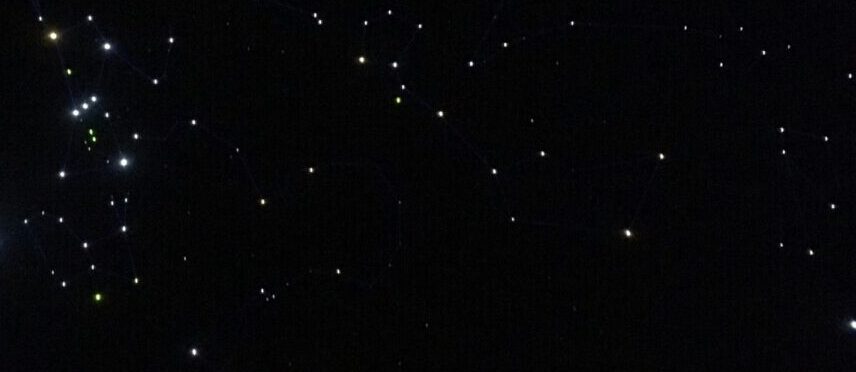
Stars in observatory
10 Billion Years Ago
Verified: 10 to 7 Billion Years Ago
Interstellar Clouds: Organic Molecules
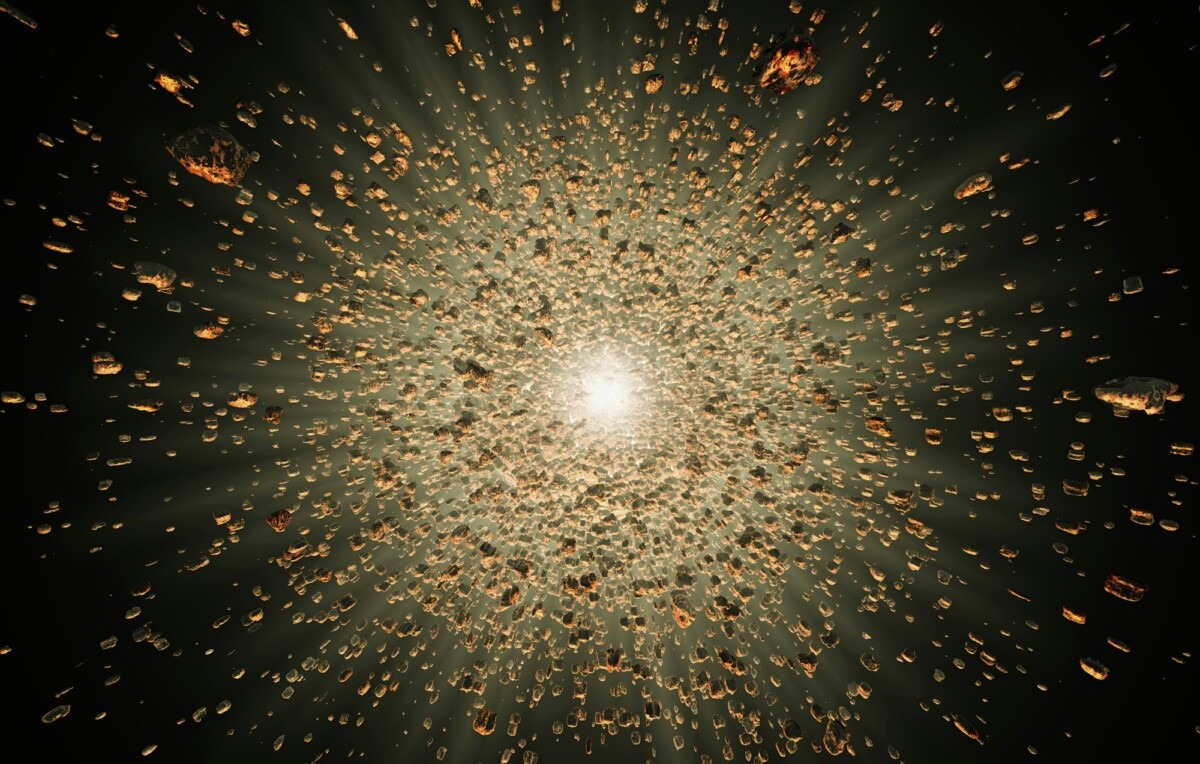
debris of a stellar explosion, 3d illustration
4.6 Billion Years Ago
Verified. Empirically supported and rationally deduced.
Birth of the Sun
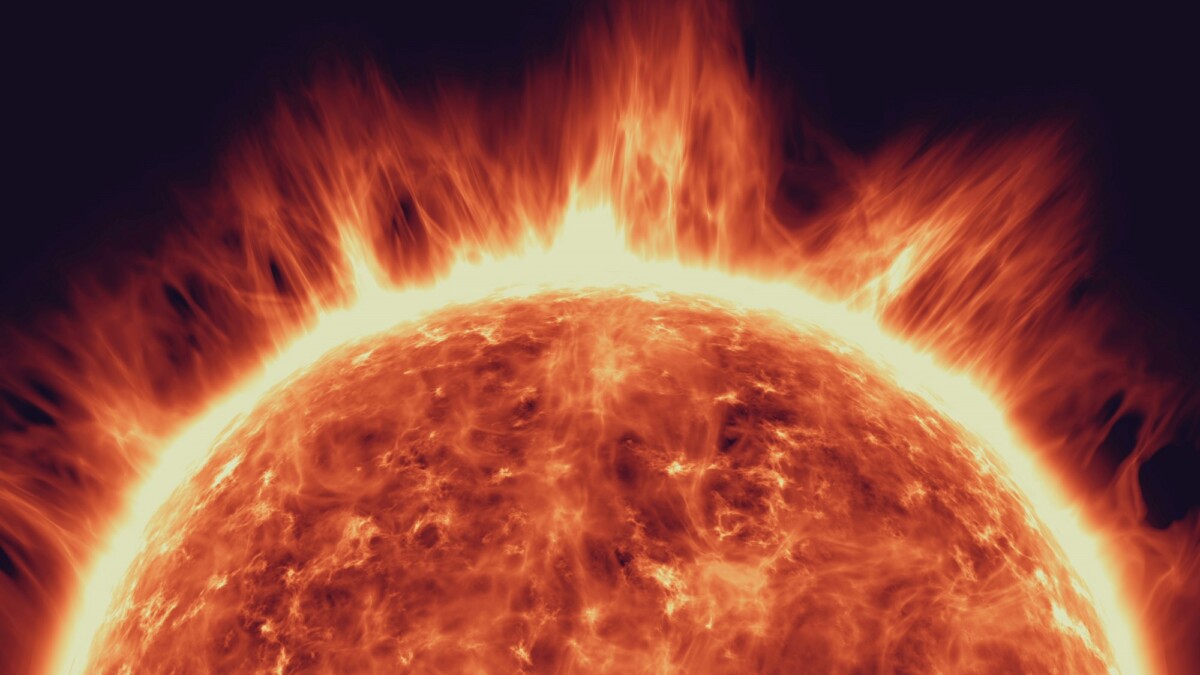
Epic sun surface flare prominence solar system
4.5 Billion Years Ago
Verified. Empirically supported and rationally deduced.
Earth is Born
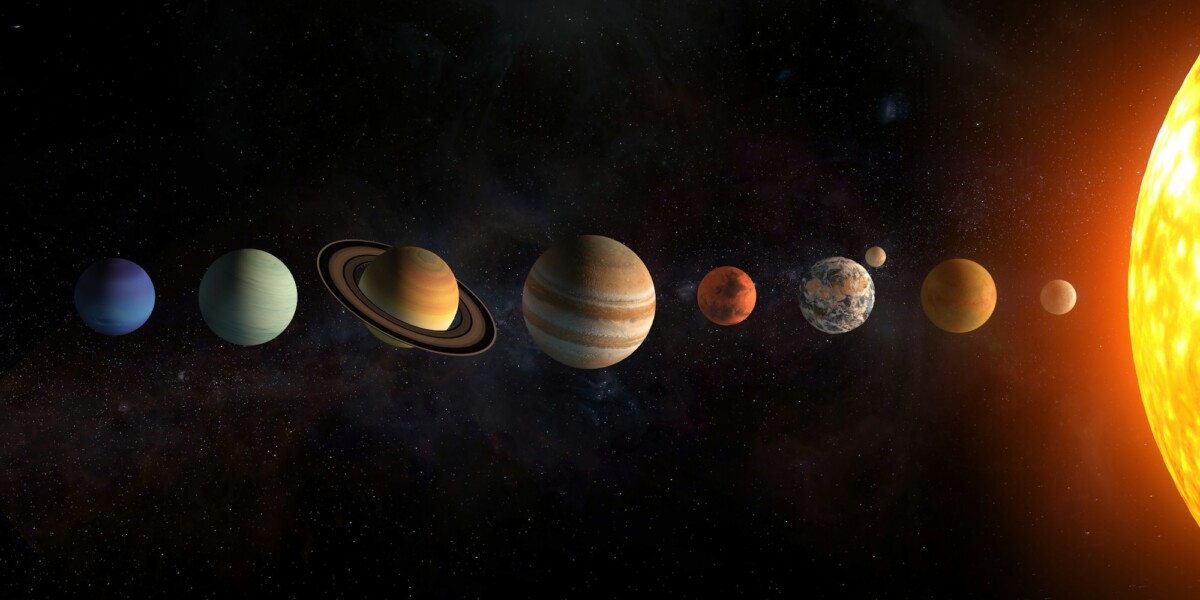
Solar system planets set. The Sun and planets in a row on univer
4.48 Billion Years Ago
4.49 to 4.6 Billion Years Ago
First Atmosphere: Hydrogen & Helium
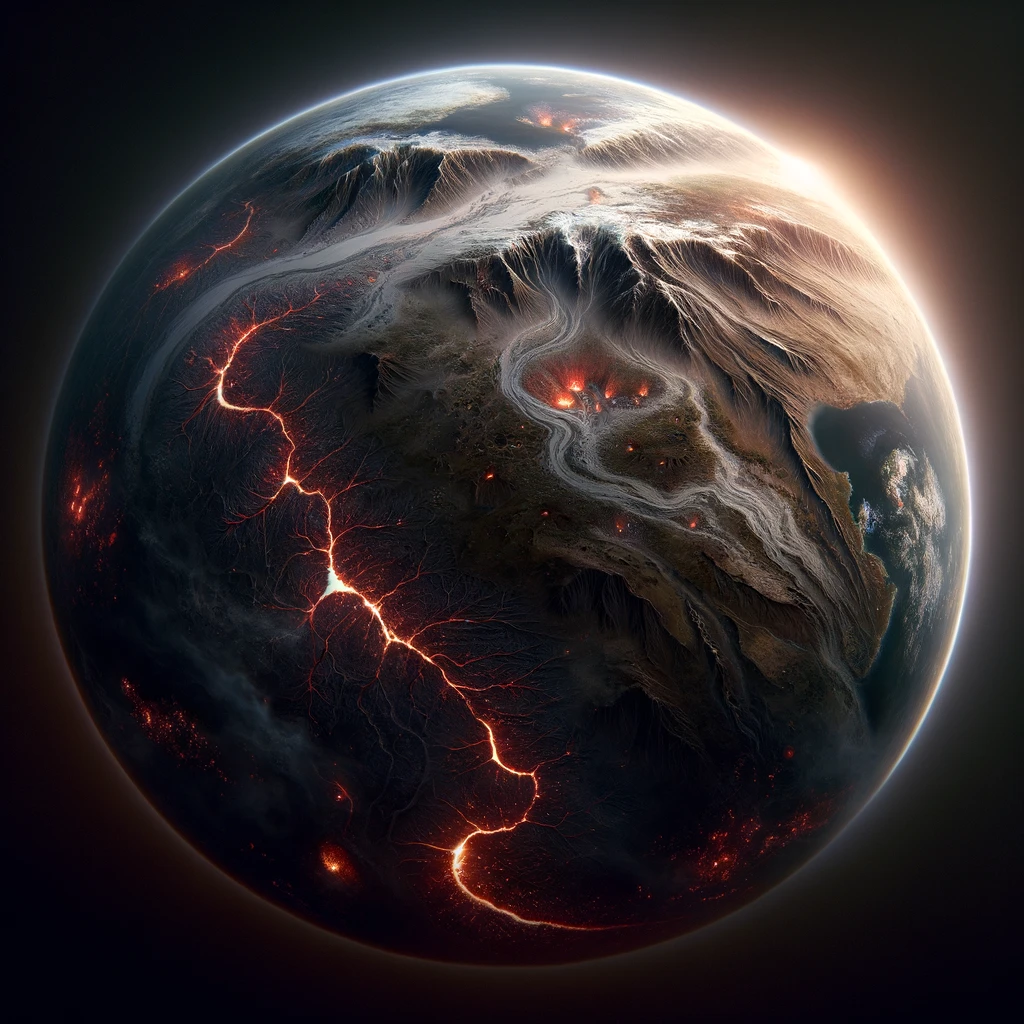
4.45 Billion Years Ago
Spedulative guess: 4.2 to 4.4 Billion Years Ago
Inorganic Precursors to Organic Molecules
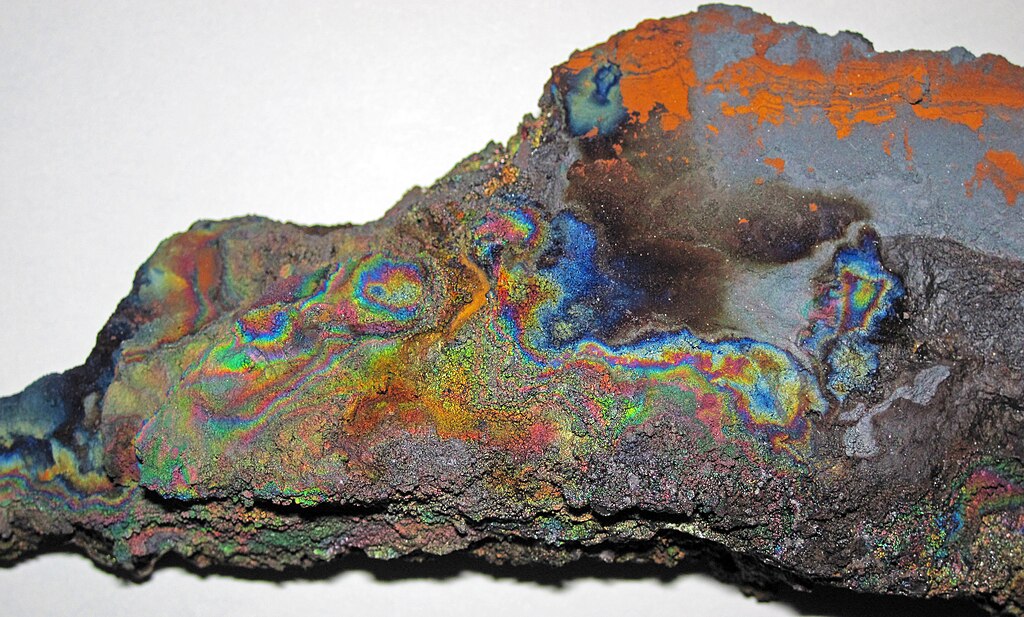
4.44 Billion Years Ago
About 60 million years after Earth forms.
Moon Formation

Imagined image depicting the formation of the Moon with Theia having a rocky and molten surface, reflecting its primordial state. This should now accurately illustrate the collision between Theia and the early Earth.
4.3 Billion Years Ago
4.5 to 4 Billion Years Ago
Second Atmosphere: Carbon Dioxide & Nitrogen
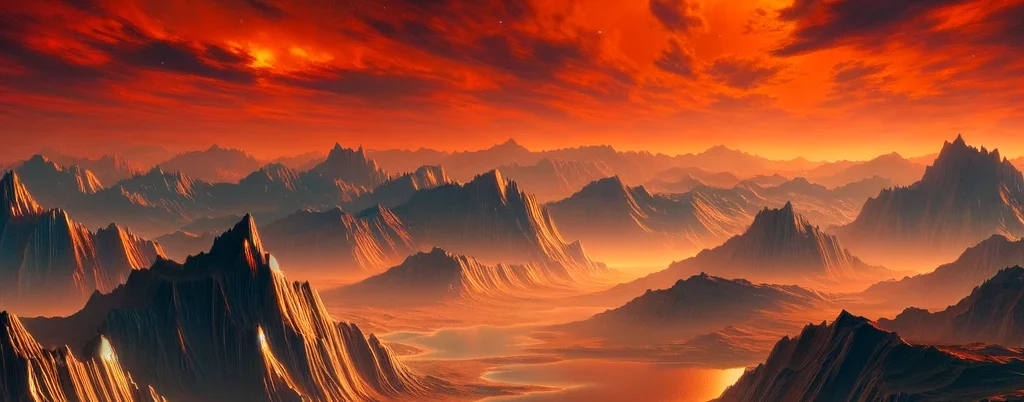
4.2 Billion Years Ago
4 to 4.4 Billion Years Ago
First Oceans: Fresh Water

sunset north sea sea 2191645
4.1 Billion Years Ago
Spedulative guess: 4 to 4.4 Billion Years Ago
Chemical Evolution of Organic Molecules

3d illustration. Model of serotonin molecule, Hormone of Happiness
4 Billion Years Ago
Spedulative guess: 3.9 to 4.1 Billion Years Ago
Formation of Prebiotic Microenvironments

Geyser in Yellowstone National Park
3.9 Billion Years Ago
Spedulative guess: 3.8 to 4.1 Billion Years Ago
Cellular Membranes
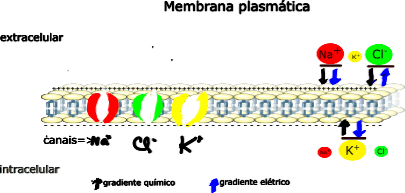
"<a href="https://commons.wikimedia.org/w/index.php?curid=97444339" target="_blank" rel="noopener noreferrer">Cell membrane - Cellular biology - adapted for ions gradient and membrane channels</a>" by <a href="https://smart.servier.com" target="_blank" rel="noopener noreferrer">Servier Medical Art by Servier, adapted for Alexandro Rocha https://smart.servier.com/</a> is licensed under <a href="https://creativecommons.org/licenses/by/3.0/" target="_blank" rel="noopener noreferrer">CC BY 3.0</a>
3.8 Billion Yeas Ago
From 4.6 to 3.8 bya.
Late Heavy Bombardment

3.5 Billion Years Ago
3.5 to 2.5 Billion Years Ago
Second Oceans: From Fresh to Salty

3.42 Billion BCE
3.42 to 3.7 Billion BCE
Oldest Known Fossil-Microorganisms

micro organisms cells background
2.4 Billion Years Ago
2.4 BYA to about 540 MYA
Third Atmosphere: Oxygen Atmosphere
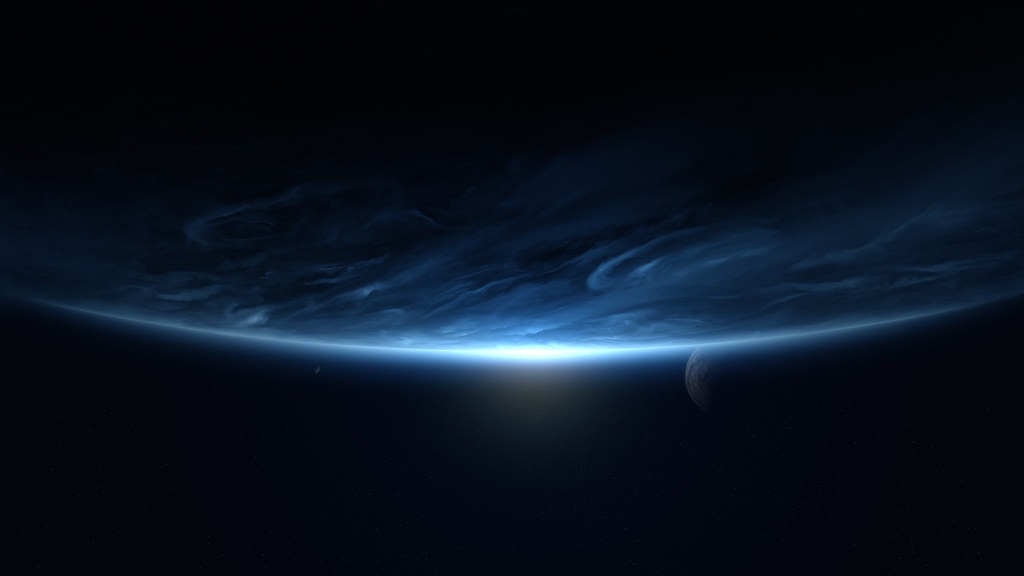
planet-blue-atmosphere
Circa 260 Million BCE
Plate Tectonics
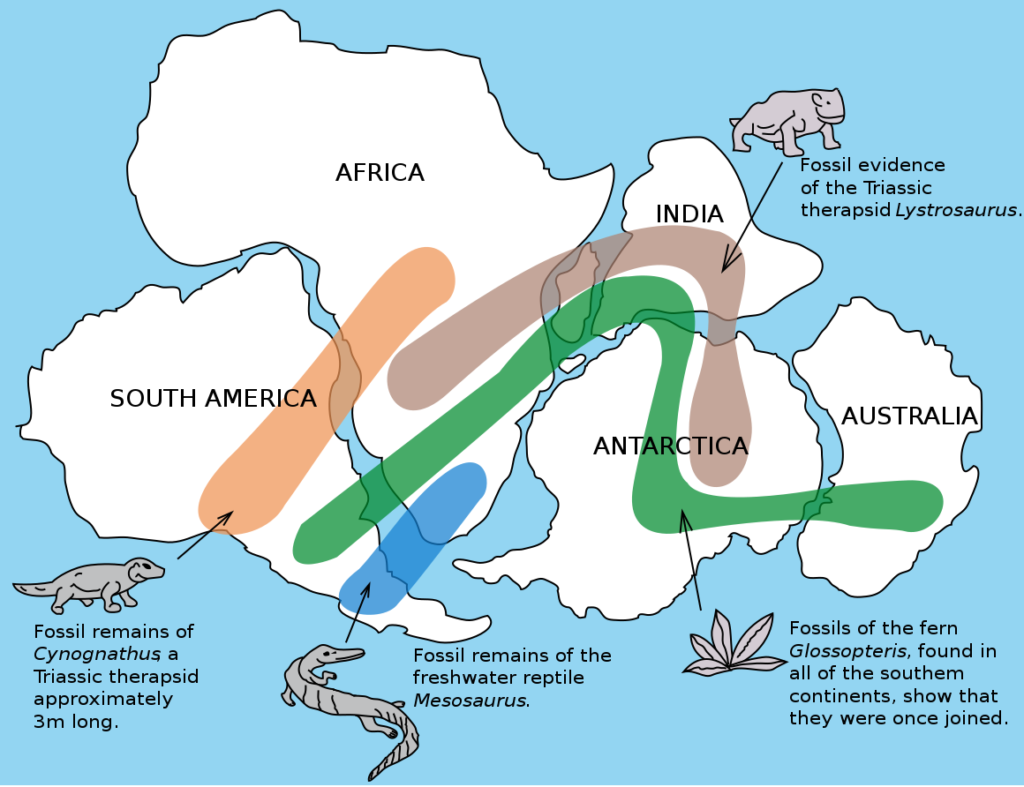
By dating rocks and fossils scientists can document the movement of the continents over time. (Public domain image, United States Geological Survey.)
180 Million years ago (+/- 5 million)
Pangaea Super Continent Breakup
Pangaea Splitting Starts Splitting Evolution
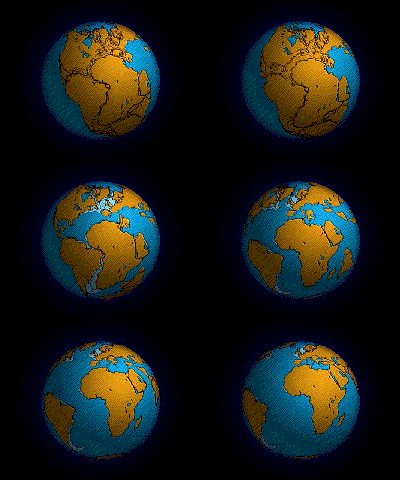
When Pangaea began to split around 190 million years ago, the world’s connected landmasses slowly turned into separate evolutionary arenas: vicariance. What had once been one giant stage for life became a set of growing barriers, helping drive the rise of distinct northern and southern lineages.
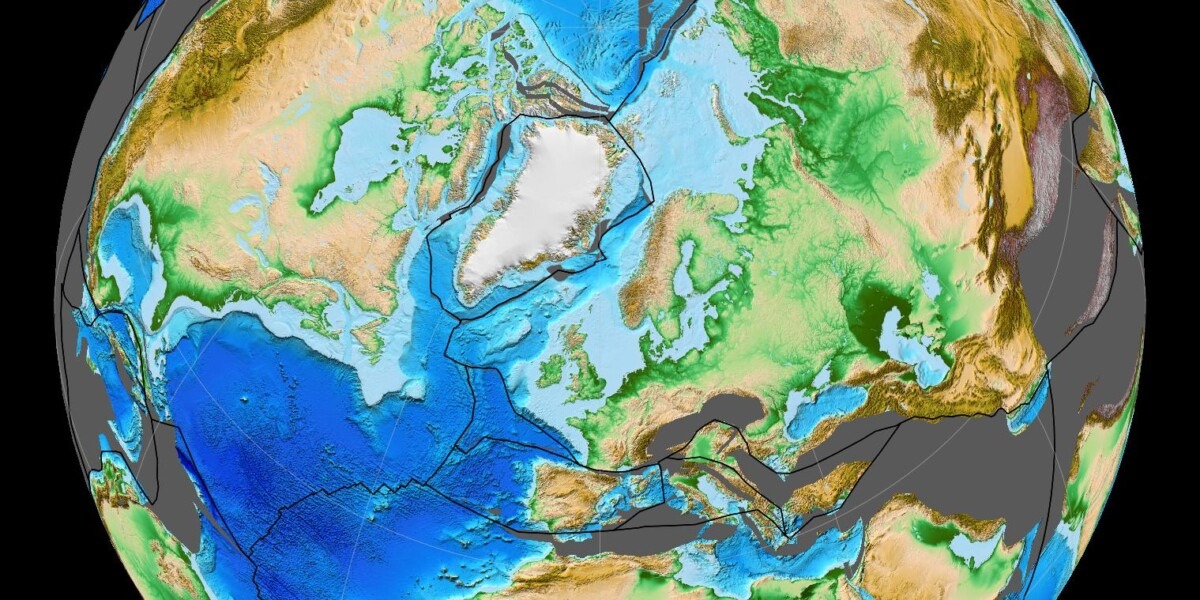
56 Million BCE
Opening of the North Atlantic Ocean
185 CE
Verified. Historically documented and empirically validated.
RCW 86 Supernova
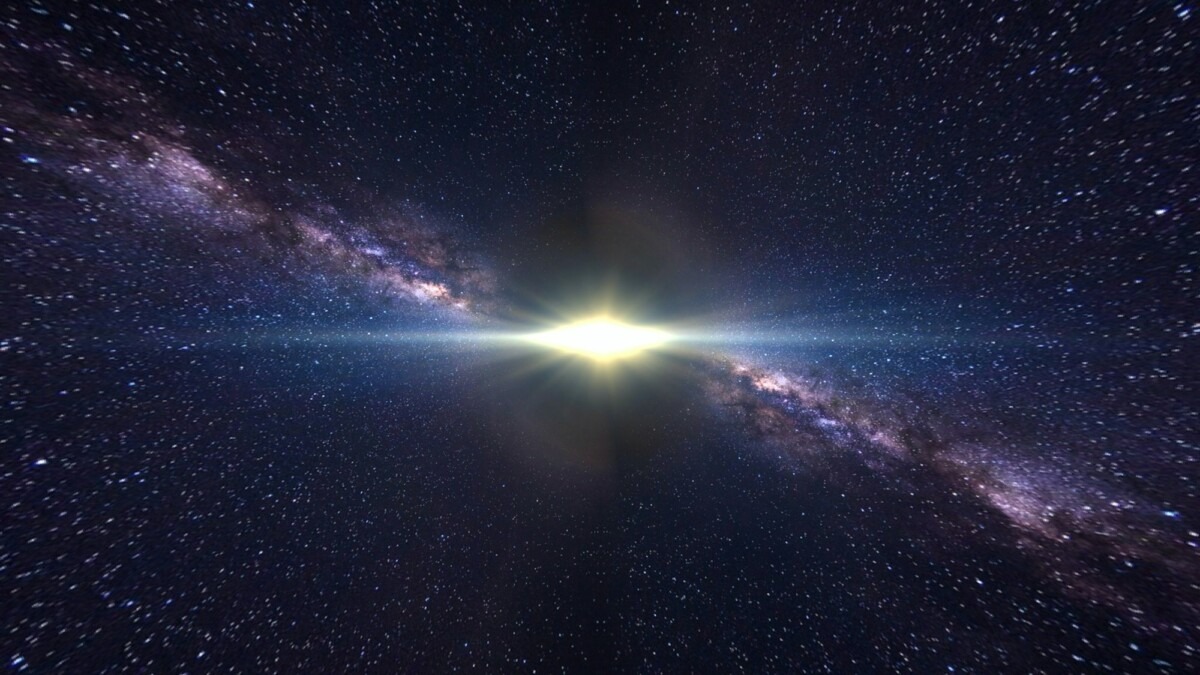
galaxy, cosmos, physical, science fiction wallpaper. Deep space.
1 Million Years From Now
Verified. Empirically supported and rationally deduced.
Brand New Constellations

Top view of astrologer hands
4.5 Billion Years From Now
Verified. Ratonally predicted.
Milky Way-Andromeda Collision
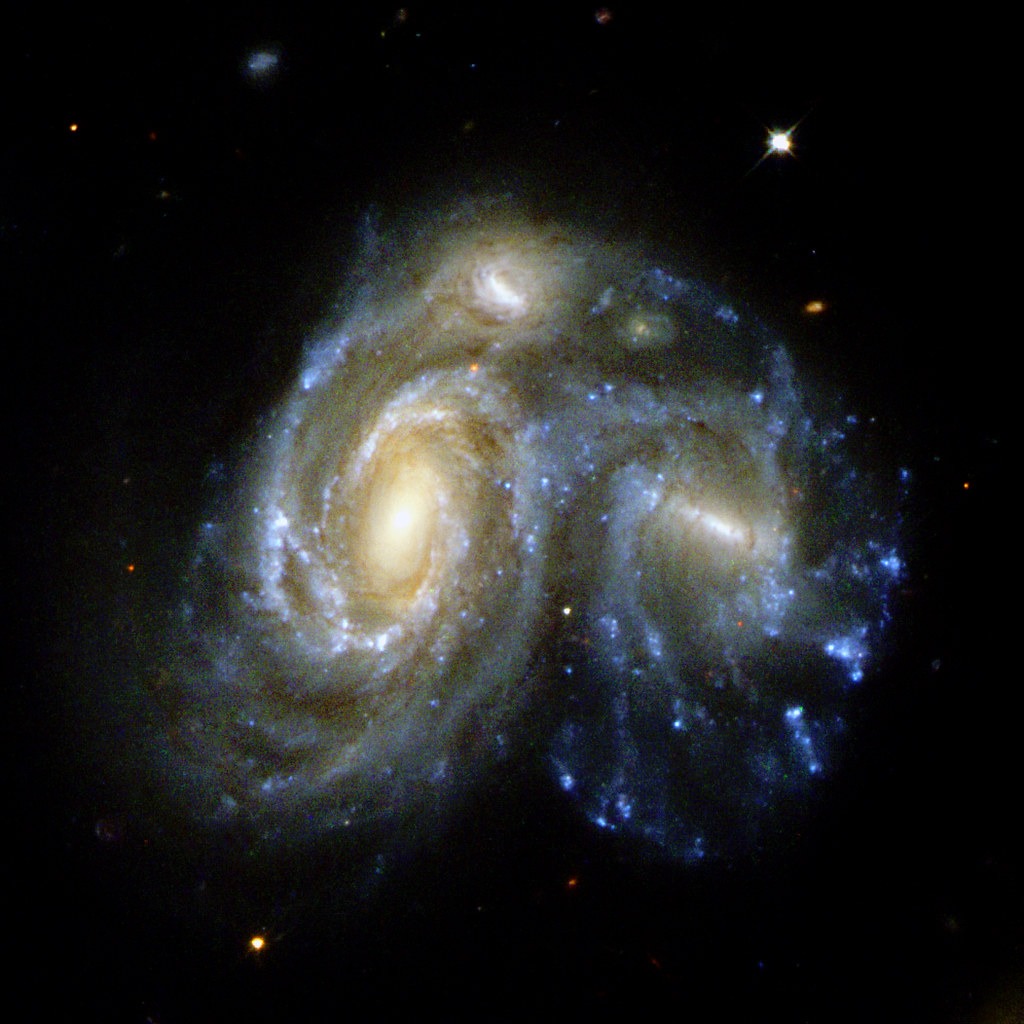
"<a href="https://www.flickr.com/photos/24354425@N03/45852509602" target="_blank" rel="noopener noreferrer">Colliding Galaxies, variant</a>" by <a href="https://www.flickr.com/photos/24354425@N03" target="_blank" rel="noopener noreferrer">sjrankin</a> is licensed under <a href="https://creativecommons.org/licenses/by-nc/2.0/" target="_blank" rel="noopener noreferrer">CC BY-NC 2.0</a>
5 Billion Years in the Future
Verified. Ratonally predicted.
Death of the Sun
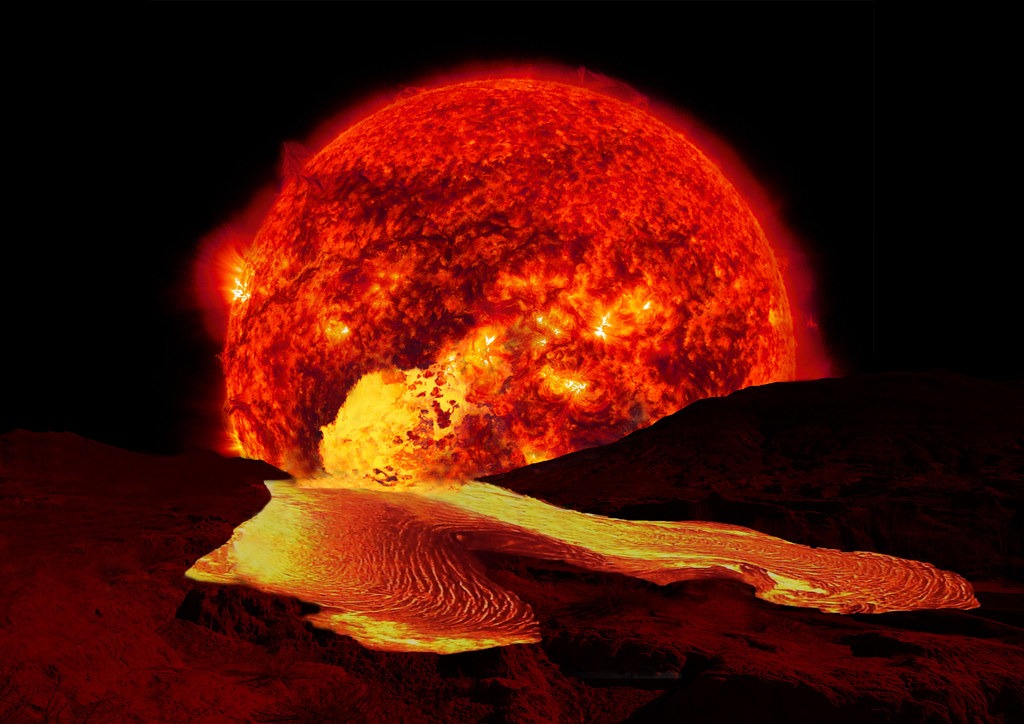
"<a href="https://www.flickr.com/photos/37413900@N04/13297090724" target="_blank" rel="noopener noreferrer">Red Giant Star</a>" by <a href="https://www.flickr.com/photos/37413900@N04" target="_blank" rel="noopener noreferrer">Maxwell Hamilton</a> is licensed under <a href="https://creativecommons.org/licenses/by/2.0/" target="_blank" rel="noopener noreferrer">CC BY 2.0</a>
7 Billion Years From Now
Verified. Ratonally predicted.
Formation of a New Solar System
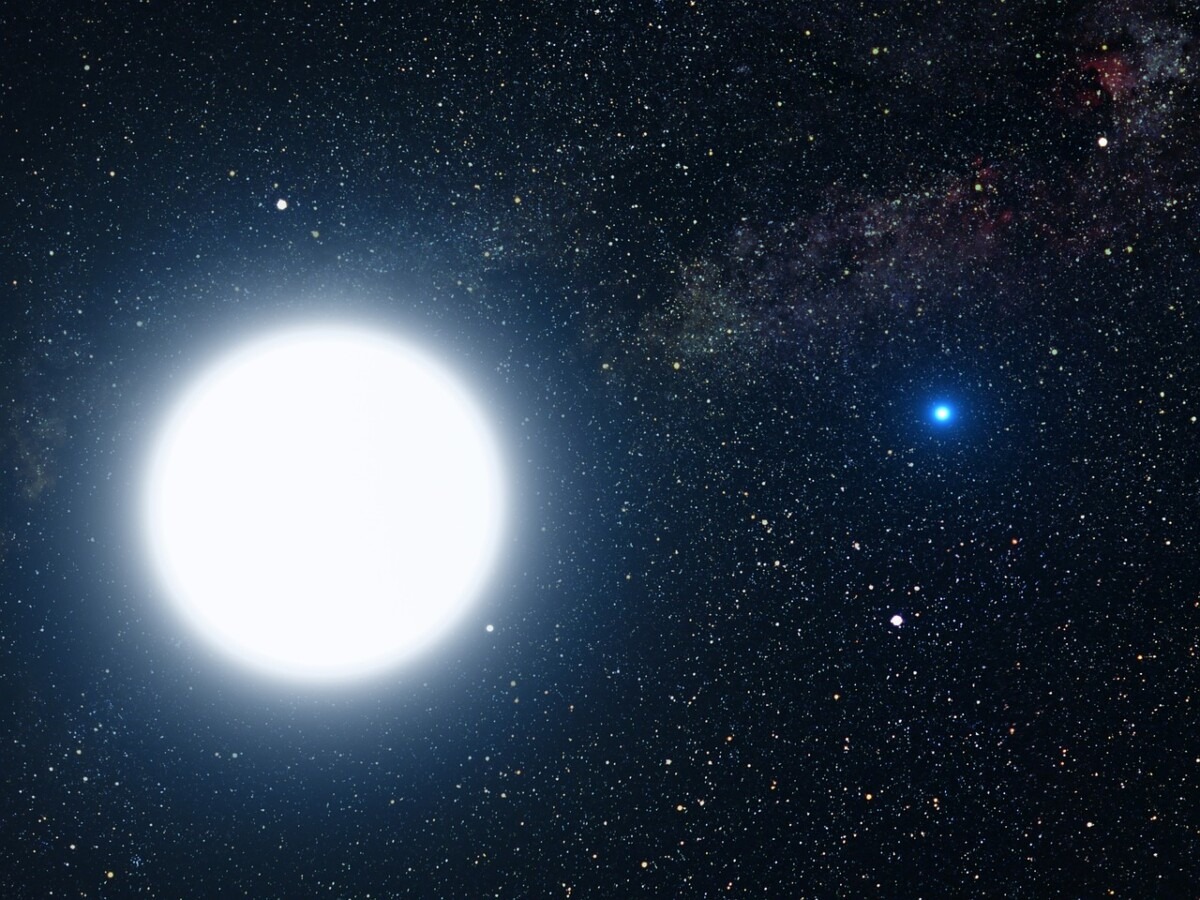
Photo by <a href="https://pixabay.com/users/WikiImages-1897/?utm_source=instant-images&utm_medium=referral" target="_blank" rel="noopener noreferrer">WikiImages</a> on <a href="https://pixabay.com" target="_blank" rel="noopener noreferrer">Pixabay</a>
1 to 37 Quadrillion Years From Now
Highly speculative. Rationally deduced.
Black Dwarf Sun
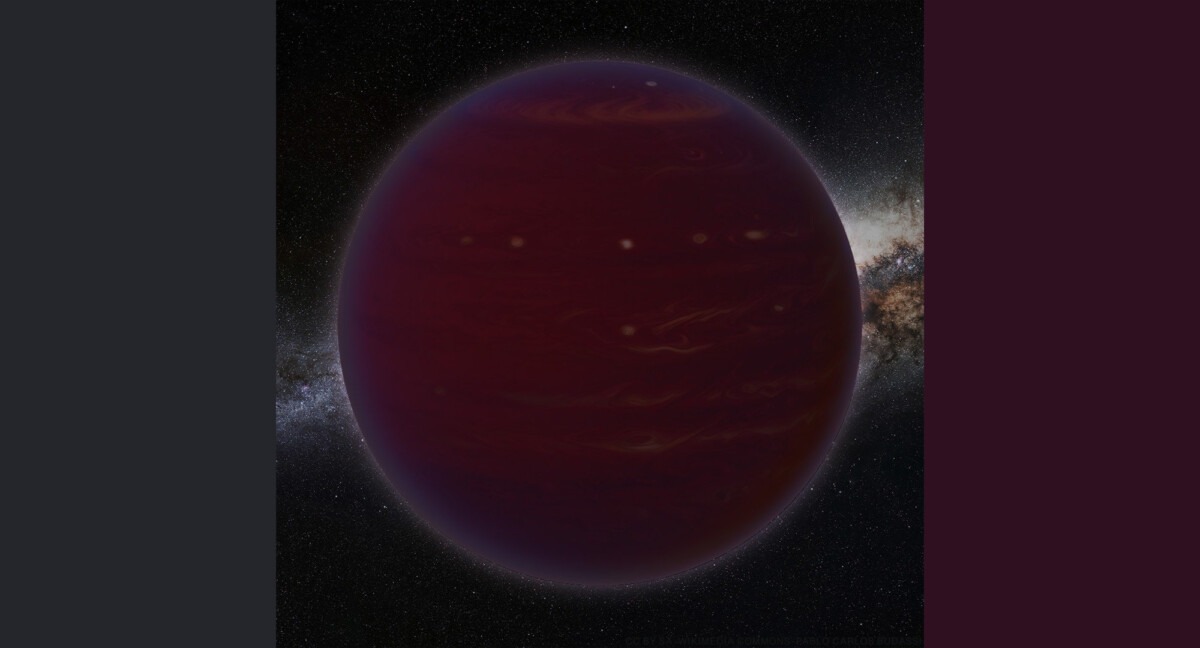
Brown dwarfs (also called failed stars) are substellar objects that are not massive enough to sustain nuclear fusion of ordinary hydrogen into helium in their cores, unlike a main-sequence star. Instead, they have a mass between the most massive gas giant planets and the least massive stars, approximately 13 to 80 times that of Jupiter. However, they can fuse deuterium and the most massive ones (> 65 MJ) can fuse lithium.
Astronomers classify self-luminous objects by spectral class, a distinction intimately tied to the surface temperature, and brown dwarfs occupy types M, L, T, and Y. As brown dwarfs do not undergo stable hydrogen fusion, they cool down over time, progressively passing through later spectral types as they age.
Despite their name, to the naked eye, brown dwarfs would appear in different colors depending on their temperature. The warmest ones are possibly orange or red, while cooler brown dwarfs would likely appear magenta or black to the human eye. Brown dwarfs may be fully convective, with no layers or chemical differentiation by depth.
As brown dwarfs have relatively low surface temperatures, they are not very bright at visible wavelengths, emitting most of their light in the infrared. However, with the advent of more capable infrared detecting devices, thousands of brown dwarfs have been identified. The nearest known brown dwarfs are located in the Luhman 16 system, a binary of L- and T-type brown dwarfs about 6.5 light-years from the Sun. Luhman 16 is the third closest system to the Sun after Alpha Centauri and Barnard's Star.
Image created by Pablo Carlos Budassi in 2023 (pablocarlosbudassi.com)
1+ Googol Years From Now
Highly speculative. Rationally deduced.
Lambda Model: Heat Death of the Universe