

By Chapter or Topic: All > Anchors > People > Docs > Touchstones > New Looks > History > Pre-Sumer
ANCHORS Edition: This timeline encapsulates the chapter anchors of “30 Philosophers: A New Look at Timeless Ideas.” While many people are discussed in the book, except for Chapter 1, the remaining 30 chapters contains an anchor person for the chapter’s story.
30 Philosophers Timeline: Anchors
30 Phil, Chapter 2: Shuruppak and Paternal Wisdom
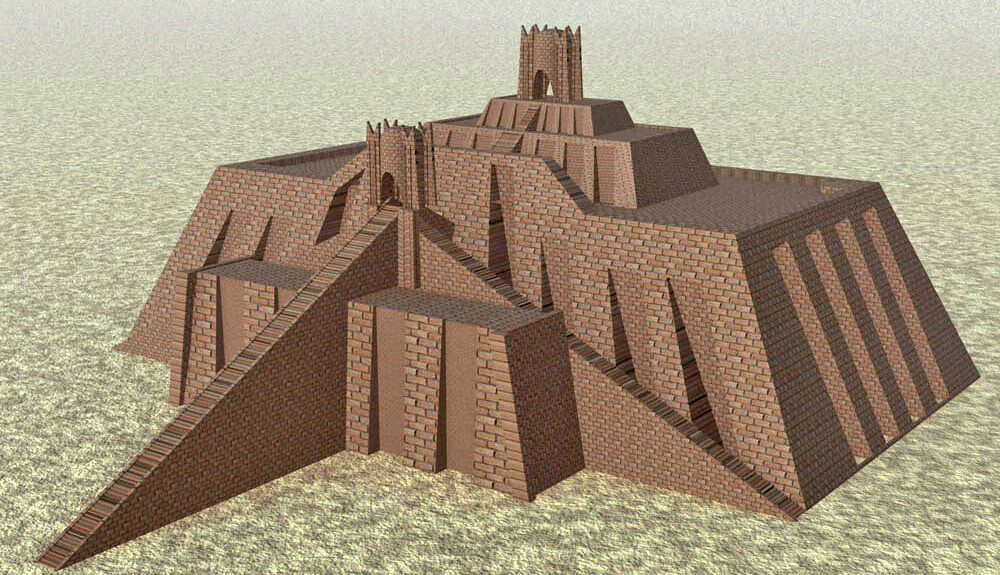
Sumerian civilization consisted of over 30 city-states, among which Ur and Shuruppak were among the more prominent. We know about King Shuruppak from the Sumerian King List, an ancient text where he appears as the last king before a great flood.
Pictured is the Ziggurat of Ur, about 70 miles from Shuruppak. The city of Shuruppak had a similar one.
30 Phil, Chapter 3: Gargi and the Concept of Holism
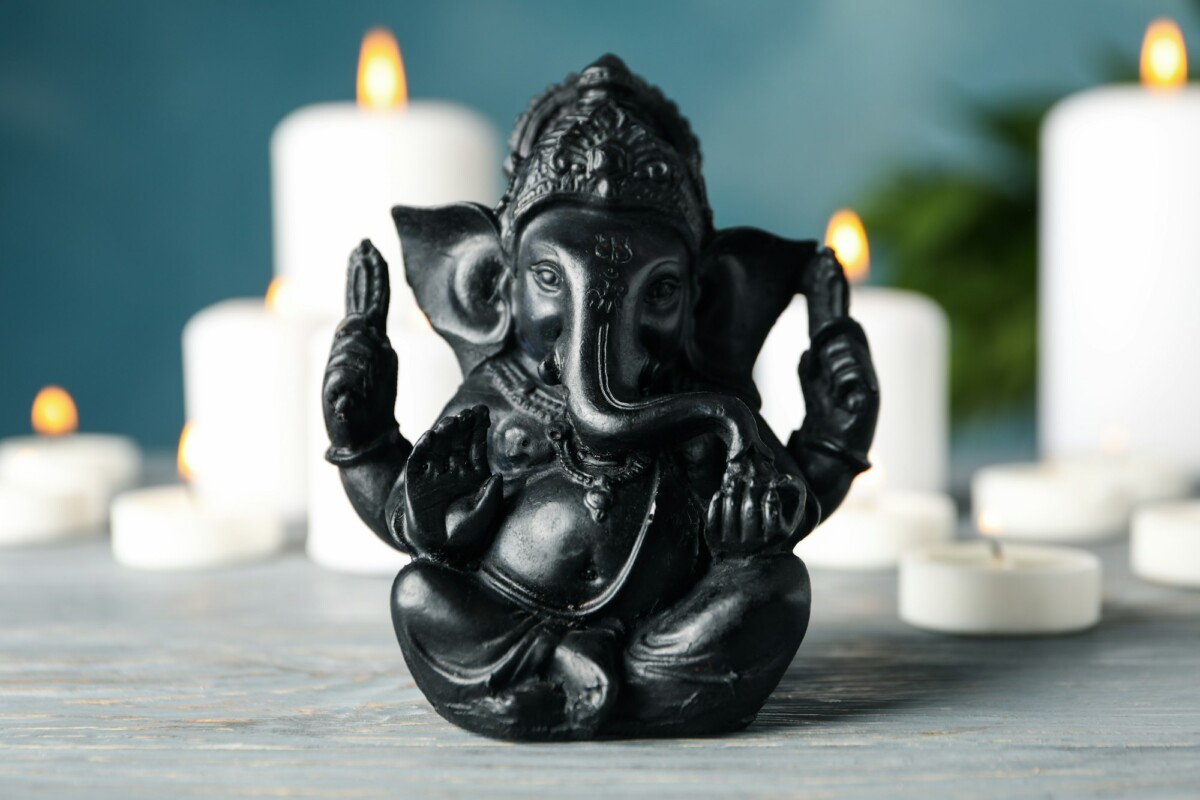
Gargi lived in India around 800 BCE, give or take a century, but we do not know her lifespan. We know about her from early Vedic Tradition, specifically from the early Vedas. Gargi is one of the earliest known female philosophers. Although the specifics of her timeline are unclear, she emerged around 800 BCE. Gargi’s life unfolded in the kingdom of Videha, present-day Bihar in eastern India. Her family belonged to the Brahmin caste, who have historically been the custodians of knowledge in Indian society. In this capacity, they played a vital role in the cultural transmission of knowledge.

30 Phil, Chapter 4: Laozi and Daoist Philosophy
The life of Laozi is shrouded in mystery, but he is the first philosopher in “30 Philosophers” that attempts to construct a precise biography. The Spring and Autumn Period of China spanned nearly three centuries starting in 770 BCE, and Laozi lived about in the middle of that era. He was born about 604 BCE . His native language was Old Chinese, he authored the Dao De Jing, and founded the Daoist philosophy. Some stories indicate he was married and had at least one son.
Pictured is the statue of Laozi at the base of mount Qingyuan in China.

30 Phil, Chapter 5: Confucius and Confucianism
Confucius is remembered for his practical applied philosophy. His sayings are a reflection of many centuries of common sense sayings making his philosophy deeply Chinese.
My favorite sayings:
- The man who knows he can, and the man who knows he cannot, are both correct.
- Real knowledge is to know the extent of one’s ignorance.
- The man who asks a question is a fool for a minute, the man who does not ask is a fool for life.
- You are what you think.
- All people are the same; only their habits differ.
- Roads were made for journeys, not destinations.
-
Respect yourself, and others will respect you.

30 Phil, Chapter 6: Gautama Buddha and Buddhism
In a much simpler time, the royal family of the Shakya dynasty lived in a palace located at the capital of the Shakya kingdom in present-day Nepal. Around 563 BCE, a boy named Siddhartha Gautama was born in the palace. At the age of 29, he left the luxury of his palace, and became one of the many wandering ascetics. After six years of wandering, in a flash, he suddenly attained enlightenment at the age of 35 under a Bodhi tree. Over the centuries, Buddhist Councils reorganized and revised the Canon, eventually adding the third text containing philosophical and psychological analysis. The degree to which these revisions deviated from the Buddha’s original words remains unknown. It was not until the 1st century BCE that the orally transmitted Pali Canon was finally committed to writing.
Pictured: Gautama Buddha statue in Buddha Park of Ravangla, Sikkim. Showing after Confucius just to group Laozi & Confucius together.
30 Phil, Chapter 7: Heraclitus and Your Worldview
Chapter 7 in part one transitions from Eastern luminaries to their counterparts in the West. The pre-Socratic philosophers, guided by a new rational perspective, challenged the stronghold of mythology, and propelled human thought onto a trajectory marked by reason. Little is known for sure about Heraclitus. Born around 535 BCE, stories indicated he lived about 60 years.
- Everything is in Flux.
- No man ever steps in the same river twice.
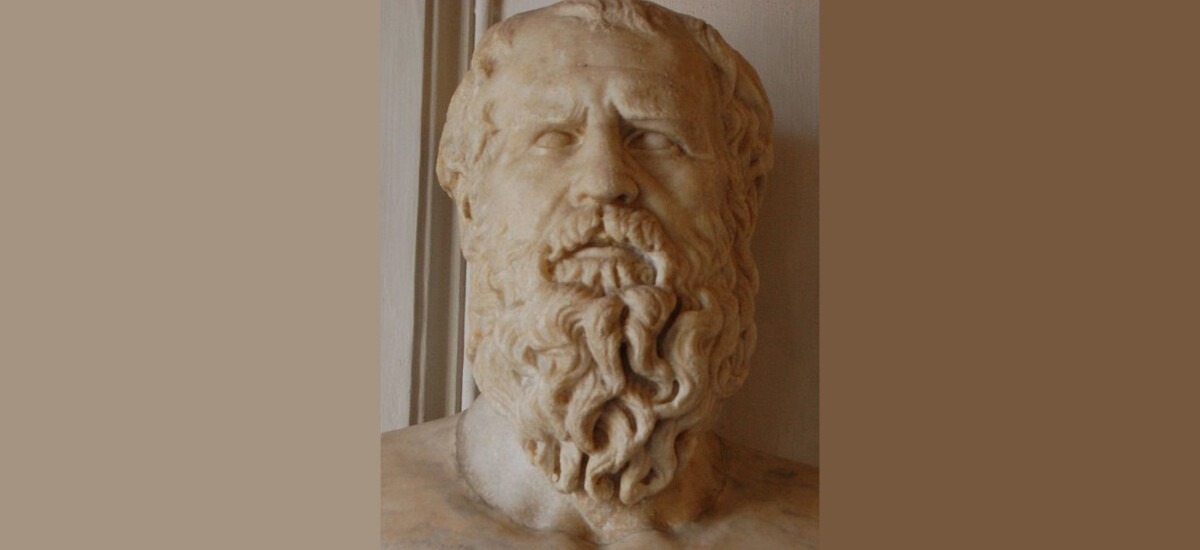
Pictured: Bust of an unknown philosopher. Some believe this might be Heraclitus. This bust is in the Capitoline Museum in Rome, but the museum makes no such identity assumption.
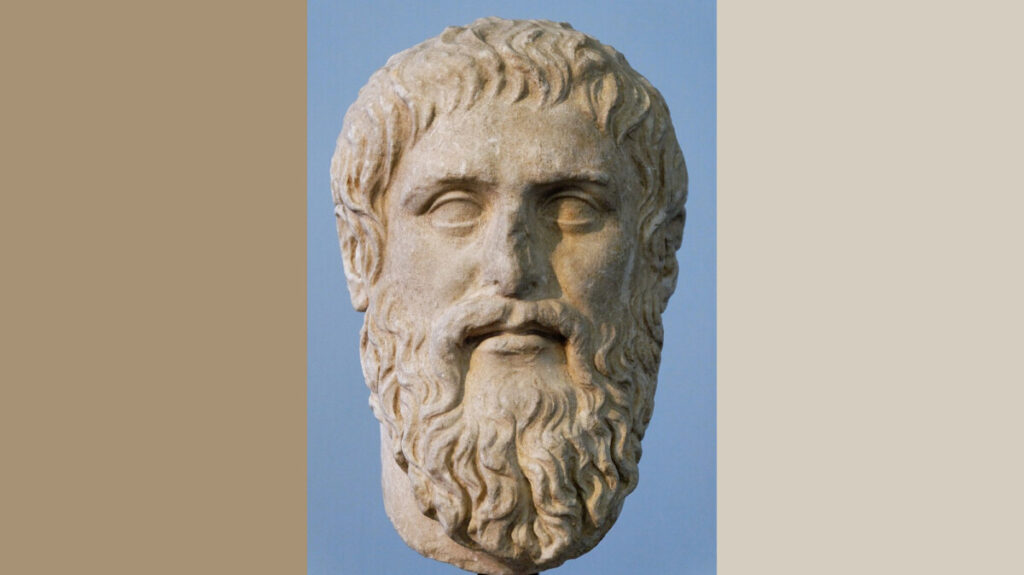
30 Phil, Chapter 8: Plato and Rationalism
Plato was a Greek philosopher born in Athens. He was a student of Socrates and a teacher of Aristotle. Plato’s Theory of Forms asserts that the reality is only a shadow, or image, of the true reality of the Realm of Forms — abstract, perfect, unchanging concepts or ideals that transcend time and space.
My favorite sayings:
- Excellence is not a gift, but a skill that takes practice.
- If women are expected to do the same work as men, we must teach them the same things.
- If you do not take an interest in the affairs of your government, then you are doomed to live under the rule of fools.
- Beauty lies in the eyes of the beholder.
- Reality is created by the mind, we can change our reality by changing our mind.
- Music gives a soul to the universe, wings to the mind, flight to the imagination and life to everything.
- If a man neglects education, he walks lame to the end of his life.
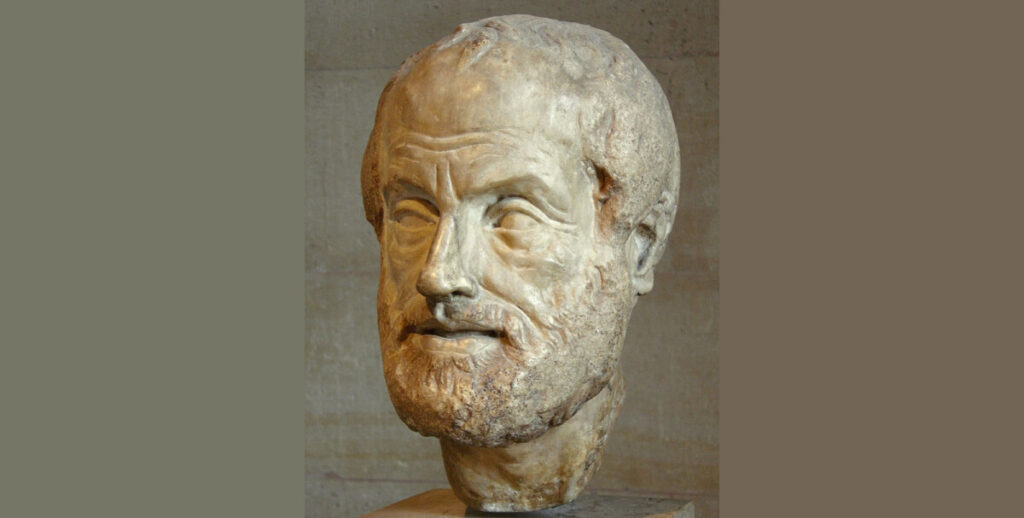
30 Phil, Chapter 9: Aristotle and Empiricism
Aristotle was the greatest Greek philosopher and covered nearly all subjects including physics, biology, zoology, metaphysics, logic, ethics, aesthetics, poetry, theatre, music, rhetoric, psychology, linguistics, economics, politics, meteorology, geology, and government. His Aristotelian philosophy characterized by deductive logic and an analytic inductive method.
Some of my favorite translated sayings are:
- The more you know, the more you know you don’t know.
- It is the mark of an educated mind to be able to entertain a thought without accepting it.
- Happiness depends upon ourselves.
- Happiness is the meaning and the purpose of life, the whole aim and end of human existence.
- The educated differ from the uneducated as much as the living differ from the dead.
- Quality is not an act, it is a habit.
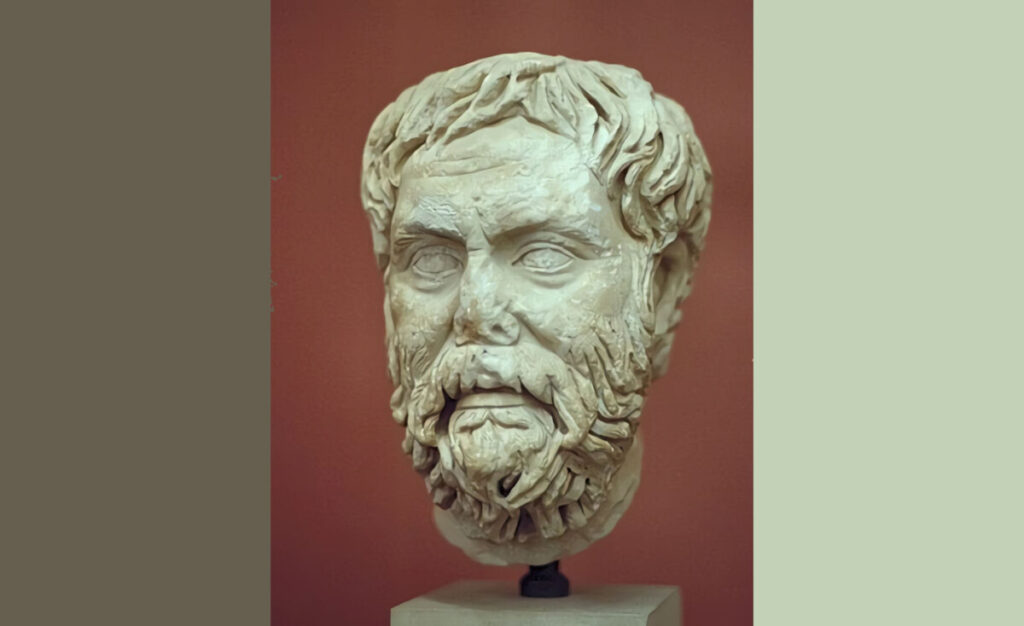
30 Phil, Chapter 10: Pyrrho of Elis and Skepticism
Pyrrho, the skeptic, believed no one knows anything. Everything can be questioned. The best approach is to keep an open mind. Like Socrates, Pyrrho himself left no writings. We know of his teachings through his students and later writers.
Phrases that best represent skeptics:
- Question everything.
- Do not trust your senses.
- What difference does it make if you are alive or dead?
There’s a big difference between a pure skeptic questioning literally everything, and a moderate skeptic who evaluates everything with an open mind. Pyrrho is reported to have been a pure skeptic, I’m more of a moderate skeptic.
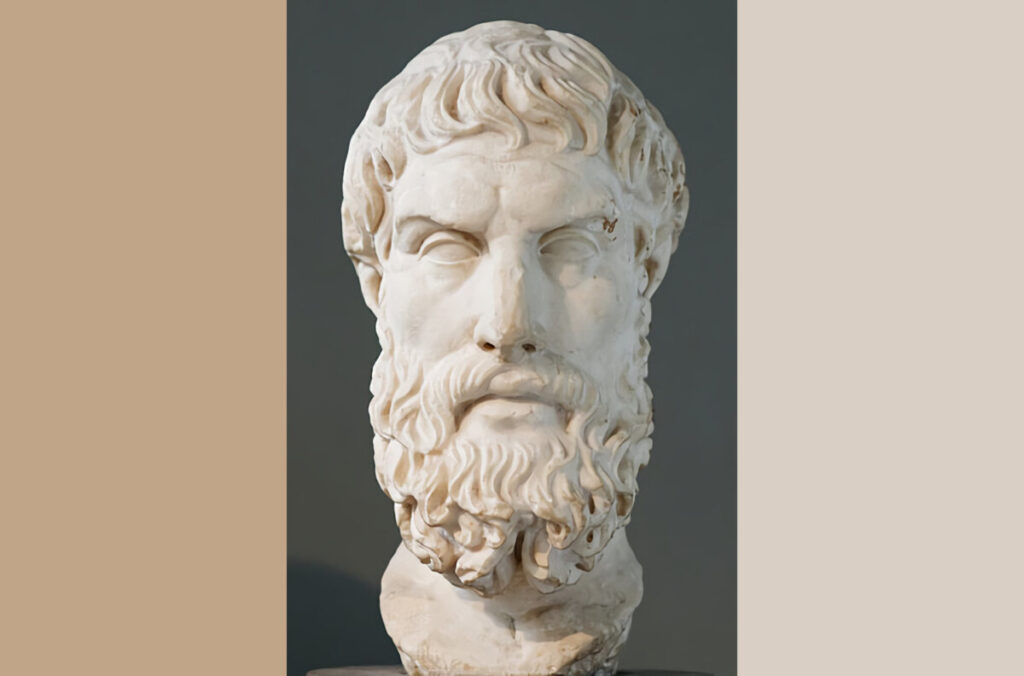
30 Phil, Chapter 11: Epicurus and Epicureanism
Epicurus founded Epicureanism in 307 BCE. The goal of Epicureanism is to help people attain a happy (eudaimonic), tranquil life characterized by ataraxia (free from fear) and aponia (free from pain). He authored over 300 books, scrolls, none of which survived the test of time.
Some of my favorite translated sayings attributed to him:
- Do not spoil what you have by desiring what you have not
- Death is not something experienced in life.
- Fear of death is a waste of time.
My favorite saying is the Epicurean epitaph “Non fui, fui, non sum, non curo.”
- I was not; I was; I am not; I do not mind.
I sometimes refer to myself as an epicurean stoic. A balance between enjoy the journey, and duty to yourself and others. Enjoying the complimentary yin and yang of my journey on Earth.
30 Phil, Chapter 12: Philo and Abrahamic Philosophy
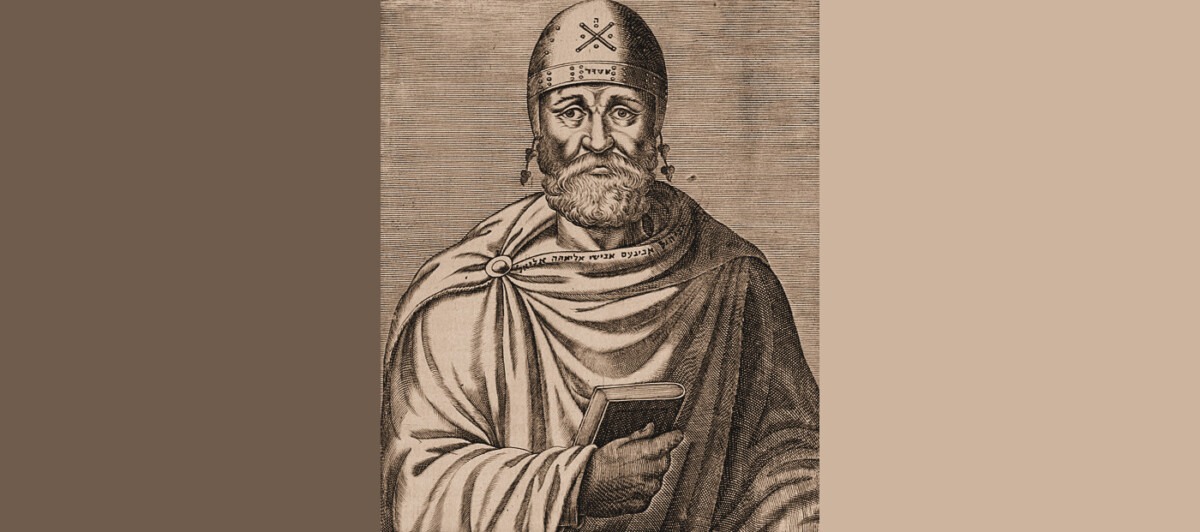
Philo of Alexandria, was born in the dynamic environment before the split of Judaism and Christianity. He was born around the year 20 BCE and became an important Jewish leader delving into the enigmatic world of Hellenistic Jewish religion.
Pictured: Portrait from 1500s. He likely did not look like this.
30 Phil, Chapter 13: Marcus Aurelius and Stoicism
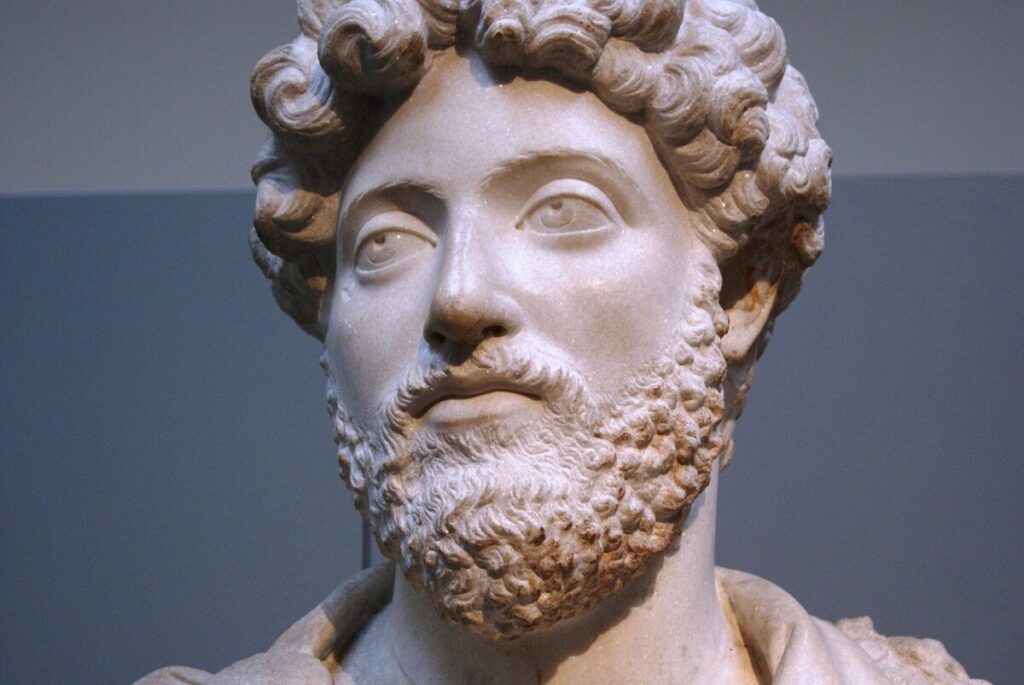
Some of my favorite translated meditations include:
- Learn to be indifferent to what makes no difference.
- The happiness of your life depends upon the quality of your thoughts.
30 Phil, Chapter 14: Badarayana and Karma
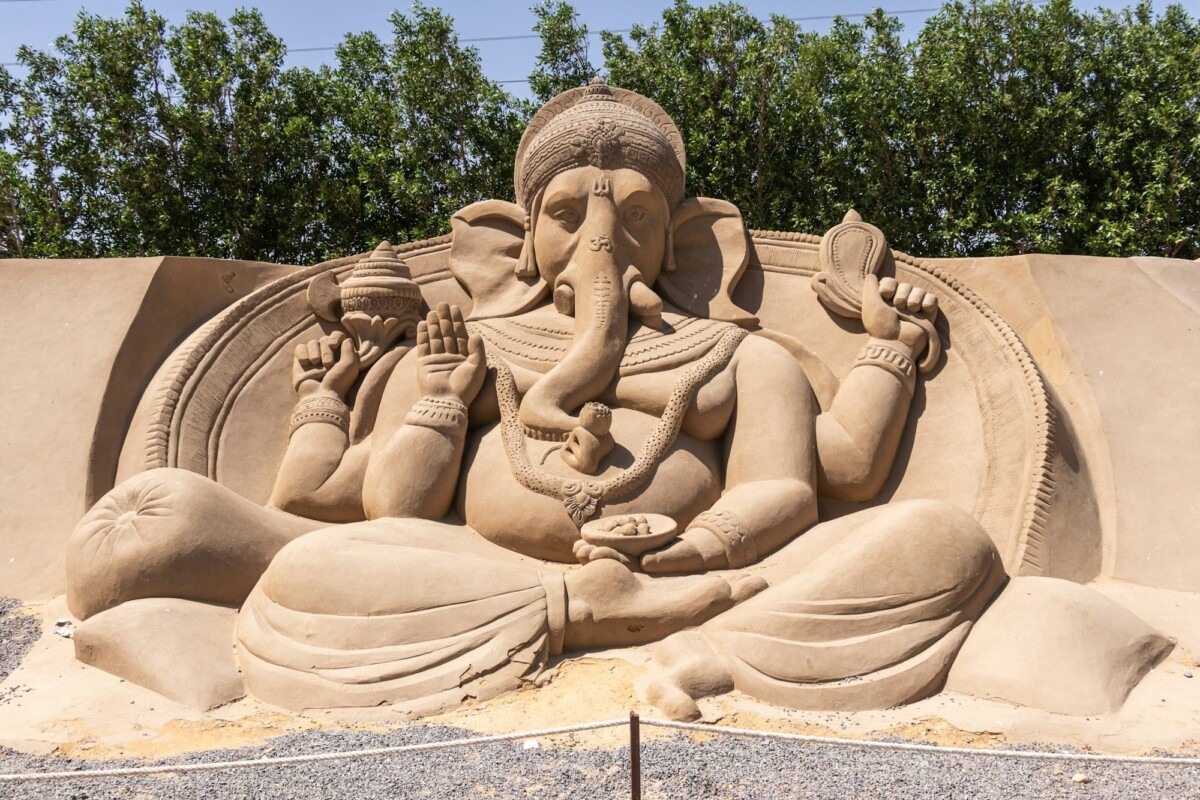
Badarayana is the sage who wrote the Brahma Sutras. Badarayana is placed at circa 200 CE, but the truth is, we don’t know when he lived. In my research, I found dates ranging from the 4th century BCE to the 4th century CE . While scholarly consensus leans towards an earlier date, I chose a reference year of 200 CE so I could group the Greco-Roman philosophers together on our mostly chronological journey.
Badarayana composed the “Brahma Sutras” as a guide to the Upanishads, a foundational text in Vedanta philosophy. The text was written in Classical Sanskrit and in an aphoristic style: short sentences expressing an idea. This style, popular between 500 BCE and 500 CE , gives me a modicum of comfort with the 200 CE date I’ve chosen.
Unfortunately, little is known about Badarayana’s personal life and background.
30 Phil, Chapter 15: Augustine, Time, and War
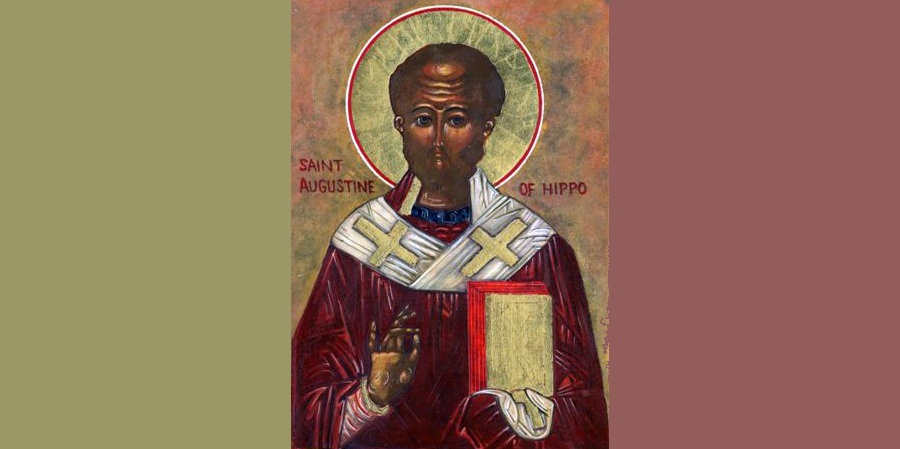
Augustine is known as the father of Western religious scholarship. He reconciled the science and philosophy of Aristotle with church beliefs.
- The world is a book and those who do not travel read only one page.
- Right is right even if no one is doing it; wrong is wrong even if everyone is doing it.
- There is no saint without a past, no sinner without a future.
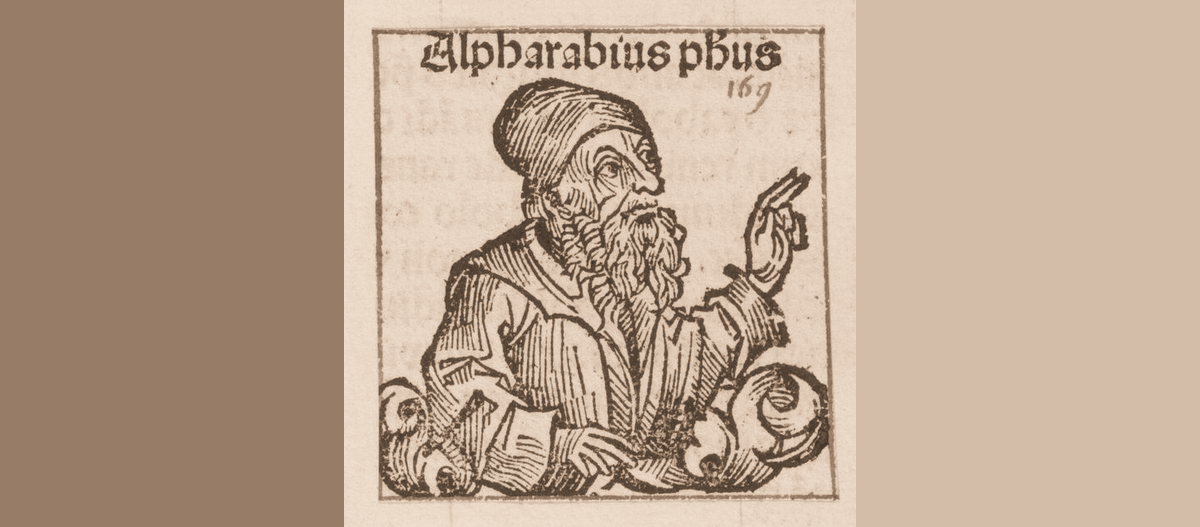
30 Phil, Chapter 16: Al-Farabi and Intellect
Al-Farabi was born along the Silk Road circa 872 CE in the city of Farab, in present-day Kazakhstan. Al-Farabi’ thought was rooted in Platonic and Aristotelian frameworks, yet it seamlessly wove in elements of Islamic thinking. He imagined an ideal society, steered by virtuous leaders akin to Plato’s philosopher-kings, guiding them towards a virtuous existence. In his vision, true wisdom was the foundation of an intellectual civilization.
Pictured: Artist impression.
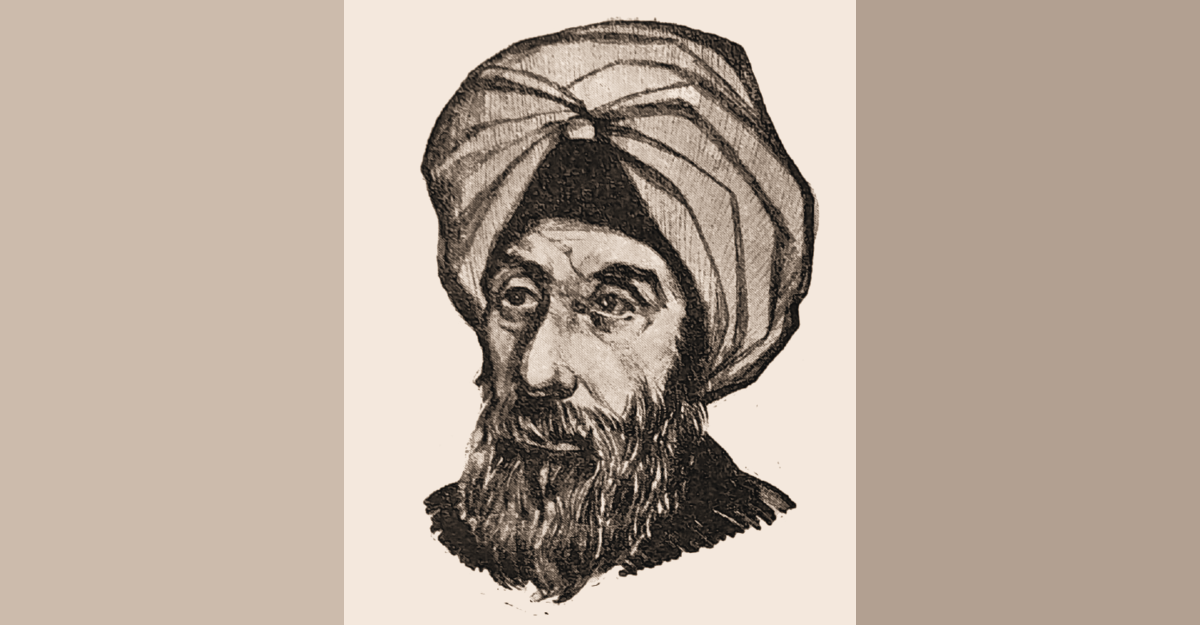
30 Phil, Chapter 17: Alhazen and the Senses
Alhazen was born in Basra around 965 CE, a city located in present-day Iraq. In his 30s, Alhazen faced the challenge of his life. He was “commissioned” to produce a solution for regulating the unpredictable and deadly flooding of the Nile. As he delved into the problem, it became clear the task was impossible. The “emission theory,” the prevalent theory before Alhazen, asserted that light originates from your eyes, hits objects, and is then reflected back. In “Book of Optics,” he explored aspects of vision and light, including reflection and refraction. He disproved the emission theory and proved the intromission theory.
Pictured: Artist impression.
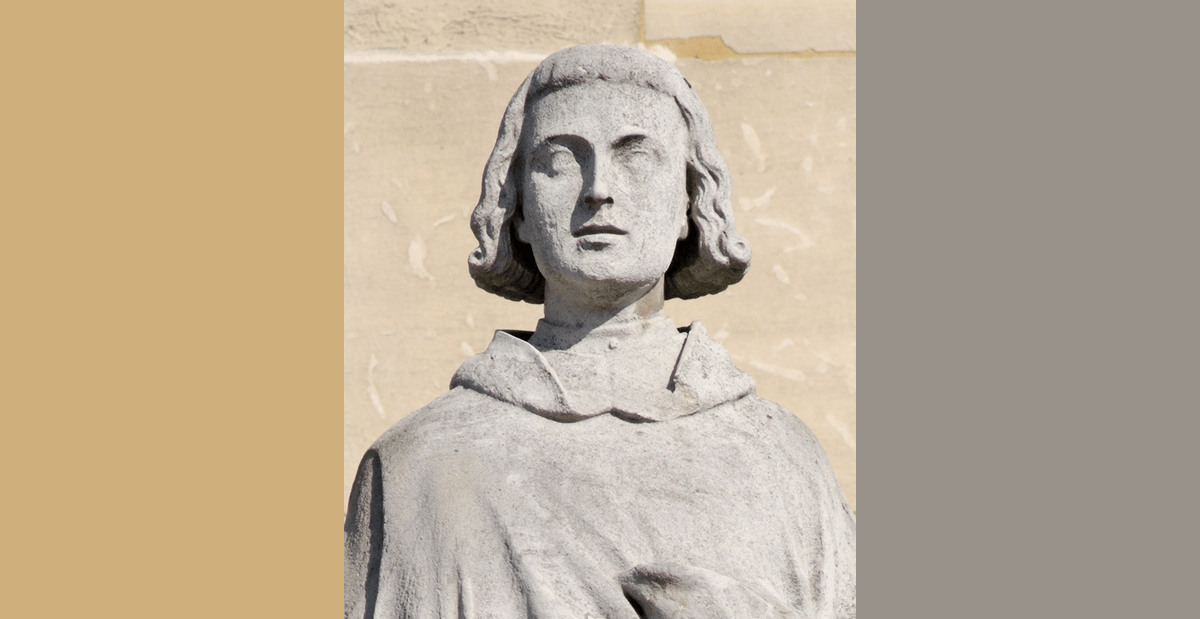
30 Phil, Chapter 18: Peter Abelard and Universals
Born in 1079 in Le Pallet, a small village in France, Peter Abelard hailed from a noble lineage. His father, a knight of the local lord, intended for his son to follow in his footsteps. Instead, Peter chose a path of knowledge. His brilliance propelled him to the forefront of the intellectual circles in Paris, where he challenged established ideas. Early philosophers, like Plato and Aristotle, noticed patterns in nature including things in common between objects. Remember schemas? The categories, groups, and patterns we notice in life. In the realm of philosophy, these patterns are “universals.” Abelard’s conceptualism is a middle ground.
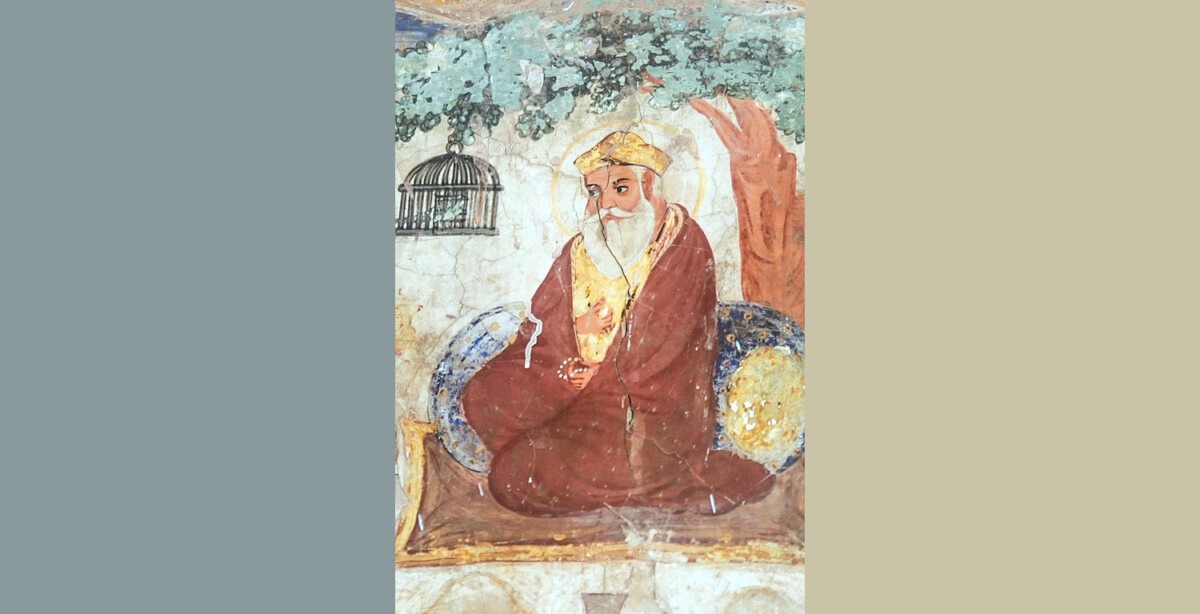
30 Phil, Chapter 19: Guru Nanak and Sikhism
Nanak was born in a village in Pakistan, on April 15, 1469. In 1499, at age 30, Nanak experienced a transformative spiritual event. While working as a storekeeper, he would often bathe in a nearby river. One fateful day, he submerged and remained missing for three days. Upon his unexpected re-emergence, Guru Nanak was born.
30 Phil, Chapter 20: Francis Bacon and the Scientific Method
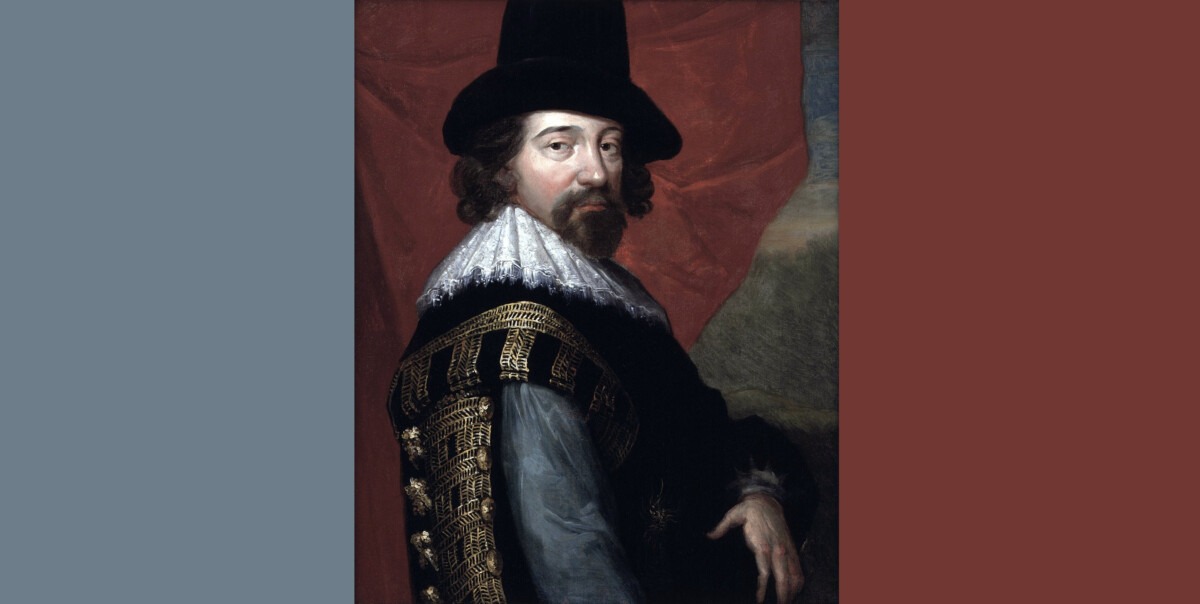
Francis Bacon was born on January 22, 1561, in London to a prominent and influential family. The young Francis Bacon received a comprehensive education, attending the prestigious Trinity College, Cambridge, at the age of 12. Bacon is the Father of the Scientific Method, but notice he is not the inventor. Bacon laid the foundation for his major work in “Novum Organum.” Published in Latin in 1620 when he was 59 years old. Bacon’s method pioneered inductive reasoning, but he didn’t invent it, but he did develop it into a method, and it gave birth to the scientific method.
Pictured: Portrait circa 1618, Francis was about 57.
Big History Thresholds: 1=Big Bang | 2=Stars&Galaxies | 3=Chemicals | 4=Solar System | 5=First Life | 6=TI | 7=Agrarian | 8=Science
The Modern Revolution: The 8th threshold for Big History began about 500 years ago and continues to the present day. It includes the scientific revolution, industrialization, and the information age, leading to rapid technological progress and profound changes in human societies globally. In 30 Philosophers, the modern age starts later in 1859 with Charles Darwin, but I follow human thought with a philosophical lens, Big History tells our story using the lens of a historian.
30 Phil, Chapter 21: Galileo and the Scientific Revolution
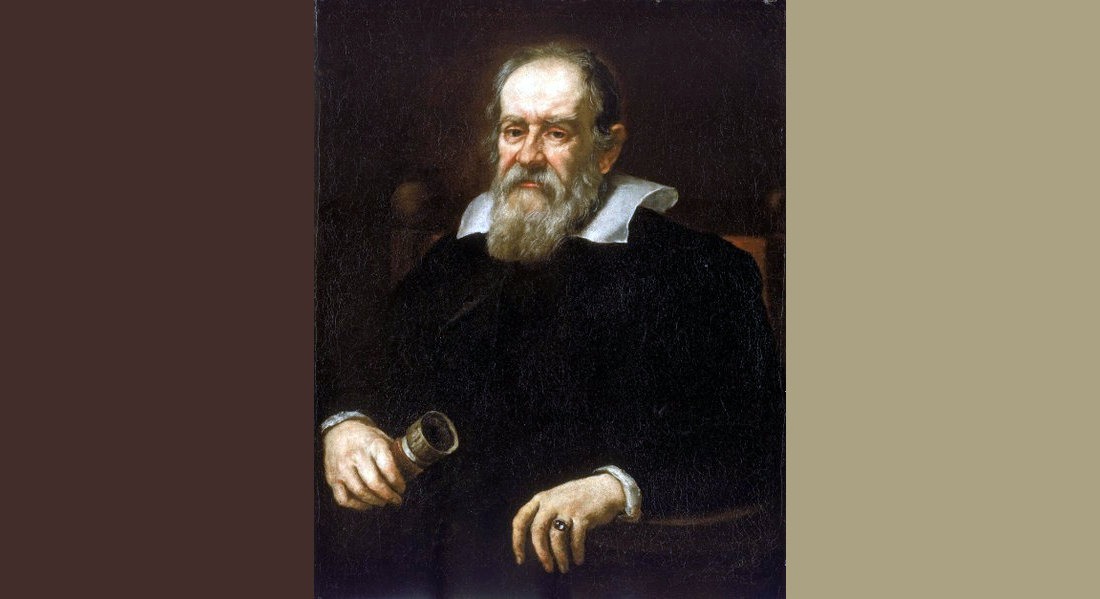
Galileo Galilei, more of a scientist than a traditional philosopher, forever altered our understanding of nature. He was born on February 15, 1564. Galileo was a great scientist in his time. His “way,” his method, of performing science helped push us toward our modern approach. The story of Galileo is also the story of Copernicus, and the story of modern cosmology. This is the era in which humanity started to learn about the fundamental structure of the universe. Galileo’s book “Two New Sciences,” published in 1638, contains his most significant contributions to science, particularly his work on motion and the strength of materials. Galileo was a master mathematician, and his contributions to mathematics were both scientific and philosophical. Galileo’s ideas about the infinitesimal were so clear, within decades, both Isaac Newton and Gottfried Leibniz independently developed calculus. Still under house arrest, he passed away at the age of 78 in January 1642.
Pictured: Portrait circa 1638, Galileo was about 74.
30 Phil, Chapter 22: Descartes and Cartesian Dualism
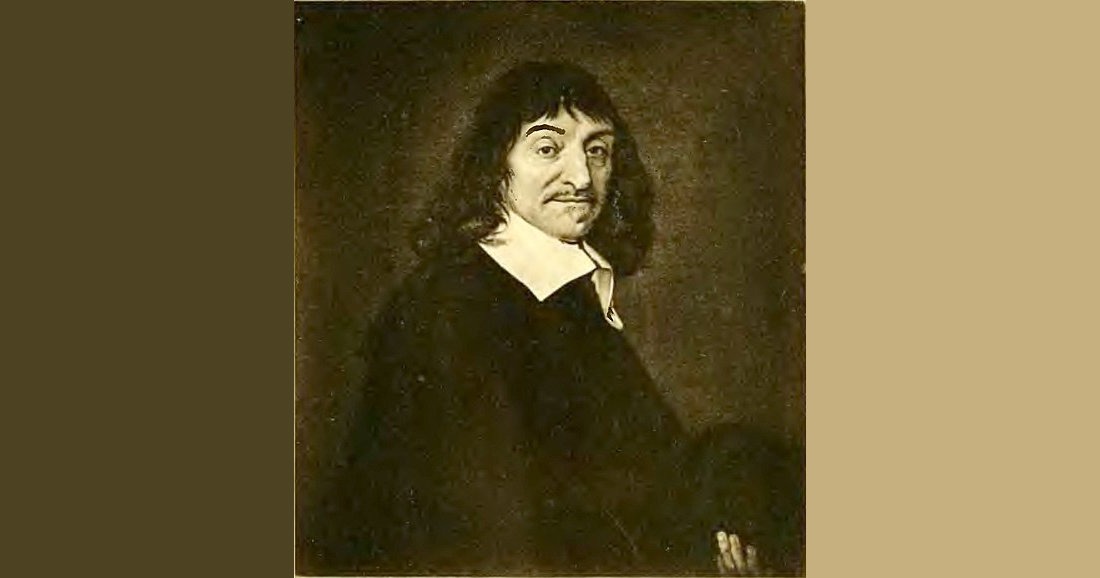
René Descartes was born into minor nobility in the Kingdom of France on March 31, 1596. In 1637, Descartes published “Discourse on the Method,” he sought to identify certain knowledge by using doubt to strip away uncertain beliefs. Cartesian Skepticism is a system of doubt aimed at identifying certainties by dismissing all beliefs susceptible to even the slightest uncertainty. On February 11, 1650, in the presence of a small circle of friends, he exhaled his last breath.
30 Phil, Chapter 23: Roger Williams and Liberalism
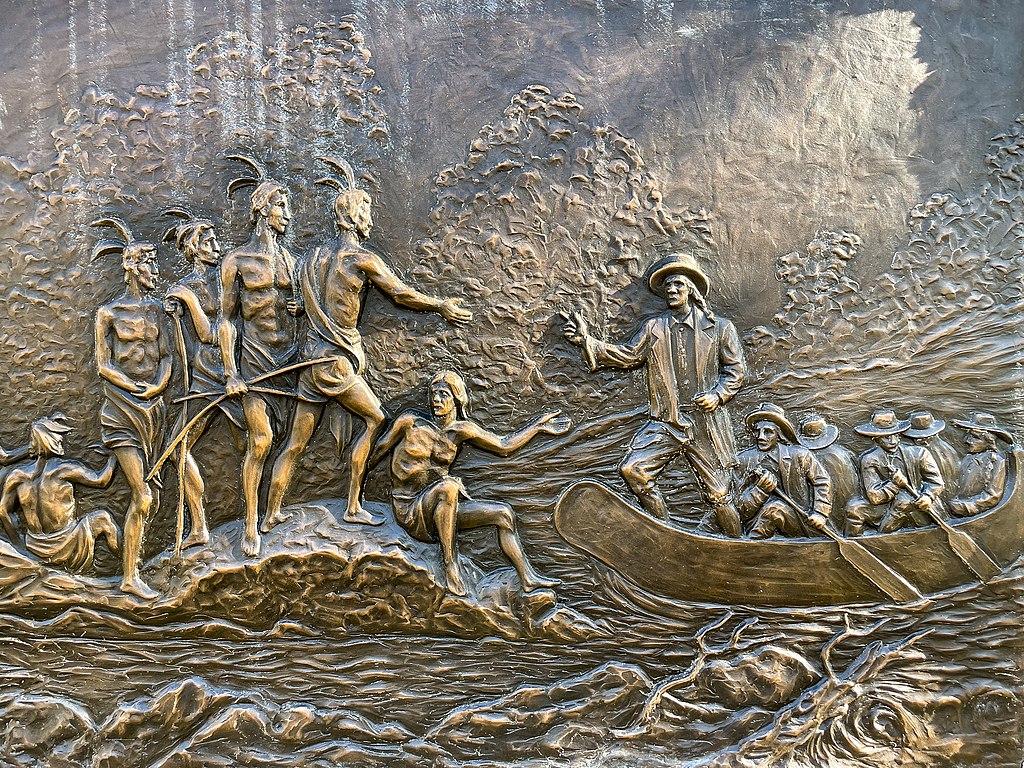
Roger Williams was born in England around 1602, in Smithfield, situated at the heart of London. Williams officially founded Providence Plantations in 1636 with an informal agreement with the local Native American leaders. It became the fifth American colony and the second in the New England region. In 1644, he published a series of pamphlets, the more contentious ones anonymously, leading up to penning what would become his magnum opus: “The Bloudy Tenent of Persecution,” or “Bloody Tenet.” More than a historical or religious treatise, the Bloody Tenet is a seminal work. It launched a full-throttle assault on the prevailing norms of religious and political intolerance that plagued both Old and New England. Williams passionately argued for the separation of church and state.
Pictured: No images exist of Roger Williams. This artist impression represents his fond relations with Native Americans.
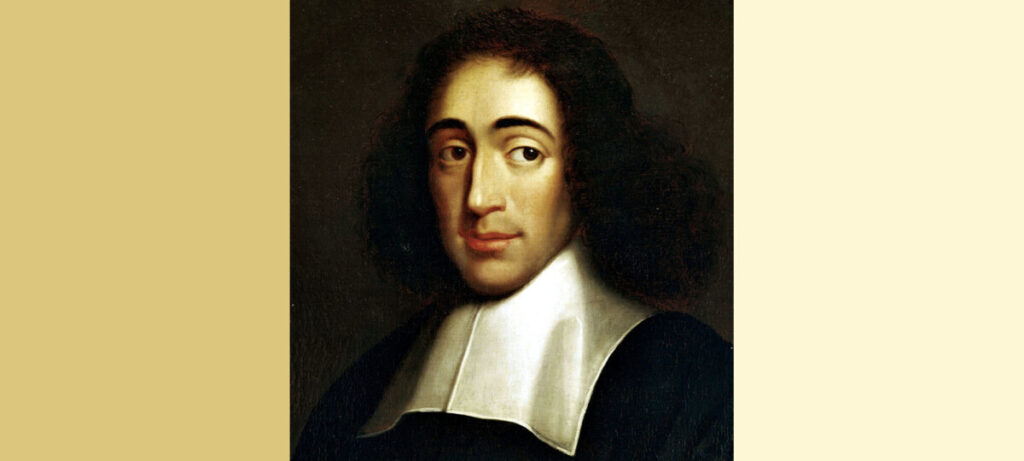
30 Phil, Chapter 25: Spinoza and Monism
The Dutch philosopher Spinoza was a lens grinder by profession, a proponent of Rationalism, and an early founder of Enlightenment. My favorite concept of Spinoza’s is that God is nature, and nature is God. For me, whenever I read God in prayers and such I substitute the word nature. That concept I attribute to Spinoza. The concept doesn’t mean God does not exist, nor vice versa, it’s simply an acknowledgment of all interpretations of God, Gods, and nature and the fact, by my account, that we have no proof God exists or not.
Some of my favorite translated quotes include:
- I call him free who is led solely by reason.
- Whatsoever is contrary to nature is contrary to reason, and whatsoever is contrary to reason is absurd.
- Peace is not an absence of war, it is a virtue, a state of mind, a disposition for benevolence, confidence, justice.
- The highest activity a human being can attain is learning for understanding, because to understand is to be free.
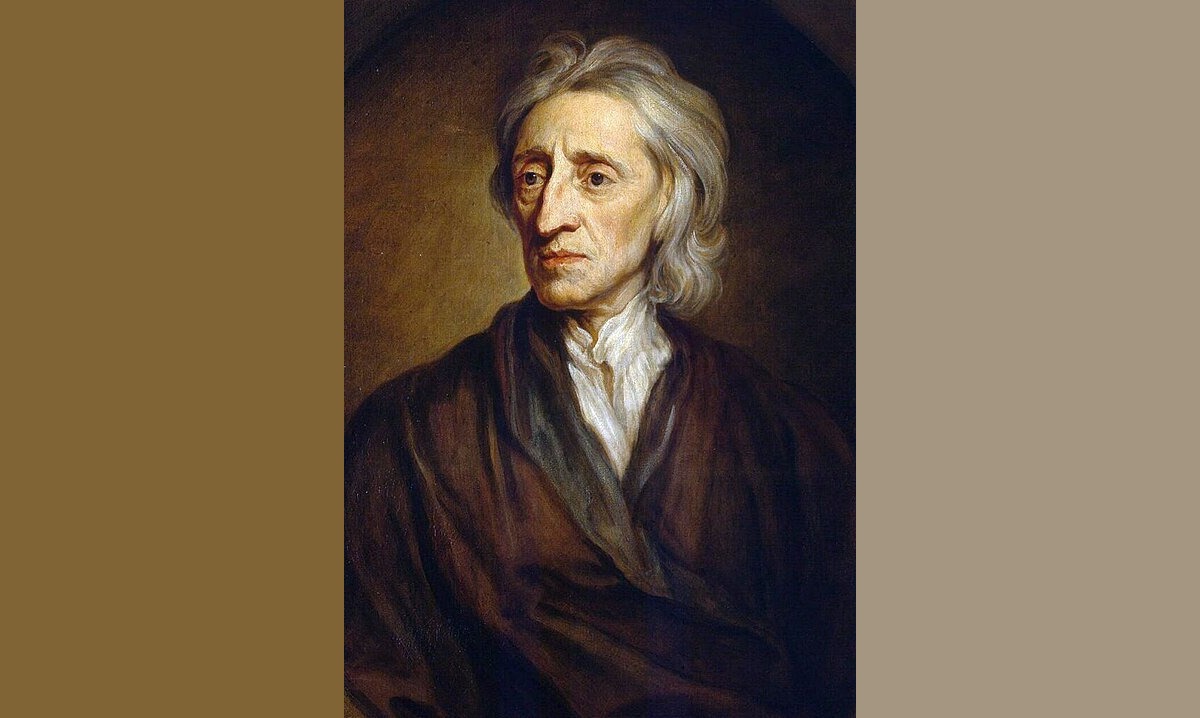
30 Phil, Chapter 24: Locke and Natural Rights
John was born on August 29, 1632 into a Puritan family in England. During his life, John Locke was focused on empiricism. He goes on to become a key figure in the empiricist revolution, with a dedication to the doctrine that experience is how knowledge is acquired. One of his popular ideas he published under his name was “tabula rasa,” in his work “An Essay Concerning Human Understanding.” Locke’s “tabula rasa” translates to blank slate, and this idea is central to individual rights and freedoms.
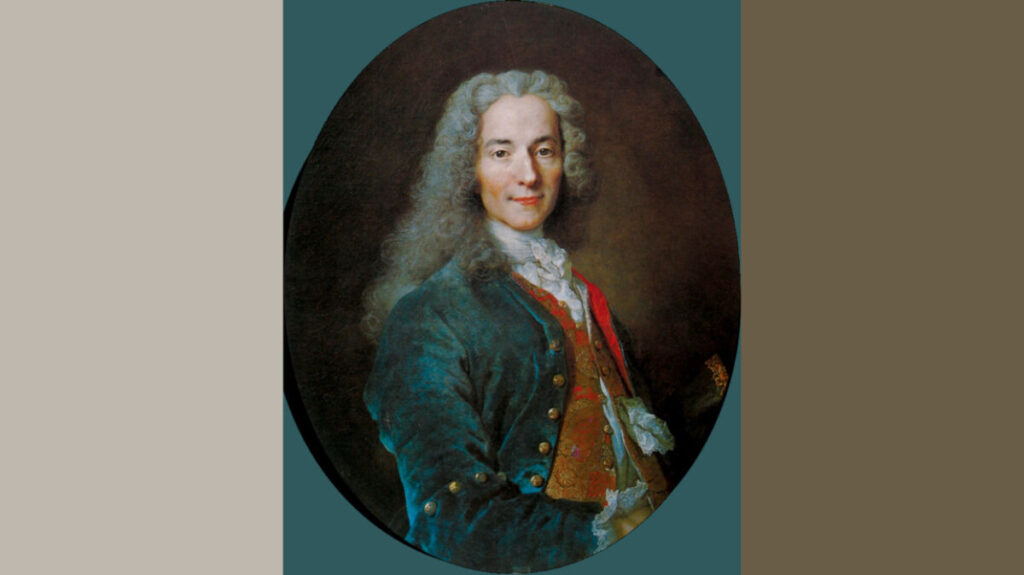
30 Phil, Chapter 26: Voltaire and Modern Journalism
Voltaire was a French Enlightenment philosopher born François-Marie Arouet. He was an advocate of civil liberties and satirized intolerance, and religious dogma in a time one was punished with censorship, jail, banishment, or worse.
Some of my favorite Voltaire quotes translated from French:
- Those who can make you believe absurdities can make you commit atrocities.
- Opinion has caused more trouble on this little earth than plagues or earthquakes.
- In the case of news, we should always wait for the sacrament of confirmation.
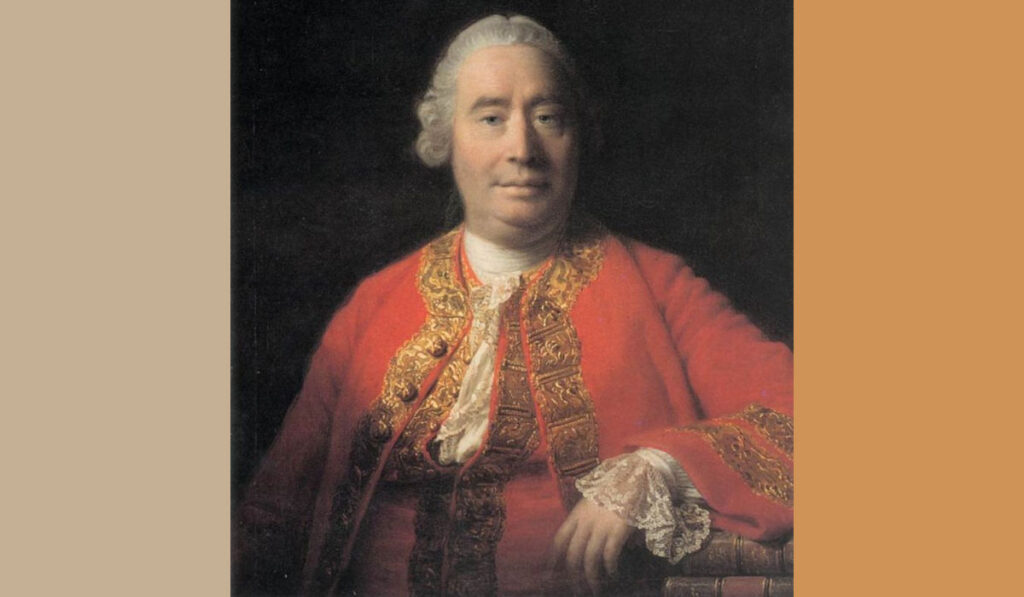
30 Phil, Chapter 27: Hume and Skeptical Empiricism
The Scottish Enlightenment philosopher and historian Hume was a leading exponent of empiricism. The belief that all human knowledge derives solely from experience.
Some of my favorite Hume quotes:
- “A wise man proportions his belief to the evidence.” -A Treatise of Human Nature, 1739
- “The life of man is of no greater importance to the universe than that of an oyster.”
- “Generally speaking, the errors in religion are dangerous; those in philosophy only ridiculous.”
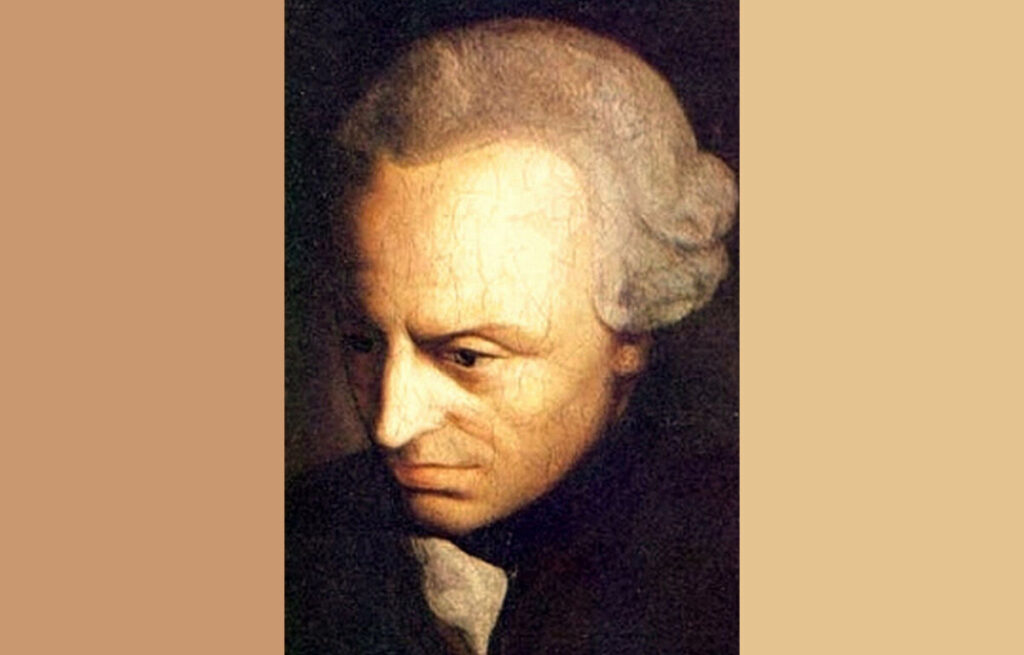
30 Phil, Chapter 28: Kant and Kantianism
The German philosopher Immanuel Kant (22 April 1724 – 12 February 1804) was a central figure of the Enlightenment which put reason as the tool of choice when discussing God, nature, and humanity.
Some of my favorite translated quotes include:
- All our knowledge begins with the senses, proceeds then to the understanding, and ends with reason. There is nothing higher than reason.
- Nothing is divine but what is agreeable to reason.
- We can judge the heart of a man by his treatment of animals.
- It is beyond a doubt that all our knowledge begins with experience.
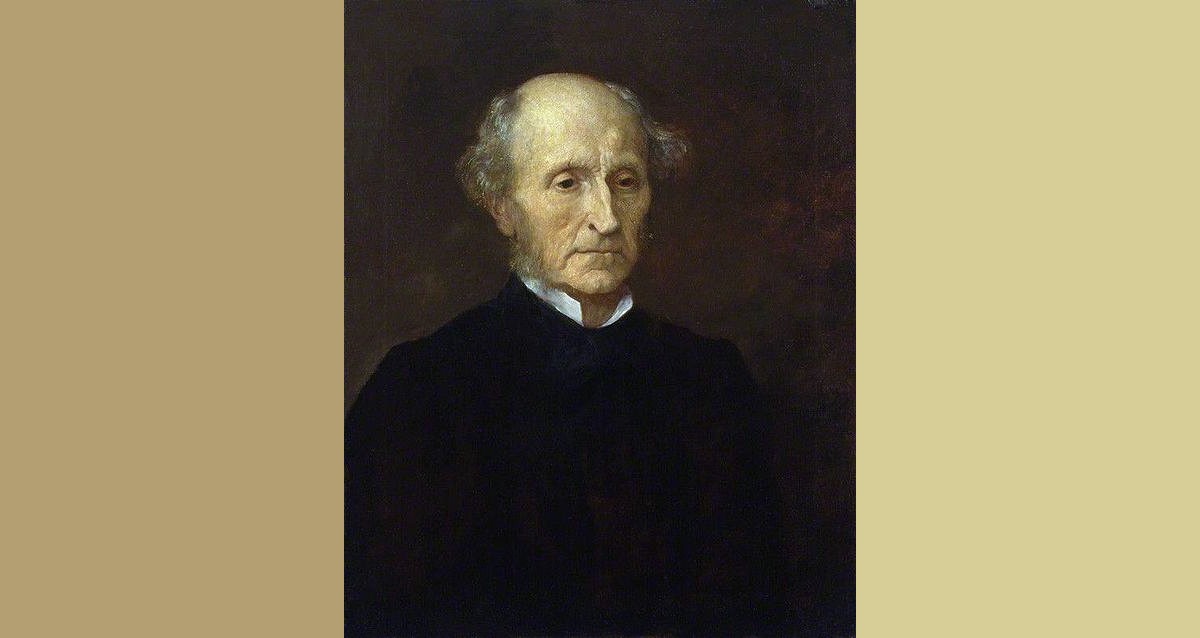
30 Phil, Chapter 29: Mill and Utilitarianism
John Stuart Mill was born on May 20, 1806, in London, to James Mill, a Scottish-born philosopher and economist, and Harriet Barrow. His Greatest Happiness Principle lies at the core of utilitarianism, advocating for actions that maximize utility, generally understood as producing the greatest well-being for the most people, but how do you measure or evaluate this “utility” or “happiness?” On May 8, 1873, at age 66, surrounded by a few friends and his stepdaughter Helen, John Stuart Mill took his final breaths.
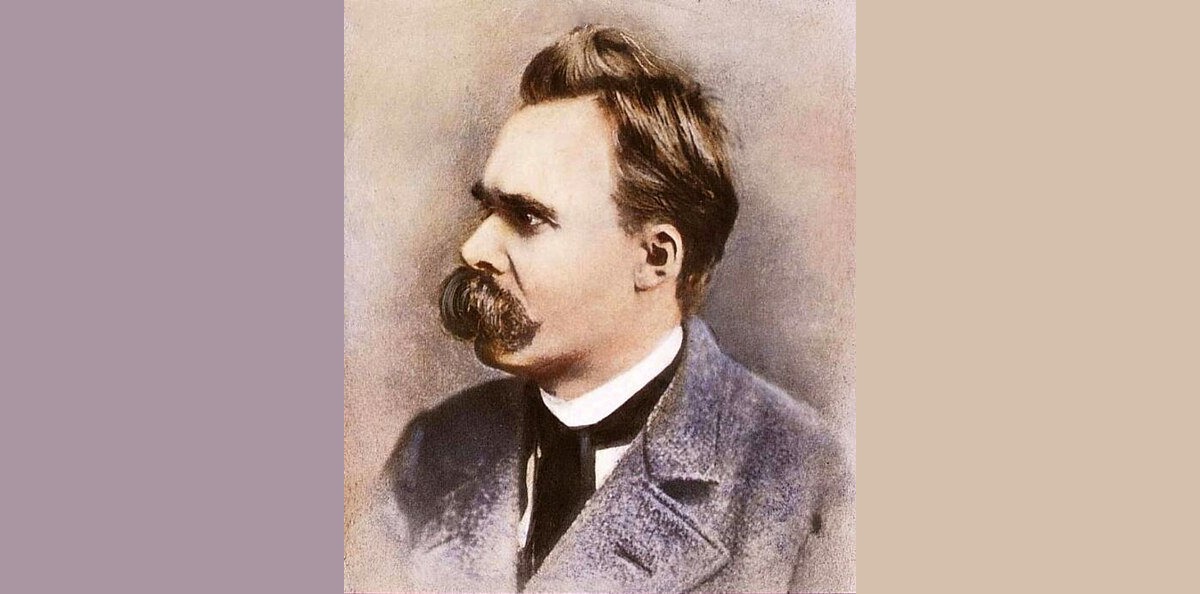
30 Phil, Chapter 30: Nietzsche and Nihilism
Friedrich was born on October 15, 1844, on the 49th birthday of the Prussian King, after whom he was named. In 1869, at the age of 24, Nietzsche was appointed as a professor of classical philology at the University of Basel in Switzerland. The mustachioed-musician-philosopher Nietzsche shows us that his life was not solely confined to the rigor of intellectual quests; it also embraced the landscapes of creative artistry and a fervor for living a life well-lived.
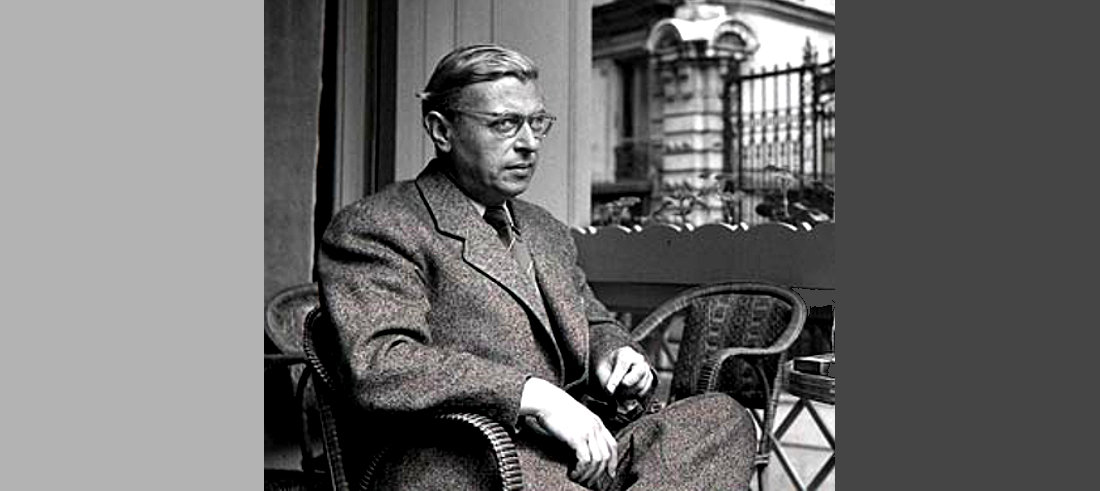
30 Phil, Chapter 31: Sartre and Existentialism
Jean-Paul Sartre arrived in the Material World on June 21, 1905. Born in Paris to a modest family. Sartre, the chain-smoking existentialist who frequented Parisian cafes, is most remembered as an activist writer and for his idea of “bad faith.”
Next >>
By Chapter or Topic: All > Anchors > People > Docs > Touchstones > New Looks > History > Pre-Sumer