


Evolution TL: March to Life > Evolution > Great Apes > Human > Consciousness > All to Us
About 200 million years after the broader separation of animals, plants, and fungi, red and green algae evolved from a common ancestor. Green algae later gave rise to land plants, with all land plants descending from green algae around 475 million years ago.
Plant Ancestors Split From Fungi-Animal Ancestors 1.65 bya
Multicell plant ancestors start 1.6 bya
True Plants Emerge 470 mya
Multicell plant ancestors start 1.6 bya
True Plants Emerge 470 mya
Prokaryotic Life
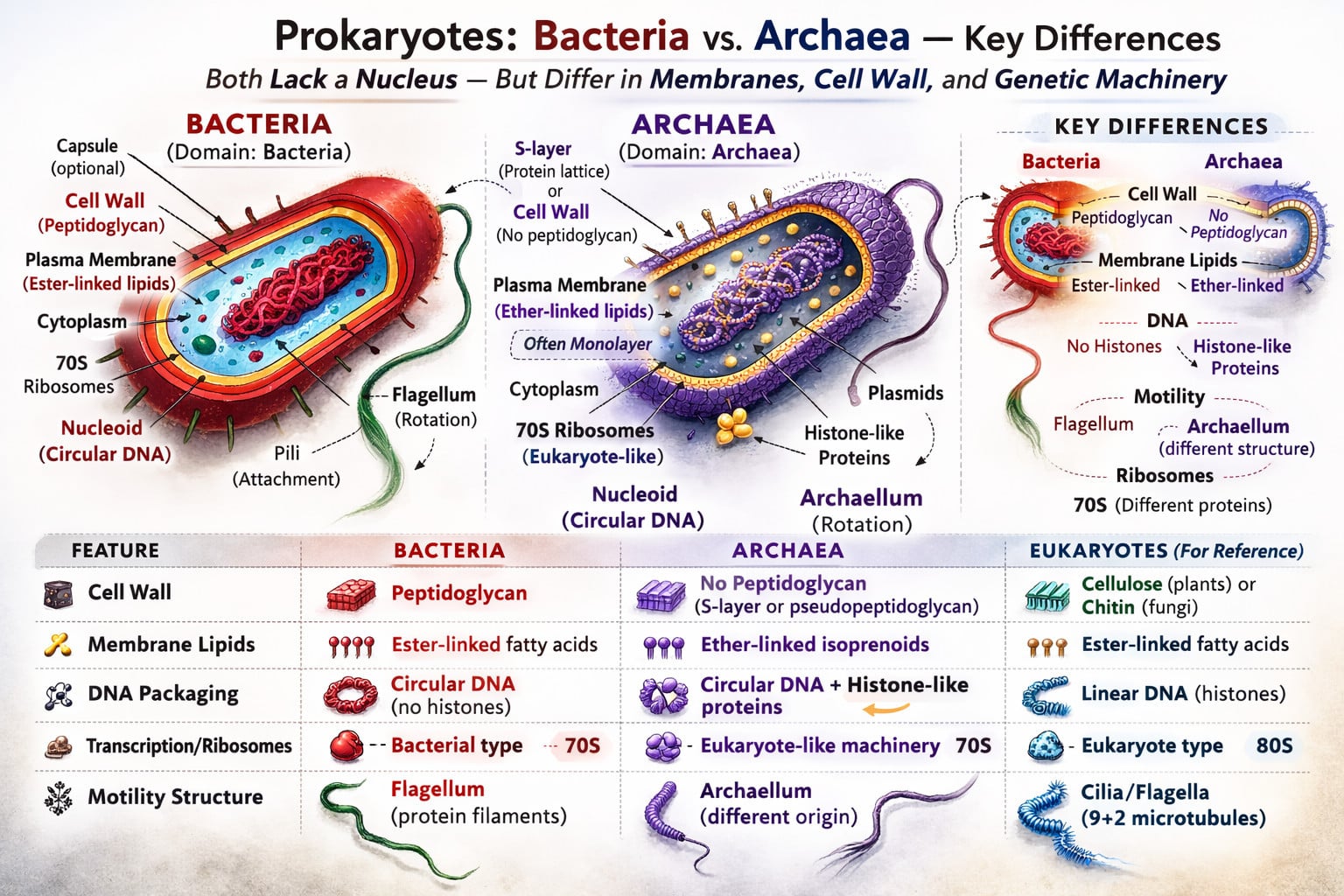
Archaea look like bacteria at first glance — small, simple, and lacking a nucleus. But they are fundamentally different.
3.73 Billion Years Ago (after LUCA)
Membrane and metabolic diversity.
Archaea Diverge
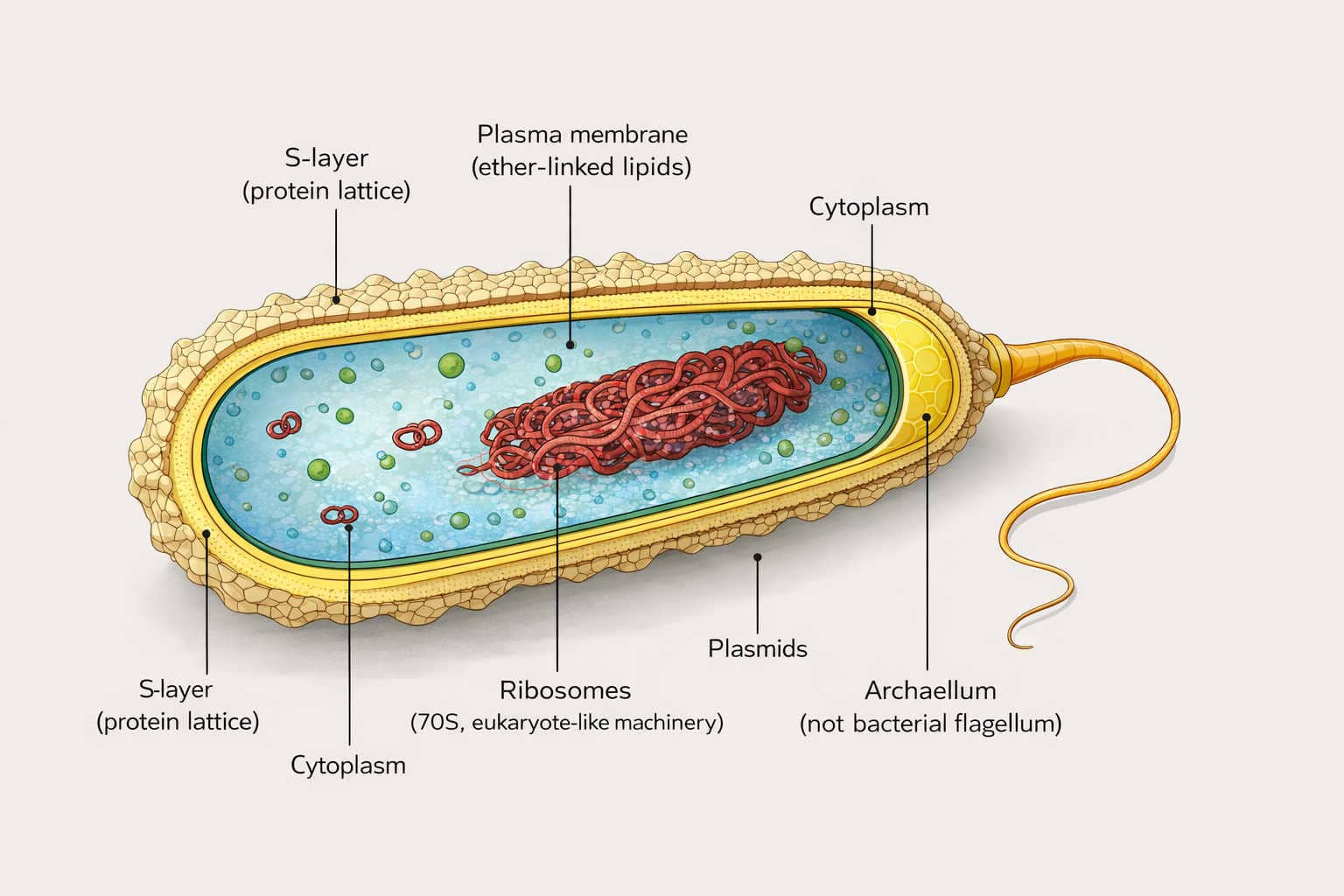
Both archaea and bacteria are prokaryotes — cells without nuclei.
3.73 Billion Years Ago (shortly after LUCA)
Ether-linked membranes and distinct genetic machinery
Touch: Life Learns to Feel Force
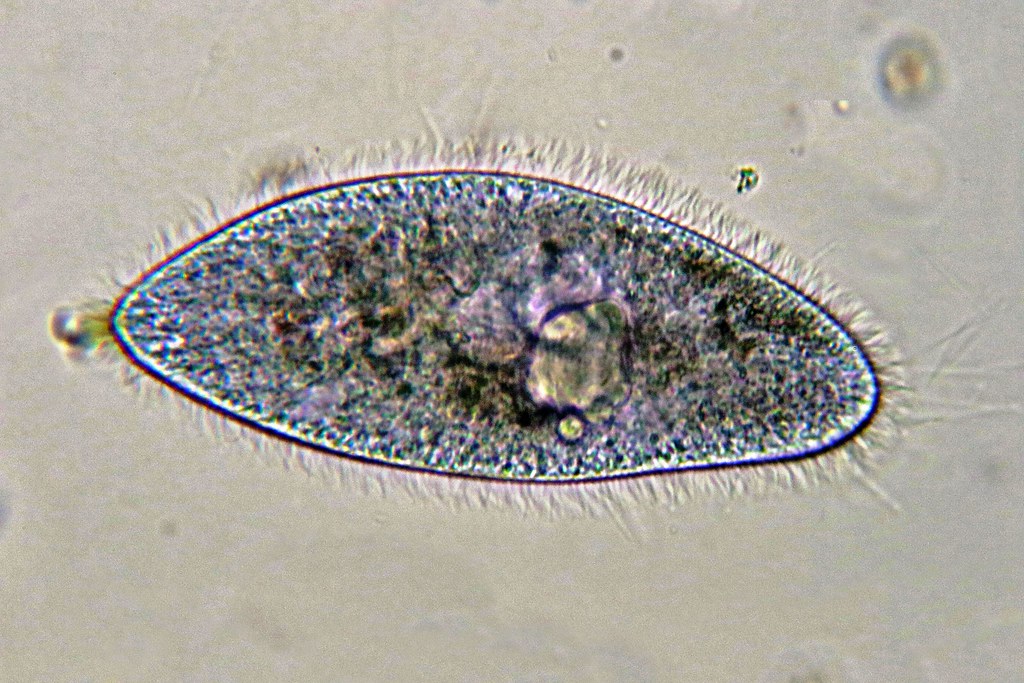
About 3.72 billion years ago, right after LUCA, when cells emerged, touch became the most ancient form of biological sensing: required to physically navigate reality.
~3.72 Billion Years Ago (after prokaryotes)
Mechanical sensitivity to pressure and membrane stretch
The First True Eukaryotes
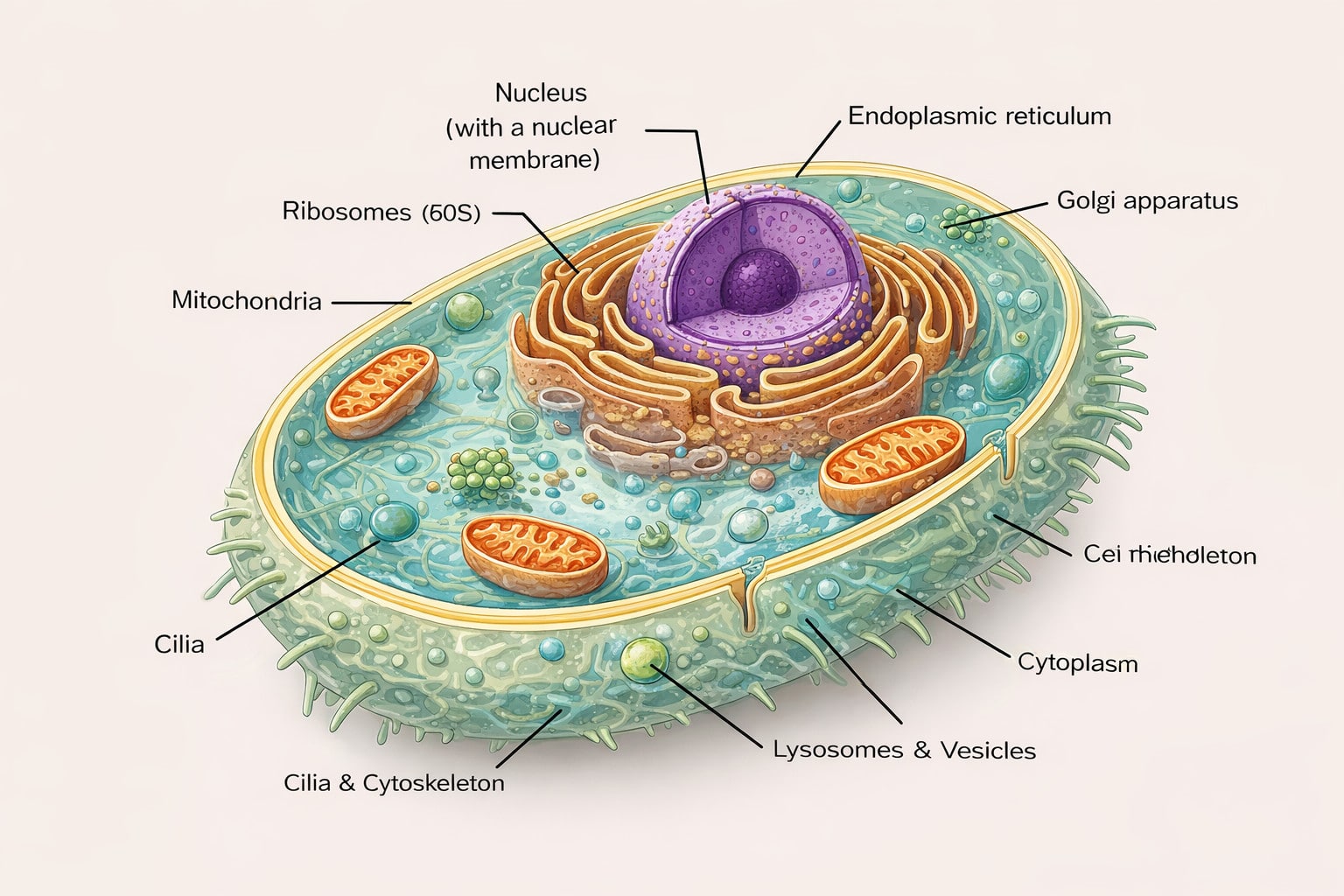
Eukaryotes divided labor within single-celled life, featuring a true nucleus and membrane-bound organelles. From them branched plants, fungi, and animals.
2.4 Billion Years Ago (+/- 300 million years)
Great Oxidation Event: Third Atmosphere
Cyanobacteria released oxygen faster than Earth could absorb it, changing the oceans, atmosphere, and future of life.
~2.4 Billion Years Ago
Cause: Cyanobacteria Produce Oxygen
Protozoa Evolve
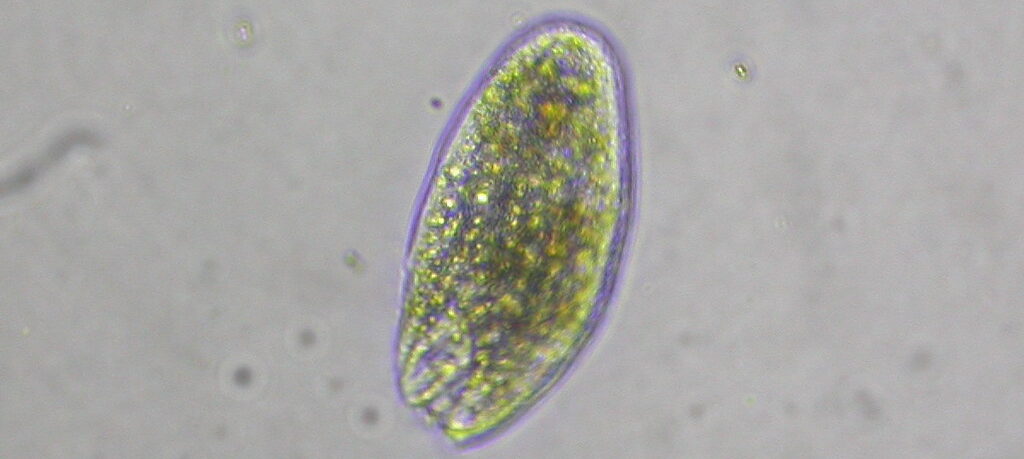
About 2 billion years ago, eukaryotic cells are defined by a membrane-bound nucleus and internal organelles. Their emergence created the structural foundation for complex life.
2 Billion Years Ago (+/- 100 million years)
Nucleus and internal organelles
Bacterial Endosymbiosis: Origin of Eukaryotes
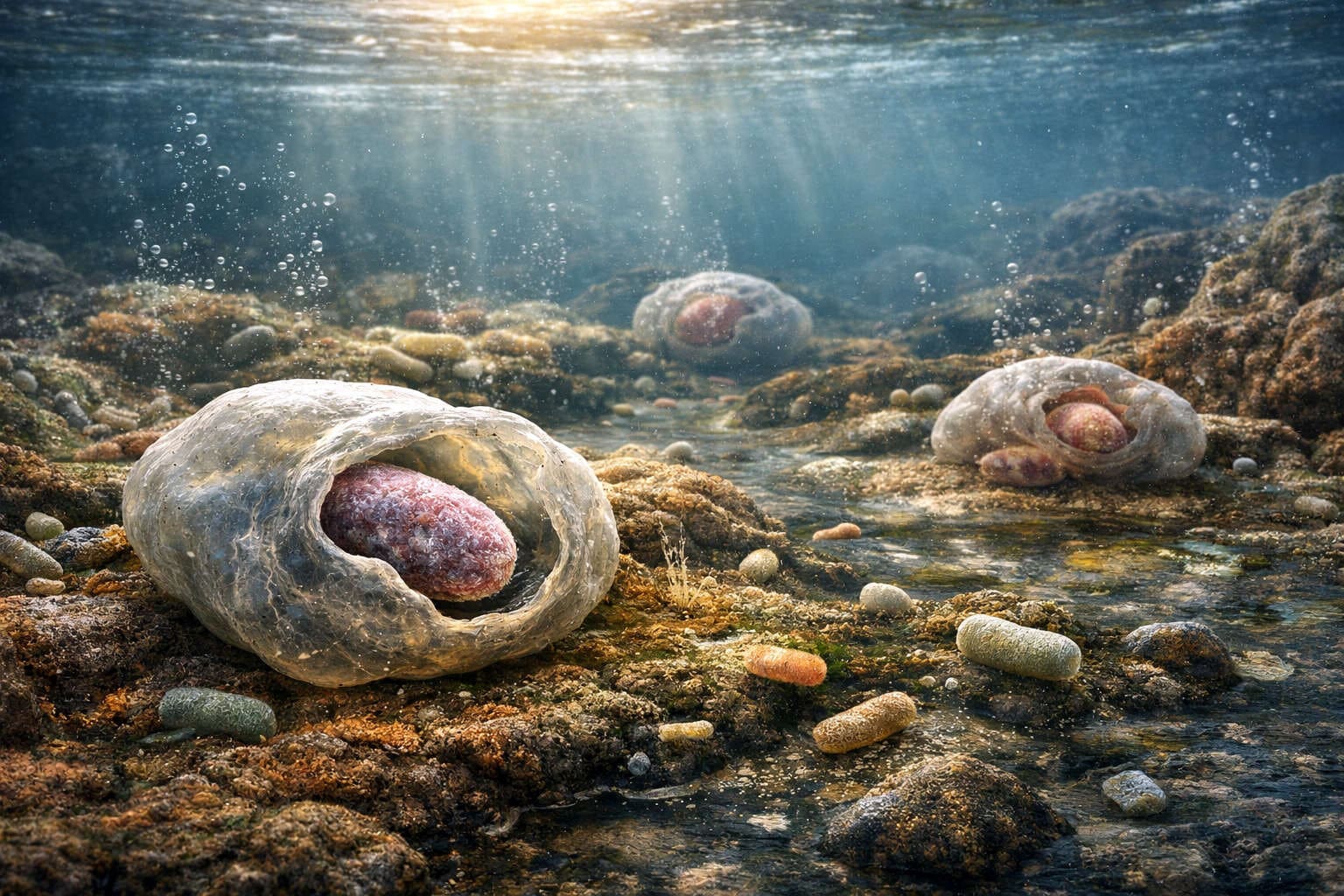
About 2 billion years ago, bacteria are added to cells and that group leads to eukaryotes. You are a walking chimera ecosystem made of an Archaea host and trillions of Bacterial power-plants.
~1.9 Billion years ago (+/- 100 million)
Bacteria are added to eukaryote ancestor cells
LECA: Likely Sexual Reproduction
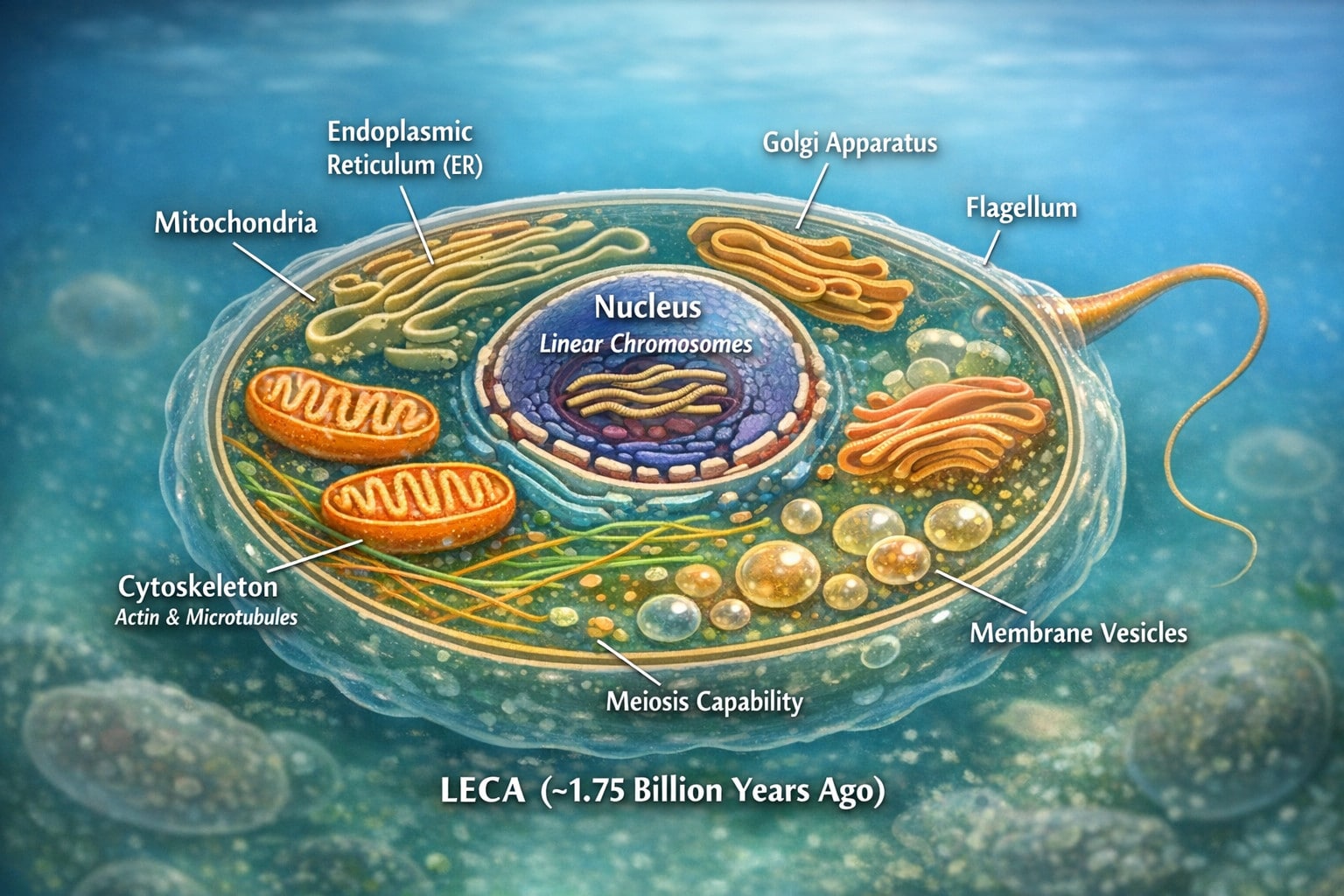
LECA is the Last Eukaryotic Common Ancestor. LECA reproduced sexually pushing the mixing of DNA back before 1.75 billion years ago.
~1.75 billion years ago (+/- 50 million)
Last Eukaryote Common Ancestor
Plant Ancestors Split from Animal and Fungi Ancestors
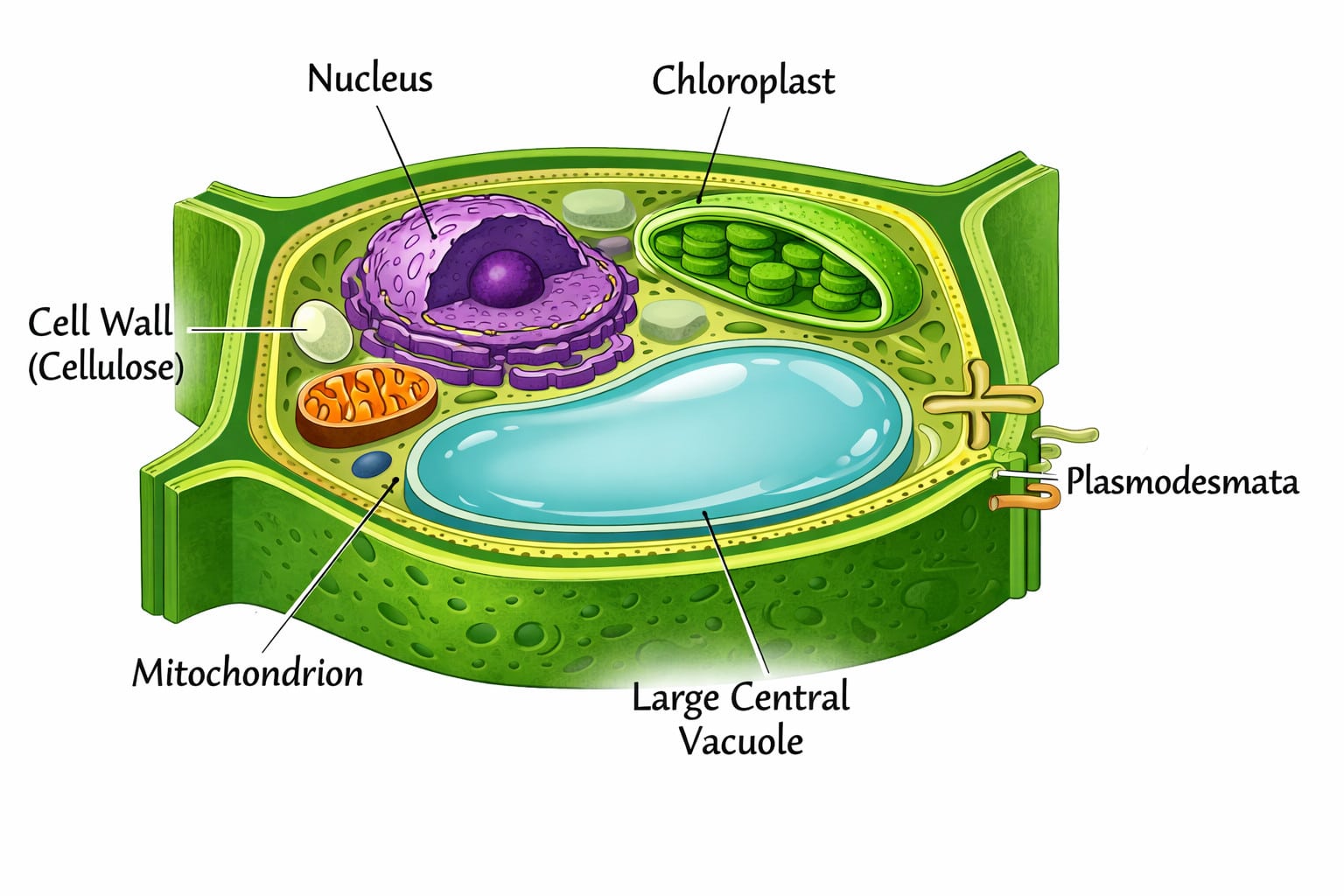
Plant cells feature chloroplasts, a cellulose cell wall, and a large central vacuole for holding water. They also have plasmodesmata, tiny channels between cells. And of course, photosynthetic chlorophyll.
1.65 Billion Yeas Ago (+/- 50 million)
Life that later leads to these kingdoms separates.
Bikonts: Plant Ancestors Split Off Again (Front-Pull Pioneers)
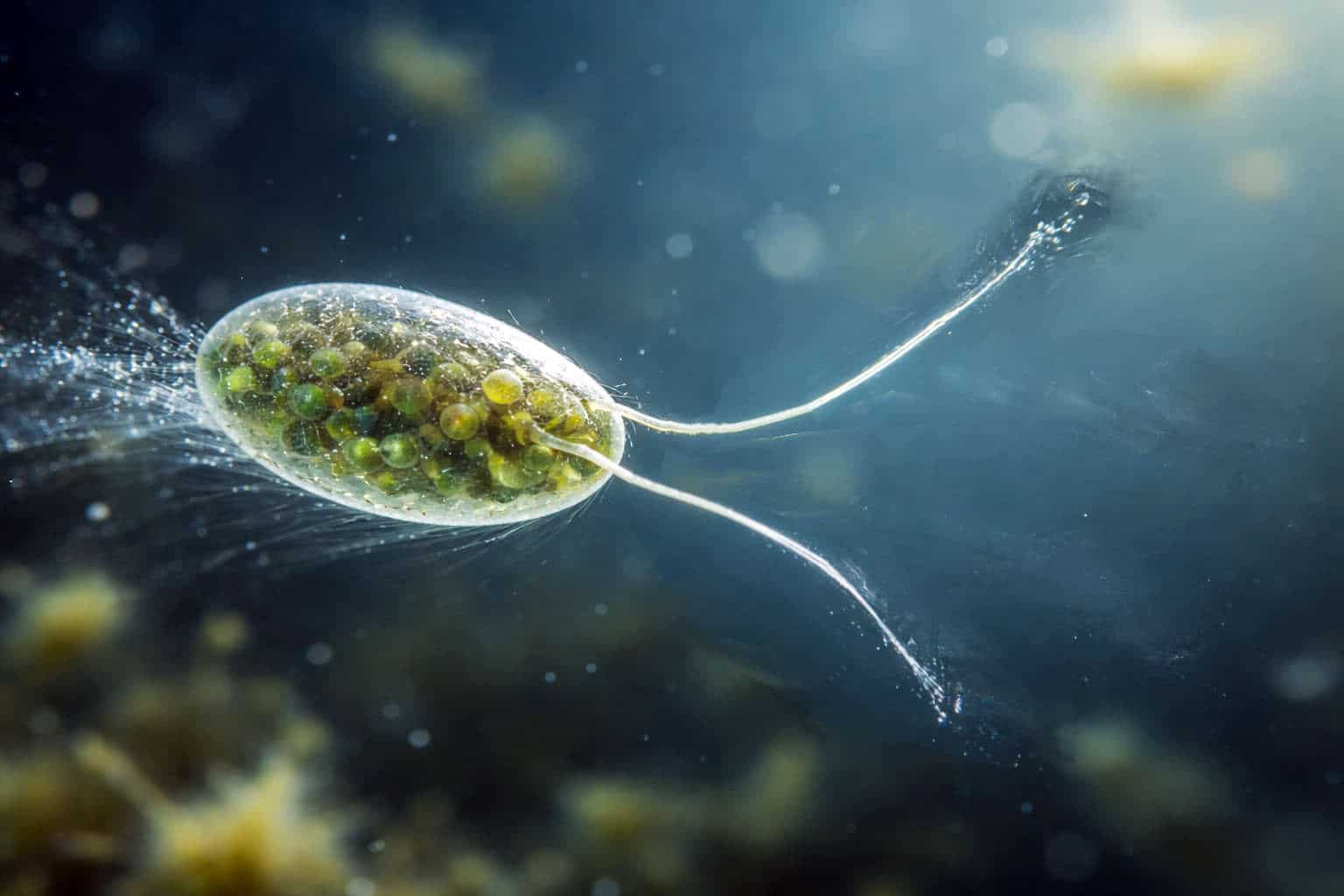
About 1.55 billion years ago, bikonts evolved two flagella to pull themselves forward.
~1.55 Billion Years Ago (+/- 5 million)
Two "Anterior" Flagella - plant rowboats
Red-Green Algae Ancestors Split

Modern red and green algae share a common ancestor about 1.5 billion years ago. The green algae branch gave rise to plants about 475 mya.
1.5 Billion Years Ago (+/- 100 million years)
Chloroplast refinement, chlorophyll variants
Snowball Earth: When Ice Reached the Equator
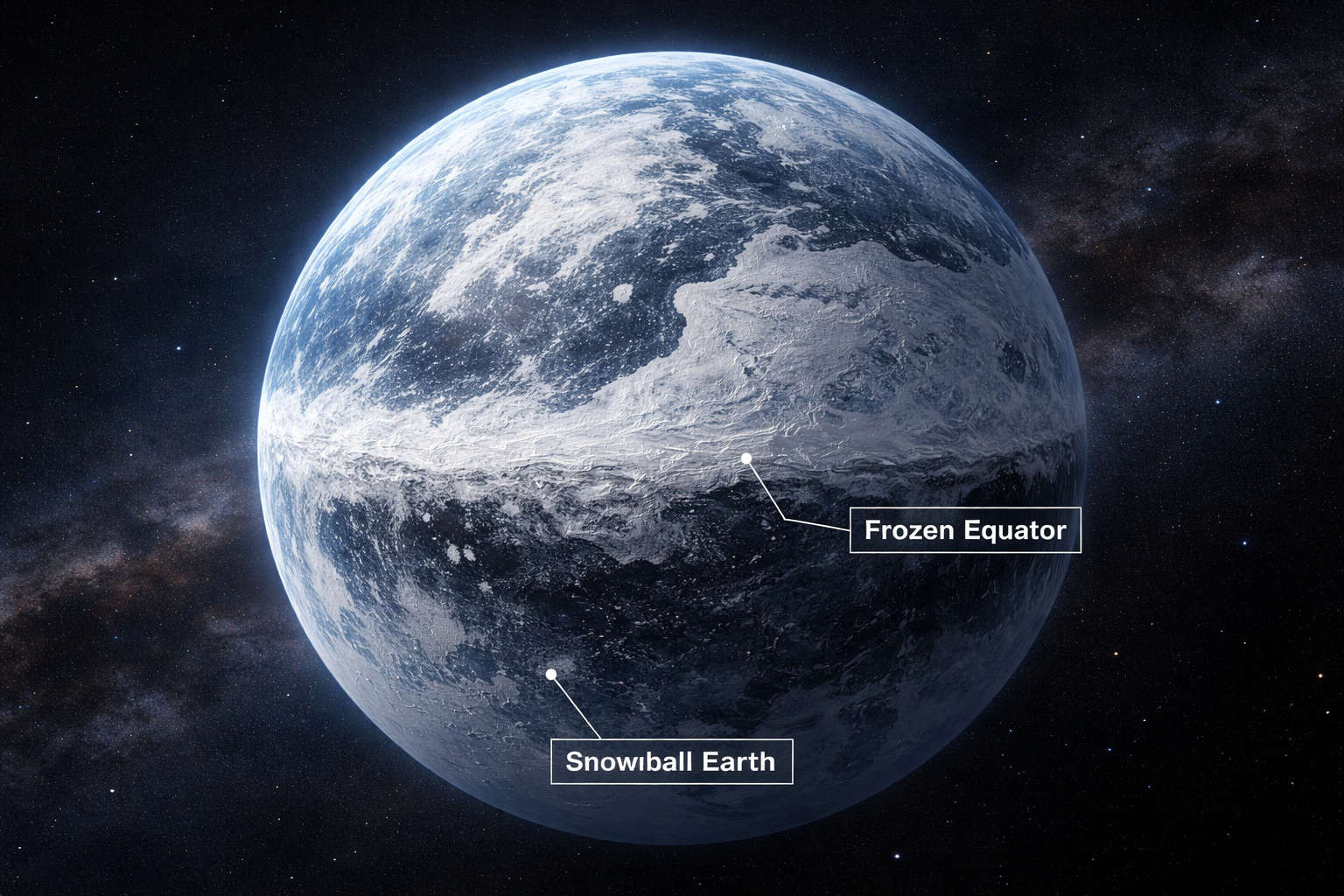
For tens of millions of years, Earth plunged into its deepest known freeze. Ice sheets reached sea level at low latitudes, perhaps even the equator, turning the planet into a near-global ice world and reshaping the path toward complex life.
From 717 million years ago through 635.
Cause: Continental Drift, Falling CO₂
Paleozoic Era: The Age of Synapsids
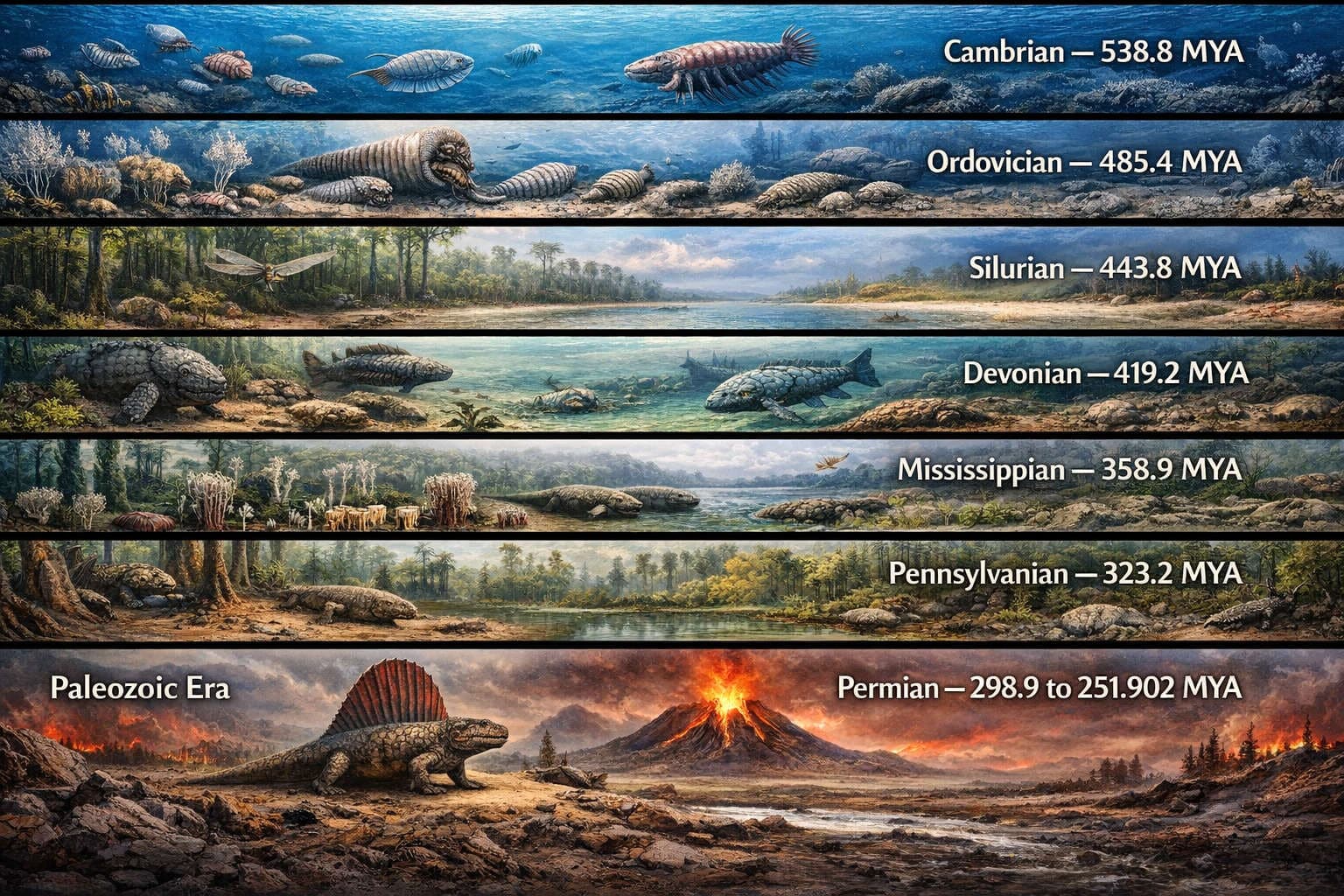
The Paleozoic era is marked by the rise of complex animal life 538.8 million years ago. It ends with the end-Permian mass extinction 252 million years ago. A volcanic cascade global warming event.
From 538.8 to 251.902 million years ago.
287 Million years: From burrowing to extinction.
Embryophytes: First True Plants
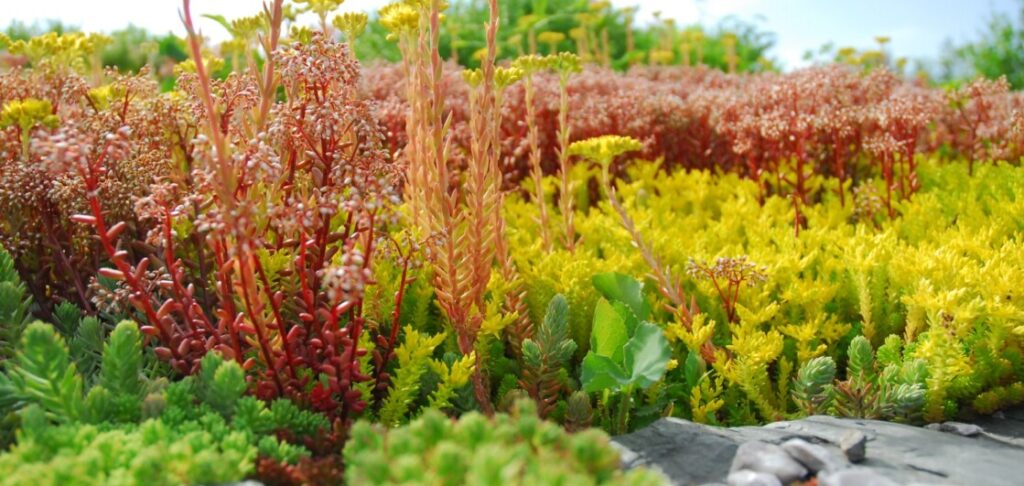
First land plants.
470 Million Years Ago (+/- 10 million)
Early water transport
Fungal Underground Alliance
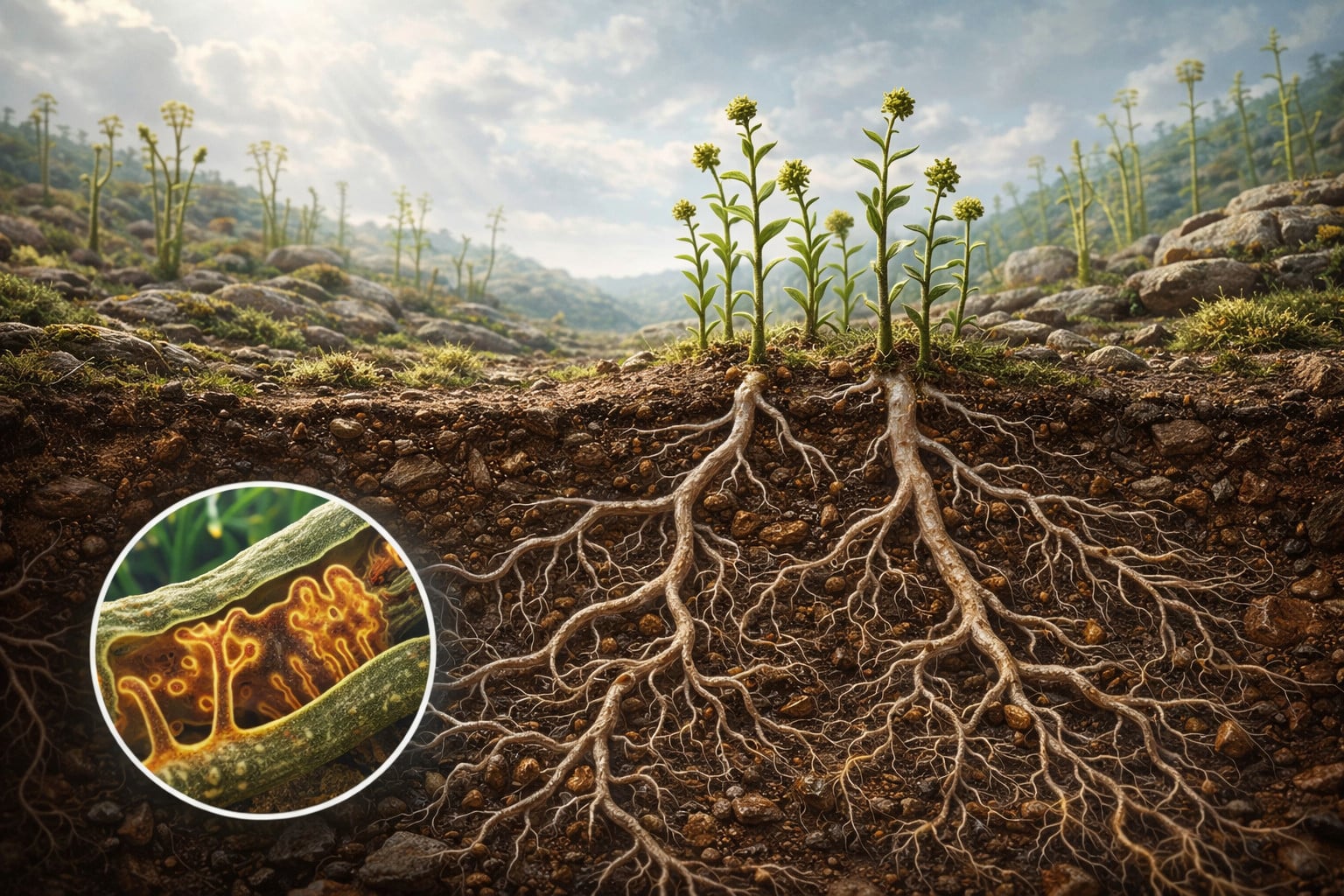
By 450 million years ago, fungi and plants started a rich dirt alliance. Forests grew because fungi fed them. Plants exchanged sugars for fungi phosphors and minerals.
~450 Million years ago (+/- 10 million)
Arbuscular mycorrhizae (Glomeromycota symbiosis)
Ordovician–Silurian Extinction: Ice Strikes the Seas
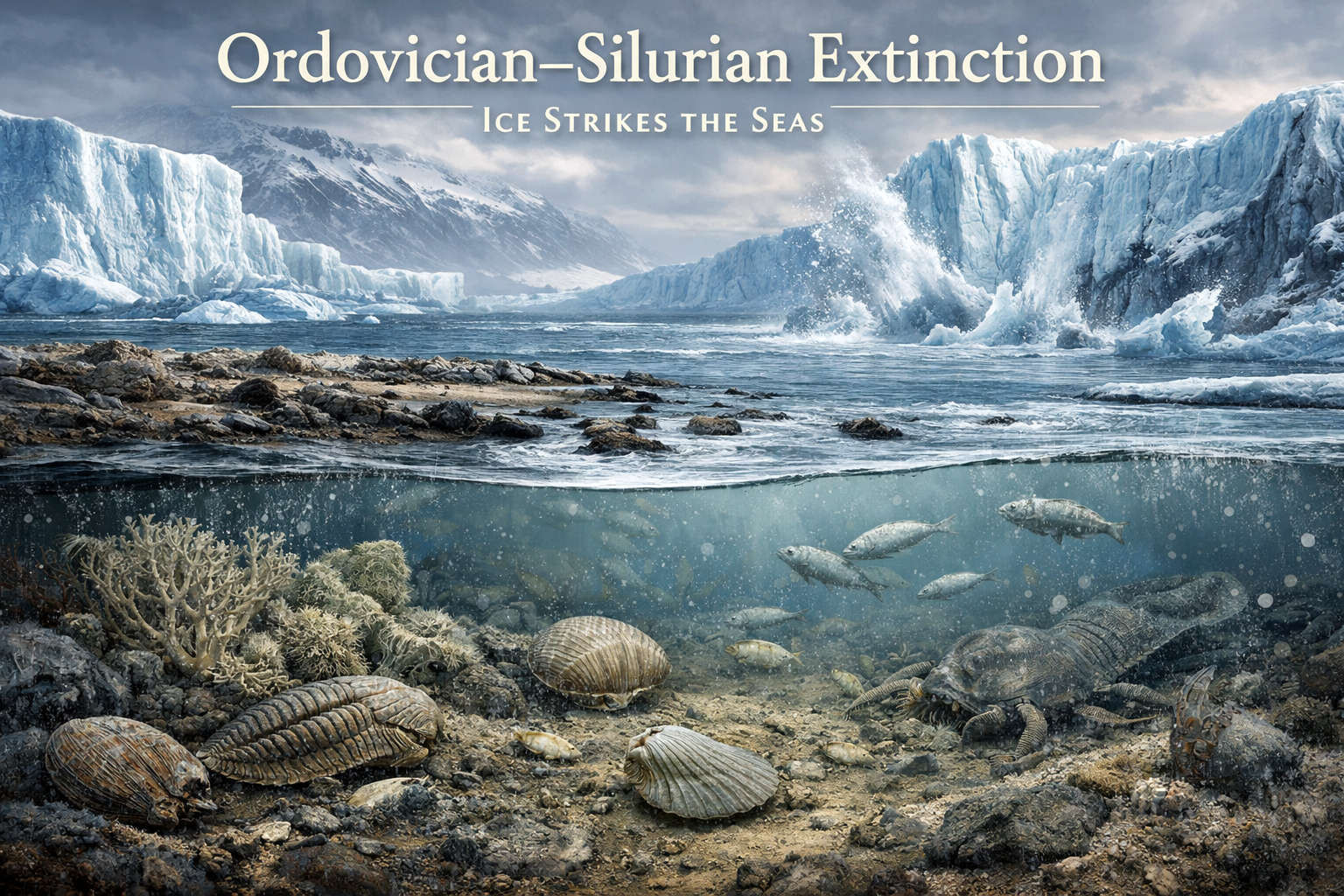
The Ordovician–Silurian extinction shows how climate change can reshape evolution by collapsing old ecosystems and opening space for new life.
~444 Million Years Ago
Cause: Global Cooling and Falling Seas
First True Trees: Spore Reproduction
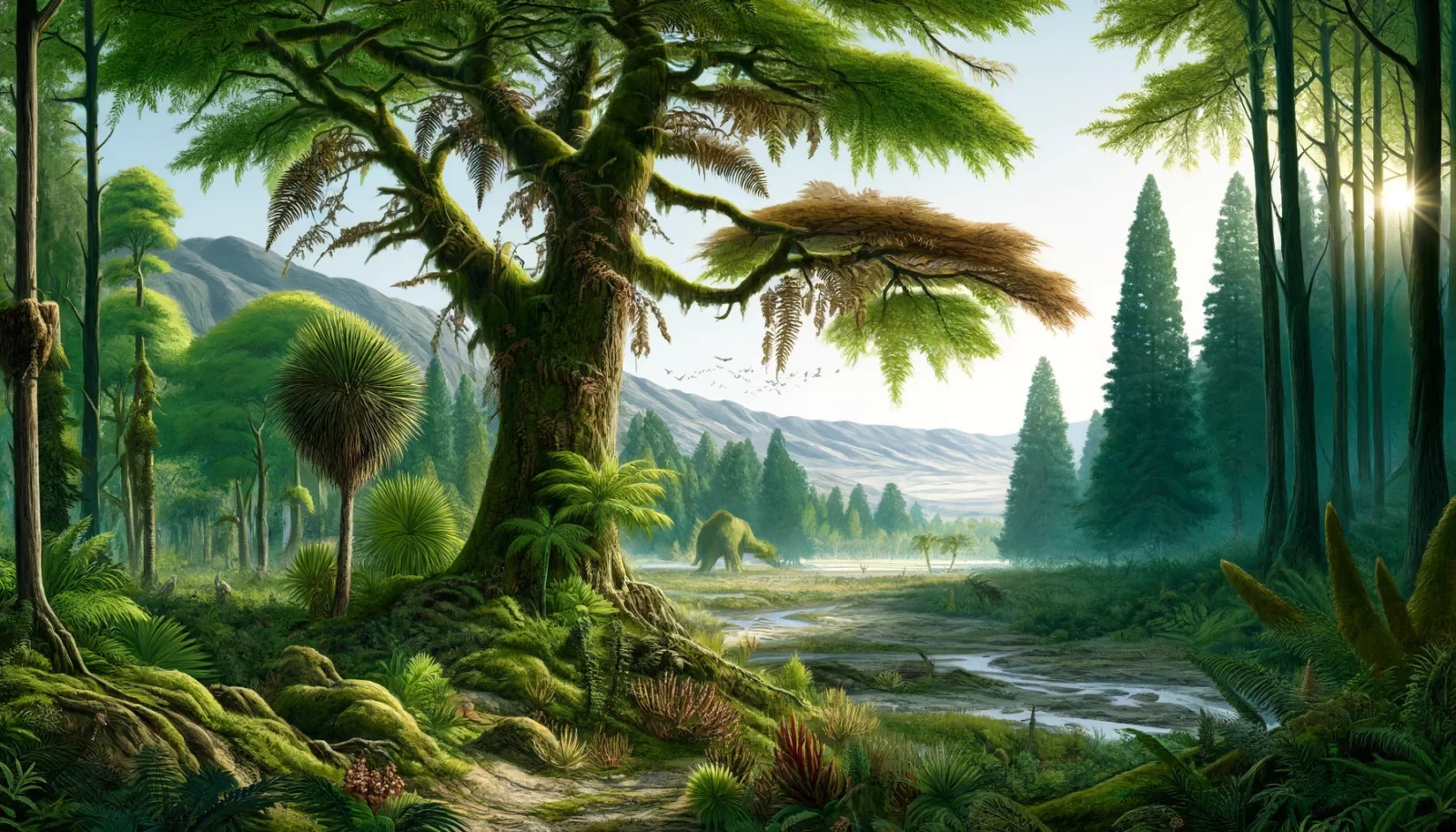
385 Million Years Ago (+/- 5 million years)
Secondary growth wood and deep roots
Oceans Lose Their Breath
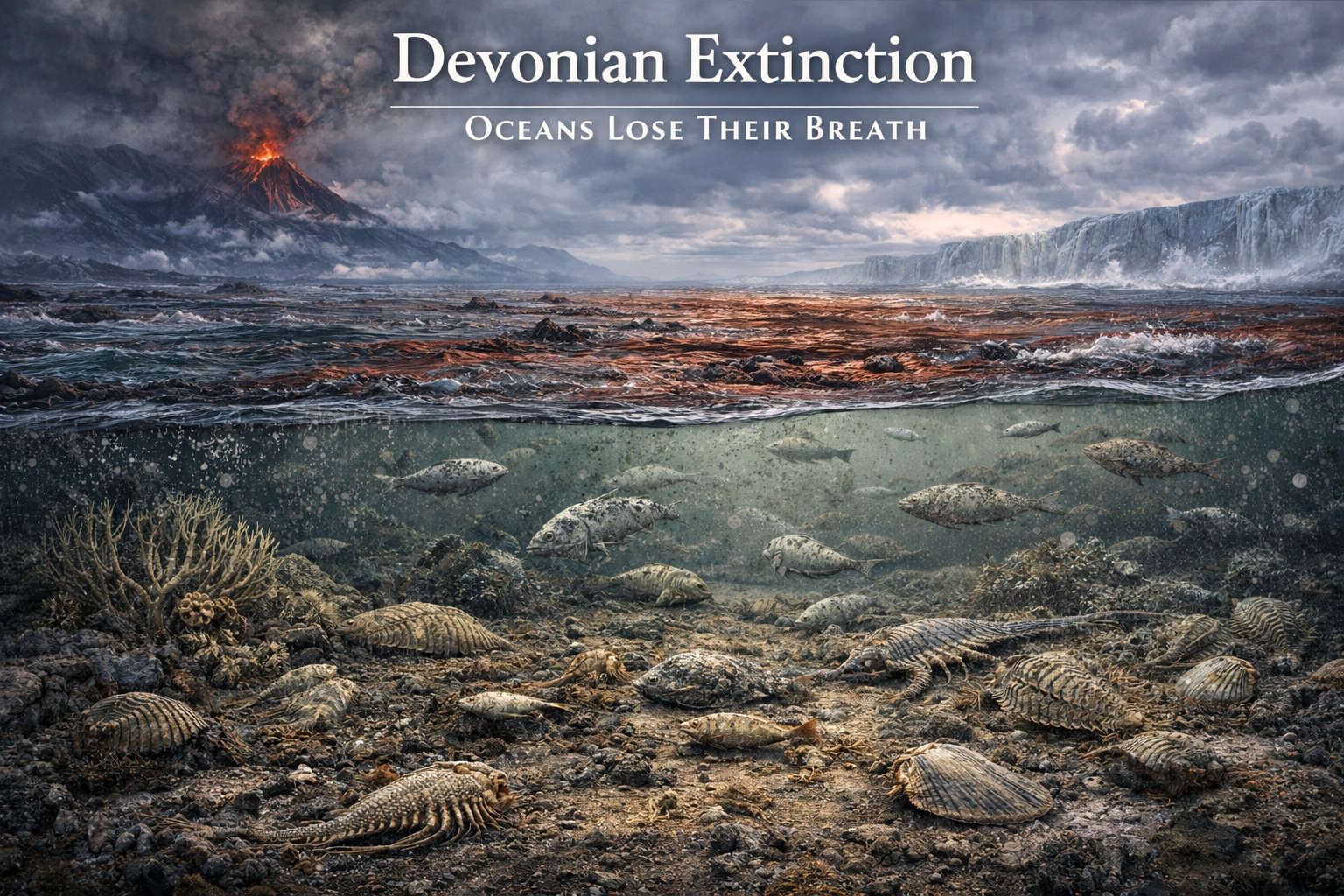
The Devonian extinction shows that evolution can be reshaped not by one sudden blow, but by a long collapse in ocean health.
~372–359 Million Years Ago
Cause: Ocean Anoxia
Conifers branch off
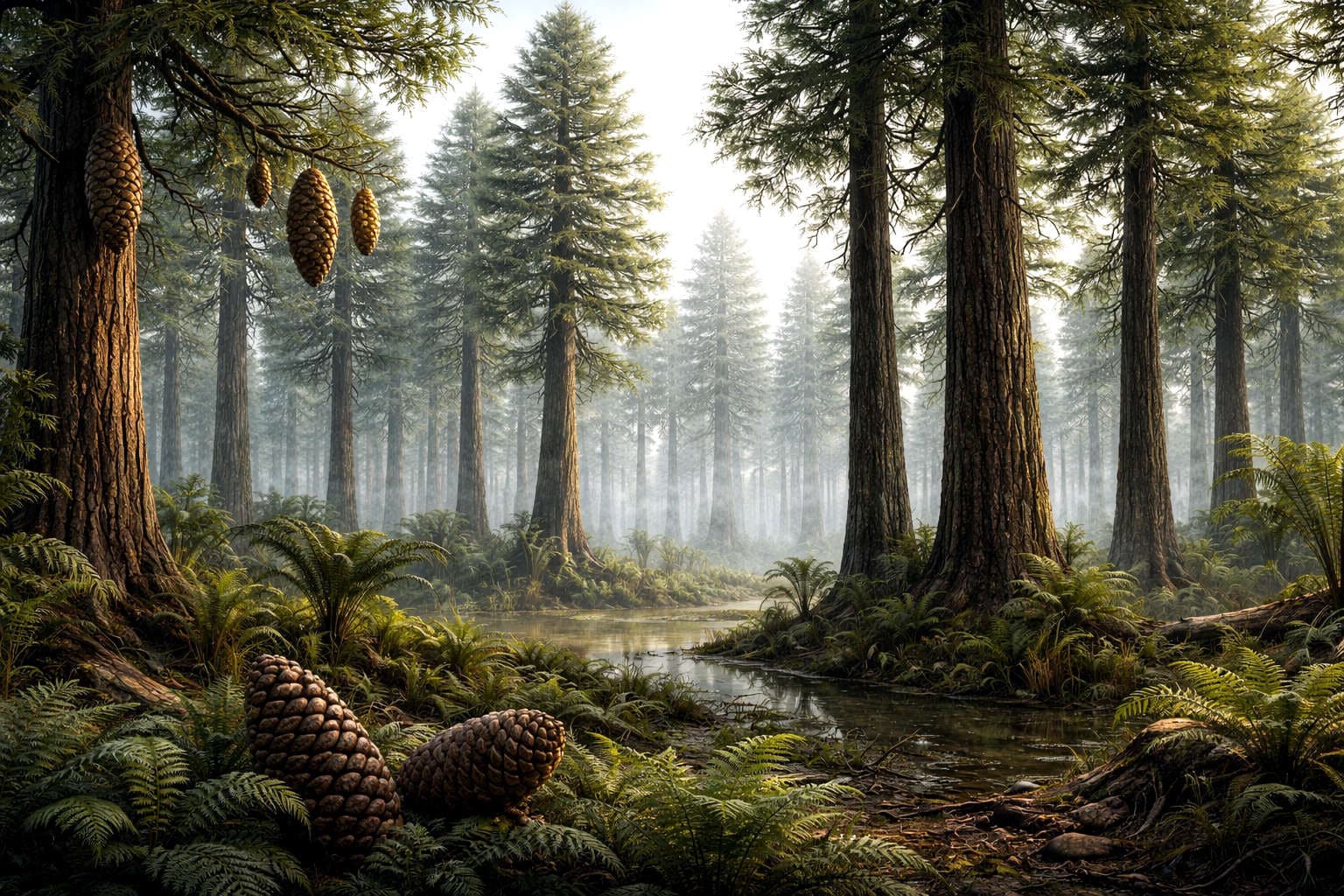
Early Conifers (Late Carboniferous, ~308 ± 5 mya). Woody gymnosperms with organized cones and drought adaptations.
~308 million years ago (+/- 5 million)
Naked seeds in cones (gymnosperm reproduction)
Ginkgo biloba — A Living Fossil in My Backyard
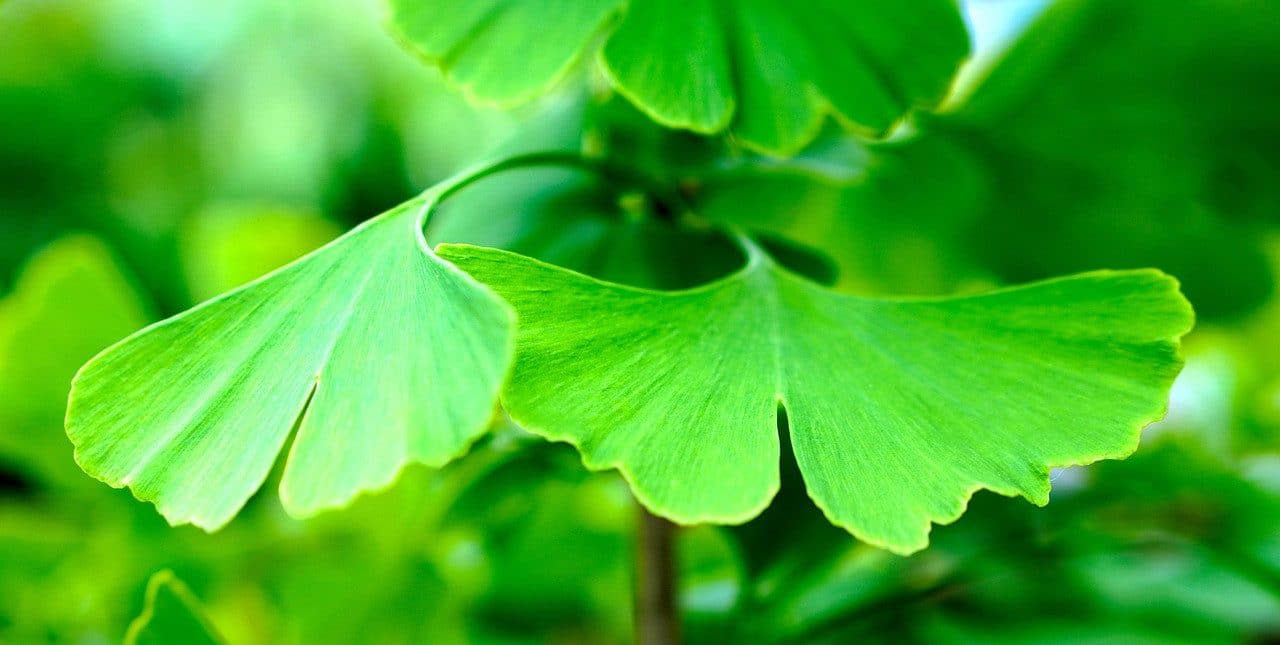
~270 million years ago (± 20 million years)
Increased light capture area
Ginkgo biloba-like Trees: True Leaves

270 Million Years Ago (+/- 5 million years)
Efficient vascular networks inside leaves
Pine Needles Evolve

252.5 Million years ago (+/- 500,000 years)
Needle morphology and resin canals
The P-T Extinction
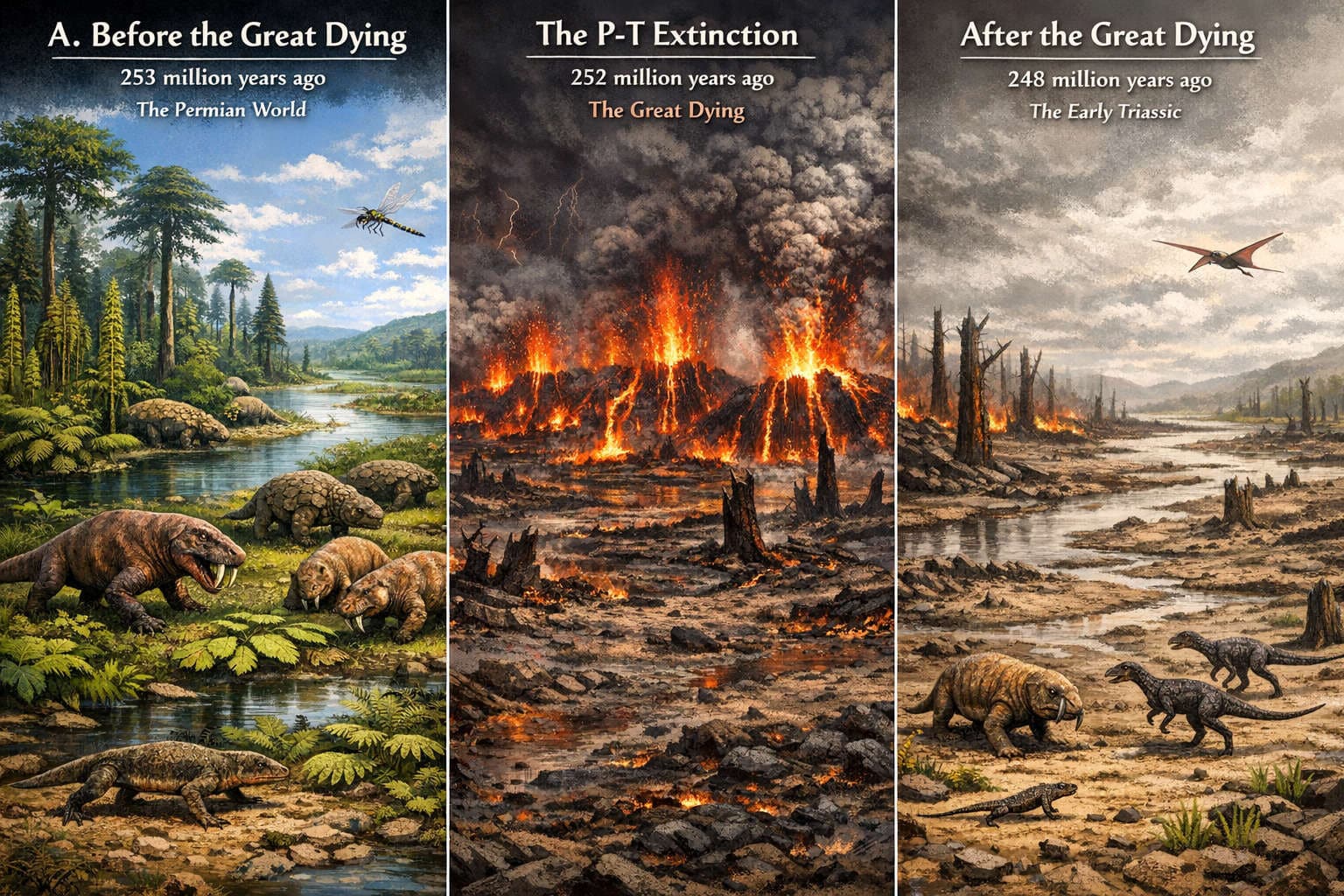
The Permian-Triassic extinction was not just the end of many species. It was a planetary reset that destroyed the old synapsid-dominated world and opened the door for the archosaur line that would later give rise to dinosaurs.
251,902,000 years ago (+/- 900 years).
Cause: Massive Volcanic Eruptions in Siberia
Mesozoic Era: Age of Dinosaurs
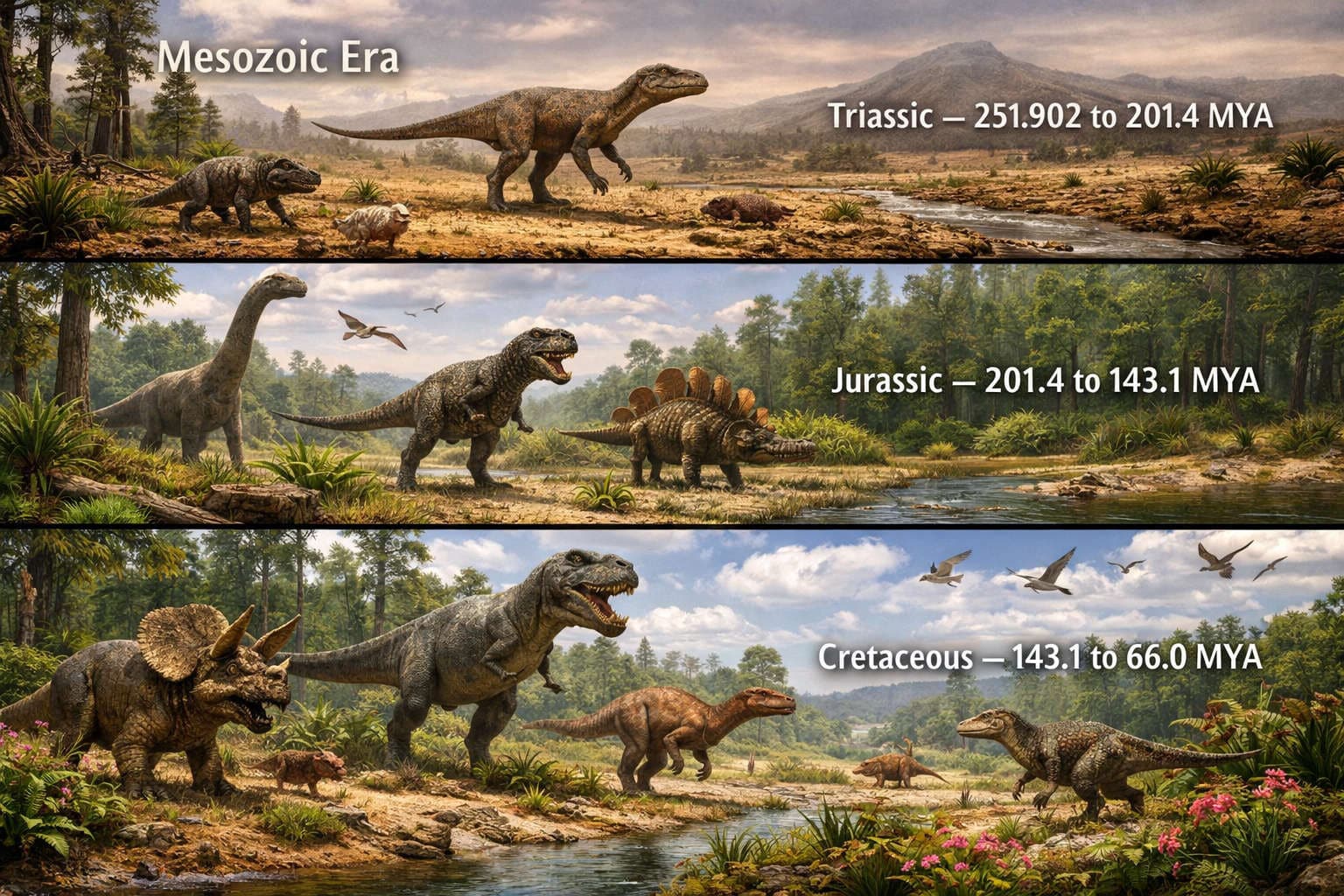
The Mesozoic era starts with the end-Permian mass extinction 252 million years ago. It ends the reign of dinosaurs with the K–Pg extinction 66 million years ago.
From 251.902 to 66.0 million years ago.
186 Million years: Dinosauria reigned from extinction to extinction.
Triassic–Jurassic Extinction: Volcanoes Open the Age of Dinosaurs
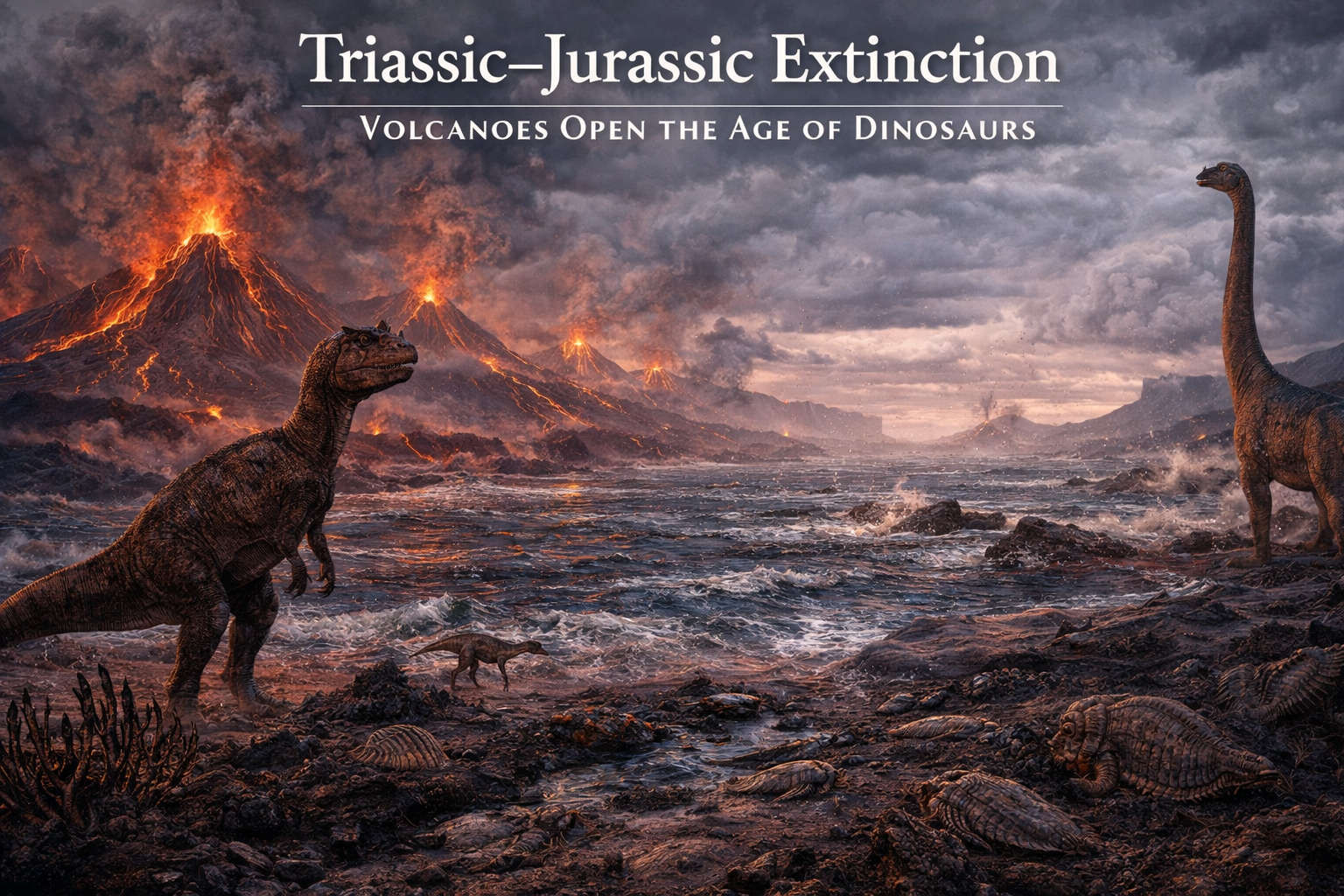
As Pangea cracked apart, massive volcanic eruptions poisoned air and oceans. This image includes early dinosaurs as foreshadowing: survivors waiting in the smoke before their Jurassic rise.
~201 Million Years Ago
Cause: Massive Volcanic Eruptions
Diatoms Emerge
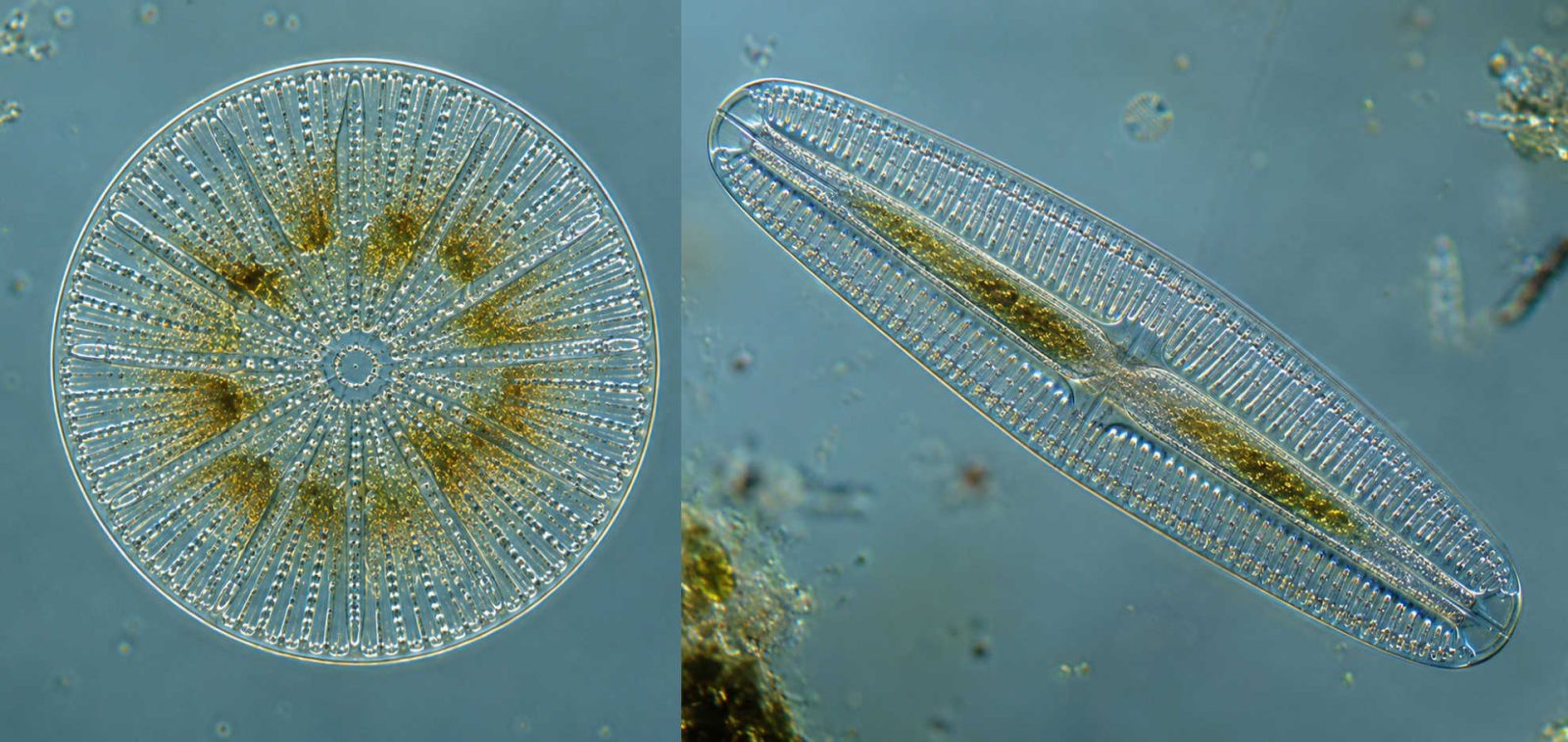
Diatoms evolved around 182 million years ago, first appearing as tiny glass-like forms in ancient seas. The round, frisbee-like centric diatoms came first; the long, canoe-like pennate forms evolved later, becoming clear in the fossil record by about 75 million years ago.
182 Million years ago (+/- 5 million)
Glass-like silica cell walls
Modern Trees: Modern Leaves

145 Million Years Ago (+/- 5 million years)
Rapid vascular transport
Redwood Lineage Emerges
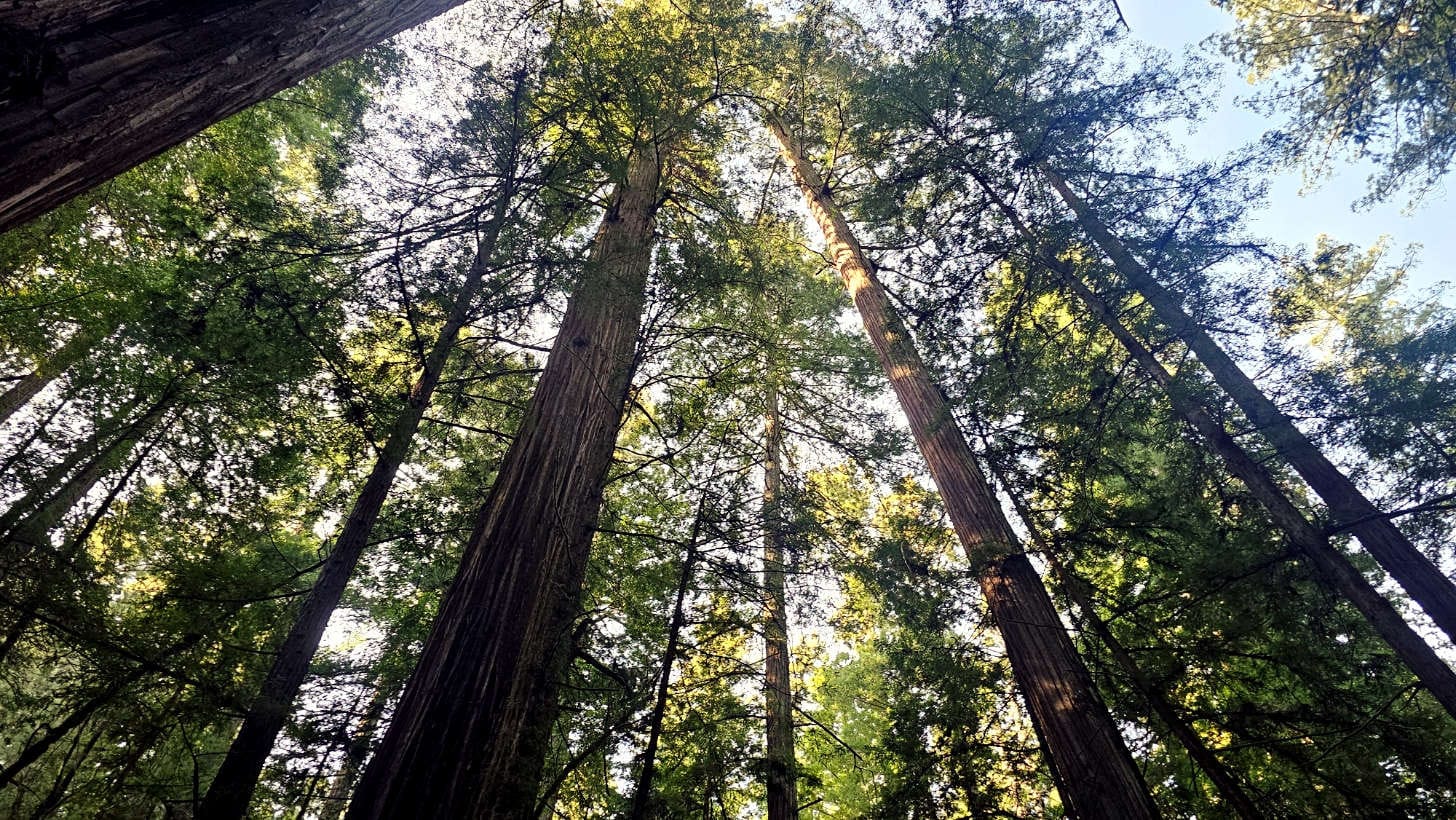
This picture was taken in Armstrong Redwoods State Natural Reserve near Guerneville, California. When Melissa and I stood under Parson Jones on February 2, 2026, we were standing beneath a long lineage that began while Tyrannosaurus still walked the Earth.
~95 Million Years Ago (+/- 5 million)
Tall, fire-resistant, long-lived conifer specialization.
The K-Pg Extinction
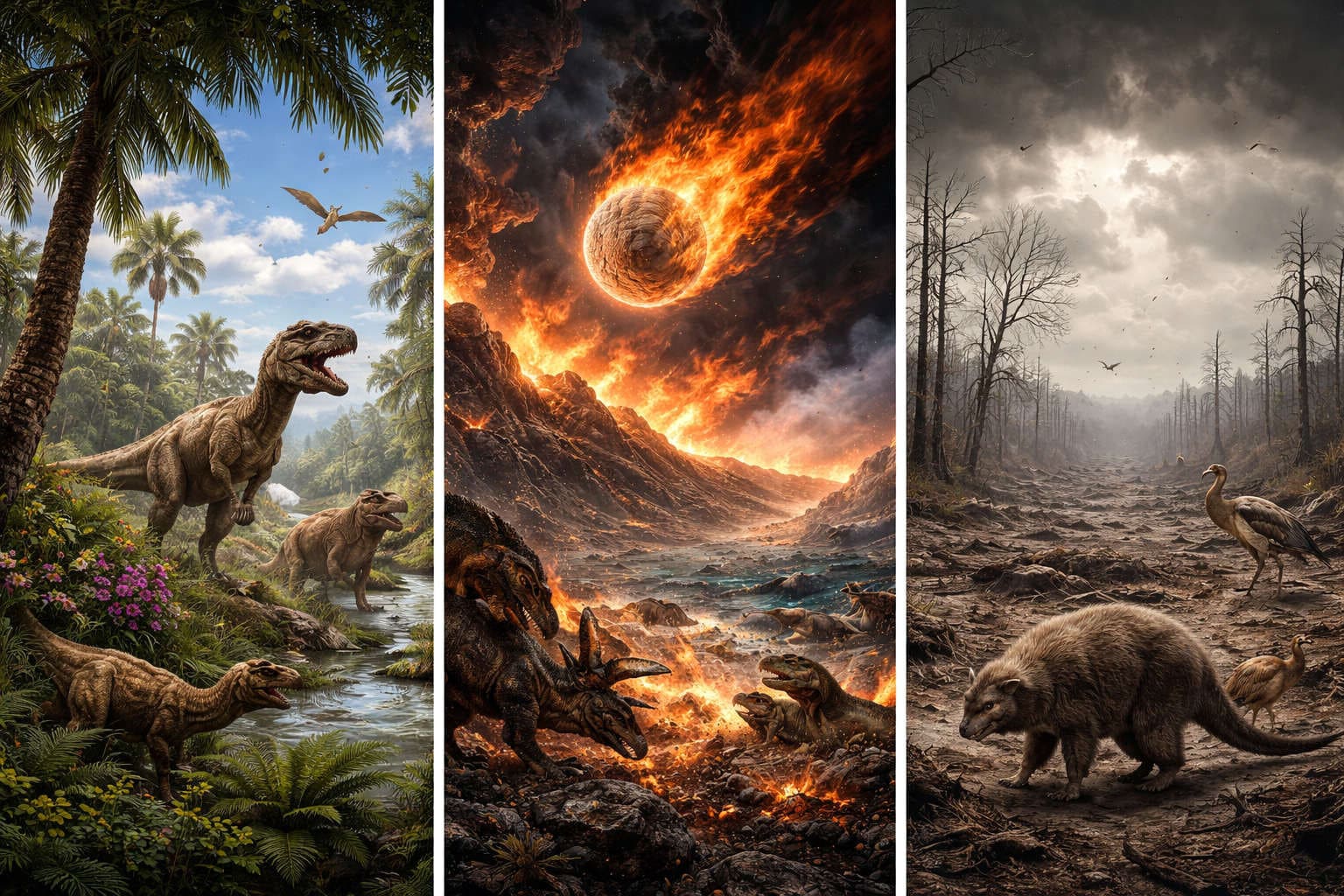
The K–Pg extinction was a sudden global catastrophe that ended the long dominance of non-avian dinosaurs and opened the way for mammals and modern birds to expand into a transformed world.
66.04 million years ago (+/- 900 years).
Cause: Massive Meteor
Cenozoic Era: Age of Mammals & Birds
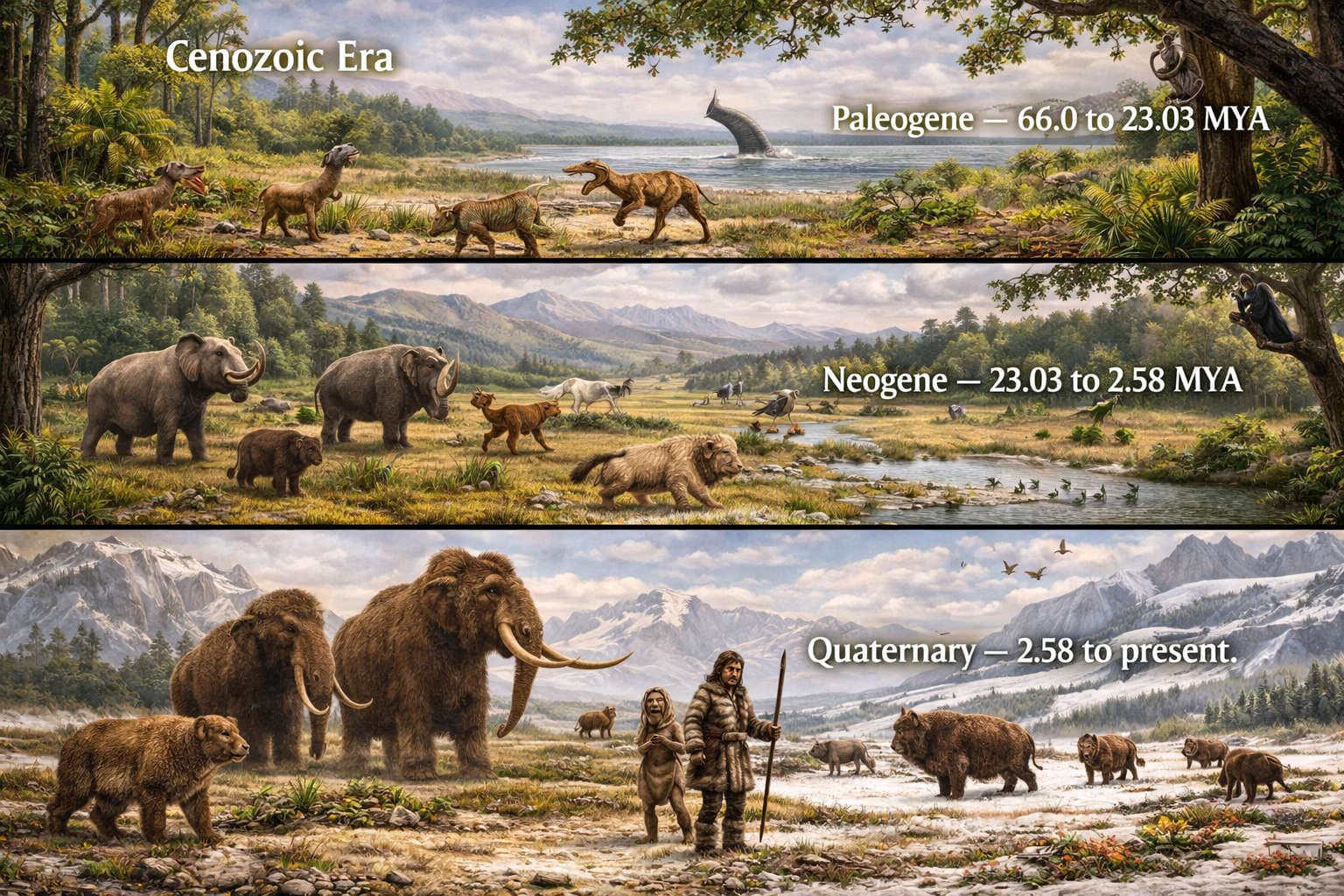
The Cenozoic era starts with the K–Pg extinction 66 million years ago. That event marks the sudden end of the reign of dinosaurs and the rise of mammals and birds.
66.04 million years ago to the present.
66 Million years: From extinction to society.