

PEOPLE Edition: This timeline encapsulates the people discussed within “30 Philosophers: A New Look at Timeless Ideas.” The following is a relatively complete list of all the people discussed in the book.
30 Philosophers Timeline: People
Gilgamesh, circa 2700 BCE

King of Uruk
King Shuruppak
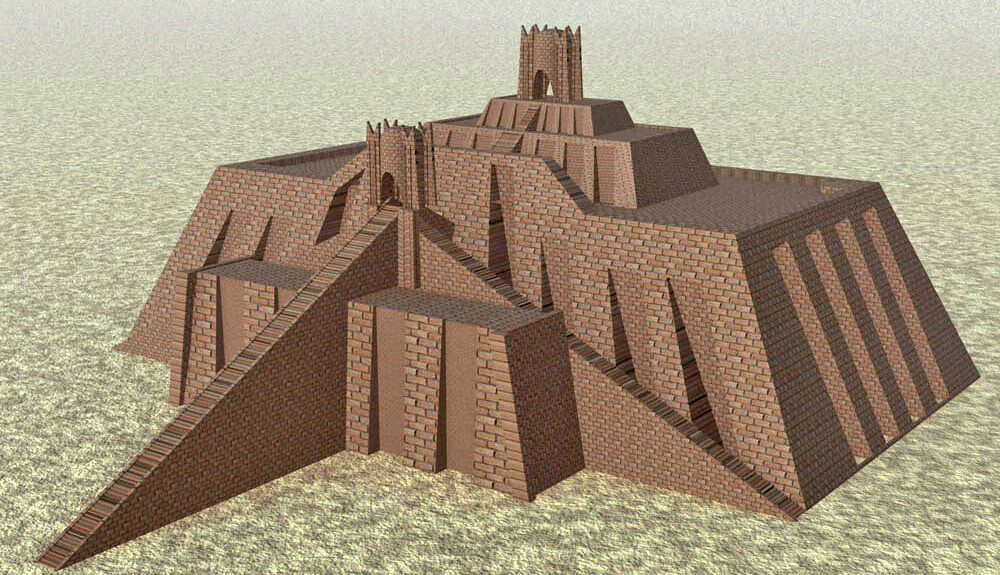
No images of King Shuruppak exist. The best we can do is reimagine known aspects of Sumerian culture. This is a ziggurat typical of the time: one per each of the 30+ cities.
circa 2600 BCE
The Wise King
Gargi Vachaknavi
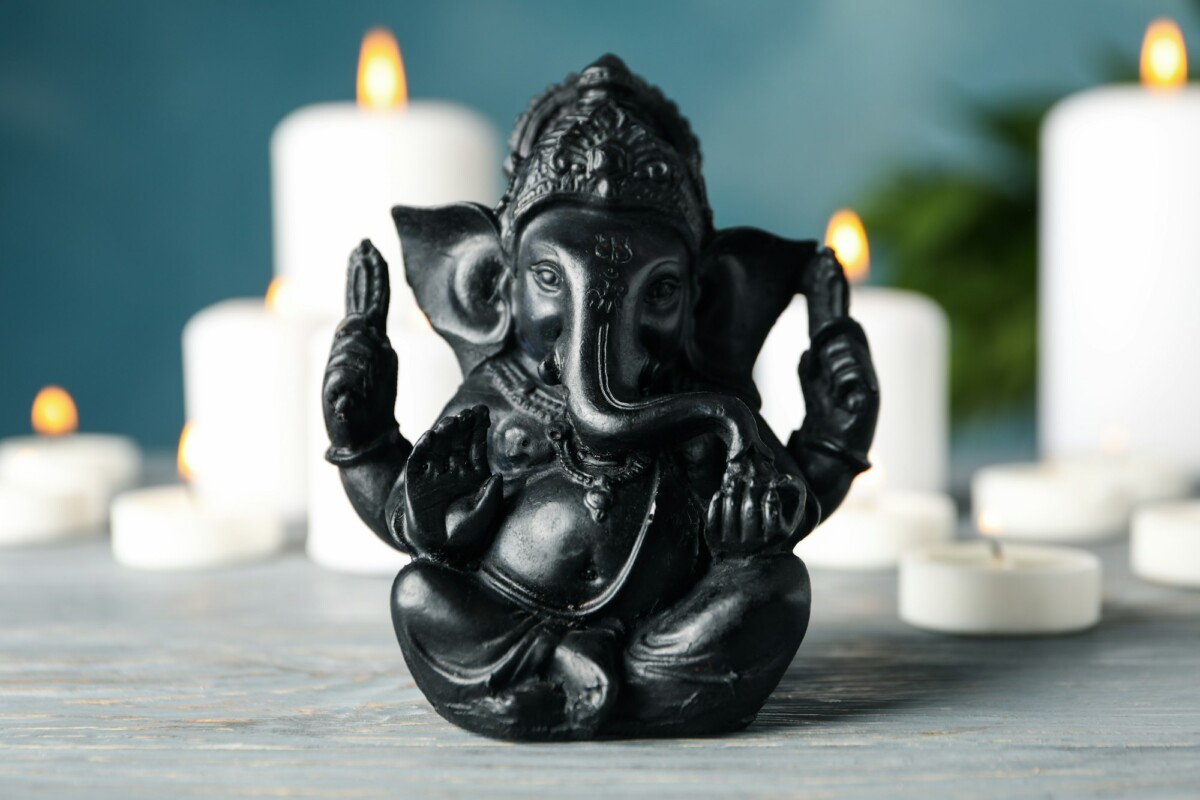
Hindu god Ganesha on white wooden table. Candles on background
circa 800 BCE
Thales of Miletus
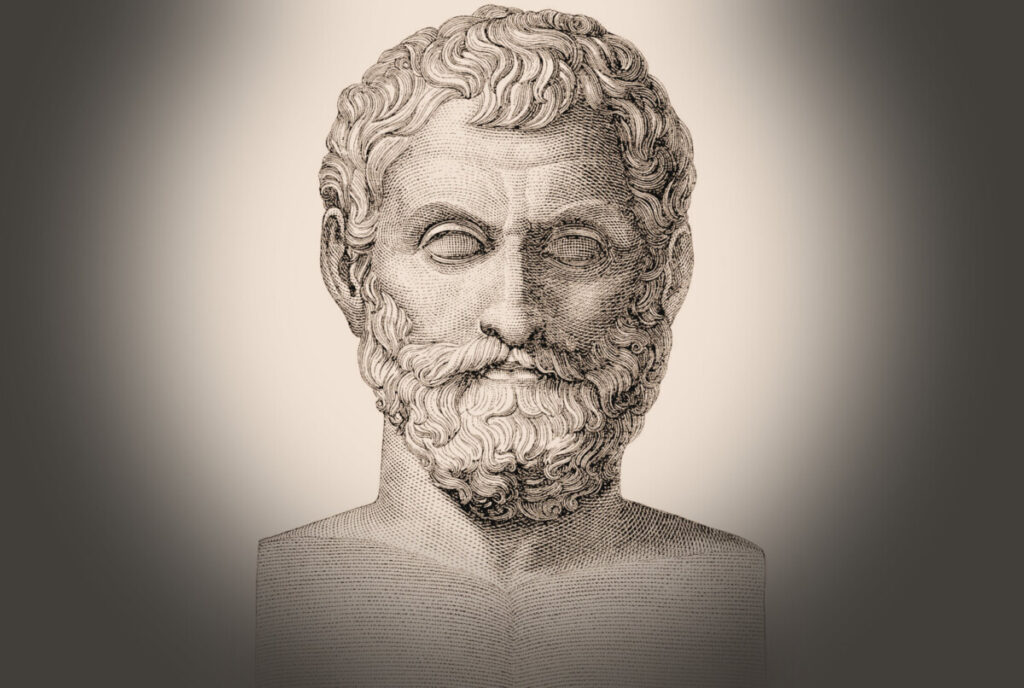
Early or "First" Science
Born about 624 BCE, died about 546 BCE, at around age 78.
Laozi

Laozi or Lou Tzu (604-517 BCE). Founder of Daoism, aka Taoism. The life of Laozi is shrouded in mystery, but he is the first philosopher in “30 Philosophers” that attempts to construct a precise biography.
Born about 105 Generations Ago, circa 604 BCE.
By tradition, he lived about 604 to 517 BCE.
Pythagoras (570-495 BCE)
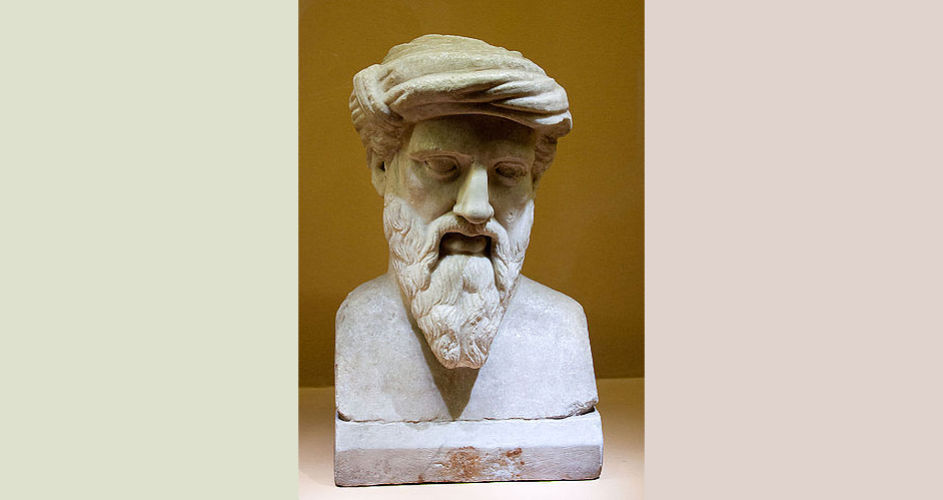
Pythagoreanism
Father of Mathematics
Confucius

Make Goodness Normal: Confucius taught that a better life begins when respect, duty, kindness, and self-discipline become normal habits. Normalcy is powerful because it turns wisdom into daily behavior.
born 551 BCE
Lived from 551 to 479 BCE, aged 72
Gautama Buddha

Subhrajyoti07, CC BY-SA 4.0 <https://creativecommons.org/licenses/by-sa/4.0>, via Wikimedia Commons
Born circa 563.
Lived 103 Generations Ago, from about 563 to 486 BCE.
Heraclitus
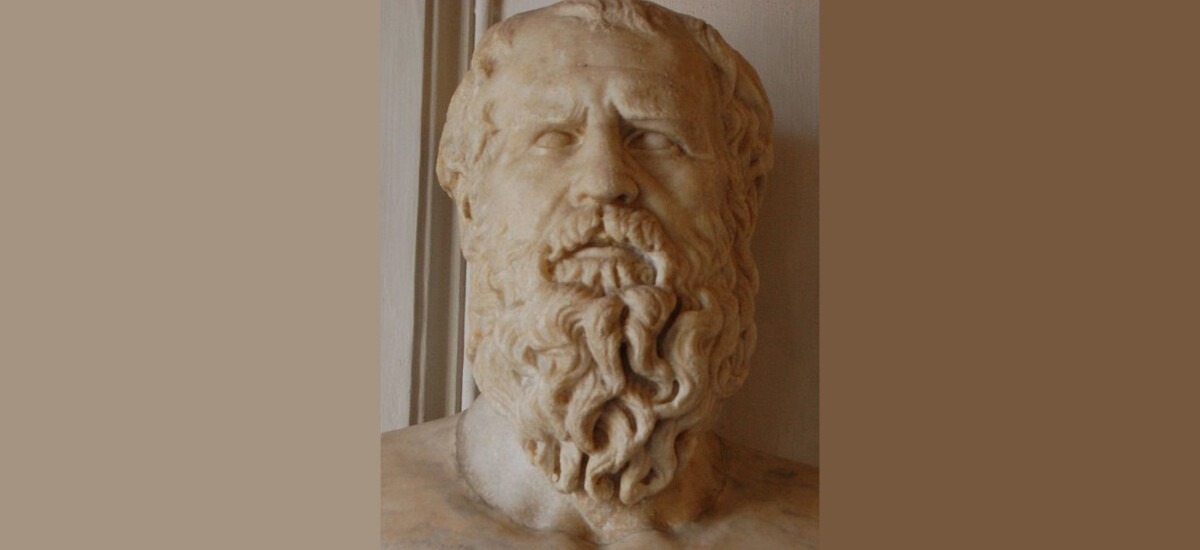
Impermanence is the idea that things do not stay the same forever. Becoming is the process of changing, growing, and unfolding over time.
born circa 535 BCE
circa 535 to 475 BCE, likely aged about 60 years old
Socrates (469 – 399 BCE)

Portrait of Socrates. Marble, Roman artwork (1st century), perhaps a copy of a lost bronze statue made by Lysippos
Socratic Questioning
Father of Western Ethics
Democritus (460 BCE – circa 370 BCE)

Two and a half millennia ago, Democritus imagined atoms in the void — long before microscopes, equations, or particle accelerators confirmed the intuition.
Atomist
The Laughing Philosopher
Plato
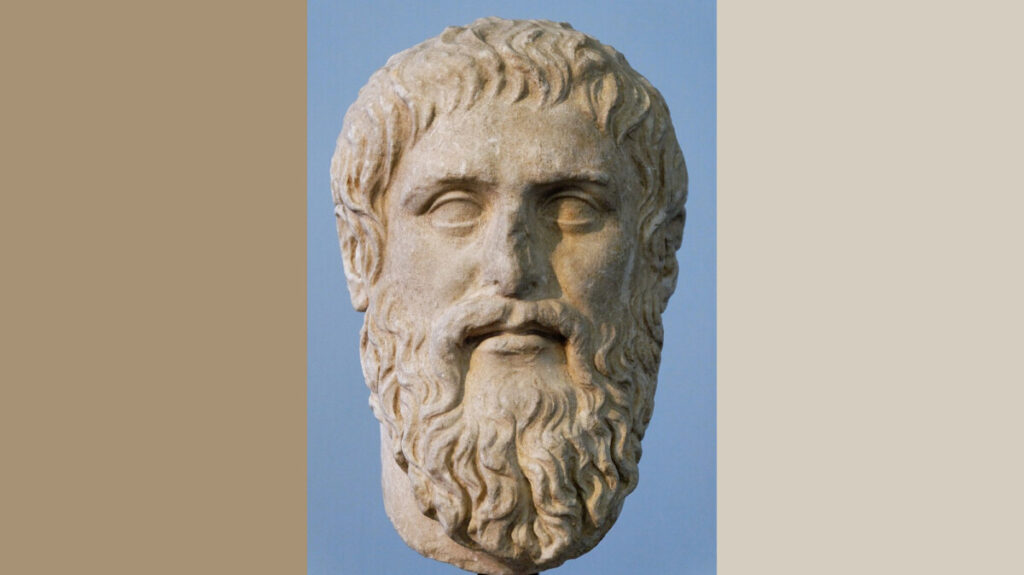
Plato pushed philosophy beyond what we can immediately see and touch. Even if we reject his literal Realm of Forms, his deeper insight remains useful: appearances can mislead, while concepts help us organize reality. Wisdom means understanding both the world before you and the ideas you use to interpret it.
Lived from 428 to 347 BCE, aged 80.
98 Generations Ago.
Aristotle
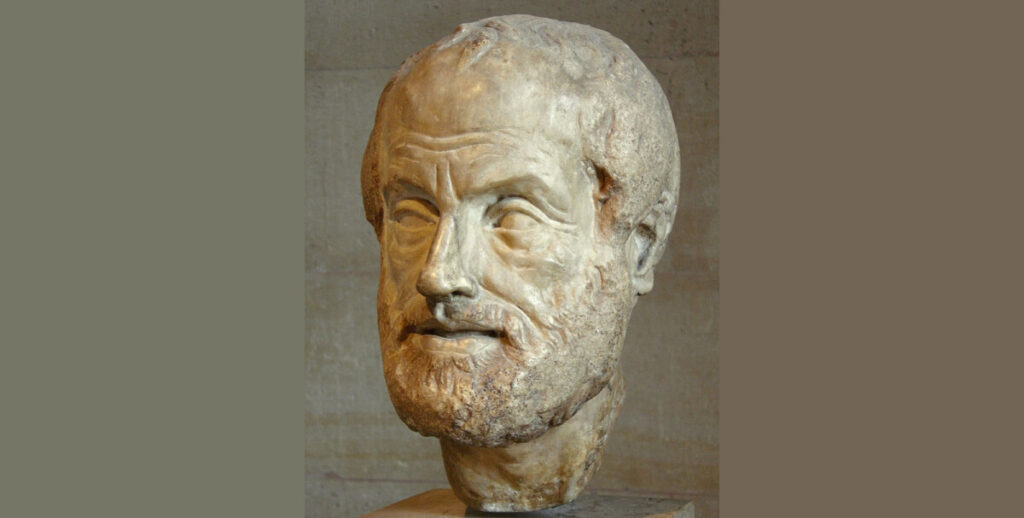
Portrait of Aristoteles. Copy of the Imperial era (1st or 2nd century) of a lost bronze sculpture made by Lysippos
Born 384 BCE, lived to 322 BCE, aged 62.
96 Generations Ago.
Pyrrho of Elis
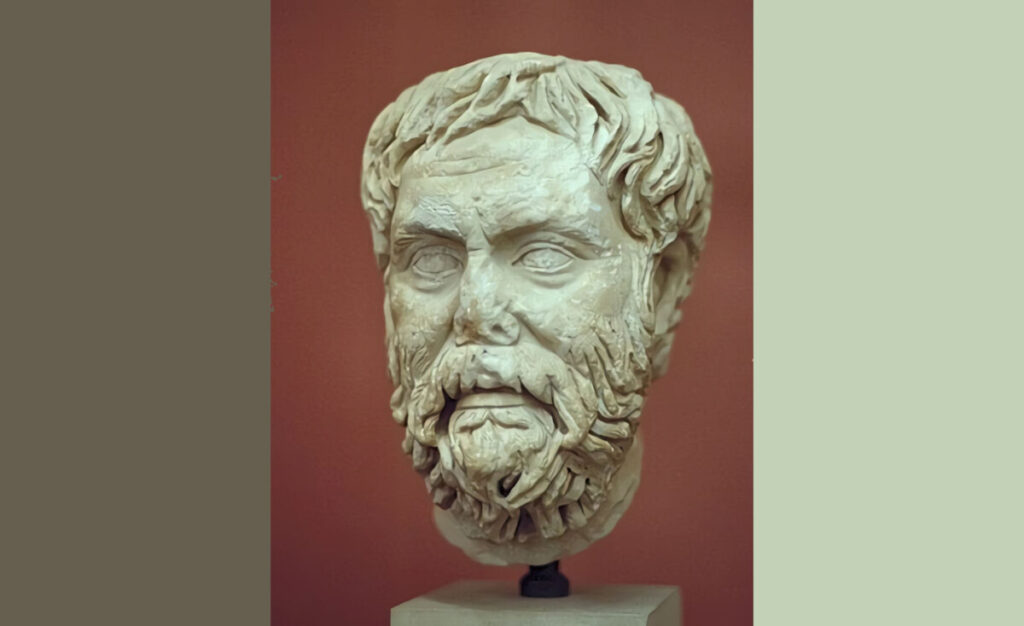
b. 360 BCE
360 to 270 BCE
Epicurus
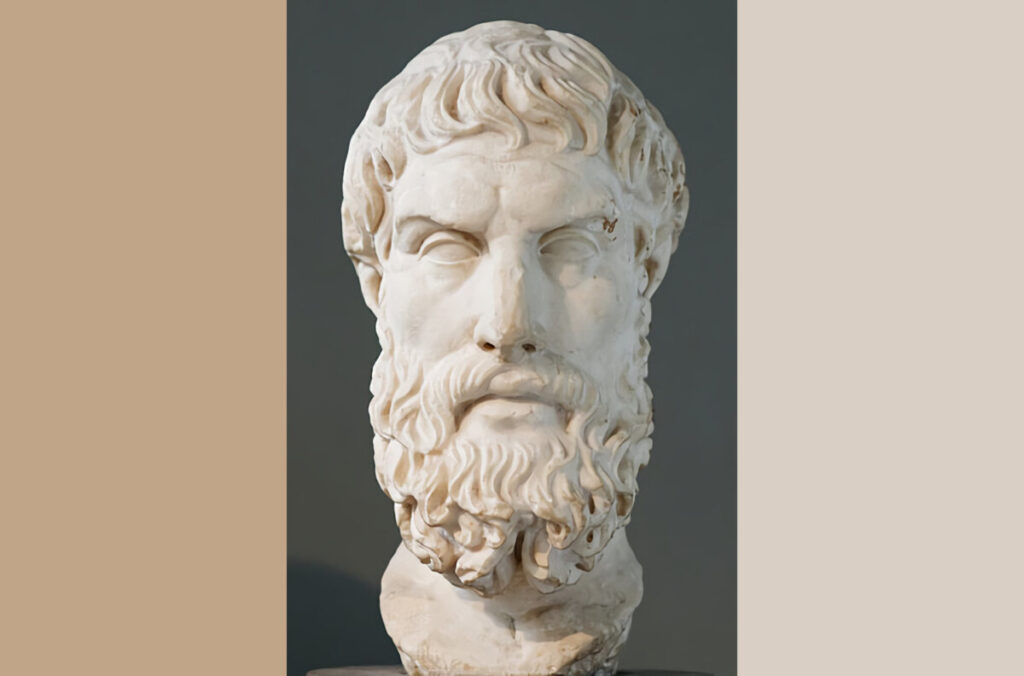
Roman marble copy of a 3rd-century BCE Greek original, likely created before 1st century CE.
b. 341 BCE
341 to 270 BCE
Zeno of Citium (334-262 BCE)
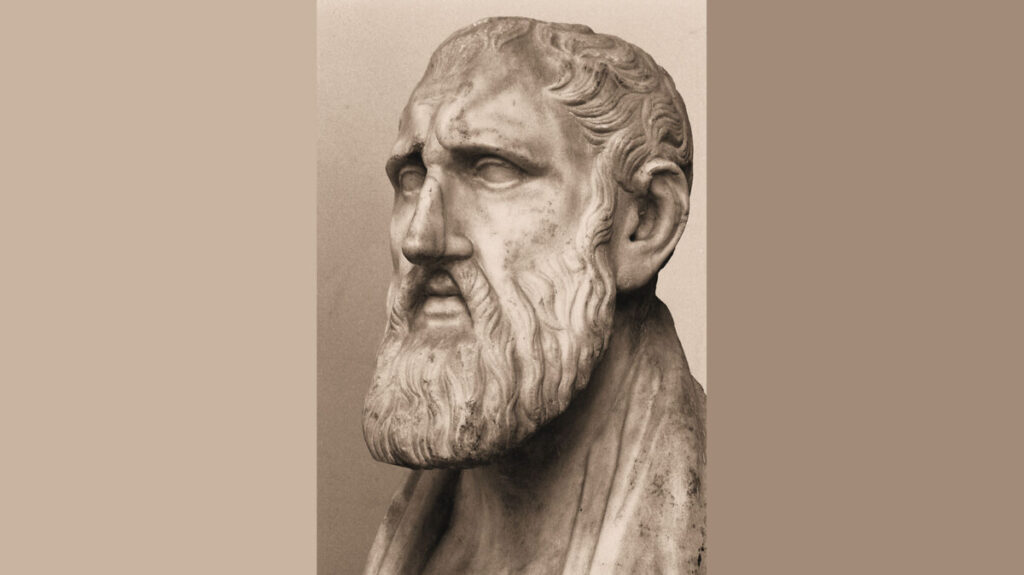
Stoicism
Father of Stoicism
Philo of Alexandria
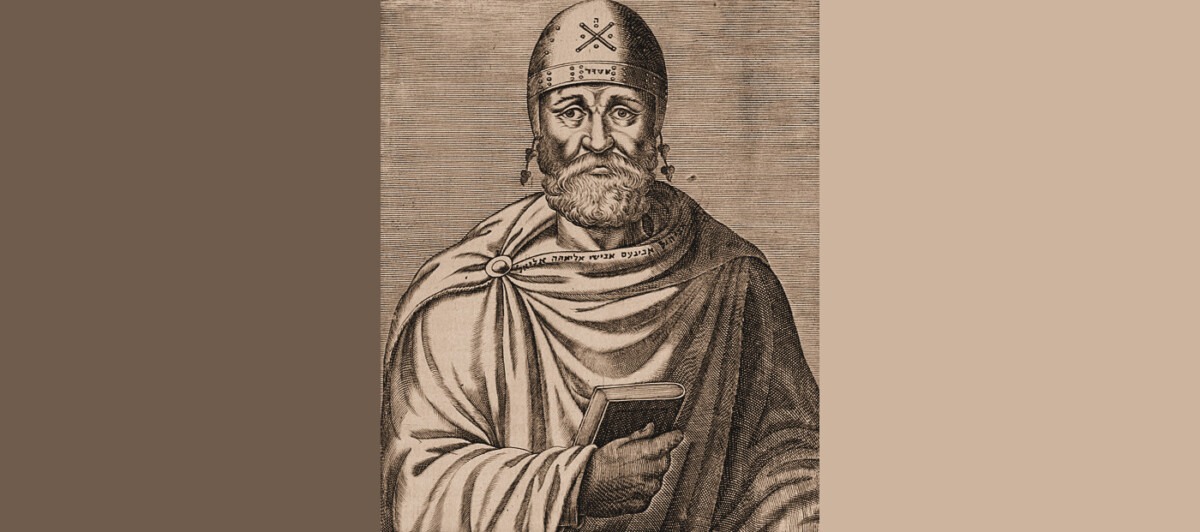
Old portrait from 1500s. He likely did not look like this.
Born circa 20 BCE, lived to circa 55 CE.
82 Generations Ago.
Seneca the Younger (4 BCE – 65 CE)
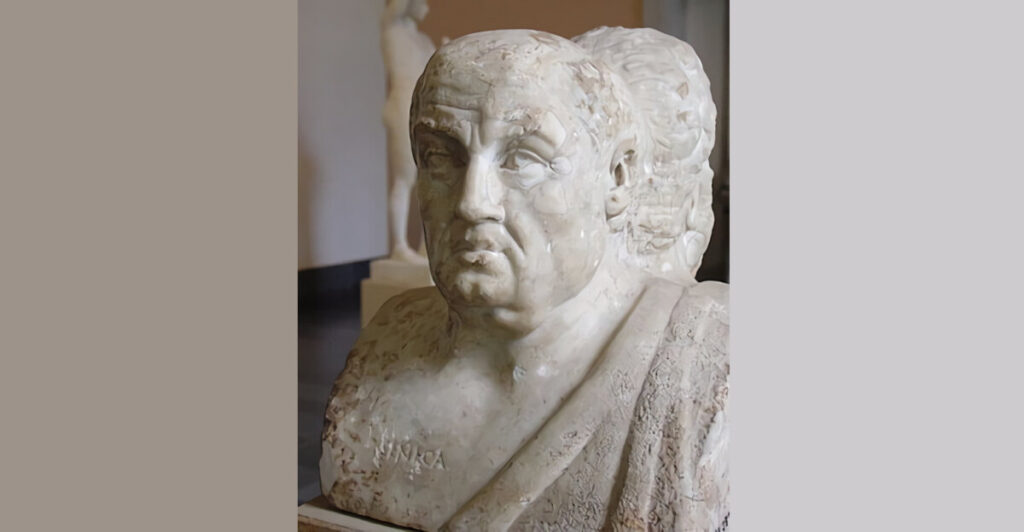
Stoic Tradition
Roman Stoic Statesman
Epictetus (50-135 CE)
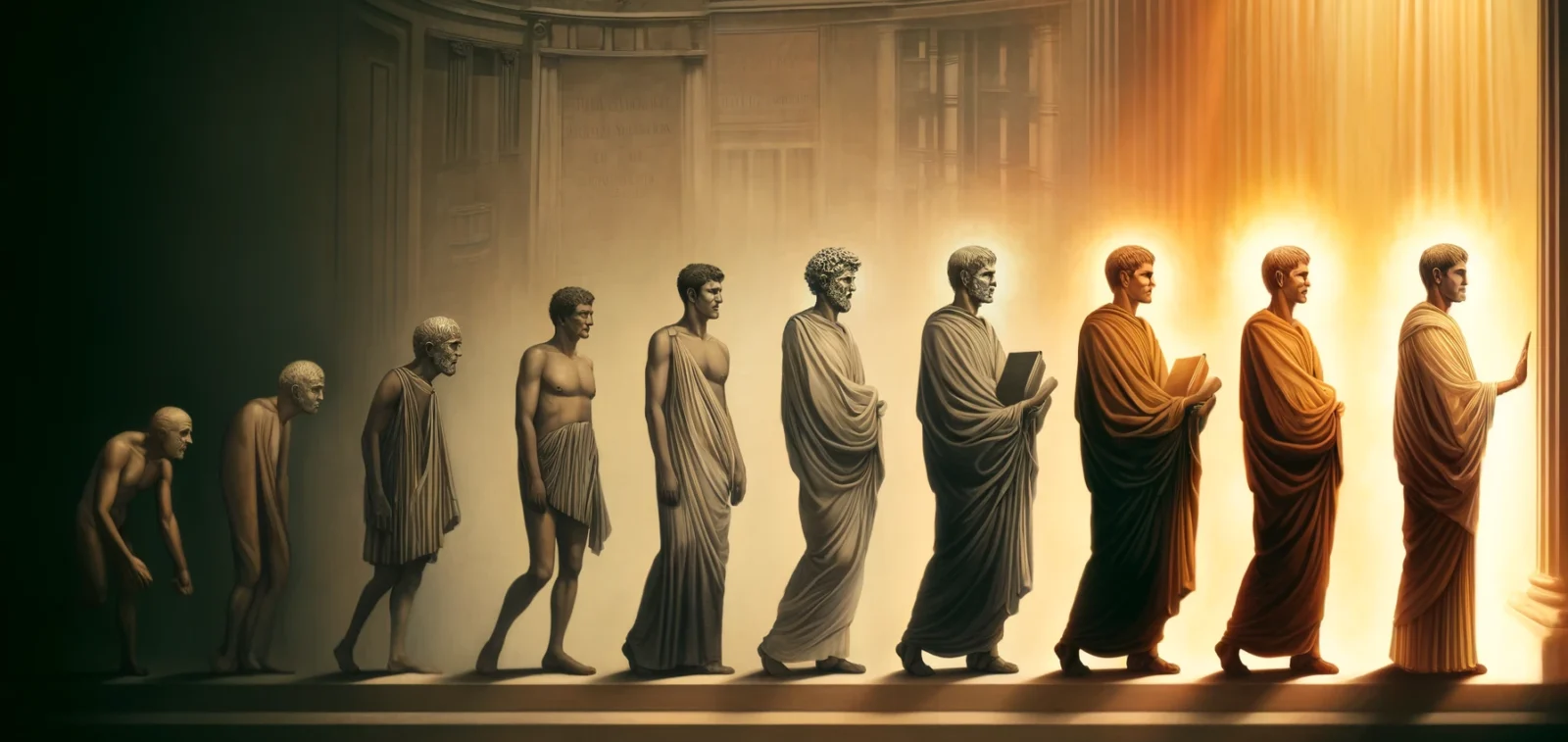
Epictetus taught that freedom begins by distinguishing what is within your control from what is not. Focus your effort on your judgments, choices, and actions, and learn to accept the rest.
circa 100 CE
78 Generations Ago
Marcus Aurelius
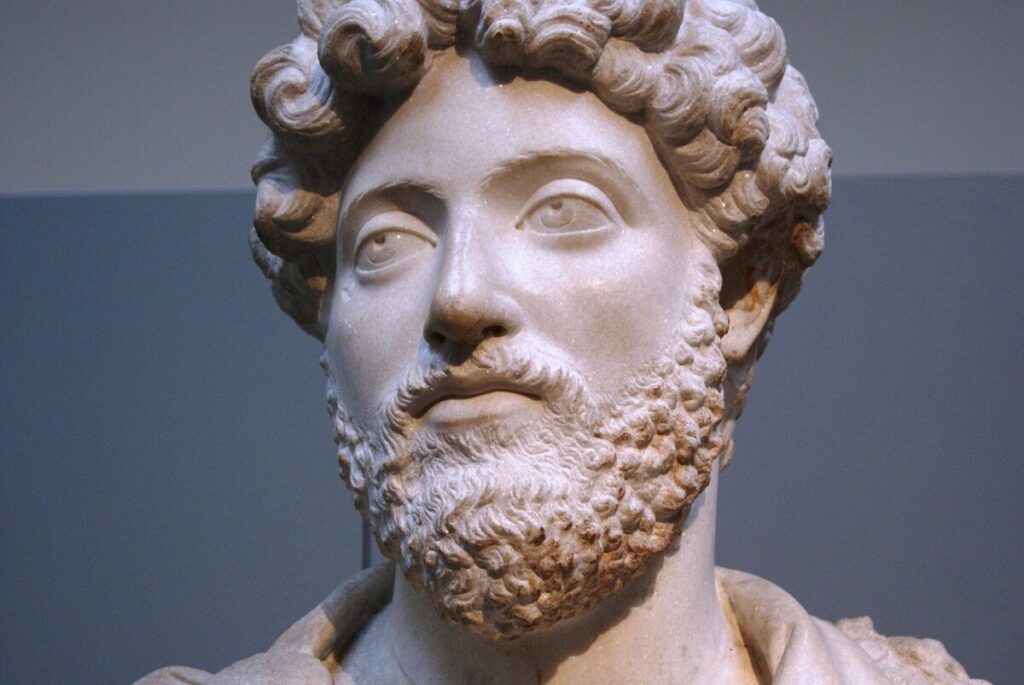
Marcus Aurelius inherited centuries of Stoic thought and put it to work in the difficult reality of governing an empire. His life reminds us that Stoicism is not about controlling the world. It is about governing yourself within it—your judgments, intentions, choices, and actions—while striving to act with virtue.
born 121, died 180 CE.
76 generations ago.
Badarayana
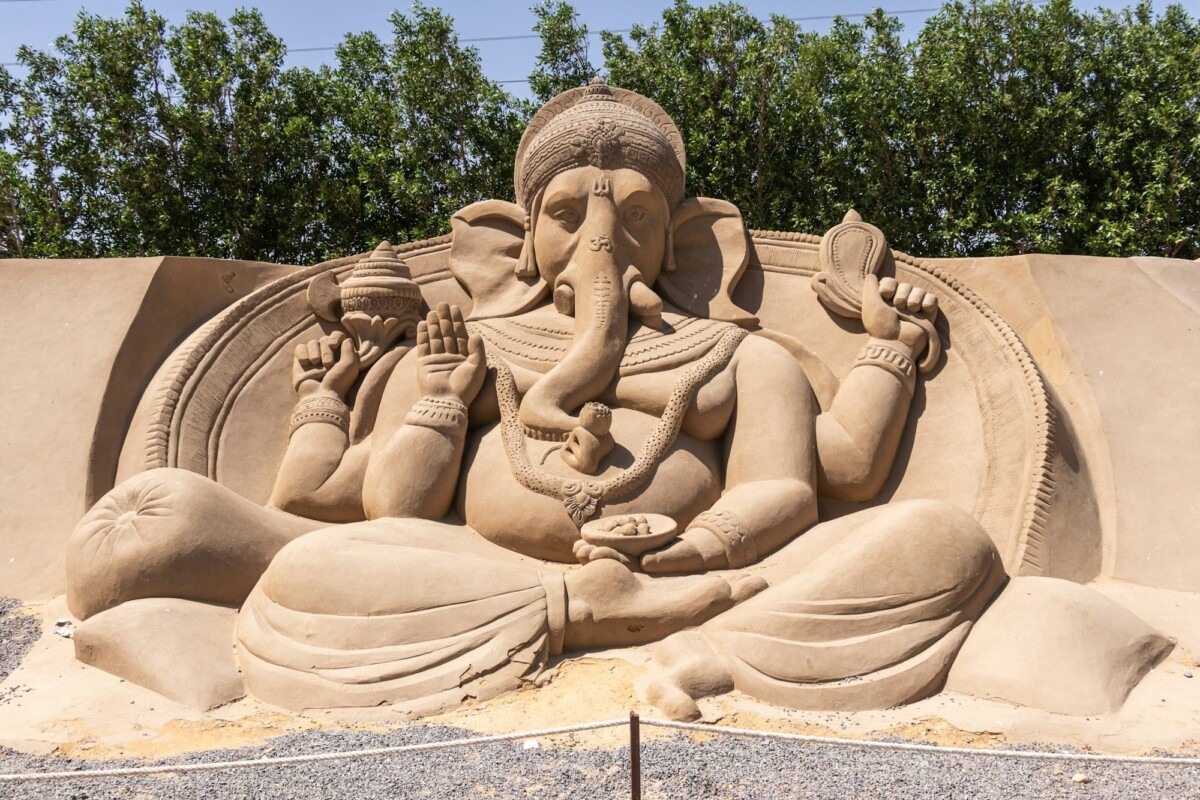
sand sculpture of Ganesha in Hinduism, the god of wisdom and well-being with the head of an elephant
circa 300 BCE to 200 CE
Augustine of Hippo
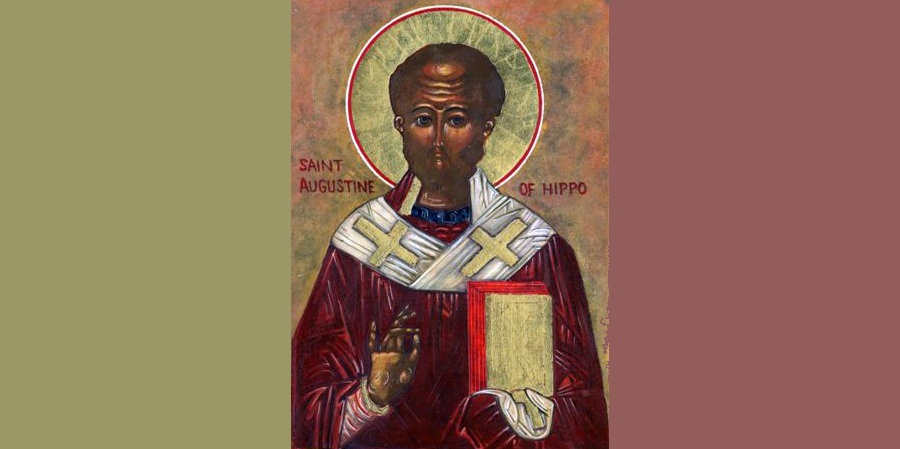
Augustine is known as the father of Western religious scholarship. He reconciled the science and philosophy of Aristotle with church beliefs.
born 354
Lived from 354 to 430 CE, aged about 76.
Al-Farabi
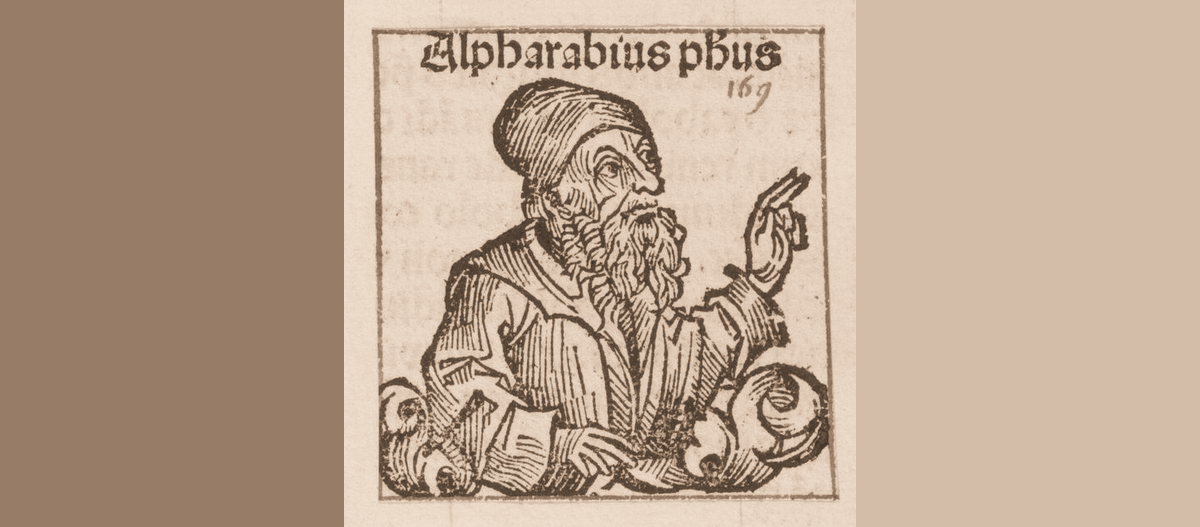
born 872
872 to 950
Alhazen
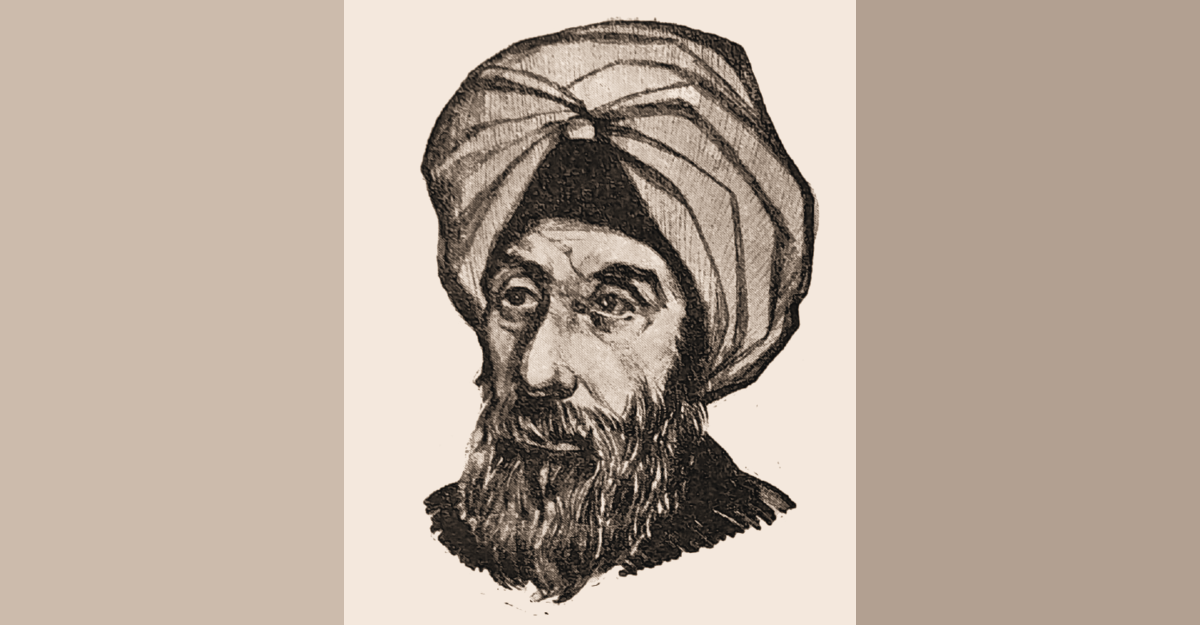
born 965
965 to 1040
Bernard of Chartres (circa 1070 – 1130)

There are no surviving images of
Bernard of Chartres. As a scholastic, the best we can do is an artistic representation of scholasticism.
Neoplatonist
French Philosopher
Peter Abelard
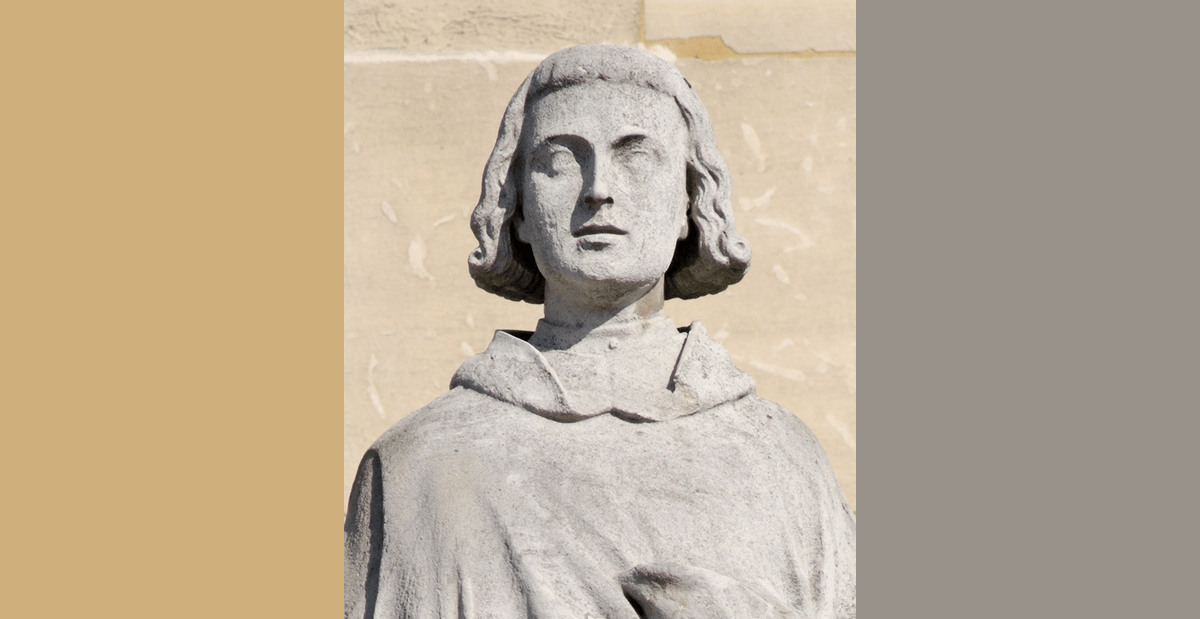
born 1079
1079 to 1141
Guru Nanak
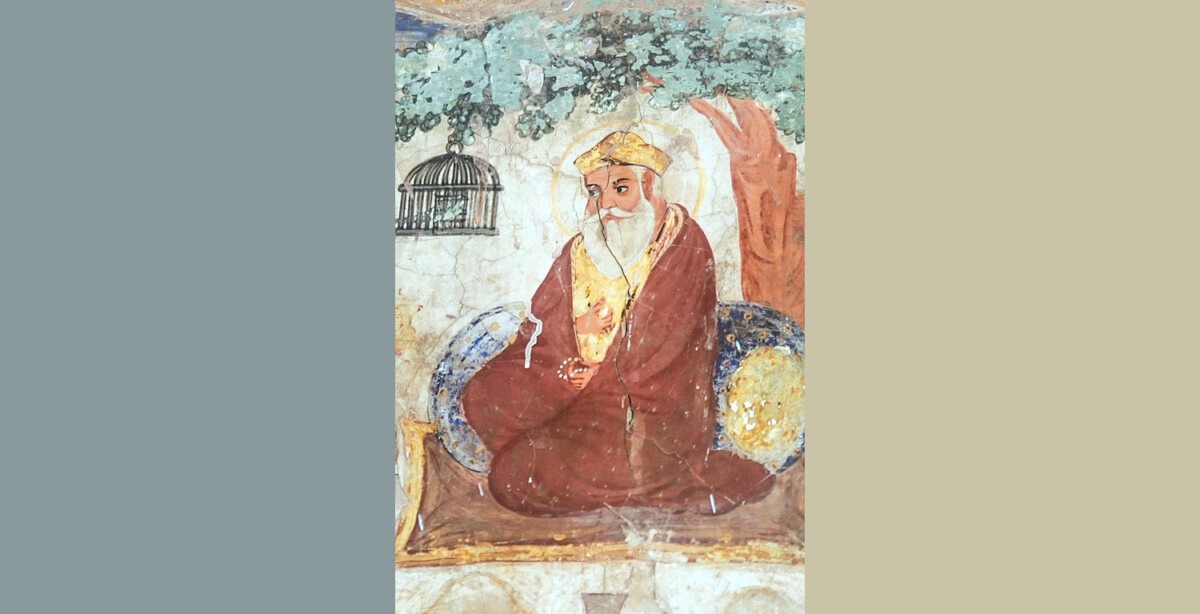
born 1469
1469 to 1539
Nicolas Copernicus
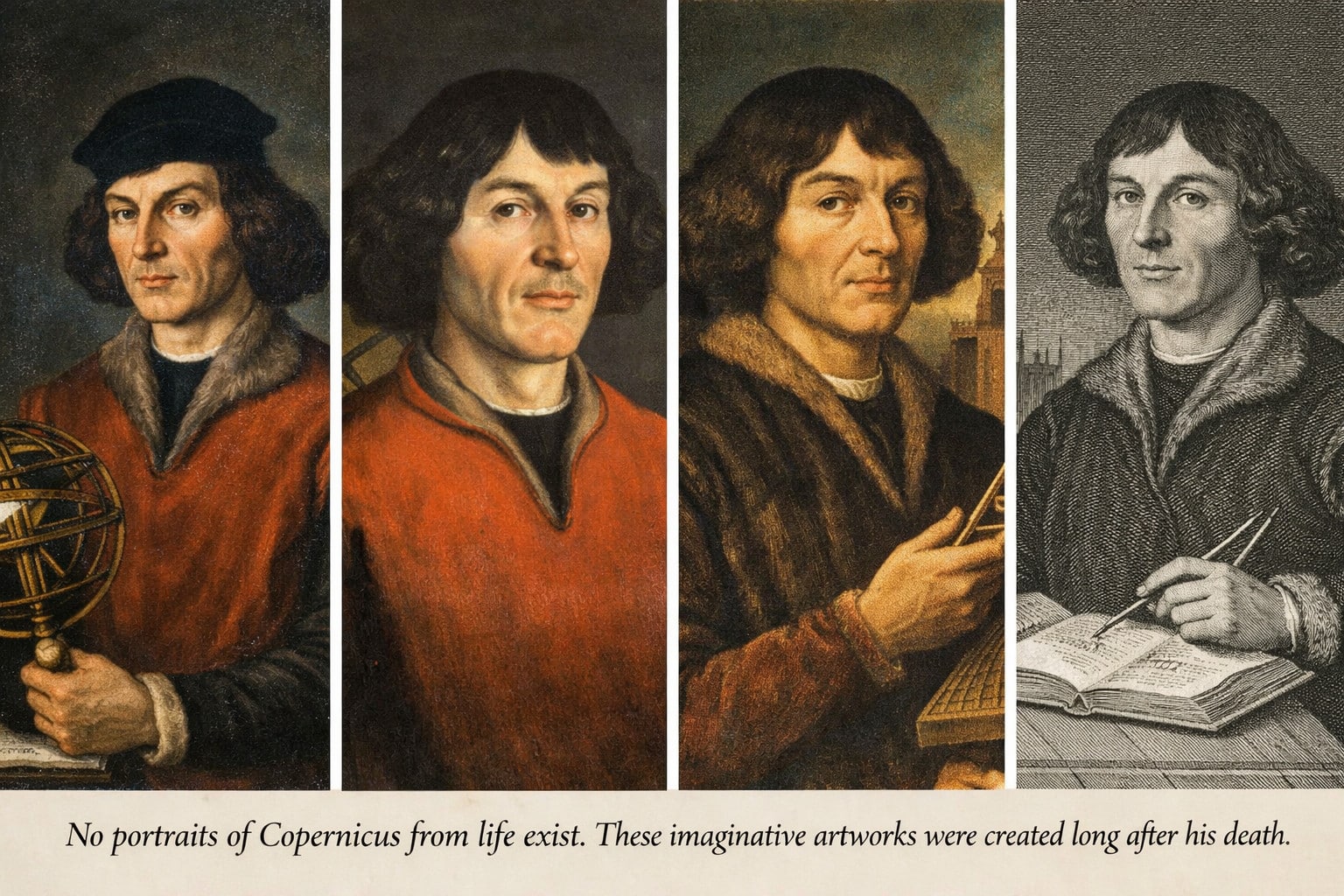
No confirmed likeness survives. These portraits are later artistic interpretations.
born 1473
Lived 1473 to 1543, aged 70.
Francis Bacon
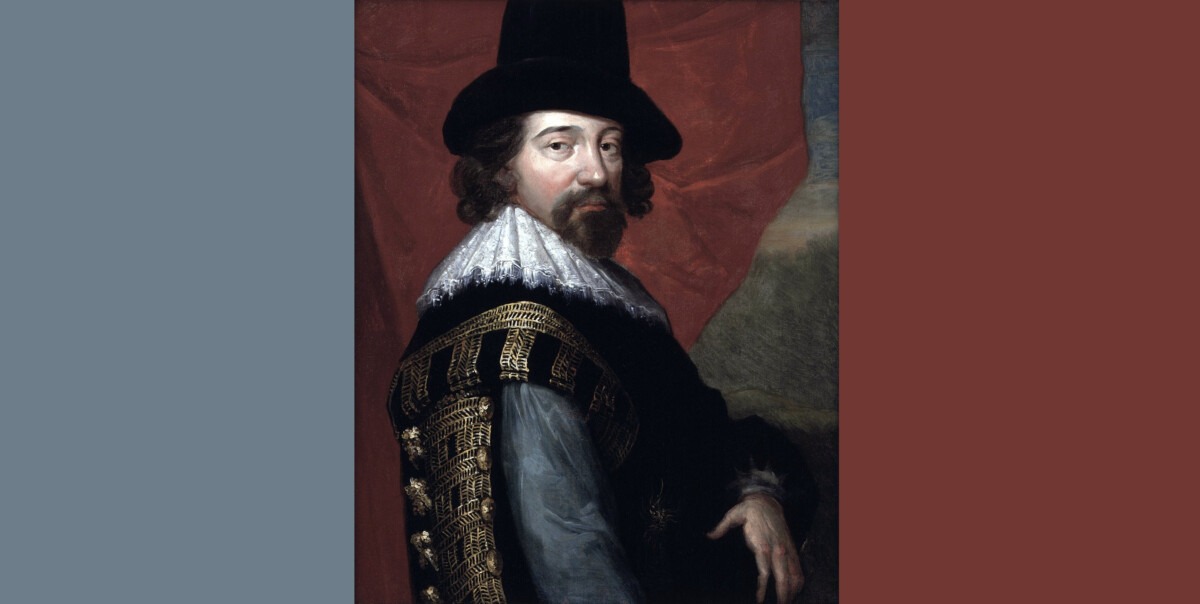
born 1561
1561 to 1626
Galileo Galilei
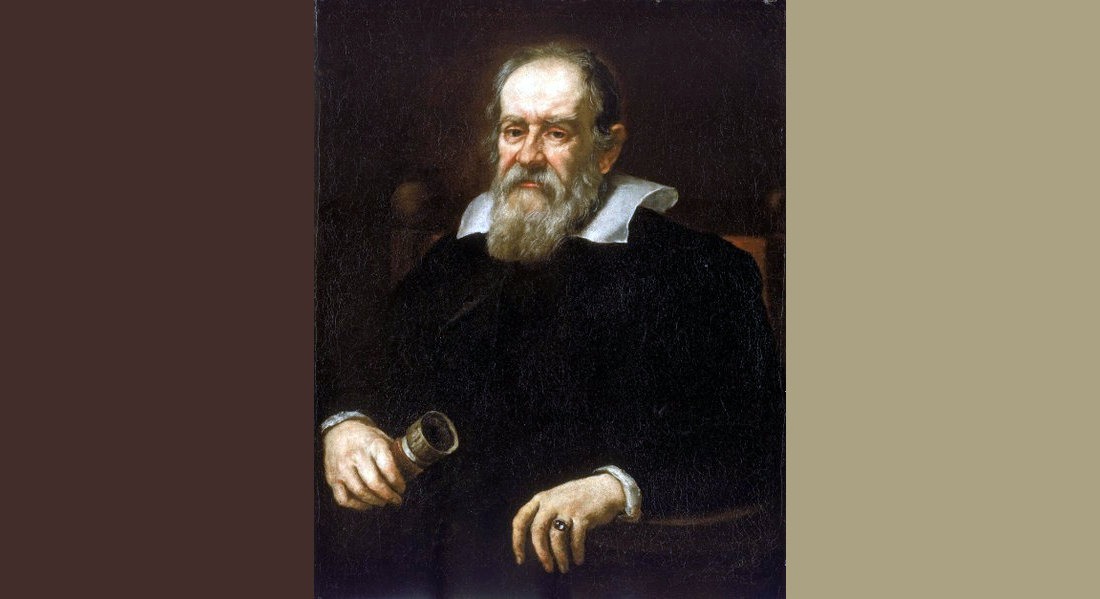
Portrait of Galileo at about 74. He included a copy in his 1638 Two New Sciences book.
born 1564.
Lived from 1564 to 1642, aged 77.
Rene Descartes
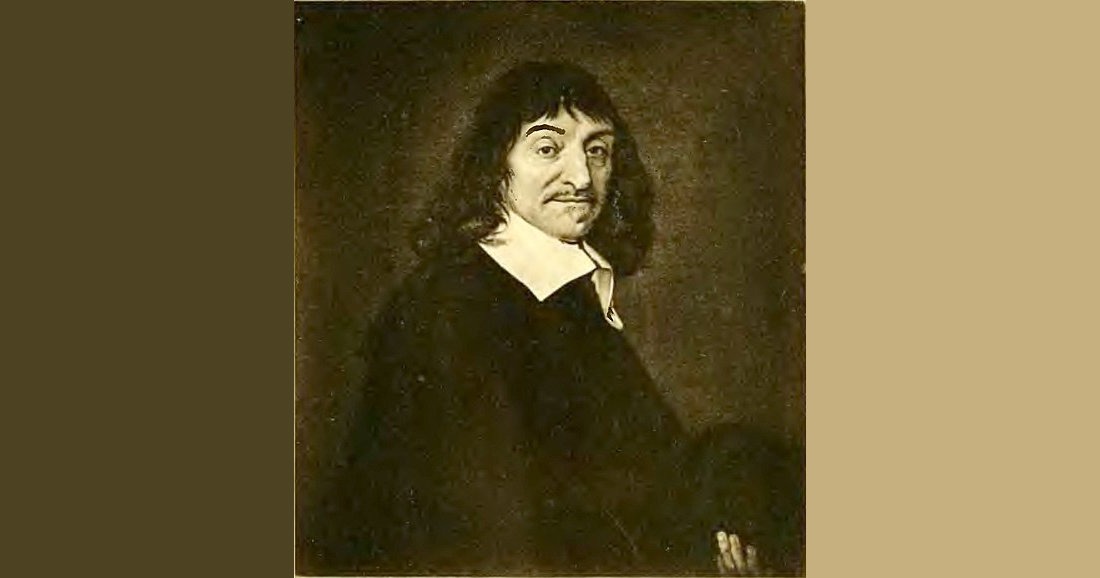
René Descartes was born into minor nobility in the Kingdom of France on March 31, 1596. In 1637, Descartes published "Discourse on the Method," he sought to identify certain knowledge by using doubt to strip away uncertain beliefs. Cartesian Skepticism is a system of doubt aimed at identifying certainties by dismissing all beliefs susceptible to even the slightest uncertainty. On February 11, 1650, in the presence of a small circle of friends, he exhaled his last breath.
Lived from 1596 to 1649.
17 Generations Ago.
Roger Williams
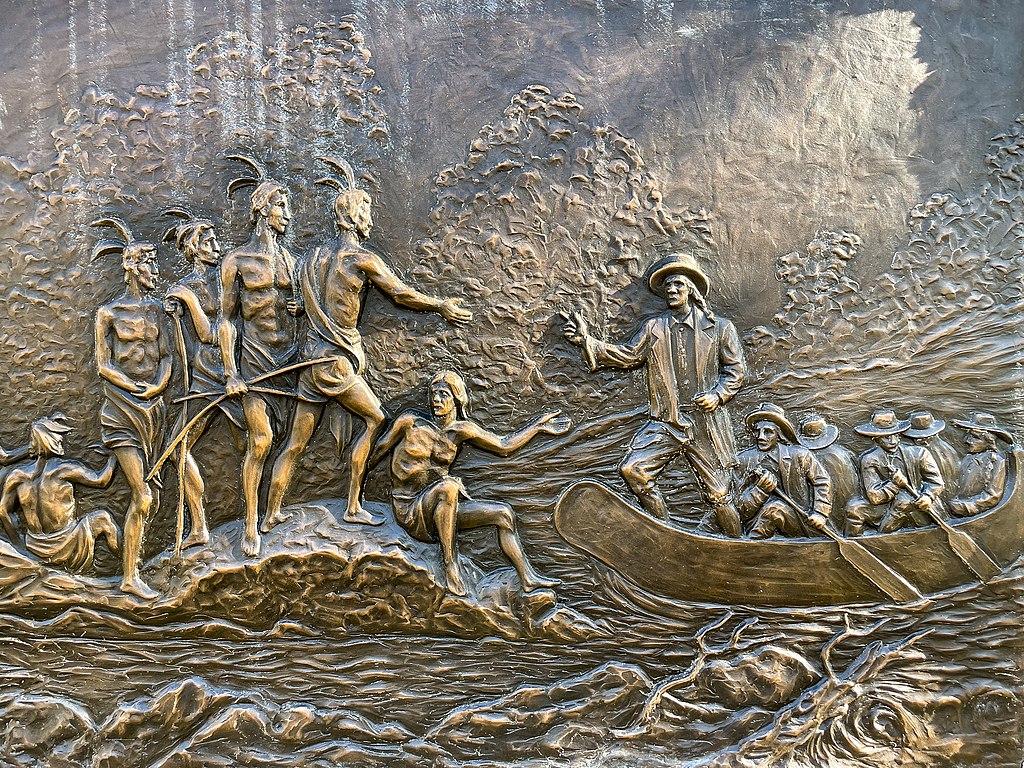
No images exist of Roger Williams. This artist impression represents his fond relations with Native Americans. Landing Place monument in Slate Rock Park, Providence Rhode Island.
Born circa 1602, died Mar 1683, aged about 80.
17 Generations Ago
Baruch Spinoza
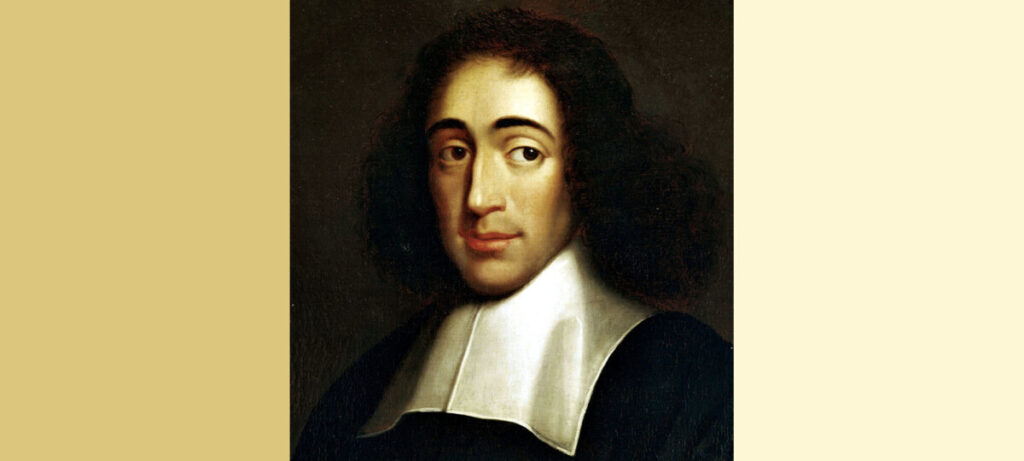
born 1632
1632-1677, aged 44
John Locke
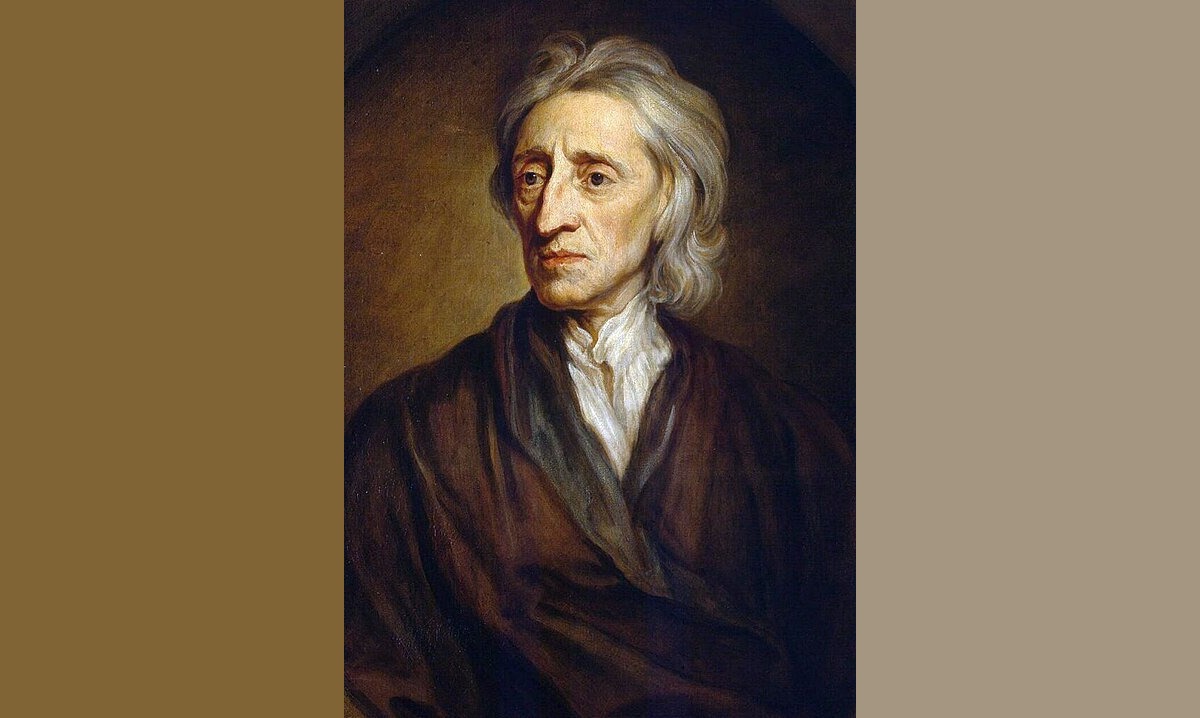
John Locke argued that we are not born with ideas already written into us—we acquire knowledge through experience. His concept of tabula rasa, developed in An Essay Concerning Human Understanding, reshaped how we think about learning, freedom, and rights. If minds begin blank, then no one is born destined to rule—or obey.
Born 1632, died 1704.
16 Generations Ago
Voltaire
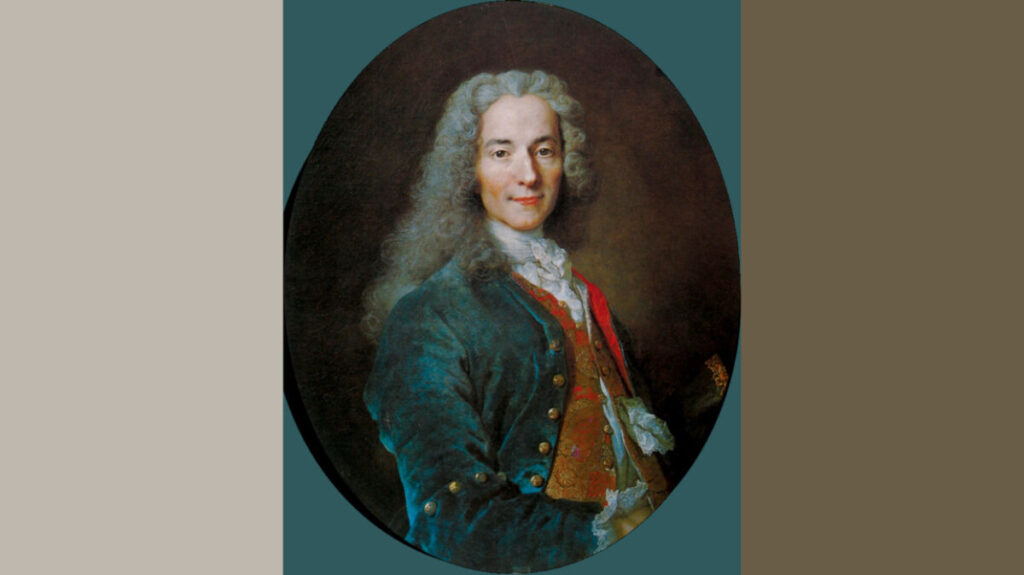
The transformation of François-Marie Arouet into Voltaire: From a budding scholar in Paris, to a prisoner of ideas in the Bastille, to a celebrated playwright whose words ignited the Enlightenment.
Born 1694, lived until 1778.
13 Generations Ago
David Hume
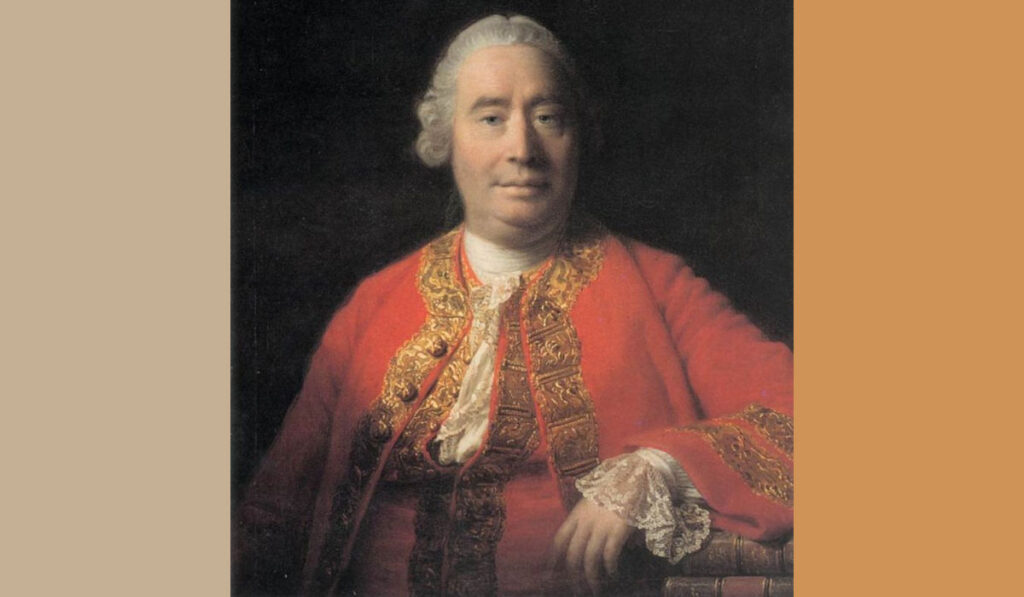
The Scottish Enlightenment philosopher and historian Hume was a leading exponent of empiricism. The belief that all human knowledge derives solely from experience.
Born 1711.
Lived from 1711 to 1776. 12 Generations Ago.
Immanuel Kant
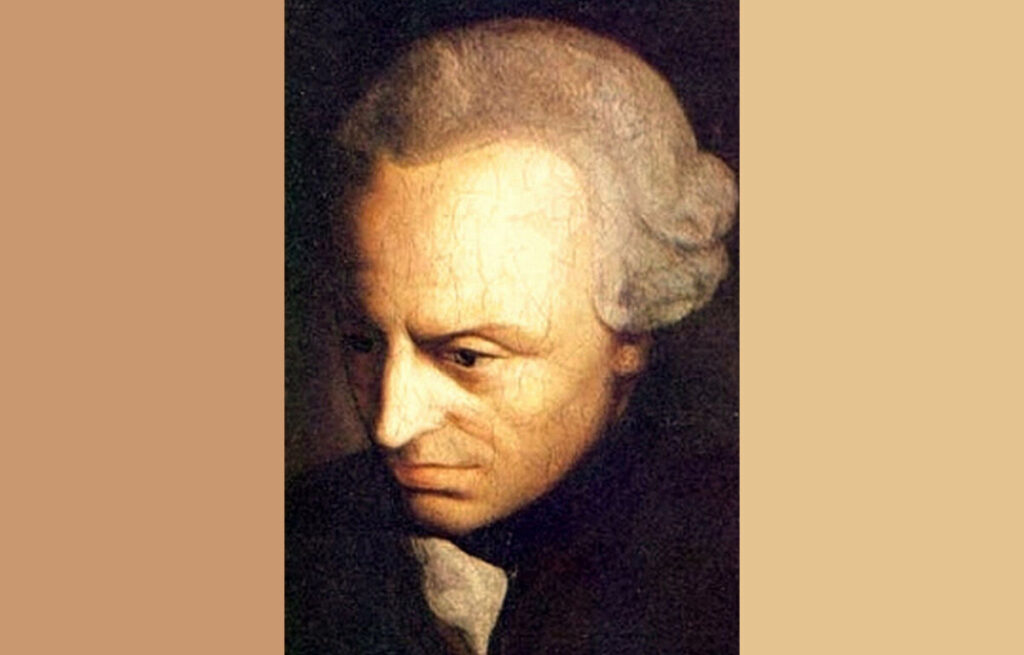
born 1724
1724-1804
Arthur Schopenhauer

Arthur Schopenhauer gave one of philosophy’s bleakest answers to the human condition: beneath our thoughts and ambitions lies a blind Will, endlessly driving desire, struggle, and dissatisfaction.
born 1788.
Lived from 1788 to 1860, aged 72.
John Stuart Mill
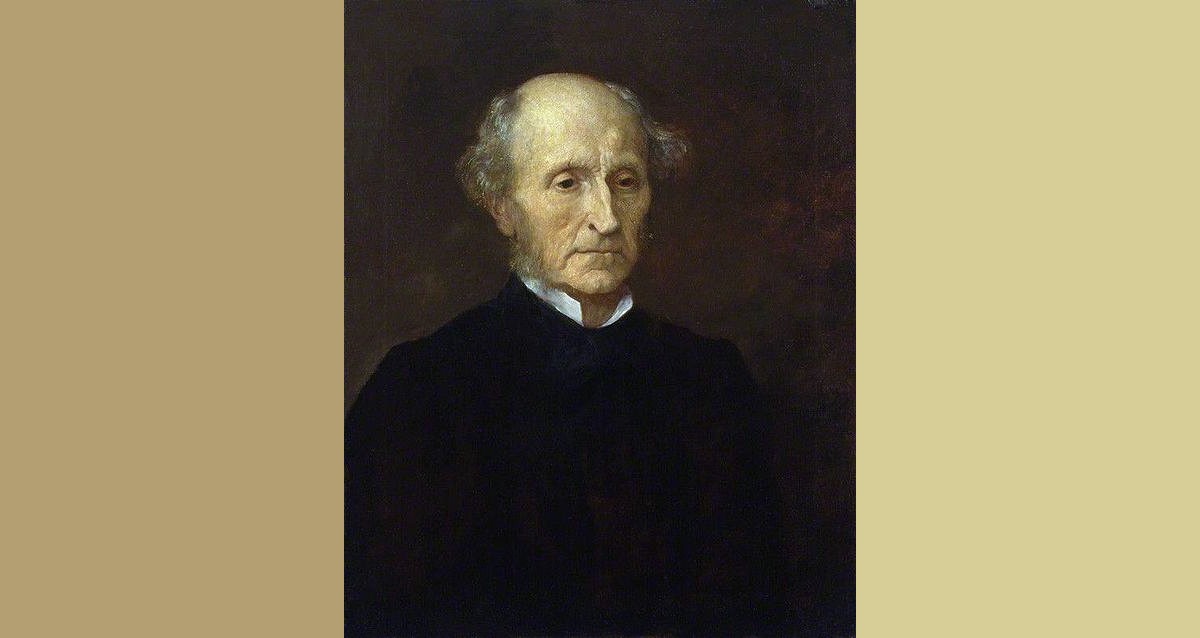
John Stuart Mill. Choose the action that produces the greatest good for the greatest number. Morality should aim at the greatest overall happiness.
Born 1806, he lived to see 1873.
9 Generations Ago
Charles Darwin (1809-1882)
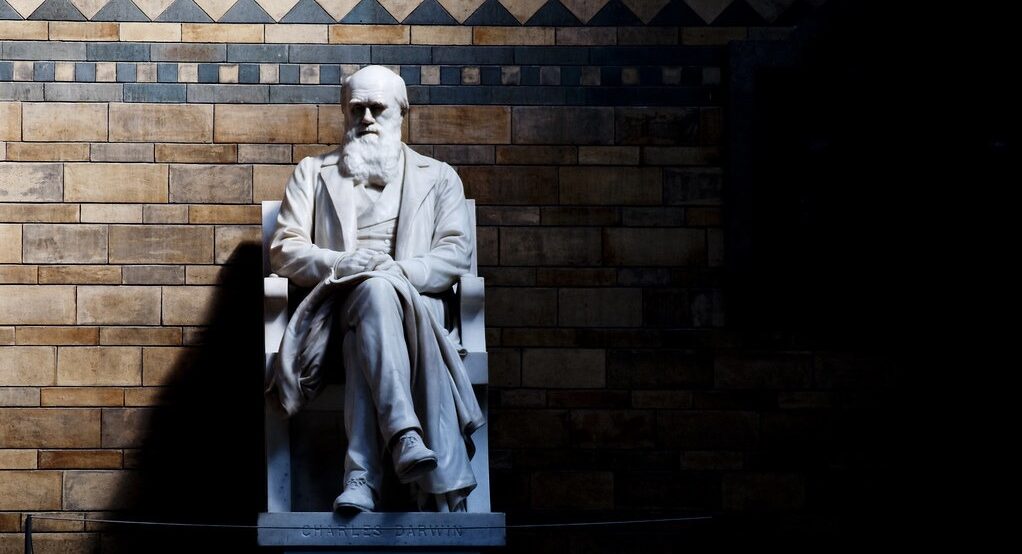
British Naturalist
Søren Aabye Kierkegaard

Unfinished sketch of Kierkegaard by his cousin Niels Christian Kierkegaard, Royal Library, Copenhagen, c. 1840
b. 1813
1813 to 1855, aged 42
Alfred Russel Wallace (1823-1913)

British Naturalist and Explorer
Father of Biogeography
Friedrich Nietzsche
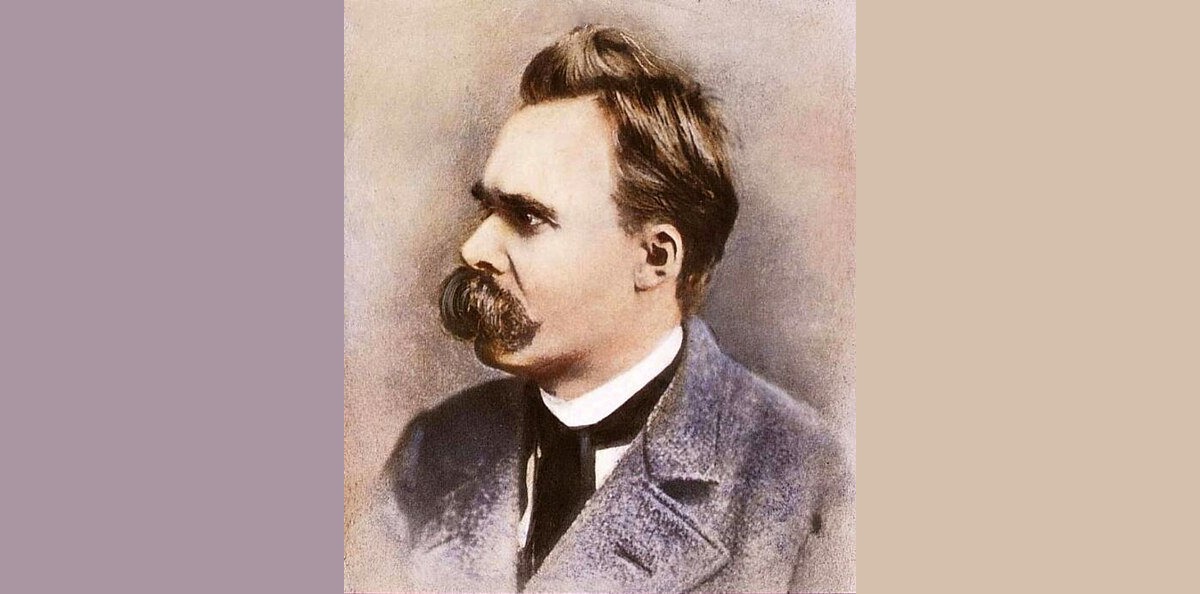
Chapter 30 in "30 Philosophers" explores Nietzsche's story and philosophy.
Born 1844.
Born 7 Generations Ago in 1844, lived until 1900.
Jean-Paul Sartre
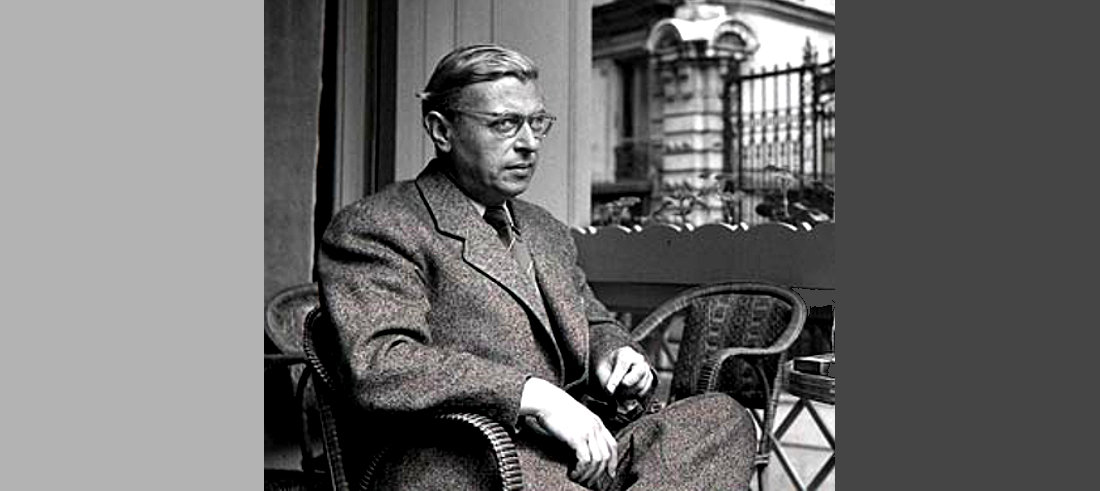
Jean-Paul Sartre lived from 1905 to 1980, He was a French existentialist philosopher and writer best known for the idea that “existence precedes essence.”
born 1905
1905-1980
Next >>
By Chapter or Topic: All > Anchors > People > Docs > Touchstones > New Looks > History > Pre-Sumer