

Philosophy TL: ALL > Big Picture > 2. Ideas > 3. Philosophers > 4. Publications
ALL Edition: Includes all entries minus descriptions for the great philosophers and their ideas and publications. This timeline focuses on the empirical, rational, and irrational as well as understanding their philosophical context. Philosophical context includes understanding the timing of discoveries and rediscoveries as well as the philosophers behind them and their publications. For the companion timeline for the book: “30 Philosophers: A New Look at Timeless Ideas,” go to Book Timeline: 30 Philosophers.
The Natural Philosophy Timeline
- 1-Prehistory Age
- 2-Cognitive Age
- 3-Symbolic Age
- 4-Cultural Age
- 5-Fire Age
- 6-Stone Age
- Africa/Middle East
- Americas
- Amphibians
- Anchors
- Ancient History
- Ancient Humans
- Animals
- Archosaurs
- Area
- Art
- Arthropods
- Artificial Intelligence
- Asia
- Astronomy
- Bacteria
- Big Bang Big Picture
- Big Bang Predictions
- Big History Thresholds
- Big Picture
- Big Picture
- Big Picture 30
- Big Picture Philosophy
- Big-Bang-Timeline
- Bird-line Archosaurs
- Birds
- Book
- Cephlapods
- ch01
- ch02
- ch03
- ch04
- ch05
- ch06
- ch07
- ch08
- ch09
- ch10
- ch11
- ch12
- ch13
- ch14
- ch15
- ch16
- ch17
- ch18
- ch19
- ch20
- ch21
- ch22
- ch23
- ch24
- ch25
- ch26
- ch27
- ch28
- ch29
- ch30
- ch31
- City
- Classical Physics
- Consciousness Evolves
- Critical Thinking
- Crocodile-line Archosaurs
- Details
- Dinosauria
- Dinosaurs & Birds
- Docs in Book
- Document
- Earth
- Empirical
- Enlightenment
- Europe/Mediterranean
- Evolution
- Fish
- Food
- Fungi
- Futurism
- Games
- Great Apes
- Group Ethics
- HideFromCards
- History
- Hominid (Not Us)
- Hominid (us to Homo)
- Hominin: Not Us
- Homo sapiens
- HotTopicExists
- Human Ancestors
- Insects
- Irrational
- Journalism
- Land: Africa and Middle East
- Land: Americas
- Land: Asia
- Land: Europe and Mediterranean
- Land: Oceana, Australasia, and the Polar Regions
- Law
- Math
- Medical
- Medieval
- Monument
- Music
- Nature
- NewLook30
- Oceana
- Ornithischians
- Our Solar System
- Our Time
- Paper
- Particle Physics
- People
- People in Book
- Personal
- Personal Morality
- Philosophers
- Plants
- Political Theory
- Politics
- Post Medieval
- Pre-LUCA Evolution
- Pre-Sumer
- Prehistory
- Pterosaurs
- Rational
- Relativitiy
- Religion
- Reptiles
- Roger Williams
- Sauropodomorphs
- Science
- Single-celled
- Spacetime Math
- Stocks
- Synapsids & Mammals
- Theropods
- Tools
- Touchstones
- Unified
- Viruses
- ~170 MYA Crown Mammals
- ~203 MYA Mammaliaforms
- ~260 MYA Cynodonts
- ~275 MYA Therapsids
- ~320 MYA Synapsids
13.8 Billion Years Ago
Verified. Empirically supported and rationally deduced.
Big Bang Expansion
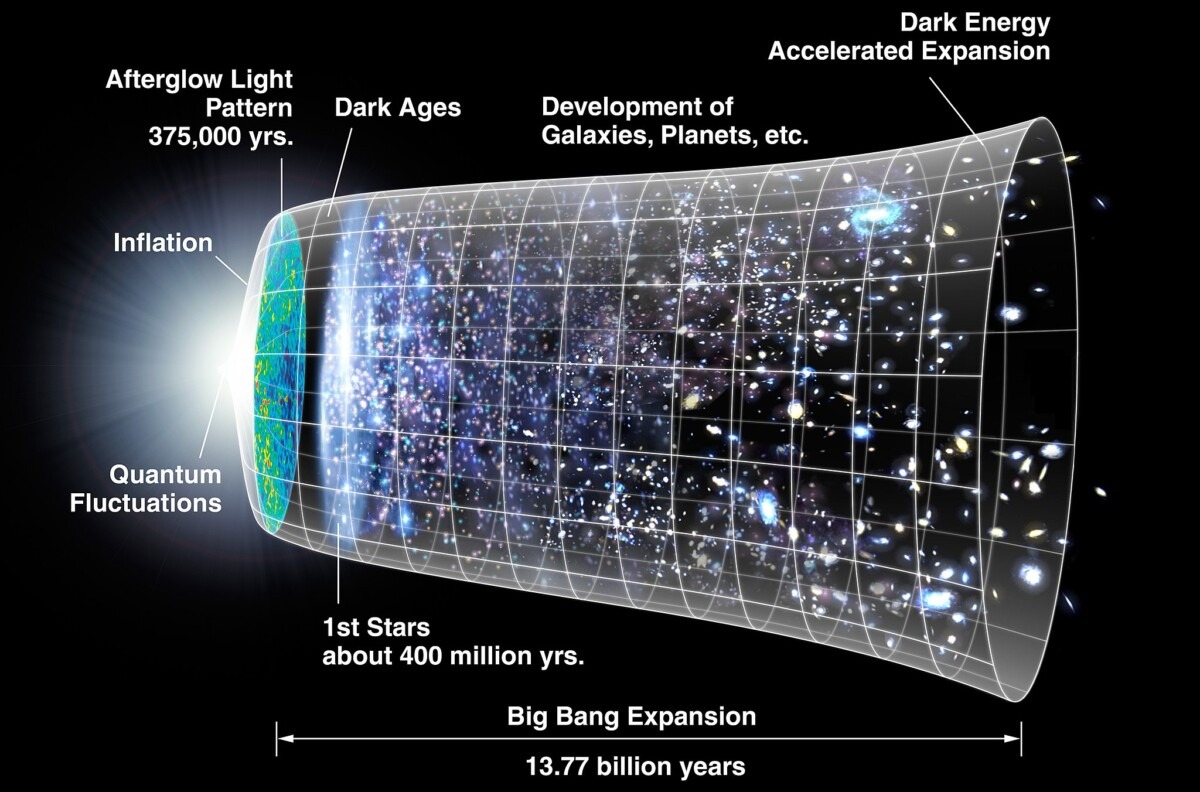
13.8 billion years ago, space itself began expanding and cooling, setting the stage for particles, atoms, stars, galaxies, planets, life, and us.
How predetermined are our choices?
Free Will
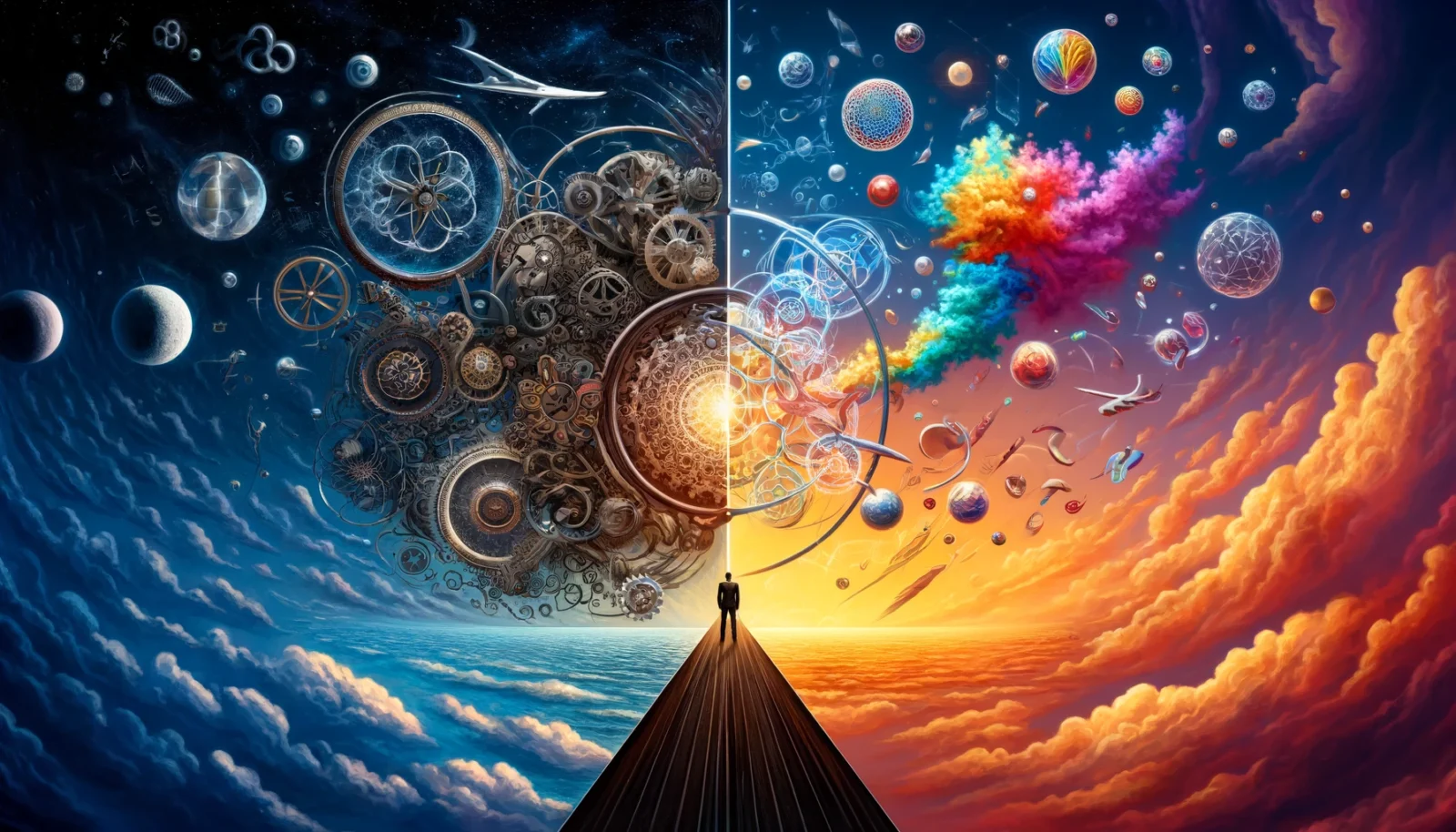
Free Will: two general types. Determinism says everything that happens is set in stone and can't be changed; in contrast, indeterminism says people and animals make choices.
Our true origin story.
Evolution

Darwin identified several key categories, which are often discussed today as natural selection, sexual selection, and artificial selection.
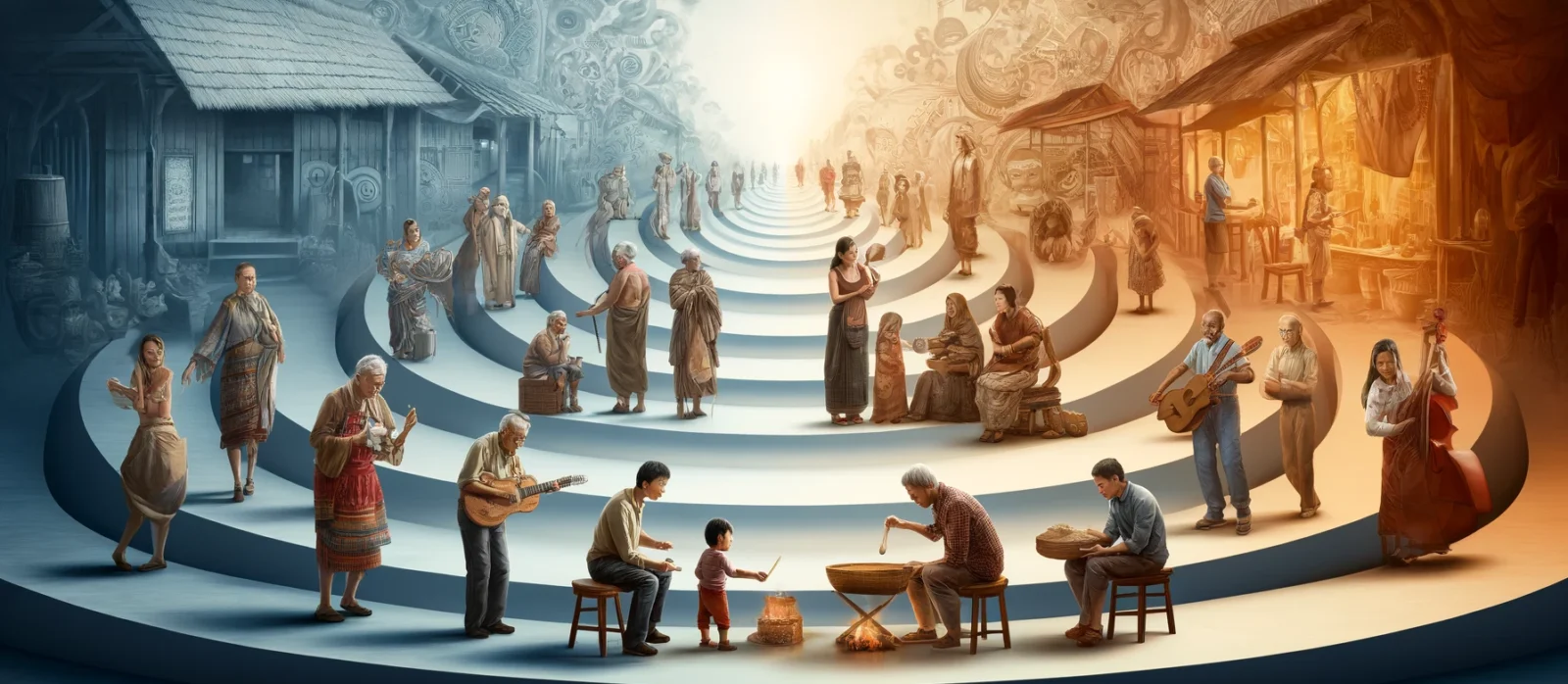
What separates humans from animals.
Cultural Transmission
13.7 Billion Years Ago
Verified. Empirically supported and rationally deduced.
First Atoms

Molecules or atom isolated on blue background
13.6 Billion Years Ago
Verified. Empirically supported and rationally deduced.
Population III Stars: Heavier Elements

NOIRLab/NSF/AURA/J. da Silva/Spaceengine, CC BY 4.0 <https://creativecommons.org/licenses/by/4.0>, via Wikimedia Commons
4.6 Billion Years Ago
Verified. Empirically supported and rationally deduced.
Birth of the Sun

Epic sun surface flare prominence solar system
4.5 Billion Years Ago
Verified. Empirically supported and rationally deduced.
Earth is Born
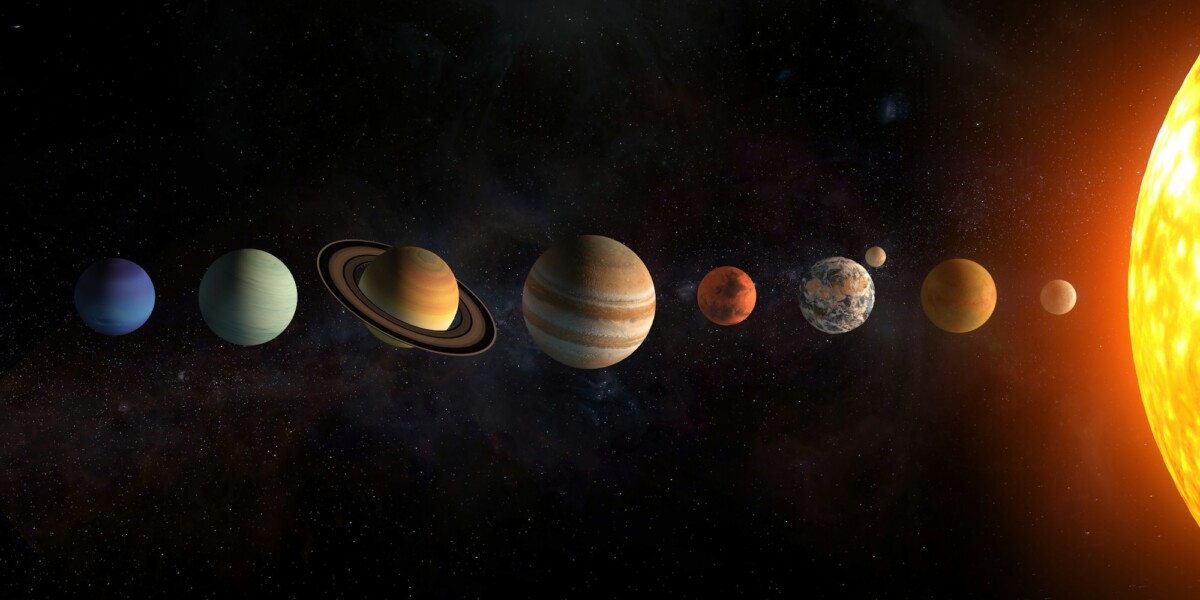
Solar system planets set. The Sun and planets in a row on univer
4.48 Billion Years Ago
4.49 to 4.6 Billion Years Ago
First Atmosphere: Hydrogen & Helium

3.75 Billion years ago (+/- 100 million)
DNA, Ribosomes, and ATP
LUCA: Last Universal Common Ancestor

LUCA's form is unknown. Imagined image of various LUCA shapes.
2.4 Billion Years Ago (+/- 300 million years)
The First True Eukaryotes
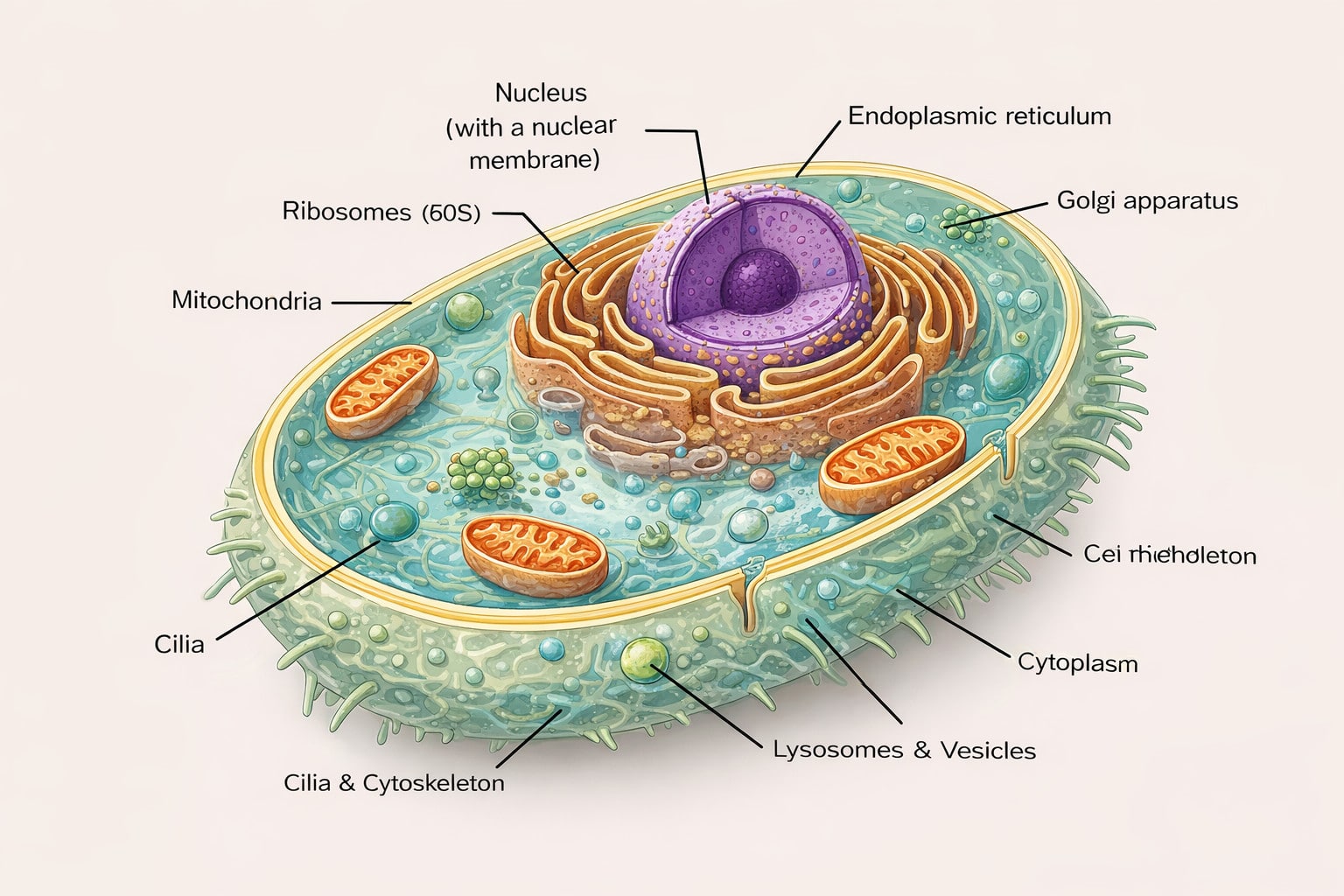
Eukaryotes divided labor within single-celled life, featuring a true nucleus and membrane-bound organelles. From them branched plants, fungi, and animals.
1.65 Billion Yeas Ago (+/- 50 million)
Life that later leads to these kingdoms separates.
Plant Ancestors Split from Animal and Fungi Ancestors
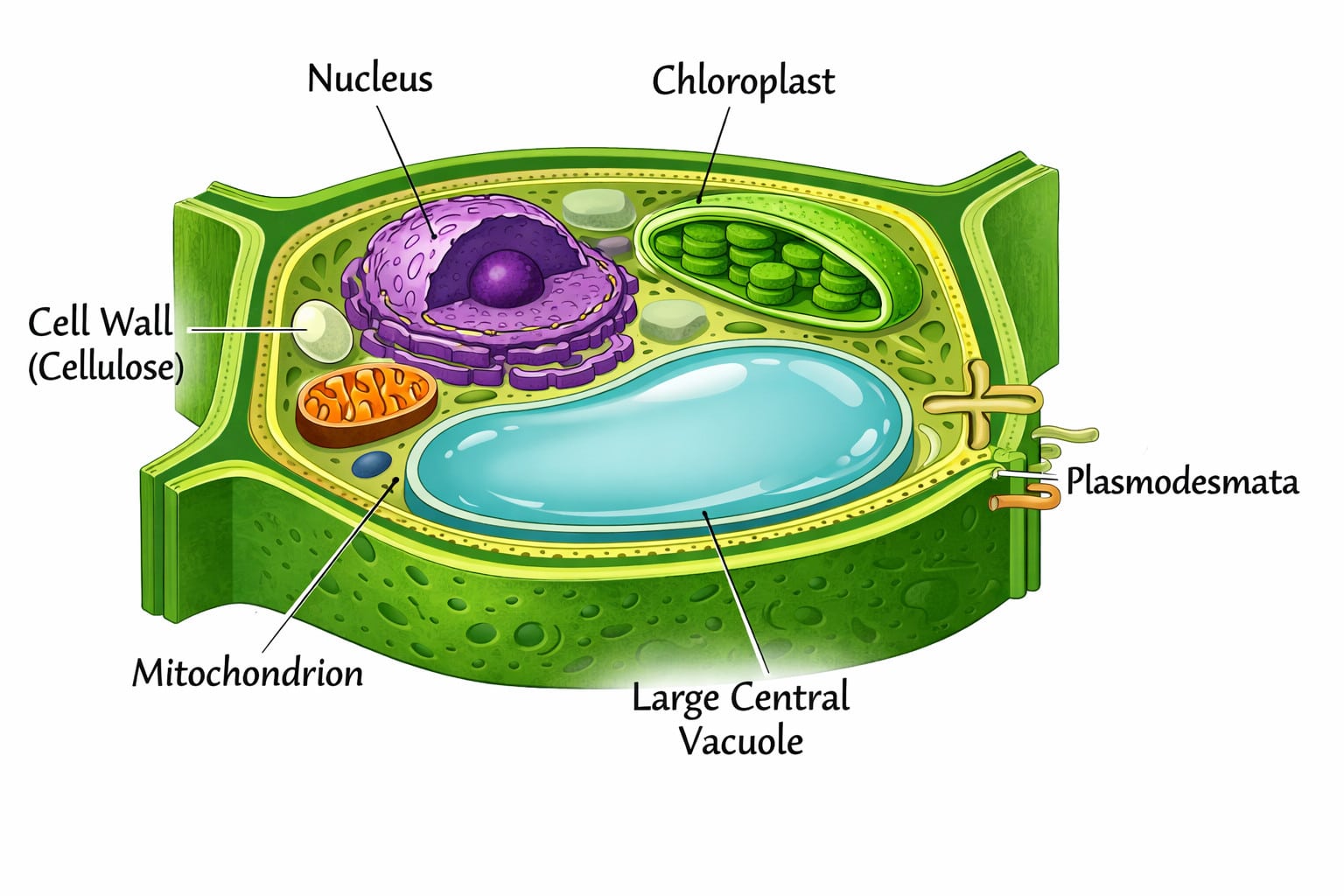
Plant cells feature chloroplasts, a cellulose cell wall, and a large central vacuole for holding water. They also have plasmodesmata, tiny channels between cells. And of course, photosynthetic chlorophyll.
18 Million Years Ago, ± 3 million years
Causal reasoning, Early prefrontal integration
Great Apes: Medicine Emerges
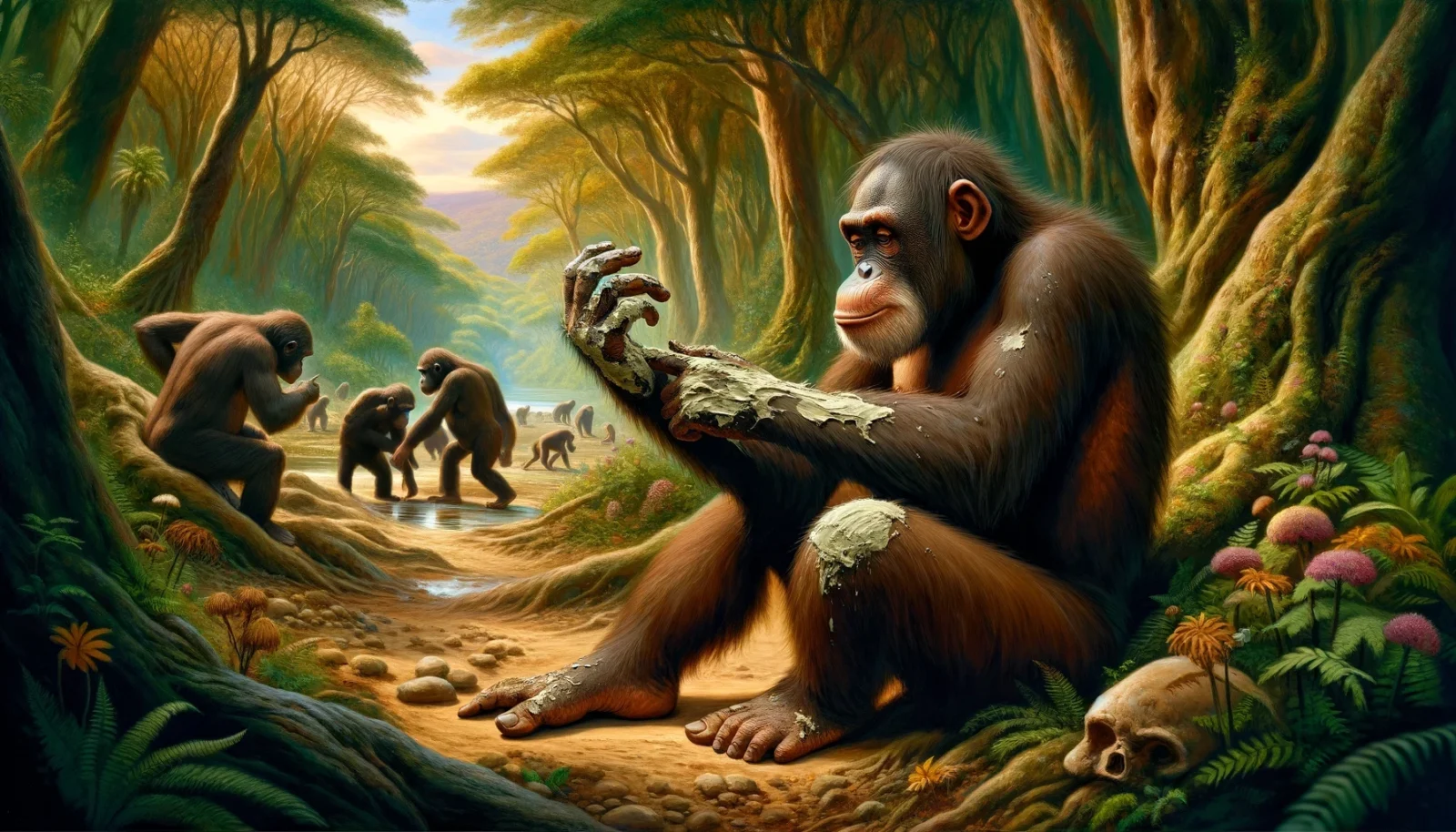
By about 18 million years ago, the great apes could experience time the way we do. They remember the past while living in the present and anticipating the future. In this case, an early great ape is applying mud to a wound he just experienced while anticipating the mud will soothe the pain and help him feel better in the future.
16.5 Million Years Ago (+/- 2 Million Years)
Tool potential begins, Neocortical expansion
Emergence of the Great Apes (Great Apes LCA)

Circa 18 million years ago, the Proconsul, an inhabitant of the Miocene forests, stands as a landmark in the evolutionary journey toward self-awareness. Here a Proconsul ponders his image in a local watering hole.
7.5 Million Years Ago
Advanced coalition politics and tool precursors
Chimpanzees Branch Off (CHLCA)
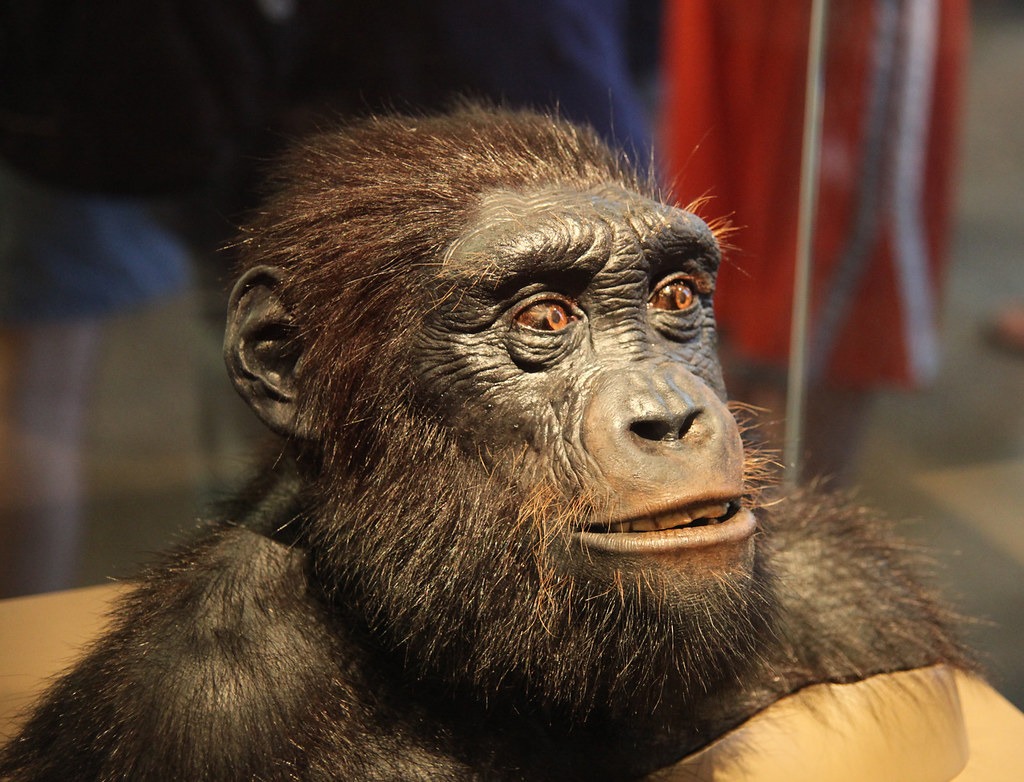
"<a href="https://www.flickr.com/photos/23165290@N00/7283201268" target="_blank" rel="noopener noreferrer">Sahelanthropus tchadensis adult male - head model - Smithsonian Museum of Natural History - 2012-05-17</a>" by <a href="https://www.flickr.com/photos/23165290@N00" target="_blank" rel="noopener noreferrer">Tim Evanson</a> is licensed under <a href="https://creativecommons.org/licenses/by-sa/2.0/" target="_blank" rel="noopener noreferrer">CC BY-SA 2.0</a>
3.3 Million BCE (Hominins)
Prefrontal Cortex Expansion, Internal 3D modeling
Early Stone Tools
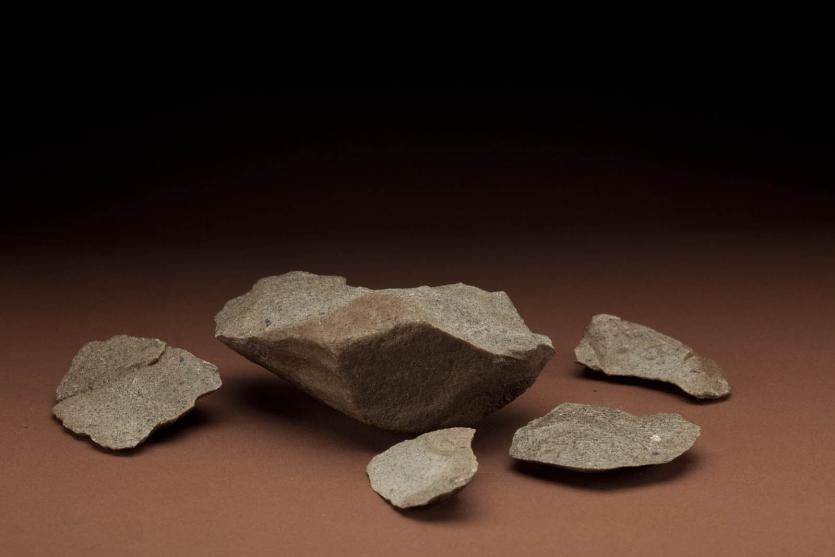
3.3 Million Years Ago
Collective Learning Emerges
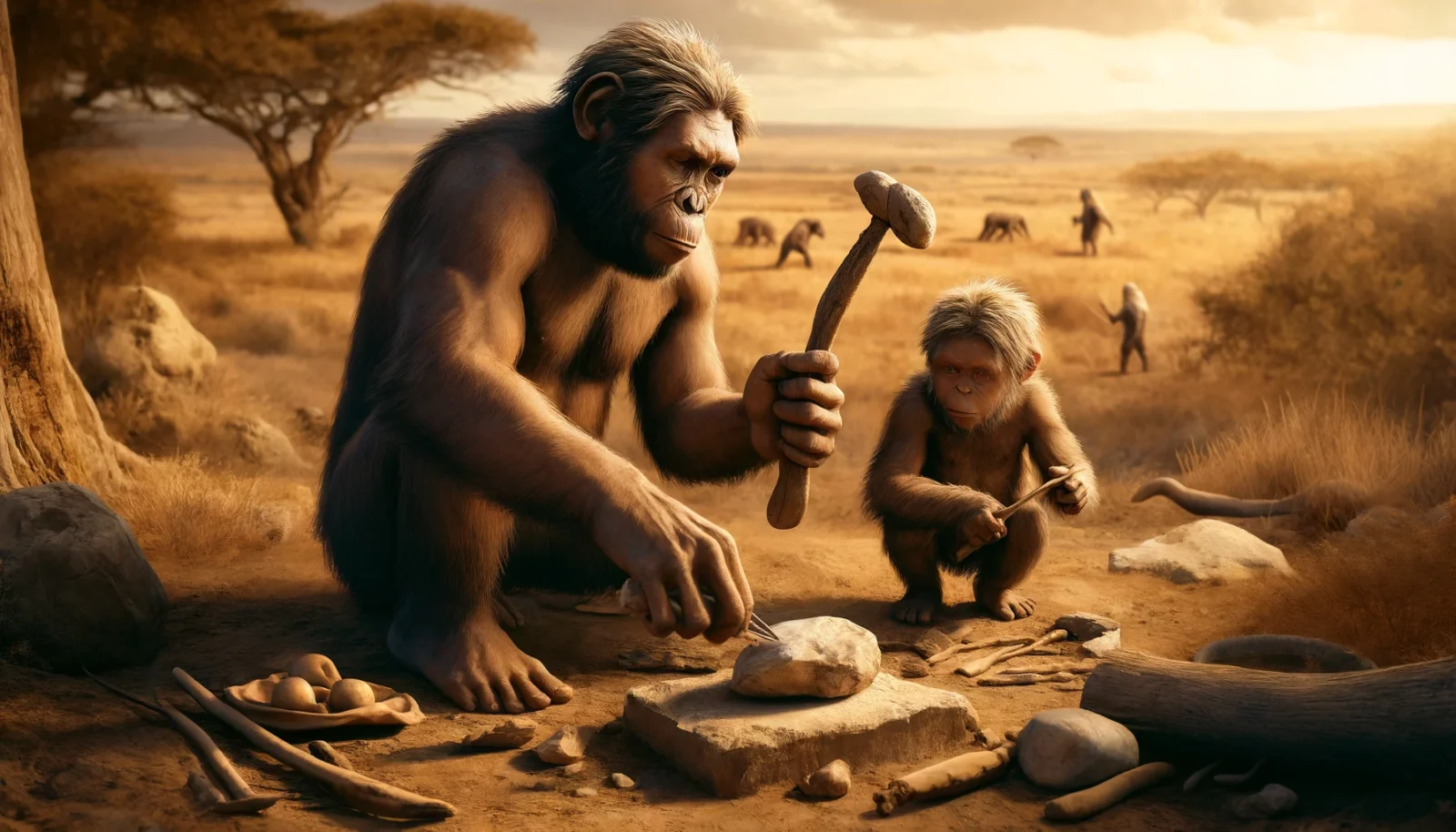
Collective learning, where a parent teaches a child, started long before primates, but something like our modern approach to showing our young how to live likely started about 3 million years ago, perhaps wit a species like australopithecus in a place like Kenya, Africa.
2 Million Years Ago (Up to about 15,000 years ago)
Olduvai Gorge Site: A Glimpse into Early Organizational Behavior
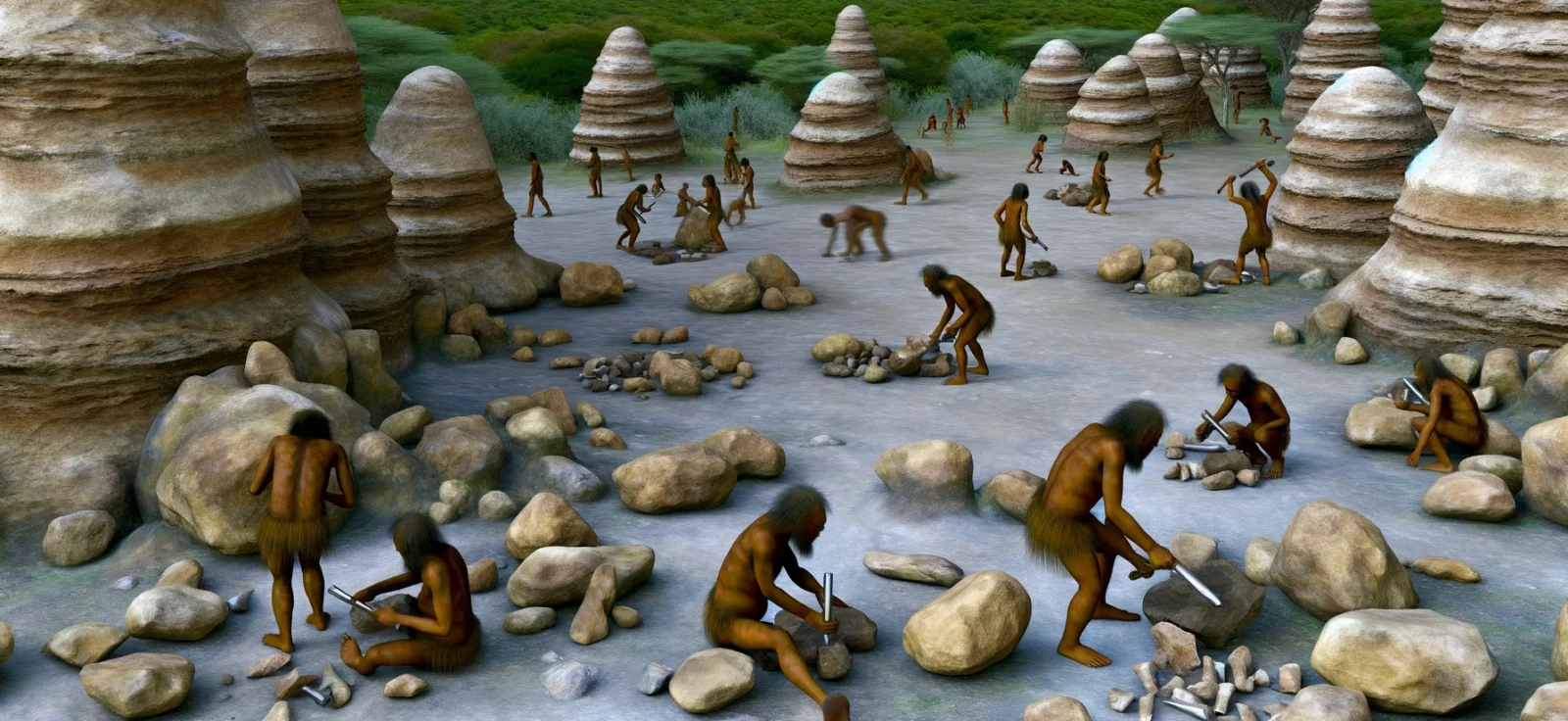
Step back 800,000 years to the lush landscapes of Olduvai Gorge, Tanzania, where early humans pioneered the art of tool-making. This vivid scene captures a bustling workshop set among distinctive tuff cones and sedimentary pillars. Observe groups of early Homo species as they skillfully craft stone tools.
1.76 Million BCE
Hand Axe
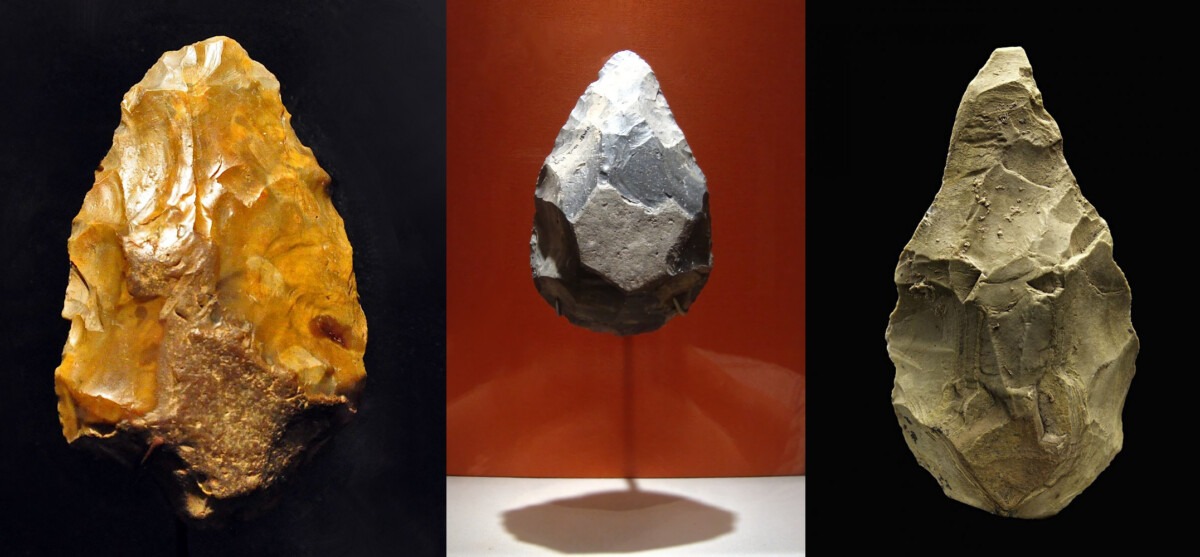
Hand axes: Humans started using them nearly 2 million years ago. These meticulously crafted tools exemplify the advanced technological skills and cognitive capabilities of early humans. Its sophisticated design and precise craftsmanship underscore a deep understanding of material properties and tool use.
790,000 BCE
Genus Homo
Fire-Altered Stone Tools

"<a href="https://commons.wikimedia.org/w/index.php?curid=55942692" target="_blank" rel="noopener noreferrer">File:Flint tools, Numbers 41-64 (Top left to bottom right) (FindID 132815).jpg</a>" by The Portable Antiquities Scheme, Adam Daubney, 2006-05-17 10:54:28 is licensed under <a href="https://creativecommons.org/licenses/by-sa/2.0/" target="_blank" rel="noopener noreferrer">CC BY-SA 2.0</a>
Circa 640,000 Years Ago
Homo heidelbergensis on Earth from about 640,000 to 200,000 BCE.
Homo heidelbergensis
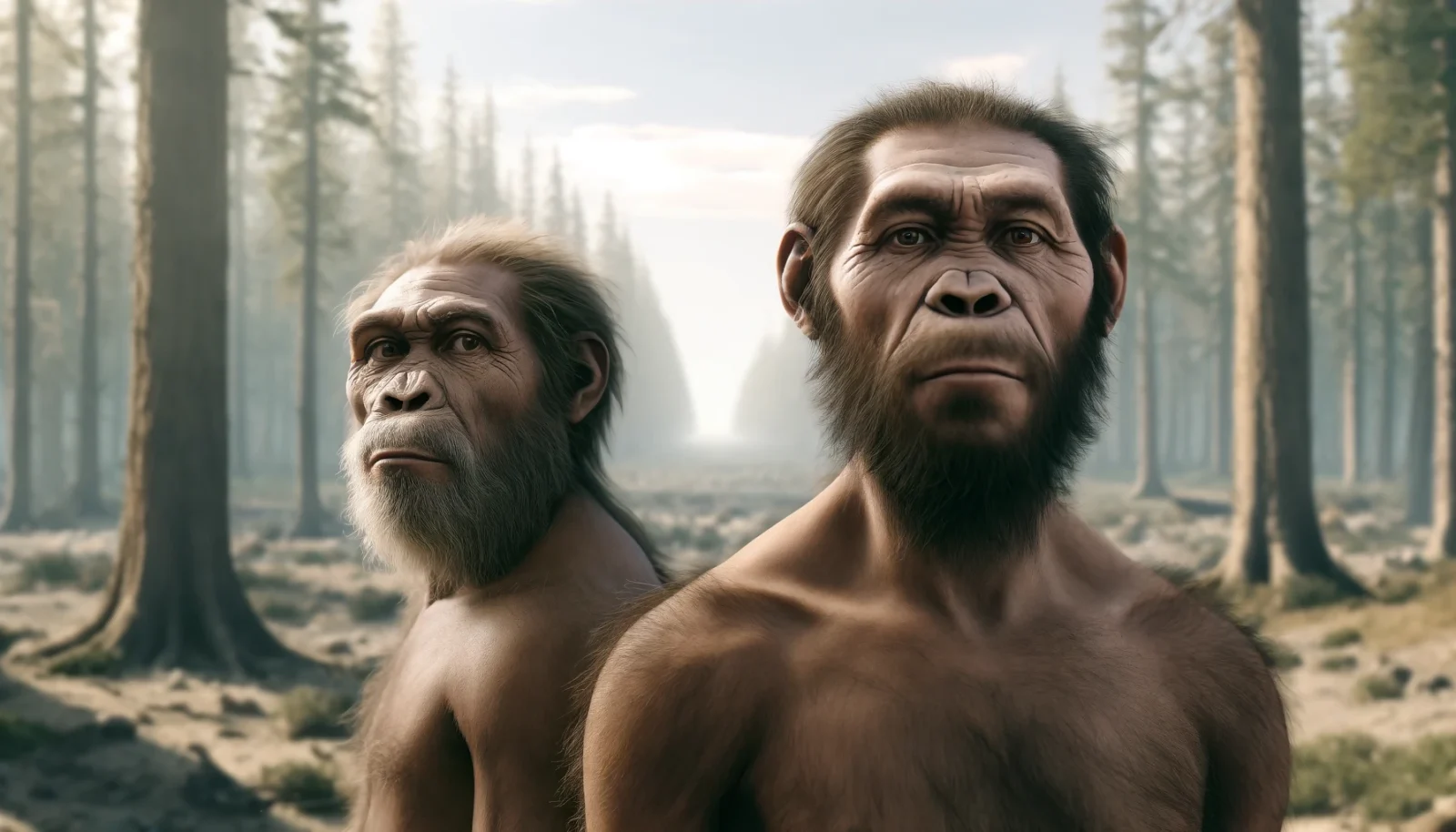
Imagined image depicting two Homo heidelbergensis individuals at different stages of their evolutionary timeline. The first individual represents what they might have looked like around 650,000 years ago, and the second shows them around 440,000 years ago, just before the transition towards Homo sapiens and Neanderthals.
440,000 Years Ago (+/- 40,000 years)
Neanderthal-Sapien LCA
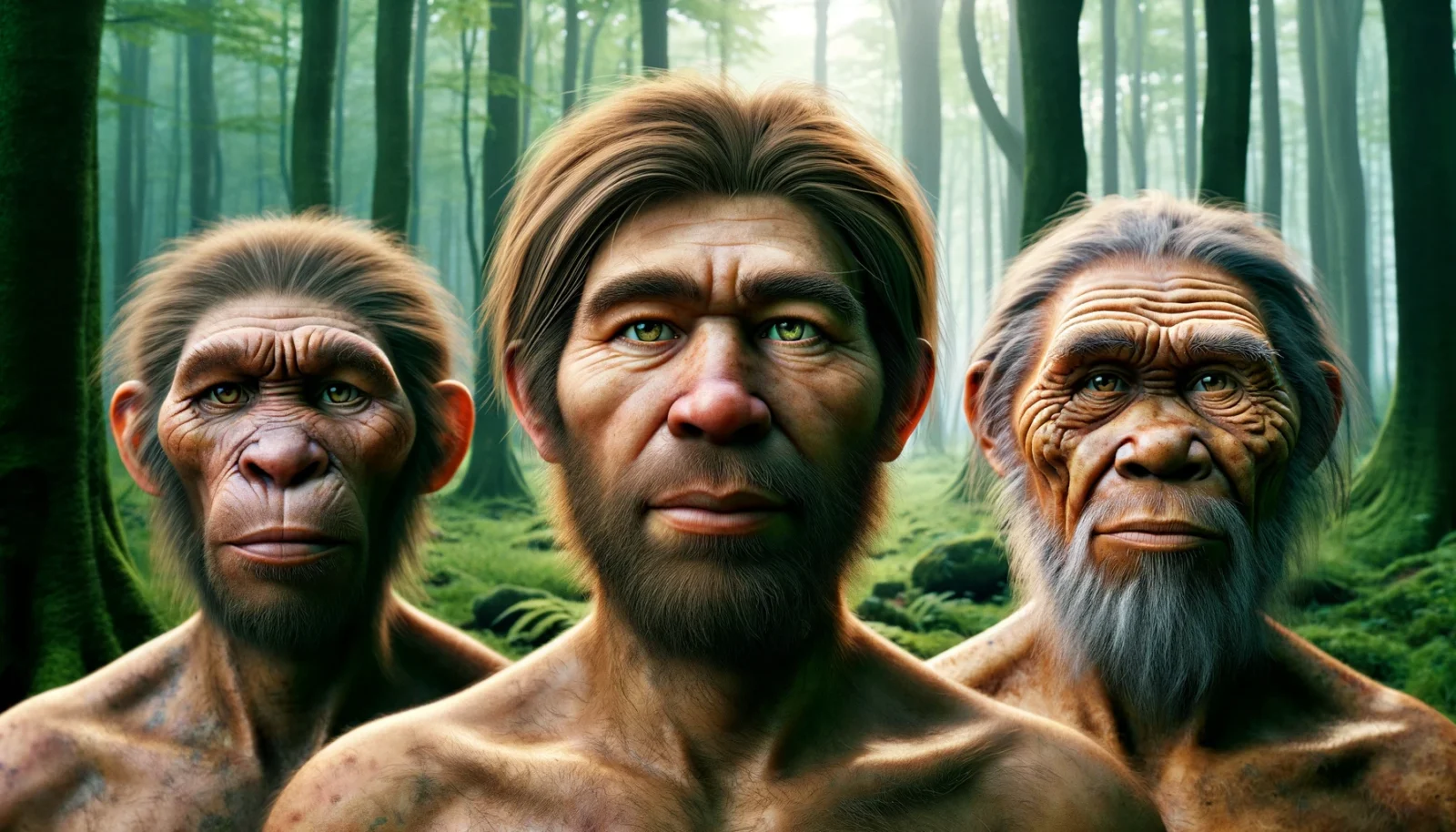
Imagined image: Homo sapiens (center) might be a hybrid of two extict human species: Homo heidelbergensis and Homo antecessor. Left is heidelbergensis with its protruding jaw. Right is antessor with his small brain and flatter face.
350,000 BCE
400,000 to 300,000 BCE
Oldest Surviving Spear
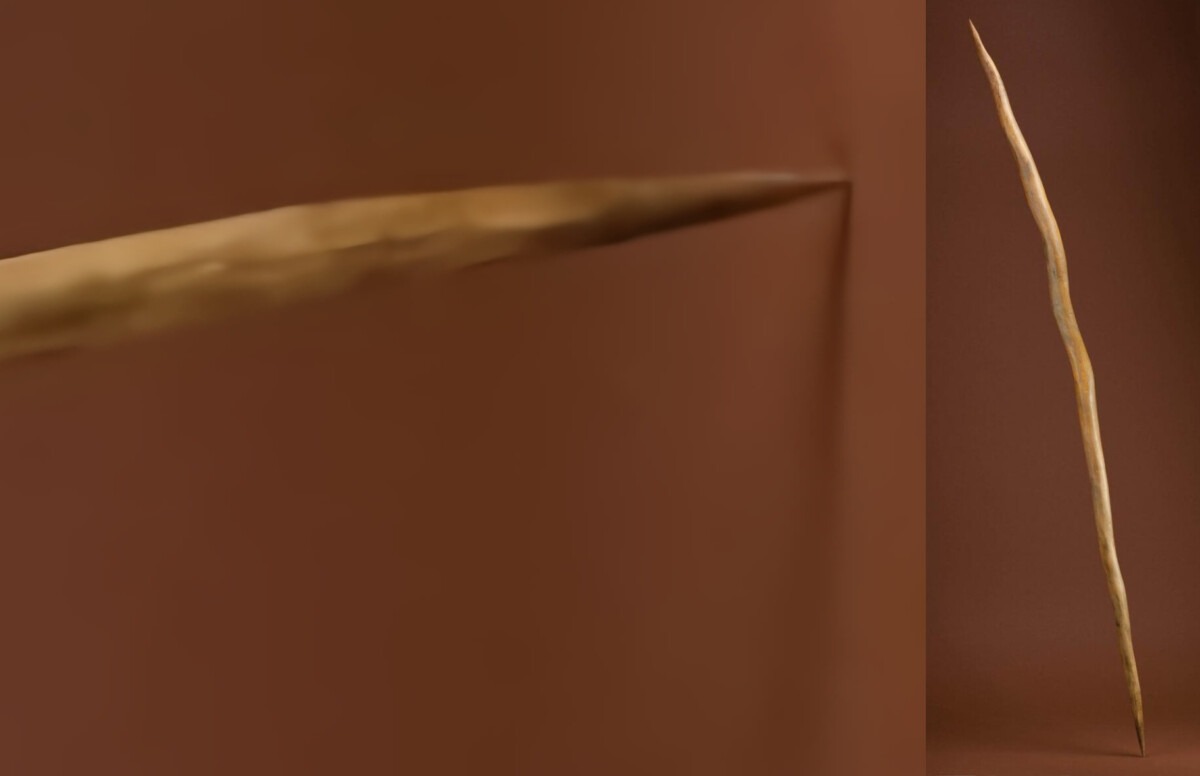
300,000 BCE
Africa; 300,000 to 500,000 years ago
Venus of Tan-Tan
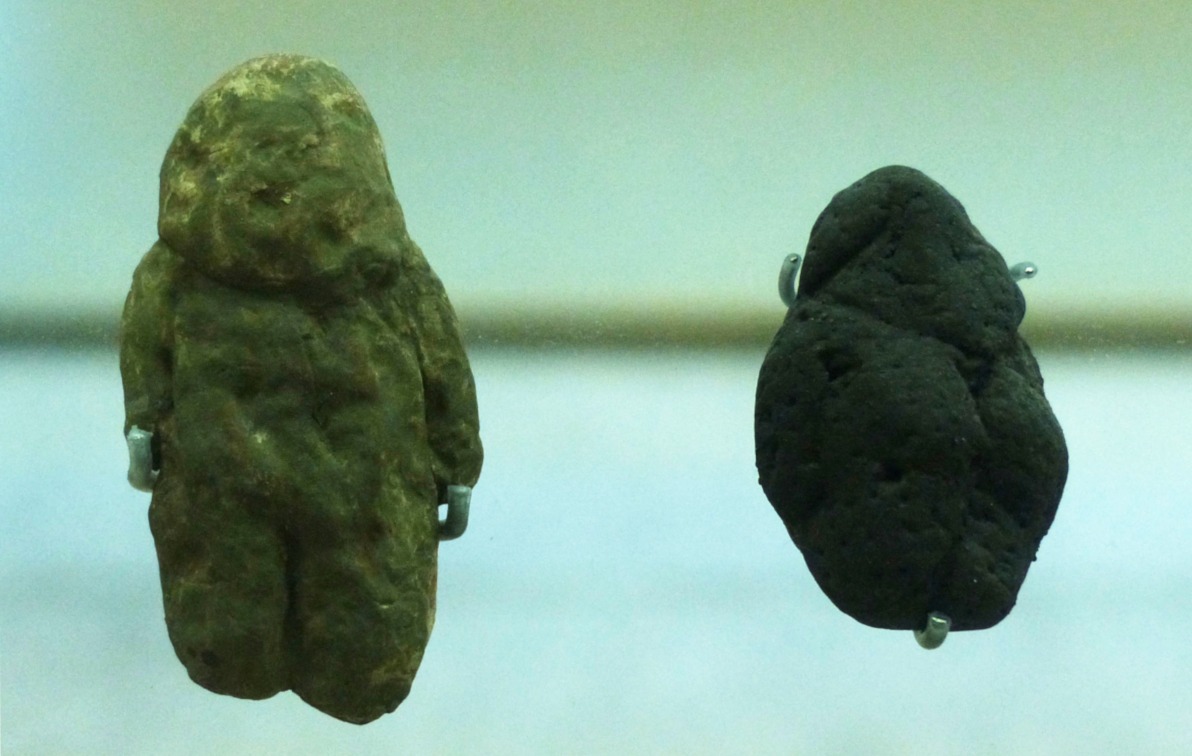
"<a href="https://commons.wikimedia.org/w/index.php?curid=72180942" target="_blank" rel="noopener noreferrer">Museo de la Evolucion Humana Burgos - Tan Tan and Berekhat Ram Pebbles</a>" by Own work is licensed under <a href="https://creativecommons.org/licenses/by-sa/4.0/" target="_blank" rel="noopener noreferrer">CC BY-SA 4.0</a>
Before 290,000 BCE
Hominins; 290,000 to 700,000 years ago
Bhimbetka Petroglyphs, Cupules
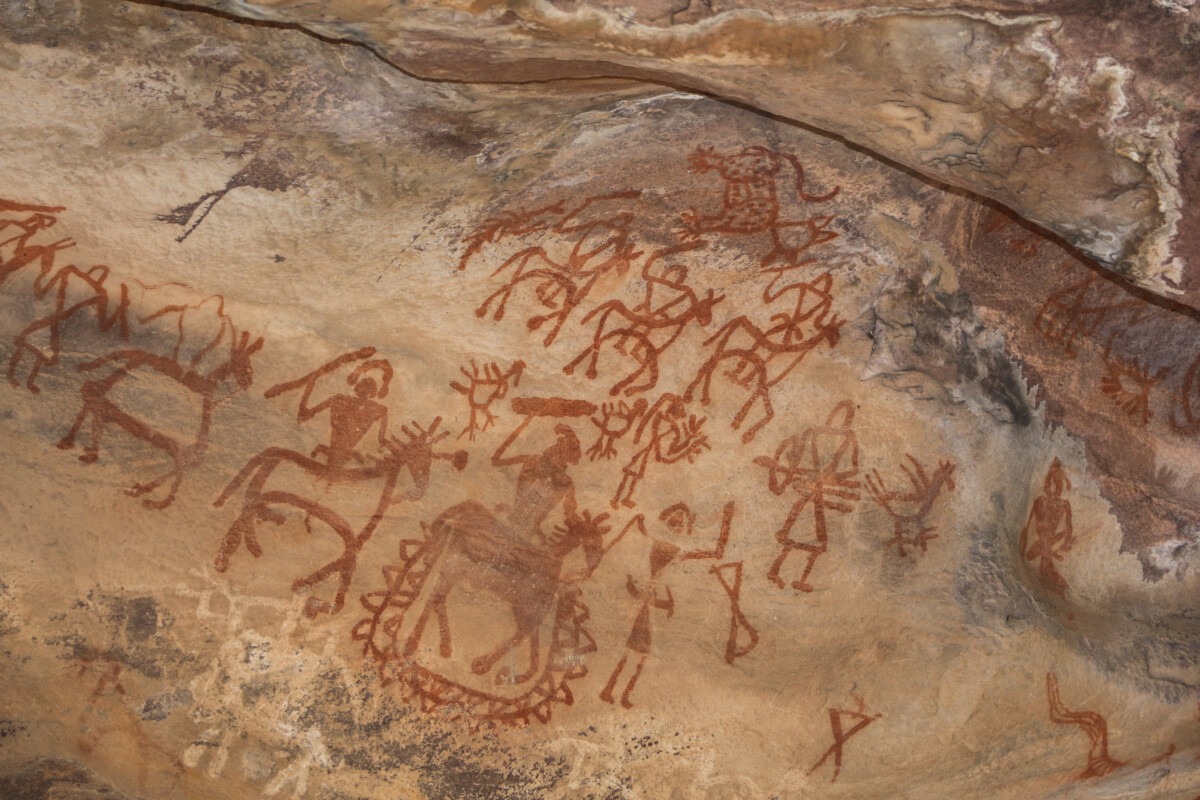
Cave are found in central India dated back to 290 thousand years ago has significant implications for the evolution of the human brain.
275,000 BCE
Adam: Haplogroup A
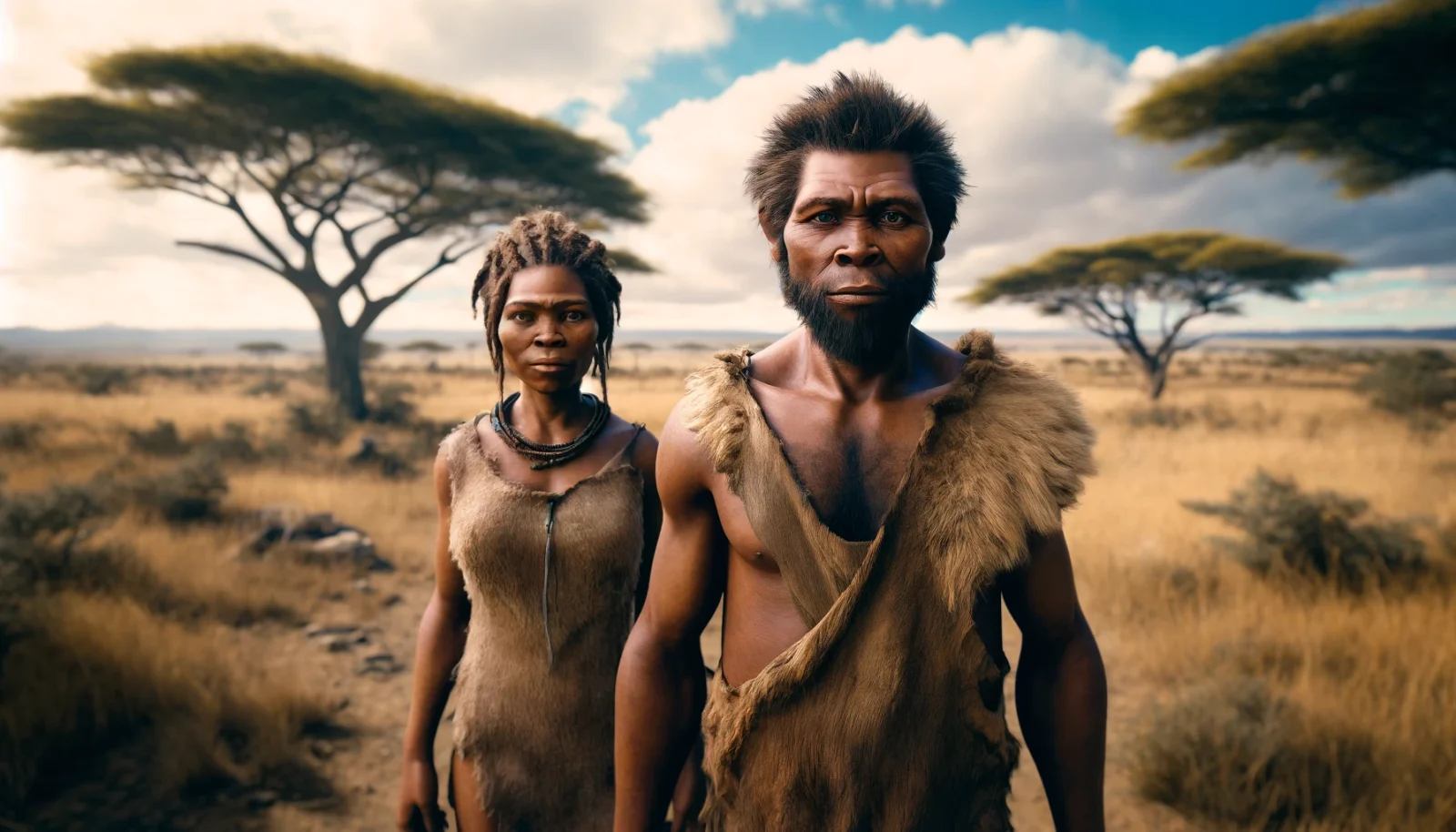
Imagined image: Homo sapien couple, circa 275,000 years ago. Even as early as this, humans all over Africa, the Middle East, Europe, and Asia essentially looked like we look now.
175,000 BCE
200,000 to 150,000 BCE
Eve: Haplogroup L
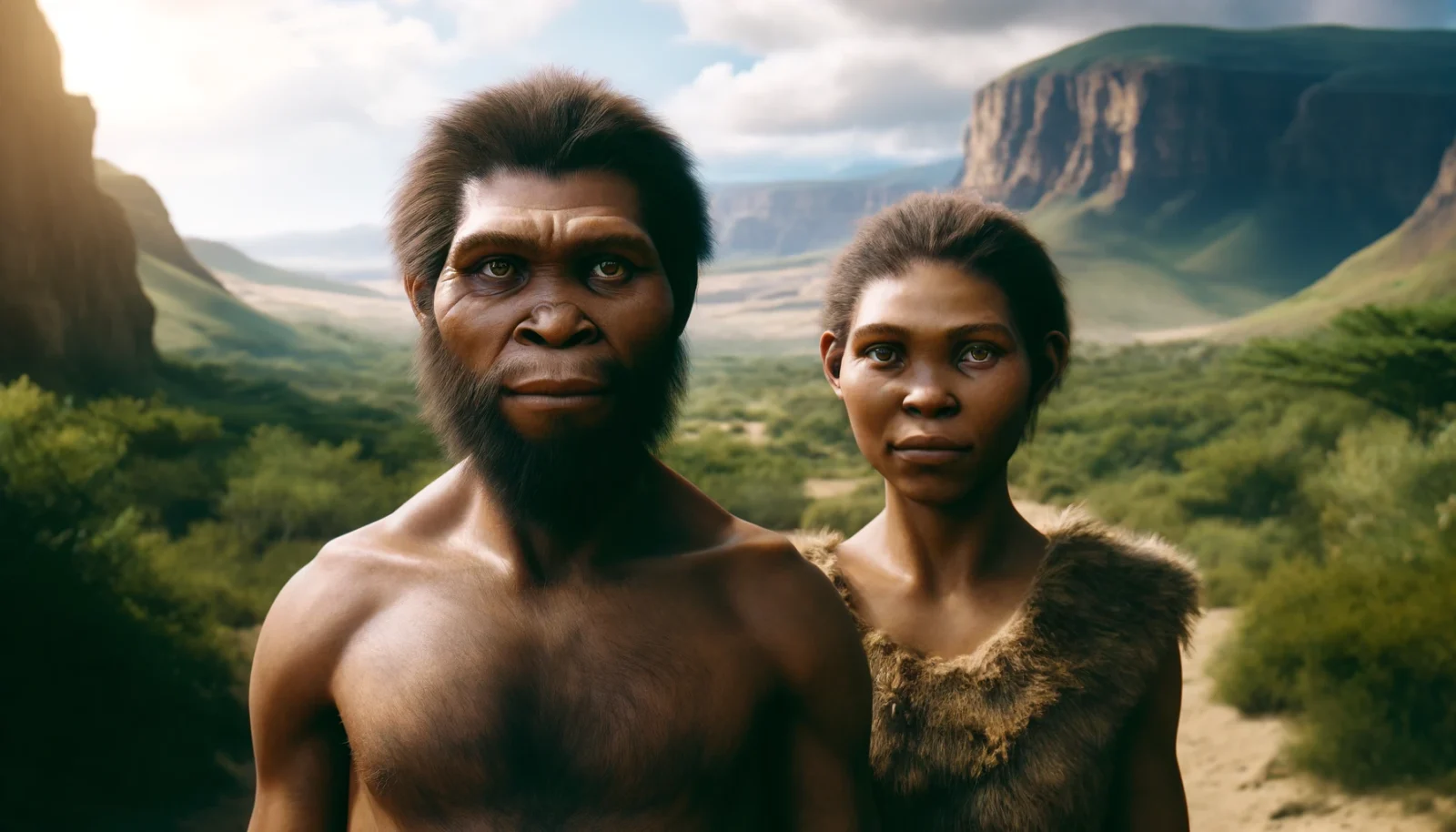
Imagined image: Homo sapien couple, circa 175,000 years ago. By this time, humans all over Africa, the Middle East, Europe, and Asia essentially looked like we look now.
125,000 BCE
125,000 to 60,000 BCE
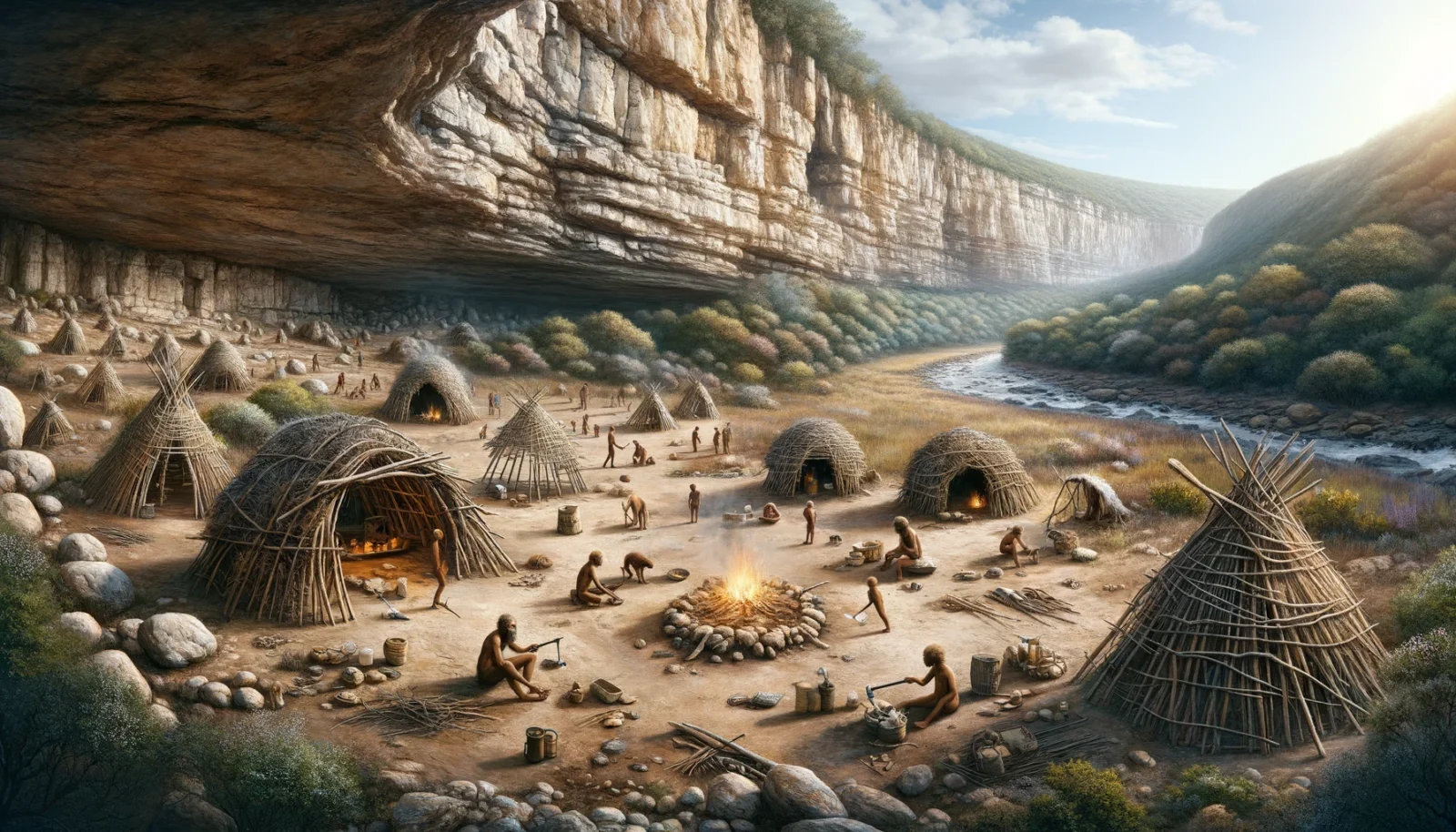
Seasonal Settlements at Klasies River Caves
76,000 BCE
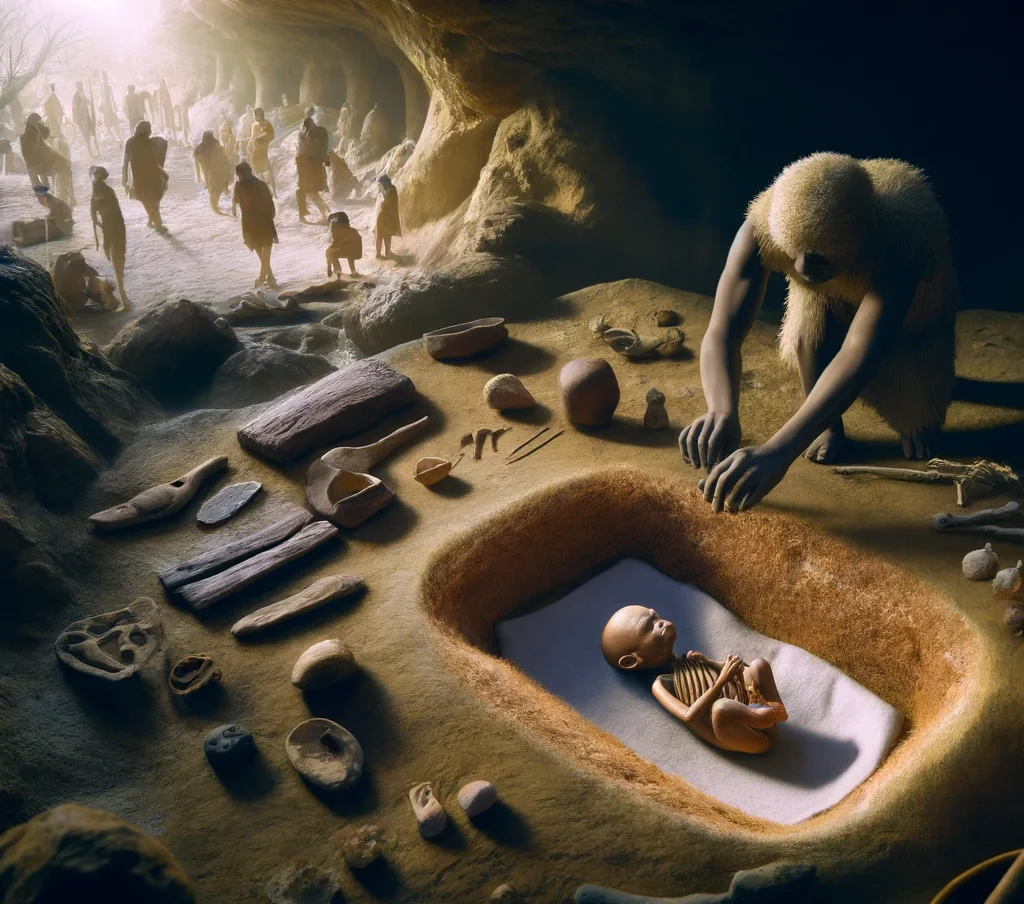
Earliest Known Prepared Burial, “Mtoto”
75,000 BCE
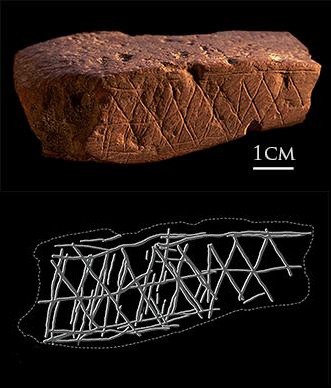
Blombos Cave Engravings
"<a href="https://commons.wikimedia.org/w/index.php?curid=110908714" target="_blank" rel="noopener noreferrer">Blombo</a>" by Chris S. Henshilwood is licensed under <a href="https://creativecommons.org/licenses/by-sa/4.0/" target="_blank" rel="noopener noreferrer">CC BY-SA 4.0</a>
By 70,000 BCE
World Population: 1.5 Million
70,000 BCE
2,800 Generations Ago
“The” Human DNA

Spiral strands of DNA on the dark background
70,000 BCE
2,880 Generations Ago
Oldest Known Bracelet
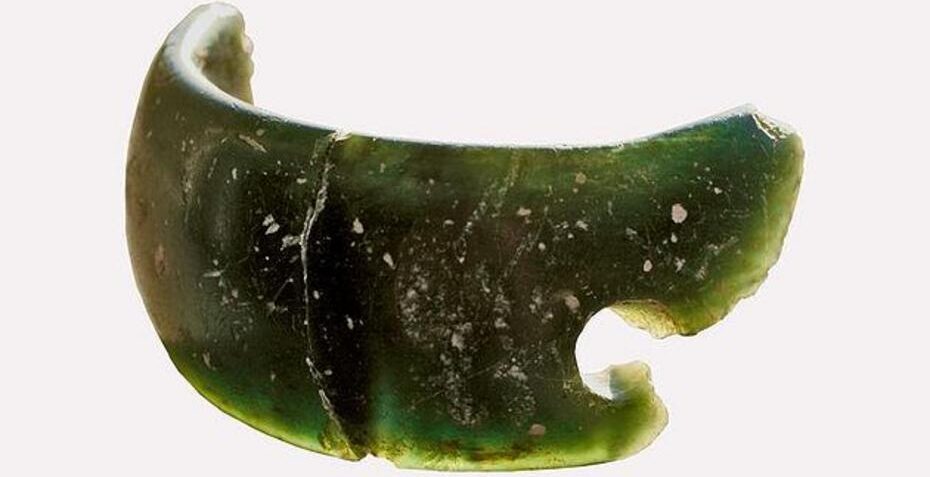
Before 64000 BCE
Upper Paleolithic
Neanderthal Art: Symbolic Thought
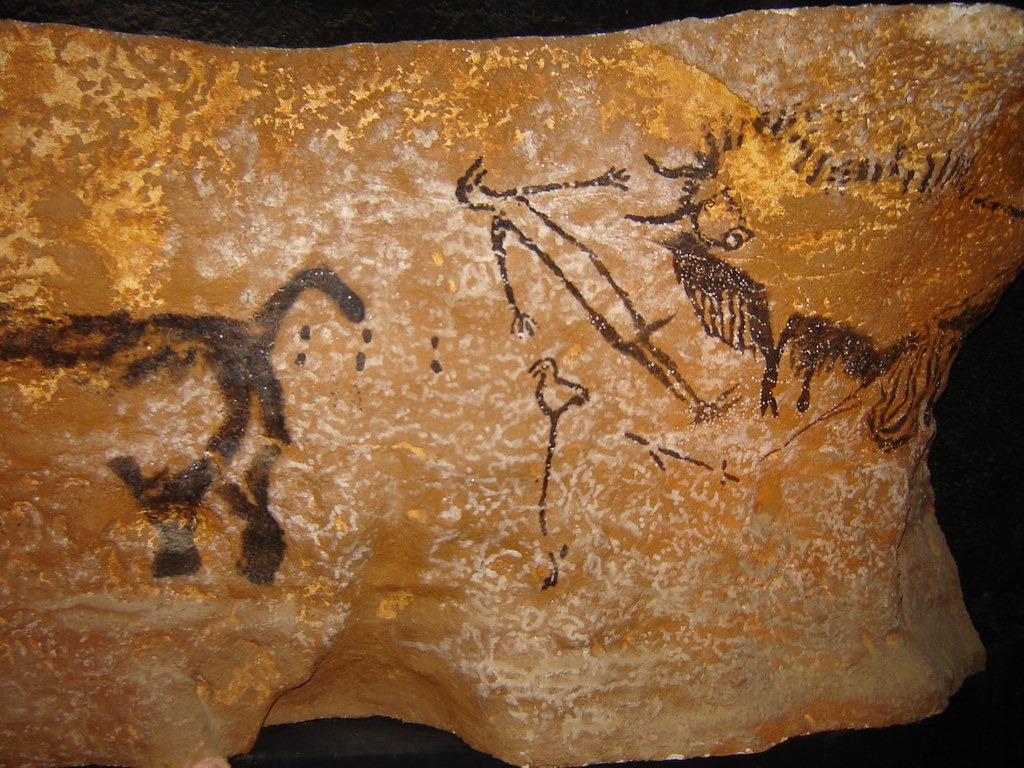
Neanderthal art in Spain 64k BCE, before Homo sapien arrived.
50,000 BCE
Speculative: 20 to more than 50 thousand years ago.
Cuban Underwater City: More Research Needed

48,000 BCE (+/- 2,000 years)
Neanderthal Rope!

Neanderthals made rope by 48,000 BCE indicating the raw cognitive abilities likely evolved on our common ancestor 440,000 years ago.
42,200 BCE
44,200 to 43,000 years old according to 24 radiocarbon tests
Lebombo bone: First Lunar Phase Counter
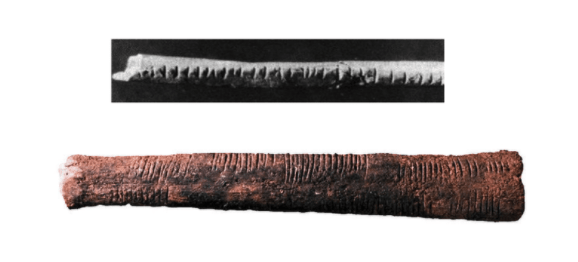
The Lebombo Bone was potentially used as a lunar phase counter or a simple tally stick. The series of notches may represent a lunar calendar, which would imply that early humans were tracking lunar phases for either ritualistic purposes or as a practical method for keeping time, possibly related to menstrual cycles or seasonal changes.
circa 41,900 BCE
Sulawesi Cave Art
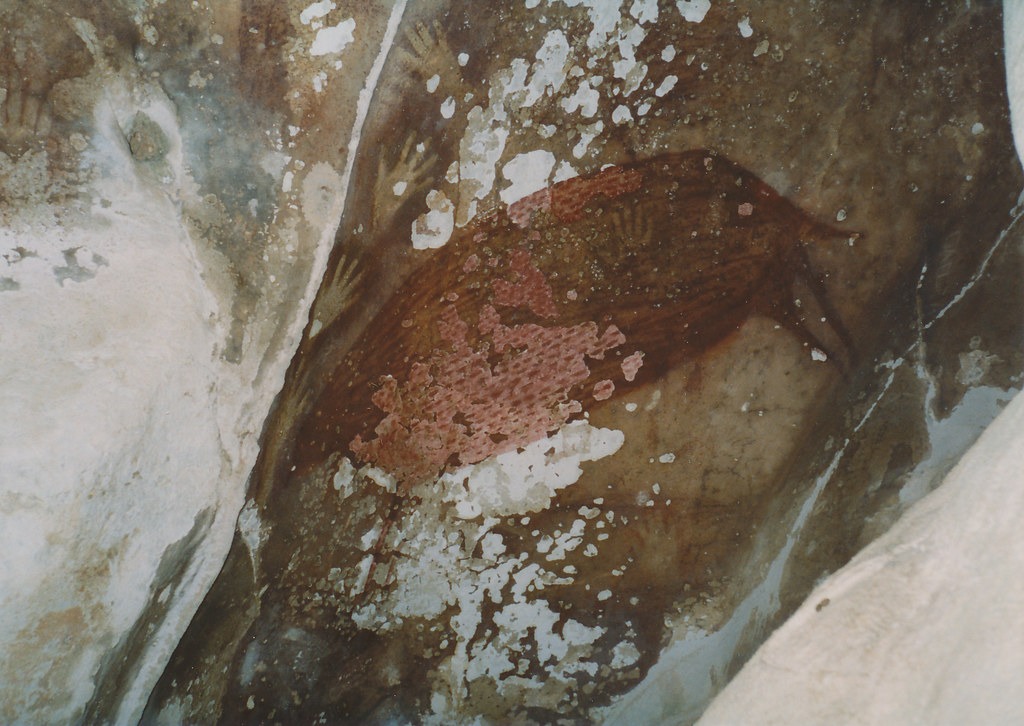
"<a href="https://www.flickr.com/photos/40295335@N00/4409150010" target="_blank" rel="noopener noreferrer">Cave painting of wild pig, Leang-Leang, South Sulawesi</a>" by <a href="https://www.flickr.com/photos/40295335@N00" target="_blank" rel="noopener noreferrer">Joel Abroad</a> is licensed under <a href="https://creativecommons.org/licenses/by-nc-sa/2.0/" target="_blank" rel="noopener noreferrer">CC BY-NC-SA 2.0</a>
circa 40,000 BCE
Spain & France
Upper Paleolithic Cave Art with Symbols
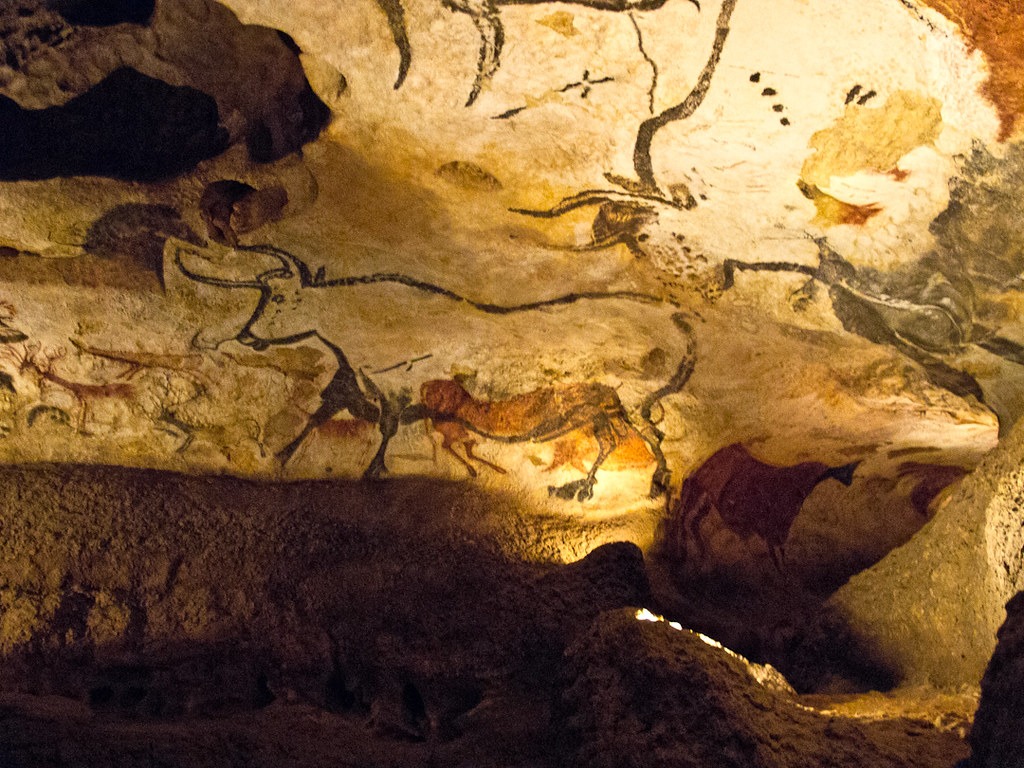
"<a href="https://www.flickr.com/photos/50193753@N02/5961953059" target="_blank" rel="noopener noreferrer">Lascaux II - Hall of The Bulls</a>" by <a href="https://www.flickr.com/photos/50193753@N02" target="_blank" rel="noopener noreferrer">Adibu456</a> is licensed under <a href="https://creativecommons.org/licenses/by-nc/2.0/" target="_blank" rel="noopener noreferrer">CC BY-NC 2.0</a>
38,000 BCE
38,000 to 33,000 BCE
Venus of Hohle Fels
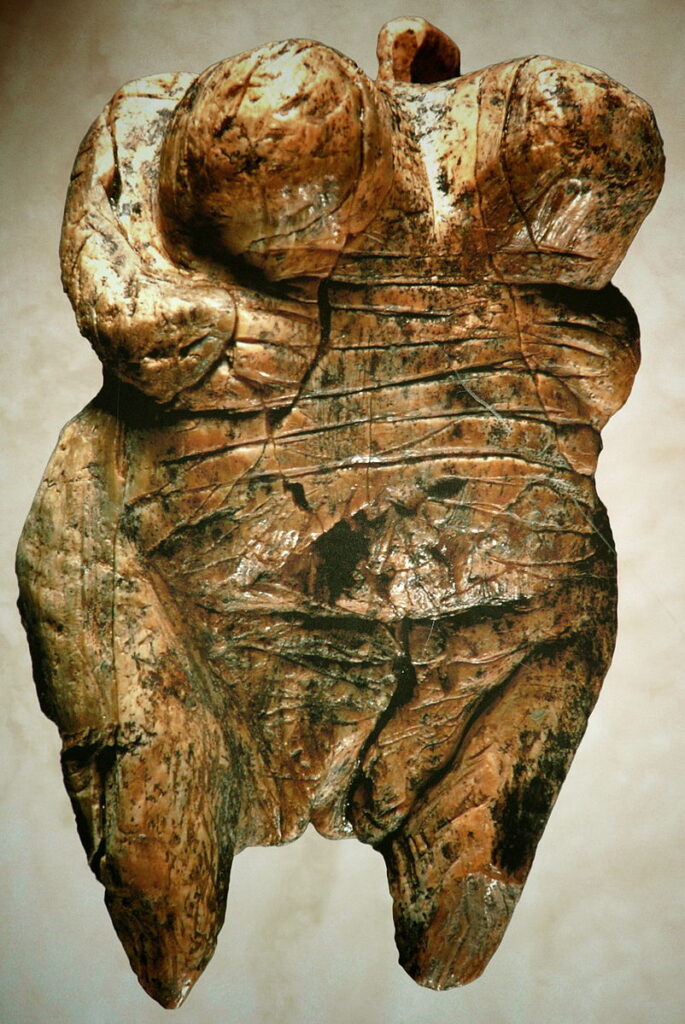
Venus of Hohle Fels figurine (height 6 cm (2.4 in)), which may have been worn as an amulet and is the earliest known, undisputed example of a depiction of a human being in prehistoric art.
38,000 BCE
38,000 to 33,000 BCE
Bone Flute
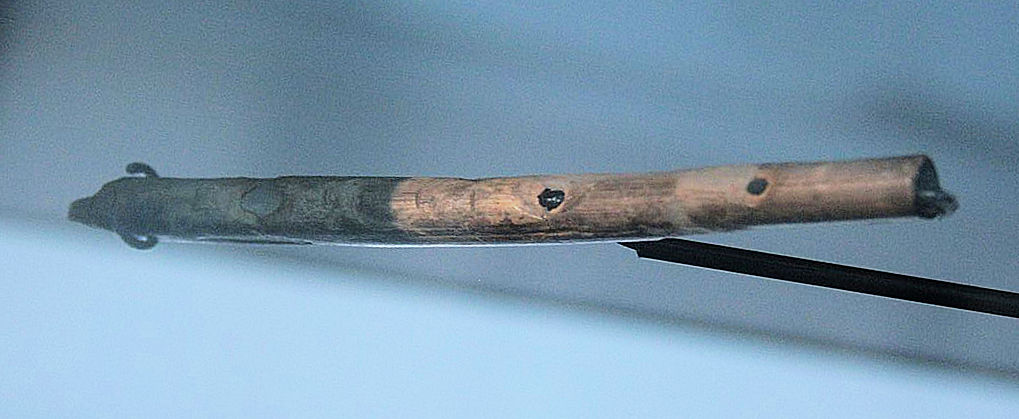
30,000 BCE
29 to 32 thousand years ago.
Czeck: Dolní Věstonice Community

Around 30,000 years ago, the Dolní Věstonice community in the Czech Republic thrived. They built huts from mammoth bones and animal hides, crafted ceramic figurines, and engaged in hunting and daily activities.
30,000 BCE
Chauvet Cave Paintings
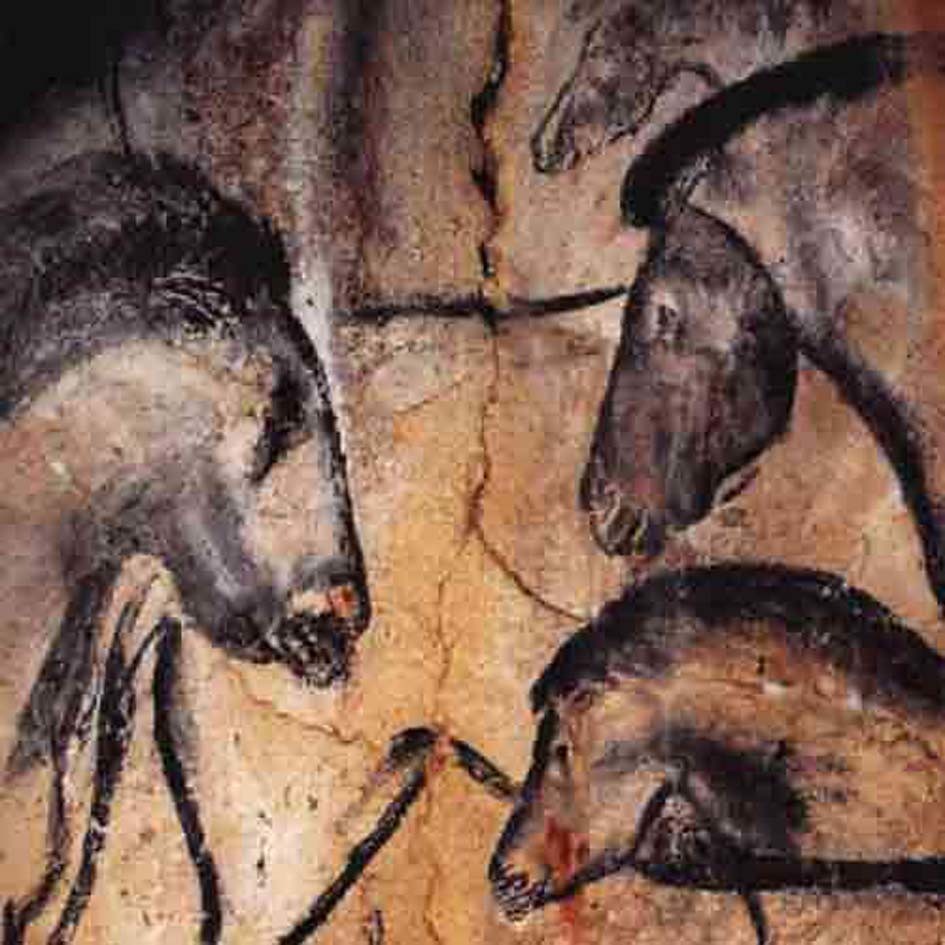
"<a href="https://www.flickr.com/photos/78953420@N00/988861704" target="_blank" rel="noopener noreferrer">Chavet cave horses</a>" by <a href="https://www.flickr.com/photos/78953420@N00" target="_blank" rel="noopener noreferrer">jimforest</a> is licensed under <a href="https://creativecommons.org/licenses/by-nc-nd/2.0/" target="_blank" rel="noopener noreferrer">CC BY-NC-ND 2.0</a>
30,000 BCE
32,000 Years Ago
Sunghir Burial Site

28,000 BCE
28,000 to 21,000 BCE
Advanced Sewing Needles
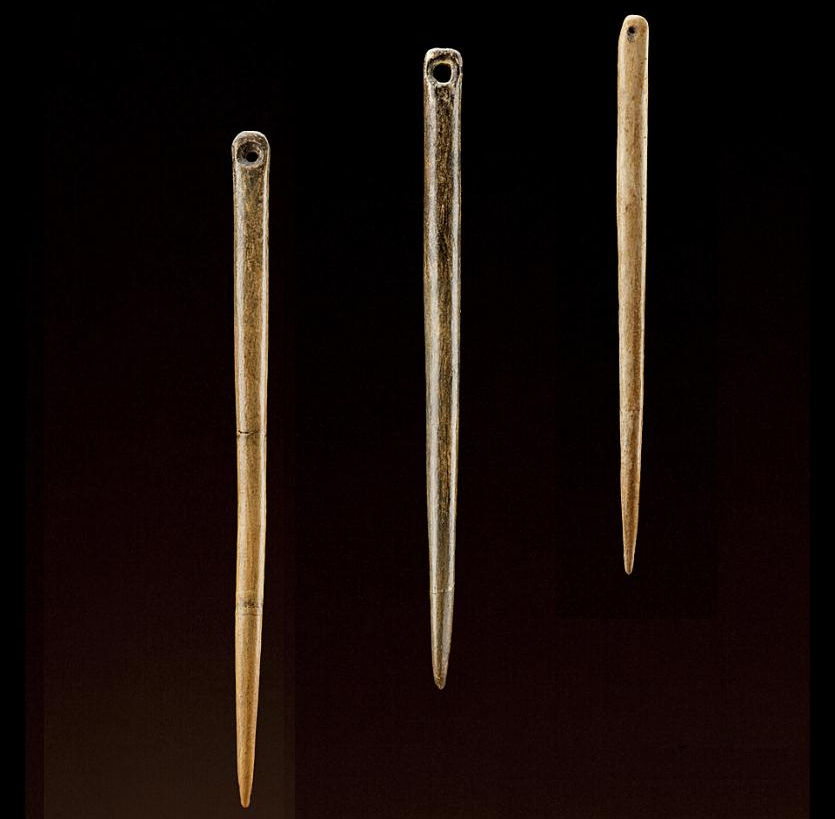
20,000 BCE
From circa 20,000 to 3,000 BCE
Seasonal Settlements at Franchthi Cave

18,000 BCE
15 to 20 Thousand Years Agao
Ukraine: Mezhyrich Community

Mezhyrich archaeological site, 15 to 20 thousand years ago.
circa 14,800 BCE
Seasonal Settlements at Monte Verde
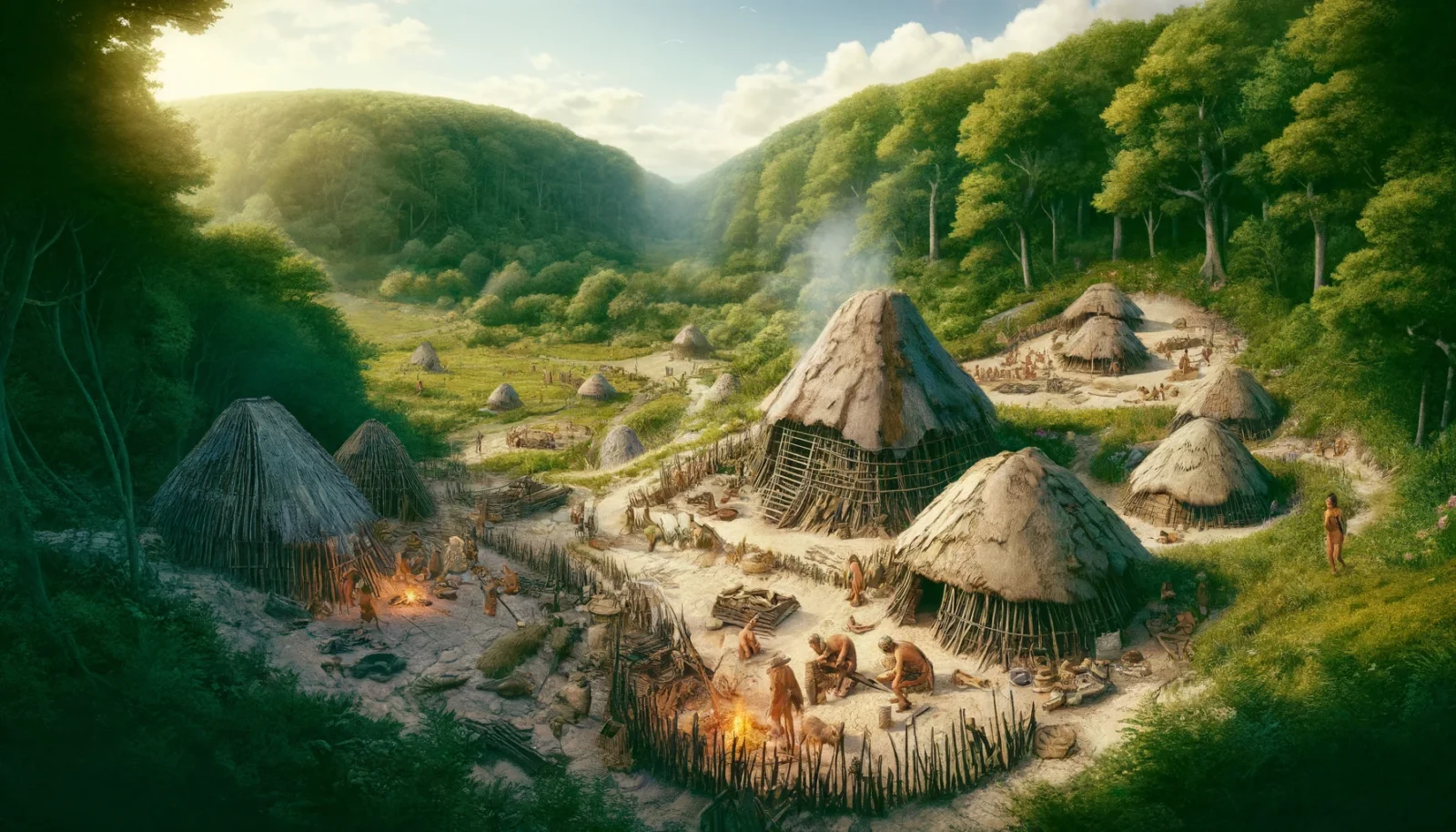
circa 13000 BCE
The Clovis Culture
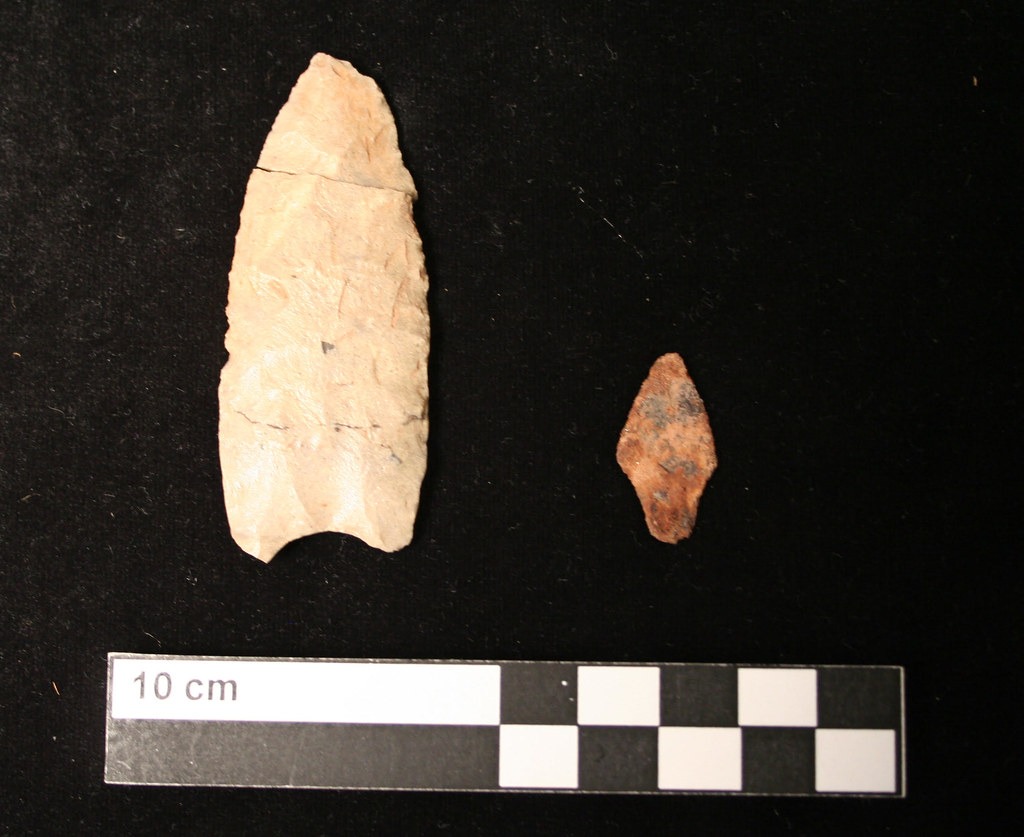
"<a href="https://www.flickr.com/photos/76340031@N02/26453695844" target="_blank" rel="noopener noreferrer">Edge of the Cedars State Park Museum</a>" by <a href="https://www.flickr.com/photos/76340031@N02" target="_blank" rel="noopener noreferrer">BLMUtah</a> is licensed under <a href="https://creativecommons.org/publicdomain/mark/1.0/" target="_blank" rel="noopener noreferrer">CC PDM 1.0</a>
Before 14,400 BCE
Middle East
The Invention of Bread

Assortment of baked bread
circa 11,500 BCE
Evidence of farming: rye seeds
Tell Abu Hureyra

9,700 BCE
Start of "our" Holocene geological epoch
Neolithic Revolution
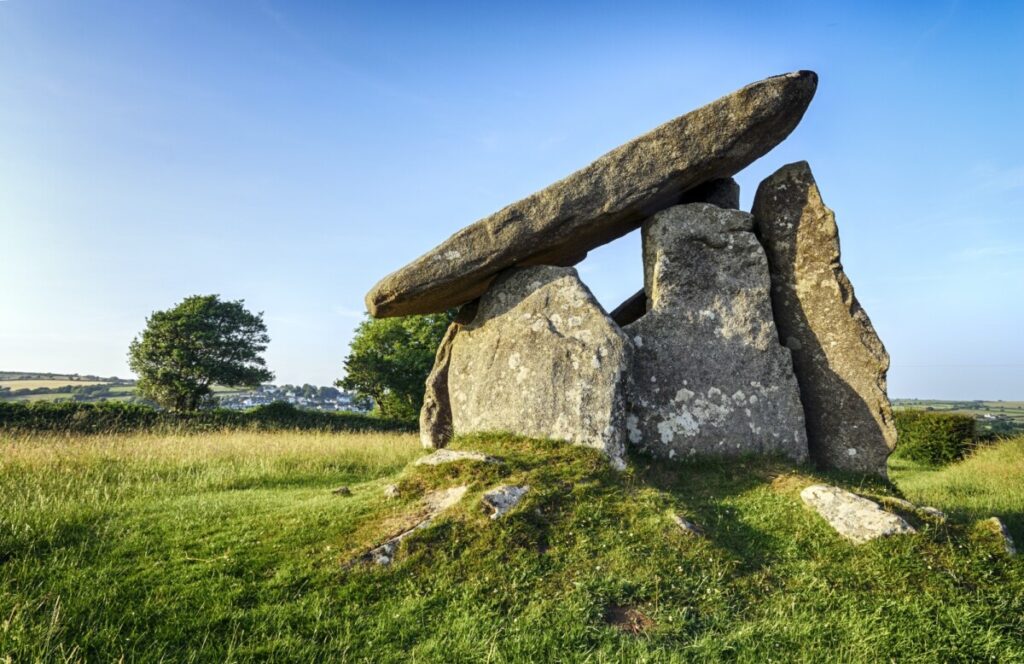
Trevethy Quoit a Portal Dolmen in Cornwall
Start of heyday: circa 9600 BCE
Initial construction circa 11,000 BCE (13,000 years ago)
Göbekli Tepe Culture (11000 BCE to 8000 BCE)
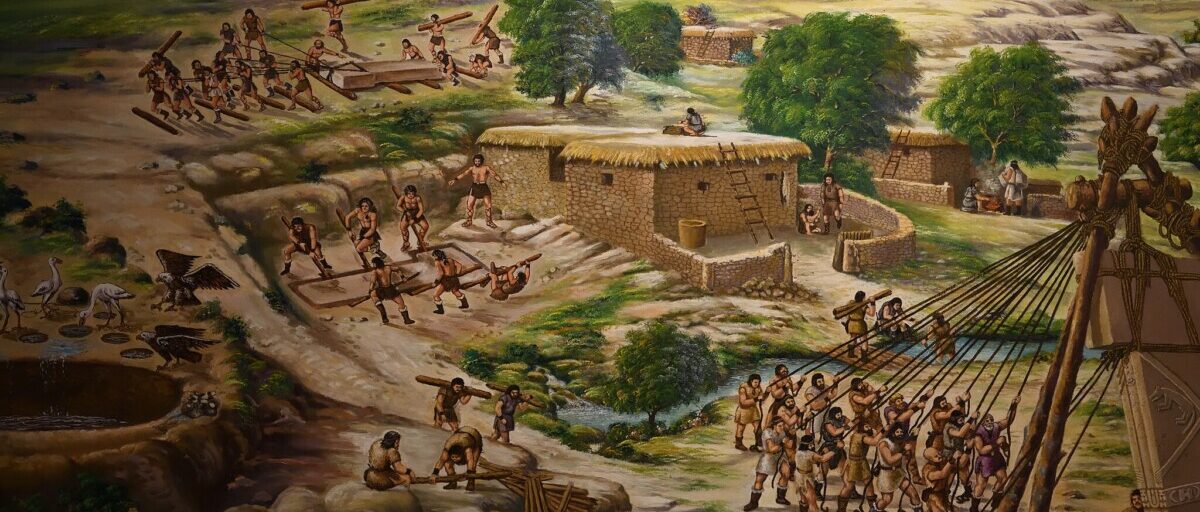
Before 9000 BCE
Mexico
Corn

Glass Gem Flint Corn
9000 BCE
Jericho Founded

St Geaorge Monastery Desert
before 9000 BCE
Plaster Invented

Photo by <a href="https://pixabay.com/users/rikwebco-452946/?utm_source=instant-images&utm_medium=referral" target="_blank" rel="noopener noreferrer">rikwebco</a> on <a href="https://pixabay.com" target="_blank" rel="noopener noreferrer">Pixabay</a>
circa 8000 BCE
China
The Domestication of Rice

Bali Rice Fields
8000 BCE
Genetic Mutation from the Neolithic Era
Phenotype Variation: Blue Eyes

Photo by <a href="https://www.pexels.com/@valeriya?utm_source=instant-images&utm_medium=referral" target="_blank" rel="noopener noreferrer">Valeria Boltneva</a> on <a href="https://pexels.com" target="_blank" rel="noopener noreferrer">Pexels</a>
circa 8000 BCE (speculative)
Under Investigation: Yonaguni Monument

Yonaguni Monument Terraces midpart NWW
Circa 8000-7000 BCE
Nüwa (女娲)

Nüwa, showing multiple possible portraits representing what Nüwa might have looked like. The scene includes ancient Chinese architecture, cultural elements, and symbols of her contributions, such as the creation of mankind and repairing the pillar of heaven.
Circa 8000-7000 BCE
Fuxi (伏羲)

Fuxi, showing multiple possible portraits representing what Fuxi might have looked like. The scene includes ancient Chinese architecture, cultural elements, and symbols of his contributions, such as the creation of humanity, the invention of writing, and teaching people to fish and hunt.
circa 7200 BCE
Jordan
Ain Ghazal Statues: Early Plaster Art
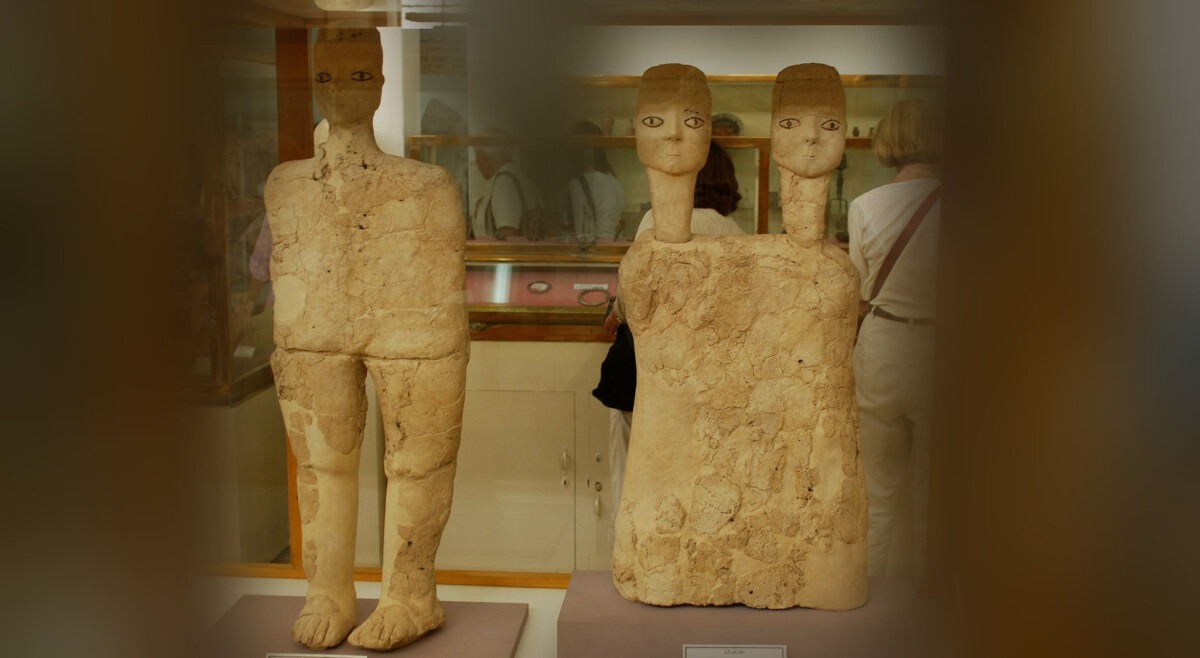
7,100 BCE
7,100 to 5,700 BCE
City of Catalhoyuk
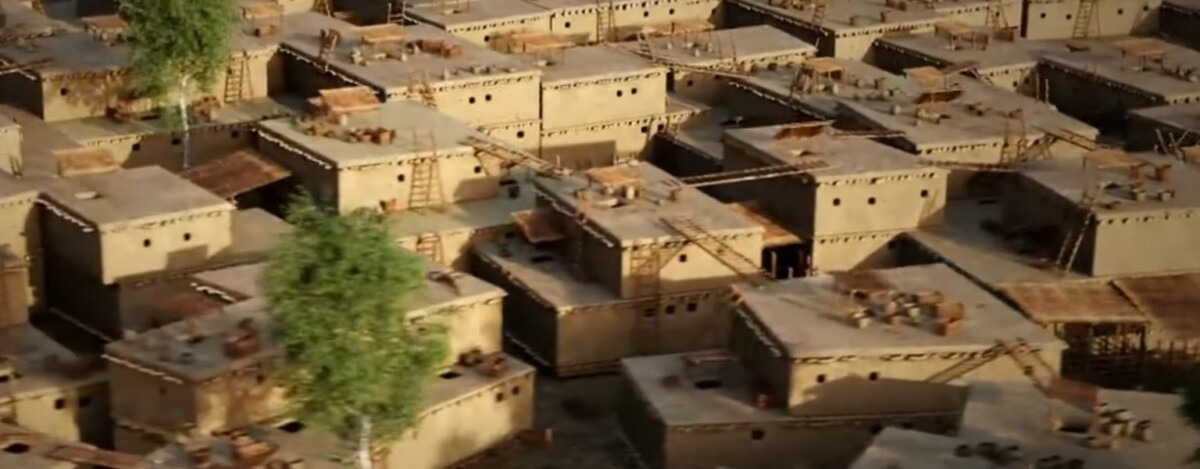
7000 BCE
7000-6001 BCE
Neolithic Symbols: China

Potential earliest writing in Asian zone: the Oracle Bone Script is oldest confirmed symbols. Scientists are still going through a process to verify whether they are proto-writing or a writing system. If we can discover some intermediate links, we can firm up these symbols as early writing.
circa 7000 BCE
9,000 Years Ago
Beer, Ale, Wine

glass of beer, sausages and bread on the table
Before 5500 BCE
Poland
Cheese

Delicious Cheese board. Assortment of cheese, camembert, brie, Gorgonzola, parmesan, olives
circa 5,260 BCE
7,260 Years Ago
Dispilio Tablet: European Proto-Writing

This ancient wooden tablet, etched with intricate symbols, dates back over 7,000 years, making it one of the oldest examples of proto-writing ever found.
4900 BCE
Up to 7,900 Years Ago (Neolithic)
Vinor Circular Building: a roundel

Roundel, the Vinor Circular Building, featuring a modest height typical of Neolithic construction, a thatched roof, and entrances appropriate for the time. The image includes a cutaway to reveal the interior details.
3500 BCE
Man Made Glass

3400 BCE
3400 BCE to 100 CE (end of use for scholarly work)
Cuneiform Writing
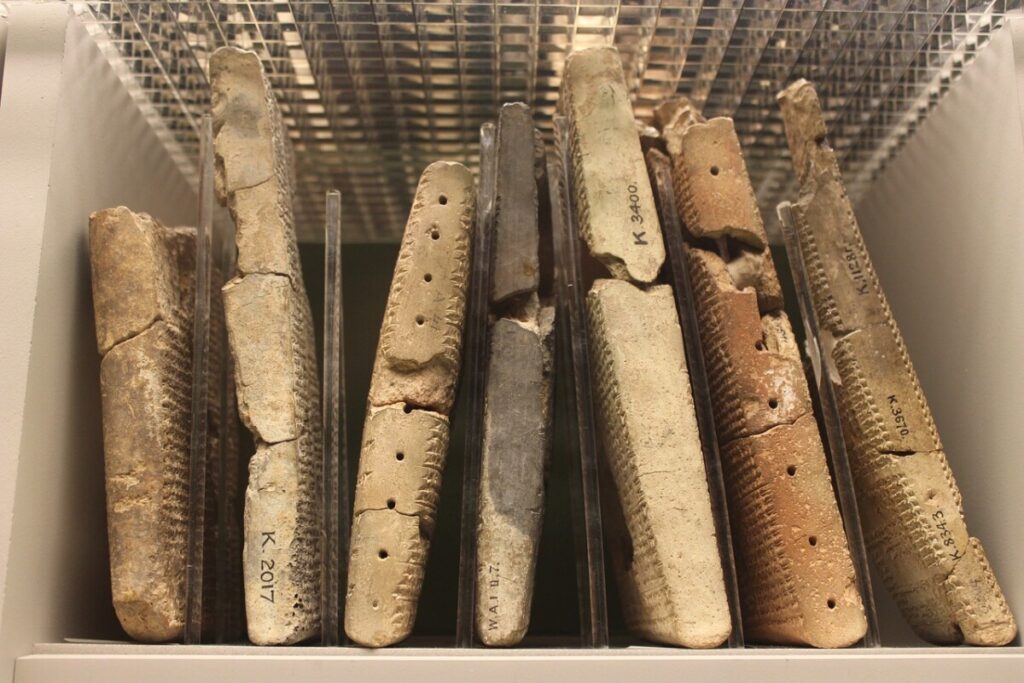
3000 BCE
South America: 5,000 Years Ago
Fuente Magna Bowl: Forgery or Real?

"<a href="https://commons.wikimedia.org/w/index.php?curid=77550391" target="_blank" rel="noopener noreferrer">Bed965fdf8aa813b97735ea21a0e3cfc(1)</a>" by none is licensed under <a href="https://creativecommons.org/licenses/by-sa/4.0/" target="_blank" rel="noopener noreferrer">CC BY-SA 4.0</a>
circa 2800 BCE
The Divine Farmer
Shennong (神农)

Shennong showing multiple possible portraits representing what Shennong might have looked like. The scene includes ancient Chinese architecture, cultural elements, and symbols of his contributions, such as teaching agriculture and herbal medicine, set against a harmonious landscape with fields, crops, medicinal plants, and early farming practices.
King of Uruk
Gilgamesh, circa 2700 BCE

circa 2650 BCE (+/- 50 years)
The Yellow Emperor (Huangdi)

Ancient China during the time of the Yellow Emperor, featuring various possible portraits of what he might have looked like, along with symbolic representations of Yin and Yang, traditional architecture, and a harmonious landscape.
circa 2600 BCE
The Wise King
King Shuruppak
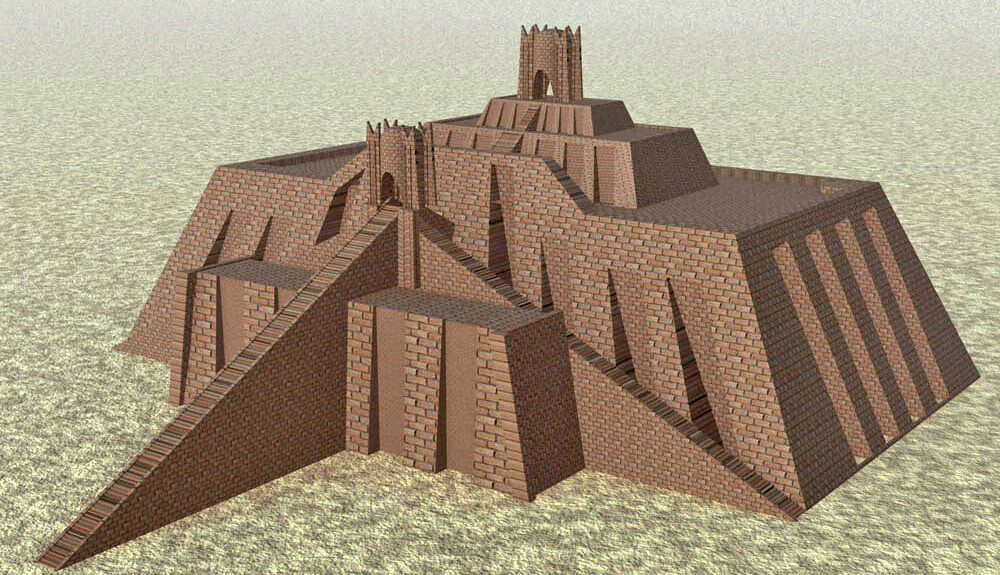
No images of King Shuruppak exist. The best we can do is reimagine known aspects of Sumerian culture. This is a ziggurat typical of the time: one per each of the 30+ cities.
circa 2600 BCE
Indus Valley Script: Northwest India
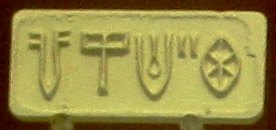
"<a href="https://commons.wikimedia.org/w/index.php?curid=5243844" target="_blank" rel="noopener noreferrer">File:Indus seal impression.jpg</a>" by <a href="https://commons.wikimedia.org/wiki/File:IndusValleySeals.JPG" target="_blank" rel="noopener noreferrer">PHGCOM IndusValleySeals.JPG</a> is licensed under <a href="http://creativecommons.org/licenses/by-sa/3.0/" target="_blank" rel="noopener noreferrer">CC BY-SA 3.0</a>
A network of ideas.
New Look
Knowledge Framework

Knowledge frameworks are the mind’s filing system. They do not just store information—they shape how we sort ideas, test claims, and decide what deserves belief.
The what, why, and how of life.
Philosophy

Before 1900 BCE
Mesoamerica
Chocolate

Cocoa powder and cocoa beans
1755 BCE
Code of Hammurabi
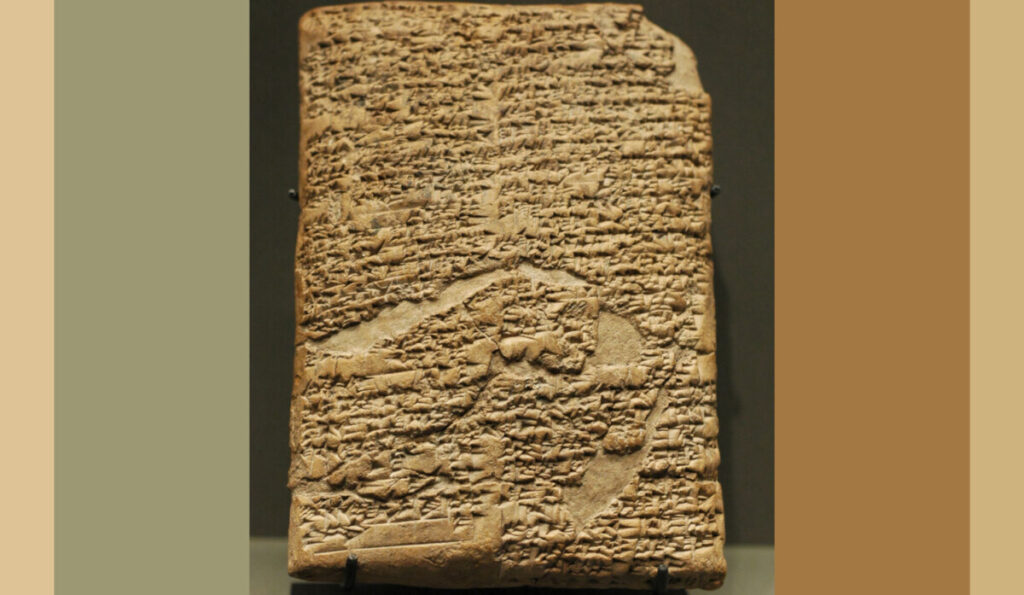
One of humanity’s earliest surviving legal codes, carved in stone and written in cuneiform. Its laws helped move justice from private revenge toward public order, influencing later legal traditions while also revealing how far human justice still had to grow.
1,700 BCE
148 Generations Ago
Rigveda Samhita, Veda Book 1 of 4

By 1600 BCE
Dragons: Early Dinosaur Fossils

Mythical Creatures and Fossil Discoveries: The Roots of Ancient Legends. Many various ancient mythical creatures were likely inspired by fossil discoveries including Chinese dragons, Greco-Roman giants, griffins, cyclopes, and other mythical beasts.
1344 BCE
circa 1340 to 1320 BCE
Oldest Known Monotheistic Religion: Atenism
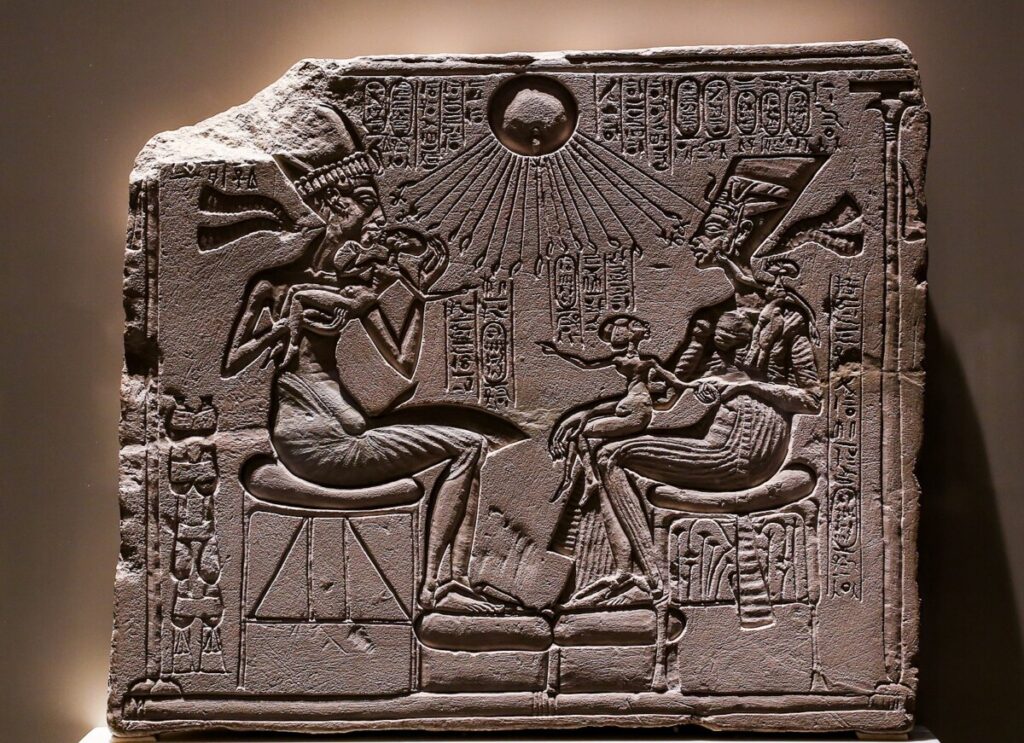
Akhenaton and Nefertiti seated, holding 3 of their daughters, under the rays of the sun god Aten giving Ankh-symbols to them (Picture provided by ArchaiOptix).
1100 BCE (+/- 300 years)
125 Generations Ago
Major Religion: Hinduism
Hinduism, one of the world's oldest religions, emerged around 1100 BCE, several centuries after the Indus Valley Civilization collapsed. Hinduism has no known roots in the IVC, but it's a topic to follow as we uncover clues.
circa 800 BCE
Gargi Vachaknavi

Hindu god Ganesha on white wooden table. Candles on background
The Nature of Being.
We are more than self-aware.
Ontology

Ontology is the branch of metaphysics that studies being, existence, and what is real.
Nature is the master plan.
Holism

Early or "First" Science
Born about 624 BCE, died about 546 BCE, at around age 78.
Thales of Miletus
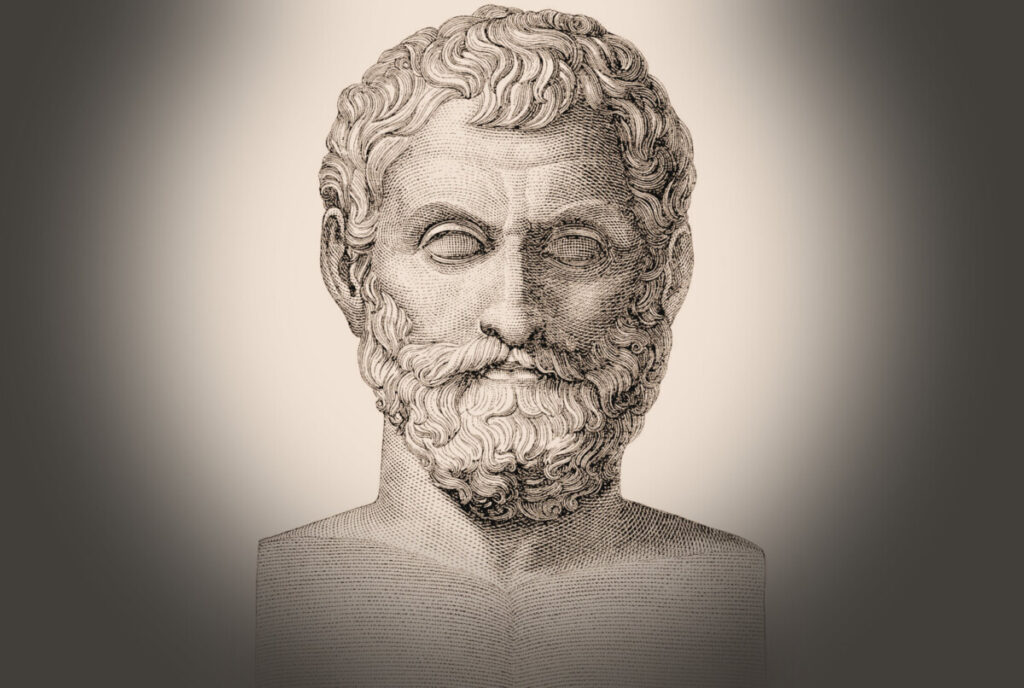
624 BCE
Circa 624-546 BCE
The Birth of Logic

Built circa 700 BCE, destroyed 612 BCE.
Library of Ashurbanipal

A conservative recreation of the exterior of the Library of Ashurbanipal, illustrating the architectural style of ancient Assyrian buildings. The image depicts a grand structure on a raised platform, adorned with carvings and motifs characteristic of Assyrian art. While the depiction includes speculative elements, such as the building's size and detailed adornments, it aims to capture the historical significance and imposing presence of this legendary library in the heart of Nineveh.
Born about 105 Generations Ago, circa 604 BCE.
By tradition, he lived about 604 to 517 BCE.
Laozi

Laozi or Lou Tzu (604-517 BCE). Founder of Daoism, aka Taoism. The life of Laozi is shrouded in mystery, but he is the first philosopher in “30 Philosophers” that attempts to construct a precise biography.
600 BCE
Spherical Earth
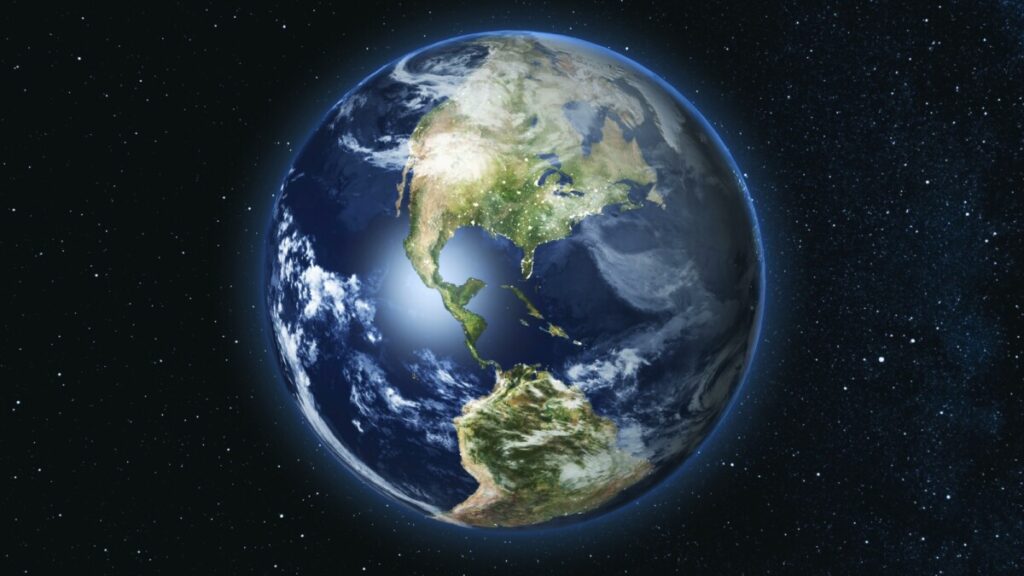
Realistic Earth Planet against the the star sky
600 BCE
New Look
New Look: The Flood Stories

The Great Flood myths: Sumerian and the biblical story of Noah's Ark.
Go with the flow of nature.
Wu-wei or “non-action”

Let life unfold organically.
Ziran, Authenticity, or Authentic Self

A good life is a balanced life.
Yin and Yang

We can only describe nature.
Unknowable Dao

The Unknowable Dao reminds us that when we define something too tightly, we risk mistaking our description for the thing itself.
Pythagoreanism
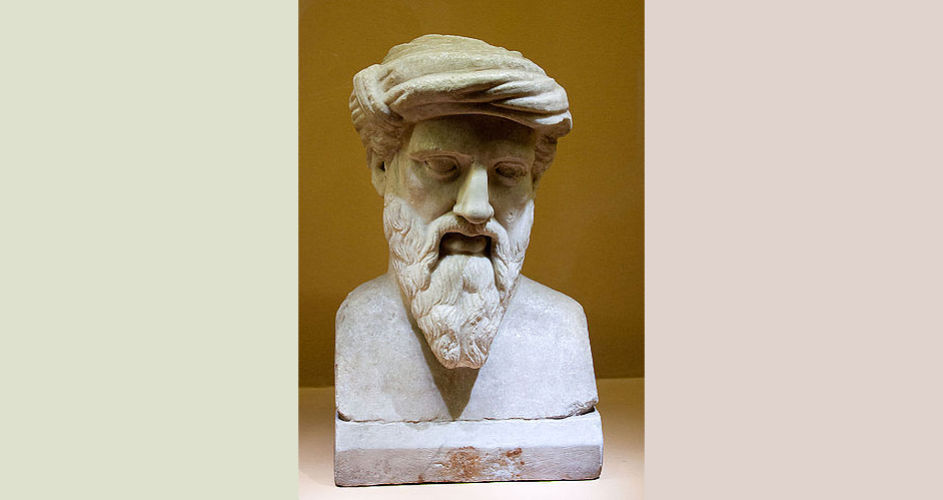
Father of Mathematics
Pythagoras (570-495 BCE)
born 551 BCE
Lived from 551 to 479 BCE, aged 72
Confucius

Make Goodness Normal: Confucius taught that a better life begins when respect, duty, kindness, and self-discipline become normal habits. Normalcy is powerful because it turns wisdom into daily behavior.
Normal grows from repetition.
A new look.
Normalcy, Normal, and Abnormal

Normalcy is a pattern-based idea formed from repeated experience and reinforced by social expectations.
The abstractions of life.
Schema

Universals name repeatable patterns among entities. Schemas are how minds organize those patterns into usable templates.
Born circa 563.
Lived 103 Generations Ago, from about 563 to 486 BCE.
Gautama Buddha

Subhrajyoti07, CC BY-SA 4.0 <https://creativecommons.org/licenses/by-sa/4.0>, via Wikimedia Commons
Atman, the idea of self.
Anatman, the idea of non-self.
Self & Non-Self; Atman & Anatman

Non-Self is the view that the self is not an unchanging thing, but a temporary pattern within the ongoing reconfiguration of reality.
The separation of mind and body is an illusion.
Nondualism and Dualism

Imagined image: The concepts of nondualism and dualism. The philosophical exploration of the mind, body, and reality, the distinctions and connections between them.
born circa 535 BCE
circa 535 to 475 BCE, likely aged about 60 years old
Heraclitus
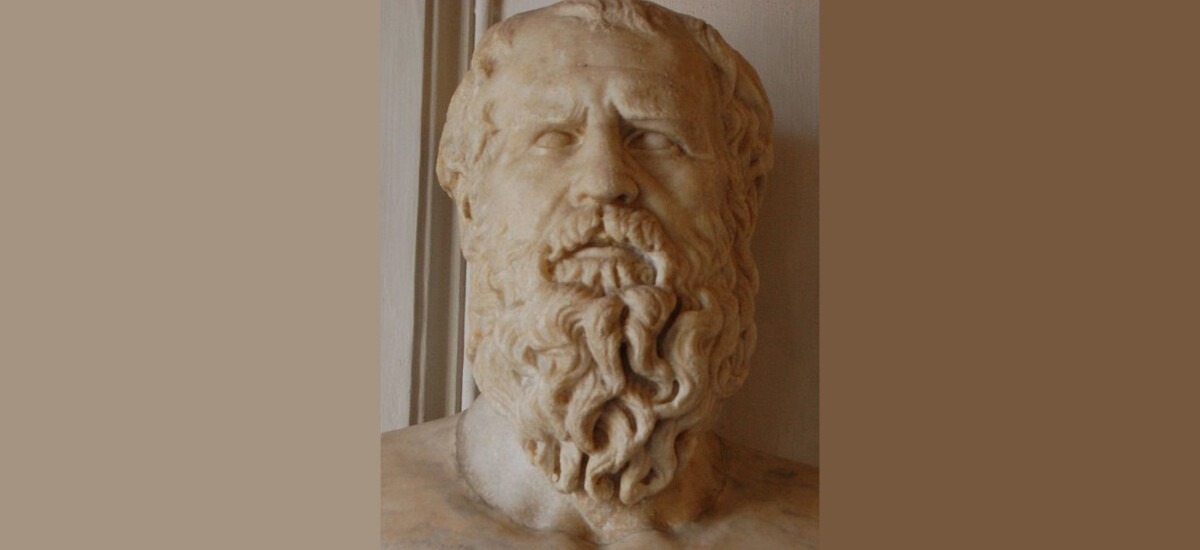
Impermanence is the idea that things do not stay the same forever. Becoming is the process of changing, growing, and unfolding over time.
Change is the only constant.
Impermanence and Flux

Your sub-culture and choices.
Worldview

You do not see the world raw. You see it through a worldview. That worldview grows from the frameworks you inherit and adopt, and it continues to change as your experience changes.
Existence before essence.
Crafting yourself from your given traits.
Identity

Identity is the personal mosaic that makes you you. It includes what you were born into, what you have chosen, and what has changed along the way. It is not fixed at birth. It is shaped over time through living, learning, belonging, and becoming.
500 BCE
circa 450 BCE
Anaxagoras (circa 500-428 BCE)

Socratic Questioning
Father of Western Ethics
Socrates (469 – 399 BCE)

Portrait of Socrates. Marble, Roman artwork (1st century), perhaps a copy of a lost bronze statue made by Lysippos
Atomist
The Laughing Philosopher
Democritus (460 BCE – circa 370 BCE)

Two and a half millennia ago, Democritus imagined atoms in the void — long before microscopes, equations, or particle accelerators confirmed the intuition.
451 BCE
Law of the Twelve Tables
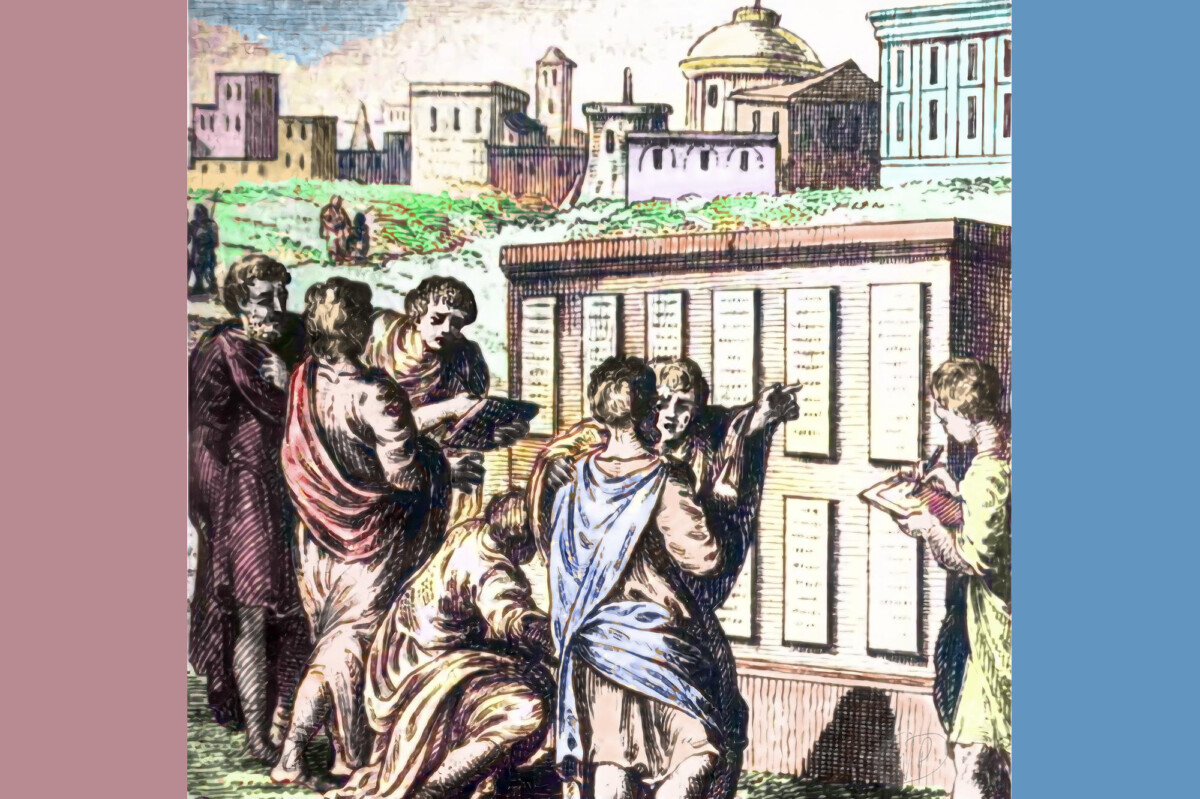
451 BCE. Law of the Twelve Tables. Think well by remembering that law is not just rules. It is one of society’s great methods for forcing claims into the open.
Lived from 428 to 347 BCE, aged 80.
98 Generations Ago.
Plato
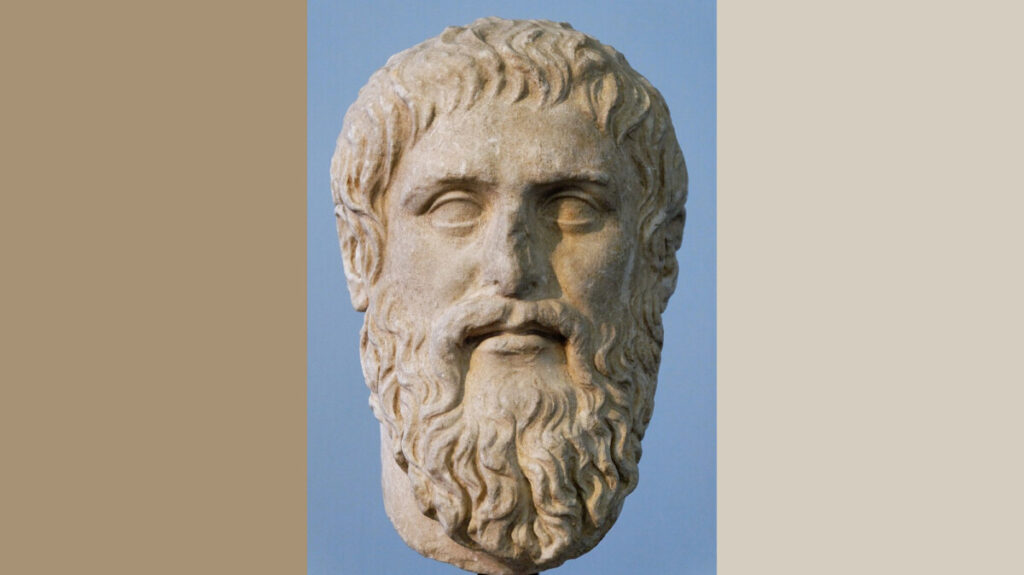
Plato pushed philosophy beyond what we can immediately see and touch. Even if we reject his literal Realm of Forms, his deeper insight remains useful: appearances can mislead, while concepts help us organize reality. Wisdom means understanding both the world before you and the ideas you use to interpret it.
A constant state of self-assessment.
Reflective Inquiry

Use reflective inquiry to help you notice the illusions you are living inside: inherited stories, social constructs, fear, trauma, ego, bias, and mistaken identity. To think well, turn inquiry inward and ask what you are mistaking for reality.
Strategic ignorance.
Ignorance is Bliss

New Look
Plato and Aristotle’s Relationship

Born 384 BCE, lived to 322 BCE, aged 62.
96 Generations Ago.
Aristotle
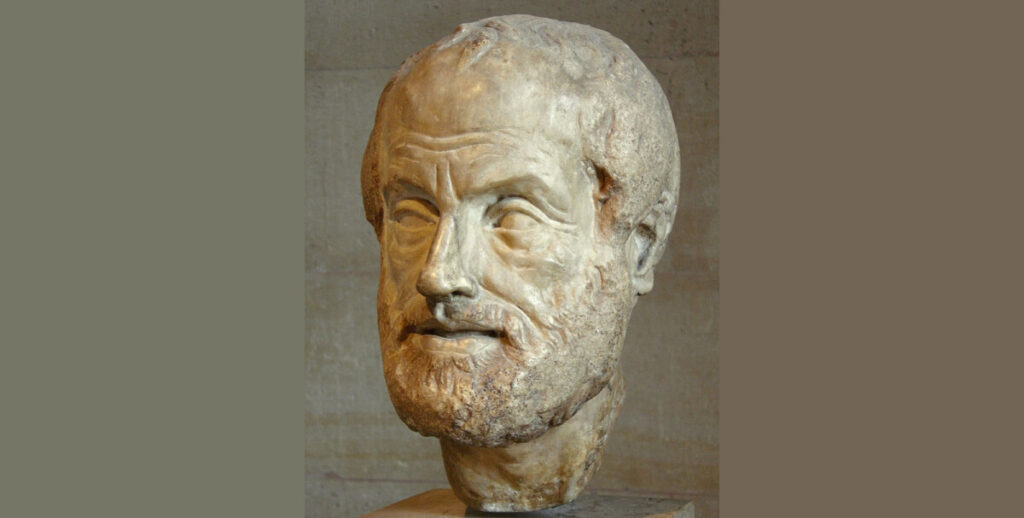
Portrait of Aristoteles. Copy of the Imperial era (1st or 2nd century) of a lost bronze sculpture made by Lysippos
Logically connect things.
Syllogisms

Prioritize your ideas over reality.
Rationalism

Prioritize reality over your ideas.
Empiricism

Reality is organized and mathematical.
Logic

Aristotle helped make reasoning visible. He showed that arguments have structure, and that conclusions must be tested against their premises.
Flaws in reasoning.
Logical Fallacies

Flourish now and into the future.
Eudaimonia

In ancient Greek, eudaimonia was the best way to live. It varied by tradition, but usually included virtue as part of flourishing.
Daoism
Chuang Tzu (369-286 BCE)

b. 360 BCE
360 to 270 BCE
Pyrrho of Elis
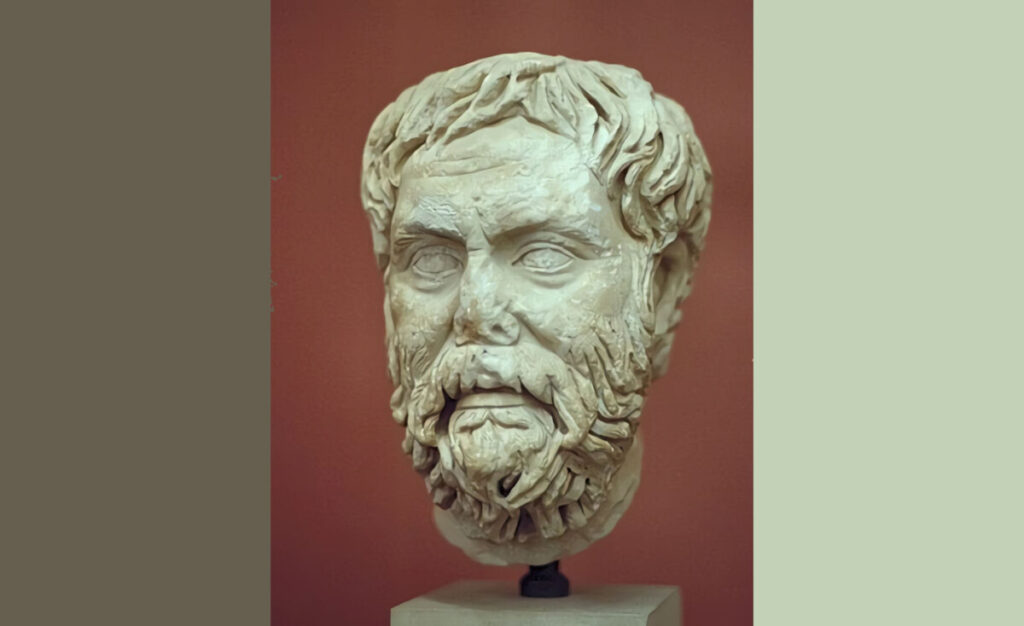
Question your beliefs and avoid dogmatism.
Skepticism

Shared, not natural agreements.
Social Constructs
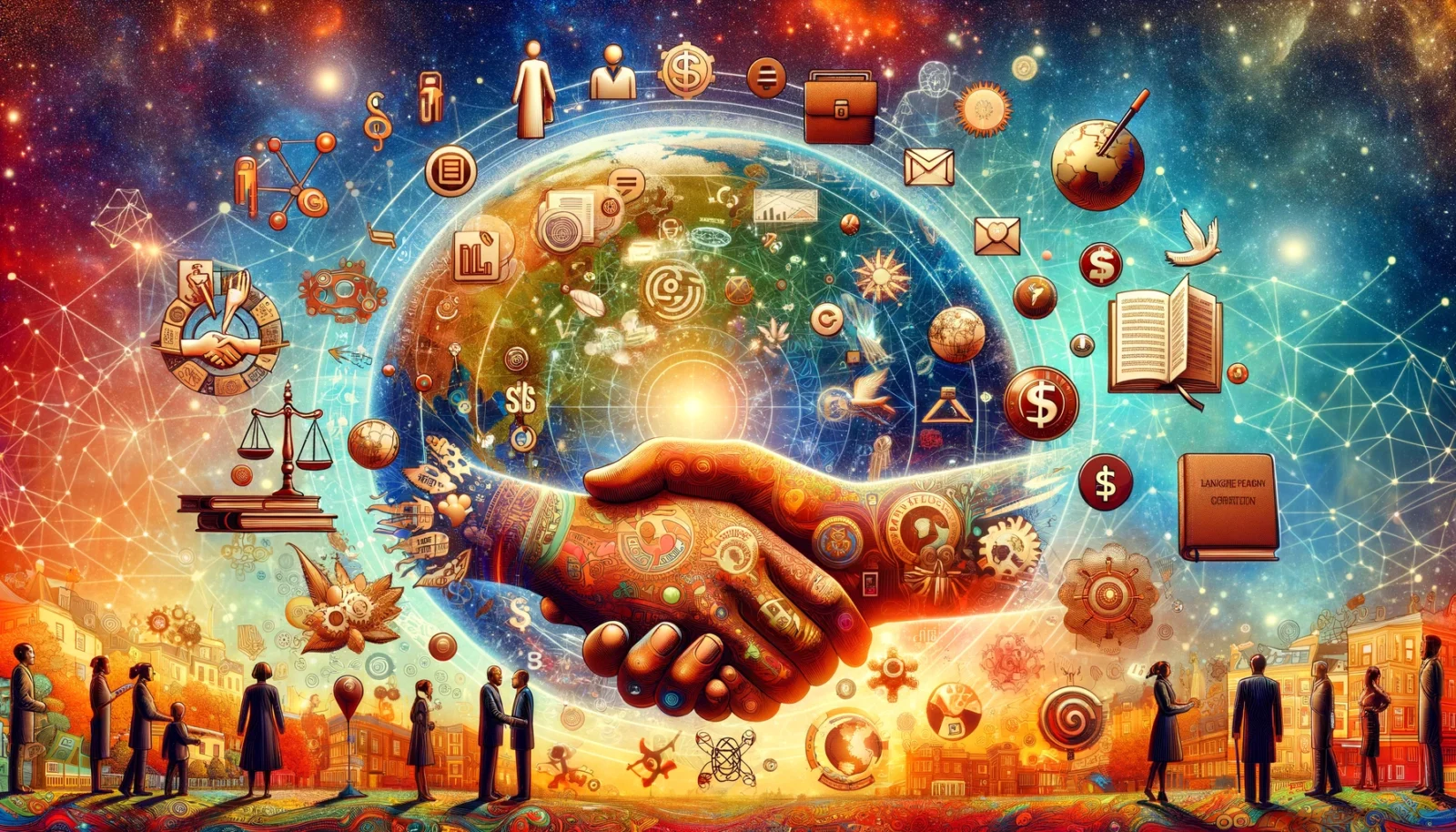
Social constructs are the human-made concepts shaping our reality.
New Look
Epicurean Happiness Toolkit: A 4-Step Structure

TST uses the Epicurean Happiness Toolkit to manage pleasure. A reimagining of core Epicurean principles, it teaches you to prefer long-term pleasures over short-term ones. In doing so, it raises the simple pleasures, especially friendship, tranquility, and freedom from unnecessary fear. It is a common floor for managing pleasure under wisdom. It is also a hook into Epicurean thought.
b. 341 BCE
341 to 270 BCE
Epicurus
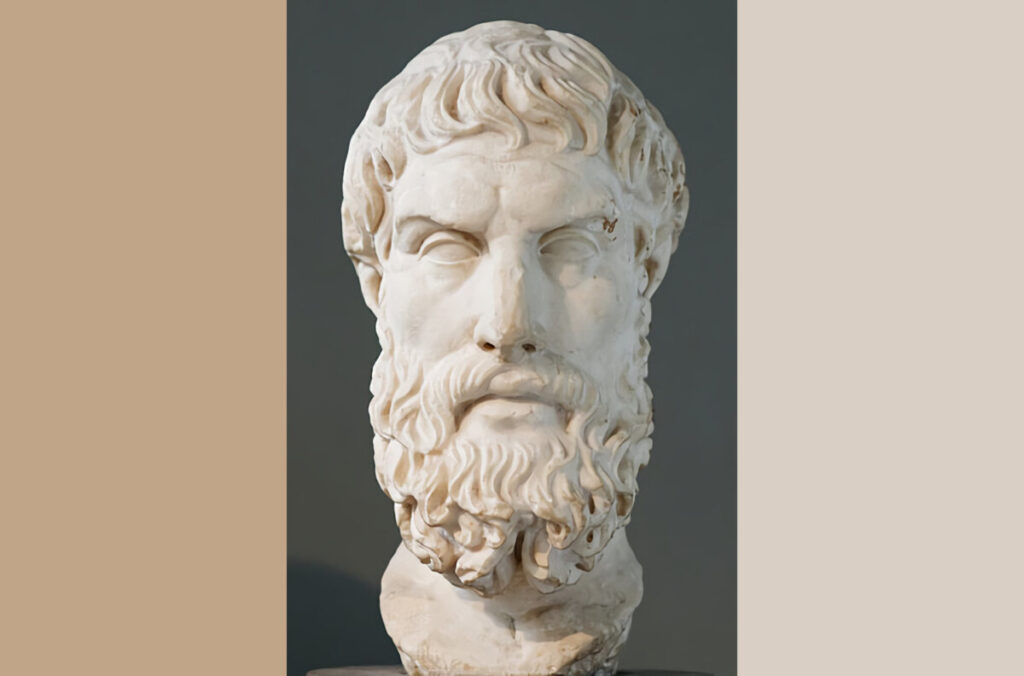
Roman marble copy of a 3rd-century BCE Greek original, likely created before 1st century CE.
Don't waste time on the unknowable.
Live in the present.
Agnosticism

The essence of agnosticism is the uncertainty and indifference toward the unknowable.
Prefer long term pleasures over short.
Dichotomy of Pleasure

Dichotomy of Pleasure: Epicureanism highlights the difference between short-term and long-term pleasures. They assert you can live a better life by focusing on long-term pleasures like exercise and reading over short-term pleasures like overeating and getting drunk.
Stoicism
Father of Stoicism
Zeno of Citium (334-262 BCE)
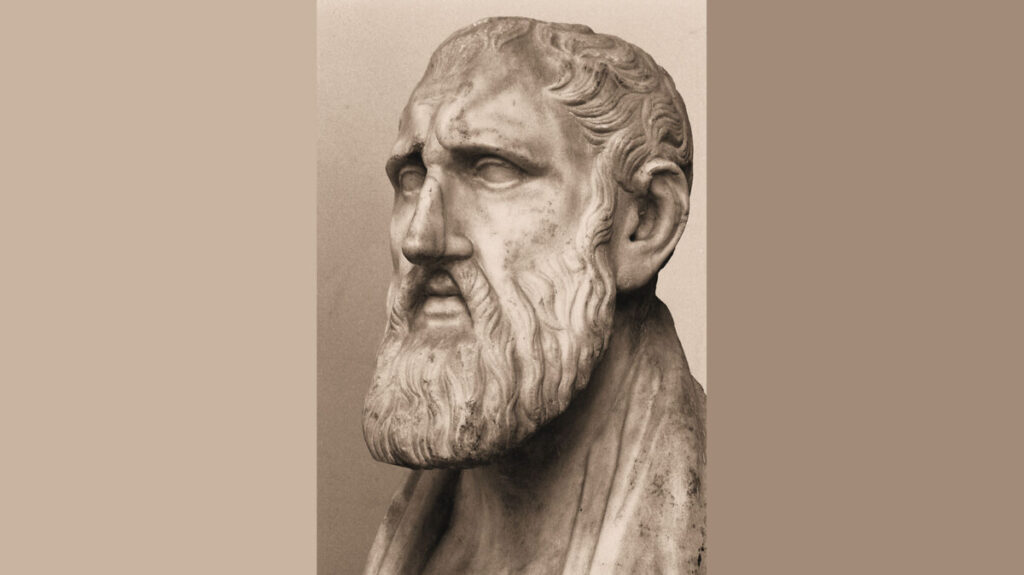
106 BCE
84 Generations Ago
Cicero (106-43 BCE)
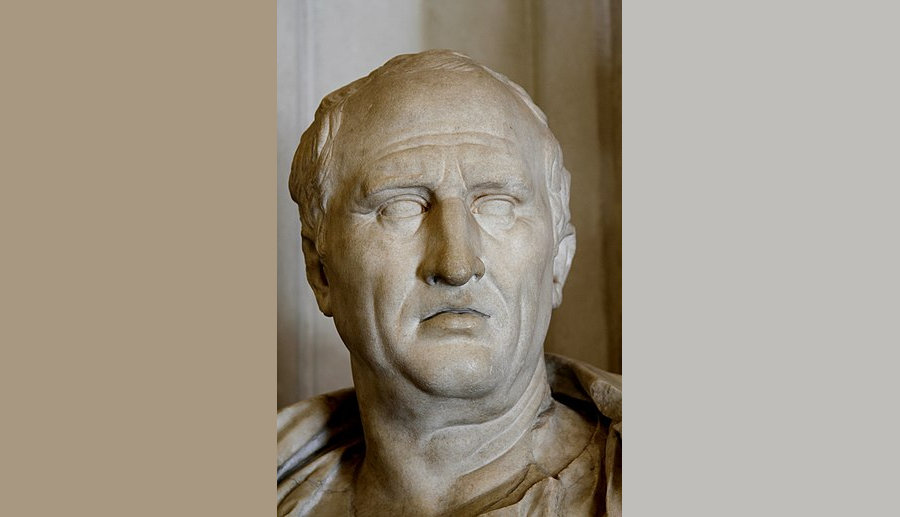
Born circa 20 BCE, lived to circa 55 CE.
82 Generations Ago.
Philo of Alexandria
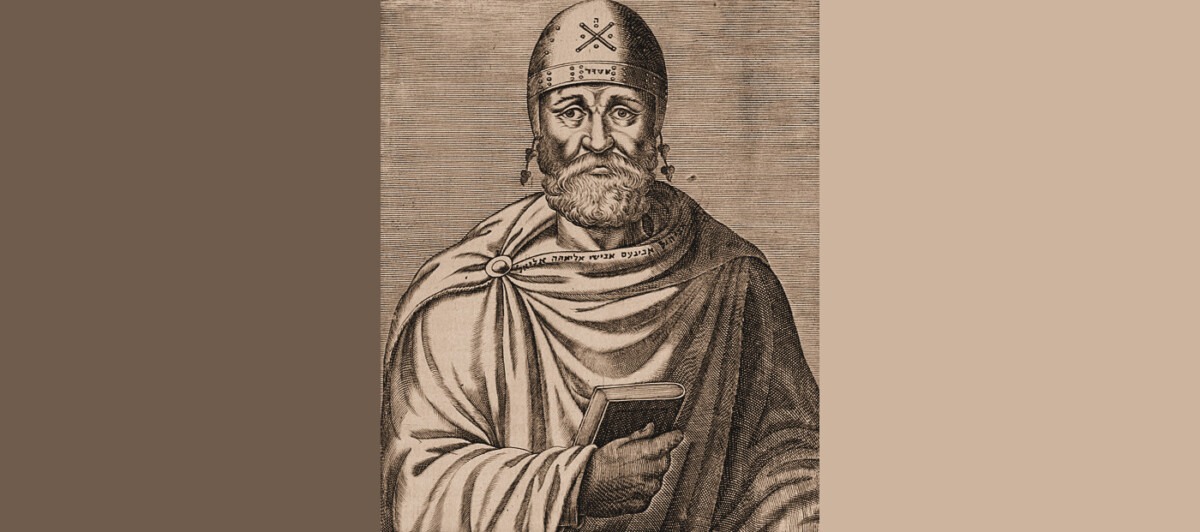
Old portrait from 1500s. He likely did not look like this.
Stories have complex meanings.
Allegorical Interpretation

Imagined Image: Philo of Alexandria reinterpreting the story of Noah through allegorical interpretation. It captures the essence of his scholarly reinterpretation with symbolic elements.
Stoic Tradition
Roman Stoic Statesman
Seneca the Younger (4 BCE – 65 CE)
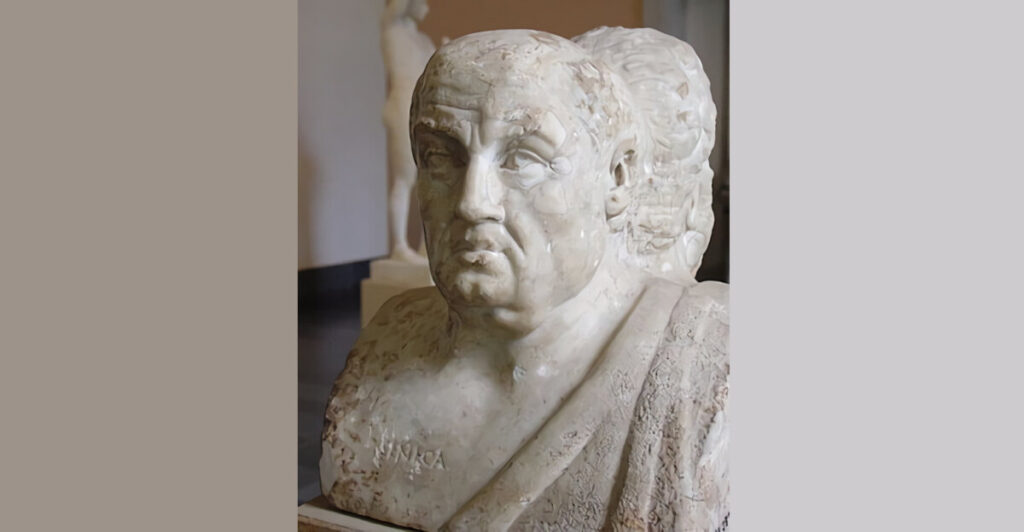
65 CE
Earliest Known Magnification
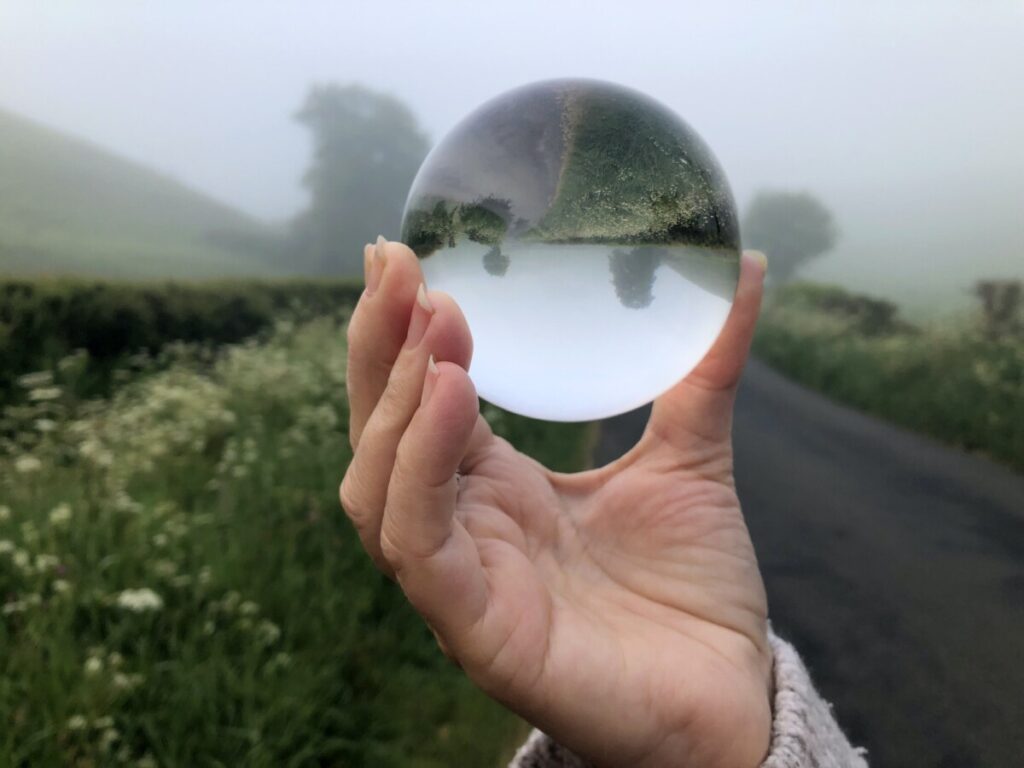
crystal lens ball in a woman’s hand, with a refracted view of a misty country lane
circa 100 CE
78 Generations Ago
Epictetus (50-135 CE)
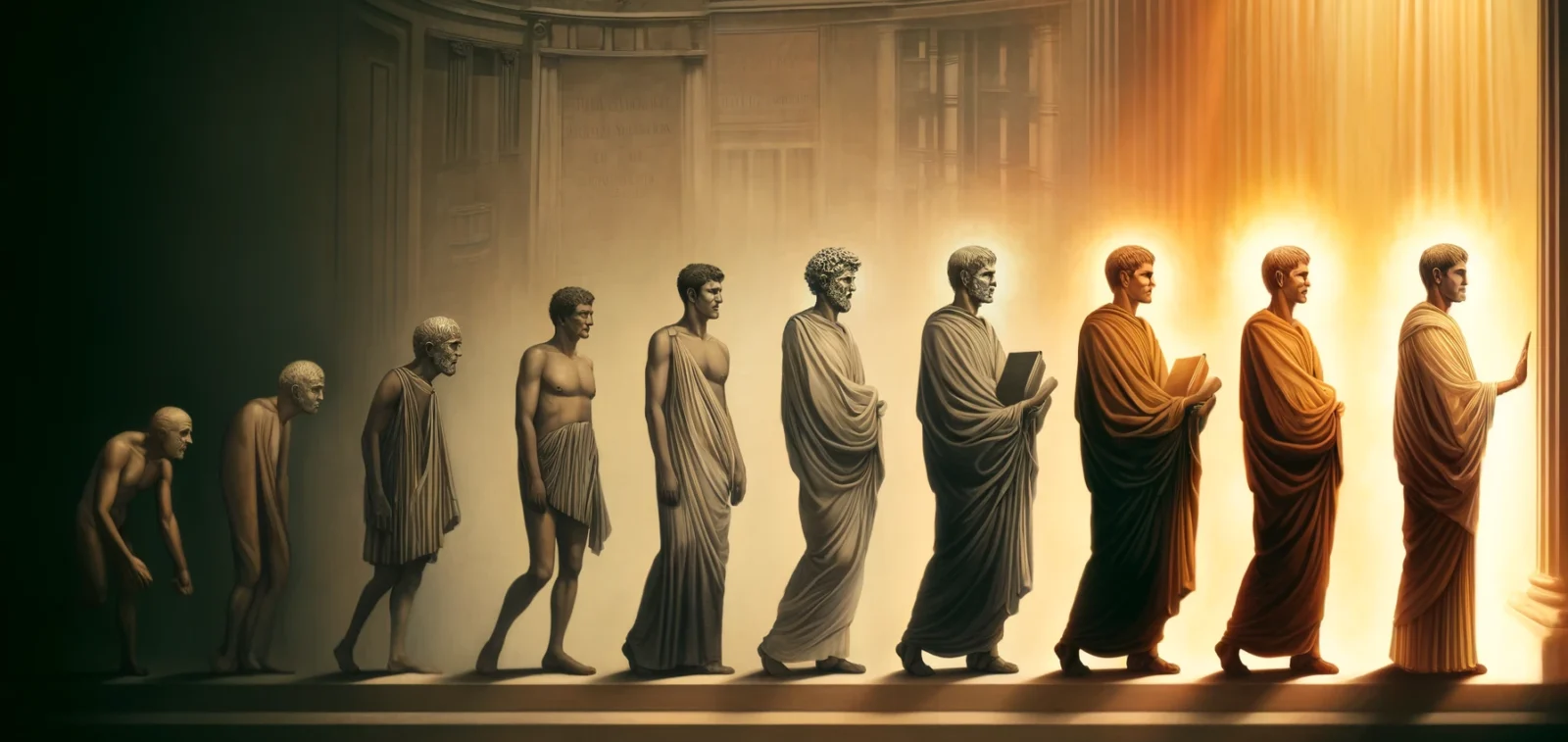
Epictetus taught that freedom begins by distinguishing what is within your control from what is not. Focus your effort on your judgments, choices, and actions, and learn to accept the rest.
New Look
Marcus Aurelius: An Explorative Agnostic

You have things you believe and things you don't. The stuff in the middle is your agnostic beliefs. You do not need to resolve every uncertainty. Explore what interests you, remain open to better answers, and resist pretending certainty where none exists. Then live well within the reality you actually have. Marcus Aurelius shows that curiosity without premature commitment creates strength, not weakness. Flourishing grows from responsible action inside uncertainty.
New Look
Stoic Virtue Framework: A 4-Step Structure
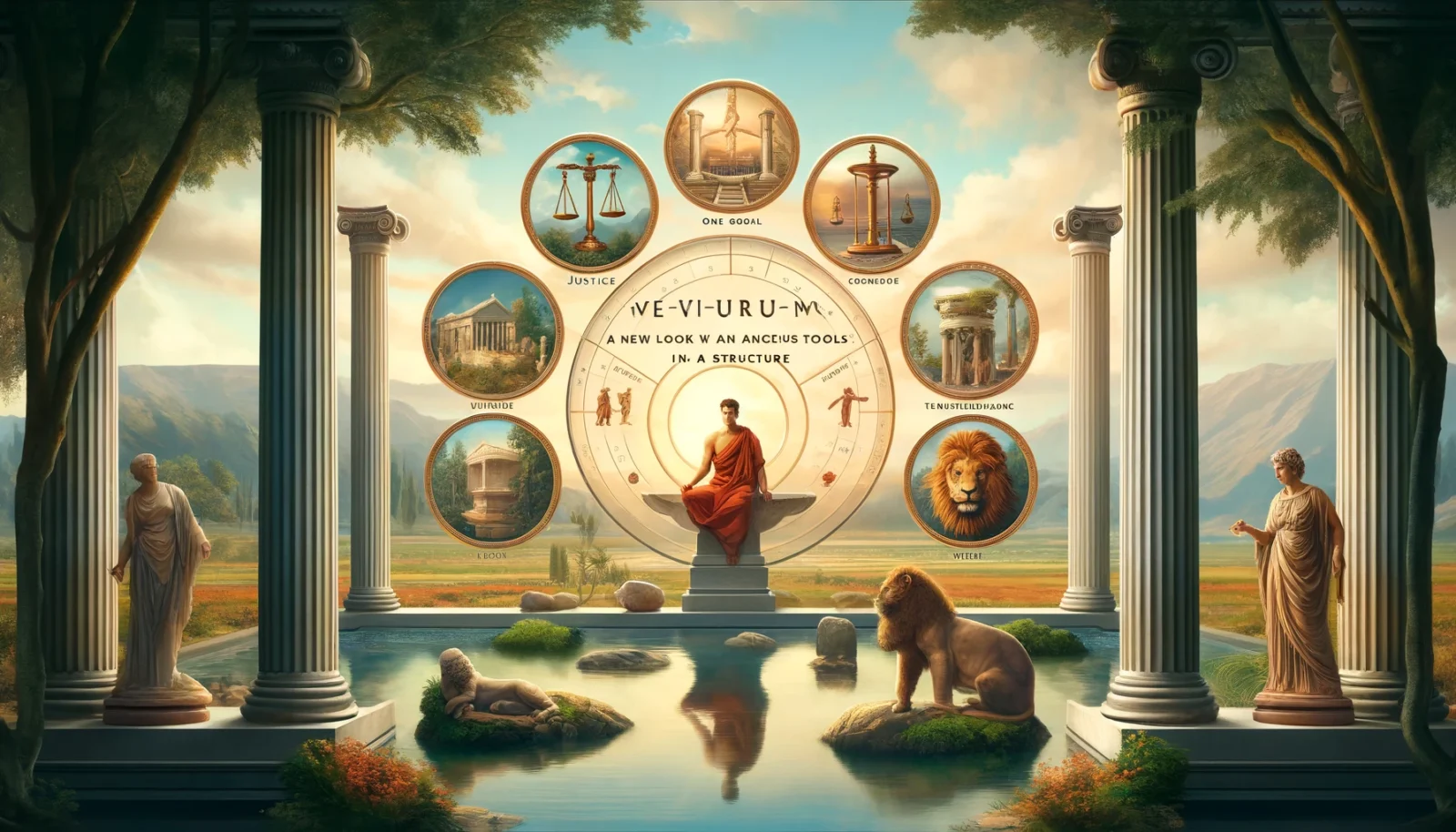
The Stoic Virtue Framework leverages traditions from ancient Greece and Rome to help you govern yourself, practice virtue, and aim your character toward flourishing for all.
born 121, died 180 CE.
76 generations ago.
Marcus Aurelius
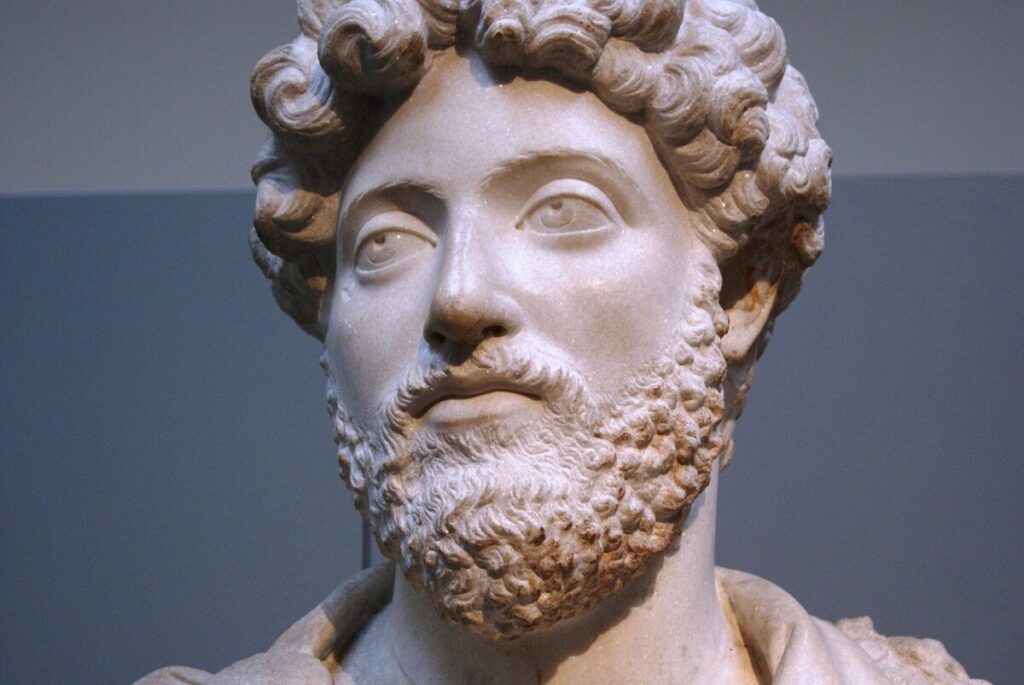
Marcus Aurelius inherited centuries of Stoic thought and put it to work in the difficult reality of governing an empire. His life reminds us that Stoicism is not about controlling the world. It is about governing yourself within it—your judgments, intentions, choices, and actions—while striving to act with virtue.
Emotions are judgements.
Cognitive Reframing

Mental agency is deliberately influencing what you attend to, how you interpret experience, and how you respond mentally. One technique is cognitive reframing where you ask how else you can interpret something. The key idea is that events frequently have several valid interpretations. Why not reframe events to align with a better life.
Contemplate the future.
Negative Visualization

Negative visualization can give you mental agency by casting your gaze ahead, pinpointing potential hiccups and solutions in your journey. Part of taking control of the direction of your life is to understand and explore the road ahead.
Step outside your reality.
Cognitive Distancing
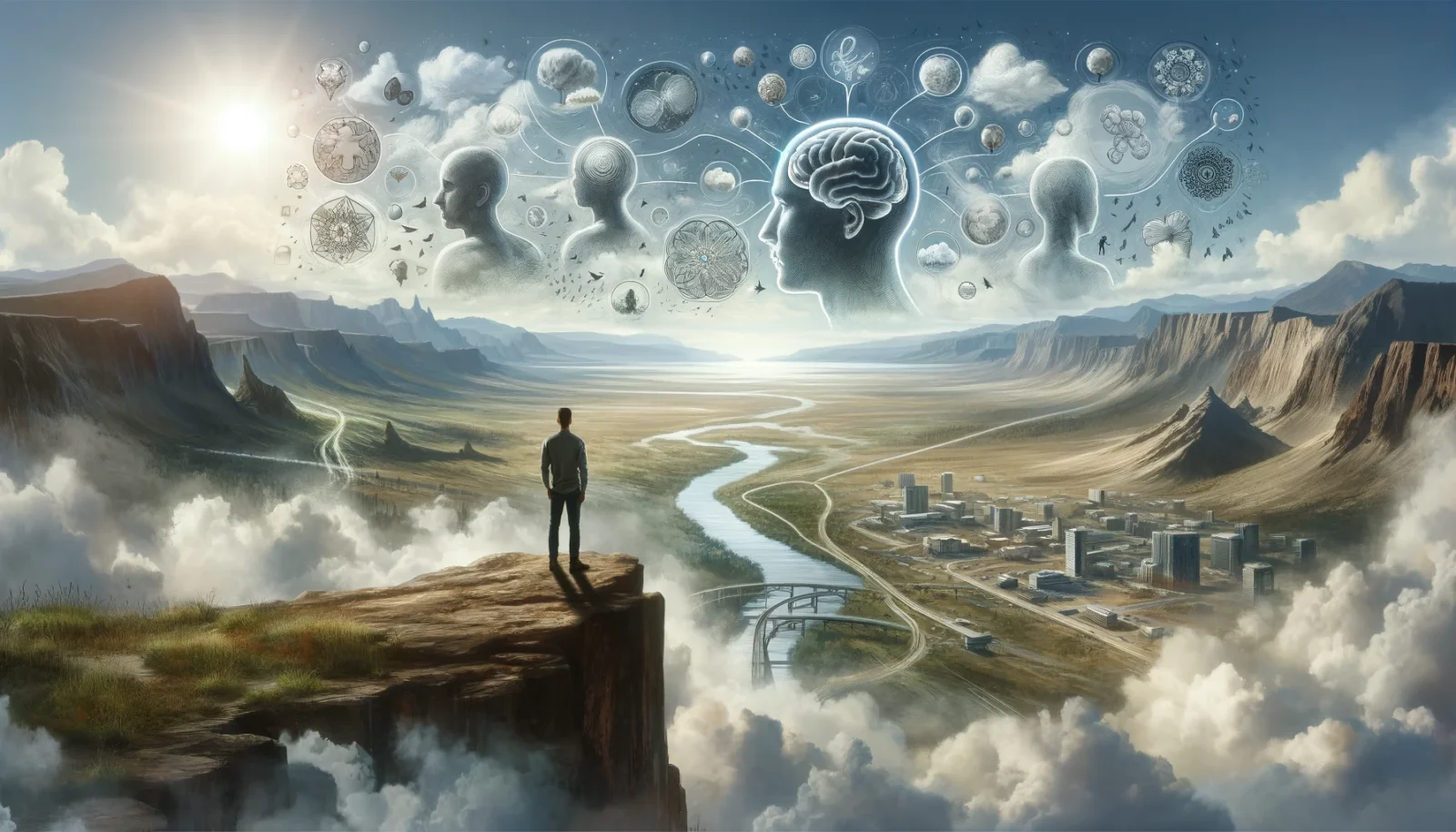
Cognitive Distancing and the Stoic View from Above: Gain clarity and objectivity by mentally elevating yourself to see the broader perspective, reducing the emotional impact of transient thoughts.
circa 300 BCE to 200 CE
Badarayana
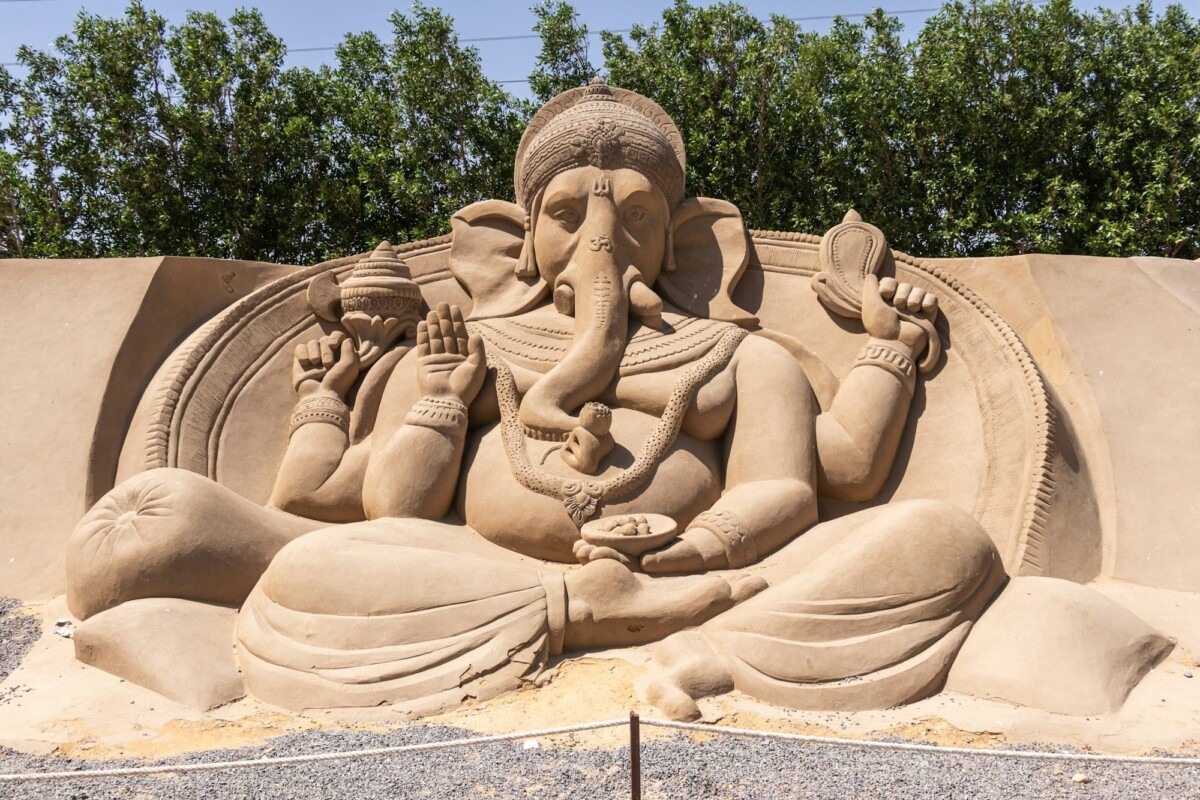
sand sculpture of Ganesha in Hinduism, the god of wisdom and well-being with the head of an elephant
Karma
Cause and Effect

Cause and effect, the idea that every action has a reaction and ethical implications of personal responsibility and the acceptance of consequences.
Maya, Illusion.
Cognitive Biases

Cognitive bias: the mind’s attempt to simplify complexity can quietly distort perception. Without discipline, shortcuts become traps — shaping decisions, inflating certainty, and steering judgment away from reality.
New Look
The “Dark” Middle Ages

The Middle Ages, from the end of the classical era to the Renaissance, is traditionally seen as intellectually dark due to the dominance of a single narrative over the unknown. It is characterized by the rise of belief systems.
New Look
Holistic Eudaimonia

The psychology of Holistic Eudaimonia surfaces with the various stages of life, acts of kindness, and elements symbolizing legacy and future impact. It blends natural life with the abstract concept of time and space, highlighting the continuity of actions and their lasting effects.
born 354
Lived from 354 to 430 CE, aged about 76.
Augustine of Hippo
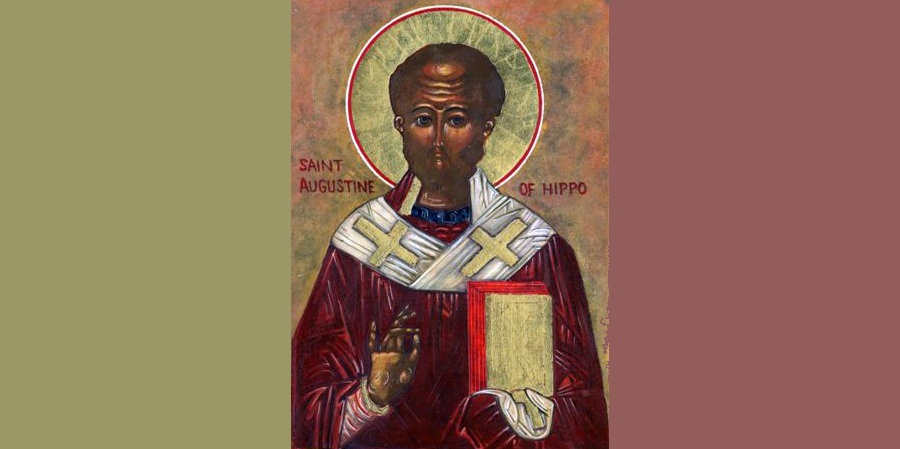
Augustine is known as the father of Western religious scholarship. He reconciled the science and philosophy of Aristotle with church beliefs.
Spacetime
Chronoception

Chronoception: remembering past events, experiencing the present, and anticipating the future.
Block Theory of the Universe
New Look
Eternity

Augustine's concept of eternity as 'all time at once,' positioned as a precursor to the modern block universe theory. Time existing simultaneously.
born 872
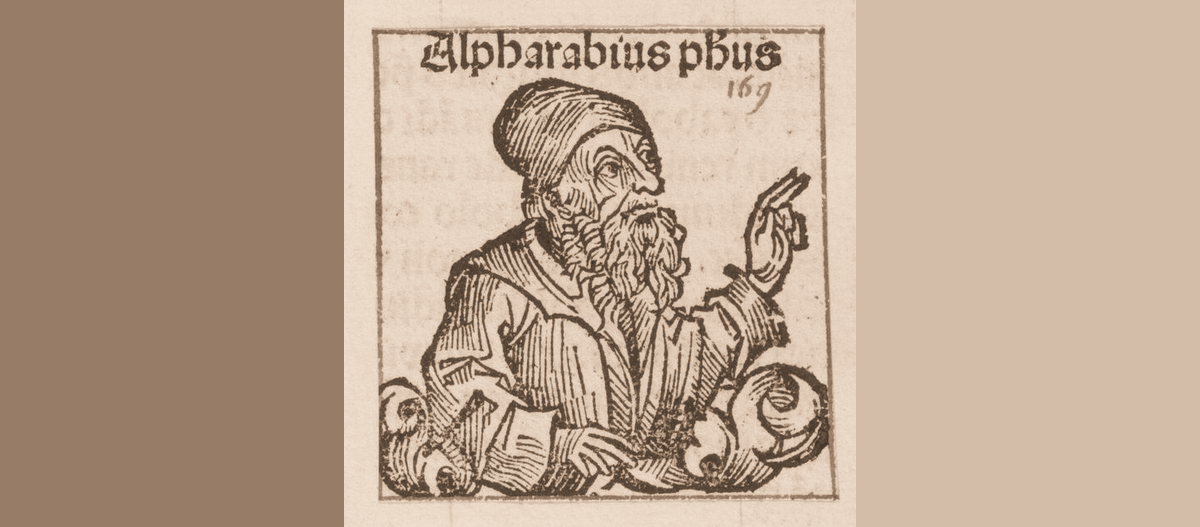
872 to 950
Al-Farabi
Blank slate filled with impressions
Intellect

The Journey of Intellect: From the potential of a blank canvas, through the exploration of creating, to the mastery of refining a masterpiece. This triptych captures the evolution of human thought and creativity.
You exist, then you mold your essence.
Essence and Existence

At least in this life, existence precedes essence: we are born into species-level biological structure, but individual identity forms over time. No publicly verified prewritten metaphysical script — only structured reality, evolving memory, and the eventual fading of each life into history’s shadow.
New Look
The Floating Man Thought Experiment

Floating Man thought experiment, Deprivation Chamber edition. Imagine you are floating in a dimly lit, minimalist room with a futuristic-looking tub filled with dense saltwater. The separation of the mind from the physical body, conveying a sense of isolation and introspection.
born 965
965 to 1040
Alhazen
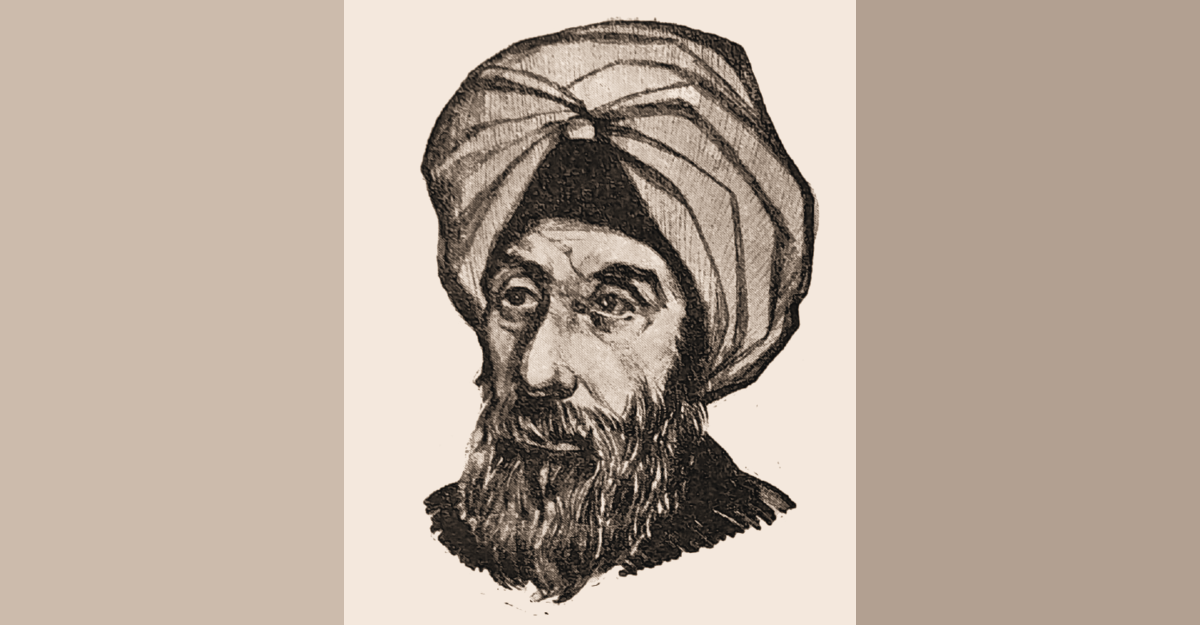
Circa 1020
New Look
The Five Senses of Humans

Olfaction or Sense of Smell Study.
Interpretation
Touchstone: Perception

Perception, how the brain interprets sensory information and transforms it into understanding.
Mike's Spacetime Game
New Look
Time Trail Game: Mindful Time Travel

Time Trail Raw is you in two distinct but connected locations, pondering the raw, prelinguistic nature of thought and perception. Your prelinguistic thoughts creating a sense of mindfulness and introspection.
Neoplatonist
French Philosopher
Bernard of Chartres (circa 1070 – 1130)

There are no surviving images of
Bernard of Chartres. As a scholastic, the best we can do is an artistic representation of scholasticism.
born 1079
1079 to 1141
Peter Abelard
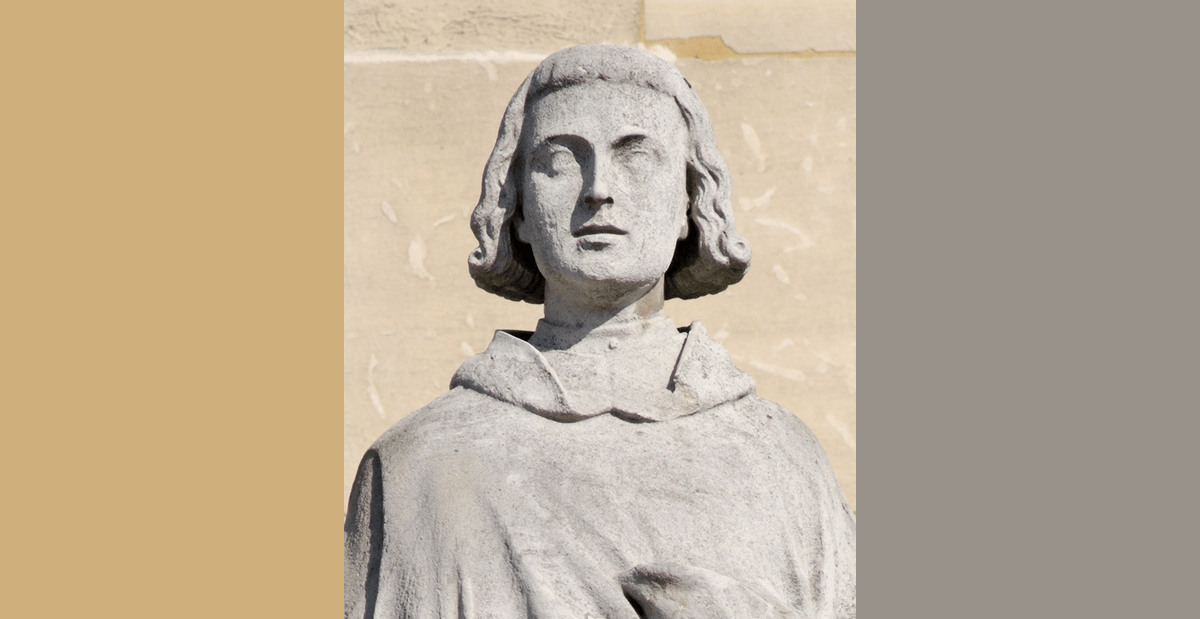
Good Intent vs Good Results
Intent

Good intent directs an action toward a defensible good with honesty, care, and responsibility. Bad intent directs an action toward harm, manipulation, exploitation, revenge, or selfish gain, even when it is disguised in moral language.
Abstraction brings understanding and illusion
New Look
Object-Oriented Nature

Humans perceive a bicycle as a simple, efficient tool for movement, travel, and carrying things. However, each bike is an intricate assembly of parts like handlebars, frames, and wheels, made from materials such as aluminum, steel, and rubber. These materials themselves break down into fundamental elements like iron, carbon, and manganese. This image captures the layers of abstraction in our perception, from the complete bike to its atomic structure, showcasing the complexity behind everyday objects we use to move through the world.
Patterns in Nature
Pattern Recognition

Humans possess a remarkable ability to hierarchically organize the patterns they perceive, known as pattern ranking. From simple shapes and natural forms to complex abstract symbols, our minds categorize and rank these patterns, creating a structured understanding of the world. This image illustrates the cognitive process of organizing and interacting with patterns, highlighting the depth and complexity of human perception.
New Look
The Problem of Universals

Universals are the properties, actions, and relations, that are shared by, but may transcend, multiple concrete objects and/or abstract entities.
New Look
The Idea of Ideas

A personal spiritual experience may be real as an experience, meaningful as a belief, and still fall short of public proof about the material world.
New Look
Grand Rational Framework

The Grand Rational Framework is comprised of rational frameworks in which validated empirical elements form a solid foundation. There are logically consistent interconnected relationships between empirical claims which create a stable and ever-evolving understanding of the material world. This knowledge expands and is limited by the vast expanse of the universe.
1215
Magna Carta
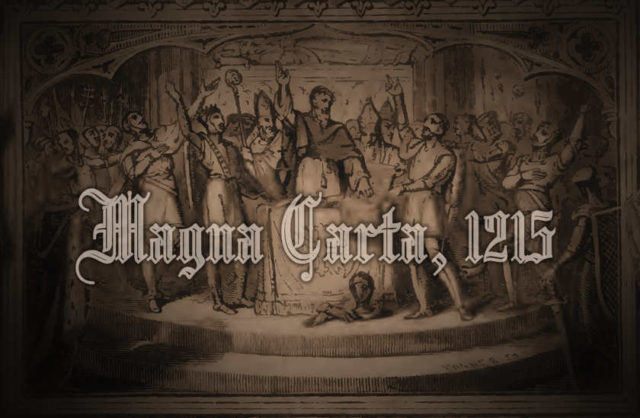
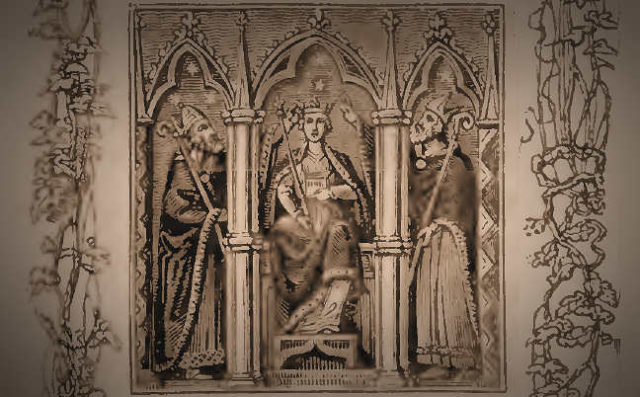
12 Nov 1216
The First Great Charter of King Henry III
1400
Hourglass

Hourglass on the Beach
1440
Germany
Printing Press Invented

The printing press gave journalism reach, making public scrutiny possible at a larger scale.
born 1469
1469 to 1539
Guru Nanak
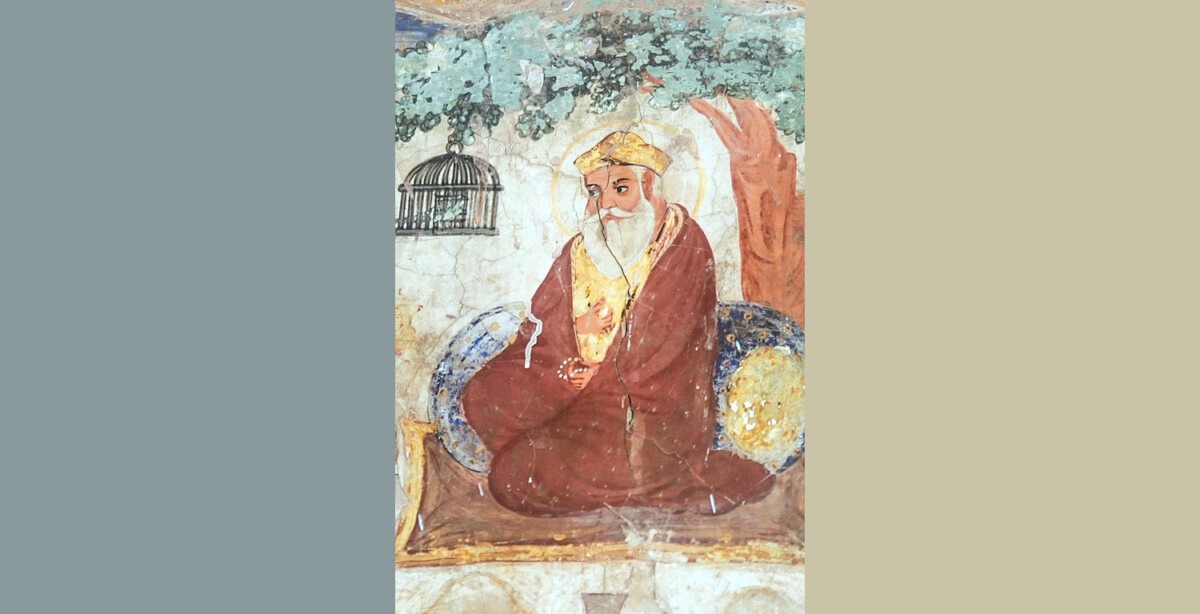
born 1473
Lived 1473 to 1543, aged 70.
Nicolas Copernicus
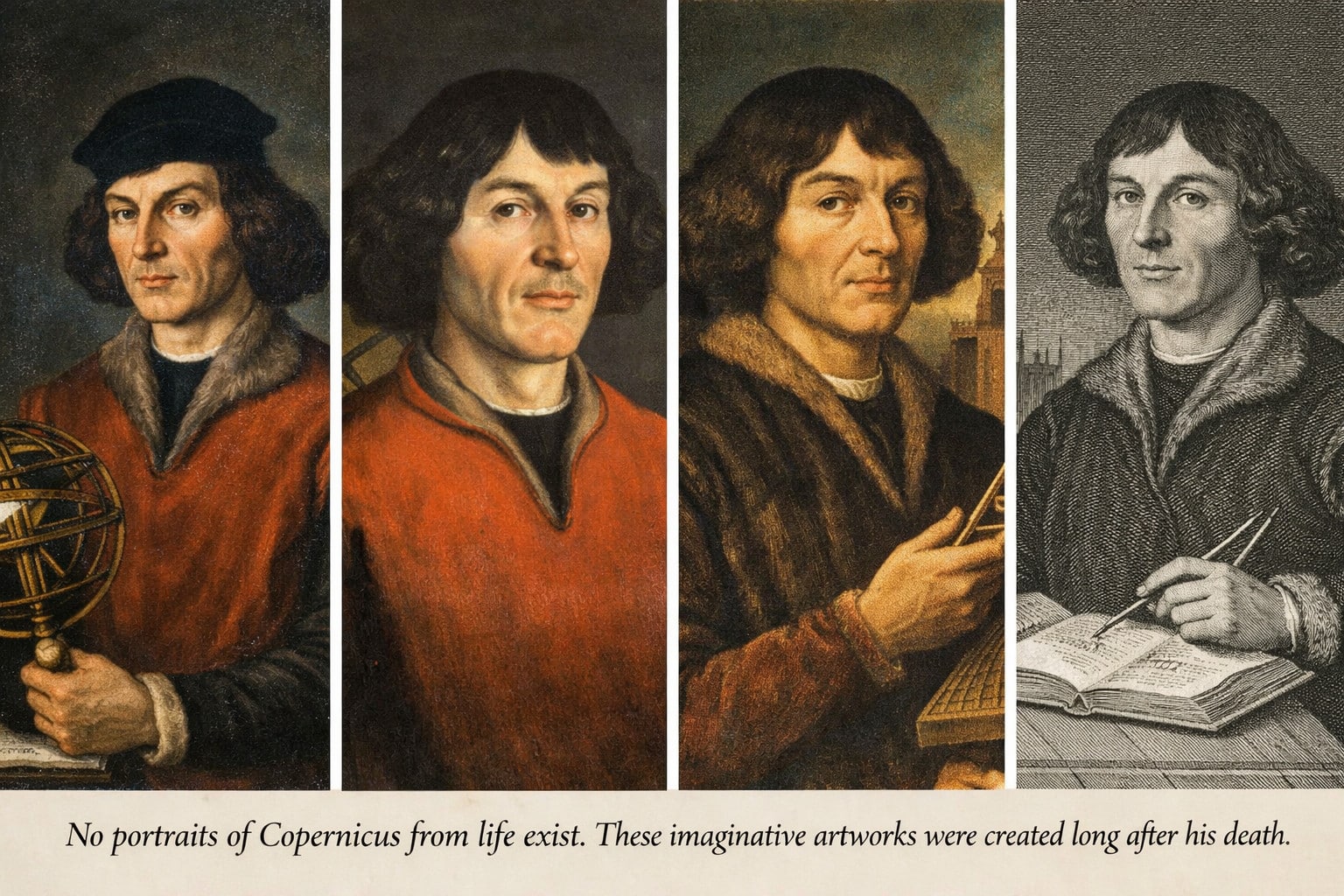
No confirmed likeness survives. These portraits are later artistic interpretations.
5 ethical guideposts
The Five Thieves

The Sikh concept of The Five Thieves: Lust, Anger, Greed, Attachment, and Ego.
28 Feb 1533
Michel de Montaigne (1533-1592)
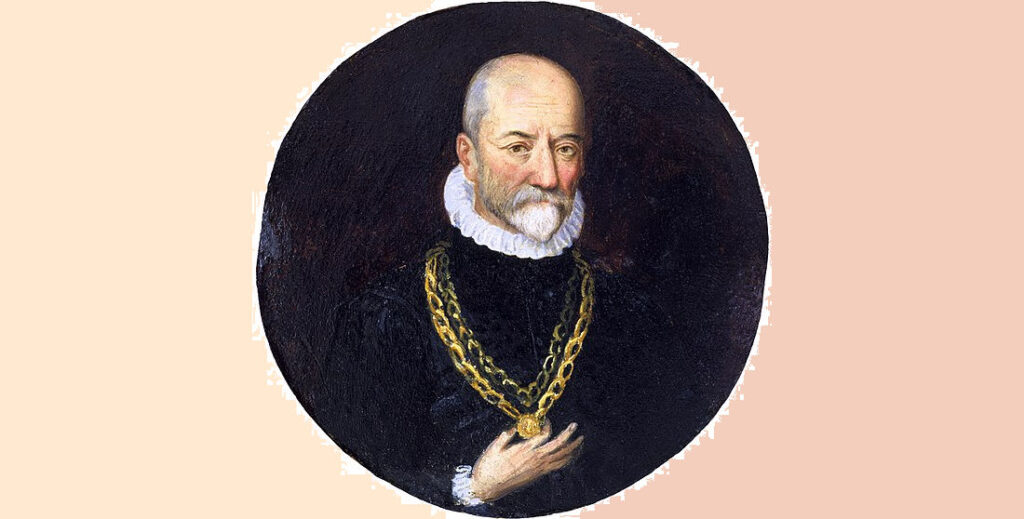
born 1561
1561 to 1626
Francis Bacon
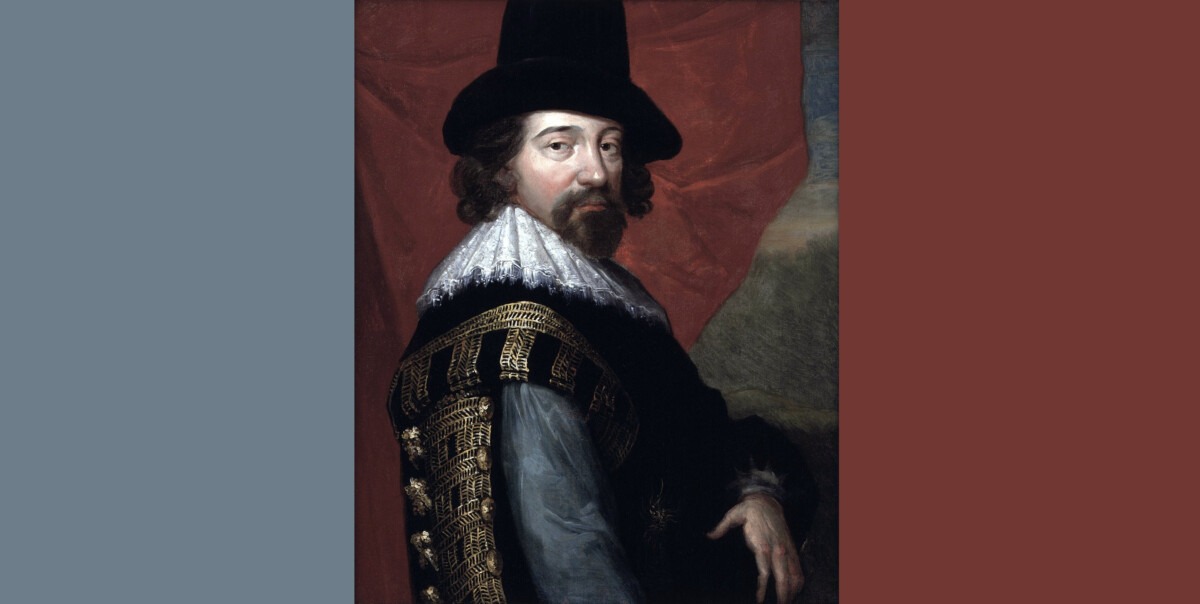
born 1564.
Lived from 1564 to 1642, aged 77.
Galileo Galilei
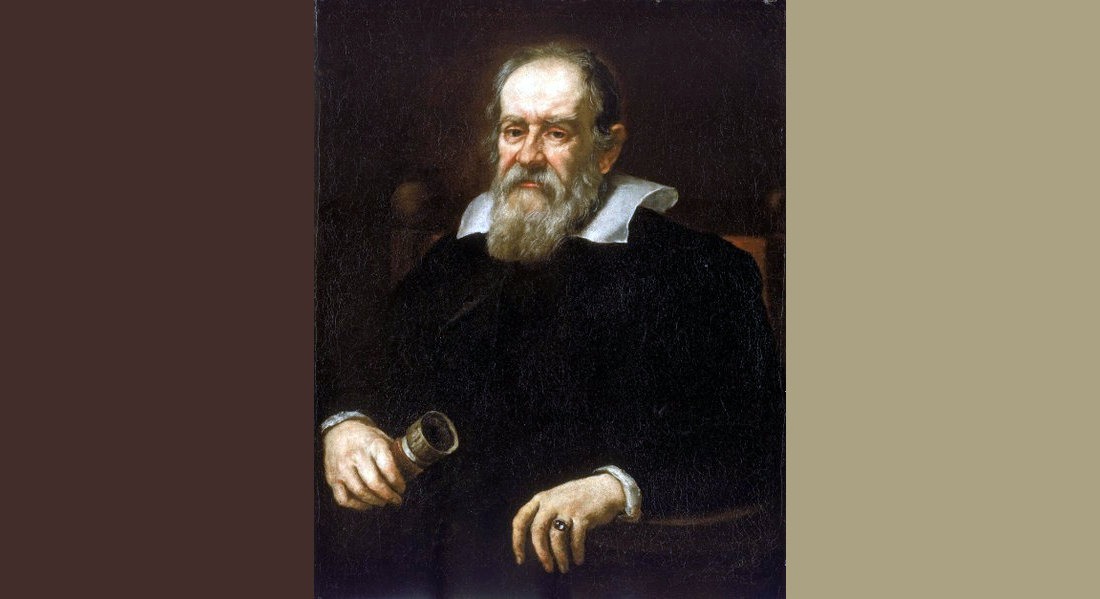
Portrait of Galileo at about 74. He included a copy in his 1638 Two New Sciences book.
1590 to 1640 CE
Microscope Invented = Microworld Discovered!

Various bacteria cells in microscope. Streptococcus pneumonia, p
How new ideas become.
New Look
Idea Modeling

Idea Modeling is a fresh new look at the process of creating new ideas. It is the dynamic interplay of various cognitive functions, but especially pattern recognition and conceptual blending. For this discussion let’s add in curiosity, gap-filling, and information bias. The whole thing is guided by apathetic agnosticism, our defense against bad ideas. It is in line with modern neurobiology, but to be clear, it’s just a general philosophical lens, another view of how ideas are forged.
3 Types: Empirical, Rational, & Irrational
New Look
Pragmatism

The Rational Pragmatist embraces common knowledge and accommodates their Christian faith while rejecting most other supernatural ideas. The Irrational Pragmatist does not believe in common knowledge.
Lived from 1596 to 1649.
17 Generations Ago.
Rene Descartes
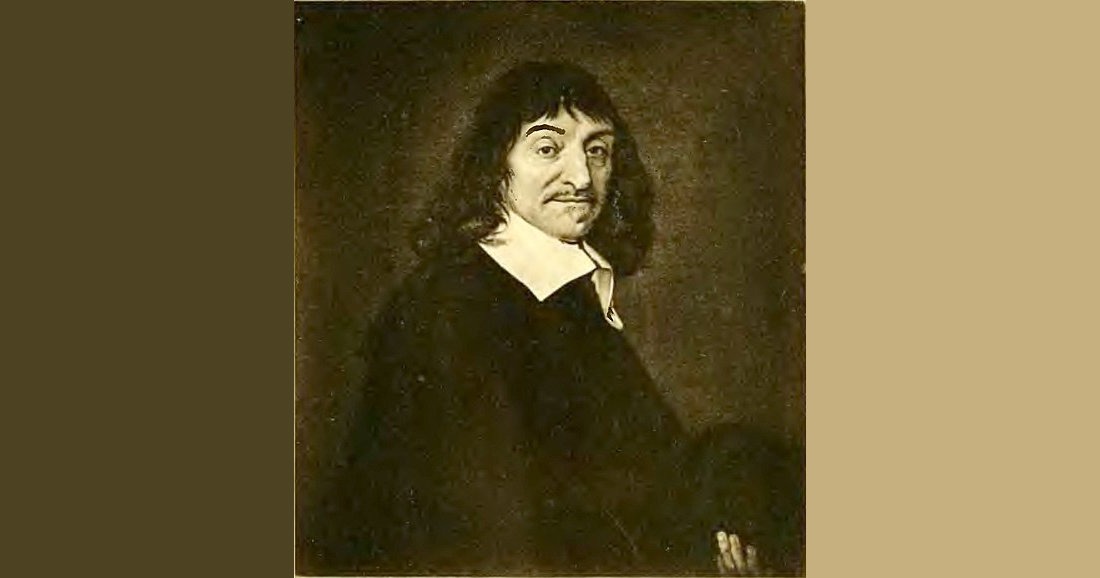
René Descartes was born into minor nobility in the Kingdom of France on March 31, 1596. In 1637, Descartes published "Discourse on the Method," he sought to identify certain knowledge by using doubt to strip away uncertain beliefs. Cartesian Skepticism is a system of doubt aimed at identifying certainties by dismissing all beliefs susceptible to even the slightest uncertainty. On February 11, 1650, in the presence of a small circle of friends, he exhaled his last breath.
1748 with Montesquieu
Evolved from 1640 through 1748
Separation of Church and State

Born circa 1602, died Mar 1683, aged about 80.
17 Generations Ago
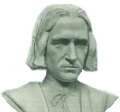
Roger Williams
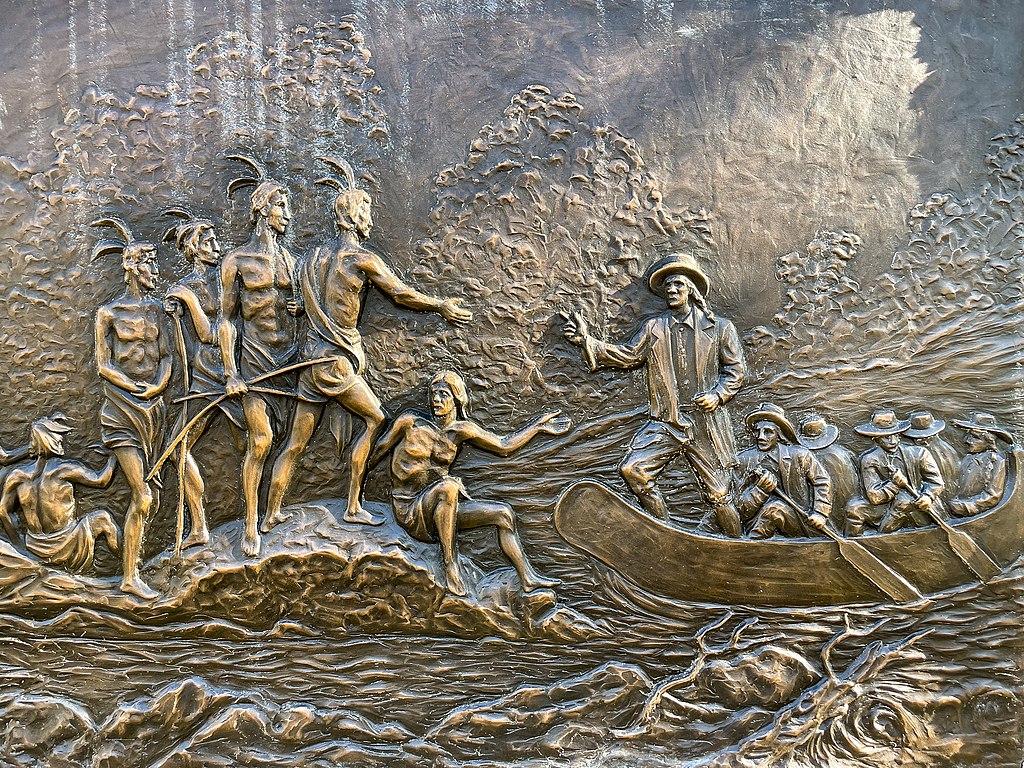
No images exist of Roger Williams. This artist impression represents his fond relations with Native Americans. Landing Place monument in Slate Rock Park, Providence Rhode Island.
Everyone is equal.
Liberalism

Liberalism emphasizes personal freedom, individual rights, equality before the law, and limited government intervention. It is political freedom and civil liberties.
1608
Modern Cosmology

"<a href="https://www.flickr.com/photos/11304375@N07/2818891443" target="_blank" rel="noopener noreferrer">01 The Solar System PIA10231, mod02</a>" by <a href="https://www.flickr.com/photos/11304375@N07" target="_blank" rel="noopener noreferrer">Image Editor</a> is licensed under <a href="https://creativecommons.org/licenses/by/2.0/" target="_blank" rel="noopener noreferrer">CC BY 2.0</a>
1610
Galileo: Observation Corrects the Map
Portrait of Galileo at about 74. He included a copy in his 1638 Two New Sciences book.
The Idea of the Unknowable Dao
New Look
Absolute Truth

Remember absolute truth belongs to the material world as it is. Humans never hold it absolutely. You construct empirical and rational descriptions that align with reality or not, and then you believe each one with a degree of confidence. Each of your claims remains open to testing and revision. Even your strongest conclusions are provisional: true until disproven, not true beyond challenge.
Processes that uncover truth.
New Look
Truth Hammers

A disciplined thinker does not hand confidence to a claim just because it is common. First ask whether it lives by habit, tribe, and repetition, or by testing, evidence, and open challenge.
1629
Modern science started in the 1600s.
The Scientific Method

New Look
Idea Theory Framework

The transformative process of ideas through the Idea Theory Framework. Panel One: whimsical and imaginative birth of speculative ideas. Panel Two: rigorous testing of hypotheses in the scientific laboratory. Panel Three: established theories are taught and shared in the classroom. The cyclical nature of this process, including the possibility of demotion for disproven ideas, underscores the dynamic and evolving pursuit of knowledge.
Jul 1632
Relativity Principle
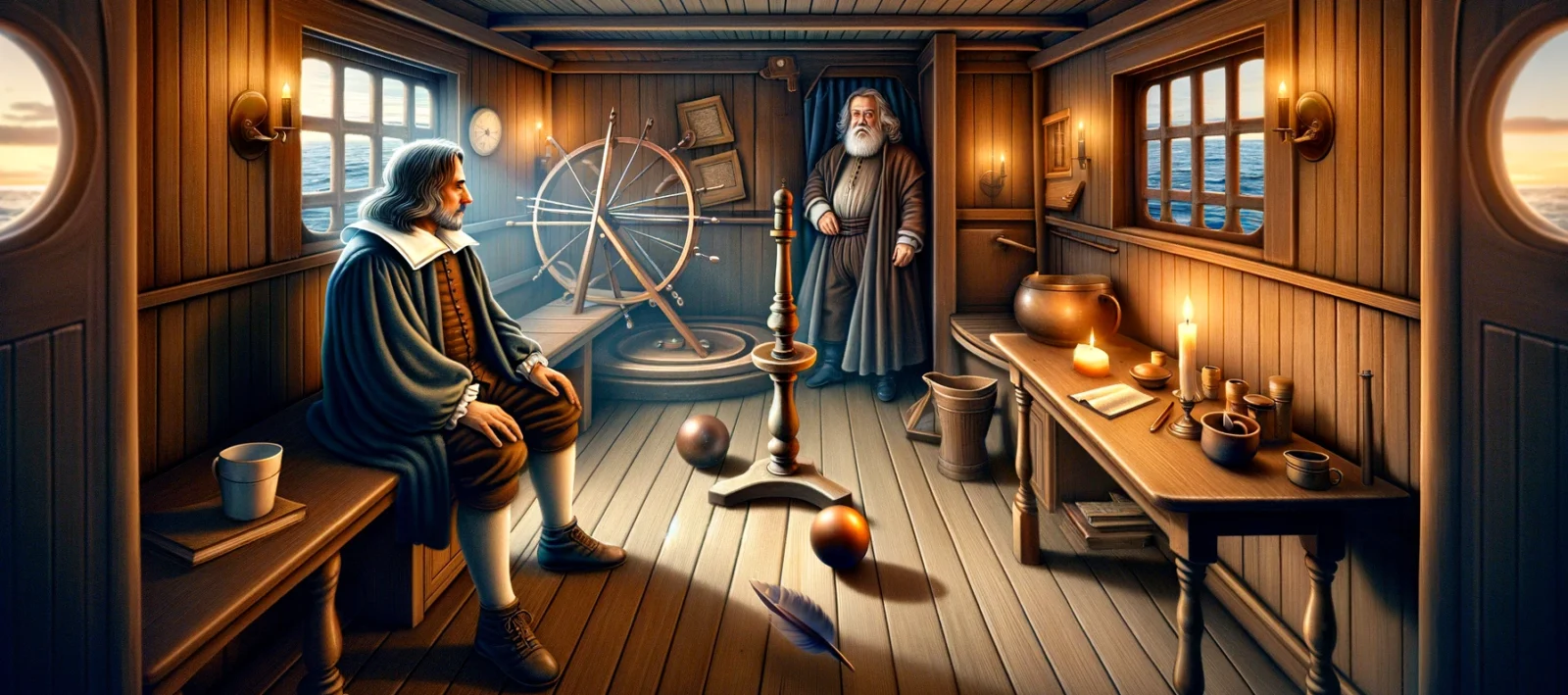
born 1632
1632-1677, aged 44
Baruch Spinoza
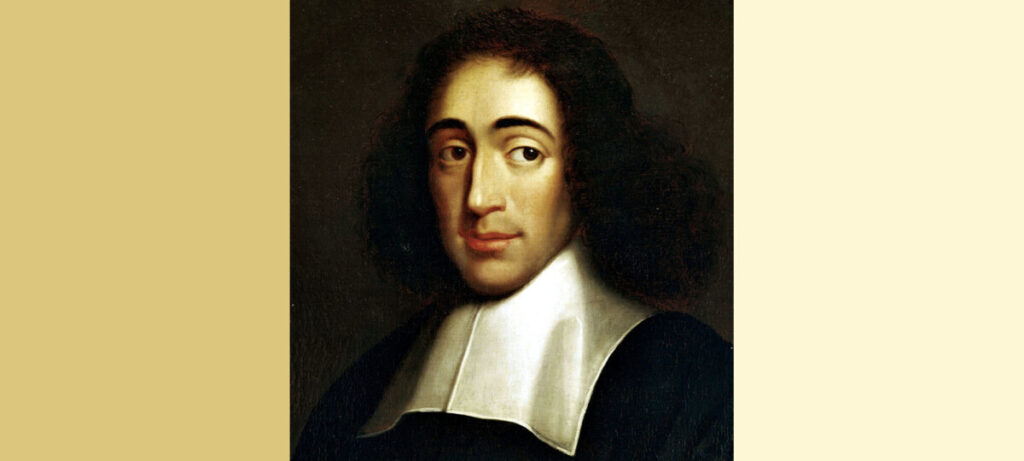
Born 1632, died 1704.
16 Generations Ago
John Locke
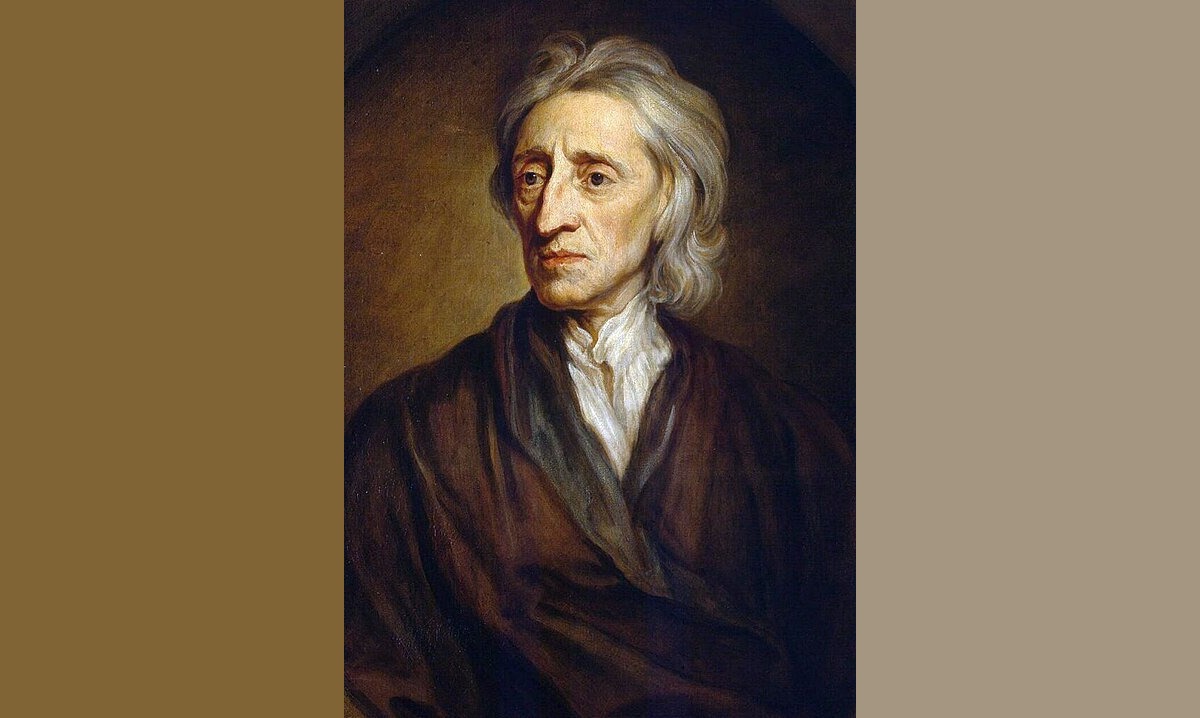
John Locke argued that we are not born with ideas already written into us—we acquire knowledge through experience. His concept of tabula rasa, developed in An Essay Concerning Human Understanding, reshaped how we think about learning, freedom, and rights. If minds begin blank, then no one is born destined to rule—or obey.
Life, Liberty, & Property Rights
Natural Rights

Protection against authority.
Emerged in the 1600s.
Due Process

Law protects.
Modern law emerges after the Middle Ages.
Law

Public belief may accuse, praise, or panic. Law slows that down and asks: what can actually be shown?
1638
Infinitesimal

New Look
Descartes Thought Experiment

Descartes' thought experiment: Descartes questioned the reliability of his senses, contemplated rational ideas with things like the influence of an evil demon. He eventually came to the realization "I think, therefore I am." This allowed him to emerge from an existential void. His cosmic and interconnected thought journey from doubt to certainty helped establish modern philosophy.
1641 - Two Substances: Body & Soul
Cartesian Dualism
Mind-Body Dualism

The relationship between the mind and body has long intrigued philosophers and religious scholars, sparking diverse perspectives and interpretations. Generally, dualism posits that the mind and body are distinct entities, while nondualism asserts that reality is a single, indivisible whole, with perceived divisions being illusory.
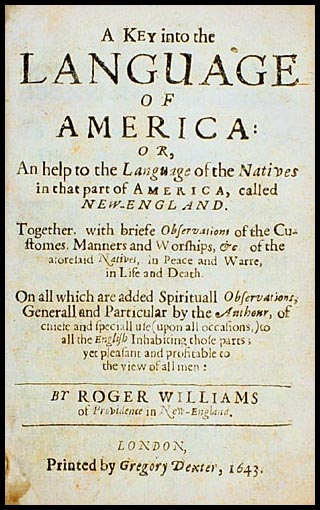
7 Sep 1643
Book: A Key Into the Language of America
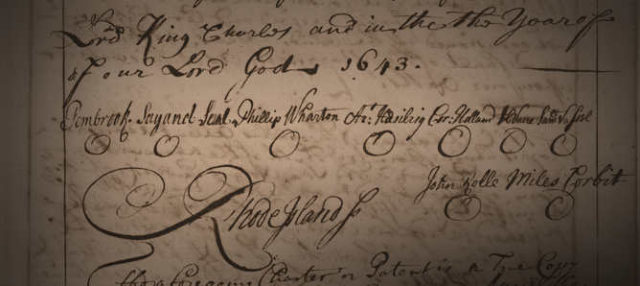
14 Mar 1644
Patent for Providence Plantations, Roger Williams
1644
Book: The Bloudy Tenent of Persecution
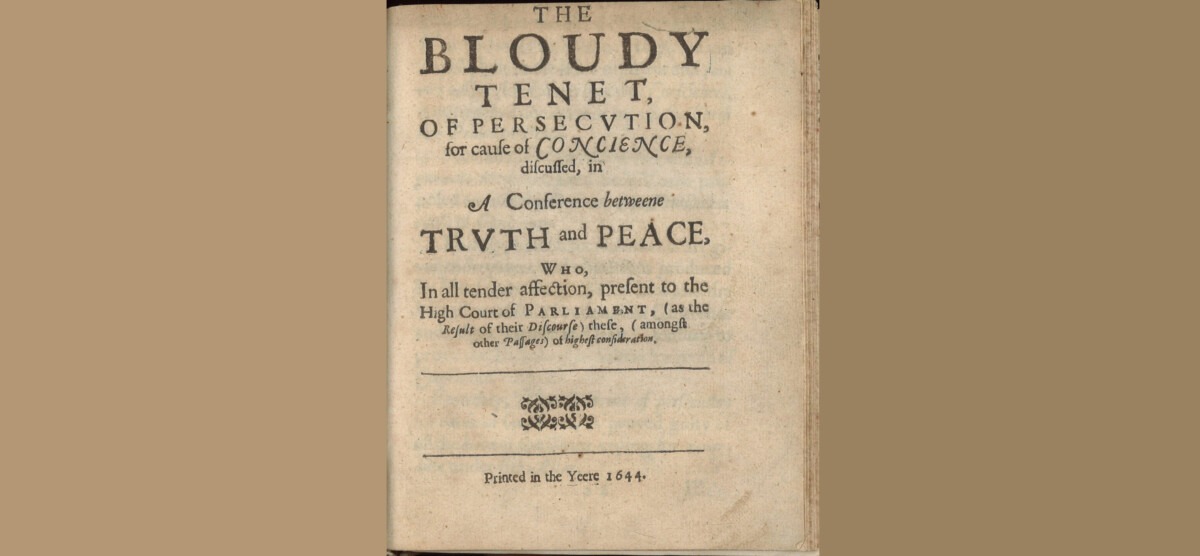
Williams believed faith must be freely chosen because forced belief is not genuine belief. His defense of a “wall of separation” challenged both Old England and New England. His ideas were controversial, but they endured, helping establish freedom of conscience and church-state separation as central principles of modern liberal democracy.
1645
Book: Christenings Make Not Christians
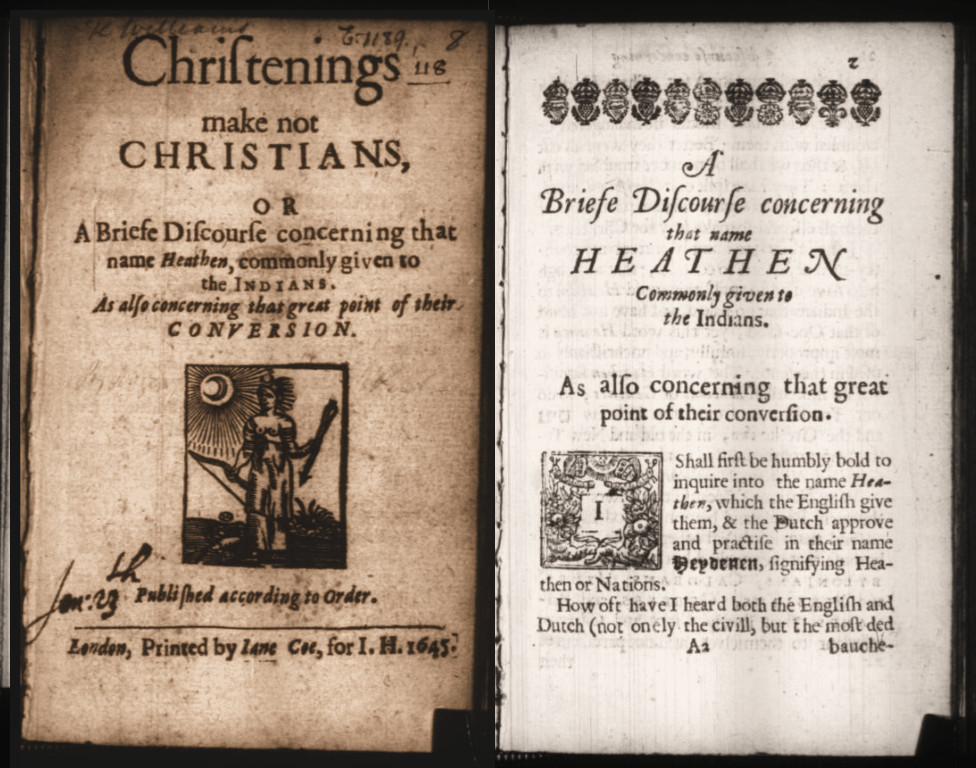
Roger Williams takes issue with the labeling of Native Americans as “heathens.” He argues against such prejudice terminology.
Jul 1663
Founder, Colony of Rhode Island and Providence Plantations
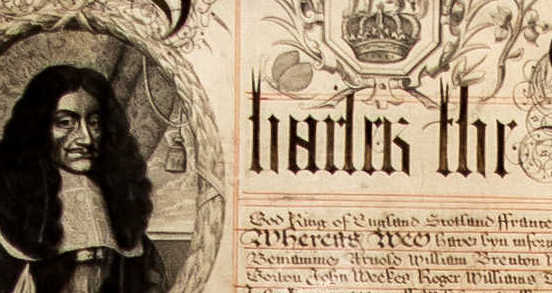
State House, Providence, Rhode Island.
God is nature, nature is everything.
Western monism emerged with Spinoza in the 1600s.
Monism

The material world is reality itself: the shared world that exists whether we notice it, name it, believe in it, or not. Take control of how you respond to afterlife beliefs. You can have your own view while giving others room for theirs. No one knows for sure what awaits us after death. Focus on the life you can control, respect honest differences, and leave room for what remains unknown.
New Look
Open Viewpoint Method (OVM)

Open Viewpoint Method (OVM) is a bridge between worldviews — spirituality on one side, empiricism on the other — built on disciplined listening and calibrated confidence. It does not erase disagreement; it structures it. Debate becomes harmonic dialogue when ideas are separated from identity and claims are evaluated without tribal reflex.
Spirituality is exploration.
New Look
Material-Spiritual Framework

The Material-Spiritual Framework's division of spirituality into agnostic, nontheistic, and theistic postures.
1674
Protozoa Discovered: Microbiology Founded
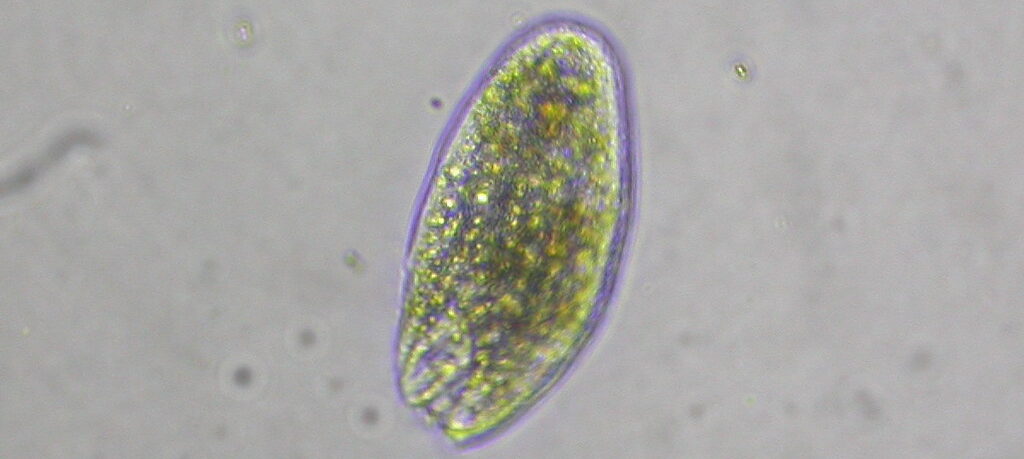
About 2 billion years ago, eukaryotic cells are defined by a membrane-bound nucleus and internal organelles. Their emergence created the structural foundation for complex life.
1679
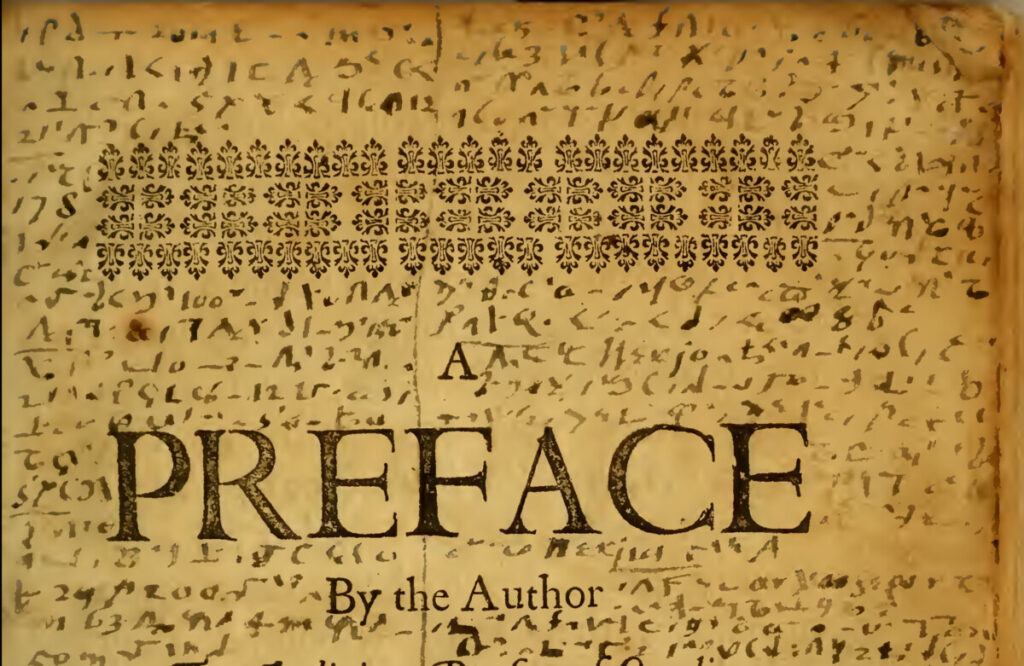
Roger’s Last Known Essay
5 Jul 1687
The Invention of Calculus
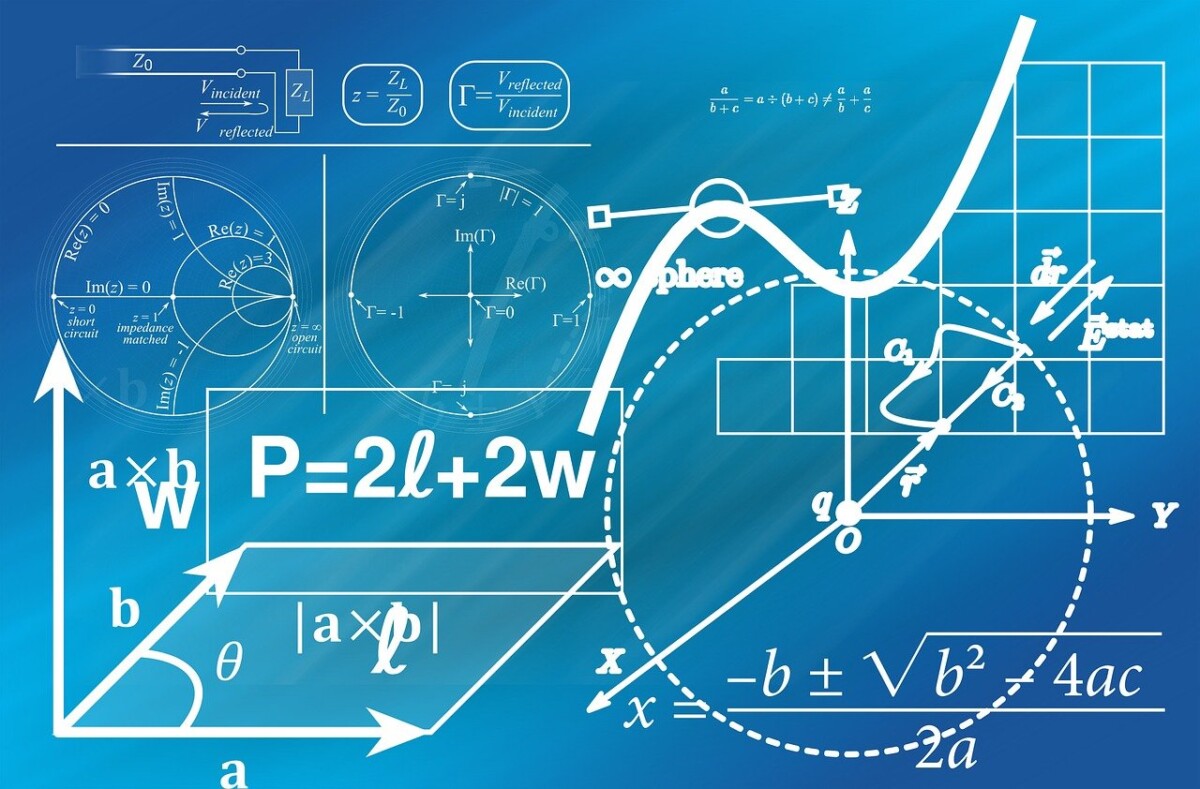
Photo by <a href="https://pixabay.com/users/geralt-9301/?utm_source=instant-images&utm_medium=referral" target="_blank" rel="noopener noreferrer">geralt</a> on <a href="https://pixabay.com" target="_blank" rel="noopener noreferrer">Pixabay</a>
Citizens consent to be governed.
Emerged about 1689.
The Social Contract

The force of public opinion.
The fourth emerged in the 18th & 19th centuries.
Fourth Estate

The Fourth Estate emphasizes freedom of the press and has a role in challenging authority.
Storytelling for the people.
Modern journalism started in the early 1700s.
Journalism

Journalism tests public claims by gathering facts, checking sources, and bringing events into the open.
Born 1694, lived until 1778.
13 Generations Ago
Voltaire
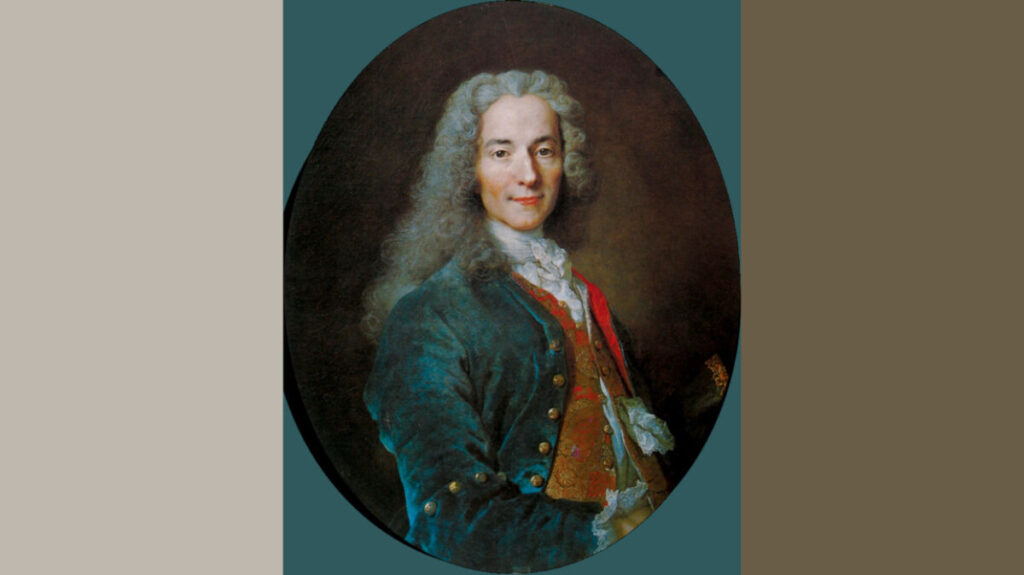
The transformation of François-Marie Arouet into Voltaire: From a budding scholar in Paris, to a prisoner of ideas in the Bastille, to a celebrated playwright whose words ignited the Enlightenment.
Born 1711.
Lived from 1711 to 1776. 12 Generations Ago.
David Hume
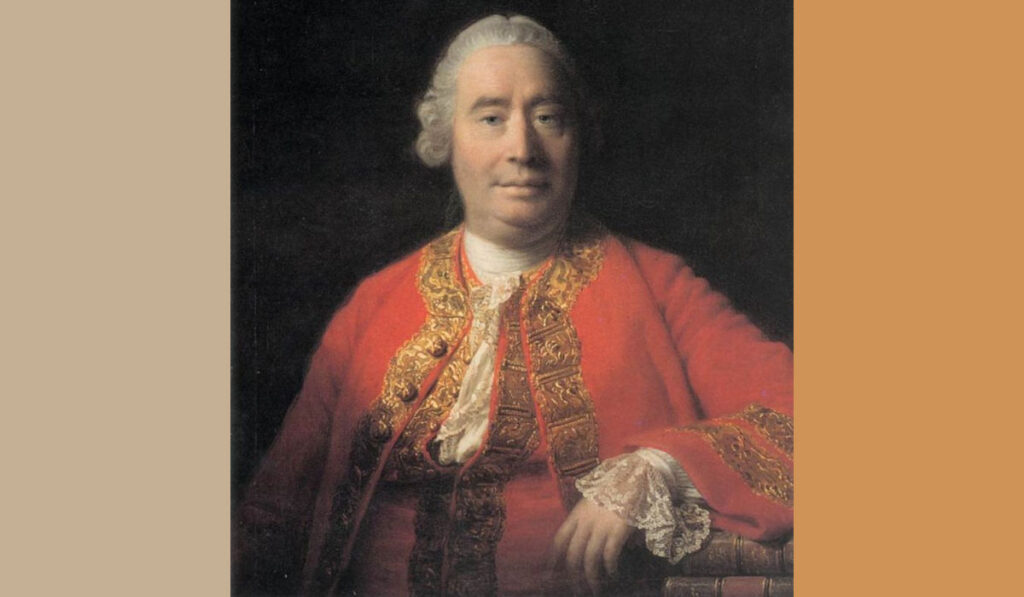
The Scottish Enlightenment philosopher and historian Hume was a leading exponent of empiricism. The belief that all human knowledge derives solely from experience.
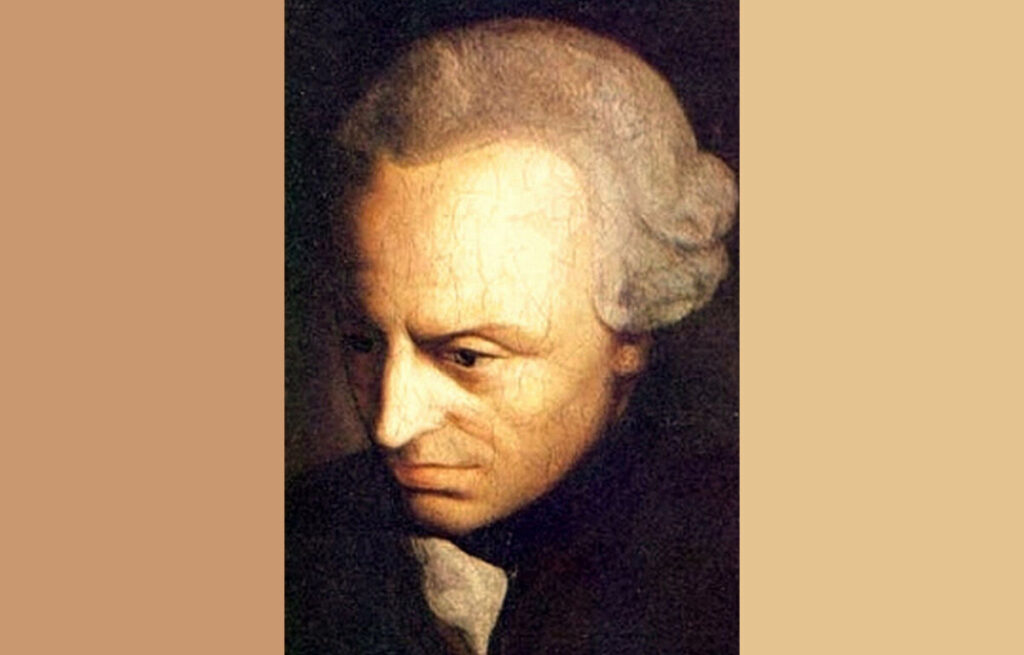
born 1724
1724-1804
Immanuel Kant
Our Ideas are Not Reality
The Eastern unknowable Dao emerged in the West in the late 1700s.
Transcendental Idealism

Live by universal values.
Emerged in late 1700s.
Categorical Imperative

Instincts and Impressions
New Look
Modern Innate Knowledge

Modern Innate Knowledge is Hume's idea of impressions and its interplay with our instincts, our innate knowledge. We can breakdown our instincts into three interconnected categories: basic instincts with primal elements, developmental instincts showing growth and learning, and situational instincts such as adaptive responses.
New Look
Fear-Based Ethics

Fear-Based Ethics within Consequentialism focuses on punishment as the driver for avoiding harm. Morality based on things like Karma and Divine Command Theory, can also emphasize the intrinsic value of moral acts.
New Look
Ethical Roadmap

An Ethical Roadmap is a winding path through different philosophical landscapes from Aristotle's virtue ethics to Mill's utilitarianism. For many, the modern path is a holistic approach to ethics, avoiding fear-based systems and embracing good intent and good results. Along the path, people reflect on their actions, evaluate their motivations, and measure their results to guide future acts as one journeys through moral decisions.
Knowledge is experience.
Skeptical Empiricism

Skeptical Empiricism is the idea that all knowledge stems from experiences and challenges the concept of innate knowledge.
Patterns might mislead.
The Problem of Induction

The Problem of Induction illustrates the circular nature of inductive logic and the intellectual puzzle it presents.
Life is definitions & observations.
New Look
Hume’s Fork

1741
David Hume
Hume’s Is–Ought Problem
The Scottish Enlightenment philosopher and historian Hume was a leading exponent of empiricism. The belief that all human knowledge derives solely from experience.
Separation of Powers
Matured about 1748.
Checks and Balances

Checks and balances embody an enduring piece of wisdom: power should check power. Separate centers of authority make it harder for any person, party, or institution to gain unchecked control.
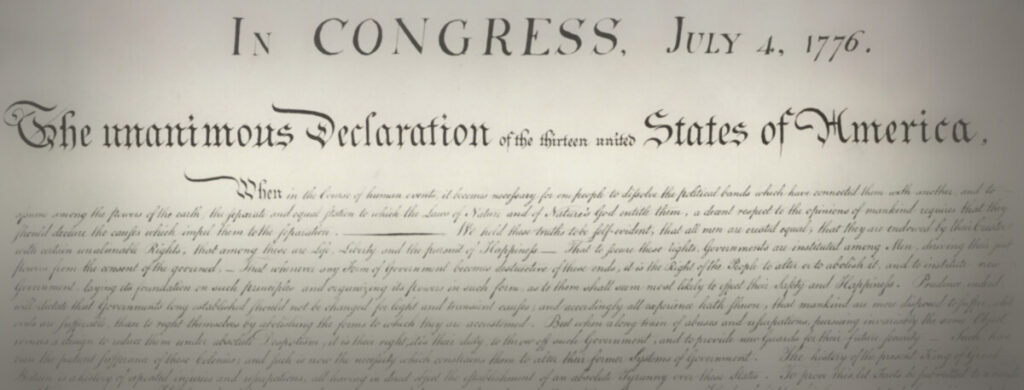
4 Jul 1776
Declaration of Independence
stone.tif
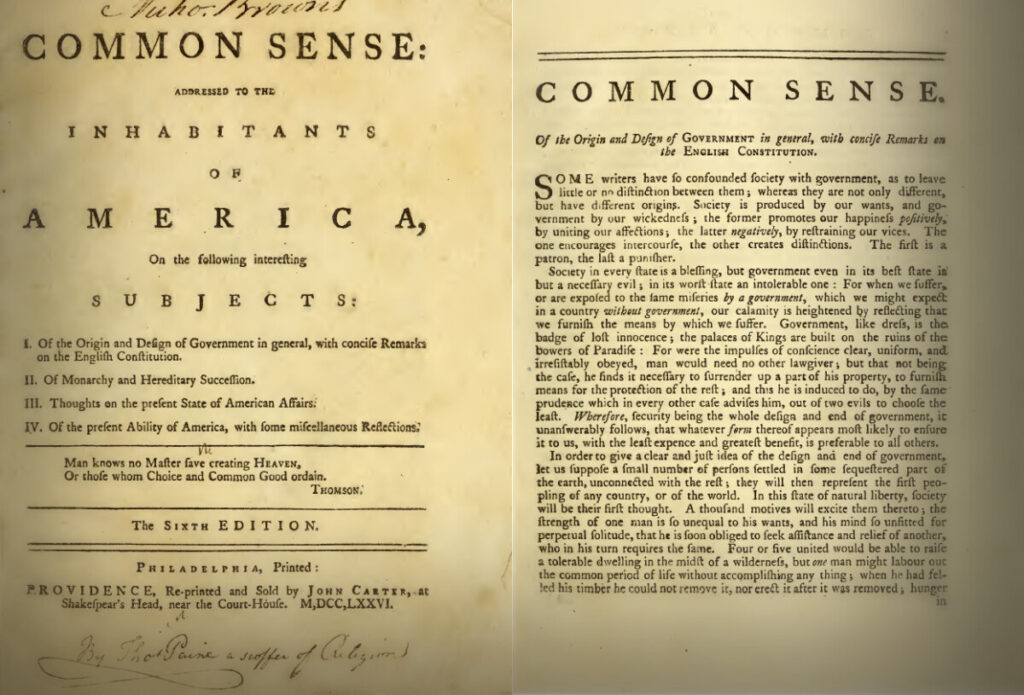
Oct 1776
Common Sense by Thomas Paine
Nov 1783
Black Holes Proposed
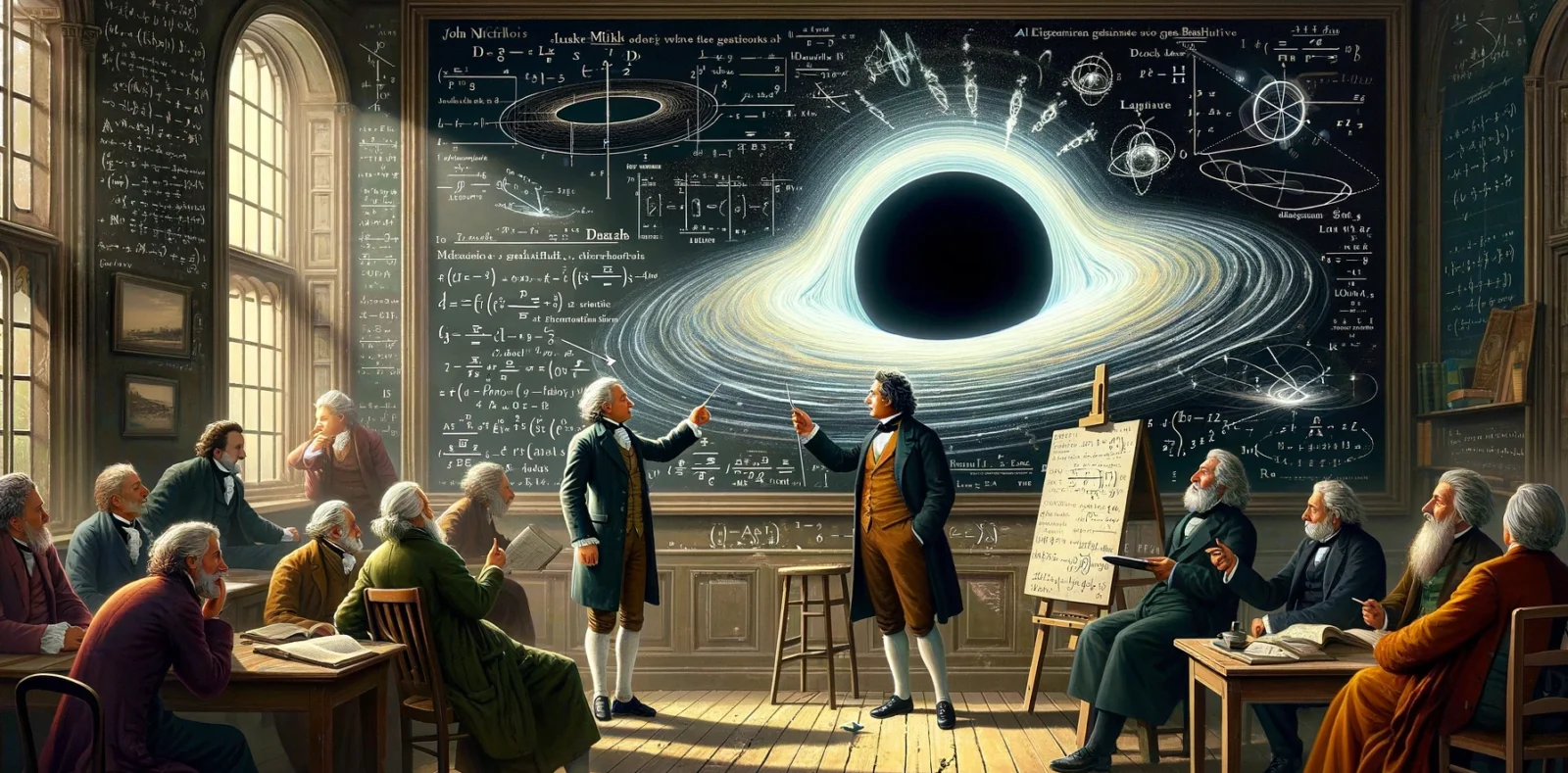
From Speculation to Science: From the 18th-century conjectures of John Michell and Pierre-Simon Laplace, who envisioned "dark stars" with gravitational forces so intense that not even light could escape, to the 20th century when Albert Einstein solidified the concept through his General Theory of Relativity. Image juxtaposes the early theoretical diagrams of black holes with Einstein’s detailed mathematical portrayal of spacetime curvature.
17 Sep 1787
The Constitution of the United States
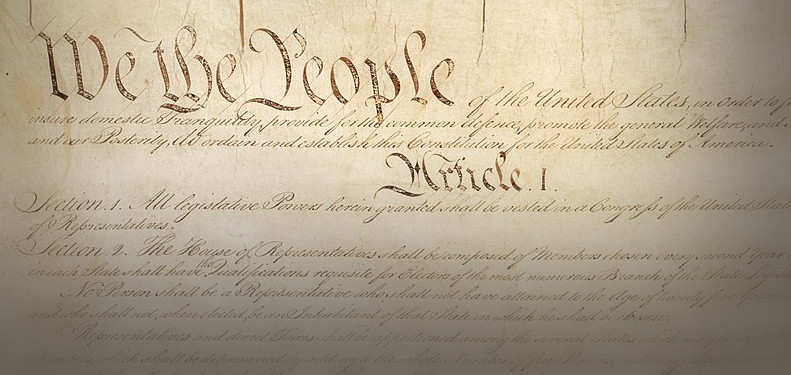
born 1788.
Lived from 1788 to 1860, aged 72.
Arthur Schopenhauer

Arthur Schopenhauer gave one of philosophy’s bleakest answers to the human condition: beneath our thoughts and ambitions lies a blind Will, endlessly driving desire, struggle, and dissatisfaction.
3 Dec 1791
Bill of Rights

The Bill of Rights protects personal liberty by limiting government power.
Born 1806, he lived to see 1873.
9 Generations Ago
John Stuart Mill
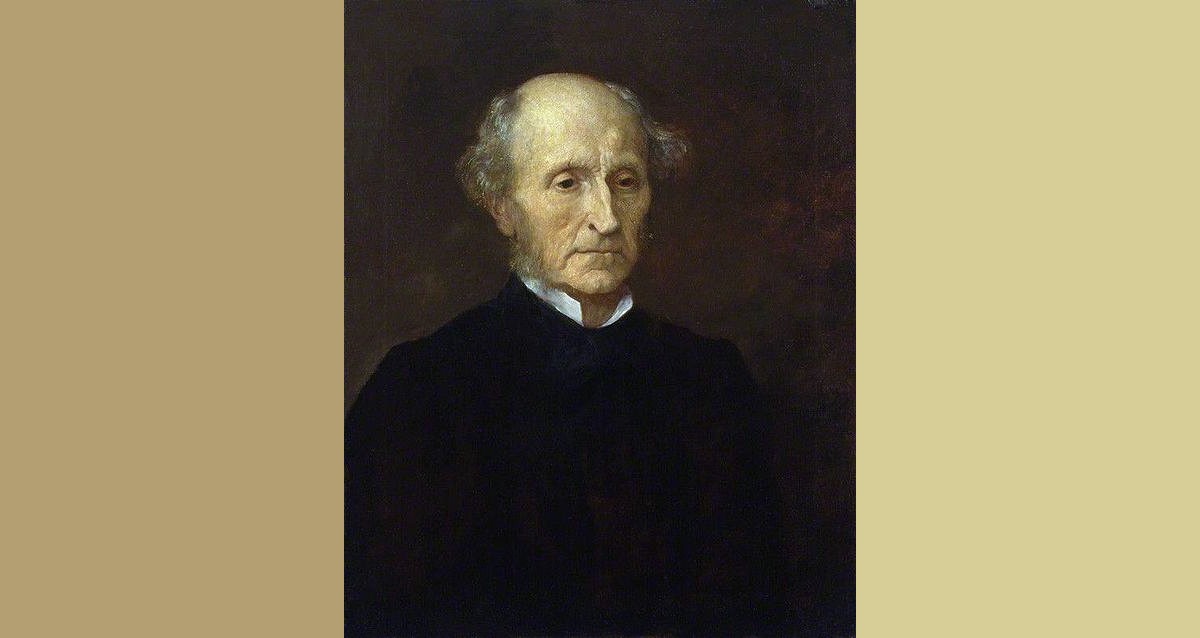
John Stuart Mill. Choose the action that produces the greatest good for the greatest number. Morality should aim at the greatest overall happiness.
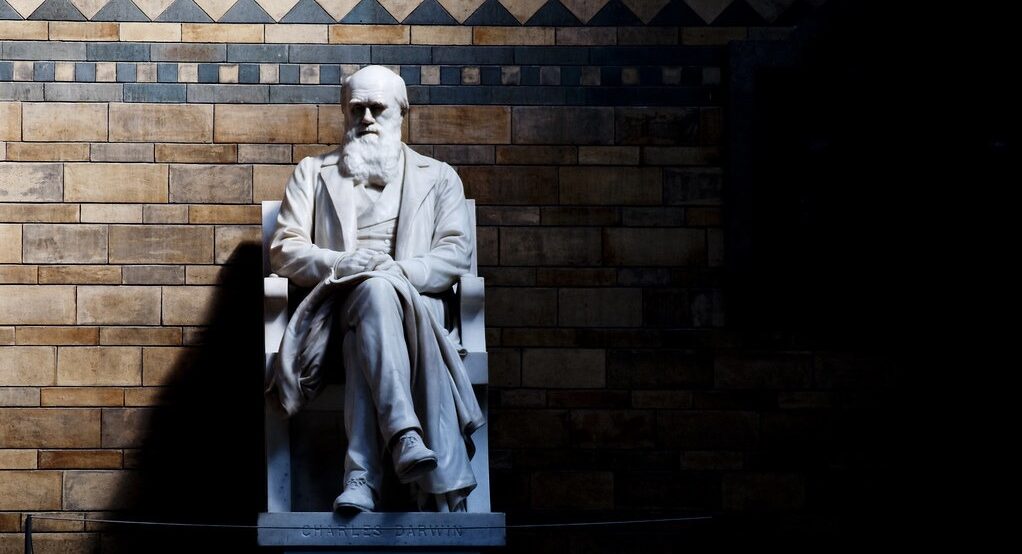
British Naturalist
Charles Darwin (1809-1882)
b. 1813
1813 to 1855, aged 42
Søren Aabye Kierkegaard

Unfinished sketch of Kierkegaard by his cousin Niels Christian Kierkegaard, Royal Library, Copenhagen, c. 1840
British Naturalist and Explorer
Father of Biogeography
Alfred Russel Wallace (1823-1913)

1824
The Birth of Paleontology
Fossils: From Myth to Science

From Myth to Science: Humanity's Journey to Understanding Fossils. The journey of humanity's acceptance of fossils as extinct animals started with Robert Plot examining a large bone in the 17th century as well as Mary Anning discovering fossils along the coast, and Gideon Mantell studying Iguanodon teeth. Finally, William Buckland describes a Megalosaurus in 1824.
1842
Doppler Effect for Sound and Light

Use angst to guide your life.
1843: “Fear and Trembling” by Kierkegaard.
Anxiety “Angst”
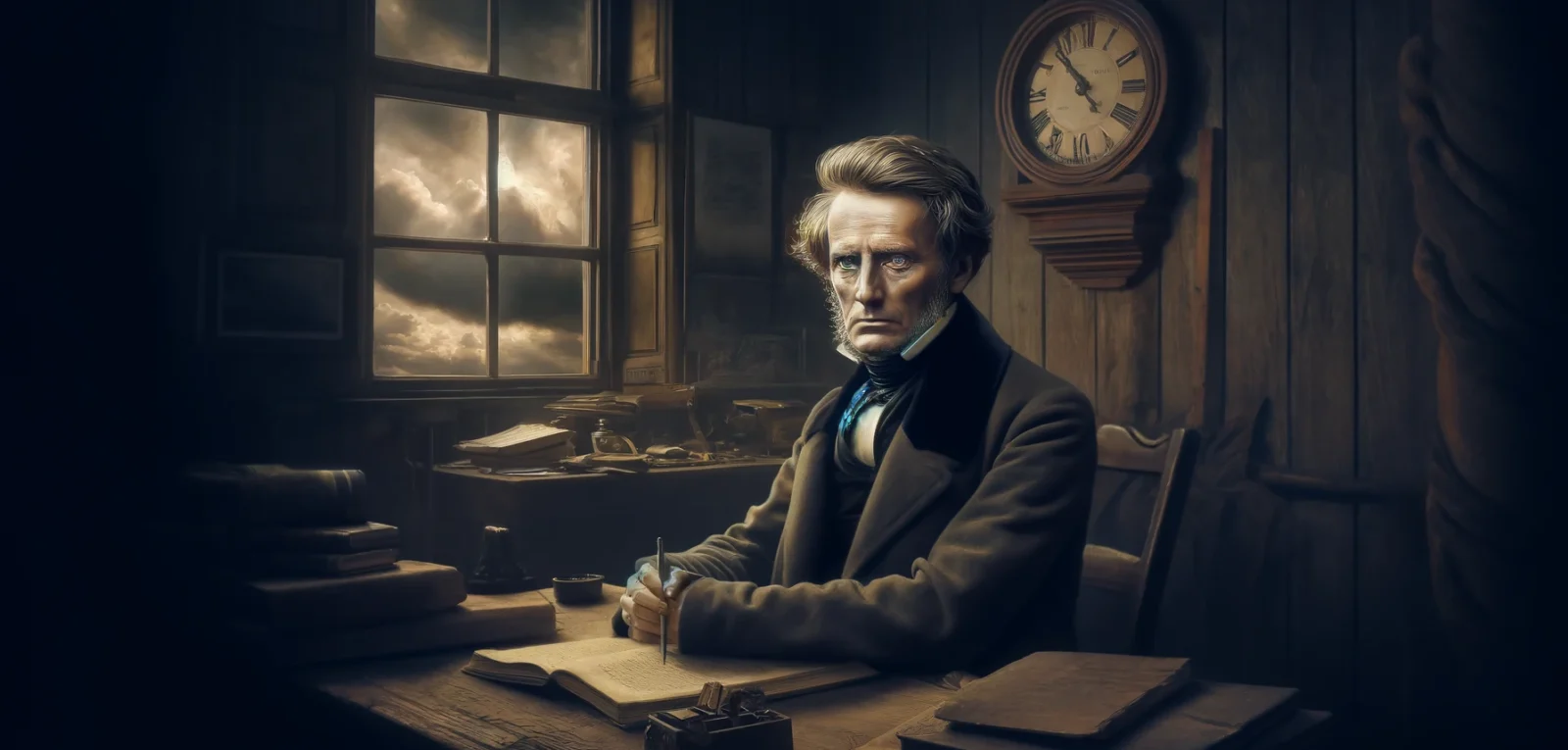
Imagined image: Soren Kierkegaard at his famous desk feeling profound existential angst.
New Look
Leap of Faith

Kierkegaard's Leap of Faith redefined for all. When faced with the vast unknown, you sometimes need to take a leap of faith whether that leap is rooted in religious beliefs or not. The using of angst and uncertainty to guide your life gave rise to both modern psychology and existentialism.
Born 1844.
Born 7 Generations Ago in 1844, lived until 1900.
Friedrich Nietzsche
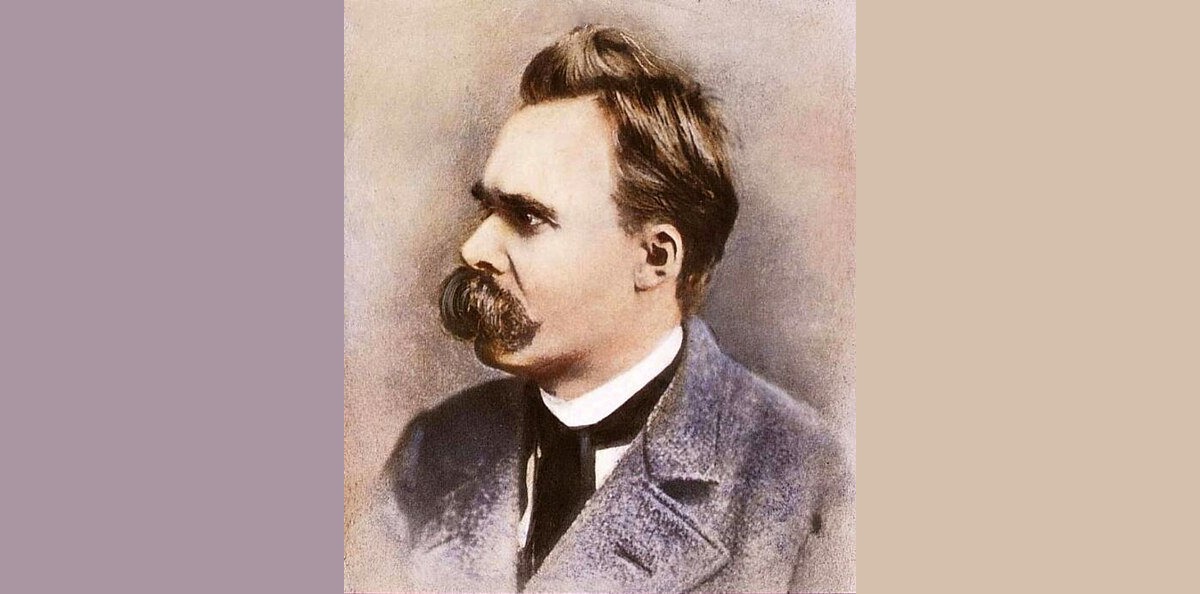
Chapter 30 in "30 Philosophers" explores Nietzsche's story and philosophy.
1848
Doppler Effect Observed for Stars
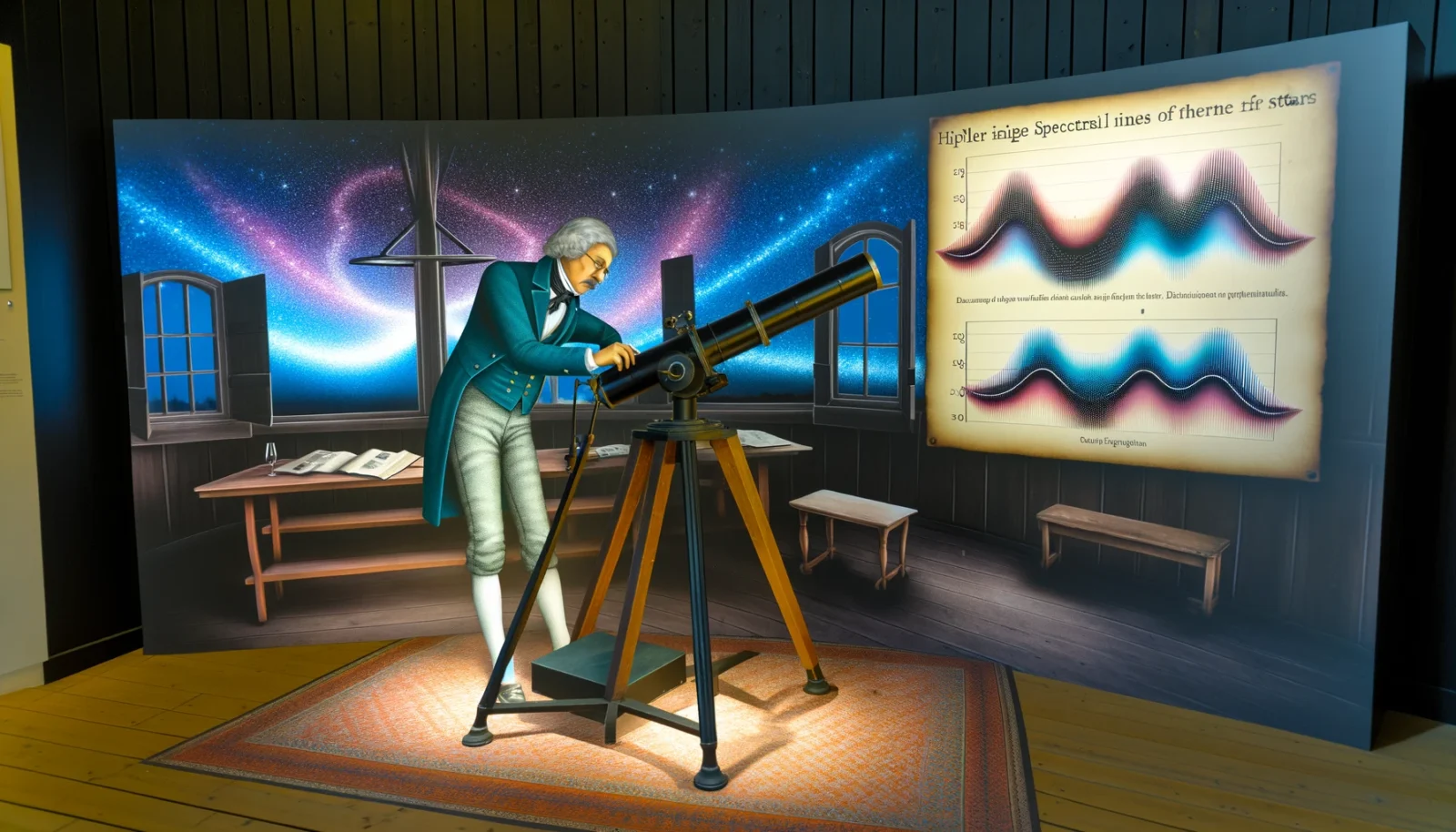
In 1848, French physicist Hippolyte Fizeau confirmed Doppler's 1842 theory with light. The doppler effect with sound was confirmed three years earlier.
1853
Discovery: The Sumerian Flood Story

1858
Lived from 1858 to 1947, aged 89.
Max Planck
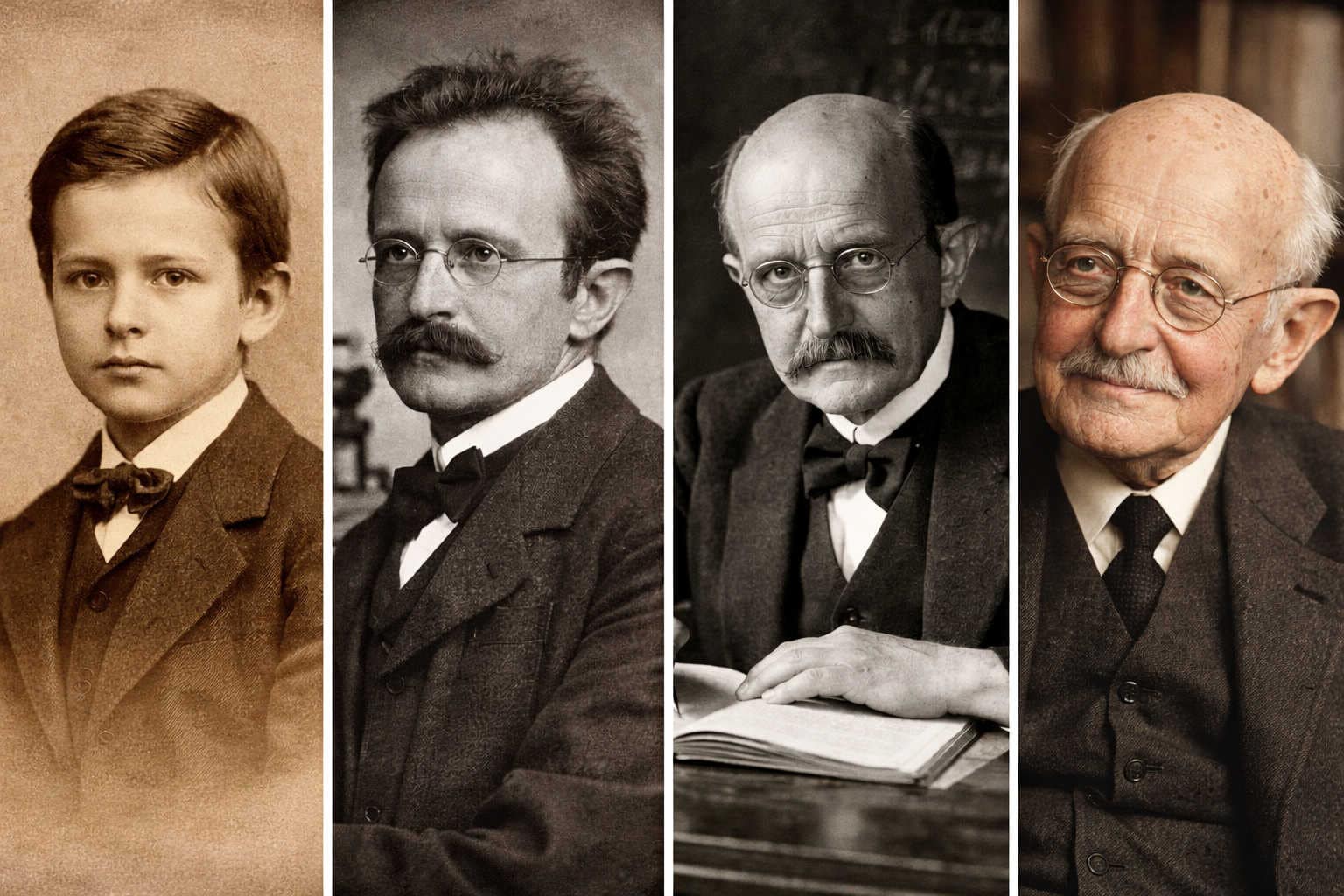
Cause no harm.
In "On Liberty," pub. 1859.
Harm Principle

“Causing no harm” is an aspiration, not a fantasy. Life brings tradeoffs. Even good choices can carry costs. The ethical person does not pretend harm never happens; they notice it, reduce it, justify it when necessary, and stay willing to recalibrate.
1862: Ivan Turgenev novel "Fathers and Sons"
New Look
Nihilism

Nihilism is the idea that life lacks objective meaning, purpose, and intrinsic value.
1864
Electromagnetic Radiation Theory

Born 1864.
Lived from 1864 to 1920, aged 56 years.
Max Weber (1864–1920)

Max Weber’s work explains why authority feels legitimate, and why judgment can quietly disappear inside systems.
6 Dec 1865
13th Amendment

The 13th Amendment abolished slavery, but it left one major exception: forced labor could still be used as punishment for a crime after conviction. That exception mattered. It ended chattel slavery, yet it also left a legal opening that shaped prison labor and later systems of coercion. Today we sill have forced prison labor including chain gangs.
born 1879
Lived 1879 to 1955, aged 76.
Albert Einstein (1879 to 1955)
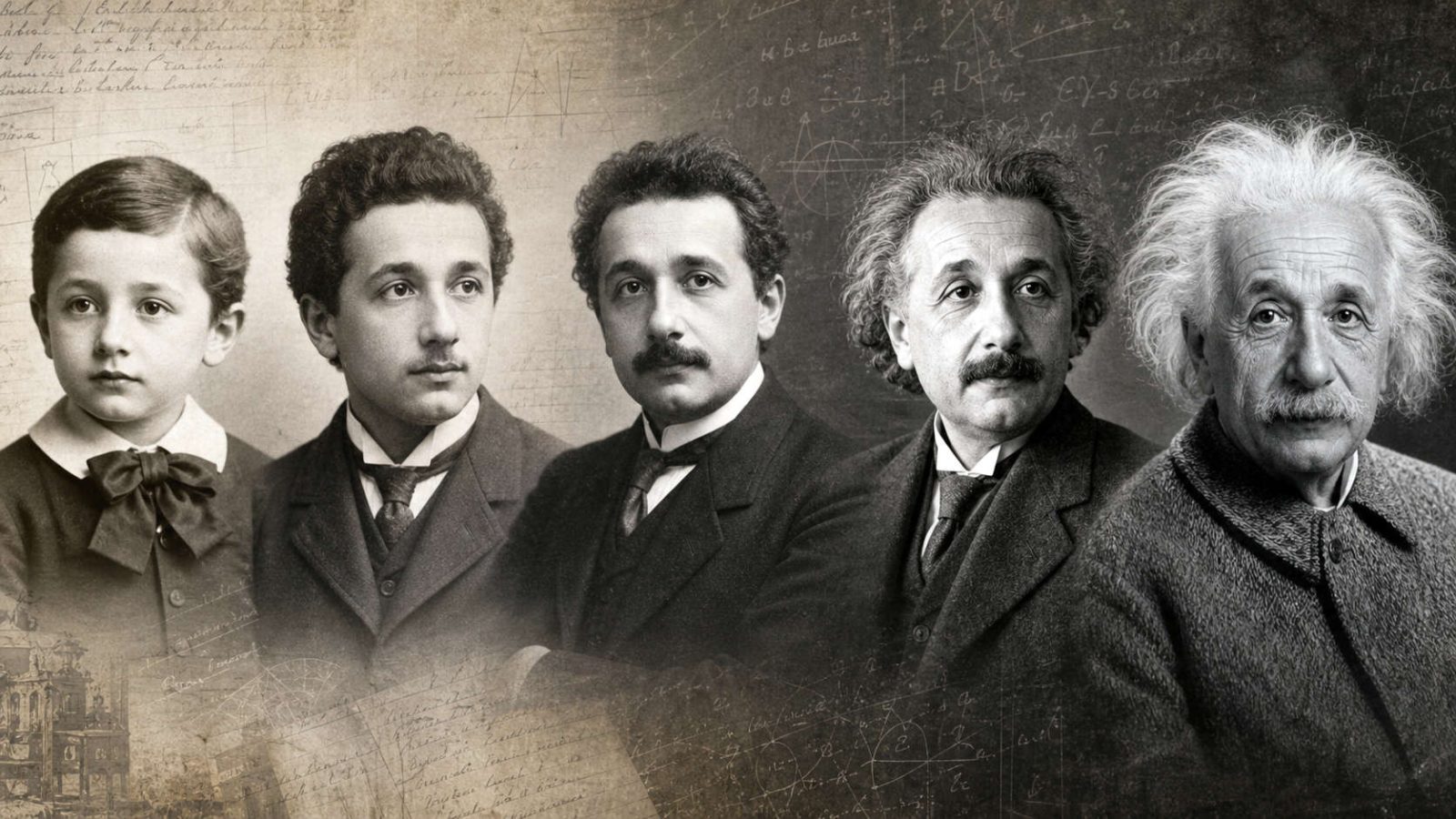
Albert Einstein (1879–1955) was born in Ulm, Germany, and died in Princeton, New Jersey, at age 76. He married Mileva Marić in 1903; they had three children: Lieserl, whose fate is uncertain, Hans Albert, and Eduard. After their divorce in 1919, Einstein married Elsa Löwenthal, who died in 1936. Einstein died on April 18, 1955, survived by his sons Hans Albert and Eduard, his stepdaughter Margot, and a legacy that still bends how we see reality.
Born 1879.
Lived from 1879 to 1950, aged 70
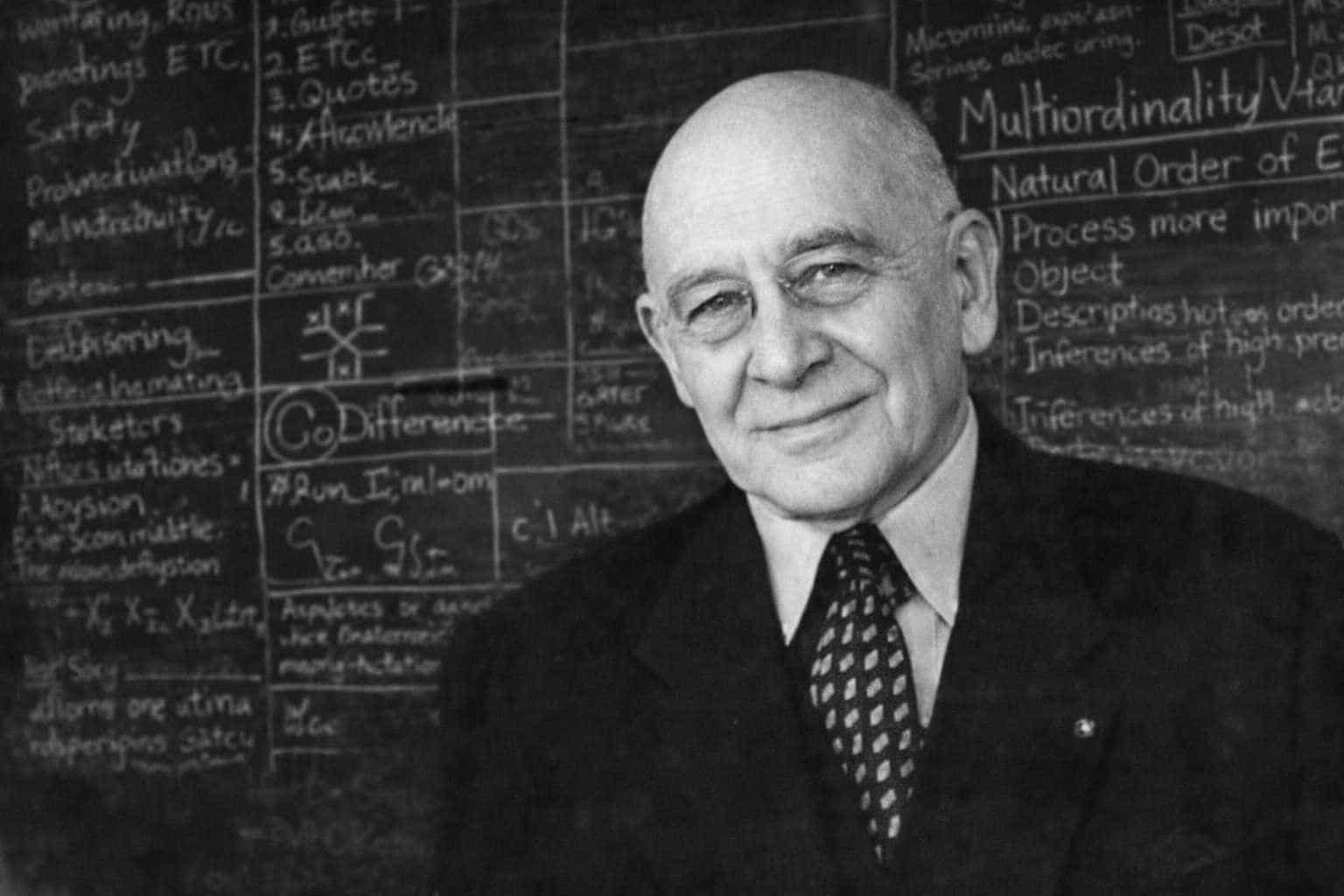
Alfred Korzybski
Nietzsche Mustache

Live Your Authentic Self
1883, 1885: From "Thus Spoke Zarathustra"
Übermensch

The Übermensch, or superman, is the ideal person who transcends societal norms and self-imposed limitations.
Live in the now.
From "Thus Spoke Zarathustra".
Eternal Recurrence

TST uses Eternal Recurrence inside Authentic Self as a test for authenticity. It asks whether the life you are living is one you can affirm, not just endure. It is a common floor for testing your choices and a hook into Nietzschean thought. To live authentically, ask: would I choose this again?
New Look
Authentic Recipe: Nietzsche’s Five-step Approach

The Nietzsche Five-step Authentic Recipe is the casting of his ideas into five steps. The journey towards an authentic self, the transformation and empowerment of your true self.
b. 1899
1899 to 1990, aged 90
Peter Zapffe

1903 to 1950, aged 46.
Orwellian Thought
George Orwell
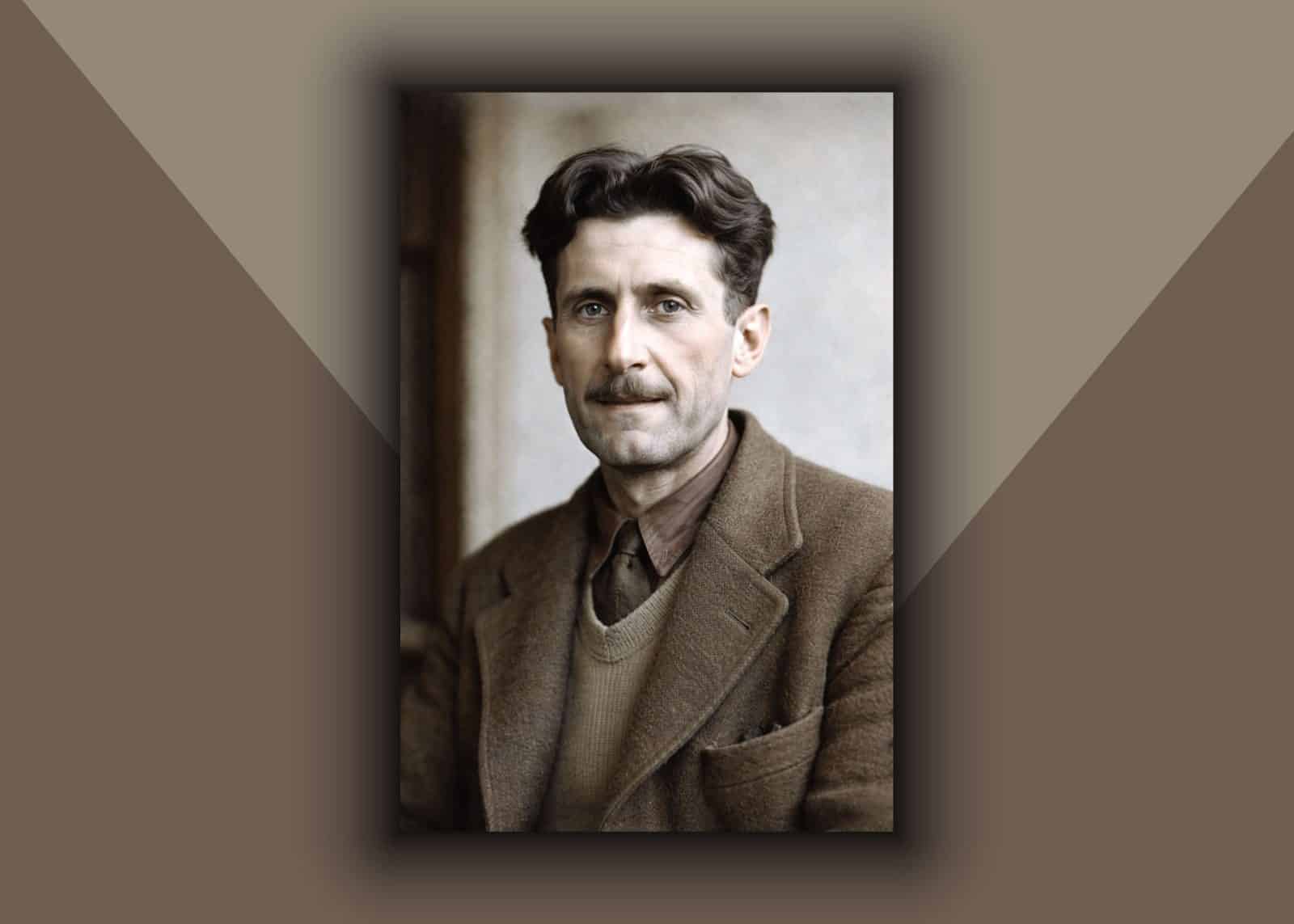
George Orwell wrote about how corruption starts when language is twisted, facts are manipulated, and authority demands loyalty over reality.
born 1905
1905-1980
Jean-Paul Sartre
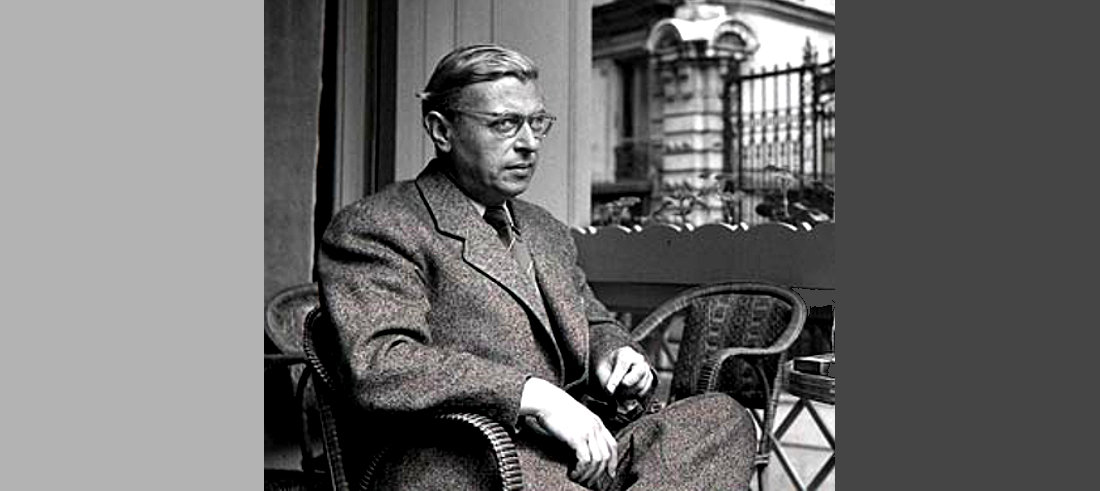
Jean-Paul Sartre lived from 1905 to 1980, He was a French existentialist philosopher and writer best known for the idea that “existence precedes essence.”
Jun 1905
Special Relativity
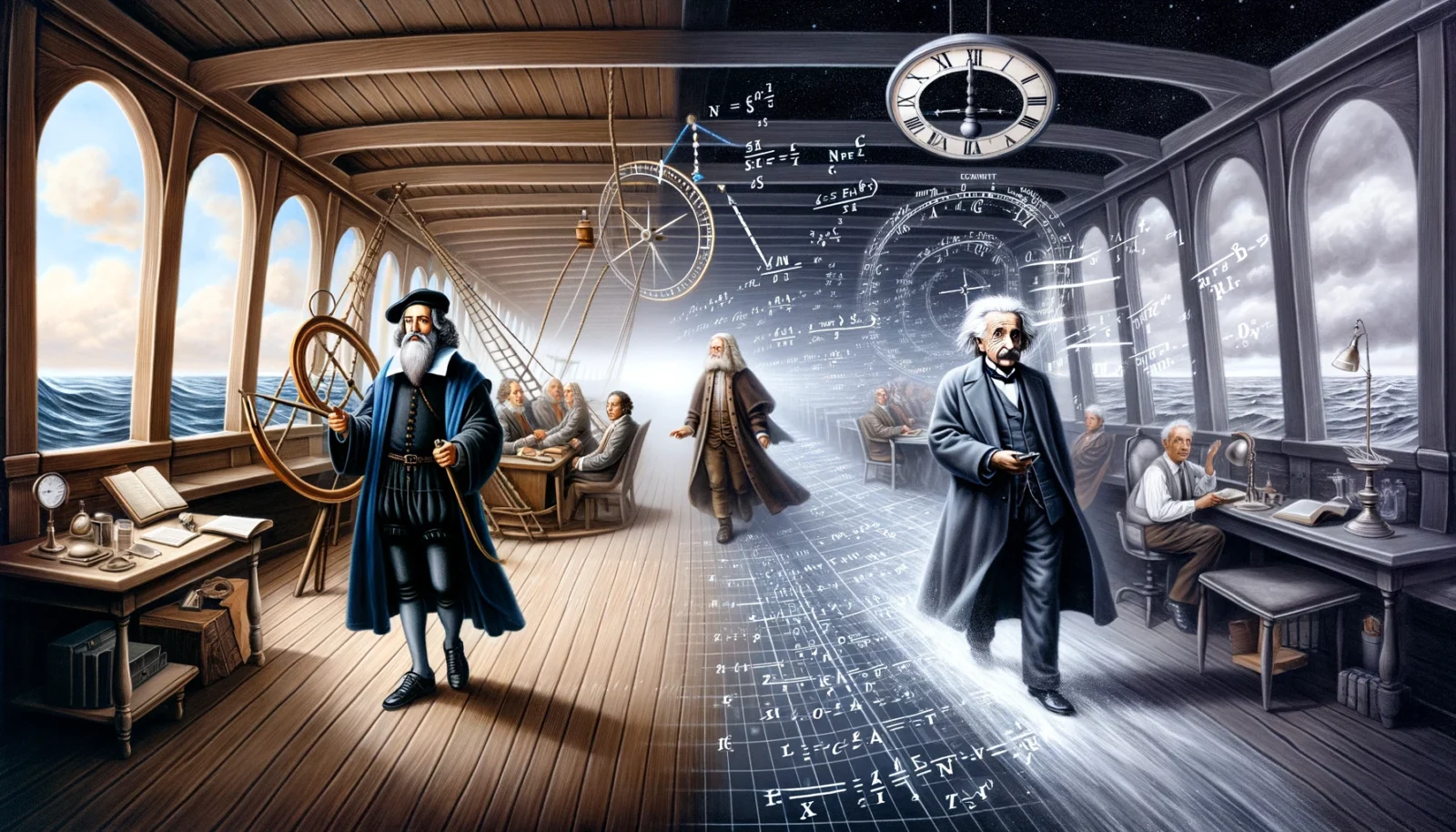
1905 CE
Radiometric Dating

Iodine 131(I-131)Radioactive isotopes used for hyperthyroidism treatment are stored in Lead boxes
The experience of living.
New Look
Consciousness

Experiencing life through the lens of consciousness.
24 Dec 1906
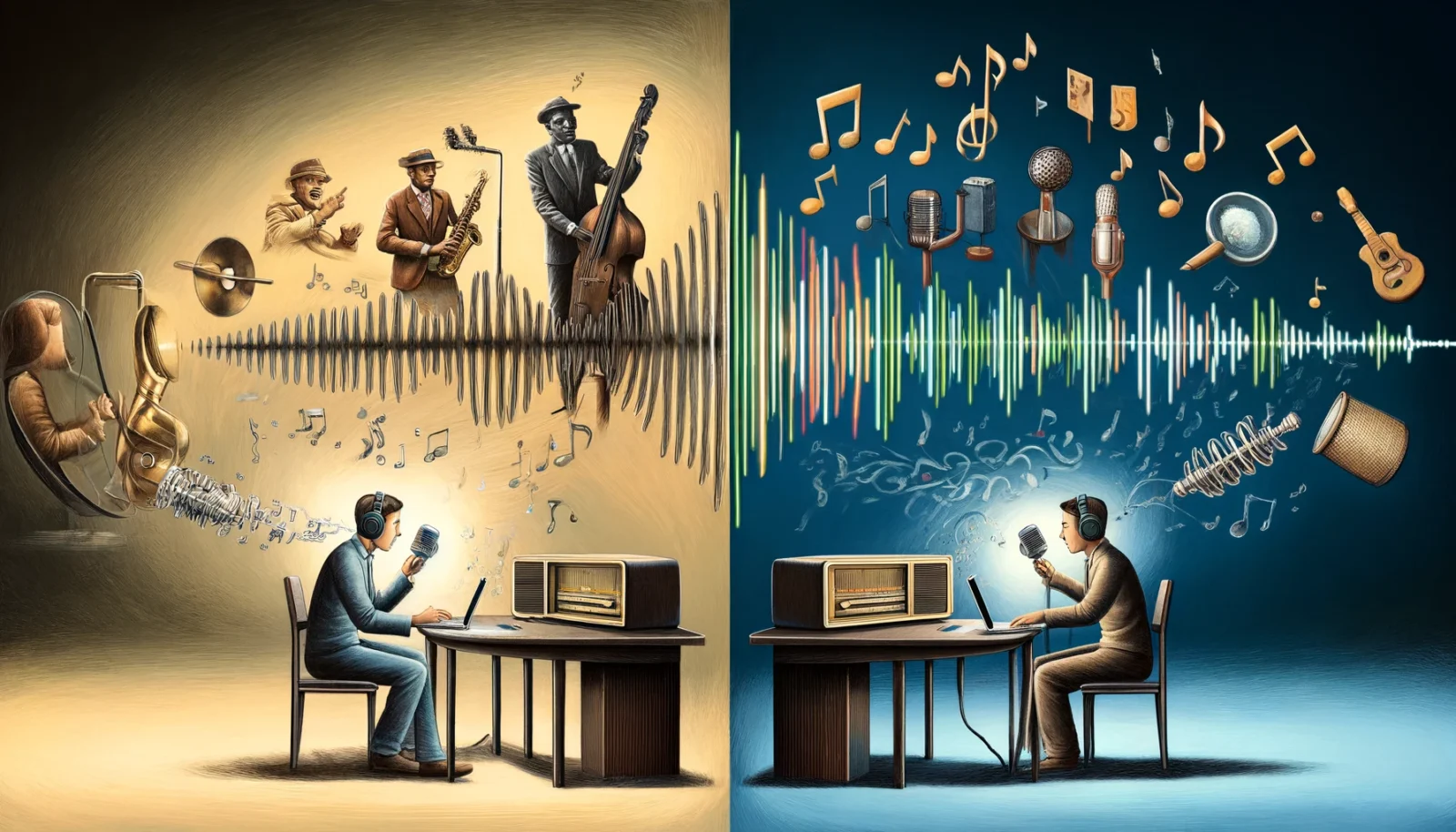
First Analog Radio Transmission
b. 1913
1913 to 1960, aged 46
Albert Camus

Nov 1915
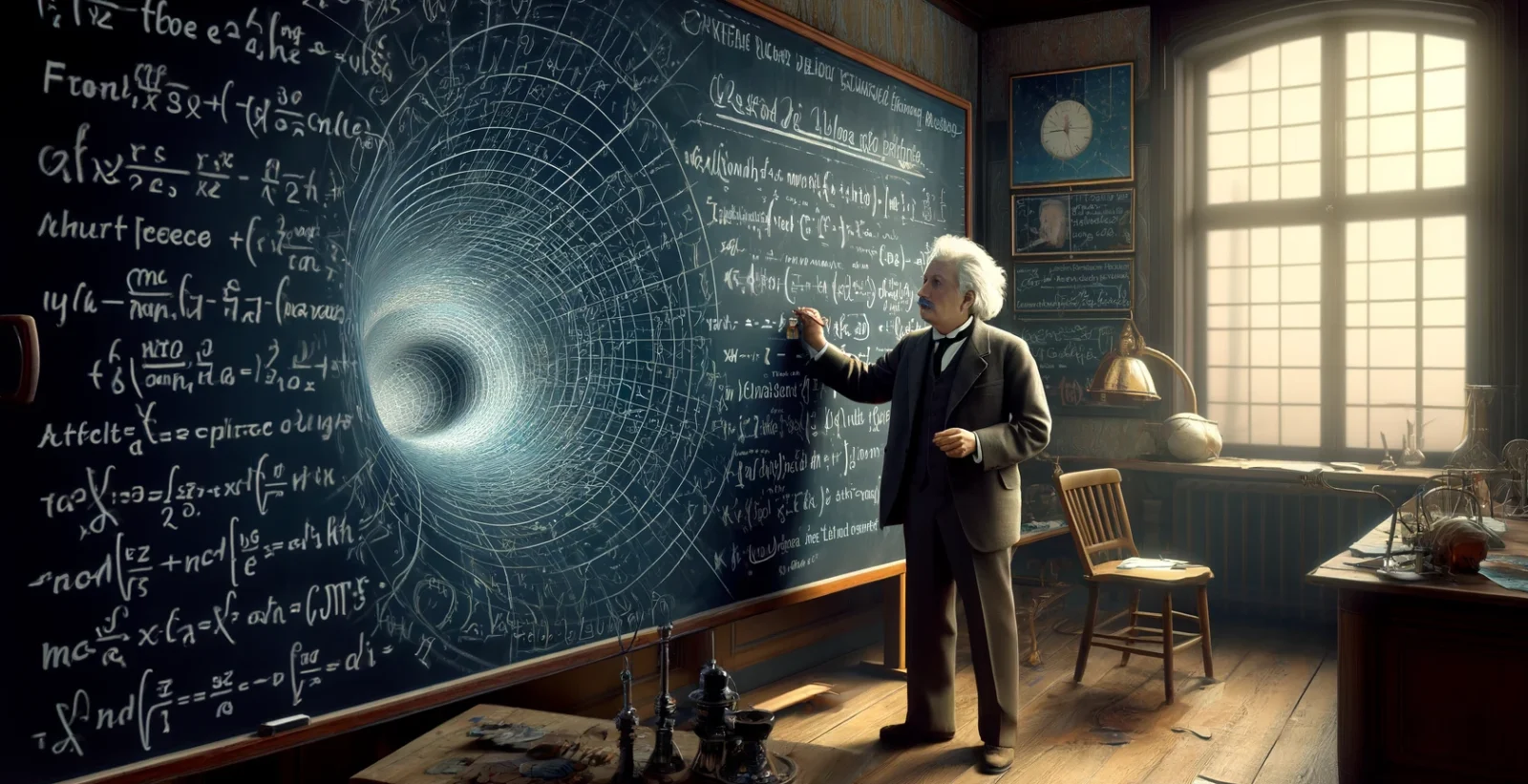
General Relativity
Confront life head on.
1927: "Being and Time"
Heidegger’s Existentialism

Heidegger's existentialism centers on the concept of "being-there" (Dasein), which refers to the unique way humans exist and relate to the world. Heidegger explores the nature of being and emphasizes the importance of understanding one's own existence within the context of time and space. His philosophy delves into the idea of being authentic by confronting the inherent uncertainties and anxieties of life, and seeking a deeper understanding of one's place in the world through introspection and connection to nature.
1929
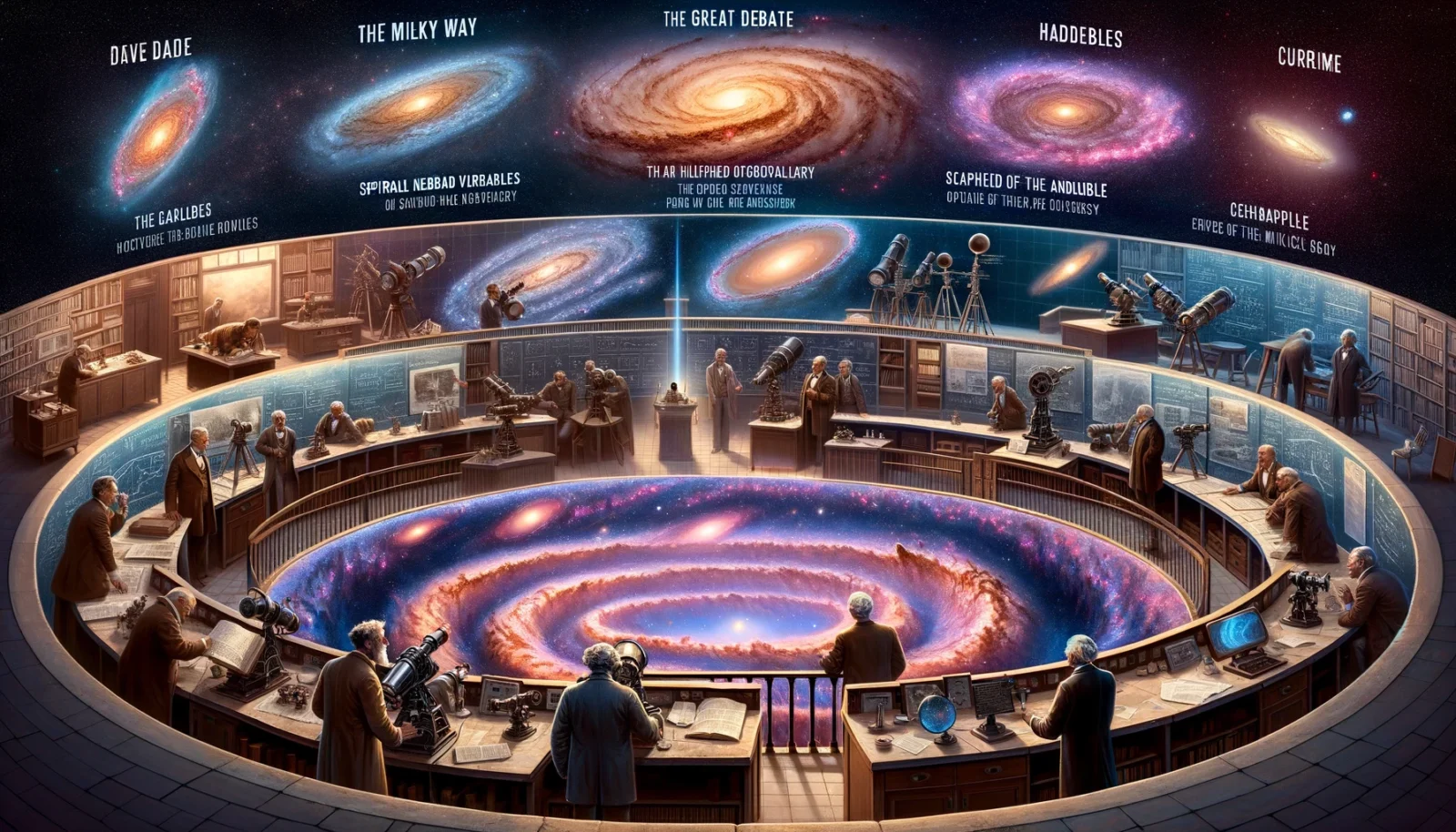
Galaxies Discovered! Doppler Effect used to measure distance!!
1931
Electron Microscope = Nanoworld Discovered!

pathogen virus background
Predicted in 1932
Rationally predicted, unconfirmed.
Oort Cloud
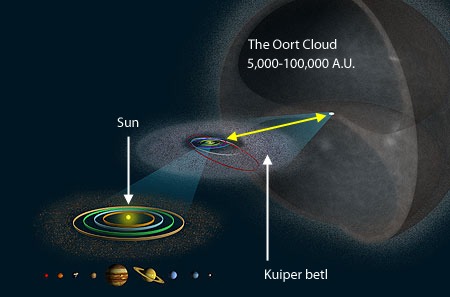
Rationally predicted, unconfirmed: The Oort Cloud is a theoretical vast sphere of icy objects believed to surround our solar system at distances ranging from about 2,000 to 100,000 astronomical units from the Sun.
Don't live in bad-faith, be authentic.
1943: "Being and Nothingness" by Sartre.
Bad Faith

The concept of "bad faith," is the contrast between living a lie and embracing one's true self.
Existence precedes essence.
1943: "Being and Nothingness"
Sartre’s Existentialism

Sartre's existentialism emphasizes individual freedom, choice, and responsibility. It posits that existence precedes essence, meaning that individuals are not defined by any preexisting essence but instead create their own essence through actions and decisions. Sartre's philosophy focuses on the concept of "bad faith," where people deny their freedom by conforming to societal expectations, and encourages living authentically by embracing one's freedom and making deliberate, conscious choices.
1946 CE
Radiocarbon Dating
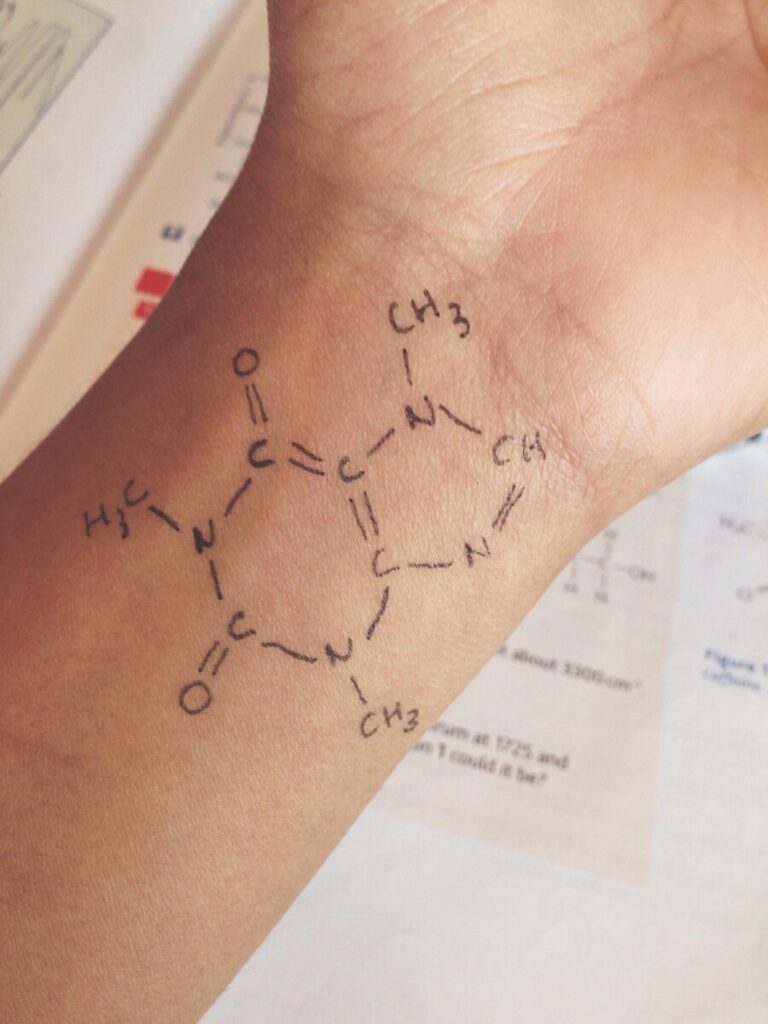
We all need a little CAFFEINE
1946
Published posthumously.
Book: The Idea of History
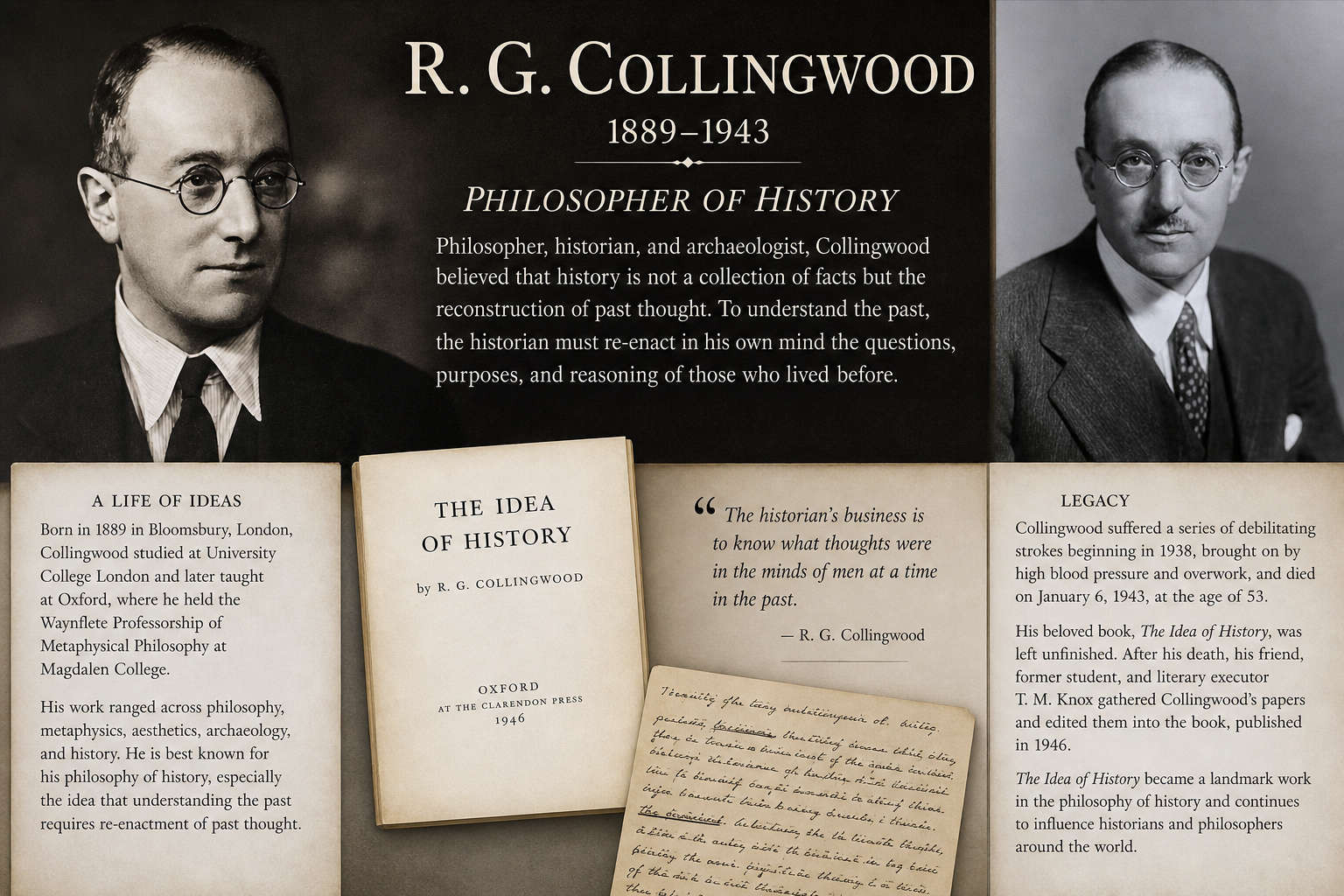
Collingwood married Ethel Winifred Graham in 1918, and they had a son and a daughter. Late in life, after years of declining health, he married Kathleen Frances Edwardes in 1942, with whom he had another daughter.
1958
Rediscovery: City of Catalhoyuk, circa 7100 BCE
1960
Hand Axes 1.7 Million Years Ago
Hand axes: Humans started using them nearly 2 million years ago. These meticulously crafted tools exemplify the advanced technological skills and cognitive capabilities of early humans. Its sophisticated design and precise craftsmanship underscore a deep understanding of material properties and tool use.
20 May 1965
Cosmic Microwave Background (CMB)
1975
Rediscovery of the Library of Ebla: circa 2350 BCE
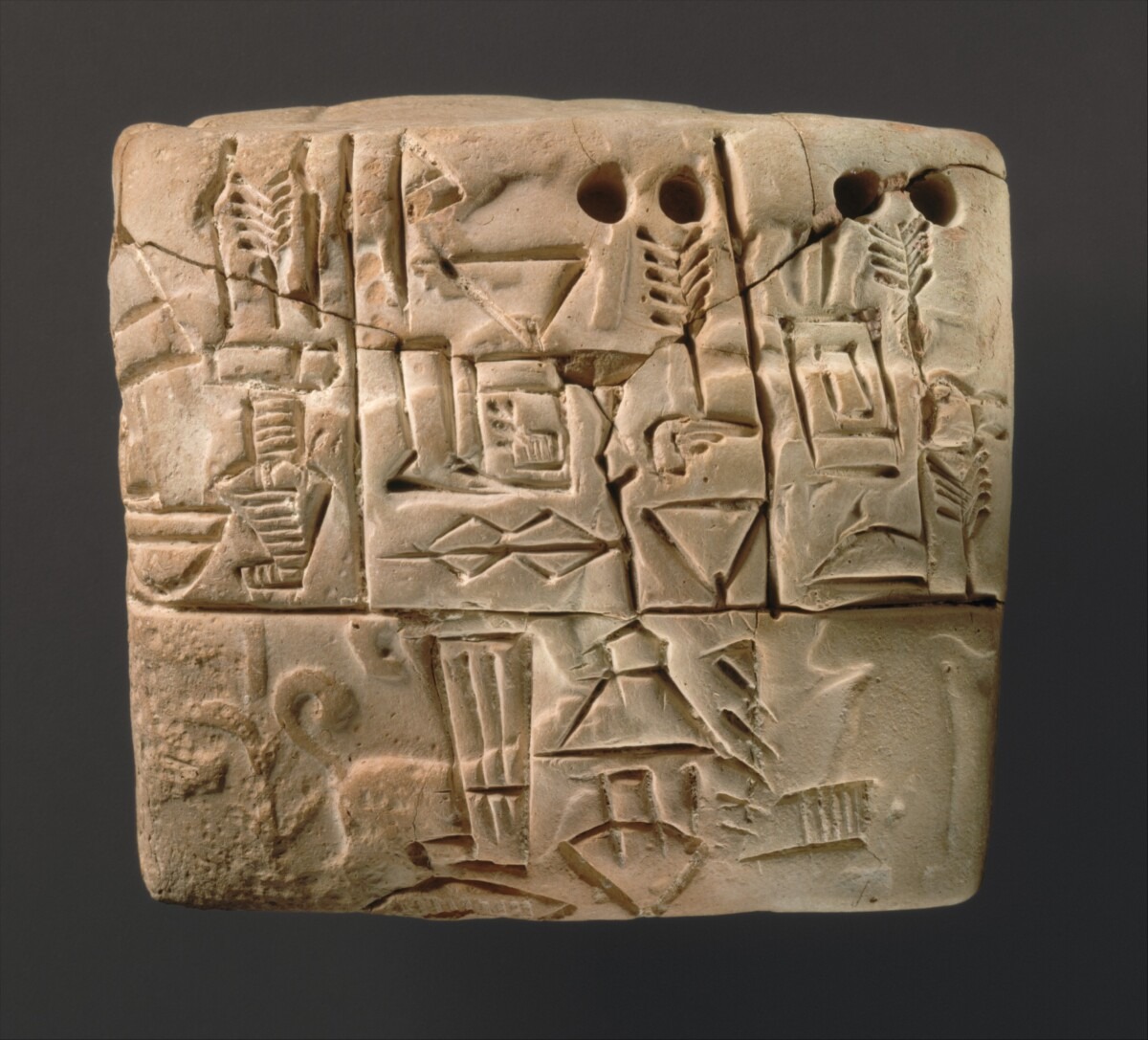
"<a href="https://commons.wikimedia.org/w/index.php?curid=57854047" target="_blank" rel="noopener noreferrer"><div class='fn'> Proto-Cuneiform tablet: administrative account of barley distribution with cylinder seal impression of a male figure, hunting dogs, and boars. Probably from the city of Uruk.</div></a>" by null is licensed under <a href="https://creativecommons.org/publicdomain/zero/1.0/deed.en/" target="_blank" rel="noopener noreferrer">CC CC0 1.0</a>
1978
by David K. Lewis
The famous Lewis “Truth in Fiction” Paper
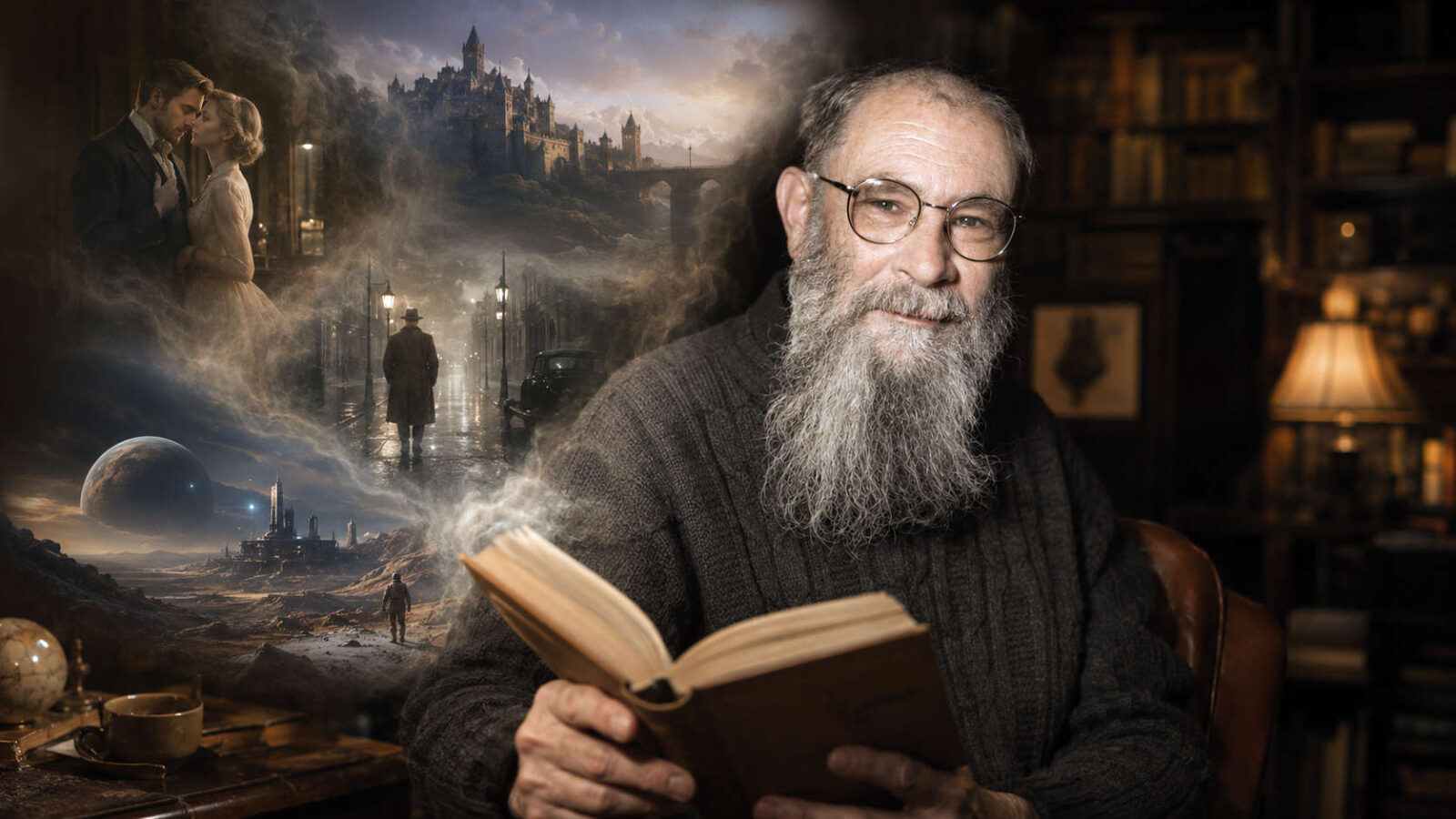
David K. Lewis gave modern philosophy a powerful way to think about fiction. A story creates a world of assumptions, and within that world, some claims become true.
Chapter 1 Quote Attribution Clarification
big bang, black hole, supermassive star, galaxy, cosmos, physical, science fiction wallpaper.
1994
Ancient Spears 350,000 Years Ago
2018
Bread Making Pushed Back
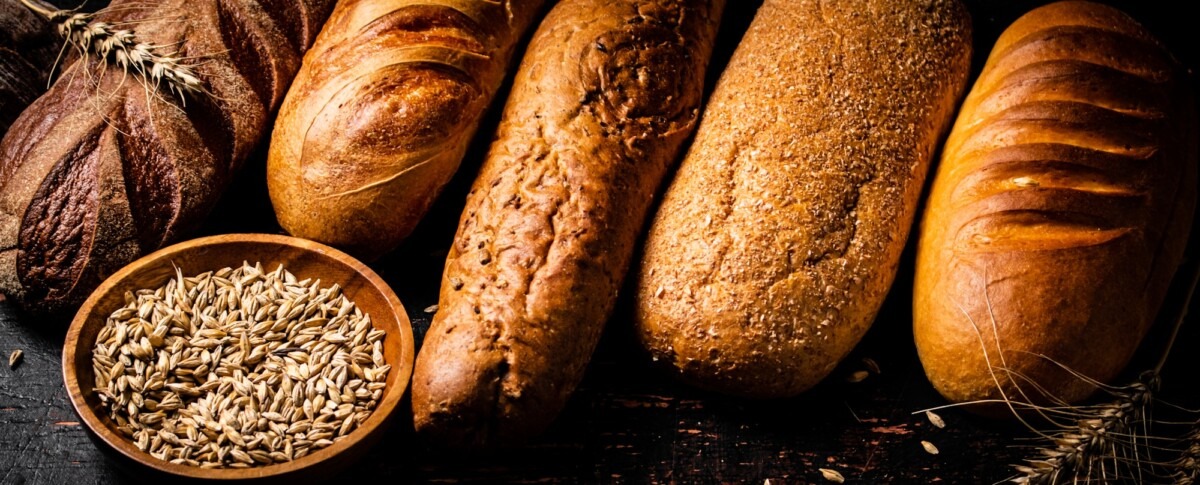
Various bread with grain in a bowl on the table.
2018
Discovery: Neanderthal Symbolic Thought
Neanderthal art in Spain 64k BCE, before Homo sapien arrived.
Apr 2019
Black Holes Confirmed

"<a href="https://www.flickr.com/photos/28634332@N05/52070907639" target="_blank" rel="noopener noreferrer">Sagittarius A*: NASA Telescopes Support Event Horizon Telescope in Studying Milky Way's Black Hole</a>" by <a href="https://www.flickr.com/photos/28634332@N05" target="_blank" rel="noopener noreferrer">NASA's Marshall Space Flight Center</a> is licensed under <a href="https://creativecommons.org/licenses/by-nc/2.0/" target="_blank" rel="noopener noreferrer">CC BY-NC 2.0</a>
Featuring Mike's mantra.
Final Word

Holistic Eudaimonia represents our lives within our Milky Way galaxy, on a tiny blue planet. We are but a figure gazing at the universe in wonder. It is the journey of life, the Butterfly Effect, and the ripples of actions extending into the vastness of space. It includes kindness, integrity, and authenticity.
Reference Date: 2200 CE (+/- 50 years)
Secular Spirituality Settles

A future spirituality may become wiser not by giving up wonder, but by learning where science ends, where meaning begins, and how to honor both without confusing them.
Next >>
Philosophy TL: ALL > Big Picture > 2. Ideas > 3. Philosophers > 4. Publications