

LUCA Evol: Viruses | Bacteria | Plants | Fungi | Animals
The deeper I go into this timeline, the more I feel the sheer abundance of life. The fossil record gives us fragments, but the real story was fullness—living worlds spread across the planet, age after age, crowded with struggle, variation, and possibility. Life was not barely hanging on. It was everywhere, all at once, pressing forward.
Check out A Short Summary of Evolution for an introduction to how evolution works. Early LUCA evolution includes viruses and bacteria from earlier and plants, fungi, and animals.
Evolution
Evolution

Darwin identified several key categories, which are often discussed today as natural selection, sexual selection, and artificial selection.
Our true origin story.
LUCA: Last Universal Common Ancestor
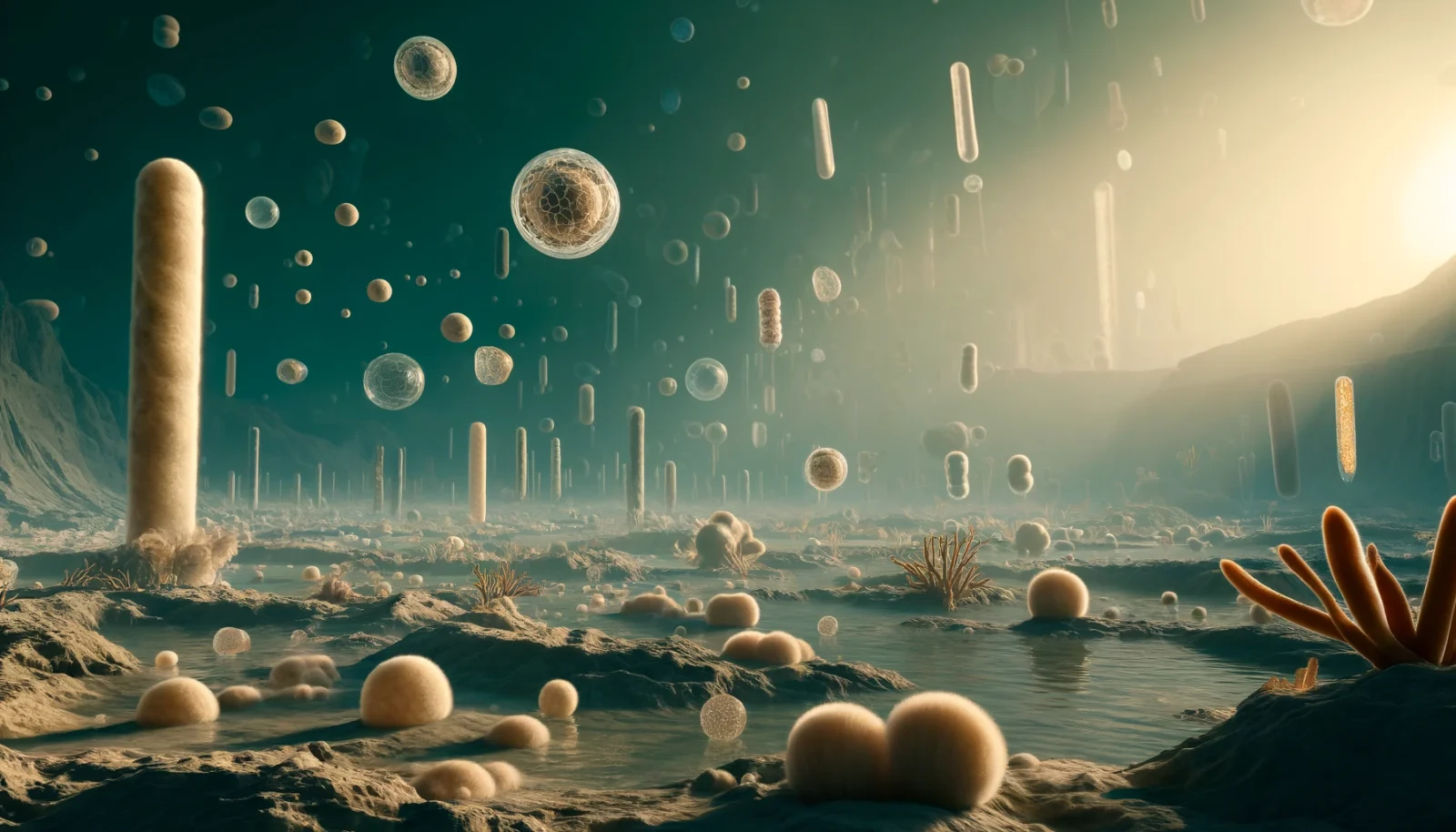
LUCA's form is unknown. Imagined image of various LUCA shapes.
3.75 Billion years ago (+/- 100 million)
DNA, Ribosomes, and ATP
Archaea Diverge
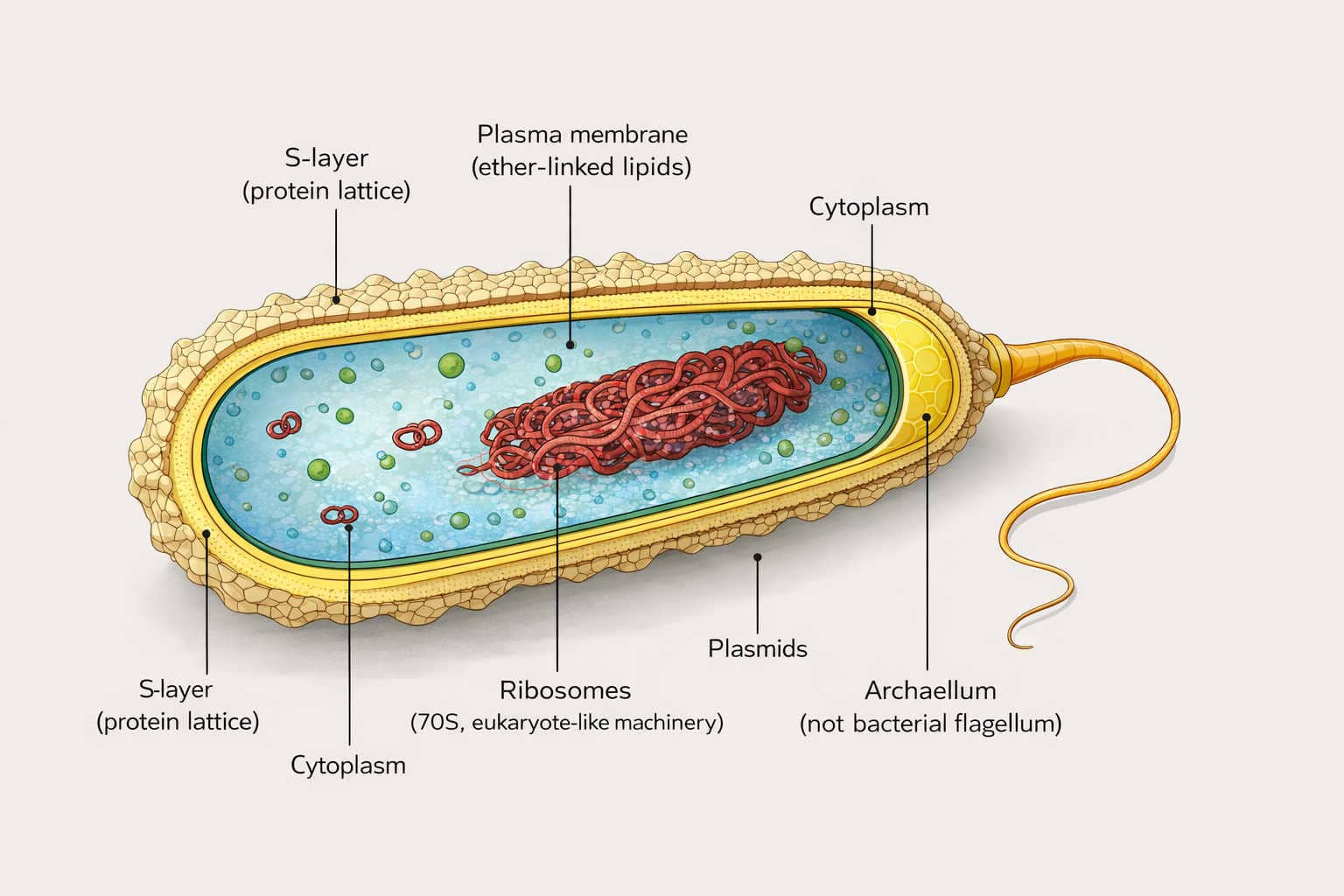
Both archaea and bacteria are prokaryotes — cells without nuclei.
3.73 Billion Years Ago (shortly after LUCA)
Ether-linked membranes and distinct genetic machinery
Prokaryotic Life
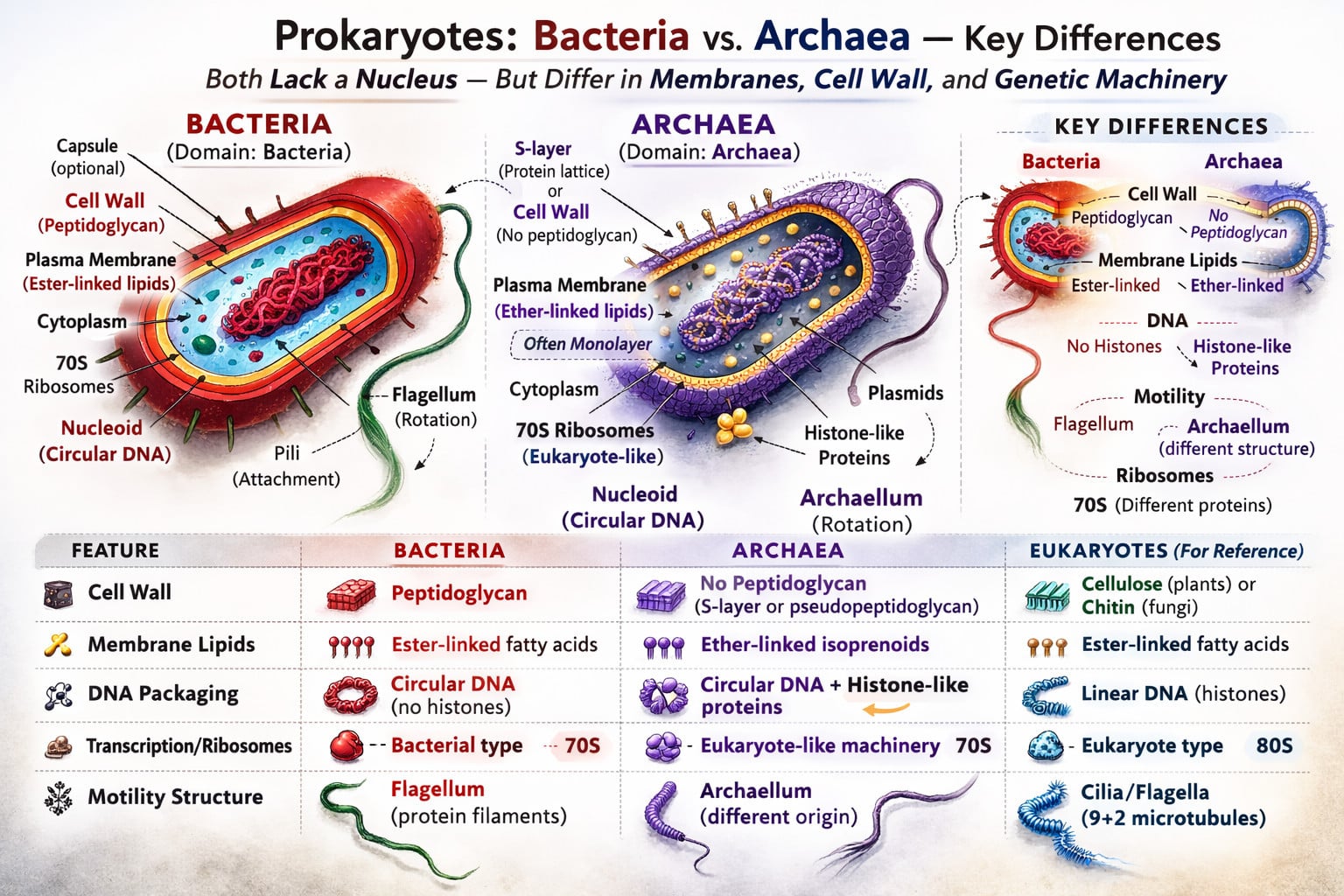
Archaea look like bacteria at first glance — small, simple, and lacking a nucleus. But they are fundamentally different.
3.73 Billion Years Ago (after LUCA)
Membrane and metabolic diversity.
Touch: Life Learns to Feel Force
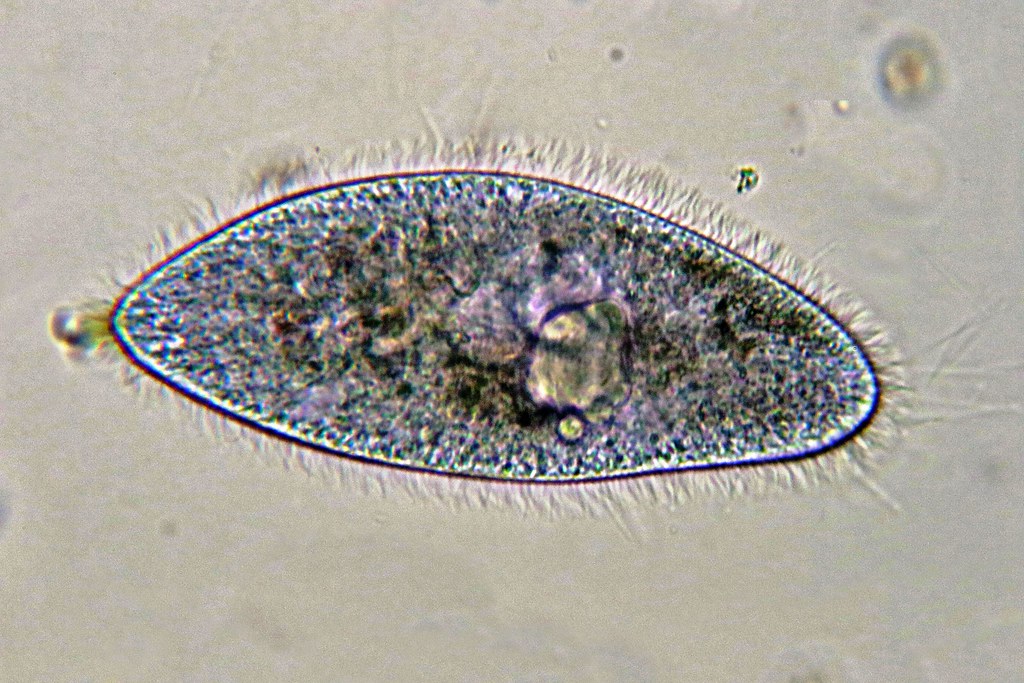
About 3.72 billion years ago, right after LUCA, when cells emerged, touch became the most ancient form of biological sensing: required to physically navigate reality.
~3.72 Billion Years Ago (after prokaryotes)
Mechanical sensitivity to pressure and membrane stretch
Virus: Riboviria (Early RNA replicators)
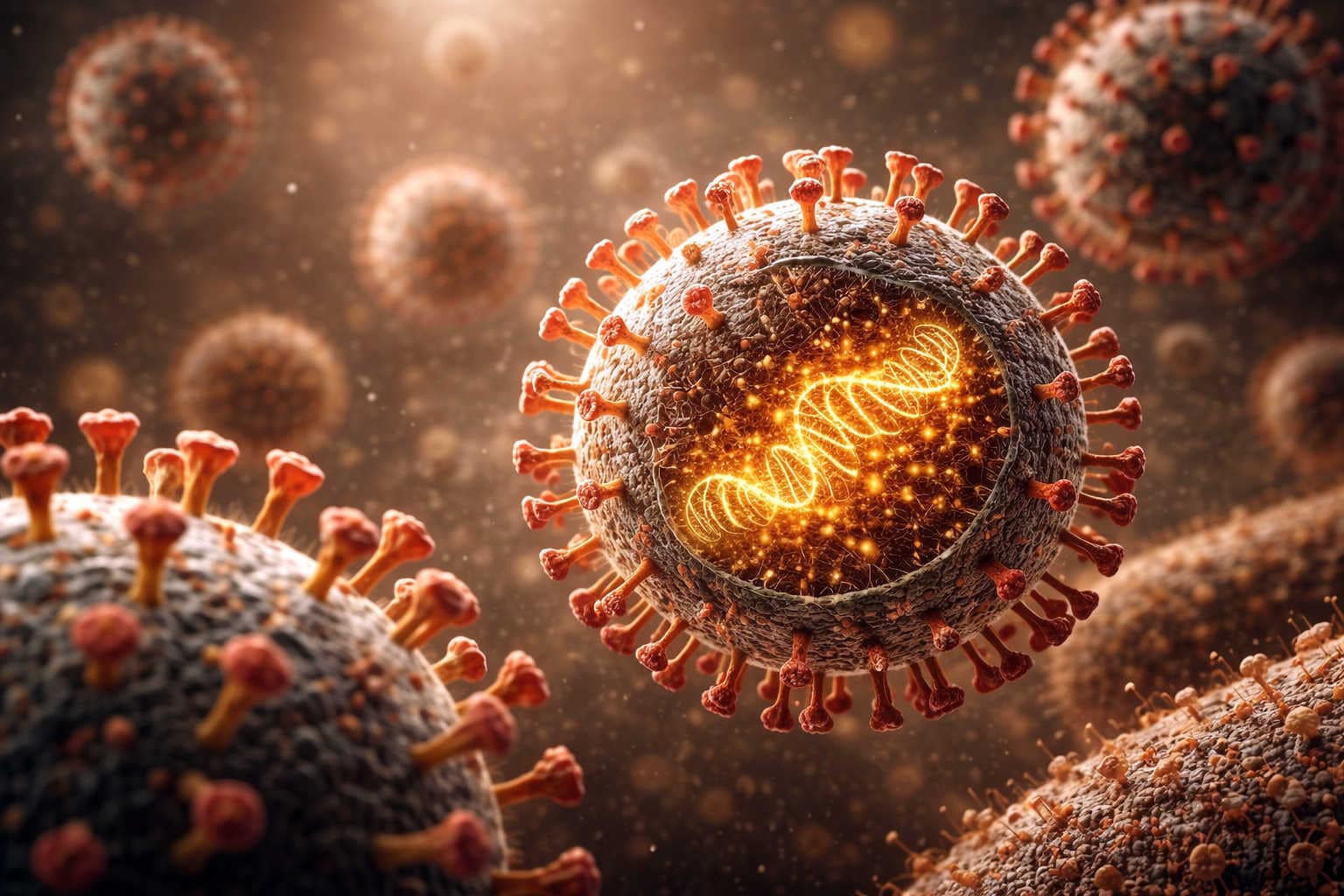
About 3.7 billion years ago, RNA virus ancestors may trace back to the RNA world, but we can’t prove whether they predate LUCA or arose just after.
~3.7 Billion Years Ago (+/- 100 million)
First True Bacteria
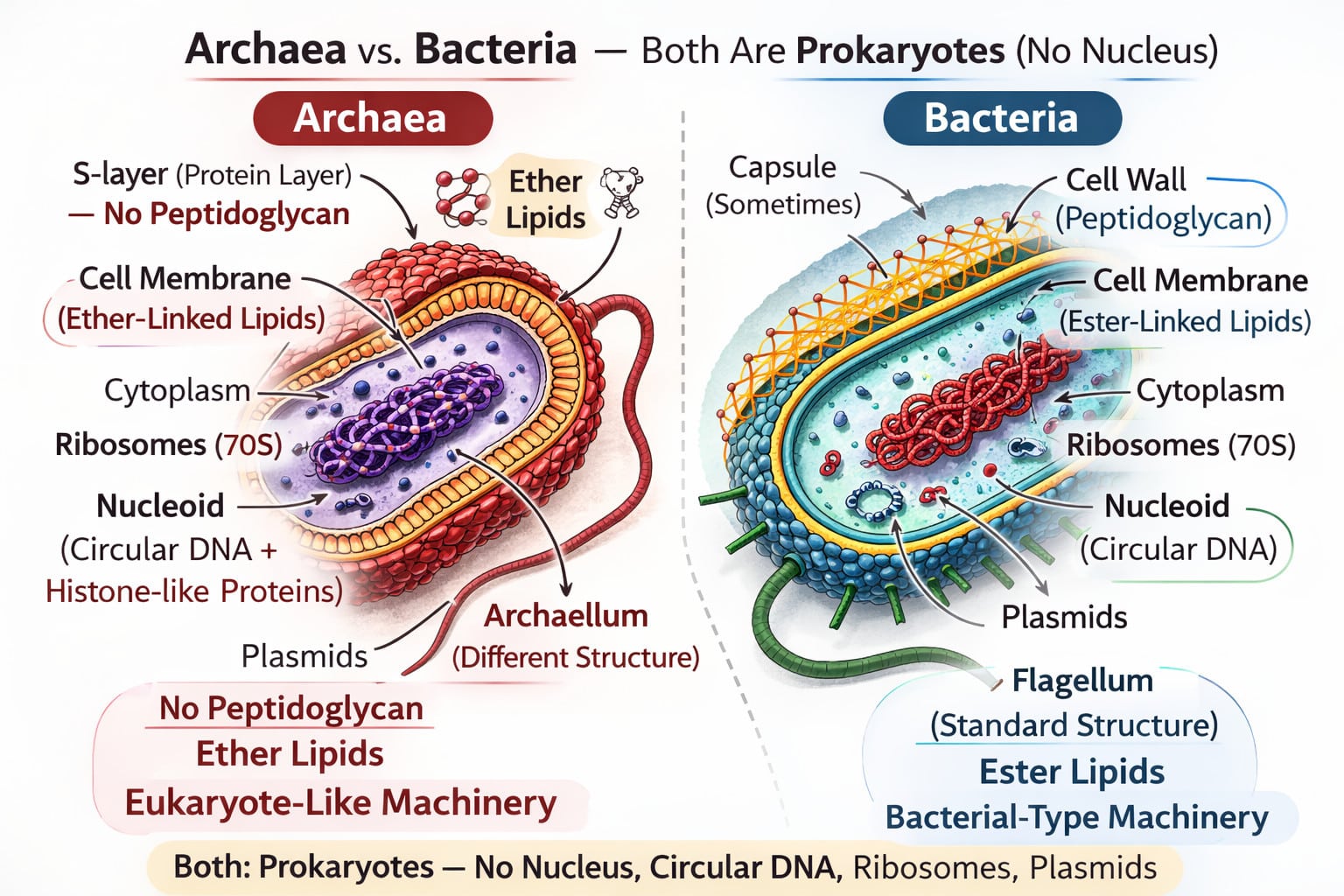
Bacteria and archaea are both prokaryotes, but archaea’s membrane chemistry and genetic machinery are fundamentally different — and archaeal ancestry gave rise to eukaryotic cells.
~3.7 Billion years ago (shortly after LUCA)
Peptidoglycan cell wall and Ester-linked lipids
Second Oceans: From Fresh to Salty

3.5 Billion Years Ago
3.5 to 2.5 Billion Years Ago
Oldest Known Fossil-Microorganisms
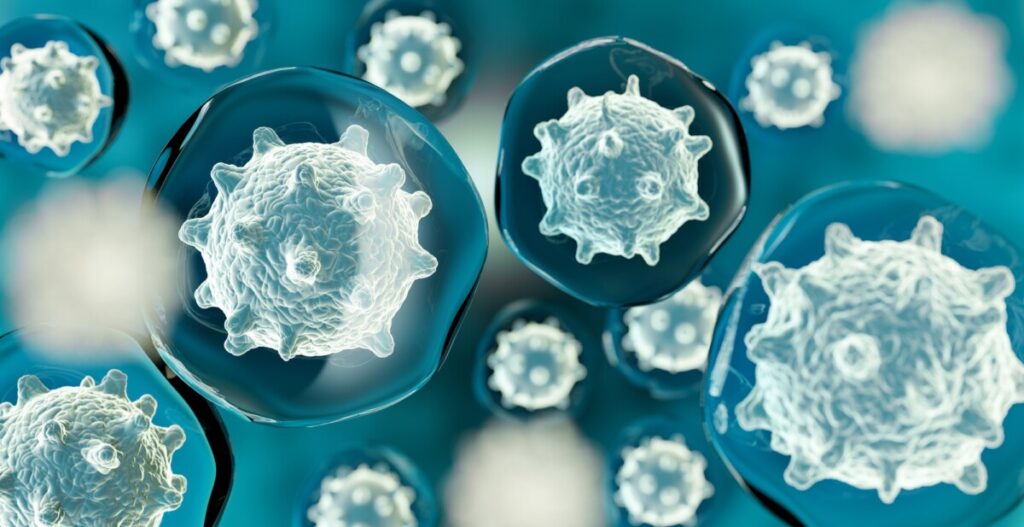
micro organisms cells background
3.42 Billion BCE
3.42 to 3.7 Billion BCE
Bacteriophage → Duplodnaviria
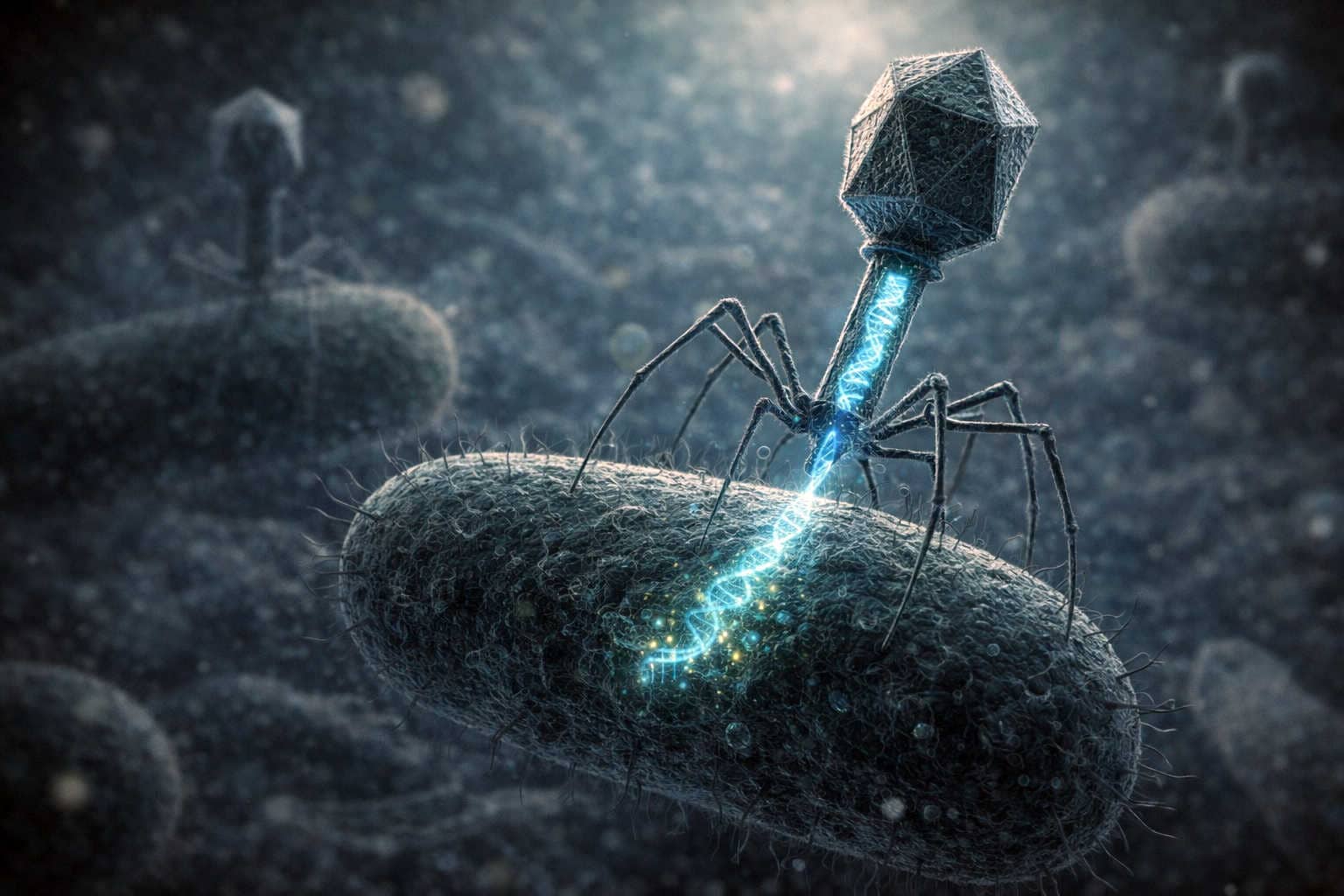
Around 3.2 billion years ago, the Duplodnaviria evolved a high-pressure, icosahedral protein armor that turned viruses into biological syringes capable of injecting DNA into any domain of life.
~3.2 Billion Years Ago (+/- 200 million)
The HK97-Fold (Steel Pouch)
Virus: Varidnaviria
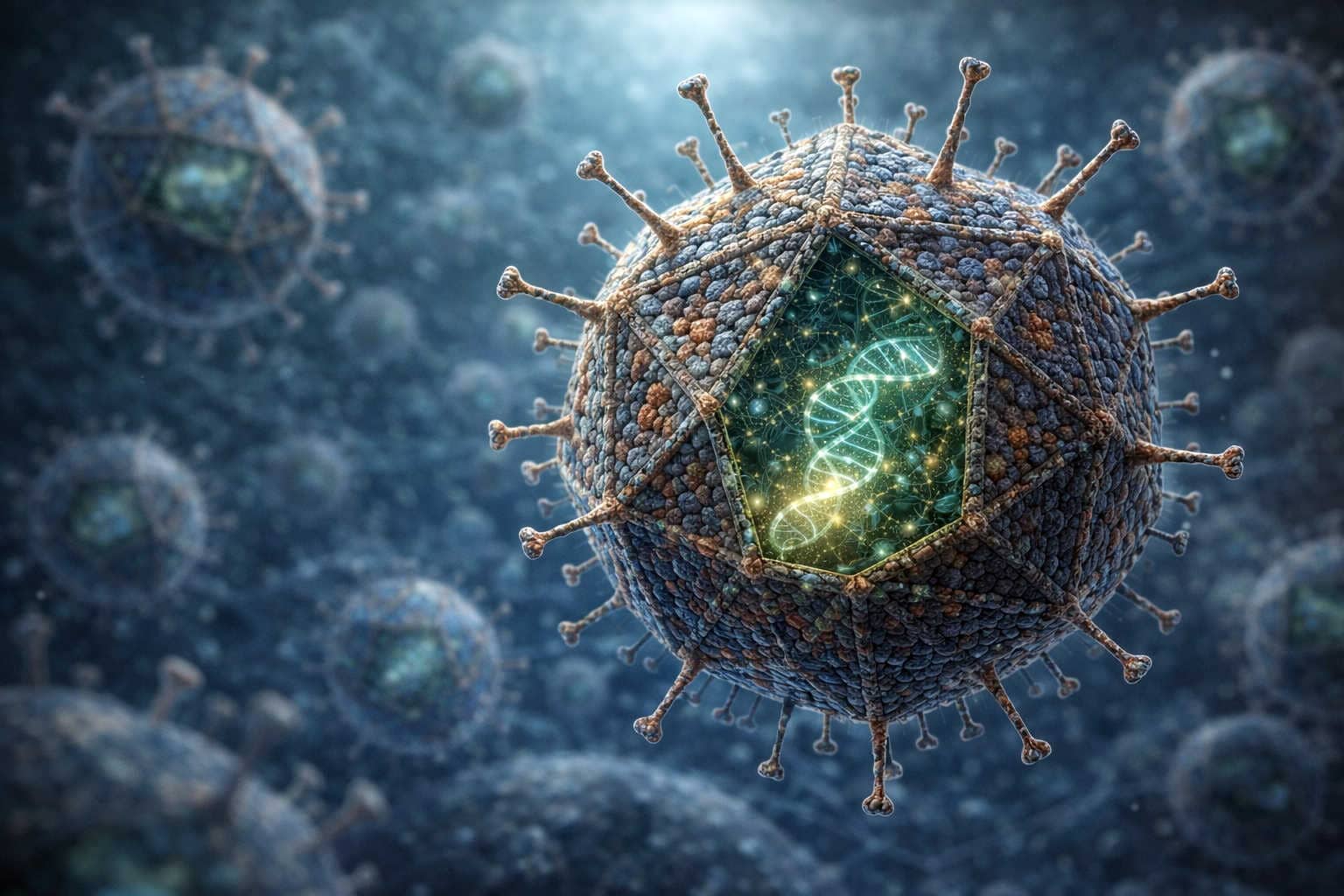
About 2.75 billion years ago, the Varidnaviria evolved a unique "Double Jelly-Roll" protein fold to build massive, diverse shells, allowing viruses to scale up from tiny parasites to "giant" viruses that mimic cells.
~2.75 Billion years ago (+/- 200 million)
double jelly-roll capsid DNA viruses
Blue-Green Bacteria (Not Algae)
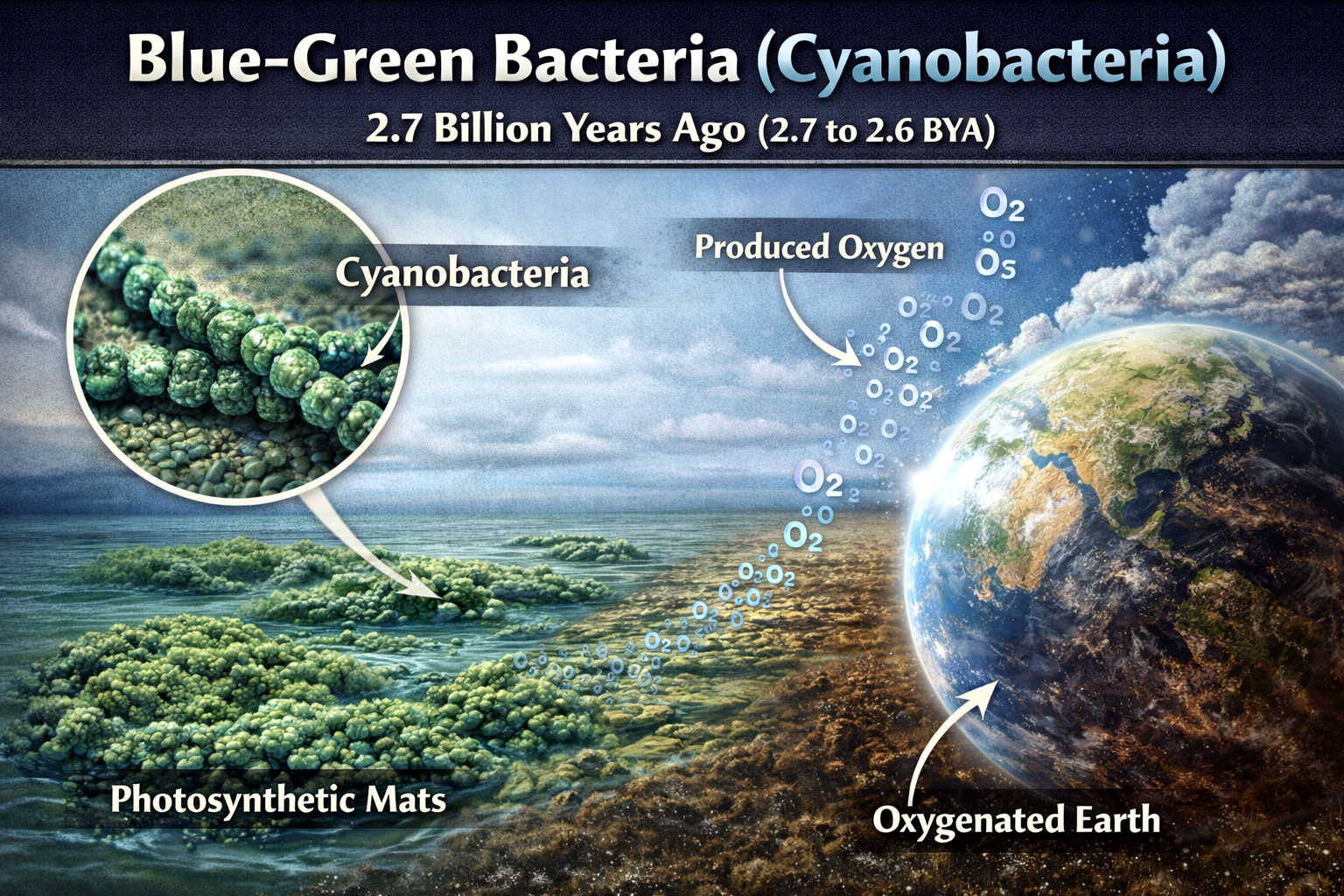
Long before plants covered the land, cyanobacteria were already harvesting sunlight. In doing so, they slowly helped change Earth’s oceans and atmosphere, preparing the way for more complex life.
2.65 Billion years ago (+/- 50 million years)
Great Oxidation Event: Third Atmosphere

Cyanobacteria released oxygen faster than Earth could absorb it, changing the oceans, atmosphere, and future of life.
~2.4 Billion Years Ago
Cause: Cyanobacteria Produce Oxygen
The First True Eukaryotes
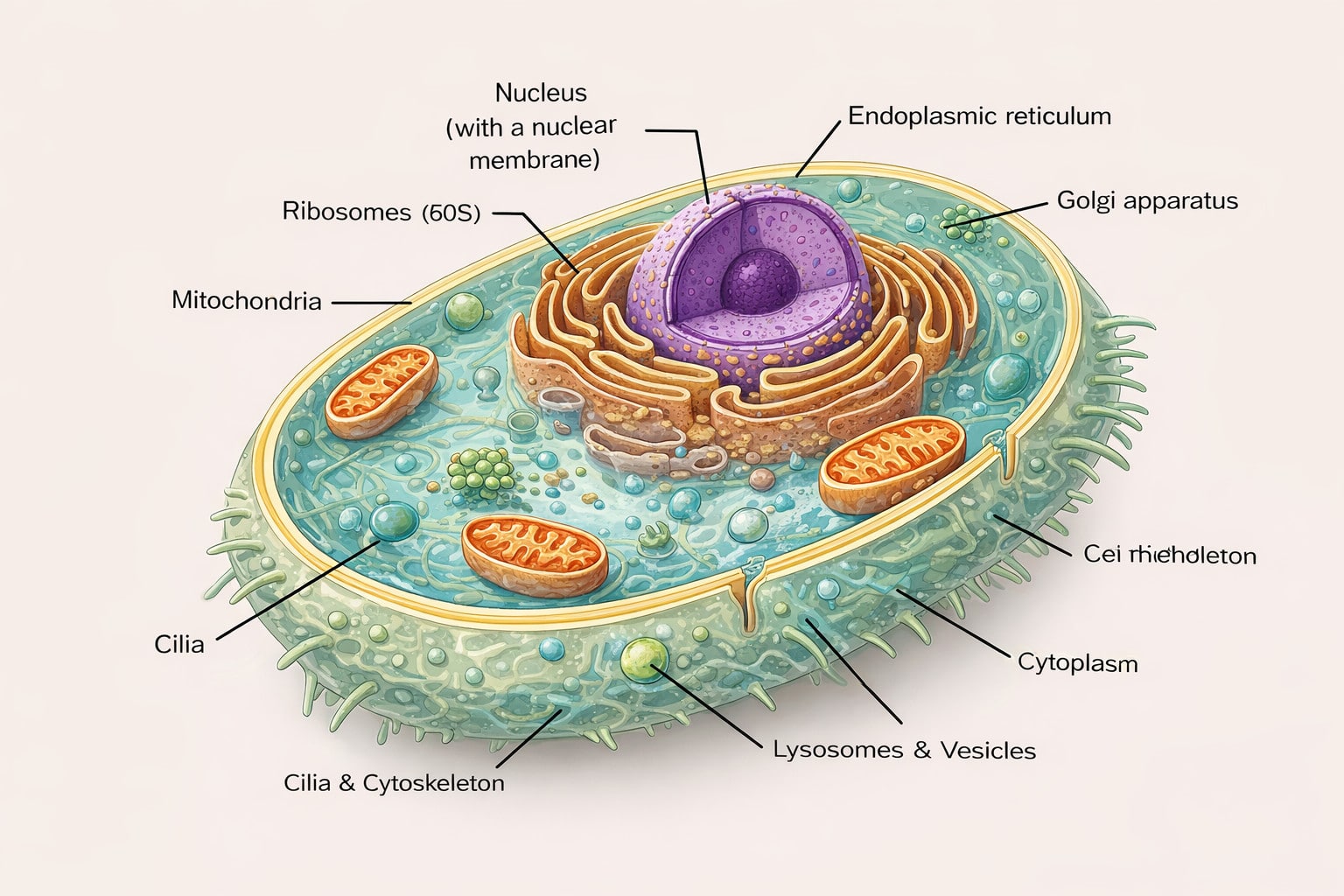
Eukaryotes divided labor within single-celled life, featuring a true nucleus and membrane-bound organelles. From them branched plants, fungi, and animals.
2.4 Billion Years Ago (+/- 300 million years)
Bacteria Aerobic metabolism expands
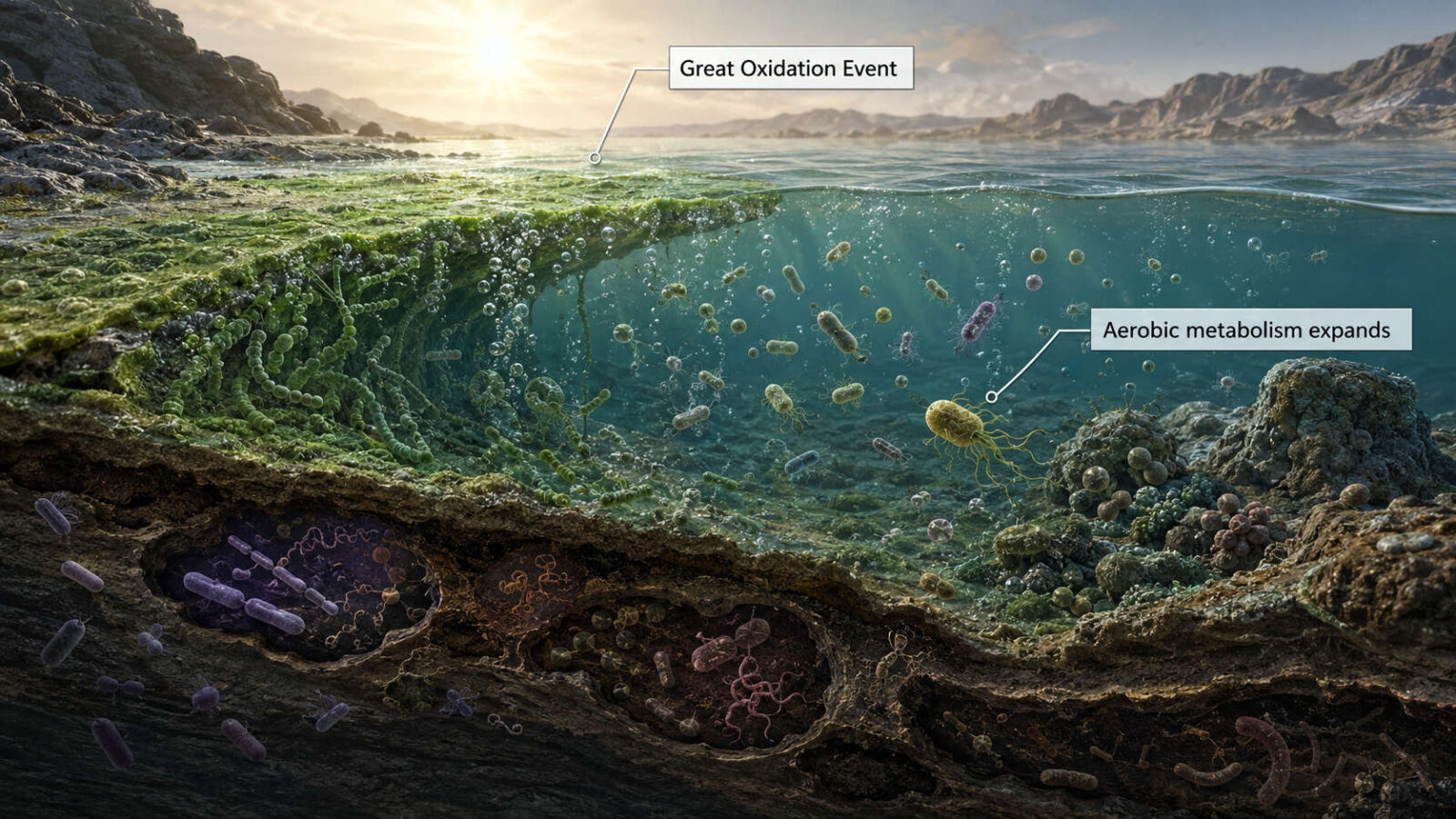
Cyanobacteria caused the oxygen crisis. Aerobic bacteria were among the survivors that learned how to use the poison.
~2.2 Billion years ago (+/- 200 million)
Oxygen-respiring bacteria diversify
Protozoa Evolve
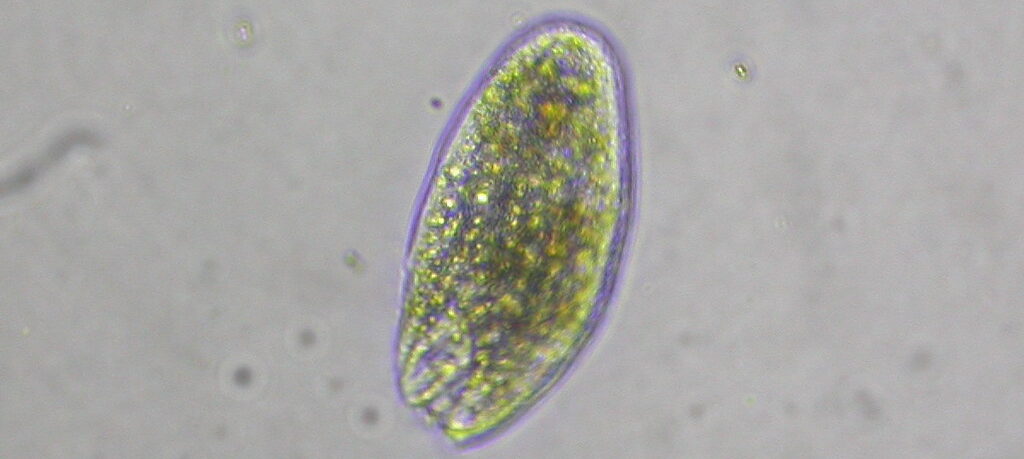
About 2 billion years ago, eukaryotic cells are defined by a membrane-bound nucleus and internal organelles. Their emergence created the structural foundation for complex life.
2 Billion Years Ago (+/- 100 million years)
Nucleus and internal organelles
Bacterial Endosymbiosis: Origin of Eukaryotes
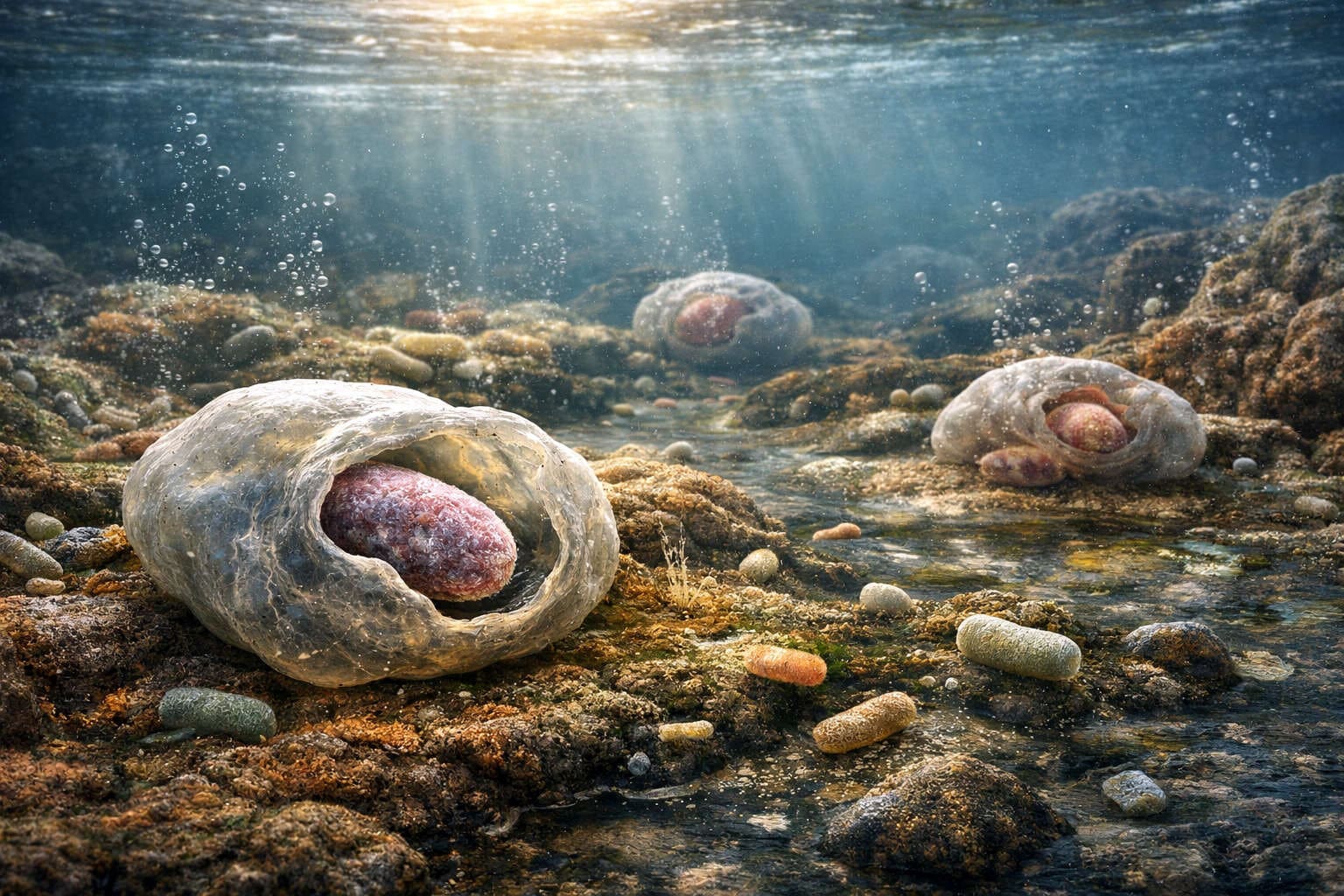
About 2 billion years ago, bacteria are added to cells and that group leads to eukaryotes. You are a walking chimera ecosystem made of an Archaea host and trillions of Bacterial power-plants.
~1.9 Billion years ago (+/- 100 million)
Bacteria are added to eukaryote ancestor cells
LECA: Likely Sexual Reproduction
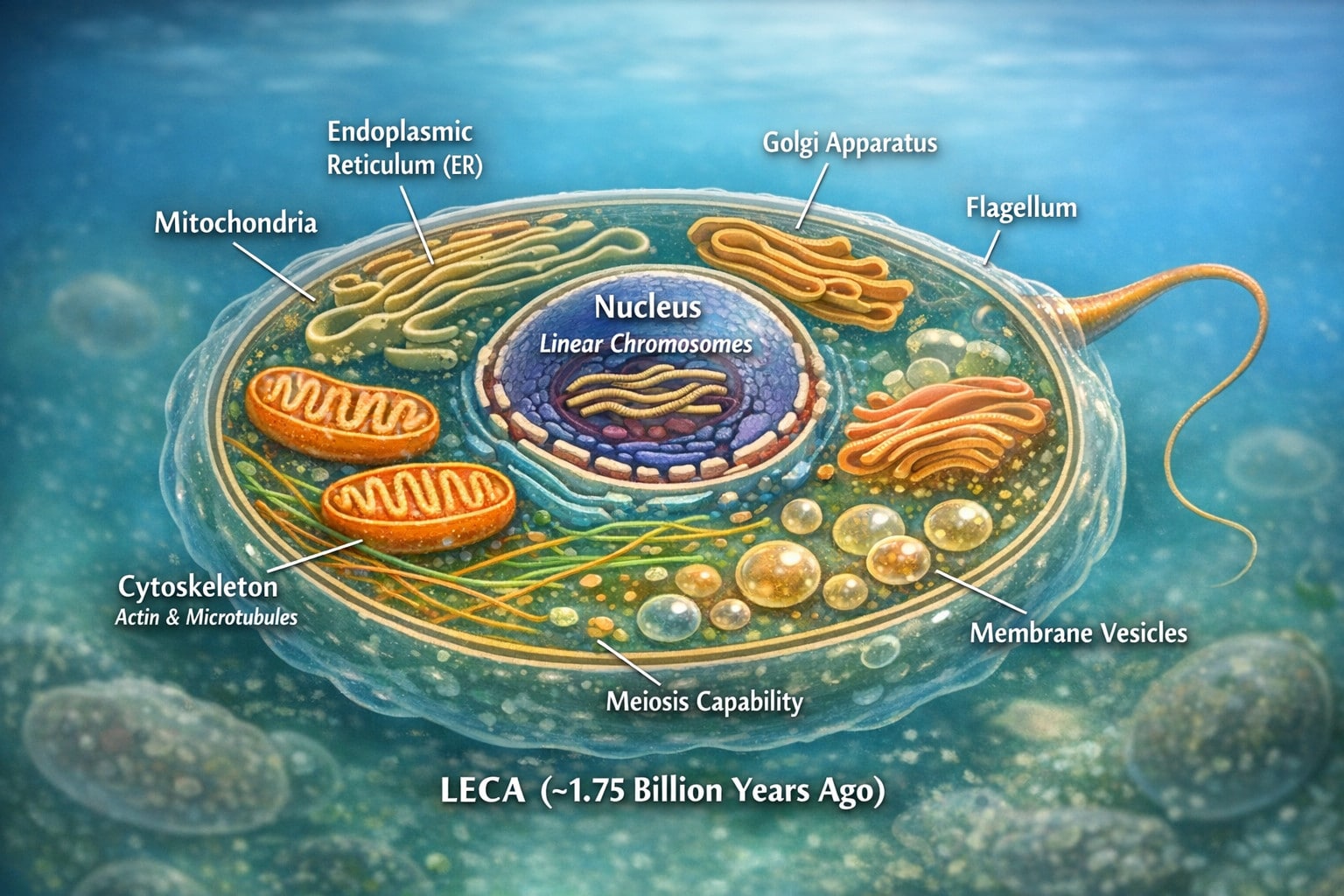
LECA is the Last Eukaryotic Common Ancestor. LECA reproduced sexually pushing the mixing of DNA back before 1.75 billion years ago.
~1.75 billion years ago (+/- 50 million)
Last Eukaryote Common Ancestor
Monodnaviria
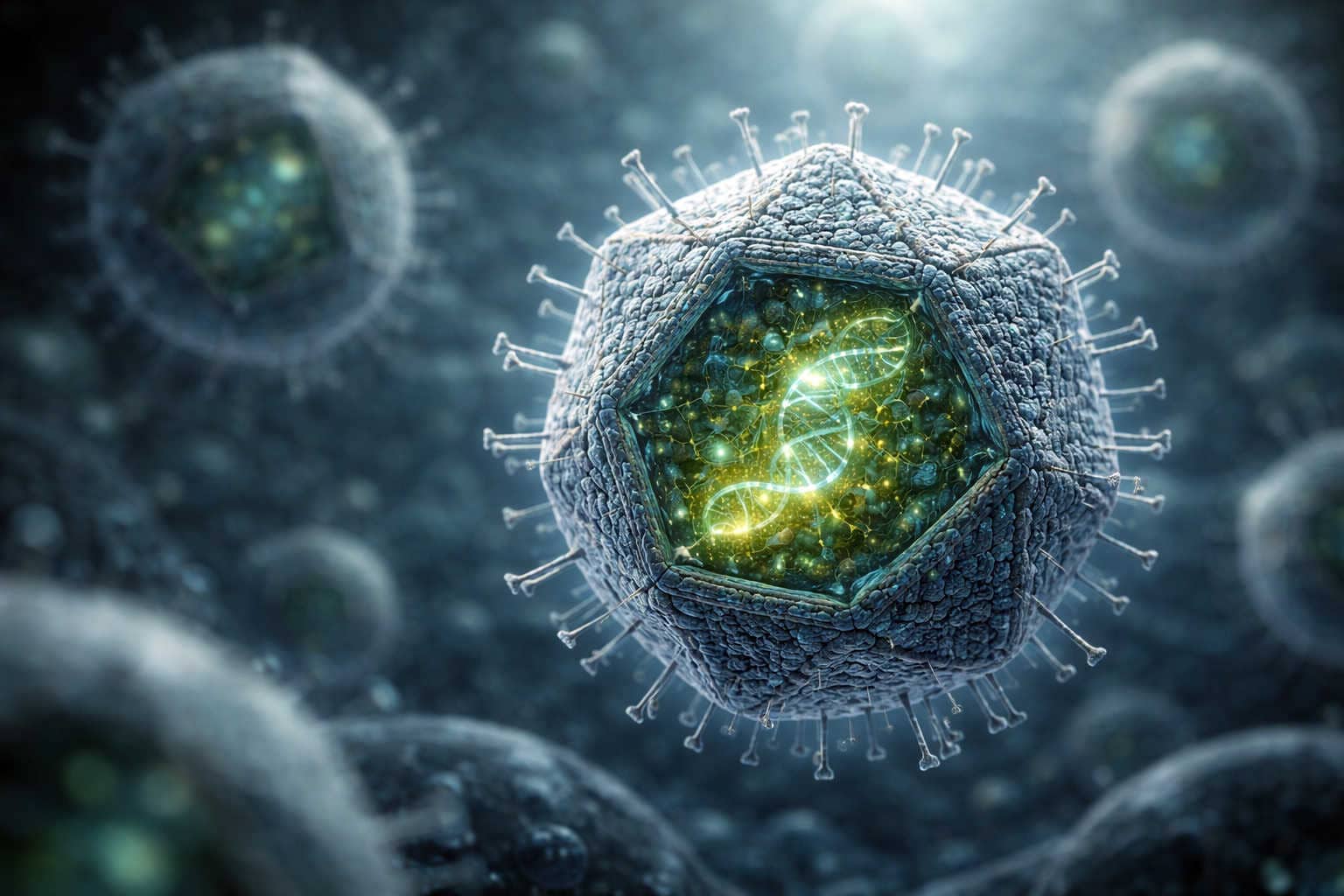
About 1.75 billion years ago, Monodnaviria evolved as "runaway" genetic loops (plasmids) that stole structural proteins from other viruses to become independent, single-stranded DNA parasites.
~1.75 Billion years ago (+/- 200 million)
single-stranded DNA viruses
Plant Ancestors Split from Animal and Fungi Ancestors
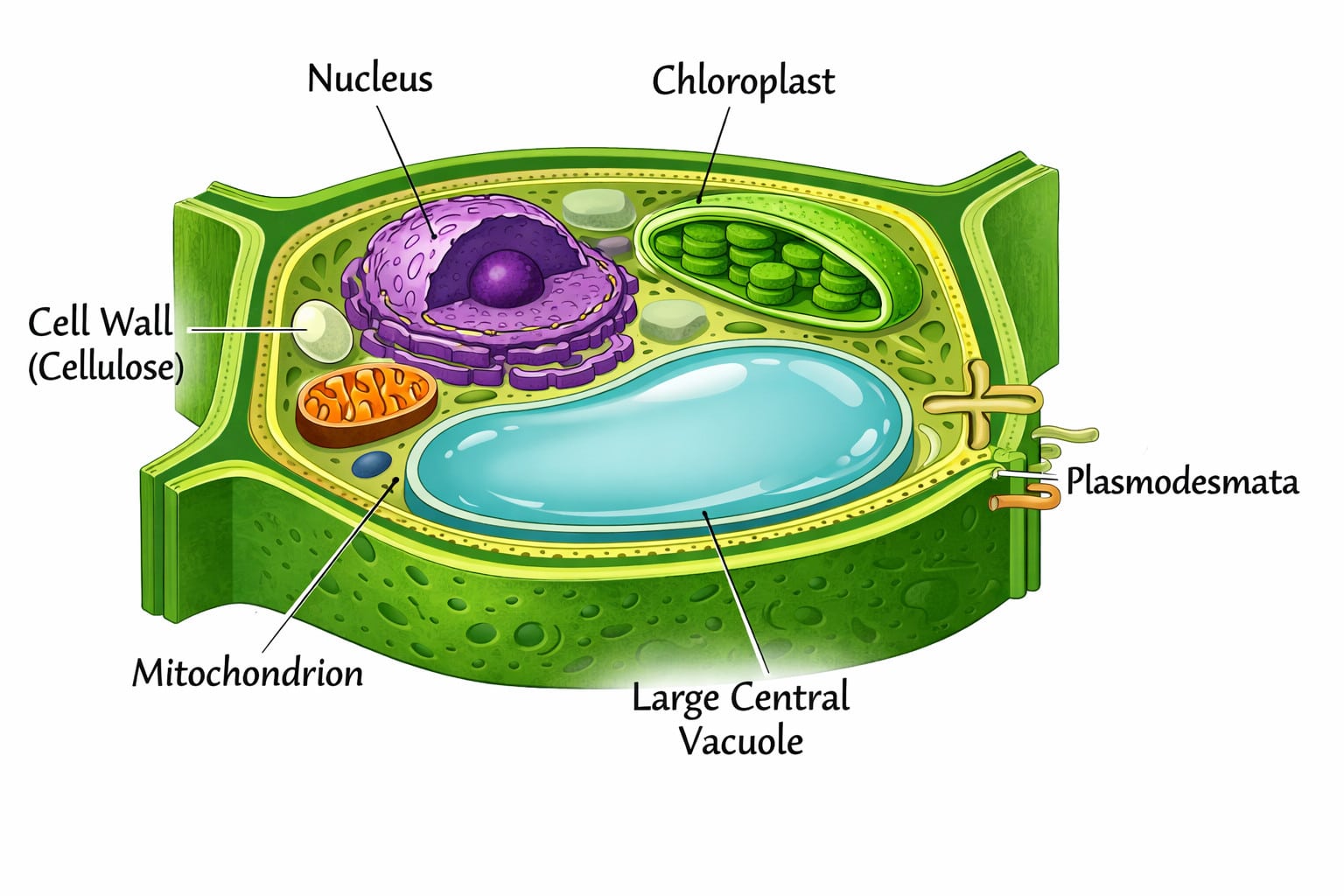
Plant cells feature chloroplasts, a cellulose cell wall, and a large central vacuole for holding water. They also have plasmodesmata, tiny channels between cells. And of course, photosynthetic chlorophyll.
1.65 Billion Yeas Ago (+/- 50 million)
Life that later leads to these kingdoms separates.
Bikonts: Plant Ancestors Split Off Again (Front-Pull Pioneers)
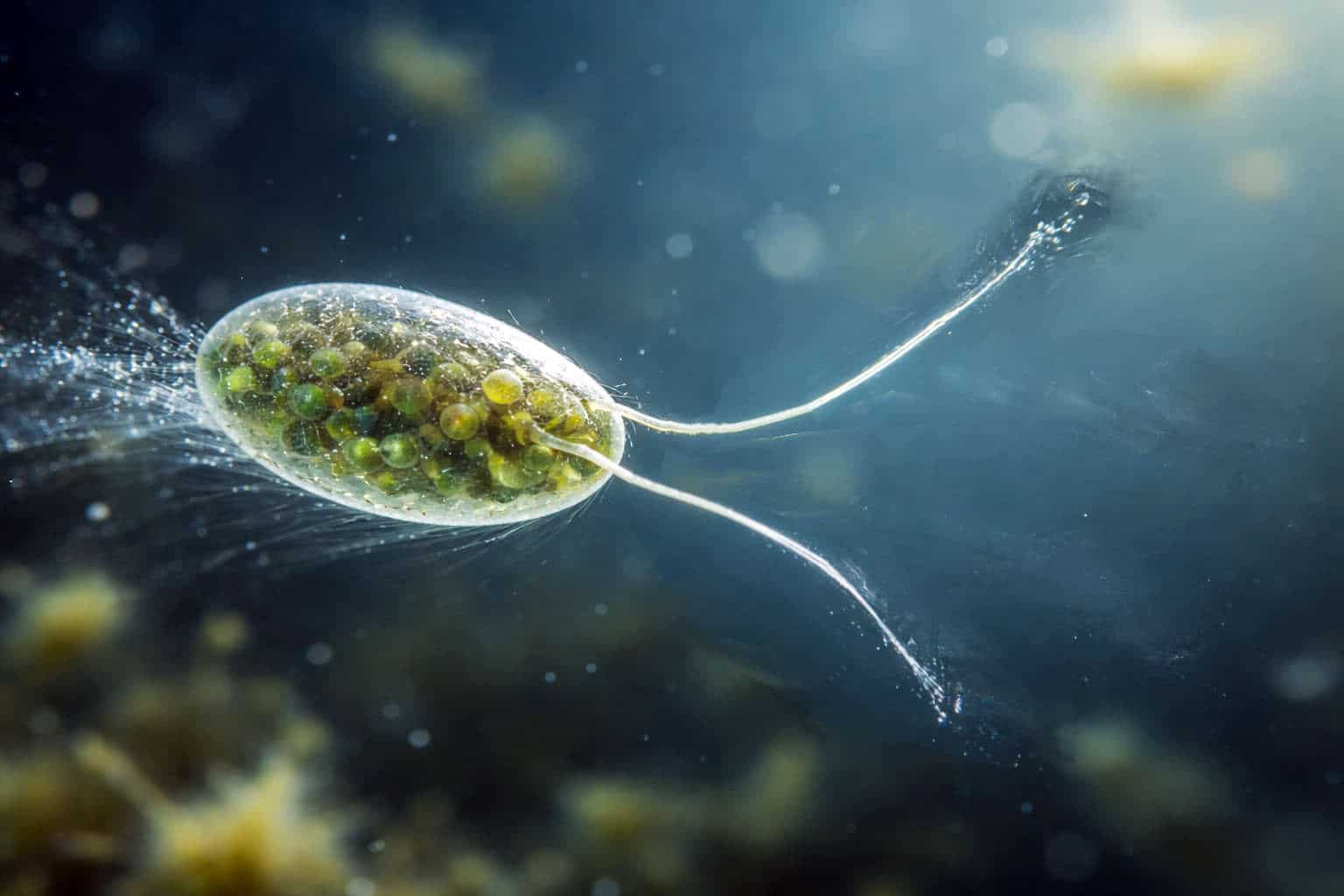
About 1.55 billion years ago, bikonts evolved two flagella to pull themselves forward.
~1.55 Billion Years Ago (+/- 5 million)
Two "Anterior" Flagella - plant rowboats
Red-Green Algae Ancestors Split

Modern red and green algae share a common ancestor about 1.5 billion years ago. The green algae branch gave rise to plants about 475 mya.
1.5 Billion Years Ago (+/- 100 million years)
Chloroplast refinement, chlorophyll variants
Unikonts: Single-Motor flagella Reform
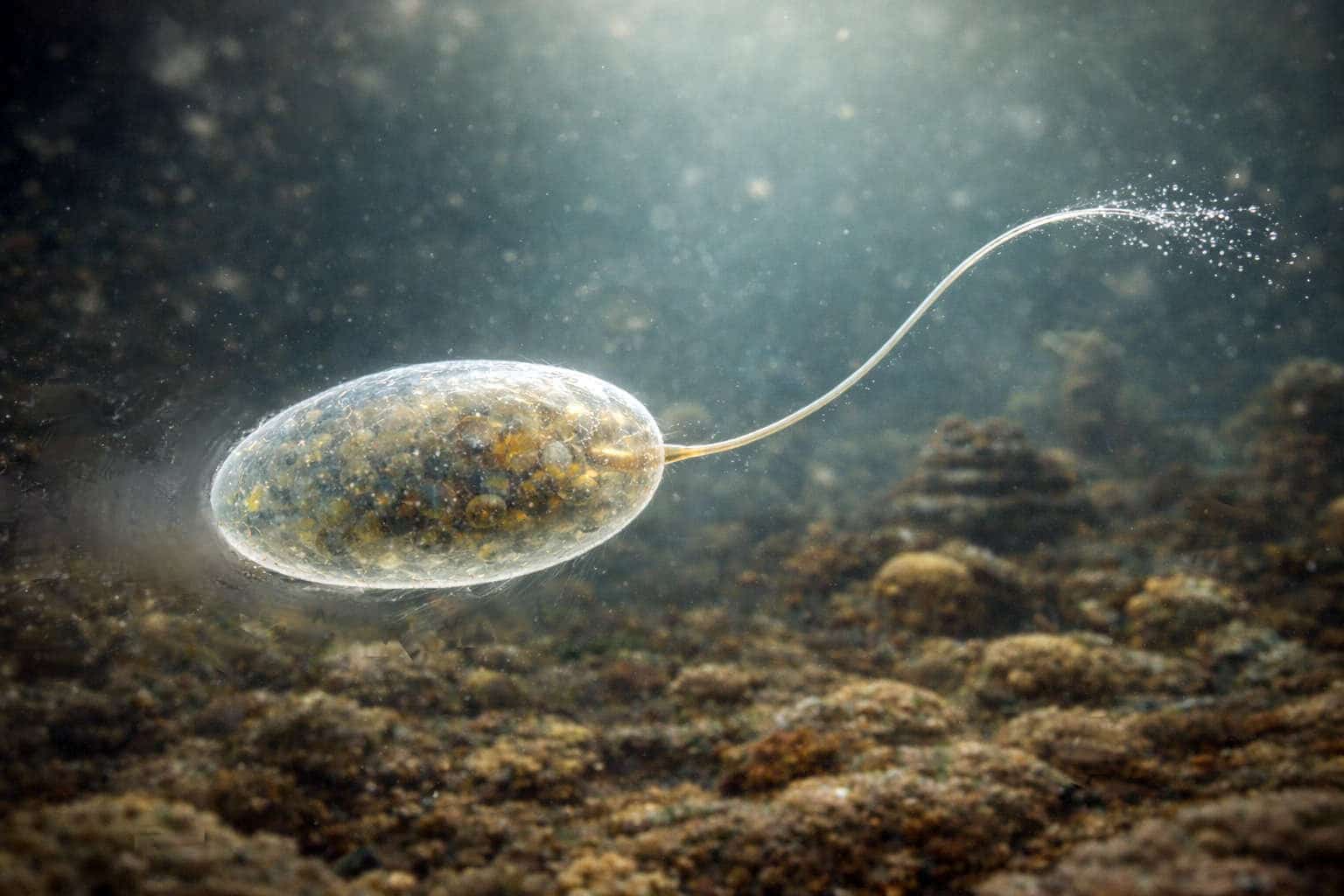
By 1.3 billion years ago, our animal-fungi ancestor, the Unikonts, stopped using two pulling flagella and narrowed it down to one pushing one.
~1.3 Billion Years Ago (+/- 100 million)
Transition to a Single Flagellum
Bacteria Diversify: Major modern phyla
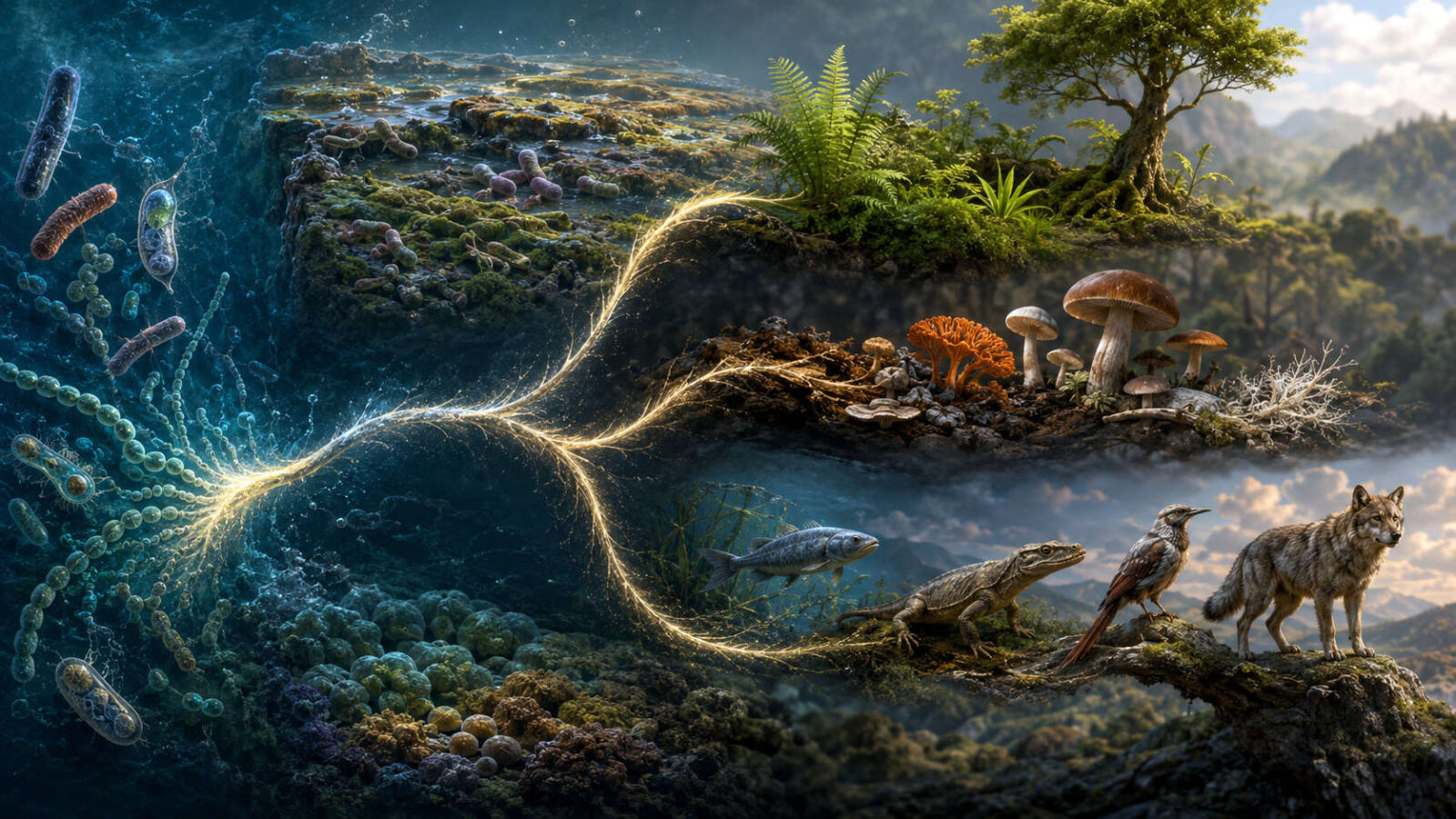
After the "Great Oxidation Event," all life, including the bacterial world settled into modern lineages, the foundational "Ecological Cast" of all major life today.
~1.3 Billion years ago (+/- 200 million)
The ecological cast takes shape.
Retroviruses (within Riboviria)
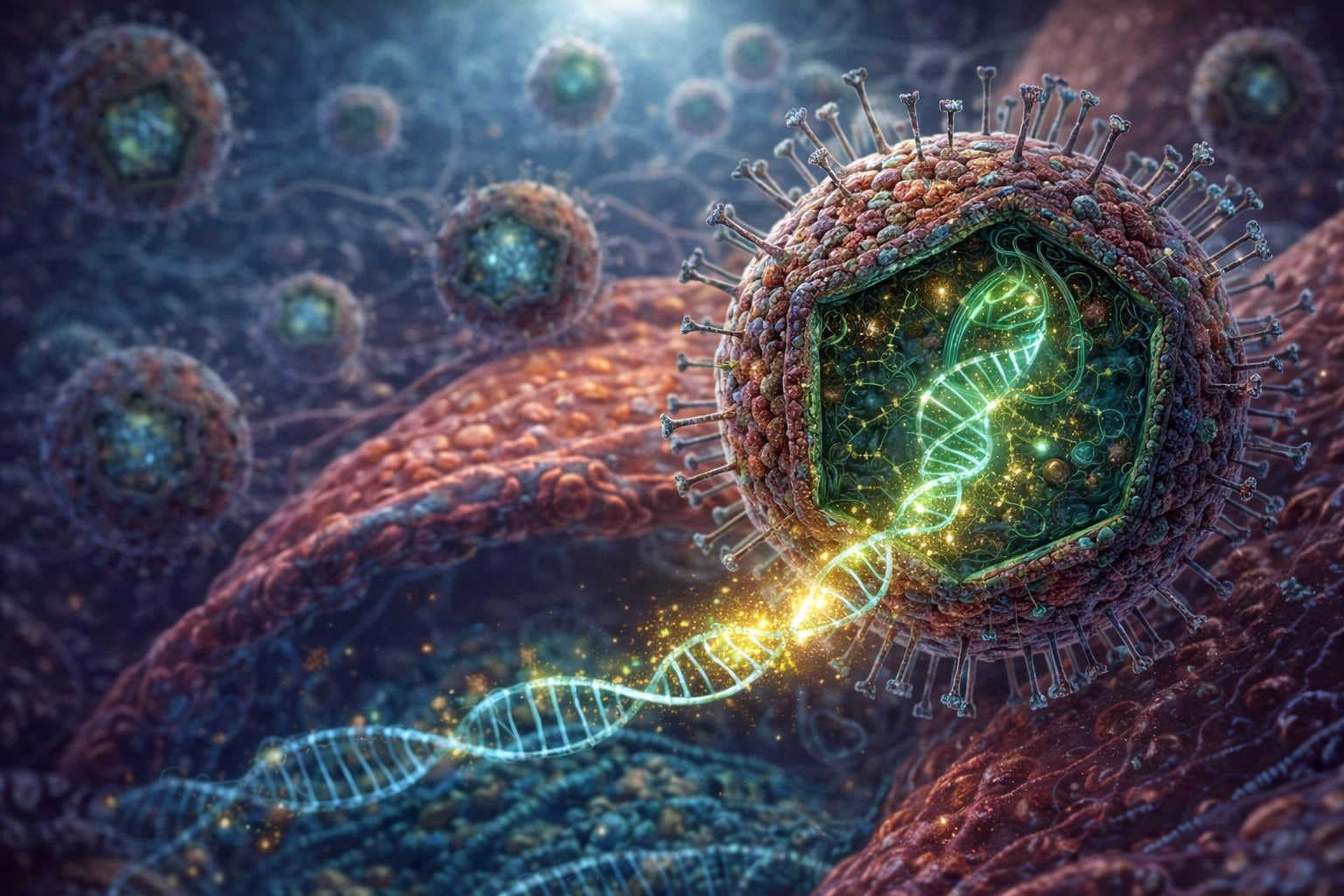
About 1.25 billion years ago, Retroviruses emerged by transforming "jumping genes" into infectious agents, mastering the ability to rewrite a host’s permanent genetic code.
~1.25 Billion years ago (+/- 200 million)
Stitch themselves permanently into the host’s genome
Intracellular Flow and Nutrient Exchange
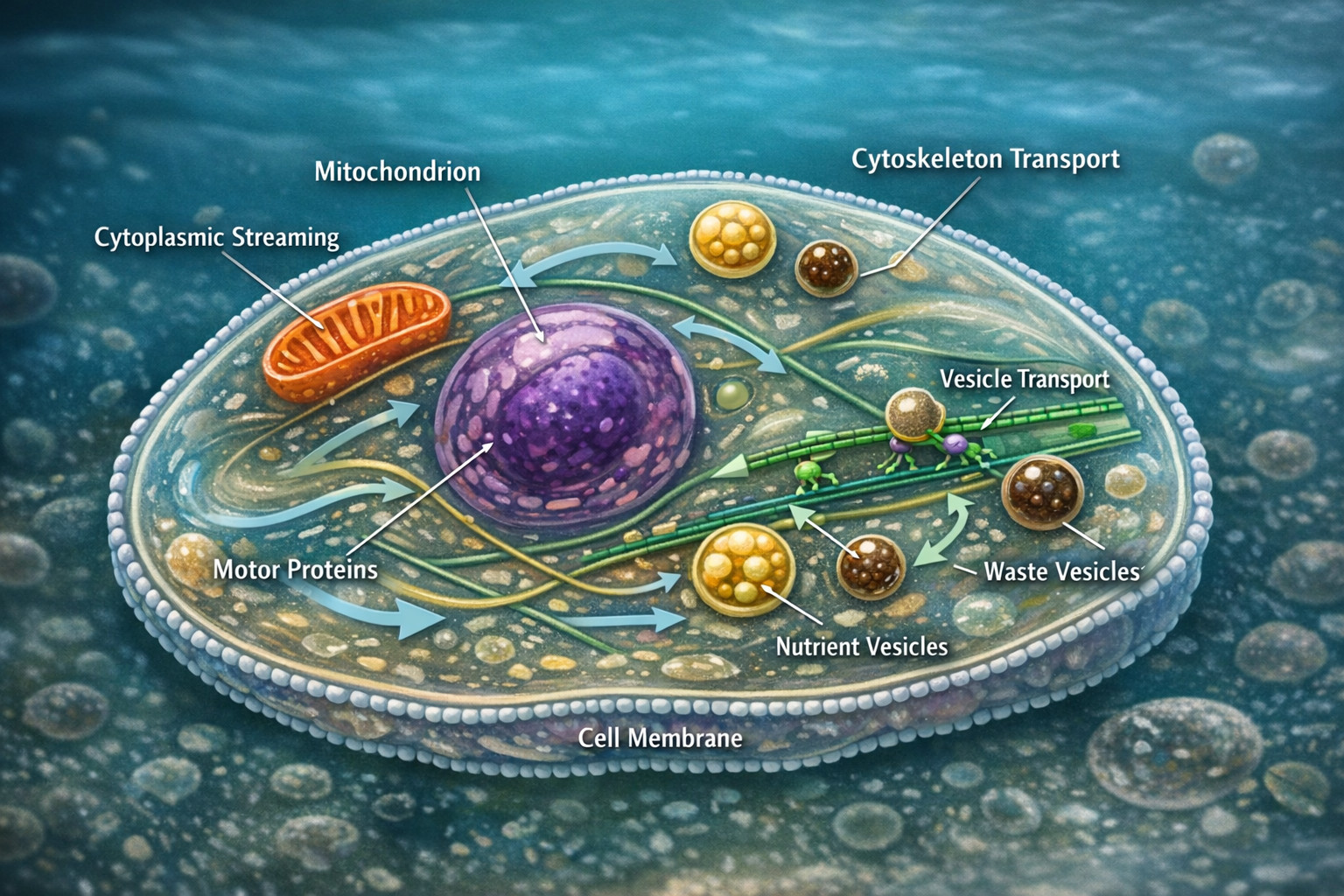
Eukaryote cells evolve cytoplasmic streaming and cytoskeleton-guided transport systems to circulate nutrients, organelles, and waste internally.
~1.2 Billion Years Ago (+/- 300 million)
Cytoplasmic streaming and vesicle transport
Opisthokonts: True Posterior Flagellum
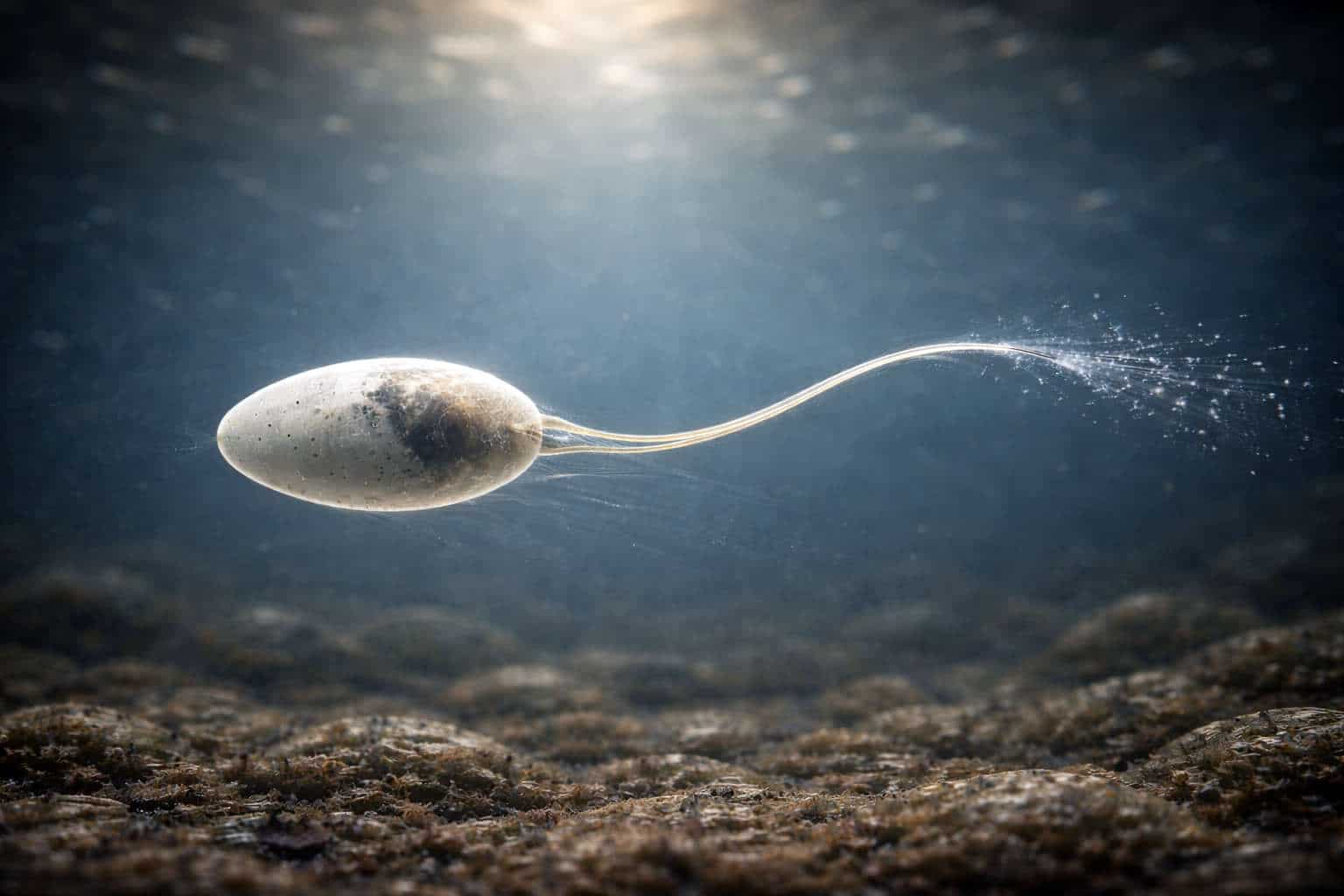
By 1.15 billion years ago, our animial-fungi ancestor evolve a true posterior flagellum. Single-celled animal sperm has a lineage back to this ancestor.
~1.15 Billion Years Ago (+/- 50 million)
12 unique amino acids + glycogen energy storage + True Posterior Flagellum
Oogamy: Early Gamete Specialization Before Animals
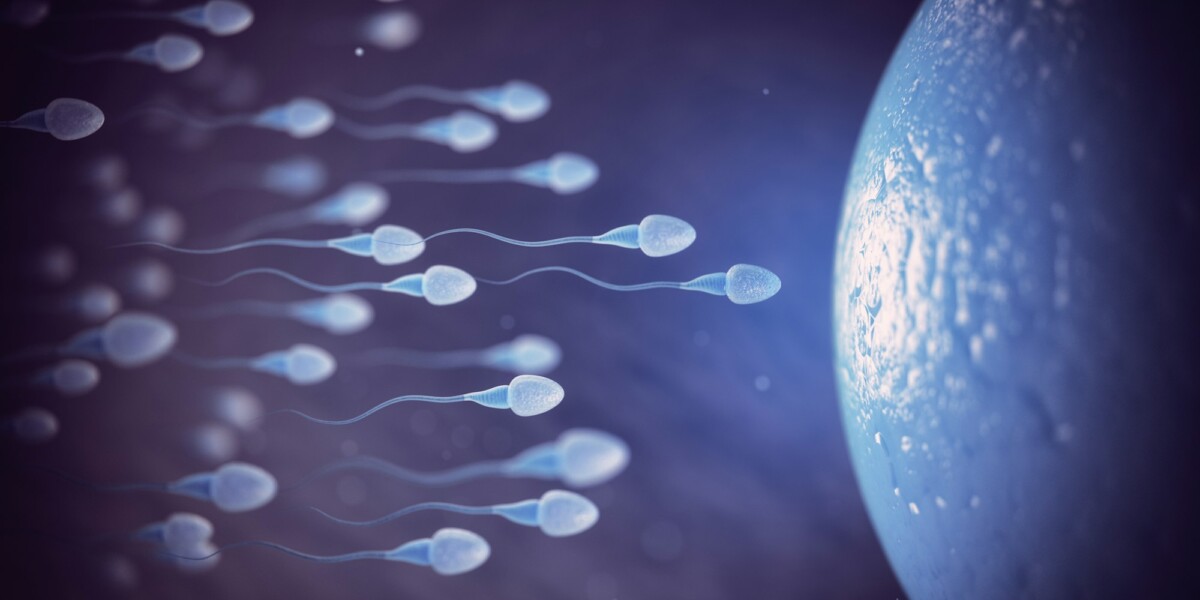
Sexual reproduction predates animals, and differentiated sperm–egg systems evolved in single-celled eukaryotic lineages long before animals emerged.
~1.1 Billion Years Ago (inferred, +/- 100 million)
Small motile gamete and larger nutrient-rich gamete
Giant viruses (within Varidnaviria)
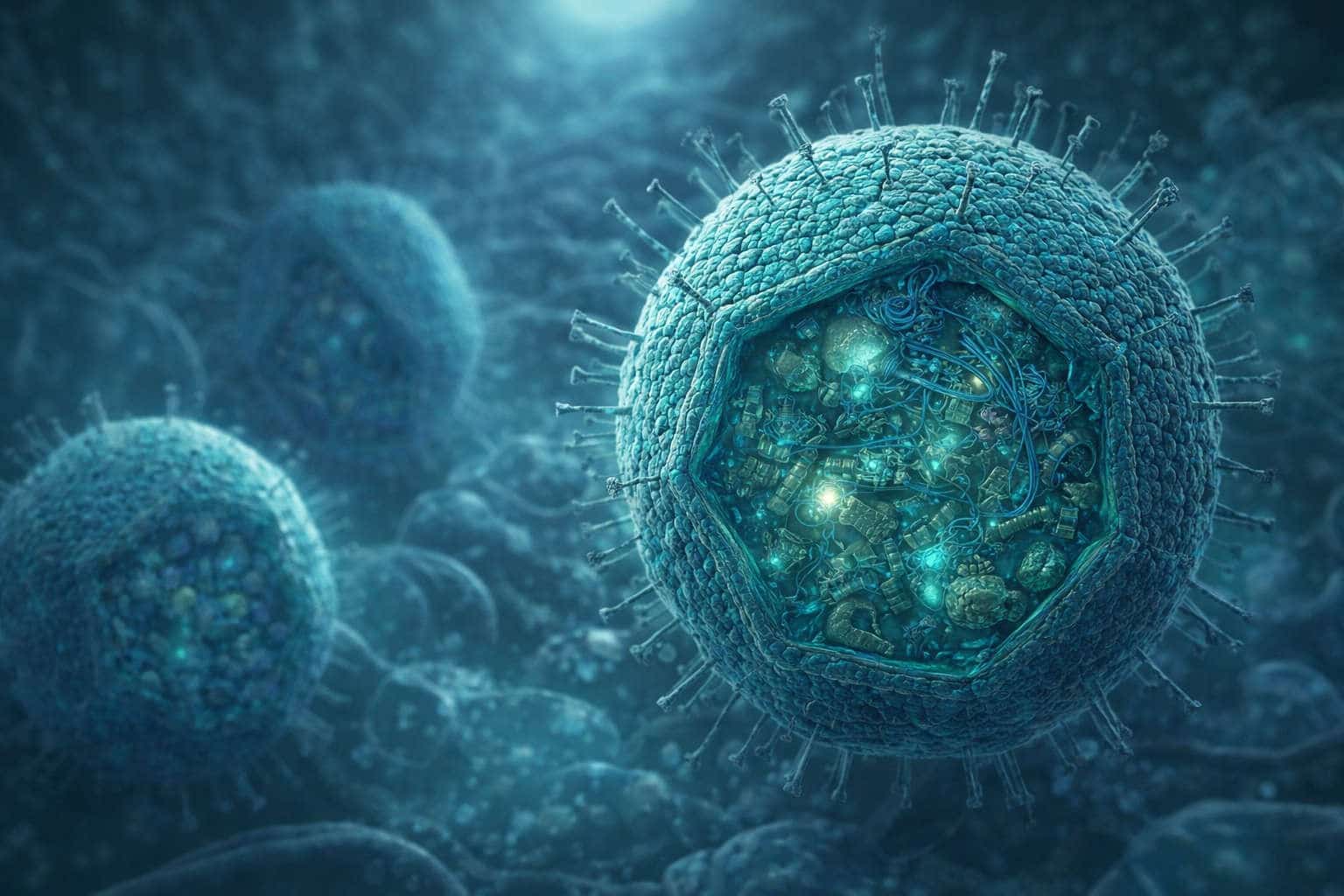
A billion years ago, some viruses turned into genetic junkyard collectors and swelled to nearly a micrometer across.
~1 Billion years ago (+/- 200 million)
Extreme genetic theft
Fungi Ancestors Split Off: (aquatic Holomycota)
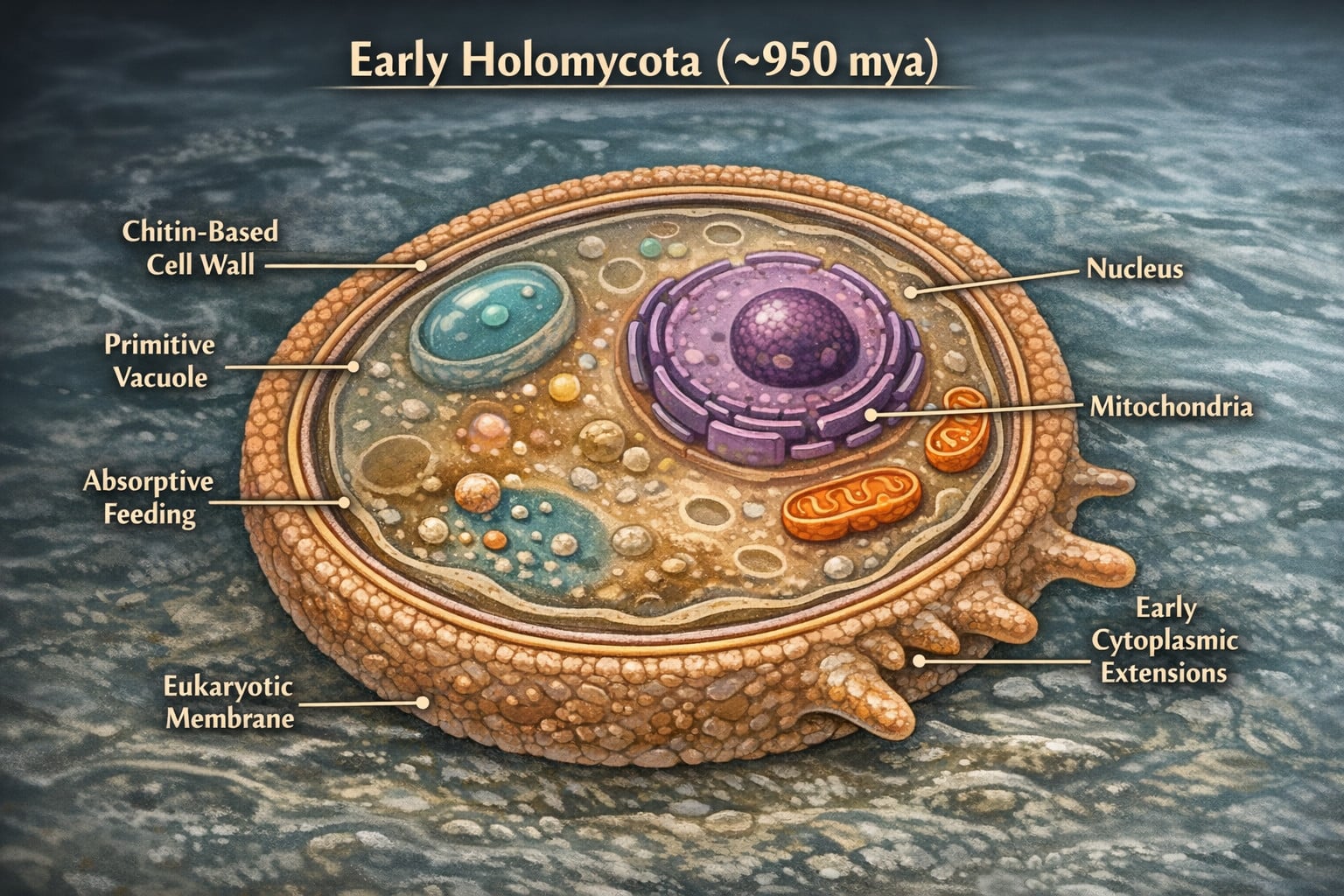
By 950 million years ago, fungi ancestors used growth over motion to survive.
~950 Million Years Ago (+/- 50 million)
External digestion + chitin cell walls
Animal Ancestors Split Off: Cadherin Cell Glue (Holozoa)
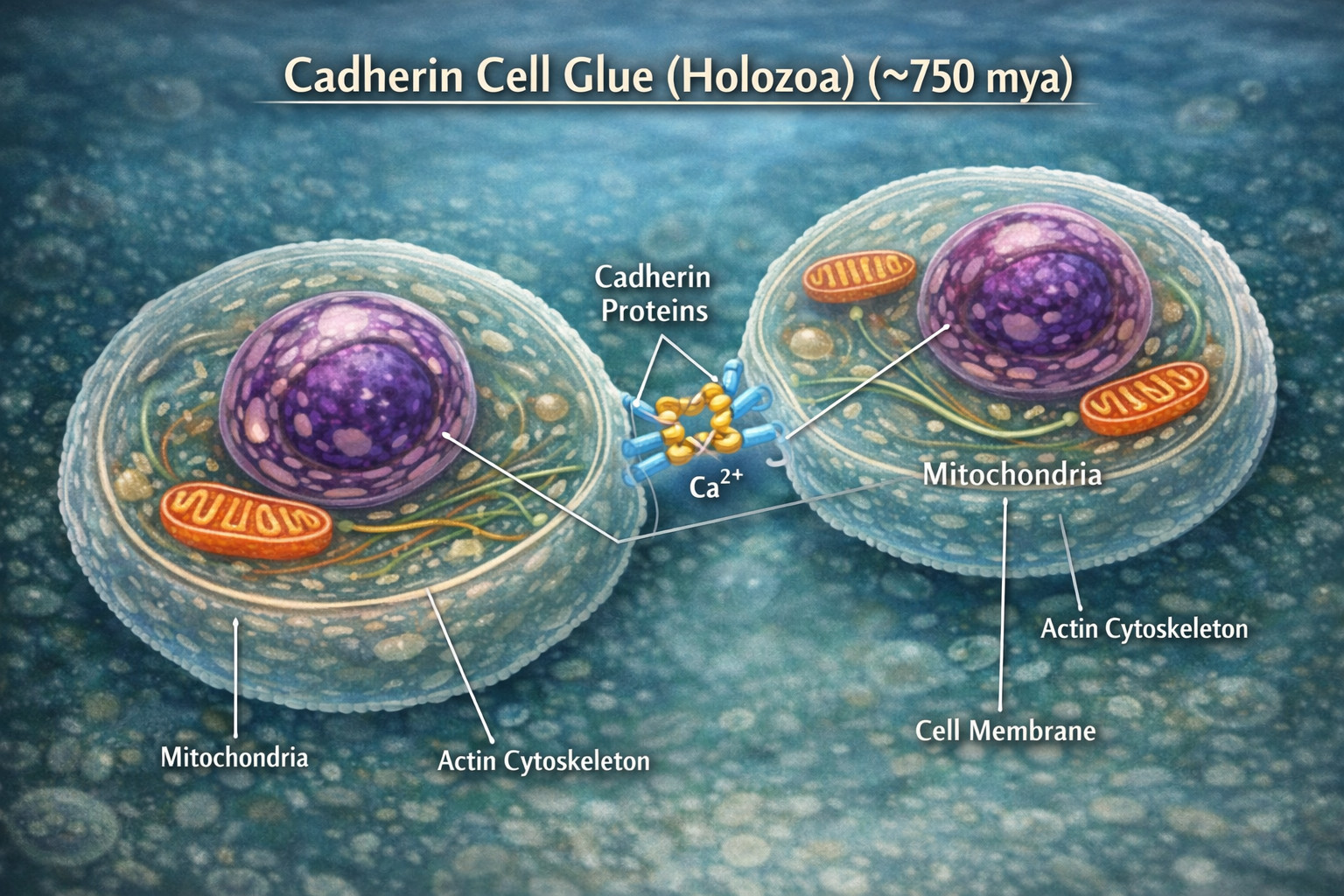
This image shows three plausible body plans for early holozoans, ancestors of animals. A loose spherical cluster suggests early cadherin-based adhesion. The pear-shaped flagellated cell reflects choanoflagellate-like forms. The amoeboid shape represents flexible, crawling types.
~750 Million Years Ago (+/- 50 million)
Snowball Earth: When Ice Reached the Equator
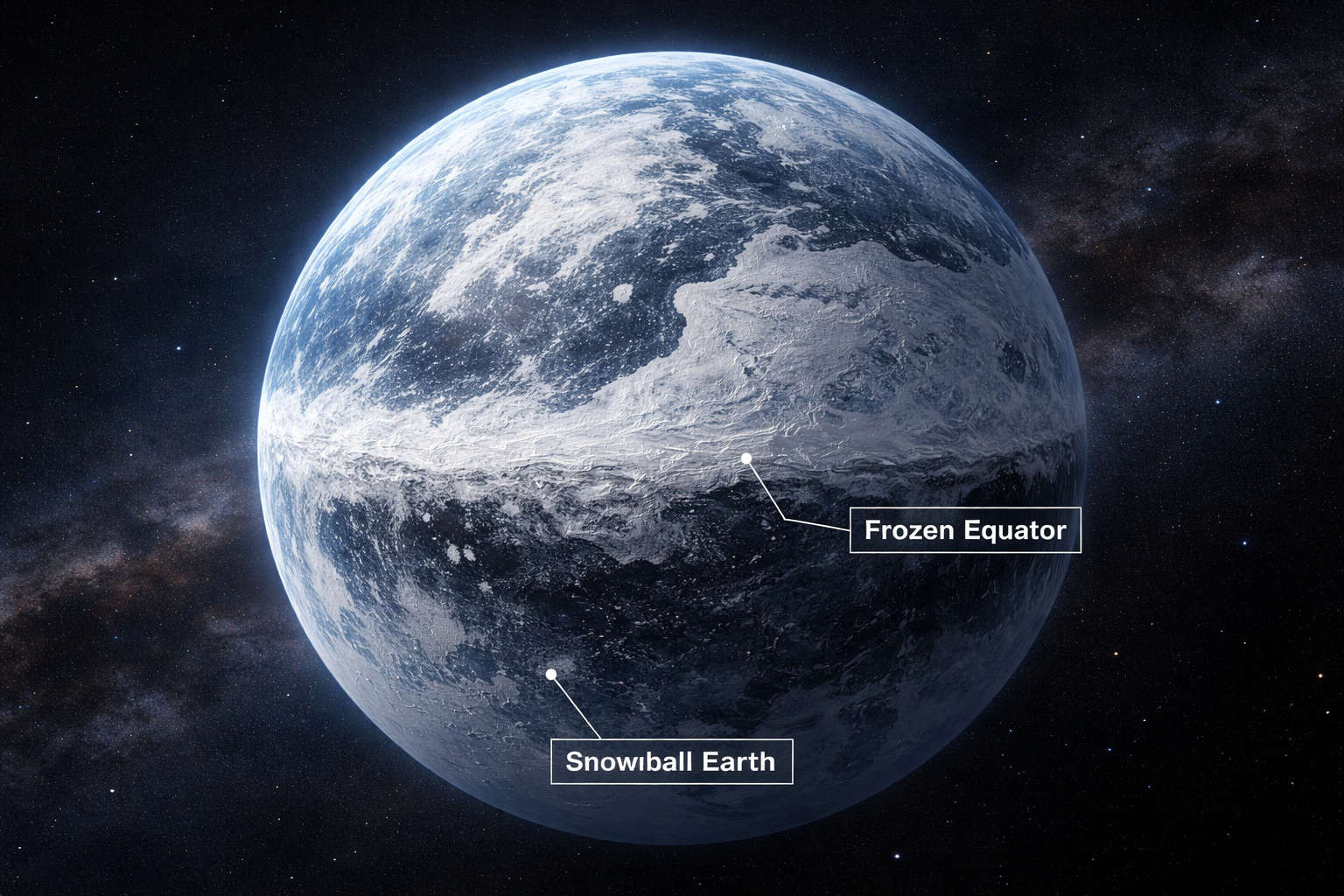
For tens of millions of years, Earth plunged into its deepest known freeze. Ice sheets reached sea level at low latitudes, perhaps even the equator, turning the planet into a near-global ice world and reshaping the path toward complex life.
From 717 million years ago through 635.
Cause: Continental Drift, Falling CO₂
First Multicellular Animals
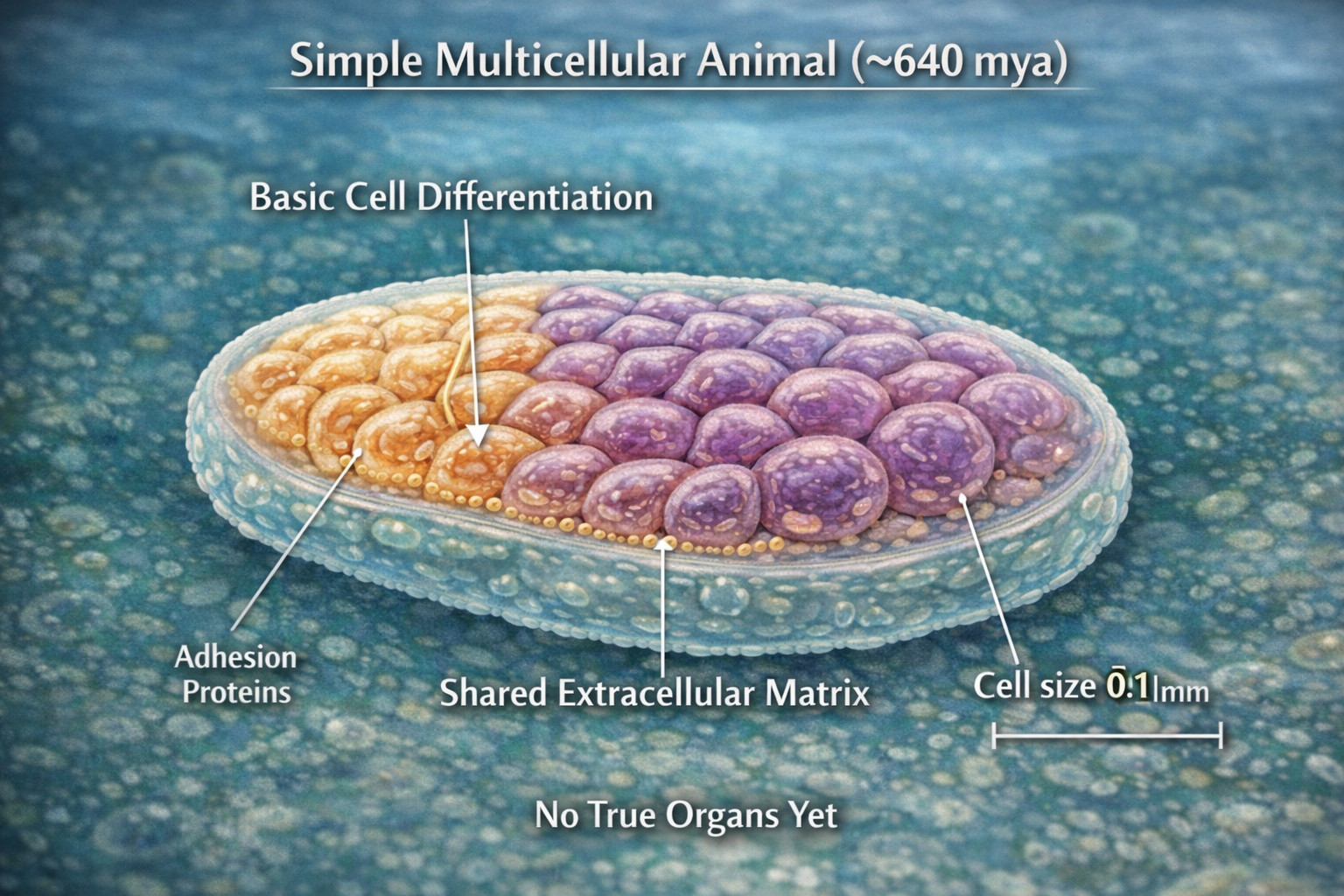
640 million years ago, the first multicell animals were almost certainly just collections of types of cells and reproduced.
640 Million Years Ago (+/- 20 million)
Stable cell adhesion and tissue specialization
Presentient Animals Emerge: The Ediacaran Prelude
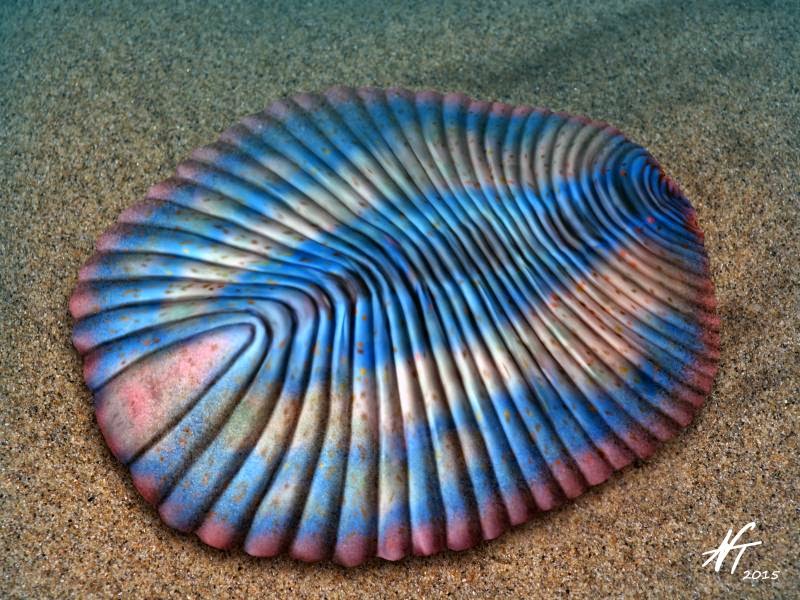
Before the Cambrian Explosion, early animal body shapes were already experimenting. Some evolved into larger, more complex forms, from frond-like patterns to disks and tubes. In this strange world, nerve nets and proto-nervous systems were beginning to appear.
635 to 590 Million Years Ago
Proto-brain; Pre-brain memory; Presentient.
First Animal Egg Layers
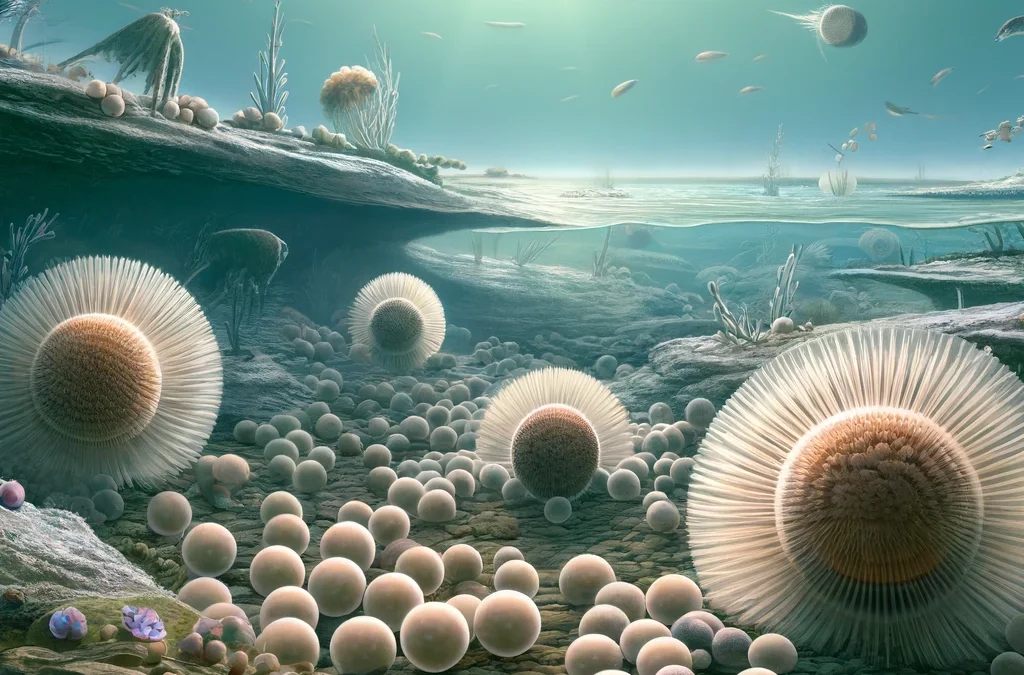
~620 Million Years Ago (+/- 20 million)
tissue-level reproduction
First True Fungi: Chytrids (and living fossils)
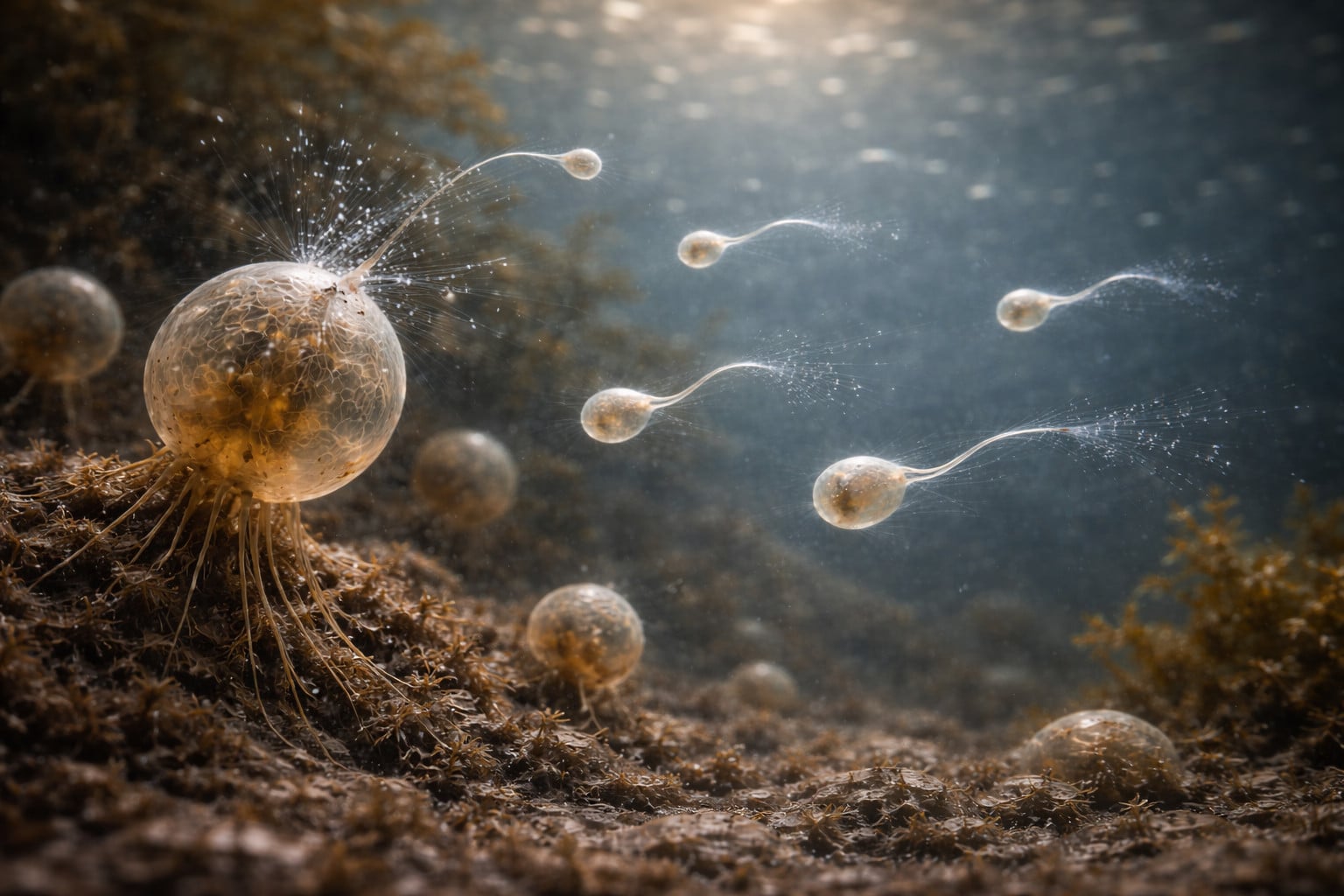
Chytrid-like fungi, reproducing with single posterior flagellated spores, are present in the fossil record by ~600 MYA.
~600 Million years ago (+/- 20 million)
Sperm-like reproduction to spread seed to new soil.
Animal Chemoreception: Proto-Taste and Smell Emerge
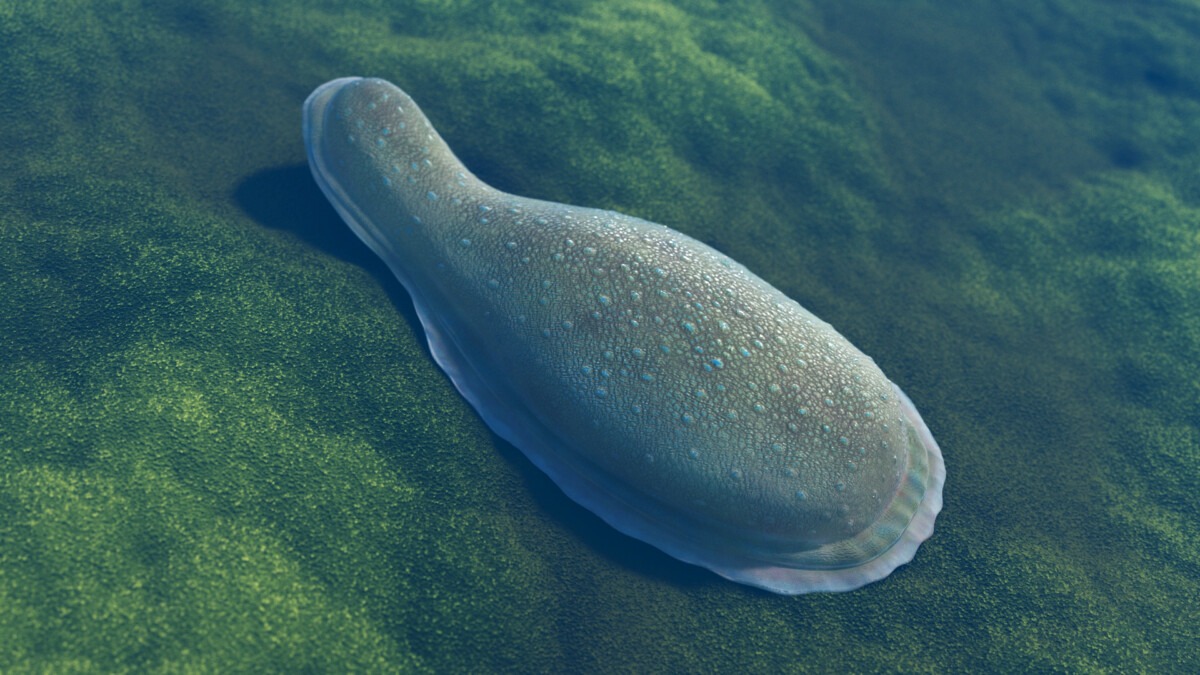
Chemoreception is older than animals. Found across bacteria, fungi, and plants, it later became the foundation for animal taste and smell as early nerve nets and proto-nervous systems gave rise to brains.
600 Mya
Mold Spores Emerge
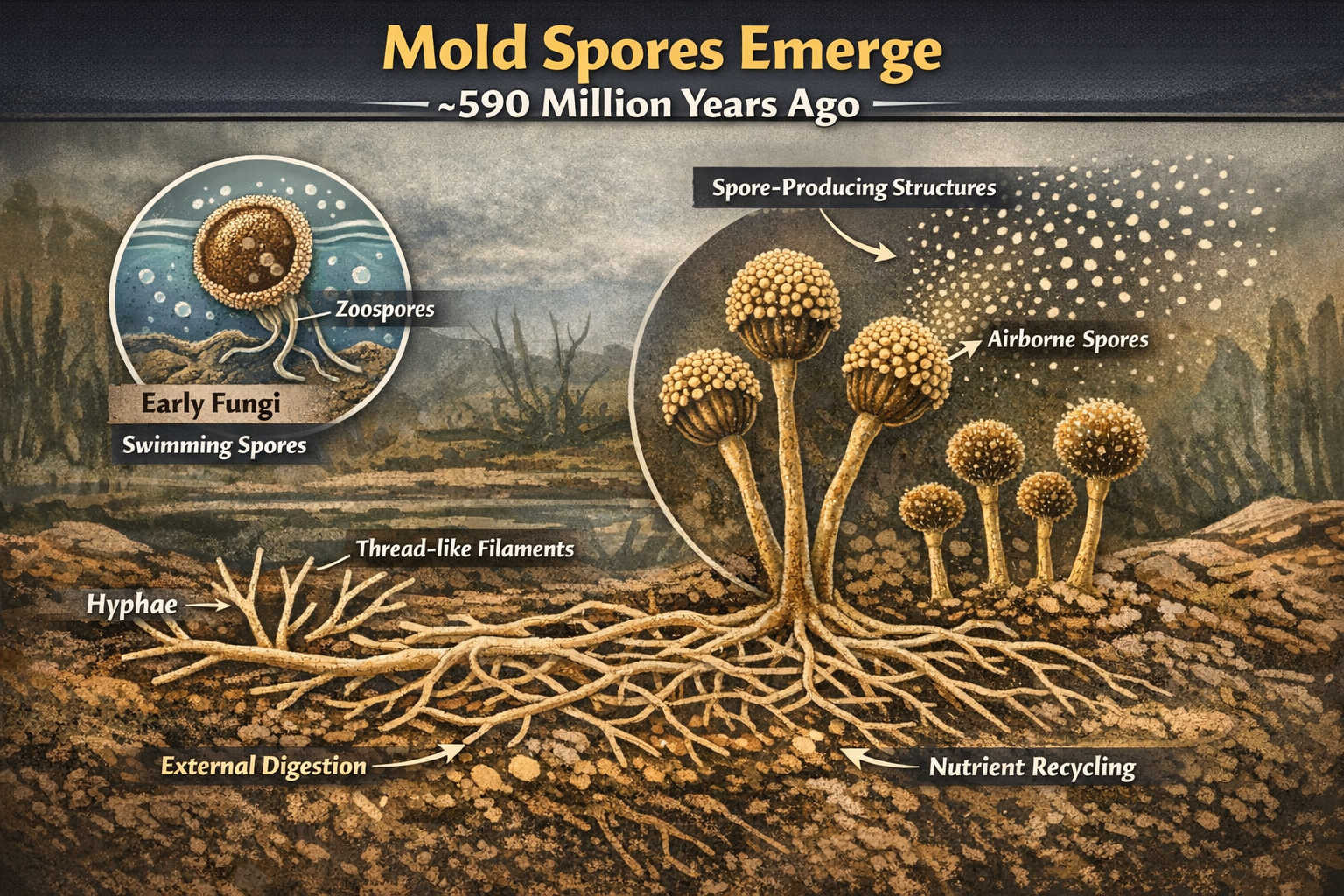
A mold spore is usually just one cell, but it carries the power to begin again. Released into the world, these tiny travelers helped fungi spread across early Earth and become some of nature’s great recyclers.
~590 Million years ago (+/- 30 million)
Bilaterian Split: The Origin of Agency
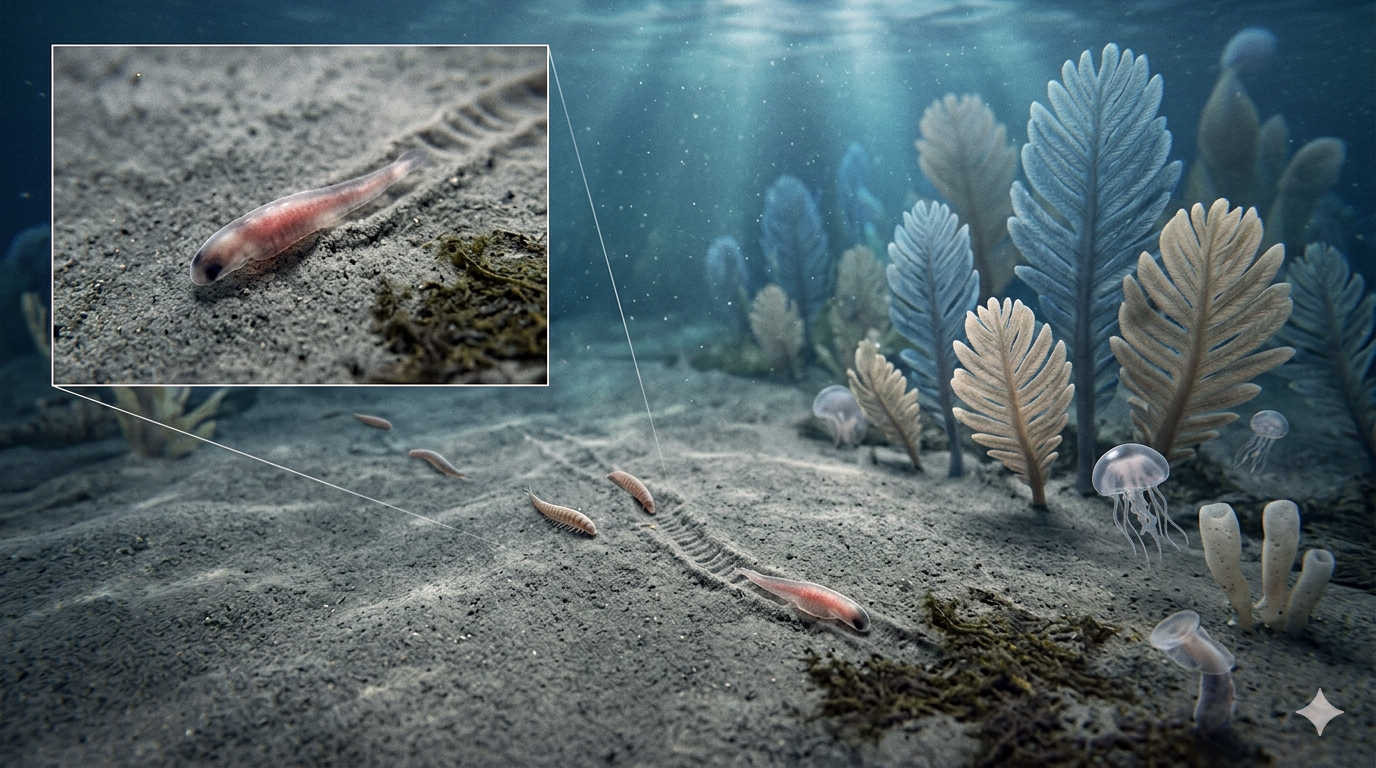
The bilaterian branch gave rise to today's arthropods, mollusks, fish, amphibians, reptiles, birds, and mammals. The significant idea is directionality. From a radial (circle) to a bilateral (line) symmetry, life transitioned from a passive "being" to an active "doing."
590 Million Years Ago (± 10 million)
Agency and directional action with intent.
First True Animals – Comb Jellyfish
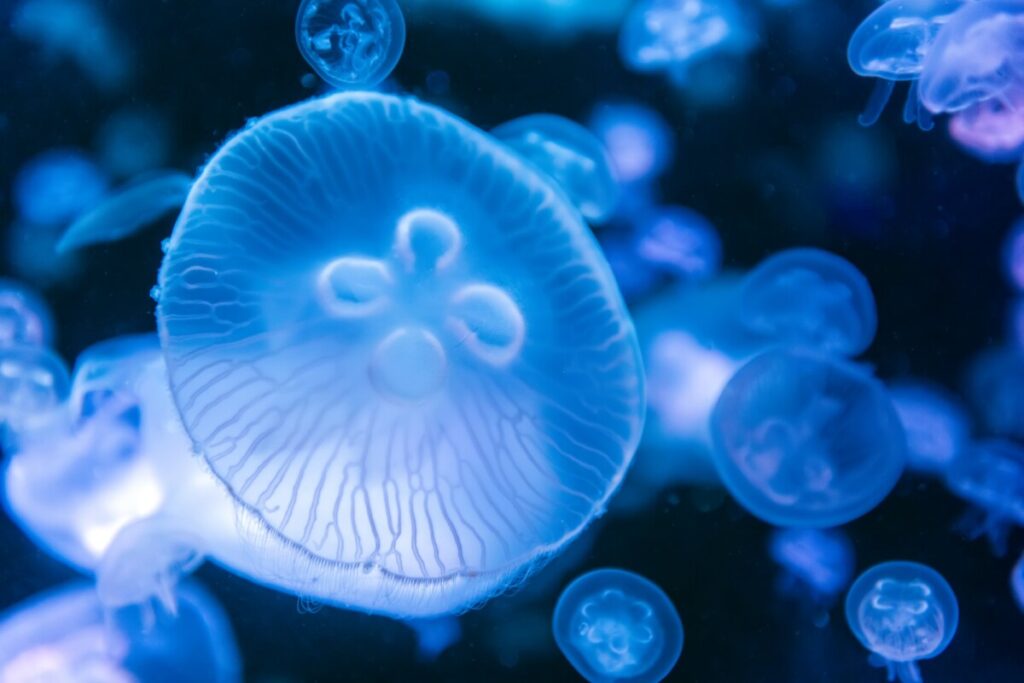
Jellyfish moving through water
555 Million Years Ago (+/- 5 million)
Nerve nets and muscle cells
Internal Fluid Transport in Early Animals
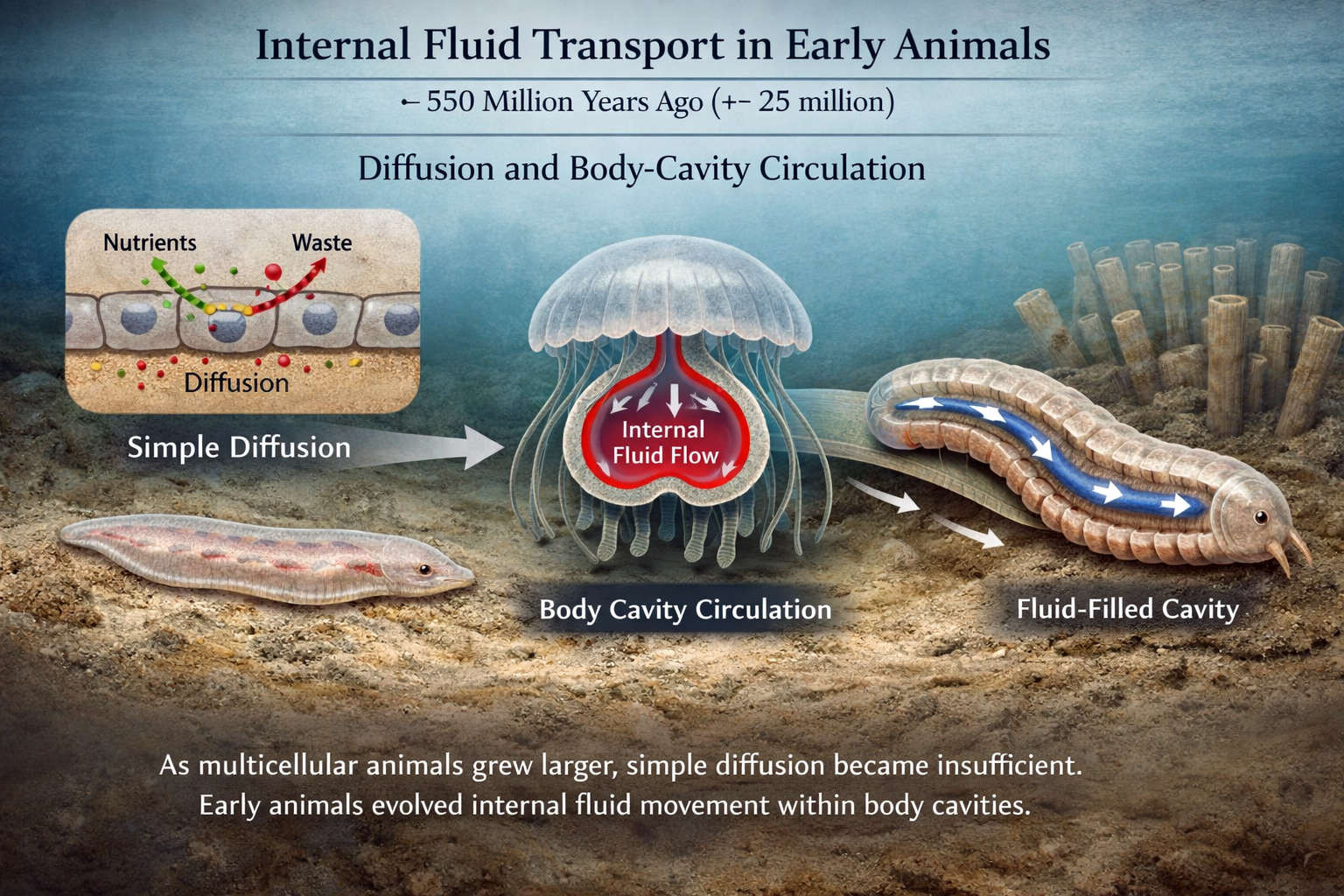
Before true circulatory systems evolved, early animals began moving fluids through internal body spaces, helping nutrients reach deeper tissues and waste move out.
~550 Million Years Ago (+/- 25 million)
Diffusion and body-cavity circulation
True Circulatory Systems: Blood Veins

545 Million Years Ago (after through-gut digestion: mouth/anus)
Circulatory fluid transport (veins)
Vision Emerges: The Pre-fish Chordates
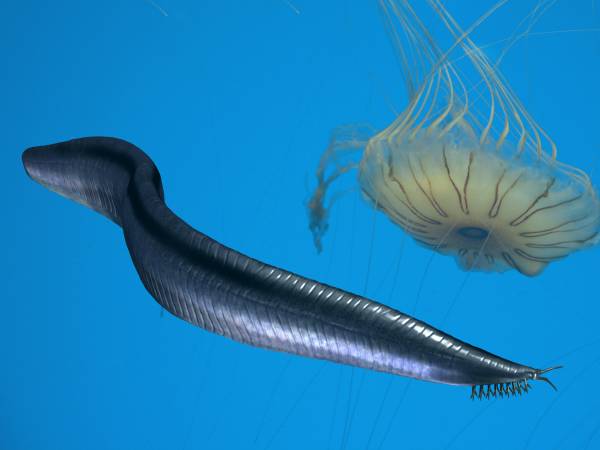
540 Mya
Vision Emerges; Proto-Simple Brains; Pre-vertebrate Cord.
Paleozoic Era: The Age of Synapsids
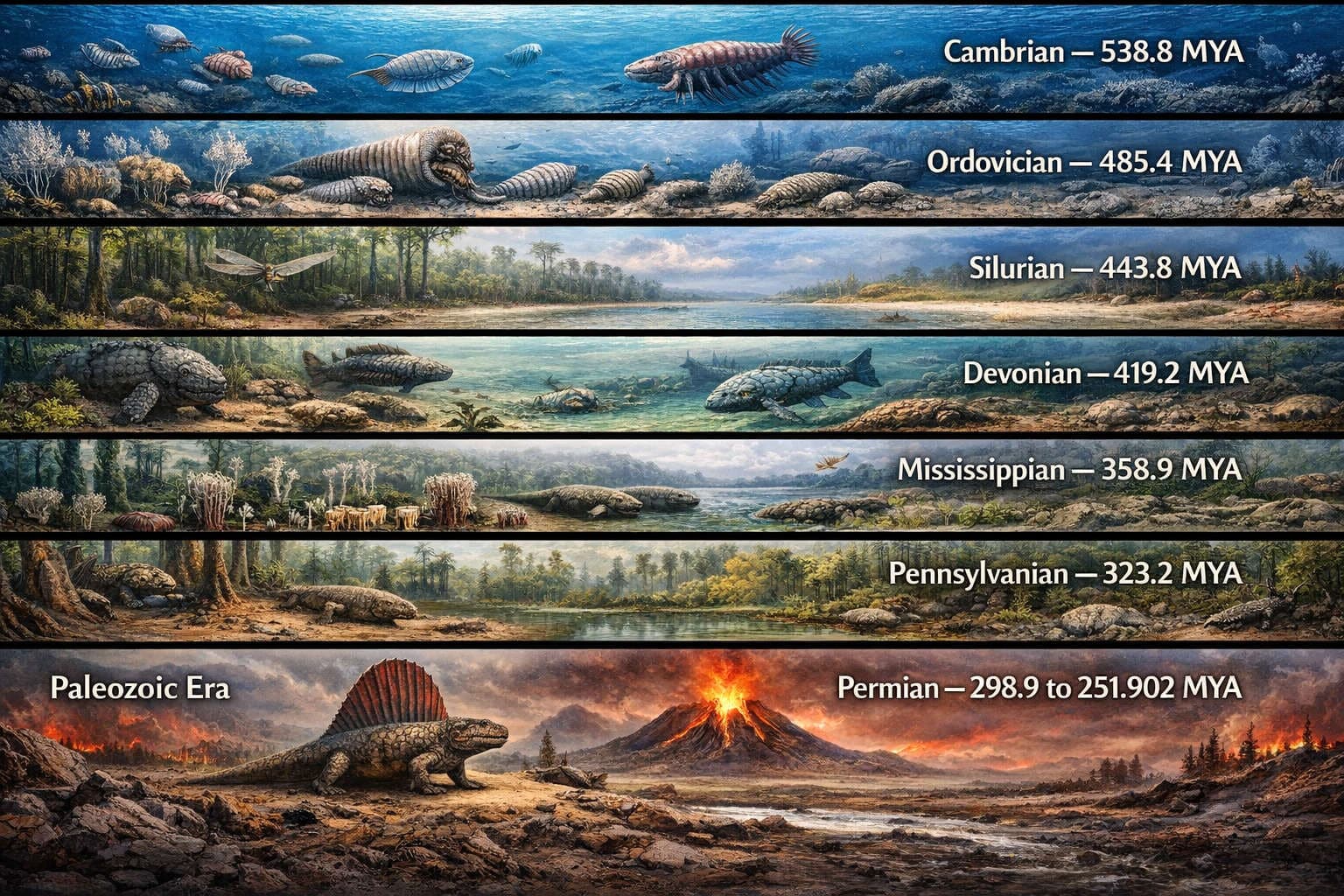
The Paleozoic era is marked by the rise of complex animal life 538.8 million years ago. It ends with the end-Permian mass extinction 252 million years ago. A volcanic cascade global warming event.
From 538.8 to 251.902 million years ago.
287 Million years: From burrowing to extinction.
First Vertebrates
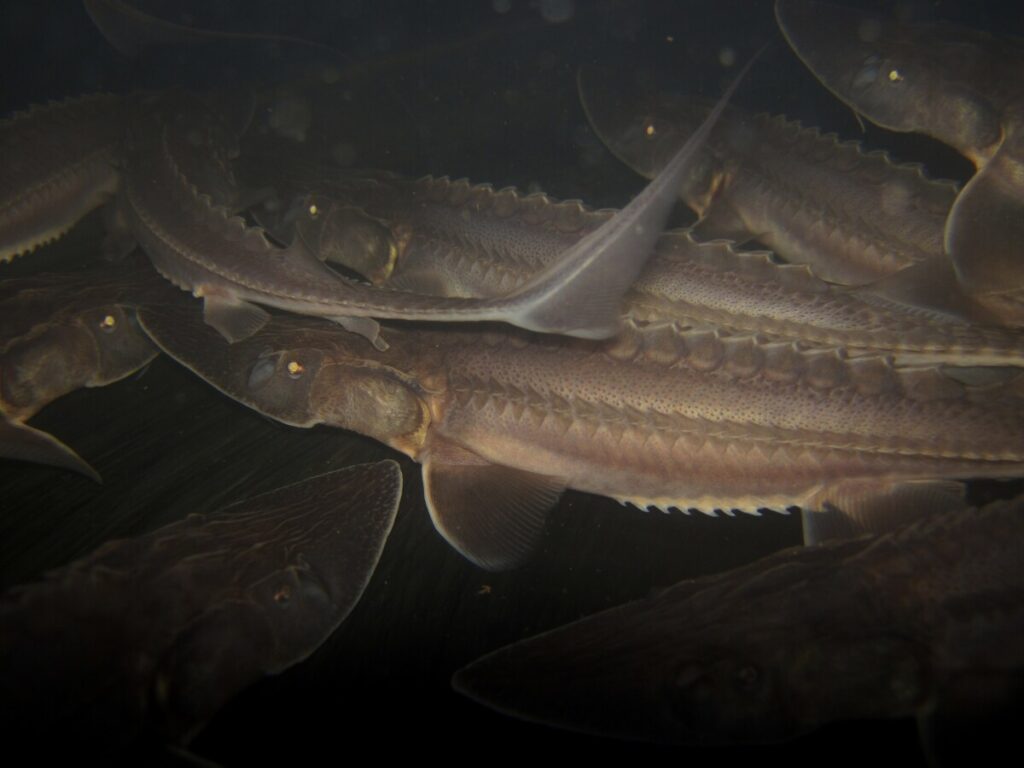
530 Million BCE
530 to 520 Million Years Ago
Earliest Known Hunter
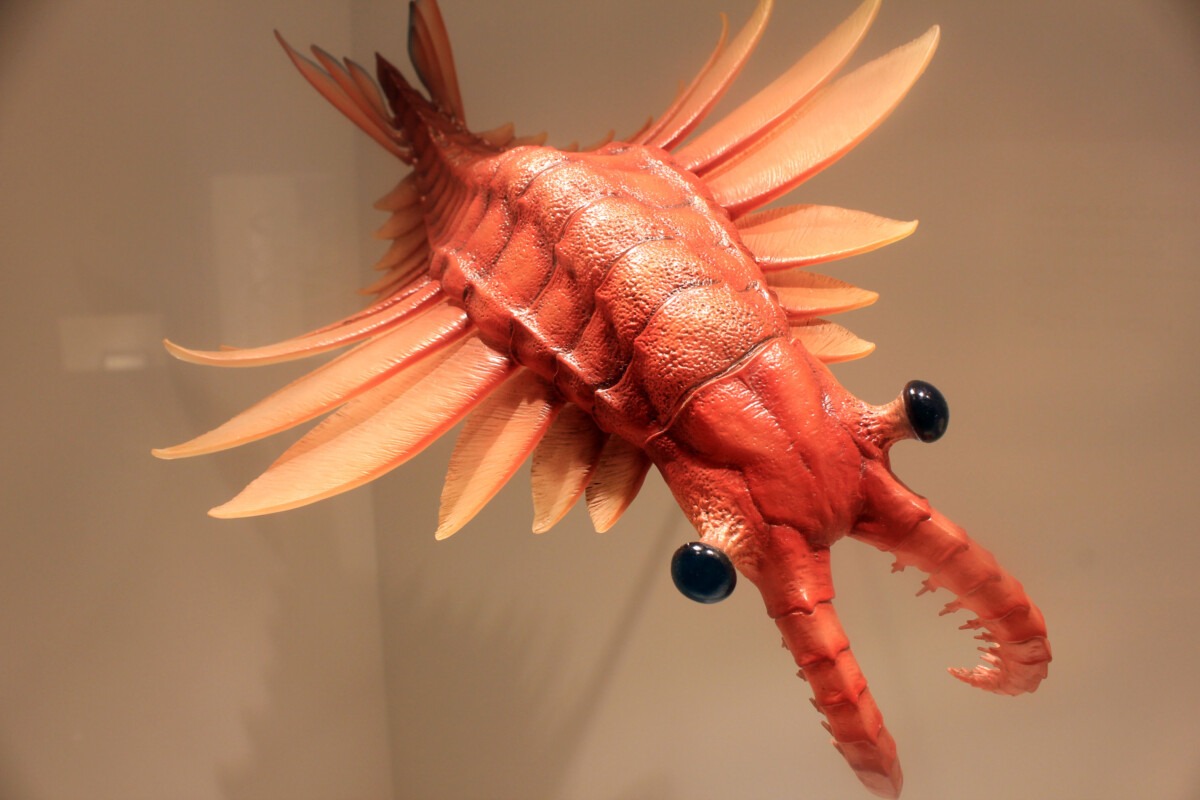
520 Million Years Ago
First Simple Brains; Proto-Short-Term Memory; Simple Sentience.
Simple Sentience Settles: Haikouichthys
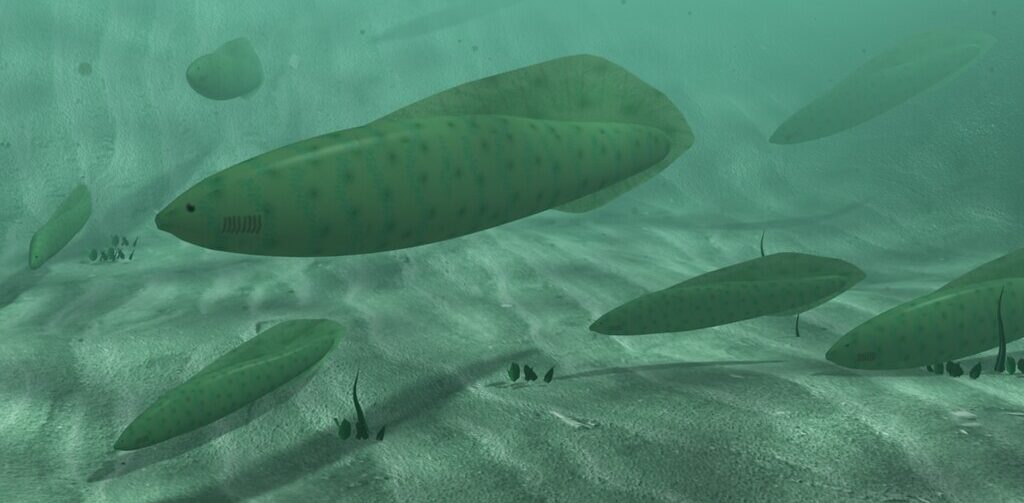
520 Million BCE
Simple Brains; Proto-Short-Term Memory; Simple Sentience.
Simple Cephalopod Sentience Evolves
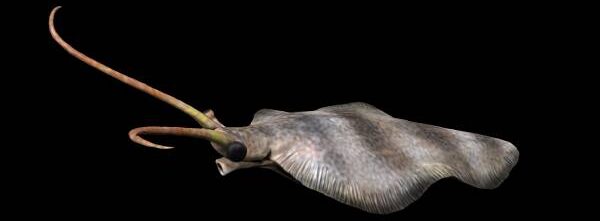
510 Million BCE
Not a fish ancestor, not our ancestor.
Hyphae break rock
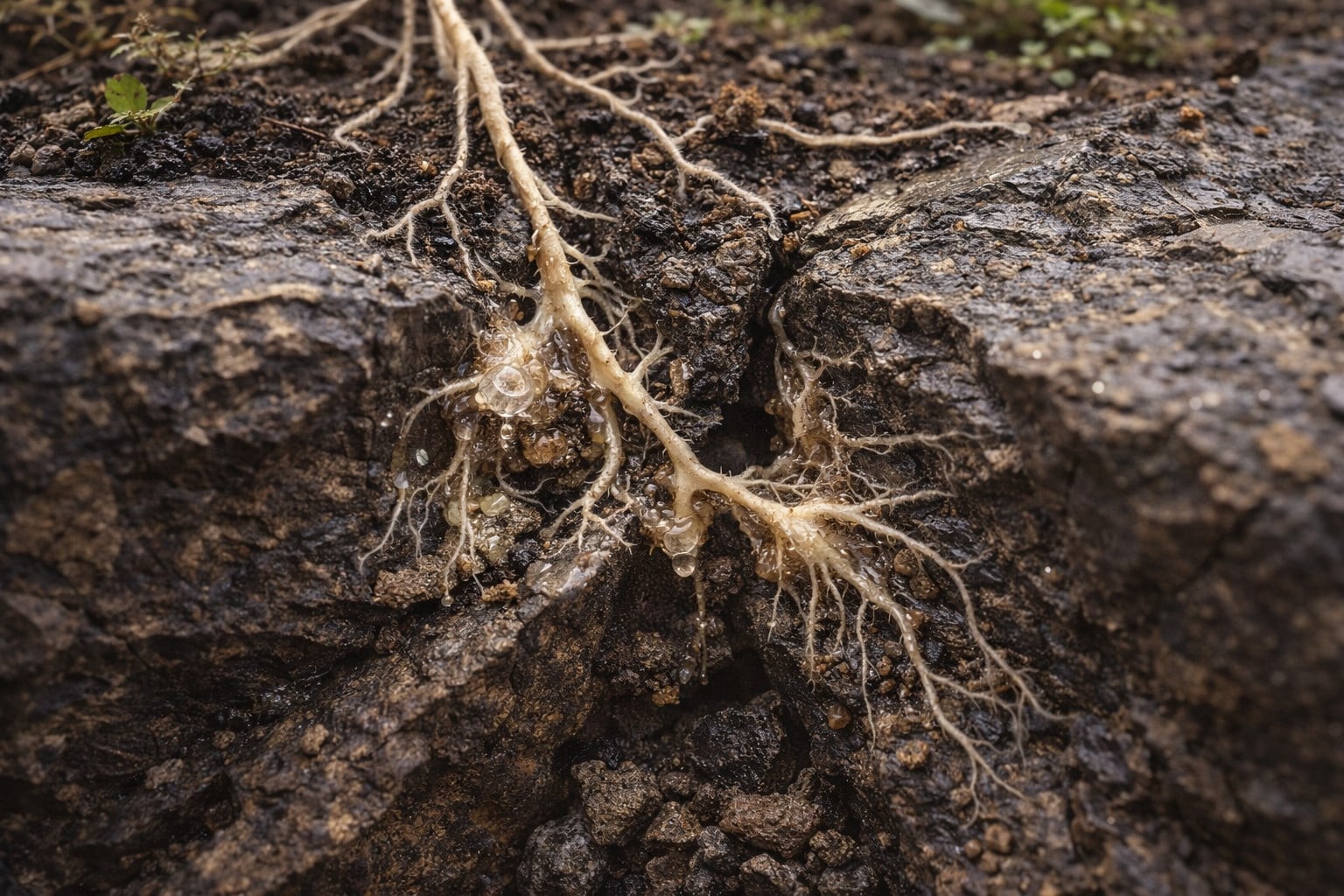
The conquest of land wasn’t driven by size — it was driven by threads. By 480 million years ago, hyphae began breaking into rock to make land habitable.
~480 MYA (+/- 20 million)
Filamentous growth (hyphae); terrestrial colonization
Embryophytes: First True Plants
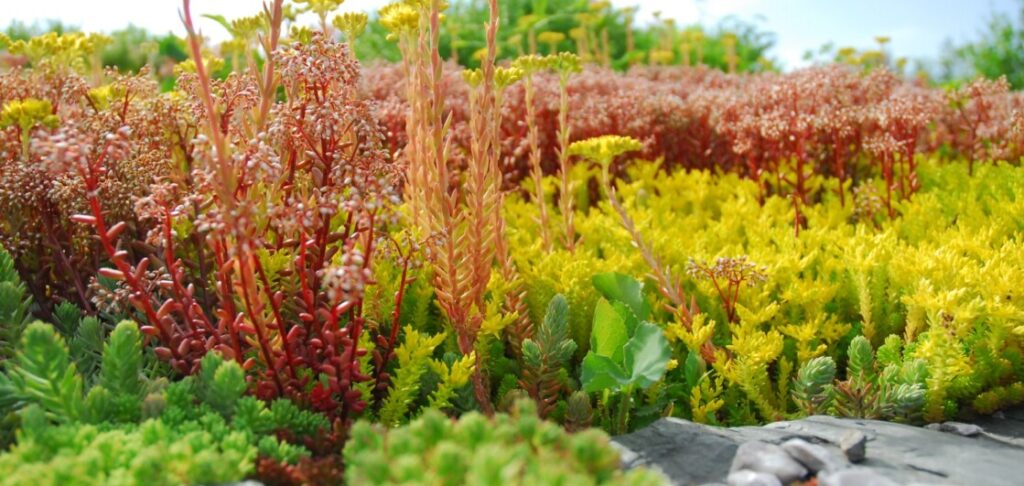
First land plants.
470 Million Years Ago (+/- 10 million)
Early water transport
Asaphid trilobite
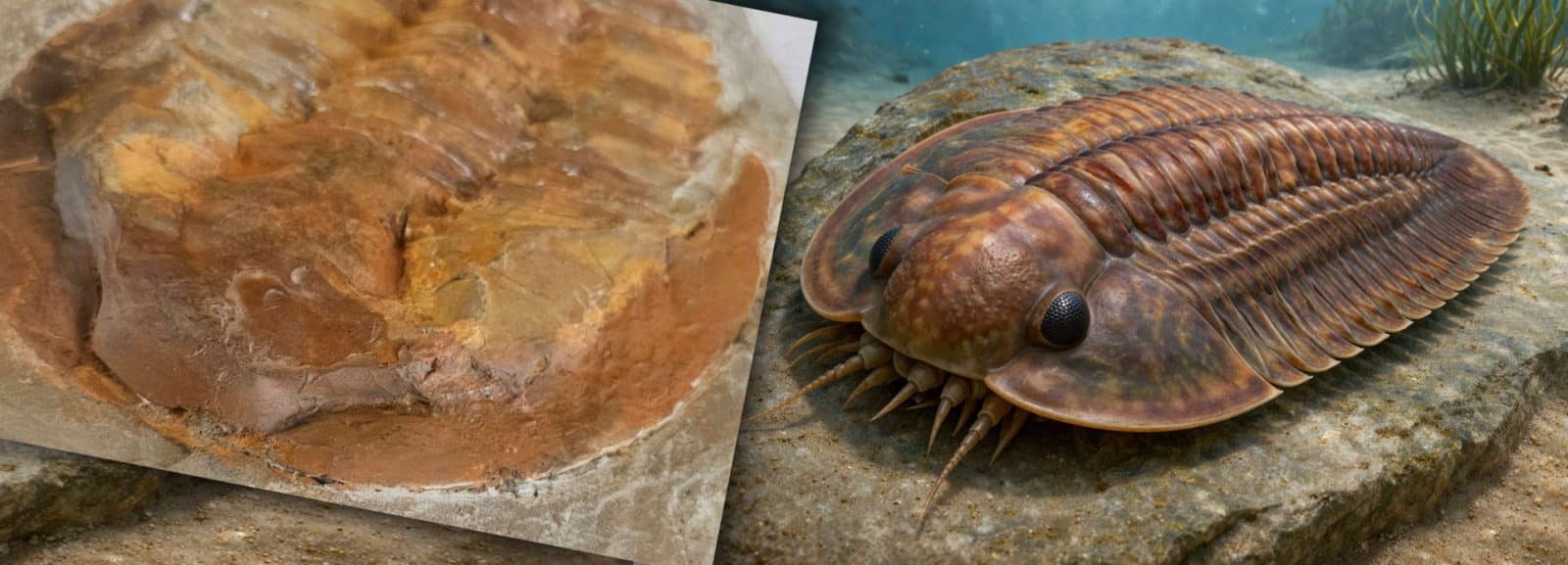
An Ordovician asaphid-like trilobite from an ancient shallow sea, broad-bodied and well armored, representing one of the many early arthropod forms that flourished long before life moved onto land.
Lived from 470 to 445 million years ago.
Fungal Underground Alliance
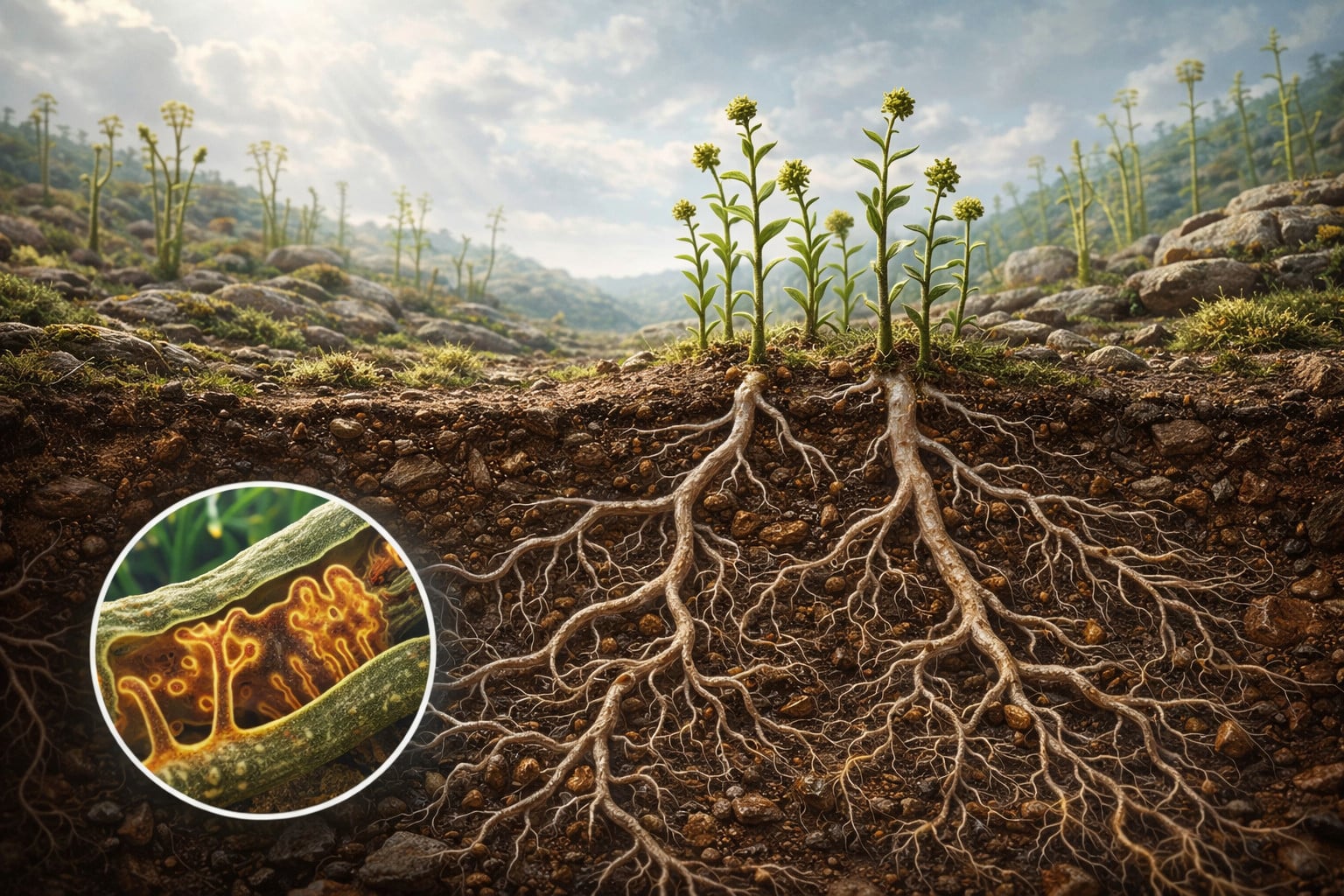
By 450 million years ago, fungi and plants started a rich dirt alliance. Forests grew because fungi fed them. Plants exchanged sugars for fungi phosphors and minerals.
~450 Million years ago (+/- 10 million)
Arbuscular mycorrhizae (Glomeromycota symbiosis)
Ordovician–Silurian Extinction: Ice Strikes the Seas
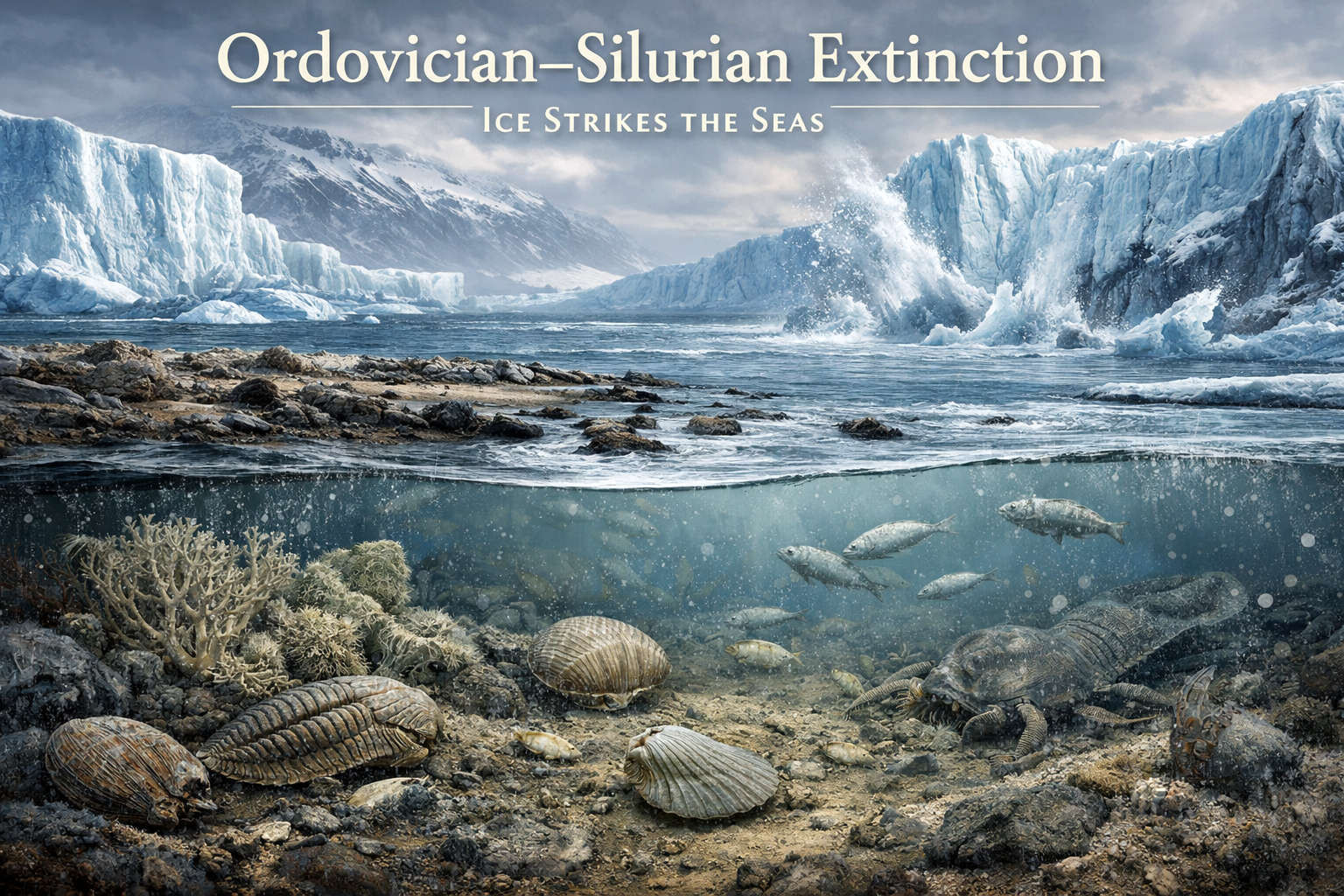
The Ordovician–Silurian extinction shows how climate change can reshape evolution by collapsing old ecosystems and opening space for new life.
~444 Million Years Ago
Cause: Global Cooling and Falling Seas
First Animal Teeth
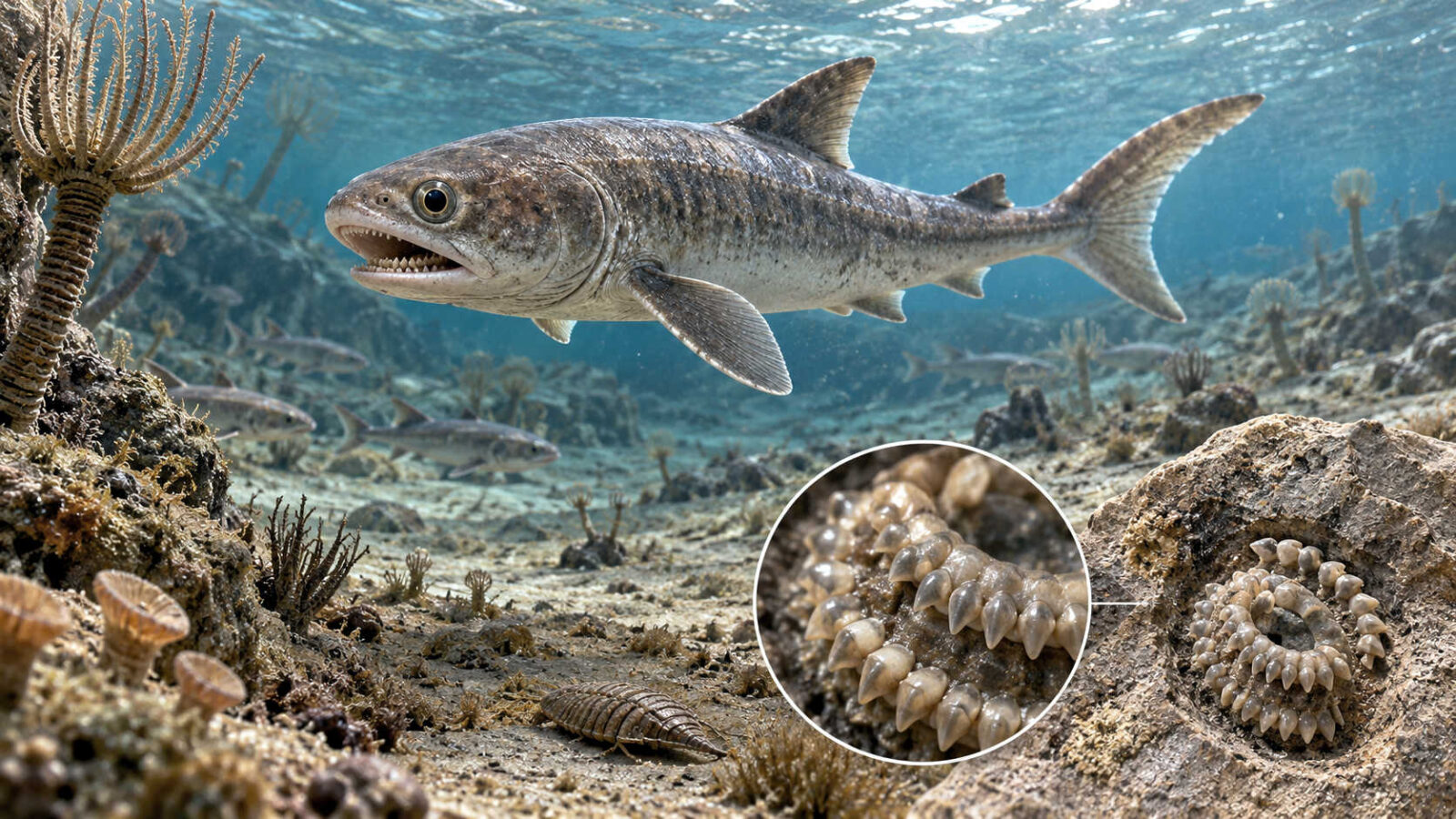
Teeth first evolved in a common fish ancestor to reptiles, dinosaurs, and mammals. The earliest direct evidence we currently have for true teeth comes from a tiny jawed fish called Qianodus duplicis, which lived about 439 million years ago during the Silurian Period. We don’t have a nice complete fish fossil smiling back at us. What we have are tiny fossilized tooth whorls from China, with rows of teeth added as the animal grew. These structures show features recognizable in later jawed vertebrates, making Qianodus our current oldest solid evidence for a toothed animal.
439 Million years ago (+/- 1 million)
Fungal Great Split: Ascomycota & Basidiomycota
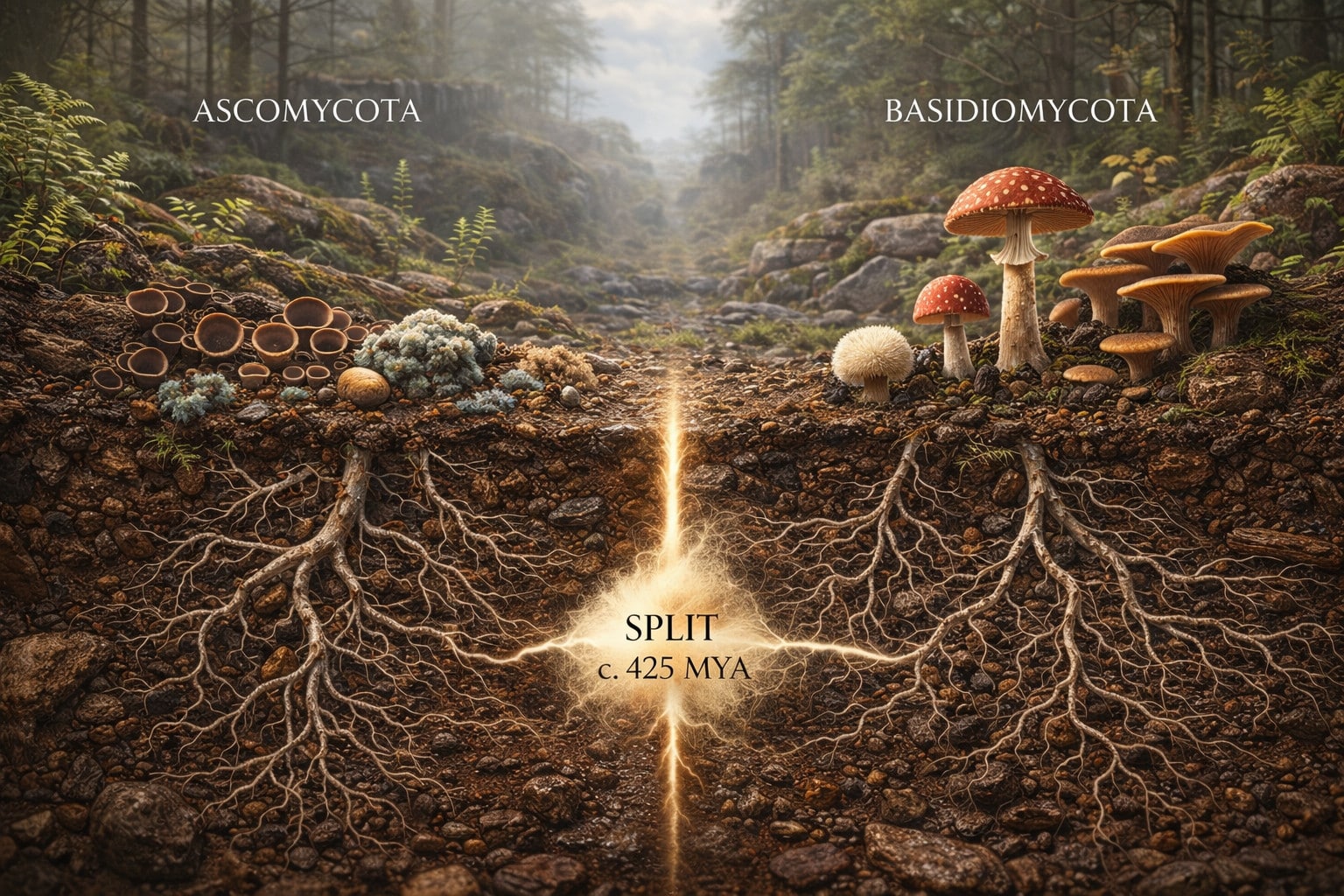
By 425 million years ago, fungi split into ascomycota and basidiomycota. Ascomycota gave rise to yeasts, truffles, and many molds. Basidiomycota gave rise mushrooms, puffballs, and bracket fungi.
~425 Million years ago (+/- 25 million)
Ascomycota and Basidiomycota Split
Keratin Genes & the Rise of Scales in Fish
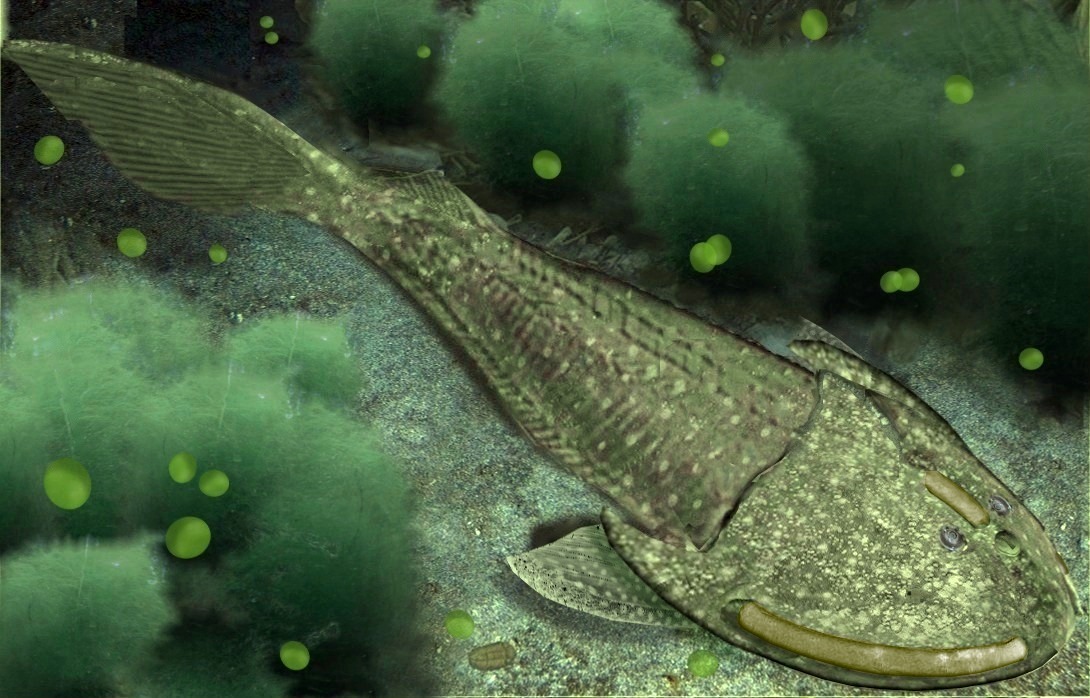
425 Million Years Ago
425 MYA (+/- 15 Million Years)
Fungal Giants of the Devonian
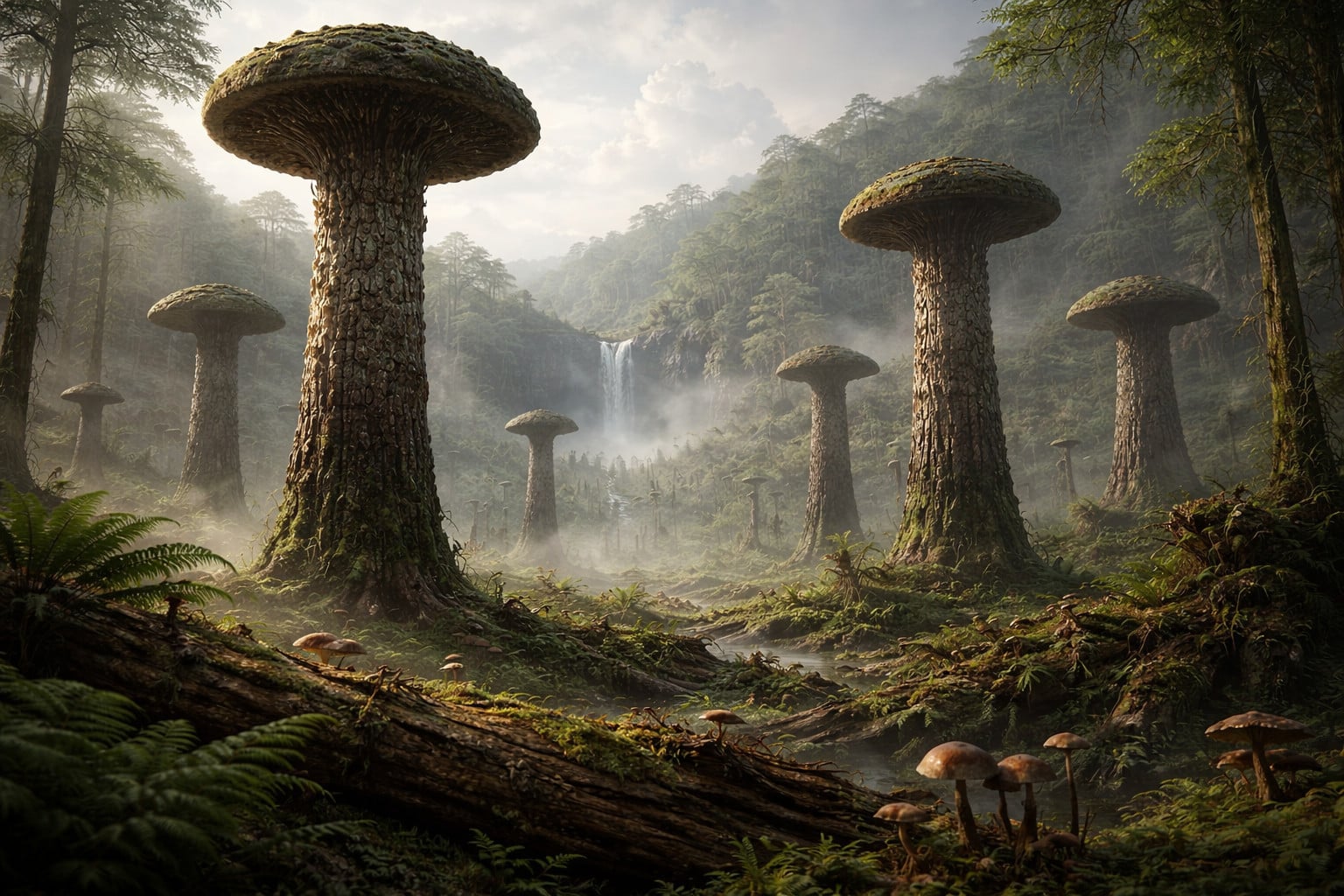
By 420 million years ago, the first giants on land were not plants — but fungi. Giant fungi as tall as 30 feet (9 meters) thrived during the Devonian
~420 MYA (+/- 20 million)
Large upright fungal structures (e.g., Prototaxites)
Oldest Known Air Breather
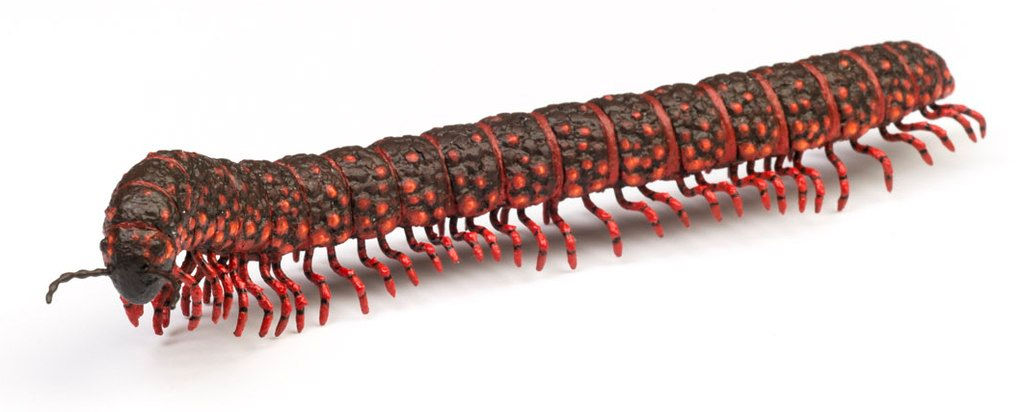
414 Million BCE
Lungs Evolve: Lobe-Finned Fish and the Lungfish Ancestor
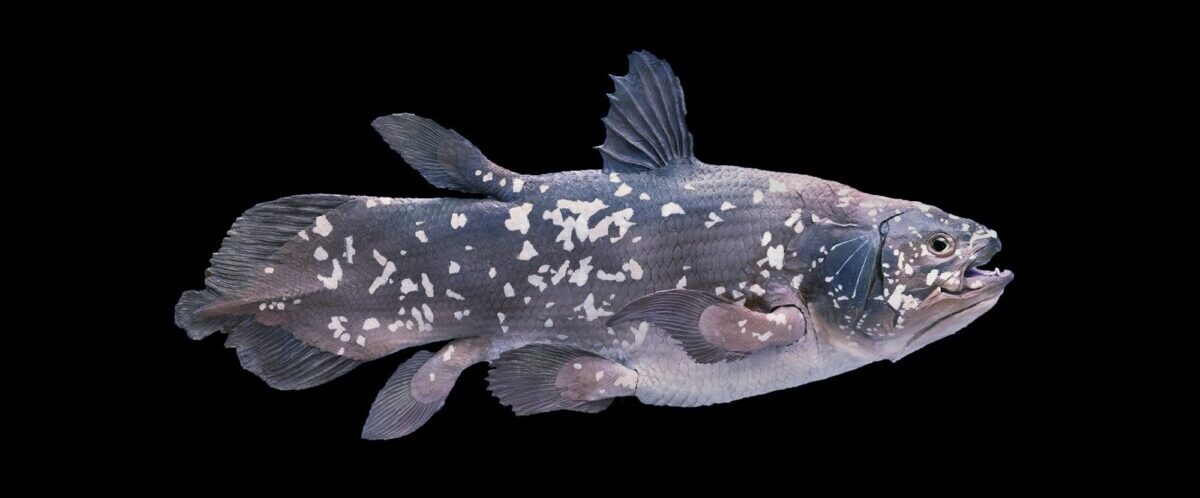
Living fossil fish, Coelacanth.
400 Million BCE
First True Trees: Spore Reproduction
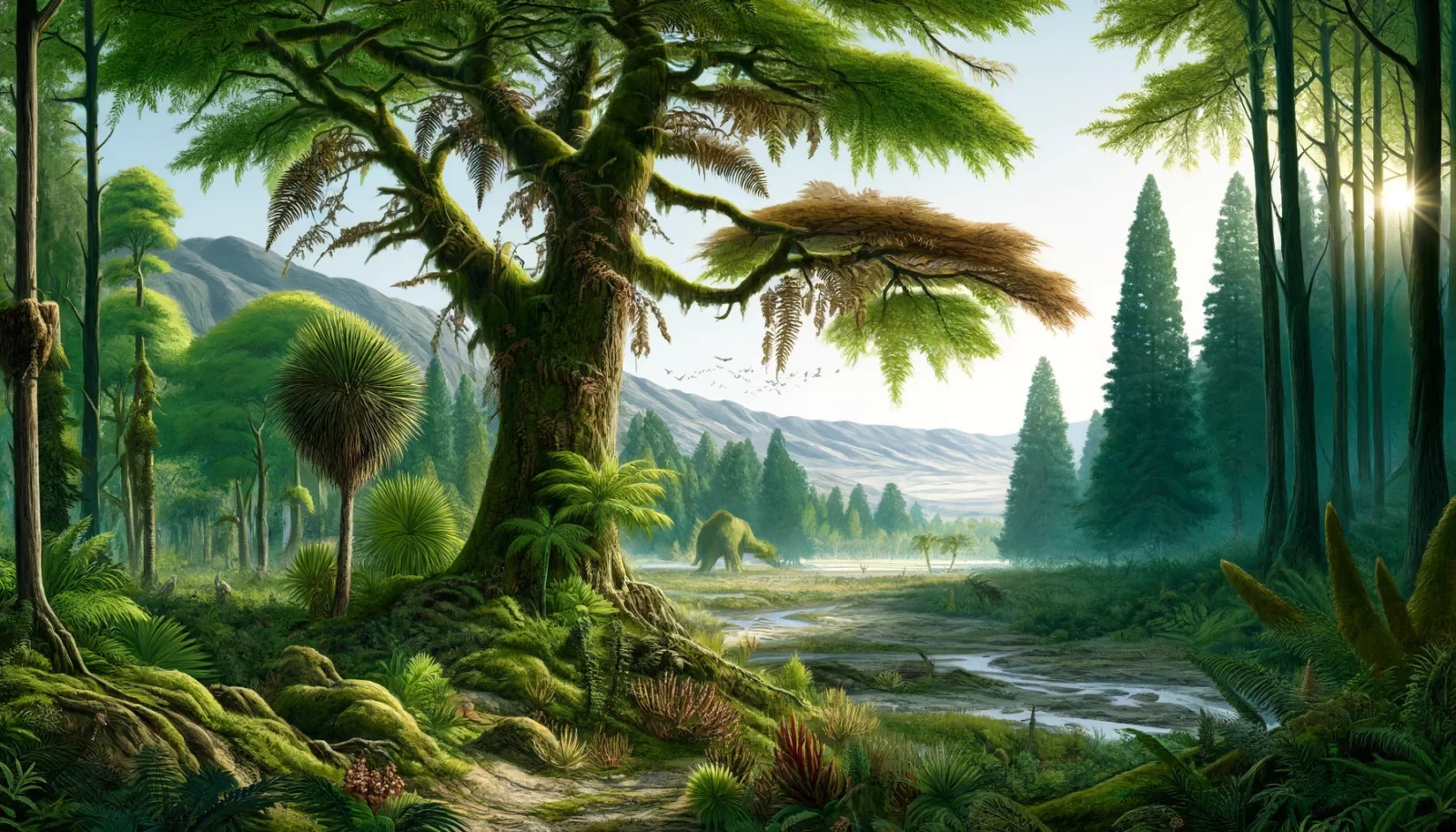
385 Million Years Ago (+/- 5 million years)
Secondary growth wood and deep roots
The Senegal Bichir: A Living Fossil
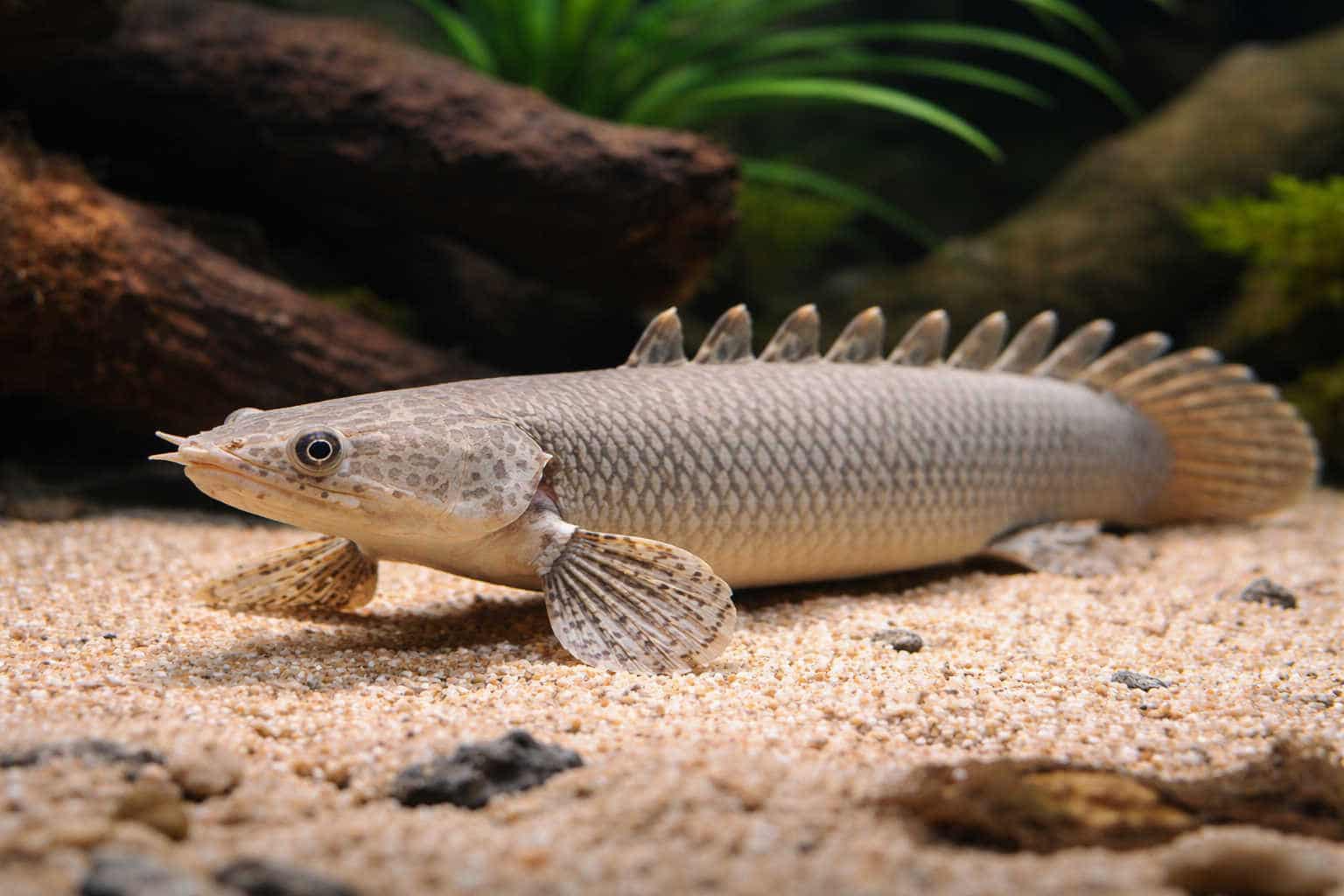
An early-diverging ray-finned fish whose lobed pectoral fins and paired lungs reflect an ancient branch of bony fish evolution.
~380 million years ago (± 15 million)
Air breathing lungs and lobed pectoral fins
Long-Term Memory Evolves: Tiktaalik
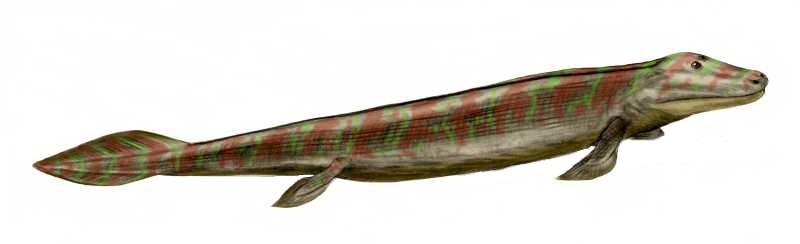
375 Mya
Complex Brains; Long-Term Memory; Simple Sentience.
Oceans Lose Their Breath
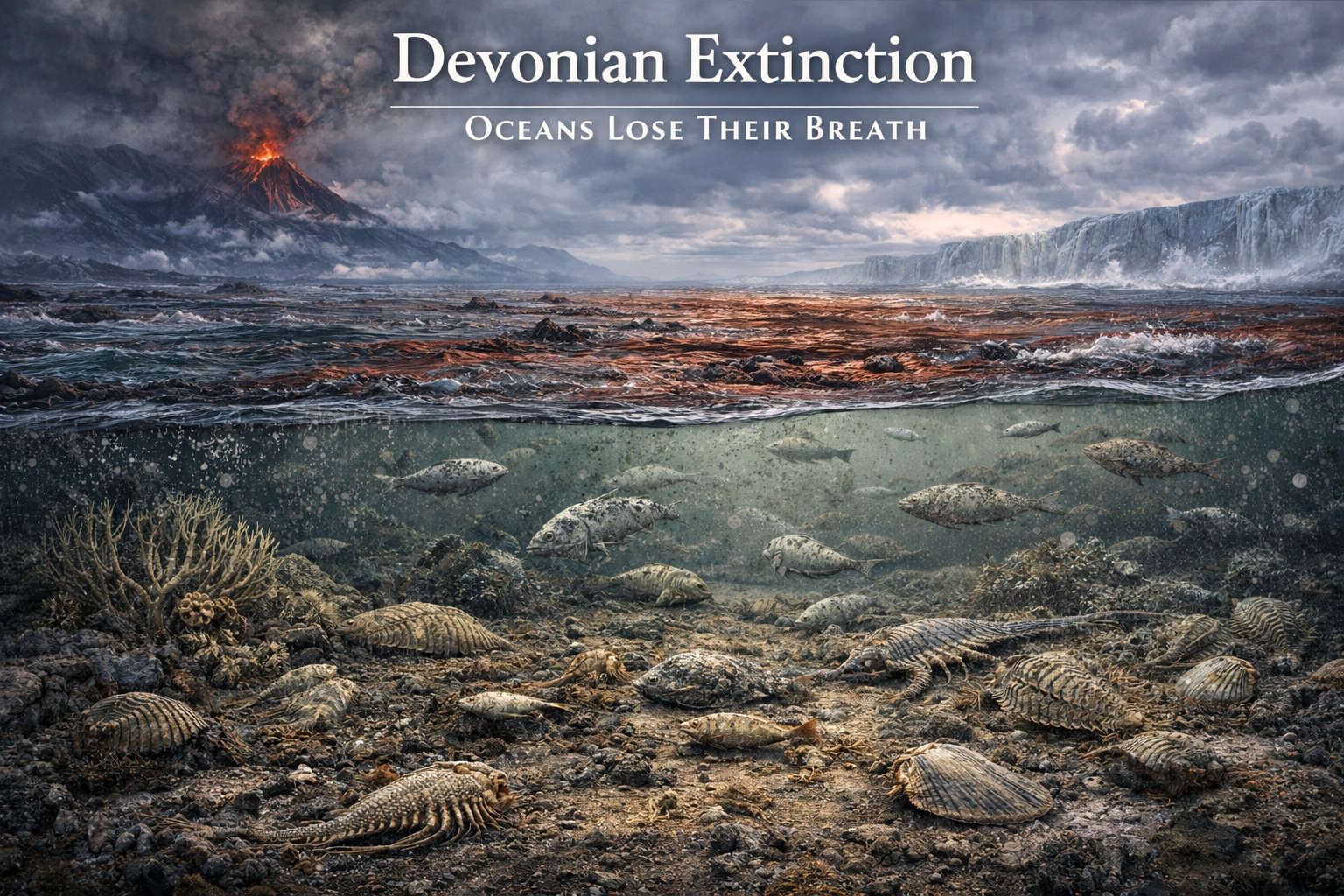
The Devonian extinction shows that evolution can be reshaped not by one sudden blow, but by a long collapse in ocean health.
~372–359 Million Years Ago
Cause: Ocean Anoxia
Land Hearing Emerges: Amphibians
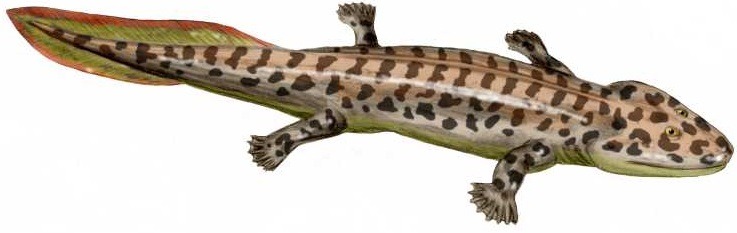
370 Mya
Land Hearing Emerges; Yet Larger Brains.
Amniotes Emerge: Amniotic Eggs
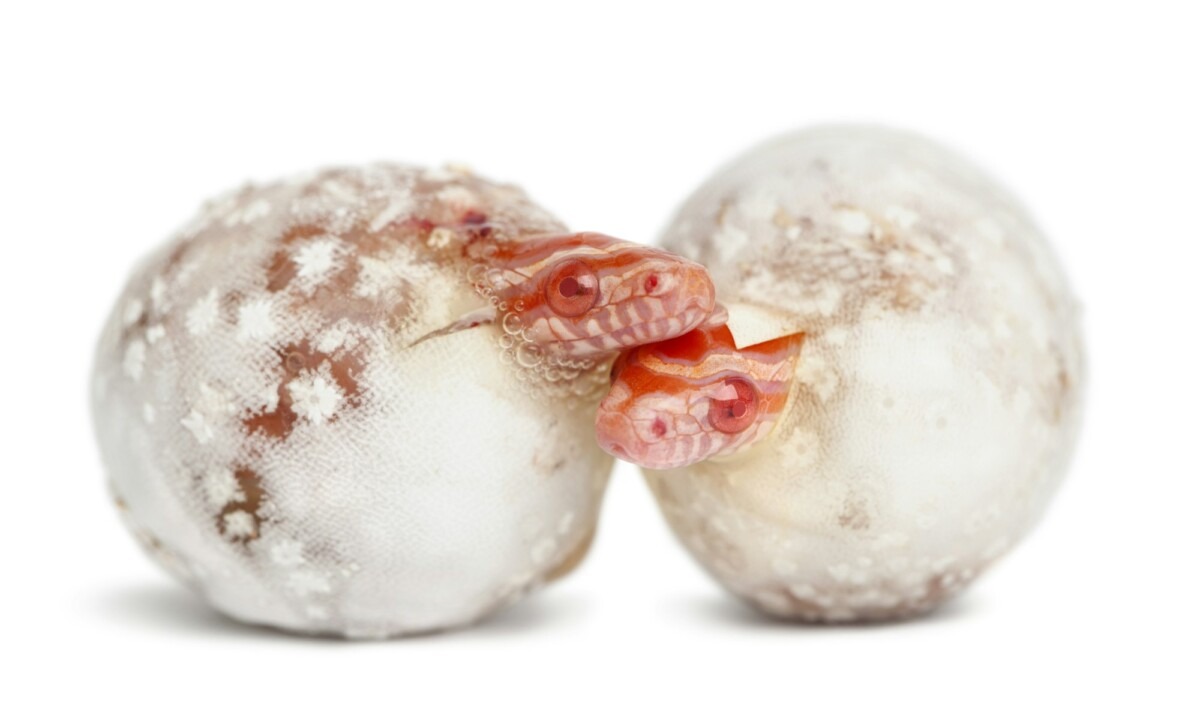
The amniotic egg evolved in the first amniotes, which evolved into today's reptiles, birds, and mammals.
340 Million years ago (+/- 10 million)
Ancestor or reptiles, birds, and mammals.
First Synapsids
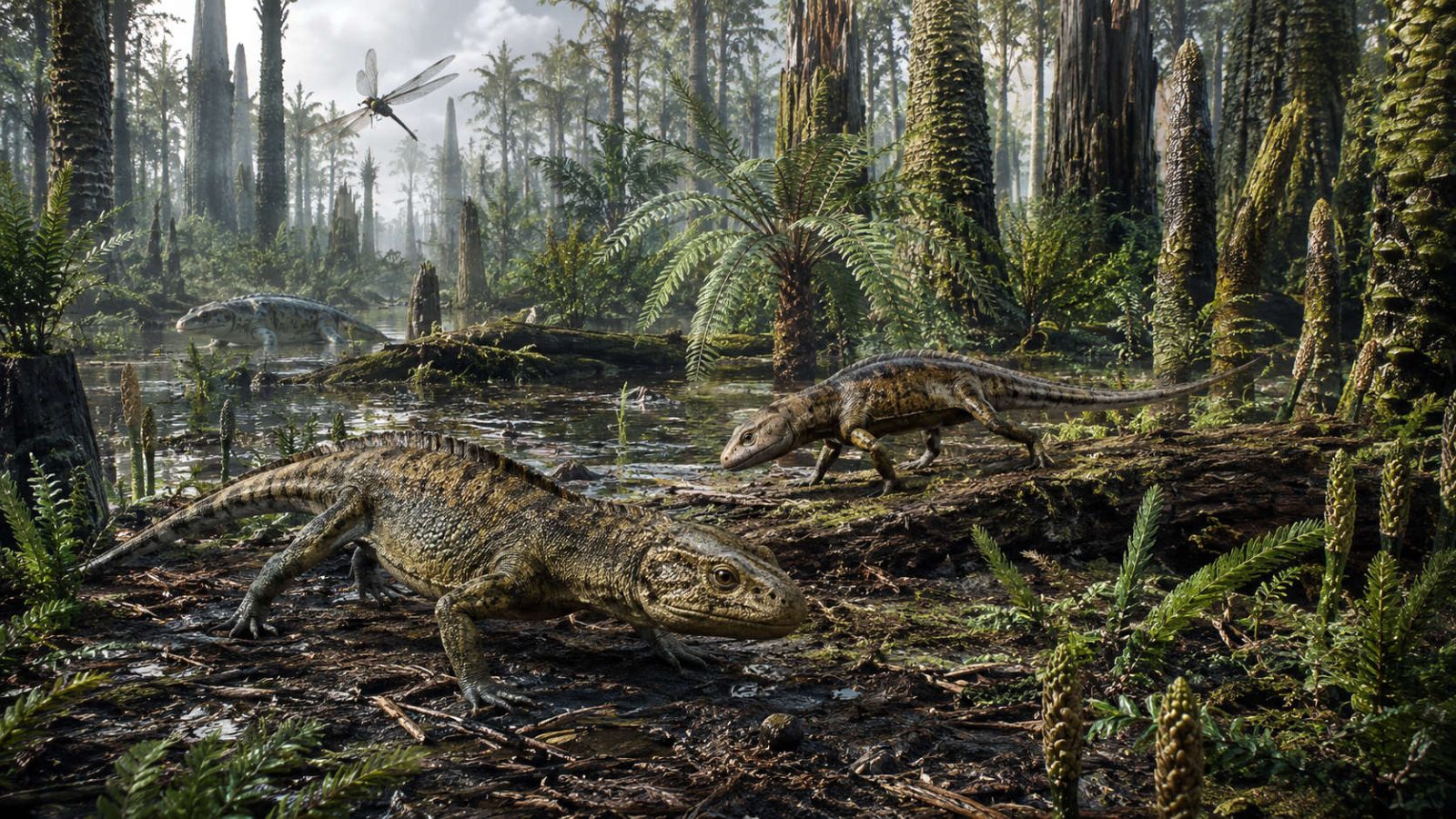
Before mammals, there were synapsids. Echinerpeton and Archaeothyris lived around 300 million years ago in humid Carboniferous coal forests. To the eye, they looked reptile-like, but their skulls carried the first clear sign of the mammal-side branch: one temporal opening behind each eye.
~308 Million years ago
Single temporal opening behind the eye.
Conifers branch off
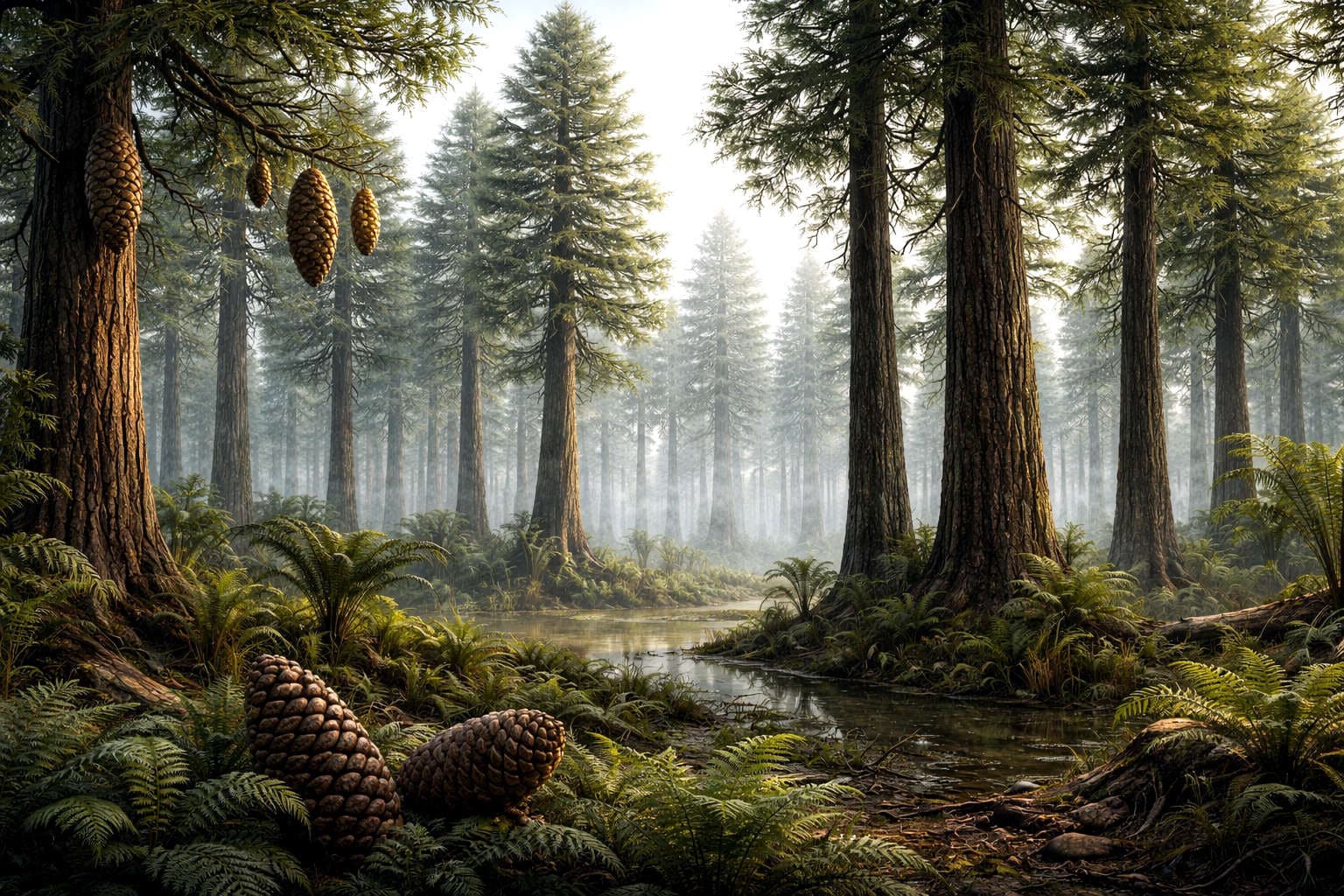
Early Conifers (Late Carboniferous, ~308 ± 5 mya). Woody gymnosperms with organized cones and drought adaptations.
~308 million years ago (+/- 5 million)
Naked seeds in cones (gymnosperm reproduction)
First Land Herbivore: Tyrannoroter heberti
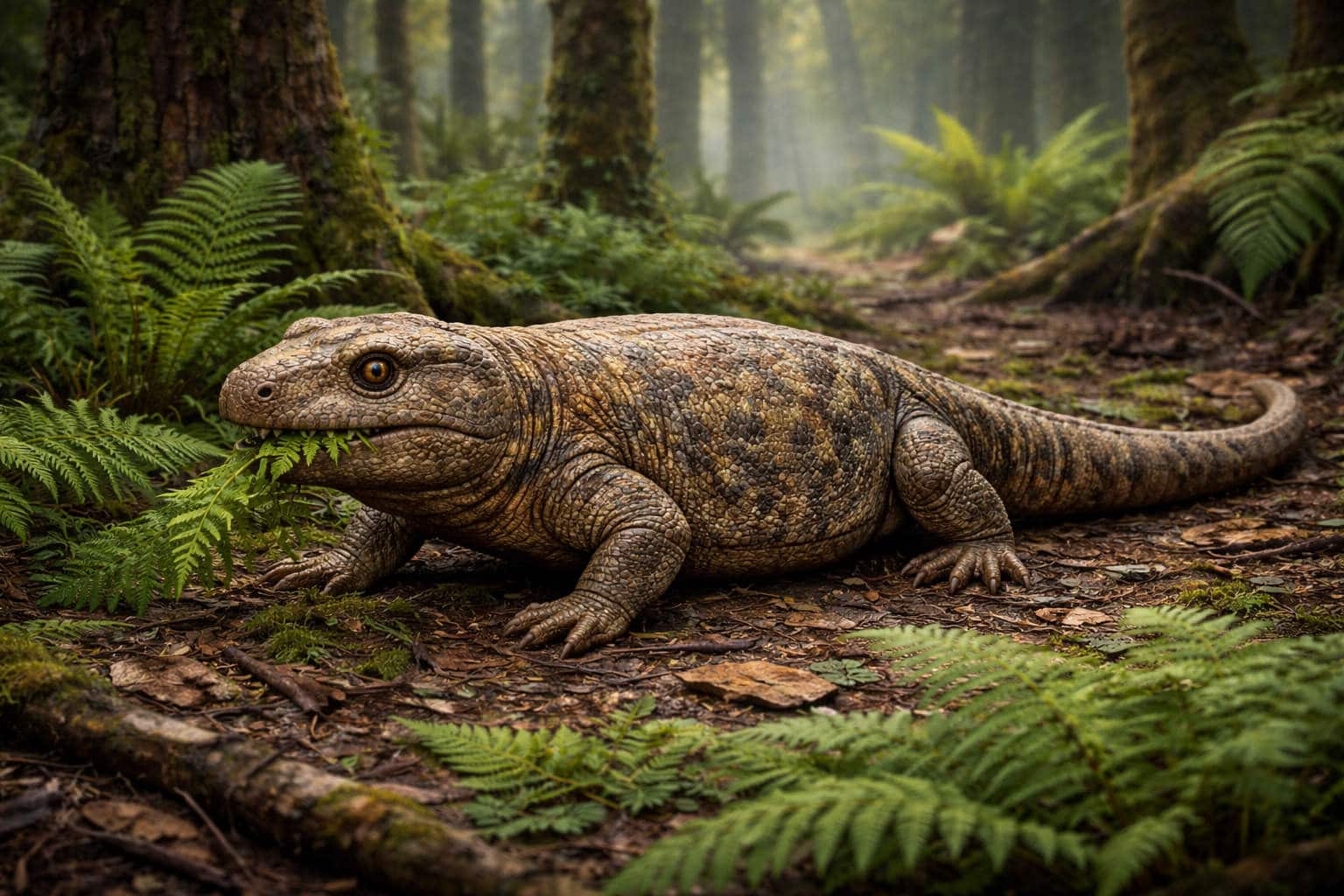
Tyrannoroter heberti (≈307 million years ago). One of the earliest known plant-experimenting tetrapods, Tyrannoroter heberti hints that land herbivory began not with giants, but with small, evolutionary pioneers over 300 million years ago.
307 million years ago
2026 Discovery Pushing Back Herbivores
Proto-Play

Proto-play emerged in animals as brains got more complex about 300 million years ago. Something like enjoyment or satisfaction evolved as animals mimicked survival-like skills.
300 million years ago
±20 million years
Stem Selachians: Modern Sharks LCA
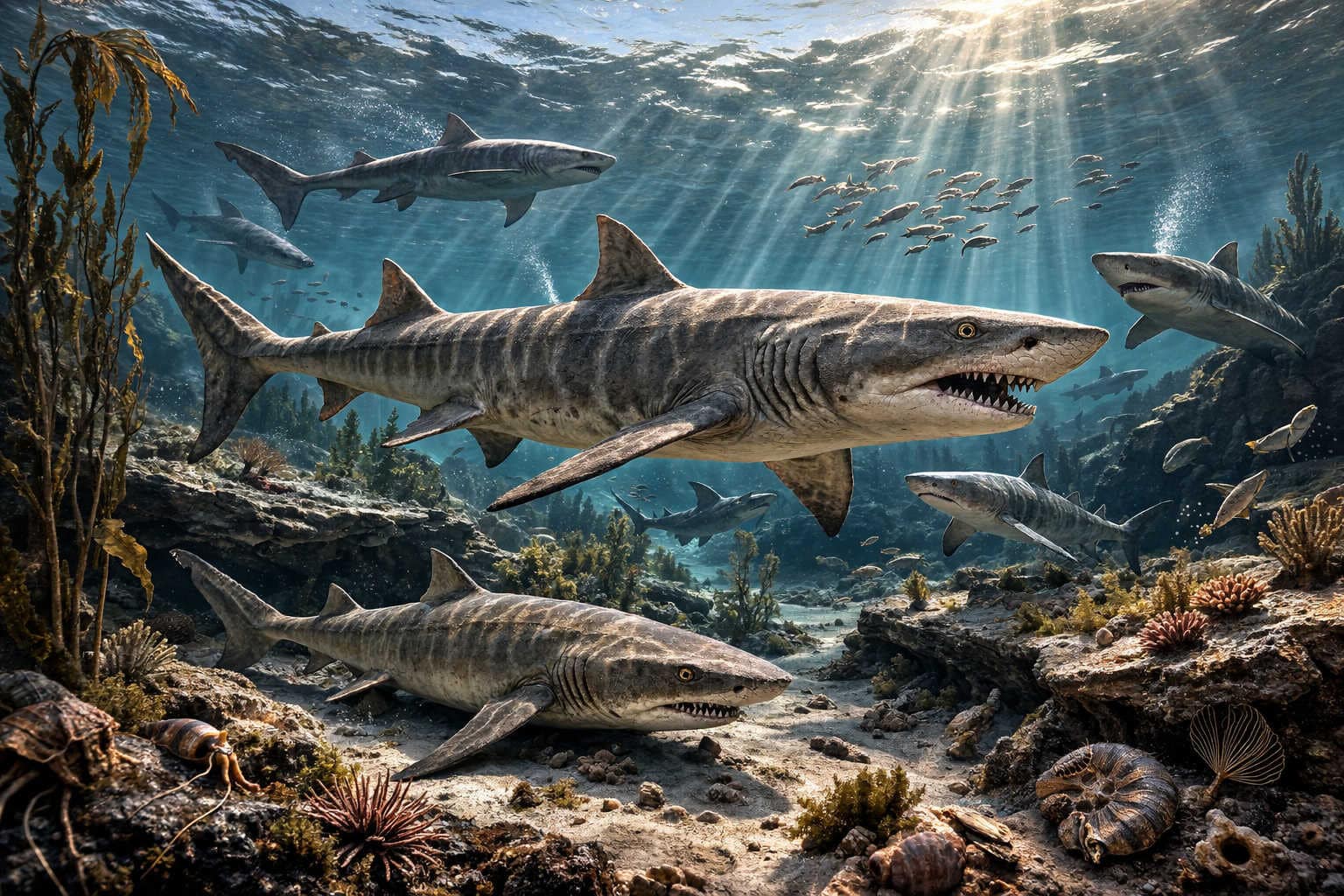
Note the torpedo-shaped body and sweeping tail — a hydrodynamic design that would define sharks for hundreds of millions of years: tapered head, dorsal fin, and powerful tail.
~300 million years ago (± 10 million years)
Early Complex Sentience Emerges: Dimetrodon
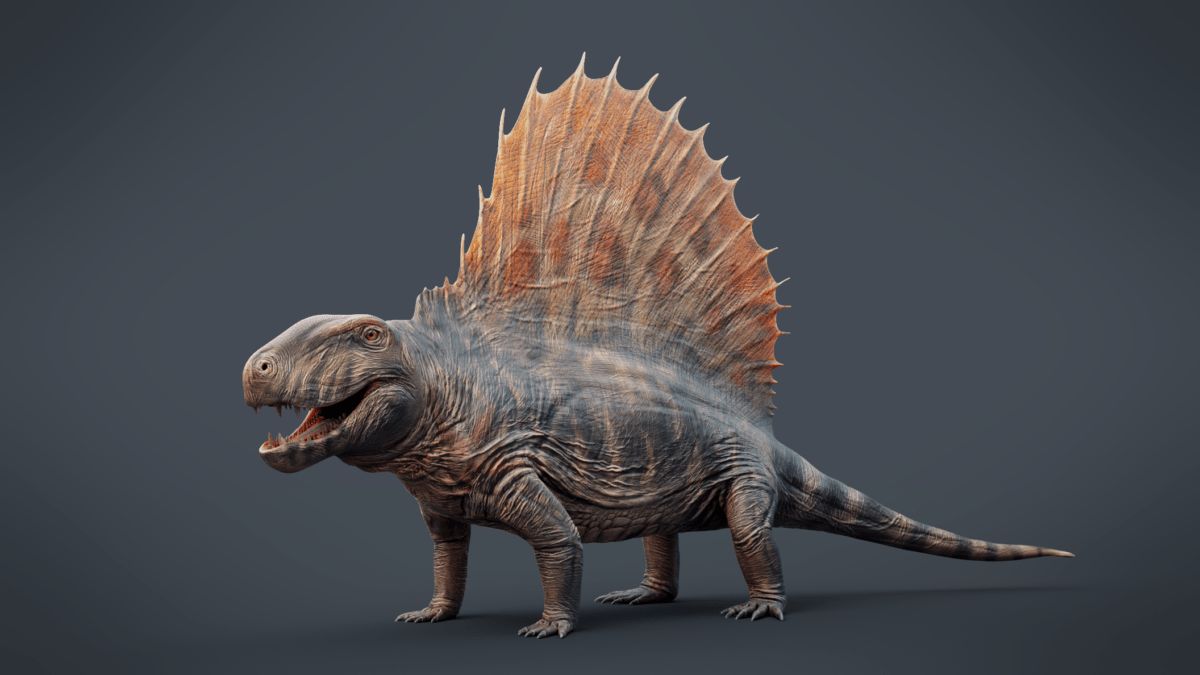
By about 280 million years ago, Dimetrodon was one of the best-known predators of the Early Permian. It stalked rivers and floodplains alongside caseid synapsids, large amphibians like Eryops, and a landscape of Calamites, Sigillaria, ferns, and early seed plants.
295 Million BCE
Complex Brains; Long-Term Memory; Early Complex Sentience.
First Therapsids
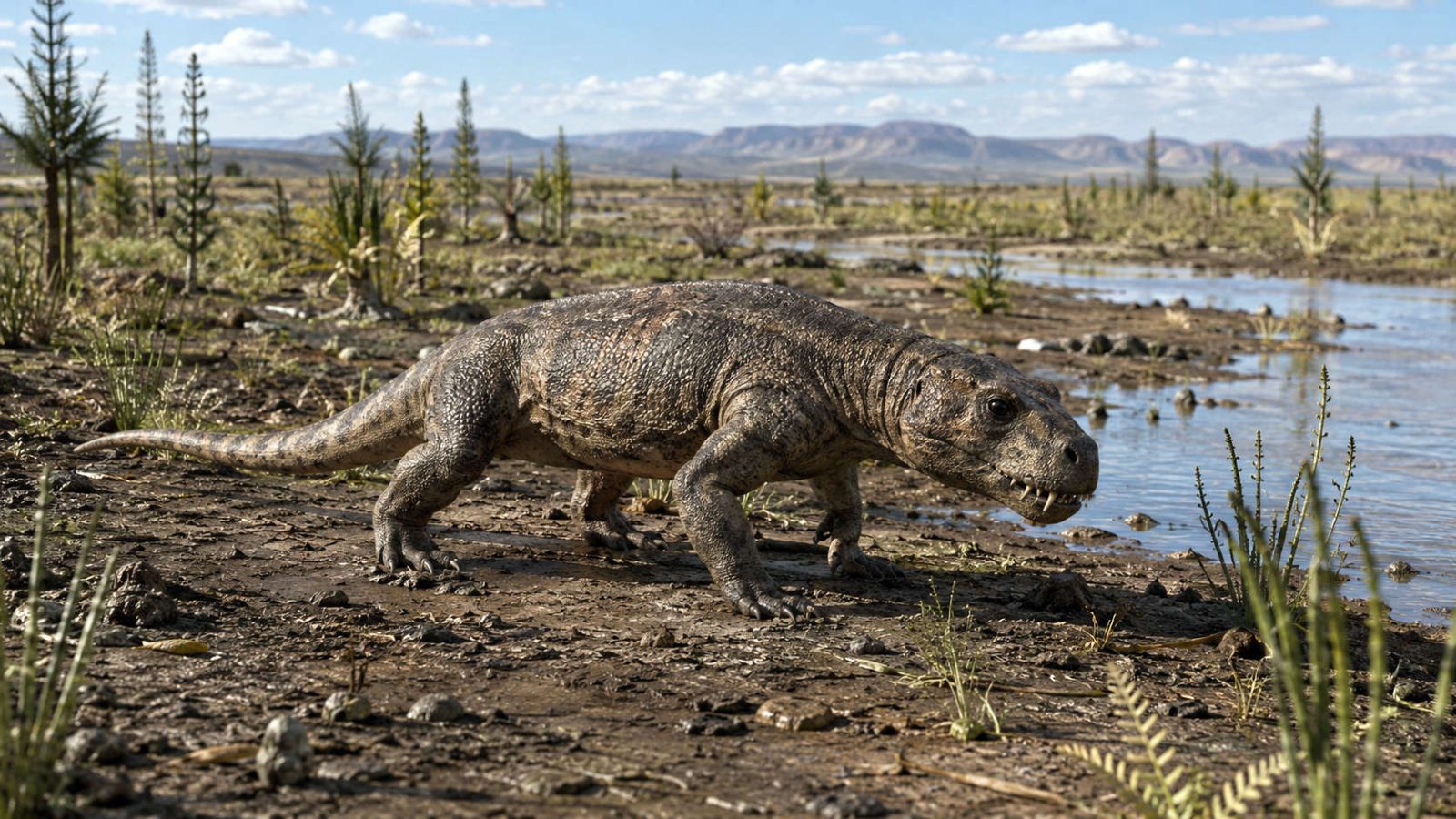
Around 272 million years ago, early therapsids such as Raranimus dashankouensis began shifting the mammal-side branch away from the older sprawling synapsid body plan. Its posture was still low and reptile-like, but the limbs were moving slightly farther under the body, while the skull and teeth show the first clear signs of a sharper, more active therapsid predator.
~272 Million years ago
A more upright posture.
Ginkgo biloba-like Trees: True Leaves

270 Million Years Ago (+/- 5 million years)
Efficient vascular networks inside leaves
Ginkgo biloba — A Living Fossil in My Backyard
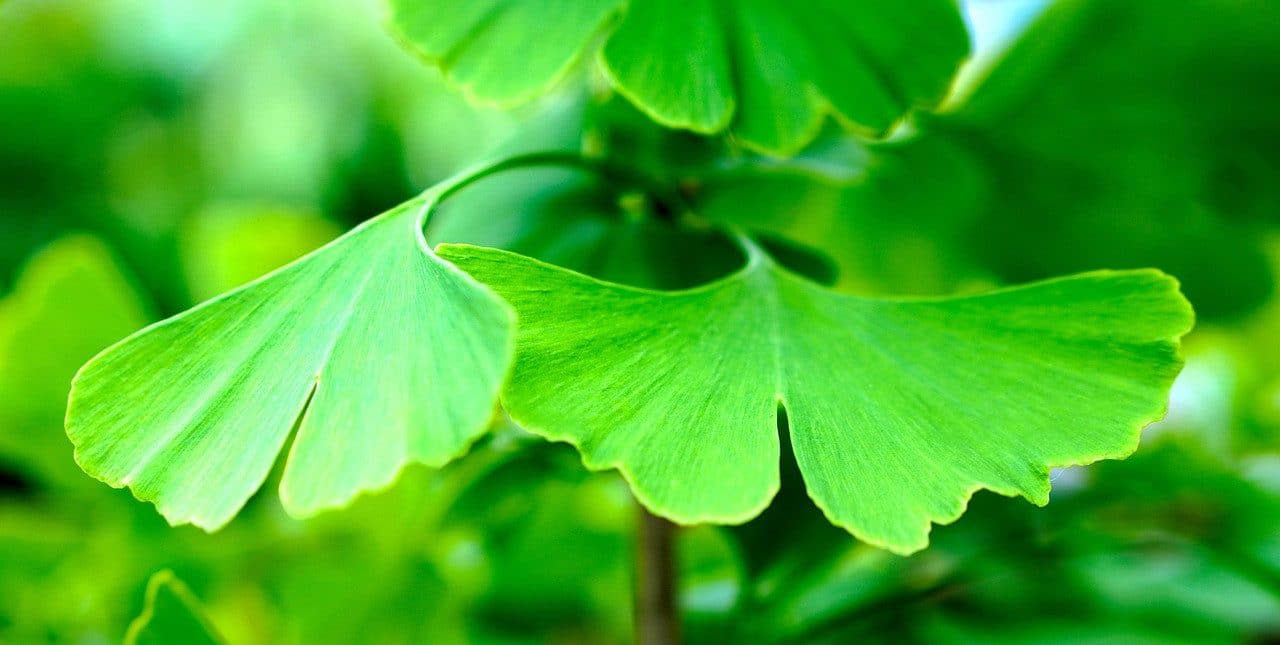
~270 million years ago (± 20 million years)
Increased light capture area
Last Non-Therapsid Synapsids
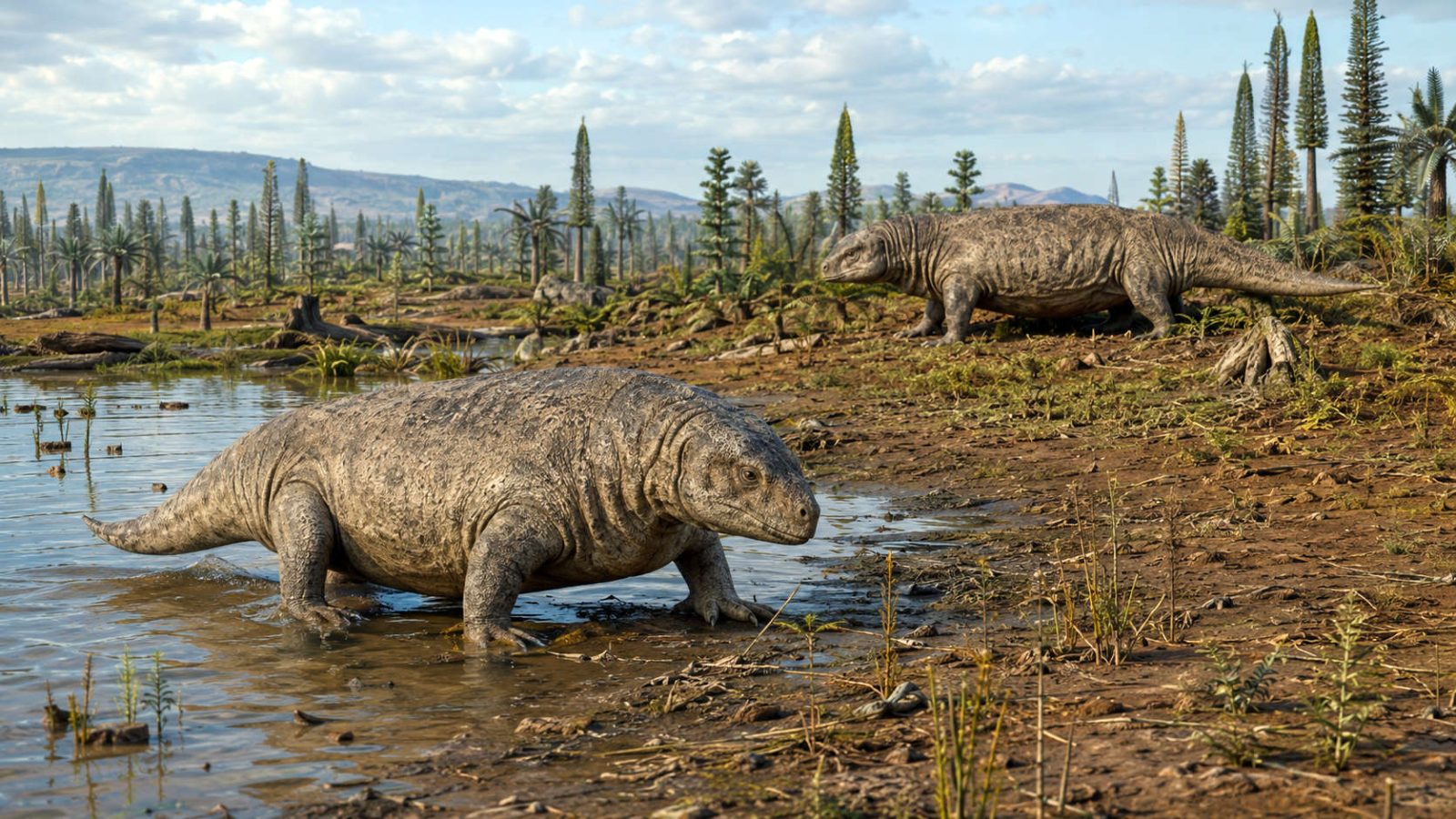
Around 265 million years ago, late caseid synapsids such as Lalieudorhynchus gandi and Ennatosaurus tecton still carried the older synapsid body plan: bulky bodies, small heads, sprawling limbs, and herbivorous jaws.
~262 Million years ago (+/- 2 million)
Not upright like Therapsids.
Plate Tectonics
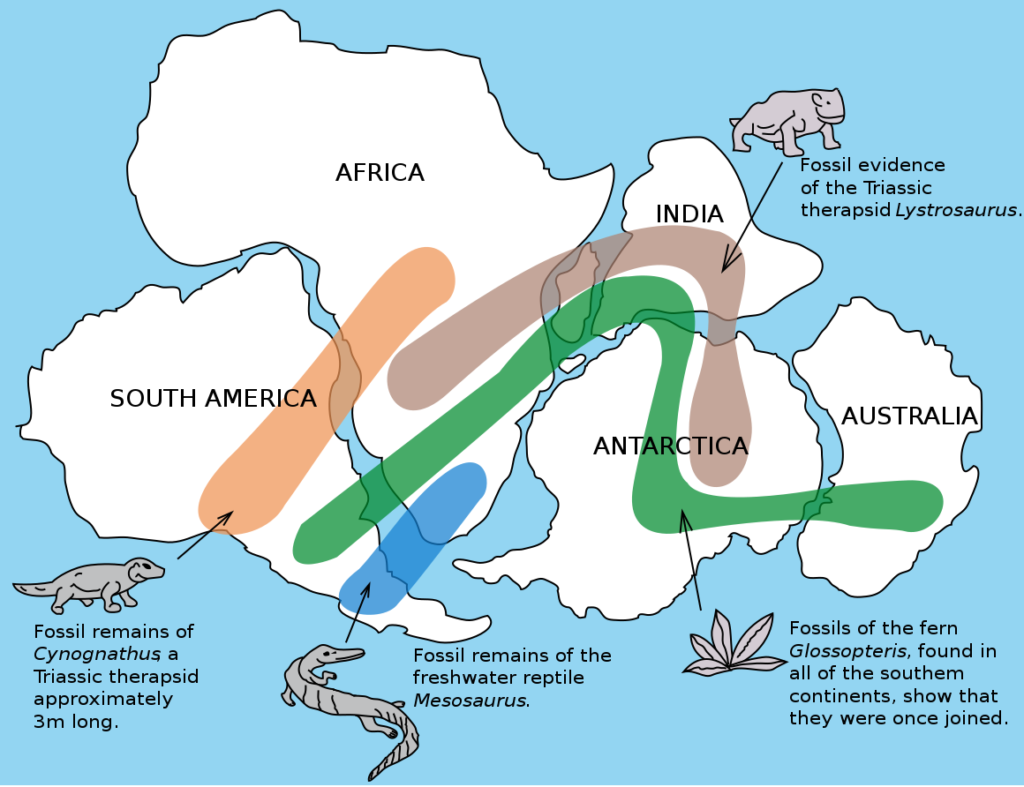
By dating rocks and fossils scientists can document the movement of the continents over time. (Public domain image, United States Geological Survey.)
Circa 260 Million BCE
First Cynodonts
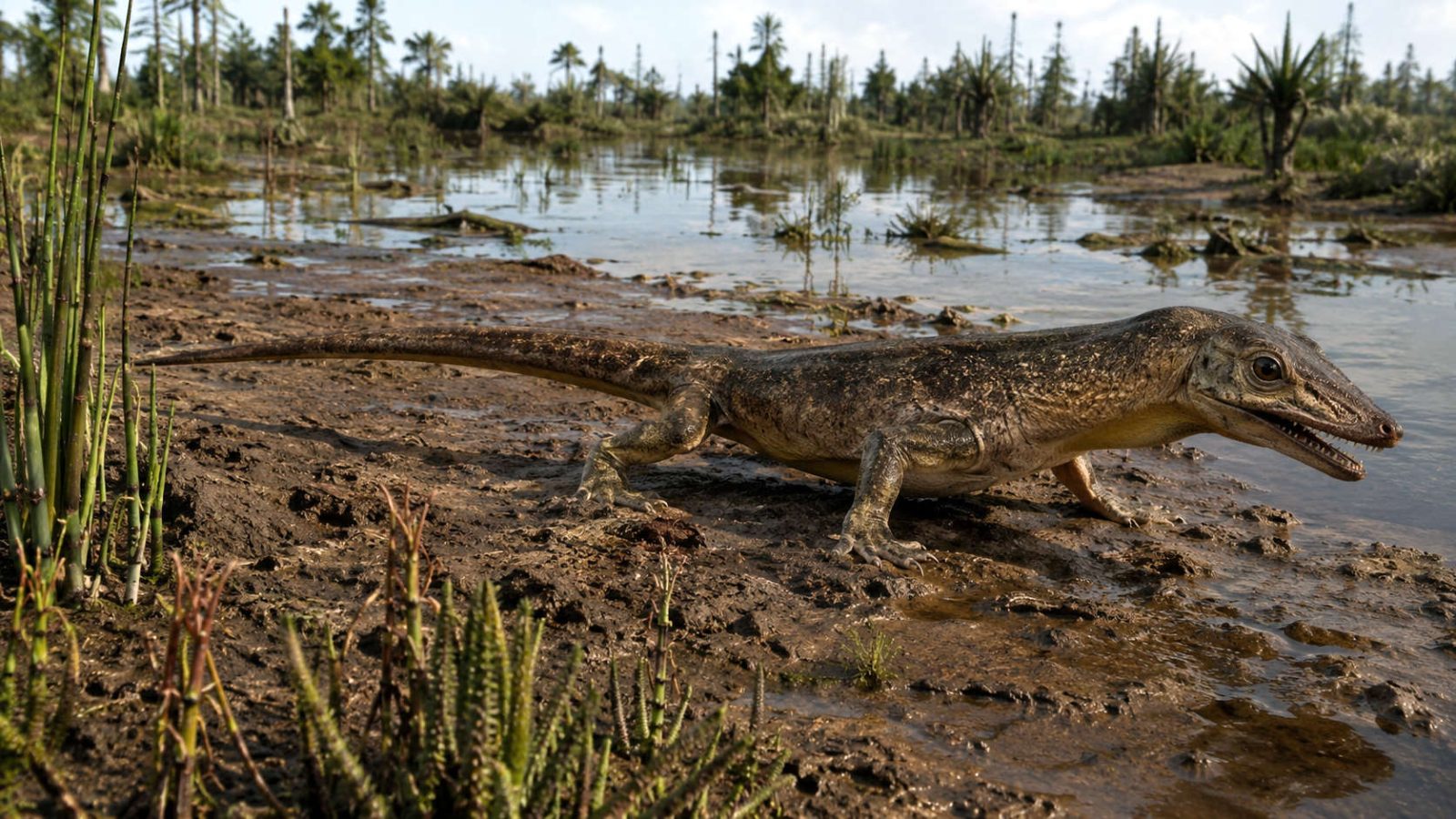
Around 260 million years ago, early cynodonts such as Procynosuchus marked a major tightening of the mammal-side branch. They were still non-mammalian therapsids, low-bodied and primitive in outward form, but their jaws, teeth, skull, and secondary palate were beginning to shift toward better chewing and breathing. This was not yet the mammal line in full bloom, but the roots were getting stronger.
~260 Million years ago
Mammal-like jaw and breathing.
The Synapsid World of the Late Permian
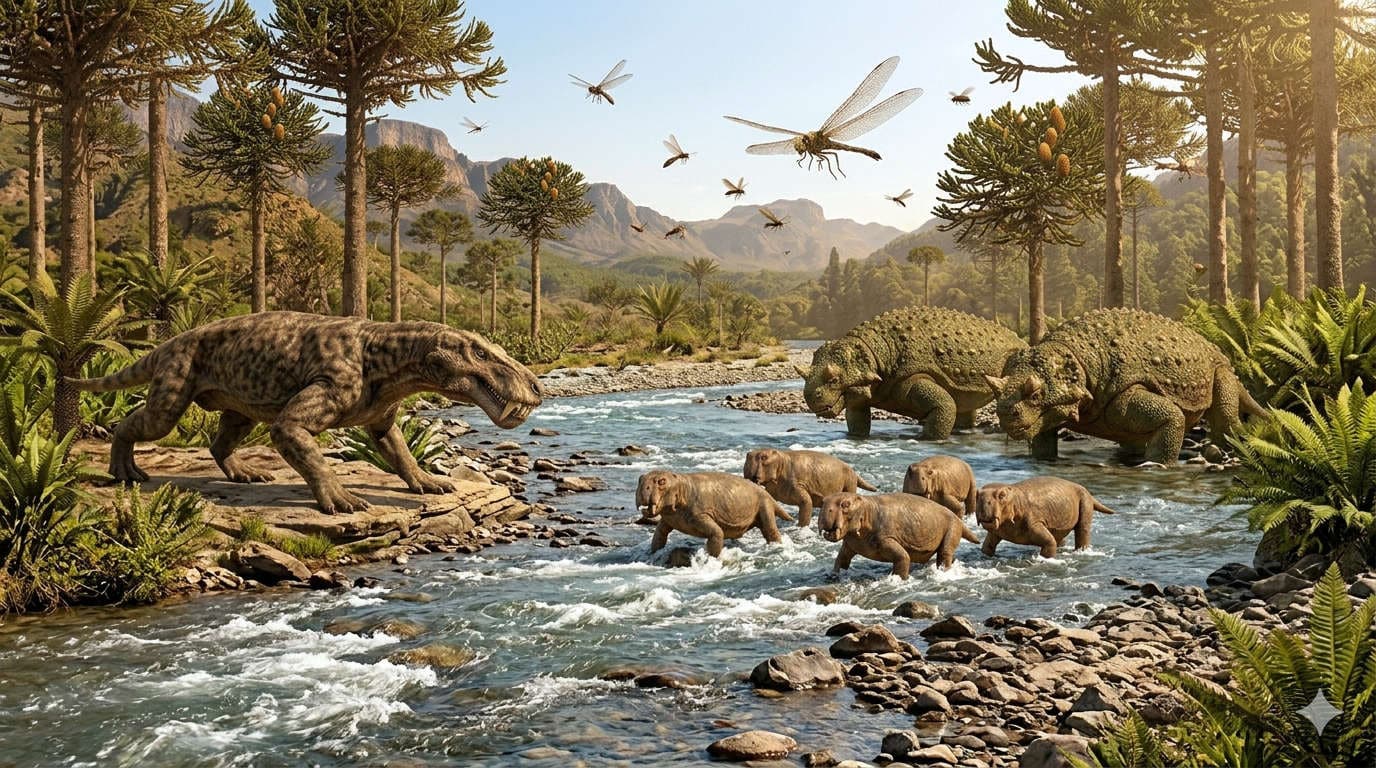
A Late Permian river world about 255 million years ago, where synapsids still ruled the land. A gorgonopsid stalks near the water while dicynodonts gather at the river’s edge and pareiasaurs move through the floodplain, alongside amphibians, large insects, and hardy pre-flowering plants.
255 Million years ago.
Pine Needles Evolve

252.5 Million years ago (+/- 500,000 years)
Needle morphology and resin canals
The P-T Extinction
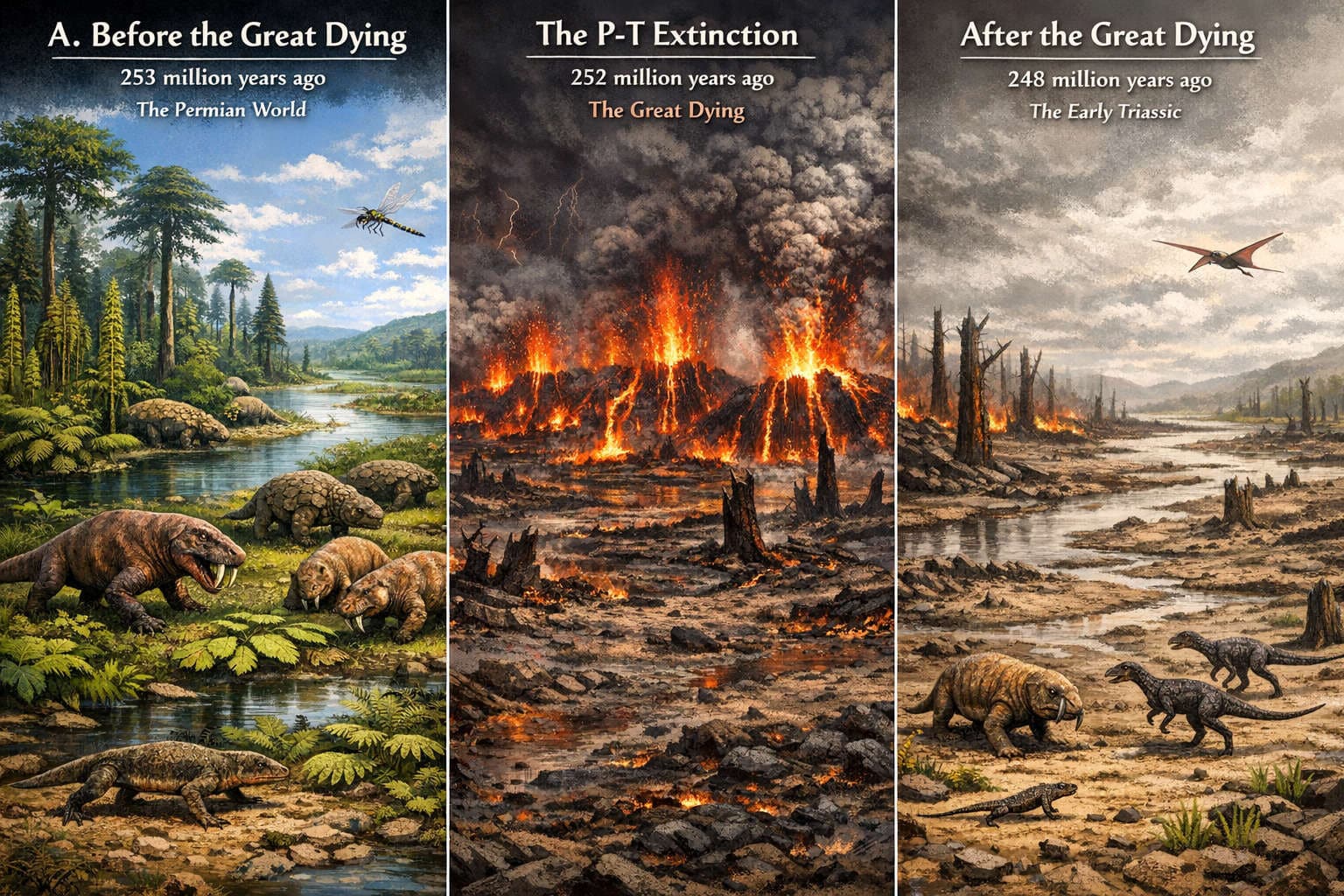
The Permian-Triassic extinction was not just the end of many species. It was a planetary reset that destroyed the old synapsid-dominated world and opened the door for the archosaur line that would later give rise to dinosaurs.
251,902,000 years ago (+/- 900 years).
Cause: Massive Volcanic Eruptions in Siberia
Mesozoic Era: Age of Dinosaurs
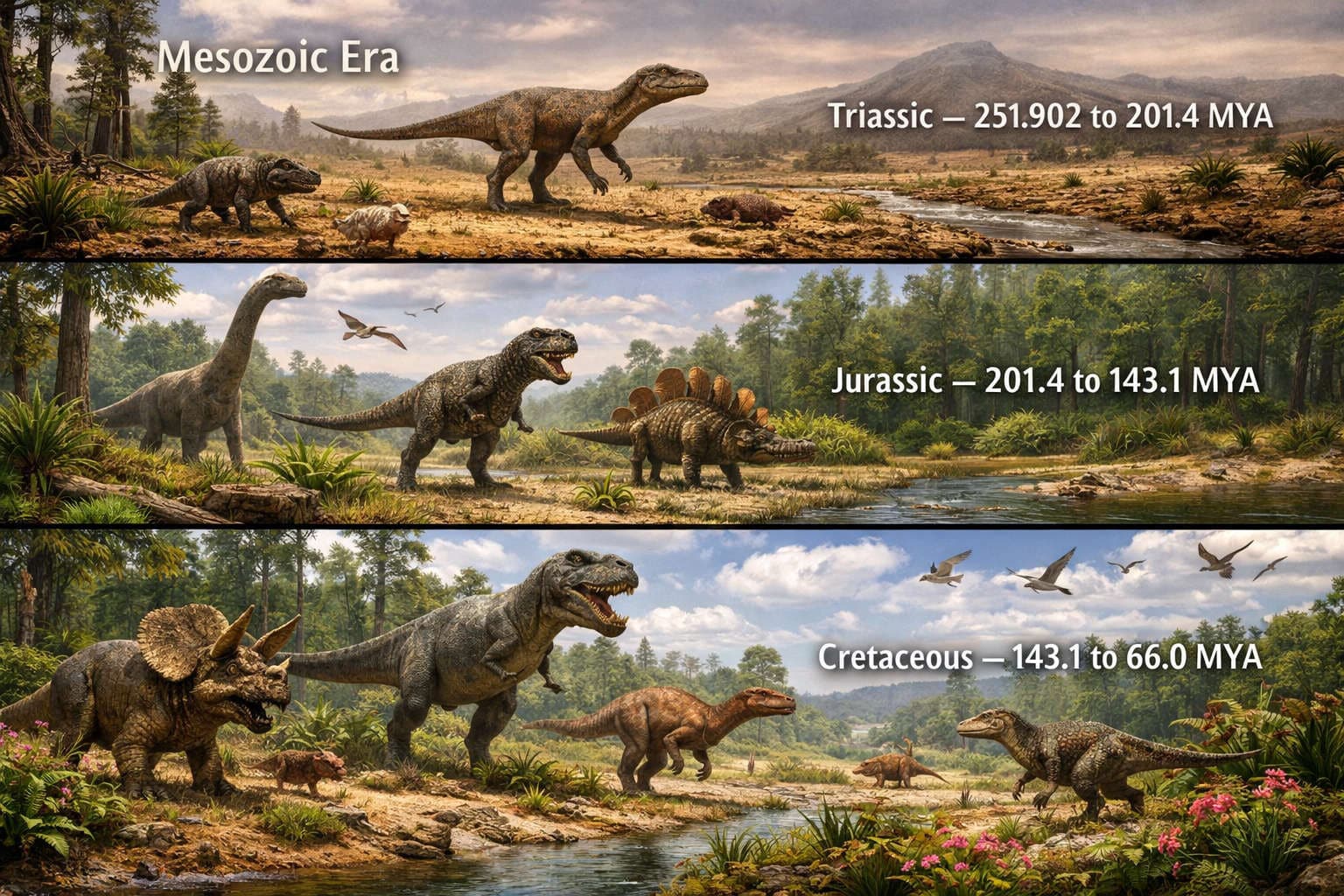
The Mesozoic era starts with the end-Permian mass extinction 252 million years ago. It ends the reign of dinosaurs with the K–Pg extinction 66 million years ago.
From 251.902 to 66.0 million years ago.
186 Million years: Dinosauria reigned from extinction to extinction.
Fungal Survivors of Extinction
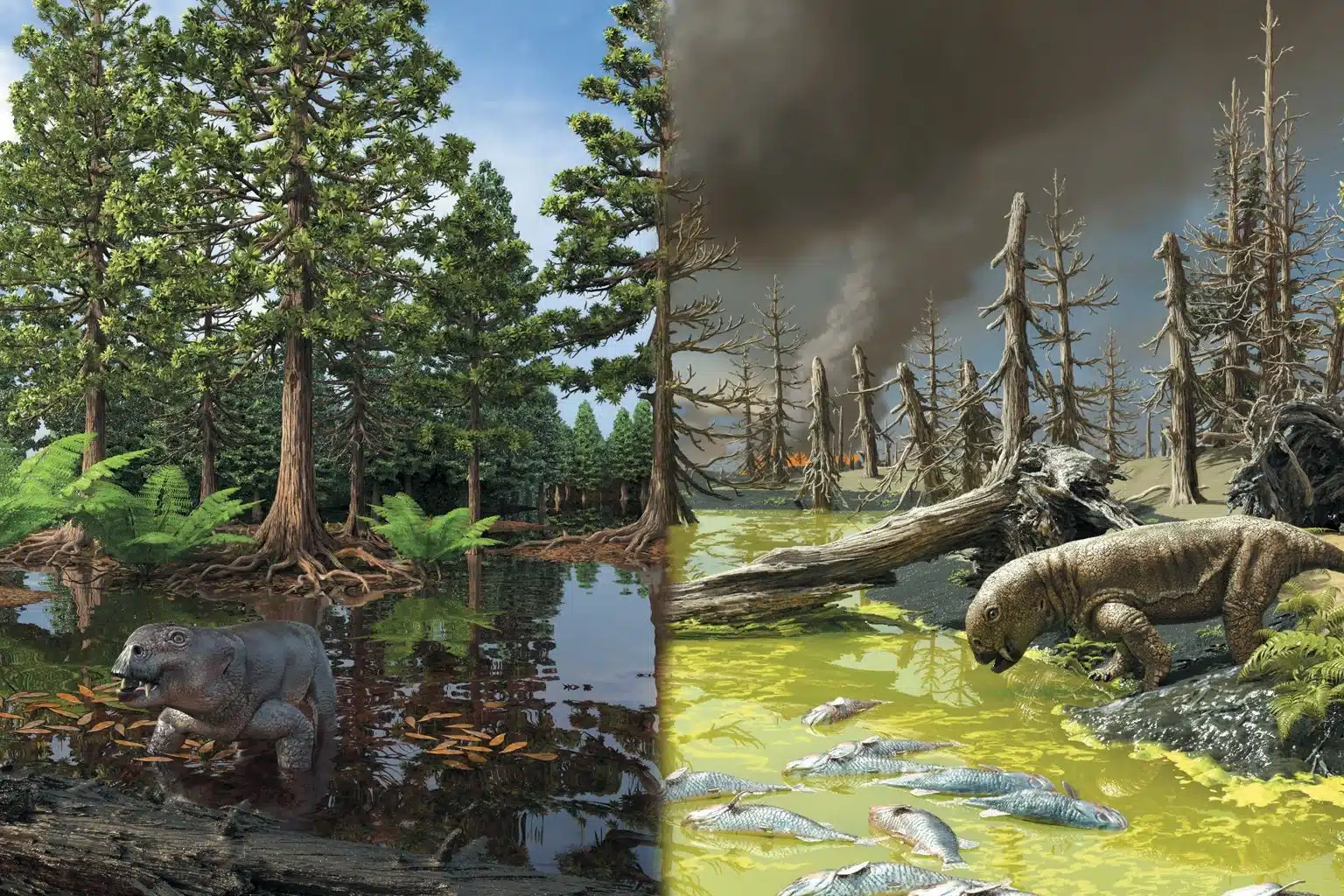
The mass extinction at 252 million years ago marks the Permian to Triassic boundary. Fungi are not just participants in ecosystems — they help reset the ground.
~252 MYA (Permian–Triassic boundary)
Massive fungal proliferation after extinction
Archosauria Diverge Within Reptiles
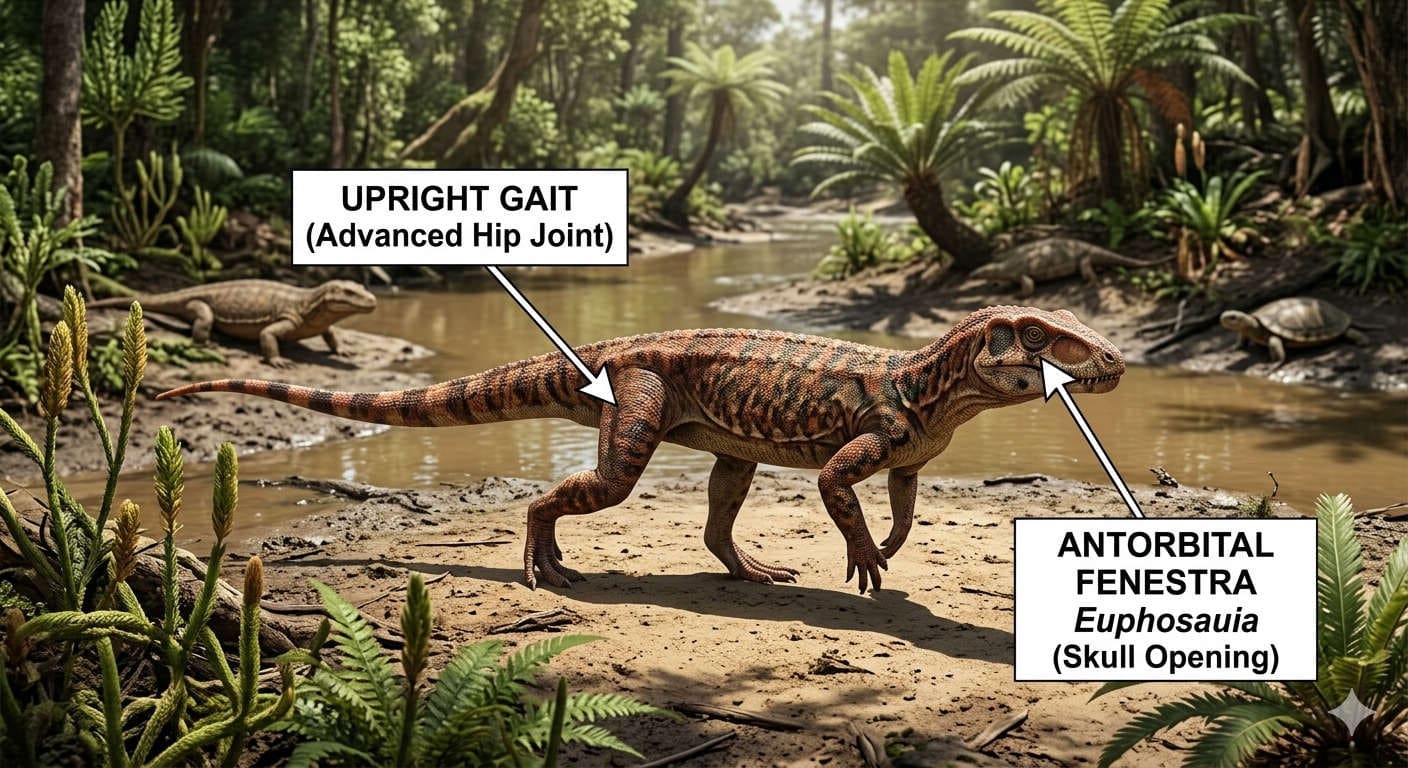
LCA of crocodiles and birds — the larger archosaur branch that later gave rise to crocodilians, pterosaurs, dinosaurs, and birds.
~250 million years ago (+/- 10 million)
LCA of crocodilians and birds (pterosaurs & dinosauria)
Bird-line Archosaurs: Asilisaurus kongwe (within Ornithodira)

Asilisaurus shows that the bird-line archosaurs were already evolving dinosaur-like bodies before true dinosaurs appeared.
245 Million Years Ago
Dinosauromorphs Emerge: Erect hind-limb posture leads to birds and dinosaurs.
Bird-line Archosaur: Nyasasaurus parringtoni

Nyasasaurus is a late bird-line archosaur from just before Dinosauria clearly emerge. It sits on the dinosaur side of Ornithodira, but its exact placement remains uncertain: some analyses place it within Dinosauria, while others place it just outside the group, near other bird-line archosaurs.
243 Million Years Ago
Strengthened hip and shoulder architecture
XX/XY Sex System Emerges: A Tale of Mammalian Evolution

Around 240 million years ago, during the late Triassic period, a crucial evolutionary development unfolded within the lineage that would give rise to mammals. It is believed that the XX/XY sex-determination system emerged in a common ancestor of mammals, possibly within the genus Therapsida, a group of synapsids that exhibited both reptilian and mammalian traits.
240 Million Years Ago
Marasuchus lilloensis

"<a href="https://commons.wikimedia.org/w/index.php?curid=50251453" target="_blank" rel="noopener noreferrer">Marasuchus NT small</a>" by <a href="https://commons.wikimedia.org/wiki/User:NobuTamura" target="_blank" rel="noopener noreferrer">Nobu Tamura email:nobu.tamura@yahoo.com http://spinops.blogspot.com/ http://paleoexhibit.blogspot.com/</a> is licensed under <a href="https://creativecommons.org/licenses/by-sa/4.0/" target="_blank" rel="noopener noreferrer">CC BY-SA 4.0</a>

240 Million Years Ago
Elongated hind limbs, better running, reduced forelimbs
Dinosauria Emerge: True Dinosaurs!
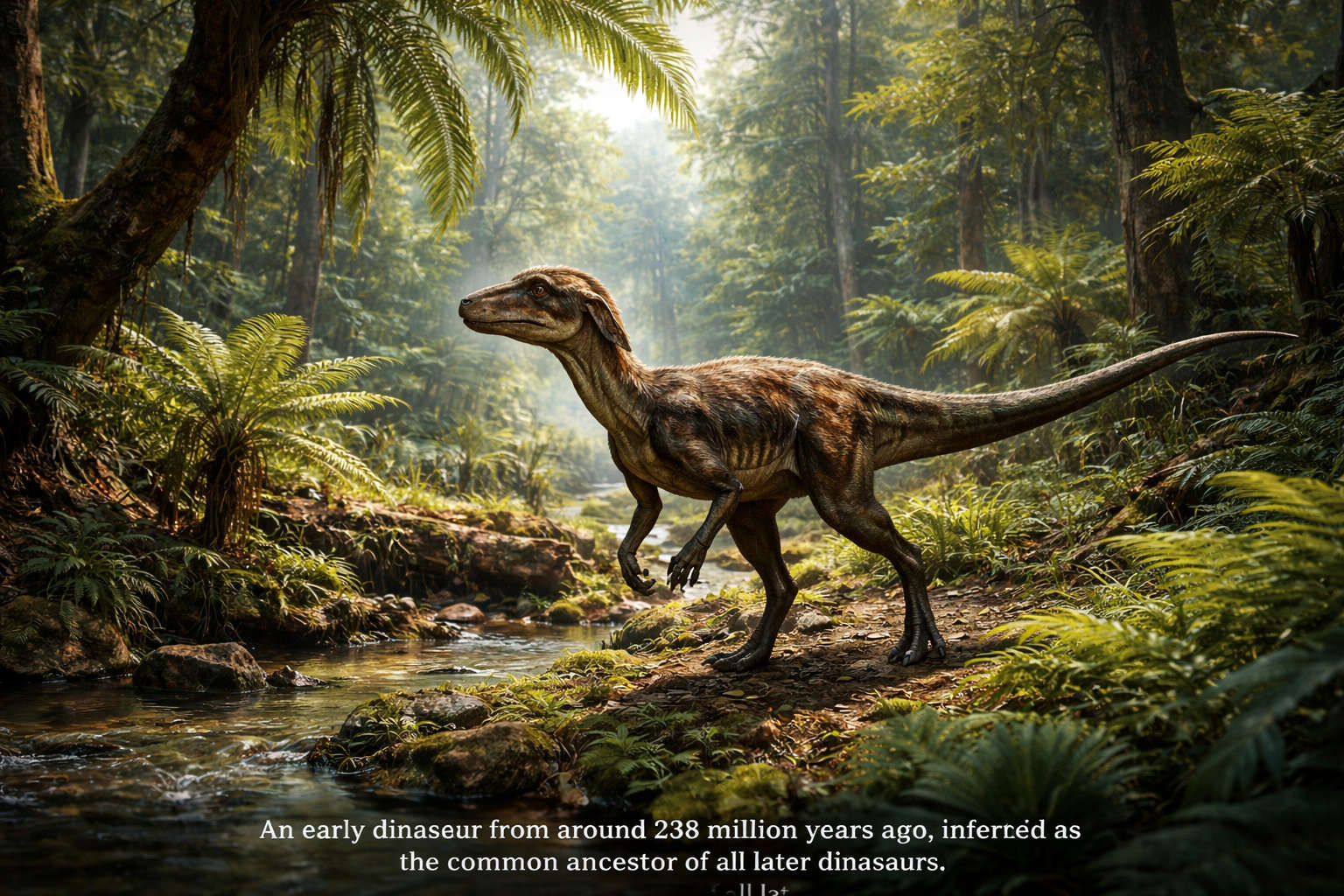
Dinosauria emerge from a single population of a species about 238 million years ago. This population will lead to all dinosaurs and birds including T.Rex, Brontosaurus, and Triceratops.
238 Million years ago (+/- 5 million)
Fully open hip socket (perforated acetabulum)
Pterosaurs Diverge From Dinosaur Ancestors (within Ornithodira)
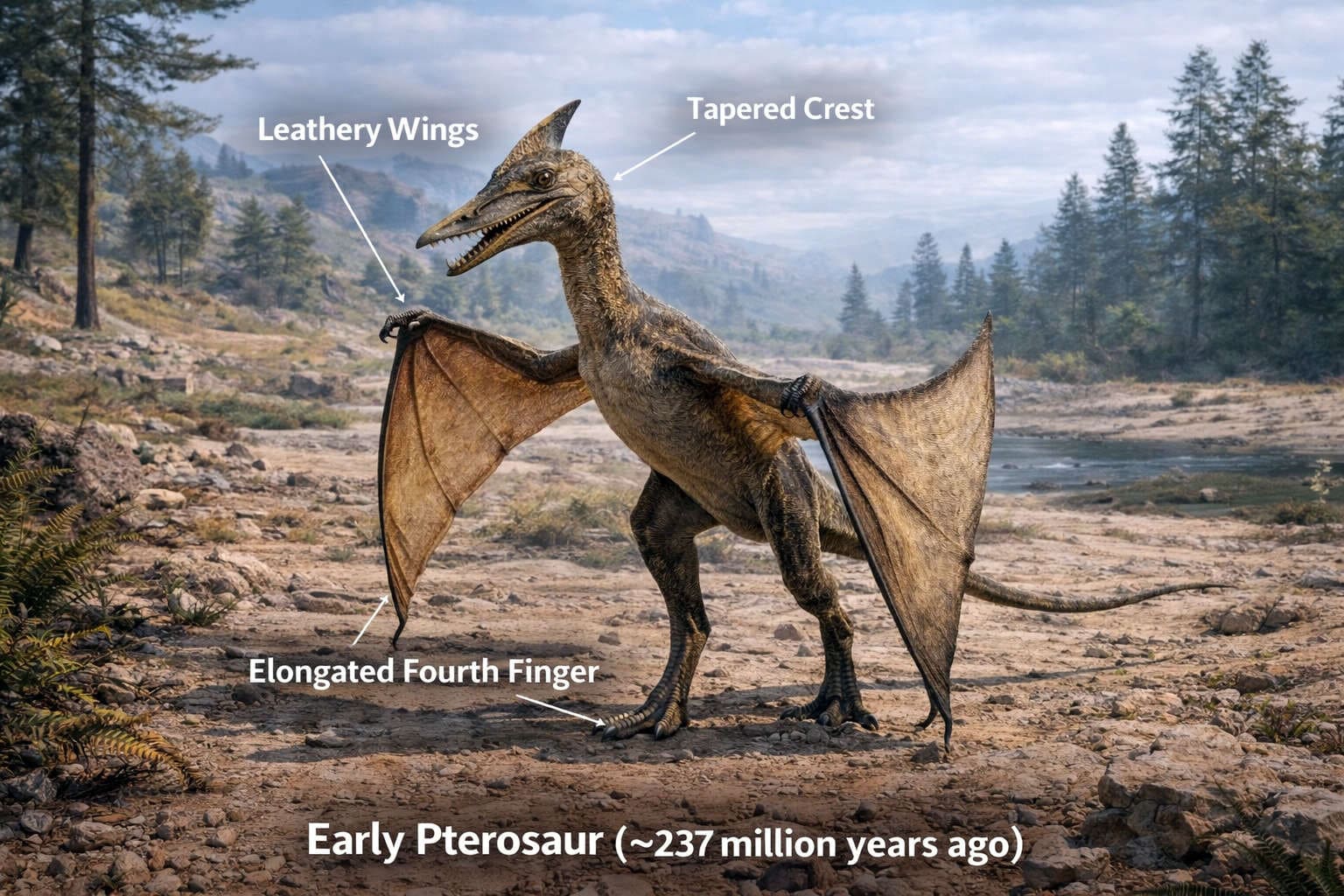
Pterosaurs were the first vertebrates to conquer the air, evolving a unique "finger-wing" anatomy that allowed them to dominate the skies for 160 million years.
~237 million years ago (+/- 2 million)
Pterosauria line: Not in dinosauria (split first).
Theropod Line Diverges Within Dinosaria (from Saurischia)
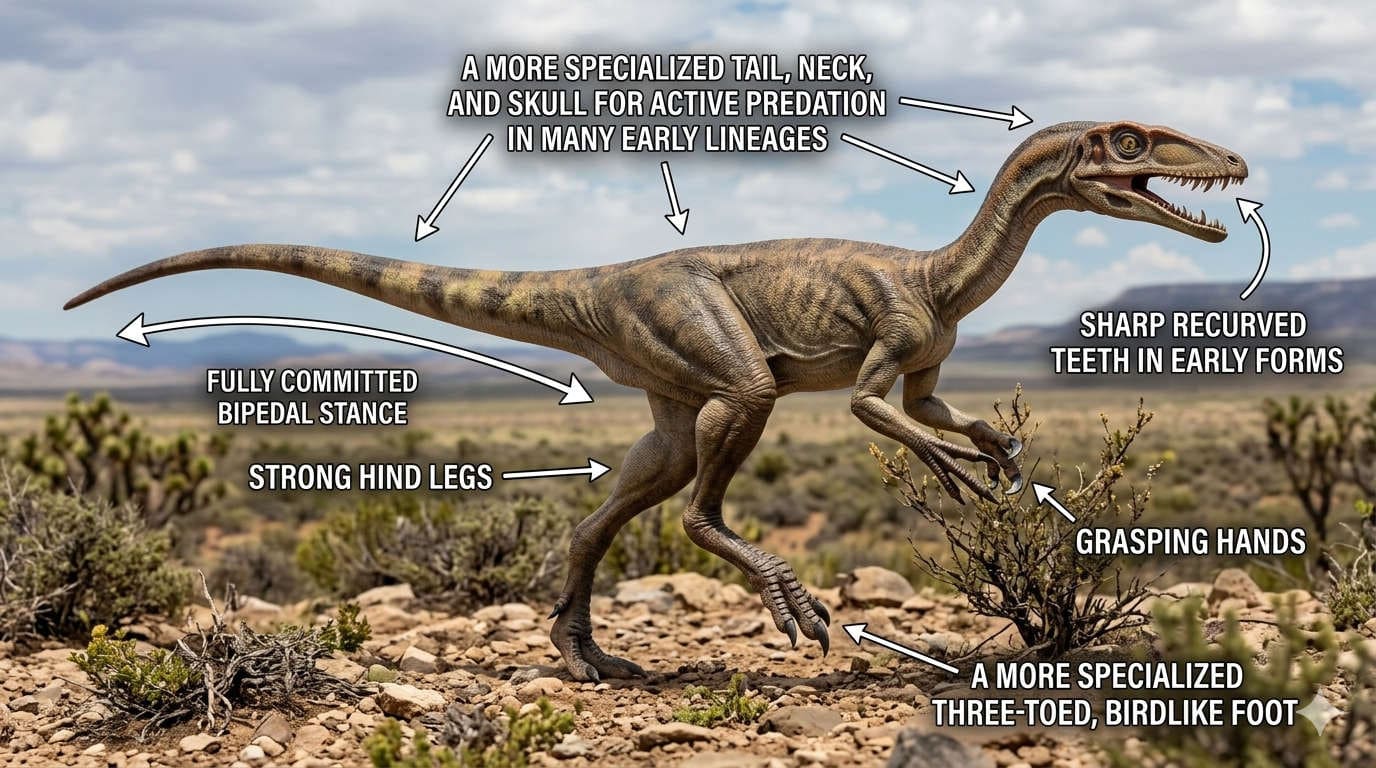
Theropods were the agile, sharp-toothed dinosaur branch that refined the classic predator body plan. They stood fully upright on two legs, balanced with long tails, used grasping hands, and carried specialized skulls and recurved teeth built for active hunting. Over time, this branch produced everything from small early predators to giant hunters—and eventually birds.
~233 million years ago (±2 million years)
Ancestor of T.Rex and bird-line.
Sauropodomorph Line Diverges Within Dinosaria (from Saurischia)
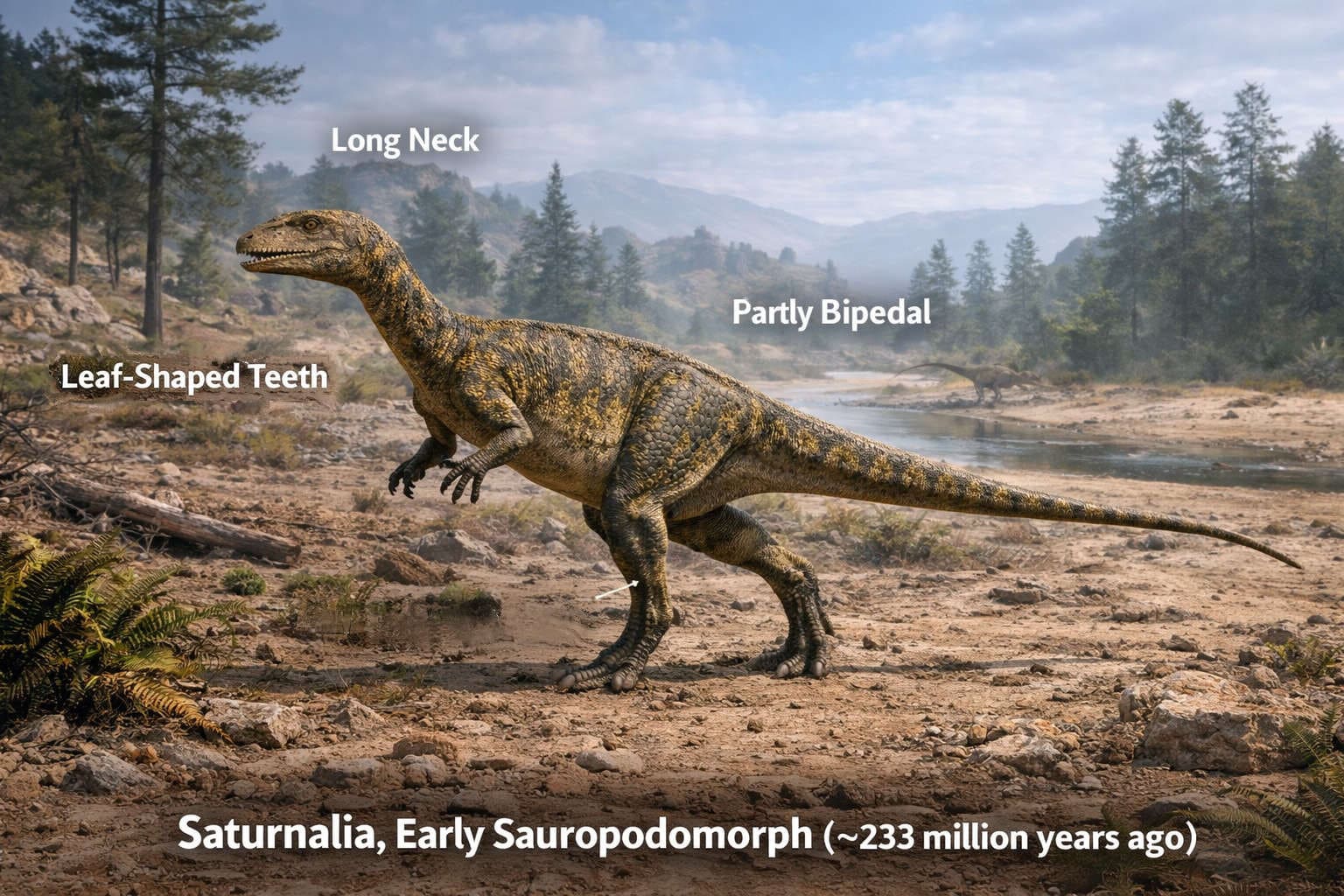
Sauropodomorphs, in their early forms, were lightly built, often partly bipedal, with long necks, small heads, leaf-shaped teeth, and grasping hands.
~232 million years ago (±2 million years)
Ancestor to the sauropods like brontosaurus.
Eoraptor lunensis.

A speculative reconstruction of Eoraptor lunensis. Eoraptor reminds us that classification is not always neat at the beginning of a lineage. Early dinosaurs can be hard to classify because of a mix of traits.
229 Million Years Ago (± 1.5 million)
Ornithischians Diverge Within Dinosauria “Bird Hipped”
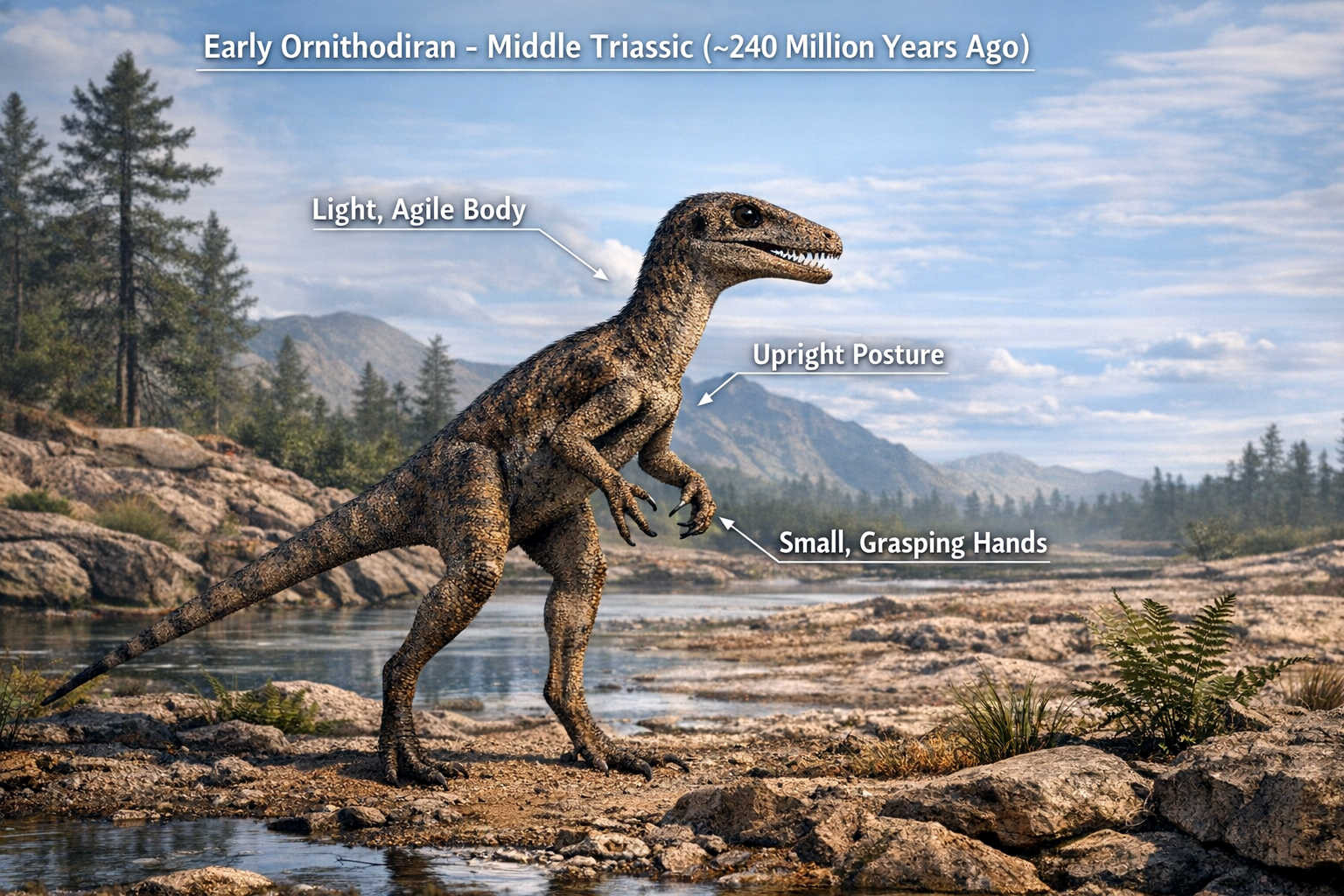
Ornithodira is the broader branch that includes dinosaurs, birds, and pterosaurs.
~229 million years ago (±4 million years)
LCA of Pterosaurs and Birds (pterosaurs & dinosauria).
Platypus–Ape Common Ancestor
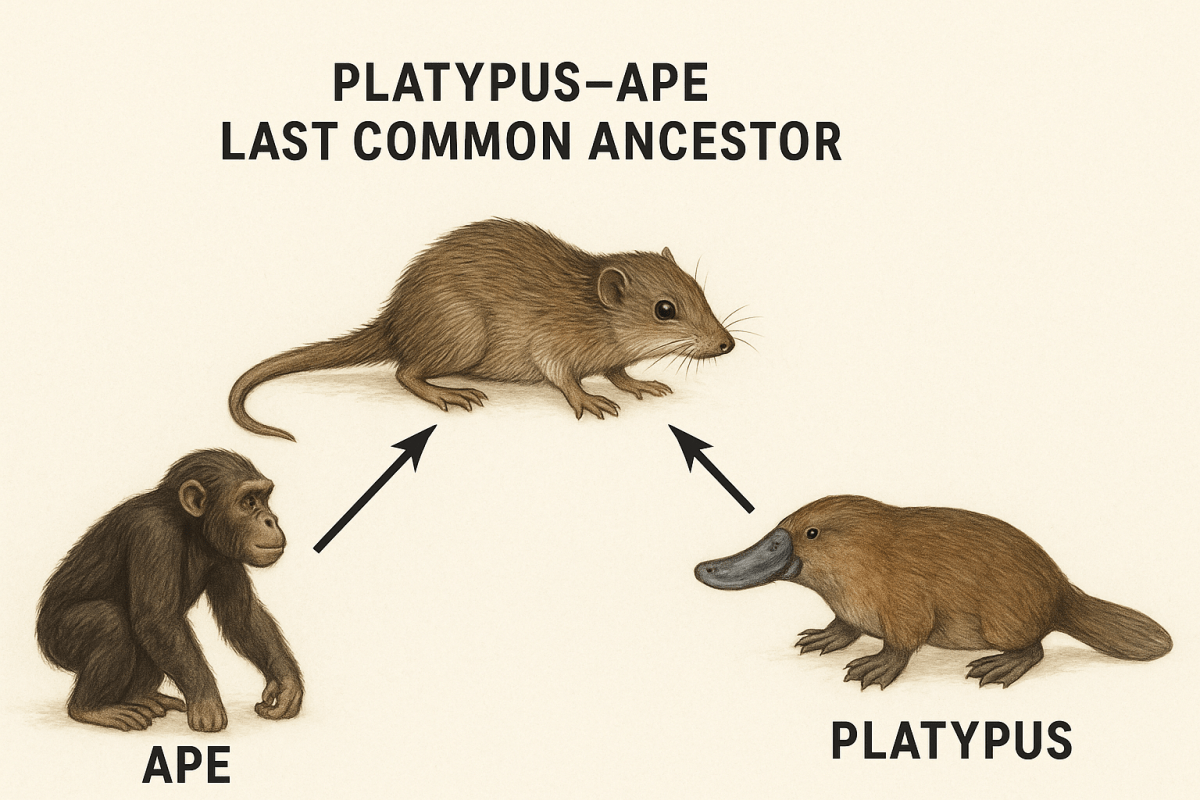
The last common ancestor of platypus and ape lived around 225 million years ago, during the Late Triassic. It wasn’t a modern mammal yet, but a very late synapsid—or early mammaliaform—already carrying the essentials: fur for insulation, a warm-blooded metabolism, and mammal-style teeth. From this small, generalized creature, every living mammal would diverge—both the strange egg-laying platypus and the most self-aware ape.
225 million years ago (±5 million years)
When dinosaurs rose, our line quietly began.
Pterosaurs Emerge
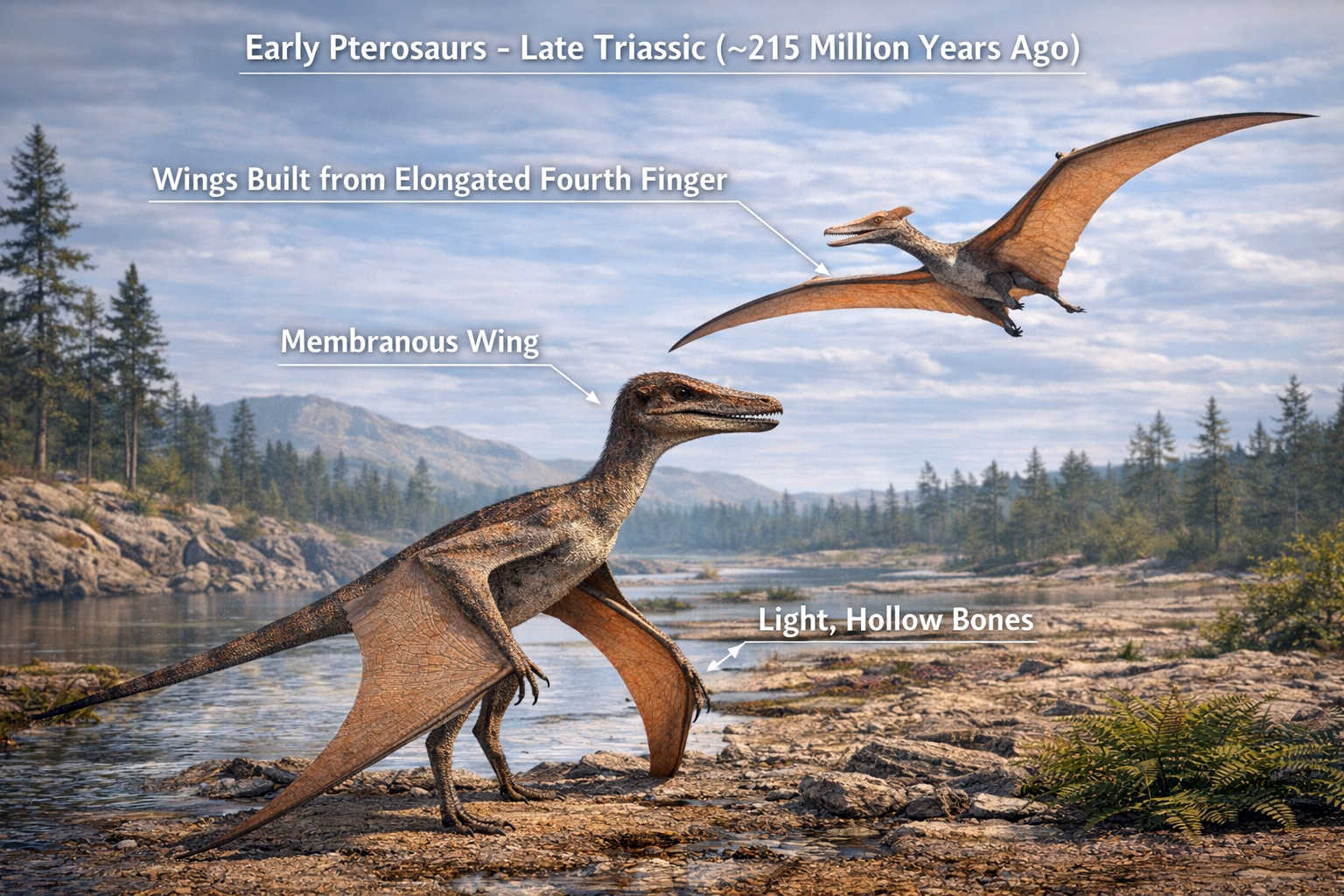
Pterosaurs were not dinosaurs but do share a common ancestor. They are a distinct group of flying reptiles that emerged in the Late Triassic.
215 Million years ago (+/- 5 million)
Last Non-Cynodont Therapsids
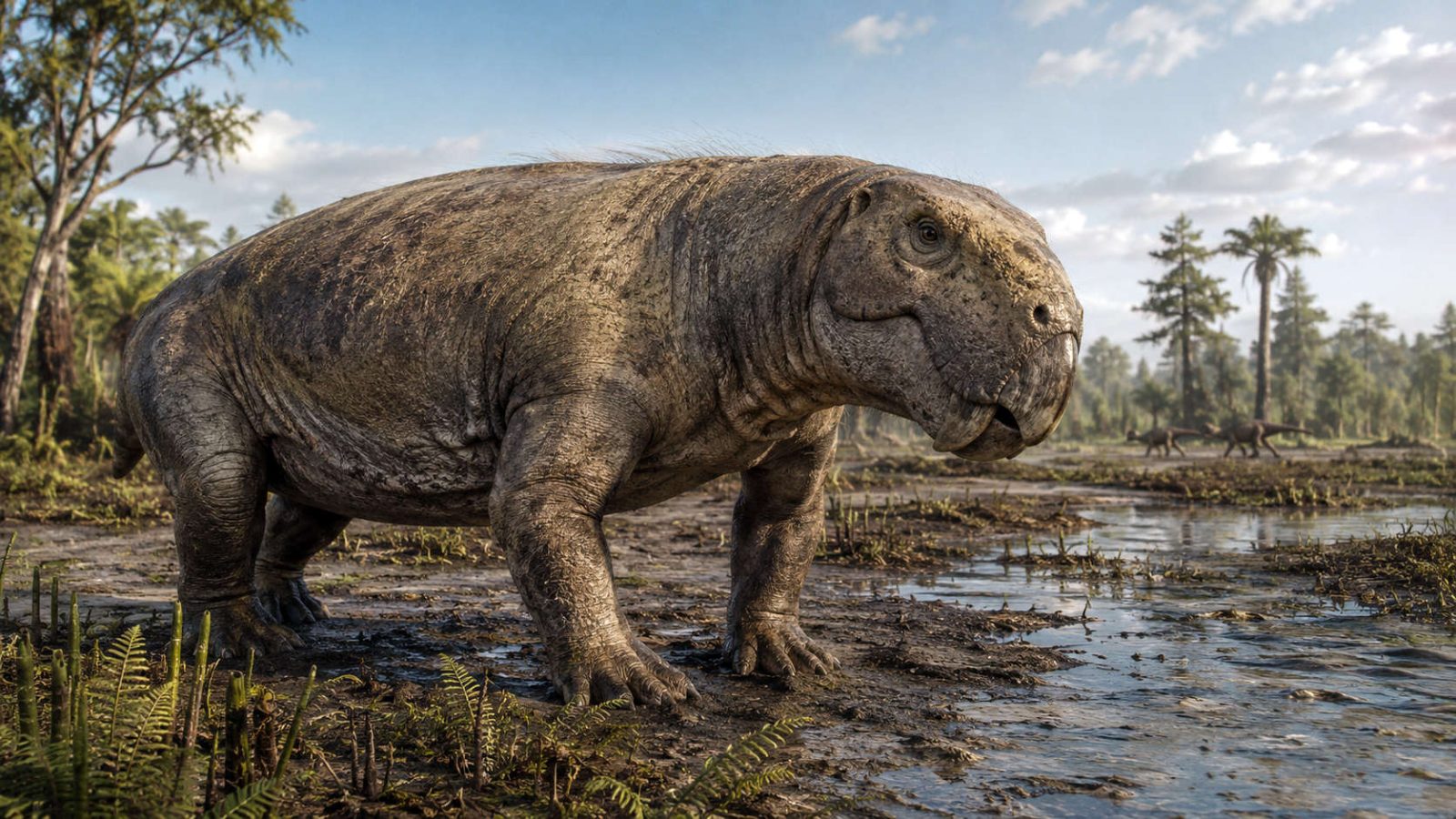
Near the end of the Triassic, around 210–201 million years ago, late dicynodonts such as Lisowicia bojani represented some of the last non-cynodont therapsids. They were part of the mammal-side branch of life, but not part of the cynodont line that led toward mammals. Large, beaked, heavy-bodied, and plant-eating, they were the fading giants of an older therapsid world.
~205 Million years ago
First Mammaliaforms: Morganucodon
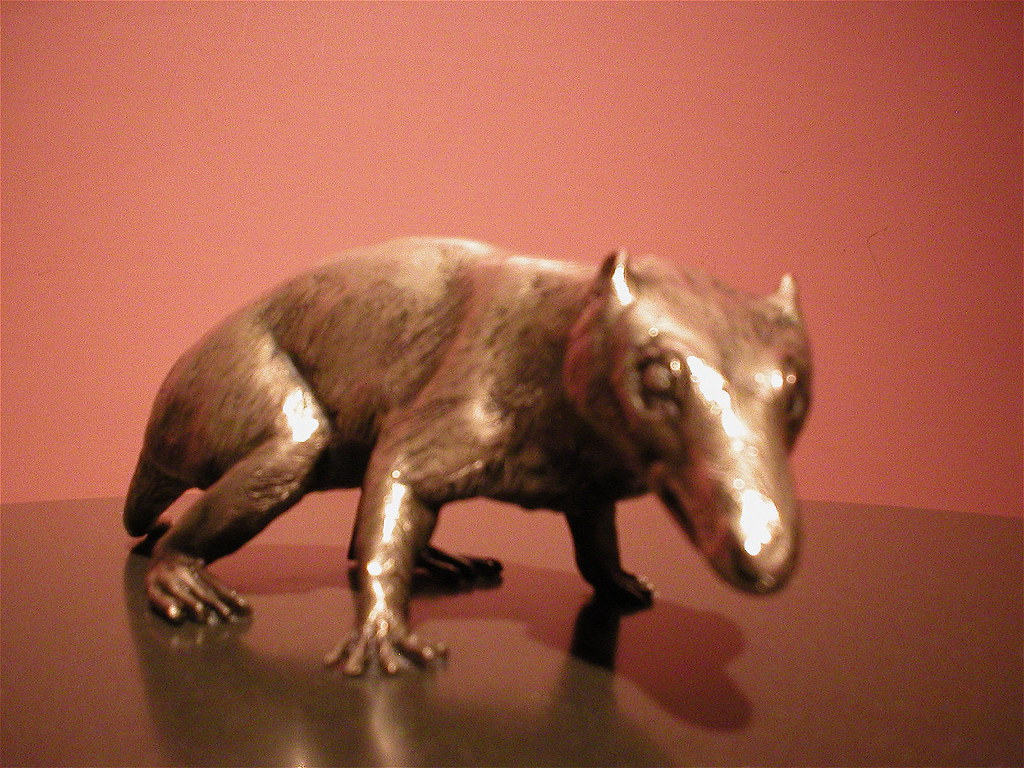
By the time of early mammaliaforms like Morganucodon, the body plan was already starting to feel familiar: small, furry, warm-blooded, long-tailed, and likely active at night. It was not a modern mammal, but it may have looked less like a “reptile” and more like a shrew-like or mouse-like creature from the deep past.
203 Million years ago (+/- 3 million)
Differentiated teeth and true mammalian jaw
Triassic–Jurassic Extinction: Volcanoes Open the Age of Dinosaurs
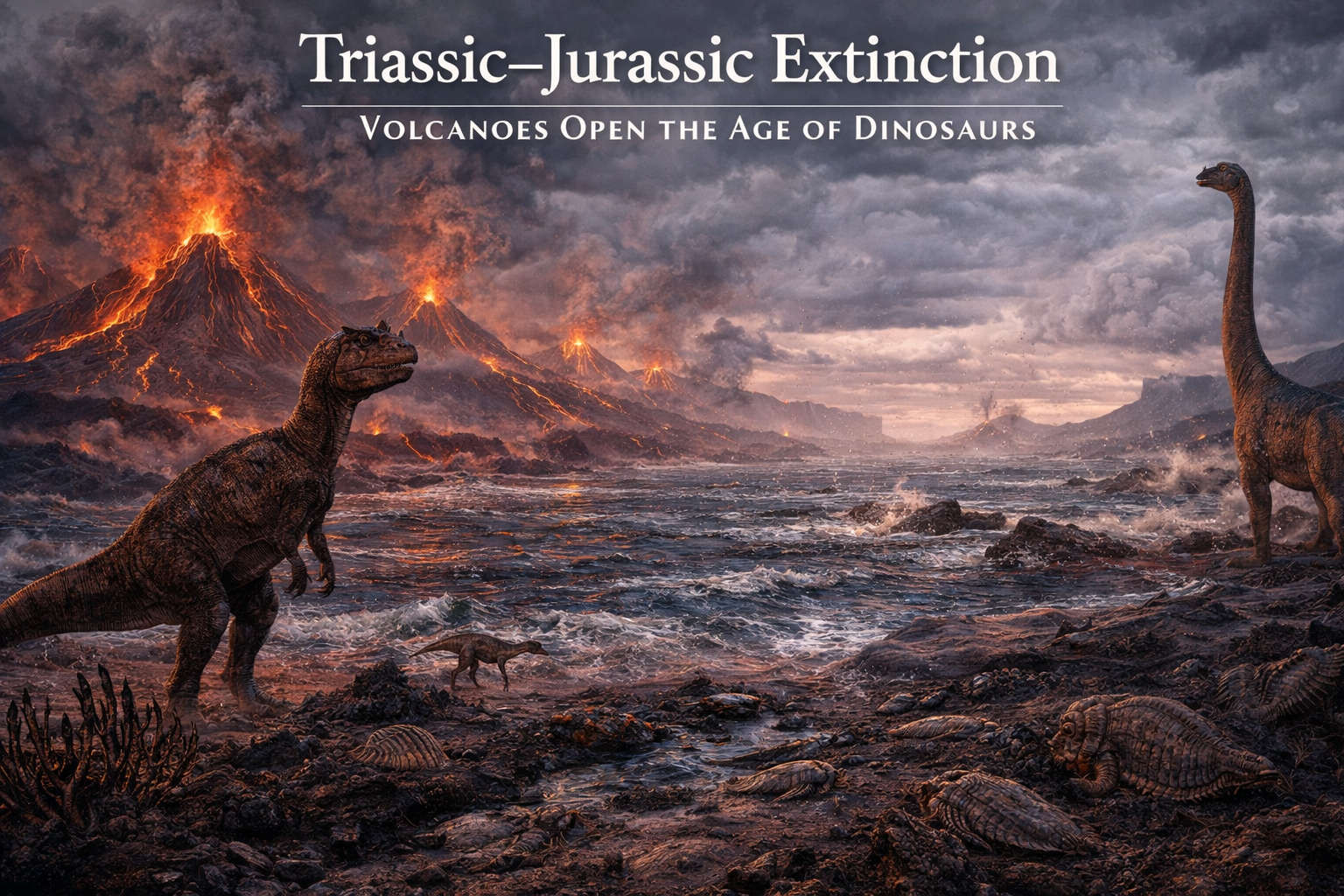
As Pangea cracked apart, massive volcanic eruptions poisoned air and oceans. This image includes early dinosaurs as foreshadowing: survivors waiting in the smoke before their Jurassic rise.
~201 Million Years Ago
Cause: Massive Volcanic Eruptions
Early Play Evolves in Mammals

Play evolved as one of the group survival traits. Lower play abilities evolved in mammals like rodents about 190 million years ago. Higer play abilities evolved in mammals like cats about 80 million years ago.
190 Million Years Ago (+/- 10 million years)
Parental care, brain plasticity, extended juvenile period
Mammals: First Live Births
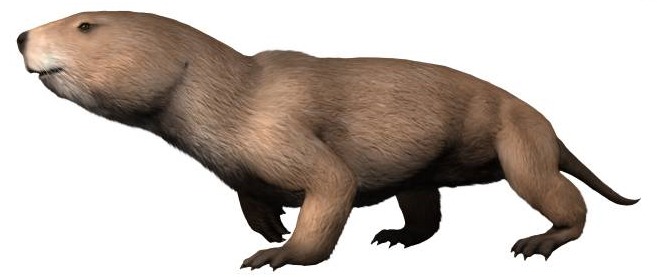
An example of early live birth is the protomammal Kayentatherium, Jurassic period. This cynodont is related to early mammals and its clutch size suggested egg-laying, providing clues about the transition to live birth. The switch to live birth in mammals, including marsupials and placentals, likely evolved once at their common ancestor, suggesting live birth in mammals has a deep evolutionary history.
185 Million BCE
Placental nutrient transfer (in placentals)
Diatoms Emerge
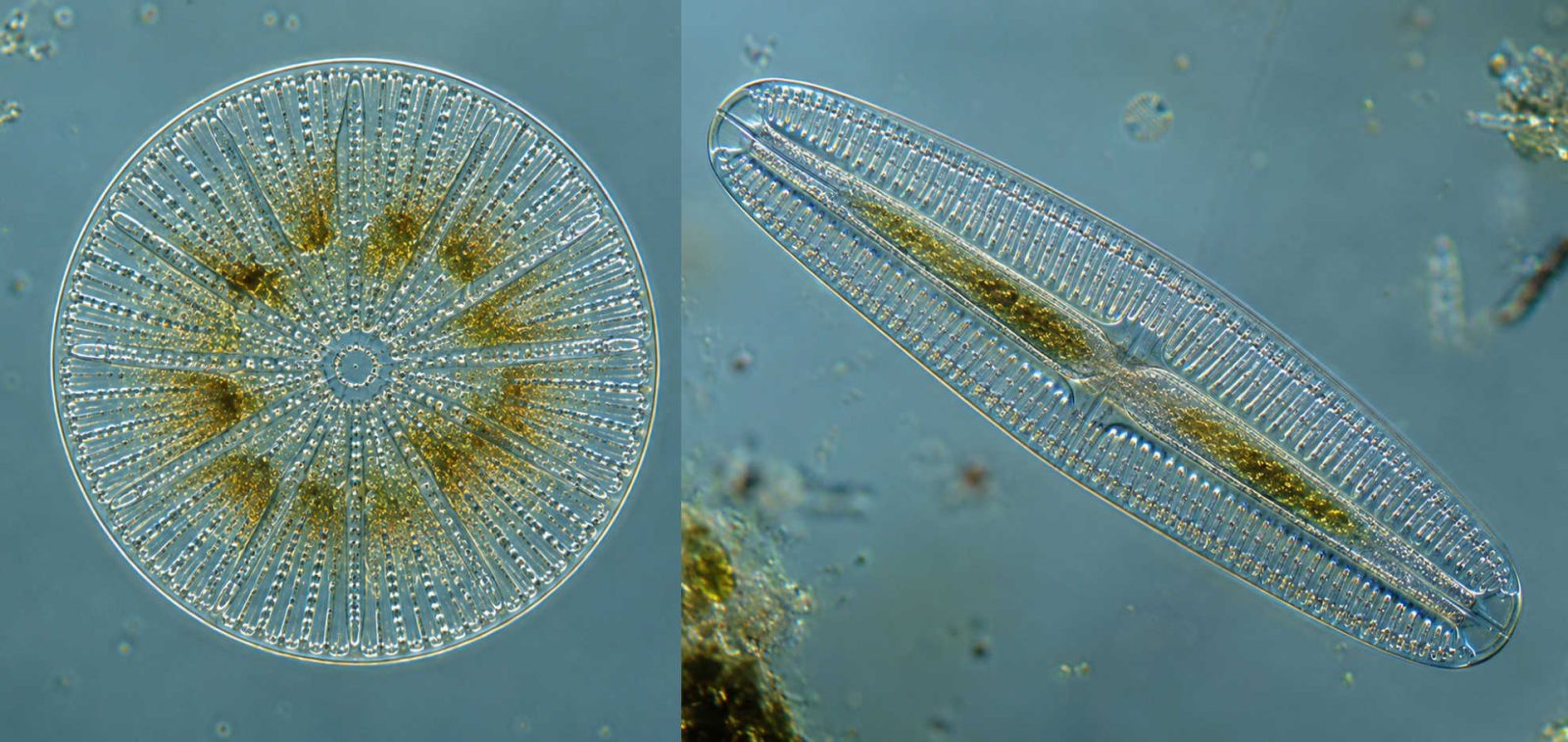
Diatoms evolved around 182 million years ago, first appearing as tiny glass-like forms in ancient seas. The round, frisbee-like centric diatoms came first; the long, canoe-like pennate forms evolved later, becoming clear in the fossil record by about 75 million years ago.
182 Million years ago (+/- 5 million)
Glass-like silica cell walls
Pangaea Splitting Starts Splitting Evolution
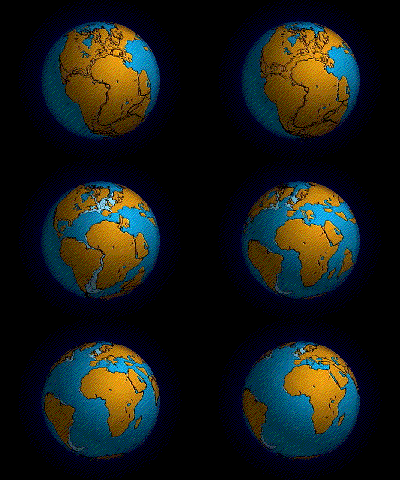
When Pangaea began to split around 190 million years ago, the world’s connected landmasses slowly turned into separate evolutionary arenas: vicariance. What had once been one giant stage for life became a set of growing barriers, helping drive the rise of distinct northern and southern lineages.
180 Million years ago (+/- 5 million)
Pangaea Super Continent Breakup
Diplodocid LCA: The Age of Giant Necked Sauropods
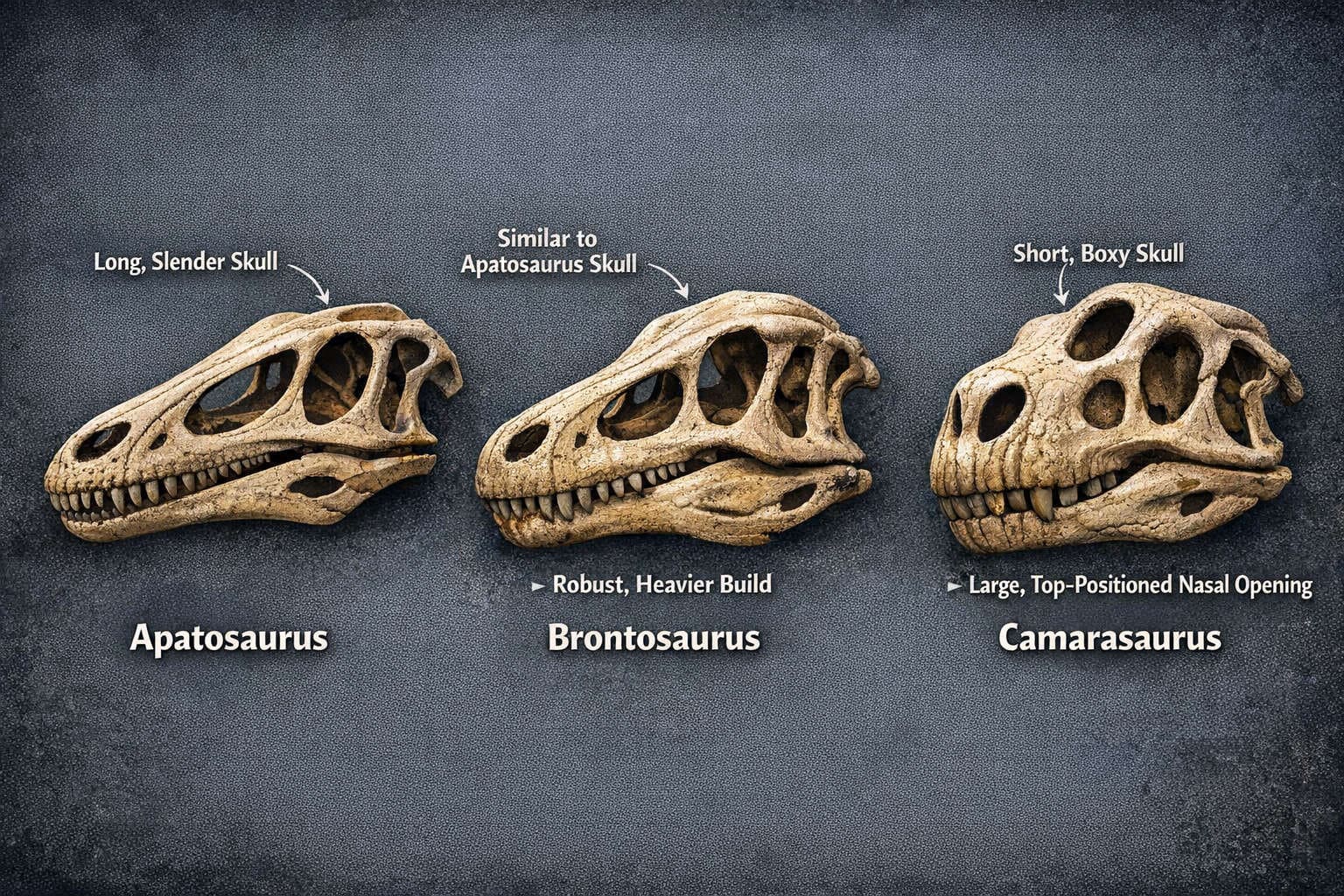
The common ancestor of the diplodocids is still unknown, but it gave rise to several distinct giant-necked forms. In Diplodocus, notice the long, narrow skull. In Apatosaurus, note the deeper, more robust skull and heavier build. Finally, in the slimmer Brontosaurus, notice the similar shape but somewhat lighter, less massive form.
~178 Million Years Ago (+/- 5 million)
Proceratosaurus (T.Rex ancestor)
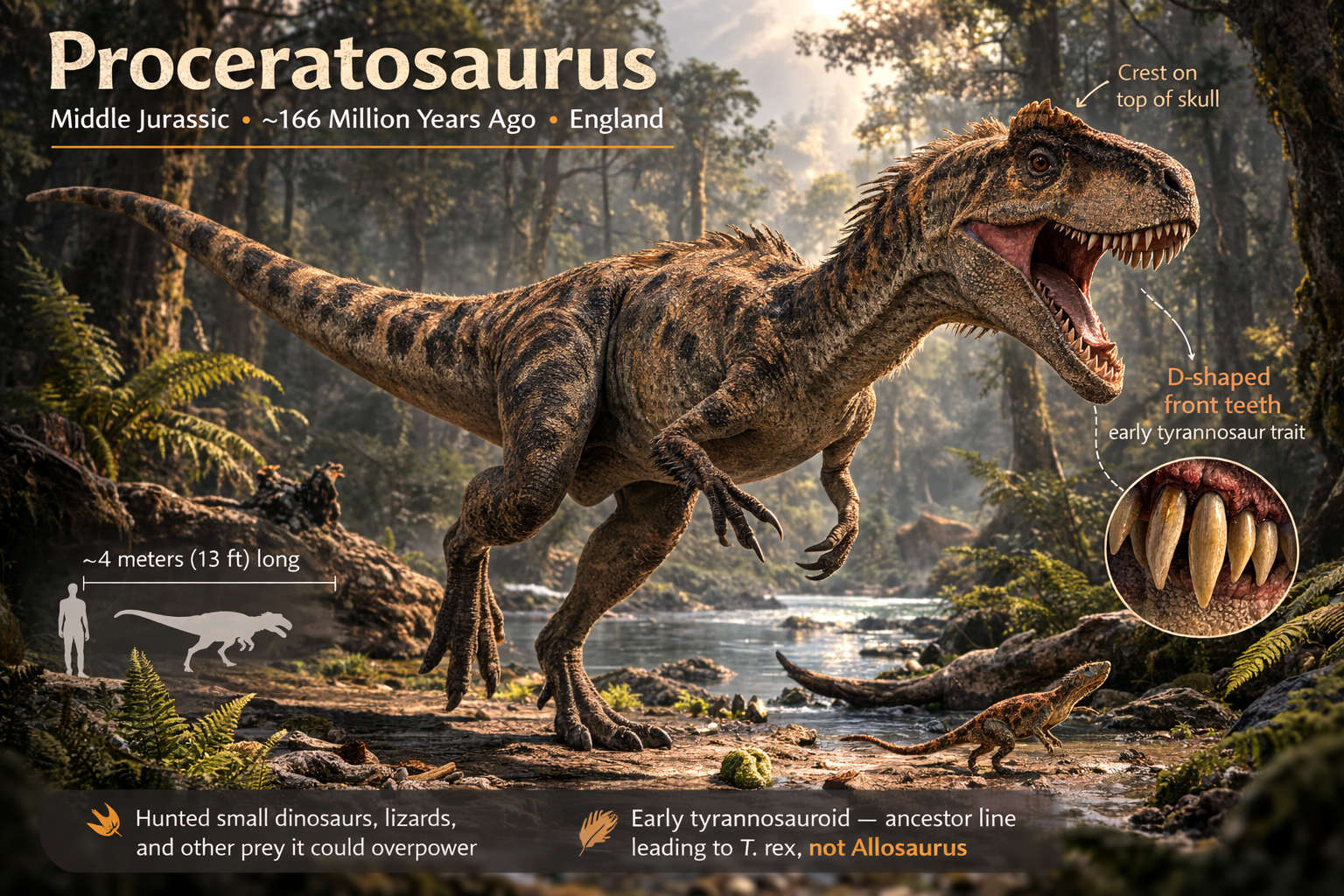
Proceratosaurus had the same general tyrannosaur-style look: a big head, long tail, strong hind legs, short forelimbs, and a built-for-biting predator shape: D-shaped front teeth and a crest on top of the skull.
Lived from 169 to 164 million years ago.
Not a bird ancestor, but part of the theropod mix.
Bashanosaurus primitivus
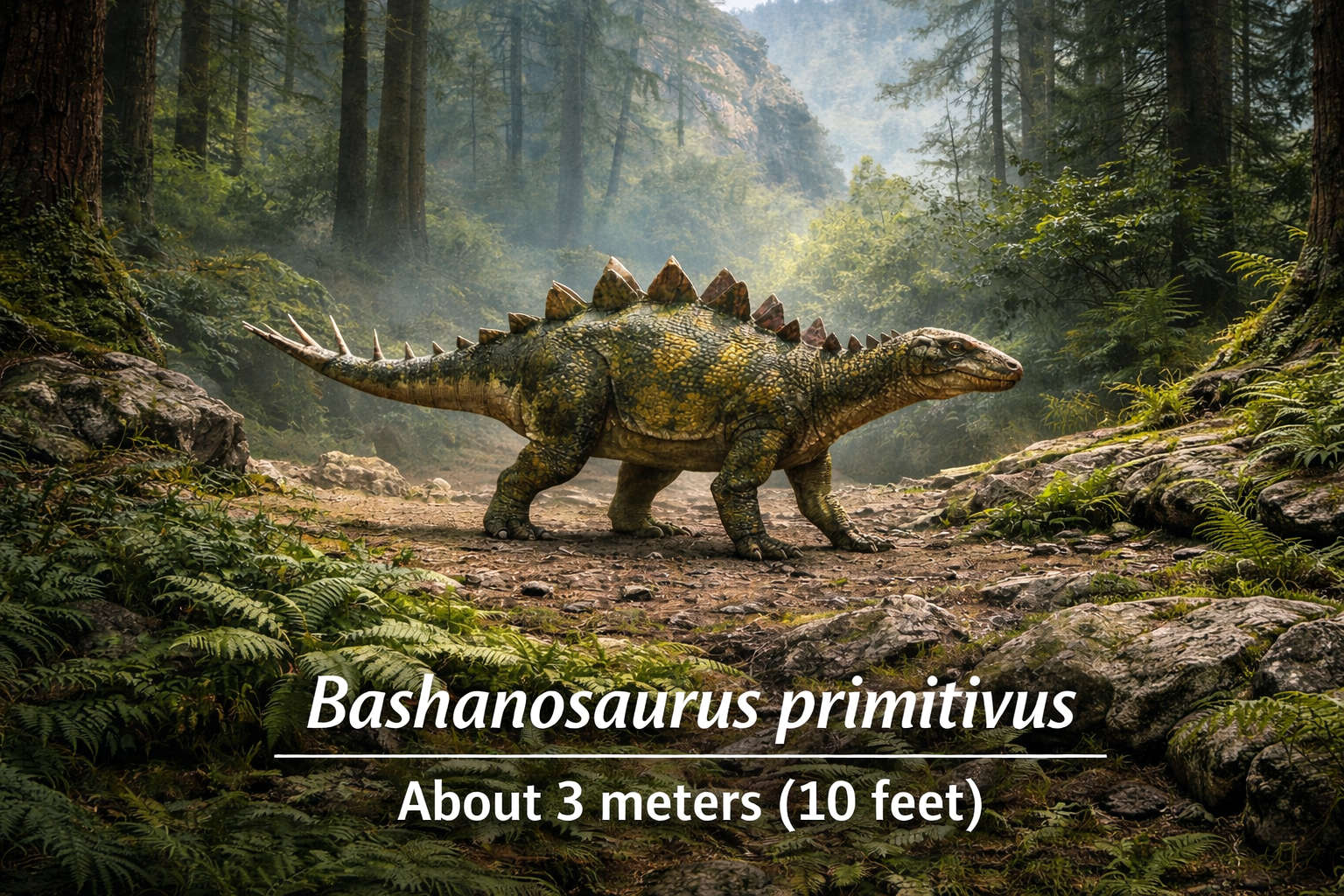
Bashanosaurus primitivus is one of the earliest known stegosaurs and a strong candidate for representing an early form close to the ancestry of later plated dinosaurs like Stegosaurus.
~168 million years ago.
Stegosaurus ancestor
First Crown Mammals
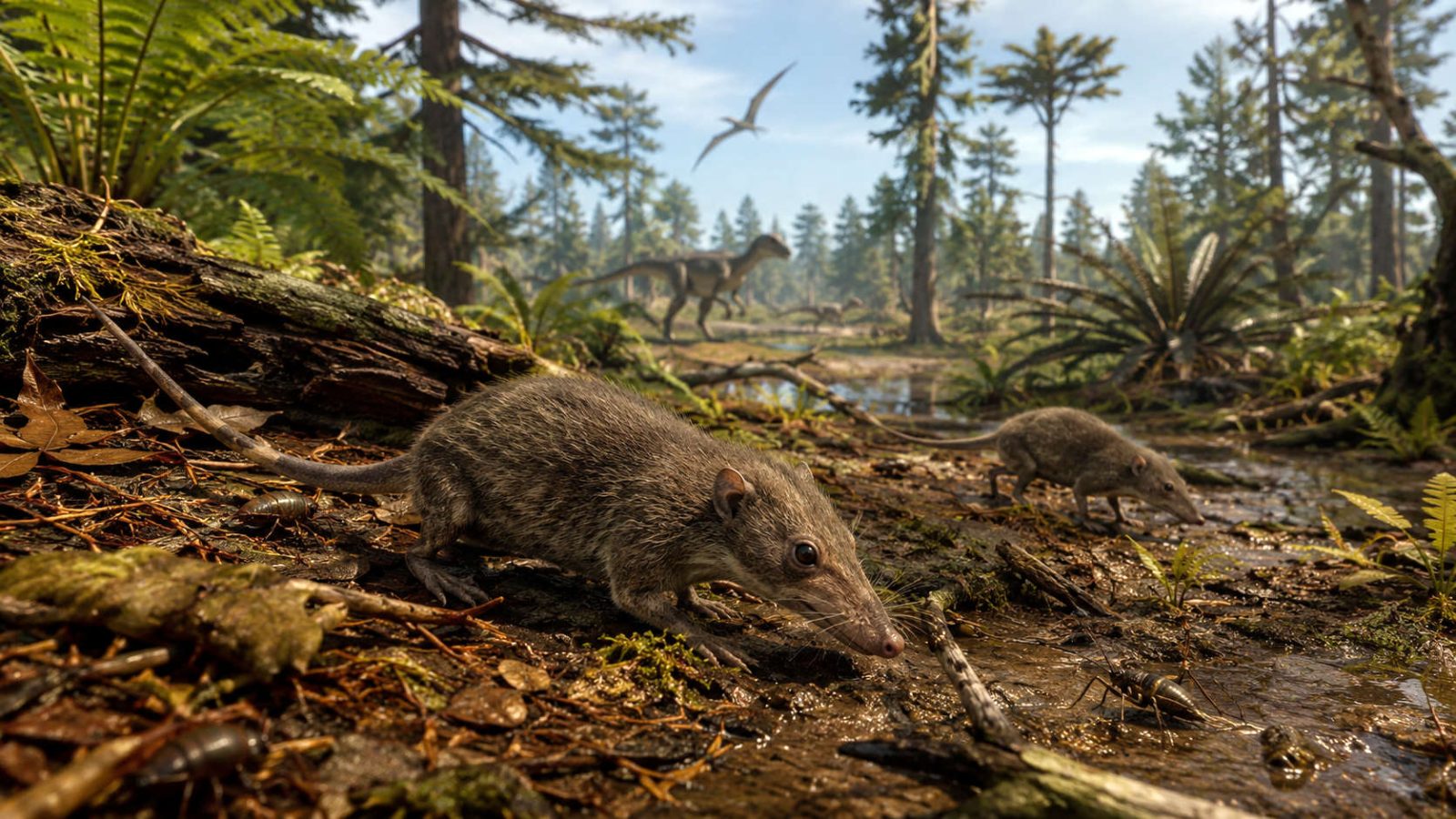
Around 170 million years ago, crown mammals began with the shared ancestor of all living mammal branches: monotremes, marsupials, and placentals. These early mammals were likely small, fur-covered, alert, and mostly hidden in the dinosaur-dominated world. They were not impressive by size, but they carried the living mammal story forward.
~165 Million years ago (+/- 5 million)
Diplodocus
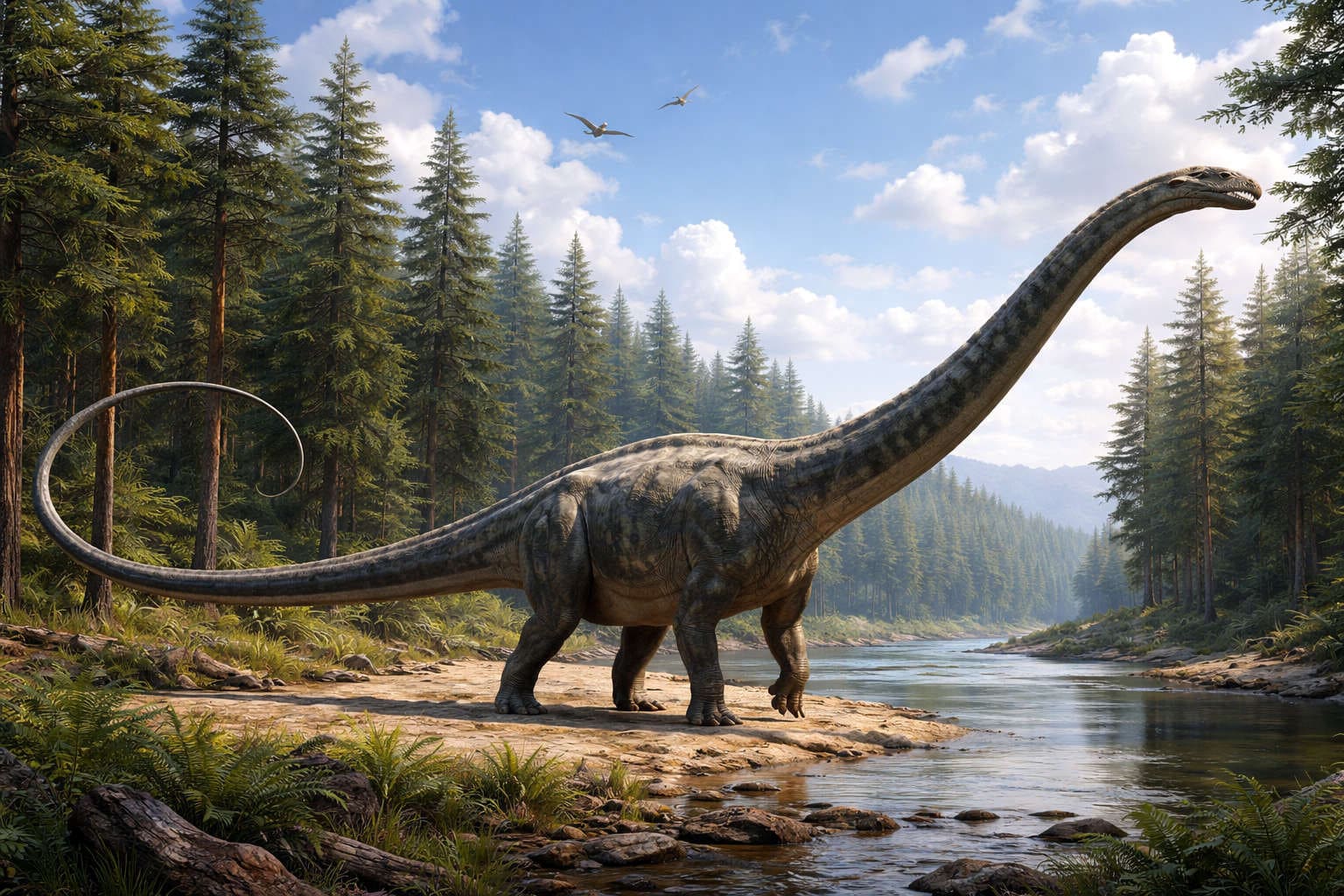
Diplodocus was the longer, slimmer, more stretched-out sauropod, famous for its especially long neck and whiplike tail. It is one of the longest land animals and generally more slender in build.
Lived ~161 to 146 million years ago.
28–33.5 m long: longer, whiplike, slimmer.
Apatosaurus
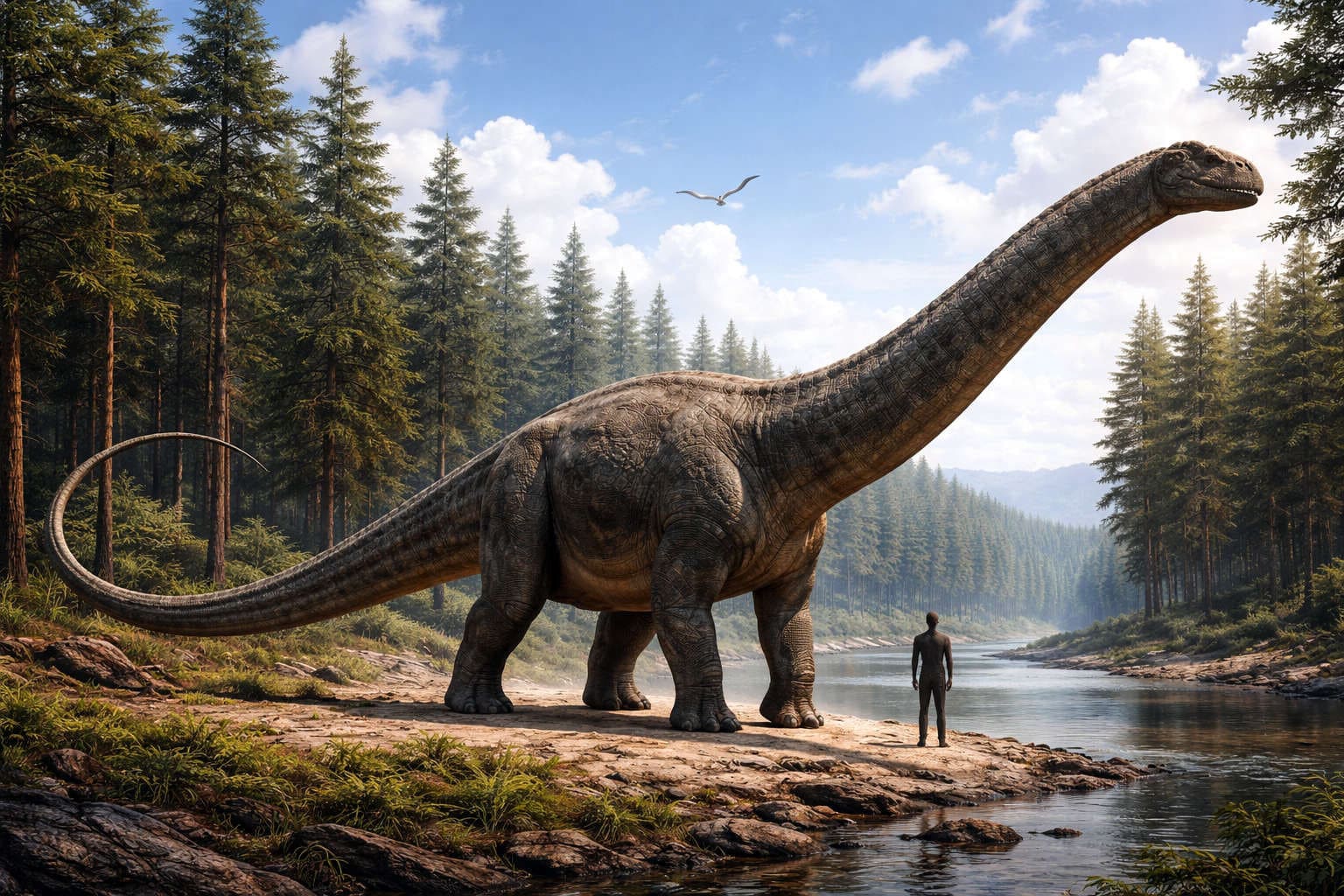
Apatosaurus was the heavier, more robust sauropod — more muscular-looking, with a thicker, lower-set neck and a bulkier frame.
Lived ~156 to 151 million years ago.
21 to 23 meters (69 to 75 feet): Heavier, more muscular.
Brontosaurus
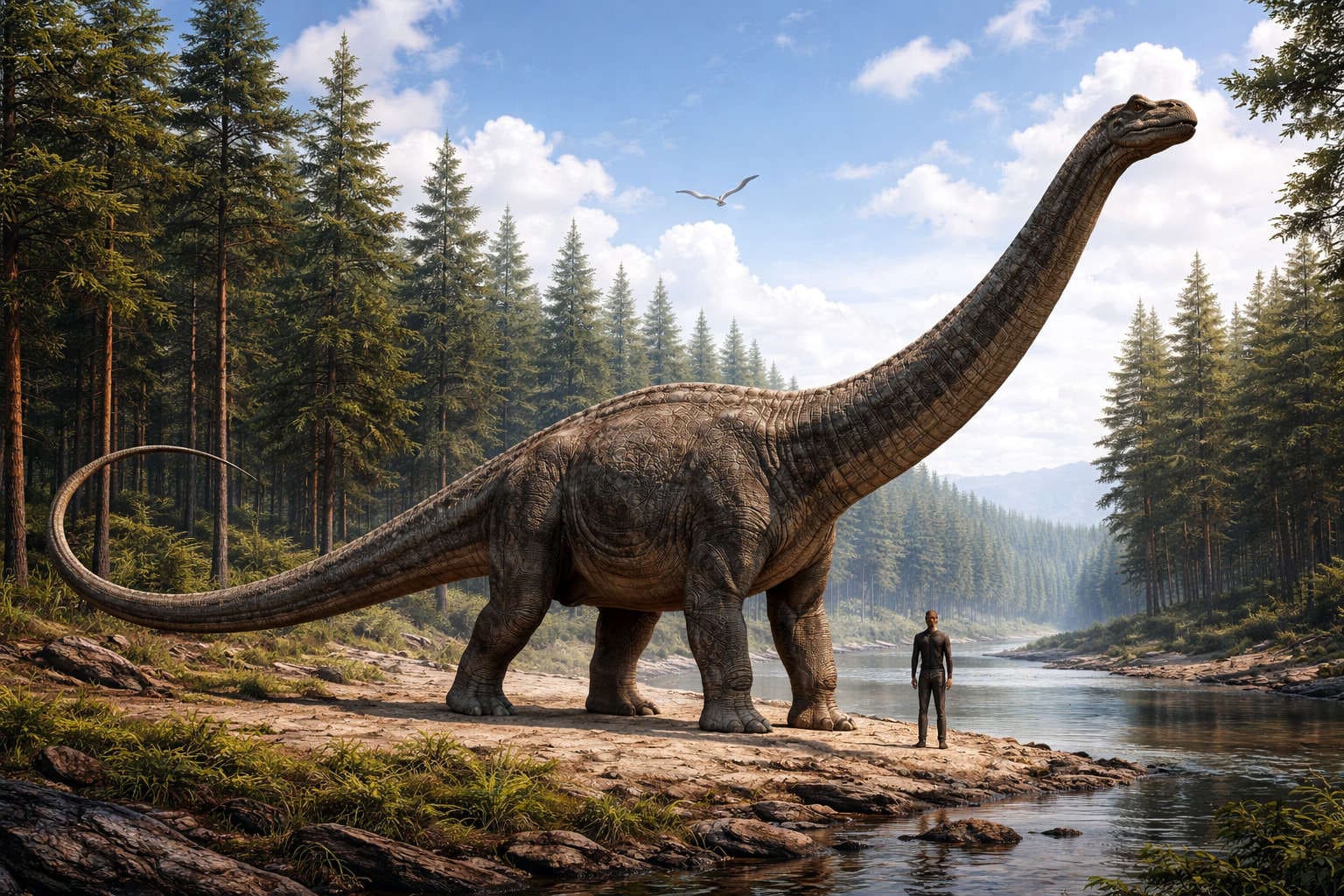
Brontosaurus, in the revived interpretation, looks broadly similar to Apatosaurus but is argued to be less massive and less robust. A bit lighter-built overall.
Lived ~156 to 145 million years ago.
20 to 22 meters (65 to 72 feet).
Avialae: Bird Line Diverges
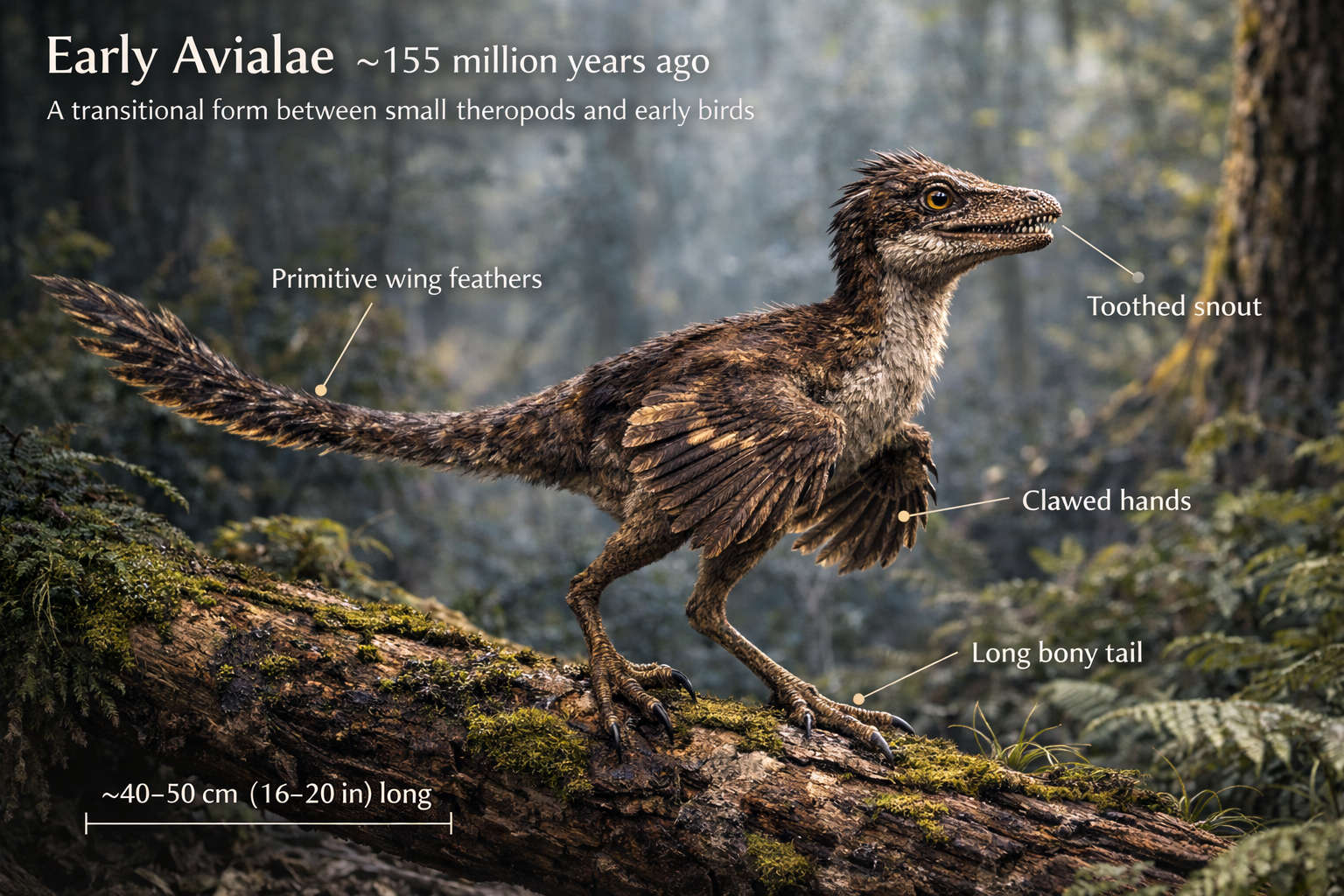
Around 155 million years ago, an early avialan was probably already broadly Archaeopteryx-like, yet still unmistakably dinosaurian: small feathered theropod with teeth, claws, and a long bony tail.
155 Million years ago (+/- 5 million)
Stegosaurus
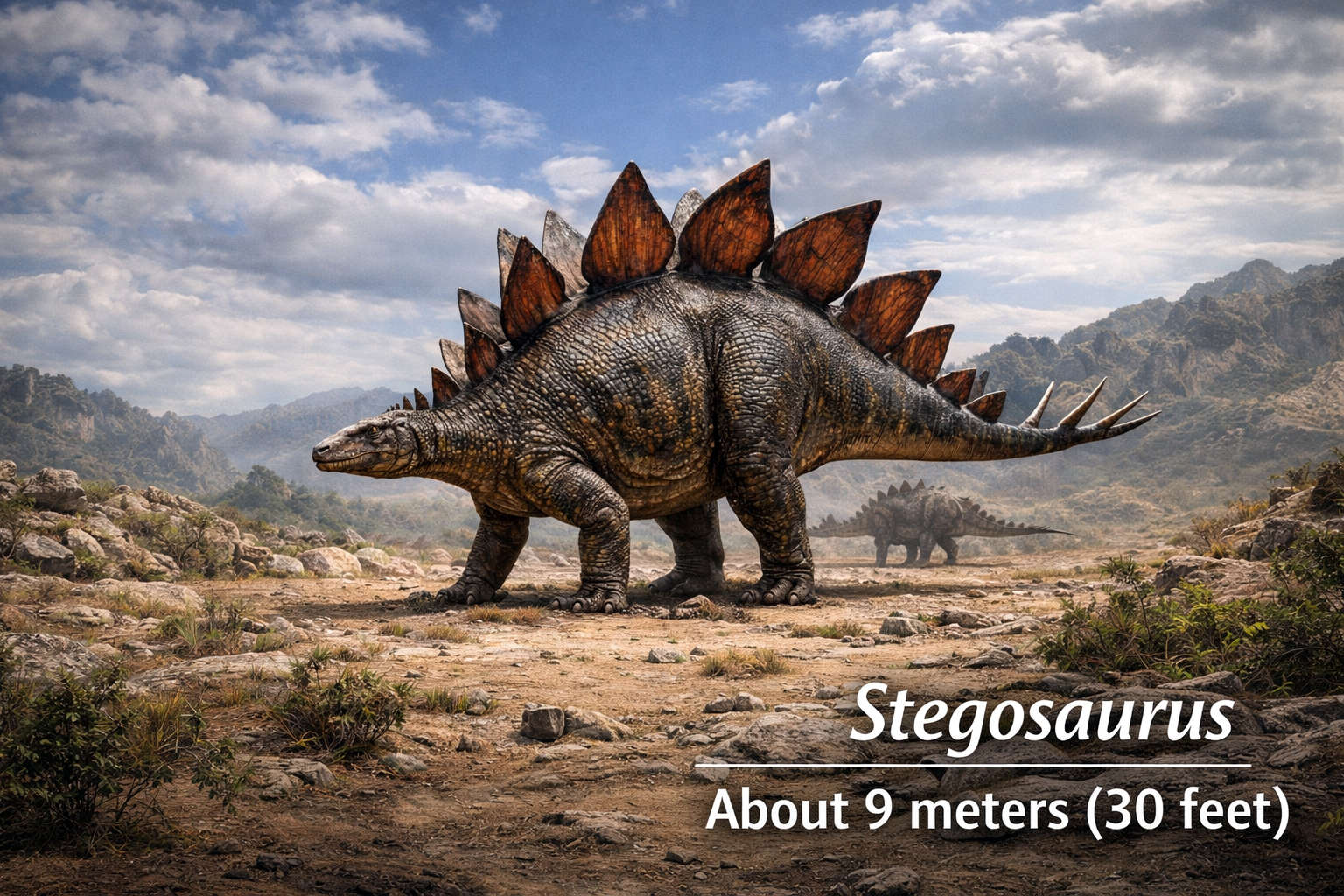
Stegosaurus is the classic plated dinosaur most people picture: large back plates, a small head, and a spiked tail used for defense. It lived late in the Jurassic
Lived 152 to 145 million years ago.
First True Bird: Archaeopteryx
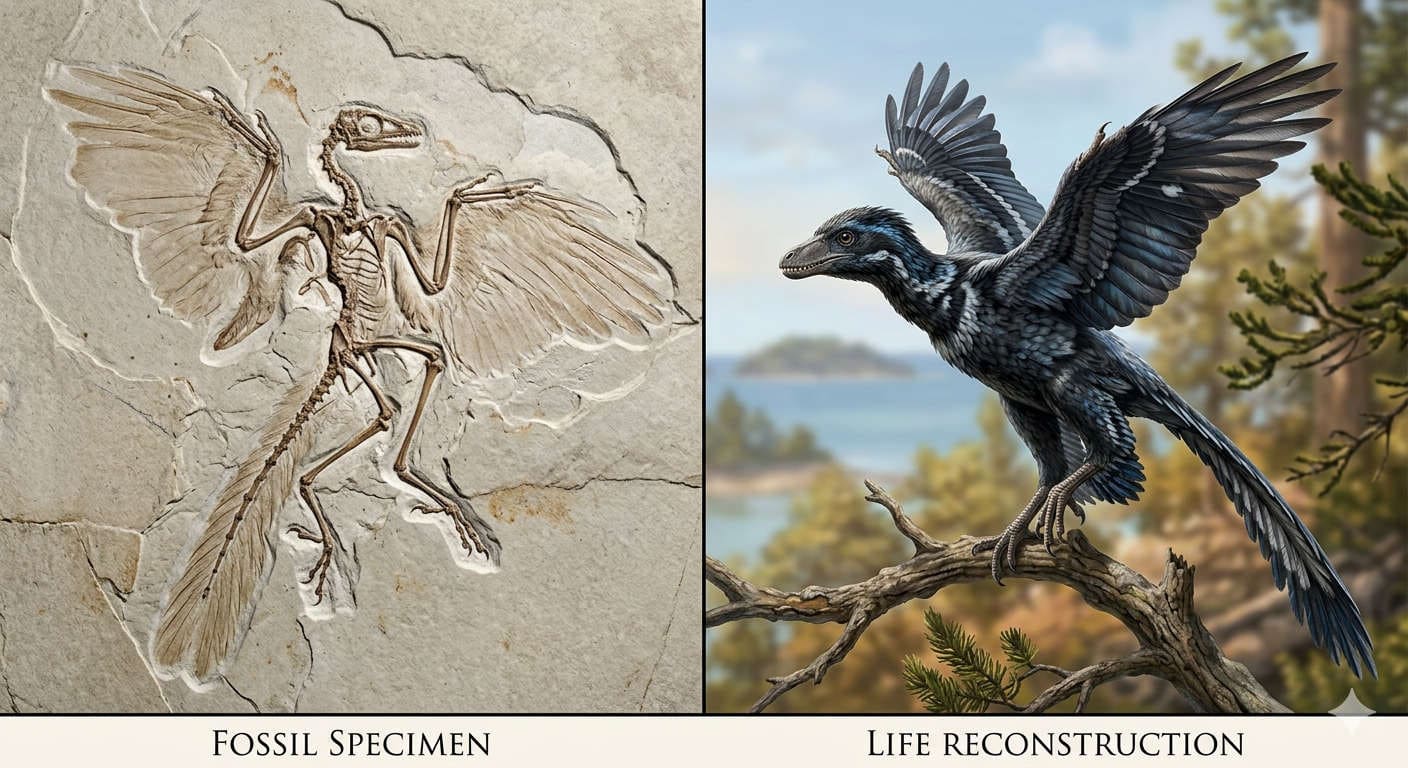
Archaeopteryx reminds us that major transformations often happen gradually, with old traits and new traits living side by side for a long time. The story of birds began with their dinosaur past.
149 Million years ago (+/- 1 million)
Modern Trees: Modern Leaves

145 Million Years Ago (+/- 5 million years)
Rapid vascular transport
Confuciusornithiformes Birds Emerge (Now Extinct)

Weird carryovers and side experiments: clawed wings, elaborate ribbon-like tail feathers, and a mix of advanced beak features with a still primitive dinosaurian body.
~131 Million years ago.
Extinct bird line (clawed wings, elaborate ribbon-like tail feathers)
Enantiornithes Birds Emerge (Now Extinct)
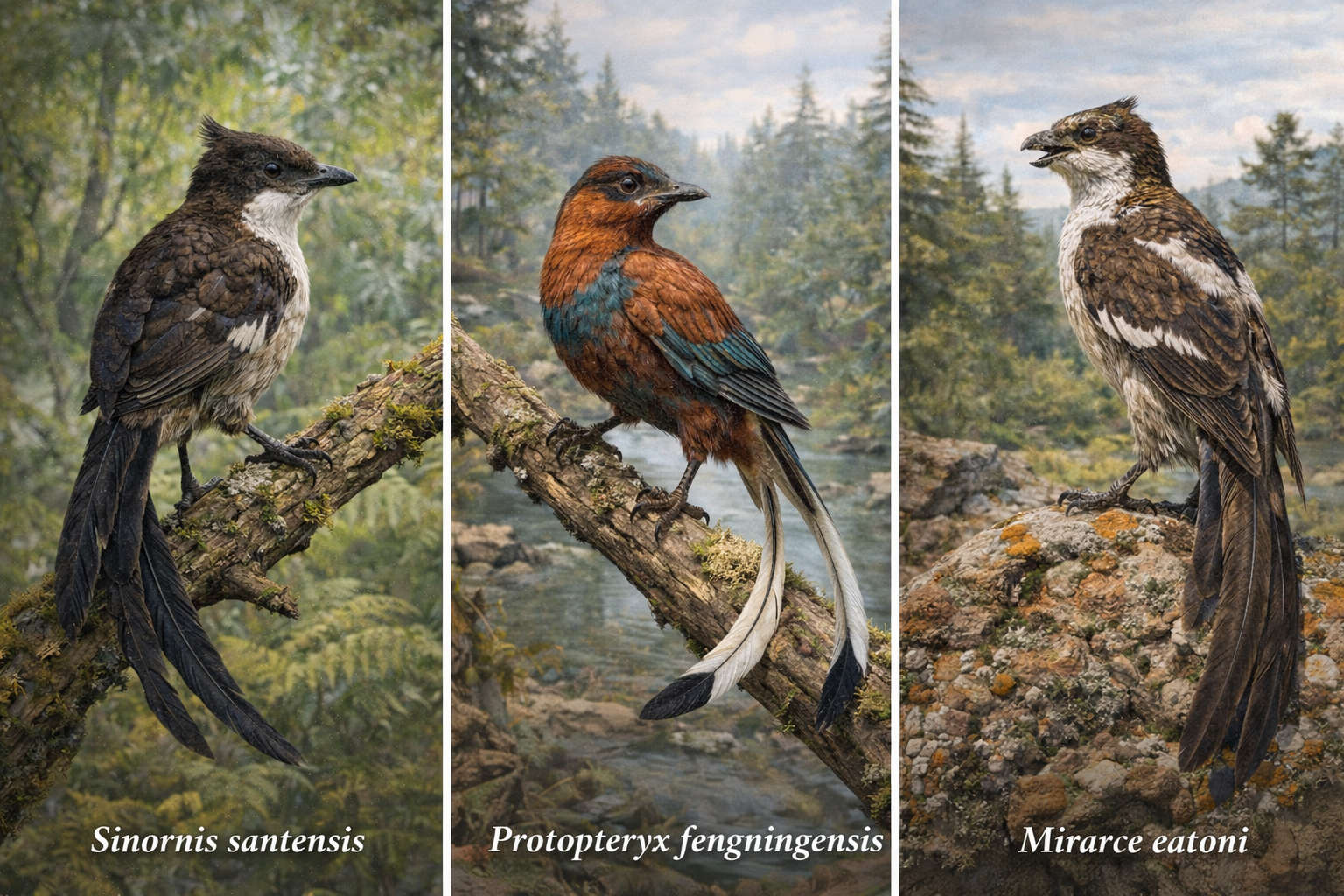
Enantiornithes were one of the most successful early bird branches of the Cretaceous, but unlike Confuciusornithiformes, they generally kept their teeth and often looked a bit more like small, sharp-faced bird-dinosaurs than beaked proto-birds.
~131 Million years ago.
Extinct bird line (clawed wings, teeth)
Animal Vocabulary: Dozens of Words

Eomaia scansoria in their natural environment from about 125 million years ago. These early mammals likely lived in a lush, prehistoric forest setting and had a vocabulary, or signaling, range into the dozens of words, well, gestures.
125 Million Years Ago
Expanded Limbic System, reward circuitry
Last Non-Mammaliaform Cynodonts
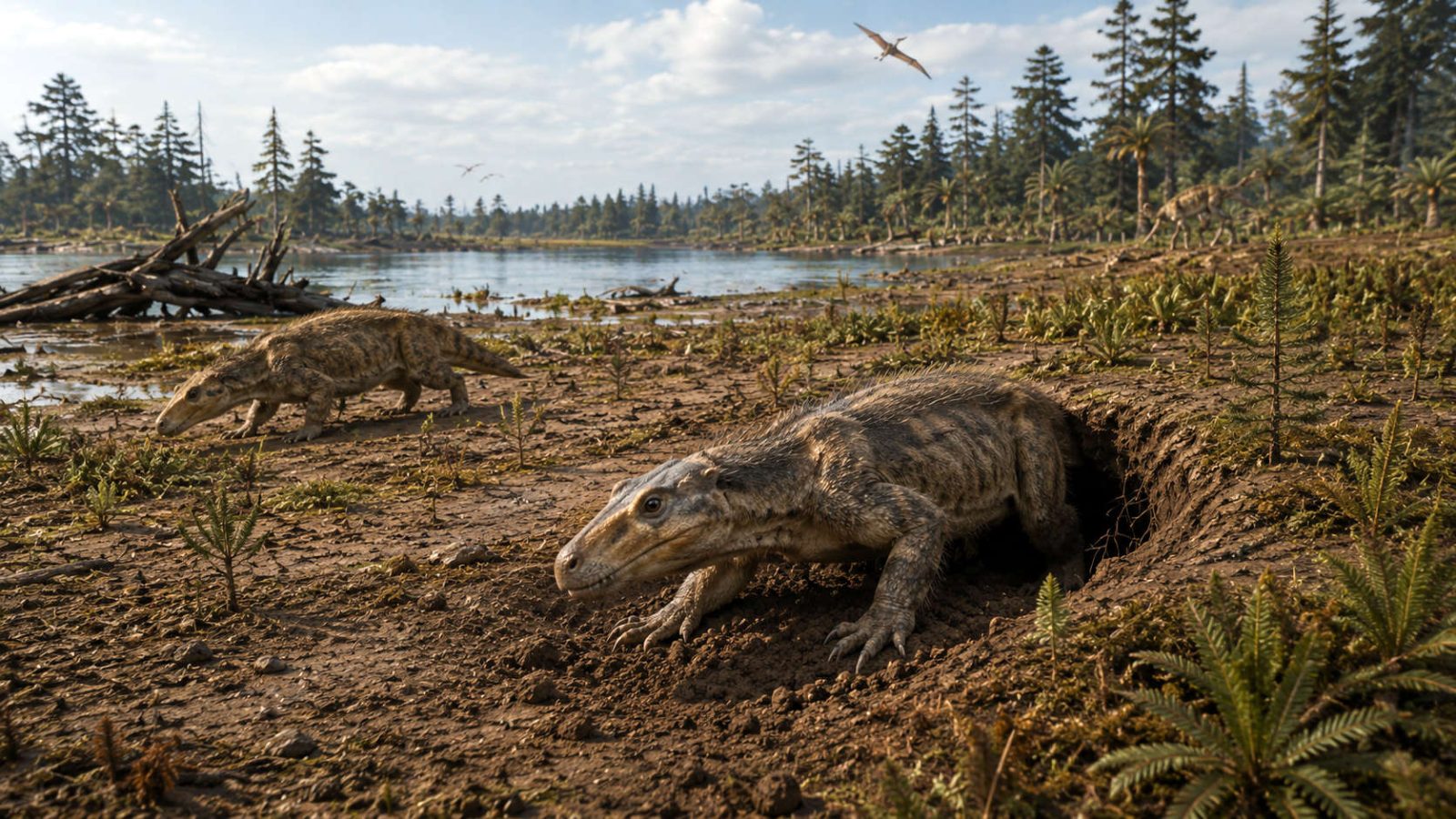
Around 125 million years ago, late tritylodontids carried an older branch of the mammal-side story into the age of dinosaurs. They were advanced cynodont therapsids, close to the mammal line, but not part of the mammaliaform branch. With strong jaws, specialized plant-eating teeth, sturdy limbs, and possible digging habits, they show how complex the road to mammals really was.
~125 Million years ago
Complex Sentience Settles: Eomaia scansoria
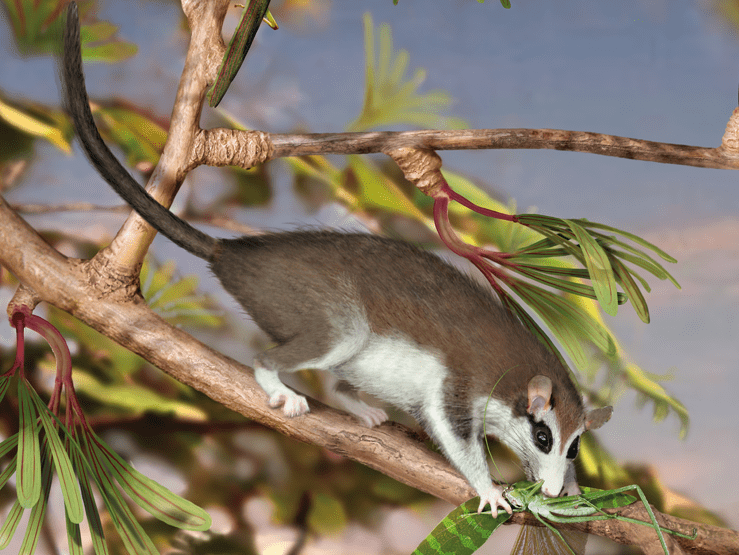
The rise of Eomaia scansoria, an early placental mammal, marks a definitive leap towards "Complex Sentience" in the evolutionary saga leading to humans. It's also plausible that it possessed a foundational level of self-awareness, or what can be termed as Proto Self-awareness. A rudimentary sense of self.
circa 125 Million BCE
Complex Brains; Long-Term Memory; Complex Sentience; Likely Proto Self-aware.
The Last Stegosaurus: Wuerhosaurus
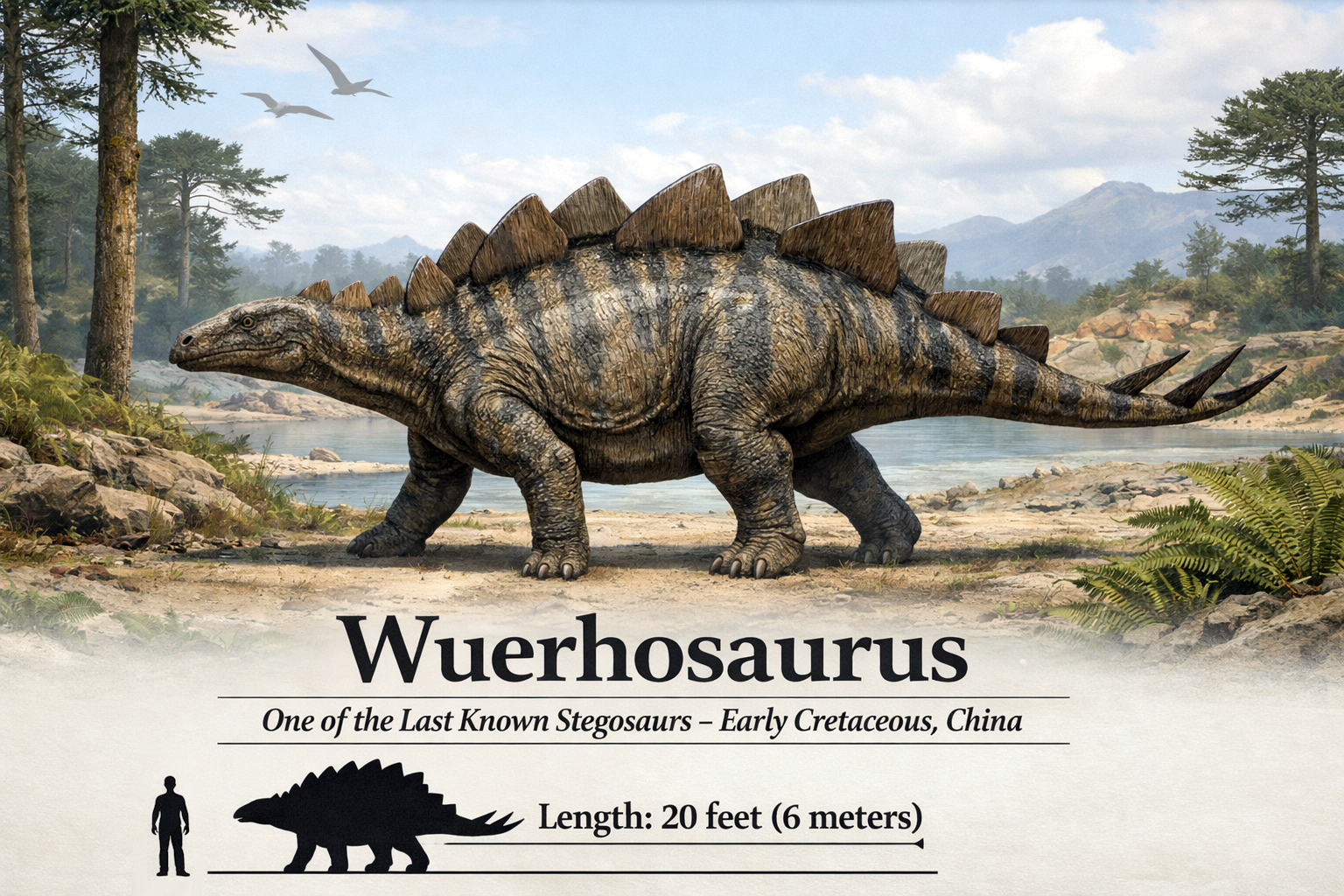
Wuerhosaurus was one of the last known stegosaurs, carrying the classic plated-and-spiked body plan into the Early Cretaceous of what is now China.
110 Million years ago (+/- 10 million)
Argentinosaurus
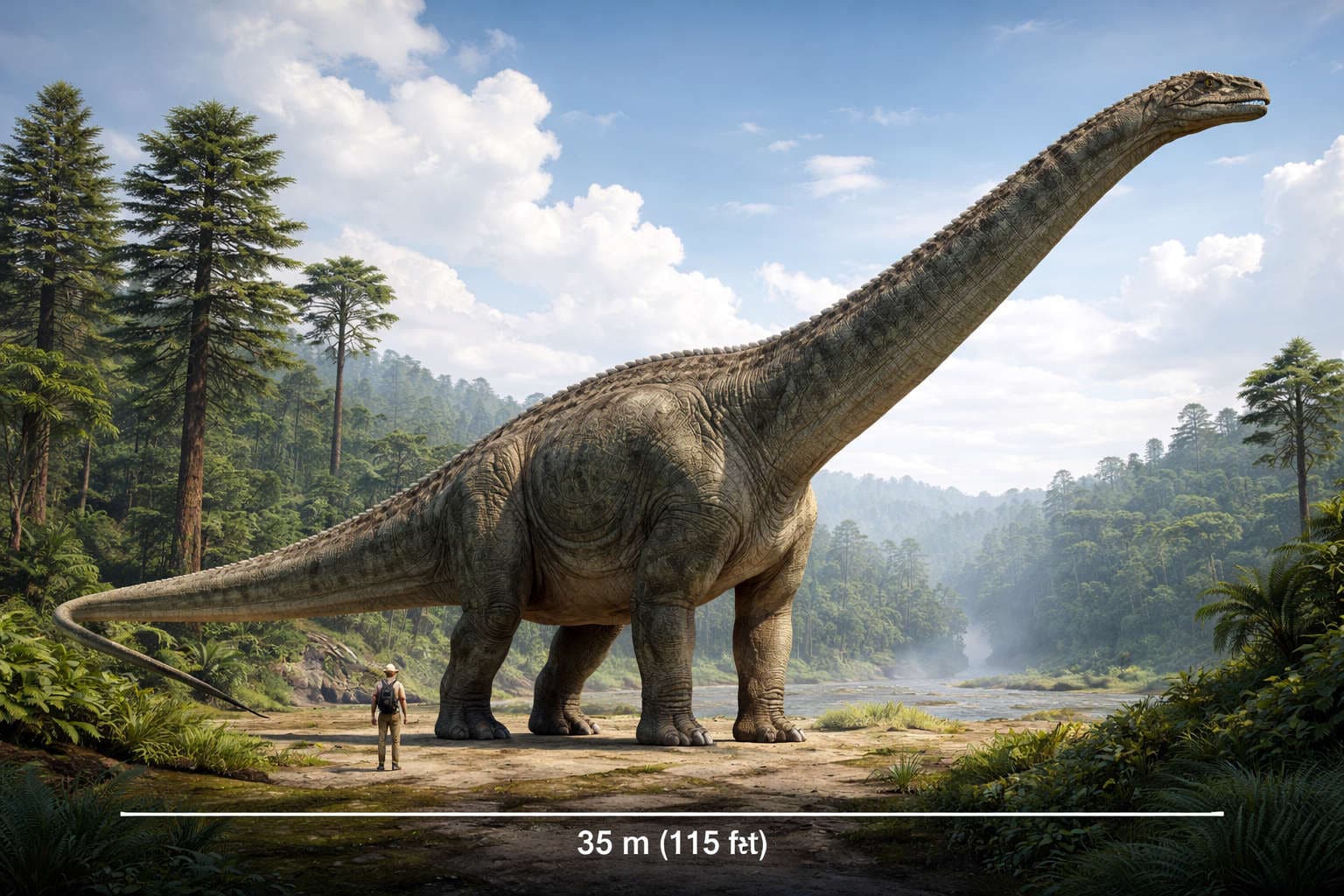
Argentinosaurus shows how far the sauropod body plan could go. By the Late Cretaceous, some titanosaurs had become the largest land animals known, turning the long-necked dinosaur design into one of evolution’s most extreme achievements.
Lived from 97 to 93.5 million years ago.
Redwood Lineage Emerges
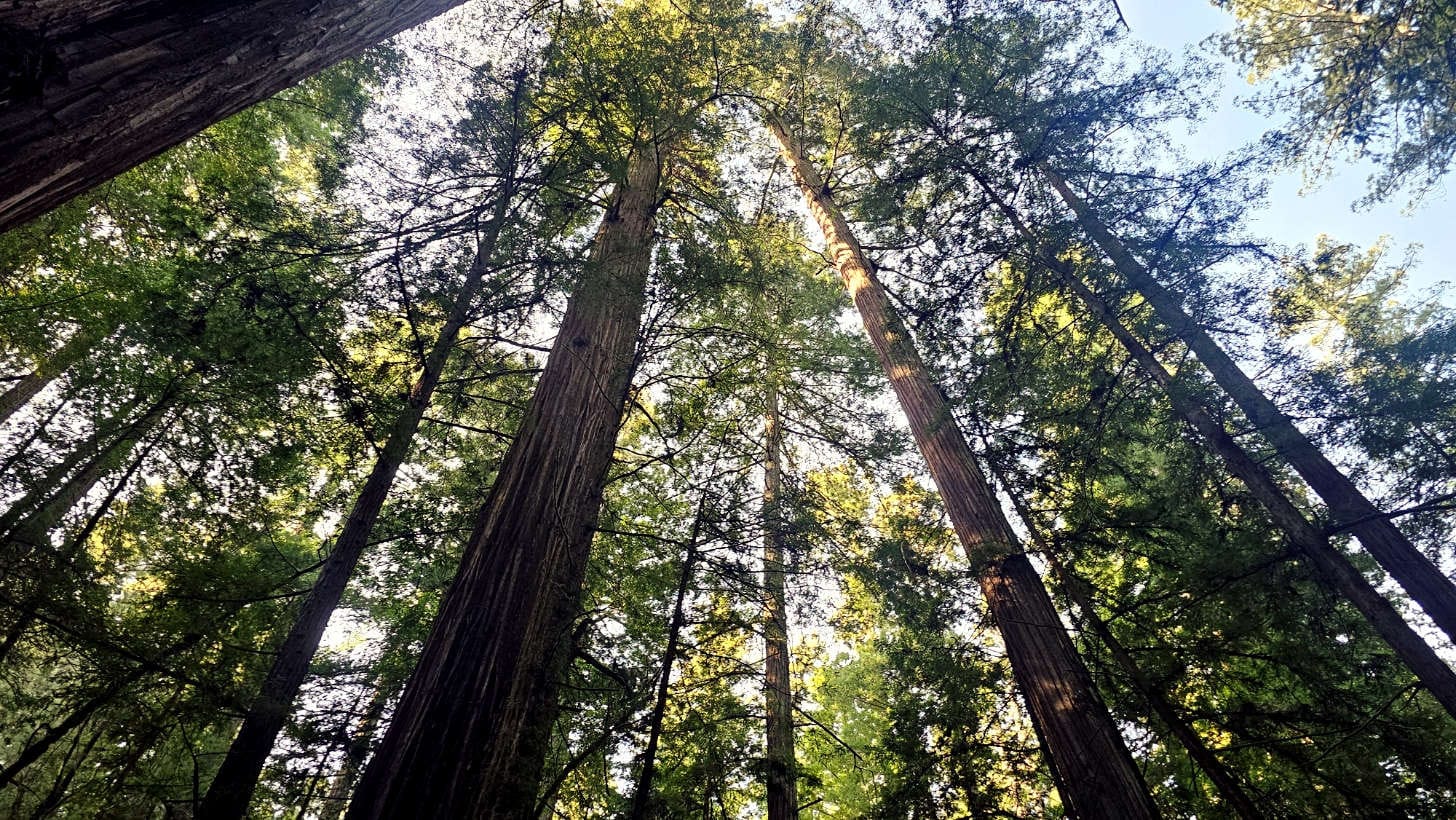
This picture was taken in Armstrong Redwoods State Natural Reserve near Guerneville, California. When Melissa and I stood under Parson Jones on February 2, 2026, we were standing beneath a long lineage that began while Tyrannosaurus still walked the Earth.
~95 Million Years Ago (+/- 5 million)
Tall, fire-resistant, long-lived conifer specialization.
Zuniceratops
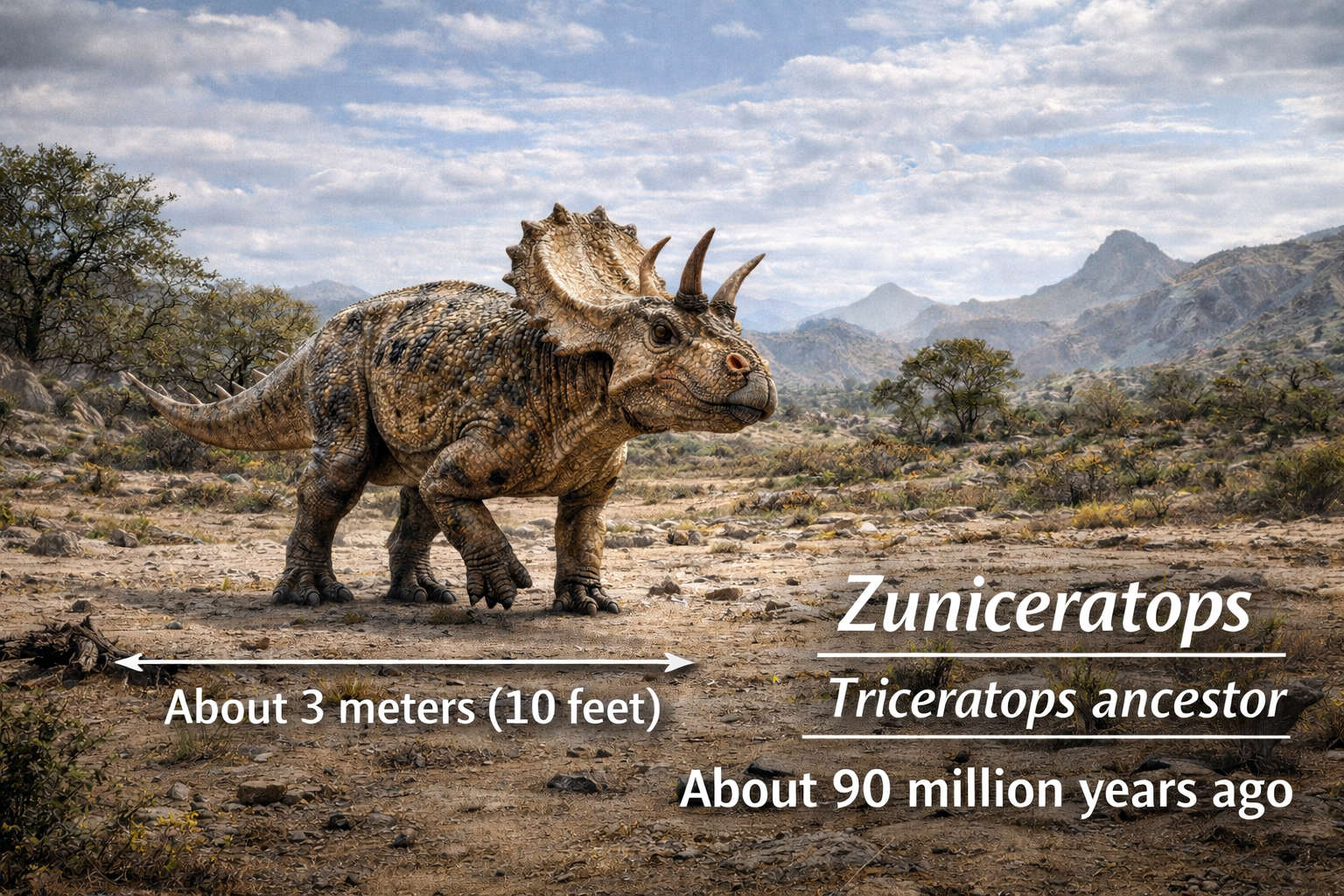
A smaller, earlier horned dinosaur that helps show the transition toward the larger, more elaborate ceratopsids.
Lived from about 90 to 89 million years ago.
Triceratops ancestor
Hesperornithiformes Birds Emerge (Now Extinct)
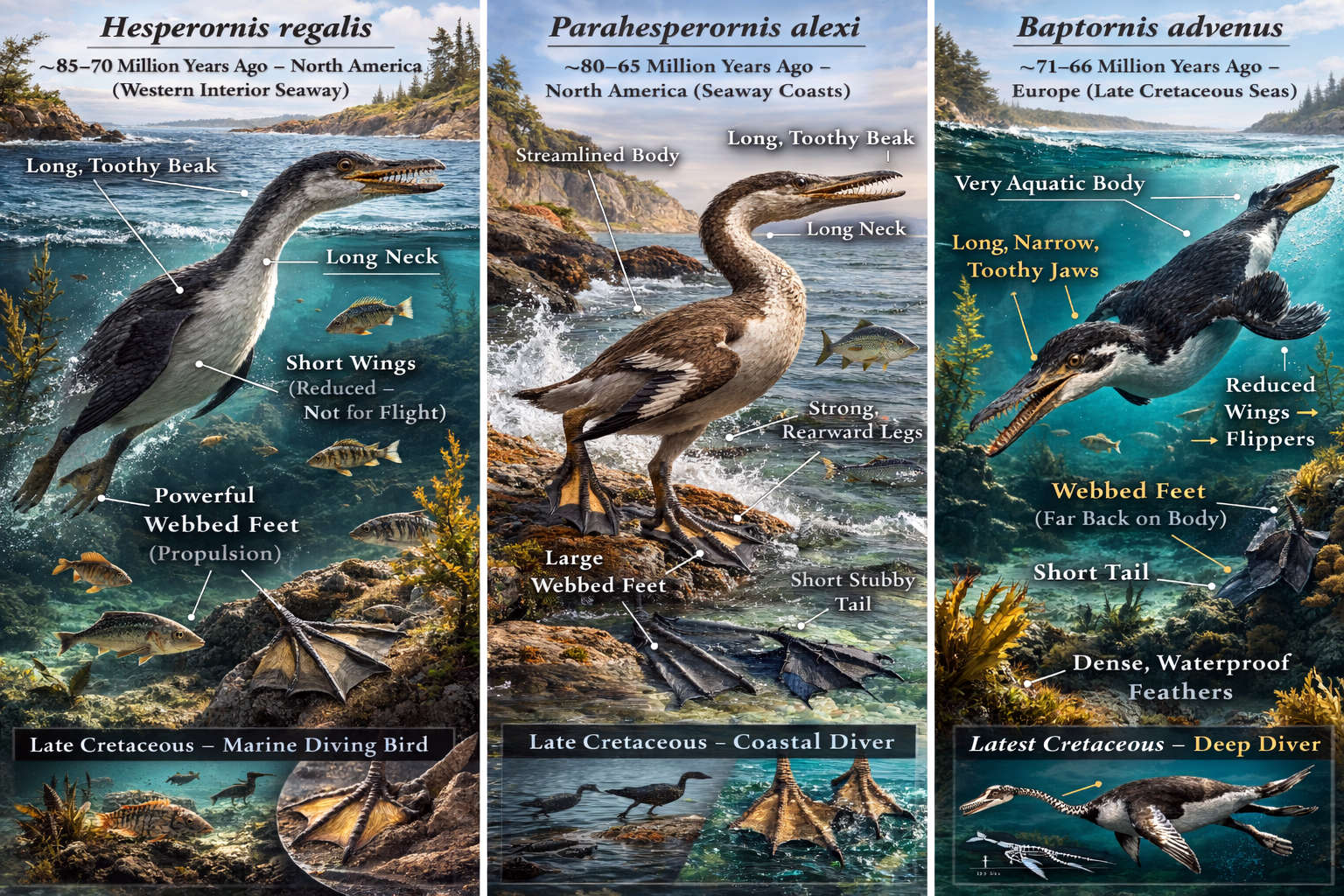
Hesperornithiformes were extinct Cretaceous diving birds that lived outside modern bird crown-group Neornithes. They show that highly specialized aquatic birds had already evolved by about 90 million years ago.
~90 Million years ago.
Neornithes (Crown Birds) emerge
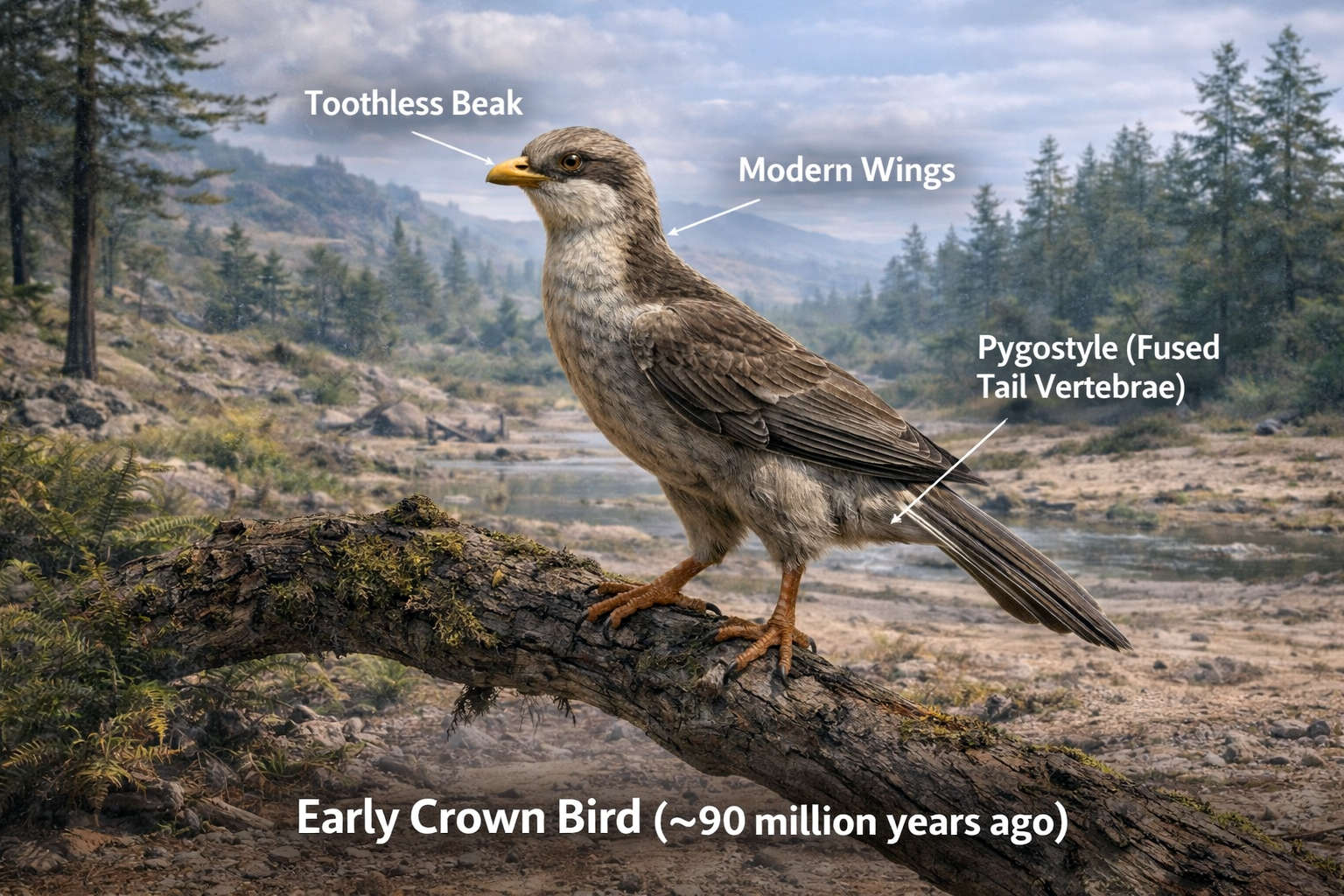
Three branches of modern birds evolved from within neornithes: Struthio camelus (the ostrich), Gallus gallus (chickens), and Passer domesticus (the house sparrow is a good one).
~90 Million years ago (+/- 10 million).
Pteranodons Emerge
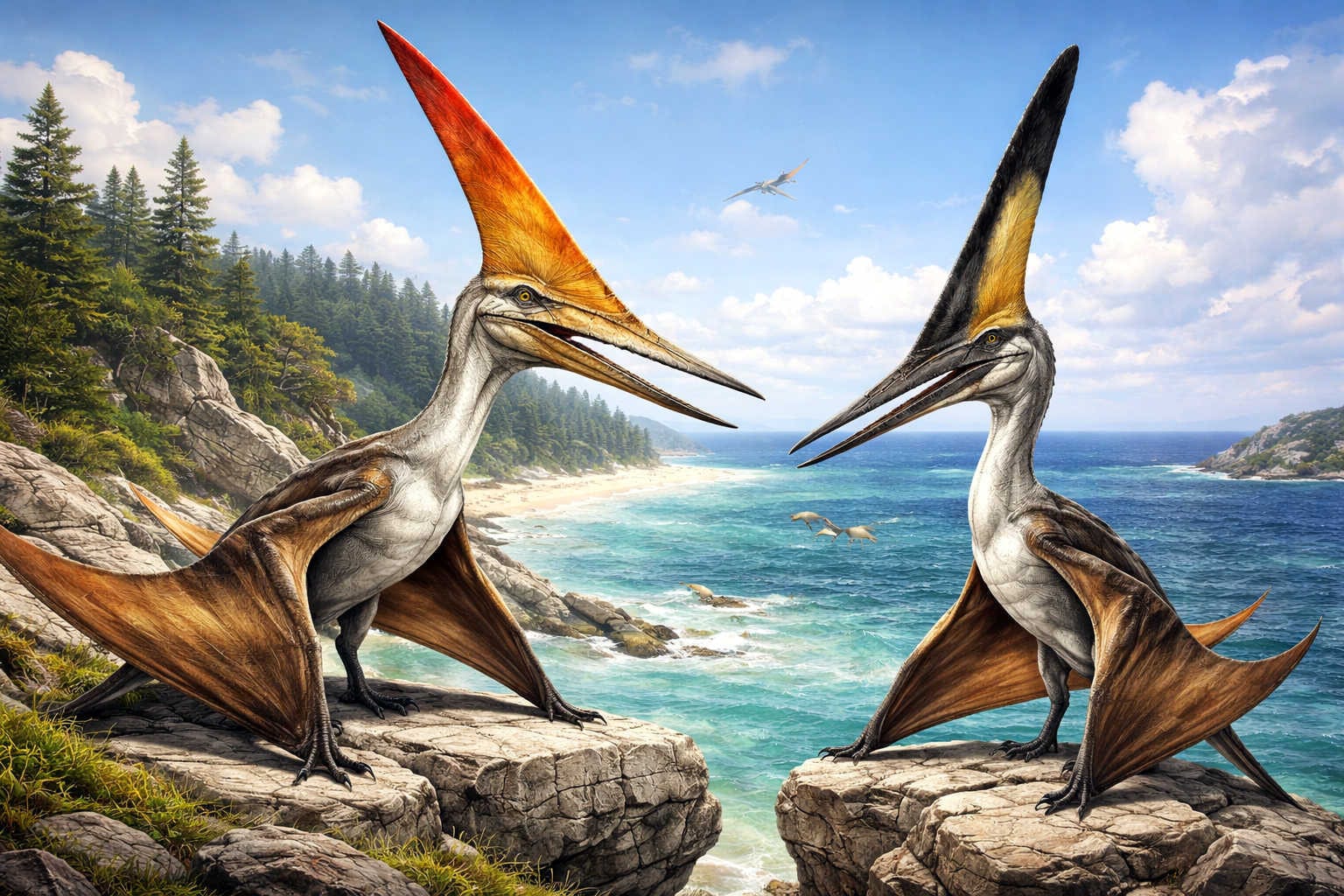
Pteranodon was one of the great soaring pterosaurs of the Late Cretaceous, but it was only one branch in a much larger pterosaur story.
~88 million years ago (+/- 4 million)
Palaeognathae Birds Emerge
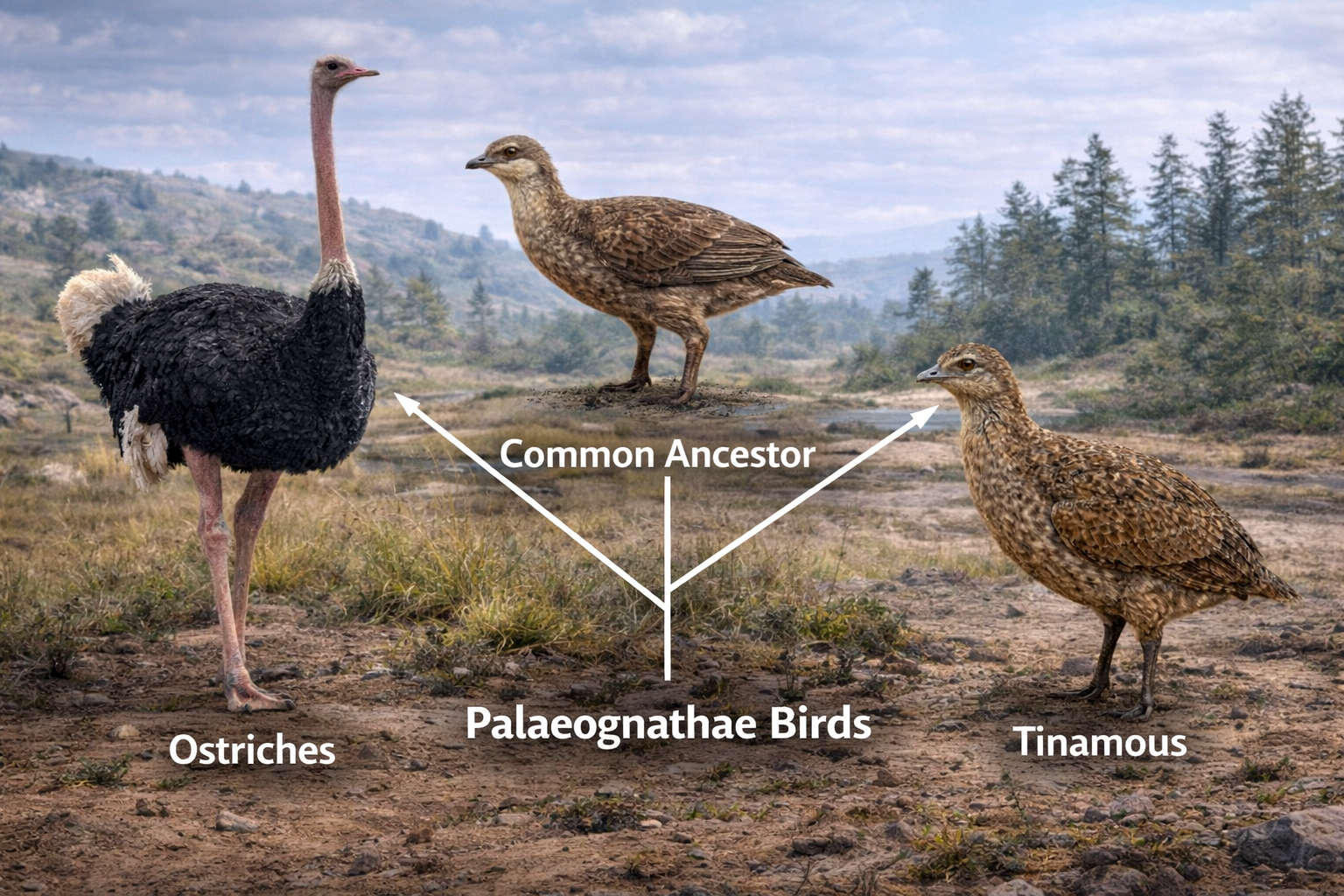
Palaeognathae is the living bird branch that includes ostriches, emus, cassowaries, rheas, kiwis, and tinamous.
~85 Million years ago (+/- 10 million).
Ground birds: ostriches, emus, tinamous, etc.
Higher Play Evolves in Social Mammals

Play evolved as one of the group survival traits. Lower play abilities evolved in mammals like rodents about 190 million years ago. Higer play abilities evolved in mammals like cats about 80 million years ago.
80 Million Years Ago (+/- 10 million years)
Enlarged neocortex
Appendix
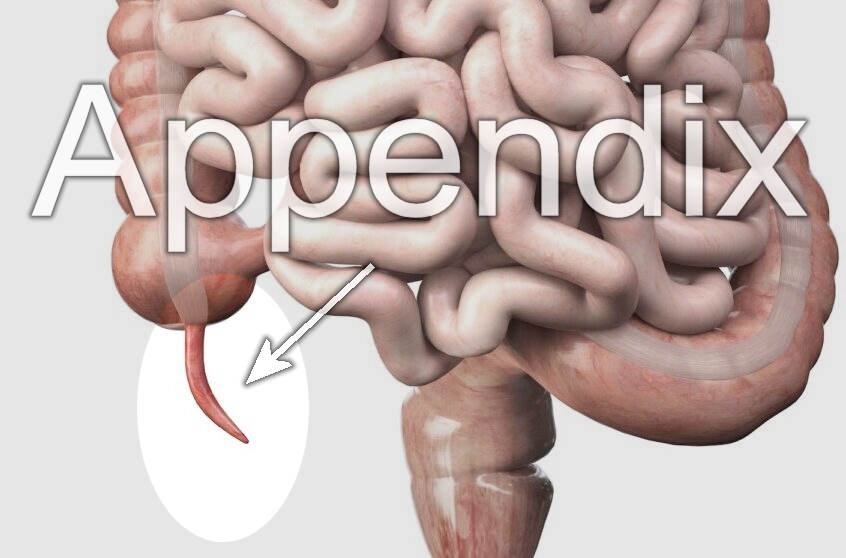
The appendix is an example of a Phenotype Variation -- a trait that varies among individuals. In fact, something like 1 in 100,000 people are born without an appendix.
80 Million BCE
Galloanserae Birds Emerge (from Neognathae)
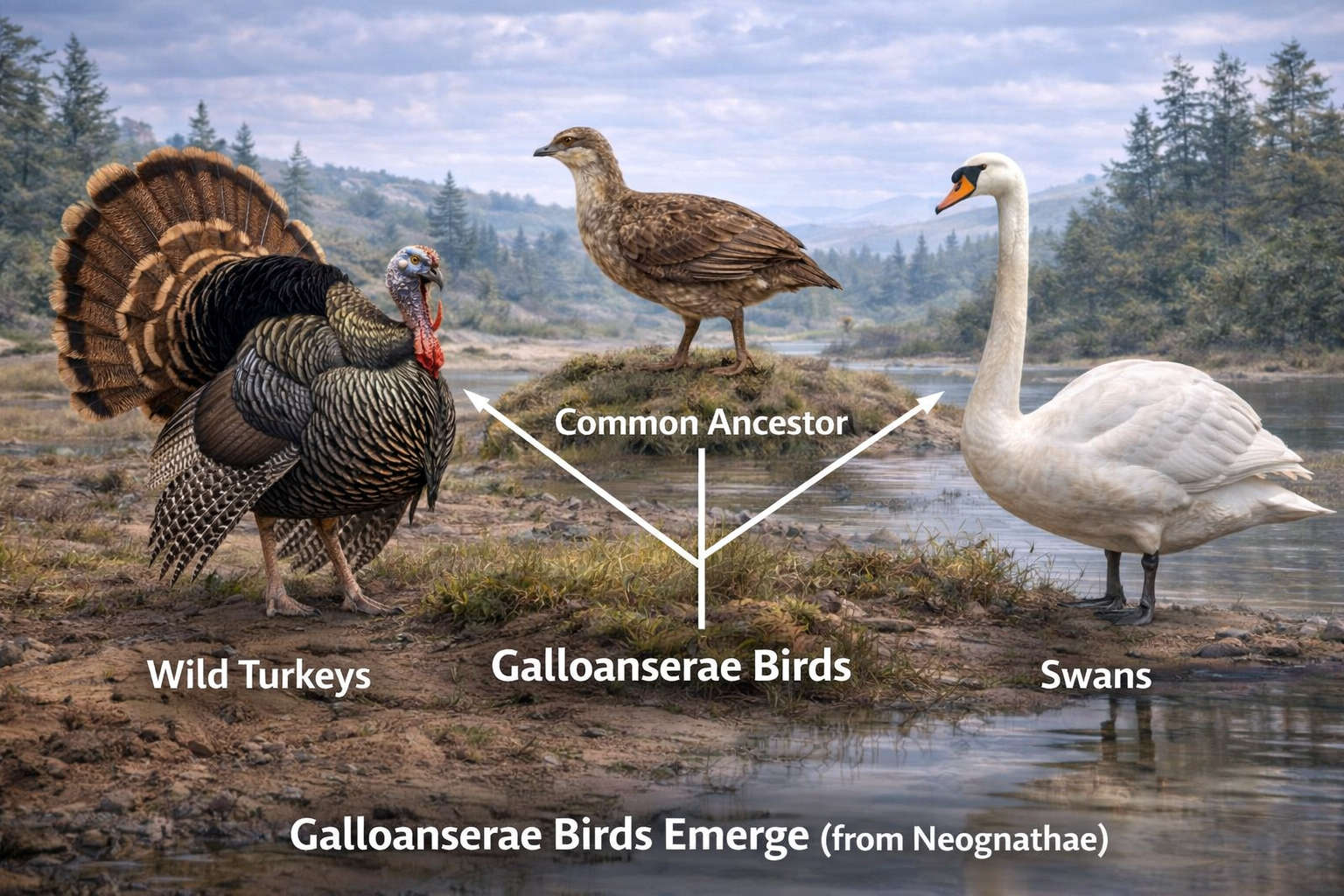
Galloanserae is the living bird branch that includes landfowl and waterfowl: chickens, turkeys, pheasants, ducks, geese, and swans.
~80 Million years ago (+/- 8 million).
Fowl: chickens, turkeys, pheasants, ducks, etc.
Neoaves Birds Emerge (from Neognathae)

Neoaves is the enormous living bird branch that includes all birds that are not part of the ostrich-tinamou branch and not part of the duck-chicken branch.
~78 Million years ago (+/- 4 million).
Led to common birds: crows, sparrows, robins, hawks, owls, hummingbirds, etc.
Styracosaurus
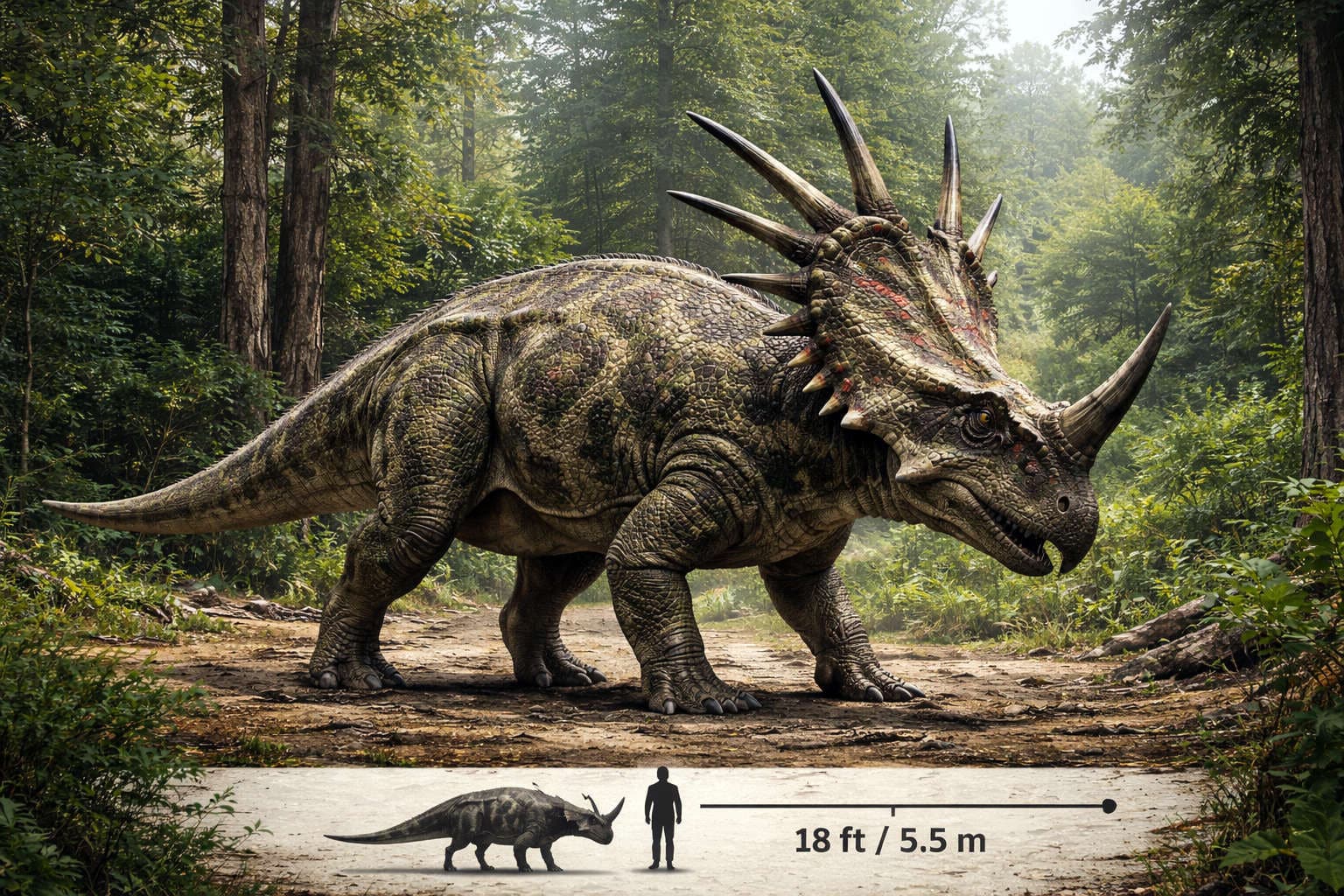
Styracosaurus was a striking horned ancient cousin of Triceratops, showing that ceratopsids branched into different styles long before the dinosaurs came to an end.
Lived ~76 to 75 million years ago.
Tyrannosaurus Rex
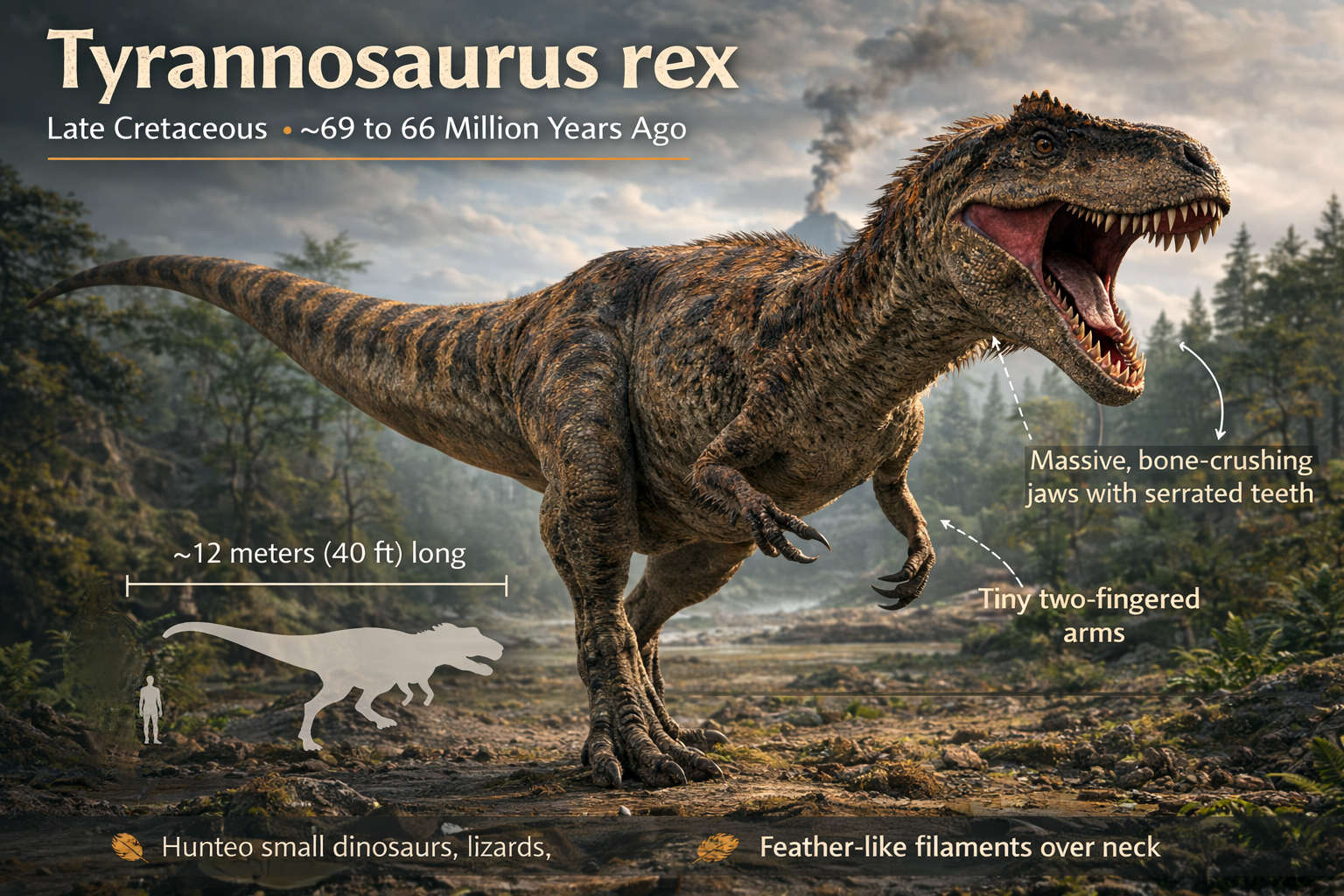
T. rex lived in western North America about 69 to 66 million years ago. All dinosaurs, except potentially three lines of bires, went extinct 66 million years ago, when the Chicxulub asteroid hit.
Lived from ~69 to 66.04 million years ago.
Triceratops
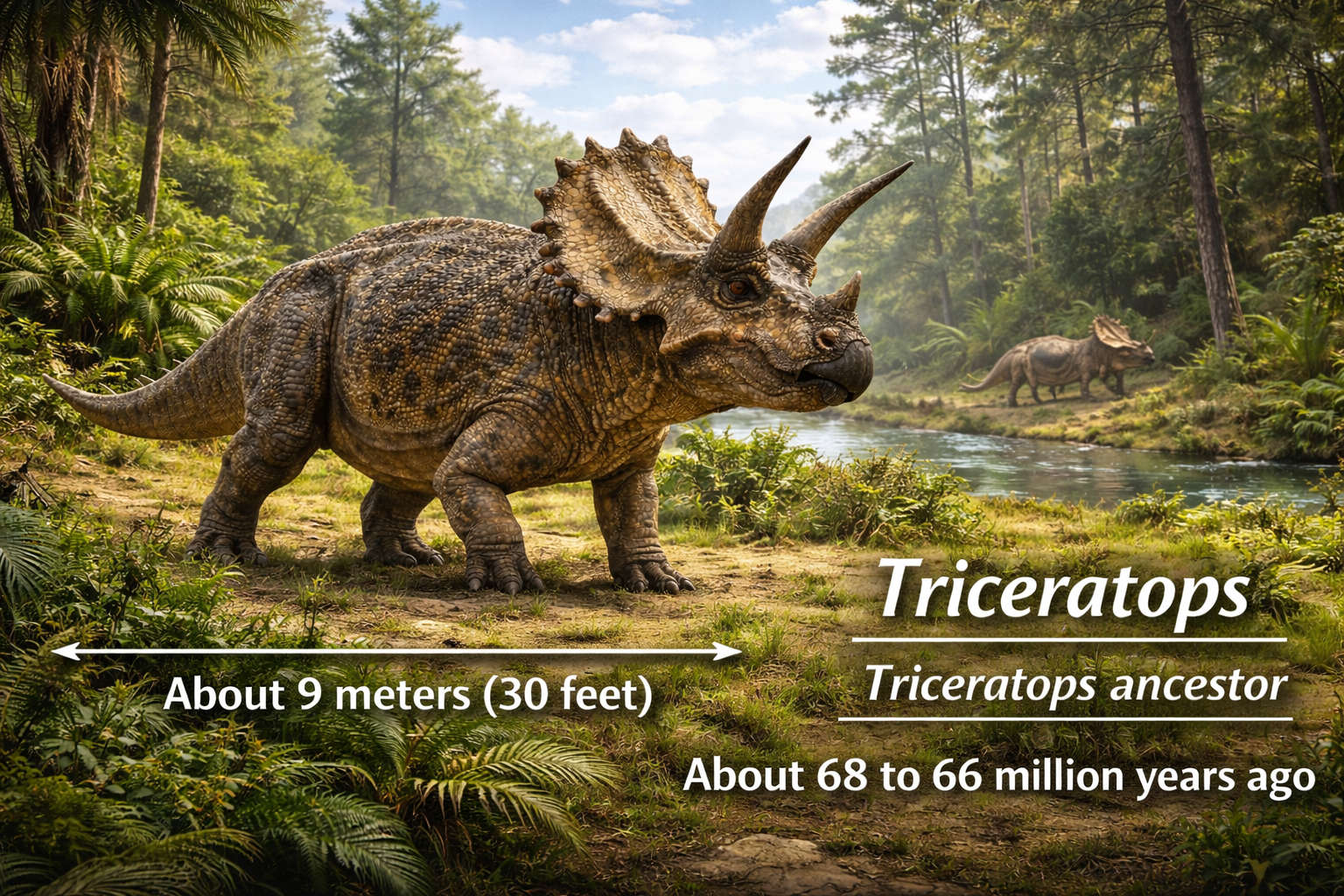
Three facial horns, broad frill, and powerful four-legged body. It was one of the last great non-avian dinosaurs and is the classic fully developed ceratopsid most people picture when they think of horned dinosaurs. Lived from about 68 to 66 million years ago.
Lived from ~68 to 66.04 million years ago.
The Last Theropods
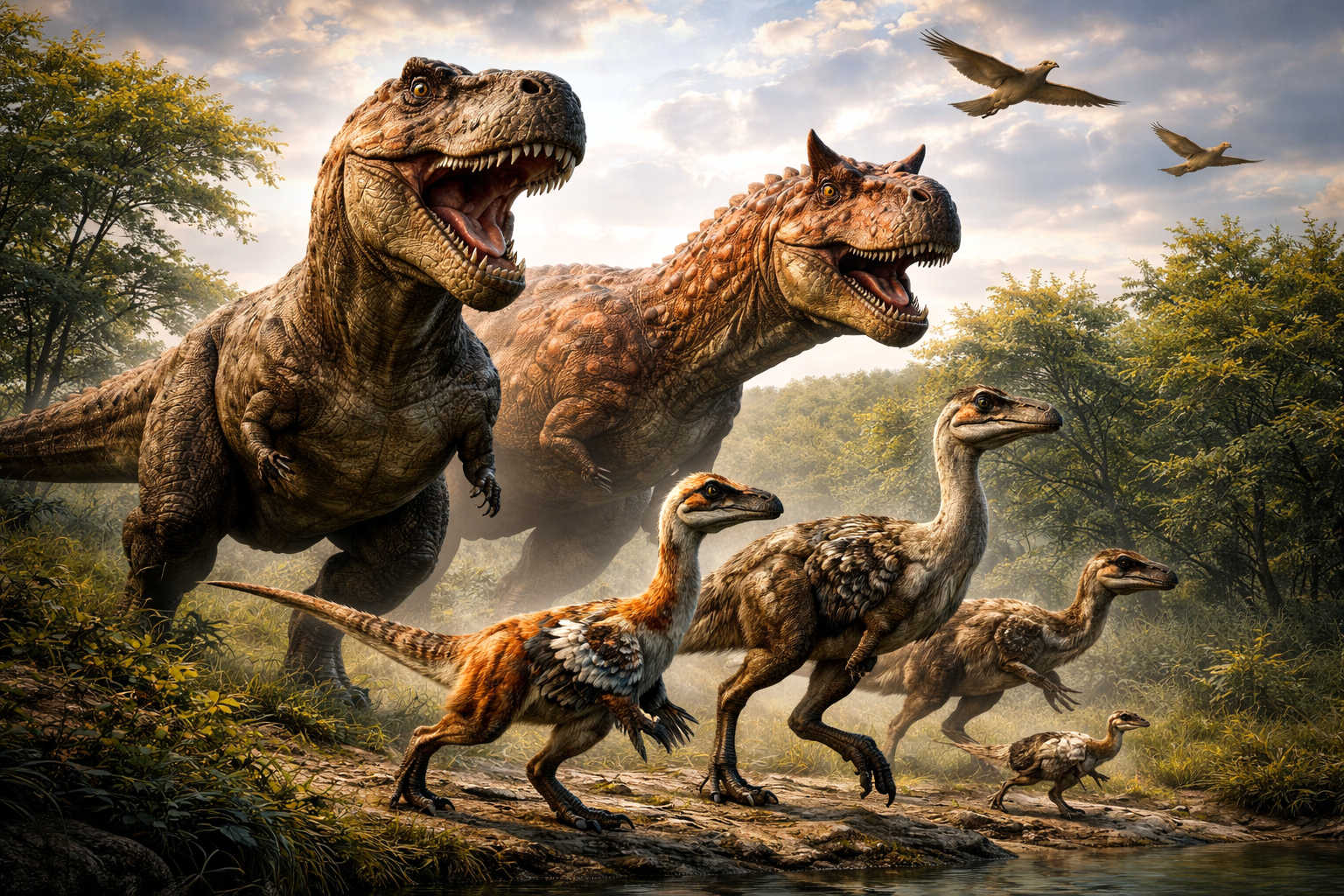
The last theropods still ranged from giant apex predators to smaller runners and hunters, while birds overhead carried the theropod branch beyond the extinction event.
66.04 Million years ago (K–Pg extinction)
Toothed Birds Go Extinct
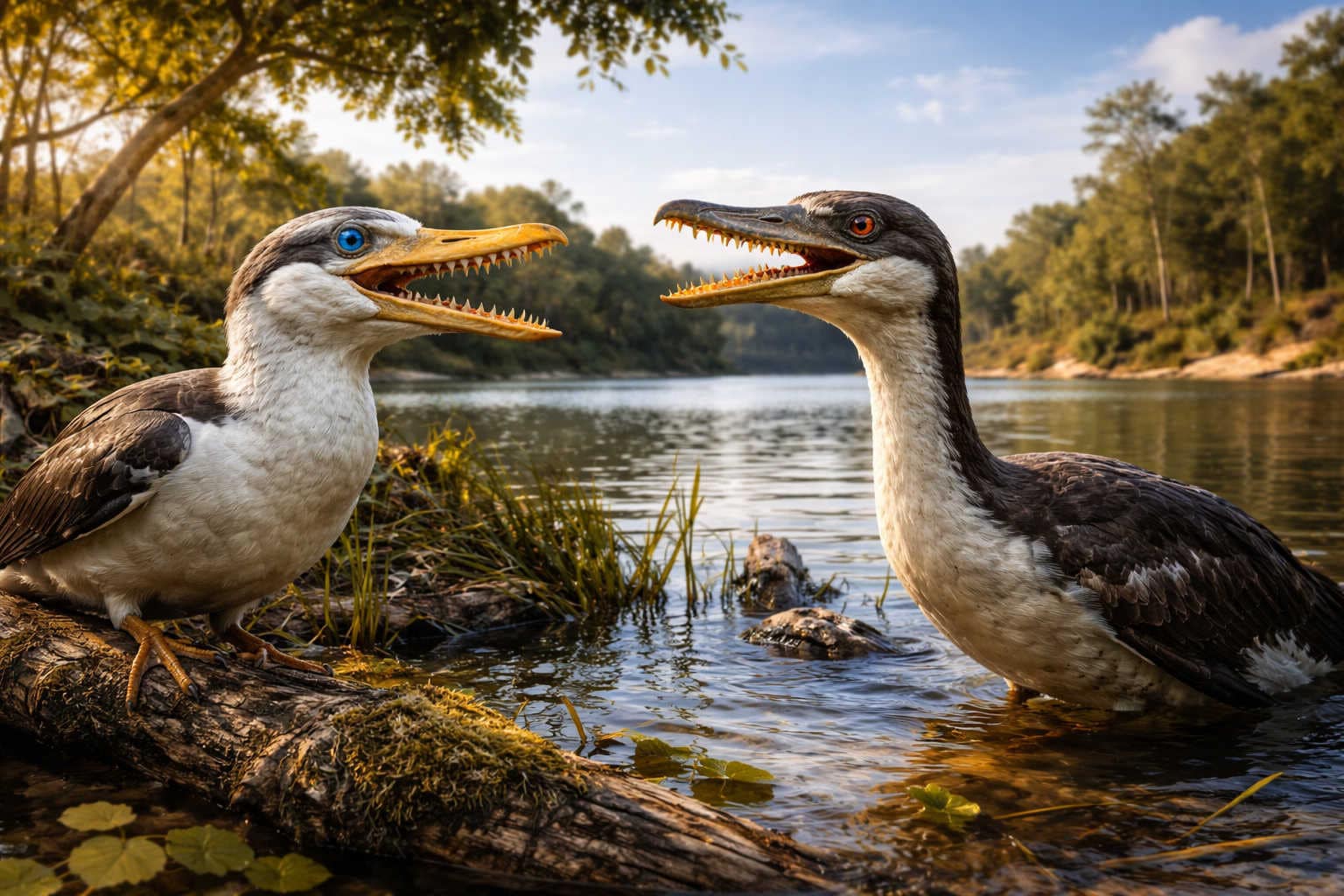
At the K–Pg boundary, birds were already diverse, but most of that Late Cretaceous variety died out, leaving only a small toothless slice of the bird world to continue.
66.04 Million years ago (K–Pg extinction)
The Last Pterosaurs
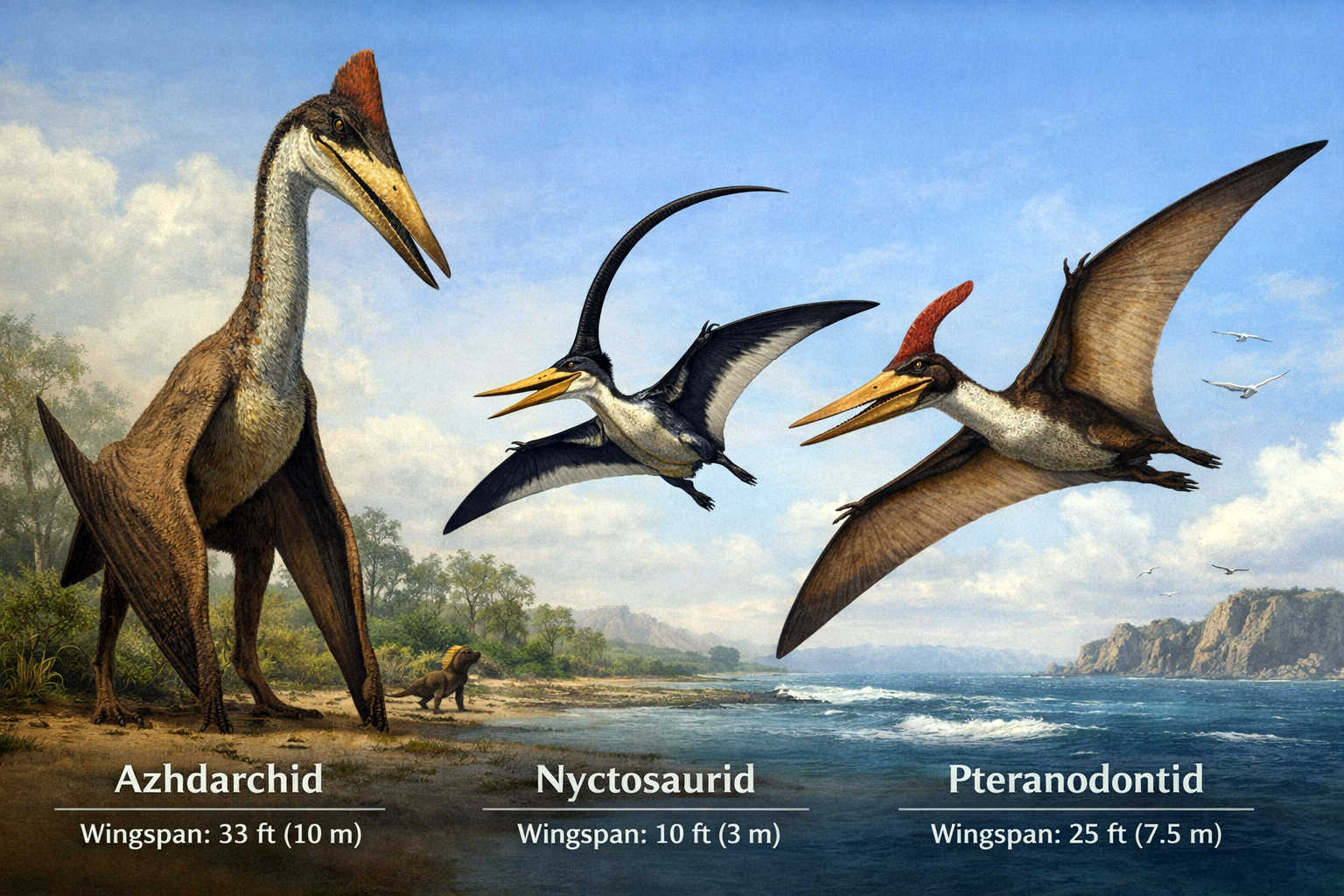
By the end of the Cretaceous, the surviving pterosaurs were mostly advanced, toothless pterodactyloids.
66.04 Million years ago (K–Pg extinction)
The Last Ornithischians
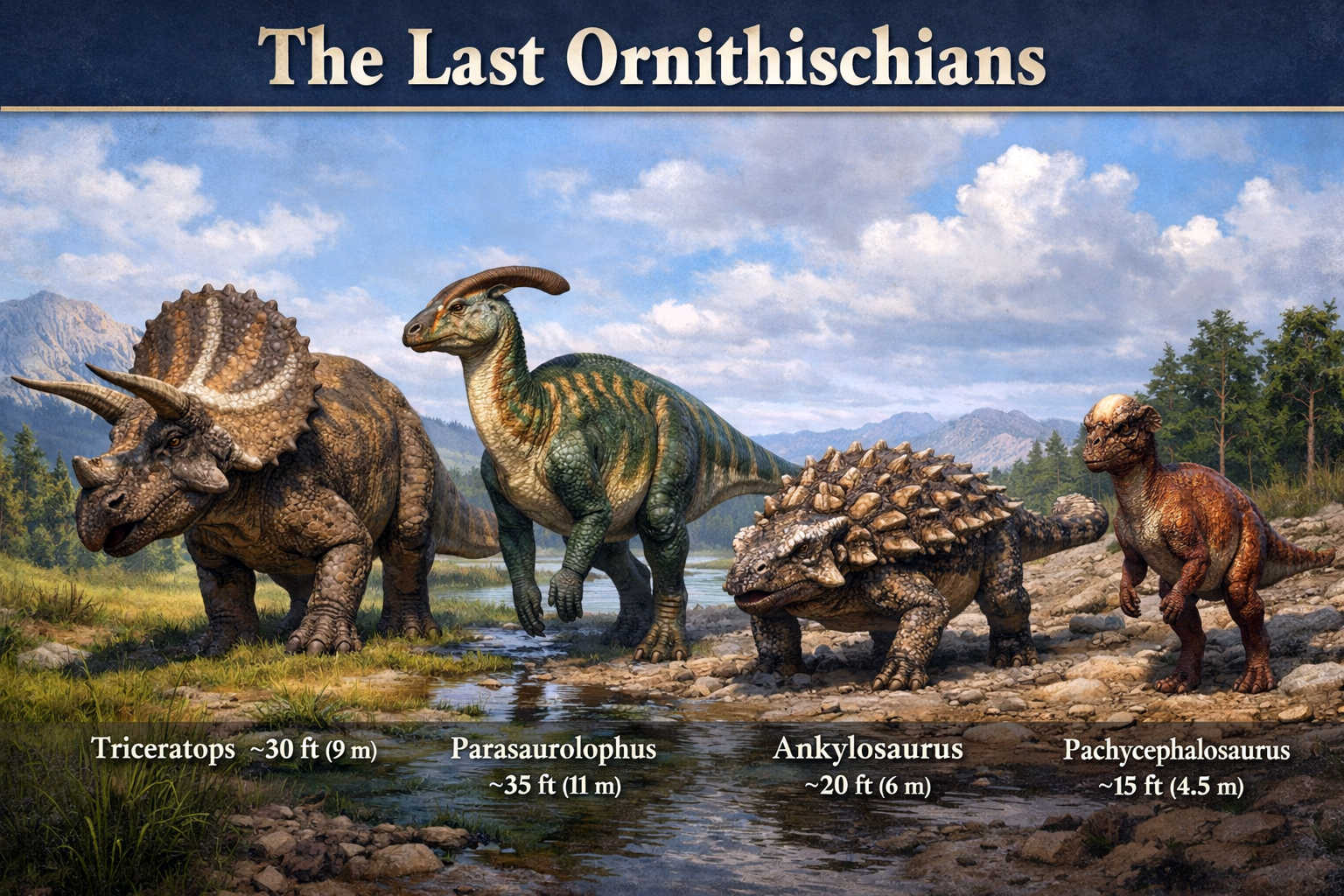
The last ornithischians still displayed four striking body plans at the end of the Cretaceous: horned ceratopsians, duck-billed hadrosaurs, armored ankylosaurs, and dome-headed pachycephalosaurs.
66.04 Million years ago (K–Pg extinction)
The Last Sauropods
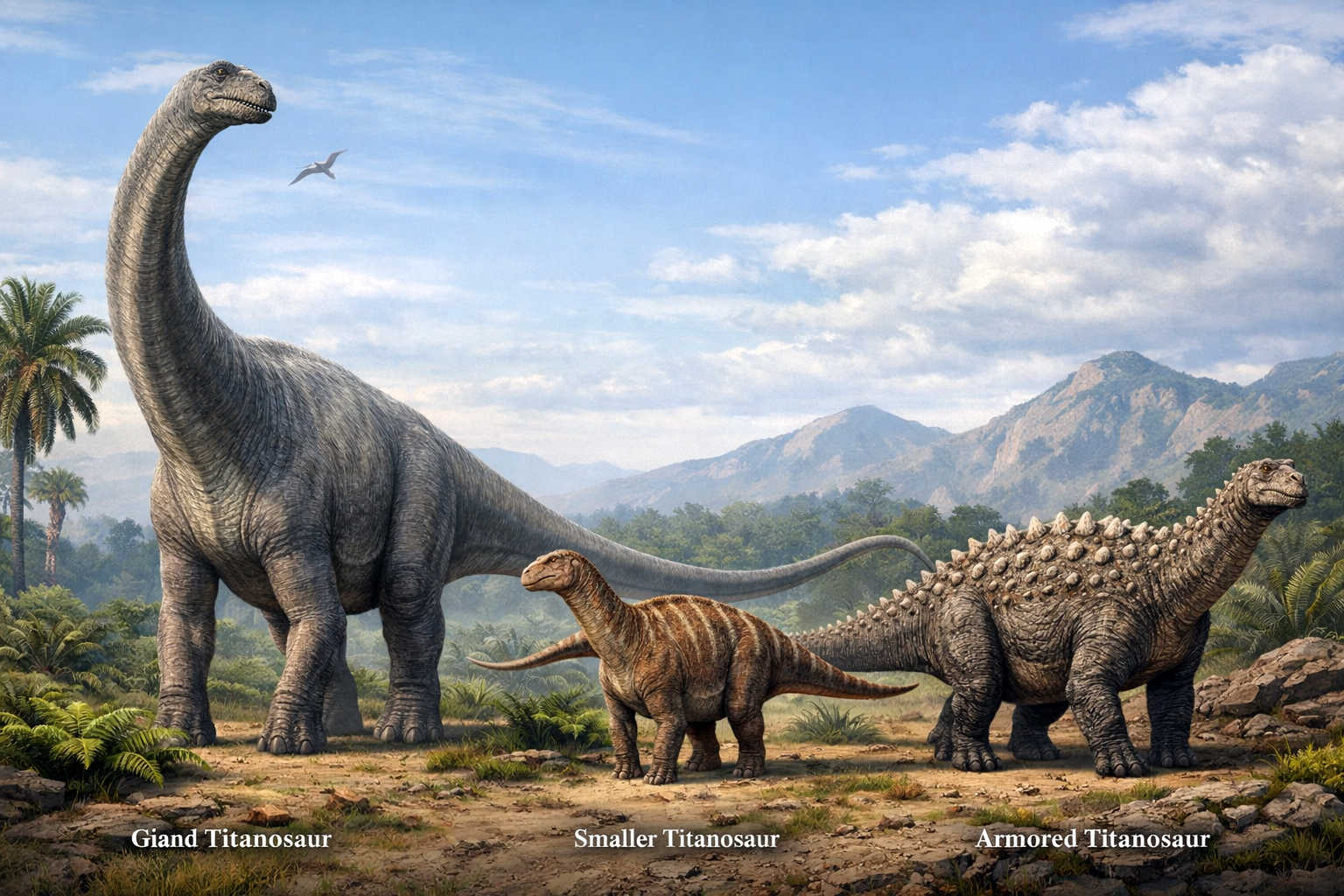
By the end, sauropods had narrowed to one last great branch—titanosaurs—but that branch still held real variety.
66.04 Million years ago (K–Pg extinction)
The K-Pg Extinction
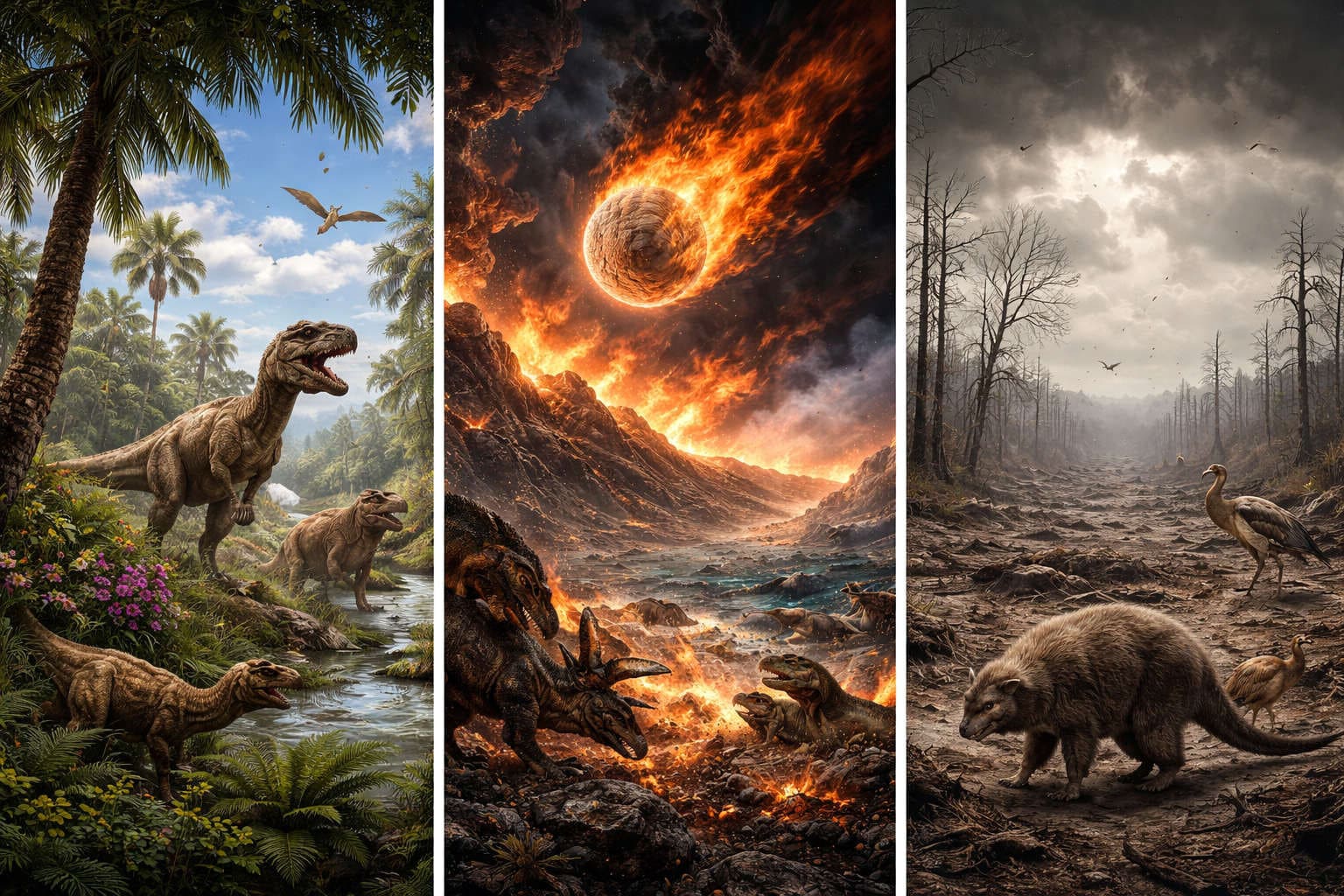
The K–Pg extinction was a sudden global catastrophe that ended the long dominance of non-avian dinosaurs and opened the way for mammals and modern birds to expand into a transformed world.
66.04 million years ago (+/- 900 years).
Cause: Massive Meteor
Cenozoic Era: Age of Mammals & Birds
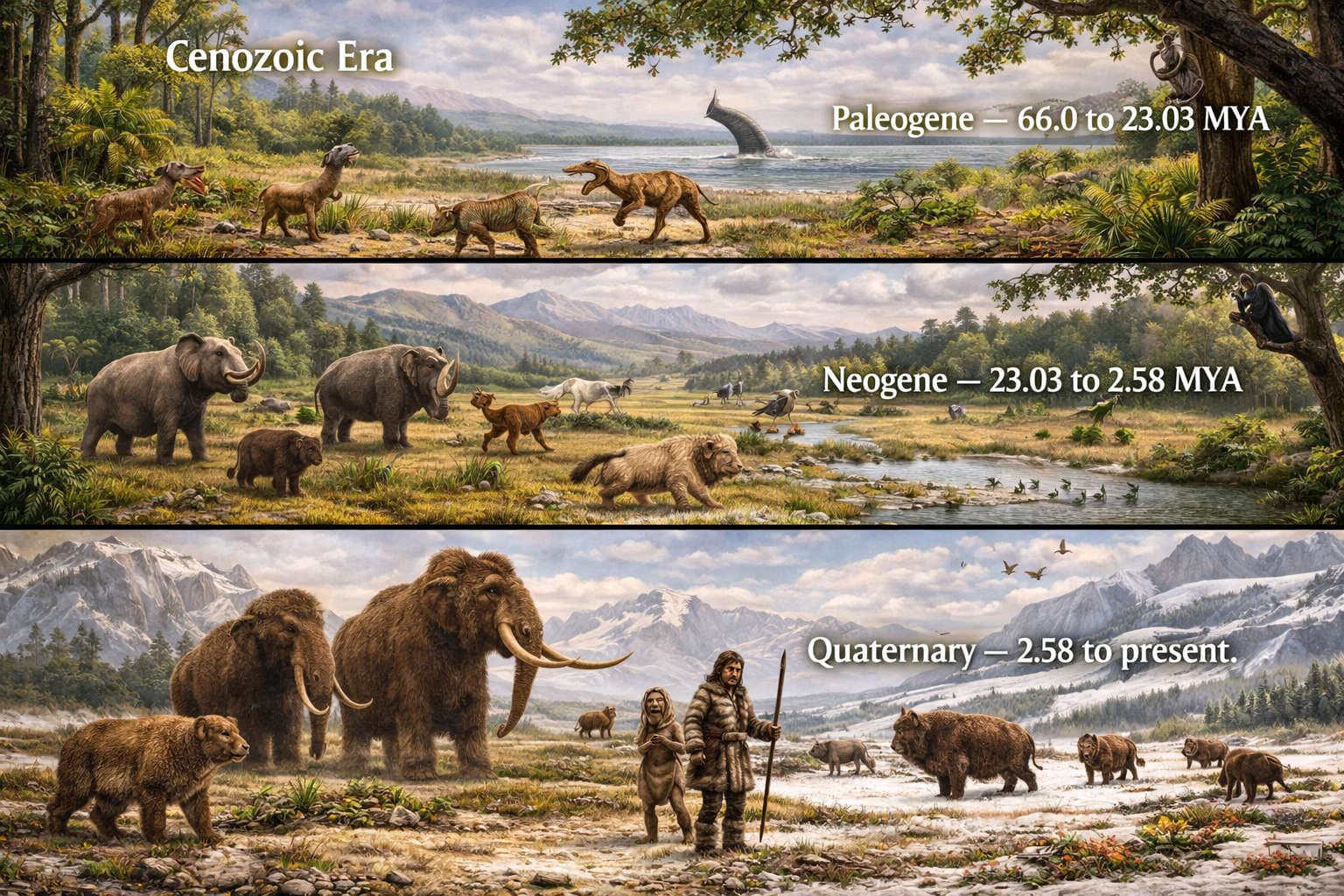
The Cenozoic era starts with the K–Pg extinction 66 million years ago. That event marks the sudden end of the reign of dinosaurs and the rise of mammals and birds.
66.04 million years ago to the present.
66 Million years: From extinction to society.
Purgatorius — Earliest known proto-primate.
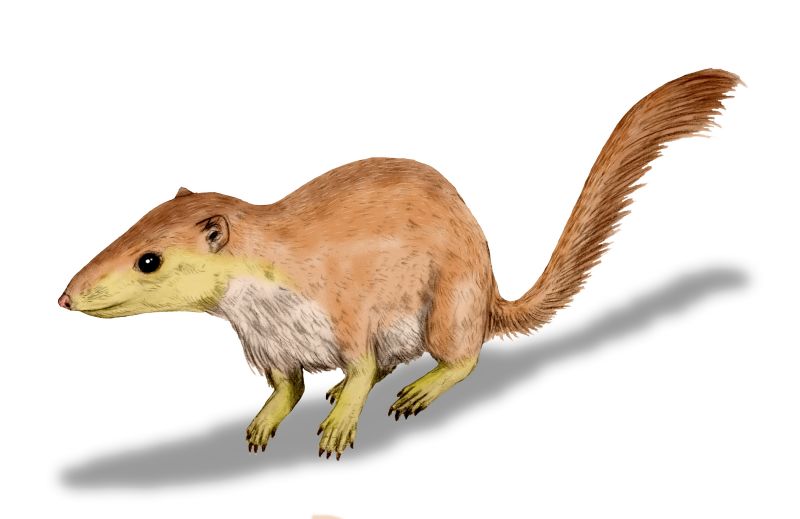
Purgatorius unio, from the Late Paleocene of North America, believed to be the earliest primate, pencil drawing, digital coloring. © N. Tamura (CC BY-SA)
66 Million BCE
Grasping hand and flexible ankles
Last Non-Mammal Mammaliaforms
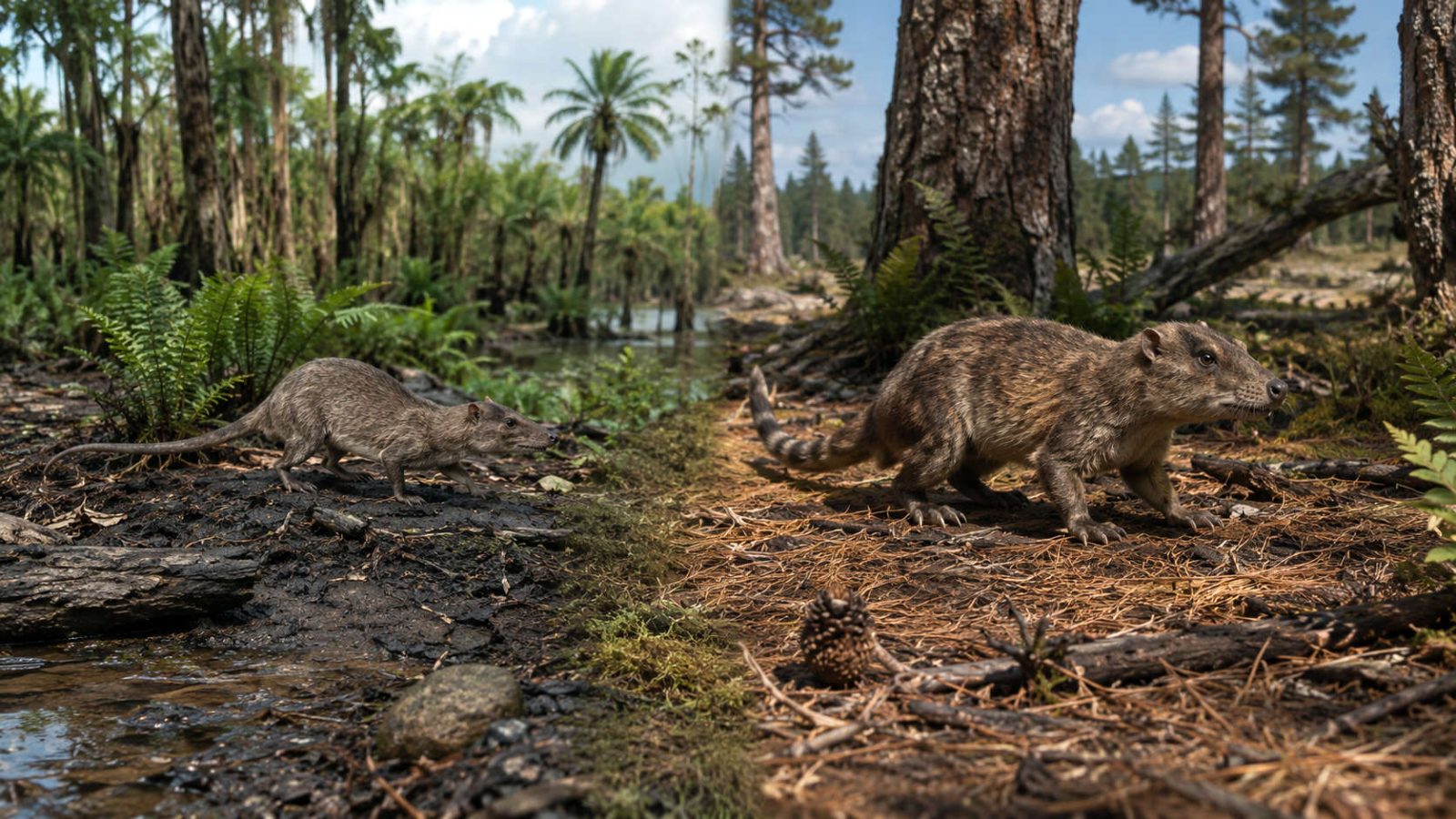
Late mammaliaforms such as Avashishta bacharamensis and Cifelliodon show how crowded and complicated the mammal-side branch became. They were near-mammals, but not true mammals in the crown sense. Some were still surviving deep into the dinosaur age, carrying older mammaliaform experiments alongside the branches that eventually led to mammals alive today.
~66 Million years ago (tentative placeholder date)
Opposable Thumb Emerges

Around 60 million years ago, the early ancestors of primates began to develop a crucial adaptation: the opposable thumb. This evolutionary milestone marked the beginning of increased dexterity.
60 Million Years Ago
Plesiadapis: First fruit-insect eaters.
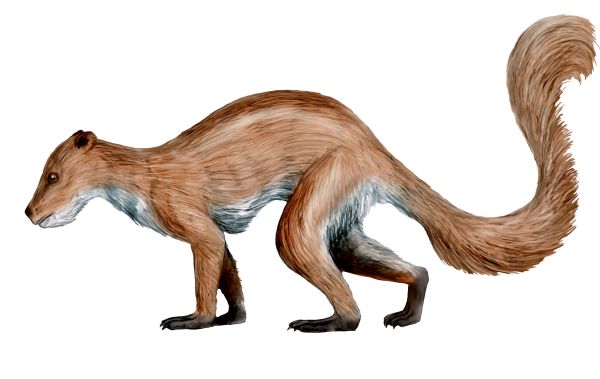
Plesiadapis, a proto-primate, is an example of a fruit-insect eater likely similar to our direct-line ancestors around this time.
56 Million BCE (+/- 2 million)
Enhanced color perception, Diet-driven brain growth
Opening of the North Atlantic Ocean
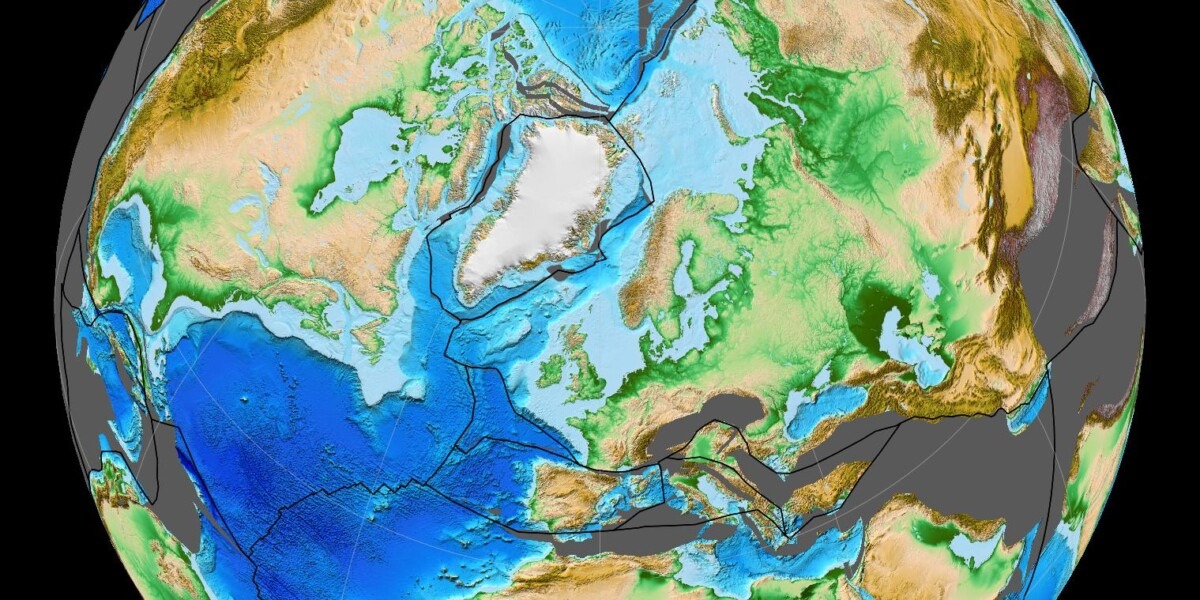
56 Million BCE
Early Self-Awareness: Miacis
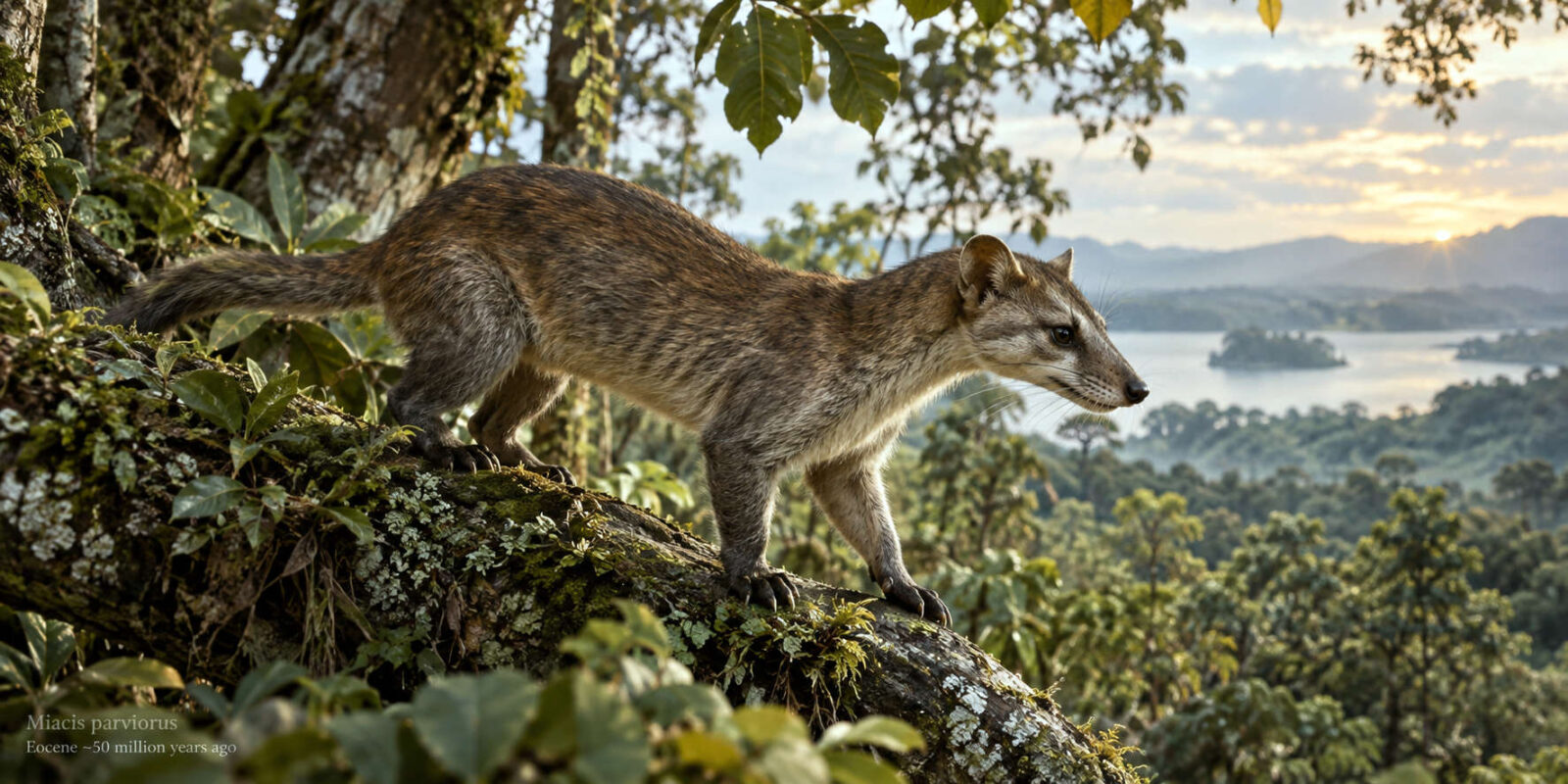
Emerging in the lush forests of the Eocene, Miacis signifies an experimental moment in the evolution of cognitive abilities among mammals. As a basal member of the Carnivora, this small, tree-dwelling creature exhibited behaviors and social dynamics suggesting the early stages of self-awareness.
50 Million Years Ago
Territory memory, where things are, hippocampus development
Ape Thumb Evolves
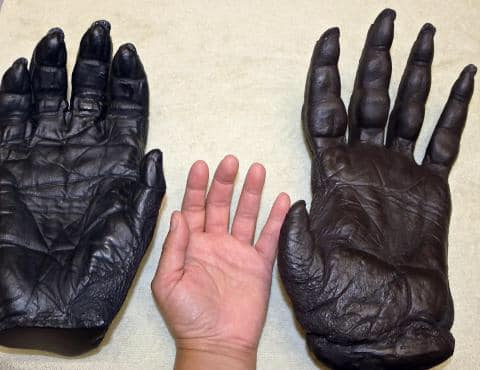
Gorilla on right, human, then orangutan. Orangutan-like hands evolved about 30 mya, gorilla-like hands evolved about 12 mya, and human-like hands evolved about 3 mya.
32 Million Years Ago (+/- 2 million)
Early Intelligence Emerges: Aegyptopithecus zeuxis
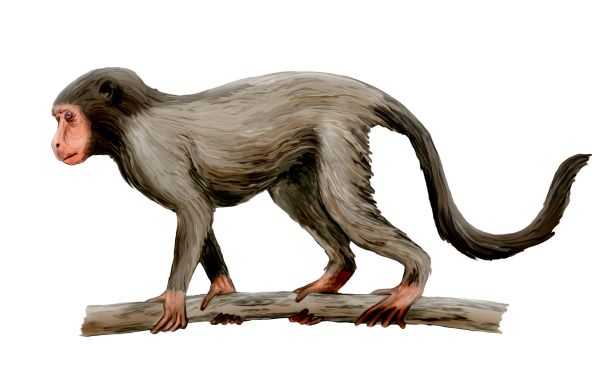
True Primate: Within mammals, only primates have binocular vision, grasping hands, and flat nails--instead of claws.
30 Million BCE
Complex Brains; Long-Term Memory; Complex Sentience; Semi Self-awareness settles in.
Baboons Branch Off: Old World Monkeys

Our last tails! The last common ancestor with humans and old-world monkeys lived around 29 million years ago.
27 Million Years Ago (+/- 2 million)
Large neocortex, Coalition politics emerge
Genus Proconsul (Self-Awareness Settles)
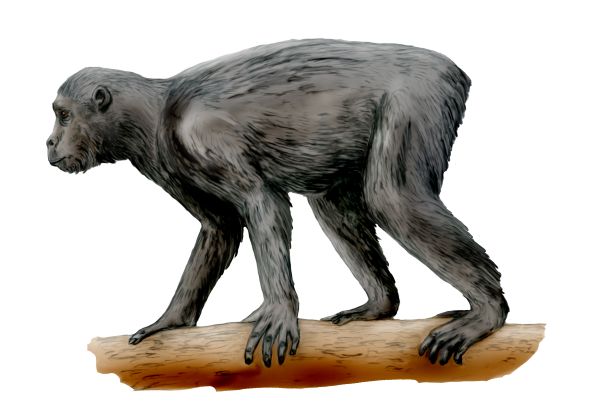
Great Apes LCA candidate: Proconsul, an inhabitant of the Miocene forests in East Africa, stands as a landmark in the evolutionary journey toward self-awareness.
20 Million Year Ago (+/- 2 Million Years)
Complex Brains; Long-Term Memory; Complex Sentience; Maybe Self-aware; Likely Simple EI.
Gibbons Branch Off: Genus Hylobates

Today, there are about 20 species of gibbons which belong to the family Hylobatidae, which is further divided into four genera: Hylobates (the largest group, including the white-handed gibbon), Hoolock (hoolock gibbons), Nomascus (crested gibbons), and Symphalangus (the siamang).
17 Million Years Ago, ± 1 million
Long-distance pair bonding, Fine motor control
Animal Vocabulary: Thousands of Words (The Great Apes)

Rudapithecus hungaricus in their natural environment from about 11 million years ago. These early great apes likely lived in a lush forest setting and had a vocabulary, or signaling, range into the thousands of words, well, gestures, grunts, and screams in various contexts.
circa 15 Million Years Ago
Inferior frontal gyrus homologues, Mirror neuron systems
Orangutans Branch Off: Genus Sivapithecus
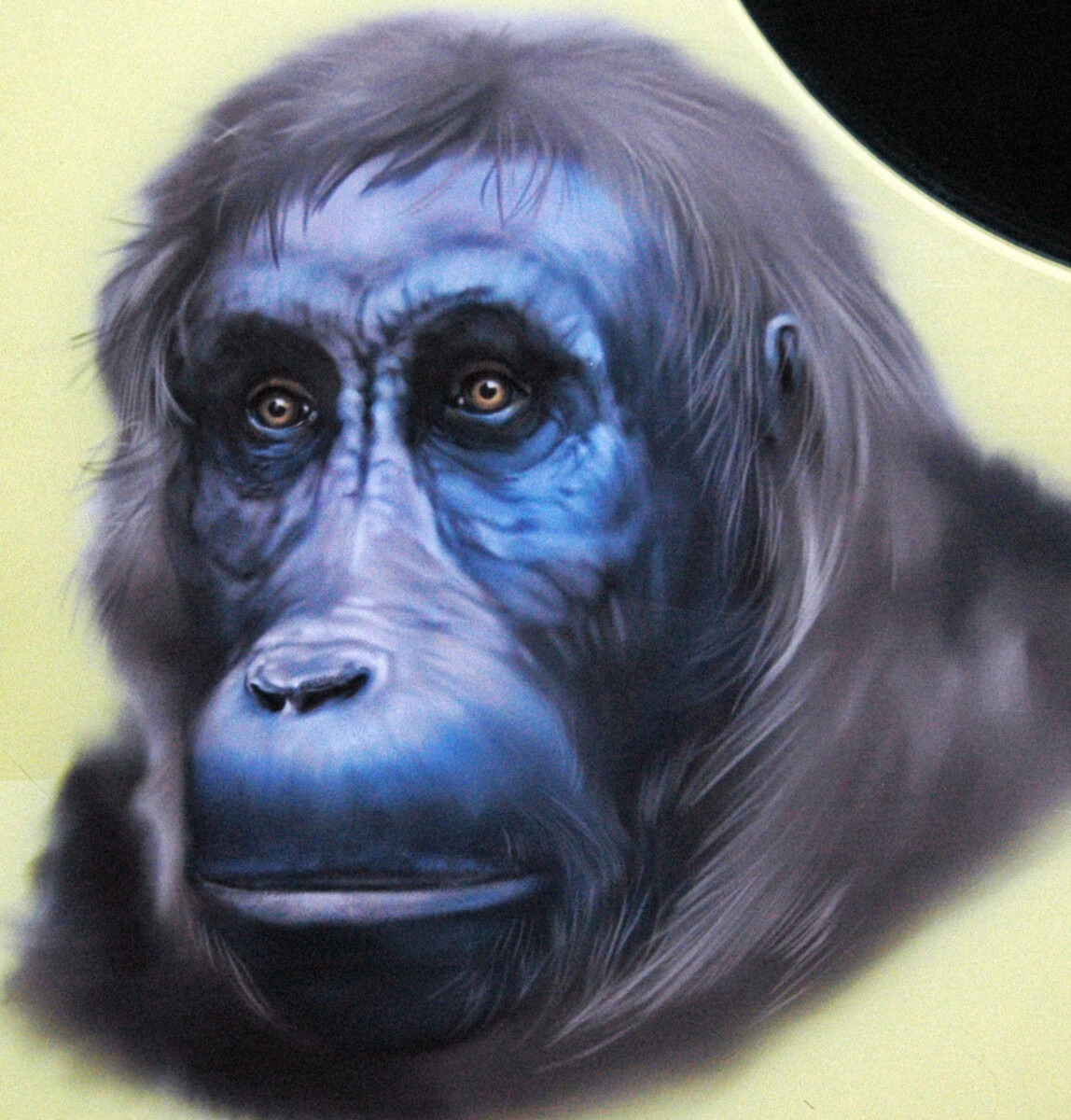
Orangutan ancestor: After the Great Apes LCA, orangutans evolved in Asia. The genus Sivapithecus represents early orangutans. An extinct species of the great apes, they lived in the Indian subcontinent from around 12 to about 8 million years ago.
Emerged 12.5 to 12 mya, extinct 8.5 to 7 mya.
Complex Brains; Long-Term Memory; Complex Sentience; Self-aware; Complex EI.
Gorillas Branch Off: Genus Nakalipithecus
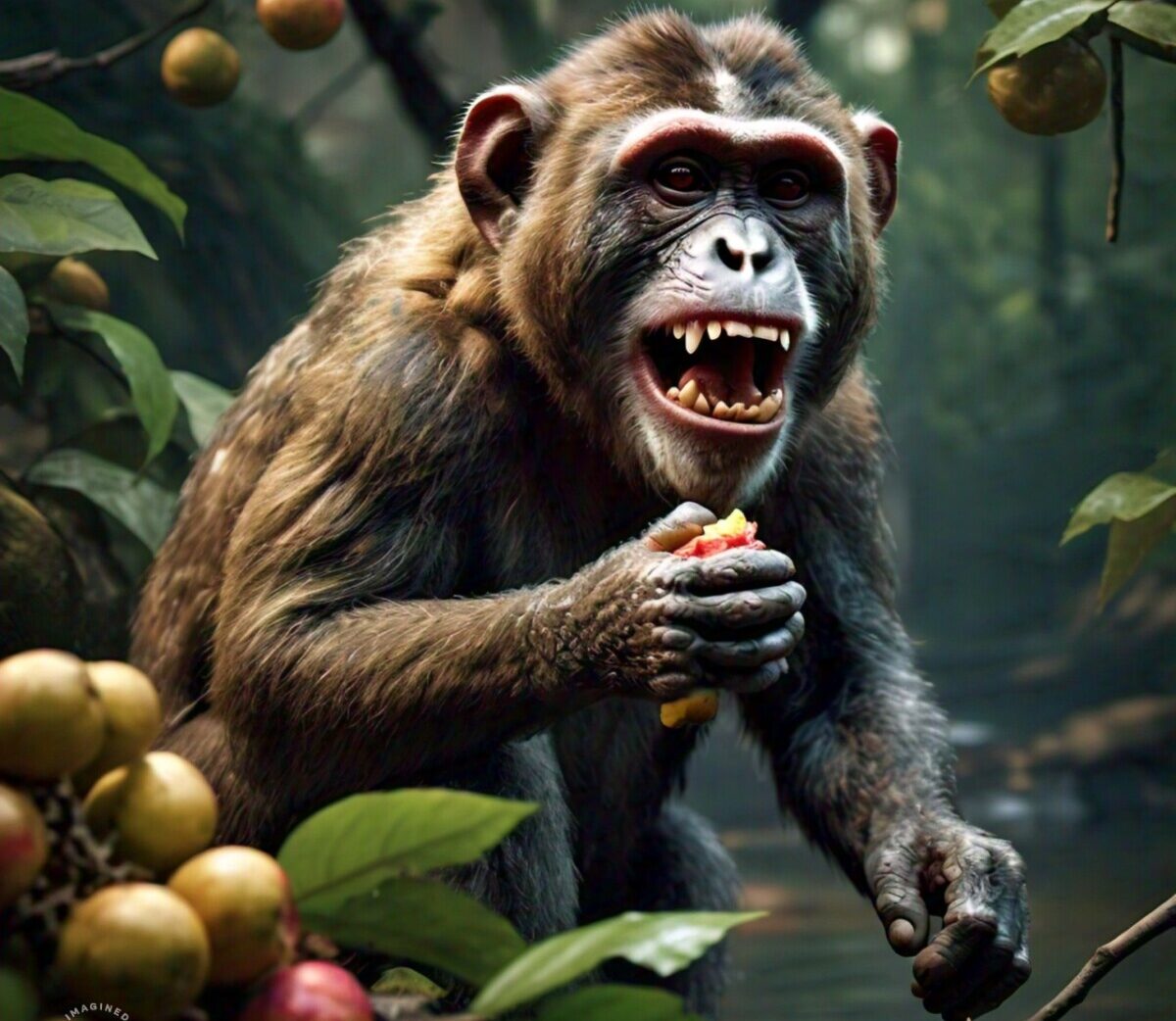
Last Gorilla-Chimp-Human ancestor: The last common ancestor of gorillas, chimpanzees, and humans likely lived about 8 to 10 million years ago.
Emerged 10 mya, extinct 9.8 to 9 mya.
Ancestral Hominids (us, pre-split)
Emergence of the Chimpanzee Family
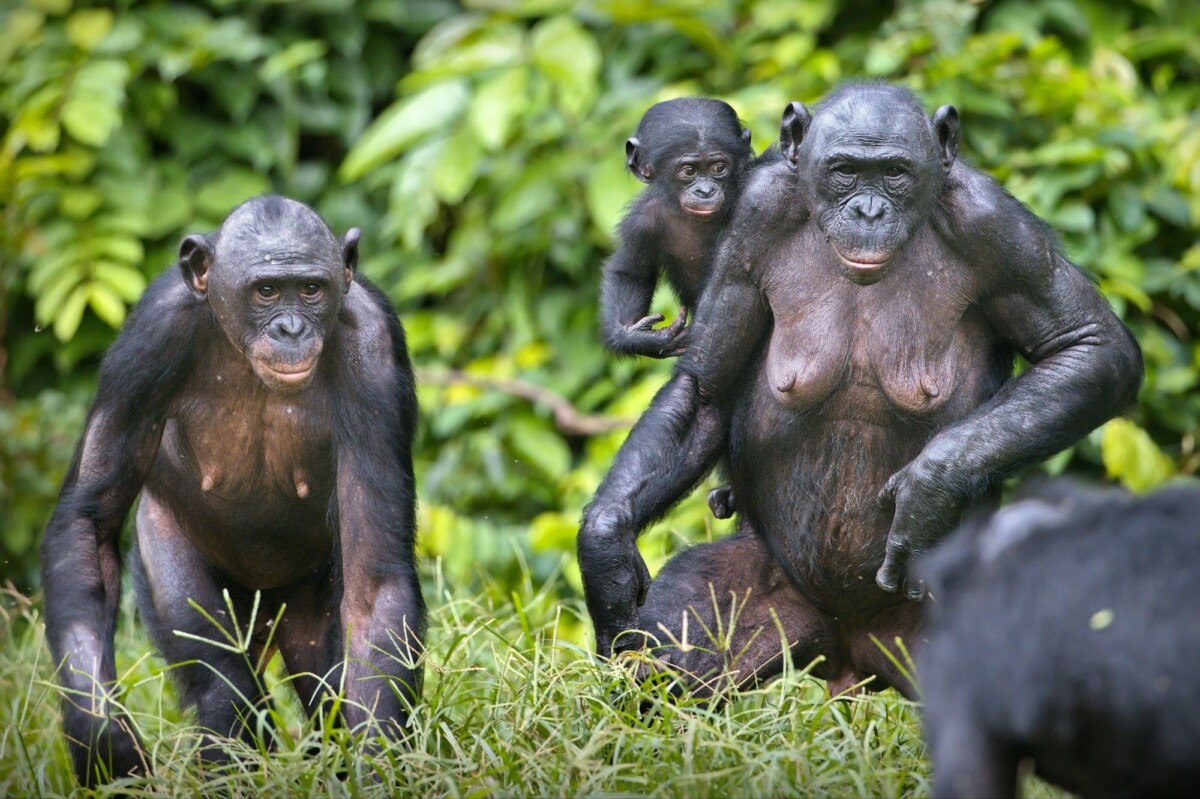
The genus Pan gave rise to two living cousins: chimpanzees and bonobos. Their split shows how one intelligent ape lineage can become two distinct evolutionary stories.
2 Million years ago (+/- 500,000)
Hominids, Not Us (different branch)
Genus Orangutans
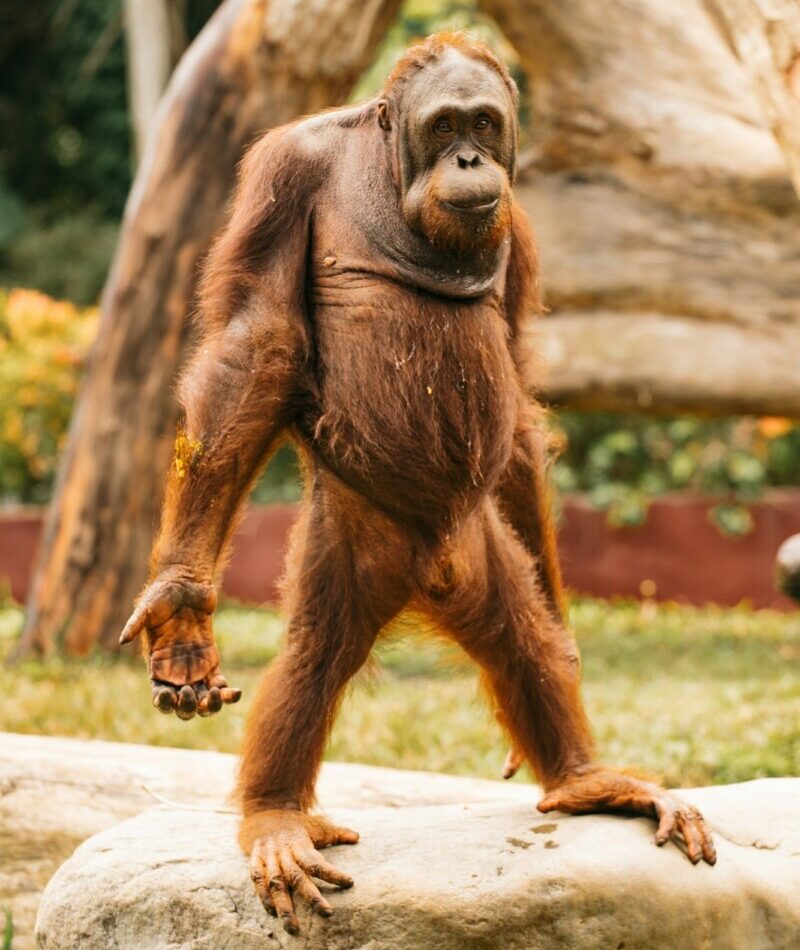
Our last comman ancestor of all known great apes lived about 16.5 mya. The orangatan branch split off about 12 mya. After that split the orangatan branch split several more tiimes. The modern orangatan species, the last split of this branch, emerged about 400,000 years ago.
400,000 Years Ago
Black mold
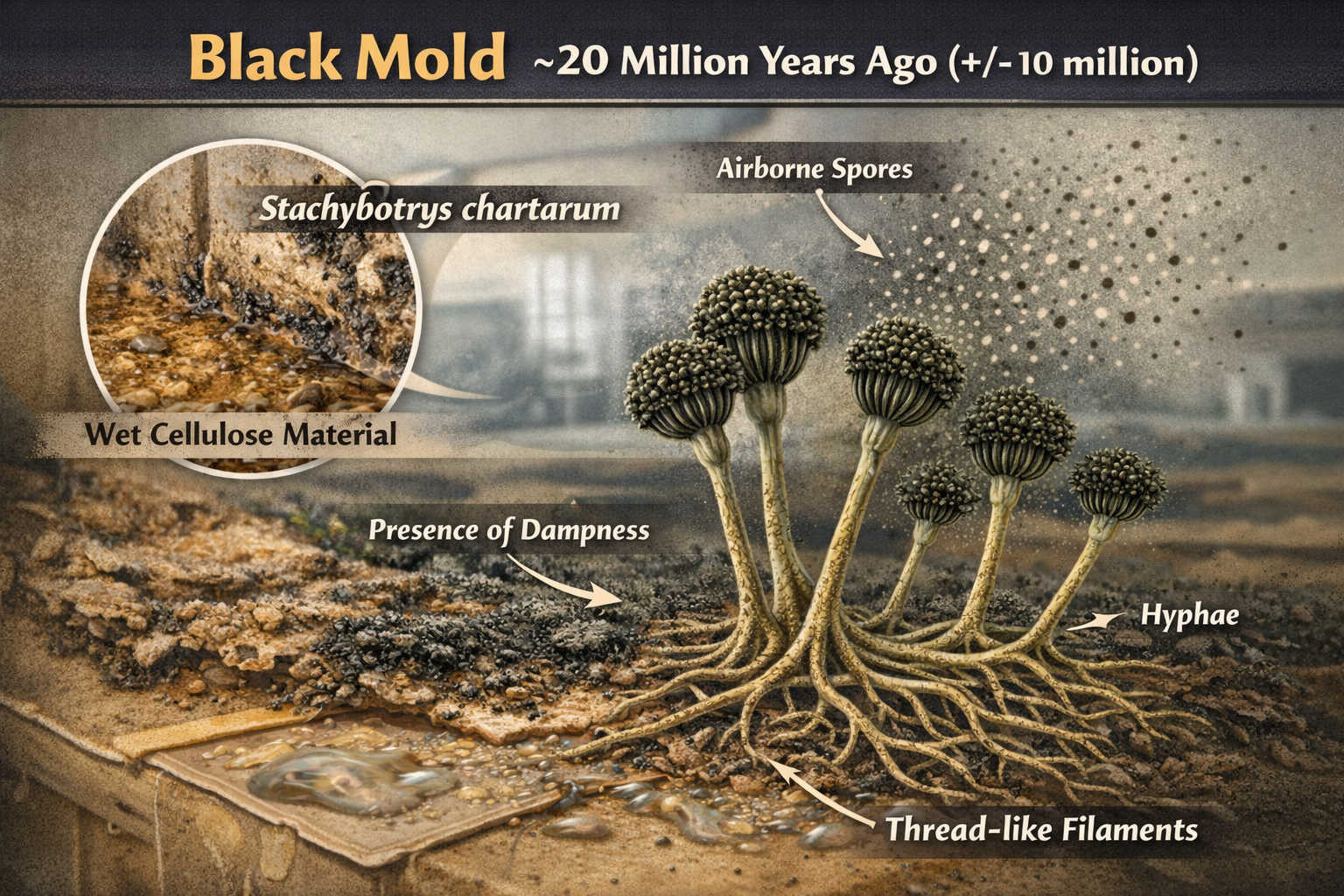
The dark mold in your shower is part of the same ancient mold story — not always the exact same species, but certainly the same fungal world.
~20 Million Years Ago (+/- 10 million)